lead article

Trotsky

The Fight for the Historical Continuity of Bolshevism: The ICFI as the Political Expression of Socialist Internationalism in the 21st Century

By the Political Committee of the Socialist Lead of Sri Lanka and South Asia (SLLA), the Revolutionary Left Faction (RLF) of the Socialist Equality Party (SEP) of Sri Lanka.

The Historical Crisis of Revolutionary Leadership

The opening decades of the 21st century is defined by the deepest crisis of world capitalism since the 1930s. The ruling class, facing economic stagnation, political instability, and mass discontent, is turning once again to militarism, state repression, and fascistic authoritarianism. The United States, leading the imperialist powers, has been escalating its proxy war against Russia in Ukraine, preparing for a catastrophic conflict with China, and backing Israel’s genocide in Gaza. The national bourgeoisies, including those in South Asia, have intensified their attacks on workers’ democratic rights and living conditions, deepening the crisis of global capitalism.

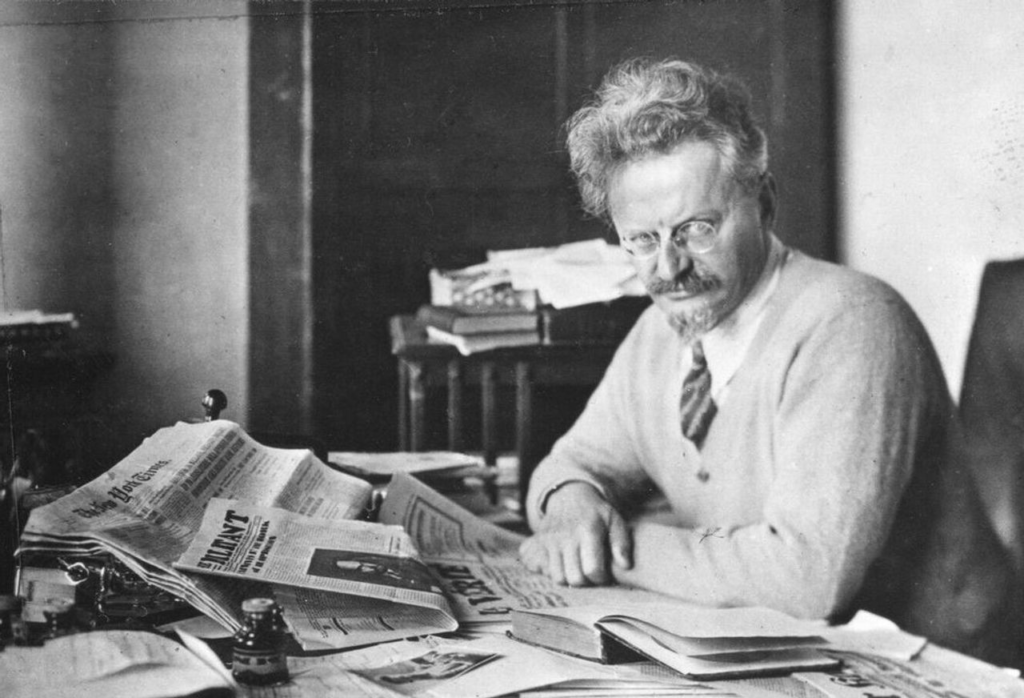
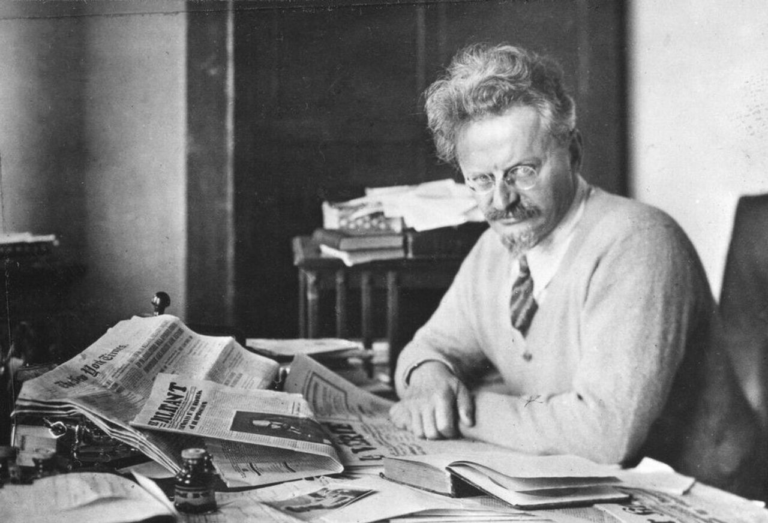
Trotsky
Leon Trotsky

But, what is missing? The objective conditions for world socialist revolution have matured. Mass movements have erupted—from the strikes by autoworkers in the US and Europe to the mass protests in Sri Lanka and the global opposition to Israeli war crimes. However, as Trotsky wrote in The Transitional Program (1938), “The world political situation as a whole is chiefly characterized by a historical crisis of the leadership of the proletariat.” The essential question is the construction of a revolutionary leadership that can guide the working class in its struggle against imperialism, national chauvinism, and capitalist dictatorship.

This leadership is embodied in the International Committee of the Fourth International (ICFI). Trotskyist socialist internationalism today has no meaning outside of the ICFI, the only movement that defends and develops the historical and theoretical continuity of revolutionary Marxism.

Marxism and Socialist Internationalism: A Question of Program

Socialist internationalism is not a utopian ideal but an objective necessity arising from the nature of capitalist production itself. Karl Marx and Friedrich Engels established this principle in The Communist Manifesto (1848): “The working men have no country.” The capitalist system, by developing a globalized economy, has created an international working class whose liberation can only be achieved through the overthrow of capitalism on a world scale.

This fundamental principle found its highest expression in the Bolshevik Revolution of October 1917. Lenin and Trotsky based their strategy on the understanding that socialism could not be built in one country. The founding of the Third International in 1919 was meant to provide the revolutionary proletariat with an organizational center to coordinate the world socialist revolution.

However, in a note of caution, in “The Draft Programme of the Communist International – A Criticism of Fundamentals”, Trotsky referred to his own explanation rejecting the idea that socialist revolution must begin simultaneously, as follows:

“Not a single country must ‘wait’ for the other countries in its struggle. It will be useful and necessary to repeat this elementary idea so that temporizing international inaction may not be substituted for parallel international action. Without waiting for the others, we must begin and continue the struggle on national grounds with the full conviction that our initiative will provide an impulse to the struggle in other countries” (Trotsky, ‘The Peace Programme’ Works, Vol. III, part 1, pp.89-90, Russian Ed.)

The degeneration of the Soviet Union under Stalin, and the adoption of the national-reformist reactionary theory of “socialism in one country,” led to the betrayal of revolutionary movements in Germany (1923), China (1927), Spain (1936-39), and elsewhere. Stalinist counter-revolution gave birth to the bureaucratic apparatuses of the Comintern, which systematically subordinated the working class to bourgeois national interests.

In response, Trotsky fought to preserve the banner of socialist internationalism. The Fourth International was founded in 1938 to carry forward the strategy of world socialist revolution. In The Death Agony of Capitalism and the Tasks of the Fourth International (1938), Trotsky wrote:

“Without a socialist revolution, in the next historical period at that, a catastrophe threatens the whole culture of mankind. The turn is now to the proletariat, i.e., chiefly to its revolutionary vanguard.”

The ICFI and the Defense of Socialist Internationalism

Following Trotsky’s assassination in 1940, the crisis of proletarian leadership deepened. Inside the Fourth International, Pabloite revisionists emerged in the early 1950s, arguing that the Stalinist and bourgeois nationalist movements could be pressured to play a revolutionary role. This liquidationist perspective was decisively opposed by the leaders of the Socialist Workers Party (SWP) in the US, including James P. Cannon, and the British Trotskyists led by Gerry Healy. The 1953 Open Letter by Cannon and the subsequent split with Pabloism led to the founding of the International Committee of the Fourth International (ICFI).

Cannon
James P. Cannon

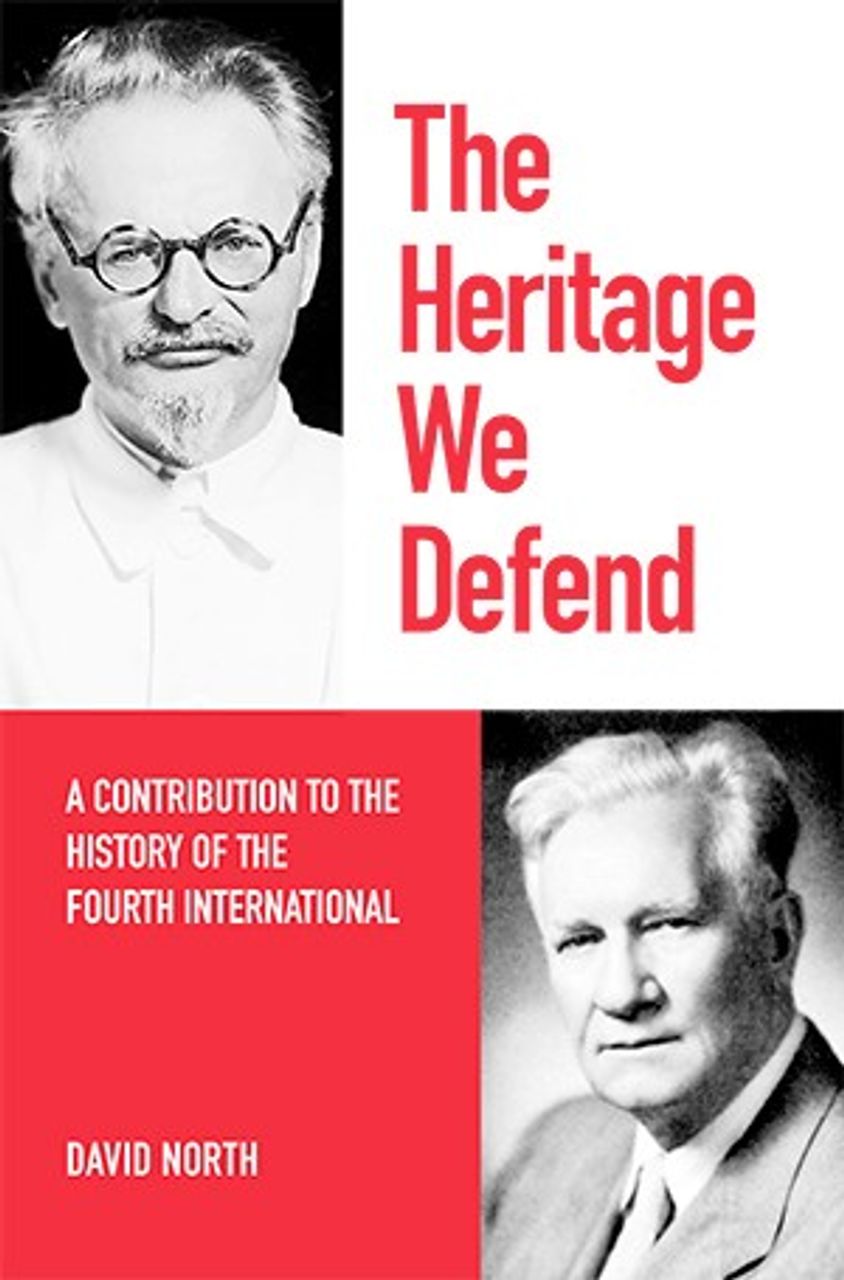
The ICFI waged an unrelenting struggle against Stalinism, Pabloism, and all forms of opportunism1, in defense of Bolshevik heritage, to unite the working class internationally against the global offensive of imperialism. In The Heritage We Defend (1988), Davith North write as follows:

“[T]the struggle waged by the ICFI against Pabloite revisionism preserved the historical continuity of the Trotskyist movement in the United States.”

Consequent to this principled fight for defence of the international party of the proletariat, the Workers Revolutionary Party (WRP) in Britain, under Healy, became a major force in the Trotskyist movement. However, by the late 1970s and early 1980s, opportunist pressures led to the bureaucratic degeneration of the WRP, a process exposed by David North and the leadership of the Workers League (US). North’s critique of Healy’s organizational methods and political deviations was fundamental in the reassertion of Marxist principles within the ICFI.

Heritage
The Heritage We Defend, David North

The definitive break with opportunism came in 1985-86, when the ICFI expelled the WRP leadership. North wrote in The Political Origins and Consequences of the 1982–86 Split in the International Committee of the Fourth International, (03 August 2019, as follows:

“Having the advantage of being able to look back over a period of nearly 40 years, we can recognize that the conflict initiated by this critique [by the Workers League on the course pursued by the WRP], which culminated in the suspension of the WRP from the International Committee in December 1985, and the complete severing of relations in February 1986, was a critical event in the history of the world Marxist movement. The very survival of the Fourth International was at stake. Except for the International Committee, the movement founded by Leon Trotsky had been politically liquidated by the Pabloites. In all the countries where the Pabloites had been able to establish organizational control, they had destroyed the Trotskyist organizations by turning them into political appendages of the Stalinist, social democratic or bourgeois nationalist organizations. By 1985, the Workers Revolutionary Party, which had by that point capitulated to Pabloism, was close to completing the same wrecking operation.2

Referring to the unrelenting fight waged by the ICFI for the continuity of the heritage of the Fourth International, North explains further as follows3:

“In all this work, the fundamental political principle that guided our efforts was that of Marxist internationalism. We insisted upon the primacy of world strategy over national tactics, and that the appropriate response to problems that arise within the national sphere could be derived only on the basis of an analysis of global processes. On this basis, the International Committee was able to develop a level of international collaboration that had not existed in the entire history of the Fourth International. Actually, the word “collaboration” does not adequately encompass the nature of the interaction between ICFI sections that developed in the aftermath of the split with the WRP nationalist renegades4.”

This definitively showed that international “collaboration” of the working class today has no meaning outside the programmatic and organizational relations between sections of the ICFI to mobilize them for the perspective of international socialism. 

The Form and Content of Socialist Internationalism Today

Socialist internationalism in the 21st century is defined by three interrelated processes:

  1. Imperialist War and Militarism: The US‘s war preparations against China and NATO’s war against Russia in Ukraine is part of a broader strategy for global hegemony by the financial oligarchy, stemming from an unprecedented historical crisis of the global imperialist system. The genocidal assault on Gaza is an integral part of imperialist war.
  2. The Crisis of Bourgeois Democracy: The rise of fascist movements globally, from Trumpism in the US to Hindutva in India, is part of the ruling class’s turn to authoritarianism to crush mass opposition. The so-called “democratic” regimes, including those in South Asia, are themselves dismantling democratic rights to impose austerity and military-police rule.
  3. The Globalization of Class Struggle: The working class is entering into struggle against capitalism. General strikes, mass protests, and workers’ uprisings in Sri Lanka, India, France, the US, and beyond signify the deepening radicalization of the international proletariat. However, without a revolutionary leadership, these movements can be suppressed,  co-opted and betrayed by pseudo-left forces.

In this context, the ICFI remains the only Marxist organization that fights for a revolutionary socialist program on a global scale. It is the only legitimate form that socialist internationalism must take today. Every attempt to substitute spontaneous movements, Stalinist parties, or nationalist formations for the Fourth International leads to political disaster.

Dialectics of Content and Form in Marxist Theory

The relationship between content and form is a key dialectical problem in Marxist philosophy, aesthetics, and political economy. Marxist dialectical method insists that content and form are interrelated and cannot be restricted to dichotomies and separated mechanically. This dialectic is crucial in understanding historical materialism, class struggle, and revolutionary strategy.

Content and Form in Historical Materialism

Marx and Engels developed their materialist conception of history (historical materialism) based on the dialectical relationship between content and form. Marx explained that the content of a given society is determined by its mode of production—the forces and relations of production—while the form is expressed through the superstructure (political, legal, and ideological institutions).

In the preface to A Contribution to the Critique of Political Economy (1859), Marx states:

“The totality of these relations of production constitutes the economic structure of society, the real foundation, on which arises a legal and political superstructure and to which correspond definite forms of social consciousness.”

Here, the content (economic base) determines the form (superstructure), but this relationship is dialectical—form can react upon content, reinforcing or modifying it over time.

Content and Form in Dialectical Materialism

Dialectics, as developed by Marx and Engels from Hegelian philosophy, sees content and form as a unity of opposites. Content refers to the inner essence or substance of a phenomenon, while form is its external expression. However, this is not a static relationship—content and form interact dynamically, sometimes in contradiction.

Engels, in Dialectics of Nature, and in Anti-Dühring, discusses how scientific and social phenomena undergo quantitative to qualitative transformations when content outgrows its old form, leading to revolutionary changes.

Lenin, in Philosophical Notebooks, applies this dialectic to revolutionary situations, showing how, when the content (working-class radicalization) reaches a breaking point, old forms (bourgeois democracy or reformist organizations) become obsolete and must be replaced.

The Role of Content and Form in Revolutionary Politics

Trotsky, in The History of the Russian Revolution (1930), applies the dialectic of content and form to revolutionary movements in explaining the dialectics of social revolution. He explains that in revolutionary epohs, the old political forms (parliamentary democracy, trade unions, reformist parties) become barriers to the new content (working-class revolutionary consciousness).

Trotsky explained that the fundamental law of revolution is the substitution of one class’s domination over another, and that means the creation of new forms of state power to express this changed content. This means that socialist revolutions require a new political form, i.e., the soviets (workers’ councils), to replace bourgeois parliamentary structures.

Content and Form as a Guide to Revolutionary Action

The dialectic of content and form is not just a theoretical issue—it is a guide to revolutionary action. In every social and political struggle, the key task is to develop new forms that correspond to the evolving content of class relations. Today, the old forms of bourgeois democracy and trade unions are incapable of addressing the global crisis of capitalism. Only through the building of new revolutionary forms—the International Committee of the Fourth International (ICFI), the successor and defender of historical continuity and heritage of Bolshevism, as the conscious leadership of the working class—can the content of world socialist revolution be realized.

This dialectical understanding, rooted in Marxist theory, remains the foundation of socialist strategy today.

Fight against National Opportunism within SEP-Left

The SLLA was formed after a principled fight against a petty bourgeois nationalist opportunist tendency in the SEP-Left, which included comrades who were arbitrarily expelled from the SEP Sri Lanka between late 2022 to early 2023. Shortly after its formation, rifts emerged within the group between a nationalist tendency and those who represented genuine internationalism and fought for the necessity of rejoining the cadre of ICFI by winning the membership of the SEP5.

Our struggle against this petty-bourgeois nationalist opportunist tendency within SEP-Left was fundamentally a battle for genuine socialist internationalism against a clique that sought to redefine internationalism outside the cadre of the ICFI. This opportunist clique rejected the factional struggle6 founded upon defined political grounds, and the necessity for members of the SEP-Left to appeal for and fight for the membership of the SEP Sri Lanka. They rejected a principled factional fight to build the necessary revolutionary leadership within the Sri Lankan section of the ICFI, to lead the working class of Sri Lanka and the region in the next decisive mass struggles. Instead, they proposed a centrist policy of acting as a “pressure group”7 to prevent the SEP leadership from shifting to the right, hoping to place it on the “right track” without engaging in the struggle to resolve the crisis of revolutionary leadership.

At the heart of this factional struggle was the dialectical relationship between content and form. The opportunists disregarded the fundamental truth that socialist internationalism is inseparable from its organizational form—the ICFI and its national sections8. They advanced a revisionist formula, arguing that internationalism does not necessarily require membership in the SEP or a fight within its ranks to develop it as the revolutionary party – a rejection of the dialectical unity between class, party and leadership. Instead, they sought to function as an external watchdog, intervening in an attempt to influence the party leadership while evading the historical responsibility of building the SEP as the revolutionary vanguard of the working class.

This orientation amounted to a rejection of Trotskyism in favor of a centrist adaptation to petty-bourgeois layers who were unwilling to undertake the disciplined struggle under the banner of the party to resolve the crisis of revolutionary leadership. Lacking a principled basis for factional struggle, this grouping proposed an opportunist formula—attempting to “correct” the SEP while positioning itself to replace it in the future should the party fail to lead the working class in the socialist revolution9. This amounted to a fatal deviation from the necessary political struggle within the party, and this tendency has now relegated into precisely what it wished to be — acting as a “web-group” “promoting the revival of socialist culture”10 outside the revolutionary movement, the ICFI, while posturing as defenders of “internationalism” and the perspectives of the ICFI.

In opposition to this nationalist-opportunist deviation, our struggle was grounded in the fundamental Marxist principle that socialist internationalism has no meaning outside its historical form — the ICFI and its national sections. Only through the conscious struggle to build the SEP as the Sri Lankan section of the ICFI, fighting as a political faction of the SEP against its opportunist leadership, can the working class resolve the crisis of leadership and carry forward the fight for world socialist revolution.

The Tasks of the SLLA: Building the SEP as the Revolutionary Leadership

Our fight for socialist internationalism is the fight to build the International Committee of the Fourth International as the world party of socialist revolution, and the necessary revolutionary leadership in the SEP Sri Lanka, being a part of it, to lead the working class of the region in the next decisive mass struggles. This requires:

  • Analyzing the dialectics of the historical failures of the nationalist opportunist and sectarian leadership of the SEP Sri Lanka to lead the working class in decisive struggles and resolve the crisis of revolutionary leadership in Sri Lanka and South Asia. 
  • Educating the advanced workers and youth in the history of Trotskyism and the betrayals of Stalinism and Pabloism.
  • Intervening in the struggles of the working class with the revolutionary program of the ICFI to transform spontaneous economic and political struggles into a conscious fight for socialism.
  • Opposing all forms of nationalism and identity politics, which divide the working class and subordinate it to bourgeois politics.
  • Exposing the trade unions and pseudo-left parties, which serve as instruments of capitalist rule.

The continuity of revolutionary Marxism depends on the defense of historical truth. Without this, there can be no revolutionary movement, no revolutionary leadership, and no socialist future.

In the preface to his book Leon Trotsky and the Struggle for Socialism in the Twenty-First Century, (2023), North reminds us as follows:

“The historical experiences of the past century thoroughly tested all political movements, parties, and tendencies that claimed to be leading the struggle against capitalism. But the upheavals of the twentieth century have exposed the counterrevolutionary role of the Stalinists, Social Democrats, Maoists, bourgeois nationalists, anarchists, and Pabloites. Only the Fourth International, led by the International Committee, has met the test of history11.”

The building of the ICFI is the decisive task facing the working class today. It is not a question of choice but of survival. The alternative is world war, fascism, and barbarism. The only way forward is through socialist internationalism, embodied in the International Committee of the Fourth International. We are an essential part of that fight. Join SLLA today! Build SEP!

  1. “Revolutionary internationalism is the political antipode of opportunism. In one form or another, opportunism expresses a definite adaptation to the so-called realities of political life within a given national environment. Opportunism, forever in search of shortcuts, elevates one or another national tactic above the fundamental program of the world socialist revolution” The World Capitalist Crisis and the Tasks of the Fourth International: Perspectives Resolution of the IC ICFI (Aigust 1988). <https://www.wsws.org/en/special/library/world-capitalist-crisis-tasks-fourth-international-1988/18.html
    ↩︎
  2. The Political Origins and Consequences of the 1982–86 Split in the International Committee of the Fourth International, David North, 03 August 2019, <https://www.wsws.org/en/articles/2019/08/03/icfi-a03.html>
    ↩︎
  3. Ibid.
    ↩︎
  4. North concludes the paragraph referring to his report to the Detroit membership of the Workers League on June 25, 1989, where he has said,
    The scope of this international collaboration, its direct impact on virtually every aspect of the practical work of each section, has profoundly and positively altered the character of the ICFI and its sections. The latter are ceasing to exist in any politically and practically meaningful way as independent entities. Upon the foundation of a common political program, a complex network of relationships has emerged within the ICFI which binds together every section. That is, the sections of the ICFI comprise interconnected and interdependent components of a single political organism. Any breaking of that relationship would have devastating effects within the section involved. Every section has now become dependent for its very existence upon this international cooperation and collaboration, both ideological and practical.” Workers League Internal Bulletin, Volume 3, Number 4, June 1989, p. 5.
    ↩︎
  5.  “The main purpose of this document is to bring home to the membership the importance of being the official section of the Fourth International in view of the vital necessity to strengthen the traditional organization of Trotskyism in the great struggle already begun. If we accept the history of international Trotskyism since 1933 (which is a history of Bolshevik regroupment in the Fourth International), then we must place the question of the International as the most important question before the group. All other questions of group development, such as the press, industrial work or organizational activity are bound up with whatever stand we take on the International. If we accept the political principles of Bolshevism then we must accept the organizational method. It is not sufficient to say that we accept the program of the Fourth International and that we expound it better than the RSL if we do not also accept its organizational method, which means that we must be affiliated to the International, accepting its democratic centralist basis; just the same as it is not sufficient to claim to be a Trotskyist and to be more conversant with the policy of Trotskyism than the organized Trotskyists, unless one joins a Trotskyist party accepting its democratic centralist discipline. That is what is meant by Bolshevik organizational methods.” Our Most Important Task, Gerry Healey, August 10, 1943. 
    ↩︎
  6.  “The present doctrine that Bolshevism does not tolerate factions is a myth of epoch decline. In reality the history of Bolshevism is a history of the struggle of factions. And, indeed, how could a genuinely revolutionary organization, setting itself the task of overthrowing the world and uniting under its banner the most audacious iconoclasts, fighters and insurgents, live and develop without intellectual conflicts, without groupings and temporary factional formations?” Revolution Betrayed, Trotsky (1936).
    ↩︎
  7. “සසප ජාත්‍යන්තර කමිටුවේ ඉදිරි දර්ශනය්ස් සදහා අරගලය නතර කර ඇත කියා කියනු නො හැකි ය. එය දැනට පෙන්නුම්කර ඇති පරස්පරයන් ජය නොගතහොත් එම ඉදිරි දර්ශනය සදහා අරගලය අත් හරිනු ඇත. අප පක්ෂය තුල දී මෙන් ම දැන් ද සටන් කරන්නේ එය වැලැක්වීමට ය. ඒ සදහා ජාත්‍යන්තර කමිටුව ද වැඩ කරයි. දෙපැත්තේම පීඩනයට පක්ෂය මුහුන දෙන නිසා එහි අවස්තාවාදී නැඹුරුව ශක්තිමත්ව පෙරට ගැනීම අපහසු වී ඇත. ඔබ පවසා ඇති පරිදිම අපගේ වැඩ කටයුතු පක්ෂයට බල පායී. අවශ්‍ය වන්නේ එම අරගලය මූල ධර්මානුකූලව ශක්තිමත් ව ඉදිරියට ගැනීම යි. ක්‍රියාකාරි කමිටුව හෙලා දැකීමට අප ලියූ ලිපිය එහි පියවරක් ප්‍රතිපලදායක බව කිව යුතු ය. එය අප සටන් කරන විදිය ගැන උදාහරනයකි.”  Nandana Nannetti, 15 March 2025, SEP-Left WhatsApp Chat Discussion. 
    ↩︎
  8. The following quote from an article published by this group as part of a series of hysterical  diatribes against us, conveniently reduces socialist internationalism to the content of it – that is to the principle of rejection of socialism in one country – disregarding its historical form:

    “පලමුකොට ම ජාත්‍යන්තරවාදය යනුවෙන් අදහස් කරන්නේ කුමක් ද යන බොහෝ දෙනා දන්නා දෙය යලි මතක් කර ගැනීම උචිත ය. මාක්ස්වාදීන් ජාත්‍යන්තරවාදය යන්නෙන් අදහස් කරන්නේ, සමාජවාදය සඳහා අරගලය සහ ධනවාදය පෙරලා දැමීම, ජාතික සීමාවන් ඉක්මවා යා යුතුය යන මූල ධර්මයයි. ධනවාදයේ අර්බුදය වනාහී, නිෂ්පාදන බලවේගවල වර්ධනය හේතුවෙන් ජාතිකවාදය හා පුද්ගලික දේපල ක්‍රමය, ලෝක ආර්ථිකය හා සමාජ නිෂ්පාදනය සමග ගැටීමේ ප්‍රතිඵලයකි. කම්කරු පන්තිය යනු සිය පැවැත්මෙන් ම, සූරාකෑම මෙන් ම දේශ සීමා ද ඉවසිය නො හැකි පන්තියයි. ධනපති ක්‍රමය යනු ලොව පුරා කම්කරුවන් සූරා කන ගෝලීය පද්ධතියක් බැවින් ද, අද දවසේ නිෂ්පාදනය යනු ලෝක ගෝලීය ක්‍රියාදාමයක් හෙයින් ද, පන්ති විරහිත සමාජයක් සඳහා අරගලය එක් රටකට පමනක් සීමා කල නො හැකි ය. මෙම ඉදිරි දර්ශනය, ජාතීන් පුරා කම්කරුවන් අතර සහයෝගීතාව හා සහෝදරත්වය වෙනුවෙන් පෙනී සිටින අතර, සමාජවාදී සමාජයක් සාක්ෂාත් කර ගැනීම සඳහා එකිනෙකට සම්බන්ධීකරනය වූ ගෝලීය උත්සාහයක අවශ්‍යතාව අවධාරනය කරයි. මෙම මූලධර්ම මත පිහිටා, අවස්ථාවාදයට එරෙහිව කම්කරු පන්තිය බලමුලු ගැන්වීම සඳහා අවංකව ම පෙනී සිටින සංවිධානයක් හෝ පුද්ගලයෙකු ජාත්‍යන්තරවාදී නො වන්නේ කෙසේ ද යන ප්‍රශ්නය මෙතැන දී අදාල ය. අප කන්ඩායම සම්බන්ධයෙන් ගත් විට, ජාත්‍යන්තර කමිටුව හෝ එහි ලංකා ශාඛාව වන සසපය හෝ මෙම ඉදිරි දර්ශනය අත් හැර දැමූ ප්‍රතිජාත්‍යන්තරවාදීන් යයි අප මෙතෙක් කිසිවිටෙකත් කියා නැත.” (emphasis added) සුලු ධනේශ්වර කල්ලිවාදයට එරෙහිව විප්ලවවාදී පක්ෂයක නායකත්වය සහ මාක්ස්වාදී මූලධර්ම – 3, Nandana Nannetti, 19 October 2024. <https://socialist.lk/2024/10/19/pe1-3/>
    ↩︎
  9. “අප දැනටමත් සාකච්චා කර ඇති පරිදි එකිනෙකට සම්බන්ධිත විකල්ප තුනක් සදහා අපි සටන් වදිමු. 
    1) පක්ෂය නිවැරදි මාවතට ගැනීම
    2) එය ජාත්‍යන්තර කමිටුවෙන් බිදී යන තත්වයකදී විකල්ප නායකත්වය ලෙස වැඩ කිරීමට සූදානම් වීම
    3) පන්ති අරගලයේ වෙනස්කම් මගින් ඇති කරන විප්ලවවාදී අරගලයකදී ඒකබද්ධව විප්ලවය සදහා වැඩ කිරීම. විප්ලවවාදී තත්වයකට මුහුන දීමට පක්ෂය සූදානම් නම් වෛෂයිකව අප අතර එකමුතුවකට කොන්දේසි නිර්මානය කරනු ඇත.” Nandana Nannetti, on 16 March 2024, SEP-Left WhatsApp Chat Discussion. ↩︎
  10.  https://socialist.lk/
    ↩︎
  11. Leon Trotsky and the Struggle for Socialism in the Twenty-First Century, David North, (2023) <https://www.wsws.org/en/articles/2023/04/05/zuwp-a05.html
    ↩︎

The Fight for the Historical Continuity of Bolshevism: The ICFI as the Political Expression of Socialist Internationalism in the 21st Century Read More »

Tank loading

යුරෝපීය ප්‍රතිසන්නද්ධ කිරීම එපා!

 ක්‍රිස් මාර්ස්ඩන් හා තෝමස් ස්ක්‍රිප්ස් විසිනි.

මෙහි පලවන්නේ ලෝක සමාජවාදී වෙබ් අඩවියේ 2025 මාර්තු 8 දින “No to European rearmament!” යන හිසින් පල වූ ක්‍රිස් මාර්ස්ඩන් හා තෝමස් ස්ක්‍රිප්ස් විසින් ලියන ලද  ලිපියේ සිංහල පරිවර්තනය යි. පරිවර්තනය සුනිල් ප්‍රනාන්දු  විසිනි.

Tank loading
ජර්මානු සොල්දාදුවන් 2022 පෙබරවාරි 14, සඳුදා, උතුරු ජර්මනියේ මන්ස්ටර් හි බුන්ඩෙස්වේර් හමුදා කඳවුරේදී ලිතුවේනියාවට ප්‍රවාහනය සඳහා ටැංකි හොවිට්සර් පටවති. [AP Photo/Martin Meissner]

සෑම ප්‍රධාන යුරෝපීය බලවතෙකුම  හමුදා යලි සන්නද්ධ කිරීමේ වියරු වැඩපිලිවෙලක් වේගවත් කරමින් සිටි.

යුරෝපා සංගමය යුරෝ බිලියන 800ක්  ලබා දීමට කටයුතු යොදා ඇත. ෆ්‍රෙඩ්රික් මර්ස්ගේ නව සීඩීයූ ප්‍රමුඛ ආන්ඩුව බලයට පත්වීමට පෙර සිටම ජර්මනිය අතිරේක බිලියන සිය ගනනක ආරක්ෂක වියදම් ප්‍රකාශ කර ඇත.

ප්‍රංශය වාර්ෂික මිලිටරි වියදම් දෙගුණ කිරීමට සැලසුම් කරමින් සිටින අතර, ජනාධිපති මැක්‍රොන් දල දේශීය නිෂ්පාදිතයෙන් සියයට 5ක ඉලක්කයක් යෝජනා කරයි. ඔහු, යුරෝපීය සහචරයින් ප්රංශයේ න්යෂ්ටික ආවරණය යටතට ගෙන ඒමට ඔහුගේ සූදානම ප්රකාශ කර ඇත.

කියා ස්ටර්මර් ගේ කම්කරු ආන්ඩුව විසින් නායකත්වය දෙන බ්‍රිතාන්‍යය, ප්‍රංශය සහ අනෙකුත් බලවතුන් සමග සන්ධානගතව, “කැමති අයගේ සභාගයක” කොටසක් ලෙස, බ්‍රිතාන්‍යය”බූට් සපත්තු භූමිය මත ද අහසෙහි ගුවන් යානා ද” ලෙස බ්‍රිතාන්‍යය හමුදා සහ ගුවන්යානා යුක්‍රේනයට යැවීමට යෝජනා කරයි.

යුක්රේන ප්‍රජාතන්ත්‍රවාදය සහ සමස්ත මහාද්වීපයම රුසියානු චණ්ඩභාවයෙනයෙන් සහ වඩාත් විකාර සහගත ලෙස, රුසියානු ආක්‍රමණයෙන්, ආරක්ෂා කිරීමේ සදාචාරාත්මක අත්‍යවශ්‍යක් ගැන පවසමින් සෑම දේශපාලන පක්ෂයක්ම සහ ප්‍රධාන ප්‍රවෘත්ති ආයතනයක්ම මෙම මිලිටරිවාදයේ පිපිරීම යුක්ති සහගත කරමින් මුසාවන් වපුරයි.

රූපවාහිනිය ඔස්සේ ජාතිය අමතමින් මැක්‍රොන් ප්‍රකාශ කළේ, “අපේ මහාද්වීපයේ තවදුරටත් සාමය සහතික කළ නොහැකියි….රුසියාව, ප්‍රංශයට සහ යුරෝපයට තර්ජනයක්ව ඇති අතර එලෙසම පවතිනු ද ඇත.”

යුරෝපීය බලවතුන් සඳහා සැබෑ අභිප්‍රේරණය වන්නේ, ට්‍රම්ප්ගේ ‘ඇමරිකාවට පළමු තැන’ විදේශ ප්‍රතිපත්තිය, රුසියාව සමඟ ඔහුගේ ඒකපාර්ශ්වික සාකච්ඡා සහ යුක්‍රේනයේ සම්පත් සඳහා තනි ප්‍රවේශය සඳහා වන බලකර ඉල්ලීම්, නේටෝවේ යුද්ධයේ (සම්පත්, යස ඉසුරු)මංකොල්ලයෙන් ඔවුන්ව කපා හැරීමට තර්ජනය කරන බව පිළිබඳ ඔවුන්ගේ අවබෝධයයි.

යුක්රේනයේ ගැටුම සූදානම් කෙරුනේ, එරට, නේටෝවේ සහ යුරෝපීය සංගමයේ ග්‍රහණයට ගෙන ඒම සහ රුසියාවේ සැලකිය යුතු වත්කම් ලෝක අධිරාජ්‍යවාදයට විවෘත කරනා මොස්කව්හි පාලන තන්ත්‍ර වෙනසකට නායකත්වය දීම අරමුනු කරගත්, අස්ථාවර කිරීමේ ඒකාබද්ධ යුරෝපීය-ඇමරිකානු ව්‍යාපාරයක් මගිනි.

නේටෝ බලවතුන් අපේක්ෂා කළ පරිදිම, රුසියාවේ ධනේශ්වර කතිපයාධිකාරයේ නියෝජිතයා ලෙස,යුක්රේනයේ ප්‍රතිගාමී ආක්‍රමණය හැර වෙනත් ආකාරයකින් මෙම තර්ජනයට ප්‍රතිචාර දැක්වීමට පුටින්ගේ ආන්ඩුවට නොහැකි විය.

ස්ටාර්මර් සහ මැක්‍රොන් විසින් ධවල මන්දිරයේ ෆැසිස්ට්වාදියාට  නිරන්තර දෑත් දිගු කිරීම් මගින් පෙන්නුම් කල පරිදි, පුටින් සමඟ ඔහුගේ සාකච්ඡාවලදී යුරෝපයේ අවශ්‍යතා ආරක්ෂා කිරීමට ට්‍රම්ප් එකඟ වූයේ නම්, බර්ලින්, පැරිස් සහ ලන්ඩන් වොෂින්ටනය සමඟ එකඟතාවයක් සෙවීමට ඉඩ තිබිනි.

යලි සන්නද්ධ කිරීම යුක්ති සහගත කිරීම සඳහා මුදා හරින ලද කුහකකමේ උදම් රැල්ල මධ්‍යයේ, යුරෝපය, Zelensky ගේ දක්ෂිණාංශික තන්ත්‍රයට ඔවුන්ගේ අඛණ්ඩ සහයෝගය සඳහා පදනම ලෙස, 2021 ජූලි “යුරෝපීය සංගමය සහ යුක්‍රේනය අතර අමුද්‍රව්‍ය පිළිබඳ උපායමාර්ගික හවුල්කාරිත්වයක් පිළිබඳ අවබෝධතා ගිවිසුමේ” පුනර්ජීවනයක් අපේක්ෂා කරයි.

 යුරෝපයේ කාර්මික මූලෝපාය කොමසාරිස් Stéphane Séjourné විසින් මෙම සංදේශය පසුගිය මාසයේ විස්තර කරන ලද්දේ, “යුරෝපයට අවශ්‍ය තීරනාත්මක ද්‍රව්‍ය 30න් විසි එකක්” සපයන “ජයග්‍රාහී හවුල්කාරිත්වයක” ( “win-win partnership.”) කොටසක් ලෙසය. ඇත්ත වශයෙන්ම යුරෝපය, එක්සත් ජනපදයට වඩා, යුක්රේනයේ මූලෝපායික ඛනිජ ඩැහැ ගැනීම මත බොහෝ දුරට යැපෙන අතර, මේ මොහොතේ  ඒවායේ සැපයුම සඳහා බොහෝ දුරට තනිකරම චීනය මත රැඳී ම සිටි.

මෙම සැබෑ අවශ්‍යතා පිළිගනිමින්, “ප්‍රධාන යුරෝපීය රටක රාජ්‍ය තාන්ත්‍රිකයෙක්” BBC වෙත නිර්නාමිකව කතා කරමින්, ට්‍රම්ප් යුක්රේනයට හමුදා ආධාර අවසන් කිරීම ගැන පැවසුවේ, “එය නිසැකවම අපගේ මනස සහ මුදල් පසුම්බි වල අවධානය කේන්ද්‍රගත කිරීමේ එක් ක්‍රමයකි!  අපි ඒ ආකාරයට සිතුවොත් ඩොනල්ඩ් ට්‍රම්ප් කරන්නේ අපට උදව්වක්. ”

යුරෝපීය හා ජාත්‍යන්තර කම්කරු පන්තියට මතු කරන අන්තරායන් ගිනිය නොහැකි ය. යුක්රේන භූමියට යුරෝපීය හමුදා යෙදවීම සහ එහි අහස  ඉහලින් ගුවන් යානා තැබීම සහ ජර්මනියට සහ අනෙකුත් සහචරයින්ට ප්‍රංශ න්‍යෂ්ටික ආවරණය දිගු කිරීම පවා,  යුරෝපයේ යුද අනතුරේ සැබෑ මූලාශ්‍රය වේ.

රුසියානු විදේශ අමාත්‍ය සර්ජි ලැව්රොව් මැක්‍රොන්ගේ කඩු ලෙලවීම ගැන පැවසුවේ , “ඔහු අප තර්ජනයක් ලෙස සලකන්නේ නම්, යුරෝපීය රටවල සහ බ්‍රිතාන්‍යයේ හමුදා සාමාන්‍ය කාර්ය මණ්ඩල ප්‍රධානීන්ගේ රැස්වීමක් කැඳවා, න්‍යෂ්ටික අවි භාවිතා කිරීම අවශ්‍ය බව පවසා, රුසියාවට එරෙහිව න්‍යෂ්ටික අවි භාවිතා කිරීමට සූදානම් වේ නම්, එය ඇත්ත වශයෙන්ම තර්ජනයකි”, බවයි.

යුරෝපීය බලවතුන් “ජාත්‍යන්තර නීති මත පදනම් වූ පද්ධතියේ” අවසානය ගැන කතා කරන විට සහ ඒ සඳහා ට්‍රම්ප්ට දොස් පවරන විට, ඔවුන් සූදානම් වන්නේ ආයුධ බලහත්කාරයෙන් තමන්ගේම අධිරාජ්‍යවාදී අවශ්‍යතා හඹා යාම සඳහා යලි හැරීගැනීම සඳහා ය. එසේ කිරීම රුසියාව සමග පමනක් නොව ඇමරිකානු අධිරාජ්‍යවාදය සමගද ගැටුමකට සම්බන්ධ බව ඔවුන් දැන් සම්පූර්ණයෙන් දැනුවත්ය.

නැවත සන්නද්ධ කිරීමේ ව්‍යාපාරයේ පෙරමුණ ගෙන සිටින ජර්මනිය, 20 වැනි සියවසේදී එක්සත් ජනපදයට එරෙහිව යුද්ධ දෙකක් කළේය. ප්‍රංශය, ස්වාධීන න්‍යෂ්ටික හැකියාවක් සහ මිලිටරි බුද්ධි ව්‍යුහයක් අවධාරනය කිරීම ඇතුලු ස්ථාවරයන් වැළඳ ගැනීම මගින්, නේටෝව හරහා වොෂින්ටනයට යටත් වීම කිසිවිටෙක පිළිගත්තේ නැත. බ්‍රිතාන්‍යය ඊට විරුද්ධව සිටියේය.1956 සූවස් අර්බුදයෙන් පසුව එහි විධානයන්ට යටත් වීම සහතික කිරීම සම්බන්ධයෙන් පාලක ප්‍රභූවේ සැලකිය යුතු කොටස් කිසිවිටෙක ඇමරිකාවට සමාව දුන්නේ නැත.

අවසානයේදී යුක්‍රේනයේ සාම සමථය අධීක්ෂණය  කිරීම සදහා යයි  කියා පානා ප්‍රයත්නයන් සඳහා අවශ්‍ය ප්‍රමාණයට වඩා බොහෝ සේ ඉක්මවූ  අතිවිශාල මුදලක් මිලිටරි අරමුනු සඳහා සූදානම් කරමින් පැවතීම මගින් යුරෝපයේ අභිලාෂයන්හි පරිමාණය පැහැදිලි වේ. යුරෝපයේ ම හැකියාවන් යටතේ රුසියාව සමඟ යුද්ධය සාකච්ඡාවට බඳුන් කෙරෙමින් පවතී.

එපමනක් නොව, මෙම න්‍යාය පත්‍රය, ආරම්භක ඒකාබද්ධ කිරීමේ ආවේගයක් සැපයුවද, එහි හඹායෑම අනිවාර්යයෙන්ම යුරෝපීය බලවතුන් අතර තරඟය හා ගැටුම් තීව්‍ර කළ යුතුය.

මිලියන සංඛ්‍යාත කම්කරුවන් හා තරුනයින් ඉදිරියේ දැවෙන ප්‍රශ්නය වන්නේ මහා ව්‍යසනය කරා යන මෙම උමතු තල්ලුව නතර කරන්නේ කෙසේද යන්නයි. දකුණේ හෝ නාමික වමේ හෝ කිසිදු යුරෝපයේ විරුද්ධ පක්ෂක් මත හෝ වෘත්තීය සමිතියක් මත විශ්වාසය තැබීම මගින් එසේ කිරීමට පදනමක් නැත.

එක්සත් ජනපදයේදී, ට්‍රම්ප් සමග ඩිමොක්‍රටික් පක්ෂයේ එකම සැලකිය යුතු මතභේදය, යුක්රේනයේ ප්‍රොක්සි යුද්ධය සහ ඔහු නේටෝවට වල කැපීම සම්බන්ධයෙන් වන්නාක් සේම, යුරෝපයේ සෑම ප්‍රධාන පක්ෂයක්ම, රුසියාවට එරෙහි ආක්‍රමණකාරීත්වය ඉහල නැංවීම සහ එක්සත් ජනපදය කෙරෙන් මිලිටරි නිදහස සඳහා වන තල්ලුවට සහාය දක්වයි. එය ස්ටාර්මර්ගේ කම්කරු පක්ෂය යටතේ වේවා, ජනාධිපති මැක්‍රොන් යටතේ වේවා හෝ ජර්මනියේ බලයට පත්වන කුමන සභාග ආන්ඩුවක් යටතේ වේවා, මූලෝපායික ඉලක්කයක් ලෙස හඹා යනු ඇත.

යුරෝපයේ වෘත්තීය සමිතිවල එකම උත්සුකය වන්නේ, එක්සත් ජනපදයට හා චීනයට එරෙහි ආරක්ෂණවාදී පියවරයන්ට පිටුබලය දීම සහ ජාතික ආරක්ෂක කර්මාන්ත සීඝ්‍රයෙන් ව්‍යාප්ත කිරීම ඇතුලු යුරෝපයේ තීව්‍ර වන වෙලඳ හා මිලිටරි යුද්ධයේදී තමන්ගේම පාලක පන්තියට සහයෝගය දෙන්නේ කෙසේද යන්නයි.

කම්කරුවන් හා තරුනයන් යුද්ධයට එරෙහිව යුද්ධයක් දියත් කිරීමට කැපවෙමින්, එම යුද්ධය සඳහා තමන්ගේම කැඳවා සිටීමෙන් ප්‍රතිචාර දැක්විය යුතුය.

එය පදනම් විය යුත්තේ සිදුවෙමින් පවතින දෙයෙහි දැවැන්ත ඇඟවුම් පිළිබඳ අවබෝධයක් මත ය. යුරෝපයේ යුද්ධය 20 වැනි ශතවර්ෂයට සිමා කරන ලද අතීතයේ දෙයක් බවට කරන ලද සියලු ප්‍රකාශයන් වංචාව ලෙස හෙළිදරව් වී ඇත. නෂ්ට වී ගිය ගිනි කන්දක් ලෙස ඉදිරිපත් කරන ලද යුරෝපීය මිලිටරිවාදය, ලෝක යුද්ධ දෙකේදී මිලියන දස ගනනක් ජීවිත බිලිගත් ව්‍යසනයන්ටත් වඩා විශාල ව්‍යසනයන්ගේ තර්ජනය මතු කරමින් යලිත් වරක් පුපුරා යමින් තිබේ.

යුද්ධයේ වැඩපිලිවෙල නාමිකව ප්‍රජාතන්ත්‍රවාදී පාලනයන් සමග පවා මුලුමනින්ම නොගැලපේ. පාලක ප්‍රභූව යලිත් වරක් පැසිස්ට්වාදයේ සහ ආඥාදායකත්වයේ වැඩපිලිවෙලකට හැරෙමින් සිටින්නේ, අතිවිශාල ජනගහනයන් විරුද්ධ වන මිලිටරිවාදී පිලිවෙත් බලාත්මක කිරීම සඳහා ය.

යුද අවි සඳහා කැප වූ අතිවිශාල මුදල්වලින් අදහස් වන්නේ පසුගිය වසර 80 තුළ කවර හෝ අවස්ථාවකට වඩා ගැඹුරින් කම්කරු පන්තියට එරෙහි ප්‍රහාරයකි. වැඩ වර්ජන, කාර්මික ක්‍රියාමාර්ග සහ විරෝධතා දැනටමත් වර්ධනය වෙමින් පවතින කොන්දේසි යටතේ, මෙය කම්කරු පන්තියේ දැවැන්ත අරගල අවුළුවාලනු ඇත.

කප්පාදුවට එරෙහි අරගලය යුද්ධයට එරෙහි සටන සමග බද්ධ විය යුතුය. මේ දෙකම ඉදිරියට ගෙන යා හැක්කේ, විදේශයන්හි යුද්ධයේ වැඩපිලිවෙල සහ රට තුල පන්ති යුද්ධයේ වැඩපිලිවෙලට අණකර සිටින අතිශය කෑදර උත්සුකයන් මගින් මෙහෙයවන පාලක කතිපයාධිකාරයේ මුහුනතටම එරෙහි  ප්‍රහාරයකින් පමනි.

දශක ගනනාවක් තිස්සේ හතරවන ජාත්‍යන්තරයේ ජාත්‍යන්තර කමිටුව (හජාජාක) අධිරාජ්‍යවාදී යුද්ධයේ නව කාල පරිච්ඡේදයක් ක්‍රියාත්මක වෙමින් පවතින බවට අනතුරු අඟවමින් දැනුවත් කර ඇත. එම අනතුරු ඇඟවීම් සම්පූර්ණයෙන්ම සනාථ වී ඇත. ඒවා මත ක්‍රියාත්මක විය යුතුය. එනම් යුද්ධය නැවැත්වීමට සහ එහි මූලාශ්‍රය වන ධනවාදයම නැවැත්වීමට ඇති එකම මාර්ගය වන සමාජවාදී හා විප්ලවවාදී වැඩපිලිවෙල මත පදනම්ව යුරෝපය පුරා හා ජාත්‍යන්තරව කම්කරු පන්තියේ ඒකාබද්ධ ව්‍යාපාරයක් ගොඩනැගීමයි.

යුරෝපීය ප්‍රතිසන්නද්ධ කිරීම එපා! Read More »

billionaires

බිලියනපතියන්ගේ ධනය ඩොලර් ට්‍රිලියන 2 කින් පිම්මේ ඉහළ යද්දී, “රදල කතිපයාධිකාරය” විසින් ලෝකය පාලනය කරන බව ඔක්ස්ෆැම් පවසයි

ආන්ඩ්‍රේ ඩේමන් විසිනි.

මෙහි පලවන්නේ ලෝක සමාජවාදී වෙබ් අඩවියේ 2025 ජනවාරි 20 දින “Oxfam says world ruled by “aristocratic oligarchy,” as billionaire wealth surges by $2 trillion” යන හිසින් පල වූ ආන්ඩ්‍රේ ඩේමන් විසින් ලියන ලද  ලිපියේ සිංහල පරිවර්තනය යි. පරිවර්තනය සුනිල් ප්‍රනාන්දු විසිනි.

billionaires
මාක් සකබර්ග්, ජෙෆ් බෙසොස්, සුන්දර් පිචෙයි සහ එලොන් මස්ක් ඇතුළු අමුත්තන්, 2025 ජනවාරි 20, සඳුදා, වොෂින්ටන් හි එක්සත් ජනපද කැපිටල් ගොඩනැගිල්ලේ රොටන්ඩා හි 60 වැනි ජනාධිපති පදවි ප්‍රාප්තිය සදහා පැමිණ. (AP Photo/Julia Demaree Nikhinson, Pool)

සඳුදා, ඔක්ස්ෆැම් දරිද්‍රතාවයට එරෙහි පුණ්‍යායතනයෙහි වාර්ෂික වාර්තාවට අනුව, 2024 දී ලෝකයේ බිලියනපතියන්ගේ ධනය ඩොලර් ට්‍රිලියන 2කට ඉක්මවා වැඩි වීය. ගෝලීය සමාජය තුල වැඩි වැඩියෙන් ආධිපත්‍යය දරන්නේ “රදල කතිපයාධිකාරයක්” විසින් බව ඔක්ස්ෆෑම් අනතුරු ඇඟවීය.

ලෝක බිලියනපතියන්ගේ ධනය 2024 දී ඩොලර් ට්‍රිලියන 13 සිට ඩොලර් ට්‍රිලියන 15 දක්වා වර්ධනය වූ බව පුණ්‍යායතනය වාර්තා කළේය; එය 2023 ට වඩා තුන් ගුණයක වේගවත් බවකි.

2024 දී ධනවත්ම පුද්ගලයන් 10 දෙනාගේම ධනය සාමාන්‍යයෙන් දිනකට ඇමෙරිකානු ඩොලර් මිලියන 100කින් පමණ වර්ධනය විය.

බිලියනපතියන් සංඛ්‍යාව 204 කින් 2,769 දක්වා වර්ධනය විය. සාමූහිකව, ඔවුන්ගේ ධනය සෑම දිනකම ඩොලර් බිලියන 5.7 කින් පමණ වර්ධනය වූ අතර සාමාන්‍යයෙන් සතියකට නව බිලියනපතියන් හතර දෙනෙකු බිහි විය.

දශකය අවසන් වන විට ලෝකයේ ට්‍රිලියනපතියන්  එක් අයෙකු පමණක් සිටිනු ඇති බවට වූ එහි පසුගිය වසරේ ඇස්තමේන්තුව සමඟ සංසන්දනාත්මකව, මෙ වසරේ ඔක්ස්ෆැම් සිය වාර්තාවේ පුරෝකථනය කළේ , ඒ වන විට  ට්‍රිලියනපතියන් පස් දෙනෙකු සිටිනු ඇති බවයි.

“අපගේ ගෝලීය ආර්ථිකය වරප්‍රසාද ලත් සුළු පිරිසක් විසින් ග්‍රහණය කර ගැනීම, අතීතයේදී අපට සිතා ගැනීමටවත්  නොහැකි තරම් ඉහළ මට්ටමකට පැමිණ තිබේ” යැයි ඔක්ස්ෆෑම් ජාත්‍යන්තර විධායක අධ්‍යක්ෂ අමිතාබ් බෙහාර් පැවසීය. “බිලියනපතියන් බිහිවීම නැවැත්වීමට අපොහොසත් වීම මගින් දැන් ‘නුදුරේ-ට්‍රිලියනපතියන් වීමට සිටින්නන්’ බිහි කරමින් තිබේ. බිලියනපතියන්ගේ ධනය සමුච්චය වීමේ වේගය තුන් ගුණයකින් වේගවත් වී ඇතිවා පමණක් නොව ඔවුන්ගේ බලය ද එලෙසම වේගවත් වී ඇත,” ඔහු පැවසීය.

ලොව ධනවත්ම පුද්ගලයන් වන්නේ- ටෙස්ලා සහ ස්පේස් X නිර්මාතෘ එලොන් මස්ක්, ශුද්ධ වටිනාකම ඩොලර් බිලියන 449; ඇමේසන් ප්‍රධාන විධායක නිලධාරී ජෙෆ් බෙසොස්, ශුද්ධ වටිනාකම ඩොලර් බිලියන 245; සහ ෆේස්බුක් ප්‍රධාන විධායක මාර්ක් සකර්බර්ග්, ශුද්ධ වත්කම ඩොලර් බිලියන 217 .

ඩොනල්ඩ් ට්‍රම්ප්ගේ පදවි ප්‍රාප්තිය තුළ කැපී පෙනෙන ලෙස දක්නට ලැබුණේ මස්ක්, බෙසොස්, සකර්බර්ග්, ප්‍රංශයේ බ’නාඩ් ආනොල් සහ ගූගල් සම-නිර්මාතෘ සර්ජි බ්‍රින් ඇතුළු ලොව ධනවත්ම පුද්ගලයින් 10 දෙනාගෙන් පස් දෙනෙකුගේම පැමිණීමයි.

“ට්‍රම්ප් සහ මස්ක් ගැන සඳහන් කරමින් බෙහාර් පැවසුවේ, “මේ මොහොතේ ඔබ දකින්නේ (ලොව) ධනවත්ම පුද්ගලයාගේ සහාය ඇතිව බිලියනපති  ජනාධිපතිවරයෙකු අද දිවුරුම් දීමයි. එබැවින් මෙය බොහෝ දුරට ගෝලීය කතිපයාධිකාරීන්ගේ ඔටුන්නෙහි මාණික්‍යයයි.”

“මේ එක් නිශ්චිත පුද්ගලයෙකු ගැන නොවේ,” ඔහු තවදුරටත් පැවසීය. “එය, අවසානයේ ඔවුන්ට වඩ වඩාත් ලාභ  ලබා දෙන හා  දැන් බොහෝ දුරට බිලියනපතියන්ට ආර්ථික හා  සමාජ ප්‍රතිපත්ති හැඩගස්වා ගැනීමට හැකි වන පරිදි, අප විසින් නිර්මාණය කර ඇති ආර්ථික ක්‍රමය යි.”

මූල්‍ය ප්‍රභූවේ දැවැන්ත ධනවත්වීම සිදු වෙන්නේ මනුෂ්‍ය වර්ගයාගේ අතිමහත් බහුතරයකගේ ජීවන වියදම් අර්බුදයක් මධ්‍යයේ ය. සමාජයේ ධනවත්ම සියයට 1 සියලු ධනයෙන් සියයට 45කට ආසන්න ප්‍රමාණයක් හිමිකර ගන්නා අතර, මනුෂ්‍ය වර්ගයාගෙන් සියයට 44ක් (පරිවර්තක සටහන- මෙය 67% ලෙස නිවැරදි විය යුතුය) ලෝක බැංකුවේ දිනකට ඩොලර් 6.85 දරිද්‍රතා රේඛාවට පහළින් ජීවත් වෙති.

ඔක්ස්ෆෑම් වාර්තාව “රදල කතිපයාධිකාරයක්” ලෙස හඳුන්වන දෙයෙහි වඩ වඩාත් මුල් බැසගත් ස්වභාවය ද පෙන්වා දෙයි. වාර්තාවේ සඳහන් වන්නේ, “ ආන්තික (අතිමහත්) ධනය යනු ආන්තික (අතිමහත්) දක්ෂතා වල විපාකයක් යන අදහස අපගේ මාධ්‍ය සහ ජනප්‍රිය සංස්කෘතිය තුළ පැතිරී ඇති අතර දැඩි ලෙස ශක්තිමත් කර ඇත. නමුත් මෙම සංජානනය (අදහස) යථාර්ථය තුල  මුල් බැස ගන නැත. ”

එය තවදුරටත් මෙසේ පැවසීය: “2023 දී – පළමු වතාවට – ව්‍යවසායකත්වයට වඩා උරුමය හරහා තවත් නව බිලියනපතියන් ධනවත් විය. ලෝකයේ අවුරුදු 30 ට අඩු සියලුම බිලියනපතියන් ඔවුන්ගේ ධනය උරුමයෙන් අත් කර ගත්තේ විය.

මෙම මූල්‍ය කතිපයාධිකාරීන්ගේ ධනය ඇත්ත වශයෙන්ම “සිතා ගත නොහැකි”  බව පැහැදිලි කරන සංඛ්‍යාලේඛන වාර්තාවට ඇතුළත් වේ. එහි සඳහන් වූයේ, “මීට වසර 315,000 කට පෙර පළමු මානවයාගේ සිට ඔබ දිනපතා ඇමෙරිකානු ඩොලර් 1,000ක් ඉතිරි කළත්, ධනවත්ම බිලියනපතියන් දස දෙනාගෙන් කෙනෙකු තරම් ඔබට මුදලක්  එකතු නොවනු ඇත.”

එය තවදුරටත්, “ධනවත්ම බිලියනපතියන් 10 දෙනාගෙන් ඕනෑම කෙනෙකුගේ ධනයෙන් සියයට 99ක් අහිමි වුවත්, ඒත් තව දුරටත් ඔහු බිලියනපතියෙක්ම වනු ඇත.”

 වාර්තාව, සමාජ අසමානතාවයේ වර්ධනයට කර්මාන්ත වල වැඩිවන ඒකාධිකාරීකරණය සම්බන්ධ කරයි . “ඒකාධිකාරයන් කර්මාන්ත මත ඔවුන්ගේ ග්‍රහණය දැඩි කරන විට, බිලියනපතියන් ඔවුන්ගේ ධනය පෙර නොවූ විරූ මට්ටම්වලට අහස උසට නඟිනු අත්දකිමින්  සිටිති. ඒකාධිකාරී බලය ලොව පුරා ආන්තික (අති මහත්) ධනය හා අසමානතාවය උත්සන්න කරයි. ඒකාධිකාරී සංගතවලට වෙලඳපොල පාලනය කිරීමටත්, අනෙකුත් සමාගම් සහ කම්කරුවන් සමඟ ගනුදෙනු කිරීමේ (හුවමාරුවේ) නීති රීති සහ කොන්දේසි සැකසීමටත්, ව්‍යාපාර කටයුතු වලට හානි නොකර ගනිමින්  ඉහල මිල ගණන් නියම කිරීමටත් හැකිය.

උදාහරණයක් ලෙස, වාර්තාව සඳහන් කළේ “ඇමසන්, [ලෝකයේ දෙවන ධනවත්ම පුද්ගලයා වන බෙසොස් සතු] ජර්මනිය, ප්‍රංශය, එක්සත් රාජධානිය සහ ස්පාඤ්ඤය යන රටවල අන්තර්ජාල මිලදී ගැනීම්වලින් සියයට 70ක් හෝ ඊට වැඩි ප්‍රමාණයක් හිමි කර ගන ඇති බවයි.”

සති අන්තයේ ධූරයෙන් ඉවත්ව යාමෙන් පසු කළ කතාවක දී, එක්සත් ජනපද ජනාධිපති ජෝ බයිඩන්, “අතිශයින් ධනයෙන්, බලයෙන් සහ බලපෑමෙන් යුත් කතිපයාධිකාරයක් ඇමරිකාව තුල හැඩගැසෙමින් පවතින බවට “අනතුරු ඇඟවීය.

එසේ වෙතත්, ඔක්ස්ෆෑම් වාර්තාව පැහැදිලි කරන්නේ, මෙම කතිපයාධිකාරය හුදෙක් “හැඩගැසෙමින් පවතින බව” පමණක් නොව, එය බයිඩන් පරිපාලනය යටතේ එහි ධනය හා බලය විශාල ලෙස වර්ධනය කර ගෙන ඇති බවයි. COVID-19 වසංගතයේ උච්චතම අවස්ථාවේදී බයිඩන් බලයට පත් වූ අතර, ඔහුගේ පරිපාලනයේ කේන්ද්‍රීය ගෘහස්ථ අවධානය වූයේ, වෝල් වීදියට ඇප දීම සහ ප්‍රධාන සංගත සඳහා පිරිවැය අඩු කිරීමේ අරමුන ඇතිව, ආසාදනවල මර්මස්ථාන වූ සේවා ස්ථාන වෙත කම්කරුවන් ආපසු ගෙන යාමයි. එහි ප්‍රතිපත්තිවල ප්‍රතිඵලයක් ලෙස ජාතික ආදායමේ කම්කරුවන්ගේ කොටස දශක ගනනාවක් තුල පහලම මට්ටමට වැටුනි.

මෙම මූල්‍ය කතිපයාධිකාරය දේශපාලන පක්ෂ දෙක මත ඇති  තම පාලනය, තමන්ගේ ධනය හා බලය ව්‍යාප්ත කිරීමට යොදා ගන්නේ ඔවුන්ගේ ධනයේ පදනම වන සූරා කැවෙන කම්කරු පන්තියේ වියදමෙනි. ලෝක සමාජවාදී වෙබ් අඩවිය පැහැදිලි කර ඇති පරිදි, එළබෙන ට්‍රම්ප් පරිපාලනය, “කතිපයාධිකාරය විසින්, එය වෙනුවෙන් සහ එහි” ආන්ඩුවකි.

ඔක්ස්ෆෑම් වාර්තාව ප්‍රකාශයට පත් කරනු ලැබුවේ ස්විට්සර්ලන්තයේ ඩාවෝස් හි පැවැත්වෙන ලෝක ආර්ථික සංසදයේ (World Economic Forum) වාර්ෂික රැස්වීමට පූර්වයෙන්ය. වාර්තාව අසමානතාවයේ වර්ධනය පිලිබඳ බලගතු සහ ප්‍රතික්ෂේප කල නොහැකි දත්ත ඉදිරිපත් කරන අතර, එය තර්ක කරන්නේ “සංගත සහ සුපිරි ධනවතුන් ඔවුන්ගේ සාධාරණ බදු කොටස ගෙවීම සහතික කිරීම” මගින් මූල්‍ය කතිපයාධිකාරයේ වැඩිවන ග්‍රහණය බිඳ දැමිය හැකි බවයි. මූල්‍ය කතිපයාධිකාරය බලයේ සියලු ලීවර පාලනය කරන කොන්දේසි යටතේ මෙය ඉටු කළ යුතු ආකාරය එය පැහැදිලි නොකරයි.

එහෙත් ලෝක සමාජවාදී වෙබ් අඩවියේ අලුත් අවුරුදු ප්‍රකාශය පැහැදිලි කල පරිදි,

“කතිපයාධිකාරයට එරෙහි සටන එහි ස්වභාවයෙන්ම විප්ලවවාදී කර්තව්‍යයකි. එහි ධනය උදුරා ගත යුතු අතර ආර්ථික හා දේශපාලන ජීවිතය මත එහි ඇති ග්‍රහණය අහෝසි කළ යුතුය. දේශපාලන බලය ලබා ගැනීමටත්, නිෂ්පාදන ක්‍රියාවලිය මත ප්‍රජාතන්ත්‍රවාදී පාලනය ස්ථාපිත කිරීමටත්, සමාජවාදයේ පදනම මත – එනම් පුද්ගලික ලාභය මත නොව සමාජ අවශ්‍යතා මත – සමාජය ප්‍රතිසංවිධානය කිරීමටත්, ලෝක පරිමානව  කම්කරු පන්තිය බලමුලු ගැන්වීම මේ සදහා  අවශ්‍ය කරයි.”

බිලියනපතියන්ගේ ධනය ඩොලර් ට්‍රිලියන 2 කින් පිම්මේ ඉහළ යද්දී, “රදල කතිපයාධිකාරය” විසින් ලෝකය පාලනය කරන බව ඔක්ස්ෆැම් පවසයි Read More »

Akd

ජාමූඅ නියෝග බලාත්මක කිරීමට ශ්‍රී ලංකාවේ පාලක ජාජබ ශක්තිමත් පාර්ලිමේන්තු බහුතරයක් ලබා ගනී: කප්පාදුවලට එරෙහිව සටන් කිරීමට සසප ගොඩනඟන්න!

ශ්‍රී ලංකාවේ සමාජවාදී සමානතා පක්ෂයේ (සසප) විප්ලවවාදී වාම කන්ඩායම (ආර්එල්එෆ්) හෙවත් ශ්‍රී ලංකාවේ සහ දකුනු ආසියාවේ සමාජවාදී නායකත්වයේ (එස්එල්එල්ඒ) ප්‍රකාශය.

ශ්‍රී ලංකාවේ මහ මැතිවරණය, පාර්ලිමේන්තුවේ තුනෙන් දෙකකට වඩා වැඩි බලයක් ලබා ගත් පාලක ජාතික ජන බලවේගයේ (ජාජබ) විශිෂ්ට ජයග්‍රහණයකින් අවසන් විය. ජාජබ යනු සැප්තැම්බර් මැතිවරණයෙන් තේරී පත් වූ විධායක ජනාධිපති අනුර කුමාර දිසානායකගේ පක්ෂය වන ප්‍රති-මාක්ස්වාදී ජනතා විමුක්ති පෙරමුණ (ජවිපෙ) සමන්විත සන්ධානයකි. 1978 ආණ්ඩුක්‍රම ව්‍යවස්ථාව සම්මත කිරීමෙන් පසු ශ්‍රී ලංකාවේ ධනේශ්වර පාලනයේ ප්‍රධානම මුක්කුවක් වූ විධායක ජනාධිපති ක්‍රමයේ කේන්ද්‍රීය ද්‍රැවීකරන බලය ප්‍රතිඵලය මගින් ඉස්මතු කෙරුනි.

Akd
ජනාධිපති අනුර කාමර දිසානායක (දකුණේ සිට දෙවැන්නා) 2024 නොවැම්බර් 11 වන දින ගම්පහදී පැවති මැතිවරණ රැලියේදී NPP හි අනෙකුත් නායකයින් සමඟ සිටගෙන සිටියි. අනුග්‍රහය: දිසානායකගේ X ගිනුම.

රටේ ජනාධිපති-පාර්ලිමේන්තු ක්‍රමය තුළ වඩාත්ම ප්‍රායෝගික තේරීම ලෙස ඔවුන් සැලකූ ජාජබ සඳහා ඡන්දය දීමට මිලියන හයකට අධික ජනතාවක් කැමැත්ත පළ කර ඇත. මෙම තීරණය, ජාජබ විසින් ප්‍රවර්ධනය කරන ලද සටන් පාඨයක් වන “ස්ථාවර ආන්ඩුවක්” සඳහා වූ ජනතා තේරීම පිලිබිඹු කරන අතර, එය, ජනාධිපතිවරයෙකු සහ වෙනත් පක්ෂයක් විසින් ආධිපත්‍යය දරන පාර්ලිමේන්තුවක අවශ්‍යතා අතර කන්ඩායම් ගැටුම් හේතුවෙන් ඇති වූ දේශපාලන අස්ථාවරත්වය පිළිබඳ ඔවුන්ගේ අතීත අත්දැකීම් මගින් මෙහෙයවනු ලැබීය. දක්ෂිනාංශික විරුද්ධ පක්ෂ විසින් දේශපාලන විකල්පයක් ඉදිරිපත් නොකළ බැවින්, ශක්තිමත් හෝ “වෙනස් වූ” විපක්ෂයකට වඩා ශක්තිමත් ජාජබ ආන්ඩුවක් සඳහා ජනතාව මනාපය පළ කර ඇත. 

ශ්‍රීලංපොපෙ-එජාප (ශ්‍රී ලංකා පොදුජන පෙරමුණ-එක්සත් ජාතික පක්ෂය) කලින් පාලක සභාගය සහ හිටපු විපක්ෂය වූ සජබ (සමගි ජන බලවේගය) ඡන්දදායකයින් ඉදිරියේ තරයේ අපකීර්තියට පත්ව තිබුණි. දිගු කලක් රට පාලනය කළ පරපෝෂිත ප්‍රභූ පන්තිය කෙරෙහි තිබූ මහා මහජන විරෝධයේ ප්‍රකාශනයක් ලෙස, ජනතාව 2022 මහජන අරගලයේ “225 ම එපා” යන සටන් පාඨය  (පාර්ලිමේන්තු මන්ත්‍රීවරුන් 225 ගැන වූ සඳහන) ක්‍රියාව ට නැංවීමේ  වේදිකාවක් බවට මහ මැතිවරණය පරිවර්තනය කළහ. ජාජබ මෙම හැඟීම ගසා කෑ  අතර, එය පාර්ලිමේන්තුව “පිරිසිදු කිරීමක්” සඳහා වන  කැඳවීමක රාමුවක් තුල  පිහිටුවීය.

කෙසේ වෙතත්, දිසානායකගේ සියලු ව්‍යාජ පොරොන්දු සහ ජනප්‍රිය අලංකාරෝක්තිය තිබියදීම, මැතිවරණ ප්‍රතිඵලය ජාජබ නායකත්වය කෙරෙහි පුලුල්ව පැතිරුනු විශ්වාසයක් නිශ්චිතවම පෙන්නුම් නොකරයි. 1990 ගණන්වල මුල් භාගයේ සිට ධනේශ්වර ප්‍රභූ පැලැන්තියේ විවිධ ආන්ඩු සමග හවුල් වී, පාර්ලිමේන්තු දේශපාලනයට අවතීර්ණ වීමෙන් පසු, ඔවුන්ගේ කප්පාදුවලට සහ ප්‍රජාතන්ත්‍ර විරෝධී පියවරයන්ට සහාය දැක්වීමේ ඉතිහාසයක් ජවිපෙට ඇත. ජවිපෙ නායකයින් හිටපු ජනාධිපතිනි චන්ද්‍රිකා කුමාරතුංග යටතේ අමාත්‍ය ධුර දැරූ අතර, යුද්ධයේ අවසන් අදියරේදී ඇස්තමේන්තුගත  දෙමළ ජනයා 40,000 ක් සමූලඝාතනය කිරීමකින් අවසන් වූ උතුරු නැගෙනහිර දෙමළ ජනයාට එරෙහිව හිටපු ජනාධිපති මහින්ද රාජපක්ෂගේ නැවත පණ ගැන්වූ වාර්ගික යුද්ධයට දැඩි ලෙස සහයෝගය දැක්වූහ. 

මැතිවරණ තුල දී, පුද්ගලයන්ට වඩා පක්ෂයට ඡන්දය දීමට ජනතාව දිරිමත් කරන බව පවසමින්, නායකත්ව කල්ලිය විසින් තෝරාගත් අය පමණක් ප්‍රවර්ධනය කෙරුනු අතර බොහෝ දුරට ජනතාව නොදන්නා අපේක්ෂකයින්ට මනාප සඳහා ප්‍රචාරක කටයුතු කිරීම ජාජබ/ජවිපෙ නායකත්වය විසින් තහනම් කෙරුණි. පක්ෂය උත්සාහ කළේ තමන් “ජනතාවගේ රජයක්” සහ සියලු ජනවර්ගවල පාලනයක් පිහිටුවන බවට ජනතාව ඒත්තු ගැන්වීමට ය. මෙය රැවටිලිකාරී ය. 

කම්කරු පන්තිය, නාගරික මධ්‍යම පන්තිය, ගොවීන්, කුඩා වෙළෙන්දන් සහ තරුනයන් බොහෝ දුරට ජාජබ නායකත්වය විසින් මෙහෙයවනු ලැබුවේ ජාත්‍යන්තර මූල්‍ය අරමුදලේ (IMF) (ජාමූඅ) නියෝග ක්‍රියාවට නැංවීම හැර ශ්‍රී ලංකාවේ ආර්ථිකය පුනර්ජීවනය කිරීමට විසඳුමක් නොමැති බව විශ්වාස කිරීමට ය. ජාජබ/ජවිපෙ නායකයන් මෙම වෙලඳපොල ගැති වැඩපිලිවෙලේ සැබෑ ඇඟවුම් පිලිබඳව ජනතාව අඳුරේ තැබීමට උත්සාහ කලහ: පුළුල් කප්පාදු ක්‍රියාවට දැමීම, නව්‍ය කල වාණිජකරණය සහ පුද්ගලීකරනය, වැටුප් හැකිලීම සහ කම්කරු වැඩවර්ජන මැඩ පැවැත්වීම ආදී හිටපු ජනාධිපති රනිල් වික්‍රමසිංහගේ ආණ්ඩු සමයේදී වැඩකරන ජනතාව විසින් ප්‍රතික්ෂේප කල පියවරයන්. දිසානායක ද කම්කරුවන්ගේ අරගල මර්දනය කිරීම සඳහා ආඥාදායක ජනාධිපති බලතල, පාර්ලිමේන්තු බහුතරය, උසාවි, බන්ධනාගාර පද්ධතිය සහ මිලිටරිය මත රදා සිටිනු ඇත.

දිසානායක සහ ජාජබ/ජවිපෙ තුල ඔහුගේ කවය, 2022 මුල්‍ය බංකොලොත් බව ප්‍රකාශයට පත් කරන ලද ධනේශ්වර ආර්ථිකය ගලවා ගැනීමේ කර්තව්‍යය භාරගෙන ඇත. ජාජබ ආන්ඩුව ස්ථාපිත කළ පසු, එය ජාත්‍යන්තර මූල්‍ය ප්‍රාග්ධනය සමග පෙලගැසුණු සහ  චීනය, රුසියාව සහ මැද පෙරදිග ඉරානය සමග එහි භූ දේශපාලන ගැටුම් වලදී ඇමරිකානු අධිරාජ්‍යවාදයට යටත් හවුල්කරුවෙකු ලෙස, දක්ෂිනාංශික හා ජාතිභේදවාදී පාලනයක් ලෙස ක්‍රියා කිරීමට සූදානමින් සිටී. චීනය සමග යුද්ධය සඳහා වෙලඳ හා මිලිටරි සැලසුම් ඇති, එමෙන්ම, සියලු බටහිර අධිරාජ්‍යවාදී බලවතුන්ගේ සහාය ඇතිව ගාසා තීරයේ සහ බටහිර ඉවුරේ පලස්තීනුවන්ට එරෙහිව ජන සංහාරක යුද්ධයක් දියත් කර ඇති බෙන්ජමින් නෙතන්යාහුගේ සියොන්වාදී ඊශ්‍රායල ආණ්ඩුවේ ක්‍රියා අනුමත කරනා එක්සත් ජනපදයේ තේරී පත් වූ ෆැසිස්ට්වාදී ජනාධිපති ඩොනල්ඩ් ට්‍රම්ප්ට සහය පළකරමින් ද, එක්සත් ජනපද අවශ්‍යතා සමඟ සහයෝගයෙන් කටයුතු කිරීමට ඇති කැමැත්ත දිසානායක දැනටමත් සංඥා කර ඇත.

2012 දී තනිකරම උපායශීලී පදනමක් මත කැඩී ගිය ජවිපෙ කන්ඩායමක් වන ව්‍යාජ-වාම පෙරටුගාමී සමාජවාදී පක්ෂය (පෙසප) විසින් ගෙන ගිය වැඩපිලිවෙලේ බංකොලොත් භාවය ද මැතිවරනය විසින් ඉස්මතු කර ඇත. “පද්ධති වෙනසක්” ඉල්ලා සිටි, පෙර නොවූ විරූ 2022 මහජන අරගල පාවාදීමේ ප්‍රධාන පාර්ශවකරුවන්ගෙන් එකක් වූයේ පෙසප ය. බලය ලබාගෙන සමාජවාදී ප්‍රතිපත්ති ක්‍රියාත්මක කිරීමට පාලක පන්තියට එරෙහිව කම්කරු පන්තිය ස්වාධීනව බලමුලු ගැන්වීමට දැඩි ලෙස විරුද්ධ වූ පෙසප, ජවිපෙ සහ විපක්ෂයේ සජබ විසින් යෝජනා කරන ලද අන්තර්වාර ආන්ඩුවකට සහාය දුන් අතර “පාර්ලිමේන්තුවෙන් පිටත බලයක්” යන සටන් පාඨය යටතේ උද්ඝෝෂනය කළේය. පෙසප, ජවිපෙ නායකයා ඡන්දෙයෙන් තෝරා පත් කර ගැනීම ජනතා අරගලවල ඉල්ලීම ඉටු කිරීමක් ලෙස ලෙස හුවා දක්වන අතරම, මහ මැතිවරනය තුලදී තත්කාර්යවාදී හැරීමක් ගනිමින්, පාර්ලිමේන්තු විපක්ෂයේ නියෝජනය අපේක්ෂාවෙන් ” විපක්ෂය වෙනස් කිරීම” ක් ඉල්ලා සිටියේය.

උතුරේ සහ මධ්‍යම කඳුකරයේ දෙමළ සුළුතරය බොහෝ දුරට ජාජබ ට ඡන්දය දුන්හ. ශ්‍රී ලාංකික දෙමළ ජනතාව බහුතරයක් ජීවත් වන යාපනය දිස්ත්‍රික්කයේ, ජාජබ ජනාධිපති අපේක්ෂක දිසානායක ජනාධිපතිවරණයේදී ලබා ගත්තේ 7.29% ක ඡන්ද ප්‍රතිශතයක් (ඡන්ද 27086) පමණක් වන අතර, බ්‍රහස්පතින්දා (14) පැවති මැතිවරණයේ දී එම ජනතාවම 24.85% ක ඡන්ද ප්‍රමානයක් (ඡන්ද 80830) ලබා දෙමින් ජාජබ ඉහළට ඔසවා තැබූහ. දශක ගනනාවක් තිස්සේ දකුණේ සිංහල ස්වෝත්තමවාදී ආන්ඩු සමග සහජීවනයෙන් සිටි සහ ජනතාවගේ පොරොන්දු ඉටු කිරීමට අපොහොසත් වූ දෙමල ජාතිවාදී පක්ෂ කෙරෙහි ඔවුන්ගේ අතෘප්තිය මෙම ඡන්ද වැඩිවීම තුල කොටසක් ලෙස පිලිබිඹු කරයි. එසේ වුවද, මෙම ඡන්දය, ජවිපෙ ස්වෝත්තමවාදී දේශපාලනය අනුමත කිරීමක් නොව, දිසානායකගේ ව්‍යාජ පොරොන්දු සහ කොන් කිරීම පිලිබද නොපැහැදිලි තර්ජන වලට මංමුලා සහගත ප්‍රතිචාරයක් වෙයි. 

එසේම, රටේ බොහෝ ප්‍රදේශවල සුළුතර මුස්ලිම් ප්‍රජාවන් ද නව රජයේ පොරොන්දු කෙරෙහි තම බලාපොරොත්තු තබා ඇති අතර, ඔවුහු වැඩි කල් නොගොස් දැඩි ලෙස කලකිරීමට පත් වීමට නියමිතය. 

පසුගිය මැතිවරණ දෙක පුරාවටම, ජවිපෙ/ජාජබ, පෙසප, සජබ, සහ විවිධ ජාතිවාදී පක්ෂ ඇතුළු සියලුම දේශපාලන පක්ෂ, අනුප්‍රාප්තික ආන්ඩුවල දූෂණය, අවපාලනය හෝ ජාතිවාදය යන කාරනා කෙරෙහි අවධානය යොමු කරනා’තර සමාජ-ආර්ථික අර්බුදයේ ගෝලීය සහ පන්ති මූලයන් වසන් කරමින් ජනතාව නොමඟ යැවීමට කැපවී සිටියෝය. එසේම, න්‍යෂ්ටික යුද්ධයේ ආසන්න තර්ජනය, ගාසා තීරයේ ජන සමූල ඝාතනය, ෆැසිස්ට්වාදයේ සහ ආඥාදායකත්වයේ නැගීම සහ යුරෝපයේ ප්‍රධාන ධනේශ්වර රටවල ද, ඇමරිකා එක්සත් ජනපදයේ සහ චීනයේ ද ගැඹුරු වන ආර්ථික අර්බුදය, ලඹදෙන  සෞඛ්‍ය හා පාරිසරික ව්‍යසනය යනාදී හදිසි ගෝලීය භූ-දේශපාලන ප්‍රශ්න වලින් වැඩකරන ජනයාගේ අවධානය වෙනතකට යොමු කිරීමට පන්තියක් ලෙස ඔවුන් ප්‍රවේශම් විය. 

දේශීය හා ජාත්‍යන්තර මාධ්‍ය ආයතනවල ව්‍යාජ නිරූපණයන්ට පටහැනිව, සමාජවාදී ප්‍රතිසංස්කරණවලට කිසිදු සම්බන්ධයක් නැති ජාජබ ආන්ඩුව තුළ කම්කරු පන්තියට සැනසීමක් නොලැබෙනු ඇත. පාර්ලිමේන්තුව තුළ පුලුල් දේශපාලන බලයක් ඇති ජාජබ/ජවිපෙ ආන්ඩුව, වැඩවර්ජන කිරීමට ඇති අයිතිය ඇතුළුව කම්කරු පන්තියේ ප්‍රජාතන්ත්‍රවාදී අයිතීන් කප්පාදු කරන නීති පැනවීමට  පසුබට නොවනු ඇත. වර්ගවාදය ඇතුළු අනුප්‍රාප්තික ආන්ඩු විසින් භාවිතා කරන ලද සාම්ප්‍රදායික යාන්ත්‍රණ සහ රාජ්‍ය මර්දනයේ ක්‍රමවලින් ඔබ්බට, ජාජබ ආන්ඩුව තමන්ගේම මෙවලම් දෙකක් භාවිතා කරනු ඇත: ඒ, වෘත්තීය සමිති නිලධරය සහ රටේ ග්‍රාමීය සහ නාගරික ප්‍රදේශ වල හොඳින් ජාලගත වූ ජාජබ/ජවිපෙ සුලු ධනේශ්වර කොටස් ය.  මෙම බලවේග 1980 ගනන් අග භාගයේ ඔවුන්ගේ අඳුරු ඉතිහාසය ප්‍රතිනිර්මාණය කරමින් දේශපාලන විරුද්ධවාදීන්ට සහ කම්කරු පන්තියට එරෙහිව ෆැසිස්ට්වාදී බලවේග ලෙස බලමුලු ගැන්විය හැකිය. මෙය කම්කරු පන්තියට දැඩි අනතුරු ඇඟවීමකි. 

ලෝකය, න්‍යෂ්ටික යුද්ධයේ, ආඥාදායකත්වයේ, ෆැසිස්ට්වාදයේ සහ කප්පාදුවේ යුගයකට අවතීර්ණව ඇත. සෑම රටකම කම්කරුවන්, තමන් මුහුණ දෙන මෙම ගෝලීය ප්‍රශ්නවලට එරෙහිව සටන් කිරීමට අධිෂ්ඨානවත් වනු ඇත. ශ්‍රී ලංකාවේ සහ කලාපයේ ජනතාව මුහුණ දෙන එදිනෙදා ජීවන ගැටලු මූලික වශයෙන් ස්වදේශිකව සම්භවිත ඒවා නොව, එක්සත් ජනපද මූල්‍ය වංශාධිපතිත්වය විසින් නායකත්වය දෙන ගෝලීය අධිරාජ්‍යවාදී ක්‍රමයේ ප්‍රතිවිරෝධතා වලින් පැන නැගුනු ඒවාය. මෙම ගැටළු ගෝලීය වන අතර ජාත්‍යන්තර විසඳුම් අවශ්‍ය වේ.

සමාජවාදී රේඛා ඔස්සේ ගෝලීය ආර්ථිකය ප්‍රතිසංවිධානය කිරීමටත් , අධිරාජ්‍යවාදී ක්‍රමයට එරෙහිව ඔවුන්ව මෙහෙයවීමටත්, ධනේශ්වර පන්තියෙන් දේශපාලන පාලනය දිනා ගැනීම සඳහා ඔවුන්ගේ කාර්මික බලය බලමුලු ගැන්වීම සඳහාත්, ශ්‍රී ලංකාවේ සහ දකුනු ආසියාවේ ඇතුළුව ලෝකයේ ජනතාවට ජාත්‍යන්තර කම්කරු පන්තියේ බහුජන පක්ෂයක් අවශ්‍ය වේ.  ජාජබ/ජවිපෙ, අනෙකුත් දක්ෂිනාංශික දේශපාලන පක්ෂ සහ ව්‍යාජ වම සමග සම්බන්ධ වෘත්තීය සමිති නිලධරයට එරෙහිව ස්වාධීන කම්කරු කමිටු පිහිටුවීම සහ ජාතික බෙදීම් සහ ජාත්‍යන්තර දේශසීමා හරහා මෙම කමිටු ප්‍රජාතන්ත්‍රවාදීව එක්සත් කිරීම, කම්කරු පන්තිය, තරුනයින් සහ පීඩිත ජනතාව අද මුහුණ දෙන කර්තව්‍යයයි.

මැතිවරන කාලය තුල මෙම වැඩපිලිවෙල පෙරට ගෙන ඒ සඳහා උද්ඝෝෂනය කලේ, හතරවන ජාත්‍යන්තරයේ ජාත්‍යන්තර කමිටුව (හජාජාක) සහ එහි ශ්‍රී ලංකා ශාඛාව වන ශ්‍රී ලංකාවේ සමාජවාදී සමානතා පක්ෂය (සසප) පමණි. කප්පාදුවට, ආඥාදායකත්වයේ අන්තරායට, යුද්ධයට හා ෆැසිස්ට්වාදයට එරෙහිව සහ සමාජවාදී ප්‍රතිපත්ති සඳහා වන මෙම වැඩපිලිවෙල සඳහා සටන් කිරීමට ශ්‍රී ලංකාවේ හා කලාපයේ කම්කරුවන්ගේ මහජන විප්ලවවාදී පක්ෂය ලෙස සසප ගොඩනැගිය යුතුය.

[මෙය the socialist.lk වෙබ් අඩවියේ නොවැම්බර් 16 දින ඉංග්‍රීසියෙන් පලවූ ලිපියේ සිංහල පරිවර්ථනය යි.]

ජාමූඅ නියෝග බලාත්මක කිරීමට ශ්‍රී ලංකාවේ පාලක ජාජබ ශක්තිමත් පාර්ලිමේන්තු බහුතරයක් ලබා ගනී: කප්පාදුවලට එරෙහිව සටන් කිරීමට සසප ගොඩනඟන්න! Read More »

Akd

Sri Lanka’s ruling NPP secures a strong parliamentary majority to enforce IMF dictates: Build the SEP to fight the cuts!

Statement of the Socialist Lead of Sri Lanka and South Asia (SLLA), the Revolutionary Left Faction (RLF) of the Socialist Equality Party (SEP) of Sri Lanka.

Sri Lanka’s general election concluded with a landslide victory for the ruling National People’s Power (NPP), which secured more than a two-thirds majority in Parliament. The NPP is a coalition consisting of the anti-Marxist Janatha Vimukthi Peramuna (JVP), the party of the Executive President Anura Kumara Dissanayake, who was elected in the September elections. The result highlights the centripetal power of the executive presidency, which has been central to Sri Lanka’s capitalist rule since the adoption of the 1978 Constitution.

Akd
President Anura Kamara Dissanayake (second from the right) stands with other leaders of NPP at an election rally on November 11, 2024 at Gampaha. Courtesy: X profile of Dissanayake.

Over six million people have opted to vote for the NPP, which is what they viewed as the most pragmatic choice within the country’s presidential-parliamentary system. This decision reflects the people’s choice for a “stable government,” a slogan promoted by the NPP, and was driven by their past experiences of political instability caused by factional conflicts between the interests of a president and a parliament dominated by a different party. People have expressed a preference for a strong NPP government over a strong or “changed” opposition, as no political alternative was presented by the right-wing opposition parties. 

The SLPP-UNP (Sri Lanka Podujana Peramuna-United National Party), the previous ruling coalition, and the SJB (Samagi Jana Balawegaya), the former opposition, were thoroughly discredited in the eyes of the electorate. Largely an expression of mass protest over the parasitic elite class that had long ruled the country, people converted the general elections into a platform to translate the 2022 mass struggle’s slogan, “No to the 225” (referring to the 225 members of parliament), into action. The NPP capitalized on this sentiment, framing it as a call for a “cleansing” of Parliament.

However, in spite of all the false promises and popular rhetoric of Dissanayake, the election result does not necessarily indicate widespread trust in the NPP leadership. JVP has a history of partnering with various governments of the capitalist elite since early 1990s, when they entered into parliamentary politics, and supporting their austerity and anti-democratic measures. JVP leaders held ministerial portfolios under former president Chandrika Kumaratunge and fervently supported the renewed communal war of former president Mahinda a Rajapaksa against the country’s Tamils in the North and East, which ended with a massacre of an estimated 40,000 Tamils during the final phase of the war. 

During the elections, the NPP/JVP leadership barred their largely unknown candidates from campaigning for preferential votes, promoting only those the leadership clique has chosen, and claiming that people are encouraged to vote for the party rather than the individuals. The party sought to persuade the people that it would establish a “government of the people” and of all ethnicities. This posture is deceptive. 

The working class, the urban middle class, peasants, small traders, and youth were largely led by the NPP leadership into believing that there was no solution to reviving Sri Lanka’s economy other than implementing the dictates of the International Monetary Fund (IMF). The NPP/JVP leaders sought to keep the people in the dark over the real implications of this pro-market program: sweeping austerity, renewed commercialization and privatization, shrinking wages, and the suppression of workers’ strikes – measures that the working people rejected under the government of the previous president, Ranil Wickremasinghe. Dissanayake, too, will rely on dictatorial presidential powers, a parliamentary majority, the courts, the prison system, and the military to suppress workers’ struggles.

Dissanayake and his circle within the NPP/JVP have undertaken the task of salvaging the capitalist economy, which was declared bankrupt in early 2022. Once the NPP government is established, it is poised to function as a right-wing and communalist administration aligned with international financial capital and as a subservient partner to American imperialism in its geopolitical conflicts with China, Russia, and Iran in the Middle East. Dissanayake has already signalled his willingness to collaborate with U.S. interests, even expressing support for the fascistic U.S. President-elect Donald Trump, who has trade and military plans for war with China, and approved actions of the Zionist Israeli government of Benjamin Netanyahu, which is waging a genocidal war against Palestinians in Gaza and the West Bank, backed by all Western imperialist powers.

The election also has highlighted the bankruptcy of the programme advanced by the pseudo-left Front Line Socialist Party (FSP), a faction of JVP which broke away in 2012 on purely tactical grounds. The FSP was one of the main stakeholders in the betrayal of the unprecedented mass struggles of 2022, which demanded a “system change”. Staunchly opposed to the independent mobilisation of the working class against the ruling class to take power and implement socialist policies, the FSP supported an interim government proposed by JVP and opposition SJB and campaigned under the slogan of a “power outside the parliament”. Taking a pragmatic turn during the general elections, the FSP called for a “changed opposition”, seeking representation in the parliamentary opposition, while cynically portraying the election of the JVP leader as a fulfilment of the demand of the mass struggles.

In the North and the central hills, the Tamil minority largely voted for the NPP. In the Jaffna District, where Sri Lankan Tamils are the majority, NPP presidential candidate Dissanayake secured only a 7.29% of the votes (27086) in the presidential elections, while in Thursday’s elections the same people propelled the NPP to the top, giving it 24.85% of the votes (80830). This increase of votes partly reflects their discontent with Tamil communalist parties, which were cohabiting with the Sinhala chauvinist governments of the South for decades, and failed to fulfill their promises. Nevertheless, this vote does not signify approval for the chauvinist politics of the JVP, but rather a misguided response to Dissanayake’s false promises and vague threats of marginalization. 

Likewise, in many parts of the country, minority Muslim communities also have placed their hopes in the promises of the new government, only to be bitterly disillusioned sooner rather than later. 

Throughout the last two elections, all the political parties, including the JVP/NPP, FSP, SJB, and various communal parties, were dedicated to misleading the people by focusing on the issues of corruption, mismanagement, or communalism in successive governments, while concealing the global and class roots of the socio-economic crisis. As a class, they were also careful to distract the working people from pressing global geo-political issues: the imminent threat of nuclear war, the genocide in Gaza, the rise of fascism and dictatorship, and the deepening economic crisis in the major capitalist countries in Europe, in USA, and China and the impending health and environmental catastrophe.

The working class will find no solace in the NPP government, which has no connection to Socialist reforms, contrary to the false portrayals by local and international media outlets. With sweeping political power in the parliament, the NPP/JVP government will not hesitate to enact laws curtailing the democratic rights of the working class, including their right to strike. Beyond the traditional mechanisms and methods of state oppression used by successive governments, including communalism, the NPP government will wield two more tools of its own: the trade union bureaucracy and the well-networked petty-bourgeois elements of NPP/JVP, prevalent in the country’s rural and urban areas.  These forces could be mobilized as fascistic forces against political opponents and the working class, replicating their dark history of the late 1980s. This is a stark warning to the working class. 

The world has entered an epoch of nuclear war, dictatorship, fascism and austerity – global issues that workers in countries are confronted with and will be determined to fight against. The everyday problems faced by the people of Sri Lanka and the region are not fundamentally homemade but stem from the contradictions of the global imperialist system, led by the US financial aristocracy.  These issues are global and need international solutions.

The people of the world, including those in Sri Lanka and South Asia, need a mass party of the international working class to lead them against the imperialist system and mobilise their industrial power to win political control from the capitalist class, in order to reorganize the global economy along socialist lines. Establishing independent workers’ committees against the trade union bureaucracy affiliated with the NPP/JVP, other right-wing political parties and the pseudo-left, and uniting these committees democratically across national divisions and international borders is the task before the working class, youth and the oppressed masses today.

It was only the International Committee of the Fourth International (ICFI) and its Sri Lankan section, the Socialist Equality Party (SEP) of Sri Lanka, that advanced and campaigned for this programme during the elections. To fight for this programme – against austerity, danger of dictatorship, war, and fascism and for socialist policies –  the SEP must be built as the mass revolutionary party of the workers of Sri Lanka and the region. 

Sri Lanka’s ruling NPP secures a strong parliamentary majority to enforce IMF dictates: Build the SEP to fight the cuts! Read More »

CS

Opportunism and Empiricism: A Prelude

From the Theoretical arsenal of the ICFI. 

Opportunism and Empiricism by Cliff Slaughter.

By Sanjaya Jayasekera.

We invite our readers and comrades of the Trotskyist movement to study one of the most valued pieces of theoretical contributions in the literature of the International Committee of the Fourth International (ICFI), “Opportunism and Empiricism” by Cliff Slaughter of the British Socialist Labour League (SLL). This document was written and published in March 1963 as a polemic against theoretical derailments made by Joseph Hansen of the Socialist Workers Party (SWP) of the United States in his piece “Cuba – The Acid Test: A reply to the Ultra-left Sectarians”. The latter, published in  November 1962, was in turn a reply to the document entitled “Trotskyism Betrayed1 issued by SLL. 

CS
Cliff Slaughter. Courtesy of wsws.org

The developments in the ICFI that led to this document are historically significant as it paved the way for the ICFI to return to the lessons of Trotsky’s struggle in defense of Marxism against pragmatism of the petty bourgeois tendency led by the Burnham- Shachtman-Abern faction of the SWP, in 1939-402.

Though the immediate political issue dealt with in these documents centered on the question of the class nature of the state of Cuba after the 1959 Revolution – whether it was a workers’ state or not – and on the political characterization of the leadership of Fidel Castro, Slaughter’s document is essentially important in regard to the exposition of the Marxist method, dialectical materialism. Written in the backdrop of SWP’s course toward unprincipled unification with Pabloit International Secretariat (IS), ‘Opportunism and Empiricism’ also deals with and rejects Cannon’s pragmatism in respect of the Cuban missile crisis. 

SLL document explains as follows: “Hansen leads the tendency which calls for ‘unification’ with a revisionist tendency on the basis of purely practical political agreement on immediate tasks. From this point of view he rejects an examination of the history of the split [1953] and of the differences between the tendencies. This is only part of his substitution of impressionism for scientific analysis…. What is the methodological basis of Hansen’s approach here? The dominant question for him is always ‘what will work best?’- asked always from the narrow perspective of immediate political appearances. This is the starting point of pragmatism, the ‘American’ development of empiricism by Pierce, James and Dewey. It leads Hansen to advocate unity with the Pablo group because that will ‘work’ better as an attraction for people pushed in a ‘leftward’ direction, even if the causes of the split are never clarified.”

Slaughter points out that Hansen’s contribution shows explicitly the empiricist and anti-dialectical basis in the method adopted by the opportunist tendencies in the SWP, as well as their unprincipled and un-historical approach to the problem of unification and development of the world Trotskyist movement.

Slaughter summarizes the exercise of Marx to extract the dialectical materialist method of thought through the struggle against Hegel’s dialectical idealism: “The ‘materialism’ to which empiricism leads, according to Hegel, is of course mechanical materialism, which remains unable to explain the role of consciousness and the material unity of the world, including human action and thought. This ‘defect of all hitherto existing materialism’, as Marx called it, meant that ‘it could not be consistently carried out, and it left the door open to dualism and subjective idealism. Hegel overcame the dichotomy of subject and object, introducing a unified conception of a dialectically interconnected whole, by making spirit the content of all reality. Marx had only to ‘stand him on his head’ to arrive at dialectical materialism. This is in fact how dialectical materialism developed, through contradiction…”

Acceptance of “surface facts” of a “given circumstances” is the method of pragmatism in philosophy, while for Marxists, “facts” have a class and historical content, because the class struggle and exploitation are the content of all social phenomena. At the political level, it illustrates the capitulation and adaptation to existing forces, existing forms of consciousness in the political movement. “When we attack empiricism we attack that method of approach which says all statements, to be meaningful, must refer to observable or measurable data in their immediately given form.” 

Four Reasons

While this document obtains no specific hierarchical value in the enormous theoretical contributions within the movement, for several reasons, it is an essential reading for the cadre of the ICFI and for any Marxist revolutionary worker and youth, who need to fight under the leadership of ICFI and its sections. First, this document elaborates and practically demonstrates the deployment of the Marxist method of theoretical thinking –  the method of dialectical materialism which analyzes the events on a class basis – against the petty-bourgeois  impressionistic and pragmatic approach to understanding the objective world, the method of empiricism or pragmatism, which essentially has a class role. It is a lucid  expression of the application of dialectical materialism, which only can explain the world, because ”it includes a materialist explanation of the development of our concepts as well as of the material world which they reflect”.

Dialectical analysis requires seeing facts, events in the context of a whole series of interrelated processes, as parts of a “motion picture” 3, not as finished, independent entities about which ‘practical’ decisions have to be made. In the sphere of politics, Slaughter states, such analysis means to see each situation in terms of the development of the international class struggle, global economy and geo-politics, to evaluate the policies of the various political forces towards this situation in terms of their relation to these class forces and to their whole previous course.

This document is an ideal example for any revolutionary fighter to understand what real polemics is – the second reason. This series of polemics between the SLL and the SWP leadership demonstrates the gravity, depth, seriousness and theoretical exhaustiveness that polemics within our movement had contained in its rich traditions. Polemics is the mark of the revolutionary party. To defend this tradition and develop its historical heritage is the primary task of all sections of the International Committee and its cadre, as a precondition for the resolution of the crisis of revolutionary leadership of the working class. Building the socialist culture within the working class has no better sense than advancing their consciousness to this higher level of thinking, against the methods of subjective idealism and objectivism, which is the  theoretical foundation of Pabloite pragmatic opportunism4, and backwardness of bourgeois spontaneity. 

Thirdly, this document is important to the working class of this region, specially because it vividly explains the methodical roots of the opportunist politics of the Lanka Sama Samara Party (LSSP) culminating in its “Great Betrayal” sixty years ago, sanctioned by Michael Pablo, Earnest Mandel, their British mentors, and Hansen, entering into a coalition government with Ceylonese bourgeoise, one year after reunification.  This was the disastrous consequence of the SWP’s embrace of Castro’s petty-bourgeois July 26 Movement as a substitute for Trotskyism and its proclamation that a workers’ state had been established in Cuba, leading to the reunification with the Pabloites and the establishment of the United Secretariat. They claimed that the completion of the democratic revolutions in the backward countries did not require the socialist revolution and the establishment of the proletarian dictatorship. These ideologies have been lingering within the labor movement all throughout in multitude of forms, promoted today by the pseudo-left and other middle class tendencies.

Fourthly, Slaughter’s explanation of pragmatic foundations of political opportunism and eventual vindication of these positions within the movement, ironically even through Slaughter himself, has enduring relevance to the present day. Our cadre of the Socialist Equality Party (SEP), the Sri Lanka section of the ICFI, would find these theoretical foundations helpful for them to understand the long time alienation of the party from proletarian struggles, leading to its current stagnation, for which the party leadership blame the purported insufficiency in the ripening of the objective conditions, and lack of socialist class consciousness within the working class. It has long shown  its opportunist abstentionism from the active class struggle5, founded on their skepticism over the potential of educating an advanced section of the working class in a backward country,  Sri Lanka and in the region, as Marxist revolutionaries.  This approach has been, for over three decades, conditioned by the mass consciousness affected by then-prevalent demoralization and subjugation of socialist culture since the collapse of the Soviet regime in 1991 and the brutal suppression of a rural youth uprising in the South, the racial divisions instigated by the ruling classes to divide the working class of the country, the three-decade long civil war in the North and East, the growth of the influence of postmodernist tendencies in academia and in the middle class youth, and the growth of right-wing and left-wing populism, to mention only the most significant “surface facts”6.

Opportunism is the political expression of the methodology of pragmatism, which Slaughter states is the transatlantic younger brother of English empiricism, that serves the interests of the petty-bourgeoise. The opportunists, who abandon the interests of the working class, harbor disbelief in the revolutionary potential of the  independent mobilization of the working class for power7 and reject the Marxist method. Pragmatism is politically reactionary and must be rejected. 

Marxist Method

In Opportunism and Empiricism, Slaughter delves into how empiricism and opportunism within the Marxist movement threaten revolutionary theory and action. He points out that these tendencies undermine the scientific integrity of Marxism by disregarding the method of dialectical materialism.

Opportunism is a political tendency to prioritize short-term, pragmatic gains over the strategic goals of socialist internationalism, which often leads to political compromises and capitulations to bourgeoisie that dilute Marxist principles. By yielding to immediate pressures rather than upholding an orthodox Marxist program, opportunism weakens the working-class movement and opens the door to ideological drift. Opportunists adapt their positions to align with popular sentiment or political expediency rather than the materialist analysis required for revolutionary leadership. This is a serious threat to the revolutionary Marxist movement, as it risks transforming them into reformist entities that merely seek to manage capitalism, not overthrow it.

Empiricism, the method of opportunism, is characterized as a reliance on practical experience and observable facts without a sufficient theoretical framework. Slaughter critiques empiricism for its tendency to neglect the theoretical underpinnings of Marxism, particularly dialectical materialism, in favor of immediate, surface-level observations. This approach can cause a lack of critical depth, as empiricists may fail to grasp the historical and dialectical processes that shape social realities. Without this method, Slaughter warns, Marxists risk being swayed by appearances and thus miss the underlying dynamics of class struggle and capitalist development.

The document emphasizes that Marxism is a scientific worldview that relies on a dialectical understanding of history and society. Dialectical materialism, the foundation of Marxist theory, provides a means of understanding the contradictory forces at play in capitalist society. This approach does not merely observe and react to social phenomena but seeks to uncover the underlying processes that drive historical change. It is through dialectics that Marxists can grasp the interconnectedness of social forces and foresee the potential outcomes of various political strategies. When Marxists abandon dialectical materialism, they lose this analytical power and are left with a fragmented view of reality.

A key point in Slaughter’s critique is that both opportunism and empiricism lead to revisionism, and to passive form of politics. Without a theoretical framework, opportunists and empiricists are less likely to challenge the status quo fundamentally. Instead, they may resort to reactive or reformist strategies, focusing on incremental improvements within the capitalist system rather than the revolutionary overthrow of capitalism. This passive stance reflects a retreat from Marxism’s revolutionary aims, as it reduces the role of the working-class party to that of a reactionary mediator, rather than a revolutionary force.

The influence of empiricism and opportunism on party leadership and internal organization is significant, in as much as that such leadership may tend to vacillate in the programme, drifting to centrist standpoints.  Opportunistic leaders may avoid ideological struggle within the party, opting instead to purging or accommodating differing views for the sake of unity or immediate goals. This approach prevents the development of a clear and consistent Marxist program. Empiricist leadership, meanwhile, might prioritize practical tasks over theoretical education, leaving members ill-equipped to understand the broader purpose of their work. The combined effect of these tendencies is a weakened party structure, where members are less capable of engaging critically with Marxist theory and are more susceptible to ideological deviations.

While some philosophical concepts could have been discussed in more depth, the document retains focus on the two tendencies mentioned in the title. Slaughter stresses that the revolutionary party must resist the temptation to adapt to short-term pressures or popular trends, which have their own class base. Instead, the revolutionary party should focus on building a theoretically sound program that can guide the working class in its struggle against capitalism. This means upholding dialectical materialism as the core of Marxist analysis and strategy, ensuring that revolutionary action is informed by a scientific understanding of society and history.

We call upon our comrades, workers and youth to engage in serious debates on these topics and to engage in the practical exercise of understanding the manner the ICFI is exercising this method in their daily action and publications in the World Socialist Web Site. Our platforms are open for such debates. 

Join SLLA (RLF of SEP-SL), Build SEP!

  1. Trotskyism Betrayed, reprinted in Trotskyism Versus Revisionism, Volume Three, (New Park Publications, 1974) p. 235. 
    ↩︎
  2. Leon Trotsky, In Defence of Marxism, 1939 <https://www.wsws.org/en/special/library/in-defense-of-marxism-leon-trotsky-1939/00.html>
    ↩︎
  3. Leon Trotsky, The ABC of Materialist Dialectics, December 1939.
    <https://www.marxists.org/archive/trotsky/1939/12/abc.htm >
    ↩︎
  4. In Trotskyism Versus Revisionism, Volume One (London: New Park, 1974), pp. 299-300.
    ↩︎
  5. In Trotskyism Versus Revisionism, Volume One (London: New Park, 1974), pp. 299-300.
    ↩︎
  6. SLLA will illustrate our analysis on this important subject in the future documents. 
    ↩︎
  7.  ”Underlying all forms of opportunism is a lack of political confidence in the possibility of winning the working class to the program of Marxism, which, in the final analysis, represents a rejection of the revolutionary role of the working class as the gravedigger of capitalism and the builder of a new socialist society.” David North, 1989, Gerry Healy and his place in the history of the Fourth International. ↩︎

Opportunism and Empiricism: A Prelude Read More »

No

එන්පීපී/ ජාජබ ආන්ඩුව යටතේ වැඩවර්ජන අවසන්


එස්එල්එල්ඒ ලියුම්කරු විසිනි.

“ජාතික ජන බලවේගයේ (එන්පීපී) රජය යටතේ වැඩ වර්ජනවල කටුක ඉතිහාසය අවසන් වන අතර එය අතීතයට අයත් වනු ඇතැ” යිද, ඇඳිරි නීතිය අහෝසි වනු ඇතැයි ද  එන්පීපී මහ මැතිවරන අපේක්ෂක ලක්ෂ්මන් නිපුන ආරච්චි පැවසූ බව ඔක්තොම්බර් 1 දා ඩේලි මිරර් වාර්තා කලේය.

No
එන්පීපී මහ මැතිවරන අපේක්ෂක ලක්ෂ්මන් නිපුන ආරච්චි එන්පීපී මහ මැතිවරන අපේක්ෂක ලක්ෂ්මන් නිපුන ආරච්චි . Photo Credit: DailyMirror

මේ කියන්නේ, වෘත්තීය සමිති හරහා කම්කරු වැඩවර්ජන මර්දනය කෙරුනු හා පාවා දෙනු ලැබෙන යුගයක්, සමිති නායකයන් හා ග්‍රාමීය හා නාගරික ඔත්තුකරුවන් හා සිවිල් පොලීසියක් හරහා නොනිල ඇදිරි නීතියක් ක්‍රියාත්මක වන යුගයක් උදා වීමට නියමිත බවය.

එන්පීපී ආන්ඩුවක් යටතේ සාමාන්‍ය කම්කරුවන් සමිති නායකයන්ටම එරෙහිව සටනට පිවිසෙන යුගයක් නිර්මානය කෙරෙනු ඇත යන්න මෙහි අනිවාර්‍ය ප්‍රතිඵලයයි. දූශනය, නාස්තිය පිටු දකින බවට කරන ප්‍රලාප මධ්‍යයයේ ජාත්‍යන්තර මූල්‍ය අරමුදලේ (අයිඑම්එෆ්) කප්පාදු නිර්දේශ අකුරටම ක්‍රියාත්මක කිරීමට සපථ කර ඇති ජනාධිපති අනුර කුමාර දිසානායකගේ ආන්ඩුව අයිඑම්එෆ් හි ආශිර්වාදය ලත් ආන්ඩුවයි. කම්කරුවන් මෙම පිලිවෙත් වලට එරෙහිව ආන්ඩුවට එරෙහිව සටනට පිවිසීම සමිති නායකයන් සමග ගනුදෙනු බේරා ගැනීමට කම්කරුවන්ට ගතවෙන කාලය පිලිබද ප්‍රශ්නයක් පමනි. මේ බව හොදින් දන්නා ආන්ඩුව සමිති නිලධරය කම්කරුවන්ට එරෙහිව යොදා ගැනීමට සූදානමින් සිටින අතර අවශ්‍ය මර්දක නීති සම්පාදනය සදහා පාර්ලිමේන්තු බහුතරය ඉල්ලා සිටී.

ජනාධිපතිවරන උද්ඝෝෂනය මධ්‍යයේ ජනතා විමුක්ති පෙරමුනේ (ජවිපෙ) වෘත්තීය සමිති මධ්‍යස්ථානයේ ජාතික සංවිධායක හා අන්තර් සමාගම් සේවක සංගමයේ සභාපති වසන්ත සමරසිංහ සියලු වෘත්තීය සමිති වැඩ වර්ජන වික්‍රමසිංහ ආන්ඩුවට සහාය වන ඒවා බව පවසමින් වෘත්තීය ක්‍රියාමාර්ග අවසන් කරන බව නිවේදනය කලේය.

ඔක්තෝබර් 23 ඩේලි මිරර් වාර්තා කල පරිදි ජනාධිපති දිසානායක කටුනායක මැතිවරණ රැස්වීමකදී, කාලීන අවශ්‍යතාව ශක්තිමත්, බලගතු ආණ්ඩුවක් මිස විපක්ෂයක් නොවන බවත් එබැවින් නොවැම්බර් 14 මහ මැතිවරණයේදී  එන්පීපී නියෝජිතයන්ගෙන් පාර්ලිමේන්තුව පිරවීමට පියවර ගන්නා ලෙසත් ජනතාවගෙන් ඉල්ලා ඇත.

පාර්ලිමේන්තු විපක්ෂයක් පවා නොඉවසන මේ ශක්තිමත් ආන්ඩුව කුමක්ද සඳහා ද ? අවශ්‍ය මර්දන නීති සම්පාදනය කරමින්, දේශීය හා විදේශීය ධනපතීන් ආරක්ෂා කරමින් පන්ති යුද්ධය දියත් කිරීම සදහා ය. එන්පීපී/ජේවීපී “ජනතා ආන්ඩුවක්” ලෙස පෙනී සිටීම දැවැන්ත ප්‍රෝඩාවකි.

කම්කරුවන්ට ඇත්තේ එකම විකල්පයකි. ඒ සමිති නිලධරයට එරෙහිව කම්කරුවන් තම තමන්ගේම ක්‍රියාකාරී කමිටු ගොඩනගා ගනිමින් හා ඒවා ඒකාබද්ධ කරමින් සමාජවාදී ප්‍රතිපත්ති ක්‍රියාවට දැමීමේ ආන්ඩුවක් පිහිටුවීම සදහා තම කාර්මික ශක්තිය සංවිධානය කිරීමය.

මේ වැඩපිලිවෙල ඉදිරිපත් කරන්නේ ජාත්‍යන්තර කමිටුව හා සමාජවාදි සමානතා පක්ෂය පමනි. මහ මැතිවරනයේදී මෙම වැඩපිලිවෙලට චන්දය දෙන්න.

එන්පීපී/ ජාජබ ආන්ඩුව යටතේ වැඩවර්ජන අවසන් Read More »

SLLA

Petty-bourgeois Nationalism versus Internationalism: The struggle for the historical continuity of Bolshevism and resolving the crisis of proletarian leadership

By Sanjaya Jayasekera.

For Zionist imperialists, the history began on October 07, 2023, and the brutal oppression of Palestinians for 75 years is simply obliterated. Drawing an analogy, for Comrade Nandana Nanneththi, according to his diatribe of October 08, 2024, the history of our principled struggle against their nationalist clique had begun only from our final contribution of July 4, 2024. Nandana shamelessly suppresses the fact that  the discussion in question formally started at least six months ago, on December 25, 2023, when Sanjaya proposed a programme of action to the Aggregate group, titled “The way forward for the SEP Left”. Our struggle consisted of a number of written explanations that followed, a 25-page document written by Comrade Migara before December 25 about the long degeneration of the party, and two submissions of nearly 30 pages written by Comrade Migara clarifying the discussion that broke out after my proposal of December 25. Only one document was submitted by the Nandana’s clique, by comrade Udayaprema, during this whole discussion. This document submitted in mid April largely contained straw-man arguments that distorted the facts. Nandana avoided the main problems that we raised, but his positions were made clear to us. 

Nandana’s behavior shows that he perceives our refusal to respond to his frenzied statements in his own language and style as representing our weakness. He is wrong. Since we are not in the habit of biting like hounds infected with the disease of poisonous subjectivity, and being revolutionaries who have not abandoned the claim to the heritage of the historical continuity of the international socialist movement, we act to grapple with political issues theoretically, attempting the most for the political clarifications and lessons for the working class. That is our approach.

Nandana’s essay/article reeks of the symptoms of the subjective sickness of a petty-bourgeois charlatan, requiring it to be dissected into sentences and phrases and sometimes into words to discuss it in detail. Therefore, we have adopted a method of commenting within the original text of the essay itself and the commentaries are placed just after the relevant section of the texts which are placed within parentheses. This method, we hope, keeps the reader less distracted. 

The Text and the Commentaries

[ජුලි 6 දා, නීතිඥයෙකු වන සංජය විල්සන්] I was called Sanjaya Jayasekera by party comrades. Nandana is using my middle name and profession as an appeal to backwardness. There was no relationship between my profession and my being a member of the revolutionary party, and the reader would understand what Nandana is up to. [මිගාර මල්වත්ත සහ සුනිල් මොරායස්] This is yet again a treacherous betrayal of exposing a comrade’s name against his written opposition. [යන ත්‍රිත්වය සසප වාම කන්ඩායමේ වෙබ් අඩවිය හා සියලු සංනිවේදන මාධ්‍ය පැහැර ගෙන පලා ගියහ.] This is an outright lie. We, the internationalist faction, expelled Nandana-led nationalist clique, and thus they have no politically legitimate entitlement to any of the media organs of the group, which was intended to function as a faction of the Socialist Equality Party of Sri Lanka (SEP). The faction was to be founded in opposition to the party leadership’s reactionary political tendencies that we struggled to identify, discuss, clarify and clearly define. theSocialist.LK website was not even in the dreams of any of the comrades of the group including Nandana, when Sanjaya foresaw the necessity of such a publication organ for the factional struggle and thus registered “theSocialist.LK”domain name under his name and started building a blog. All these were communicated to Nandana later and he agreed with the same. The blog was launched by Sanjaya on his birthday as a gift to all comrades of the group. Sanjaya was Editor of the website, not because he was appointed by any vote, but because he assigned it to himself and everybody accepted the status quo. The group decisions were reached never as an outcome of a so-called majority decision, and the decisions were taken usually by Sanjaya and Nandana during their discussions, and these decisions were approved tacitly by everybody. When Sanjaya suggested developing the blog into a website, he conceded that the other comrades too should contribute financially, so that everybody gets the sense of its significance as the axis of the faction, even though he could have borne the whole cost by himself, if that was necessary, which fact everyone of the group was well aware of. Some funds were taken from the Colombo Action Committee (CACPS) as a loan, as the contributions lying there were solely from the comrades in the group. Comrades Nihal and Punyawardena, the close associates of Nandana, controlled this bank account. Later, Sanjaya opened a Bank account with Parakrama, another long-time friend of Nandana, separately for theSocialist.LK, and Parakrama and Nandana were in control of the Bank ATM card, and they always put off handing it over to Sanjaya, never carrying it out.  They used the website’s bank card to withdraw all funds, after the clique was expelled from the faction. Due to inadvertence, the return of the loan obtained from CACPS had not been effected by Parakrama or Sanjaya, as it was never raised or reminded within the group discussions, even by Nihal, who was CACPS treasurer and was long absconding meetings. Once the funds from the website account were illegitimately withdrawn by Nandana renegades, we demanded the overdue remittance of the loan amount to the action committee’s account, which Nandana has rejected in an email communication. CACPS is dysfunctional as of now, and its Secretary has yet to call a general meeting to elect the new office bearers, while Sanjaya’s Chairmanship has lapsed. [මාක්ස්වාදී මූලධර්මවලට ප්‍රතිපක්ෂව]  Nandana merely utters this without any sort of substantiation, and the reader of this piece will understand what principles our struggle was and is based upon. [සසප වාම කන්ඩායම මෙහෙයවා ගැනීමට තමන් දැරූ උත්සාහය සහමුලින් ම අසාර්ථක වූ නිසා ඔවුහු මෙම තීන්දුවට එලඹුනහ.] The reader of this piece would understand the falsehood of these claims, and other allegations made against us. In fact, it was the N-clique (Nandana’s clique) that renegaded from internationalism, rejected reapplying for ICFI membership and fighting for SEP membership, rejected the Bolshevik method of factional struggle and relegated into an opportunist nationalist pressure group. [සසප වාම කන්ඩායම යනු 2014 සිට සසප වර්ධනයට බාධා වූ තත්වයන්ට එරෙහිව පක්ෂය තුල සටන් වැදී සිටි හා 2022 දී පක්ෂ නායකත්වය විසින් බොල්ෂෙවික් පිලිවෙත නො තකා නෙරපා හරිනු ලැබූ කන්ඩායම යි.] This group was not a ‘faction’, but admittedly a group of individuals later expelled from the Party, who were never organized on the basis of any political agreement. They did not stand, nor stand against any reactionary tendencies in the party leadership. Theirs was, in fact, an agitation group, and their so-called struggle was not against any reactionary tendency of the leadership, but against this or that ‘unprincipled activities’, and was wholly ad hoc, informal and irregular. After 2015 Second National Congress, Nandana, who could secure a place in the Central Committee, and his clique limited their agitation and entered into a tacit compromise with the leadership, only to be compelled to take arms against the party leadership during the mass struggles of 2022. By mid 2023, Nandana enrolled to the group two ex-members of the party, his close friends, who had deserted the party long time ago, and never wished to rejoin the party, but claimed their will to be engaged in the ICFI’s revolutionary politics, without being affiliated to it! [2021 අවසානය කාර්තුව දක්වා ම අප කන්ඩායමට විරුද්ධව සිටි විල්සන්ට පන්ති අරගලයේ වර්ධනය සමග පක්ෂ නායකත්වයෙන් තමන්ට එල්ල වූ පීඩනය නිසා අප අරගලය පිලි ගැනීමට සිදු විය] This is false. I had not expressed to them any opposition to or agreement with their specific political issues, nor I was a member of their group. Their issues were largely unknown to the membership, as that was the way the SEP leadership worked to prevent membership discussions on the political disagreements of members. The SEP leaders preferred faithful yes-men. The first time I expressed my political agreement with a political position taken by Nandana was when a dispute on the ICFI’s stance on the right to self-determination arose in late 2021, in which I was able to clear the confusions long nurtured by the party leadership. In 2015 only I was selected to the PC, and I was largely unaware of Nandana’s specific issues, because they never functioned as a political faction, but just as agitators within a couple of Locals. They never took part in a factional struggle. This was recognized also by comrade David North in his comments made at the start of Party’s Congress in 2015. 

[විල්සන් කන්ඩායමේ පලා යාම සිදු වූයේ වාම කන්ඩායම සමග වූ මත භේදවලට මුහුන දීමට තමන් අසමත් බව වටහා ගැනීම නිසා ය] Outright falsehood. It was they who failed to respond to our documents and questions. Only we raised the political issues regarding the factional characterization, which then gave way to other issues of nationalism and internationalism as central questions within the SEP-Left. We fought for our explanations based on Bolshevik principles and they never attempted to answer our fundamental questions. These ultimately led to the expulsion of this unprincipled clique from the SEP-Left. [තමන් ජත්‍යන්තරවාදීන් ලෙස හදුන්වා ගත්] We, as genuine internationalists, stood for Bolshevik method of factional struggle and insisted on the struggle for ICFI membership, which they rejected. We also reasonably identified them as a nationalist opportunist clique. [ත්‍රිත්වය වෙනුවෙන්, සංජය විල්සන් ඇග්‍රිගේට් නමින් පවත්වා ගෙන ගිය අපගේ වට්ස් ඇප් පිටුවේ ජුලි 4දා මෙසේ සදහන් කර තිබිනි. “පිටු 65 ලිපිය ඉහත එවා ඇත. මෙය කියවන්න ඉන් පසු කතා කරමු.“] The discussion, in which they merely kept opposing our views without merit and tried their best to derail it, had lasted close to seven months from December 2023, and the 04th July document was the final piece produced by us as sequel to two other main documents and other extended explanatory notes. In the final round of discussions Sanjaya had made oral submissions via Zoom,  which followed ‘comments‘ from N-clique and then what was remaining was Sanjaya’s counter-submissions. As an aid to these final oral contribution, the written document was prepared in association with Comrade Migara, which was submitted. Therefore, in fact, the discussion had come to its dead end. In fact, our disagreements with Nandana’s positions did not arise just on December 25, 2023, but at the very inception of our engroupment, when 12 members were about to be expelled from the party. Sanjaya along with Migara and Sunil insisted that these comrades should declare a faction and take the fight against the bureaucratic party leadership, which Nandana-Udayaprema (the latter is the former’s brother-in-law) vehemently objected. They even adamantly refused to write to the party leadership against the intended expulsion, saying such a response is undesirable and, even after Sanjaya got almost all other comrades to agree for his proposal, this was not executed by the group due to Nandana’s vehement opposition. It was clear to us later that, in fact, Nandana wanted the expulsion to take effect, so that he can establish his petty-bourgeois pressure group that suits his way of social life. The expulsion removed from the ranks of the party/ICFI the revolutionary and progressive cadre, who were misguided by Nandana. 

[ජුලි 6 දා ඔවුහු “සසප නායකත්වයේ ප්රතිගාමීත්වයට එරෙහි ෆැක්ෂන් අරගල ප්රතික්ෂේප කල, ජාතිකවාදී, එනම් ජාත්යන්තර කම්ටුවට හා සසපට බැදී ගැනීමට අරගලය නො කරන, සසප ගොඩ නැගීම සදහා අරගලය නො කරන (සසප ගොඩ නැගීම ලෙස ඔහු සදහන් කරන්නේ එහි ඔහු කියන ප්රතිගාමී නායකත්වයෙන් සසප ඩැහැ ගැනීම සදහා සිය අභිප්රාය බව  මෙම ලිපියේ තහවුරු කරනු ඇත)….. සසප වම  බහුතර කල්ලිය හා අප අතර කිසිදු සාකච්ඡාවක් ඉදිරියට පලදායී නො වන බව පැහැදිලි ය“ යි  ලියූහ] Nandana desperately attempts to establish a falsehood that we were like going to execute a coup to usurp power from the party leadership! Our struggle is very clearly against the reactionary political tendencies of the party leadership, and not against the individuals in the leadership, which was made clear to the group. It was a factional struggle that we proposed, a fact which they are knowingly suppressing. The full extract of our letter is suppressed in order to raise a blatantly distorted meaning. 

Following is the full text of the underquoted paragraph:

“අපගේ පෙර ලිපි හා බැඳි 2024 ජුලි 04 දිනැති අවසන් දිර්ඝ පැහැදිලි කිරීමේ දේශපාලන ලිපිය ඉදිරිපත් කරමින් සසපවම බහුතර කල්ලියේ දේශපාලන අනන්යතාවය කවරක් යන්න අපි නිවැරදිව සනාථ කර ඉදිරිපත් කර ඇත්තෙමු. එම කල්ලිය සසප නායකත්වයේ ප්රතිගාමී ප්රවනතාවයන්ට එරෙහිව ෆැක්ෂන් අරගලය ප්රතික්ෂේප කල, ජාතිකවාදී, එනම් ජා.කට හා සසපට බැදී ගැනීමට අරගල නොකරන, සසප ගොඩනැගීම සඳහා අරගල නොකරන, අනුව මෙි රටේත්, මේ කලාපයේත් කම්කරු පන්තියේ නායකත්වයේ අර්බුදය විසඳීමට අරගල නොකරන, සසප නායකත්වය වමට තල්ලු කිරීමට පිඩනය යෙදීමේ බාහිර සුලු ධනේශ්වර දේශපාලන ප්රවනතාවයක්  බව අප පෙන්වා දී ඇත. ඊට විරුද්ධව, සසපවම සුලුතරය යැයි හදුන්වන අපජාත්යන්තරවාදය අනුයමින්  සසපවම ෆැක්ෂන් අරගලය බෝල්ෂවික් විධික්රමය අනුව ඉදිරියට ගන්නා විප්ලවවාදී කන්ඩායම වෙමු. හජජාක ඓතිහාසික උරුමය ආරක්ෂා කල හැක්කේම එයට බැඳී ගැනීමෙන් හා එසේ බැඳී ගැනීම සදහා අරගල කිරීමෙන්ම පමනි. අපගේ පෙන්වාදීමට පටහැනිව කරුනු ඉදිරිපත් කිරීමට අසමත් වෙමින්, පසුගිය මාස හයකට වැඩි කාලයක් තුල සිදුවූ සංවාදය තුල ඔබ හජජාකට හා සසපට බැදීගැනීමට කල යුතු ෆැක්ෂන් අරගලය පෙරට ගැනීමට නුසූදානම් බව පෙන්වමින් ඔබගේ ජාතිකවාදී ප්රවනතාවය තහවරු කර ඇත. මේ හේතුවෙන්, අප කන්ඩායම් දෙක අතර ප්රවනතාමය වෙනස හොදින් පැහැදිලිය. ජාත්යන්තරවාදය හා ජාතිකවාදය අතර එම ප්රවනතාත්මක ප්රතිගථිතතාවය සාකච්චාව තුලින් සමනය කල නොහැක්කකි. එය විසදෙන්නේ පන්ති අරගලයේ කොටසක් ලෙස එක් ප්රවනතාවයක් දේශපාලනිකිව පරාජය කිරීමෙනිකම්කරු පන්තික ජාත්යන්තරවාදයේ ජයග්රහනය සඳහා ජාතිකවාදය හදුනාගෙන බැහැර කල යුතුය. අප ඔබ කල්ලයේ ජාතිකවාදය නිශ්චිතව හදුනාගෙන  පෙන්වා ඇත්තෙමු. නිසා සසපවම බහුතර කල්ලිය හා අප අතර කිසිදු සාකච්චාවක් ඉදිරියට ඵලදායී නොවනු ඇති බව පැහැදිලිය. අප ජාත්යන්තරවාදී කන්ඩායමට පමනක් ෆැක්ෂන අරගලය ඉදිරියට ගෙනයාමේ ඓතිහාසික උරුමය  සුජාත ලෙස පැවරේ. අප එම අරගලය පෙරට ගනු ඇත. ට්රොට්ස්කිවාදී ජාත්යන්තරවාදය, බොල්ෂවිකවාදය පදනමින්ම ප්රතික්ෂේප කර ඇති ඔබ කල්ලියට හජජාක නමින් පෙනීසිටීමට කිසිදු සුජාතබවක් නැති අතර, අනුව සසපවම නම් ෆැක්ෂනය නමින් පෙනී සිටීමේ, හදුනා ගැනීමේ හිමිකමක් ඔබට නැත.

[අපගේ සාකච්ඡා සදහා වූ මාධ්‍ය තම නමින් තිබීමේ වාසිය භාවිත කරමින් ඔවුහු මෙසේ නිවේදනය කර තිබිනි. “වෙබ් අඩවියේ සුජාත හිමකම ඇත්තේ අප ජාත්යන්තරවාදී කන්ඩායමටයිඇග්රිගේට් හා කතිකා වට්ස් ඇප් සංවාද ගෘෘප තුල රැදී සිටීමට ඔබට කිසිදු ඓතිහාසික හිමිකමක් නැත. අනුව එම ගෘෘපවලින් ඔබ කල්ලිය වහා ඉවත් කරනු ඇත.“]

What we quoted above is the first paragraph of the July 06th letter. The rest of the letter is as follows:

“ට්රොට්ස්කිවාදී ජාත්යන්කරවාදයෙන් පලාගිය ජාතිකවාදී කල්ලියක් ලෙස හදුනාගත් ඔබට අප එවන ලද කිසිම ලේඛනයකින් ඔබට ජාත්යන්තරවාදය තුල කිසිදු වලංගුභාවයක් අත්කර දෙන්නේ නැත. එම ලිපි හා සටහන් ඔබට එවන ලද්දේ අප සැබෑ ජාත්යන්තරවාදීන් ලෙස ඔබ කල්ලියට පැවති වගවීමේ භාරයක් නිසා නොව, සහෝදරවරුන් අතර දේශපාලන පැහැදිලි කම සඳහා උදවි වීම පිනිසය. අප වගකියන්නේ කම්කරු පන්තියට ඔබ කල්ලියට සසප ෆැක්ෂනක් ලෙස හදුනාගැනීමට කිසිදු ඓතිහාසික හිමිකමක් නැති බැවින්, ඔබගේ තීන්දු මගින් ජාත්යන්තරවාදී කන්ඩායම බඳිනු ලැබිය නොහැකිය

thesocialist.lk වෙබ් අඩවිය ආරම්භ කලේ  සසපවම නම් ෆැක්ෂනයේ ප්රකාශන මාධ්යය ලෙස . එය කොල්ල කෑම සඳහා ජාතිකවාදී කල්ලියකට අවස්ථාව නොලැබෙනු ඇත. ෆැක්ෂන අරගලයේ කොටසක් ලෙස, එනම් ජාත්යන්තරවාදයේ කොටසක් ලෙස ආරම්භ කල බැවින් වෙබ් අඩවියේ සුජාත හිමිකම ඇත්තේ අප ජාත්යන්තරවාදී කන්ඩායමටය

මේ කාරනා මත, සසපවම ෆැක්ෂනයේ වේදිකා ලෙස ආරම්භ කල “ඇග්රගේට්හා “කතිකාවට්ස්ඇප් සංවාද ගෲප තුල රැඳී සිටීමට ඔබට කිසිදු ඓතිහාසික හිමිකමක් නැත. අනුව එම ගෲප වලින් ඔබ කල්ලිය වහා ඉවත් කරනු ඇතඑහෙත්, එහි ඉතිහාස ඔබට බා ගත හැක.  

මේ රටේත්, මේ කලාපයේත් කම්කරු පීඩිත මහජනතාවගේ අරගලවලට නායකත්වය සම්පාදනය කල හැකි විප්ලවවාදී, සමාජවාදී ජාත්යන්තරවාදී නායකත්වයක් ගොඩනැගීමට, සසප ෆැක්ෂනයක් ලෙස අපි  බොල්ෂවික ක්රමවේදය හා මූලධර්ම මත සටන් වදිනු ඇත. එය අසීරු ආරම්භයක් බව අපි දනිමු. එහෙත්, ඉතිහාසය එම වගකීම වෛශිකවම අප මත පවරා ඇති බව වටහා ගන්නා අපි එම අරගලය අප්රතිහත ධෛර්යයකින් යුතුව  පෙරට ගන්නෙමු

මීට,

සහෝදරත්වයෙන්,

මිගාර මල්වත්ත,

සුනිල් ප්රනාන්දු,

සංජය ජයසේකර.

2024 ජුලි 06”.

[විල්සන්ගේ පලා යාම පුදුමයට කරුනක් නො වේ. සසප පන්ති ව්‍යාපාරය තුල පරීක්ෂනයට ලක් වීමට පෙර ම මොහු මධ්‍යම කාරක සභාවට හා දේශපාලන කමිටුවට පත් කර ගත්තේ ය. 2019 ගොඩ නැගූ කලාව හා ප්‍රකාශනයේ නිදහස ආරක්ෂා කිරීමේ ක්‍රියාකාරී කමිටුවේ සභාපති ධූරය ද ඔහුට පැවරී ය. නායකත්වය සමග ගැටලු මතු වූ වහා ම විල්සන් දේශපාලන කමිටුව හා ක්‍රියාකාරී කමිටුව හැර පලා ගියේ ය. මෙබඳු ධෛර්ය හීන නිවට පුද්ගලයෙකු කම්කරු පන්ති සදාචාරයට බැඳෙන්නේ නැත.]  The circumstances that led to my resignation, as the last option, have to be discussed separately at length. Nandana knows well about these circumstances and even subsequently approved my actions and admitted the leadership’s unprincipled pressure exerted upon me as an unbearable reality. My resignation from the ACDAE (Action Committee) and PC (I did not resign from the CC) were based on serious political issues. I was fighting against a number of retrogressive characteristics that I saw had developed overtime within the membership and in the day-to- day operation of the Party. 

[අප විසින් සාමූහිකව වර්ධනය කෙරුනු-thesocialit.lk -වෙබ් අඩවිය සඳහා රුපියල් 14,500ක් කොලඹ ක්‍රියාකාරී කමිටුවෙන් ලබාගෙන තිබූ අතර එම මුදල කොක්‍රිකට ගෙවීම අප විසින් කල යුතු ය යි කල්ලියේ ප්‍රධාන කොල්ලකරුවා වන සංජය විල්සන් දන්වා එවා තිබිනි.] These are only provocative falsehood and slanders, part of his unsuccessful smear campaign against us, characterizing their middle-class politics. Attending to the settlement of accounts have been neglected by CACPS Treasurer, Nihal, and inadvertently not acted upon by Parakrama, who handled theSocialist.lk funds, as explained above. Nandana is well aware how efficiently Nihal operated. [දැනටමත් වටහා ගත හැකි පරිදි ඒ වන විට විල්සන් සමග අපගේ හවුල් ගිනුමක තිබුනු රුපියල් 30,000ක මුදල බේරා ගැනීම සඳහා වහාම ඉවත් කර නො ගත්තේ නම් එය ද කොල්ල කනු නො අනුමාන ය.] As explained above, N-clique looted money from theSocialist.LK joint bank account, which they did not have any political right of retaining. [කෙසේ වෙතත් අපි මේ ගැන විල්සන්ට දැනුම් දුනිමු. වෙබ් අඩවිය තම භාවිතයට ගත් විල්සන් එම මුදලින් ඒ සඳහා ගත් නය බේරන ලෙස අපට ලියා එවා තිබිනි.]

[මෙසේ පොදු දේපල කොල්ල කෑම,] Which public property he means? Turn to the experience of the history of splits in our movement to see how party property – especially the press and the theoretical organ – was succeeded by those claiming  political legitimacy for the historical continuity of the movement. On the other hand, the renegades of the movement  and those who have been legitimately expelled from the movement have no political right to claim any property rights. [සාකච්ඡා ප්‍රතික්ෂේප කිරීම,] They rejected discussions and we only called for discussions. When discussions were finally carried out, issues were cleared and political lines were distinctly drawn and obviously recognized. Finally, at the dead end, obviously, unending discussions were undeserved and redundant. [බහුතර මතය ගරු නො කිරීම] As explained above there was no majority decision-making as such; Nandana had got a close clique with him in support of his every idea. The group decisions were largely made during discussions between Sanjaya and Nandana and others agreed. The group had no office bearers. Nandana was selected at the very inception to chair the meetings on my proposal, due to his long experience in the Party leadership. [යනු කම්කරු විරෝධී සුලු ධනේශ්වර නිලධාරිවාදයේ ප්‍රකාශනයෝ වෙති. කෙසේ වෙතත් තමන් ජාත්‍යන්තරවාදීන් යයි ඔවුන් කියාගන්නා දෙය ගැන අප කිව යුතු වන්නේ, අප කිසියම් පුද්ගලයෙකු වටහා ගන්නේ ඔහු තමන් ගැන පවසන දෙයින් නො ව ඔහුගේ ක්‍රියාවන්ගෙන් සහ ඔහු ප්‍රචාරය කරන දෙයින් ය යි කාල් මාක්ස් පවසා ඇති බව ] Marx is correct, and we established why they are a nationalist clique, and why we are internationalist, based on asserted political standpoints.  We are not just a web group; we, the Socialist Lead of Sri Lanka and South Asia (SLLA), the Revolutionary Left Faction (RLF) of SEP, inherit the legitimate claim for the historical continuity of Bolshevism and fight for resolving the crisis of proletarian leadership, which task they have expressly rejected. We abandoned using the term “SEP-Left” as they had illegitimately used it even after their expulsion from it in a diatribe published against us on 12 July 2024, which is full of distorted quotations and false allegations.

[විල්සන් කල්ලියේ කැරැල්ල]

The revolt referred to here is our expulsion of the Nandana-led reactionary clique from the SEP-Left. Nandana covertly finds another reason for our “revolt”.  The truth is otherwise. The most recent circumstances for the expulsion of these renegades  arose when our final submissions were made and we did not let theSocialist.LK to succumb to their nationalist lines. The clique then assembled and decided to take control of the website and impose their nationalist politics forcefully upon us, based on a never-existed or accepted “majority decision” of their never-formed “committee”. Their ostensible hatred against us is fuelled by this political wisdom of ours that prevented them from executing an organizational coup against the internationalist tendency, subjugating it under their clique’s control. 

[මෙම ඊනියා ජාත්‍යන්තරවාදීන් සහ සසප වම අතර දේශපාලනික පිපිරීමට තුඩු දුන් ආසන්නතම සිද්ධිය වූයේ, “පොලීසිය, තමන් නින්දාවට පත් කරන කරුනු පත්රිකාවක අඩංගු කල නො හැකි බව කියමින් කොලඹ ක්රියාකාරී කමිටුවට (කොක්රික) කඩා පනී“ යන හිසින් ලෝක සමාජවාදී වෙබ් අඩවියේ සිංහල අංශය 2024 පෙබරවාරී 29 දා පල කල ලිපිය සම්බන්ධයෙන් අපගේ ප්‍රතිචාරය පිලිබඳ පැන නැඟුනු මතභේදය යි]

This is an outright lie. The differences arose only at least from the date of December 25, 2023, when Sanjaya made a programme proposal to the group in a document titled “The Way Forward for SEP-Left”, which Nandana shamelessly suppresses. This significant document suggested as follows:

Comrades should note that our expulsion by the Political Committee of the SEP is subject to the approval of the Congress [Party Constitution Clause 10(f)]. Congress is the final appeal body, only which we can place our trust upon, and we should appeal to the Congress for the revocation of our expulsion. Trotsky did the same, when he was expelled by the leadership of the Russian Communist Party. As Cannon says, Trotsky did not just get up and walk away from the Party. In 1928, when the Sixth World Congress of the Comintern was held in Moscow, Trotsky, at the first opportunity he got, appealed to the Congress against his expulsion. He at the same time submitted a criticism of the Draft Program prepared by Bukharin and Stalin. This commentary only paved the way for the establishment of a section of the Trotskyist Left Opposition in the United States, under the leadership of Cannon.

We too can and must use this opportunity and be ready to appeal to the next Congress of the Party. But, in the meantime there is a tremendous bulk of work to be done. We work continuously as the SEP-left faction – which we continue to claim ourselves to be – with our full might with the goal of building a new leadership in the party, and this requires fighting for political clarity on the degeneration of the Party leadership and the party as a whole. These documents will enlighten the party membership mainly, and also the working class at large. We will continue to publish our documents on our publication organ, theSocialist.LK.”

Even long prior to this proposal of the programme of action, comrades Sunil, Migara and Sanjaya were pointing out the necessity of defining the group as a faction of the party, so that our struggle is well programmed and we would be able to recruit new comrades to the faction. This document and our explanations to the group proposed a factional struggle to fight against to-be-defined reactionary tendencies of the party leadership and to appeal for our membership (along with a Congress perspective resolution), all of which Nandana rejected. In January and early February 2024, the group had two days of discussion on this proposal, and further discussions in this regard were effectively rejected, falsely claiming that issues have been resolved and Nandana was going to draft and finalize a long-awaited and assigned document explaining the Party’s degeneration, which he never did.  Thereafter, the ensuing discussion was centered on Nandana’s proposal, made on March 16, to form SEP-Left as a group that pressures the party leadership against its shifting toward the political right. He proposed a new formulation of programme, consisting of alternative options:  the SEP-Left shall struggle to put the party on the right track, and join with them in the revolution when they lead and do it, and if they fail and derail itself from ICFI programme, then the SEP-Left will step in and lead the masses! We rejected this opportunist and pragmatic formulation that abandoned the task of the revolutionary Party of resolving the crisis of the proletarian leadership. We stood for the factional struggle to build the SEP as the revolutionary leadership of the working class of Sri Lanka and the region. [ආන්ඩුවේ මර්දන හස්තයක් වන “යුක්තියේ මෙහෙයුමට“ එරෙහිව කොක්‍රික දියත් කල අරගලයට පොලිසියේ තාඩන පීඩනවලට මුහුන දීමට සිදු වුනි. සසප ලිපිය පැහැදිලිව ම එම පොලිස් මර්ධනයට එරෙහිව කම්‍කරු පන්තියට අනතුරු හැඟවූයේ ය.]

[ඒ අතර සසප, කොක්‍රික කෙරෙහි මහජන අප්‍රසාදය කැඳවන ප්‍රකෝපකාරී ප්‍රකාශයක් ද තම ලිපියේ අඩංගු කලේ ය. “සමාජවාදී සමානතා පක්ෂය (සසප) මෙම කොලඹ ක්රියාකාරී කමිටුව සමග ගැඹුරු දේශපාලන වෙනස් කම් තිබිය දී ඔවුන්ට එල්ල කර ඇති මෙම රුදුරු ප්රහාරයට විරුද්ධත්වය පල කරයි. කොලඹ ක්රියාකාරී කමිටුව පිහිටුවාගෙන ඇත්තේ විනය චෝදනා මත සසපයෙන් නෙරපා හරින ලද කන්ඩායමකි,“ යනුවෙන් එහි සඳහන් විය. මෙම ප්‍රකාශය කම්කරු පීඩිත ජනයා කිහිප අතකින් ම නො මග යවනසුලු වන අතර සසප නායකත්වය කවර කලෙකවත් පවතිනවාය කියන මෙම දේශපාලන ප්‍රශ්න පැහැදිලි කිරීමට මැදිහත් වී ද නැත. එසේ මැදිහත් වීමේ හැකියාවක් ද ඊට නැත. සත්තකින්ම එය ලැබුනු සෑම අවස්ථාවකම කොලඹ ක්‍රියාකාරී කමිටුව අප්‍රසාදයට ලක් කර විනාශ කිරීමේ අරමුනින් වැඩ කර ඇත. නමුත් සසප වම බහුතරය මෙම විකෘතියට විරුද්ධව එය නිවැරදි කිරීමට උත්සාහ කලා මිස සසප නායකත්වය අනුගමනය කල පිලිවෙතින් ම ප්‍රතික්‍රියා නො කලේ ය.]

[රටේ සියලු පක්ෂ හා සංවිධානවල විවෘත හෝ නිහඬ සහාය (සසප මේ පෙරමුනට එක් නො කල යුතු ය) ලැබ  ක්‍රියාත්මක වූ රාජ්‍ය මර්දන ව්‍යාපාරයට විරුද්ධව මූලිකත්වය ගෙන ක්‍රියාත්මකව මැදිහත් වූ එකම සංවිධානය කොක්‍රිය යි. ත්‍රිත්වය මෙයින් ලද ප්‍රසාදය මත දෙපා පිහිටුවා ගෙන මුලු වැර යොදා සසපට පහර දීමට යෝජනා කලහ. මාර්තු  2දා සංජය විල්සන් මෙසේ යෝජනා කලේ ය. “සැබෑව නම් සසප නායකත්වයේ කට්ටිවාදය (sectarianism), නිලධාරීවාදය (Bureaucratism) හා අපෝහක විරෝධී සංස්ථිතිකවාදය  (conservatism) යන දේශපාලන ප්රවනතාවයන් හෙලි දරව් කිරීමට කටයුතු කරමින් ලංකාවේත්  මෙම කලාපයේත් විප්ලවවාදී පක්ෂය ආරක්ෂා කිරීමට අඛන්ඩව කටයුතු කරමින් සිටින්නේ සසප වාම කන්ඩායම යි.] The faction and the factional fight obtain political legitimacy when our factional fight is based on defined political lines as against another faction and, therefore, defining SEP-Left in opposition to reactionary tendencies of the party leadership is a political necessity. Our characterization of the party leadership was thus to serve this purpose. The characterization we arrived at was drawn from the common understanding, historical experience and knowledge of the members of the group and upon the general perspective of the membership of the party. We, party comrades, knew how these tendencies manifested in the party leadership, and we were required to place that understanding in a historical, internationalist and class analysis, which is an enormous task they refused, even as a group work, and we undertook. N-clique never expressly rejected this characterization – though we could construe their refusal of the same – nor suggested their own characterization of the reactionary tendencies of the leadership, because they recognized no such tendencies within the party leadership. 

[හාස්‍යජනක කරුන නම්, යුක්තියේ මෙහෙයුමට එරෙහිව අප ගෙන ගිය අරගලයට මුල සිට ම විරුද්ධව සිටි මිගාර මල්වත්ත සහ සුනිල් මොරායස් යන ත්‍රිත්වයේ සාමාජිකයින් දෙදෙනා] They never opposed, but raised valid concerns.  [වහාම සංජය විල්සන්ගේ සහායට පැමිනීම ය. ඔවුනට වැදගත් වූයේ රාජ්‍ය මර්ධනයට එරෙහි ව මහජනයා බලමුලු ගැන්වීම පසෙක තබා ශ්‍රී ලංකාවේ එකම කම්කරු පන්තික විප්ලවවාදී පක්ෂය වන සසපයේ නායකත්වයට මුලධර්ම විරහිත ප්‍රහාරයක් එල්ල කිරීම බව සනාථ කිරීමට ඉහත උපුටනය වුව ප්‍රමානවත් ය.] This conclusion shows Nandana’s ahistorical approach to the significance of the correctness of the leadership of the revolutionary party in the class struggle. Readers would note that this allegation that we wanted to mount an ‘unprincipled attack on SEP’ is totally unfounded and dishonest, given that the very quotation Nandana cites proves the advanced and theoretical struggle we were supposed to take. [රාජ්‍ය මර්ධනයට ඉඩ දෙමින්] We gave way for state repression! This is again a malicious lie. [දකුනු ආසියාවේ එක ම කම්කරු පන්තික විප්ලවවාදී පක්ෂයට මූලධර්ම විරහිත ප්‍රහාරයක් ඉල්ලා සිටීමේ ක්‍රියාව] We demanded a factional struggle to build the party, which is Bolshevik method, and they rejected it. [වෛෂයිකව සැලකූ විට, ඒ කම්කරු පන්තියට ද්‍රෝහි වීමක් හැර එහි අන් අර්ථයක් තිබේ ද?.] A vile, Goebbelsian lie again. 

[මාර්තු 13 සසප වම වෙනුවෙන්  නන්දන නන්නෙත්ති  ලියූ, “රාජ් මර්දනයට එරෙහි කොලඹ ක්රියාකාරී කමිටුව හා ශ්රී ලංකාවේ සමාජවාදී සමානතා පක්ෂයේ භාවිතය“ යන ලිපිය බහුතරයේ අනුමැතියෙන් thesocialist.lk හි පල කෙරින] This is a distortion of facts. Not just the N-clique, but all group members tacitly approved the article. It was edited and approved by website’s Editor, Sanjaya for publication.

[සංජය විල්සන්ගේ යෝජනාව ප්‍රතික්ෂේප කල එය] It could not reject the proposed characterization of the SEP leadership, nor elaborate on it, simply because the characterization was just tabled for discussion, and the article only did not go to the extent of discussing the disputed issue. [සසප ලිපිය කොක්‍රිකට එල්ල කල ප්‍රහාරයේ  අර්ථය පැහැදිලි කිරීමෙන් ඉක්බිති මෙසේ අවසන් කලේ ය. “සසප මෙම තත්වය බැරෑරුම්ව සලකා බැලිය යුතු ය. වෛෂයික සත්‍යය යටපත් කිරීමට අවස්ථාව සැලසූ කොන්දේසි එකිනෙක බිඳ වැටෙමින් පවතී. වර්ධනය වන පන්ති අරගලය සත්‍යය ඉස්මත්තට ගෙන එනු ඇත.“]

[මෙම ලිපිය නිසා උරන වූ විල්සන් කල්ලිය,] A false claim. If there was such a dispute, the article would not have been published at all. [සිය මූලධර්ම විරහිත ප්‍රයත්නය ජාත්‍යන්තරවාදයේ නමින් ඉදිරිපත් කරමින් සිටින අතර ම, කන්ඩායමේ සතිපතා රැස්වීම් හා ක්‍රියාකාරි මැදිහත් වීම් කඩාකප්පල් කිරීමට වැඩ කලේ ය.] The issues to be resolved were now about the faction’s fundamental existential issues and, so, the regular discussions or activities of the group and of the Editorial meetings had lost their political validity and legitimacy, until those fundamental existential issues, the political characterization of the group, were resolved. [විල්සන් කොක්‍රික සභාපති ලෙස ඔහුට පැවරුනු වගකීම්  නො තකා එය අක්‍රීය කිරීමට ද ක්‍රියා කලේ ය.] Nandana was trying to employ his clique and convert CACPS into an organization of his impressionistic and middle-class pressure politics, away from the working class struggles, which endeavours Sanjaya was careful to guard against. [තමන්ට ප්‍රශ්න ඇති නිසා ඒවා විසඳෙන තෙක් කිසිවක් කල නො හැකි යයි කී විල්සන් කල්ලිය විසින්, මාර්තු සිට ජුලි දක්වා මාස පහක කාලයක් ඒවා විසඳා ගැනීමට ලබා දුන් සියලු අවස්ථා මගහරින ලදී.] This is again falsehood and an outright lie. We waged a principled struggle in carefully preparing our documents, submitting explanations, and engaging in the discussion, which Nandana shamelessly suppresses.

[විප්ලවවාදී ව්‍යාපාරය වර්ධනය වන්නේ පරස්පර විරෝධය මග හැරීම තුල නො ව පරස්පර විරෝධයන් ජය ගැනීමට ගෙන යන අප්‍රතිහත අරගලය තුල ය. විල්සන් ත්‍රිත්වය අපෝහක භෞතිකවාදයේ මෙම මූලධර්මයට හතුරු වූහ.] Nandana habitually uses the phrases “dialectical materialism”, “dialectical method” or “dialectics” as rhetoric.  [අපි වට්ස්ඇප් ගෘෘපය තුල ලිඛිතව ගෙන ගිය සාකච්ඡාවට අමතරව විශේෂ සාකච්ඡා දෙකක් මැයි 3 හා මැයි 12 දෙදින තුල ත්‍රිත්වය සමග සිදු කලෙමු] This was the final round of discussions referred to above. [ඔවුන් දිගින් දිගටම අවධාරනය කරමින් කියා සිටින, සසප නායකත්වයේ ඇතැයි කියන ප්‍රතිගාමීත්වය අවස්ථාවාදය යනාදිය වෛෂයික, ඓතිහාසික පදනමක පිහිටා විශ්ලේෂනය කර සනාථ කරන මෙන් අපි ඔවුන්ගෙන් ඉල්ලා සිටියෙමු.] This claim is bogus. This discussion never materialized fully.  They even never expressly agreed or disagreed with our characterization of the SEP leadership’s reactionary tendencies, nor did they propose any other characterisation. Immediately after our arbitrary expulsion from the party, it was agreed between Sanjaya and Nandana, known to other comrades of the group, to write a document explaining the party’s long-time degeneration, which he neglected and never did. It was only we who from the very inception demanded a characterization of the SEP-Left,  in relation to the party leadership, which thereupon only ignited all disputes, and Nandana delayed and even rejected clarifying this fundamental question of the nature of the ‘faction’ claiming such question was non- existent. Then the discussion was directed toward the fundamental form of our ‘faction’, as Nandana rejected the factional struggle, while refusing to appeal to the party Congress under its Constitution for our membership of the party and to fight for our party membership. He proposed our group should act as a pressure group to redirect/realign SEP leadership to the left from shifting further to the right. Nandana even tried to mislead the comrades of the group by falsifying the history of the Bolshevik movement and asserting that you don’t need to be a member of ICFI/SEP to be a Trotskyist internationalist! He further maintained that the SEP-Left does not need any ‘official’ affiliation to the ICFI to be identified as ‘internationalist’! This is a complete rejection of internationalism, the fundamental principle of Bolshevism. We rejected to accept this nationalist perspective. [එවිට ඔවුහු එම ප්‍රශ්නයට ප්‍රතිචාරය ලෙස ලිඛිත ප්‍රකාශයක් ලබා දීමට පොරොන්දු වූහ. ඉන් අනතුරුව සාකච්ඡාව ගෙන යා හැකි බව ඔවුහු යෝජනා කලහ.] This is false. We did undertake to produce, before my final submissions, a conclusive document, not dealing with our characterization of the reactionary tendencies of the party leadership, which was not the issue at that stage of discussions, but on the fundamental nature of our group’s struggle, refuting their nationalist formulations. Also, even during this period WhatsApp discussions were going on and we were making necessary contributions. [ඒ අනුව මාස දෙකකට පසු  එකම දේ පුනරුච්චාරනය කරමින් ඉවබවක් නැති චෝදනා හා ඕපාදූපවලින් පිර වූ පිටු 65ක් අපට භාර දුන් ඔවුහු ඉන් දින දෙකකට පසු සාකච්ඡා කිරීමට දෙයක් නැතැයි පලා ගියහ] As explained above, this is a shameful suppression of important events in the development of the discussion. The last document titled, “The Way Forward for SEP-Left against the Nationalism of Nandana-Udayaprema Group”, preceded two other major documents dated 08.04.2024 and 03.05.2024, cumulatively comprising of another 30 odd pages titled “The way Forward for SEP-Left: Essential Political Questions”, written by comrade Migara, and several other essential notes made by comrade Sanjaya clarifying the political issues. (These documents and notes are accessible to those comrades who wish to study our struggle and join SLLA to fight to build SEP)

[වගකීම් විරහිත චෝදනා

ලිපියෙන් ඔවුහු මේවා ගෙන හැර දක්වති: “සිංහල බෞද්ධ ස්වෝත්තමවාදය සමග වාස්තවිකව පෙල ගැසීම,“ “2015 සම්මේලනය ව්යවස්ථා විරෝධී ලෙස කැඳවීම,“ “සාමාජිකත්වය දෙගුනයක් කිරීමට 2020 යෝජනාව කඩාකප්පල් කිරීම මගින් ඓතිහාසික මට්ටමේ දේශපාලන අපරාධයක් සිදු කිරීම,“ 2021 ගුරු අරගලය තුලදී  “මහා වර්ජනයකට මුහුන දීමේ නුසූදානම පෙන්නුම් කරමින් කම්කරු පන්තිය තුල විශ්වාසය බිද ගැනීම,“ “විප්ලවවාදී ප්රවනතාවය සම්පූර්නයෙන් විප්ලවවාදී පක්ෂයෙන් මෙන් හජාජාකවෙන් ප්රජාතන්ත් විරෝධී ලෙස පලවා හරිමින් ඓතිහාසික අපරාධයක් සිදු කිරීම,“ “2022 විප්ලවවාදී නැගිටීමේ දී ඓතිහාසික පරීක්ෂනයෙන් අසමත් වීම.

මෙහි සඳහන් අතිශයෝක්ති නො තකා, ඒවා  ඒ හැටියට ම සත්‍යය යයි අප මොහොතකට පිලිගත්තත් මේවා එම චෝදනාවල යථා සම්බන්ධතා පැහැදිලි නො කරයි. ප්‍රශ්න හුදෙක් දමා ගැසීම හෝ ඒවා මග හැර සිටීමේ ප්‍රතිඵලය වන්නේ, ඒවාට හේතු වන ධනේශ්වර සමාජ පරස්පර විරෝධයන් හඳුනා ගැනීමට ඇති අවස්ථාවන් අහිමි කර දමා පවත්නා විඥානයට තවතවත් වර්ධනය වෙමින් පැවතීමට ඉඩ හසර විවර කිරීම ද, ඉන් නො නැවතී තමන්මත් ඒවායේ ගොදුරක් බවට පත් වීම ද බව ඉතිහාසයේ අත් දැකීමයි.] Our readers would note that these documents were written as internal documents to the former members of the party, who were well aware of these matters, and had a tacit agreement with. To explain these to a larger working class audience, we are required to write extensively, which Nandana delayed continuously and later abandoned, exposing his dishonesty in the undertakings he had given, failing to mobilize the group for the task, in spite of major contributions made by Migara in that regard. We, SLLA, are continuing this struggle. 

[මොවුහු දිගින් දිගටම සසප නායකත්වය ප්‍රතිගාමී ය යන තමන්ගේ නීර්නය පිලිගන්නා ලෙස අපට බලපෑම් කලහ. ලිපියේ පිටුවක් පාස ප්‍රතිගාමී යන වචනයෙන් සසප නායකත්වය හදුන් වන අතර එහි 10 ((XXXI) ඡේදයෙන් “ප්‍රතිගාමී සසප නායකත්වය විස්ථාපනය කරමින් ව්ප්ලවවාදී පක්ෂය තුල නිවැරදි නායකත්වයක් පිහිටු වීමට උදයප්‍රේම -නන්දන කන්ඩායම සූදානම් නැත“ යි අපට චෝදනා කරයි. අපි එම චෝදනාව නො පැකිල පිලි ගනිමු.] Exactly! They admit it expressly now, showing they have nothing to do with a factional struggle. Nandana clique is not waging a struggle for the resolution of the crisis of the leadership of the working class of this country and the region. For them, the SEP leadership, for years, have only shown their hostility to principles from their this or that actions, and these expressions of hostility to principles do not represent any development of identifiable reactionary tendencies within the  leadership. Therefore, what is necessary is to exert pressure from outside upon the leadership against their shifting to the political right. For this, they do not need membership of the party or the International Committee. There is no necessity of a factional struggle too, as the party leadership has not shown any reactionary tendencies in their practice. When we asked this specific question from them, whether they considered these ‘unprincipled’ practices to have developed into the status of reactionary tendencies, they just avoided the question. But, we were correct in the analysis of their positions, and we clearly identified that they have no grounds or intention to claim to engage in a factional struggle.

[විල්සන් තම ස්ථාවරය සම්බන්ධයෙන් කෙතරම් නිර්දය වූයේ ද යත් උදයප්‍රේම සහෝදරයා  ලියා thesocialist.lk අපගේ වෙබ් අඩවියේ 2024 ජුනි 28 දින පලකල “වැටුප් දීමනා ලබා නො දීමේ ආන්ඩුවේ පියවර හා කම්කරු අරගල“ යන ලිපිය කන්ඩායමේ විරුද්ධත්වය නො තකා තමන්ට අවශය පරිදි වෙනස් කලේ  “සසප නායකත්වයේ ප්රතිගාමීත්වයට“ යනුවෙන් පදයක් ඊට එක් කරමිනි. විල්සන් “කතෘ වෙබ් අඩවියේ දේශපාලන පිලිවෙත් අනුව ලිපියට එක් කරනු ලැබූ අවසන් ඡේදයට ලේඛකයා බලවත් නො එකඟතාවය පලකර ඇති බව කරුනාවෙන් සලකන්න.“ යි ලිපියට පහලින් සටහන් කලේ ය.] [වෙබ් අඩවියේ දේශපාලන පිලිවෙත් අප විසින් පත්කෙරුනු කතෘට තීන්දු කල නො හැකි බව කවුරුන් වුවත් පිලිගනු ඇත]  As explained before, Sanjaya was not the appointed editor, but he was the editor. Readers are reminded of the leadership the “The Three Generals”, Cannon-Shachtman-Abern, had assumed in themselves “by a higher law” because they started the fight after they were expelled from the Communist Party of the US in October 1928 and declared a faction, before they were formally formed as a faction of the CP in May 1929.  The edition as quoted above was the most correct political decision. We placed the article in its internationalist perspective and under the Bolshevik method of factional struggle. Correctly quoted, the article was edited to state as follows: “අන් සියල්ලටමත් මත්තෙන්, හජජාක ලංකා ශාඛාව වන සමාජවාදී සමානතා පක්ෂය ගොඩ නැගීමත්, තුල ඉදිරි මහජන අරගලවලට නායකත්වය සම්පාදනය කල හැකි අව්යාජ විප්ලවවාදී නායකත්වය ස්ථාපිත කිරීමත් කම්කරු පන්තියේ ජීවිතය හා මරනය පිලිබඳ ප්රශ්නයකි. සසප නායකත්වයේ ප්රතිගාමී ප්රවනතාවන්ට එරෙහිව නායකත්වයේ මෙම අර්බුදය විසඳීමේ අරගලය සසපවම ෆැක්ෂනය පෙරට ගනිමින් සිටී. 

[හුදු වැරදි ගැන නන් දෙඩවීම හැර සසප නායකත්වයේ ප්‍රතිගාමීත්වය (reactionary) සමාජයේ ඉදිරි ගමන වැලැක්වීම හෝ ආපස්සට ගමන් කරවීමට උත්සාහ දැරීම යන එහි නියම අර්ථයෙන් පැහැදිලි කර සනාථ කිරීමට ඔවුන් කිසි දිනක උත්සාහ කර නැත.] This was the task of the faction, and we, the RLF only have undertaken this grand political and theoretical task. Admittedly, Nandana clique has abandoned such a factional struggle. [අනික් අතට ප්‍රතිගාමී නායකත්වයක් විසින් මෙහෙයවනු ලබන පක්ෂයක් ප්‍රගතිශීලී වීමට ද ඉඩක් නැත. මන්ද යත්, ඉතිහාසයේ පාඩම් අනුව පක්ෂ ගොඩ නගනු ලබන්නේ ද, ඒවා විනාශ කරනු ලබන්නේ ද නායකත්වයන් විසින් මිස සාමාජිකයන් විසින් නො වන නිසා ය.]  [එවන් නායකත්වයක් ජාතිකවාදී ප්‍රතිගාමී ධනේශ්වරයේ ම උපකරන, වර්ගවාදී, ආගම්වාදී, ව්‍යාජ වාම වන් ප්‍රපංචයක් ලෙස මතු වී සිටිය යුතු ය.] These are unqualified, grossly simplified and vague historical generalizations in respect of the dialectics between the leadership, the party, the membership and the class. One may asses the interactions of these vectors in the examples of  the following – the circumstances that led Lenin to formulate April Theses, the class formation of the party just after the Russian Civil War that laid the ground for the formation of Stalinist bureaucratism, and Trotsky’s struggle of the Left Opposition against Stalinism. Does Nandana have evidence of such manifestations in the reactionary leadership of the WRP? [තතු එසේ නම්, එය කම්කරු පන්ති ව්‍යාපාරයෙන් පලවා හැරීමට සටන් කිරීම යුක්ති යුක්ත ය.]

[නිලධාරිවාදය

Nandana clique never bothered to arrive at any clarification as to our characterization in respect of the reactionary tendencies of the party leadership, nor of bureaucratism too. As explained above, they tacitly rejected any such development of reactionary tendencies in the party leadership, except for admitting the existence of this or that sort of conduct against principles. Were those clarifications attempted by them during the course of our discussions within the group these arguments would have been adequately dealt with by us at that stage of the discussion.

[එසේ ම අප වාම කන්ඩායම පක්ෂයෙන් නෙරපා හැරීම වැනි කරුනු කිහිපයක් සසප නායකත්වයේ නිලධාරිවාදයට (Bureaucratism) සාක්ෂි ලෙස ඔවුන් ගෙන හැර පා ඇත.] SEP Leadership’s toxic subjectivism and bureaucratism that we characterize as a matter of fact have developed due to its long-time isolation from the working class, thus being unprepared to lead the class struggles, which is an enormous challenge posed by the unprecedented upsurge of spontaneous class struggles. This was demonstrated vividly during the historic mass struggles of April-July 2022. This alienation led to sectarianism and conservatism, which aggravated bureaucratism in a vicious cycle.  These, in the final analysis, are the consequences of subjugation to the nationalist pressures of the prevailing bourgeois consciousness of the working class, upon which the leadership has diluted its faith in the potential to educate an advanced section of the working class as Marxist revolutionaries, ultimately leading to skepticism in the revolutionary role of the working class of countries of belated capitalist development like Sri Lanka and those of South Asia.  This goes against the very principles of the Permanent Revolution. Manifested in a multitude of ways, this developed in the leadership a nationalist opportunist tendency. SLLA documents being prepared will explain this analysis further. This development is an objective historical process, and Nandana is not only trivializing the depth and degree of this phenomenon but also fails to recognize this qualitative development. Therefore, it is patently clear why Nandana and the clan cannot move forward an inch beyond simple identification of this or that unprincipled conduct of the leadership. [සසප නායකත්වය තුල නිලධාරීවාදී ප්‍රවනතාවක් වැඩෙන බව ප්‍රදර්ශනය කල බොහෝ අවස්ථා ඇති බව අපි පිලිගනිමු. ඒවා පක්ෂය තුල කුෂ්ටයක් මෙන් වැඩෙන්නට ද උත්සාහ කරයි. පක්ෂයේ පරිහානියට දැනටමත් හේතු වී ඇති මේ තත්වයට පිලියම් නො කලහොත් පක්ෂය විනාශයට බඳුන් වීම නො වැලැක් විය හැකි ය. එහෙත් මේ තත්වය සියලුම විප්ලවවාදී මූල ධර්ම යටපත් කරමින් පරිපාකයට පත් වී ඇතැයි අපට කිව හැකි නො වේ. අපි බිත්තරයට කුකුලා යයි නො කියමු. නිලධාරීවාදය පරිපාකයට පත් වී ඇති පක්ෂයකට තව දුරටත් ජාත්‍යන්තර කමිටුවේ සාමාජිකත්වය දැරීමට ඉඩ ලැබෙනු ඇතැයි සිතීමට හැකි වීම නිලධාරිවාදය තරම් ම භයානක ය.] ICFI has a rich historical experience to learn from about how sections of the ICFI degenerated while still having membership of the IC. This was explained at length by Migara in his final document, and Nandana is tiptoeing to easily avoid dealing with this important explanation. We are also aware that the International Committee has taken steps to hold the mirror of its own history that reflects the rich heritage of the experiences of our struggles against petty-bourgeois opportunism that developed within the movement in 1953 and in 1973-1986 in the British section, so that the SEP leadership sees its dark face in it. Nandana thus confirms that they are not fighting against any reactionary tendencies within the party leadership, therefore denying any legitimacy for SEP-Left to be recognized as a political faction of SEP.

Further, here Nandana says bureaucratism is growing within the SEP which has already degenerated, and left untreated will destroy the party. But, astonishingly, throughout a period of over two and a half years of the existence of the SEP-Left, it was Nandana himself who sabotaged the development of the necessary vital marxist  analysis in that regard by undertaking to do it himself but never doing it.  Even now he is rejecting the same out of hand, while launching into vicious, fraudulent and uncouth attacks upon us, because we have undertaken the task and conduct the struggle in the traditions and methods of our movement.

[කාල් මාක්ස් සහ ෆෙඩ්රික් එංගල්ස් නිලධාරිවාදය යනුවෙන් අදහස් කලේ, සමාජයේ පාලනයෙන් මුලුමනින් ම ස්වාධීන හා සමාජය පාලනය කරන රාජ්‍ය මෙවලමකි. සාමාන්‍ය කාලවල දී එහි පාලනය සූරා කැවෙන පන්තිය මත අධිකාරය දරයි. මෙම ප්‍රශ්නය එලඹෙන විප්ලවය විසින් විසඳෙනු ඇතැයි ඔවුහු විශ්වාස කලහ. වත්මන් පන්ති සමාජයේ ධනපති දේශපාලන පක්ෂ, ව්‍යාජ වාම පක්ෂ හා වෘත්තීය සමිති ධනේශ්වර පාලනයේ නිලධාරිවාදී උපකරන ය.] Raising confusion in the reader/listener is another tactic of Nandana, a desperate and exhausted man trying to influence the reader at any cost. Bureaucracy within the leadership of the revolutionary party is a separate and specific phenomenon, that has a long and a rich literature dealing with it. 

SLLA
V.I. Lenin. 1917

1905 දී ලෙනින් මෙන්ෂෙවික් කන්ඩායම මාධ්‍යමික නිලධාරිවාදී කන්ඩායමක් බව හඳුනා ගත්තේ ය. එය මහජනයාගේ ඓතිහාසික අවශ්‍යතා ප්‍රතික්ෂේප කර ඒ වෙනුවට ධනේශ්වර ප්‍රතිසංස්කරනවාදය හා විප්ලවවාදය අතර වැනුනේ ය. ලෙනින් මෙම කන්ඩායම ක්ෂමා විරහිත ලෙස පිටු දැක්කේ ය. එම තීන්දුව සනාථ කරමින් එම කන්ඩායම රුසියානු විප්ලවයට එරෙහිව ධනපති පාලනයක් වෙනුවෙන් පෙනී සිටියේය. තවත් වරෙක ඉහත ආස්ථානය තව දුරටත් ඉස්මතු කරමින් ලෙනින්, පැහැදිලිකම සඳහා සටන් කිරීම වෙනුවට තේරී පත්වීම උදෙසා සටන් කිරීම නිලධාරිවාදය ලෙස නම් කලේ ය. මෙම ප්‍රකාශයට අනුව පලා ගිය විල්සන් කල්ලිය ද අනුයමින් සිටින පිලිවෙත වන, පැහැදිලිකම සඳහා කෙරෙන සාකච්ඡා හා විශ්ලේෂන පසෙක තබා තම අදහස් කෙසේ හෝ සෙසු අය මත පැටවීමේ බලහත්කාරය, හා පොදු දේපල කොල්ල කෑමේ භාවිතය ද නිලධාරිවාදයේ ලක්ෂනයකි.] Trying to impose his own interpretation of orthodox texts on the listener/reader is Nandana’s tactic. Taking into consideration the aforementioned struggle of ours in defense of Bolshevik method and internationalism, our reader is now able to assess the malicious nature of these allegations. 

[එහෙත් තන්ත්‍රය සහ නිලධාරිවාදය යන වචනවල වෙනසවත් මෙම කල්ලිය නො දනී. ඔවුන්ගේ පිටු 65 තුල සඳහන් වන්නේ මේ දෙක ම එකක් බව ය. විප්ලවවාදී පක්ෂවල තන්ත්‍රයක් නැතැයි ඔවුහු සිතති.] “තන්ත්‍රය” is regime, and it meant SEP’s bureaucratic regime when the group used it, even in the initial discussions within the group, prior to the current disputes ripened. This is another instance of playing word games by twisting the meaning of the words. In our December 25 draft programme too, the term ‘bureaucratic regime’ was used to mean exactly that. Nandana now seems to presume an SEP leadership regime, which is ‘inclined towards opportunism’ (as he has stated), but free from a tendency which is toxically subjective and bureaucratic. Comrade Migara has explained the shift in Nandana’s standpoint on leadership in his last document.

[වෙනත් ඕනෑම සංවිධානයකට මෙන් ම ප්‍රජාතන්ත්‍රවාදී, මධ්‍යගත විප්ලවවාදී පක්ෂකට නිලධාරි තන්ත්‍රයකින් තොරව පැවතිය නො හැකි ය යන කරුනට ඔවුන් අන්ධ ය. සෝවියට් සංගමය පාලනය කල බොල්ෂෙවික් ප්‍රජාතන්ත්‍රවාදී තන්ත්‍රය පැහැර ගත් සෝවියට් රුසියාවේ ස්ටැලින්වාදී තන්ත්‍රය, සමස්ථ ලෝක කම්කරු පන්තියේ ම අවශ්‍යතා සිය අරමුනුවලට යටත් කල නිලධාරිවාදී තන්ත්‍රයකි.] Here is a serious distortion of historical experience, intended to apply a preferred meaning to a word (regime) used for a different meaning in a different context.The leadership of the revolutionary party is not a bureaucratic regime.  Soviet Bolshevik regime under Lenin was not a bureaucracy, but a dictatorship of the proletariat. It was a bureaucratic regime only from the eyes of the imperialists. Lenin took up a struggle against the growing ‘bureaucratization’ of the Soviet state under Stalin. For the loyal party member, the Bolshevik leadership was not a bureaucratic regime, but a leadership held accountable by the organizational principle of democratic centralism. [එහෙත් අවස්ථාවාදය වැලඳ නො ගත්, කම්කරු පන්ති ජාත්‍යන්තර ඉදිරි දර්ශනය සඳහා සටන් කරන පක්ෂයක් තුල නිලධාරීවාදී ප්‍රයත්න ඉස්මතු වීම පරස්පර විරෝධී තත්වයකි. මේ ගැටලුව විසඳා ගැනීම වෙනුවට ‘තමන්ට වාසි පැත්තෙන් අල්ලා ගෙන පොර වදින්නේ, වෛෂයික සත්‍යය වෙනුවට, තමන්ට අවශ්‍යය ප්‍රතිඵලය ලබා ගැනීමේ අරමුන වෙනුවෙන් ක්‍රියා කරන තත්කාර්යවාදීන් ය.] As pointed out before, our discussions within the group did not develop into discussing these  proposed characterizations of the tendencies of the party leadership. The whole essay/article has evaded the central questions around which our discussions developed. The discussion was not about our characterization of the reactionary tendencies of SEP leadership, which we stand upon, but about the form of our struggle – whether as a pressure group, which we pointed out is a nationalist formation or as a faction, which is Bolshevik method of internationalism.

[අනෙක් අතට පක්ෂ නායකත්වය තුල නිලධාරීවාදය මතු කල වෛෂයික කොන්දේසි ගැන ත්‍රිත්වය නිහඬ ය?] As the gist of the analysis above shows, this demands a comprehensive analysis, which is forthcoming, and was prevented to be the subject matter of our discussions within the group, as explained, due to fundamental existential problems of the faction itself. [ඒ වෙනුවට ස්ටැලින්වාදී නිලධාරීවාදය ගැන කරුනු කියයි. මාක්ස්වාදීන් පැහැදිලිව ම වටහාගෙන ඇති පරිදි  ස්ටැලින්වාදී නිලධාරිවාදය වෛෂයික පදනමක් නැති, ඉබේ පහල වූ, හුදු ආත්මීය දුර්වලතාවයන්ගේ ප්‍රකාශනයක් නො ව, අධිරාජ්‍යවාදය විසින් වට කරනු ලැබූ පසුගාමී රටක විප්ලවය, ලෝක විප්ලවය පමා වීමෙන් හුදකලා වීම, ලදරු කම්කරු රාජ්‍යය වසර තුනක සිවිල් යුද්ධයකට මුහුන පෑම, භාන්ඩ හිගය යන තත්වයන්ගේ ප්‍රකාශනයකි.]

[මෙයින් ම පැහැදිලි වන පරිදි, නායකත්වයක බරපතල වැරදි වටහා ගත හැකි වන්නේ, එය වැඩ කරන ජාතික හා ජාත්‍යන්තර ආර්ථික දේශපාලන කොන්දේසි තුලින් ඒවා පැන නැග වර්ධනය වූ ආකාරය පිලිබඳ ව ඓතිහාසික භෞතිකවාදය මත පදනම් ව සිදු කෙරෙන විශ්ලේෂනයකින් පමනි. විල්සන් කල්ලිය, පක්ෂ නායකත්වයේ ප්‍රශ්න හුදෙක් ම එම නායකයන්ගේ සදාචාරය පිලිබඳ ගැටලු බවට සිඳලයි…] As explained above, the whole essay/article has evaded the central questions around which our discussions developed. 

Being part of a dirty smear campaign, Nandana’s essay is far from being a political contribution. The N-clique is unable to show we have gone against any of the fundamental principles of Bolshevism. 

Their Politics and our Struggle

Nandana clique has thus expressly abandoned any factional struggle against reactionary tendencies of the party leadership. They have found a comfortable zone that suits their middle class way of life, specifically as journalists and not as disciplined revolutionaries committed to the revolutionary party, and dedicated to resolving the crisis of proletarian leadership. Thereby, it has lost all political legitimacy of claiming themselves a faction of the SEP, as part of those revolutionaries who defend and develop the heritage of the historical continuity of the revolutionary Bolshevik movement. They have expressly abandoned the revolutionary role of solving the crisis of the leadership of the working class, and claim to operate a website to promote “the revival of socialist culture” devoid of the Party of the working class. This suits their formulation of the characterization of their group to be a pressure group, functioning as a watch-dog of the party leadership, rejecting any attempt to struggle for the membership of the international party of the working class. The whole epistemology of the historical documents of the class, the party and the leadership has been abandoned. 

Against their nationalist orientation, we emphasized and have based ourselves on the principles of the historical traditions of Bolshevik internationalism, as correctly pointed out by Gerry Healey to British Trotskyists in 1943 in his document of August 10, 1943, titled, “Our Most Important Task.” In this document Healey came out against the WIL leadership’s opposition to the unification of British Trotskyists as proposed by the Fourth International. We insisted upon these principles to the N-clique, who never valued their revolutionary significance, and now has rejected them in practice. Healy wrote:

The main purpose of this document is to bring home to the membership the importance of being the official section of the Fourth International in view of the vital necessity to strengthen the traditional organization of Trotskyism in the great struggle already begun. If we accept the history of international Trotskyism since 1933 (which is a history of Bolshevik regroupment in the Fourth International), then we must place the question of the International as the most important question before the group. All other questions of group development, such as the press, industrial work or organizational activity are bound up with whatever stand we take on the International. If we accept the political principles of Bolshevism then we must accept the organizational method. It is not sufficient to say that we accept the program of the Fourth International and that we expound it better than the RSL if we do not also accept its organizational method, which means that we must be affiliated to the International, accepting its democratic centralist basis; just the same as it is not sufficient to claim to be a Trotskyist and to be more conversant with the policy of Trotskyism than the organized Trotskyists, unless one joins a Trotskyist party accepting its democratic centralist discipline. That is what is meant by Bolshevik organizational methods.” Excerpt from Gerry Healy and his place in the history of the Fourth International, David North.

Join SLLA, Build SEP!

Petty-bourgeois Nationalism versus Internationalism: The struggle for the historical continuity of Bolshevism and resolving the crisis of proletarian leadership Read More »

Oil

The role of Iran’s oil and gas in US war plans against China

By Gabriel Black.

~Given the enduring supremacy of oil and gas, countries holding large, cheap reserves of the commodity remain essential to geopolitical calculations~

The United States and Israel are on the brink of war with Iran. While the Biden administration has publicly stated that it does not want “escalation,” it has made clear that it will support Israel regardless of what Netanyahu does. Nearly every bomb dropped on Gaza and Lebanon was made in the US and given for free to Israel by the Biden-Harris administration.

Oil
A natural gas refinery in the South Pars gas field in Asalouyeh, Iran, on the northern coast of Persian Gulf. November 19, 2015 [AP Photo/Ebrahim Noroozi]

For Netanyahu, who faces multiple criminal indictments once he leaves office, this moment presents an opportunity to realize the long-held, grotesque ambitions of the Israeli ruling class: to destroy the Iranian regime through war. As the Financial Timeswarned this past weekend, “the chances of an Israeli attempt to topple the Iranian regime cannot be fully discounted.” The paper noted that last week Netanyahu declared, “When Iran is finally free—and that moment will come a lot sooner than people think—everything will be different.”

The Trump faction of the American ruling class has expressed its full backing for such a war. Jared Kushner, Trump’s son-in-law and former Middle East adviser, wrote a long post on X arguing for Israel and the US to topple the Iranian regime. He stated, “Iran is now fully exposed. … Failing to take full advantage of this opportunity to neutralize the threat is irresponsible.”

Though other sections of the ruling class have voiced concerns about the spiraling situation, the logic of their position—unconditional support for Israel’s actions—puts them on the same road toward war with Iran. The Democrats may have tactical differences with Trump about how to overthrow the Iranian regime but both salivate at the prospect of doing so.

The removal of the Iranian regime, while a geopolitical end in itself for American imperialism, is also a critical steppingstone in its economic and military confrontation with its chief adversary: China. All factions of the American ruling class unconditionally support Israel because they know that controlling the resource-rich Middle East—and ending the Ayatollah’s power—will significantly increase their power and flexibility in a war with China.

The importance of Iranian hydrocarbons

Iran is a large country, roughly the size of Spain, Ukraine and France combined. Eighty-nine million people live there. Compared to Iraq, its neighbor, which was invaded by the US in 2003, Iran has almost four times as many people and a far more sophisticated military and economy.

Iran has a long history of colonial subjugation, including British control over its oil industry in the first half of the 20th century, the CIA-MI6 coup in 1953 to prevent the nationalization of its oil industry and several decades of bloody rule by the US-backed Shah.

Everyone knows that Iran’s wealth primarily comes from its oil. Iran produces a little more than 3 million barrels of oil per day, about 3 percent of the world’s total. What is not as well understood, however, is the potential for Iran’s oil production to expand. Only three other countries in the world have larger reserves of commercially realistic oil (Saudi Arabia, Russia and Iraq). Additionally, Iran has the second-largest reserve of natural gas in the world after Russia.

Oil and natural gas remain the energetic bedrock of the global economy. Despite efforts to promote new alternative energies, the “energy transition” under capitalism remains a half-hearted and contradictory affair. The principal concern of the US and Europe with their investment in EVs and critical minerals is not stopping global warming but ensuring their economic and geopolitical supremacy vis-à-vis China, which has excelled in this area. Fifty-seven percent of the world’s energy comes from oil and gas, another 27 percent from coal, and just 1 percent comes from solar, a record high.

Given the enduring supremacy of oil and gas, countries holding large, cheap reserves of the commodity remain essential to geopolitical calculations. It is striking that Russia, Iraq and Iran—after Saudi Arabia—are the world’s largest holders of cheap oil reserves. Each country has been a principal target of US imperialism over the last quarter-century. The US invaded Iraq and is now on the brink of war with both Russia and Iran, the second and third largest holders of oil and gas reserves.

What is more, each of them—partially due to being squeezed and sidelined by economic sanctions—has a relatively underdeveloped oil industry, deprived of vital streams of capital and advanced technology required for production. This is evident in the case of Iraq, where after the US’s brutal invasion, American and European oil companies significantly raised production, increasing output from 2 million to almost 5 million barrels per day today.

The US oil boom’s role in imperialist strategy

Were the current US-Israeli onslaught taking place 10 or 15 years ago, the impact on global markets would be significantly worse. In the last few days, oil prices have risen by about 10 percent, the largest increase in two years since the beginning of Russia’s invasion of Ukraine. However, a dramatic shift in global oil and gas markets has tempered the effect.

In the last 15 years, the US has experienced the largest oil and gas boom in world history through hydraulic fracturing. This method allowed the US to grow from about 5 million barrels of production per day (mb/d) to over 13 mb/d. This represents about 15 percent of the world’s oil supply and is the only major source of supply growth internationally during this time.

The US ruling class is in an entirely different situation today regarding controlling global oil and gas production than when it was planning the Iraq invasion in the late 1990s and early 2000s. By being able to put a lid on oil and gas prices through fracking, US imperialism has been able to afford the loss of oil from Libya, Russia and Iran on the world market, allowing the US and its NATO allies to squeeze these countries and make plans for their regimes’ overthrow. (In Libya’s case, a “successful” plan that has led to a permanent state of civil war.)

The US oil boom, however, will not last forever. Generous estimates give it another 10 years, after which it will precipitously fall.

In his critical work Imperialism: The Highest Stage of Capitalism written in 1916, Lenin explained the importance of imperialism remaining one step ahead of its current needs. He wrote,

The more capitalism develops, the more the need for raw materials arises, the more bitter competition becomes, and the more feverishly the hunt for raw materials proceeds all over the world, the more desperate becomes the struggle for the acquisition of colonies.

To this, one could add that resources also deplete, and as they deplete, this “feverish hunt” further intensifies.

Where are the future supplies of oil and natural gas—so vital to the global economy—that will persist as other sources dry up, such as US fracking? They remain in the Middle East and Russia, with Iran, Russia, Iraq and Saudi Arabia being some of the most important future sources.

China and the US

It is important to stress that a key driver of US imperialism is the growing military and economic collision with China’s development. The US and its allies are fundamentally opposed to giving Chinese capitalism a “seat at the table” of the most advanced capitalist countries.

For several decades, China served as the cheap goods platform for the world’s major companies. But due to its own internal development—particularly in education and more advanced manufacturing processes—China has now created domestically controlled industries that seriously challenge US and European companies.

This is most obvious in the realm of automobiles, where Chinese EVs, advanced and cheaper than those of the US, have experienced rapid growth. In just a few years, China’s auto exports have gone from being a small fraction of those of Japan, the US and Germany to now overtaking all of them.

Having completely jettisoned past rhetoric of “free trade,” the US and its allies seek to prohibit Chinese corporations from playing a major role in the global economy at all costs. Confronting its own deepening economic and social contradictions, the US seeks to use its still dominant military and financial power to undermine the economic rise of China.

A central reason to control geostrategic resources like oil and minerals is not simply to profit from them but to pressure countries by denying access to this vital supply of energy and resources.

China, for its part, has much of the world’s critical mineral processing located inside the country, posing a problem for US imperialism’s war plans. However, while China has a relative advantage in critical minerals and batteries, the US has the advantage in oil and gas, at least for the next five to 10 years.

A RAND Corporation study on how the US could win a war against China noted, “If China is vulnerable to critical shortages in a war with the United States, it could be … in oil supplies, of which it imports about 60 percent and has a declared strategic reserve of just ten days.” Indeed, it is likely that one of the key reasons China was so quick to pioneer EV technology was its ruling class’s awareness of this serious weakness.

Almost all the oil China imports comes from the Middle East. Now that that oil no longer flows to the US, due to the fracking boom, Saudi Arabia, Iran, Russia, Iraq and the UAE send their oil east to China. China imports a staggering 11.4 mb/d of oil, making it the largest importer of oil in the world. China is the top recipient of Iranian oil.

Oil and World War III

Taking the geopolitical situation as a whole:

  • The US currently has control over global oil and gas markets more than any other country.
  • This level of dominance, however, has a limited window of about five to 10 years before that control significantly erodes due to the eventual decline of fracking.
  • The US, economically threatened, plans for a military confrontation with China centered around Taiwan.
  • China is strategically vulnerable when it comes to oil, relying on massive daily flows of oil from the Middle East. Iran’s largest oil export partner is China.
  • The Middle East and Russia, in the long term, will be the principal sources of the world’s remaining oil and gas. Iran is one of the single largest sources of undeveloped oil and gas reserves.

Taking these components together, it is evident that Iran’s oil and gas are of great interest to the United States and its partners. While many other factors go into the consideration of war, it is no accident that the principal targets of US imperialism are the most resource-rich countries in the world.

Netanyahu’s threats that Iran will “soon be free” reflect the fact that Israel, acting as a US attack dog, has been given a blank check to restructure the Middle East. The Israeli ruling class has its own distinct set of interests, but the Israeli war machine is ultimately funded, armed and driven by US geostrategic interest in the region.

This is the cold geostrategic logic that underlies the US-Israeli war against Iran and its proxies in the Middle East. The US seeks to strengthen and deepen its hold over this vital region as it prepares for a potential war against China.

For those who are disgusted by the rampage of Israel in the region and the blood-soaked, hypocritical role of the US, it is essential to understand that this war is not a “policy choice.” Capitalism, in its nationalist pursuit of profits at all costs, drives American imperialism toward a conflict that threatens the lives of billions of people. However irrational and dangerous, the American ruling class sees no other way out to its deepening spiral of economic, social and political crisis.

[This article was originally published in the WSWS here on 07 October 2024]

The role of Iran’s oil and gas in US war plans against China Read More »

IMF-oxfam-Aug28

මූල්‍ය ප්‍රාග්ධනය දුප්පත් රටවල ජීවනාලිය උරා බොයි

නික් බීම්ස්

මෙහි පලවන්නේ ලෝක සමාජවාදී වෙබ් අඩවියේ 2024 අගෝස්තු 28 දින ‘’Finance capital sucking the lifeblood out of impoverished countries” යන හිසින් පල වූ නික් බීම්ස් විසින් ලියන ලද  ලිපියේ සිංහල පරිවර්තනය යි. පරිවර්තනය සුනිල් ප්‍රනාන්දු විසිනි.

විශේෂයෙන්ම කෝවිඩ් අර්බුදයේ බලපෑමට හසු වීම  නිසා, වඩා අඩු ආදායම්ලාභී සහ සංවර්ධනය වෙමින් පවතින රටවල් ගණනාවක පසුගිය වසර හතර තුළ සැලකිය යුතු ලෙස නරක අතට හැරී ඇති, ණය ආපසු ගෙවීම අබලන් කරවන  බලපෑම් දක්වන බ්ලොග් මාලාවක් ජාත්‍යන්තර මූල්‍ය අරමුදල විසින් ප්‍රකාශයට පත් කර ඇත.

IMF-oxfam-Aug28
ජාත්‍යන්තර මුල්‍ය අරමුදලේ වාර්ෂික රැස්වීම වොෂින්ටන්, 2022. [AP Photo/Patrick Semansky]

“වසංගතයේ ආර්ථික කැළැල්, ලොව පුරා සිදුවන ගැටුම් සහ ගෝලීය පොලී අනුපාත හදිසියේ ඉහළ යාම” මගින් අඩු ආදායම්ලාභී රටවලට දැඩි ලෙස පහර වැදී ඇති බව මෙම මස මුලදී එය පළ කළ සටහනක සඳහන් විය.

නමුත් මෙය විසින් ඇති කරන දුප්පත්කම, කුසගින්න සහ දුක්ඛිතභාවයේ තවත් පැත්තක් තිබේ. ප්‍රතිලාභ නෙලා ගැන්මේ යෙදෙන මූල්‍ය ප්‍රාග්ධනය යෝධ වැකුම් ක්ලීනරයක් මෙන්  මුදල් උරා ගනී.

ජාත්‍යන්තර මූල්‍ය අරමුදලට අනුව, “මධ්‍යස්ථය වන  (median) අඩු ආදායම්ලාභී රටක්, වසර 10කට පෙර ණය සේවා සඳහා විදේශීය ණය හිමියන්ට ගෙවූ තම ආදායමේ කොටස මෙන් දෙගුණයක්  — වසර 10කට පෙර සියයට 6 සිට, 2023 අවසානයේ සියයට 14 ක් පමණ වන —  වියදම් කරයි ”

සමහර රටවල් සඳහා මෙම අනුපාතය සියයට 25 දක්වා ඉහළ අගයක් ගනී. මෙම වසර ආරම්භයේදී ලෝක බැංකුව වාර්තා කළේ අඩු ආදායම්ලාභී රටවල් සහ ඇතැම් මධ්‍යම ආදායම් ලබන රටවල් සඳහා වන මුළු ණය සේවාව, දේශීය ණය ආපසු ගෙවීම සමඟ එක්ව ගත් කල ඩොලර් බිලියන 185ක් ලෙස ගණන් බලා ඇති බවයි.

“මෙම අගය, සාමාන්‍යයෙන්, සෞඛ්‍ය, අධ්‍යාපනය සහ යටිතල පහසුකම් සඳහා ඔවුන්ගේ ඒකාබද්ධ රාජ්‍ය වියදම්වලට වඩා ඉහළ අගයක්” බව එය සඳහන් කරයි.

දශක හතරක් තුළ පැවති ඉහළම මට්ටමට  ඔසවා ඇති පොලී අනුපාත මගින්  සංවර්ධනය වෙමින් පවතින රටවලට ඇති විනාශකාරී බලපෑම පෙන්නුම් කරන වාර්තාවක් පසුගිය දෙසැම්බරයේ ලෝක බැංකුව නිකුත් කළේය. ඔවුන්, 2022 දී ඔවුන්ගේ ණය ගෙවීම සඳහා වාර්තාමය වන ඩොලර් බිලියන 443.5 ක් වියදම් කළහ. අඩු ආදායම්ලාභී රටවල්වලින් සියයට 60ක් පමණ ඉහළ අවදානම් සහිත ණය පීඩන තත්වයක  හෝ ඊට ආසන්නව සිටින බව එය සොයා ගත්තේය.

පෙර වසර තුන තුළ, සංවර්ධනය වෙමින් පවතින රටවල ස්වෛරී නය පැහැර හැරීම් 18 ක් සිදුවී ඇති අතර, එය පෙර දශක දෙක තුළ වාර්තා වූ සංඛ්‍යාවට වඩා වැඩි ය.

පසුගිය ඔක්තෝබරයේ ඔක්ස්ෆෑම් ජාත්‍යන්තර ආධාර ඒජන්සිය වාර්තා කළේ, බිලියන 2.4ක ජනතාවක් වෙසෙන ලෝකයේ දුප්පත්ම රටවලින් සියයට 57කට, ඉදිරි වසර පහ තුළ මුලු ඩොලර් බිලියන 229කින් රාජ්‍ය  වියදම් කපා හැරීමට සිදුවනු ඇති බවයි.

“ අද දින දුප්පත්ම රටවල්, ධනවත් ණය හිමියන්ට ණය ආපසු ගෙවීම සදහා සෞඛ්‍ය සේවයට වඩා හතර ගුණයක් වියදම් කරද්දී”, වර්තමානය සහ 2029 අතර, ණය සහ පොලී ගෙවීම සඳහා සෑම දිනකම ඩොලර් මිලියන 500ක් ගෙවීමට අඩු සහ මධ්‍යම ආදායම් ලබන රටවලට බල කෙරී ඇත.

නය අර්බුදය පිලිබඳ ඔවුන්ගේ වාර්තා තුල, එය සමනය කිරීම අරමුනු කර ගෙන ඇතැයි කියා සිටින මුලපිරීම් වෙත ඇඟිල්ල දිගු කරමින් ඒවා ඉහළ නංවන ලෙස IMF සහ ලෝක බැංකුව ඉල්ලා සිටියි. ද්‍රවශීලතා අභියෝගයන්ට මුහුණ දෙන රටවලට උපකාර කිරීමට දැන් කාලය එළඹ ඇති බව IMF සිය නවතම බ්ලොග් අඩවියේ සඳහන් කර ඇත.

එවැනි ඇමතුම් අතීතයේ දී සිදු කර ඇති නමුත් IMF කිසි විටෙකත් අර්බුදය නරක අතට හැරීමට හේතුව සහ එහි විවිධ මුලපිරීම් එතරම් සීමිත වන්නේ මන්දැයි පැහැදිලි නොකරයි.

ඇත්ත වශයෙන්ම, ඔක්ස්ෆෑම් පෙන්වා දී ඇති පරිදි, අර්බුදයට විසඳුමක් ලබා දෙනවාට වඩා, IMF සහ ලෝක බැංකුව යන දෙකම එය උග්‍ර කිරීමට කටයුතු කරයි.

පසුගිය වසරේ මොරොක්කෝවේ මරකෙෂ් (Marrakech) හි පැවති සංවිධාන දෙකේ රැස්වීමකට ආසන්නයේ නිකුත් කරන ලද වාර්තාව පිළිබඳ අදහස් දැක්වීමකදී, ජාත්‍යන්තර අන්තර්කාලීන විධායක අධ්‍යක්ෂ අමිතාබ් බෙහාර් මෙසේ පැවසීය: “ දශක ගණනාවකට පසු පළමු වතාවට ලෝක බැංකුව සහ IMF, එම පැරණි අසාර්ථක පණිවිඩයම  සමඟ අප්‍රිකාවට ආපසු පැමිණ ඇත : ඔබේ වියදම් කපා දමන්න, රාජ්‍ය සේවකයින් නෙරපන්න, විශාල මිනිස් පිරිවැය නොතකා ඔබේ ණය ගෙවන්න.” 

ඔක්ස්ෆෑම් විශ්ලේෂණයට අනුව, ණය ගෙවීම සඳහා බිමක් සකසා ගැනීම සදහා යන මැයෙන්, අඩු ආදායම්ලාභී රටවල් සමඟ ගිවිස ගත් ණය වැඩසටහන් 27ක්,  ඇත්ත වශයෙන්ම වැඩි කප්පාදුවක් සඳහා වූ ධූම කඩතුරාවක් විය. මක්නිසාද යත්, “IMF විසින් සමාජ සේවා සඳහා වියදම් කිරීමට ආන්ඩු දිරිමත් කරන ලද සෑම ඩොලර් 1ක් සඳහාම, කප්පාදු පියවරයන් හරහා ඊට වඩා හය ගුණයක් කපා හරින ලෙස ඔවුන්ට පවසා තිබීම හේතුවෙනි.

“ දුප්පත් රටවලට, වියදම් කපා හැරීමේ, අසමානතාවයේ සහ දුක් වේදනාවේ හාමත් පරිභෝජන රටාවක් සදහා IMF, බලකරයි,” බෙහාර් පැවසීය.

කෙසේ වෙතත්, ගෝලීය ආයතන හෙළා දකින අතරම – ඔවුන් ආධාර ආයතනවලට වඩා මූල්‍ය වැම්පයරයන් වේ – ඔහු ඔක්ස්ෆෑම්හි  බංකොලොත් ප්‍රතිසංස්කරණවාදී  ඉදිරිදර්ශනය හෙළිදරව් කළේ, “රටවල් අතර පුලුල් වන අසමානතාවයේ රැල්ල ආපසු හැරවීම සදහා  ඔවුන්ට සැබෑ ලෙසම වෙනස් විය හැකි බව පෙන්වීම පිනිස ” ඔවුන් වෙත ආයාචනා කිරීමෙනි.

මෙම සමනය කිරීමේ පූචානම් කතා පිරිනමනු ලබන්නේ කිසියම් දැනුම පිළිබඳ අඩුපාඩුවක් නිසා නොවේ – ඔක්ස්ෆෑම් සහ අනෙකුත් එවැනි සංවිධානවල සියලුම වාර්තා මගින් ඒ බව පැහැදිලි කෙරේ- නමුත් අවසාන විග්‍රහයේ දී, ධනේශ්වර දේපල සම්බන්ධතා වල ආරක්ෂාව මත පදනම් වන ඔවුන්ගේ පන්ති ආස්ථානය නිසා ය.

සරණාගතයින් ඇමරිකාවේ ලේ “විෂ” කරන බව පවසමින් ඔහුගේ ෆැසිස්ට් ව්‍යාපාරය ගොඩනැගීම සඳහා ඩොනල්ඩ් ට්‍රම්ප් විසින් ගසාකන සරණාගත අර්බුදය පිළිබඳ සැලකිය යුතු දත්ත කිහිපයක් ද ඔක්ස්ෆෑම් විසින් සපයා ඇත.

නිව් යෝර්ක් නගරය කරා පැමිණෙන සරණාගතයින් ගමනාරම්භ කරන රට වලින් ඉහළම රටවල් දහය, වසරකට ඩොලර් බිලියන 82 ක්  තරම් සුවිශාල මුදලක් විදේශ ණය හිමියන් හට රාජ්‍ය ණය සහ පොලී ලෙස ගෙවන බව එහි සඳහන් විය. මෙකී ණය හිමියන්ගෙන් බොහොමයක්, ට්‍රම්ප්, ඩිමොක්‍රටික් පක්ෂය හා  සමග දේශපාලන නියෝජිතයෙකු වන, එක්සත් ජනපද බැංකු, හෙජ් අරමුදල් සහ අනෙකුත් මූල්‍ය ආයතන වේ.

“මුදල් නැති නිසා” ණය සහ සාගිනි අර්බුදය විසඳිය නොහැක යන ඕනෑම අදහසක් විශාල බොරුවකට අඩු දෙයක් නොවේ..

ජූනි මාසයේ ප්‍රධාන බලවතුන්ගේ G7 රැස්වීම ආසන්නයේ ප්‍රකාශයට පත් කරන ලද විශ්ලේෂනයේ ඔක්ස්ෆෑම් පැවසුවේ G7 මිලිටරි වියදම්වලින් හුදෙක් සියයට 3ක් පමණක් ගැඹුරු වන ගෝලීය ආහාර හා නය අර්බුදය විසඳීමට උපකාරී වනු ඇති බවයි.

ගෝලීය කුසගින්න තුරන් කිරීම සඳහා වාර්ෂිකව ඩොලර් බිලියන 31.7 ක් අවශ්‍ය වන අතර අතිරේකව වසරකට ඩොලර් බිලියන 4 ක් අවශ්‍ය වේ. එවැනි වියදම් G7 බලවතුන්ගේ මුළු මිලිටරි අයවැයෙන් සියයට 2.9ක් පමනක් වනු ඇත.

ඔක්ස්ෆෑම් හි අසමානතා ප්‍රතිපත්තියේ ප්‍රධානී මැක්ස් ලෝසන් මෙසේ පැවසීය: “අද දින  යුද්ධයට අරමුදල් සැපයීම සඳහා රජයන් ඔවුන්ගේ සාක්කු ගැඹුරු බව  (ඇති තරම් මුදල් ඇති බව) සොයා ගනිමින් ඇත, නමුත් කුසගින්න නැවැත්වීම සම්බන්ධ කාරණාවේදී  ඔවුන් සැණෙකින් බංකොලොත් වෙයි.”

ප්‍රධාන බලවතුන්ට , ඔවුන්ගේ යුද වියදම්වලින් සමහරක් සමාජ හා මානුෂීය අවශ්‍යතා වෙත හරවා යැවීමට ආයාචනා කිරීම, IMF සහ ලෝක බැංකුව වැනි ගෝලීය ධනවාදයේ ආයතනවලට ඔවුන්ගේ ගමන් මාවත වෙනස් කරන ලෙස ආයාචනා කිරීම තරම්ම නිෂ්ඵල ය.

මක්නිසාද යත්, මෙම ධාවකයන් බිඳවැටීමක් කරා ශීඝ්‍රව‍ ධාවනය වන ධනේශ්වර පද්ධතියේ වෛෂයික අර්බුදය තුල මුල් බැස ඇති නිසා වේ. දේශපාලන හා ආර්ථික ජීවිතයේ මෙම වෛෂයික සත්‍යය හඳුනාගෙන ක්‍රියා කළ යුතුය.

දිළිඳු රටවල ජනතාවගේ ලේ උරා බොන එම මූල්‍ය බලවතුන් විසින්ම, දියුනු රටවල කම්කරු පන්තියට එරෙහි ප්‍රහාර – සමාජ තත්වයන්ට එරෙහිව නොනවතින ප්‍රහාරය සහ  කම්කරු පන්තිය මිලිටරි වියදම් සඳහා ගෙවිය යුතු බවට කෙරෙන බල කිරීම මෙහෙයවයි.

ධනවාදයේ අර්බුදය, වත්මන් බල අධිකාරීන්  විසින් විසඳිය නො හැකි වනවාක් මෙන්ම, ජාත්‍යන්තර සමාජවාදය සඳහා වන එක්සත් අරගලය තුල – දියුනු රටවල හා  දුප්පත් රටවල එකසේ –  කම්කරු පන්තිය එක්සත් කිරීම මගින් පමනක්ම විසදිය හැකි වේ.

මූල්‍ය ප්‍රාග්ධනය දුප්පත් රටවල ජීවනාලිය උරා බොයි Read More »

Scroll to Top