class struggles

IMG 0672

Political Report for the Week ending 14 February 2026

This political report for the week of February 8–14, 2026, is compiled based on coverage from the World Socialist Web Site (WSWS.org).

Image Not Found
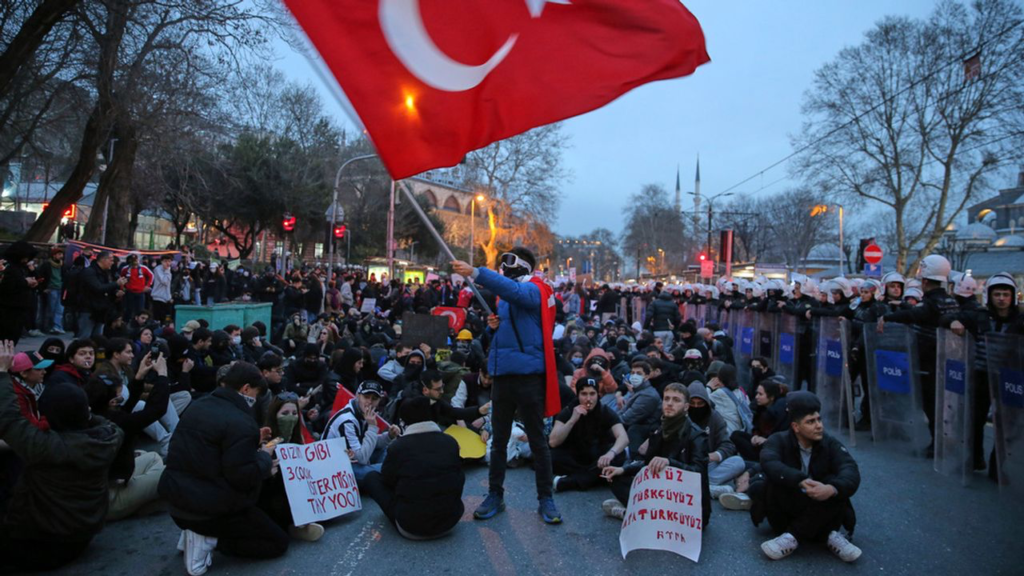
Demonstrators hemmed in by NSW Riot Squad Police at Sydney Town Hall, February 9, 2026

1. Imperialism and War

    Preparations for War Against Iran

    The United States has repositioned substantial military assets—including the USS Abraham Lincoln carrier group, additional aircraft and logistics infrastructure—to prepare for what officials describe as a “sustained, weeks-long” military campaign against Iran. This build-up accompanies tightened sanctions and continued diplomatic manoeuvring, with high-level Trump–Netanyahu conclaves coordinating strategy and escalatory rhetoric toward Tehran. The repositioning signals an expectation of reciprocal strikes and prolonged regional confrontation, occurring alongside sharp transatlantic diplomatic tensions at the Munich Security Conference.

    This military mobilisation represents imperialist decision-making divorced from democratic accountability, driven by competition for regional dominance and resource control. War preparations will deepen social misery both in Iran and across the region while accelerating global polarisation. The working class internationally must mount independent anti-war mobilisations: strikes, mass actions and political organisation to block military adventurism and the domestic austerity that invariably accompanies rearmament spending.

    Complicity in Israeli Genocide

    Israeli policies in the West Bank have escalated dramatically, with expanded settlement construction, tightened movement restrictions and explicit annexationist measures designed to “bury the idea of a Palestinian state.” German officials, including Parliament President Klöckner, visited Israel in what amounts to tacit endorsement of genocidal policies, signalling Berlin’s political alignment with Israeli security doctrine. Meanwhile, Australian police violently suppressed mass protests opposing Israeli President Herzog’s state visit to Sydney, deploying riot squads, horse charges and kettling tactics that left demonstrators—including filmmaker James Ricketson—bloodied and arrested. Labor governments imposed protest bans and extended police-state powers to protect visiting war criminals.

    These actions confirm that European and allied governments are active accomplices in imperialist aggression. The suppression of dissent through state violence exposes the class character of bourgeois democracy: when challenged on fundamental questions of war and genocide, ruling elites deploy repression regardless of party labels. Workers must oppose their own governments’ participation in imperialist crimes through international solidarity and industrial action, not appeals to the very state institutions orchestrating repression.

    Militarisation and Inter-Imperialist Rivalry

    Germany is transforming a regional airport into a military fortress as part of NATO’s eastern-flank expansion, deepening preparations for imperialist confrontation. The Munich Security Conference revealed sharp US–EU tensions over strategy, burden-sharing and confrontations with Russia and China, exposing fissures within NATO alliances. Social-democratic parties across Europe are converting wholesale to pro-war positions: Germany’s SPD is drafting a programme stressing military readiness and “national strengthening,” while conscription plans advance despite youth opposition organised by socialist student groups.

    Inter-imperialist rivalry intensifies the danger of global conflict as capitalist powers compete for markets, resources and geopolitical advantage. Workers must oppose their own governments’ militarism and build international solidarity to prevent war profiteering and the conversion of Europe into a staging ground for imperialist confrontation.

    2. Authoritarian Consolidation and State Repression

      Criminalisation of Dissent

      Türkiye imprisoned 77 members of the Socialist Party of the Oppressed (ESP) and placed six Left Party members under house arrest, with charges relying on informant testimony that conflated legal party activism with terrorism. Evidence presented in court included routine political literature such as copies of The Communist Manifesto. In Australia, new “prohibited hate group” laws echo 1951 Cold War-era attempts to ban communism, while Queensland’s LNP government matched Labor by banning “prescribed phrases” at protests. Princeton University abruptly cancelled a scheduled discussion by Norman Finkelstein on Gaza, implementing new policies to limit campus dissent and free speech.

      These measures demonstrate how bourgeois states weaponise counter-terror and hate-speech legislation to criminalise legal socialist organising and suppress opposition to imperialist policy. The expansion of police-state powers is bipartisan: Labor and conservative governments alike deploy repression to defend capitalist interests. The defence of democratic rights requires mass working-class mobilisation and political independence, not reliance on bourgeois courts or appeals to the same state apparatus orchestrating repression.

      Immigration Enforcement as State Terror

      ICE operations have intensified across the United States, with mass workplace raids targeting Amazon Flex drivers in Michigan, meatpacking workers in Colorado facing deportation threats to break strike authorisations, and routine abductions dwarfing media-sensationalised individual kidnapping cases. The Department of Justice moved to gut asylum rights through regulatory changes designed to accelerate deportations. At the Dilley detention centre, a toddler’s near-fatal medical neglect case exposed life-threatening conditions and systematic denial of care. Palestinian detainee Leqaa Kordia suffered a delayed medical emergency after one year of detention at a Texas ICE facility.

      Immigration detention operates as a racist, punitive apparatus designed to discipline precarious labour and fragment working-class solidarity. Deportation threats function as employers’ weapons to intimidate workers and prevent collective action. The defence of immigrant workers requires workplace solidarity committees, mass mobilisation against detention regimes and political organisation that links immigrant rights to broader working-class struggles against state repression.

      Police Violence and Authoritarian Measures

      Minnesota police rioted against protesters outside the Whipple Federal building, deploying indiscriminate baton charges and mass arrests. NSW riot police violently attacked demonstrators opposing Herzog’s visit, with eyewitness accounts documenting kettling, horse charges and denial of medical attention to injured protesters in custody. Massive security operations in Milan deployed snipers and heavy policing against protests opposing Trump administration presence at the Winter Olympics, though dockworker strikes delayed arms shipments and athletes publicly criticised ICE.

      State violence is escalating to protect imperialist policy and criminalise dissent. The international coordination of repression—from Australia to the United States to Europe—reveals the class function of bourgeois states under crisis. Defensive mobilisation requires united working-class action and democratic organising, not appeals to the institutions wielding violence.

      3. Austerity and Economic Warfare

        Corporate Restructuring and Worker Attacks

        Stellantis recorded a $26 billion charge tied to its electric-vehicle strategy reversal and simultaneously delayed plant reopenings, cut dividends and pushed buyout schemes affecting American workers. UPS is preparing a second driver buyout program while planning 30,000 layoffs in 2026, shifting labour costs despite sustained profitability. BYD’s Xi’an high-voltage electrical equipment factory imposed steep cuts to piece-rate bonuses that reduced many workers’ take-home pay below 2,000 yuan monthly, provoking wildcat strikes met with police repression.

        Corporate crisis is weaponised to intensify exploitation: immense private wealth accrues to billionaire owners while workers face precarious pay, forced exits and degraded conditions. Buyout programmes and “voluntary” redundancies are designed to weaken collective strength and force exits that erode bargaining power. The strategic response requires coordinated rank-and-file mobilisation, rejection of unilateral management schemes and international solidarity to resist the global race to the bottom.

        Public Service Destruction

        The UK lost WHO measles elimination status due to falling vaccination rates and deliberate public-health neglect—a direct outcome of neoliberal austerity that prioritises profit over population health. New Zealand’s capital faces environmental disaster from a massive sewage leak, exposing capitalist underinvestment in essential infrastructure. Los Angeles authorities moved to dismantle federal oversight of homelessness as the crisis deepens, shifting responsibility to avoid redistributive demands. A UN report warned of global “water bankruptcy” affecting billions, with scarcity and contamination exacerbated by private control of resources and climate breakdown.

        The rollback of public health, infrastructure and essential services is rooted in the capitalist drive to divert social resources toward private accumulation and war preparation. Restoring public goods requires mass working-class pressure to force socialised control, democratic planning and international cooperation—issues only resolvable through political struggle against capitalist property relations.

        Trade War and Economic Coercion

        Trump threatened to block the opening of the Gordie Howe International Bridge as part of escalating economic warfare against Canada, weaponising infrastructure to extract concessions. New Zealand’s coalition government fractured over the India Free Trade Agreement, with populist objections masking the reality that such deals serve corporate profit and intensify wage competition, privatisation and precarious labour.

        Economic warfare is an extension of imperialist diplomacy. Free-trade agreements deepen exploitation and cross-border wage competition while populist nationalism channels working-class anger into reactionary scapegoating. Workers on both sides of borders must unite internationally to resist bourgeois brinkmanship and oppose both neoliberal trade regimes and chauvinist diversion.

        4. Class Struggle and Bureaucratic Betrayal

          Healthcare Workers’ Resistance

          Nurses at NewYork-Presbyterian overwhelmingly rejected a tentative agreement that the New York State Nurses Association attempted to force through via an illegitimate snap vote, continuing their strike under rank-and-file defiance. The Kaiser healthcare workers’ strike expanded as 3,000 pharmacy and laboratory workers joined 31,000 already on strike, significantly widening disruption. San Francisco’s 6,400 educators struck for the first time since 1979, drawing mass rallies and broad community support before union bureaucrats and Democratic Party figures brokered a tentative agreement that concedes austerity and fails special-education demands.

          These struggles expose the gulf between rank-and-file militancy and union apparatus. Bureaucratic sellouts are imposed to protect political ties with the Democratic Party and stabilise capitalist rule. The NYSNA’s snap-vote manoeuvre, the attempt to isolate Kaiser strikers and the intervention of Nancy Pelosi to contain San Francisco educators all demonstrate that union leaderships function as barriers to sustained class struggle. Winning safe staffing, liveable wages and healthcare as a social right requires democratically elected strike committees, strike pay drawn from union assets, expansion of strikes across facilities and sectors, and political independence from both union bureaucrats and bourgeois parties.

          Industrial Militancy and Betrayal

          Refinery workers denounced the United Steelworkers’ national pattern deal as a sellout prioritising corporate interests, with BP Whiting workers facing isolation if concessions are accepted. The UAW hailed a Volkswagen Tennessee contract as “historic” amid rank-and-file criticism that gains are modest and concessions linger. Will Lehman, a Mack Trucks rank-and-file activist, launched a campaign for UAW president demanding abolition of the Solidarity House bureaucracy and creation of workplace committees. In Norway, a union organised a sham strike that imposed financial burdens on members while failing to press management, forcing workers to pay for bureaucratic theatre.

          National pattern agreements and bureaucratic compromises fragment struggle and normalise concessions. Union apparatuses routinely betray workers by containing mobilisation, isolating militants and deferring to management. The necessary alternative is democratic coordination across plants, refusal of bureaucratic imposition and preparation for escalated, coordinated strike action under workers’ control.

          International Worker Struggles

          Tens of millions of Indian workers joined a one-day national strike against the Modi government’s labour “reforms” and removal of employment guarantees, though participation remained politically confined by Stalinist-linked federations channelling dissent toward bourgeois opposition parties. Peru saw mass protests uniting transport workers, students and families of state-repression victims against austerity and violence. Colorado meatpacking workers authorised strike action over dangerous conditions despite ICE deportation threats. High school students in Carson, Royal Oak and Detroit suburbs staged walkouts protesting ICE raids, authoritarianism and war, joining broader youth mobilisations.

          These struggles demonstrate the international scope of working-class resistance and the potential for cross-generational, cross-border solidarity. However, episodic protests and one-day token strikes cannot substitute for sustained, politically independent organisation. Without rank-and-file leadership breaking from nationalist and reformist containment, such mobilisations risk canalisation into bourgeois electoral channels or bureaucratic dead-ends.

          5. Elite Criminality and Political Decay

            Revelations tying Lord Peter Mandelson to Jeffrey Epstein networks have engulfed Keir Starmer’s Labour government, producing resignations and police inquiries. Jeremy Corbyn called for a Chilcot-style inquiry while insisting much remain shielded on “national security” grounds, demonstrating the political bankruptcy of Corbynism: seeking establishment solutions that protect state secrets and preserve bourgeois stability rather than mobilising independent working-class opposition. Leaked Epstein files implicate Trump and other political figures, with testimony at the Bondi hearing exposing cover-ups and secret “domestic terrorist” lists targeting dissidents. The FBI identified billionaire Leslie Wexner as a co-conspirator in 2019 but took no action.

            The Mandelson-Epstein scandal exposes intimate links between political elites and the financial oligarchy, revealing how the ruling class operates with systemic impunity. Parliamentary inquiries and legalistic remedies cannot break oligarchic power because state institutions exist to shield ruling-class crimes. Only mass working-class mobilisation and independent political organisation can hold elites accountable and overturn the structures protecting them.

            6. Political Bankruptcy of Reformism

              Corbynism and Pseudo-Left Opportunism

              Internal battles within Your Party saw factional purges and contrasting programmes, with Zarah Sultana’s Grassroots Left emphasising parliamentary reform and alliances with NGOs, unions and identity-based coalitions. Corbyn’s historical record of accommodation to Labour’s Blairite right and Sultana’s reformist trajectory both reproduce illusions that have repeatedly failed the working class. Alexandria Ocasio-Cortez’s appearance at the Munich Security Conference signals her full integration into establishment foreign-policy circles, providing pseudo-left cover for imperialist strategy.

              Corbynism’s “broad church” historically subordinated the left to Blairite interests; Sultana-style reformism proposes parliamentary solutions that will capitulate under capitalist crisis. Figures like AOC function to contain working-class anger within bourgeois institutions. Objective economic developments—globalisation, financial oligarchy, declining profitability—have rendered social-democratic reformism impotent. Only revolutionary organisation rooted in workplaces, independent of bourgeois parties and grounded in international socialist strategy, can defend social rights.

              Stalinist Betrayal

              The Communist Party Marxist–Kenya published a diatribe openly defending Stalin and endorsing Stalinist historical falsifications while aligning with reactionary bourgeois regimes. The Turkish Communist Party held a mass Ankara rally glorifying Stalinist figures and promoting revisionist Soviet narratives. In Venezuela, Morenoite currents formed alliances with Stalinist parties supporting bourgeois nationalist regimes through electoral manoeuvres.

              Praising Stalin today is not abstract historiography but a political programme that betrays working-class independence by subordinating socialist aims to bourgeois nationalism and petty-bourgeois interests. Stalinist tendencies function as props for capitalist regimes, providing pseudo-left legitimacy for reactionary policies and undermining international solidarity. Trotskyism remains the necessary continuity of revolutionary Marxism against both Stalinist bureaucratic liquidation and nationalist illusions.

              Electoralism and Municipal Dead-Ends

              DSA-aligned councilmember Nithya Raman entered the Los Angeles mayoral race presenting symbolic progressive rhetoric while actual policy remains confined within bourgeois constraints. New York City Mayor Mamdani announced symbolic tax-the-rich rhetoric while cutting homelessness support, prioritising market interests. The military-aligned Bhumjaithai Party won Thailand’s election through defections and right-wing consolidation, reflecting the bankruptcy of nominally “democratic” bourgeois parties.

              Electoral manoeuvres cannot substitute for independent workplace organisation. Symbolic reforms and progressive branding deflect from fundamental class conflict while subordinating working-class demands to capitalist institutional limits. Parliamentary routes have been exhausted; only mass organisation and direct working-class action can secure social rights.

              7. The Revolutionary Alternative

                The week’s events confirm a central reality: global capitalist crisis produces simultaneous assaults on living standards, democratic rights and international peace. Imperialism drives toward war in the Middle East while intensifying repression domestically. Austerity destroys public services and infrastructure. Corporate restructuring weaponises crisis to deepen exploitation. Elite criminality operates with systemic impunity.

                Against these attacks, working-class resistance is mounting: nurses rejecting bureaucratic sellouts, educators striking, refinery and meatpacking workers authorising action, youth walking out against ICE terror, millions in India protesting labour destruction. Yet episodic militancy remains fragmented and politically contained by union bureaucracies, reformist parties and pseudo-left opportunism.

                The strategic answer is the independent, international organisation of the working class around a Trotskyist programme: democratically elected rank-and-file committees in every workplace and school; coordination across industries, borders and continents; political independence from all bourgeois and reformist parties; and the construction of a mass revolutionary party to expropriate the oligarchy, end imperialist war and place social power in workers’ hands. The International Committee of the Fourth International (ICFI) and the Socialist Equality Parties organise this political work. Workers seeking to connect their struggles to organised resistance can join at https://www.wsws.org/en/special/pages/sep/us/join.html.​​​​​​​​​​​​​​​​

                Political Report for the Week ending 14 February 2026 Read More »

                IMG 0671

                චීනයේ BYD හි ෂියාන් කම්හලේ කම්කරුවෝ දරිද්‍රතා වැටුප් වලට එරෙහිව වැඩ වර්ජනය කරති

                පීටර් සිමන්ඩ්ස් විසිනි. 

                මෙහි පලවන්නේ ලෝක සමාජවාදී වෙබ් අඩවියේ (ලෝසවෙඅ) 2026 පෙබරවාරි 08 වන දින ‘Workers at BYD’s Xi’an plant in China strike over poverty wages යන හිසින් පලවූ පීටර් සිමන්ඩ්ස් විසින් ලියන ලද ලිපියේ සිංහල පරිවර්තනය යි. 

                පෙබරවාරි 5 වන දින, ෂියාන්හි (Xi’an’s) අධි-තාක්‍ෂණික කලාපයේ ජික්සියන් කාර්මික උද්‍යානයේ (Jixian Industrial Park) පිහිටි BYD හි අධි වෝල්ටීයතා විදුලි උපකරණ කම්හලේ කම්කරුවන් තම කෑලි-අනුපාත ප්‍රසාද දීමනා ම්ලේච්ඡ ලෙස කප්පාදු කිරීම් වලට එරෙහිව සාමූහික වැඩ වර්ජනයක් දියත් කළහ. BYD හි දැනට ක්‍රියාත්මක පිරිවැය අඩු කිරීමේ මෙහෙයුම යටතේ, කම්කරුවන්ගේ සොච්චම් ආදායමේ තීරණාත්මක අංගයක් වන, උපරිම මාසික කෑලි-අනුපාත ප්‍රසාද දීමනාව යුවාන් 2,400 සිට යුවාන් 300-600 දක්වා අඩු කරන ලදී.

                සමාජ රක්ෂණ සහ නිවාස අරමුදල් දායක මුදල් සඳහා අනිවාර්ය අඩු කිරීම් වලින් පසුව, බොහෝ සේවකයින් වාර්තා කළේ ඔවුන්ගේ මාසික අතට ලැබෙන වැටුප යුවාන් 2,000 ට (ආසන්න වශයෙන් ඇමරිකානු ඩොලර් 290) ට වඩා පහත වැටී ඇති බවයි. මෙම අගය වෙනත් විදිහකට පවසතොත්, මසකට යුවාන් 2,000 ක් වසරකට දළ වශයෙන් ඩොලර් 3,480 කි.

                මේ අතර, BYD නිර්මාතෘ, සභාපති සහ ප්‍රධාන විධායක නිලධාරී වැන්ග් චුවාන්ෆු (Wang Chuanfu) ගේ  පසුගිය වසරේ ඇස්තමේන්තුගත පුද්ගලික ධනය  ඩොලර් බිලියන 28.5 ක් බව ෆෝබ්ස් වාර්තා කරයි. මසකට යුවාන් 2,000 ක් උපයන තනි BYD කර්මාන්තශාලා සේවකයෙකුට අද වැන්ග් සතුව ඇති ධනය රැස් කර ගැනීමට වසර මිලියන 8.2 කට වඩා කාලයක්  වැඩ කිරීමට සිදුවනු ඇත.

                මෙම දැවැන්ත විෂමතාවය අපගමනයක් නොව BYD හි ව්‍යාපාරික ආකෘතියේ අත්තිවාරමයි. එහිදී මූලික වැටුප් හිතාමතාම ප්‍රාදේශීය අවම වැටුප් මට්ටම්වලට වඩා යන්තම් ඉහළින් –සමහර විට යන්තම් සමාන වනසේ–සකසා ඇති අතර, සේවකයින්ට කළමනාකරණයේ අභිමතය පරිදි ඉවත් කර ගත හැකි අතිකාල, ප්‍රසාද දීමනා සහ කාර්ය සාධන අතිරේක දීමනා මත යැපීමට බල කෙරේ.

                ෂියෑන් වැඩ වර්ජනය හුදකලා සිදුවීමක් නොවේ. එය වසර ගණනාවක් පුරා විහිදෙන සහ රටවල් ගණනාවක් සහ චීන‍යේ පළාත් පුරා පැතිරී ඇති BYD හි දැවැන්ත නිෂ්පාදන අධිරාජ්‍යය පුරා උත්සන්න වන කම්කරු නොසන්සුන්තාවයේ රටාවක නවතම පිපිරීමයි.

                2024 මැයි මාසයේදී, එක්සත් ජනපදය පදනම් කරගත් ඉලෙක්ට්‍රොනික නිෂ්පාදකයෙකු වන ජබිල්ට (Jabil) අයත් වූ BYD හි වූක්සි (Wuxi) කම්හලේ සේවකයින් වැඩ වර්ජනය කළේ, සමාගම විසින් අතිකාල ඉවත් කරන නව කාලසටහනක් පැනවීමෙන් පසුවය. එය කම්කරුවන් ඔවුන්ගේ දරිද්‍රතා මට්ටමේ මූලික වැටුපට අතිරේකව යමක් උපයා ගත් ප්‍රධාන යාන්ත්‍රණයයි. වූක්සි හි BYD හි මූලික වැටුප, නීත්‍යානුකූල අවමයට වඩා යන්තම් ඉහළ යුවාන් 2,490 ක් ලෙස පිහිටුවා තිබුණි. චීන කම්කරු නීතියට අනුව සාමාන්‍ය අනුපාතයට වඩා 1.5 සිට 2 ගුණයකින් ගෙවීමට අවශ්‍ය වන අතිකාල ඉවත් කිරීම, සැබෑ මාසික ආදායම බොහෝ සේ පහත වැටීමට හේතු විය.

                2025 මාර්තු අග සහ අප්‍රේල් මුලදී තත්වය නාටකාකාර ලෙස තීව්‍ර විය. මාර්තු 28-29 දිනවල වූක්සි කම්හලේ සේවකයින් 1,000 කට වැඩි පිරිසක් වැඩ වර්ජනය කළ අතර, මාර්තු 31 සිට අප්‍රේල් 1 දක්වා BYD හි චෙන්ග්ඩු කම්හලේ ඔවුන්ගේ සගයන් ද වැඩ වර්ජනය කළහ. දුක්ගැනවිලි සමාන විය: කාර්ය සාධනය මත පදනම් වූ වැටුප් අඩු කිරීම්, යුවාන් 30 ක උපන්දින සහනාධාරයක් වැනි සංකේතාත්මක ප්‍රතිලාභ පවා ඉවත් කිරීම, අත්තනෝමතික තනතුරු මාරු කිරීම් සහ පහත් කිරීම්.

                සියල්ලටත් වඩා, වූක්සි කම්හලේ කම්කරුවන්ගේ කෝපය යොමු වූයේ 2023 දෙසැම්බර් මාසයේදී ජබිල් හි ග්‍රීන් පොයින්ට් මෙහෙයුම් යුවාන් බිලියන 15.8 කට අත්පත් කර ගැනීමේදී BYD විසින් දුන් පොරොන්දු බරපතල ලෙස උල්ලංඝනය කිරීම කෙරෙහි ය. එහිදී කළමනාකාරිත්වය අවම වශයෙන් මාස 18 ක් වැටුප් හා කොන්දේසි නොවෙනස්ව පවතින බවට පොරොන්දු විය.

                වූක්සි කම්හලට පොලිසිය යොදවා තිබූ අතර, විරෝධතාකරුවන් මහජන දර්ශනයෙන් වැළැක්වීම සඳහා රෙදි තිර ඉදිකර තිබුණි. චෙන්ග්ඩු හි, කැරලි මර්දන පොලිසිය සහ SWAT කණ්ඩායම් පසුගිය වසරේ අප්‍රේල් 2 වන දින වැඩ වර්ජනය බලහත්කාරයෙන් විසුරුවා හැරිය අතර, අත්අඩංගුවට ගැනීම් වාර්තා විය. මාර්තු මැද භාගයේදී එක් සේවකයෙකු ඒ වනවිටත් දින පහක් රඳවාගෙන සිටියේ සේවය පහත් කිරීමකට විරෝධය දැක්වීම නිසාය.

                Image Not Found
                2025 මාර්තු 6 වන බ්‍රහස්පතින්දා, බ්‍රසීලයේ බහියා ප්‍රාන්තයේ කැමකාරි හි ඉදිවෙමින් පවතින කර්මාන්ත ශාලාවක් අසල BYD සඳහා ලකුණක් ප්‍රදර්ශනය කෙරේ.[AP ඡායාරූපය/එරල්ඩෝ පෙරෙස්]

                සූරාකෑමේ රටාව චීනයේ දේශසීමාවලින් ඔබ්බට විහිදේ. 2024 දෙසැම්බර් මාසයේදී, බ්‍රසීල බලධාරීන් බහියා හි කැමසාරි හි නව BYD කම්හලක් සඳහා ඉදිකිරීම් ස්ථානයක, අවම වශයෙන් චීන කම්කරුවන් 163 දෙනෙකු අභිචෝදකයන් විසින් “වහල්භාවයට සමාන කොන්දේසි” ලෙස  විස්තර කළ තත්වයෙන්  බේරා ගත්හ. පසුගිය වසරේ ආසියාවෙන් පිටත සමාගමේ පළමු මගී මෝටර් රථ කම්හල විවෘත කිරීම ප්‍රමාද කරමින් එම ස්ථානය වසා දමන ලදී.

                HK කම්කරු අයිතිවාසිකම් නිරීක්ෂක වෙබ් අඩවියට (HK Labour Rights Monitor website) අනුව, “පරීක්ෂණයෙන් කම්පනය සහගත අපයෝජන අනාවරණය විය: සමහර සේවකයින් හිස් ඇඳන් මත නිදා ගත් අතර, පුද්ගලයෝ 31 දෙනෙකු එකම වැසිකිළියක් පාවිච්චි කළහ. ආහාර සහ පුද්ගලික අයිතම අපිරිසිදු තත්වයන් යටතේ ගබඩා කර තිබුණි. වාර්තා වන පරිදි, සේවකයින්ට අලුයම 4 ට පමණ වේලාසනින් අවදි වීමට බල කෙරුණි, විවේක දින නොමැතිව අධික වැඩ පැය ගණනක් විඳදරාගත් අතර සමහර අවස්ථාවල දින 25 ක් අඛණ්ඩව වැඩ කළහ.”

                කම්කරුවන්ගේ විදේශ ගමන් බලපත්‍ර රඳවා ගන්නා ලද අතර, වැටුප් වලින් සියයට 60 ක් දක්වා අත්හිටුවා, දිනකට පැය 12 ක් දක්වා, සතියේ දින හතේම, අඛණ්ඩව දින 25 ක් වැඩ කිරීමට බල කෙරුණි. පසුව ෆෙඩරල් නඩු පවරන්නන් රිඉස් මිලියන 257 ක (ආසන්න වශයෙන් ඇමරිකානු ඩොලර් මිලියන 45) වන්දි ඉල්ලා නඩුවක් ගොනු කළ අතර, පසුව රිඉස් මිලියන 40 ක් පමණක් ගෙවීමට එය සමථ වී ඇත.

                2008 සිට 2025 දක්වා වසර 17ක් පුරා, BYD හි කම්කරු පිළිවෙතට ලොව ධනවත්ම පුද්ගලයින්ගෙන් කෙනෙකු වන බහු-ප්‍රකෝටිපති සමපේක්ෂක වොරන් බෆට් (Warren Buffett) වක්‍රව සහාය ලබා දී ඇත. බෆට්ගේ ආයෝජන උපකරණය වන බර්ක්ෂයර් හැතවේ (Berkshire Hathaway), BYD හි ප්‍රධාන කොටස් හිමිකරගෙන සිටි අතර, බෆට්ගේ මියගිය ව්‍යාපාර සහකරු චාලි මුන්ගර් (Charlie Munger) ගේ උනන්දු කිරීම පරිදි, මුලින් 2008 දී, ඩොලර් මිලියන 230 කට එය අත්පත් කර ගන්නා ලදී. මුන්ගර් වැන්ග් චුවාන්ෆු (Wang Chuanfu) “තෝමස් එඩිසන් සහ ජැක් වෙල්ච්ගේ (Jack Welch) සංයෝජනයක්” ලෙස විස්තර කළේය. 

                එහි උච්චතම අවස්ථාවේදී, බර්ක්ෂයර් හි BYD කොටස් වටිනාකම ඩොලර් බිලියන 9 ඉක්මවිය–එය දළ වශයෙන් 40 ගුණයක ලාභයකි. ආයෝජනයෙන් ඇස්තමේන්තුගත ඩොලර් බිලියන 7 ක ලාභයක් උපයා ගන ඇත. මෙම කාලය පුරාම, BYD සේවකයින් දරිද්‍රතා වැටුප්, වැඩ වර්ජන සඳහා පොලිස් මර්දනයන්, විදේශයන්හි විදේශ ගමන් බලපත්‍ර රඳවා ගැනීම් සහ ක්‍රමානුකූලව කඩ කරන ලද පොරොන්දු විඳදරා ගනිද්දි, බර්ක්ෂයර් හැතවේ ප්‍රමුඛ කොටස් හිමියෙකු ලෙස රැඳී සිටිමින්, එහි සහ පෞද්ගලිකව බෆට්ගේ කීර්තිය සමාගමට ලබා දුන්නේය.

                බර්ක්ෂයර් 2022 අගෝස්තු මාසයේදී තම කොටස් විකිණීම ආරම්භ කළ අතර 2025 මුල් භාගය වන විට එහි පිටවීම සම්පූර්ණ කළේය. බෆට් BYD හි අධික ලෙස සූරාකෑමේ ශ්‍රම පිළිවෙත් පිළිබඳව කිසිදු විවේචනයක් ඉදිරිපත් කළේ නැත. ඔහුගේ එකම ප්‍රසිද්ධ ප්‍රකාශය වූයේ, 2023 දී, BYD යනු “අපූර්ව පුද්ගලයෙකු” විසින් පවත්වාගෙන යනු ලබන “අපූර්ව සමාගමක්” බවයි. එනමුත්, තමන් “මුදල් වලින්, වඩා හොඳ හැඟීමක් ඇති කරන දේ සොයා ගන්නා බව”  ඔහු පැවසීය.

                BYD හි පුණරාවර්තනය වන වැඩවර්ජන මගින් චීනයේ ධනවාදී සූරාකෑමේ ස්වභාවය සහ ලෝකයේ ප්‍රමුඛ විදුලි වාහන නිෂ්පාදකයා ලෙස BYD හි නැගීම හෙළි වේ. 2024 දී යුවාන් බිලියන 777.1 ක ආදායමක් සහ යුවාන් බිලියන 40 කට වඩා වැඩි ශුද්ධ ලාභයක් BYD වාර්තා කළේය. වැන්ග් චුවාන්ෆුගේ පෞද්ගලික ධනය ඔහුව පෘථිවියේ ධනවත්ම පුද්ගලයින් අතරට පත් කරයි–පසුගිය වසරේ Forbes සඟරාව විසින් චීනයේ බිලියනපතියන් අතරින් 9 වන ධනවත්ම පුද්ගලයා ලෙස ඔහුව ලැයිස්තු ගත කෙරුණි.

                එහෙත් බොහෝ කර්මාන්තශාලා වල, මෙම ධනය නිෂ්පාදනය කරන–චීනයේ විශාලතම ප්‍රසිද්ධියේ වෙළඳාම් කරන (publicly traded company) සේවා යෝජකයා බවට BYD පත් කරන දැන් 900,000 කට වඩා වැඩි සංඛ්‍යාවක් වන–කම්කරුවන්ට ලැබෙන්නේ අධික  වෙහෙසකින් අතිකාල කිරීමෙන් තොරව මූලික ජීවන වියදම් සපුරාලීමට නොහැකි වන වැටුපකි.

                නීත්‍යානුකූලව අවසර ලත් එකම වෘත්තීය සමිති ආයතනය වන සමස්ත චීන වෘත්තීය සමිති සම්මේලනය (All-China Federation of Trade Unions), කම්කරුවන්ගේ  ස්වාධීන සංවිධානය මර්දනය කරමින් සහ අතෘප්තිය හානිකර නොවන මාර්ග වෙත යොමු කරමින්, කම්කරුවන්ගේ නියෝජිතයෙකු ලෙස නොව කළමනාකරණයේ සහ රාජ්‍යයේ හස්තයක් ලෙස ක්‍රියා කරයි. සංවිධානය වීමට හෝ විරෝධතා දැක්වීමට උත්සාහ කරන කම්කරුවන්, වේගයෙන් පොලිස් මර්දනය, සේවයෙන් පහ කිරීම සහ රඳවා තබා ගැනීමකට මුහුණ දෙති.

                වුක්සි, චෙන්ග්ඩු සහ චැංෂා හි ඊට පෙර සිදු වූ දේ මෙන්, ෂියාන් වැඩ වර්ජනයෙන් පෙන්නුම් කරන්නේ චීන කම්කරු පන්තිය මෙම කොන්දේසි පිළිගැනීමට සූදානම් නැති බවයි. චීන රාජ්‍ය මාධ්‍ය සහ නිලධරය කාර්මික ක්‍රියාමාර්ග පිළිබඳ සංඛ්‍යාලේඛන ප්‍රසිද්ධ නොකලත්, චීනයෙන් පිටත සිට වැඩ වර්ජන ක්‍රියාකාරකම් නිරීක්ෂණය කිරීමට උත්සාහ කරන සංවිධානවලට අනුව, විශේෂයෙන් නොගෙවූ වැටුප් සහ වැටුප් කප්පාදුවලට එරෙහිව 2023 සිට හදිසි වැඩ වර්ජන සහ විරෝධතා කැපී පෙනෙන ලෙස වැඩි වී තිබේ.

                චීනයේ BYD හි ෂියාන් කම්හලේ කම්කරුවෝ දරිද්‍රතා වැටුප් වලට එරෙහිව වැඩ වර්ජනය කරති Read More »

                White house

                Political Report for the Week ending 07 February 2026

                This political report for the week ending 07 February 2026 is compiled based on coverage from the World Socialist Web Site (WSWS.org).

                White house
                President Donald Trump smiles after signing a spending bill that ends a partial shutdown of the federal government in the Oval Office of the White House, Tuesday, Feb. 3, 2026, in Washington. [AP Photo/Alex Brandon]

                The week ending February 7, 2026 witnessed an intensification of inter-imperialist rivalry, the acceleration of domestic repression in the United States, and a global surge in working-class militancy met with systematic betrayal by trade union bureaucracies. From preparations for regime change in Iran to mass strikes in healthcare and education, the international crisis of capitalism manifested in parallel assaults on democratic rights, living standards, and public services. This report synthesizes key developments across four domains: imperialist war preparations and geopolitical realignment; the consolidation of authoritarian rule and state repression; capitalist austerity and economic warfare; and the eruption of class struggle against union bureaucratic containment.

                I. Imperialism and War: Escalation Toward Iran and Regional Realignment

                European Powers Line Up Behind Regime Change in Iran

                European governments openly aligned with Washington’s escalation toward regime change in Tehran. The EU placed Iran’s Revolutionary Guards on its “terror” list while European leaders—including Germany’s Friedrich Merz and UK Prime Minister Keir Starmer—publicly backed US threats and prepared rhetoric for a “transition” in Iran. This coordination followed prior US and Israeli strikes and represents strategic repositioning by European imperialism to secure access to energy resources and geopolitical influence.

                Core analysis: The WSWS situates European actions as integral to imperialist rivalry and the scramble for markets and spheres of influence. Liberal imperialism cloaks predatory aims in “humanitarian” language, but the underlying logic is capitalist competition driving preparations for inter-imperialist war. Only an international working-class anti-war movement grounded in revolutionary socialist politics can halt the slide toward regional and global conflagration.

                Turkey Attempts Mediation as NATO Ally

                As US preparations for possible military action against Iran escalated, Turkey sought to mediate between Washington and Tehran. Ankara’s diplomacy aimed to limit regional destabilization while protecting Turkish geopolitical and economic interests, revealing the contradictions of a junior NATO power attempting to maneuver within imperialist rivalry.

                Core analysis: Turkish mediation is not peaceful diplomacy but a junior imperialist power managing fallout from US militarism. Imperialist competition, not negotiation, drives the crisis; only international working-class anti-war mobilization can block regional war.

                Merz’s Gulf Tour: Alliance with Dictators for German Great Power Politics

                German Chancellor Friedrich Merz toured Gulf monarchies—Saudi Arabia, Qatar, UAE—meeting personally with Mohammed bin Salman and pledging strategic partnerships, arms deals, and energy cooperation despite documented human rights crimes. The visit frankly asserted German great-power ambitions subordinating all ethical concerns to capitalist and geostrategic interests.

                Core analysis: Imperialist states ally with dictators to secure energy and markets. Workers must oppose rearmament and foreign-policy adventurism through an international socialist program that rejects nationalist accommodation to imperialism.

                II. Authoritarian Consolidation and State Repression

                Trump Administration’s Assault on Democratic Norms

                Federal Election Seizure Plans: President Trump publicly urged federal takeover of state election administration and directed FBI operations in Fulton County, Georgia, threatening to “nationalize” elections in targeted cities. These moves signal preparation to rig or cancel the 2026 elections.

                Core analysis: This represents an overt break with democratic norms by sections of the capitalist state preparing for dictatorship. The principal obstacle to a coup is the working class; the necessary response is independent political mobilization through rank-and-file organizations and preparation for general strike, not reliance on the Democratic Party.

                Federal Purges: The administration announced sweeping purges of federal civil service employees, replacing career officials with political loyalists to centralize control—measures framed as rooting out “disloyalty.”

                Core analysis: Politicized purges characterize authoritarian consolidation, removing institutional checks on presidential power. Defense of democratic rights requires independent working-class organizing and mass political resistance.

                Racist Provocations: Trump posted a racist video depicting Barack and Michelle Obama as apes, one in a series of overt racist provocations from the White House designed to mobilize racist sentiment, terrorize minorities, and divide the working class.

                Mass Surveillance Infrastructure

                The Trump administration expanded mass-surveillance networks—databases, facial recognition, cross-agency sharing—to track immigrants and political protesters, integrating private tech contractors into state repression apparatus.

                Core analysis: Surveillance is a political tool to suppress dissent and enforce social control for the oligarchy. Defense of democratic rights requires independent working-class mobilization and dismantling surveillance apparatuses through mass action.

                Immigrant Repression and Detention Center Horrors

                Measles Outbreak at Dilley: A measles outbreak tore through the South Texas Family Residential Center in Dilley, confining hundreds of asylum-seeking families and children. Overcrowding, poor sanitation, and rationed medical care created conditions for rapid spread amid a nationwide measles resurgence (2,267 confirmed cases in 2025) following mass purges at HHS and CDC.

                Core analysis: The outbreak demonstrates Trump’s program of criminalizing and caging migrants while dismantling scientific public health, subordinating life to profit and political repression. Both Republican and Democratic parties share complicity in detention regimes and public-health defunding.

                Vindictive Deportation: After protests forced the release of five-year-old Liam Conejo Ramos from Dilley, DHS filed a motion to expedite deportation proceedings against his family—vindictive state repression designed to terrorize immigrants and suppress dissent.

                ICE Workplace Raids: ICE conducted workplace raids including at an Amazon facility in Hazel Park, Michigan, weaponizing enforcement to intimidate immigrant and non-immigrant workers alike, deepen labor discipline, and facilitate corporate flexibility.

                University Republican Club Calls for Assassinations

                The Illini Republicans at the University of Illinois Urbana-Champaign posted on Instagram celebrating political killings and calling for assassination of opponents; the administration refused discipline, citing “protected speech.”

                Core analysis: This evidences deepening fascist and white-supremacist currents fostered by capitalism resorting to political violence. The university’s selective “free speech” shields reactionary violence while repressing left protests. Defense of democratic rights requires independent working-class mobilization against both fascism and the bipartisan state protecting it.

                Repression of Nurses and Protesters

                New York Nurses Arrested: At least 13 striking nurses were arrested outside Greater New York Hospital Association headquarters on Day 25 of their strike, with NYPD riot units deployed amid pressure from Mayor Zohran Mamdani and Governor Kathy Hochul to end the action through emergency orders facilitating out-of-state replacements.

                Core analysis: The arrests demonstrate state readiness to use force defending corporate healthcare interests. Union bureaucracy’s containment strategy isolates nurses; expansion of the strike, full strike pay, and national coordination through rank-and-file committees are essential.

                Mamdani’s Betrayal: DSA Mayor Embraces Police State

                New York Mayor Zohran Mamdani praised an NYPD shooting of a 22-year-old Bangladeshi man experiencing a mental-health crisis and endorsed Governor Hochul’s strike-breaking measures, revealing continuity with pro-police policies despite earlier populist branding.

                Core analysis: DSA-style figures integrate into the capitalist state, converting electoral radicalism into administrative collaboration with police and oligarchy. The working class must not be misled; independent organization and rank-and-file control are essential.

                III. Austerity, Economic Warfare, and Capitalist Crisis

                US Economic Warfare Against Cuba and Venezuela

                Cuba Blockade: The US energy blockade threatened Cuba with humanitarian “collapse” as the UN Secretary-General warned of imminent crisis. Washington’s executive order threatened tariffs on countries supplying Cuba with oil; Mexico and other suppliers faced pressure to cease shipments, precipitating blackouts and shortages.

                Core analysis: The blockade constitutes genocidal imperialist coercion aimed at regime overthrow, with complicity from regional bourgeois governments and nationalist-left leaders who capitulate. Only international working-class solidarity can oppose imperialist economic warfare.

                Venezuela Privatization: Following the US abduction of Nicolás Maduro, Venezuela’s interim authorities rapidly overhauled hydrocarbons law, opening oil to foreign control and subordinating resources to US and corporate interests.

                Core analysis: This exposes the failure of chavismo and bourgeois-nationalist projects that cannot defend resources or working-class gains under imperialism. Only working-class revolution and international socialist policy can break imperialist domination.

                Corporate Layoffs Accelerate to Great Recession Levels

                January job-cut announcements by US corporations tripled, with large tech, media, and retail firms leading the wave. The increase signals renewed corporate restructuring and mass unemployment approaching Great Recession scale.

                Core analysis: Layoffs flow from falling profitability and overaccumulation; corporate efforts to restore margins enforce political choices subordinating labor to capital. The response must be mass industrial organization, strikes, and rank-and-file committees defending jobs and fighting for nationalization under workers’ control.

                Washington Post Slashes Newsroom: The Washington Post eliminated roughly one-third of its newsroom (over 300 jobs), closing entire desks while billionaire owner Jeff Bezos’s wealth surged. This media purge is part of capitalist restructuring and concentration of cultural power under the oligarchy, using “efficiency” rationales to mask political decisions shrinking independent journalism.

                1,200 GM Layoffs in Canada: General Motors ended the third shift at its Oshawa plant, laying off approximately 1,200 autoworkers as part of production rationalization.

                Austerity Across Multiple Fronts

                Australia: The Labor government drove up housing prices through developer-friendly policies, cut arts funding (forcing Writers Victoria to close), raised interest rates deepening household debt crises, and approved National Cabinet measures removing tens of thousands of children from disability support. Labor also pressed ahead with demolition of Melbourne public housing towers, displacing residents under privatized redevelopment schemes.

                UK: A major charity reported deepening poverty under the Starmer Labour government, documenting rising food insecurity, housing stress, and benefit shortfalls. Starmer’s administration implements austerity while claiming respectability.

                SNAP Cuts: Trump administration changes to SNAP eligibility set 2.4 million people at risk of losing food assistance by 2034, shifting the burden onto working people to finance corporate and military priorities.

                Homeless Death in Kalamazoo: A homeless man froze to death in Kalamazoo, Michigan while the city allocated $515 million to build a new arena—a stark juxtaposition of social neglect and pro-business public spending.

                Kaiser Permanente Medicare Fraud

                Kaiser agreed to a $556 million settlement over allegations of inflating Medicare Advantage risk scores, generating roughly $1 billion in alleged overpayments—while claiming inability to meet demands from striking healthcare workers.

                Core analysis: “Non-profit” healthcare corporations are profit-driven entities using public funds for private gain. Fraud settlements are routine costs of business while frontline workers and patients suffer austerity.

                IV. Class Struggle and Union Bureaucratic Betrayal

                Healthcare Workers’ Strikes

                Kaiser Strike Enters Third Week: The strike by 31,000 Kaiser healthcare workers continued into its third week, with 4,000 pharmacy and lab workers (UFCW) preparing to join. Management pursued legal and PR strategies while union bureaucracy sought localized talks fragmenting the struggle.

                New York Nurses: 15,000 nurses remained on strike facing threats of permanent replacement, with escalated repression (arrests, state emergency orders) and union bureaucracy retreat toward concessions.

                Boston Nurses: Despite an overwhelming strike vote, the union bureaucracy left 650 nurses at Boston Medical Center Brighton working, fragmenting leverage and isolating the struggle.

                Core analysis: Healthcare strikes contain the embryo of a national movement defending public health, but unions seek containment. Only rank-and-file organization could transform disputes into unifying working-class struggles. The fight centers on whether workers accept permanent understaffing or build nationwide, worker-led movements.

                Education Workers’ Mobilization

                San Francisco Teachers’ Strike: 6,400 educators in San Francisco Unified School District voted overwhelmingly to strike over chronic understaffing, poverty wages, unaffordable healthcare costs, and class-size caps—the first district-wide walkout since 1979.

                Core analysis: The strike occurs amid obscene regional inequality driven by tech billionaires and Democratic-party austerity. Union bureaucratic entanglement with Democrats must be broken; independent rank-and-file committees should link educators across districts for statewide and national action.

                Ann Arbor: Educators worked under expired contracts amid massive cuts and restructuring.

                Australia: The WSWS called for building rank-and-file committees among educators and students to oppose mass job cuts, course closures, and integration of universities into the military-industrial complex under the Universities Accord.

                Industrial Workers’ Struggles

                Birmingham Refuse Workers: Over a year into indefinite strike action, Birmingham loaders and drivers opposed pay cuts up to £8,000 and abolition of safety roles, facing intimidation, court injunctions, agency labor, and £33 million council deployment to break the strike—backed by the Starmer government declaring a “major incident.”

                Core analysis: This is a test case for Starmer’s austerity drive and labor bureaucracy’s capacity to contain conflict. The dispute can only be won through independent rank-and-file organization, democratic worker control of strategy, and national solidarity exposing government use of state power to enforce austerity.

                USW Refinery Sellout: The United Steelworkers announced a tentative national agreement for 30,000 refinery workers offering 15% over four years with no binding protections against AI or job cuts; rank-and-file anger erupted over the perceived betrayal.

                Core analysis: The WSWS denounced the USW bureaucracy’s sellout and called for immediate formation of elected rank-and-file refinery committees to reject the deal, coordinate national strike, and use union assets to sustain prolonged action.

                Royal Mail: The Communication Worker Union’s Martin Walsh attacked rank-and-file initiatives calling for nationwide fightback against the Optimised Delivery Model and asset-stripping, collaborating with EP Group management.

                German Public Transport: Verdi leadership limited warning strikes over pay and conditions, negotiating incremental deals rather than escalating militant potential.

                Pattern of Bureaucratic Containment

                Teachers’ Unions Suppress Resistance: Teachers’ union bureaucracies issued directives forbidding participation in anti-fascist walkouts and protests, framing suppression under “student safety” and contractual pretexts. 

                Core analysis: Union bureaucracies act to preserve capitalist order by containing rank-and-file militancy and preventing cross-sector solidarity. Democratic rank-and-file committees are essential to defend educational professionals’ rights and broader anti-dictatorship mobilizations.

                International Labour Developments

                Mediterranean Dockworkers: Dockworkers across Mediterranean ports planned coordinated protests opposing use of port infrastructure for military logistics and arms shipments.

                German Hospital Workers: Strikes and protests spread across regions over understaffing, wage stagnation, and cost-cutting as patient safety deteriorates.

                University of Sheffield Lock-out: Management locked out staff adhering to action short of striking, withholding pay—an unprecedented enforcement of unpaid labor to punish industrial action.

                V. Elite Criminality and Systemic Corruption

                Epstein Files Expose Ruling Class Impunity

                The DOJ released millions of Epstein-related documents revealing extensive elite contacts; the Trump White House sought to minimize revelations while DOJ downplayed prosecution prospects and redactions selectively protected prominent individuals. Materials implicated UK figures including Peter Mandelson and Prince Andrew, threatening Starmer’s “clean-government” stance.

                Core analysis: The files expose systemic criminality and class impunity at capitalism’s summit. The ruling class protects its own through legal cover-ups and media manipulation. Justice cannot be delivered by capitalist courts or parties; accountability requires mass political mobilization of the working class and dismantling oligarchic power.

                Financial Oligarchy and Fed Appointment

                Wall Street figures rallied to secure Kevin Warsh’s nomination to lead the Federal Reserve, demonstrating fusion between state power and financial oligarchy. Central-bank appointments serve capitalist interests by stabilizing conditions for private profit rather than defending working-class living standards.

                VI. Political Bankruptcy of Reformism

                Colombian President Petro’s Capitulation

                Colombian President Gustavo Petro visited the White House for talks with Trump days after military threats related to Venezuela, signaling sharp realignment with pledges of collaboration, intelligence sharing, and economic cooperation.

                Core analysis: Petro’s capitulation confirms the bankruptcy of bourgeois nationalist “lefts” attempting reforms within imperialist frameworks. His turn toward Washington facilitates US neocolonial objectives and suppresses independent working-class alternatives.

                Costa Rica Election

                A Trump-aligned, right-of-centre candidate won Costa Rica’s presidency, displacing traditional pink-tide forces and marking electoral weakness of reformist nationalist-left projects.

                Core analysis: This exposes the failure of nationalist or reformist regimes to defend working-class interests; only independent socialist politics rooted in the working class can offer an anti-imperialist alternative.

                Conclusion

                The week’s developments confirm the WSWS analysis: capitalism’s crisis is driving simultaneous escalation toward imperialist war, consolidation of authoritarian rule, intensification of austerity, and explosion of working-class resistance. The central political question is leadership: will struggles be contained and betrayed by union bureaucracies and bourgeois parties (including their pseudo-left appendages), or will workers build independent, democratically controlled rank-and-file committees capable of coordinating international resistance?

                The necessity of the hour is the construction of an international socialist movement of the working class, organized independently of all capitalist parties and union apparatuses, and guided by the program and perspective of the International Committee of the Fourth International. Only such a movement—linking healthcare workers, educators, refinery workers, dockworkers, students, and immigrant communities across national boundaries—can halt the drive to dictatorship and war, defend democratic rights and living standards, and open the road to socialist transformation of society.​​​​​​​​​​​​​​​​

                Political Report for the Week ending 07 February 2026 Read More »

                IMG 0657

                Political Report for the Week ending 31 January 2026

                Compiled by SocialismAI.com 

                This report synthesises and analyses the main political, geopolitical and economic developments covered by the World Socialist Web Site in the week ending 31 January 2026. It locates events within the deeper dynamics of class struggle, imperialism and the global capitalist crisis, and draws the immediate political conclusions and tasks for the international working class.

                1. Imperialism on the march — preparations for new wars

                The central story of the week was the open escalation of US imperialism. The Trump administration’s mounting threats and military deployments toward Iran were documented and analysed as preparations for a major new act of aggression, not isolated bellicose rhetoric. The WSWS outlined the scale and danger of the US build-up of forces, the carrier strike group deployments and the propaganda pretexts being assembled to legitimise strikes on Iran (Trump administration threatens new war against Iran). The UN Security Council posturing and Washington’s invocation that “all options are on the table” were exposed as part of a regime-change strategy that follows Washington’s recent attack on Venezuela and its abduction of President Maduro (Washington menaces Iran at UN Security Council; After Venezuela, Trump targets Iran).

                From an international-class perspective, WSWS emphasises that these moves are expressions of imperialism’s strategic imperative to control resources, markets and trade routes (notably oil and gas), to attempt to subordinate rivals such as China and to shore up domestic political authority through foreign adventurism. The analysis rejects humanitarian or “democratic” pretexts and situates the drive to war in the logic of capitalist rivalry and the breakdown of lawful institutions.

                2. Repression at home — war and dictatorship as two sides of capitalist rule

                The week reinforced the WSWS argument that war abroad and repression at home are inseparable. Coverage tied the Trump government’s domestic assaults—paramilitary policing, the killing of migrants and threats to invoke the Insurrection Act—to the same oligarchic interests driving foreign aggression (New Year Fund appeal on the rise of dictatorship and war). The ruling class’s resort to exceptional measures is explained as an attempt to impose social discipline and to defend the profits and privileges of the financial oligarchy amid global economic turmoil.

                3. Intensifying class conflict — strikes and workplace resistance worldwide

                While imperialist tensions dominate geopolitics, the working class continued to push back across continents. WSWS’s regular “Workers Struggles” reports registered growing militancy: Belgian rail workers launched a five-day national strike against austerity and pension attacks; French bank employees struck over pay and restructures despite record bank profits; and hospital, education and municipal workers staged sustained actions in the UK, Italy and Africa (Workers Struggles: Europe, Middle East & Africa). In Asia and the Pacific, mass actions by gig workers, ambulance crews and casino staff testified to mounting resistance to wage cuts, precarious contracts and privatisation moves (Workers Struggles: Asia and Australia).

                These labour struggles reflect the material pressures produced by austerity, inflation and corporate profit-seeking. They demonstrate the objective potential power of the working class, but WSWS warns that this potential is being squandered by union bureaucracies that isolate workers and broker sellouts.

                4. Material forces driving the crisis

                WSWS analyses the above dynamics as rooted in the global capitalist crisis: mounting sovereign and private debt, falling rates of profit, currency instability and the scramble for strategic raw materials. The ruling elites respond with a two-pronged strategy—intensify exploitation at home through austerity and wage suppression, and secure imperial advantage abroad via military force. The result is the simultaneous escalation of poverty, layoffs and militarism.

                5. Political implications and class tasks

                • Build political independence: WSWS insists that workers must break from bourgeois parties and pseudo-left forces that either collaborate with imperialism or reduce resistance to parliamentary petitions. The only credible barrier to war and austerity is the organised power of the working class.
                • Organise rank-and-file committees: To counter union sellouts and unify struggles across workplaces and borders, the WSWS calls for the formation of rank-and-file committees and an International Workers Alliance of Rank-and-File Committees.
                • Defend democratic rights: Immediate campaigns must be mounted to oppose police militarisation, arbitrary detention and censorship; the fight for democratic rights is inseparable from the fight against war and austerity.
                • Political education and leadership: WSWS stresses the urgent need to rebuild revolutionary political leadership rooted in Marxism. Initiatives such as Socialism AI and WSWS educational work are presented as tools to equip workers and youth with theory and organisation.

                6. Action guidance

                Workers should link strikes and local struggles to an international political strategy: refuse austerity bargains that trade away living standards; demand immediate protections for democratic rights; and build cross-border solidarity committees to coordinate industrial and political action. To connect understanding with organised resistance, the WSWS urges workers to join efforts to build an independent socialist movement and to consider affiliating with the Socialist Equality Party’s organising work: https://www.wsws.org/en/special/pages/sep/us/join.html

                — World Socialist Web Site / International Committee of the Fourth International

                Political Report for the Week ending 31 January 2026 Read More »

                218FACE1 64C4 404F A2AE 5C40178B21E8

                The Socialist සඟරාව දියත් කිරීමේ දේශපාලනික හා ඓතිහාසික අර්ථභාරය

                ශ්‍රී ලංකාවේ සමාජවාදී සමානතා පක්ෂයේ (සසප) විප්ලවවාදී වාම කණ්ඩායම වන ශ්‍රී ලංකාවේ සහ දකුණු ආසියාවේ සමාජවාදී නායකත්වයේ (SLLA) ප්‍රකාශය.

                මෙම ප්‍රකාශය 2025 දෙසැම්බර් 21 දින ඉංග්‍රීසි බසින් thesocialist.lk හි පළ විය. 

                ශ්‍රී ලංකාවේ සහ දකුණු ආසියාවේ සමාජවාදී නායකත්වය (SLLA) විසින් ප්‍රකාශයට පත් කරන මාසික ඩිජිටල් සඟරාව වන “The Socialist”, දකුණු ආසියාවේ විප්ලවවාදී මාක්ස්වාදී ව්‍යාපාරයේ ඉතිහාසයේ දේශපාලනික වශයෙන් වැදගත් වර්ධනයක් නියෝජනය කරයි. එය හතරවන ජාත්‍යන්තරයේ ජාත්‍යන්තර කමිටුවේ (හජජාක/ICFI) ජාත්‍යන්තර විප්ලවවාදී ඉදිරිදර්ශනය පිළිබඳ සවිඥානික ප්‍රකාශයක් වන අතර ශ්‍රී ලංකාවේ ට්‍රොට්ස්කිවාදී ව්‍යාපාරයේ වර්ධනයට වල කපමින් පැවති ජාතිකවාදී සහ අවස්ථාවාදී භාවිතයන්ගෙන් තීරණාත්මක ලෙස බිඳී යාමක් සනිටුහන් කරයි.

                SLLA මුහුණ දෙන කේන්ද්‍රීය කර්තව්‍යය වන්නේ ICFI හි ගෝලීය සටනේ කොටසක් ලෙස ශ්‍රී ලංකාවේ සහ දකුණු ආසියාවේ කම්කරු පන්තියේ විප්ලවවාදී නායකත්වයේ අර්බුදය විසඳීම සඳහා අරගල කිරීමයි. 2023 මාර්තු 11 වන දින thesocialist.lk දියත් කිරීම, දේශපාලන, ආර්ථික සහ සංස්කෘතික වර්ධනයන් පිළිබඳ සංගත මාක්ස්වාදී විශ්ලේෂණයන් වර්ධනය කිරීමේ සහ ලෝක සමාජවාදී විප්ලවයේ මූලධර්ම හා වැඩ පිළිවෙළ (program) පිළිබඳව කම්කරුවන් සහ තරුණයින් උගන්වා ගැනීමේ ආරම්භක පියවරක් විය. 2024 ජූලි මාසයේදී සසප-වාම කණ්ඩායමේ භේදයෙන් සහ ට්‍රොට්ස්කිවාදී මූලධර්ම සහ සමාජවාදී ජාත්‍යන්තරවාදය ආරක්ෂා කිරීම අතහැර දැමූ ජාතිකවාදී කන්ඩායම නෙරපා හැරීමෙන් පසුව, thesocialist.lk, SLLA හි න්‍යායික හඬ බවට පත්විය. 2025 ඔක්තෝම්බර් මාසයේදී The Socialist සඟරාව එළි දැක්වීම මෙම කාර්යයේ වැඩිදුර දේශපාලනික හා න්‍යායික පරිණාමය නියෝජනය කරයි. වෙබ් අඩවියෙන් ඔබ්බට ගිය වර්ධනයක් ලෙස, සඟරාව ICFI හි ඉදිරිදර්ශන විස්තාරණය කිරීම සඳහා ව්‍යුහගත හා මාසිකව සකස් කෙරෙන වේදිකාවක් සපයන අතර නාගරික කම්කරු පන්තිය, ග්‍රාමීය තරුණයින් සහ පීඩිත ජනතාව අතර ඒවායේ ප්‍රවේශය පුළුල් කරයි. එය හුදෙක් ශ්‍රී ලංකාවේ සහ දකුණු ආසියාවේ විප්ලවවාදී සමාජවාදී නායකත්වය ගොඩනැගීමේ සටනේ අඛණ්ඩතාවය පමණක් නොව, එහි ගැඹුරු වීමක් පෙන්නුම් කරන අතර, එය ලෝක සමාජවාදී විප්ලවය සඳහා වූ ජාත්‍යන්තර කමිටුවේ ජාත්‍යන්තර අරගලයට වෙන් කළ නොහැකි ලෙස බැඳී ඇත.

                The Socialist යනු හුදෙක් නව ප්‍රකාශනයක් නොවේ. ශ්‍රී ලංකාවේ සහ දකුණු ආසියාවේ සමාජවාදය සඳහා වන සටන ජාත්‍යන්තර කමිටුව විසින් විස්තාරණය කරන ලද ගෝලීය විප්ලවවාදී මූලෝපාය (strategy) තුළ පදනම් විය යුතු බවට පිළිගැනීම තුළ මුල් බැසගත් ජාත්‍යන්තරවාදී මාක්ස්වාදී දිශානතියක ස්ඵටිකීකරණය එය නියෝජනය කරයි. පැබ්ලෝවාදයට සහ සියලු ආකාරයේ ජාතිකවාදී අවස්ථාවාදයට එරෙහි අරගලයේ ඓතිහාසික පාඩම් මත පදනම්ව, ට්‍රොට්ස්කිවාදී දේශපාලන වැඩ පිළිවෙළ නැවත ස්ථාපිත කිරීම සහ න්‍යායික පැහැදිලිකම, පන්ති ස්වාධීනත්වය සහ විප්ලවවාදී ශුභවාදී බව සමඟ පන්ති අරගලයට මැදිහත් වීම SLLA හි සවිඥානික උත්සාහය යි.

                ඓතිහාසික අඛණ්ඩතාව: ලෝසවෙඅ සිට The Socialist දක්වා

                The Socialist දියත් කිරීම ඓතිහාසිකව හා දේශපාලනිකව 1998 පෙබරවාරි මාසයේදී ජාත්‍යන්තර කමිටුව විසින් ලෝක සමාජවාදී වෙබ් අඩවිය (ලෝසවෙඅ/WSWS) ආරම්භ කිරීම හා සම්බන්ධ වේ. ඒ අවස්ථාවේ ඩේවිඩ් නෝර්ත් පැහැදිලි කළ පරිදි, ලෝක සමාජවාදී වෙබ් අඩවිය හුදෙක් නව ප්‍රකාශනයක් නොව, බ්‍රිතාන්‍යයේ කම්කරු විප්ලවවාදී පක්ෂයේ (කවිප/WRP) අවස්ථාවාදයට එරෙහිව ජාත්‍යන්තර කමිටුව ගෙන ගිය අරගලයෙන් මතුවූ ගැඹුරු න්‍යායික හා දේශපාලනික පැහැදිලි කිරීමක ප්‍රතිඵලයකි.

                ලෝක සමාජවාදී වෙබ් අඩවිය බිහි වූයේ ධනේශ්වර නිෂ්පාදනයේ භූගෝලීයකරණය–ලෝක ආර්ථිකය තනි නිෂ්පාදන පද්ධතියකට ඒකාබද්ධ කිරීම–සියලු ජාතික වශයෙන් සීමිත දේශපාලන වැඩ පිළිවෙළවල් ප්‍රතිගාමී හා යල් පැන ගිය බවට හඳුනා ගැනීමෙනි. ගෝලීයකරණය වූ ධනවාදයේ යුගයට, සියලු ජාතික සීමාවන් හරහා කම්කරුවන්ගේ අරගල මෙහෙයවීමට හැකියාව ඇති, තනි ජාත්‍යන්තර ඉදිරිදර්ශනයකින් සහ වැඩ පිළිවෙළකින් එක්සත් වූ සමාජවාදී විප්ලවයේ ලෝක පක්ෂයක් ගොඩනැගීම අවශ්‍ය විය. ජාතික බෙදාහැරීමේ සීමාවන් මගින් සීමා කරන ලද පක්ෂ මුද්‍රණාලයේ මුද්‍රිත සාම්ප්‍රදායික ආකාර, මෙම නව ඓතිහාසික අවධියට ප්‍රමාණවත් නොවීය. ගෝලීය සන්නිවේදනයේ වඩාත්ම දියුණු මාධ්‍යය ලෙස අන්තර්ජාලය, ජාත්‍යන්තර කම්කරු පන්තිය වෙත ළඟා වීමට, අධ්‍යාපනය ලබා දීමට සහ දේශපාලනිකව එක්සත් කිරීමට බලගතු මෙවලමක් ICFI වෙත ලබා දුන්නේය.

                The Socialist ඩිජිටල් සඟරාවක් ලෙස දියත් කිරීමට SLLA ගත් තීරණය මෙම ජාත්‍යන්තරවාදී දිශානතිය තුල පිහිටා සිටීමක් වන අතර එය පුළුල් කරයි. මාක්ස්වාදී න්‍යාය, ඓතිහාසික විශ්ලේෂණය සහ විප්ලවවාදී මූලෝපාය කම්කරුවන්ගේ සහ තරුණයින්ගේ පුළුල්ම ස්ථර–විශේෂයෙන් ද්‍රව්‍යමය සම්පත් අහිමි වීම, භාෂාමය බාධක සහ ස්ටැලින්වාදය, මාඕවාදය සහ වෘත්තීය සමිති නිලධරයන්ගේ දශක ගණනාවක් තිස්සේ පාවාදීම් හේතුවෙන් දේශපාලන අධ්‍යාපනයෙන් හුදකලා වූ අය–වෙත ගෙන යාම සඳහා වඩාත්ම දියුණු සන්නිවේදන ක්‍රම භාවිතා කිරීමේ අධිෂ්ඨානය එය ප්‍රකාශ කරයි.

                ඩිජිටල් ආකෘතියේ දේශපාලන අර්ථය

                The Socialist හි ඩිජිටල් PDF (portable document format) හෝ වෙනත් විද්‍යුත් පොත් (e-book) ආකෘතියක් හුදෙක් තාක්ෂණික පහසුවක් පමණක් නොව ගැඹුරු සමාජ හා තාක්ෂණික පරිවර්තනයන්ට අනුරූප වීමක් වේ. එය මුල් බැස ඇත්තේ සන්නිවේදනයේ සහ පන්ති අරගලයේ ද්‍රව්‍යමය තත්වයන්හි වෛෂයික වෙනස්කම් පිළිබඳ අවබෝධයක් තුළ ය.

                පසුගිය දශකය තුළ, ජංගම අන්තර්ජාල තාක්ෂණය සහ ස්මාර්ට්ෆෝන් පැතිරීම ශ්‍රී ලාංකික සහ දකුණු ආසියානු සමාජය තුළ ගැඹුරින් සිදුවී තිබේ. දුරස්ථ ග්‍රාමීය ප්‍රදේශවල පවා, කම්කරු පන්තියේ මව්වරු, සිසුහු සහ ග්‍රාමීය තරුණයෝ ඇතුළු මිලියන ගණනක් නිතිපතා WhatsApp සහ අනෙකුත් සමාජ මාධ්‍ය වේදිකා හරහා ඩිජිටල් ලේඛන වෙත ප්‍රවේශ වී බෙදා ගනිති. අධ්‍යාපනික ද්‍රව්‍ය, රජයේ ලේඛන, පුවත්පත් සහ ක්ෂණික ප්‍රවෘත්ති වැඩි වැඩියෙන් ඩිජිටල් ආකාරයෙන් සංසරණය වේ. මෙය හුදෙක් තාක්ෂණික වෙනසක් නොව, තොරතුරු සහ අදහස් බෙදා හැරීමේ සහ විඥානය ගොඩනඟන මාධ්‍යවල පරිවර්තනයක් නියෝජනය කරයි.

                මෙම වර්ධනය, ICFI වැඩපිළිවෙළ සෘජුවම කම්කරුවන්, ග්‍රාමීය තරුණයින් සහ පීඩිත ජනතාව වෙත ගෙන යාම සඳහා SLLA වෙත ද්‍රව්‍යමය පදනම සපයයි. භූගෝලීය බාධක, දරිද්‍රතාවය, සේවා ස්ථාන සීමාවන් සහ සාම්ප්‍රදායික මුද්‍රිත බෙදාහැරීමේ ජාලවල සීමාවන් සහ ඉහළ පිරිවැය ජය ගනිමින්, දහස් ගණනකට The Socialist ක්ෂණිකව කියවා බෙදා ගත හැකිය. ධනේශ්වර ජාතිකවාදය, ස්ටැලින්වාදී සහ මාඕවාදී පක්ෂ, වෘත්තීය සමිති නිලධරයන් සහ වාර්ගික දේශපාලනය විසින් දශක ගණනාවක් තිස්සේ දේශපාලනිකව ආධිපත්‍යය දරන සමාජ ස්ථර වෙත ජාත්‍යන්තර කම්කරු පන්තියේ විප්ලවවාදී වැඩ පිළිවෙළ ළඟා කිරීමේ හැකියාව එය නිර්මාණය කරයි.

                කෙසේ වෙතත්,  එය ධනේශ්වරයේ පාලනය යටතේ පවතින තුරු තාක්‍ෂණයම දේශපාලනික වශයෙන් මධ්‍යස්ථ නොවන බව අවධාරණය කළ යුතුය. ඩිජිටල් සන්නිවේදනයේ ව්‍යාප්තිය ධනේශ්වර වර්ධනයේ නිෂ්පාදනයකි– එය, ධනවාදය යටතේ මිනිස් ශ්‍රමය විසින් නිර්මාණය කරන ලද අසාමාන්‍ය නිෂ්පාදන බලවේගවල ප්‍රකාශනයකි. නමුත් අතිමහත් ප්‍රගතිශීලී විභවයක් දරන මෙම බලවේගම ධනේශ්වර ක්‍රමය තුළ සිරගතව සිටින අතර එහි අවශ්‍යතා සඳහා සේවය කරයි. තාක්‍ෂණයේ විප්ලවීය භාවිතය සඳහා මාක්ස්වාදී න්‍යාය සහ කම්කරු පන්තියේ ස්වාධීන අවශ්‍යතා සඳහා වන අරගලය මත පදනම් වූ සවිඥානික දේශපාලන හැසිරවීමක් අවශ්‍ය වේ.

                මේ සම්බන්ධයෙන් The Socialist පුවත්පත දැවැන්ත දේශපාලන අර්ථභාරයක් දරයි: එය ට්‍රොට්ස්කිවාදී වැඩ පිළිවෙළේ මඟ පෙන්වීම යටතේ නවීන තාක්‍ෂණය උපයෝගී කරගනිමින් සමාජයේ සමාජවාදී පරිවර්තනය සඳහා කම්කරු පන්තිය සහ පීඩිත ජනතාව දැනුවත් කිරීම සහ බලමුලු ගැන්වීම සිදු කරයි. එසේ කිරීමෙන්, එය SLLA හි කේන්ද්‍රීය මූලෝපායික කර්තව්‍යය–විප්ලවවාදී නායකත්වයේ අර්බුදය විසඳීම සඳහා සමාජවාදී සමානතා පක්ෂය (සසප/SEP) ගොඩනැගීම–නාගරික කම්කරු පන්තිය සහ ග්‍රාමීය තරුණයින්, ගොවි ජනතාව සහ පීඩිත මධ්‍යම පන්තික ස්ථර1 අතර නිර්ධන පන්තියේ නායකත්වය යටතේ සවිඥානික විප්ලවවාදී සන්ධානයක් (alliance) ඇති කිරීම මගින් සෘජුවම ඉදිරියට ගෙන යයි.

                නායකත්වයේ අර්බුදය සහ විකොස/සසප අසාර්ථකත්වය

                The Socialist දියත් කිරීම සමාජවාදී සමානතා පක්ෂයේ සහ එහි පූර්වගාමියා වූ විප්ලවවාදී කොමියුනිස්ට් සංගමයේ (විකොස/RCL) ඓතිහාසික අත්දැකීම් තුළ—සියල්ලටත් වඩා, කම්කරු පන්තිය තුළ මුල් බැසගත් සහ ග්‍රාමීය තරුණයින් සහ පීඩිත ජනතාව ජාත්‍යන්තර කම්කරු පන්තියේ විප්ලවවාදී සමාජවාදී වැඩසටහනට දිනා ගැනීමට සමත් සැබෑ මහජන විප්ලවවාදී පක්ෂයක් ගොඩනැගීමට ඔවුන් අසමත් වීම තුළ–ස්ථානගත කළ යුතුය. දේශපාලන පසුබැසීම් (retreats) සහ අවස්ථාවාදී අනුගතවීම් (adaptations) තුළ මුල් බැසගත් මෙම ඓතිහාසික ඌනතාව, ව්‍යාපාරයේ මාක්ස්වාදී පදනම් නැවත ස්ථාපිත කිරීම සහ විප්ලවවාදී නායකත්වයේ කාර්යයන් සඳහා නව පරම්පරාවක් සූදානම් කිරීම පිණිස මෙවලමක් ලෙස The Socialist හි තීරණාත්මක වැදගත්කම අවධාරණය කරයි.

                දකුණේ මහජන තරුණ නැගිටීම්, උතුරු හා නැගෙනහිර සිවිල් යුද්ධය සහ රාජ්‍ය භීෂණය මගින් සලකුණු කරන ලද 1987-1990 තීරනාත්මක කාල පරිච්ඡේදයේදී, විකොස තීරණාත්මක පරීක්ෂණයකට මුහුණ දුන්නේය. ජාත්‍යන්තර කමිටුවේ ජාත්‍යන්තර වැඩපිළිවෙල නිළ වශයෙන් ආරක්ෂා කළද, රැඩිකලීකරණය වූ  සිංහල හා දෙමළ ග්‍රාමීය තරුණයින් සහ පීඩිත ස්ථර ට්‍රොට්ස්කිවාදී වැඩ පිළිවෙලට දිනා ගැනීම සඳහා අවශ්‍ය දේශපාලන හා සංවිධානාත්මක මූලෝපාය වර්ධනය කිරීමට පක්ෂය අසමත් විය.

                මෙම අසමත් වීම ප්‍රධාන වශයෙන් උපායමාර්ගික (tactical) දෝෂ හෝ ප්‍රමාණවත් නොවන සම්පත් පිළිබඳ ප්‍රශ්නයක් නොවීය. එය ජාතික දේශපාලනයේ රාමුවට ගැඹුරු තත්ත්කාර්‍යවාදී අනුගත වීමකින් සහ පසුගාමී රටවලින් සමන්විත  කලාපයක් ලෙස ශ්‍රී ලංකාවේ සහ දකුණු ආසියාවේ කම්කරු පන්තියේ සහ ග්‍රාමීය ජනතාවගේ විප්ලවවාදී ධාරිතාව පිළිබඳ මූලික සංශයකින් ගලා ආ, ලියොන් ට්‍රොට්ස්කිගේ නොනවතින විප්ලව න්‍යාය මගින් ඒවාට එරෙහිව විස්තාරණය කරන ලද පැරණි මෙන්ෂෙවික් සංකල්ප දෙසට ආපසු යාමකි. පක්ෂ නායකත්වයේ භාවිතයන් පෙන්නුම් කළේ, ශ්‍රී ලංකාව වැනි පසුගාමී, ධනේශ්වර සංවර්ධනය  ප්‍රමාද වූ රටක කම්කරු පන්තියට ප්‍රජාතන්ත්‍රවාදී සහ සමාජවාදී විප්ලවයට නායකත්වය දිය හැකි බවට වූ ඉදිරිදර්ශනය සඑල ලෙස අතහැර දමා, ශ්‍රී ලංකාවේ, ඉන්දියාවේ හෝ බංග්ලාදේශයේ හෝ වැනි රටක කම්කරුවන් බලය අල්ලා ගැනීමට පෙර දියුණු ධනේශ්වර මධ්‍යස්ථානවල සමාජවාදී විප්ලවය ප්‍රථමයෙන් ජයග්‍රහණය කළ යුතු බවට වන උදාසීන අපේක්ෂාවකින් එය ප්‍රතිස්ථාපනය කිරීමය–එනම් අධිරාජ්‍යවාදය යටතේ ඒකාබද්ධ හා අසමාන සංවර්ධනය පිළිබඳ ඔහුගේ විශ්ලේෂණය හරහා ට්‍රොට්ස්කි තීරණාත්මකව නිෂ්ප්‍රභා කළ පූර්ව-1905  සැලැස්ම කරා පසුබෑමකි.

                රුසියානු විප්ලවයේ අත්දැකීම් සහ යටත් විජිත සහ අර්ධ යටත් විජිත රටවල අරගල මගින් සත්‍යාපනය කරන ලද නොනවතින  විප්ලවයේ න්‍යාය, ධනේශ්වර සංවර්ධනය ප්‍රමාද වූ රටවල, ජාතික ධනේශ්වරයේ නායකත්වය යටතේ, ඓතිහාසිකව ධනේශ්වර විප්ලවයන් සමඟ සම්බන්ධ වූ ප්‍රජාතන්ත්‍රවාදී සහ ජාතික කාර්යයන් සාක්ෂාත් කරගත නොහැකි බව තහවුරු කරයි. එවැනි රටවල ධනේශ්වරය ඓතිහාසික වේදිකාවට පැමිණෙන්නේ ප්‍රමාද වී, අධිරාජ්‍යවාදයට හුය පට දහසකින් බැඳී, කම්කරු පන්තියේ සහ ගොවීන්ගේ විප්ලවීය බලමුලු ගැන්වීමට බියෙනි. ග්‍රාමීය දුප්පතුන් සහ පීඩිත ජනතාව මෙහෙයවමින්, ප්‍රජාතන්ත්‍රවාදී අයිතිවාසිකම් සඳහා වන අරගලය ජාත්‍යන්තර පරිමාණයෙන් සමාජවාදය සඳහා වන සටනට සම්බන්ධ කරන කම්කරු පන්තියට පමණක් සමාජය මුහුණ දෙන මූලික ගැටලු විසඳිය හැකිය.

                රැඩිකලීකරණය වූ සිංහල හා දෙමළ ග්‍රාමීය තරුණයින් කෙරෙහි විධිමත්ව නැඹුරු වීමට විකොස අසමත් වීම, දකුණේ ජනතා විමුක්ති පෙරමුණ (ජේවීපෙ/JVP) සහ උතුරේ දෙමළ ඊලාම් විමුක්ති කොටි (LTTE)2 සංවිධානය වැනි සුලු ධනේශ්වර ව්‍යාපාර විසින් ආධිපත්‍යය දරන ජාතිකවාදී දේශපාලන වාතාවරණයට ප්‍රතිපත්ති විරහිතව අනුගත වීමෙන් ගලා ආවේය. සිංහල ස්වෝත්තමවාදය කම්කරු පන්තිය කෙරෙහි ප්‍රචණ්ඩ සතුරුකම සමඟ ඒකාබද්ධ කරමින්, ජනතා විමුක්ති පෙරමුණ, දිශානතිහරිත සහ රැඩිකලීකෘත ග්‍රාමීය සිංහල තරුණයින් අතර මහජන පදනමක් ගොඩනගා ගැනීමට සමත් වූයේම, නිශ්චිතවම, මෙම ස්ථර වෙත විකොසට තිරසාර දිශානතියක් හෝ ප්‍රවේශයක් නොතිබූ බැවිනි3. 1983 සිට4, උතුරේත්, දකුණේත් ශ්‍රී ලංකා දේශපාලනය සහ පන්ති අරගලය මත–කම්කරු පන්තිය බෙදීමට, සමාජය මිලිටරිකරණය කිරීමට සහ ස්වාධීන නිර්ධන පන්ති අරගලය මර්දනය කිරීමට ධනේශ්වරය ගසා කන ලද–නොවිසඳුනු දෙමළ ජාතික ප්‍රශ්නය වැඩි වැඩියෙන් ආධිපත්‍යය දරන ලද අතර මැදිහත් වීම සිදු විය. ජාත්‍යන්තර කමිටුවේ ශාඛා ධනේශ්වර-ජාතිකවාදී ව්‍යාපාරවලට අනුගත වීමට බලපෑම් කළ කම්කරු විප්ලවවාදී පක්ෂයේ (කවිප/WRP) අවස්ථාවාදී අනුග්‍රහය යටතේ, උතුරු සහ නැගෙනහිර පළාත්වල LTTE සංවිධානය කෙරෙහි RCL මුලින් අනුවේදතාවයෙන්  (Sympathy) කටයුතු කිරීම දෙමළ තරුණයින්ව දේශපාලනිකව පාවාදීමක් විය. දෙමළ ජනතාවගේ ජාතික ස්වයං නිර්ණය සඳහා ‘විමුක්ති ව්‍යාපාරයක්’ නියෝජනය කරන බවට වූ LTTE සංවිධානයේ කියාපෑම අනුමත කිරීමෙන් සහ වෙනම දෙමළ ඊලමකට සහාය දීමෙන්, RCL පීඩිත දෙමළ තරුණයින්ට දිය යුතුව තිබූ නායකත්වය ධනේශ්වර වැඩ පිළිවෙළක් සඳහා සටන් කළ සුලු ධනේශ්වර-ජාතිකවාදී සංවිධානයක් අතට භාර දුන්නේය. WRP විසින් LTTE ට දැක්වූ අවිවේචනාත්මක සහයෝගය, LTTE සහ අනෙකුත් දෙමළ සන්නද්ධ කණ්ඩායම්වල දේශපාලනය පිළිබඳව කිසිදු විශ්ලේශනයෙන් සිදු කිරීමෙන් RCL වලක්වන ලද අතර එය දෙමළ තරුණයින් අතර LTTE බලපෑම ශක්තිමත් කිරීමට උපකාරී විය. එහි ප්‍රතිඵලයක් ලෙස, මෙම දේශපාලන ආස්ථානයන් උතුරේ දෙමළ තරුණයින් විප්ලවවාදී පක්ෂයට දිනා ගැනීමට RCL අසමත් වීමට හේතු වූ අතර, අනෙක් අතට, ජවිපෙට සම්බන්ධ වූ දකුණේ සිංහල ග්‍රාමීය තරුණයින්ගේ කෝපයට නතු වීමට හේතු විය. 1990 දශකයේ මුල් භාගයේදී, සසප නායකත්වය–1986 ට පෙර ස්ථාවරයෙන් අංශක 180 ක හැරීමක් වූ–බෙදුම්වාදයට සහාය දීම ජාත්‍යන්තර කමිටුව ප්‍රතික්ෂේප කිරීම, ජාතීන්ගේ ‘ස්වයං නිර්ණ අයිතිය’ ආරක්ෂා කිරීම අතහැර දැමීමක් ලෙස නොමඟ යවන සුළු ලෙස ප්‍රකාශ කළ අතර, එමඟින් පීඩිත දෙමළ ජනතාවගේ මෙම ප්‍රජාතන්ත්‍රවාදී අයිතියේ අත්‍යවශ්‍ය අන්තර්ගතය ක්‍රියාකාරී ලෙස ප්‍රතික්ෂේප කළේය. මෙය, ජාතික ප්‍රශ්නය විසඳීමට නායකත්වය දිය හැකි විප්ලවවාදී පක්ෂයක් ලෙස, දෙමළ තරුණයින්, දුප්පතුන් සහ වැඩ කරන ජනතාව සසප කෙරෙහි ඇති විශ්වාසය අහිමි කිරීම තවදුරටත් තහවුරු කළේය.

                මෙම ද්විත්ව අසාර්ථකත්වය–ග්‍රාමීය සිංහල තරුණයන් තුළට විනිවිද යාමට නොහැකිවීම සහ දෙමළ ධනේශ්වර ජාතිකවාදයට යටත් වීම–නිසා ජනතා විමුක්ති පෙරමුණට හෝ LTTE ට එරෙහිව දේශපාලනිකව සටන් කිරීමට විකොසට නොහැකි වූ අතර, එමඟින්, ව්‍යාපාර දෙකටම විකොස එහි විප්ලවවාදී කර්තව්‍යයන්ගෙන් පසුබැසීමෙන් ඇති වූ රික්තය පිරවීමට ඉඩ හ්ප්‍රස්ථාව සැලසුණි. එහි ප්‍රතිවිපාක ලේ වැකි සහ ආපසු හැරවිය නොහැකි ඒවා විය. 1990 දශකයේ මුල් භාගයේ සිට, කම්කරු පන්තියේ නාගරික කොටස් මත පටු ලෙස සංකේන්ද්‍රණය වූ සසප සීමිත මැදිහත්වීම් කම්කරු පන්තිය තුළ මහජන පදනමක් ඒකරාශි කිරීමට බොහෝ දුරට ප්‍රමාණවත් නොවූ බැවින්, මෙම අර්බුදය ගැඹුරු විය. ජවිපෙ ෆැසිස්ට්වාදයේ සහ රාජ්‍ය භීෂණයේ කම්පන සහගත උරුමය, සෝවියට් සංගමයේ ධනේශ්වර පුනස්ථාපනයේ දැවැන්ත ගෝලීය බලපෑම, කම්කරු පන්තිය වාර්ගික රේඛා මත ධ්‍රැවීකරණය කිරීමට ධනේශ්වරය භාවිතා කළ දිග්ගැස්සුනු සිවිල් යුද්ධය, තරුණ පරම්පරාවක් අවමංගත කළ පශ්චාත්-නූතන සහ මාක්ස්වාද-විරෝධී ප්‍රවනතා ශාස්ත්‍රාලීය ක්ෂේත්‍රය තුළ නැගීම, සුලු ධනේශ්වර ව්‍යාජ-වාම ප්‍රවණතා වල මතුවීම සහ වැඩි වර්ධනය වන බලපෑම සහ, මැතිවරණ සහ පාර්ලිමේන්තු උපාමාරු හරහා ග්‍රාමීය ජනතාව සහ පීඩිත මධ්‍යම පන්තිකයින් මත ධනේශ්වර ජාතිකවාදී සහ වාර්ගික පක්ෂ තහවුරු වීම යන මේ සියලු ක්‍රියාවලීන් සසප නායකත්වය තවදුරටත් හුදකලා කර අධෛර්යමත් කළ අතර, කම්කරු පන්තිය සහ පීඩිත මධ්‍යම පාන්තික තරුණයින් මාක්ස්වාදයේ වැඩසටහනට දිනා ගැනීමේ හැකියාව පිළිබඳ දේශපාලන විශ්වාසයක් අහිමි වීමට හේතු විය. එමඟින් කම්කරු පන්තියේ සහ පීඩිතයින්ගේ මහජන ව්‍යාපාරයෙන් එය ඈත් වීම වේගවත් විය.5

                සුලු ධනේශ්වර රැඩිකල්වාදයේ ඓතිහාසික උරුමය සහ FI තුළ එහි පීඩනය

                විකොස හි සහ පසුව සසප හි මෙම පසුබැසීම, හතරවන ජාත්‍යන්තරය (FI) තුළම සංශෝධනවාදය (revisionism) සඳහා පදනම සකස් කළ පුළුල් ලෝක ඓතිහාසික ක්‍රියාවලිය තුළ විශ්ලේෂණය කළ යුතුය.

                විසිවන සියවසේ තුන්වන දශකයේ සිට, ජාත්‍යන්තර කම්කරු පන්තිය, සමාජ ප්‍රජාතන්ත්‍රවාදයේ සහ ස්ටැලින්වාදයේ පාවාදීම්වලින් පැන නැඟුණු ව්‍යසනකාරී පරාජයන් මාලාවකට මුහුණ දුන්නේය: 1914 අගෝස්තුවේ යුද වියදම් සඳහා ඡන්දය දීමෙන් ආරම්භ වී 1918-1919 ජර්මානු නොවැම්බර් විප්ලවය රුධිරයෙන් ගිල්වා දැමීමෙන් කූටප්‍රාප්තියට පත් වූ සමාජ ප්‍රජාතන්ත්‍රවාදී පාවාදීම; 1923 ජර්මානු විප්ලවයේ අසාර්ථකත්වය; 1926 බ්‍රිතාන්‍ය මහා වැඩ වර්ජනයේ පරාජය; 1927 චීන විප්ලවයේ විනාශකාරී පාවාදීම; සහ සියල්ලටත් වඩා–ස්ටැලින්වාදය ප්‍රතිවිප්ලවවාදී බලවේගයක් බවට නියත පරිවර්තනයක් සනිටුහන් කළ සහ 1938 දී හතරවන ජාත්‍යන්තරය පිහිටුවීමේ අවශ්‍යතාව උත්ගත කළ පරාජයක් වූ–1933 ජනවාරි මාසයේදී හිට්ලර් බලයට පත්වීම. 

                දෙවන ලෝක යුද්ධයෙන් පසු කාල පරිච්ඡේදය තුළ, යොල්ටා සහ පොට්ස්ඩෑම් හි ඇති කරගත් ගිවිසුම්, මාෂල් සැලැස්ම සහ බ්‍රෙටන් වුඩ්ස් ක්‍රමය හරහා ලෝක ධනවාදය තාවකාලිකව නැවත ස්ථාවර වීමක් දක්නට ලැබුණි. මෙය යටත් විජිත ලෝකය පුරා ධනේශ්වර ජාතිකවාදී ව්‍යාපාර සහ සුලු ධනේශ්වර රැඩිකල් ප්‍රවණතා සඳහා මෙහෙයුම් ක්ෂේත්‍රය බෙහෙවින් පුළුල් කළේය.  නාගරික නිර්ධන පන්තිය නොව ගොවීන් මත පදනම් වූ බලවේග හරහා 1949 දී චීනයේ මාඕ සේතුංගේ ජයග්‍රහණය; නේරු, නසාර්, සුකර්නෝ සහ න්කෲමා වැනි පුද්ගලයින් බලයට ගෙන ආ යටත්විජිතහරණයේ රළ;  ට්‍රොට්ස්කිවාදී පක්ෂයක් නොමැතිව හෝ කම්කරු පන්තියේ සවිඥානික බලමුලු ගැන්වීමකින් තොරව, කැස්ත්‍රෝගේ ගරිල්ලා ව්‍යාපාරය හරහා කර්මාන්ත ජනසතු කළ 1959 කියුබානු විප්ලවය; ස්ටැලින්වාදී නායකත්වය යටතේ වියට්නාමයේ දී ප්‍රංශ සහ ඇමරිකානු අධිරාජ්‍යවාදයේ පරාජය; සහ ලතින් ඇමරිකාව, අප්‍රිකාව සහ ආසියාව පුරා ගරිල්ලා ව්‍යාපාරවල ව්‍යාප්තිය–මේ සියල්ල රැඩිකල්කරණය වූ කම්කරුවන්, තරුණයින් සහ බුද්ධිමතුන් අතර දැවැන්ත අධිකාරියක් අත්පත් කරගත්තේ, නිර්ධන පන්ති නොවන බලවේග හරහා සමාජවාදය සාක්ෂාත් කරගත හැකි බවට මිත්‍යාවක් නිර්මාණය කරමින් සහ විප්ලවවාදී පක්ෂ ගොඩනැගීමේ හතරවන ජාත්‍යන්තරයේ ඉවසිලිවන්ත කාර්යය දෘශ්‍යමාන ලෙස කට්ටිවාදී හා යල් පැන ගිය එකක් බවට පත් කරවමිනි.

                හතරවන ජාත්‍යන්තරය තුළ පැබ්ලෝවාදයෙන් කූඨප්‍රාප්තියට පත් සංශෝධනවාදී පීඩනයන් ජනනය කළේ හරියටම මෙම දේශපාලන වාතාවරණයයි. ඩේවිඩ් නෝර්ත් “අපි රක්නා උරුමය” තුළ පැහැදිලි කරන පරිදි, එය “මුල සිට අග දක්වාම දියකරහැරීමේවාදය” නියෝජනය කළේය. එනම්, නිර්ධන පන්තියේ ආධිපත්‍යය ප්‍රතික්ෂේප කිරීම සහ හතරවන ජාත්‍යන්තරය ස්ටැලින්වාදී, සමාජ ප්‍රජාතන්ත්‍රවාදී සහ ධනේශ්වර ජාතිකවාදී සංවිධාන තුළ–මෙම බලවේග වෛෂයික තත්වයන් මගින් විප්ලවවාදී කාර්යභාරයක් ඉටු කිරීමට බල කෙරෙනු ඇතැයි ප්‍රකාශ කරමින්–පීඩන කණ්ඩායමකට පහත හෙලීමයි. 1953 භේදය, සම්භාව්‍ය (orthodox) ට්‍රොට්ස්කිවාදය ආරක්ෂා කිරීම සඳහා ජේම්ස් පී. කැනන්ගේ නායකත්වය යටතේ හතරවන ජාත්‍යන්තරයේ ජාත්‍යන්තර කමිටුව පිහිටුවීමට හේතු විය.

                Lenin Trotsky
                ව්ලැඩිමීර් ලෙනින් මොස්කව්හිදී කතාවක් පවත්වමින් සිටියදී, ලියොන් ට්‍රොට්ස්කි පසුබිමේ සිටී (1920)

                ජාත්‍යන්තර කමිටුව ට්‍රොට්ස්කිවාදයේ න්‍යායික හා වැඩ පිළිවෙළ පිළිබඳ පදනම් ආරක්ෂා කරමින් සහ කම්කරු පන්තියේ ස්වාධීන විප්ලවවාදී පක්ෂ ගොඩනැගීමේ අවශ්‍යතාවය අවධාරනය කරමින්, පැබ්ලෝවාදී දියකරහැරීමේවාදයට එරෙහිව ප්‍රතිපත්තිගරුක හා ඓතිහාසිකව සනාථ කෙරුනු අරගලයක් දියත් කළද, ජාත්‍යන්තර කමිටුවේ ශාඛා කාලයත් සමඟ ජාතිකවාදී පීඩනයන්ට සහ කම්කරු පන්තියේ සහ සුලු ධනේශ්වරයේ ජාතික විඥානයට ගොදුරු විය හැකි බව ඔප්පු වූ අතර, ධනේශ්වර සහ සුලු ධනේශ්වර බලවේග විසින් ආධිපත්‍යය දරන පවතින දේශපාලන රාමුවට ප්‍රායෝගිකව අනුගතවීම් වලට යොමු විය: පැබ්ලෝවාදයට එරෙහිව අරගලයෙන් දශකයකට පසු එයට යටත් වූ එක්සත් ජනපදයේ සමාජවාදී කම්කරු පක්ෂය (SWP), 1963 දී කැස්ත්‍රෝවාදය උත්කර්ෂයට නැංවීමේ පදනම මත පැබ්ලෝවාදීන් සමඟ නැවත එක් වී, එමඟින්, මාක්ස්, ලෙනින් සහ ට්‍රොට්ස්කි විසින් වර්ධනය කරන ලද සමාජවාදී විප්ලවය පිළිබඳ සමස්ත ඓතිහාසික හා න්‍යායික සංකල්පය ප්‍රතික්ෂේප කළේය; 1980 ගණන්වල අගභාගයේදී බ්‍රිතාන්‍යයේ කම්කරු විප්ලවවාදී පක්ෂයේ (කවිප/WRP) අවස්ථාවාදී නායකත්වයේ පාවාදීම්වලට එරෙහිව අනවරත හා ප්‍රතිපත්තිගරුක අරගලයකින් ජාත්‍යන්තර කමිටුව දේශපාලනික ඉදිරි පිම්මක් අත්කර ගත්තේ  වී නමුදු, විප්ලවවාදී කොමියුනිස්ට් සංගමය (විකොස) සහ පසුව ශ්‍රී ලංකාවේ සමාජවාදී සමානතා පක්ෂය (සසප) ජාතික පීඩනයන්ට යටත් විය. මෙම ගොදුරුවීමේ අවදානම් සහගත බව විකොස/සසප තුළ ප්‍රකාශ වූයේ පැහැදිලිව පෙනෙන වැඩ පිළිවෙළ  පිළිඹඳ සංශෝධනවාදය හරහා නොව–පක්ෂය නොනවතින විප්ලව න්‍යාය සහ සංක්‍රමණ වැඩ පිළිවෙළ (Transitional Program) විධිමත් ලෙස ආරක්ෂා කරන බව කියා සිටියේය–ඒ වෙනුවට, නිල ලේඛනවල අන්තර්ගත විප්ලවවාදී මූලධර්ම සහ පක්ෂයේ සංයුක්ත දේශපාලන භාවිතය සහ දිශානතිය අතර වැඩෙන විභේදනයක් හරහා ය.

                සසප නායකත්වය කවිප හි ජාතික-අවස්ථාවාදී (national opportunist) පරිහානියට එරෙහි තම දිගුකාලීන අරගලයෙන් ජාත්‍යන්තර කමිටුව ලබාගත් අත්‍යවශ්‍ය පාඩම් ගැඹුරින් විකෘති කළේය. එම අරගලය තහවුරු කළේ කම්කරු පන්තියේ දේශපාලන ස්වාධීනත්වය—පැබ්ලෝවාදී දියකරහැරීම්වාදයට එරෙහි සටන් හරහා නැවත තහවුරු කරන ලද විප්ලවවාදී මාක්ස්වාදයේ මූලික මූලධර්මය—ඉල්ලා සිටින්නේ පන්ති අරගලය තුළ ක්‍රියාකාරී මැදිහත්වීමක් හරහා නිර්ධන පන්තියේ සවිඥානක දේශපාලන නායකත්වය ලෙස විප්ලවවාදී පක්ෂය ක්‍රමානුකූලව ගොඩනැගීම මිස, එම පක්ෂය ස්ටාලින්වාදී, සමාජ ප්‍රජාතන්ත්‍රවාදී, හෝ ධනේශ්වර ජාතිකවාදී සංවිධානයන් තුළ විසුරුවා හැරීම නොවන බවයි. WRP හි පාවාදීම නිශ්චිතවම සමන්විත වූයේ ස්වාධීන විප්ලවවාදී ඉදිරිදර්ශනය පිටස්තර පන්ති බලවේගවලට අනුගතවීම සඳහා දියකර හැරීමයි: එය හතරවන ජාත්‍යන්තරයේ ශාඛා මැද පෙරදිග ධනේශ්වර ජාතිකවාදී පාලන තන්ත්‍රයන්ට යටත් කළ අතර යටත් විජිත සහ අර්ධ යටත් විජිත ලෝකයේ ට්‍රොට්ස්කිවාදී පක්ෂ ගොඩනැගීම සඳහා උපායමාර්ගික පදනම ලෙස නොනවතින විප්ලවයේ න්‍යාය ප්‍රතික්ෂේප කළේය. කෙසේ උවත්, සසප නායකත්වය දේශපාලන ස්වාධීනත්වයේ අර්ථය උඩු යටිකුරු කළේය. කම්කරු පන්ති නොවන බලවේග සමඟ අවස්ථාවාදී සන්ධාන හරහා කවිප පක්ෂය දියකර හරින විට, පක්ෂ ගොඩනැගීමේ සංයුක්ත වැඩවලින් කට්ටිවාදීව (sectarian) බැහැරව සිටීම හරහා සසප පක්ෂය කම්කරු පන්තියෙන් සහ පීඩිත ජනතාවගෙන් හුදකලා කළේය. ඔවුහු, දේශපාලන ස්වාධීනත්වය යන්න, කම්කරු අරගලවලදී නිර්භීත නායකත්වයක් ඉල්ලා සිටින ඉදිරිදර්ශනයකින්—එනම්, කම්කරුවන්, ග්‍රාමීය තරුණයින්, වතු කම්කරුවන් සහ නාගරික පීඩිත මධ්‍යම පන්තිය අතර පන්ති අරගලයේ ප්‍රායෝගික මුලපිරීම සමඟ න්‍යායික අධ්‍යාපනය බද්ධ කිරීම හරහා පක්ෂයේ අධිකාරිය ස්ථාපිත කිරීම සඳහා ක්‍රමානුකූල අරගලයක් අවශ්‍ය කරන ඉදිරිදර්ශනයකින්–ගලවා ක්‍රමානුකූල විප්ලවවාදී වැඩවලින් වෙන් වූ නිෂ්ක්‍රීය (passive) ප්‍රචාරණවාදයක් (propagandism) සඳහා තාර්කිකකරණයක් බවට එය පරිවර්තනය කළහ.

                වැඩ පිළිවෙළේ සම්භාව්‍යතාවය (orthodoxy) සහ විප්ලවවාදී භාවිතය (practice) අතර මෙම පරතරය කම්කරු ව්‍යාපාරය තුළ සිංහල ස්වෝත්තමවාදය, දෙමළ ජාතිකවාදය සහ නිලධාරිවාදී වෘත්තීය සමිතිවාදයට එරෙහි සම්මුති විරහිත අරගලයෙන් පසුබැසීම; කර්මාන්තශාලා, වතුකරය, කම්කරු පන්තික නිවහන් ප්‍රදේශ සහ උතුරේ සහ දකුණේ රැඩිකල්කරණය වූ ග්‍රාමීය සහ රැකියා විරහිත තරුණයින් අතර මුල් බැසගත් සැබෑ මහජන සංවිධානයක් ලෙස පක්ෂය ගොඩනැගීමට අපොහොසත් වීම; සහ ශ්‍රී ලාංකික නිර්ධන පන්තිය සහ පීඩිත ජනතාව මුහුණ දෙන සංයුක්ත තත්වයන්ට සංක්‍රමණ වැඩ පිළිවෙළ ක්‍රමානුකූලව යෙදුම අතහැර දැමීම යනාදිය තුළ ප්‍රකාශයට පත් විය. මෙම කටිවාදී අපගමනය–කම්කරු හා පීඩිත මහ ජනතාව තුළ ක්‍රියාකාරී නායකත්වයක් සඳහා සටන් කිරීමට වඩා සිදුවීම් පිළිබඳ නිෂ්ක්‍රීය විවරණ සිදු කිරීම ලෙස ප්‍රකාශ වීම–ශ්‍රී ලාංකික ජනතාව කෙරෙහි දශක ගණනාවක් තිස්සේ ධනේශ්වර ජාතිකවාදී ආධිපත්‍යය සහ සුලු ධනේශ්වර රැඩිකල් ව්‍යාපාර සහ වෘත්තීය සමිතිවල මතුපිටින් පෙනෙන අධිකාරිය විසින් ඇති කරන ලද දැවැන්ත පීඩනයට අවස්ථාවාදී අනුගතවීමක් නියෝජනය කළේය. පන්ති ස්වාධීනතාවය පිළිඹඳ පාඩම් විකෘති කිරීම මගින් ජාත්‍යන්තර සමාජවාදයේ ධජය යටතේ සිංහල හා දෙමළ කම්කරු පන්තියේ සහ ග්‍රාමීය දුප්පතුන්ගේ දේශපාලන සන්ධානයක් ගොඩනැගීමේ ඓතිහාසික වගකීමෙන් පක්ෂය පසුබැසීම තාර්කිකකරණය කරන ලද අතර, එමඟින් ධනේශ්වර සහ සුලු ධනේශ්වර ජාතිකවාදයේ සියලු ප්‍රභේදවල බලපෑමෙන් ශ්‍රී ලාංකික නිර්ධන පන්තියේ දේශපාලන ස්වාධීනත්වය ස්ථාපිත කිරීමේ අරගලය අතහැර දමා, කම්කරු පන්තියේ සහ පීඩිත ග්‍රාමීය වැඩ කරන ජනතාවගේ විප්ලවවාදී අරගලවලට නායකත්වය දීමට නොහැකි ප්‍රචාරක කවයක් බවට පක්ෂය පරිවර්තනය වීමට කොන්දේසි සකස් කරන ලදී.

                විකොස/සසප ජාතික අවස්ථාවාදයේ ප්‍රතිලෝම ස්වරූපය

                ග්‍රාමීය තරුණයින් සහ පීඩිත ජනතාව අතර මහජන විප්ලවවාදී පක්ෂයක් ගොඩනැගීම සඳහා වූ ක්‍රමානුකූල වැඩවලින් පසුබැසීම, එහි හරය තුළ, ශ්‍රී ලංකාවේ සහ දකුණු ආසියාවේ තත්වයන්ට නොනවතින විප්ලව න්‍යායේ වලංගුභාවය සහ අදාළත්වය පිළිබඳ සංශය ප්‍රකාශ කළේය. මෙම ඉදිරිදර්ශන ඛාදනය හුදෙක් උපායමාර්ගික දෝෂවලට පමණක් නොව ගැඹුරු මූලෝපායික පසුබෑමකට හේතු විය. පීඩිත ග්‍රාමීය හා මධ්‍යම පන්තික ස්ථර සමඟ කම්කරු පන්තියේ දේශපාලන එක්සත්කම තනි ජාත්‍යන්තරවාදී වැඩ පිළිවෙළක් යටතේ ගොඩනගා ගැනීමේ ක්‍රියාකාරී අරගලයක් වෙනුවට, නායකත්වය නිෂ්ක්‍රීය ප්‍රචාරකවාදයට ඇද වැටිණි: සංයුක්ත විප්ලවවාදී භාවිතය වෙනුවට වියුක්ත සූත්‍රකරණ ආදේශ කරන, වැඩපිළිවෙළ සම්බන්ධ සම්භාව්‍ය ප්‍රකාශන චාරිත්‍රානුකූල ආකාරයෙන් නිකුත් කෙරුණු අතර, එමගින් මූලික වශයෙන් කට්ටිවාදී ස්වභාවයක් හෙළි කරමින්, මාක්ස්වාදී න්‍යාය සහ ආස්ථානයන් පන්ති අරගලය තුළ ක්‍රමානුකූල මැදිහත්වීම මගින් සාක්ශාත් කළ යුතු ඒවායේ අවශ්‍ය මූර්තිමත් කිරීමෙන් වෙන් කළේය. ප්‍රායෝගිකව න්‍යායික මූලධර්ම අතහැර දැමූ අවස්ථාවාදී නායකත්වය, මහජනතාව අතර පක්ෂය ගොඩනැගීමේ සංයුක්ත කාර්යයේ නිරත වීම ප්‍රතික්ෂේප කරමින්, න්‍යායික සම්භාව්‍යතාව පිටුපස සැඟවීමෙන් තම කට්ටිවාදී ස්වභාවය හෙළිදරව් කළේය.​​​

                එවැනි පසුබෑමක් ධනේශ්වර සහ සුළු-ධනේශ්වර බලවේග විසින් ආධිපත්‍යය දරන දේශපාලන පරිසරයට අවස්ථාවාදී අනුගතවීමක් වූ අතර, එයට දොර විවර කළේය—එය, ධනපති සංවර්ධනය පසුගාමී වූ රටක විප්ලවවාදී පක්ෂයක නායකත්වයට විශේෂ වූ නිෂ්ක්‍රීය අවස්ථාවාදයේ ප්‍රවර්ගයක් වන ජාතික අවස්ථාවාදයේ ප්‍රතිලෝම (inverse) ස්වරූපය6 ලෙස හැඳින්විය හැකි ප්‍රවණතාවකි. ප්‍රායෝගිකව, එයින් අදහස් වූයේ ජාත්‍යන්තරව විප්ලවවාදී ව්‍යාපාරය මංමුලා කර කැබලි කළ–ස්ටාලින්වාදී, මාඕවාදී, පැබ්ලෝවාදී, සහ සුළු-ධනේශ්වර රැඩිකල් පාවාදීම්වල දශක ගණනක් විසින් හැඩගස්වන ලද–සංශෝධනවාදී සහ ජාතිකවාදී ප්‍රවණතාවන්ට නායකත්වය අත්හැරීමයි. නොනවතින විප්ලව න්‍යාය ශ්‍රී ලංකාවේ සංයුක්ත තත්ත්වයන්ට යෙදීමේ අධිෂ්ඨානශීලී සහ සම්මුති විරහිත අරගලයක් අතහැර දැමීමෙන්, සසප නායකත්වය ක්‍රමයෙන් කම්කරු පන්තියෙන් සහ පීඩිත ජනතාවගෙන් හුදකලා වූ අතර, ඔවුන්ගේ දේශපාලන විශ්වාසය අහිමි කර ගනිමින්, එමගින් තමන්ගේම එකතැන පල්වීම සදාකාලිකව පවත්වාගෙන ගොස් තම දේශපාලන පරිහානිය සහ අභ්‍යන්තර කුණුවීම උග්‍ර කළේය.​​​​​​​​​​​​​​​​

                ජාත්‍යන්තර සංසිද්ධියක කොටසක් ලෙස ශ්‍රී ලංකාවේ සහ දකුණු ආසියාවේ පන්ති අරගල තීව්‍ර වෙමින් පවතින පසුබිමක, කම්කරු පන්ති අරගලවලට සසප ප්‍රමාණවත් ලෙස මැදිහත් නොවීම, කර්මාන්තශාලා, වතු සහ සේවා ස්ථානවල ස්වාධීන විප්ලවවාදී සංවිධාන ගොඩනැගීම සඳහා අවශ්‍ය ක්‍රමානුකූල අරගලයෙන් පසුබැසීමෙන් ගලා ආවේය. ජාතිකවාදී දේශපාලනයට කම්කරුවන් යටත් කරන ධනේශ්වර සහ ප්‍රතිසංස්කරණවාදී පක්ෂ විසින් පාලනය කරනු ලබන වෘත්තීය සමිති නිලධරය, ජාතිකවාදී දේශපාලන වාතාවරණයට කම්කරු පන්තිය යටත් කරන සංවිධානාත්මක මෙවලම ලෙස ක්‍රියා කරයි. සේවා ස්ථානවල විප්ලවවාදී විකල්ප–ස්වාධීන කම්කරු ක්‍රියාකාරී කමිටු–ගොඩනැගීමට සසප ඓතිහාසිකව අසමත් වීමේ අර්ථය වූයේ, ඒකාබද්ධ, ස්වාධීන පන්ති ක්‍රියාමාර්ග ක්‍රමානුකූලව අවහිර කරන සහ ප්‍රතිසංස්කරණවාදී මිත්‍යාවන් සහ වාර්ගික බෙදීම් ශක්තිමත් කරන මෙම නිලධාරිවාදී උපකරණවල දෘෂ්ටිවාදාත්මක හා සංවිධානාත්මක ග්‍රහණය යටතේ කම්කරුවන් රැඳී සිටීමයි. මෙය ප්‍රතිලෝම අවස්ථාවාදයේ තවත් ප්‍රකාශනයකි: එනම්, සහයෝගීතාවයෙන් (collaboration) නිලධාරිවාදයට අනුගතවීම නොව, කම්කරුවන් අතර ඉවසිලිවන්ත, ක්‍රමානුකූල විප්ලවවාදී ක්‍රියාවන්හි නිරත වීමට අපොහොසත් වීමෙන් එහි ආධිපත්‍යයට  අවස්ථා සම්පාදනය (accommodation) කිරීමයි.

                SLLA හි න්‍යායික සහ දේශපාලනික පදනම්

                SLLA පිහිටුවන ලද්දේ ජාතිකවාදී අවස්ථාවාදයේ සහ දේශපාලනික නිෂ්ක්‍රීයභාවයේ/අකර්මන්‍යතාවයේ මෙම උරුමය නිශ්චිතවම ජය ගැනීම සඳහාය. එහි කාර්යය පදනම් වී ඇත්තේ ට්‍රොට්ස්කිවාදයේ මූලික මූලධර්ම–නොනවතින විප්ලව න්‍යාය, නිර්ධන පන්ති ජාත්‍යන්තරවාදය සහ කම්කරු පන්තියේ ස්වාධීන විප්ලවවාදී පක්ෂය ගොඩනැගීමේ අවශ්‍යතාවය–වෙත නැවත පැමිණීම මත ය.

                මෙම කර්තව්‍යයේ කේන්ද්‍රයේ පවතින්නේ ශ්‍රී ලංකාවේ සමාජවාදී විප්ලවය ජාතික රාමුවක් තුළ සම්පූර්ණ කළ නොහැකි බවට වන අවබෝධයයි. අධිරාජ්‍යවාදී යුගයේ සියලුම ආර්ථිකයන් මෙන් ශ්‍රී ලංකා ආර්ථිකය ද ලෝක ධනේශ්වර ක්‍රමයට ඒකාබද්ධ වී ඇත. කම්කරුවන් සහ පීඩිත ජනතාව මුහුණ දෙන අර්බුද–ආර්ථික බිඳවැටීම, සමාජ අසමානතාවය, ඒකාධිපති පාලනය–ධනවාදයේ ගෝලීය අර්බුදයේ ප්‍රකාශනයන් වේ. මේවායේ විසඳුම සඳහා කම්කරු පන්තියේ ජාත්‍යන්තර එකමුතුව සහ ලෝක පරිමාණයෙන් ධනවාදය පෙරලා දැමීම අවශ්‍ය වේ.

                මෙහි තේරුම නම් ශ්‍රී ලංකාවේ සමාජවාදය සඳහා වන සටන ඉන්දියාවේ, දකුණු ආසියාව පුරා සහ ජාත්‍යන්තරව කම්කරුවන්ගේ අරගලවලින් වෙන් කළ නොහැකි බවයි. එයට කම්කරු පන්තිය, සිංහල, දෙමළ හෝ වෙනත් ඕනෑම වාර්ගික අනන්‍යතාවයකින් යුතු, සියලු ආකාරයේ ජාතිකවාදයන්ගෙන් බිඳ වෙන් කිරීම සහ පොදු පන්ති අවශ්‍යතා මත පදනම්ව වාර්ගික, ආගමික සහ ජාතික රේඛා හරහා කම්කරුවන් එක්සත් කිරීම අවශ්‍ය වේ.

                ඒ සඳහා නාගරික කම්කරු පන්තිය සහ ග්‍රාමීය දුප්පතුන්, කෘෂිකාර්මික කම්කරුවන්, දුගී ගොවීන් සහ පීඩිත මධ්‍යම පන්තික ස්ථර අතර විප්ලවවාදී සන්ධානයක් ගොඩනැගීම ද අවශ්‍ය වේ. මෙය මෙම ස්ථරවල අගතීන් හෝ සීමිත දෘෂ්ටියට ඉඩ සැලසෙන පරිදි සමාජවාදී වැඩසටහන සකස් කිරීමේ ප්‍රශ්නයක් නොව, කම්කරු පන්තිය විසින් මෙහෙයවනු ලබන සමාජවාදී විප්ලවය තුළින් පමණක් ඔවුන්ගේ මූලික අවශ්‍යතා සාක්ෂාත් කරගත හැකි ආකාරය ක්‍රමානුකූලව පැහැදිලි කිරීමේ ප්‍රශ්නයකි.

                ශ්‍රී ලංකාවේ සහ දකුණු ආසියාවේ ග්‍රාමීය ජනතාව ගැඹුරු වන දරිද්‍රතාවයට මුහුණ දෙති: ඉඩම් නොමැතිකම, ණයගැතිභාවය, සාම්ප්‍රදායික ජීවනෝපායන් විනාශ කිරීම සහ ග්‍රාමීය විරැකියාව ඒ අතර වේ. මේවා හුදකලා “ග්‍රාමීය ගැටලු” නොව, ලෝක ධනවාදයේ අර්බුදයේ සහ කෘෂිකර්මාන්තය කෘෂි ව්‍යාපාර ඒකාධිකාරයන්ගේ සහ අධිරාජ්‍යවාදයේ ලාභ අවශ්‍යතා සඳහා යටත් කිරීමේ ප්‍රකාශන වේ. විසඳුම ඇත්තේ ධනවාදය තුළ ඉඩම් ප්‍රතිසංස්කරණය හෝ ග්‍රාමීය සංවර්ධනය පිළිබඳ ජාතිකවාදී හෝ ජනතාවාදී (populist) වැඩසටහන් තුළ නොව, කම්කරුවන්ගේ පාලනය යටතේ තාර්කිකව සැලසුම් කළ ආර්ථිකයක කොටසක් ලෙස කෘෂිකර්මාන්තය සමාජවාදී ලෙස ප්‍රතිසංවිධානය කිරීම තුළ ය.

                ඒ හා සමානව, ග්‍රාමීය හා කුඩා නගර පසුබිම්වල, විරැකියාව, දරිද්‍රතා වැටුප් සහ සමාජ ආවෘත අන්තවලට මුහුණ දෙන පොදු අධ්‍යාපනය ව්‍යාප්තියේ නිෂ්පාදන වන උගත් තරුණයින් විභව විප්ලවීය බලවේගයක් නියෝජනය කරයි. මෑත කාලීන Gen-Z විරෝධතා ව්‍යාපාර ඔවුන්ගේ විප්ලවීය විභවයට සාක්ෂි දරයි. මාක්ස්වාදී න්‍යායෙන් සන්නද්ධ විප්ලවවාදී පක්ෂයක මැදිහත්වීමකින් තොරව, මෙම අතෘප්තිය සහ රැඩිකල්වාදය ප්‍රතිගාමී ජාතිකවාදී, ආගමික මූලධර්මවාදී හෝ ෆැසිස්ට්වාදී ව්‍යාපාර වෙත යොමු කරනු ලබන බව ඉතිහාසය නැවත නැවතත් පෙන්නුම් කර ඇත.

                මෙම ස්ථර කෙරෙහි SLLA හි දිශානතිය පදනම් වී ඇත්තේ ගොවි ජනතාව හෝ සුලු ධනේශ්වරය රෝමාන්තිකව උත්කර්ෂයට නැංවීම මත නොවේ–එසේ කිරීම මාඕවාදී, ජනතාවාදී සහ පැබ්ලෝවාදී සංශෝධනවාදයේ ලක්ෂණයයි. එය පදනම් වී ඇත්තේ ප්‍රවේසම් සහගත මාක්ස්වාදී විශ්ලේෂණයක් මත ය: ධනවාදයෙන් වෛෂයිකව විනාශ වූ සහ ස්වාධීන දේශපාලන ක්‍රියාමාර්ග ගැනීමට නොහැකි මෙම ස්ථරවලට ප්‍රගතිශීලී ඓතිහාසික කාර්යභාරයක් ඉටු කළ හැක්කේ සමාජවාදී වැඩපිළිවෙලක් සඳහා සටන් කරන කම්කරු පන්තියේ සහ එහි විප්ලවවාදී පක්ෂයේ නායකත්වය යටතේ පමණි.

                විප්ලවවාදී අධ්‍යාපනයේ මෙවලමක් ලෙස The Socialist

                The Socialist මෙම දේශපාලනික පුනර්-දිශානගත වීමේ කේන්ද්‍රීය මෙවලමක් වෙයි. ජාත්‍යන්තර කමිටුවේ ඉදිරිදර්ශන, අතීත අරගල පිළිබඳ ඓතිහාසික විශ්ලේෂණ සහ සමකාලීන දේශපාලන හා ආර්ථික වර්ධනයන් පිළිබඳ මාක්ස්වාදී විශ්ලේෂණයන් ක්‍රමානුකූලව ප්‍රචාරය කිරීමෙන්, එය නව පරම්පරාවේ විප්ලවවාදී කේඩරයක් අධ්‍යාපන ගත කිරීම සහ කම්කරුවන්ගේ සහ තරුණයින්ගේ පුළුල් ස්ථරයන්ගේ දේශපාලන විඥානය ඉහළ නැංවීම අරමුණු කරයි.

                සඟරාවේ ඩිජිටල් ආකෘතිය මඟින් මෙම ලේඛන විකොස සහ සසප ක්‍රමානුකූලව ළඟා වීමට අපොහොසත් වූ එම ස්ථර වෙත–ග්‍රාමීය තරුණයින්, පීඩිත මධ්‍යම පන්තික ස්ථර සහ සාම්ප්‍රදායික දේශපාලන සංවිධානයේ මධ්‍යස්ථානවලින් හුදකලා වූ කම්කරුවන් වෙත–හරියටම ළඟා වන බව සහතික කරයි. The Socialist සහ theSocialist.lk හරහා SLLA පහත දේ සිදු කරයි:

                • මහජනතාව මුහුණ දෙන ආර්ථික හා සමාජීය අර්බුදවල පන්ති ස්වභාවය පැහැදිලි කර සියලු ජාතිකවාදී, ජනතාවාදී සහ ප්‍රතිසංස්කරණවාදී විසඳුම්වල බංකොලොත්භාවය හෙළිදරව්  කිරීම;
                • ට්‍රොට්ස්කිවාදය සඳහා අරගලයේ ඓතිහාසික පාඩම්–විශේෂයෙන් පැබ්ලෝවාදයට එරෙහි සටන සහ නොනවතින විප්ලවය න්‍යාය ආරක්ෂා කිරීම–පිළිබඳ කම්කරුවන්ට සහ තරුණයින්ට අධ්‍යාපනය ලබා දීම;
                • ජාත්‍යන්තර කම්කරු පන්තියේ අවශ්‍යතා පිළිබඳ දෘෂ්ටි කෝණයෙන්, ප්‍රධාන වශයෙන් ශ්‍රී ලංකාවේ සහ දකුණු ආසියාවේ අනෙකුත් රටවල සමකාලීන දේශපාලන වර්ධනයන් විශ්ලේෂණය කිරීම;
                • ධනේශ්වර, ස්ටැලින්වාදී සහ සුලු ධනේශ්වර ව්‍යාජ-වාම මතවාදයන්ගේ බලපෑමට එරෙහිව සටන් කිරීම;
                • විප්ලවවාදී පක්ෂය (සසප) සහ පීඩිත පන්තිවල පුළුල් ජනතාව අතර දේශපාලන පාලම් ගොඩනැගීම.

                මෙය වියුක්ත අර්ථයෙන් ගත්, ජීවමාන පන්ති අරගලයෙන් වෙන් වූ න්‍යායික-ප්‍රචාරණයක් (propaganda) නොවේ. එය විප්ලවවාදී මැදිහත්වීම සමඟ ඒකාබද්ධ වූ අධ්‍යාපනයකි–එනම්, විප්ලවවාදී පක්ෂය ගොඩනැගීමේ සහ බලය අල්ලා ගැනීම සඳහා කම්කරු පන්තිය සූදානම් කිරීමේ අත්‍යවශ්‍ය අංගයක් ලෙස මාක්ස්වාදී විඥානය වර්ධනය කිරීමයි.

                තාක්ෂණය, කෘතිම බුද්ධිය සහ විප්ලවීය අධ්‍යාපනය

                අන්තර්ජාල තාක්ෂණයේ සහ කෘතිම බුද්ධියේ (AI)–වඩාත් නිවැරදිව වර්ධිත බුද්ධිය ලෙස තේරුම් ගත් තක්ක්ෂණයේ–වේගවත් වර්ධනය විප්ලවවාදී ව්‍යාපාරය සඳහා අවස්ථා සහ අභියෝග යන දෙකම මුන ගස්වයි. සාමූහික මිනිස් ශ්‍රමයේ සහ පරම්පරා ගණනාවක් පුරා රැස් කරගත් විද්‍යාත්මක දැනුමේ නිෂ්පාදන වන AI පද්ධති ධනවාදය යටතේ වර්ධනය වූ දැවැන්ත නිෂ්පාදන හැකියාවන් ප්‍රකාශ කරයි. කෙසේ වෙතත්, ධනවාදය යටතේ ඇති සියලුම නිෂ්පාදන බලවේග මෙන්, ධනපති පන්තියේ අතේ පැවතෙන විට, ඒවා පෞද්ගලික දේපළවල සමාජ සම්බන්ධතාවලට පරස්පර විරෝධීව පවතින අතර ප්‍රධාන වශයෙන් ලාභ නිස්සාරණය සඳහා, සේවාවන් ස්වයංක්‍රීය කිරීමෙන් විරැකියාව වැඩි කිරීම සහ වැටුප් පහත දැමීම් සඳහා, මහා සෝදිසි කිරීම්/ඔත්තු බැලීම් සඳහා, මහා සංහාරක අවි වර්ධනය කිරීම සඳහා සහ නවීන පන්නයේ ධනපති ප්‍රචාරණන් ජනනය සඳහා යොදා ගැනෙයි. AI වර්ධනය පාලනය කරන තාක්ෂණික ඒකාධිකාරයන් ඔවුන්ගේ පද්ධති පුද්ගලික දේපළ ලෙස ආරක්ෂා කරන අතර, දත්ත නිෂ්පාදනය කරන සහ AI සාර්ථක කිරීමේ ශ්‍රමය සපයන කම්කරුවන් දරිද්‍රතාවයට තල්ලු කරනු ලැබේ.

                විප්ලවවාදී ව්‍යාපාරය සඳහා, AI තාක්ෂණයේ දියුණුව විප්ලවීය අධ්‍යාපනය, පරිවර්තනය, ලේඛනාගාරය, ජාත්‍යන්තර සන්නිවේදනය සහ සංවිධානයේ නව යුගයක් විවෘත කර ඇත. මෙම මෙවලම් ICFI ලේඛන බහු භාෂාවලට වේගයෙන් පරිවර්තනය කිරීමේ හැකියාව සපයයි; ගැඹුරු ඓතිහාසික පර්යේෂණ සහ දැඩි විශ්ලේෂණයට සහාය වෙයි; සහ ලොව පුරා සිටින කම්කරුවන්ට සහ තරුණයින්ට මාක්ස්වාදී සාහිත්‍යය බෙදා හැරීමේ ධාරිතාව විශාල ලෙස පුළුල් කරයි. 

                කෙසේ වෙතත්, AI තාක්‍ෂණය භාවිතය, ධනවාදී තාක්‍ෂණ සමාගම්වල තර්කනයට යටත් කිරීම හෝ තාක්‍ෂණික-යුතෝපියානු මායාවන් මත පදනම් නොකළ යුතු අතර, මාක්ස්වාදී න්‍යායෙන් මෙහෙයවනු ලබන, විප්ලවවාදී පක්ෂයේ සවිඥානික මඟ පෙන්වීම සහ මැදිහත්වීම යටතේ සිදුවිය යුතුය. තීරණාත්මක සාධකය වන්නේ තාක්‍ෂණයම නොව, එහි භාවිතය මෙහෙයවන දේශපාලන වැඩ පිළිවෙළ සහ පන්ති ඉදිරිදර්ශනයයි.

                මේ අනුව, SLLA විසින් The Socialist සඳහා ඩිජිටල් ප්‍රකාශන ක්‍රමය භාවිතා කිරීම පුළුල් මාක්ස්වාදී ප්‍රවේශයක කොටසකි: එනම්, සමාජයේ විප්ලවීය පරිවර්තනය සඳහා කම්කරු පන්තියේ විඥානය සහ සංවිධානය ඉදිරියට ගෙන යාම සඳහා මිනිස් ශ්‍රමය විසින් වර්ධනය කරන ලද දියුණු නිෂ්පාදන බලවේග භාවිතා කිරීමයි. 

                ජාත්‍යන්තර කම්කරු පන්තියේ දේශපාලන අධ්‍යාපනය සහ බුද්ධිමය සන්නද්ධ කිරීමේ තීරණාත්මක හා දැවැන්ත දියුණුවක් ලෙස ICFI විසින් සංවර්ධනය කරන ලද කෘතිම බුද්ධි වේදිකාව වන “Socialism AI” දියත් කිරීම SLLA විසින් පිළිගන්නේ මෙම ඉදිරිදර්ශනය මත පිහිටාය7.

                Image Not Found

                ලෝක පක්ෂය ගොඩනැගීම: ජාත්‍යන්තරවාදය ප්‍රායෝගිකත්වයට

                The Socialist හතරවන ජාත්‍යන්තරයේ ජාත්‍යන්තර කමිටුවේ ලෝක මාධ්‍යයේ කොටසක් ලෙස තේරුම් ගත යුතුය. සිංහල භාෂාවෙන් පළවන එහි ආරම්භක ප්‍රකාශනය ජාතික හා භාෂාමය බෙදීම් ඉක්මවා යන විප්ලවවාදී මාධ්‍ය ගොඩනැගීමේ තවත් වැදගත් පියවරකි. දෙමළ සහ ඉංග්‍රීසි භාෂාවෙන් කෙරෙන අනාගත සංස්කරණ දකුණු ආසියාව පුරා එහි ප්‍රවේශය පුළුල් කරනු ඇති අතර, වාර්ගික හා ජාතික රේඛා හරහා කම්කරු පන්තියේ දේශපාලන එකමුතුව ශක්තිමත් කරනු ඇත.

                ට්‍රොට්ස්කි විසින් ‘හතරවන ජාත්‍යන්තරය සඳහා විවෘත ලිපිය: සියලුම විප්ලවවාදී කම්කරු පන්ති සංවිධාන සහ කණ්ඩායම් වෙත‘ (1935) හි ප්‍රකාශ කරන ලද මූලික මූලධර්මය තවමත් අදාලය: 

                “සියලු තත්වයන් යටතේ, විශේෂයෙන් විප්ලවයක් අතරතුර, ධනේශ්වරය සමඟ සන්ධානයක් වෙනුවෙන්, වැඩ කරන ජනතාවට පිටුපා සිටීම පිළිගත නොහැකිය. රැවටුණු සහ කලකිරුණු ජනතාව, තමන්ගේ විශ්වාසය අහිමි කර ගත් පක්ෂයක ප්‍රමාදිත ඉල්ලීම මත ආයුධ අතට ගැනීමට පියාඹා එනු ඇතැයි අපේක්ෂා කිරීම සහ එසේ කිරීමට ඉල්ලීම කළ නොහැකිය. බංකොලොත් නායකත්වයක නියෝග මගින් නිර්ධන පන්ති විප්ලවය හිටිගමන් නිර්මාණය නොවේ. නායකත්වය වෙත පක්ෂයේ නොසැලෙන විශ්වාසය දිනා දෙනු ලබන, පෙරටුගාමීන් සමස්ත පන්තිය සමඟ බද්ධ කරන සහ නගරයේ සහ ගම්බද ප්‍රදේශවල සූරාකෑමට ලක්වන සියලු දෙනාගේ නායකයා බවට නිර්ධන පන්තිය පරිවර්තනය කරන අඛණ්ඩ සහ නොපෑහිය හැකි පන්ති අරගලයක් හරහා විප්ලවය සූදානම් කළ යුතුය.”

                නොනවතින විප්ලව න්‍යායට සහ ශ්‍රී ලංකාවේ සහ දකුණු ආසියාව පුරා පවතින තත්වයන්ට එහි යෙදුමට අනුකූලව මෙහි තේරුම පහත පරිදිය:

                • ශ්‍රී ලංකාව වැනි ධනේශ්වර සංවර්ධනය ප්‍රමාද වූ රටවල, ජාතික ප්‍රශ්නය, කෘෂිකාර්මික/ගොවි/ඉඩම් ප්‍රශ්නය සහ සැබෑ සමාජීය සහ ප්‍රජාතන්ත්‍රවාදී අයිතිවාසිකම් ස්ථාපිත කිරීම යන මූලික ප්‍රජාතන්ත්‍රවාදී කාර්යයන් විසඳීමට ධනේශ්වරය තම පරම නොහැකියාව පෙන්නුම් කර ඇති බව හඳුනා ගැනීම. පීඩිත ග්‍රාමීය ජනතාවට නායකත්වය දෙන කම්කරු පන්තියට පමණක් මෙම ඓතිහාසික වශයෙන් අවශ්‍ය පරිවර්තනයන් සාක්ෂාත් කරගත හැකි අතර, ඒවා අනිවාර්යයෙන්ම සමාජවාදී විප්ලවය දක්වා වර්ධනය විය යුතුය.
                • ධනේශ්වර පාලනය සහ නිර්ධන පංතියේ ආඥාදායකත්වය අතර අතරමැදි අවධීන් පිළිබඳ සියලු සංකල්ප නිශ්චිතවම ප්‍රතික්ෂේප කිරීම. රාජපක්ෂ-වික්‍රමසිංහ තන්ත්‍රය සහ කම්කරු බලය අතර, ජනතා විමුක්ති පෙරමුණේ, පෙරටුගාමී සමාජවාදී පක්ෂයේ (FSP) සහ ව්‍යාජ-වම්මුන්ගේ බංකොලොත් වැඩපිළිවෙළවල් සහ ICFI හි විප්ලවවාදී මාක්ස්වාදී වැඩපිළිවෙළ අතර, මැද මාවතක් නොමැත. ගොවි ජනතාව, ග්‍රාමීය වැඩ කරන ජනතාව සහ පීඩිත මධ්‍යම පන්තිකයින් සමඟ කම්කරු පන්තියේ සන්ධානය සාක්ෂාත් කරගත හැක්කේ ජාතික ධනේශ්වරයේ බලපෑමට සහ සියලු ආකාරයේ සුලු ධනේශ්වර ජාතිකවාදයට එරෙහිව නොපෑහිය හැකි (irreconcilable) අරගලයක් හරහා පමණි.
                • සිංහල බෞද්ධ ස්වෝත්තමවාදය, දෙමළ ජාතිකවාදය සහ සෑම ආකාරයකම වර්ගවාදී සහ අනන්‍යතා දේශපාලනය යන සියලු ජාතිකවාදී දෘෂ්ටිවාදයන්ගේ ප්‍රතිගාමී සහ ඓතිහාසිකව වියැකී ගිය ස්වභාවය හෙලිදරව් කිරීම සහ, කම්කරු පන්තිය ධනේශ්වර පන්තියේ සහ අධිරාජ්‍යවාදයේ ප්‍රතිවාදී කණ්ඩායම්වලට යටත් කර එමඟින් ප්‍රජාතන්ත්‍රවාදී සහ සමාජවාදී කාර්යයන් දෙකම විසඳීමට ඇති මාර්ගය අවහිර කරන වැඩ පිළිවෙළවල් ලෙස ඒවා හෙලිදරව් කිරීම.
                • ජාතික සමානාත්මතාවය, ඉඩම් ප්‍රතිසංස්කරණය, ඒකාධිපති පාලනය අවසන් කිරීම සහ සමාජ සාධාරණත්වය සඳහා වන ජනතාවගේ ප්‍රජාතන්ත්‍රවාදී ඉල්ලීම් සමාජවාදී විප්ලවය සඳහා වන අරගලයෙන් වෙන් කළ නොහැකි බව තේරුම් ගැනීම. ධනේශ්වර පරිහානියේ යුගයේ දී, ප්‍රජාතන්ත්‍රවාදී සටන් පාඨ, සංක්‍රමණ ඉල්ලීම් සහ සමාජවාදී විප්ලවයේ ගැටළු වෙනම ඓතිහාසික යුගවලට බෙදී නොයන අතර එකිනෙකින් සෘජුවම පැන නගී. ජනතාවගේ ප්‍රජාතන්ත්‍රවාදී අභිලාෂයන් සඳහා වන සටන් පාඨ, කම්කරු බලය සඳහා වන අරගලයට සහ ධනේශ්වර දේපළ අත්පත් කර ගැනීම සමඟ වෙන් කළ නොහැකි ලෙස සම්බන්ධ විය යුතුය.
                • පොදු විප්ලවවාදී වැඩපිළිවෙලක පදනම මත, දකුණු ආසියාව පුරා සහ ජාත්‍යන්තර කම්කරු පන්තිය සහ ඉන්දියානු කම්කරුවන් සමඟ ශ්‍රී ලාංකික කම්කරුවන්ගේ එකමුතුව ගොඩනැගීම. IMF කප්පාදුවට එරෙහි වීමේ සිට ප්‍රජාතන්ත්‍රවාදී අයිතිවාසිකම් ආරක්ෂා කිරීම දක්වා ශ්‍රී ලාංකික කම්කරු පන්තිය මුහුණ දෙන කර්තව්‍යයන්, තමන්ගේම සූරාකන්නන් සහ ගෝලීය අධිරාජ්‍යවාදී පද්ධතියට එරෙහිව කලාපය පුරා කම්කරුවන්ගේ අරගලවලින් වෙන් කළ නොහැකි ය.
                • ගැඹුරු වන අධිරාජ්‍යවාදී අර්බුදයේ සහ තීව්‍ර වන පන්ති අරගලයේ කොන්දේසි යටතේ, ඉදිරි විප්ලවවාදී අරගල ජයග්‍රහණය කරා මෙහෙයවීමට සමත්, කම්කරු පන්තිය තුළ මුල් බැසගත්, ග්‍රාමීය ජනතාව සහ පීඩිත මධ්‍යම පන්තිවලට නායකත්වය දෙන, නොනවතින විප්ලව න්‍යායෙන් සහ සංක්‍රමණ වැඩපිළිවෙළෙන් සන්නද්ධ වූ, සැබෑ මහජන විප්ලවවාදී පක්ෂ ලෙස සමාජවාදී සමානතා පක්ෂය (ශ්‍රී ලංකාව) සහ දකුණු ආසියාව පුරා ජාත්‍යන්තර කමිටුවේ ශාඛා ගොඩනැගීම.

                මෑතකදී, ශ්‍රී ලංකාවේ අරගලය සහ බංග්ලාදේශය, නේපාලය සහ වෙනත් තැන්වල ඒ හා සමාන මහජන ව්‍යාපාර හරහා දූෂිත පාලන තන්ත්‍රයන්ට අභියෝග කිරීමට ඇති සූදානම පෙන්නුම් කළ දස දහස් සංඛ්‍යාත තරුණ තරුණියන්, ඔවුන්ගේ ප්‍රජාතන්ත්‍රවාදී සහ සමාජීය අභිලාෂයන් සාක්ෂාත් කරගත හැක්කේ කම්කරු පන්තිය විසින් මෙහෙයවනු ලබන සමාජවාදී විප්ලවය තුළින් පමණක් බවට වන අවභෝධයට දිනා ගත යුතුය. මේ සඳහා අවශ්‍ය වන්නේ ස්වයංසිද්ධතාවයට (spontaneity), සුලු ධනේශ්වර රැඩිකල්වාදයට හෝ ධනවාදය පෙරලා දමා නිර්ධන පංතියේ ආඥාදායකත්වය ස්ථාපිත නොකර ජනතාවට තම අරමුණු සාක්ෂාත් කරගත හැකි බවට ඇති මිත්‍යාවට යටත් වීම නොව, ක්‍රමානුකූල දේශපාලන අධ්‍යාපනය, න්‍යායාත්මක පැහැදිලි කිරීම සහ විප්ලවවාදී සංවිධානය ගොඩනැගීම තුළින් සමාජවාදී විඥානය ඉවසිලිවන්තව වර්ධනය කිරීමයි.

                නොනවතින විප්ලවයට ආපසු පැමිණීමක්

                The Socialist සඟරාව දියත් කිරීම, විකොස සහ සසපයේ වැඩ කටයුතුවලට වලකැපූ ජාතිකවාදී අපගමනයන් වලට එරෙහිව සවිඥානික දේශපාලනික නිවැරදි කිරීමක් සනිටුහන් කරයි. එය මෙම රටවල කම්කරු පන්තියේ සහ පීඩිත ජනතාවගේ විප්ලවවාදී ශක්‍යතාවය කෙරෙහි නැවුම් විශ්වාසය ප්‍රකාශ කරයි; එය පදනම් වී ඇත්තේ අපේක්ෂාමය සිතුවිලි මත නොව ලෝක ධනවාදයේ වෛෂයික අර්බුදය සහ සමාජවාදී විප්ලවයේ අවශ්‍යතාවය පිළිබඳ මාක්ස්වාදී විශ්ලේෂණය මතය.​​​​​​​​​​​​​​​​ ජාතික අවස්ථාවාදයේ ප්‍රතිලෝම ස්වරූපයට එරෙහි සටනට අවශ්‍ය වන්නේ පන්ති අරගලයේ තීව්‍ර දෛනික කටයුතු සඳහා සංවිධානාත්මක හැරීමක් පමණක් නොව, ප්‍රථමයෙන් සහ ප්‍රධාන වශයෙන් නොනවතින විප්ලවයේ වැඩසටහනට සහ හතරවන ජාත්‍යන්තරය පදනම් වූ මූලධර්මවලට නිශ්චිත හා සවිඥානික ආපසු පැමිණීමකි.

                නාගරික හා ග්‍රාමීය ප්‍රදේශ අතර, විවිධ භාෂාමය ප්‍රජාවන් අතර, කම්කරු පන්තිය සහ පීඩිත මධ්‍යම පන්තික ස්ථර අතර බාධක ජය ගැනීම සඳහා ඩිජිටල් තාක්ෂණය යොදා ගනිමින්, සමාජවාදී විප්ලවය යනු නිර්ධන පන්තියේ සහ එහි විප්ලවවාදී පක්ෂයේ නායකත්වය යටතේ සියලු පීඩිත ස්ථර එක්සත් කරන ජාත්‍යන්තර ක්‍රියාවලියක්ය යන මාක්ස්වාදී සංකල්පය ප්‍රායෝගිකව සාක්ෂාත් කර ගැනීමට SLLA කටයුතු කරයි.

                දකුණු ආසියාවේ ICFI ශාඛා ගොඩනැගීමේ, ට්‍රොට්ස්කිවාදී කේඩරයේ නව පරම්පරාවක් උගන්වා ගැනීමේ සහ මානව වර්ගයාගේ අනාගතය තීරණය කරන විප්ලවවාදී අරගල සඳහා කම්කරු පන්තිය සූදානම් කිරීමේ සටනේදී, theSocialist.lk වෙබ් අඩවිය සමඟ එක්ව, The Socialist න්‍යායාත්මක හා ප්‍රායෝගික මෙවලමක් ලෙස නැගී සිටියි. එය, විසිඑක්වන සියවසේ ට්‍රොට්ස්කිවාදයේ ජීවමාන අඛණ්ඩතාව නැවත තහවුරු කරන අතර, ශ්‍රී ලංකාවේ සහ දකුණු ආසියාවේ විප්ලවවාදී නායකත්වයේ අර්බුදය විසඳීමේ තීරණාත්මක ඉදිරි පියවරක් නියෝජනය කරයි.

                SLLA සමඟ එකතු වෙන්න! සසප ගොඩනඟන්න!

                  1. හතරවන ජාත්‍යන්තරයේ ජාත්‍යන්තර කමිටුවේ දේශපාලන කාලවේදය:1982-1991, 1987 සැප්තැම්බර් 25 වන දින ඩේවිඩ් නෝර්ත් ගෙන් කීර්ති බාලසූරියට ලිපියක්.  ↩︎
                  2. “ලසසපයේ පරිහානිය ගැඹුරු දේශපාලන ප්‍රතිවිපාක ඇති කළේය. සමාජවාදී ඉදිරිදර්ශනයක් මත කම්කරුවන් එක්සත් කිරීමේ අරගලය අතහැර දැමීමෙන්, ලසසප කම්කරු පන්තියට සහ පීඩිත ජනතාවට වාර්ගික දේශපාලනයට එරෙහි විකල්පයක් අහිමි කළ අතර, වාර්ගිකව පදනම් වූ සංවිධාන–LTTE සහ දකුණේ සිංහල ස්වෝත්තමවාදී ජවිපෙ වැනි සුළු ධනේශ්වර සංවිධාන–නැගීමට සෘජුවම දායක විය.” විජේ ඩයස්, ‘ශ්‍රී ලංකාවේ සමාජවාදී සමානතා පක්ෂය දෙමළ ඊලාම් විමුක්ති කොටි සංවිධානයේ ආධාරකරුවෙකුට පිළිතුරු දෙයි’, ලෝසවෙඅ (2000 සැප්තැම්බර් 29) https://www.wsws.org/en/articles/2000/09/ltte-s29.html  ↩︎
                  3. හතරවන ජාත්‍යන්තරයේ ජාත්‍යන්තර කමිටුවේ දේශපාලන කාලවේදය:1982-1991, 1990 නොවැම්බර් 6-9 දිනවල විකොස සැසිසේදී ඩේවිඩ් නෝර්ත් විසින් කරන ලද ප්‍රතිපදානය.  ↩︎
                  4. රාජ්‍ය අනුග්‍රහය ලත් දෙමළ විරෝධී සංහාරය 1983 ජූලි මස අග දී සිදු වූ අතර, එය 2009 මැයි දක්වා පැවති වර්ගවාදී සිවිල් යුද්ධය තීව්‍ර කිරීමට හේතු වූ ආසන්නම උත්තෙජකය විය.  ↩︎
                  5. SLLA විසින් ඉදිරියේදී ඉදිරිපත් කරනු ලබන රචනා මාලාවක් මෙම ඓතිහාසික සත්‍යයන් වඩාත් විස්තරාත්මකව විදාරණය කරනු ඇත.  ↩︎
                  6. මහජනතාවගේ ස්වාධීන විප්ලවවාදී නායකත්වය ගොඩනැගීම වෙනුවට ජාතික දේශපාලන වාතාවරණයට අනුගත වීමේ මෙම පසුබැසීම, අවස්ථාවාදයේ ප්‍රතිලෝම ආකාරයක් නියෝජනය කරයි; මන්ද මෙම සුවිශේෂී ප්‍රවණතාවය විශේෂයෙන් පසුගාමී රටවල–ධනේශ්වර සංවර්ධනය ප්‍රමාද වූ රටවල–විප්ලවවාදී නායකත්වය තුළ ප්‍රකාශයට පත් වේ. මෙම රටවල ධනේශ්වරය, අධිරාජ්‍යවාදී ආධිපත්‍යය යටතේ ඓතිහාසික අවධියට ප්‍රමාද වී පැමිණෙන අතර, සම්භාව්‍ය ධනේශ්වර විප්ලවයන්හි දී එය ඉටු කළ ප්‍රජාතන්ත්‍රවාදී කාර්යයන් (ජාතික නිදහස, ගොවිජන විප්ලවය, ප්‍රජාතන්ත්‍රවාදී අයිතිවාසිකම්, ජාතික පරපීඩනය අවසන් කිරීම) විසඳීමට ඓන්ද්‍රීයව නොහැකි බව ඔප්පු කර ඇත. ට්‍රොට්ස්කිවාදී න්‍යායික අර්ථයෙන් ශ්‍රී ලංකාව එවැනි පසුගාමී රටක් නිරූපණය කරයි: ධනේශ්වර සංවර්ධනය යටත්-විජිත පාලනය යටතේ සිදු වූ අතර, එය දිගටම අධිරාජ්‍යවාදයට සහ ලෝක වෙළඳපොළට නව යටත්-විජිත යට කිරීම (subjugation) තුළ සිදුවෙයි; අධිරාජ්‍යවාදයට බැඳී සිටින සහ පීඩිත මහජනතාවට බියෙන් සිටින ජාතික ධනේශ්වරයට දෙමළ ජාතික ප්‍රශ්නය, කෘෂිකාර්මික/ගොවි/ඉඩම් ප්‍රශ්නය විසඳීමට හෝ අව්‍යාජ ප්‍රජාතන්ත්‍රවාදය සහ නිදහස ස්ථාපිත කිරීමට නොහැකිය. ප්‍රථිඵල වශයෙන්, මෙම නොවිසඳුණු ප්‍රජාතන්ත්‍රවාදී ප්‍රශ්න දේශපාලන භූමිය ආධිපත්‍යය දරන අතර, ට්‍රොට්ස්කි පෙන්නුම් කළ පරිදි, ප්‍රජාතන්ත්‍රවාදී සහ සමාජවාදී කාර්යයන් ඓතිහාසික අවධීන්ට වෙන්වීමට වඩා අන්තර් විනිවිද යන තත්වයන් නිර්මාණය කරයි. දකුණු ආසියාව පුරා නිදර්ශනය කර ඇති මෙම නිශ්චිත තත්වයන් යටතේ, ප්‍රතිලෝම අවස්ථාවාදය ක්‍රමානුකූල රටාවක් ලෙස මතු වේ: විප්ලවවාදී පක්ෂය රැඩිකල්කරණය වූ ග්‍රාමීය තරුණයින් අතර ක්‍රමානුකූල සංවිධානයක් ගොඩනැගීමෙන් පසුබසියි (ජේවීපී සහ එල්ටීටීඊයට ආධිපත්‍යය දැරීමට ඉඩ සලසයි); කම්කරු පන්ති අරගලවලට ක්‍රමානුකූල මැදිහත්වීමෙන් පසුබසියි (ජනවාර්ගික බෙදීම් සහ ප්‍රතිසංස්කරණවාදී මායාවන් බල ගන්වන ධනේශ්වර සහ ප්‍රතිසංස්කරණවාදී පක්ෂ විසින් පාලනය කරනු ලබන වෘත්තීය සමිති නිලධරයන්ට කම්කරුවන්ගේ ගෙල සිරකරීමට අවස්ථාව සලසයි); සහ සුලු ධනේශ්වර ජාතිකවාදී ව්‍යාපාරවලට අවස්ථාවාදීව අනුගත වීම සහ ජනතාවගේ ප්‍රජාතන්ත්‍රවාදී අරගලවලින් කට්ටිවාදීව හුදකලා වීම අතර දෝලනය වේ. ඒ සෑම ප්‍රකාශනයකම, පොදු හුය වන්නේ ස්වාධීන නිර්ධන පන්ති නායකත්වයක් ගොඩනැගීම සඳහා ඉවසිලිවන්ත, ක්‍රමානුකූල විප්ලවවාදී කාර්යයක් කිරීමට අපොහොසත් වීමයි: එය, අවස්ථාවාදී බලවේග සමඟ ක්‍රියාකාරී සහයෝගීතාවයෙන් නොව, ධනේශ්වර සහ සුලු ධනේශ්වර ප්‍රවණතාවන්ට කම්කරු පන්තිය සහ පීඩිත මහජනතාව අතර ආධිපත්‍යය දැරීමට ඉඩ සලසන සංවිධානාත්මක නිෂ්ක්‍රීයතාවය හරහා ජාතිකවාදී දේශපාලන වාතාවරණයට අනුගතවන පසුබැසීමකි (retreat). ජාතික අවස්ථාවාදය යනු දී ඇති රටක් හෝ කලාපයක් තුළ ධනේශ්වර, සුලු ධනේශ්වර හෝ ජාතිකවාදී බලවේග සමග සන්ධානවලට එළඹීමට හා ඒ මත දේශපාලනිකව යැපීමට පක්ෂව නිර්ධන පන්තික ජාත්‍යන්තර මූලෝපාය අත්හැරීමයි. හීලි, බන්ඩා සහ පසුව ස්ලෝටර් යටතේ කම්කරු විප්ලවවාදී පක්ෂය (WRP) සම්බන්ධයෙන් ගත් කළ, ධනේශ්වර පාලන තන්ත්‍රයන්, ජාතිකවාදීන් සහ ප්‍රතිගාමී රාජ්‍ය ක්‍රියාකාරීන් සමඟ පවා සහයෝගීතාවය මගින් නිර්ධන පන්ති ස්වාධීනත්වය ස්ථාවර ලෙස එයට ආදේශ කිරීමක් ලෙස අවස්ථාවාදයට පරිහානිගත වීම සංයුක්ත ස්වරූපයක් ගත්තේය. ↩︎
                  7. විකොස/සසප දේශපාලන කටයුතු පිළිබඳ සම්පූර්ණ ඓතිහාසික වාර්තාව සමඟ Socialism AI වැඩිදියුණු කිරීම සඳහා, 1972 සිට 1998 දක්වා ප්‍රකාශයට පත් කරන ලද විකොස/සසප න්‍යායික ප්‍රචාරණ පුවත්පත වන කම්කරු මාවතේ (Kamkaru Mawatha) සම්පූර්ණ වෙළුම්වල ඩිජිටල් පිටපත් සමඟ පද්ධතිය පෝෂණය කිරීමට SLLA යෝජනා කරයි. ↩︎

                  The Socialist සඟරාව දියත් කිරීමේ දේශපාලනික හා ඓතිහාසික අර්ථභාරය Read More »

                  Maduin

                  ‘කොමියුනිස්ට්’ විරෝධී ඉන්දුනීසියානු මහා ජන සංහාරයෙන් 60 වසරක් – 2  කොටස

                  මිගාර මල්වත්ත විසිනි.

                  මෙම ලිපි මාලාවේ 01 කොටස 2025 නොවැම්බර් 29 දින පළ විය.

                  East India Islands
                  මැලේසියාව, මෙලනීසියාව, නැගෙනහිර ඉන්දියානු දූපත්, පැපුවා නිව් ගිනියාව–එන්සයික්ලොපීඩියා බ්‍රිටනිකා, 10 වන සංස්කරණය, 1902

                  ජපන් ආක්‍රමණය සමග ලන්දේසි පාලනය බිද වැටෙයි

                  1914 පළමු ලෝක යුද්ධය පුපුරා යාම මගින් සනිටුහන් වූයේ, සමාජ ආර්ථික ක්‍රමයක් ලෙස ධනපති ක්‍රමයටත්, එය මෙහෙය වන ධනපති පන්තියටත්, තවදුරටත් ප්‍රගතිශීලී ඓතිහාසික කාර්යභාරයක් ඉතිරිව නොමැති බවයි. එහෙයින්, වැඩි දියුණු ධනපති අධිරාජ්‍යවාදී රටවල නිෂ්පාදිතයක් වූ විජිත, අර්ධ විජිත රටවල ධනපති පන්තීන්ට සිය උපතෙන්ම හිමි වූ බෙලහීන බව ජය ගනිමින් සිය පැවැත්ම තහවුරු කර ගැනීම සදහා, ඒ හෝ මේ අධිරාජ්‍ය බලයක පිහිට පැතීම අනිවාර්ය වූ අතර, ඔවුන්ට තම රටවල දී ක්‍රියා කිරීමට සිදු වූයේ, කම්කරු පීඩිත මහජනතාවගේ විමුක්තිදායකයන් ලෙස නොව අධිරාජ්‍යවාදයේම දේශීය කොම්ප්‍රොදෝරු ධනපති පන්තියක් ලෙසිනි. එහෙයින්, මෙම ඊනියා “නිදහස්” රාජ්‍යයන් පාලනය කිරීමේ අධිරාජ්‍යවාදයේ නව නියෝජිතයන් පිරිසක් හැටියට මෙම දේශීය ධනේශ්වරය ඉස්මතු විය. මෙසේ, පශ්චාත් දෙවන ලෝක යුද සමයෙහි පිහිටුවනු ලැබූ ඊනියා “නිදහස්” ජාතික රාජ්‍යයන්ට අධිරාජ්‍යවාදයෙන් මිදී සැබෑ ජාතික විමුක්තියක් අත්කර දීමට නොහැකි වන ලෙස, ඒවා දේශීය කොම්ප්‍රොදෝරු ධනපති පන්තිය මගින් අධිරාජ්‍යවාදයට බැද දමා තිබුණි.

                  ජාතික ධනේශ්වරය, ලන්දේසී අධිරාජ්‍යවාදය සමඟ මෙන්ම ජපන් අධිරාජ්‍යවාදය සමග ද ප්‍රතිගාමී ගනුදෙනු මාලාවකට එළඹුණු ඉන්දුනීසියානු ඉතිහාසය තුළ මෙම සත්‍යය පැහැදිලිවම දැකිය හැකිය.

                  1942 මුල් භාගයේදී ජපනුන් ලන්දේසි නැගෙනහිර ඉන්දීය කොදෙව් ප්‍රදේශ අල්ලා ගැනීමත් සමඟ වසර 300 ක ලන්දේසි යටත් විජිත පරිපාලනය එක්වරම අවසන්වූ බව සඳහන් කළෙමු. මිලිටරිමය වශයෙන්, ජපානය ලන්දේසි අධිරාජ්‍ය උපකරණ බිඳ දැමූ අතර බොහෝ යටත් විජිත ආයතන විසුරුවා හැරියේය; දේශපාලනිකව සහ සමාජීය වශයෙන්, ජපන් අත්පත් කර ගැනීම මගින් මර්දනය සහ නව අවස්ථාවන් විවෘත කිරීම් යන දෙකම ඇති කළේය. ජපන් පාලනය ලන්දේසි සිවිල් පරිපාලනයේ සමහර අංග අහෝසි කළේය; සුකර්නෝගේ අනුග්‍රහය සහිතව බලහත්කාරයෙන් බඳවා ගත් ශ්‍රමය බලමුලු ගැන්වූහ; ඔවුන්ගේ යුද ප්‍රයත්නය සඳහා සහල් සහ අනෙකුත් සම්පත් ඉල්ලා සිටියහ; ඉන්දුනීසියානු සමාජ ක්‍රියාකාරීන් සහයෝගයෙන් තෝරාගෙන රැඩිකල්කරණය කළ දේශීය ව්‍යුහයන් (උදා: ජපන් පාලිත “සහායක” සංවිධාන) නිර්මාණය කළහ. මෙම පියවරයන් මහ ජනයාට පුළුල් දුෂ්කරතා ඇති කළේය. ජාවාහි සමහර කොටස්වල සාගතය සහ අනෙකුත් ප්‍රදේශවල බලහත්කාර ශ්‍රමය (රොමුෂා) ඇති කරන ලදී. එම නිසා ජපන් වාඩිලා ගැනීම ලන්දේසි අධිකාරියට වල කපන අතරතුර පවා ජපන් විරෝධී සමාජ අතෘප්තිය ජනනය කළේය.

                  ජපානයේ මෙම වාඩිලෑමේ ප්‍රචණ්ඩත්වය සහ ආර්ථික පැහැරගැනීම් මගින් පන්ති ප්‍රතිවිරෝධතා තියුණු කළේය: මෙලෙස බලපෑමට ලක් වූ ප්‍රදේශවල ගොවි කැරලි සහ කම්කරු නොසන්සුන්තාව තීව්‍ර විය. අනෙක් අතට, ජපානය උපායමාර්ගික හේතූන් මත ඉන්දුනීසියානු දේශපාලන ජීවිතයේ සමහර අංග සකස් කළේය: ඒ, පැරාමිලිටරි සංයුතීන් (PETA වැනි) පුහුණු කිරීම, ජාතිකවාදී ප්‍රචාරක ආයතනවල වර්ධනයට ඉඩ දීම සහ ජාතිකවාදී නායකයින්ට සීමිත පරිපාලන භූමිකාවන් ලබා දීම ආදියයි. මෙම උපායශීලී ක්‍රියාමාර්ග මගින් අනික් අතට මහජන දේශපාලනීකරණයක් ඇති විය: බුද්ධිමතුන්, තරුණ ජාල සහ නව මහජන සංවිධාන පසුව විප්ලවවාදී කාල පරිච්ඡේදයේ මූලික බලවේග බවට පත්විය. මේ අනුව, වාඩිලෑම යටත් විජිත විරෝධී අරගලයේ සමාජ පදනම ප්‍රතිව්‍යුහගත කළේය: දේශපාලනීකරණය වූ ජාතිකවාදී සුළු ධනේශ්වර නායකත්වයක් අරගලයේ මෑත කාලීන යුද අත්දැකීම් සහිත සන්නද්ධ හිටපු හමුදා නිලධාරීන් සහ නාගරික සේවකයින්ගේ වර්ධනය වන කණ්ඩායමක් සමඟ පෙළ ගැසී සිටියේය.

                  ජාතික ධනේශ්වරය අධිරාජ්‍යවාදීන් සමඟ කේවල් කරයි 

                  දෙවන ලෝක යුද්ධ සමයේදී සුකර්නෝ සහ ජාතික ධනේශ්වරය ජාතික ස්වයං පාලනයක් ලබා ගැනීමේ අපේක්ෂාවෙන් වාඩිලාගෙන සිටි ජපන් හමුදා සමඟ වැඩ කළහ. 1945 අගෝස්තු මාසයේදී ජපානයේ හදිසි යටත් වීම, මෙම දූපත් සමූහය පුරා දේශපාලන රික්තයක් නිර්මාණය කළේය. ජාතිකවාදී නායකයින් වන සුකර්නෝ සහ මොහොමඩ් හට්ටා එම රික්තය පිරවීමට ඉක්මනින් පියවර ගත්හ: 1945 අගෝස්තු 17 වන දින ඔවුහු ඒකපාර්ශිකව ඉන්දුනීසියානු ජනරජය (Republic of Indonesia) ප්‍රකාශයට පත් කළහ. 

                  එහෙත් 1945 අවසානයේ හා 1946 මුල් වකවානුව තුළ නැවත වරක් යුද්ධයෙන් හෙම්බත්ව සිටි ලන්දේසීන්, මිත්‍ර හමුදාවල සහායද සහිතව, තම පැරණි යටත්විජිතය අල්ලා ගැනීමේ මිලිටරි  ආක්‍රමණය සිදු කළ අතර, ඉන් පසු වසර හතරක කාලය ජාතික නිදහස් ව්‍යාපාරයට එරෙහිව ලේවැකි යුද්ධයක් දියත් කළේය. 1945 සහ 1949 අතර කාලය තුළ, සුකර්නෝ ඇතුලු ජාතික ධනේශ්වරය ලන්දේසීන් සමග සමතයක් සඳහා කේවල් කරන අතර, ඉන්දුනීසියානු සමාජය දැවැන්ත සමාජ බලමුලු ගැන්වීමක් අත් දුටුවේය. නාගරික මධ්‍යස්ථානවල කම්කරුවන් ජීවන තත්වයන් සඳහා වැඩ වර්ජනය කළහ; ගොවීන් සමහර ප්‍රදේශවල ඉඩම් අත්පත් කර ගත් අතර, යටත් විජිත හමුදා ඉවත් වූ විට හෝ දුර්වල වූ පසු බොහෝ මිලීෂියා භටයන්–සමහරක් සංවිධානාත්මක හා බොහෝ ඒවා ස්වයංසිද්ධව–නගර සහ ගම්බද ප්‍රදේශ පාලනය කළහ. හිටපු ජපන්-පුහුණු ඒකක සහ තරුණ කණ්ඩායම් සන්නද්ධ ප්‍රතිරෝධයේ හරය සැපයීය; හිටපු PETA නායකයින් සහ ජනරජ මිලීෂියා භටයන් බොහෝ විට මධ්‍යම ජනරජ ආණ්ඩුවෙන් ස්වාධීනව ක්‍රියාකාරී විය.

                  ජාතික ධනේශ්වර නායකයින්ගේ ඉදිරිදර්ශනය වූයේ අධිරාජ්‍යවාදයට එරෙහිව නිර්ධන පන්ති නැගිටීමකට නායකත්වය දීම නොව, තම පරිපාලනයක් ස්ථාපිත කිරීම සහ ලන්දේසීන් සමඟ සාකච්ඡා පැවැත්වීම සඳහා ඔවුන්ගේ අත ශක්තිමත් කර ගැනීමයි. ඊට ලන්දේසි අධිරාජ්‍යවාදයේ ප්‍රතිචාරය වූයේ නව ඉන්දුනීසියානු තන්ත්‍රය මර්දනය කිරීම සඳහා කුරිරු යුද්ධයක් දියත් කිරීමයි.

                  ලින්ගඩ්ජාටි හා රෙන්විල් ගිවිසුම් හෙවත් සුකර්නෝ, ලන්දේසි හා එක්සත් ජනපද සම්මුතිය 

                  ලන්දේසි හමුදාවන්ට එරෙහිව ඉන්දුනීසියාව පුරා සන්නද්ධ විරෝධයක් පුපුරා ගිය විට, PKI නායකත්වයේ සහාය ඇතිව සුකර්නෝ, ලන්දේසීන් සමඟ සම්මුති ප්‍රතිපත්තියක් අනුගමනය කළ අතර 1947 මාර්තු මාසයේදී ලින්ගඩ්ජාටි ගිවිසුම (Linggadjati Agreement) අත්සන් කළේය. මෙම ගිවිසුම මගින් ෆෙඩරල් ව්‍යුහයක් නිර්මාණය කරන ලද අතර එහිදී ඉන්දුනීසියානු ජනරජය ඉන්දුනීසියානු ෆෙඩරල් එක්සත් ජනපදයේ සංඝටක රාජ්‍ය තුනෙන් එකක් බවට පත් විය. අනෙක් රාජ්‍ය දෙක වූයේ බෝර්නියෝ ප්‍රාන්තය (බටහිර බෝර්නියෝ/කලිමන්තන්)  සහ නැගෙනහිර ඉන්දුනීසියානු ප්‍රාන්තය (1946 දෙසැම්බර් මස පිහිටුවන ලද සුලවෙසි, මලුකු සහ සුන්ඩා දූපත් සහිත Great Eastern State) යන ඒවාය.  ලන්දේසීන් ජාවා, මදුර සහ සුමාත්‍රා මත ඉන්දුනීසියානු ජනරජ පාලනය නාමිකව පිළිගත් අතර ඔවුන්ගේ හමුදා ඉවත් කර ගැනීමට එකඟ විය. සැබැවින්ම, ලන්දේසීන් මෙය තම හමුදා ගොඩනඟා ගැනීමට සහ 1947 ජූලි මස  දියත් කළ (පළමු පොලිස් ක්‍රියාමාර්ගය–police action–ලෙස හැඳින්වූ) අසමසම ම්ලේච්ඡත්වයේ නව ප්‍රහාරයකට සූදානම් වීමට හුස්ම ගැනීමේ ඉඩක් ලෙස භාවිතා කළහ. ගිවිසුම අනුව ලන්දේසි අධිරාජ්‍යයා රාජ්‍ය නායකයා ලෙස පිළිගැනීම හා නෙදර්ලන්ත-ඉන්දුනීසියානු සංගමයක් පිහිටුවීම සඳහා රජයන් දෙකම සහයෝගයෙන් කටයුතු කළ යුතු විය. ලින්ගඩ්ජාටි ගිවිසුම අත්සන් කිරීමෙන් පසු ලන්දේසීන් ෆෙඩරල් ව්‍යුහයක් තුළ තමන්ගේ රූකඩ තන්ත්‍ර දෙක–බෝර්නියෝ රාජ්‍යය සහ නැගෙනහිර ඉන්දුනීසියානු රාජ්‍යය–ජනරජයට සමාන පාලන බලයක් ලබන පරිදි පිහිටුවා ගැනීමට කටයුතු කළහ. ඒ, බෙදා දුර්වල කොට පාලනය කිරීමේ උපායේ කොටසක් ලෙසය. ගිවිසුම ක්‍රියාත්මක කිරීම සම්බන්ධයෙන් ලන්දේසීන් විසින් ඉදිරිපත් කරන ලද ඒකාබද්ධ පොලිස් බලකායක් පිහිටුවීම ඇතුළු යෝජනා ඉන්දුනීසියානු ජනරජය විසින් ප්‍රතික්ෂේප කරන ලදී. 1947 ජූලි මස 20 දින ලන්දේසීන් විසින් ලින්ගඩ්ජාටි ගිවිසුම අවලංගු කර ඉන්දුනීසියානු ජනරජය පෙරළා දැමීම සඳහා යුද මෙහෙයුමක් (පළමු පොලිස් ක්‍රියාමාර්ගය) දියත් කරන ලදී.

                  මෙම කාල පරිච්ඡේදය තුළ, චීනයේ මාවෝවාදීන් විසින් චීනයේ චියැං කායි ශෙයික් පාලනයට එරෙහිව ගෙන ගිය සාර්ථක යුද්ධය නිසා කලාපය තුළ මාවෝවාදයේ අනුහස වැඩිවිය. චීන කොමියුනිස්ට් පක්ෂය ද, PKI මෙන් නිර්ධන පාන්තික පක්ෂයක් ලෙස හැදින්වූ බැවින්, චීන කොමියුනිස්ට් පක්ෂයේ මෙම “සාර්ථකත්වයෙන්” ආශ්වාදය ලැබූ ලක්ෂ සංඛ්‍යාත කම්කරුවන් හා ගොවීන් PKI වටා රැලි විය. මුලින් ලන්දේසි අධිරාජ්‍යයේ ද, දෙවනුව ජපන් අධිරාජ්‍යවාදයේ ද දැඩි මර්ධනකාරී පාලනයෙන් හෙම්බත් වීම, එමෙන්ම දේශීය ධනේශ්වර පාලක පන්තිය කෙරෙහි වූ  ඉන්දුනීසියානු කම්කරු පීඩිත මහජනතාවගේ විශ්වාසය බිද වැටීම මෙලෙස කම්කරු පීඩිත මහජනතාව PKI වටා රැලි වීමට හේතුවිය. ලන්දේසීන්ට එරෙහි යුද්ධයේදී, කම්කරුවන් සහ ගොවීන් නැවත නැවතත් දේපළ අත්පත් කරගනිමින් මහා වෘත්තීය සමිති පිහිටුවන ලදී.

                  PKI හි මෙම විශාල වර්ධනයෙන් තැති ගත් බෙලහීන කොම්ප්‍රොදෝරු ධනපති පන්තියක් වූ ඉන්දුනීසියානු දේශීය ධනපති පාලක පන්තිය ඉන්දුනීසියානු කම්කරු පීඩිත මහජනතාවට එරෙහිව දැන් අධිරාජ්‍යවාදය සමග පෙළ ගැසුණි. මෙම වර්ධනයන් අභියෝග වීමෙන් අමීර් ස්ජාරිෆුදින් අගමැති ලෙස කටයුතු කරන ලද, සුකර්නෝගේ  රිපබ්ලිකන් (ජනරජ) ආණ්ඩුව 1948 ජනවාරි මාස 09 දින රෙන්විල් ගිවිසුම (Renville Agreement) අත්සන් කළේය. මෙම  ගිවිසුම නෙදර්ලන්තය සහ ඉන්දුනීසියානු ජනරජය අතර එක්සත් ජාතීන්ගේ යහපත් කාර්යාල කමිටුව (Good Offices Committee ) විසින් මැදිහත් වීමෙන් ඇති කළ එකකි. යහපත් කාර්යාල කමිටුව ජාතීන් තුනකින් සමන්විත විය. ඉන්දුනීසියාව එහි නියෝජිතයා ලෙස ඕස්ට්‍රේලියාව ද, නෙදර්ලන්තය බෙල්ජියම ද නම් කළ අතර දෙපාර්ෂවයම තුන්වන “අපක්ෂපාතී සාමාජිකයා” සඳහා ඇමරිකා එක්සත් ජනපදය එක් කර ගැනුණි.

                  Renville Agreement Negotiations
                  1947 දෙසැම්බර් 8 වන දින USS රෙන්විල් නෞකාව තුළ සාකඡ්චා පැවැත්වෙමින්. වීකිපීඩියා වෙතින්

                  එහෙයින් සැබැවින්ම මෙය, ඉන්දුනීසියානු කම්කරු පීඩිත මහජනතාවට එරෙහිව අධිරාජ්‍යවාදය විසින් පටවන ලද ගිවිසුමක් වූ අතර,  එමගින්, ඉන්දුනීසියාවේ කර්මාන්ත හා සම්පත් වල අති මහත් වූ වැඩි කොටස  ලන්දේසීන්ට හිමිවිය. එපමණක් නොව මෙම ගිවිසුමෙහි “අපක්ෂපාතී සමාජිකයා” වූ එක්සත් ජනපදය ඉදිරිපත් කරන ලද එක් විසදුමක් වූයේ ලන්දේසින් අත්පත් කර ගත් භූමියේ වාඩි ලාගෙන සිටි PKI නායකත්වයෙන් යුත් “මහජන සන්නද්ධ ඒකක” විසිරුවා හැර, ඒ වෙනුවට සුකර්නෝ සහ ඔහුගේ ජෙනරාල්වරුන් විසින් පාලනය කරනු ලබන ධනේශ්වර “ඉන්දුනීසියානු ජාතික සන්නද්ධ හමුදා” ස්ථාපිත කිරීමයි. 

                  සුකර්නෝ රජය PKI මර්දනය දිගේලි කරයි

                  1926-27 කැරැල්ලෙන් පසු ලන්දේසීන් විසින් තහනම් කරන ලද PKI නැවත සක්‍රීය ප්‍රසිද්ධ ක්‍රියාකාරීත්වයට එළඹියේ 1945 ඔක්තෝම්බර් 21 එය නැවත නිළ වශයෙන් පිහිටුවීමෙනි. 1948 සැප්තැම්බර් මාසයේදී, නැගෙනහිර ජාවාහි මඩුයින් නගරයේදී PKI විසින් හට්ටා-සුකර්නෝ රජයට එරෙහිව කැරැල්ලක් ඇති කරන ලදී. මෙය “මඩුයින් කැරැල්ල” (Madiun Affair/1948 PKI Rebellion) ලෙස හැඳින්වේ. 1948 ජනවාරි මාසයේදී අගමැති ධුරයට පත් වූ මොහොමඩ් හට්ටාගේ රජය, කොමියුනිස්ට් පාලනය යටතේ පැවති ගරිල්ලා ඒකක විසුරුවා හැරීමට  සැලසුම් කළ අතර, PKI මෙයට විරුද්ධ වූයේ කොමියුනිස්ට් ජාතික ඉදිරිපෙළක් (communist-led national front) සඳහා ආයාචනා කරමිනි. එසේම PKI විසින් රෙන්විල් ගිවිසුමේ ලන්දේසීන්ට සපයන ලද සහන විවේචනය කරන ලදී. 1948 සැප්තැම්බර් 18 වන දින, මඩුයින් හි ප්‍රාදේශීය කොමියුනිස්ට් අණදෙන නිලධාරියෙකු විසින් බලය අල්ලා ගැනීමත් සමඟ කැරැල්ල ආරම්භ විය. PKI සහ එහි පෙරමුණු සංවිධානය වන මහජන ප්‍රජාතන්ත්‍රවාදී පෙරමුණ (FDR) විසින් මෙහෙයවන ලද වාමාංශික බලවේග එයට සම්බන්ධ විය. සුකර්නෝ-හට්ටා රජය දැඩි ක්‍රියාමාර්ග ගත් අතර, මාස තුනක් තුළ කැරැල්ල මර්දනය කරන ලදී. බොහෝ PKI නායකයින් ඝාතනය කරන ලද අතර අනෙක් අය සිරගත කෙරුණි.

                  Maduin
                  1948 සැප්තැම්බර් මාසයේදී මැඩියුන්හිදී ඉන්දුනීසියානු හමුදාව විසින් මාංචු දැමූ කොමියුනිස්ට්වාදීන් පිරිසක් රඳවා ගනු ලැබේ. Wikipedia Commons

                  රෙන්විල් සහ ලින්ගඩ්ජාටි ගිවිසුම් මගින් ඉන්දුනීසියානු භූමි ප්‍රදේශ තුළ විදේශිකයන්ට දේපළ තබා ගැනීමට සහ ආර්ථික යටිතල පහසුකම් පාලනය කිරීමට ඇති අයිතිය එලෙසම පිළිගත්තේය. රෙන්විල් ගිවිසුම මගින් ජාවා හි සීනි කම්හල්වලින් අඩක්, ඉන්දුනීසියාවේ රබර්වලින් සියයට 75 ක්, කෝපිවලින් සියයට 65 ක්, තේවලින් සියයට 95 ක් සහ සුමාත්‍රා තෙල් පාලනය කිරීමේ අයිතිය ලන්‍දේසීන්ට ලබා දෙන ලදී. 

                  ප්‍රතිගාමී රෙනෙවිල් ගිවිසුම ක්‍රියාත්මක කිරීමට කටයුතු කරන ලද සුකර්නෝ-හට්ටා රජයට එරෙහිව වැඩ වර්ජන මාලාවක් PKI කැදවුම යටතේ පිපිරී ගිය අතර, ඒවා “ජාතික සමගිය” ආරක්ෂා කිරීමේ නාමයෙන් මර්දනය කරන ලදී. 

                  PKI ට එරෙහිව පියවර ලෙස සුකර්නෝ-හට්ටා රජය විසින් ලන්දේසීන්ට එරෙහි සටනේ පෙරමුණේ සිටි PKI/FDR පාක්ෂික හමුදා භට කණ්ඩායම් මර්දනය ආරම්භ කරන ලදී. මැඩියුන් නැගිටීමට ආසන්නයේදී, PKI/FDR ට පක්ෂපාතී කර්නල් සුතාර්ටෝ ඇතුළු තවත් හමුදා නිලධාරීන් පිරිසක් අභිරහස් ලෙස ඝාතනය වීමත්, තවත් PKI/FDR පාක්ෂික හමුදා නිලධාරීන් පිරිසක් අතුරුදහන් වීමත් සිදු විය.

                  මඩුයින් හි ලේ වැකි මර්දනය තුළ දී මුසෝ ප්‍රමුඛ PKI නායකයින් අවම වශයෙන් 11 ක් ඇතුළු විප්ලවවාදීන් 36,000 කට ආසන්න සංඛ්‍යාවක් ඝාතනය කෙරුණි.

                  ඊනියා නිදහස හෙවත් ජාතික විමුක්ති අරගලය පාවා දෙනු ලැබෙයි

                  රෙන්විල් ගිවිසුම යටතේ ලන්දේසි පාලන ප්‍රදේශ හා ජනරජ/රිපබ්ලිකන් පාලනයේ සීමා මායිම් නීර්ණය කරන ලද, වැන් මූක් රේඛාව (Van Mook Line) හරහා භෞමික පාලනය වෙන් කිරීම හුදෙක් මිලිටරිමය පමණක් නොව දැඩි ආර්ථිකමය කාරණාවක් ද විය. ලන්දේසි පාලනය යටතේ පැවති ප්‍රදේශවලට වරායන්, අපනයන සැකසුම් කලාප සහ වතු පිටි වෙත ප්‍රවේශය ඇතුළත් විය. රිපබ්ලිකන් පාලනය යටතේ පැවති ප්‍රදේශ හුදකලා විය. එම පෙදෙස ආර්ථික වශයෙන් සීමා කරන ලද අතර බාහිර වෙළඳපොළවල් හෝ තීරණාත්මක යටිතල පහසුකම් සඳහා සෘජු ප්‍රවේශයක් නොතිබුණි. 

                  මෙවැනි තත්ත්වයක් මත, 1948 අග භාගය වන විට, ලන්දේසි පාලනය හා රිපබ්ලිකන් පාලනය අතර ආතතීන් උත්සන්න විය. සාකච්ඡා බිඳ වැටීමෙන් සහ රෙන්විල් ගිවිසුමේ සටන් විරාමය බිඳවැටීමෙන් පසුව, ලන්දේසීන් ඉන්දුනීසියානු ජනරජය සහ එහි සන්නද්ධ හමුදා තීරණාත්මක ලෙස විනාශ කිරීමට ඉලක්ක කළහ. 1948 දෙසැම්බර් මාසයේදී ලන්දේසීන් නව හමුදා ප්‍රහාරයක් (ක්‍රායි මෙහෙයුම–Operation Kraai) දියත් කළ අතර, යෝග්‍යකර්තා හි දී සුකර්නෝ  ඇතුළු රිපබ්ලිකන් නායකයින් අල්ලා ගත්හ.

                  සාම්ප්‍රදායික යටත් විජිත ආකෘතිය (සෘජු භෞමික පාලනය) දෙවන ලෝක යුද්ධයෙන් පසු නැගී එන ලෝකය තුළ නව යටත් විජිත ආකෘති වලට මග පාදමින් තිබුණි. මිලිටරිමය වශයෙන් සහ දේශපාලනික වශයෙන් දුර්වල වූ යටත් විජිත බලවතුන්ට තවදුරටත් විශාල අධිරාජ්‍යයන් හරහා සෘජු පාලනය පවත්වා ගැනීමට නොහැකි විය. එහෙත්, බටහිර ප්‍රාග්ධනයට තවමත් පශ්චාත් යුද ආර්ථික ප්‍රතිසංස්කරණයට ඉන්ධන සැපයීම සඳහා අමුද්‍රව්‍ය, ශ්‍රමය සහ වෙළඳපොළවල් වෙත ප්‍රවේශය අවශ්‍ය විය. යුරෝපය තුළ, දෙවන ලෝක යුද්ධයට ගොදුරු වීමෙන් විනාශයට පත්ව බෙලහීනත්වයට පත් නෙදර්ලන්තය, තෙල්, රබර්, ටින් සහ උපායමාර්ගික සමුද්‍රීය ස්ථානගත කිරීමෙන් පොහොසත් තම පැරණි යටත් විජිතය නැවතත් අත්පත් කර ගැනීමේ උත්සාහය පිටුපස පැවතියේ මෙයයි.

                  1948 දෙසැම්බරයේ නව ලන්දේසි ප්‍රහාරයෙන් පසු සාකච්ඡා නැවත ආරම්භ නොකළහොත්, ඇමරිකා එක්සත් ජනපදය විසින් නෙදර්ලන්තයට මාෂල් සැලැස්ම (Marshall Plan, 1948-1951 යුරෝපය ගොඩනැගීමේ වැඩසටහන) යටතේ සපයන ආධාර අත්හිටුවන බවට තර්ජනය කළේය.  මෙසේ එක්සත් ජනපදයෙන් එල්ල වූ පීඩනය යටතේ මාස 06 ක් ඇතුලත ලන්දේසින්ට යටත් වීමට සිදු වූ අතර, 1949 නෙදර්ලන්තයේ හේග් හි පැවති ලන්දේසි-ඉන්දුනීසියානු වට මේස සමුළුවේදී (Round Table Conference) ඉන්දුනීසියානු ස්වෛරීභාවය (sovereignty) පිළිගත්තේය.

                  1949 අගෝස්තු 23 සිට නොවැම්බර් 2 දක්වා හේග් හි පැවති මෙම සමුළුවට නෙදර්ලන්තය, ඉන්දුනීසියානු ජනරජය සහ ලන්දේසි විසින් නිර්මාණය කරන ලද රිපබ්ලිකන් රජයට අයත් නොවන “ස්වාධීන රාජ්‍යයන්” නියෝජනය කරන ෆෙඩරල් උපදේශක සභාවෙන් නියෝජිතයින් සහභාගී විය. මෙම හේග් ගිවිසුමෙහි ප්‍රධාන ප්‍රතිඵලය වූයේ 1949 දෙසැම්බර් අග වන විට ලන්දේසි නැගෙනහිර ඉන්දීය කොදෙව්වලින් වැඩි කොටසක් සමුළුවෙන් පසු අලුතින් පිහිටුවන ලද ඉන්දුනීසියානු එක්සත් ජනපදයට (United States of Indonesia) නීත්‍යානුකූලවම අයත් වීමයි. 1949 හේග් හි වට මේස සමුළුවේදී, ලන්දේසීන්ගේ එකල ගිල්ඩර් බිලියන 2 ක පමණ යටත්විජිත ණය කන්දරාව–1942ට පෙර ඉන්දුනීසියානු ජනතාවට එරෙහිව කළ යුද්ධවල වියදම– අත් හැරීමෙන් පසුව, ලන්දේසින් ඉල්ලා සිටි ඉතිරි ගිල්ඩර් බිලියන 4.5 ක ණය(එවකට ඇ.ඩොලර් බිලියන 1.18 ක්)—එනම්, ලන්දේසීන් ඉන්දුනීසියානු ජනතාවට එරෙහිව මහා ලේවැකි ‘පොලිස් ක්‍රියාමාර්ග’ යන නමින් සිදු කළ යටත් විජිත යුද්ධයේ වියදම පමණක්–ගෙවා දැමීමටත්, ලන්දේසි ආයෝජන ආරක්ෂා කිරීමටත් සුකර්නෝ රජය එකඟ විය. 2003 දී ගෙවා නිම කළ මෙම ණය ඉන්දුනීසියානු ආර්ථිකය ලන්දේසි මූල්‍ය අවශ්‍යතා සමඟ සඵල ලෙස හිර කර තැබූ දැවැන්ත මූල්‍යමය බරකි. 

                  1949 දී හේග්හි පැවති මෙම වට මේස සමුළුව දී, ඉන්දුනීසියානු ධනේශ්වරය, අධිරාජ්‍යවාදයේ සපත්තු අඩි ලෙවකමින්, තම ධනපති පාලනය ආරක්ෂා කරගැනීම සඳහා අධිරාජ්‍යවාදයේ අවශ්‍යතාවයන්ට ඉන්දුනීසියානු කම්කරු පීඩිත මහජනතාව පවා දුන්නේ මෙසේය.      

                  විශාල ලන්දේසි බැංකුවක් වන Nederlandsche Handel Maatschappij, 1950 ගණන් වල දී ඉන්දුනීසියානු මූල්‍ය පද්ධතිය ආධිපත්‍යය දැරූ ප්‍රධාන බැංකු තුනෙන් එකක් විය. අන්තර් දූපත් මුහුදු ගමනාගමනය ආධිපත්‍යය දැරූ ලන්දේසි සමාගමක් වන KPM, 1949 වට මේස සමුළුවේ ගිවිසුමෙන් පසුව අන්තර් දූපත් නාවික මාර්ග මත ඒකාධිකාර අයිතිවාසිකම් නැවත ලබා ගත්තේය. 1950 ගණන්වල දී, රට තුළ ලන්දේසි පුද්ගලික ආයෝජන ගිල්ඩර් බිලියන 2.7-3.0 ක් (ඇමරිකානු ඩොලර් මිලියන 700-800 ක්) පමණ විය. 

                  1949 දී බටහිර පැපුවා නිව්ගිනියාවේ තත්ත්වය විසඳීමට අපොහොසත් වීම අඛණ්ඩ ගැටුම් වලට හේතු විය. ගිවිසුමට අනුව, ලන්දේසීන් බටහිර පැපුවා පාලනය තබා ගත යුතු අතර සුකර්නෝ තන්ත්‍රය ලන්දේසි අධිරාජ්‍යවාදීන් සමඟ සහයෝගයෙන් කටයුතු කිරීම දිගටම කරගෙන යා යුතු විය.  එම භූමිය ඉන්දුනීසියාවට මාරු කිරීමට 1962 දක්වා වූ කලක් ගත විය.

                  ලන්දේසි ප්‍රදේශවල සිටි ගරිල්ලා බටයන් නැවත කැඳවීමත්, PKI නායකත්වයෙන් යුත් “මහජන සන්නද්ධ ඒකක” (people’s armed units) විසිරුවා හැර ඒවා “ජාතික සන්නද්ධ හමුදාවන්ට” (Indonesian National Armed Forces) ඇතුළත් කිරීමෙන් නව හමුදාවක් පිහිටුවීමටත් රෙන්විල් ගිවිසුම යටතේ වූ යෝජනාව හේග් ගිවිසුම මගින් ක්‍රියාත්මක කරන ලදී.

                  සුකර්නෝ රජය සියලු යටත් විජිත නීති නොවෙනස්ව තබා ගත්තේය. වෙනත් වචන වලින් කිවහොත්, පැරණි යටත් විජිත රාජ්‍ය උපකරණ සහ නීති, “ස්වෛරී” නව ජනරජයේ පාර්ලිමේන්තුව යටතේ සුරක්ෂිත කරන ලදී.

                  1955 දී පැවති මහා මැතිවරණයේදී PKI කැපී පෙනෙන මැතිවරණ ජයග්‍රහණයක් අත්කර ගනිමින් සිව්වන ස්ථානයට පත් විය. ඒ, දශක දෙකක කාලයක් තුළ සිදු කරන ලද සන්නද්ධ කැරලි දෙකෙහිම (1926-27 සහ 1948) විනාශකාරී පරාජයන්ගෙන් PKI සාමාජිකත්වයට අතිමහත් හානි සිදුවූ පසුබිමකය. පක්ෂය ඡන්දවලින් සියයට 16.4ක් (ඡන්ද 6,176,914) ලබා ගනිමින් පාර්ලිමේන්තු ආසන 39ක් දිනා ගත්තේය. මෙම සාර්ථකත්වය සනාථ වූයේ කම්කරුවන් සහ ගොවීන් අතර PKI විසින් සිදු කරන ලද ඵලදායී භූමිමට්ටමේ සංවිධාන කටයුතු, දරිද්‍රතාවයට හා අධිරාජ්‍යවාදයට එරෙහි සීමිත ප්‍රතිපත්ති වැඩපිළිවෙල සහ ග්‍රාමීය ප්‍රදේශවල ඇති කර ගත් පුළුල් පදනම හේතුවෙනි. නැගෙනහිර ජාවාහි PKI විසින් ඡන්දවලින් සියයට 30ක් පමණ ප්‍රමාණයක් ලබා ගත්තේය. ඉන්පසු 1957 දී පැවති කලාපීය මැතිවරණවලදී (අඛණ්ඩව පැවති කලාපීය කැරලි හේතුවෙන් මැතිවරණ පවත්වන ලද්දේ ජාවා, දකුණු සුමාත්‍රා, රියාවු සහ පසුව 1958දී කලිමන්තාන්හි පමණි), 1955 දී ලැබූ ඡන්ද ප්‍රතිශතයට සාපේක්ෂව PKI හි ඡන්ද ප්‍රතිශතය සැලකිය යුතු ලෙස වැඩි විය. මෙමගින් සලකුණු වූයේ ඉන්දුනීසියානු ධනපති පන්තිය කෙරෙහි ඉන්දුනීසියානු කම්කරු පීඩිත මහජනතාවගේ විශ්වාසය ක්‍රමයෙන් බිඳ වැටීමයි.

                  1949 වට මේස සමුළුව සිදු වූයේ ස්ටැලින්වාදී සෝවියට් රුසියාවට එරෙහි නැගී එන සීතල යුද්ධයේ සහ අධිරාජ්‍යවාදී බල තුලනයේ වෙනස්වන පසුබිමක ය යන්න මේ වර්ධනයන් වටහා ගැනීමේ අක්ෂයෙහි පවතී. 

                  1949 වන විට, එක්සත් ජනපදය ප්‍රමුඛතම ධනවාදී අධිරාජ්‍යවාදී බලවතා බවට පත්ව සිටි අතර, සෝවියට් බලපෑම සීමා කිරීම අරමුණු කරගත් උපාය මාර්ගයන් සකස් කරමින් සිටියේය. දෙවන ලෝක යුද්ධයෙන් පසු ආසන්නතම වසරවලදී, එක්සත් ජනපද රජය යුරෝපීය සහචරයින් මත යටත් විජිත ගැටුම් සමථයකට පත් කිරීම සඳහා රාජ්‍ය තාන්ත්‍රික හා ආර්ථික පීඩනයක් එල්ල කළේය. එහි පදනමේ වූයේ, ඍජු අධිරාජ්‍යවාදී මර්දනයන් මගින්  අධිරාජ්‍ය විරෝධී හැඟීම් අවුලුවා අලුතින් ස්වාධීනත්වය අපේක්ෂා කළ ජාතීන් කොමියුනිස්ට් කඳවුරට තල්ලු කිරීමට හේතු විය හැකි වූ බවට වූ ගණන් බැලීමකි.

                  වටමේස සමුළුව සම්භාව්‍ය යටත් විජිතවාදයේ සිට නව යටත් විජිතවාදය දක්වා සංක්‍රමණය වීමේ ආරම්භක ලක්ෂයක් සනිටුහන් කරයි: මතුපිටින් ස්වෛරීභාවය පිළිගනු ලැබූ නමුත්, මූල්‍ය, වෙළඳ සහ ආයතනික යාන්ත්‍රණයන් හරහා ආර්ථික ආධිපත්‍යය පවත්වා ගෙන යන ලදී. මෙය, අධිරාජ්‍යවාදයේ නව අවධියයි: එනම්, හිටපු යටත් විජිත බලවතුන් සහ ඔවුන්ගේ යටහත් දේශීය ධනපති ප්‍රභූන් විසින් ආධිපත්‍යය දරන ලෝක ධනවාදී පද්ධතියක් තුළ සීමා කරන ලද නව යටත් විජිත රාජ්‍ය පද්ධතිය ගොඩනැගීමයි.

                  ස්ටැලින්වාදී “අවධි දෙකේ විප්ලව න්‍යාය” හා මාවෝවාදයේ “ප්‍රගතිශීලී පන්ති හතර”

                  1920 ගනන් වල මැද භාගය පමණ විට, සෝවියට් නිර්ධන පන්තියෙන් දේශපාලන බලය පැහැර ගත් සෝවියට් සංගමය තුළ වරප්‍රසාදිත තට්ටුවක් පක්ෂ නායකත්වය ලෙස රුසියානු කොමියුනිස්ට් පක්ෂය තුලින් මතුවිය. “තනි රටක සමාජවාදය” සඳහා “අවධි දෙකේ විප්ලවයක්” යෝජනා කරන ලද මෙම කණ්ඩායම,  එවකට ලොව පුරා පැවති 3 වන ජාත්‍යන්තරයේ ශාඛා දෘෂ්ටිමය වශයෙන් විනාශ කර තිබුණි. එහි ප්‍රතිඵලයක් ලෙසට, එහි ශාඛා වන කොමියුනිස්ට් පක්ෂ කම්කරු පන්තියේ ස්වාධීන අරගල මර්දනය කරමින් ප්‍රති-විප්ලවවාදී සංවිධාන බවට පරිවර්තනය විය.

                  යටත් විජිත රටවල PKI ඇතුළු ස්ටැලින්වාදී පක්ෂ, ධනේශ්වර පාලනය පවත්වා ගැනීම සඳහා යටත් විජිත බලවතුන් සමඟ ගිවිසුම්වලට එළඹීමට උත්සාහ කළ ඉන්දියාවේ ගාන්ධි සහ ඉන්දුනීසියාවේ සුකර්නෝ වැනි පුද්ගලයින්ගේ නායකත්වයෙන් යුත් ජාතික ධනේශ්වරයට ජනතාව ක්‍රමානුකූලව යටත් කළේය.

                  රුසියානු බොල්ෂෙවික් පක්ෂය විසින් 1917 ඔක්තෝබර් විප්ලවයේ දී, අතහැර දමන ලද පැරණි “කම්කරුවන්ගේ හා ගොවීන්ගේ ආඥාදායකත්වය” නම්, පන්ති දෙකක ආධිපත්‍යයක් ගැන කියැවෙන ප්‍රතිගාමී න්‍යාය ද, ස්ටැලින්වාදීන් විසින් සෑම විටම, පසුගාමී රටවල ධනපති පන්තිය සතුව ඇතැයි සැළකූ “ප්‍රගතිශීලී” බවද, පදනම් කර ගත් “අවධි දෙකේ විප්ලව න්‍යාය” හා මීට අමතරව, ස්ටැලින්වාදයේම ප්‍රභේදයක් වන මාඕවාදයේ “ප්‍රගතිශීලී පන්ති හතරේ” න්‍යාය මත පදනම් වෙමින් ගොඩනගන ලද ප්‍රතිගාමී න්‍යායක් මගින් ඉන්දුනීසියානු කම්කරු පීඩිත මහජනතාව දේශපාලනිකව නිරායුධ කිරීම PKI නායකත්වය විසින් ආරම්භ කරන ලදී. තමන් ට්‍රොට්කිවාදී යැයි කියා ගත් නමුත් නොනවතින විප්ලව න්‍යාය අතහැර දමන ලද,1948 දී PKI වෙතින් බිඳී යාමක් මගින් ආරම්භ වූ පැබ්ලෝවෝවාදී පාර්ටයි අකෝමා (Partai Acoma) පක්ෂය ද මෙම මහා පවාදීම උදෙසා පෙළ ගැසුණි.

                  සිනෝ-සෝවියට් භේදයට පෙර, 1950 ගණන් වල මුල් භාගයේදී, රුසියාවේ ස්ටැලින්වාදී නිලධාරී තන්ත්‍රය හා චීන මාඕවාදී නිලධාරී තන්ත්‍රය සමග PKI නායකත්වය යහමින් ගනුදෙනු කරමින් සිටි අවධියේ දී, PKI නායක ඒඩිට් (Aidit) ප්‍රකාශ කළේ කම්කරු පන්තිය, ගොවීන්, සුළු ධනේශ්වරය සහ ජාතික ධනේශ්වරය එක් ජාතික පෙරමුණක එක්සත් විය යුතු බවයි. එහෙයින්, මෙහිදී කම්කරු පන්තියට ස්වාධීන කාර්යභාරයක් නොවීය.

                  1917 ඔක්තෝබර් විප්ලවයට පෙර පසුගාමී රුසියාවෙහි මෙන් කම්කරු පන්තියට සාපේක්ෂව අතිමහත් ගොවි ජනතාවක් හා ගම්බද සුළු ධනේශ්වරයක් සිටි ආසියාව, අප්‍රිකාව හා ලතින් ඇමරිකානු කලාප තුළ, විජිත පාලකයන්ට එරෙහිව ග්‍රාමීය ගරිල්ලා ගොවි යුද්ධයක් යෝජනා කරන ලද මාඕවාදී අදහස් වලට සැලකිය යුතු ආනුභාවක් දිනා ගත හැකි විය. 1917 ඔක්තෝම්බර් විප්ලවයෙන් පසු තුන්වන ජාත්‍යන්තරයේ ශාඛා ලෙස පිහිටුවන ලද, කොමියුනිස්ට් පක්ෂ සියල්ලක්ම පාහේ ස්ටැලින්වාදී නිලධාරීවාදය මත පදනම්ව “අවධි දෙකේ විප්ලව න්‍යාය” හා මාඕවාදී “පන්ති හතරේ සන්ධානය” යන න්‍යාය හා ගොවි ජන යුද්ධය කරපින්නා ගත්, ඒ අනුව සිය ක්‍රියා මාර්ගය සකස් කර ගත්, නමින් “කොමියුනිස්ට්” ලෙස නම් කරනු ලැබුවද, කම්කරු පන්තික බොල්ෂෙවික් සම්ප්‍රදායන්ගෙන් වියෝ වූ පක්ෂ විය. එහෙයින් මේවා සමාජවාදී විප්ලවය සදහා කම්කරු පන්තිය ඇතුළු පීඩිත මහජනතාව කම්කරු පන්තිය යටතේ සමාජවාදී වැඩපිළිවෙළකට බලමුලු ගැන්වීම නොව, අධිරාජ්‍යවාදයට හා දේශීය කොම්ප්‍රොදෝරු ධනපති පාලනයට එරෙහිව පැන නගින මහජන අරගල ගබ්සා කර දැමීමේ කර්තව්‍ය සිය පිලිවෙත බවට පත් කර ගත් පක්ෂ විය. ඉන්දුනීසියානු කොමියුනිස්ට් පක්ෂය, මේ සදහා හොදම නිදර්ශනය සපයයි.

                  මෙසේ, දේශීය ධනපති පන්තියේ අධිකාරිය අවිවාධාත්මකව පිළිගත්, එම පන්තිය විසින් පූර්ණ කිරීමට නියමිත යැයි කී ධනපති ප්‍රජාතන්ත්‍රවාදයේ අවධිය පසුකිරීමෙන් පසු ඒ හරහා සමාජවාදී විප්ලවයට පාර කැපෙතියි යන සාවධ්‍ය ඉදිරිදර්ශනයට යටත්ව සිටි PKI නායකයෝ, 1965-66 කාලය වන විට, අරගලයට පිවිස තිබුණු ඉන්දුනීසියානු කම්කරු පීඩිත මහජනතාවගේ අරගල යටපත් කරමින් හා නොමග යවමින්, ඔවුනට එරෙහිව ඇමරිකානු අධිරාජ්‍යවාදය සැලසුම් කළ සමූලඝාතනය ක්‍රියාත්මක  කිරීමට අධිරාජ්‍යවාදයට හා ඔවුන් සමඟ පෙළ ගැසී සිටි, දේශීය කොම්ප්‍රොදෝරු ධනපති පාලනයට අවශ්‍ය දේශපාලන අවකාශය සකසා දුන්නෝය. 

                  ලෝක යුද්ධ දෙකක අතර කාල පරිච්චේදයේ පැරණි කම්කරු පන්තික පක්ෂ මගින් මහජන අරගල පාවාදෙනු ලැබූ අවස්ථාවන් අතර 1927 අප්‍රේල් ෂැංහයි හී දී,  කුඕමින්ටෑං හමුදාව මගින් චීන කම්කරු පන්තිය ලේ වැකි සමූලඝාතනයකට ලක් කිරීම හරහා කම්කරු පන්තියට අත් කර දුන් දෙවන චීන විප්ලවයේ පරාජය මගින්, ඛෙදනීය ලෙස සනාථ වූයේ, ඉහත න්‍යායන්ගේ සාවද්‍ය බවයි.  ඊට විරුද්ධව ඉදිරිපත් කරන ලද, ට්‍රොට්ස්කිවාදී නොනවතින විප්ලව න්‍යාය මගින් පෙන්වා දෙනු ලැබුවේ, ඊනියා “අවධි දෙකේ විප්ලවවාදී” න්‍යායක් නොමැති බවත්, එහෙයින් පසුගාමී රටවල සිටින ධනපති පන්තියට කිසිදු ප්‍රගතිශීලී කාර්යභාරයක් ඉටු කිරීමට නොමැති බවත්, ප්‍රජාතන්ත්‍රවාදී විප්ලවයේ නොවිසඳුණු කර්තව්‍යයන් ඉටු කිරීම ද කම්කරු පන්තිය මතම පැවරී ඇති සමාජවාදී විප්ලවයේ කර්තව්‍යයක්ම බවත් ය.  පන්ති අරගලය මගින් යළි යළිත් තහවුරු කර ඇති ආකාරයට කම්කරු පන්තික ස්වාධීන දේශපාලන අස්ථානය උදෙසා සටන් වැදීමට පටහැනි ලෙස සූත්‍රගත කරන ලද පන්ති සම්මුතිවාදී වැඩ පිළිවෙලම සිය පිළිවෙත කර ගත් ස්ටැලින්වාදයට, අතීතයෙන් ඉගනීමට කිසිදු පාඩමක් නොවීය. 

                  මෙසේ, ට්‍රොට්ස්කිවාදී නොනවතින විප්ලව න්‍යායට පටහැනිව, ස්ටැලින්වාදයේ “අවධි දෙකේ විප්ලවවාදී න්‍යාය” මගින් පසුගාමී රටවල ධනපති පන්තියට ප්‍රගතිශීලී කාර්යභාරයක් ඇතැයි යන මිථ්‍යාව වගා දිගා කර, ඒ අනුව පක්ෂ සාමාජිකත්වය නොමග යවා මෙහෙය වීමට PKI නායකත්වය ද්‍රෝහී ක්‍රියාකලාපකයක් ඉටු කළේය. ඒ අනුව, ධනේශ්වර “ප්‍රගතිශීලී” සුකර්නෝ තන්ත්‍රයේ පාලනය මගින් ඇති කරනු ලබන ප්‍රජාතන්ත්‍රවාදී ප්‍රතිසංස්කරණ හරහා ඉන්දුනීසියානු කම්කරු පන්තිය ගමන් කළ යුතු වූ අතර, ඒ සඳහා ස්වාධීන කම්කරු වැඩ පිළිවෙළකින් ධනේශ්වරයට එරෙහිව සිදුකළ යුතු විප්ලවය ප්‍රමාද කිරීමත්, පාගා දැමීමත් PKI හි වැඩපිළිවෙළ බවට පත් විය. 

                  කොමින්ටනය සූත්‍රගත කළ දේශපාලනික මංමුළාව මත PKI  වැඩ ඇරඹීම: වාර්තාවක්

                  1965 දී ඉන්දුනීසියානු කම්කරු පීඩිත මහජනතාව ලේ වැකි සමූලඝාතනයකට ගොදුරු කර දීම, ඊට දශක හතරකට පමණ පෙර, ඉන්දුනීසියානු කොමියුනිස්ට් පක්ෂය 3 වන ජාත්‍යන්තරයේ (කොමින්ටනයේ) සාමාජිකත්වය ලබා ගැනීමේ සිට එයින් මෙහෙයවනු ලැබීමේ ඓතිහාසික වාර්තාවට අනුලංගනීය ලෙස බද්ධව පවතී.  1920 දී, ඉන්දුනීසියානු කොමියුනිස්ට් පක්ෂයේ (PKI) පූර්වගාමියා වූ ඉන්දීය කොමියුනිස්ට් සංගමය ( PKH) ලෙස, එය කොමියුනිස්ට් ජාත්‍යන්තරයේ (කොමින්ටර්න්) සමාජිකත්වය හිමිකර ගනු ලැබුණි.

                  PKI හි මුල් කාලීන කේඩර්වරුන්–සෙමවුන්, ඩාර්සෝනෝ, අලිමින්–විප්ලවවාදී කොමින්ටර්න් සංවිධානයේ බලපෑමට ලක් විය. පන්ති අරගලය, කම්කරු-ගොවි සන්ධාන සහ ධනේශ්වර විරෝධී සංවිධානය කෙරෙහි පක්ෂයේ අවධාරණය ලෙනින්වාදී ජාත්‍යන්තරවාදය පිළිබිඹු කළේය. මෙම කාල පරිච්ඡේදයේදී, PKI නිවැරදිව අවධාරනය කළේ ඉන්දුනීසියානු විමුක්තිය කම්කරු පන්තියේ ගෝලීය අරගලයෙන් වෙන් කළ නොහැකි බවයි.

                  1924-1926 අතර කාල පරිච්ඡේදය වන විට, “තනි රටක සමාජවාදය” නමින් බොල්ෂෙවික් විරෝධී ප්‍රතිගාමී “න්‍යාය” හදුන්වා දුන් ස්ටැලින්වාදීන් විසින් කොමින්ටර්නය තුළ බලය ඩැහැ ගෙන තිබූ අතර, විප්ලවය වෙනුවට ඉන්දුනීසියානු ධනපති පන්තිය ද ඇතුළත් වූ අධිරාජ්‍ය විරෝධී පුළුල් පෙරමුණක් ගොඩ නැගීමට මොස්කව් වෙතින් උපදෙස් ලැබී තිබුණි. එහෙයින්, මේ වන විට, PKI නායකත්වයේ බහුතරයක් “තනි රටක සමාජවාදය” ගොඩ නැගීමත්, පන්ති සහයෝගීතාවාදී වැඩපිළිවෙළත්, පිළිගෙන තිබූ අතර, එමගින් බොල්ෂෙවික් පක්ෂයක් වීමට සුදුසුකම් ලබන–කම්කරු පන්තියේ පන්ති ස්වාධීනතාවය මත පිහිටා සිටීම හා කම්කරු පන්තික ජාත්‍යන්තරවාදය සඳහා සටන් කිරීම යන–අත්‍යාවශ්‍ය මූලධර්මයන් දෙකෙන්ම PKI වියෝවී තිබුණි. මෙලෙස, PKI විප්ලවවාදී පක්ෂයක සිට පිරිහුණු ප්‍රතිසංස්කරණවාදී පක්ෂයක් බවට පත්වීම, එම පක්ෂයේ ළදරු වියේදීම සිදු වූවකි.

                  මතු සම්බන්ධයි…

                  ආශ්‍රිත ලිපි හා ග්‍රන්ථ: 

                  1. Lessons of the 1965 Indonesian Coup – Chapter One: The historical background, World Socialist Web Site <https://www.wsws.org/en/articles/2009/05/ind1-m16.html
                  2. Lessons of the 1965 Indonesian Coup – Chapter Two: Stalinists betray the mass movement, World Socialist Web Site <https://www.wsws.org/en/articles/2009/05/ind2-m16.html
                  3. Lessons of the 1965 Indonesian Coup – Chapter Three: 1965—Stalinism’s bloody legacy, World Socialist Web Site <https://www.wsws.org/en/articles/2009/05/ind3-m16.html
                  4.  Tan Malaka, ‘The Partisan and his Struggle: Military, Political and Economic’ (Marxists Internet Archive, 1948) https://www.marxists.org/archive/malaka/1948-Gerpolek1.htm 
                  5. Ruth T McVey, The Rise of Indonesian Communism (Cornell University Press 1965) (Read on Google Books) 
                  6. George McTurnan Kahin, Nationalism and Revolution in Indonesia (Cornell University Press 1952) (Read on archive.org
                  7. Robert B Cribb, Gangsters and Revolutionaries: The Jakarta People’s Militia and the Indonesian Revolution, 1945-1949 (University of Hawaii Press 1991) (Read on archive.org

                  ‘කොමියුනිස්ට්’ විරෝධී ඉන්දුනීසියානු මහා ජන සංහාරයෙන් 60 වසරක් – 2  කොටස Read More »

                  IMG 0642

                  මිනසෝටා මහා වැඩ වර්ජනය සහ එක්සත් ජනපදය තුළ පන්ති අරගලය යළි මතුවීම

                  සමාජවාදී සමානතා පක්ෂය (ඇමරිකා එක්සත් ජනපදය) විසිනි. 

                  මෙහි පලවන්නේ ලෝක සමාජවාදී වෙබ් අඩවියේ (ලෝසවෙඅ) 2026 ජනවාරි 17 දින ‘The Minnesota general strike and the re-emergence of class struggle in the United States’ යන හිසින් පලවූ ඉදිරිදර්ශන ලිපියේ සිංහල පරිවර්තනය යි.

                  Image Not Found
                  2026 ජනවාරි 9 වන සිකුරාදා, මිනසෝටා ප්‍රාන්ත අග නගරයේ ශාන්ත පෝල් හි, සතියේ මුලදී මිනියාපොලිස් හි ICE නිලධාරියෙකු විසින් ඝාතනය කරන ලද රෙනී ගුඩ්ට ගෞරව දැක්වීම සඳහා ජනතාව රැස්වෙති. [AP ඡායාරූපය/ජෝන් ලොචර්]

                  මිනියාපොලිස් හි රෙනී නිකොල් ගුඩ් ICE (ආගමන හා රේගු) නිලධාරීන් විසින් ඝාතනයට පසු දින, එනම් ජනවාරි 8 වන දින, ලෝක සමාජවාදී වෙබ් අඩවිය ප්‍රකාශයක් පළ කරමින්, “සිදුවීම්වල තර්කනය ට්‍රම්ප් තන්ත්‍රයට එරෙහි මහා වැඩ වර්ජනයක්–මර්දනය සහ සූරාකෑමේ යන්ත්‍ර නැවැත්වීම සඳහා සෑම කර්මාන්තයකම කම්කරුවන්ගේ දැවැන්ත, සම්බන්ධීකරණ මැදිහත්වීමක්–කරා නොවැලැක්විය හැකි ලෙස ගමන් කරමින් තිබේ: ” යනුවෙන් පැහැදිලි කළේය.

                  සතියකට පසු, ට්‍රම්ප්ගේ පැරාමිලිටරි හමුදා විසින් දිනපතා සිදුකරන ම්ලේච්ඡත්වය සම්බන්ධයෙන් කෝපයට පත් වැඩ කරන ජනතාවගේ වැඩෙන පීඩනයට ප්‍රතිචාර වශයෙන්, මිනියාපොලිස් හි ප්‍රාදේශීය වෘත්තීය සමිති සහ ප්‍රජා සංවිධානවල සන්ධානයක් ජනවාරි 23 වන දින මහා වැඩ වර්ජනයක් කැඳවා තිබේ.

                  මිනසෝටා AFL-CIO වෘත්තීය සමිති සංවිධානය මේ දක්වා මෙම ක්‍රියාව අනුමත කිරීමට අපොහොසත් වී ඇති අතර, එහි නිල වෙබ් පිටුව– “සත්‍යයේ සහ නිදහසේ දිනයක්” යන සටන් පාඨය යටතේ–”වැඩ වර්ජනය” යන වචනය ප්‍රවේශමෙන් මඟහරිමින්, ඒ වෙනුවට කම්කරුවන්ට අසනීප නිවාඩු දමන ලෙසත්, පාරිභෝගිකයින්ට කිසිවක් මිලදී නොගන්නා ලෙසත්, ව්‍යාපාර ස්වේච්ඡාවෙන් වසා දමන ලෙසත් ඉල්ලා සිටී. ඩිමොක්‍රටික් පක්ෂයට සමීපව බැඳී ඇති වෘත්තීය සමිති යාන්ත්‍රණය, ජනගහනයේ පුළුල් ස්ථර අතර ක්‍රියාත්මක වන මහා වැඩ වර්ජනයක් සඳහා වැඩෙන අනුකම්පාව මැඩපැවැත්වීමට උත්සාහ කරයි.

                  කෙසේ වෙතත්, මහා වැඩ වර්ජනය දේශපාලන සාකච්ඡාවට අවතීර්ණ වී තිබීම ම, පන්ති අරගලයේ නව අවධියක සහ එක්සත් ජනපදයේ සමාජ හා දේශපාලන ධ්‍රැවීකරණයේ ප්‍රකාශනයකි. සාම්ප්‍රදායික දේශපාලන මාවත්–අධිකරණ අභියෝග, දේශපාලනඥයින්ට ආයාචනා, මැතිවරණ උපාමාරු සහ බලපෑම් දැමීමේ ව්‍යාපාර–ඒකාධිපතිත්වය දෙසට වේගයෙන් හැරීම නැවැත්වීමට නොහැකි බවට කම්කරු පන්තිය තුළ වර්ධනය වන හැඟීමක් එයින් පිළිබිඹු වේ. 

                  වර්තමාන මොහොතේදී, මිනසෝටා හි මහා වැඩ වර්ජනයක් සඳහා වන ඉල්ලීම, ට්‍රම්ප් පරිපාලනය සහ මිනියාපොලිස් සහ අනෙකුත් නගරවල ICE විසින් සිදු කරන ලද මර්දනය නාටකාකාර ලෙස උත්සන්න කිරීමට ප්‍රතිචාරයකි. සංක්‍රමණික කම්කරුවන් ඉලක්ක කරගත් මහා පරිමාණ වැටලීම් සහ සෝදිසි ලෙස ආරම්භ වූ දෙය, නිල නොලත් හමුදා යෙදවීම් සහ එක්සත් ජනපදයේ ප්‍රධාන නගරයක් අත්පත් කර ගැනීම දක්වා වර්ධනය වී ඇත. මෙම ප්‍රහාරය සියලු ප්‍රජාතන්ත්‍රවාදී මවාපෑම් ගලවා දමා ඇති අතර, කැරලි පනත ඇතුළු අසාමාන්‍ය බලතල ක්‍රියාත්මක කිරීමට සහ ජනතාවට එරෙහිව හමුදාව යෙදවීමට ට්‍රම්ප්ගේ තර්ජනය සංඥා කර ඇත.

                  විරුද්ධත්වය සදහා  ට්‍රම්ප්ගේ ප්‍රතිචාරය තවත් [වැටලීම්] උත්සන්න කිරීමයි. රෙනී ගුඩ්ගේ ඝාතනයෙන් පසුව, “කැරලි ගැසීමේ” සහ “ත්‍රස්තවාදයේ” ක්‍රියා සඳහා විරෝධතාකරුවන්ට එරෙහි තර්ජන සහ තවදුරටත් පැරාමිලිටරි හමුදා යෙදවීම් සහ මර්දන රැල්ලක් ඇති වී තිබේ. සිකුරාදා, අධිකරණ දෙපාර්තමේන්තුව මහජන චන්දයෙන් තේරී පත් වූ නිලධාරීන්ට එරෙහිව අධිකරණ පද්ධතිය අසාමාන්‍ය ලෙස භාවිතා කරමින්, [දෙදෙනාම ඩිමොක්‍රටිකයන් වන] මිනසෝටා ආණ්ඩුකාර ටිම් වෝල්ස් සහ මිනියාපොලිස් නගරාධිපති ජේකොබ් ෆ්‍රේට එරෙහිව අපරාධ පරීක්ෂණයක් ආරම්භ කෙරෙන, ෆෙඩරල් සංක්‍රමණික රෙගුලාසි බලාත්මක කිරීමට “බාධා කළ” බවට  වන වංචනික චෝදනාව මත සිතාසි නිකුත් කළේය.

                  කෙසේ වෙතත්, (මෙම තත්ත්වයේදී) වඩාත් පුළුල්  කරුණු කාරණා අදාල වේ. එක්සත් ජනපදය දේශපාලන බිඳවැටීමේ පරිමාණය සහ පන්ති ආතතීන්ගේ දරුණුකම විඥානයේ ගැඹුරු වෙනස්කම් ජනනය කරන තැනකට පැමිණ තිබේ. ධනේශ්වර කතිපයාධිකාරය වෙනුවෙන් කතා කරන සහ ක්‍රියා කරන ට්‍රම්ප් පරිපාලනය, ප්‍රජාතන්ත්‍රවාදී අයිතිවාසිකම් බිඳ දමමින් සහ පොදු අධ්‍යාපනය, සෞඛ්‍ය සේවා සහ අනෙකුත් සමාජ සේවාවන්හි ඉතිරිව ඇති දේ ඉරා දමමින් සිටී. එක්සත් ජනපද බිලියනපතියන් පසුගිය වසරේ පමණක් ඔවුන්ගේ සාමූහික ධනය සියයට 18 කින්, එනම් ඩොලර් ට්‍රිලියන 7 කට ආසන්න ප්‍රමාණයකින් වැඩි කර ගත් අතර කම්කරුවෝ AI-ධාවිත රැකියා සංහාරයකට, ඉහළ යන උද්ධමනයට සහ ගැඹුරු වන ණයගැති බවට මුහුණ දෙති.

                  දේවල් “පැරණි ආකාරයෙන්” ඉදිරියට යා නොහැකි බවට වර්ධනය වන හැඟීමක් පිළිබිඹු කරන ප්‍රතිරෝධක මනෝභාවයක් පවතී. විරුද්ධවාදී හැඟීම් නිරන්තරයෙන් අවතක්සේරු කරන මත විමසුම්, ට්‍රම්ප් පරිපාලනයේ මර්දනය කෙරෙහි ගැඹුරු සතුරුකමක් පෙන්නුම් කරයි; ඇමරිකානුවන්ගෙන් බහුතරයක් ICE හි උපක්‍රම සහ ආගමන නීති හසුරුවන ආකාරය ප්‍රතික්ෂේප කරන අතර, වෙනිසියුලාව ආක්‍රමණය කිරීම සහ ඉරානයට එරෙහි යුද තර්ජන ඇතුළු විදේශයන්හි මිලිටරි ක්‍රියාමාර්ගවලට විරුද්ධ වෙති.

                  නිව්යෝර්ක් නගරයේ හෙදියන් 15,000 ක් සහභාගී වූ වැඩ වර්ජනය, නගර ඉතිහාසයේ විශාලතම එක වන අතර, එය 2026 දී වර්ධනය වන විරුද්ධත්වයේ මුල් සලකුණකි. මේ සතිය මුලදී ට්‍රම්ප්ට එරෙහිව කෑගසා චෝදනා කිරීම නිසා වැඩ තහනම් කරන ලද ඩෙට්‍රොයිට් මෝටර් රථ සේවකයා දින කිහිපයකින් GoFundMe හරහා දස දහස් සංඛ්‍යාත ජනතාවගෙන් ඩොලර් 800,000 කට වඩා රැස් කිරීම එය වෙනස් ආකාරයකින් පෙන්නුම් කරයි.

                  මෙම වර්ධනය වන විරුද්ධත්වය සවිඥානික, සංවිධානාත්මක ව්‍යාපාරයක් බවට පරිවර්තනය කළ යුතුය. මහා වැඩ වර්ජනය ඇතුළුව එක්සත් ජනපදයේ පන්ති අරගලයේ දිගු හා බලගතු සම්ප්‍රදායක් පවතී. 1835 දී ෆිලඩෙල්ෆියාවේ සිට 1877 දී ශාන්ත ලුවී දක්වා, 1919 දී සියැටල් දක්වා සහ 1934 දී සැන් ෆ්‍රැන්සිස්කෝ සහ ටොලිඩෝ දක්වා, තීරණාත්මක සාධකය වූයේ කිසි විටෙකත් ඇමතුමේ සටන්කාමීත්වය නොව, කම්කරු පන්තිය,  අරගලය පාලනය කිරීමට උත්සාහ කරන ආයතනවලට එරෙහිව, දැනුවත්ව සහ ස්වාධීනව අරගලයට අවතීර්ණ වූයේද යන්නයි.

                  මිනියාපොලිස් නගරයටම පන්ති ගැටුමේ දිගු ඉතිහාසයක් ඇත. ටීම්ස්ටර්ස් ප්‍රාදේශීය 574 හි ට්‍රොට්ස්කිවාදී කම්කරුවන් විසින් මෙහෙයවන ලද 1934 මිනියාපොලිස් ට්‍රක් රථ රියදුරන්ගේ වැඩ වර්ජනය, වාණිජ කටයුතු අඩපණ කළ සහ සේවා යෝජකයින්, පොලිසිය, ජාතික ආරක්ෂක හමුදාව (National Guard), ගොවි-කම්කරු පක්ෂය සහ රූස්වෙල්ට් පරිපාලනයේ ඒකාබද්ධ බලවේගවලට මුහුණ දුන් නගර පුරා මහා වැඩ වර්ජනයක් බවට ප්‍රාදේශීය සංවිධානාත්මක මෙහෙයුමක් පරිවර්තනය කළේය. එහි ජයග්‍රහණය 1930 ගණන්වල මහා කාර්මික වෘත්තීය සමිතිකරණයට හේතු වූ අතර කම්කරු පන්තිය තමන්ගේම නායකත්වය යටතේ සහ පැහැදිලි දේශපාලන ඉදිරිදර්ශනයකින් සටන් කරන විට අත්කර ගත හැකි දේ පිළිබඳ ප්‍රබල නිරූපණයක් ලෙස පවතී.

                  ට්‍රම්ප්ගේ නිර්ලජ්ජිත දණ්ඩ මුක්තිය, එක්සත් ජනපදය තුළ සංවිධානාත්මක කම්කරු පන්තික ප්‍රතිරෝධය දිගු කලක් නොතිබීමේ ප්‍රතිඵලයකි. දශක ගණනාවක් තිස්සේ, කම්කරු නිලධරය කම්කරු ව්‍යාපාරය බිඳ දැමූ අතර, පාලක පන්තිය අධිරාජ්‍යවාදී යුද්ධය සහ දැවැන්ත ධන සම්ප්‍රේශනයකින් තමන්ව පොහොසත් කර ගත්තේය. මෙම රික්තය තුළ, ධනේශ්වරයේ වඩාත්ම කුරිරු කොටස් තමන්ට බාධාවකින් තොරව ක්‍රියා කළ හැකි යැයි විශ්වාස කිරීමට පටන් ගෙන තිබේ.

                  කම්කරු පන්තියට එල්ල කරන ලද ප්‍රහාරය, සමාජ බලවේගයක් ලෙස එහි පැවැත්ම ප්‍රතික්ෂේප කිරීමේ දෘෂ්ටිවාදාත්මක ව්‍යාපාරයක් මගින් ශක්තිමත් කරන ලදී. ශ්‍රමය සහ ප්‍රාග්ධනය අතර නිරන්තර ගැටුම් සහ වැඩවර්ජන මගින් වරෙක අර්ථ දක්වුනු රටක, ඩිමොක්‍රටික් පක්ෂය, නිල ශාස්ත්‍රාලික ප්‍රජාව සහ දේශපාලන ව්‍යාජ-වම, මාක්ස්වාදය ප්‍රතික්ෂේප කළ, පන්ති අරගලයේ යථාර්ථය ප්‍රතික්ෂේප කළ සහ විප්ලවවාදී බලවේගයක් ලෙස කම්කරු පන්තියේ භූමිකාව ප්‍රතික්ෂේප කළ දෘෂ්ටිවාදයන්–සියල්ලටත් වඩා, වාර්ගික සහ ස්ත්‍රී පුරුෂ අනන්‍යතාවය පිළිබඳ දේශපාලනය–ප්‍රවර්ධනය කළහ.

                  ට්‍රම්ප් නැවත තේරී පත්වීම එක්සත් ජනපදයේ කතිපයාධිකාරී පාලනයේ යථාර්ථය පිළිබිඹු කරන රාජ්‍යයේ ප්‍රචණ්ඩකාරී නැවත පෙළගැස්වීමක් සනිටුහන් කළේය. එපමණක් නොව, දේශීය හා ජාත්‍යන්තර මට්ටම් දෙකෙහිම එහි ක්‍රියාවන්හි ආන්තික ස්වභාවය–ඩොලරයේ අවප්‍රමාණය, දැවැන්ත ණය ගොඩගැසීම සහ කතිපයාධිකාරීත්වයේ ධනයට යටින් පවතින අධික සමපේක්ෂනය තුළින් ප්‍රකාශ වන–ඇමරිකානු ධනවාදය මුහුන දෙන අර්බුදයේ තීව්‍රතාවය පිළිබිඹු කරයි. 

                  සමාජ හා දේශපාලන ජීවිතයේ කේන්ද්‍රීය අක්ෂය ලෙස විවෘත පන්ති ගැටුමේ වැඩෙන පුනර්ජීවනය හරහා හැඩගැසීමට පටන් ගෙන ඇති පහළ සිට නැවත පෙළගැසීමේ (realignment from below) පසුබිම මෙයයි. එපමණක් නොව, එක්සත් ජනපදයේ පන්ති අරගලයේ වර්ධනය දැවැන්ත ජාත්‍යන්තර ප්‍රතිවිපාක ඇති කරනු ඇති අතර, ඇමරිකානු කම්කරුවන් සුවිශේෂී ලෙස ප්‍රතිගාමී වන බවට හෝ සාමූහික අරගලයට අසමත් බවට ඇති මිථ්‍යාව බිඳ දමයි.

                  මිනියාපොලිස් හි සිදුවීම් නව පිවිසීමේ අවධියක ආරම්භය සනිටුහන් කරයි. තවමත් එහි ආරම්භක අදියරවල පැවතුනද, නිවුන් නගර (Minneapolis සහ Saint Paul) තුළ සහ රට පුරා පන්ති අරගලය ධනේශ්වර අර්බුදයේ තීව්‍රතාව මගින්  ධාවනය වන වේගයකින් වර්ධනය වනු ඇතැයි විශ්වාසයෙන් පුරෝකථනය කළ හැකිය. ට්‍රම්ප් පරිපාලනයේ ක්‍රියාමාර්ග මගින් අවුලුවන ලද කෝපය, මිනසෝටා හි දිග හැරෙන දේ සහ ධනේශ්වර ක්‍රමයේ පුළුල් අර්බුදය අතර සම්බන්ධය වඩාත් පැහැදිලි කරනු ඇත.

                  නමුත් මෙම සිදුවීම්වලින් උගත යුතු දේශපාලන පාඩම් තිබේ. මෙම කුරිරුකම් නැවැත්වීමට මාර්ගයක් සොයන අය, ෆැසිස්ට්වාදයට එරෙහි ඕනෑම මහජන ව්‍යාපාරයකට ට්‍රම්ප්ගෙන් පමණක් නොව ඩිමොක්‍රටික් පක්ෂයෙන් ද ඇති ගැඹුරු සහ මුල් බැසගත් විරුද්ධත්වය තේරුම් ගැනීම අත්‍යවශ්‍ය වේ. වෝල් වීදියේ සහ අධිරාජ්‍යවාදී යුද්ධයේ පක්ෂයක් ලෙස, ඩිමොක්‍රටික් පක්ෂය සෑම අවස්ථාවකදීම උත්සාහ කරන්නේ විරුද්ධත්වය මැඩපැවැත්වීමට, ට්‍රම්ප්ට එරෙහිව ස්වාධීන අරගලයක් මතුවීම අවහිර කිරීමට සහ එය කතිපයාධිකාරයට සහ ධනවාදයට එරෙහි පුළුල් සටනක් දක්වා වර්ධනය වීම වැළැක්වීමට ය.

                  එපමණක් නොව, ට්‍රම්ප් පරිපාලනය ප්‍රමුඛ ඩිමොක්‍රටිකයින්ට පහර දෙන විට පවා, ඇමරිකානු අධිරාජ්‍යවාදයේ ගෝලීය අවශ්‍යතා ආරක්ෂා කිරීම සඳහා ඔවුන්ගේ සහයෝගය ගැන ඔහුට විශ්වාස තැබිය හැකිය.

                  ට්‍රම්ප්ට එරෙහි සටන සඳහා, ප්‍රජාතන්ත්‍රවාදී අයිතිවාසිකම් ආරක්ෂා කිරීම සහ ඒකාධිපතිත්වයට එරෙහි විරෝධය, කම්කරුවන්ගේ වැඩෙන සමාජ අරගල සමඟ ඒකාබද්ධ කළ හැකි නව සංවිධාන කම්කරු පන්තිය තුළ  ගොඩනැගීම අවශ්‍ය වේ. ෆැසිස්ට්වාදයට එරෙහි සටන ඇමරිකා එක්සත් ජනපදයේ සහ ජාත්‍යන්තරව, සූරාකෑමට, යුද්ධයට සහ ධනේශ්වර ක්‍රමයට එරෙහි සටනට සම්බන්ධ කරමින්, නැගී එන පන්ති ව්‍යාපාරයට පැහැදිලි දේශපාලන උපාය මාර්ගයක් ලබා දීම අවශ්‍ය වේ. සියල්ලටම වඩා, මෙය රඳා පවතින්නේ කම්කරු පන්තිය තුළ මාක්ස්වාදී ව්‍යාපාරයේ සවිඥානික මැදිහත්වීම මත ය.

                  සමාජවාදී සමානතා පක්ෂයේ (එ.ජ) සහ හතරවන ජාත්‍යන්තරයේ ජාත්‍යන්තර කමිටුවේ ඉදිරිදර්ශනය,  ජාත්‍යන්තර කම්කරු පන්තියේ තීරනාත්මක සංරචකයක් ලෙස ඇමරිකානු කම්කරු පන්තියේ විප්ලවීය භූමිකාව සෑම විටම අවධාරණය කර ඇත.

                  කම්කරුවන් ඩිමොක්‍රටික් පක්ෂයට සහ එහි අනුබද්ධ සංවිධානවලට යටත් කිරීමේ සියලු උත්සාහයන්ට එරෙහිව සසප අඛණ්ඩව සටන් කර ඇත. කම්කරු ක්‍රියාකාරී කමිටුවල ජාත්‍යන්තර කම්කරු සන්ධානය (IWA-RFC) ආරම්භ කිරීම හරහා, ජාත්‍යන්තර කමිටුව  සංගත-ගැති වෘත්තීය සමිති යන්ත්‍රයට එරෙහිව කැරැල්ලක් සඳහා සංවිධානාත්මක ස්වරූපය වර්ධනය කර ඇත. එමෙන්ම මෑතකදී, ජාත්‍යන්තර කමිටුව සහ ලෝක සමාජවාදී වෙබ් අඩවිය, 20 වන සහ 21 වන සියවස්වල මහා පාඩම්, අන්  සියල්ලටත් වඩා, මාක්ස්වාදී ව්‍යාපාරයේ මූලෝපායික අත්දැකීම්, කම්කරුවන්ගේ සහ තරුණයින්ගේ දේශපාලන අධ්‍යාපනය සඳහා ගෙනඒම පිනිස අත්‍යවශ්‍ය මෙවලමක් ලෙස Socialism AI  දියත් කර ඇත.

                  ට්‍රම්ප් තන්ත්‍රයේ ක්‍රියාවන්හිදී, ඇමරිකානු කතිපයාධිකාරය රුබිකනයක් (ආපසු හැරවිය නොහැකි ක්‍රියාවක්) හරහා ගමන් කරමින් සිටින අතර, එයින් ආපසු හැරීමක් නොමැත. මිලියන සංඛ්‍යාත කම්කරුවන් සහ තරුනයින් මුහුන දෙන ගැටලුව වඩාත්ම අති මූලික දෙයයි: එනම් සමාජවාදය [සඳහා සටන් කිරීම] හෝ ම්ලේච්ඡත්වය [සඳහා ඉඩදීම]  අතර තෝරා ගැනීමයි. 

                  ෆැසිස්ට්වාදයට හා යුද්ධයට ඇද වැටීම නැවැත්වීමට කැමති, සමානාත්මතාවය, ප්‍රජාතන්ත්‍රවාදය සහ සාමය මත පදනම් වූ අනාගතයක් සඳහා සටන් කිරීමට කැමති සියලු වැඩ කරන ජනතාවගෙන් ලෝක සමාජවාදී වෙබ් අඩවිය ඉල්ලා සිටින්නේ අවශ්‍ය නිගමනවලට එළඹ සසපට එක්වන ලෙසයි.

                  මිනසෝටා මහා වැඩ වර්ජනය සහ එක්සත් ජනපදය තුළ පන්ති අරගලය යළි මතුවීම Read More »

                  IMG 0640

                  ඉරාන විරෝධතා, අධිරාජ්‍යවාදී ආක්‍රමණය සහ කම්කරු බලය සඳහා අරගලය

                  කීත් ජෝන්ස් විසිනි.

                  මෙහි පලවන්නේ ලෝක සමාජවාදී වෙබ් අඩවියේ (ලෝසවෙඅ) 2026 ජනවාරි 11 දින ‘The Iranian protests, imperialist aggression and the fight for workers’ power යන හිසින් පලවූ කීත් ජෝන්ස් විසින් ලියන ලද ඉදිරිදර්ශන ලිපියේ සිංහල පරිවර්තනය යි.

                  Image Not Found
                  ටෙහෙරාන් – ජන්නත් අබාද්, 2026 ජනවාරි 9: රටපුරා සිදුවන විරෝධතා මධ්‍යයේ නොසන්සුන් වාතාවරණය පිළිබිඹු කරන වීදි දර්ශනයක්, අසල්වැසි ප්‍රදේශවල මහජන නොසන්සුන්තාවයේ සහ ප්‍රතිරෝධයේ දෘශ්‍යමාන සලකුණු පවතී. Image courtesy of ncr-iran.org

                  ධවල මන්දිරයෙන් ඉරානයට එරෙහිව  නිකුත් වන මිලිටරි ක්‍රියාමාර්ග ගැනීමේ තර්ජන උත්සන්න වීම ලෝක සමාජවාදී වෙබ් අඩවිය හෙළා දකී. ඇමරිකානු අධිරාජ්‍යවාදයේ ෆැසිස්ට්වාදී, ඒකාධිපති ජනාධිපතිවරයා- ඔහුගේම වචනවලට සහ නිව්යෝර්ක් ටයිම්ස් පුවත්පතට අනුව -ඉරානයට ළඟදීම දියත් කිරීමට නියමිත මිලිටරි ප්‍රහාරයක් සූදානම් කරමින් සිටී.

                  මෙය සියලු කඩතුරා අතරින් වඩාත්ම නරුම සහ විකාර සහගත හේතු දැක්වීමකින් අතිභූෂිත (නීරස-garish) ලෙස ඇසුරුම් කිරීමට නියමිතය : එක්සත් ජනපදය ඉරානයට පහර දෙන්නේ “ඉරාන ජනතාව ආරක්ෂා කිරීමටය”.

                  අවම වශයෙන් පුද්ගලයින් 80  ඝාතනය කරමින්, එහි ජනාධිපති නිකොලස් මධුරෝ පැහැරගෙන ගොස්, රටේ දැවැන්ත තෙල් සම්පත අත්පත් කර ගනිමින්, වෙනිසියුලාවට සාපරාධී ප්‍රහාරයක් එල්ල කිරීමට ට්‍රම්ප් නියෝග කිරීමෙන් යන්තම් දින කිහිපයකට පසු, ඉරානය සමඟ යුද්ධයක් ආරම්භ කිරීමට ඔහු සිටින්නේ  බොහෝ වාර්තාවලට අනුව, දින කිහිපයක් සහ සමහර විට පැය කිහිපයක පරතරයකින් පමණි. 

                  සෙනසුරාදා ටයිම්ස් පුවත්පත වාර්තා කළේ පෙන්ටගනය ජනාධිපති ට්‍රම්ප්ට “ටෙහෙරානයේ මිලිටරි නොවන ස්ථානවලට පහර දීම ඇතුළු විකල්ප පරාසයක්” ඉදිරිපත් කර ඇති බවයි. ට්‍රම්ප් විසින්මත් ඉරානයට පහර දෙන බවට නැවත නැවතත් තර්ජනය කර තිබේ. වොෂින්ටනය වෙනිසියුලාවේ තෙල් අත්පත් කර ගැනීම පිළිබඳව සාකච්ඡා කිරීම සඳහා කැඳවන ලද එක්සත් ජනපදයේ ඉහළම තෙල් විධායකයින් සමඟ සිකුරාදා පැවති රැස්වීමකට සමගාමීව, ඔහු ප්‍රකාශ කළේ, “රිදෙන තැන්  අපි ඔවුන්ට ඉතා තදින් පහර දෙන්නෙමු” යි යනුවෙනි.

                  දෙසැම්බර් 29 වන දින ට්‍රම්ප් සිය මාර්-අ-ලාගෝ මන්ධිරයේ දී ඊශ්‍රායල අගමැති සමඟ යුද කවුන්සිලයක් පැවැත්වූ විට, ඔහු සහ ඔහුගේ සහායකයෝ ඉරානයේ න්‍යෂ්ටික වැඩසටහන එක්සත් ජනපදය නැවත ඉරානයට පහර දීමට හේතුව ලෙස සඳහන් කළහ. දැන් අසීමිත නරුමත්වයෙන් යුතුව ඔහු ඉරානයට පහර දීම යුක්ති සහගත කිරීමක් ලෙස ඉස්ලාමීය ජනරජය විසින් රාජ්‍ය විරෝධී විරෝධතා මර්දනය කිරීම වැඩිවෙමින් පවතින ආකාරය පෙන්වා දෙමින්, හිට්ලර් වැනි විලාසිතාවකින් තමාව “විමුක්තිදායකයෙකු” ලෙස ඉදිරිපත් කරයි. 

                  දෙසැම්බර් 28 වන දින සිට ඉහළ යන ආර්ථික අර්බුදයෙන් උපන් මහජන විරෝධතා ඉරානය කම්පනයට පත් කර ඇති අතර මෑත දිනවල රටේ සෑම ප්‍රදේශයකටම ව්‍යාප්ත වී ඇති බව වාර්තා වේ.

                  ඉරානයේ ෂියා පූජක පක්ෂය ප්‍රමුඛ ධනේශ්වර ජාතිකවාදී තන්ත්‍රය වඩ වඩාත් මර්දනයෙන් ප්‍රතිචාර දක්වා ඇත. පසුගිය බ්‍රහස්පතින්දා සවස සිට එය අන්තර්ජාල සහ ජංගම දුරකථන ප්‍රවේශය වසා දමා, සමූහ අත්අඩංගුවට ගැනීම් සිදු කර ඇති අතර විරෝධතා ප්‍රචණ්ඩ ලෙස මර්දනය කර ඇත.

                  සිකුරාදා, ඉරානයේ උත්තරීතර නායක අයතුල්ලා අලි කමේනි, “විනාශකාරීන්” සහ “කඩාකප්පල්කාරීන්” හමුවේ රජය “පසුබට නොවන” බවට ප්‍රතිඥා දුන්නේය. විරෝධතාවලට සහභාගී වන ඕනෑම අයෙකු “දෙවියන්ගේ සතුරෙකු” ලෙස සලකනු ලබන බවත්, වරදකරුවන් වුවහොත් මරණ දඬුවමට යටත් විය හැකි බවත් ඉරාන නීතිපතිවරයා අනතුරු අඟවා තිබේ.

                  ඉරානයෙන් පිටත පදනම් වූ මානව හිමිකම් කණ්ඩායම්, දුසිම් ගනනක සිට 100 කට වැඩි පිරිසක් දක්වා මියගිය විරෝධතාකරුවන්ගේ සංඛ්‍යාව පිළිබඳව විවිධ ප්‍රකාශ ඉදිරිපත් කර ඇත. රජය, තමන්ගේ පැත්තෙන්, ආරක්ෂක අංශ වල දුසිමකට අධික සංඛ්‍යාවකගේ මරණ සහ පොලිස් ස්ථානවලට එල්ල කරන ලද සන්නද්ධ ප්‍රහාර ලෙස ඔවුන් විස්තර කරන දේ ඉස්මතු කර තිබේ.

                   පාලන තන්ත්‍රයේ දිනෙන් දින පටු වන සමාජ පදනමේ ඇඟවීමක් වන, ඉස්ලාමීය ජනරජයේ මර්දනය සහ අධිරාජ්‍යවාදයට සෘජුවම යටත් නොවන ඉරානයක් කෙරෙහි බටහිර ව්‍යාපාරික මාධ්‍යවල අනවරත සතුරුකම නිසා, ඉරානයේ විරෝධතා පිළිබඳ නිවැරදි චිත්‍රයක් ලබා ගැනීම දුෂ්කර ය.

                  නමුත් ඉරානයේ ඕනෑම ප්‍රගතිශීලී ප්‍රවණතාවක් ට්‍රම්ප්ගේ “සහයෝගය” වහාම ප්‍රතික්ෂේප කිරීමටත්, ළගදීම නියමිත එක්සත් ජනපද මිලිටරි ක්‍රියාමාර්ගයක තර්ජනය හෙළා දැකීමටත්, ඉරාන ආර්ථිකයේ ගෙල සිර කරන දණ්ඩනීය සම්බාධක වහාම ඉවත් කරන ලෙස ඉල්ලා සිටීමටත් සිදුවනු ඇත. 

                  ඉරානයේ කම්කරුවන් සහ ග්‍රාමීය වැඩ කරන ජනතාව අතර නිසැකවම ගැඹුරු සමාජ දුක්ගැනවිලි තිබේ. ඉස්ලාමීය ජනරජය යනු මර්දනකාරී ධනේශ්වර පාලන තන්ත්‍රයකි. එය තහවුරු වූයේ එක්සත් ජනපදය විසින් පනවන ලද කුරිරු ෂා රජුගේ රාජාණ්ඩු ඒකාධිපතිත්වය පෙරලා දැමූ 1979 විප්ලවයෙන් පසුව සියලු වාමාංශික සහ ස්වාධීන කම්කරු පන්ති සංවිධාන ප්‍රචණ්ඩ ලෙස මර්දනය කිරීම හරහා ය.

                  මෑත වසරවලදී, 2017 දෙසැම්බරයේ දරිද්‍රතාවයට සහ සමාජ අසමානතාවයට එරෙහිව පුපුරා ගිය මහජන විරෝධතාවලින් ආරම්භය ලැබ,  ඉරාන කම්කරු පන්තිය සටන්කාමී බලවේගයක් ලෙස ඉස්මතු වී තිබේ. මෑත මාසවලදී පතල් කම්කරුවන්, තෙල් සේවකයින් සහ සෞඛ්‍ය හා ප්‍රවාහන අංශයේ සේවකයින් ඇතුළු අනෙකුත් ක්ශේස්ත්‍ර වල අයගේ වැඩ වර්ජන සහ විරෝධතා දක්නට ලැබුණි.

                  කෙසේ වෙතත්, වත්මන් විරෝධතා රැල්ල කම්කරුවන් විසින් ආරම්භ කරන ලද්දක් නොවේ. ඒ වෙනුවට, අයතුල්ලා කමේනි විසින්ම පිළිගත් පරිදි, ඒවා ආරම්භ වූයේ බසාරිවරුන් (bazaari) අතර ය, එනම්, කමේනිගේම වචනවලින් කිවහොත්, සාම්ප්‍රදායිකව පාලන තන්ත්‍රයේ කුළුණක් වූ ඉරාන ධනේශ්වරයේ සහ සුලු ධනේශ්වරයේ කොටස් වලට අයත් සාප්පු හිමියන් සහ වෙළඳුන් අතර ය.

                  කම්කරුවන් සහ රැකියා විරහිතයන් කොටසක් විරෝධතාවලට ඇදී ගොස් ඇති බවට සැකයක් නැතත්, කම්කරු පන්තිය සමූහ වශයෙන් මැදිහත් වී නොමැති අතර, ඊටත් වඩා සැලකිය යුතු ලෙස තමන්ගේම ඉල්ලීම් ඉදිරියට ගෙන යන සහ තමන්ගේම පන්ති අරගල ක්‍රම භාවිතා කරන ස්වාධීන බලවේගයක් ලෙස ඔවුන් ඉදිරියට පැමිණ නැත. 

                  ඊට පටහැනිව, සෑම දෙයක්ම ගම්‍ය කරන්නේ විරෝධතා වඩ වඩාත් කැපී පෙනෙන ලෙස දක්ෂිණාංශික ස්වභාවයක් ගනිමින් ඇති බවත්, ඉරානය තුළ  සහ ඉන් පිටත පුළුල් කලාපයේත්, වොෂින්ටනය සහ අනෙකුත් අධිරාජ්‍යවාදී අගනගරවලත් ප්‍රතිගාමී, අධිරාජ්‍ය ගැති බලවේග ඒවා තම වාසියට හරවා ගැනීමට උත්සාහ කරන බවත්ය.

                  ඉරානයේ කම්කරුවන් සහ පීඩිතයන් පරිස්සම් විය යුතුය. 2011 විප්ලවයට හේතු වූ කිසිදු සමාජ දුක්ගැනවිල්ලක් සපුරාලීමට පැහැදිලිවම අසමත් වූ ඊජිප්තු ජනාධිපති මොහොමඩ් මෝර්සිගේ රජයට එරෙහි මහජන විරෝධය, 2013 දී, ධනේශ්වරයේ සහ හමුදාවේ බලවත්ම කොටස් විසින් ඊජිප්තුව අද දක්වාම පාලනය කරන ජෙනරාල් එල්-සිසි යටතේ ම්ලේච්ඡ ආඥාදායකත්වයක් බලයට ගෙන ඒම සඳහා ගසාකන ලදී.

                  බටහිර මාධ්‍ය දැන් ෂාගේ පුත් “ඔටුන්න හිමි කුමරු” වන රේසා පහ්ලවිට විරෝධතාකරුවන්ගේ සහයෝගය ඉස්මතු කරමින් සිටී. 1978 සිට එක්සත් ජනපදයේ පදනම් වූ ඔහු, ඉස්ලාමීය ජනරජයේ විරුද්ධවාදීන්ට “නගර මධ්‍යස්ථානවල පාලනය අල්ලා ගන්නා” ලෙස ඉල්ලා සිටි අතර ඉරානයට පහර දෙන බවට ට්‍රම්ප් කළ තර්ජන යථාවක් කරන ලෙස ඉල්ලා සිටියේය.

                  Image Not Found

                  ඇමරිකානු ගැති රාජාණ්ඩුවක් නැවත පැමිණීම සඳහා විරෝධතාකරුවන් සහාය පළ කරන බව පෙන්වන වීඩියෝ ක්ලිප් කිහිපයක් කූඨ ලෙස සකස්කර ඇති බවට සාක්ෂි තිබේ. එය කෙසේ වෙතත්, ඉරාන ධනේශ්වරයේ සහ සුළු ධනේශ්වරයේ කොටස්, ෂා යටතේ මෙන් වොෂින්ටනයේ සේවාදායකයෙකු ලෙස සේවය කරන කුරිරු රාජාණ්ඩුවක් නැවත බලයට පැමිණීමට කැමැත්තෙන් සිටින බව අවතක්සේරු කිරීමට කිසිදු හේතුවක් නැත.

                  මේ අතර, ඇමරිකානු අධිරාජ්‍යවාදය සමඟ සහ සමහර අවස්ථාවල විවෘතව ඊශ්‍රායලය සමඟ සන්ධානගත වී සිටින කුර්දි ජාතිකවාදීන් සන්නද්ධ ප්‍රහාර දියත් කරමින් සිටිති.

                  මෙම බලවේග ජයගතහොත්, ඔවුන් නව යටත් විජිත පාලන තන්ත්‍රයක් බලයට ගෙන එනු ඇත. එවැනි පාලන තන්ත්‍රයක් ඉරාන ජනතාවට එරෙහිව දශක ගණනාවක් තිස්සේ අනවරත ආක්‍රමණශීලී මෙහෙයුමක්ද සහ ආර්ථික යුද්ධයක් දියත් කර ඇති එක්සත් ජනපදය ප්‍රමුඛ අධිරාජ්‍යවාදී බලවතුන්ට ඉරානයේ තෙල් භාර දෙනු ඇත; චීනයට සහ රුසියාවට එරෙහිව වොෂින්ටනයේ මිලිටරි-මූලෝපායික ප්‍රහාරය සඳහා වේදිකා භූමියක් ලෙස ඉරානය භාවිතා කිරීමට ඉඩ සලසනු ඇත; සහ කම්කරු පන්තිය අනුකම්පා විරහිතව සූරාකෑම සහ මර්දනය කරනු ඇත.

                  ඉරාන කම්කරු පන්තියට අධිරාජ්‍යවාදයට යටත් වීම හෝ ඉස්ලාමීය ජනරජයේ ආර්ථික අහිමි කිරීම් සහ දේශපාලන මර්දනය දරාගත නොහැක. එය අධිරාජ්‍යවාදයට, ඉස්ලාමීය ජනරජයේ සියලුම ආයතනවලට සහ ඉරාන ධනේශ්වරයේ සියලුම කොටස්වලට එරෙහිව ස්වාධීන දේශපාලන බලවේගයක් ලෙස මැදිහත් විය යුතුය.

                  උතුරු ඇමරිකාවේ සහ යුරෝපයේ කම්කරුවන්, ඔවුන්ගේ පැත්තෙන්, ඉරානයට එරෙහි අඛණ්ඩ අධිරාජ්‍යවාදී ආක්‍රමණයට– එය, සෘජු මිලිටරි ප්‍රහාරයක, රහසිගත ක්‍රියාමාර්ග සහ ධනේශ්වරයේ සහ පූජක-දේශපාලන සංස්ථාපිතයේ අධිරාජ්‍ය ගැති කන්ඩායම්වල ග්‍රහනයට ගැනීමක හෝ ආර්ථික යුද්ධ ව්‍යාපාරයක ආදී කුමන  ස්වරූපයකින් වේවා–අධිෂ්ඨානශීලී ලෙස විරුද්ධ විය යුතුය.

                  මේ සියල්ල, ඊශ්‍රායල සියොන්වාදී ප්‍රහාරක සුනඛයා සමඟ එක්ව ඇමරිකානු අධිරාජ්‍යවාදයේ, යුද්ධය, රාජ්‍ය ත්‍රස්තවාදය සහ පාලන තන්ත්‍ර වෙනස් කිරීම හරහා අසීමිත ඇමරිකානු ආධිපත්‍යය යටතේ “නව මැද පෙරදිගක්” ස්ථාපිත කිරීම සදහා වන ධාවනයේ අංග වේ. මෙම කොල්ලකාරී එල්ලය, ට්‍රම්ප්ගේ වෙනිසියුලාවට පහර දීම සහ එහි තෙල් අත්පත් කර ගැනීම මෙන්ම චීනය සහ අනෙකුත් මූලූපායික ප්‍රතිවාදීන් සමඟ යුද්ධය සදහා  වොෂින්ටනයේ සූදානමෙන් වෙන් කළ නොහැකිය.

                  ඉස්ලාමීය ජනරජය සමඟ ගනුදෙනු බේරා ගැනීම ඉරාන කම්කරු පන්තියේ කර්තව්‍යයයි; ට්‍රම්ප්, ප්‍රජාතන්ත්‍රවාදී පක්ෂයේ ඔහුගේ විරුද්ධවාදීන් ලෙස පෙනී සිටින අයට සහ ඔවුන්ගේ ඔටුන්න හිමි දාසයා වන රේසා පහ්ලවිට, ඉරාන කම්කරු පන්තියේ වහල්භාවය අවශ්‍ය කරයි.

                  කමේනි සහ ඉස්ලාමීය ජනරජයේ පූජක පක්ෂය ප්‍රමුඛ සංස්ථාපිතය, ට්‍රම්ප්ගේ ආක්‍රමණශීලීත්වය සහ තර්ජන ඔවුන්ගේ මර්දනය සහ වැරදි පාලනය සාධාරණීකරණය කිරීම සඳහා ගෙනහැර දක්වයි. නමුත් අභ්‍යන්තරව බෙදී ගිය ඉරාන තන්ත්‍රය, එක්සත් ජනපද අධිරාජ්‍යවාදයේ නායකත්වයෙන් යුත් නිරන්තරයෙන් උත්සන්න වන හිංසා කිරීමේ සහ ආක්‍රමණශීලීත්වයේ ව්‍යාපාරයට කිසිදු ප්‍රගතිශීලී ප්‍රතිචාරයක් සැපයීමට තමන් සම්පූර්ණයෙන්ම අසමත් බව ඔප්පු කර ඇත. මන්ද , අවසාන විශ්ලේෂණයේ දී එයම අධිරාජ්‍යවාදයේ මෙවලමක් වන බැවිනි. අධිරාජ්‍යවාදය කෙරෙහි  එහි දැනට පවතින  විරුද්ධත්වය, ඉරාන ධනේශ්වරයේ සූරාකෑම සඳහා ඇති තමන්ගේම හැකියාවන් පුළුල් කිරීමේ දෘෂ්ටි කෝණයෙන් පමණි. 

                  දශක ගණනාවක් තිස්සේ ඉස්ලාමීය ජනරජයේ දේශපාලන සංස්ථාපිතය, මියගිය හිටපු ජනාධිපති හෂෙමි රෆ්සන්ජානි, ඔහුගේ ගෝලයෙකු වූ හිටපු ජනාධිපති හසන් රුහානි සහ දැන් වොෂිංටනය හා යුරෝපීය අධිරාජ්‍යවාදය සමග වඩාත් සමීප සබඳතා සඳහා උනන්දුවෙන් සිටින වත්මන් ජනාධිපති මසූඩ් පෙසෙෂ්කියන් විසින් මෙහෙයවන ලද කණ්ඩායම සහ, අධිරාජ්‍යවාදය සමඟ දැඩි කේවල් කිරීම සඳහා චීනය සහ රුසියාව සමඟ සමීප සබඳතා පවත්වා ගැනීමට කැමති  ඊනියා මූලධර්මවාදීන් (Principlists) සහ ඉස්ලාමීය විප්ලවවාදී ආරක්ෂකයින් (Revolutionary Guards) විසින් මෙහෙයවන ලද ප්‍රතිවිරුද්ධ කණ්ඩායමක් ලෙසත් බෙදී ඇත. අධිරාජ්‍යවාදී සහ මහා බලවතුන් සහ ඉරානයේ කම්කරුවන් සහ වැඩ කරන මිනිසුන් අතර උපාමාරු දැමීමට උත්සාහ කරන අතරම, වරෙක එක් කණ්ඩායමකට වඩා අනෙක් කණ්ඩායමට පක්ෂව සිටිමින්, බොනපාට්වාදී පාලකයෙකු ලෙස කමේනි ක්‍රියා කර ඇත.

                  විප්ලවයෙන් ක්ෂනිකව අනතුරුව කම්කරු පන්තියට සහ ග්‍රාමීය ජනතාවට ලබා දුන් සමාජ සහන මෙම කණ්ඩායම් දෙකම ක්‍රමානුකූලව බිඳ දමා ඇති අතර, නව ලිබරල්, ආයෝජක ගැති ප්‍රතිපත්ති ක්‍රියාත්මක කරමින්, දිනෙන් දින පුළුල් වන සමාජ අසමානතාවය මධ්‍යයේ දරිද්‍රතාවය සහ ආර්ථික අනාරක්ෂිතභාවය තවදුරටත් තහවුරු කර ඇත. තවද අධිරාජ්‍යවාදය සමඟ ඉරානයේ ගැටුමේ සම්පූර්ණ බර කම්කරු ජනතාවගේ කර මත පැටවීමට කණ්ඩායම් දෙකම උත්සාහ කර ඇත.

                  පසුගිය ජුනි මාසයේ ඇමරිකානු-ඊශ්‍රායල ප්‍රහාරයෙන් පසුව පවා, ටෙහෙරානය ට්‍රම්ප් සමඟ එකඟතාවයකට පැමිණීමට ගත් උත්සාහයන් දෙගුණ කළ නමුත් සෑම අවස්ථාවකදීම ඒවා ප්‍රතික්ෂේප කරන ලදී. මෙම වගකට නැති පන්ති ගතිකය තුළ මුල් බැස ඇත: පාලන තන්ත්‍රයේ ලොකුම බිය වන්නේ කම්කරු පන්තියෙන් එල්ල වන තර්ජනයයි.

                  මැදපෙරදිග අධිරාජ්‍යවාදය පරාජය කිරීම සඳහා, සියලු ධනේශ්වර පාලන තන්ත්‍රයන්ට සහ ඔවුන් පෝෂණය කරන සියලු වාර්ගික හා නිකායික (පක්ෂග්‍රාහී) බෙදීම්වලට එරෙහිව, සැමට සමාජ සමානාත්මතාවය සහ ප්‍රජාතන්ත්‍රවාදී අයිතිවාසිකම් සඳහා වන සටනේදී, මුස්ලිම්, යුදෙව් සහ ක්‍රිස්තියානි, අරාබි, තුර්කි, කුර්දි, ඊශ්‍රායල සහ ඉරාන යන කම්කරු පන්තිය සහ පීඩිත ජනතාව එක්සත්ව බලමුලු ගැන්වීම අවශ්‍ය වේ. ඉස්ලාමීය ජනරජ පාලන තන්ත්‍රයේ ප්‍රතිගාමී ඉස්ලාමීය ආයාචනා සහ ෂියා ජනතාවාදී (populist) දෘෂ්ටිවාදයේ පදනම මත මෙය කළ නොහැකි බව පැවසීම දැනටමත් පැහැදිලි දෙය නැවත ප්‍රකාශ කිරීමකි.

                  20 වන සියවස ආරම්භයේදී ආණ්ඩුක්‍රම ව්‍යවස්ථා විප්ලවය අසාර්ථක වීමෙන් සහ 1953 දී මොසාඩෙග්ගේ ජාතිකවාදී පාලනය පෙරලා දැමීමේ සිට 1979 ඉරාන විප්ලවය පැහැරගැනීම සහ මර්දනය කිරීම සහ ඉස්ලාමීය ජනරජයේ වසර 47 දක්වා නූතන ඉරානයේ සමස්ත ඉතිහාසයම පෙන්නුම් කරන්නේ ඉරාන කම්කරු පන්තියට ඇති එකම ශක්‍ය මූලෝපාය (strategy) නොනවතින විප්ලවයේ (permanent revolution) මූලෝපාය බවයි. 

                  ලියොන් ට්‍රොට්ස්කි විසින් ප්‍රථම වරට සකස් කරන ලද නොනවතින විප්ලවයේ  මූලෝපාය, 1917 රුසියානු විප්ලවයට සහ විප්ලවය හුදකලා වූ තත්වයන් යටතේ කම්කරු පන්තියෙන් බලය පැහැරගෙන අවසානයේ ධනවාදය ප්‍රතිෂ්ඨාපනය කළ ජාතිකවාදී ස්ටැලින්වාදී නිලධරයට එරෙහි අරගලයට ජීවය ලබා දුන්නේය. අධිරාජ්‍යවාදී යුගයේදී ජාතික නිදහස සහ එක්සත්කම සහ පල්ලිය රාජ්‍යයෙන් වෙන් කිරීම ඇතුළුව 18 වන සහ 19 වන සියවස්වල ඓතිහාසික ධනේශ්වර විප්ලවයන් හා සම්බන්ධ ප්‍රජාතන්ත්‍රවාදී කර්තව්‍යයන් සාක්ෂාත් කරගත හැක්කේ කම්කරු බලය ස්ථාපිත කිරීම හරහා සහ ලෝක සමාජවාදී විප්ලවය සඳහා සටනේ කොටසක් ලෙස පමණක් බව එය තහවුරු කරයි.

                  ඉරාන විරෝධතා, අධිරාජ්‍යවාදී ආක්‍රමණය සහ කම්කරු බලය සඳහා අරගලය Read More »

                  218FACE1 64C4 404F A2AE 5C40178B21E8

                  The Political and Historical Significance of the Launching of The Socialist Magazine

                  Statement by the Socialist Lead of Sri Lanka and South Asia (SLLA), the Revolutionary Left Faction of the Socialist Equality Party (SEP) of Sri Lanka.

                  The publication of “The Socialist”, the monthly digital magazine of the Socialist Lead of Sri Lanka and South Asia (SLLA), represents a politically significant development in the history of the revolutionary Marxist movement in South Asia. It marks a conscious assertion of the international revolutionary perspective of the International Committee of the Fourth International (ICFI) and a decisive break from the nationalist and opportunist practices that have undermined the development of the Trotskyist movement in Sri Lanka.

                  The central task confronting the SLLA is to struggle for the resolution of the crisis of revolutionary leadership of the working class in Sri Lanka and South Asia as part of the global fight waged by the ICFI. The launching of thesocialist.lk on March 11, 2023, was an initial step in developing a consistent Marxist analysis of political, economic, and cultural developments, and in educating workers and youth in the principles and program of world socialist revolution. Following the split in the SEP-Left in July 2024 and the expulsion of the nationalist faction that had abandoned the defense of Trotskyist principles and socialist internationalism, thesocialist.lk became the theoretical organ of the SLLA. The subsequent establishment of The Socialist magazine in October 2025 represents the further political and theoretical evolution of this work. As a development beyond the website, the magazine provides a structured, monthly forum for elaborating the perspectives of the ICFI, extending their reach among the urban working class, rural youth, and oppressed masses. It signifies not merely the continuation but the deepening of the fight to build revolutionary socialist leadership in Sri Lanka and South Asia, inseparably linked to the international struggle of the ICFI for world socialist revolution.

                  The Socialist is not simply a new publication. It represents the crystallization of an internationalist Marxist orientation rooted in the recognition that the fight for socialism in Sri Lanka and South Asia must be grounded in the global revolutionary strategy elaborated by the ICFI. It is the conscious effort of the SLLA to reestablish the Trotskyist political line—based on the historical lessons of the struggle against Pabloism and all forms of nationalist opportunism—and to intervene in the class struggle with theoretical clarity, class independence, and revolutionary optimism.

                  Historical Continuity: From the WSWS to The Socialist

                  The launching of The Socialist is historically and politically connected to the founding of the World Socialist Web Site (WSWS) by the ICFI in February 1998. As David North explained at the time, the WSWS was not merely a new publication but the product of profound theoretical and political clarification that emerged from the ICFI’s struggle against the opportunism of the Workers Revolutionary Party (WRP) in Britain.

                  The WSWS arose from the recognition that the globalization of capitalist production—the integration of the world economy into a single productive system—had rendered all nationally limited political programs reactionary and obsolete. The epoch of globalized capitalism required the building of a world party of socialist revolution, unified by a single international perspective and program, capable of leading the struggles of workers across all national boundaries. The traditional forms of printed party press, limited by the constraints of national distribution, were inadequate to this new historical stage. The Internet, as the most advanced means of global communication, provided the ICFI with a powerful instrument to reach, educate, and politically unify the international working class.

                  The decision of the SLLA to launch The Socialist as a digital magazine continues and extends this internationalist orientation. It expresses the determination to utilize the most advanced forms of communication to bring Marxist theory, historical analysis, and revolutionary strategy to the broadest layers of workers and youth—particularly those isolated from political education by material deprivation, linguistic barriers, and the decades-long betrayals of Stalinism, Maoism, and trade union bureaucracies.

                  The Political Meaning of the Digital Form

                  The digital PDF (portable document format) or other e-book format of The Socialist is not merely a technical convenience but corresponds to profound social and technological transformations. It is rooted in an understanding of the objective changes in the material conditions of communication and the class struggle.

                  Over the past decade, the spread of mobile Internet technology and smartphones has reached deep into Sri Lankan and South Asian society. Even in remote rural areas, millions—including working-class mothers, students, and rural youth—regularly access and share digital documents through WhatsApp and other social media platforms. Educational materials, government documents, newspapers and instant news are increasingly circulated in digital form. This represents not simply technological change but a transformation in the means by which information and ideas are disseminated and consciousness is formed.

                  This development provides the material foundation for the SLLA to bring the program of the ICFI directly to workers, rural youth, and the oppressed masses. The Socialist can be read and shared instantly by thousands, overcoming barriers of geography, poverty, workplace restrictions, and the limitations of traditional print distribution networks and high costs. It creates the possibility for the revolutionary program of the international working class to reach social layers that have been politically dominated for decades by bourgeois nationalism, Stalinist and Maoist parties, trade union bureaucracies, and communalist politics.

                  However, it must be emphasized that technology itself is not politically neutral, until it remains under the control of the bourgeoisie. The spread of digital communication is a product of capitalist development—an expression of the extraordinary productive forces created by human labor under capitalism. But these same forces, which hold immense progressive potential, remain imprisoned within the capitalist system, serving its interests. The revolutionary use of technology requires conscious political directions based on Marxist theory and the fight for the independent interests of the working class.

                  In this regard, The Socialist bears immense political significance: it harnesses modern technology under the guidance of the Trotskyist program to educate and mobilize the working class and oppressed masses for the socialist transformation of society. In doing so, it directly advances the SLLA’s central strategic task—the building of the Socialist Equality Party to resolve the crisis of revolutionary leadership—by forging a conscious revolutionary alliance between the urban working class and the rural youth, peasantry, and oppressed middle-class layers1 under the leadership of the proletariat.

                  The Crisis of Leadership and the Failure of the RCL/SEP

                  The launching of The Socialist must be situated within the historical experience of the the Socialist Equality Party and its predecessor the Revolutionary Communist League (RCL) —above all, their failure to build a genuinely mass revolutionary party rooted in the working class and capable of winning the rural youth and oppressed masses to the revolutionary socialist program of the international working class. This historical deficit, rooted in political retreats and opportunist adaptations, underscores the decisive importance of The Socialist as an instrument for reestablishing the Marxist foundations of the movement and preparing a new generation for the tasks of revolutionary leadership.

                  During the critical period of 1987–1990—marked by mass youth upheaval in the South, civil war in the North and East, and state terror —the RCL confronted a decisive test. Despite formally defending the international program of the ICFI, the party failed to develop the necessary political and organizational strategy to reach and win over the radicalized rural youth—both Sinhala and Tamil— and oppressed layers to the Trotskyist program.

                  This failure was not primarily a question of tactical errors or insufficient resources. It flowed from a deeper pragmatic adaptation to the framework of national politics and a fundamental skepticism regarding the revolutionary capacity of the working class and rural masses of Sri Lanka and South Asia as a region of backward countries—a retreat from Leon Trotsky’s theory of Permanent Revolution back toward the very Menshevik conceptions against which that theory had been elaborated. The practice of the party leadership revealed an effective abandonment of the perspective that the working class in a backward, belated capitalist country such as Sri Lanka could lead the democratic and socialist revolution, replacing it with a passive expectation that socialist revolution must first triumph in the advanced capitalist centers before the workers of Sri Lanka,  India or Bangladesh, for instance, could seize power—a regression to the pre-1905 schema that Trotsky had decisively refuted through his analysis of combined and uneven development under imperialism.

                  The theory of Permanent Revolution, verified by the experiences of the Russian Revolution and subsequent struggles in colonial and semi-colonial countries, establishes that in countries of belated capitalist development, the democratic and national tasks historically associated with bourgeois revolutions cannot be achieved under the leadership of the national bourgeoisie. The bourgeoisie in such countries arrives on the historical stage too late, bound by a thousand threads to imperialism and terrified of the revolutionary mobilization of the working class and peasantry. Only the working class, leading the rural poor and oppressed masses, and linking the struggle for democratic rights to the fight for socialism on an international scale, can resolve the fundamental problems facing society.

                  The RCL’s failure to orient systematically toward the radicalized rural youth—both Sinhala and Tamil—flowed from an unprincipled adaptation to the nationalist political climate dominated by petty-bourgeois movements such as the Janatha Vimukthi Peramuna (JVP) in the South and the Liberation Tigers of Tamil Eelam (LTTE)2 in the North. The JVP, combining Sinhala chauvinism with violent hostility toward the working class, was able to build a mass base among disoriented and radicalized rural Sinhala youth precisely because the RCL had no sustained orientation or presence in these layers3. From 19834 onward, Sri Lankan politics and the class struggle—both in the North and South—were increasingly dominated and mediated by the unresolved Tamil national question, which the bourgeoisie exploited to divide the working class, militarize society, and suppress independent proletarian struggle. In the North and East, the RCL’s initial sympathizing with the LTTE— under the opportunist patronage of the Workers Revolutionary Party (WRP), which pressured sections of the ICFI to adapt to bourgeois-nationalist movements—constituted a political betrayal of the Tamil youth. By endorsing the LTTE’s claim to represent a ‘liberation movement’ for national self-determination of Tamils, and supporting a separate Tamil Eelam, the RCL ceded the leadership of oppressed Tamil youth to a petty-bourgeois-nationalist organization, which fought for a bourgeois program. The WRP’s uncritical support for the LTTE prevented any examination by the RCL of the politics of the LTTE and other Tamil armed groups and thus helped to strengthen their influence among Tamil youth. Consequently, these political positions led to RCL’s failure to win Tamil youth of the North over to the revolutionary party, and, on the other hand, to earn the wrath of Sinhala rural youth of the South, who joined the JVP. In the early-1990s, the SEP leadership misleadingly claimed the ICFI’s rejection to support separatism—a 180-degree turn from the pre-1986 position—as an abandonment of the defence of the right of nations to ‘self-determination’, thus effectively refusing the essential content of this democratic right of the oppressed Tamil people. This further entrenched the loss of confidence of  the Tamil youth, the poor and working people toward the SEP as a revolutionary party that could lead them to solve the national question.  

                  This dual failure—its inability to penetrate the rural Sinhala youth and its capitulation to Tamil bourgeois nationalism—left the RCL unable to politically combat either the JVP or the LTTE, allowing both movements to fill the vacuum created by the RCL’s withdrawal from its revolutionary tasks. The consequences were bloody, and irrevocable. From the early 1990s onward, this crisis deepened, with SEP’s limited interventions—concentrated narrowly on the urban sections of the working class—being largely inadequate to gather a mass base in the working class. The traumatic legacy of JVP fascism and state terror, the massive global impact of the capitalist restoration in the Soviet Union, the protracted civil war that the bourgeoisie used to polarize the working class on communal lines, the rise of postmodern and anti-Marxist currents in academia that disoriented a generation of youth, the emergence and increasing influence of petty-bourgeois pseudo-left tendencies, and the consolidation of bourgeois nationalist and racialist parties over the rural masses and oppressed middle classes through electoral  and parliamentary manoevers—all of these processes further isolated and demoralized the SEP leadership, leading to a lack of political confidence in the possibility of winning the working class and the oppressed middle-class youth to the program of Marxism, thereby accelerating its drift away from the mass movement of the working class and the oppressed5.

                  Historical legacy of petty-bourgeois radicalism and its pressure within the FI

                  This retreat of the RCL—and later the SEP—must be analyzed within the broader world-historical process that prepared the ground for revisionism within the Fourth International (FI) itself. 

                  From the third decade of the twentieth century onward, the international working class suffered a series of catastrophic defeats arising from the betrayals of Social Democracy and Stalinism: the Social Democratic betrayal that began with the vote for war credits in August 1914 and culminated in drowning the German November Revolution of 1918-1919 in blood; the failure of the German revolution in 1923; the defeat of the British General Strike in 1926; the catastrophic betrayal of the Chinese Revolution in 1927; and above all, the coming to power of Hitler in January 1933—a defeat that signified the definitive transformation of Stalinism into a counterrevolutionary force and necessitated the founding of the Fourth International in 1938. 

                  The post-World War II period witnessed the temporary restabilization of world capitalism through agreements reached at Yalta and Potsdam, the Marshall Plan, and the Bretton Woods system, which vastly expanded the field of operation for bourgeois nationalist movements and petty-bourgeois radical tendencies throughout the colonial world. Mao Zedong’s victory in China in 1949, achieved through peasant-based forces rather than the urban proletariat; the waves of decolonization bringing to power figures such as Nehru, Nasser, Sukarno, and Nkrumah; the Cuban Revolution of 1959, where Castro’s guerrilla movement nationalized industry without a Trotskyist party or the conscious mobilization of the working class; the Vietnamese defeat of French and American imperialism under Stalinist leadership; and the proliferation of guerrilla movements throughout Latin America, Africa, and Asia—all commanded enormous authority among radicalized workers, youth, and intellectuals, creating the illusion that socialism could be achieved through non-proletarian forces and rendering the Fourth International’s patient work of building revolutionary parties apparently sectarian and obsolete. 

                  It was precisely this political climate that generated revisionist pressures within the Fourth International, culminating in Pabloism, which, as David North explains in The Heritage We Defend, represented “liquidationism all down the line”—the repudiation of the hegemony of the proletariat and the reduction of the Fourth International to a pressure group within Stalinist, Social Democratic, and bourgeois nationalist organizations, proclaiming that these forces would be compelled by objective circumstances to play a revolutionary role. The 1953 split led to the founding of the International Committee of the Fourth International (ICFI) under James P. Cannon’s leadership in defense of orthodox Trotskyism.   

                  Lenin Trotsky
                  Vladimir Lenin giving a speech in Moscow, Leon Trotsky is in the background (1920)

                  Although the International Committee waged a principled and historically vindicated struggle against Pabloite liquidationism, defending the theoretical and programmatic foundations of Trotskyism and insisting on the necessity of building independent revolutionary parties of the working class, individual sections within the ICFI— the Socialist Workers Party (SWP) of the United States, which capitulated to Pabloism a decade later, reunifying with the Pabloites in 1963 on the basis of glorifying Castroism and thereby repudiating the entire historical and theoretical conception of socialist revolution developed by Marx, Lenin, and Trotsky; the Revolutionary Communist League (RCL) and subsequently the Socialist Equality Party (SEP) in Sri Lanka, notwithstanding the political leaps forward achieved by the ICFI in a relentless and principled struggle against the betrayals of the opportunist leadership of the Workers Revolutionary Party (WRP) of Britain in late 1980s—proved vulnerable over time to the nationalist pressures and to the national consciousness of the working class and the petty-bourgeoisie, and resorted to practical adaptations to the existing political framework dominated by bourgeois and petty-bourgeois forces.  This vulnerability manifested itself in RCL/SEP not through explicit programmatic revisionism—the party claimed to formally uphold the theory of Permanent Revolution and the Transitional Program—but rather through a growing disjuncture between the revolutionary principles embodied in official documents and the party’s concrete political practice and orientation. 

                  The SEP leadership profoundly distorted the essential lessons drawn by the International Committee from its protracted struggle against the Workers Revolutionary Party’s national-opportunist degeneration. That struggle established that the political independence of the working class—the foundational principle of revolutionary Marxism reaffirmed through the battles against Pabloite liquidationism—demands the systematic construction of the revolutionary party as the conscious political leadership of the proletariat through active intervention in the class struggle, not the dissolution of that party into Stalinist, social democratic, or bourgeois nationalist formations. The WRP’s betrayal consisted precisely in the liquidation of independent revolutionary perspective into adaptation to alien class forces: it subordinated sections of the Fourth International to bourgeois nationalist regimes in the Middle East and repudiated the theory of Permanent Revolution as the strategic foundation for building Trotskyist parties in the colonial and semi-colonial world. The SEP leadership, however, inverted the meaning of political independence. Where the WRP liquidated the party through opportunist alliances with non-proletarian forces, the SEP isolated the party from the working class and oppressed masses through sectarian abstention from the concrete work of party-building. They transformed political independence from a perspective demanding bold leadership in workers’ struggles—requiring systematic struggle to establish the party’s authority among workers, rural youth, plantation laborers, and the urban oppressed middle class through theoretical education combined with practical initiative in the class struggle—into a rationalization for passive propagandism divorced from systematic revolutionary work. 

                  This gap between programmatic orthodoxy and revolutionary practice expressed itself in a retreat from the uncompromising struggle against Sinhala chauvinism, Tamil nationalism, and bureaucratic trade unionism within the workers’ movement; a failure to build the party as a genuine mass organization rooted in the factories, plantations, working-class neighborhoods, and among the radicalized rural and unemployed youth of both North and South; and an abandonment of the systematic application of the Transitional Program to the concrete conditions facing the Sri Lankan proletariat and oppressed masses. This sectarian deviation—manifesting as passive commentary upon events rather than fighting for active leadership within them—represented an opportunist adaptation to the immense pressure exerted by decades of bourgeois nationalist hegemony over the Sri Lankan masses and the apparent authority of the petty-bourgeois radical movements and trade unions. The distorted lessons rationalized the party’s retreat from its historical responsibility to forge the political alliance of the Sinhalese and Tamil working class and rural poor under the banner of international socialism, thereby abandoning the struggle to establish the political independence of the Sri Lankan proletariat from the influence of all variants of bourgeois and petty-bourgeois nationalism, and preparing the conditions for the party’s transformation into a propaganda circle incapable of leading the revolutionary struggles of the working class and oppressed rural toilers.​​​​​​​​​​​​​​​​

                  The Inverse form of National Opportunism of the RCL/SEP

                  The retreat from systematic work to build a mass revolutionary party among the rural youth and oppressed masses expressed, at its core, skepticism about the validity and applicability of the theory of Permanent Revolution to the conditions of Sri Lanka and South Asia. This erosion of perspective led not merely to tactical errors but to a profound strategic regression. In place of an active struggle to forge the political unity of the working class with the oppressed rural and middle layers under a single internationalist program, the leadership lapsed into passive propagandism—issuing programmatically orthodox statements in a ritualistic manner that substituted abstract formulations for concrete revolutionary practice—and thereby revealed a fundamentally sectarian character, divorcing Marxist theory and positions from their necessary embodiment in systematic intervention in the class struggle. The opportunist leadership which abandoned theoretical principles in practice, exposed its sectarian character by hiding behind theoretical orthodoxy, while refusing to engage in the concrete work of building the party among the masses.

                  Such a retreat constituted and opened the door to opportunist adaptations to the political environment dominated by bourgeois and petty-bourgeois forces—a tendency that can be referred to as the inverse form6 of national opportunism, a type of passive opportunism peculiar to the leadership of a revolutionary party of a country of belated capitalist development. In practice, it meant yielding the initiative to the very revisionist and nationalist tendencies—shaped by decades of Stalinist, Maoist, Pabloite, and petty-bourgeois radical betrayals—that had disoriented and fragmented the revolutionary movement internationally. By abandoning a determined and irreconcilable struggle to apply the theory of Permanent Revolution to the concrete conditions of Sri Lanka, the SEP leadership steadily isolated itself from the working class and the oppressed masses, forfeiting their political confidence and, thereby perpetuating its own stagnation and compounding its political degeneration and internal putrefaction.

                  The SEP’s inadequate intervention in working-class struggles— in the backdrop of growing intensification of class struggles in Sri Lanka and South Asia as part of an international phenomenon—flowed from its retreat from systematic struggle to build independent revolutionary organization in the factories, plantations, and workplaces. The trade union bureaucracy—controlled by bourgeois and reformist parties that subordinate workers to nationalist politics—functions as the organizational instrument through which the nationalist political climate dominates the working class. The SEP’s historical failure to build revolutionary alternatives—independent rank-and-file action committees— in the workplaces meant workers remained under the ideological and organizational stranglehold of these bureaucratic apparatuses, which systematically block unified, independent class action and reinforce reformist illusions and ethnic divisions. This is a further manifestation of inverse opportunism: not adaptation to the bureaucracy through collaboration, but accommodation to its dominance through the failure to wage patient, systematic revolutionary work among the workers themselves.​​​​​​​​​​​​​​​​

                  The Theoretical and Political Foundations of the SLLA

                  The SLLA was formed precisely to overcome this legacy of nationalist opportunism and political passivity. Its work is based on a return to the fundamental principles of Trotskyism—the theory of Permanent Revolution, proletarian internationalism, and the necessity of building the independent revolutionary party of the working class.

                  Central to this work is the understanding that the socialist revolution in Sri Lanka cannot be completed within a national framework. The Sri Lankan economy, like all economies in the epoch of imperialism, is integrated into the world capitalist system. The crises confronting workers and oppressed masses—economic collapse, social inequality, authoritarian rule—are manifestations of the global crisis of capitalism. Their resolution requires the international unity of the working class and the overthrow of capitalism on a world scale.

                  This means that the fight for socialism in Sri Lanka is inseparable from the struggles of workers in India, throughout South Asia, and internationally. It requires breaking the working class from all forms of nationalism—Sinhala, Tamil, or any other communal identity—and uniting workers across ethnic, religious, and national lines on the basis of common class interests.

                  It also requires forging a revolutionary alliance between the urban working class and the rural poor, agricultural workers, impoverished peasants, and oppressed middle-class layers. This is not a question of tailoring the socialist program to accommodate the prejudices or limited outlook of these layers, but of systematically explaining how their fundamental interests can only be achieved through socialist revolution led by the working class.

                  The rural masses in Sri Lanka and South Asia face deepening immiseration—landlessness, indebtedness, destruction of traditional livelihoods, and rural unemployment. These are not isolated “rural problems” but expressions of the crisis of world capitalism and the subordination of agriculture to the profit interests of agribusiness monopolies and imperialism. The solution lies not in nationalist or populist programs of land reform or rural development within capitalism, but in the  socialist reorganization of agriculture as part of a rationally planned economy under workers’ control.

                  Similarly, educated youth from rural and small-town backgrounds—products of the expansion of public education who confront unemployment, poverty wages, and social dead-ends—represent a potentially revolutionary force. The recent Gen-Z protest movements testified to their revolutionary potential. Without the intervention of a revolutionary party armed with Marxist theory, this discontent and radicalism is channeled into reactionary nationalist, religious fundamentalist, or fascistic movements, as history has repeatedly demonstrated.

                  The SLLA’s orientation to these layers is not based on romantic glorification of the peasantry or petty-bourgeoisie—the hallmark of Maoist, populist, and Pabloite revisionism. It is based on sober Marxist analysis: these layers, objectively ruined by capitalism and incapable of independent political action, can play a progressive historical role only under the leadership of the working class and its revolutionary party, fighting for a socialist program.

                  The Socialist as an Instrument of Revolutionary Education

                  The Socialist is a central instrument in this political reorientation. By systematically disseminating the perspectives of the ICFI, historical analyses of past struggles, and Marxist analysis of contemporary political and economic developments, it aims to educate a new generation of revolutionary cadre and raise the political consciousness of broader layers of workers and youth.

                  The magazine’s digital format ensures that this material reaches precisely those layers the RCL and SEP failed to reach systematically—rural youth, oppressed middle-class layers, and workers isolated from traditional centers of political organization. Through The Socialist and theSocialist.lk the SLLA works to:

                  • Clarify the class nature of the economic and social crises confronting the masses and expose the bankruptcy of all nationalist, populist, and reformist solutions;
                  • Educate workers and youth in the historical lessons of the struggle for Trotskyism—particularly the fight against Pabloism and the defense of the theory of Permanent Revolution;
                  • Analyze contemporary political developments, mainly of Sri Lanka and other countries of South Asia, from the standpoint of the interests of the international working class;
                  • Counter the influence of bourgeois, Stalinist, and petty-bourgeois pseudo-left ideologies;
                  • Build political bridges between the revolutionary party (SEP) and the broader masses of the oppressed classes.

                  This is not propaganda in the abstract sense, divorced from the living class struggle. It is education combined with revolutionary intervention—the development of Marxist consciousness as an essential component of building the revolutionary party and preparing the working class for the seizure of power.

                  Technology, Artificial Intelligence, and Revolutionary Education

                  The rapid development of Internet technology and Artificial Intelligence (AI)—more accurately understood as augmented intelligence— presents both opportunities and challenges for the revolutionary movement. AI systems—products of collective human labor and scientific knowledge accumulated over generations—express the enormous productive capacities developed under capitalism. However, like all productive forces under capitalism, in the hands of the capitalist class, they exist in contradiction with the social relations of private property and are employed primarily for profit extraction, the automation of jobs to increase unemployment and drive down wages, mass surveillance, the development of weapons of mass destruction, and the generation of sophisticated propaganda. The tech monopolies that control AI development guard their systems as private property, extracting enormous profits while workers who produce the data and perform the labor that makes AI possible are driven into poverty.

                  For the revolutionary movement, advances in AI technology have opened a new epoch in revolutionary education, translation, archiving, international communication, and organization. These tools make possible the rapid translation of ICFI documents into multiple languages, support deep historical research and rigorous analysis, and vastly expand the capacity to disseminate Marxist literature to workers and youth across the globe.

                  However, the use of AI technology must be under the conscious direction and intervention of the revolutionary party, guided by Marxist theory, not subordinated to the logic of capitalist technology companies or based on techno-utopian illusions. The decisive factor is not the technology itself but the political program and class perspective that guides its use.

                  The SLLA’s use of digital publication for The Socialist is thus part of a broader Marxist approach: utilizing advanced productive forces developed by human labor to advance the consciousness and organization of the working class for the revolutionary transformation of society.

                  It is on this perspective that the SLLA welcomes the launch of “Socialism AI,” the artificial-intelligence platform developed by the ICFI as a decisive and enormous advance in the political education and intellectual arming of the international working class7.

                  Image Not Found

                  Building the World Party: Internationalism in Practice

                  The Socialist must be understood as part of the world press of the International Committee of the Fourth International. Its initial publication in Sinhala is another important step in building the revolutionary press that transcends national and linguistic divisions. Future editions in Tamil and English will extend its reach throughout South Asia, strengthening the political unity of the working class across ethnic and national lines.

                  The fundamental principle remains that stated by Trotsky in ‘Open Letter for the Fourth International: To All Revolutionary Working-Class Organizations and Groups’ (1935): “Under all conditions, especially during a revolution, it is impermissible to turn one’s back upon the toilers for the sake of a bloc with the bourgeoisie. It is impossible to expect and demand that the duped and disillusioned masses will fly to take up arms upon the belated call of a party in which they have lost confidence. The proletarian revolution is not improvised by the orders of a bankrupt leadership. The revolution must be prepared through incessant and irreconcilable class struggle, which gains for the leadership the unshakable confidence of the party, fuses the vanguard with the entire class, and transforms the proletariat into the leader of all the exploited in the city and countryside.”

                  This means, in accordance with the theory of Permanent Revolution and its application to the conditions prevailing in Sri Lanka and throughout South Asia:

                  • Recognizing that in countries of belated capitalist development such as Sri Lanka, the bourgeoisie has demonstrated its absolute incapacity to resolve the fundamental democratic tasks—the national question, the agrarian/peasant/land question, and the establishment of genuine social and democratic rights. Only the working class, leading the oppressed rural masses, can achieve these historically necessary transformations, which must inevitably grow over into the socialist revolution.
                  • Rejecting categorically all conceptions of intermediate stages between bourgeois rule and the dictatorship of the proletariat. Between the Rajapaksa-Wickremesinghe regime and workers’ power, between the bankrupt programs of the JVP, Front Line Socialist Party (FSP) and pseudo-left, and the revolutionary Marxist program of the ICFI, there exists no middle ground. The alliance of the working class with the peasantry, the rural toilers and the oppressed middle-classes can be realized only through irreconcilable struggle against the influence of the national bourgeoisie and all forms of petty-bourgeois nationalism.
                  • Exposing the reactionary and historically exhausted character of all nationalist ideologies—Sinhala Buddhist chauvinism, Tamil nationalism, and every variety of communalism and identity politics—as programmes that subordinate the working class to rival factions of the capitalist class and imperialism, thereby blocking the path to the resolution of both the democratic and socialist tasks.
                  • Understanding that the democratic demands of the masses—for national equality, land reform, an end to autocratic rule, and social justice—cannot be separated from the struggle for socialist revolution. In the epoch of capitalist decay, democratic slogans, transitional demands, and the problems of the socialist revolution are not divided into separate historical epochs but stem directly from one another. The slogans for the democratic aspirations of the masses, must be indissolubly connected to the struggle for workers’ power and the expropriation of capitalist property.
                  • Forging the unity of Sri Lankan workers with Indian workers and the working class throughout South Asia and internationally, on the basis of a common revolutionary program. The tasks confronting the Sri Lankan working class—from resisting IMF austerity to defending democratic rights—are inseparable from the struggles of workers across the region against their own exploiters and the global system of imperialism.
                  • Building the Socialist Equality Party (Sri Lanka) and the sections of the ICFI throughout South Asia as genuine mass revolutionary parties—rooted in the working class, leading the rural masses and oppressed middle classes, armed with the programme of Permanent Revolution and the Transitional Programme—capable of leading the coming revolutionary struggles to victory under conditions of deepening imperialist crisis and intensifying class struggle.

                  The tens of thousands of youth who have recently demonstrated through the Aragalaya in Sri Lanka and similar mass movements in Bangladesh, Nepal and elsewhere their readiness to challenge corrupt regimes must be won to an understanding that their democratic and social aspirations can be realized only through the socialist revolution led by the working class. This requires the patient development of socialist consciousness through systematic political education, theoretical clarification, and the building of revolutionary organization—not capitulation to spontaneism, petty-bourgeois radicalism, or the illusion that the masses can achieve their aims without overthrowing capitalism and establishing the dictatorship of the proletariat.​​​​​​​​​​​​​​​​

                  A Return to Permanent Revolution

                  The launching of The Socialist marks a conscious political correction of the nationalist deviations that undermined the work of the RCL and SEP. It expresses renewed confidence in the revolutionary capacity of the working class and oppressed masses in these countries, based not on wishful thinking but on Marxist analysis of the objective crisis of world capitalism and the necessity of socialist revolution. The fight against the inverse form of national opportunism requires not simply an organizational turn to intense daily work in the class struggle, but first and foremost a definite and conscious return to the programme of permanent revolution and the principles upon which the Fourth International was founded.

                  By employing digital technology to overcome barriers between urban and rural, between different linguistic communities, between the working class and oppressed middle-class layers, the SLLA works to realize in practice the Marxist conception that socialist revolution is an international process uniting all oppressed layers under the leadership of the proletariat and its revolutionary party.

                  The Socialist, along with theSocialist.lk website, thus stands as both a theoretical and practical instrument in the fight to build the ICFI sections in South Asia, educate a new generation of Trotskyist cadre, and prepare the working class for the revolutionary struggles that will decide the future of humanity. It reaffirms the living continuity of Trotskyism in the twenty-first century and represents a decisive step forward in resolving the crisis of revolutionary leadership in Sri Lanka and South Asia.

                  Join SLLA! Build SEP!

                  1. ICFI Political Chronology 1982-1991, A letter from David North to Keerthi Balasuriya, 25 September 1987. ↩︎
                  2.  “The LSSP’s degeneration had profound political consequences. By abandoning the struggle to unify workers on a socialist perspective, the LSSP left the working class and oppressed masses with no alternative to communalist politics and directly contributed to the rise of racially-based organisations—petty bourgeois formations such as the LTTE and the Sinhala chauvinist JVP in the south.” Wije Dias, ‘The Socialist Equality Party in Sri Lanka replies to a supporter of the Liberation Tigers of Tamil Eelam’, WSWS (29 September 2000)  https://www.wsws.org/en/articles/2000/09/ltte-s29.html 
                    ↩︎
                  3. ICFI Political Chronology 1982-1991, Contribution by David North at RCL Congress, 6-9 November 1990. ↩︎
                  4. The state-sponsored anti-Tamil pogrom took place at the end of July 1983, which triggered the intensification of racist civil war that lasted till May 2009. ↩︎
                  5. A forthcoming series of essays by the SLLA will illustrate these historical truths in greater detal. ↩︎
                  6. This retreat into adaptation to the national political climate, in place of building independent revolutionary leadership of the masses, constitutes an inverse form of opportunism because this peculiar tendency manifests specifically in revolutionary leadership of backward countries—countries of belated capitalist development where the bourgeoisie, arriving late to the historical stage under imperialist domination, proves organically incapable of resolving the democratic tasks (national independence, agrarian revolution, democratic rights, resolution of national oppression) that it accomplished in classical bourgeois revolutions. Sri Lanka exemplifies such a backward country in Trotsky’s theoretical sense: capitalist development occurred under colonial subjugation and continues under neo-colonial subordination to imperialism and the world market; the national bourgeoisie, tied to imperialism and terrified of the masses, cannot resolve the Tamil national question, the agrarian/peasant/land question, or establish genuine democracy and independence. These unresolved democratic questions consequently dominate the political terrain, creating conditions where, as Trotsky demonstrated, democratic and socialist tasks interpenetrate rather than separating into historical stages. Under these specific conditions—exemplified throughout South Asia—inverse opportunism emerges as a systematic pattern: the revolutionary party retreats from building systematic organization among radicalized rural youth (allowing the JVP and LTTE to dominate); retreats from systematic intervention in working-class struggles (leaving workers under the stranglehold of trade union bureaucracies controlled by bourgeois and reformist parties that enforce ethnic divisions and reformist illusions); and oscillates between opportunist adaptation to petty-bourgeois nationalist movements and sectarian isolation from the democratic struggles of the masses. In each manifestation, the common thread is the failure to wage patient, systematic revolutionary work to build independent proletarian leadership—a retreat that accommodates the nationalist political climate not through active collaboration with opportunist forces, but through organizational passivity that allows bourgeois and petty-bourgeois tendencies to dominate the working class and oppressed masses. National opportunism is the abandonment of proletarian, international strategy in favour of alliances with political reliance upon bourgeois, petty‑bourgeois or nationalist forces inside a given country or region. In the case of the Workers Revolutionary Party (WRP) under Healy, Banda and later Slaughter, degeneration into this took concrete form as a consistent substitution of proletarian independence by collaboration with bourgeois regimes, nationalists and even reactionary state actors.
                    ↩︎
                  7. In order to enhance Socialism AI with the complete historical record of the political work of the RCL/SEP, the SLLA proposes to feed the system with digital copies of the complete volumes of Kamkaru Mawatha, the propaganda newspaper of the RCL/SEP published from 1972 to 1998
                    . ↩︎

                  The Political and Historical Significance of the Launching of The Socialist Magazine Read More »

                  Scroll to Top