Author name: thesocialist

āļē⎔āļģāˇāļ´āˇ“āļē ⎃āļ‚āļœāļ¸āļē-āļ āˇ“āļą āˇƒāļ¸āˇ”⎅⎔⎀: āļļ⎓āļĸ⎒āļ‚ āˇƒāˇ„ āļļāˇŠâ€āļģ⎃āļŊ⎊⎃⎊ āļ…āļ­āļģ āļ­āˇ’āļē⎔āļĢ⎔ āļ†āļ­āļ­āˇ“āļąāˇŠ

āļ´āˇ“āļ§āļģ⎊ āˇ‚āˇŠāˇ€āˇāˇƒāˇŠ āˇ€āˇ’āˇƒāˇ’āļąāˇ’.

āļ¸āˇ™āˇ„⎒ āļ´āļŊ⎀āļąāˇŠāļąāˇš āļŊāˇāļš āˇƒāļ¸āˇāļĸāˇ€āˇāļ¯āˇ“ ⎀⎙āļļ⎊ āļ…āļŠāˇ€āˇ’āļē⎚ (āļŊāˇāˇƒāˇ€āˇ™āļ…) 2025 āļĸ⎔āļŊ⎒ 25 āļ¯āˇ’āļą â€˜European Union-China summit: sharp tensions between Beijing and Brussels’ āļēāļą āˇ„āˇ’āˇƒāˇ’āļąāˇŠ āļ´āļŊ⎀⎖ āļ´āˇ“āļ§āļģ⎊ āˇ‚āˇŠāˇ€āˇāˇƒāˇŠ āˇ€āˇ’āˇƒāˇ’āļąāˇŠ āļŊ⎒āļēāļą āļŊāļ¯ āļŊ⎒āļ´āˇ’āļē⎚ āˇƒāˇ’āļ‚⎄āļŊ āļ´āļģ⎒⎀āļģ⎊āļ­āļąāļē āļē⎒.

āļ‘āļšāˇŠāˇƒāļ­āˇŠ āļĸāļąāļ´āļ¯āļē⎚ āļ†āļšāˇŠâ€āļģāļ¸āļĢ⎁⎓āļŊ⎓ ⎀⎙āļŊāļŗ āļē⎔āļ¯āˇŠāļ° āļ´āˇŠâ€āļģāļ­āˇ’āļ´āļ­āˇŠāļ­āˇ’āļē āļ…āļąāˇ™āļšāˇ”āļ­āˇŠ āļšāˇāļģ⎊āļ¸āˇ’āļš āļģāļ§āˇ€āļŊ⎊ āˇƒāˇ„ āļšāļŊāˇāļ´ āˇ€āļŠāˇāļ­āˇŠ ⎃āļ¸āˇ“āļ´ āļšāļģāļąāˇ” āļ‡āļ­āˇāļē⎒ āļ¯āˇ’āļœāˇ” āļšāļŊāļšāˇŠ āļ­āˇ’āˇƒāˇŠāˇƒāˇš āļ…āļ´āˇšāļšāˇŠāˇ‚āˇāˇ€āļąāˇŠ āļ´āˇāˇ€āļ­āˇ”āļąāˇ’. āļšāˇ™āˇƒāˇš ⎀⎙āļ­āļ­āˇŠ, āļ āˇ“āļąāļē āˇƒāˇ„ āļē⎔āļģāˇāļ´āˇ ⎃āļ‚āļœāļ¸āļē (EU) āļ…āļ­āļģ āļļāˇŠâ€āļģāˇ„āˇƒāˇŠāļ´āļ­āˇ’āļąāˇŠāļ¯āˇ ⎃āļ¸āˇ”⎅⎔⎀ āļ´āˇŠâ€āļģāļ­āˇ’⎀⎒āļģ⎔āļ¯āˇŠāļ° āļ¯āˇ’āˇāˇāˇ€āļ§ āļē⎜āļ¸āˇ” āļšāļģāļē⎒. āļļ⎓āļĸ⎒āļ‚ āˇƒāˇ„ āļļāˇŠâ€āļģ⎃āļŊ⎊⎃⎊ āļ…āļ­āļģ āļ†āļ­āļ­āˇ“āļąāˇŠ āˇ€āˇƒāļģ āļœāļĢāļąāˇāˇ€āļšāˇŠ āļ­āˇ’āˇƒāˇŠāˇƒāˇš āļ¸āˇ™āļ­āļģāļ¸āˇŠ āļ‰āˇ„⎅ āļ¸āļ§āˇŠāļ§āļ¸āļš āļąāˇœāļ­āˇ’āļļ⎔āļĢ⎒.

Image Not Found

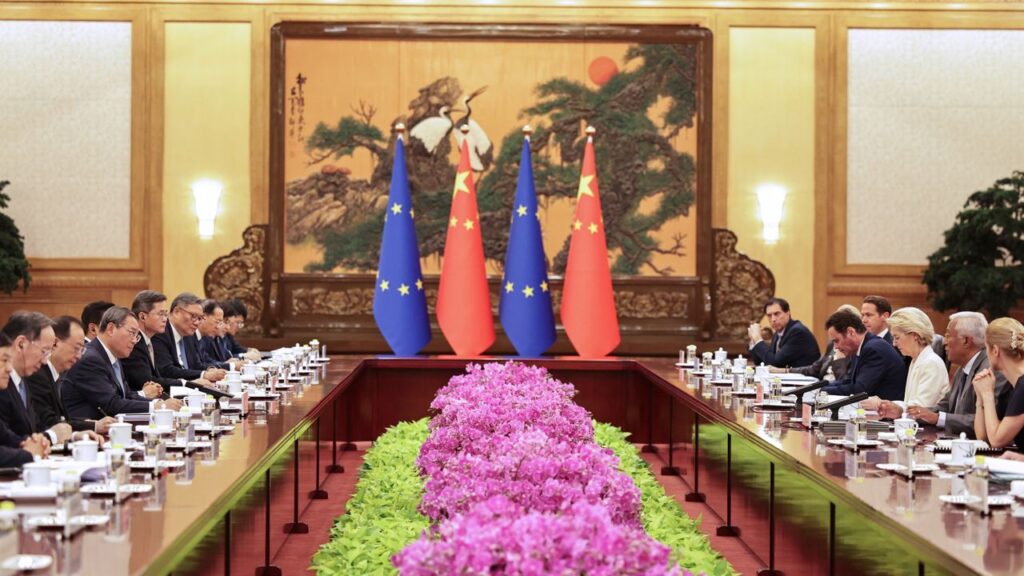
āļ āˇ“āļą āļ…āļœāļ¸āˇāļ­āˇ’ Li Qiang, ⎀āļ¸āˇš āˇƒāˇ’āˇ€āˇŠāˇ€āļą , āļē⎔āļģāˇāļ´āˇ“āļē āļšāˇœāļ¸āˇ’āˇƒāļ¸āˇš ⎃āļˇāˇāļ´āļ­āˇ’ Ursula von der Leyen, āļ¯āļšāˇ”āļĢ āļ­āˇ”āļąāˇŠāˇ€āļą , āļē⎔āļģāˇāļ´āˇ“āļē āļšāˇ€āˇ”āļąāˇŠāˇƒāˇ’āļŊāļē⎚ ⎃āļˇāˇāļ´āļ­āˇ’ Antonio Costa, āļ¯āļšāˇ”āļĢ āļ¯āˇ™āˇ€āļą , āˇƒāˇ„ ⎀⎒āļ¯āˇšāˇ āļšāļ§āļē⎔āļ­āˇ” āˇƒāˇ„ āļ†āļģāļšāˇŠāˇ‚āļš āļ´āˇŠâ€āļģāļ­āˇ’āļ´āļ­āˇŠāļ­āˇ’ āļ´āˇ’⎅⎒āļļāļŗ āļ‰āˇ„⎅ āļąāˇ’āļēāˇāļĸ⎒āļ­ āˇƒāˇ„ āļē⎔āļģāˇāļ´āˇ“āļē āļšāˇœāļ¸āˇ’āˇƒāļ¸āˇš āļ‹āļ´ āˇƒāļˇāˇāļ´āļ­āˇ’ Kaja Kallas, āļ¯āļšāˇ”āļĢāļ§, 2025 āļĸ⎔āļŊ⎒ 24 āļļāˇŠâ€āļģāˇ„āˇƒāˇŠāļ´āļ­āˇ’āļąāˇŠāļ¯āˇ , āļ āˇ“āļą āļ¸āˇ„āļĸāļą āļ¸āˇ„āˇ āˇāˇāļŊāˇāˇ€āˇšāļ¯āˇ“ āļģāˇāˇƒāˇŠāˇ€āˇ“āļ¸ āļ†āļģāļ¸āˇŠāļˇāļē⎚āļ¯āˇ“ āˇƒāˇ€āļąāˇŠ āļ¯āˇ™āļē⎒. [AP āļĄāˇāļēāˇāļģ⎖āļ´āļē/Andres Martinez Casares]

āļ‘āļšāˇŠāˇƒāļ­āˇŠ āļĸāļąāļ´āļ¯āļē āˇƒāˇ’āļē āļ­āˇ“āļģ⎔āļļāļ¯āˇ” āļ¸āļœāˇ’āļąāˇŠ āˇƒāˇ‘āļ¸ āļ´āˇāļģāˇŠāˇāˇŠāˇ€āļēāļšāļ§āļ¸ āˇ„āˇāļąāˇ’ āļšāļģāļą āļļ⎀āļ§ āļąāˇ’āļģāļąāˇŠāļ­āļģāļē⎙āļąāˇŠ āļ āˇāļ¯āļąāˇ āļšāļģāļą āļē⎔āļģāˇāļ´āˇ“āļē ⎃āļ‚āļœāļ¸āˇŠ āļšāˇœāļ¸āˇ’āˇƒāļ¸āˇš (EU) ⎃āļˇāˇāļ´āļ­āˇ’ Ursula von der Leyen,  āļ§āˇŠâ€āļģāļ¸āˇŠāļ´āˇŠ āļ´āļąāˇŠāļąāļē⎚ ⎀⎙⎅āļŗ āˇƒāļ¸āˇŠāļļāˇāļ°āļš āļ¸āļœāˇ’āļąāˇŠ āļ āˇ“āļąāļēāļ§ āļ­āļģ⎊āļĸāļąāļē āļšāļŊāˇāļē. āļ āˇ“āļąāļē āˇƒāˇ„ āļē⎔āļģāˇāļ´āˇ ⎃āļ‚āļœāļ¸āļē āļ…āļ­āļģ ⎃āļļāļŗāļ­āˇ â€œāˇ„āˇāļģ⎀⎔āļ¸āˇŠ āļŊāļšāˇŠāˇ‚āļēāļšâ€ āļ´āˇ€āļ­āˇ’āļą āļļ⎀āļ§ āļ‡āļē āļ…āļąāļ­āˇ”āļģ⎔ āļ‡āļŸāˇ€āˇ“āļē. ⎀⎙⎅āļŗ āˇƒāļļāļŗāļ­āˇāˇ€ “āļ…āļ­āˇ’⎁āļē⎒āļąāˇŠ āļ…āˇƒāļ¸āļ­āˇ”āļŊ⎒āļ­” ⎀⎖ āļ…āļ­āļģ, āļ¯āˇŠāˇ€āˇ’āļ´āˇāļģāˇŠāˇāˇŠāˇ€āˇ’āļš āˇƒāļļāļŗāļ­āˇ āļąāˇāˇ€āļ­ āļ­āˇ”āļŊāļąāļē āļšāˇ’āļģ⎓āļ¸ “āļ…āļ­āˇŠâ€āļēāˇ€āˇāˇŠâ€āļē” āļļ⎀ āļ‡āļē āļ´āˇāˇ€āˇƒāˇ”āˇ€āˇāļē. āļ āˇ“āļąāļē āļģāˇāļĸāˇŠâ€āļē āˇƒāˇ„āļąāˇāļ°āˇāļģ āļŊāļ­āˇŠ āļ…āļ°āˇ’-āļ°āˇāļģ⎒āļ­āˇāˇ€āˇ™āļąāˇŠ āļŊāˇāļš āˇ€āˇ™āļŊāļŗāļ´āˇœāļŊ⎀āļŊ⎊ āļ­āˇ”⎅āļ§ āļ­āļŊ⎊āļŊ⎔ āļšāļģ āļœāˇāļąāˇ“āļ¸ āļ¯āˇ’āļœāļ§āļ¸ āļšāļģāļœāˇ™āļą āļēāļąāˇŠāļąāˇš āļąāļ¸āˇŠ, “āļē⎔āļģāˇ ⎃āļ‚āļœāļ¸āļēāļ§ āļ‘⎄⎒ ⎀āļ­āˇŠāļ¸āļąāˇŠ āļ¸āļ§āˇŠāļ§āļ¸āˇš āˇ€āˇ’āˇ€āˇ˜āļ­ āļˇāˇāˇ€āļē āļ´āˇ€āļ­āˇŠāˇ€āˇ āļœāˇāļąāˇ“āļ¸ āļ‰āļ­āˇ āļ…āļ´āˇ„āˇƒāˇ” ⎀āļąāˇ” āļ‡āļ­” āļē⎒ āļ‡āļē āļ´āˇāˇ€āˇƒāˇ”āˇ€āˇāļē. 

āļ‘⎀āļąāˇŠ āļ†āļšāˇāļģāļē⎚ 25 ⎀⎐āļąāˇŠāļą āˇ€āˇ– ⎃āļ¸āˇ”⎅⎔⎀, āļē⎔āļģāˇāļ´āˇ ⎃āļ‚āļœāļ¸āļē āˇƒāˇ„ āļ āˇ“āļąāļē āļ…āļ­āļģ āļģāˇāļĸāˇŠâ€āļē āļ­āˇāļąāˇŠāļ­āˇŠâ€āļģ⎒āļš āˇƒāļļāļŗāļ­āˇ āļ´āˇ’⎄⎒āļ§āˇ”⎀⎓āļ¸āˇš 50 ⎀⎐āļąāˇ’ ⎃āļ‚⎀āļ­āˇŠāˇƒāļģāļē ⎃⎐āļ¸āļģ⎓āļ¸ āˇƒāļŗāˇ„āˇ āļ…āļģāļ¸āˇ”āļĢ⎔ āļšāļģāļą āļŊāļ¯āˇ“. āļ¸āˇ™āļ¸ āˇƒāļļāļŗāļ­āˇ āļšāˇ’āˇƒāˇ’āļ¯āˇ āļ†āļ­āļ­āˇ’āļē⎙āļąāˇŠ āļąāˇ’āļ¯āˇ„āˇƒāˇŠ ⎀ āļąāˇœāļ­āˇ’āļļ⎔āļĢ⎒. āļē⎔āļģāˇāļ´āˇ“āļē āļ†āļēāˇāļĸāļą āˇƒāˇ„ āļˇāˇāļĢ⎊āļŠ āˇƒāļŗāˇ„āˇ āļ āˇ“āļąāļēāļ§ āļ´āˇŠâ€āļģāˇ€āˇšāˇāļē, āļ´āˇŠâ€āļģāļšāˇāˇāļą āˇ„āˇ’āļ¸āˇ’āļšāļ¸āˇŠ āˇƒāˇ„ āļ´āˇšāļ§āļąāˇŠāļ§āˇŠ āļļāļŊāļ´āļ­āˇŠâ€āļģ ⎃āļ¯āˇ„āˇ āļ†āļģāļšāˇŠāˇ‚āˇāˇ€, āļ´āˇŠâ€āļģāļ´āˇāļ­āļą āļ¸āˇ’āļŊ āļœāļĢāļąāˇŠ (dumping prices- āˇ€āˇ’āˇāˇšāˇ‚āļē⎙āļąāˇŠ ⎀⎒āļ¯āˇšāˇ ⎀⎙⎅āļŗāļ´āˇ…⎀āļŊ āļ­āļģāļœāļšāˇāļģ⎓ ⎀⎓āļ¸ āˇƒāļ¯āˇ„āˇ āļ¸āˇ’āļŊ āļļāˇœāˇ„āˇ āļ…āļŠāˇ” āļšāˇ’āļģ⎓āļ¸) āˇƒāˇ„ āˇƒāˇ„āļąāˇāļ°āˇāļģ āˇƒāˇ„ āļ­āˇ€āļ­āˇŠ āļļāˇœāˇ„āˇ āļœāˇāļ§āļŊ⎔ ⎃āļ¸āˇŠāļļāļąāˇŠāļ°āļē⎙āļąāˇŠ āļ†āļģ⎀⎔āļŊ⎊ āļ‡āļ­āˇ’ ⎀⎓ āļ­āˇ’āļļ⎚. āļ āˇ“āļąāļēāļ§ āļ´āˇ“āļŠāļąāļē āļē⎙āļ¯āˇ“āļ¸ āˇƒāļŗāˇ„āˇ āļē⎔āļģāˇāļ´āˇ ⎃āļ‚āļœāļ¸āļē āļ§āˇ’āļļ⎙āļ§āļē⎚ āˇƒāˇ„ ⎂⎒āļąāˇŠāļĸ⎒āļē⎐āļąāˇŠāļœāˇŠāˇ„⎒ āˇ€āˇāļģ⎊āļœāˇ’āļš āˇƒāˇ”āˇ…āˇ”āļ­āļģāļēāļąāˇŠāļœāˇš āļ­āļ­āˇŠāļ­āˇŠāˇ€āļē āļ¯ āļ´āˇŠâ€āļģāļēāˇāļĸāļąāļēāļ§ āļœāˇ™āļą āļ‡āļ­.

āļ āˇ“āļąāļēāļ§ āļ‘āļģ⎙⎄⎒ ⎀⎙āļŊāļŗ āļē⎔āļ¯ āļ´āˇ’āļē⎀āļģ āļ´āˇ’āļŊ⎒āļļāļŗ āˇ€āˇœāļąāˇŠ āļŠāļģ⎊ āļŊ⎚āļēāļąāˇŠāļœāˇš āļ­āļģ⎊āļĸāļąāļē āļ´āˇ™āļąāˇŠāļąāˇ”āļ¸āˇŠ āļšāļģāļąāˇŠāļąāˇš āļ­āˇ“āļģ⎔āļļāļ¯āˇ” āļ´āˇāļąāˇ€āˇ“āļ¸ āļ‘āļšāˇŠāˇƒāļ­āˇŠ āļĸāļąāļ´āļ¯ āļĸāļąāˇāļ°āˇ’āļ´āļ­āˇ’ āļ§āˇŠâ€āļģāļ¸āˇŠāļ´āˇŠāļœāˇš āļ´āˇ”āļ¯āˇŠāļœāļŊ⎒āļš āˇ€āˇ’āļšāˇāļģāļēāļšāˇŠ āļąāˇœāˇ€, āļ°āļąāˇšāˇāˇŠāˇ€āļģ āļ´āļ¯āˇŠāļ°āļ­āˇ’āļē⎚ āļœāˇāļŊ⎓āļē āļ…āļģ⎊āļļ⎔āļ¯āļēāļ§ āļ´āˇŠâ€āļģāļ­āˇ’āļ āˇāļģāļēāļšāˇŠ āļļ⎀āļē⎒. āļ´āˇ…āļ¸āˇ” āˇ„āˇ āļ¯āˇ™āˇ€āļą āļŊāˇāļš āļē⎔āļ¯āˇŠāļ° āļ†āˇƒāļąāˇŠāļąāļē⎚ āļ¯āˇ“ āļ¸āˇ™āļąāˇŠ, āļ…āļ¸āˇ”āļ¯āˇŠâ€āļģāˇ€āˇŠâ€āļē, ⎀⎙āļŊāļŗāļ´āˇœāļŊ⎀āļŊ⎊ āˇƒāˇ„ āļŊāˇāļˇ āˇƒāļŗāˇ„āˇ āļ…āļģāļœāļŊāļē āļ­āˇ€āļ¯āˇ”āļģāļ§āļ­āˇŠ āˇƒāˇāļ¸āļšāˇāļ¸āˇ“ āļ­āļģāļŸāļēāļšāˇ’āļąāˇŠ āļąāˇœāˇ€, āļļāļŊ⎄āļ­āˇŠāļšāˇāļģāļē⎙āļąāˇŠ, āļļ⎊āļŊ⎐āļšāˇŠāļ¸āˇšāļŊ⎊ āˇƒāˇ„ āļ¸āˇ’āļŊ⎒āļ§āļģ⎒ āļļāļŊāļē ⎄āļģāˇ„āˇ āļœāˇ™āļą āļēāļąāˇ” āļŊ⎐āļļ⎚.

āļšāˇ™āˇƒāˇš ⎀⎙āļ­āļ­āˇŠ, āļ†āļģ⎊āļŽāˇ’āļš āˇƒāļļāļŗāļ­āˇ āˇ€āˇ’āˇāˇāļŊ āļŊāˇ™āˇƒ ⎀āļģ⎊āļ°āļąāļē ⎀⎓ āļ‡āļ­. 2024 āļ¯āˇ“, āļē⎔āļģāˇāļ´āˇ ⎃āļ‚āļœāļ¸āļē āˇƒāˇ„ āļ āˇ“āļąāļē āļ…āļ­āļģ āļˇāˇāļĢ⎊āļŠ āˇ„āˇ āˇƒāˇšāˇ€āˇ ⎀⎙⎅āļŗāˇāļ¸āˇš ⎀āļ§āˇ’āļąāˇāļšāļ¸ āļē⎔āļģāˇ āļļ⎒āļŊ⎒āļēāļą 845 āļšāļ§ āˇ€āļŠāˇ ⎀⎐āļŠāˇ’ ⎀⎒āļē. āļ¸āˇ™āļē āļŊāˇāļš āˇ€āˇ™āļŊāļŗāˇāļ¸āˇ™āļąāˇŠ āˇƒāˇ’āļēāļēāļ§ 30āļšāļ§ āļēāļąāˇŠāļ­āļ¸āˇŠ āļ…āļŠāˇ” āļ´āˇŠâ€āļģāļ¸āˇāļĢāļēāļšāļ§ āļ…āļąāˇ”āļģ⎖āļ´ āˇ€āˇš. EU āļēāļąāˇ” āļ āˇ“āļąāļē⎚ ⎀⎐āļ¯āļœāļ­āˇŠāļ¸ āˇ€āˇ™āˇ…āļŗ āˇƒāˇ„āļšāļģ⎔ ⎀āļą āļ…āļ­āļģ āļ āˇ“āļąāļē āļē⎔āļģāˇāļ´āˇ ⎃āļ‚āļœāļ¸āļē⎚ ⎄⎒ āļ¯āˇ™āˇ€āļą āˇ€āˇ’āˇāˇāļŊāļ­āļ¸ āˇ€āˇ™āļŊāļŗ āļœāļąāˇ”āļ¯āˇ™āļąāˇ”āļšāļģ⎔ āˇ€āˇš.

āļ āˇ“āļą āļ…āļ´āļąāļēāļąāļē, āļ†āļąāļēāļąāļē āļ¸āˇ™āļąāˇŠ āļ¯āˇ™āļœāˇ”āļĢāļēāļšāļ§āļ­āˇŠ ⎀āļŠāˇ ⎀⎐āļŠāˇ’ āļē. 2024 āļ¯āˇ“ āļē⎔āļģāˇāļ´āˇ ⎃āļ‚āļœāļ¸āļē āļ āˇ“āļąāļē ⎃āļ¸āļŸ āļē⎔āļģāˇ āļļ⎒āļŊ⎒āļēāļą 300 āļšāļ§ āˇ€āļŠāˇ ⎀⎐āļŠāˇ’ ⎀⎙⎅āļŗ āˇ„āˇ’āļŸāļēāļšāˇŠ āˇ€āˇāļģ⎊āļ­āˇ āļšāˇ…āˇšāļē. āˇ€āˇ’āˇāˇšāˇ‚āļē⎙āļąāˇŠāļ¸ āļ āˇ“āļąāļē āļ­āˇ€āļ¯āˇ”āļģāļ§āļ­āˇŠ āļē⎔āļģāˇāļ´āˇ“āļē ⎃āļ‚āļœāļ­ āˇƒāļŗāˇ„āˇ āļ…āļŠāˇ” ⎀⎐āļ§āˇ”āļ´āˇŠ āˇ€āˇšāļ¯āˇ’āļšāˇāˇ€āļšāˇŠ āˇƒāˇ„ ⎀⎒āļšāˇ”āļĢ⎔āļ¸āˇŠ ⎀⎙āļŊāļŗāļ´āˇœāļŊāļšāˇŠ āļŊāˇ™āˇƒ āļ´āļ¸āļĢāļšāˇŠ āˇƒāˇšāˇ€āļē āļąāˇœāļšāļģāļą āļ…āļ­āļģ, ⎀⎒āļ¯āˇ”⎅⎒ āļ¸āˇāļ§āļģ⎊ āļģāļŽ, āļ¯āˇ”āļģ⎊āļŊāļˇ āļ›āļąāˇ’āļĸ (rare earths) āˇƒāˇ„ ⎀⎐āļŠāˇ’ ⎀⎐āļŠāˇ’āļē⎙āļąāˇŠ AI ⎀⎐āļąāˇ’ āļ­āˇāļšāˇŠāˇ‚āļĢāļēāļąāˇŠāˇ„⎒ āļŊāˇāļš āļ´āˇŠâ€āļģāļ¸āˇ”āļ›āļēāˇ āļļ⎀āļ§ āļ´āļ­āˇŠ ⎀⎓ āļ‡āļ­āˇ’ āļļ⎐⎀⎒āļąāˇŠ, āļ´āļģāļ­āļģāļē āļ´āˇ”⎅⎔āļŊ⎊ ⎀⎙āļ¸āˇ’āļąāˇŠ āļ´āˇ€āļ­āˇ“.

2020 āļ¯āˇ“āļ­āˇŠ, Volkswagen āˇƒāˇ’āļēāļēāļ§ 19 āļš āˇ€āˇ™āˇ…āļŗāļ´āļŊ āļšāˇœāļ§āˇƒāļšāˇŠ ⎃āļ­āˇ”⎀ āļ āˇ“āļąāļē⎚ āļ´āˇŠâ€āļģāļ¸āˇ”āļ›āļ­āļ¸ āļ¸āˇāļ§āļģ⎊ āļģāļŽ āļąāˇ’āˇ‚āˇŠāļ´āˇāļ¯āļšāļēāˇ ⎀⎖ āļąāļ¸āˇ”āļ­āˇŠ āļ‘āļ­āˇāļąāˇŠ āˇƒāˇ’āļ§ āļ‘āļ¸ āļšāˇœāļ§āˇƒ āˇƒāˇ’āļēāļēāļ§ 12 āļ¯āļšāˇŠāˇ€āˇ āļ…āļŠāˇ” ⎀⎓ āļ‡āļ­. āļ…āļąāˇ™āļšāˇŠ āļ…āļ­āļ§, āļ āˇ“āļą āˇ€āˇ™āˇ…āļŗ āļąāˇāļ¸ āļ´āˇƒāˇ”āļœāˇ’āļē āˇ€āˇƒāļģ āļ´āˇ„ āļ­āˇ”⎅ āļ”⎀⎔āļąāˇŠāļœāˇš ⎀⎙⎅āļŗāļ´āļŊ āļšāˇœāļ§āˇƒ āˇƒāˇ’āļēāļēāļ§ 36 āˇƒāˇ’āļ§ 69 āļ¯āļšāˇŠāˇ€āˇ ⎀⎐āļŠāˇ’ āļšāļģāļœāļą āļ‡āļ­. āļ¸āˇ™āļēāļ§ āļ´āˇŠâ€āļģāļ°āˇāļą āˇ€āˇāļē⎙āļąāˇŠ āˇ„āˇšāļ­āˇ” ⎀⎓ āļ‡āļ­āˇŠāļ­āˇš āļ¸āˇ’āļŊ āļ…āļŠāˇ”, āļ‹āˇƒāˇƒāˇŠ āļ­āļ­āˇŠāļ­āˇŠāˇ€āļē⎚ ⎀⎒āļ¯āˇ”āļŊ⎒ āļ¸āˇāļ§āļģ⎊ āļģāļŽ āļąāˇ’āˇ‚āˇŠāļ´āˇāļ¯āļąāļē āļšāˇ’āļģ⎓āļ¸āļē⎒.

āļ´āˇƒāˇ”āļœāˇ’āļē āļœāˇ’āļ¸āˇŠāˇ„āˇāļąāļē⎚āļ¯āˇ“ āļē⎔āļģāˇāļ´āˇ ⎃āļ‚āļœāļ¸āļē āļ āˇ“āļą āļ¸āˇāļ§āļģ⎊ āļģāļŽ āˇƒāļŗāˇ„āˇ āļ¸āˇ–āļŊ⎒āļš āˇƒāˇ’āļēāļēāļ§ 10āļš āļ­āˇ“āļģ⎔āļļāļ¯āˇ” āļ¸āļ­āˇŠāļ­āˇ™āˇ„⎒ āˇƒāˇ’āļēāļēāļ§ 17 āˇƒāˇ’āļ§ 35 āļ¯āļšāˇŠāˇ€āˇ āļ…āļ¸āļ­āļģ āļ…āļ°āˇ’āļˇāˇāļģ āļ´āˇāļą āˇ€āˇ–āļē⎚  āļ’āˇ€āˇ āļē⎔āļģāˇāļ´āˇ“āļē ⎀⎙āļŊāļŗāļ´āˇœāļŊāļ¯ āļĸāļēāļœāˇāļąāˇ“āļ¸ āˇ€āˇāļŊ⎐āļšāˇŠāˇ€āˇ“āļ¸ āˇƒāļŗāˇ„āˇāļē. āļļāˇœāˇ„āˇ āļąāˇ€āˇ“āļą āļ­āˇāļšāˇŠāˇ‚āļĢāļēāļąāˇŠ ⎃āļŗāˇ„āˇ āļ…āļ­āˇŠâ€āļēāˇ€āˇāˇŠâ€āļē ⎀āļą āļ¯āˇ”āļģ⎊āļŊāļˇ āļ›āļąāˇ’āļĸ āļ¸āļ­ āļ āˇ“āļąāļēāļ§ āļœāˇāļŊ⎓āļē āļ’āļšāˇāļ°āˇ’āļšāˇāļģāļēāļšāˇŠ āļļāļ¯āˇ” āļ­āļ­āˇŠāˇ€āļēāļšāˇŠ āļ‡āļ­.

āļ āˇ“āļąāļē⎚ āļ†āļģ⎊āļŽāˇ’āļš āļąāˇāļœāˇ“āļ¸ āļšāˇ™āļģ⎙⎄⎒ āļē⎔āļģāˇāļ´āˇ ⎃āļ‚āļœāļ¸āļē āļ…āļ­āˇ’⎁āļē āļ†āļšāˇŠâ€āļģāļ¸āļĢ⎁⎓āļŊ⎓ āļŊāˇ™āˇƒ āļ´āˇŠâ€āļģāļ­āˇ’āļ āˇāļģ āļ¯āļšāˇŠāˇ€āļē⎒. āļ’ āļ…āļ­āļģāļ¸, āļ†āļģ⎊āļŽāˇ’āļš āļļ⎐āļŗāˇ“āļ¸āˇŠ ⎃āļ¸āˇŠāļ´āˇ–āļģ⎊āļĢāļē⎙āļąāˇŠ āļļ⎒āļŗ āļąāˇœāļ¯āˇāļ¸āˇ“āļ¸āļ§ āļ‹āļ­āˇŠāˇƒāˇāˇ„ āļšāļģāļē⎒. āļē⎔āļģāˇāļ´āˇ ⎃āļ‚āļœāļ¸āļē⎚ āˇ€āˇ’āˇāˇāļŊāļ­āļ¸ āˇ€āˇ™āļŊāļŗ āˇƒāˇ„āļšāļģ⎔ ⎀āļą āļ‘āļšāˇŠāˇƒāļ­āˇŠ āļĸāļąāļ´āļ¯āļē āļ´āˇāļąāˇ€āˇ“āļ¸āļ§ āļ­āļģ⎊āļĸāļąāļē āļšāļģāļą āļ¯āļĢ⎊āļŠāļą āļ­āˇ“āļģ⎔āļļāļ¯āˇ” ⎃āļ¸āļœ āļ‘āļšāˇŠ ⎀⎖ āļšāļŊ āļ¸āˇ™āļē ⎀⎒āļąāˇāˇāļšāˇāļģ⎓ āļ†āļģ⎊āļŽāˇ’āļš āļ´āˇŠâ€āļģāļ­āˇ’⎀⎒āļ´āˇāļšāˇ āļ‡āļ­āˇ’ āļšāļģāļąāˇ” āļ‡āļ­.

āļ āˇ“āļąāļē⎚ āļ´āˇāļģāˇŠāˇāˇŠāˇ€āļē⎙āļąāˇŠ, āļ‘⎄⎒ āļąāˇāļēāļšāļ­āˇŠāˇ€āļē ⎀⎐āļŠāˇ’āļ¯āˇ”āļģ āļ†āļģ⎊āļŽāˇ’āļš āˇƒāˇ„āļēāˇāļœāˇ“āļ­āˇāˇ€ ⎃āļŗāˇ„āˇ āļ­āļ¸ āļ‹āļąāļąāˇŠāļ¯āˇ”⎀ āļ…⎀āļ°āˇāļģāļąāļē āļšāļģ āļ‡āļ­āļ­āˇŠ, āļē⎔āļģāˇāļ´āˇ“āļē āļļ⎊āļŊ⎐āļšāˇŠāļ¸āˇšāļŊ⎊ āļ­āļģ⎊āļĸāļą āˇ€āļŊāļ§ āļēāļ§āļ­āˇŠ ⎀⎓āļ¸āļ§ āļ‘āļē āˇƒāˇ–āļ¯āˇāļąāļ¸āˇŠ āļąāˇāļ­. āļē⎔āļģāˇāļ´āˇ ⎃āļ‚āļœāļ¸āˇŠ āļąāˇāļēāļšāļē⎒āļąāˇŠ ⎃āļ¸āļŸ āļ´āˇāˇ€āļ­āˇ’ āˇƒāˇāļšāļ āˇŠāļĄāˇāˇ€āļšāļ¯āˇ“ āļĸāļąāˇāļ°āˇ’āļ´āļ­āˇ’ ⎂⎓ āļĸ⎒āļąāˇŠāļ´āˇ’āļąāˇŠ āļ´āˇŠâ€āļģāļšāˇāˇ āļšāˇ…āˇš āļ āˇ“āļąāļē āˇƒāˇ„ āļē⎔āļģāˇāļ´āˇ ⎃āļ‚āļœāļ¸āļē āļ…āļ­āļģ āļļ⎐āļŗāˇ’āļēāˇ āļœāˇāļ§āˇ”āļ¸āˇŠ (conflicts of interest) āˇ„āˇ āļˇāˇ– āļ¯āˇšāˇāļ´āˇāļŊāļąāˇ’āļš āļ´āˇŠâ€āļģāļ­āˇ’⎀⎒āļģāˇāļ°āļ­āˇ āļąāˇœāļ¸āˇāļ­āˇ’ āļļ⎀āļē⎒. āļē⎔āļģāˇāļ´āˇ ⎃āļ‚āļœāļ¸āˇŠ ⎀⎙āļŊāļŗāļ´āˇœāļŊ āˇ€āˇ’āˇ€āˇ˜āļ­āˇ€ āļ´āˇ€āļ­āˇ’āļąāˇ” āļ‡āļ­āˇāļē⎒āļ¯, āļē⎔āļģāˇāļ´āˇ“āļē āļ´āˇāļģāˇŠāˇāˇ€āļē “āˇƒāˇ“āļ¸āˇāļšāˇāļģ⎓ āļ†āļģ⎊āļŽāˇ’āļš āˇ„āˇ ⎀⎙⎅āļŗ āļ‹āļ´āļšāļģāļĢ āļˇāˇāˇ€āˇ’āļ­āˇ āļšāˇ’āļģ⎓āļ¸āˇ™āļąāˇŠ ⎀⎐⎅āļšāˇ“ āˇƒāˇ’āļ§āˇ’āļąāˇ” āļ‡āļ­āˇāļē⎒āļ¯ ” āļēāļąāˇ”⎀⎙āļąāˇŠ āļļāļŊāˇāļ´āˇœāļģ⎜āļ­āˇŠāļ­āˇ” ⎀āļą āļļ⎀ āļ”⎄⎔ āļ´āˇāˇ€āˇƒāˇ“āļē.

āļ āˇ“āļąāļēāļ§ āļ‘āļģ⎙⎄⎒⎀ āļ¯āˇāļŠāˇ’ āļ†āˇƒāˇŠāļŽāˇāļąāļēāļšāˇŠ āļœāˇāļąāˇ“āļ¸ āļ¸āļœāˇ’āļąāˇŠ  āļē⎔āļģāˇāļ´āˇ ⎃āļ‚āļœāļ¸āļē āļ‘āļšāˇŠāˇƒāļ­āˇŠ āļĸāļąāļ´āļ¯āļē ⎃āļ¸āļŸ āļ‡āļ­āˇ’ āļ­āˇ“āļģ⎔āļļāļ¯āˇ” āļœāˇāļ§āˇ”āļ¸āˇš āļ¯āˇ“ āˇ€āˇāˇƒāˇ’āļ¯āˇāļēāļš āļ‘āļšāļŸāļ­āˇāˇ€āļēāļšāļ§ āļ‘⎅āļšāˇ™āļąāˇ” āļ‡āļ­āˇ’ āļļ⎀āļ§āļ¯ āļļ⎓āļĸ⎒āļąāļē āļļ⎒āļē āˇ€āˇš. āļē⎔āļģāˇāļ´āˇ ⎃āļ‚āļœāļ¸āļē āļ¯āˇāļąāļ§āļ¸āļ­āˇŠ āļ āˇ“āļąāļēāļ§ āļ¯āˇšāˇāļ´āˇāļŊāļą āˇ„āˇ āļ¸āˇ’āļŊ⎒āļ§āļģ⎒ āļ´āˇ“āļŠāļąāļē ⎀⎐āļŠāˇ’ āļšāļģāļ¸āˇ’āļąāˇŠ āˇƒāˇ’āļ§āˇ“.

āļē⎔āļšāˇŠāļģ⎚āļąāļē ⎃āļ¸āļŸ āļē⎔āļ¯āˇŠāļ°āļē⎚āļ¯āˇ“, āļ āˇ“āļąāļē āļģāˇ”āˇƒāˇ’āļēāˇāˇ€āˇš  āļ­āˇ™āļŊ⎊ āļ¸āˇ’āļŊ āļ¯āˇ“ āļœāˇ™āļą, āļļāļ§āˇ„⎒āļģ ⎃āļ¸āˇŠāļļāˇāļ°āļš āļ¸āļœāˇ„āļģ⎒āļ¸āˇ’āļąāˇŠ āļ¯āˇŠāˇ€āˇ’āļ­āˇŠāˇ€ āļˇāˇāˇ€āˇ’āļ­ āˇƒāļ‚āļģāļ āļš (dual-use components), āļ‘āļąāļ¸āˇŠ āļ†āļē⎔āļ° āļąāˇ’āˇ‚āˇŠāļ´āˇāļ¯āļąāļē ⎃āļŗāˇ„āˇ āļ¯ āļˇāˇāˇ€āˇ’āļ­āˇ āļšāˇ… ⎄⎐āļšāˇ’ ⎃āļ‚āļģāļ āļš āˇƒāˇāļ´āļē⎓āļ¸āˇ™āļąāˇŠ āļģāˇ”āˇƒāˇ’āļēāˇāˇ€āļ§ āˇƒāˇ„āˇāļē āļ¯āˇ™āļą āļļ⎀āļ§ āļ āˇāļ¯āļąāˇ āļšāˇ’āļģ⎓āļ¸ āˇƒāļ¸āˇ”⎅⎔⎀ āļ´āˇ”āļģāˇāˇ€āļ§āļ¸ āļ´āˇ”āļąāļģāˇāˇ€āļģ⎊āļ­āˇ’āļ­ āļ­āˇšāļ¸āˇāˇ€āļšāˇŠ ⎀⎒āļē. āļģāˇ”āˇƒāˇ’āļēāˇāˇ€āˇš āļ¸āˇ’āļŊ⎒āļ§āļģ⎒-āļšāˇāļģ⎊āļ¸āˇ’āļš āļ´āļ¯āļąāļ¸āļ§ āļ¯āˇŠâ€āļģāˇ€āˇŠâ€āļēāļ¸āļē āļ†āļ°āˇāļģ āļŊāļļāˇ āļąāˇœāļ¯āˇ™āļą āļŊāˇ™āˇƒāļ­āˇŠ āļē⎔āļ¯āˇŠāļ°āļē āļ…āˇ€āˇƒāļąāˇŠ āļšāˇ’āļģ⎓āļ¸āļ§ āļ‘⎄⎒ āļļāļŊāļ´āˇ‘āļ¸ āļˇāˇāˇ€āˇ’āļ­āˇ āļšāļģāļą āļŊāˇ™āˇƒāļ­āˇŠ āļē⎔āļģāˇāļ´āˇ ⎃āļ‚āļœāļ¸āļē āļ āˇ“āļąāļē⎙āļąāˇŠ āļ‰āļŊ⎊āļŊāˇ āˇƒāˇ’āļ§āˇ’āļē⎚āļē.

āļļ⎓āļĸ⎒āļ‚⎄⎒ ⎃āļ¸āˇ”⎅⎔⎀āļ§ āļ´āˇ™āļģ āļ¯āˇ’āļą, āļē⎔āļģāˇāļ´āˇ ⎃āļ‚āļœāļ¸āˇŠ āļąāˇ’āļēāˇāļĸ⎒āļ­āļēāˇ āļ§āˇāļšāˇ’āļēāˇ ⎄⎒ āļ´āˇāˇ€āļ­āˇ’ āļē⎔āļģāˇāļ´āˇ ⎃āļ‚āļœāļ¸āˇŠ-āļĸāļ´āˇāļą āˇƒāļ¸āˇ”⎅⎔⎀āļšāļ§ āˇƒāˇ„āļˇāˇāļœāˇ“ ⎀⎖ āļ…āļ­āļģ āļ†āļē⎔āļ° āļšāļģ⎊āļ¸āˇāļąāˇŠāļ­āļē⎚ ⎃āļ¸āˇ“āļ´ āˇƒāˇ„āļēāˇāļœāˇ“āļ­āˇāˇ€ ⎃āļŗāˇ„āˇ āˇƒāˇ„ āļ­āˇ“āļģāļĢāˇāļ­āˇŠāļ¸āļš āļ…āļ¸āˇ”āļ¯āˇŠâ€āļģāˇ€āˇŠâ€āļē āļšāˇŠāˇ‚āˇšāļ­āˇŠâ€āļģāļē⎚ āļ‹āļ´āˇāļēāļ¸āˇāļģ⎊āļœāˇ’āļš āļē⎐āļ´āˇ“āļ¸āˇŠ āļ…āļŠāˇ” āļšāˇ’āļģ⎓āļ¸ āˇƒāļ¸āˇŠāļļāļąāˇŠāļ°āļē⎙āļąāˇŠ āļ‘āļšāļŸ āˇ€āˇ–āˇ„. āļ¸āˇ™āļ¸ āļ­āˇ“āļģāļĢ āļ¯āˇ™āļšāļ¸ āļ āˇ“āļąāļē āļ‰āļŊāļšāˇŠāļš āļšāļģ āļœāļ­āˇŠ āļ’āˇ€āˇāļē. āļĸāļ´āˇāļąāļē, āļąāˇšāļ§āˇāˇ€āˇš āļ¯ āˇƒāˇ„āˇāļē āļŊāļļāļą, āļ āˇ“āļąāļēāļ§ āļ‘āļģ⎙⎄⎒ āļē⎔āļ¯āˇŠāļ°āļē ⎃āļŗāˇ„āˇ āļ‘āļšāˇŠāˇƒāļ­āˇŠ āļĸāļąāļ´āļ¯ āˇƒāˇ–āļ¯āˇāļąāļ¸ āˇƒāļ¸ā āļ¯āˇāļŠāˇ’ āļŊāˇ™āˇƒ ⎃āļ¸āˇŠāļļāļąāˇŠāļ° āˇ€āˇ“ āˇƒāˇ’āļ§āˇ“.

āļ’ āļ…āļąāˇ”⎀ āļē⎔āļģāˇāļ´āˇ ⎃āļ‚āļœāļ¸āˇŠ-āļ āˇ“āļą āˇƒāļ¸āˇ”⎅⎔⎀ āļšāˇ’āˇƒāˇ’āļ¯āˇ” āļ¯āˇāļąāˇ™āļą āļ´āˇŠâ€āļģāļ­āˇ’āļĩāļŊāļēāļšāˇ’āļąāˇŠ āļ­āˇœāļģ⎀ āļ…āˇ€āˇƒāļąāˇŠ ⎀⎒āļē. āļ¸āˇ”āļŊ⎒āļąāˇŠ āļ‘āļē āļ¯āˇ’āļą āļ¯āˇ™āļšāļšāˇŠ āļ´āˇāˇ€āˇāļ­āˇŠāˇ€āˇ“āļ¸āļ§ āļąāˇ’āļēāļ¸āˇ’āļ­āˇ€ āļ­āˇ’āļļ⎖ āļ…āļ­āļģ, āļ‘āļē āļ‘⎀⎒āļ§āļ¸āļ­āˇŠ āļ¯āˇ’āļąāļšāļ§ āļšāˇ™āļ§āˇ’ āļšāļģ āļ­āˇ’āļļ⎔āļĢ⎒. āļ’āļšāˇāļļāļ¯āˇŠāļ° āļ…āˇ€āˇƒāļąāˇŠ āļ´āˇŠâ€āļģāļšāˇāˇāļēāļšāˇŠ āļąāˇœāˇ€āˇ”āļĢ⎒. āļ­āˇ“āļģāļĢāˇāļ­āˇŠāļ¸āļš āļ…āļ¸āˇ”āļ¯āˇŠâ€āļģāˇ€āˇŠâ€āļē āļļ⎙āļ¯āˇ ⎄⎐āļģ⎓āļ¸ āļ´āˇŠâ€āļģāļ¸āˇāļ¯ āˇ€āˇ– ⎀⎒āļ§ āļ‹āļ´āļ¯āˇšāˇāļą āļēāˇāļąāˇŠāļ­āˇŠâ€āļģāļĢāļēāļšāˇŠ āˇƒāˇ„ āļ¯āˇšāˇāļœāˇ”āļĢ⎒āļš āļ†āļģāļšāˇŠāˇ‚āˇāˇ€ ⎃āļŗāˇ„āˇ āļļ⎐āļŗāˇ“āļ¸āļšāˇŠ āļąāˇœāļ¸āˇāļ­āˇ’ āļšāˇāļ´āˇ€āˇ“āļ¸āļšāˇŠ āļ´āļ¸āļĢ⎒ āļ‘āļšāļŸ āˇ€āˇ– āˇƒāˇ’āļēāļŊ⎊āļŊ ⎀⎖āļē⎚.

⎀⎒āļģ⎐āļšāˇ’āļēāˇāˇ€, ⎃āļ¸āˇāļĸ ⎀⎒āļēāļ¯āļ¸āˇŠ āļšāļ´āˇŠāļ´āˇāļ¯āˇ”⎀ āˇƒāˇ„ ⎀⎙āļŠāˇ’ āļ‹āļĢ⎊āļŠ āˇƒāļ¯āˇ„āˇ āļœāˇœāļ¯āˇ”āļģ⎔ āļŊāˇ™āˇƒ āļˇāˇāˇ€āˇ’āļ­āˇāˇ€ ⎀⎐āļąāˇ’ āļļāļģ āļ´āˇāļą āļšāļģāļœāˇāˇƒāˇ“āļ¸āļ§ āˇƒāˇ’āļ¯āˇ”⎀āļą āļšāļ¸āˇŠāļšāļģ⎔ āļ´āļąāˇŠāļ­āˇ’āļē⎚ āļ‹āļģāļ¸āļ­āˇ’āļąāˇŠ ⎀⎙āļŊāļŗ āļē⎔āļ¯āˇŠāļ° āˇƒāˇ„ āļē⎔āļ¯āˇŠāļ° āļ¯āˇ’āļēāļ­āˇŠ āļšāˇ™āļģ⎚. āļ‘āļē āļļ⎙āļ¯āˇ“āļ¸āļ§ āļŊāļšāˇŠāˇ€āˇ“āļ¸ āˇ„āˇ āļĸāˇāļ­āˇ’āļšāˇ€āˇāļ¯āˇ“ āļ‹āļ¯āˇŠāļāˇāˇ‚āļĢ āˇ€āˇ’āļē āļœāˇƒāļ§  āļē⎜āļ¯āˇ āļœāˇāļąāˇ“āļ¸āļ§ āļ‰āļŠ āļąāˇœāļ¯āˇ’āļē āļē⎔āļ­āˇ”āļē. āļ‘āļē āļĸāˇāļ­āˇŠâ€āļēāļąāˇŠāļ­āļģ⎀ āļ‘āļšāˇŠāˇƒāļ­āˇŠ ⎀⎓ āļ°āļąāˇ€āˇāļ¯āļē āļ´āˇ™āļģāļŊāˇ āļ¯āˇāļ¸āˇ“āļ¸ āˇƒāļŗāˇ„āˇ ⎃āļ§āļąāˇŠ āļšāˇ… āļē⎔āļ­āˇ”āļē. āļ¯āˇāˇ€āˇāļąāˇŠāļ­ āļ­āˇāļšāˇŠâ€āˇ‚āļĢ⎒āļš āˇ€āļģ⎊āļ°āļąāļēāļąāˇŠ ⎀⎒āļąāˇāˇ āļšāˇ’āļģ⎓āļ¸āˇš āļ¸āˇāļ°āˇŠâ€āļēāļēāļšāˇŠ āļļ⎀āļ§ āļ´āļ­āˇŠ āļšāˇ’āļģ⎓āļ¸ āˇ€āˇ™āļąāˇ”⎀āļ§ āˇƒāļ¸āˇāļĸ āļ´āˇŠâ€āļģāļœāļ­āˇ’āļē ⎃āļŗāˇ„āˇ āˇƒāˇšāˇ€āļēāļ§ āļē⎙āļ¯āˇ€āˇ’āļē ⎄⎐āļšāˇŠāļšāˇš āļ¸āˇš āļ†āļšāˇāļģāļē⎙āļąāˇŠ āļ´āļ¸āļĢ⎒.

āļē⎔āļģāˇāļ´āˇ“āļē ⎃āļ‚āļœāļ¸āļē-āļ āˇ“āļą āˇƒāļ¸āˇ”⎅⎔⎀: āļļ⎓āļĸ⎒āļ‚ āˇƒāˇ„ āļļāˇŠâ€āļģ⎃āļŊ⎊⎃⎊ āļ…āļ­āļģ āļ­āˇ’āļē⎔āļĢ⎔ āļ†āļ­āļ­āˇ“āļąāˇŠ Read More Âģ

Palestine

Mobilize the working class to stop the Gaza genocide!

By WSWS Editorial Board.

Reposted below is the WSWS Editorial Board Statement published on wsws.org here on July 24, 2025.

Palestine
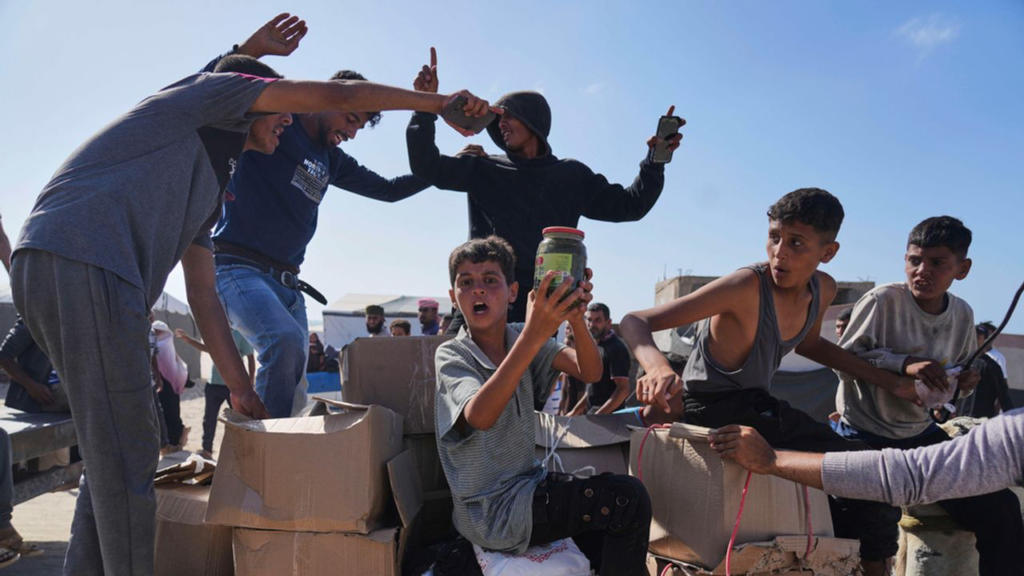
Palestinians carry boxes containing food and humanitarian aid packages delivered by the Gaza Humanitarian Foundation, a U.S.-backed organization approved by Israel, in Rafah, southern Gaza Strip, Tuesday, May 27, 2025 [AP Photo/Abdel Kareem Hana]

Every day brings new reports of the genocidal violence the Israel Defense Forces (IDF) are unleashing on the defenseless Palestinian population. With food distribution to Gaza reduced to a trickle, dozens of Palestinians are dying of hunger each day, and more than 1,000 have been shot by IDF forces while trying to reach aid distribution points.

In Deir al-Balah, raided by Israel on Sunday, Palestinians returning to their homes are met with scenes of devastation—“complete destruction,” as one resident described it in comments to CNN. “There is nothing that indicates a source of life.”

World Health Organization Director-General Tedros Adhanom Ghebreyesus said on Wednesday that the people of Gaza are confronting “mass starvation â€Ļ a large proportion of the population of Gaza is starving.”

While the Israeli government is carrying out these atrocities, the United States and the major European imperialist powers are directly complicit. For nearly two years, they have armed and financed Israel as it wages genocide in Gaza, criminalized domestic opposition to the slaughter, and politically justified this historic crime—one that ranks alongside the atrocities committed by the Nazis during World War II.

A coalition of European powers and other close allies of US imperialism issued a cynical statement Monday trying to wash themselves of responsibility.

In the statement, Britain, France, Italy, Spain, Canada, Japan, Australia and New Zealand, along with a number of smaller powers now acknowledge Israel’s undeniable resort to mass murder. Yet they remain steadfast in their support for the Zionist regime. Refusing to call the Gaza war a genocide, they offer only vague euphemisms while fully endorsing the policies of Washington, which alongside Berlin, is the main provider of arms to Israel.

They state, “The Israeli government’s aid delivery model is dangerous, fuels instability and deprives Gazans of human dignity. We condemn the drip feeding of aid and the inhumane killing of civilians, including children, seeking to meet their most basic needs of water and food. It is horrifying that over 800 Palestinians have been killed while seeking aid.” Calling for a “permanent ceasefire,” they conclude, “We reaffirm our complete support to the efforts of the US â€Ļ to achieve this.”

But Washington is not seeking peace, any more than Israel is focused on delivering aid to Gaza. For nearly two years, the United States has shipped bombs, artillery, drones and other weapons used by Israel to target hospitals, refugee camps, medics and starving women and children. From the outset, top Israeli officials openly declared their genocidal aims, referring to Palestinians as “human animals” and invoking the Biblical command to exterminate the “seed of Amalek.”

Six months ago, Trump pledged that Washington would “take over” Gaza, expel the Palestinians, “level it out” and turn it into a beach resort, the “Riviera of the Middle East.” Now, Israeli officials are moving to implement this plan, which has underpinned their policy from the beginning. On Tuesday, in the Knesset, fascist Israeli Finance Minister Bezalel Smotrich called on Israel to “conquer and settle Gaza,” declaring, “We have strong support from President Trump to turn Gaza into a prosperous region, a coastal city with settlement and employment.”

The statement from the European imperialist powers refrains from labeling the Israeli war a genocide and ethnic cleansing, but they are well aware that this is what is taking place. Indeed, their statement declares: “Proposals to remove the Palestinian population into a ‘humanitarian city’ are completely unacceptable. Permanent forced displacement is a violation of international humanitarian law.” Nonetheless, they cynically embrace US policy under the banner of peace.

The imperialist powers support Israel’s genocide because it is in line with their geopolitical interests. If Israel’s actions conflicted with those interests, they would be halted immediately. As German Chancellor Friedrich Merz bluntly admitted, “Israel is doing the dirty work for all of us.” Backed and armed by the United States, Britain, France, Spain, Italy, Canada and Australia, the Zionist regime functions as a proxy for imperialist domination of the oil-rich Middle East.

Mass and growing opposition to Israel’s crimes exist throughout the world. What is lacking is a clear program and perspective. The International Committee of the Fourth International and its affiliated Socialist Equality Parties insist that the genocide will not be stopped through appeals to the very capitalist governments carrying out and enabling the genocide. What is urgently required, and what has not yet occurred, is the independent eruption of the working class onto the political stage.

We propose that workers and young people throughout the world raise definite demands, including:

An immediate halt of shipment of all weapons to Israel. Since the beginning of the genocide, it is estimated that Israel has received some $25 billion in weapons and other assistance. The vast majority of bombs dropped on Palestinian homes has been provided by the United States and the European imperialist powers.

The boycott of all trade and other economic activity with Israel. The ability of the Israeli state to carry out the genocide must be halted by crippling its economic foundations. A recent comment in the Financial Times noted that since October 2023, Israel’s stock market has been the “best-performing in the world,” with an influx of foreign capital fueling the wealth of the ruling elite and financing the Zionist regime’s ability to murder Palestinians.

US, European and other corporations assisting Israel in carrying out the genocide must be indicted and prosecuted. The ruling class internationally is arming Israel behind the backs of the population and reaping vast profits by providing the IDF weapons, AI and surveillance infrastructure, just as corporations like IG Farben profited from making Zyklon B gas for the gas chambers the Nazis used to kill Jews. Washington retaliated against UN Special Rapporteur Francesca Albanese’s denunciation of this “economy of genocide” by revoking her visa and freezing her bank accounts.

The arrest of Israeli officials for war crimes. International arrest warrants have already been drawn up against many Israeli leaders, including Prime Minister Benjamin Netanyahu, but are ignored by the imperialist powers. Moreover, serving in the IDF are many citizens of the US and European countries. They should be subject to arrest and prosecution if it is determined that they in any way contributed to the genocide.

The end of repression of the opposition to the Gaza genocide. Capitalist governments, including those that signed this week’s statement, have relentlessly criminalized opposition to the genocide. They have carried out mass arrests against organizations criticizing it, launched bloody police assaults on pro-Gaza protests, and prosecuted defenders of Gaza on bogus terrorism or antisemitism charges. Workers and youth must fight to defend those who come out in defense of Gaza, for charges against them to be dropped and to end the repression of their activities.

These demands will not be achieved through appeals to the governments and institutions responsible for the genocide. It requires the intervention of the international working class through strikes, walkouts and other forms of independent action. This means organizing outside the stranglehold of the trade union apparatus, which in every country has done nothing to stop the slaughter in Gaza.

The struggle must unify workers across all borders—Palestinian, Israeli, American, European and beyond—in a common fight against imperialist war, genocide and the capitalist system that produces them. This includes Israeli workers, who must reject the Zionist regime and its crimes. There are significant layers of the Israeli population who are horrified by the actions of their government. In earlier decades, the Israeli state honored non-Jews who resisted the Nazis as “righteous among the nations.” Today, Israelis who recognize the criminal character of the genocide must speak out and take action.

The fight against the genocide in Gaza is inseparable from the fight against the expanding global imperialist war, of which it is a component part. The aim of the imperialist powers to create a “new Middle East” under their domination is inseparable from their broader war plans against Russia and China. 

The World Socialist Web Site, the International Committee of the Fourth International and its affiliated Socialist Equality Parties call for an end to the Gaza genocide through the building of a new international anti-war movement. This movement must be grounded in the working class and based on a revolutionary socialist program. Its goal must be to abolish the capitalist profit system, which is the root cause of war.

Mobilize the working class to stop the Gaza genocide! Read More Âģ

Bebel

āļ•āļœāˇƒāˇŠāļ§āˇŠ āļļ⎙āļļ⎙āļŊ⎊ āˇƒāˇ„ āļšāļ¸āˇŠāļšāļģ⎔ āļ´āļąāˇŠāļ­āˇ’āļē⎚ āļ¯āˇšāˇāļ´āˇāļŊāļą āļ´āˇ’āļļ⎒āļ¯āˇ“āļ¸

“āļ•āļœāˇƒāˇŠāļ§āˇŠ āļļ⎙āļļ⎙āļŊ⎊ āˇƒāˇ„ āļšāļ¸āˇŠāļšāļģ⎔ āļ´āļąāˇŠāļ­āˇ’āļē⎚ āļ¯āˇšāˇāļ´āˇāļŊāļą āļ´āˇ’āļļ⎒āļ¯āˇ“āļ¸â€ – August Bebel and the political awakening of the working class – āļēāļą āļ¸āˇ™āļ¸ āļŊ⎒āļ´āˇ’āļē āļĸāļģ⎊āļ¸āˇāļąāˇ” ⎃āļ¸āˇāļĸ āļ´āˇŠâ€āļģāļĸāˇāļ­āļąāˇŠāļ­āˇŠâ€āļģāˇ€āˇāļ¯āˇ“ āļ´āļšāˇŠāˇ‚āļē⎚ āļąāˇ’āļģ⎊āļ¸āˇāļ­āˇ˛ ⎀āļą āļ•āļœāˇƒāˇŠāļ§āˇŠ āļļ⎙āļļ⎙āļŊ⎊āļœāˇš āļ¸āļģāļĢāļē⎙āļąāˇŠ āˇƒāˇ’āļē⎀āļą āˇƒāļ‚⎀āļ­āˇŠāˇƒāļģāļē āļąāˇ’āļ¸āˇ’āļ­āˇŠāļ­āˇ™āļąāˇŠ 2013 āļ…āļœāˇāˇƒāˇŠāļ­āˇ” āļ¸āˇƒ āļŊāˇāļš āˇƒāļ¸āˇāļĸāˇ€āˇāļ¯āˇ“ ⎀⎙āļļ⎊ āļ…āļŠāˇ€āˇ’āļēāļ§ āļ‹āļŊ⎊āļģ⎒āļ āˇŠ āļģ⎒āļ´āļģ⎊āļ§āˇŠ āˇ€āˇ’āˇƒāˇ’āļąāˇŠ āļŊ⎒āļēāļą āļŊāļ¯ āļ‘āļšāļšāˇ’. āļ‘āļē āˇƒāˇ’āļ‚⎄āļŊāļ§ āļ´āļģ⎒⎀āļģ⎊āļ­āļąāļē āļšāˇœāļ§ āļ…āļ´āˇ’ āļ…āļ´ āļ´āļšāˇŠāˇ‚āļē⎚ (⎃⎃āļ´) āˇƒāˇ„āˇāļ¯āļģ⎀āļģ⎔āļąāˇŠāļœāˇšāļ­āˇŠ, āļšāļ¸āˇŠāļšāļģ⎔⎀āļąāˇŠāļœāˇšāļ­āˇŠ āļ…⎀āļĒāˇāļąāļē ⎃āļ¯āˇ„āˇ āļ¸āˇ™āˇ„⎒ āļ´āļŊāļšāļģāļ¸āˇ”. 

Bebel
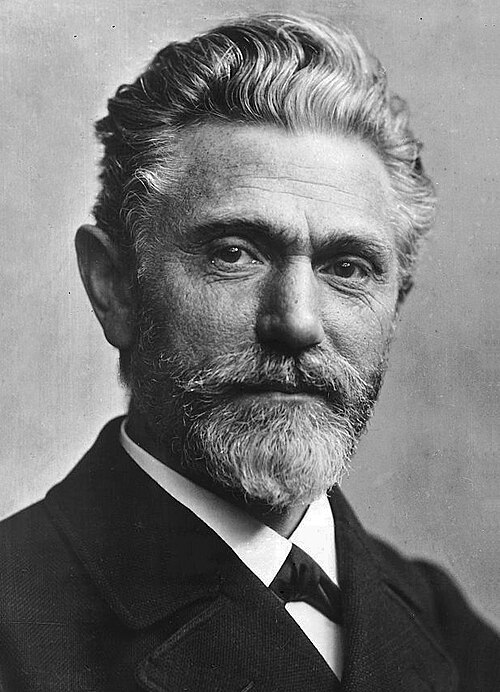
Bebel, c. 1900

āļĸāļģ⎊āļ¸āˇāļąāˇ” ⎃āļ¸āˇāļĸ āļ´āˇŠâ€āļģāļĸāˇāļ­āļąāˇŠāļ­āˇŠâ€āļģāˇ€āˇāļ¯āˇ“ āļ´āļšāˇŠāˇ‚āļē⎚ (SPD) āļ¸āˇ”āļŊ⎊ āļ‰āļ­āˇ’āˇ„āˇāˇƒāļē, ⎄āļ­āļģ⎀āļą āļĸāˇāļ­āˇŠâ€āļēāļąāˇŠāļ­āļģāļē⎚ āļĸāˇāļ­āˇŠâ€āļēāļąāˇŠāļ­āļģ āļšāļ¸āˇ’āļ§āˇ”āˇ€āˇš (ICFI) āļšāˇšāļŠāļģāļē ⎃āļŗāˇ„āˇ āļ­āˇ“āļģāļĢāˇāļ­āˇŠāļ¸āļš āļ´āˇāļŠāļ¸āˇŠ āļœāˇ™āļą āļ‘āļē⎒. 1869 āļ¯āˇ“ āļ•āļœāˇƒāˇŠāļ§āˇŠ āļļ⎙āļļ⎙āļŊ⎊ āˇƒāˇ„ ⎀⎒āļŊāˇŠāˇ„āˇ™āļŊ⎊āļ¸āˇŠ āļŊ⎒āļļ⎊āļąāˇ™āļšāˇŠāļ§āˇŠ āˇ€āˇ’āˇƒāˇ’āļąāˇŠ – āļ¸āˇāļšāˇŠāˇƒāˇŠ āˇƒāˇ„ āļ‘āļ‚āļœāļŊ⎊⎃⎊āļœāˇš āļ¯āˇšāˇāļ´āˇāļŊāļą āļ¸āļœ āļ´āˇ™āļąāˇŠāˇ€āˇ“āļ¸ āļēāļ§āļ­āˇš – āļ†āļģāļ¸āˇŠāļˇ āļšāļģāļą āļŊāļ¯ SPD, ⎀⎒āļ¯āˇŠâ€āļēāˇāļ­āˇŠāļ¸āļš āˇƒāļ¸āˇāļĸāˇ€āˇāļ¯āļē⎚ āļ¸āˇ–āļŊāļ°āļģ⎊āļ¸ āļ¸āļ­ āļ´āļ¯āļąāļ¸āˇŠāˇ€ āļšāļ¸āˇŠāļšāļģ⎔ āļ´āļąāˇŠāļ­āˇ’āļē⎚ āļ¸āˇ„āļĸāļą āˇ€āˇ’āļ´āˇŠāļŊāˇ€āˇ€āˇāļ¯āˇ“ āļ´āļšāˇŠāˇ‚āļēāļšāˇŠ āļœāˇœāļŠāļąāˇāļœāˇ“āļ¸āˇš āļ´āˇ…āļ¸āˇ” āļ…āļ›āļĢ⎊āļŠ āļ‹āļ­āˇŠāˇƒāˇāˇ„āļē āļąāˇ’āļēāˇāļĸāļąāļē āļšāˇ…āˇšāļē. āļ‘āļē āļĸāļģ⎊āļ¸āļąāˇ’āļē āļ´āˇ”āļģāˇ āļŊāļšāˇŠāˇ‚ ⎃āļ‚āļ›āˇŠâ€āļēāˇāļ­ āļšāļ¸āˇŠāļšāļģ⎔⎀āļąāˇŠ āļ¯āˇāļąāˇ”⎀āļ­āˇŠ āļšāļģ ⎃āļ‚⎀⎒āļ°āˇāļąāļē āļšāˇ… āļ…āļ­āļģ, āļ°āļąāˇ€āˇāļ¯āļē⎚ āļ¸āˇ’āļąāˇ“⎀⎅⎀āļŊ⎊ āˇ„āˇāļģāļąāˇŠāļąāļąāˇŠ āļŊāˇ™āˇƒ āļ”⎀⎔āļąāˇŠāļœāˇš āļ“āļ­āˇ’āˇ„āˇāˇƒāˇ’āļš āļˇāˇ–āļ¸āˇ’āļšāˇāˇ€ āļ´āˇ’⎅⎒āļļāļŗ āˇƒāˇ€āˇ’āļĨāˇāļąāļšāļ­āˇŠāˇ€āļēāļšāˇŠ āļ”⎀⎔āļąāˇŠ āļ­āˇ”⎅ āļ‡āļ­āˇ’ āļšāˇ…āˇšāļē.

āļ‹āļŊ⎊āļģ⎒āļ āˇŠ āļģ⎒āļ´āļģ⎊āļ§āˇŠāļœāˇš āļŊ⎒āļ´āˇ’āļē, āļ•āļœāˇƒāˇŠāļ§āˇŠ āļļ⎙āļļ⎙āļŊ⎊ āˇƒāˇ„ āļšāļ¸āˇŠāļšāļģ⎔ āļ´āļąāˇŠāļ­āˇ’āļē⎚ āļ¯āˇšāˇāļ´āˇāļŊāļą āļ´āˇ’āļļ⎒āļ¯āˇ“āļ¸ āļ´āˇ’āļŊ⎒āļļāļ¯ āļ¸āˇ™āļ¸ āļ‰āļ­āˇ’āˇ„āˇāˇƒāļēāļ§ āˇ€āļ§āˇ’āļąāˇ āļ´āˇŠâ€āļģāˇ€āˇšāˇ āļŊāļšāˇŠāˇ‚āˇŠâ€āļēāļēāļšāˇŠ ⎃āļ´āļēāļē⎒. āļ‘āļē āļ¯āļšāˇŠāˇ‚ āļšāļ¸āˇŠāļšāļģ⎔⎀⎙āļšāˇ”āļœāˇš āˇƒāˇ’āļ§ āļ¸āˇāļšāˇŠāˇƒāˇŠāˇ€āˇāļ¯āˇ“ āļąāˇāļēāļšāļē⎙āļšāˇ” āˇƒāˇ„ āļšāļ¸āˇŠāļšāļģ⎔ āļ´āļąāˇŠāļ­āˇ’āļē⎚ ⎀⎒āļ´āˇŠāļŊāˇ€āˇ€āˇāļ¯āˇ“ āļ…āļ°āˇŠâ€āļēāˇāļ´āļąāļĨāļē⎙āļšāˇ” āļ¯āļšāˇŠāˇ€āˇ āļļ⎙āļļ⎙āļŊ⎊āļœāˇš āļ´āˇžāļ¯āˇŠāļœāļŊ⎒āļš āļœāļ¸āļąāˇŠ āļ´āļŽāļē āļšāˇ™āļģ⎙⎄⎒ āļ…⎀āļ°āˇāļąāļē āļē⎜āļ¸āˇ” āļšāļģāļē⎒. āļąāļ¸āˇ”āļ­āˇŠ āļ āļģ⎒āļ­āˇāļ´āļ¯āˇāļąāļēāļšāļ§ āˇ€āļŠāˇ, āļŊ⎒āļ´āˇ’āļē āļŊāˇāļš āļ‰āļ­āˇ’āˇ„āˇāˇƒāļē⎚ ⎄⎐āļģ⎀⎔āļ¸āˇŠ āļŊāļšāˇŠāˇ‚āˇŠâ€āļēāļēāļšāˇŠ āļ‰āˇƒāˇŠāļ¸āļ­āˇ” āļšāļģāļē⎒: āļ‘āļąāļ¸āˇŠ, āļšāļ¸āˇŠāļšāļģ⎔ āļ´āļąāˇŠāļ­āˇ’āļē āļ¯āˇšāˇāļ´āˇāļŊāļąāˇ’āļšāˇ€ āˇƒāˇŠāˇ€āˇāļ°āˇ“āļą āļļāļŊāˇ€āˇšāļœāļēāļšāˇŠ āļŊāˇ™āˇƒ āļ¸āļ­āˇ”⎀⎓āļ¸ āļē⎒.

āļšāˇ™āˇƒāˇš ⎀⎙āļ­āļ­āˇŠ, āļ´āˇ…āļ¸āˇ”⎀āļą āļŊāˇāļš āļē⎔āļ¯āˇŠāļ°āļē āļ´āˇ”āļ´āˇ”āļģāˇ āļēāˇāļ¸āˇšāļ¯āˇ“ āļĸāļģ⎊āļ¸āˇāļąāˇ” āļ…āļ°āˇ’āļģāˇāļĸāˇŠâ€āļēāˇ€āˇāļ¯āļēāļ§ āˇƒāˇ„āˇāļē āļ¯āˇ“āļ¸āļ§ 1914 āļē⎔āļ¯ āļĢāļē ⎃āļ¯āˇ„āˇ āļ´āļšāˇŠāˇ‚ ⎀⎙āļ¸āˇ’āļąāˇŠ SPD āļē āļšāˇ… āļ´āˇāˇ€āˇāļ¯āˇ“āļ¸āˇ™āļąāˇŠ āļšāˇ–āļ§āļ´āˇŠâ€āļģāˇāļ´āˇŠāļ­āˇ’āļēāļ§ āļ´āļ­āˇŠ ⎀⎖ āļ‘⎄⎒ āļ´āļģāˇ’āˇ„āˇāļąāˇ’āļē, āļ…āļąāˇ”āļˇāˇ–āļ­āˇ’āˇ€āˇāļ¯āļē (empiricism) āˇƒāˇ„ āļ¸āļ­āˇ”āļ´āˇ’āļ§ āļ´āˇ™āļąāˇ”āļ¸āļ§ āļēāļ§āļ­āˇŠ ⎀⎓āļ¸ āļ­āˇ”⎅ āļ¸āˇ”āļŊ⎊ āļļ⎐⎃āļœāļ­āˇŠ āļĸāˇāļ­āˇ’āļš āļ…āˇ€āˇƒāˇŠāļŽāˇāˇ€āˇāļ¯āļē⎚ āļ¸āˇāļģāˇāļąāˇŠāļ­āˇ’āļš āļ´āˇŠâ€āļģāļ­āˇ’⎀⎒āļ´āˇāļš āˇ„āˇ™āˇ…āˇ’ āļšāˇ…āˇšāļē. āļ‘āˇƒāˇŠāļ´āˇ“āļŠāˇ“ āļąāˇāļēāļšāļ­āˇŠāˇ€āļē āļœāļ­āˇŠ āļ­āˇ“āļģāļĢāļē āļ…⎄āļ¸āˇŠāļļāļēāļšāˇŠ āˇ„āˇ āļ´āˇ”āļ¯āˇŠāļœāļŊ āļ¯āˇ”āļģāˇŠāˇ€āļŊāļ­āˇāˇ€āļēāļš āļ´āˇŠâ€āļģāļ­āˇ’āļĩāļŊāļēāļšāˇŠ āļąāˇœāˇ€, āļ¸āˇāļšāˇŠāˇƒāˇŠāˇ€āˇāļ¯āˇ“ āļ¸āˇ–āļŊāļ°āļģ⎊āļ¸āˇ€āļŊ⎒āļąāˇŠ āļ¯āˇ“āļģ⎊āļ āļšāˇāļŊāļēāļšāˇŠ āļ´āˇƒāˇ”āļļāˇāˇƒāˇ“āļ¸āļš āļ´āˇŠâ€āļģāļ­āˇ’āļĩāļŊāļēāļšāˇ’.

āļ¸āˇ™āļ¸ āļ´āļģāˇ’āˇ„āˇāļąāˇ’āļē⎚ ⎄āļ¯āˇ€āļ­āˇš āļ­āˇ’āļļ⎔āļĢ⎚ āļ…āļąāˇ”āļˇāˇ–āļ­āˇ’āˇ€āˇāļ¯āļēāļ§ āˇ„āˇāļģ⎓āļ¸āļē⎒ – āļ‘āļē āļēāļ§āˇ’āļąāˇŠ āļ´āˇ€āļ­āˇ’āļą āļ´āļąāˇŠāļ­āˇ’ āļ´āˇŠâ€āļģāļ­āˇ’⎀⎒āļģāˇāļ°āļ­āˇ āˇ€āˇ’āˇāˇŠāļŊāˇšāˇ‚āļĢāļē āļšāˇ’āļģ⎓āļ¸ āˇ€āˇ™āļąāˇ”⎀āļ§ āļšāˇŠāˇ‚āļĢ⎒āļš āļ´āˇ™āļąāˇ”āļ¸ āˇƒāˇ„ āļ¸āļ­āˇ”āļ´āˇ’āļ§ āļšāļģ⎔āļĢ⎔ āļ¸āļ­āˇ” āļšāļģāļą āļšāˇŠâ€āļģāļ¸āļēāļšāˇ’. āļ¸āˇ™āļē SPD āļąāˇāļēāļšāļ­āˇŠāˇ€āļē āļĸāˇāļ­āˇ’āļš āļģāˇāļĸāˇŠâ€āļēāļēāļ§, āļąāˇ›āļ­āˇ’āļš āļ´āˇāļģ⎊āļŊ⎒āļ¸āˇšāļąāˇŠāļ­āˇ” āļģāˇāļ¸āˇ”⎀āļŊāļ§ āˇƒāˇ„ āļšāˇŠâ€āļģāļ¸āļē⎙āļąāˇŠ āļ´āˇŠâ€āļģāļ­āˇ’āˇƒāļ‚āˇƒāˇŠāļšāļģāļĢāļē āļšāˇ’āļģ⎓āļ¸āˇš āļ¸āˇ’āļ­āˇŠâ€āļēāˇāˇ€āļąāˇŠāļ§ āļ…āļąāˇ”⎀āļģ⎊āļ­āļąāļē ⎀⎓āļ¸āļ§ āˇ„āˇšāļ­āˇ” ⎀⎒āļē. āļ‘⎄⎒ āļ´āˇŠâ€āļģāļ­āˇ’āļĩāļŊāļē ⎀⎖āļē⎚ āļąāˇ’āļģ⎊āļ°āļą āļ´āļ‚āļ­āˇ’ āļĸāˇāļ­āˇŠâ€āļēāļąāˇŠāļ­āļģāˇ€āˇāļ¯āļē āļ…āļ­āˇ„⎐āļģ āļ¯āˇāļ¸āˇ“āļ¸, āļ´āļšāˇŠāˇ‚āļē āļ°āļąāˇšāˇāˇŠāˇ€āļģāļē⎚ āļ…āˇ€āˇāˇŠâ€āļēāļ­āˇāˇ€āļŊāļ§ āļēāļ§āļ­āˇŠ āļšāˇ’āļģ⎓āļ¸ āˇƒāˇ„ āļ‘āļē ⎀⎒āļ´āˇŠāļŊ⎀āļēāļ§ āļļāˇāļ°āˇāˇ€āļšāˇŠ āļļ⎀āļ§ āļ´āļģ⎒⎀āļģ⎊āļ­āļąāļē ⎀⎓āļ¸āļē⎒.

āļĸāˇāļ­āˇŠâ€āļēāļąāˇŠāļ­āļģ āļšāļ¸āˇ’āļ§āˇ”āˇ€āˇš āļšāˇšāļŠāļģāļē āļ…āļ­āˇŠâ€āļēāˇ€āˇāˇŠâ€āļē āļ´āˇāļŠāļ¸ āļ‹āļšāˇ„āˇ āļœāļ­ āļē⎔āļ­āˇ”āļē: ⎀⎒āļ´āˇŠāļŊāˇ€āˇ€āˇāļ¯āˇ“, āļĸāˇāļ­āˇŠâ€āļēāļąāˇŠāļ­āļģāˇ€āˇāļ¯āˇ“ āˇƒāˇ„ āļ…āļ´āˇāˇ„āļš āļ‰āļ¯āˇ’āļģ⎒āļ¯āļģ⎊⎁āļąāļēāļšāˇŠ āļ´āˇ€āļ­āˇŠāˇ€āˇ āļœāˇāļąāˇ“āļ¸āˇš ⎃āļ§āļą āˇƒāļŗāˇ„āˇ āļšāˇ’āˇƒāˇ’āļ¯āˇ” āļ¸āˇ„āļĸāļą āˇƒāˇ„āļēāˇāļœāļēāļšāˇŠ āˇ„āˇ āļ“āļ­āˇ’āˇ„āˇāˇƒāˇ’āļš āļšāˇ“āļģ⎊āļ­āˇ’āļēāļšāˇŠ āļ†āļ¯āˇšāˇ āļšāˇ… āļąāˇœāˇ„⎐āļš. āļ‘āļļ⎐⎀⎒āļąāˇŠ āļģ⎒āļ´āļģ⎊āļ§āˇŠāļœāˇš āļŊ⎒āļ´āˇ’āļē SPD ⎄⎒ āļąāˇāļœāˇ“āļ¸ āˇ„āˇ āļ´āļģāˇ’āˇ„āˇāļąāˇ’āļē āļ´āˇ’⎅⎒āļļāļŗ āļšāˇŠâ€āļģāļ¸āˇāļąāˇ”āļšāˇ–āļŊ āļ…āļ°āˇŠâ€āļēāļēāļąāļēāļ§ āļ´āˇ–āļģāˇŠāˇ€āˇ’āļšāˇāˇ€āļšāˇ’ – āļ…āļ¯ āˇ€āˇ’āļ´āˇŠāļŊāˇ€āˇ€āˇāļ¯āˇ“ āļ´āļšāˇŠāˇ‚āļē āļœāˇœāļŠāļąāˇāļœāˇ“āļ¸āļ§ āļšāˇāļ´āˇ€āˇ“ āˇƒāˇ’āļ§āˇ’āļą āˇ€āˇ’āļ´āˇŠāļŊāˇ€āˇ€āˇāļ¯āˇ“āļąāˇŠāļ§ āļ¸āˇ™āļ¸ āļ‰āļ­āˇ’āˇ„āˇāˇƒāļē āļ…āļ­āˇŠâ€āļēāˇ€āˇāˇŠâ€āļē āļ´āˇāļŠāļ¸āˇŠ āļœāˇ™āļą āļ¯āˇš.

***

āļ•āļœāˇƒāˇŠāļ§āˇŠ āļļ⎙āļļ⎙āļŊ⎊ āļ¸āˇ’āļē āļœāˇ’āļē⎚ āˇ€āˇƒāļģ 100 āļšāļ§ āļ´āˇ™āļģ āļ¸āˇš āļ¸āˇāˇƒāļē⎚āļē. āļĸāļģ⎊āļ¸āˇāļąāˇ” ⎃āļ¸āˇāļĸ āļ´āˇŠâ€āļģāļĸāˇāļ­āļąāˇŠāļ­āˇŠâ€āļģāˇ€āˇāļ¯āˇ“ āļ´āļšāˇŠāˇ‚āļē⎚ (SPD) āļąāˇ’āļģ⎊āļ¸āˇāļ­āˇ˜ 1913 āļ…āļœāˇāˇƒāˇŠāļ­āˇ” 13 ⎀āļą āļ¯āˇ’āļą āˇƒāˇŠāˇ€āˇ’āļ§āˇŠāˇƒāļģ⎊āļŊāļąāˇŠāļ­āļē⎚ āļ´āˇāˇƒāˇ”āļœāˇŠ ⎃⎊āļ´āˇ āļąāļœāļģāļē⎚ āļ¯āˇ“ āˇ„āˇ˜āļ¯āļēāˇāļļāˇāļ°āļēāļšāˇ’āļąāˇŠ āļ¸āˇ’āļē āļœāˇ’āļē āļļ⎀āļ§ āˇ€āˇ– āļ´āˇ”⎀āļ­ āļŊāˇœāˇ€ āļ´āˇ”āļģāˇ āļšāļģ⎊āļ¸āˇāļąāˇŠāļ­āˇāˇāļŊāˇ āˇƒāˇ„ āļšāļ¸āˇŠāļšāļģ⎔ āļ´āļąāˇŠāļ­āˇ’ āļ¯āˇ’āˇƒāˇŠāļ­āˇŠâ€āļģ⎒āļšāˇŠāļšāˇ€āļŊ āļšāļ¸āˇŠāļ´āļąāļēāļšāˇŠ āˇƒāˇ„ āˇāˇāļšāļēāļšāˇŠ āļ‡āļ­āˇ’ āļšāˇ…āˇšāļē. āļļ⎙āļļ⎙āļŊ⎊ ⎀⎐āļŠ āļšāļģāļą āļĸāļąāļ­āˇāˇ€ āˇ€āˇ’āˇƒāˇ’āļąāˇŠ āļ†āļ¯āļģāļē āļšāļģāļą āļŊāļ¯ āļ…āļ­āļģ “āļšāļ¸āˇŠāļšāļģ⎔ āļšāļēāˇ’āˇƒāļģ⎊” āļēāļą āļ´āļ¯āˇ€āˇ’ āļąāˇāļ¸āļē⎙āļąāˇŠ āļœāˇžāļģ⎀āļēāļ§ āļ´āˇāļ­āˇŠâ€āļģ ⎀⎒āļē.

āļ‘āļēāļ§ āļ†āˇƒāļąāˇŠāļąāļē⎚āļ¸ āļļ⎙āļļ⎙āļŊ⎊āļ§ āļ‹āļ´āˇ„āˇāļģ āļ¯āļšāˇŠāˇ€āļ¸āˇ’āļąāˇŠ āļŊ⎒āļē⎜āļąāˇŠ āļ§āˇŠâ€āļģ⎜āļ§āˇŠāˇƒāˇŠāļšāˇ’ āļ¸āˇ™āˇƒāˇš āļŊ⎒⎀⎓āļē: “āļē⎔āļģāˇāļ´āˇ“āļē ⎃āļ¸āˇāļĸāˇ€āˇāļ¯āļē⎚ ⎃āļ¸āˇƒāˇŠāļ­ āļē⎔āļœāļēāļšāˇŠāļ¸ āļœāˇ™āˇ€āˇ“ āļēāļ¸āˇ’āļąāˇŠ āļ­āˇ’āļļ⎚.” āļļ⎙āļļ⎙āļŊ⎊ “āļąāˇāļœāˇ™āļ¸āˇ’āļąāˇŠ āļ´āˇ€āļ­āˇ’āļą āļąāˇ€ āļ´āļąāˇŠāļ­āˇ’āļē⎚ āļ¸āˇ”āļģāļĢ⎊āļŠāˇ” āˇƒāˇ„ āļąāˇœāˇƒāˇāļŊ⎙āļą āˇ€āˇŠâ€āļēāˇāļ´āˇāļģāļē āļ¸āˇ–āļģ⎊āļ­āˇ’āļ¸āļ­āˇŠ āļšāˇ…āˇšāļē… āļ¸āˇ™āļ¸ āļ¯āˇ”āļģāˇŠāˇ€āļŊ āˇ„āˇ āļ¸āˇāļŊ⎀⎓ ⎀⎓ āļœāˇ’āļē āļ¸āˇ„āļŊ⎔ āļ¸āˇ’āļąāˇ’āˇƒāˇ āļ¸āˇ”⎅⎔āļ¸āļąāˇ’āļąāˇŠāļ¸ āļ…āļ°āˇ’āˇ‚āˇŠāļ¨āˇāļąāļē⎙āļąāˇŠ āˇƒāˇāļ¯āļą āļŊāļ¯, āļ­āļąāˇ’ āļ‰āļŊāļšāˇŠāļšāļēāļšāˇŠ āļšāļģāˇ āļ´āˇ”⎄⎔āļĢ⎔ āļšāļģāļą āļŊāļ¯ āļļ⎀āļšāˇŠ āļ´āˇ™āļąāˇ™āļąāˇŠāļąāļ§ āļ­āˇ’āļļ⎔āļĢ⎒. āļ”⎄⎔āļœāˇš āļ āˇ’āļąāˇŠāļ­āļąāļē⎚, āļ”⎄⎔āļœāˇš āļ´āˇŠâ€āļģāļšāˇāˇ‚āļąāļē⎚ āˇ€āˇŠâ€āļēāļšāˇŠāļ­āļˇāˇāˇ€āļē⎚ āˇƒāˇ„ āļ”⎄⎔āļœāˇš āˇƒāˇāˇ„āˇ’āļ­āˇŠâ€āļē āļšāˇ˜āļ­āˇ’ āļ­āˇ”⎅, āļ‘āļ¸ āļ‰āļŊāļšāˇŠāļšāļē āļšāļģāˇ āļšāˇ™āļŊ⎒āļąāˇŠāļ¸ āļē⎜āļ¸āˇ” āļąāˇœāˇ€āˇ– āļļ⎔āļ¯āˇŠāļ°āˇ’āļ¸āļē ⎁āļšāˇŠāļ­āˇ’āļē⎚ āļšāˇŠāˇ‚āļē ⎀⎓āļ¸āļšāˇŠ ⎃āļŗāˇ„āˇ āļ”⎄⎔ āļšāˇ’āˇƒāˇ’ ⎀⎒āļ§āˇ™āļšāļ­āˇŠ āļ‰āļŠ āļąāˇœāļ¯āˇ™āļąāˇ” āļ‡āļ­; āļ”⎄⎔ āˇ€āˇāļœāˇāļŊāļ‚āļšāˇāļģāļē⎚ ⎃āļ­āˇ”āļģ⎙āļšāˇ” āļ´āļ¸āļĢāļšāˇŠ āļąāˇœāˇ€, āļœāļģāˇŠāˇ€āˇ’āļ­ āˇƒāˇžāļąāˇŠāļ¯āļģ⎊āļēāˇāļ­āˇŠāļ¸āļš āˇ„āˇāļŠāļ¯āˇāļ¸āˇ“āļ¸āļ§āļ¯ āˇƒāļ¸āˇŠāļ´āˇ–āļģ⎊āļĢāļē⎙āļąāˇŠāļ¸ āļ†āļœāļąāˇŠāļ­āˇ”āļš āˇ€āˇ’āļē.  āļ’ āˇƒāļ¸āļœāļ¸ āļ”⎄⎔āļœāˇš āļ¯āˇšāˇāļ´āˇāļŊāļą āļ†āļ­āˇŠāļ¸āļē⎚ āļ‰āˇ„⎅ āˇƒāˇ”āļąāˇŠāļ¯āļģāļ­āˇŠāˇ€āļē āļ’ āļ­āˇ”⎅ āļœāˇāļļāˇŠāˇ€ āļ­āˇ’āļļ⎔āļĢ⎒. āļ”⎄⎔ āļ­āˇ”⎅⎒āļąāˇŠāļ¸ āļ”⎄⎔ āļ´āˇ’⎅⎒āļļ⎒āļšāˇ” āļšāļŊ⎚, āļ­āļ¸ āļąāˇ’āļ¯āˇ„āˇƒāˇŠ āļ´āˇāļē āļšāˇ’⎄⎒āļ´āļē āļ­āˇ”⎅ āļ‰āļœāˇ™āļą āļœāļąāˇŠāļąāˇ, āˇƒāˇ‘āļ¸ āļ¸āˇ’āļąāˇ’āļ­āˇŠāļ­āˇ”⎀āļšāˇŠāļ¸ āļ…āļœāļē āļšāļģāļą āˇƒāˇ„ āļ…āļ­āˇŠâ€āļēāˇ€āˇāˇŠâ€āļēāļ¸ āļ¯āˇš āļœāˇ’āļĸ⎔ āļŊāˇ™āˇƒ āļœāˇ’āļŊ āļœāļąāˇŠāļąāˇ āļ´āļąāˇŠāļ­āˇ’āļēāļē⎒.” [ āļ¯āˇšāˇāļ´āˇāļŊāļą āļ´āˇāļ­āˇ’āļšāļŠ: āļē⎔āļœāļēāļšāˇŠ āļœāˇ™āˇ€āˇ“ āļēāļē⎒ (āļļ⎙āļļ⎙āļŊ⎊, āˇ‚āˇœāļģāˇ™āˇƒāˇŠ  āˇƒāˇ„ ⎀āļē⎒āļŊāļąāˇŠāļ§āˇŠ), āļ¯āˇ™āˇƒāˇāļ¸āˇŠāļļāļģ⎊ 1915-[Political Profiles: An Epoch Passes (Bebel, Jaurès and Vaillant), December 1915]

āļ§āˇŠâ€āļģ⎜āļ§āˇŠāˇƒāˇŠāļšāˇ’, āļļ⎙āļļ⎙āļŊāˇŠāˇ€ āļ´āˇ…āļ¸āˇ” āļŊāˇāļš āļē⎔āļ¯āˇŠāļ°āļē āļ†āˇƒāļąāˇŠāļąāļē⎚ āļ´āˇāļģāˇ’āˇƒāˇ’āļē⎚ āļ…⎀āļąāˇŠāˇ„āļŊāļšāļ¯āˇ“ āļāˇāļ­āļąāļē āļšāļģāļą āļŊāļ¯ āļ´āˇŠâ€āļģāļ‚⎁ ⎃āļ¸āˇāļĸāˇ€āˇāļ¯āˇ“ āˇ‚āˇāļąāˇŠ āˇ‚āˇœāļģāˇ™āˇƒāˇŠ (Jean JaurÊs)  ⎃āļ¸āļŸ āˇƒāļ‚āˇƒāļąāˇŠāļ¯āļąāļē āļšāˇ…āˇšāļē. āˇ‚āˇœāļģāˇ™āˇƒāˇŠ- āļąāˇŠâ€āļēāˇāļē⎒āļš āļ´āˇāļĢ⎊āļŠāˇ’āļ­āˇŠâ€āļēāļē, āļšāˇāˇ€āˇŠâ€āļēāļ¸āļē āļ¸āļąāļƒāļšāļŊ⎊āļ´āˇ’āļ­āļē āˇƒāˇ„ ⎀āļ‚āˇāˇāļ°āˇ’āļ´āļ­āˇ’ ⎀⎒āļŊāˇāˇƒāļē⎙āļąāˇŠ ⎃āļŊāļšāˇ”āļĢ⎔ ⎀⎖ āļŊ⎚āļ›āļą āˇƒāˇ„ āļ¯āˇšāˇāļą āļ´āˇ’āļŊ⎒āļļāļ¯ āļ´āˇŠâ€āļģāļ‚⎁ āļ¯āļģ⎊⎁āļąāˇ€āˇāļ¯ āļ¸āˇ„āˇāļ āˇāļģ⎊āļē⎀āļģāļēāˇ āˇƒāˇ„ āļĸāļģ⎊āļ¸āˇāļąāˇ” āˇ„āˇƒāˇŠāļ­ āļšāļģ⎊āļ¸āˇāļąāˇŠāļ­āļšāļģ⎔⎀⎙āļšāˇŠ ⎀⎓āļ¸ āļąāˇ’āˇƒāˇ āļ´āˇŠāļŊ⎙āļļ⎒āļēāˇāļąāˇ” (plebean) āļ´āˇŠâ€āļģāļĸāˇāļ­āļąāˇŠāļ­āˇŠâ€āļģāˇ€āˇāļ¯āļēāļ§ āˇƒāļ¸āˇāļą āļąāˇŠâ€āļēāˇāļē⎒āļš āļ¯āˇ˜āˇ‚āˇŠāļ§āˇ’āļēāļšāˇŠ āļ­āˇ’āļļ⎖ – āļļ⎙āļļ⎙āļŊ⎊ āļēāļą āļ¯āˇ™āļ¯āˇ™āļąāˇāļ¸ āˇ€āˇƒāļģ 100 āļšāļ§ āļ´āˇ™āļģ āļē⎔āļ¯āˇŠāļ°āļē ⎃āļ¸āļœ āļ…āˇ€āˇƒāļąāˇŠ ⎀⎖ āļ“āļ­āˇ’āˇ„āˇāˇƒāˇ’āļš āļšāˇāļŊ āļ´āļģ⎒āļ āˇŠāļĄāˇšāļ¯āļē ⎃āļ‚āļšāˇšāļ­āˇ€āļ­āˇŠ āļšāˇ…⎄.

āļ§āˇŠâ€āļģ⎜āļ§āˇŠāˇƒāˇŠāļšāˇ’ āļ¸āˇ™āˇƒāˇš ⎃āļŗāˇ„āļąāˇŠ āļšāˇ…āˇšāļē: “āļļ⎙āļļ⎙āļŊ⎊ āļˇāˇžāļ­āˇ’āļšāˇ€āˇāļ¯āˇ’āļē⎙āļšāˇŠ, āˇ‚āˇœāļģāˇ™āˇƒāˇŠ āˇƒāˇāļģ⎃āļ‚āļœāˇŠâ€āļģāˇ„āˇ€āˇāļ¯āˇ“ ⎀⎒āļĨāˇāļąāˇ€āˇāļ¯āˇ’āļē⎙āļšāˇŠ (eclectic idealist), āļļ⎙āļļ⎙āļŊ⎊ āļ¸āˇāļšāˇŠāˇƒāˇŠāˇ€āˇāļ¯āļē⎚ āļ¸āˇ–āļŊāļ°āļģ⎊āļ¸āˇ€āļŊ āļąāˇœāˇƒāˇāļŊ⎙āļą āļ†āļ°āˇāļģāļšāļģ⎔⎀⎙āļšāˇŠ, āˇ‚āˇœāļģāˇ™āˇƒāˇŠ āļ´āˇŠâ€āļģāļ­āˇ’āˇƒāļ‚āˇƒāˇŠāļšāļģāļĢāˇ€āˇāļ¯āˇ’āļē⎙āļšāˇŠ, āļ…āļ¸āˇāļ­āˇŠâ€āļēāˇ€āˇāļ¯āˇ’āļē⎙āļšāˇŠ āļēāļąāˇāļ¯āˇ“ ⎀⎁āļē⎙āļąāˇŠ. āļąāļ¸āˇ”āļ­āˇŠ āļ¯āˇšāˇāļ´āˇāļŊāļąāļē⎚ āļ¸āˇš āˇƒāˇ’āļēāļŊ⎔ ⎀⎙āļąāˇƒāˇŠāļšāļ¸āˇŠ āļ­āˇ’āļļ⎒āļēāļ¯āˇ“āļ­āˇŠ, āļ”⎀⎔āļąāˇŠ āļĸāļģ⎊āļ¸āˇāļąāˇ” āˇƒāˇ„ āļ´āˇŠâ€āļģāļ‚⎁ ⎃āļ‚āˇƒāˇŠāļšāˇ˜āļ­āˇ’āļē⎚ āļ´āˇŠâ€āļģāˇ’āˇƒāˇŠāļ¸āļē ⎄āļģāˇ„āˇ āļ‘āļšāļ¸ āļ“āļ­āˇ’āˇ„āˇāˇƒāˇ’āļš āļē⎔āļœāļēāļšāˇŠ āļ´āˇ’⎅⎒āļļ⎒āļšāˇ” āļšāˇ…⎄. āļ¸āˇ™āļē āļĸāˇāļ­āˇŠâ€āļēāļąāˇŠāļ­āļģ ⎃āļļāļŗāļ­āˇāˇ€āļŊ āļ¸āˇ™āļąāˇŠāļ¸ āļ¯āˇšāˇāˇ“āļē ⎃āļļāļŗāļ­āˇāˇ€āļŊ āļ¯- ⎃āļąāˇŠāļąāļ¯āˇŠāļ° āˇƒāˇāļ¸āļē⎚ āļē⎔āļœāļē ⎀⎒āļē.”

āļ¸āˇāļšāˇŠāˇƒāˇŠ āˇƒāˇ„ āļ‘āļ‚āļœāļŊ⎊⎃⎊āļœāˇš ⎃āļ¸āˇ“āļ´āļ­āļ¸āļē⎙āļšāˇŠ ⎀⎖ āļ”⎄⎔āļ§ āˇ€āļŠāˇ āļ…⎀⎔āļģ⎔āļ¯āˇ” 14 āļšāˇŠ ⎀āļēāˇƒāˇ’āļąāˇŠ ⎀⎐āļŠāˇ’ ⎀⎖ ⎀⎒āļŊāˇŠāˇ„āˇ™āļŊ⎊āļ¸āˇŠ āļŊ⎒āļļ⎊āļąāˇ™āļšāˇŠāļ§āˇŠ ⎃āļ¸āļŸ āˇƒāļ¸āˇ“āļ´ āˇƒāˇ„āļēāˇāļœāļē⎙āļąāˇŠ, āļ•āļœāˇƒāˇŠāļ§āˇŠ āļļ⎙āļļ⎙āļŊ⎊ āļĸāļģ⎊āļ¸āˇāļąāˇ” āļšāļ¸āˇŠāļšāļģ⎔ āļ´āļąāˇŠāļ­āˇ’āļē āļ´āˇ”āļļ⎔āļ¯āˇ”āˇ€āˇ ⎄āļŊ⎚āļē. āļ‘āļ­āˇ™āļšāˇ”āļ¯āˇ” ⎀⎔⎀āļ­āˇŠ, 1914 āˇ€āˇŠâ€āļē⎃āļąāļē ⎀⎐⎅⎐āļšāˇŠāˇ€āˇ“āļ¸āļ§ āļ”⎄⎔āļ§ āļąāˇœāˇ„⎐āļšāˇ’ ⎀⎒āļē.

āļļ⎙āļļ⎙āļŊ⎊ āˇ€āˇ’āˇƒāˇ’āļąāˇŠ āļ…āļŠ āˇƒāˇ’āļēāˇ€āˇƒāļšāļ§ āļ…āļ°āˇ’āļš āļšāˇāļŊāļēāļšāˇŠ āˇ€āˇ™āˇ„āˇ™āˇƒ āļąāˇœāļļāļŊāˇ āˇƒāˇ’āļ¯āˇ” āļšāļģāļą āļŊāļ¯ āļ¯āˇāˇ€āˇāļąāˇŠāļ­ āˇ„āˇ āˇƒāˇāļģ⎊āļŽāļš āļ¯āˇšāˇāļ´āˇāļŊāļą āˇ„āˇ ⎃āļ‚āˇƒāˇŠāļšāˇ˜āļ­āˇ’āļš āļ…āļ°āˇŠâ€āļēāˇāļ´āļąāˇ’āļš āļšāļ§āļē⎔āļ­āˇ”⎀āļŊ āļ­āˇ“āļģāļĢāˇāļ­āˇŠāļ¸āļš āļ´āˇāļŠāļ¸āˇŠ āļģāˇāˇāˇ’āļēāļšāˇŠ āļ…āļŠāļ‚āļœāˇ” āˇ€āˇš. āļ’āˇ€āˇāļē⎒āļąāˇŠ āļ¯āˇ™āļšāļšāˇŠ āļ¸āˇ™āˇ„⎒āļ¯āˇ“ āˇƒāˇāļšāļ āˇŠāļĄāˇ āļšāˇ™āļģ⎚.

āļ´āˇ…āļ¸āˇ”⎀, āļ¸āˇāļšāˇŠāˇƒāˇŠāˇ€āˇāļ¯āļē⎚ āļ°āļĸāļē āļēāļ§āļ­āˇš ⎀⎒āļ´āˇŠāļŊāˇ€āˇ€āˇāļ¯āˇ“ ⎃āļ¸āˇāļĸ āļ´āˇŠâ€āļģāļĸāˇāļ­āļąāˇŠāļ­āˇŠâ€āļģāˇ€āˇāļ¯āˇ“āļąāˇŠ āˇ€āˇ’āˇƒāˇ’āļąāˇŠ āˇƒāˇāļšāˇŠāˇ‚āˇāļ­āˇŠ āļšāļģāļœāļ­āˇŠ āļ¯āˇ’āļē⎔āļĢ⎔⎀, ⎀⎐āļŠ āļšāļģāļą āļ´āˇ”⎅⎔āļŊ⎊ āļ¸āˇ„āļĸāļąāļ­āˇāˇ€ āˇƒāˇŠāˇ€āˇāļ°āˇ“āļą āļ¯āˇšāˇāļ´āˇāļŊāļą āļˇāˇ–āļ¸āˇ’āļšāˇāˇ€āļšāˇŠ āļ‰āļ§āˇ” āļšāˇ’āļģ⎓āļ¸āļ§ āļ…āˇƒāļ¸āļ­āˇŠ āļļ⎀āļ§āļ­āˇŠ, “āļ´āˇ„⎅⎒āļąāˇŠ āļ‘āļą āˇ€āˇŠâ€āļēāˇāļ´āˇāļģāļēāļšāˇŠ” āļ…āļąāˇ’āˇ€āˇāļģ⎊āļēāļē⎙āļąāˇŠāļ¸ āļ¯āļšāˇŠāˇ‚⎒āļĢāˇāļ‚⎁⎒āļš āļ¯āˇ’āˇāˇāˇ€āļšāļ§ āˇ€āļģ⎊āļ°āļąāļē ⎀āļą āļļ⎀āļ§āļ­āˇŠ āļ´āˇāļ­āˇ’āļģ āļ´āˇ€āļ­āˇ’āļą āˇƒāļ‚āļšāļŊ⎊āļ´ āļ´āˇŠâ€āļģāļ­āˇ’āļšāˇŠāˇ‚āˇšāļ´ āļšāļģāļē⎒. āˇƒāˇ”āļŊ⎔ āļ°āļąāˇšāˇāˇŠāˇ€āļģ āļļ⎔āļ¯āˇŠāļ°āˇ’āļ¸āļ­āˇ”āļąāˇŠāļœāˇš āļąāˇ’āļēāˇāļĸ⎒āļ­āļē⎒āļąāˇŠ, āˇƒāˇ’āļēāļŊ⎊āļŊāļ§āļ­āˇŠ ⎀āļŠāˇ āˇ†āˇŠâ€āļģ⎐āļąāˇŠāļšāˇŠāˇ†āļģ⎊āļ§āˇŠ āļœāˇ”āļģ⎔āļšāˇ”āļŊāļē (āˇ„āˇāļģ⎊āļšāļē⎒āļ¸āļģ⎊, āļ‡āļŠāˇāļģ⎊āļąāˇ, āļ¸āˇāļģ⎊āļšāˇ–āˇƒāˇŠ, ⎄āļļāļģ⎊āļ¸āˇāˇƒāˇŠ āˇƒāˇ„ ⎀⎙āļąāļ­āˇŠ āļ…āļē-Horkheimer, Adorno, Marcuse, Habermas and others) ⎃āļ¸āļŸ āˇƒāļ¸āˇŠāļļāļąāˇŠāļ°  ⎀⎖⎀āļąāˇŠ, 1933 āˇ€āˇŠâ€āļē⎃āļąāļē⎙āļąāˇŠ ⎀āļŠāˇāļ­āˇŠāļ¸ āļ…⎁⎔āļˇāˇ€āˇāļ¯āˇ“ āļ´āˇāļŠāļ¸āˇŠ āļ‹āļšāˇ„āˇ āļœāļ­āˇŠāˇ„. ⎄⎒āļ§āˇŠāļŊāļģ⎊āļœāˇš āļĸāļēāļœāˇŠâ€āļģ⎄āļĢāļēāļ§ āļšāļ¸āˇŠāļšāļģ⎔ āļ´āļąāˇŠāļ­āˇ’āļē ⎀āļœāļšāˇ’⎀ āļē⎔āļ­āˇ” āļļ⎀ āļ”⎀⎔⎄⎔ āļ…⎀āļ°āˇāļģāļąāļē āļšāˇ…⎄.

āļ‡āļ­āˇŠāļ­ āˇ€āˇāļē⎙āļąāˇŠāļ¸, ⎄⎒āļ§āˇŠāļŊāļģ⎊āļœāˇš āļšāˇšāļąāˇŠāļ¯āˇŠâ€āļģ⎓āļē āļšāļģ⎊āļ­āˇ€āˇŠâ€āļēāļē ⎀⎖āļē⎚ ⎃āļ‚⎀⎒āļ°āˇāļąāˇāļ­āˇŠāļ¸āļš āļšāļ¸āˇŠāļšāļģ⎔ āˇ€āˇŠâ€āļēāˇāļ´āˇāļģāļē āˇƒāˇ„ āļ‘āļē ⎃āļ§āļąāˇŠ āļšāˇ… āļ´āˇŠâ€āļģāļĸāˇāļ­āļąāˇŠāļ­āˇŠâ€āļģāˇ€āˇāļ¯āˇ“ āļ…āļē⎒āļ­āˇ’āˇ€āˇāˇƒāˇ’āļšāļ¸āˇŠ āˇƒāˇ„ ⎃āļ¸āˇāļĸ āļĸāļēāļœāˇŠâ€āļģ⎄āļĢ āˇ€āˇ’āļąāˇāˇ āļšāˇ’āļģ⎓āļ¸āļē⎒. 1933 āļ¸āˇāļģ⎊āļ­āˇ” 24 ⎀āļą āļ¯āˇ’āļą āˇƒāˇ’āļēāļŊ⎔āļ¸ āļ°āļąāˇšāˇāˇŠāˇ€āļģ āļ´āļšāˇŠāˇ‚ ⎄⎒āļ§āˇŠāļŊāļģ⎊āļ§ āˇ„āļ¯āˇ’āˇƒāˇ’ āļļāļŊāļ­āļŊ āļ´āˇŠâ€āļģāļ¯āˇāļąāļē āļšāļģāļą āļąāˇ“āļ­āˇ’ ⎃āļ¸āˇŠāļ´āˇāļ¯āļąāļēāļ§ āļ´āļšāˇŠāˇ‚⎀ āļ­āˇ“āļģāļĢāˇāļ­āˇŠāļ¸āļšāˇ€ āļĄāļąāˇŠāļ¯āļē āļ¯āˇ”āļąāˇŠāļąāˇš āļ¸āˇš āļąāˇ’āˇƒāˇāļē.

⎃āļ¸āˇāļĸ āļ´āˇŠâ€āļģāļĸāˇāļ­āļąāˇŠāļ­āˇŠâ€āļģāˇ€āˇāļ¯āˇ“āļąāˇŠāļœāˇš āļ¸āˇāļšāˇŠāˇƒāˇŠāˇ€āˇāļ¯āˇ“ āļąāˇāļēāļšāļ­āˇŠāˇ€āļē āļēāļ§āļ­āˇš āļšāļ¸āˇŠāļšāļģ⎔ āļ´āļąāˇŠāļ­āˇ’āļē āˇ€āˇ’āˇƒāˇ’āļąāˇŠ āļ´āˇŠâ€āļģāļĸāˇāļ­āļąāˇŠāļ­āˇŠâ€āļģāˇ€āˇāļ¯āˇ“ āļ…āļē⎒āļ­āˇ’āˇ€āˇāˇƒāˇ’āļšāļ¸āˇŠ āˇƒāˇ„ ⎃āļ¸āˇāļĸ āļĸāļēāļœāˇŠâ€āļģ⎄āļĢ āˇƒāļŗāˇ„āˇ ⎃āļ§āļąāˇŠ āļšāˇ… āļļ⎀ āļ“āļ­āˇ’āˇ„āˇāˇƒāˇ’āļš āˇƒāļ­āˇŠâ€āļēāļēāļšāˇ’. āļ¸āˇšāˇ€āˇāļ§ āˇƒāļģāˇŠāˇ€āļĸāļą āļĄāļąāˇŠāļ¯ āļ…āļē⎒āļ­āˇ’āļē, āļąāˇ’āļ¯āˇ„āˇƒāˇŠ āļ´āˇœāļ¯āˇ” āļ…āļ°āˇŠâ€āļēāˇāļ´āļąāļē, āļ´āˇ’āļģ⎒āļ¸āˇ’āļąāˇŠāļœāˇš āˇƒāˇ„ āļšāˇāļąāˇŠāļ­āˇāˇ€āļąāˇŠāļœāˇš ⎃āļ¸āˇāļąāˇāļ­āˇŠāļ¸āļ­āˇāˇ€āļē, āļ´āˇāļē āļ…āļ§āˇš ⎀⎐āļŠ āļšāļģāļą āļ¯āˇ’āļąāļē āˇƒāˇ„ SPD ⎄⎒ ⎀āļģ⎊āļ°āļąāļē ⎀āļą āļļāļŊāļ´āˇ‘āļ¸ āˇƒāˇ„ āļąāˇāļœāˇ“āļ¸ āļ´āˇ’⎅⎒āļļāļŗ āļļ⎒āļē⎙āļąāˇŠ āļļāˇ’āˇƒāˇŠāļ¸āˇāļģ⎊āļšāˇŠ āˇ€āˇ’āˇƒāˇ’āļąāˇŠ ⎄āļŗāˇ”āļąāˇŠāˇ€āˇ āļ¯āˇ”āļąāˇŠ āļ…āļąāˇ’āˇ€āˇāļģ⎊āļē ⎃āļ¸āˇāļĸ āļģāļšāˇŠāˇ‚āļĢ āˇ€āˇāļŠāˇƒāļ§āˇ„āļąāˇŠ āļ‡āļ­āˇ”⎅āļ­āˇŠ āˇ€āˇš.

āļļ⎙āļļ⎙āļŊ⎊āļœāˇš āļ‘āˇƒāˇŠāļ´āˇ“āļŠāˇ“āļē āļšāļ¸āˇŠāļšāļģ⎔ āļ´āļąāˇŠāļ­āˇ’āļē āļ­āˇ”⎅ āļœāˇāļļ⎊ ⎀⎖ āļ¯āˇāˇ€āˇāļąāˇŠāļ­ āˇāļšāˇŠāļ­āˇ’āļē āļąāˇ’āļģ⎊āļ¸āˇāļĢāˇāļ­āˇŠāļ¸āļš āļļāļŊāļē āˇƒāˇ„ ⎃āļ‚āˇƒāˇŠāļšāˇ˜āļ­āˇ’āļš āˇ€āˇ’āļˇāˇ€āļē ⎄⎙⎅⎒āļ¯āļģāˇ€āˇŠ āļšāˇ…āˇšāļē.

āļļ⎙āļļ⎙āļŊ⎊ āļēāļ§āļ­āˇš āļ‘āˇƒāˇŠāļ´āˇ“āļŠāˇ“ āļ´āļšāˇŠāˇ‚āļē⎚ āļąāˇāļœāˇ“āļ¸, āˇ€āˇ˜āļ­āˇŠāļ­āˇ“āļē ⎃āļ¸āˇ’āļ­āˇ’ āļšāļ¸āˇŠāļšāļģ⎔ āļ´āļąāˇŠāļ­āˇ’āļē⎚ āļ´āˇŠâ€āļģāļ°āˇāļą āˇƒāļ‚⎀⎒āļ°āˇāļą āļļ⎀āļ§ āļšāļģāļą āļ´āˇŠâ€āļģāļšāˇāˇāļē āļ¯ āˇ€āˇ’āļšāļĢ⎊āļŠāļąāļē āļšāļģāļē⎒. āļēāļŽāˇāļģ⎊āļŽāļē āļąāļ¸āˇŠ  āļšāļ¸āˇŠāļšāļģ⎔ āļ´āļąāˇŠāļ­āˇ’āļē⎚ āļąāˇāļœāˇ“āļ¸ āļ†āļģāļ¸āˇŠāļˇ āˇ€āˇ–āļē⎚ āļ­āļ¸āļąāˇŠāļœāˇšāļ¸ āˇ€āˇ’āļ´āˇŠāļŊāˇ€āˇ€āˇāļ¯āˇ“ ⎃āļ¸āˇāļĸāˇ€āˇāļ¯āˇ“ āļ´āļšāˇŠāˇ‚āļēāļšāˇŠ āˇƒāˇ„āˇ’āļ­ āļ¯āˇšāˇāļ´āˇāļŊāļą āˇ€āˇŠâ€āļēāˇāļ´āˇāļģāļēāļšāˇŠ āļŊāˇ™āˇƒ āļē. āˇ€āˇ˜āļ­āˇŠāļ­āˇ“āļē ⎃āļ¸āˇ’āļ­āˇ’ āļ´āˇƒāˇ”⎀ āļ¸āļ­āˇ”⎀⎓ āļ‰āļšāˇŠāļ¸āļąāˇ’āļąāˇŠ ⎃āļ¸āˇāļĸāˇ€āˇāļ¯āˇ“ āˇ€āˇŠâ€āļēāˇāļ´āˇāļģāļē⎚ āļ¯āļšāˇŠāˇ‚⎒āļĢāˇāļ‚⎁āļē āļ´āˇ’⎄⎒āļ§āˇ”āˇ€āˇ āļœāļ­āˇŠāˇ„. āļ”⎀⎔āļąāˇŠ ⎀⎒āļ´āˇŠāļŊ⎀āļē⎚ āļ¯āˇāļŠāˇ’ ⎀⎒āļģ⎔āļ¯āˇŠāļ°āˇ€āˇāļ¯āˇ“āļąāˇŠ ⎀⎖ āļ…āļ­āļģ, āļģāˇāˇƒāˇ āļŊāļšāˇŠāˇƒāļ¸āˇŠāļļāļģ⎊āļœāˇŠāļ§ āļ´āˇ„āļģ āļ¯āˇ”āļąāˇŠ āļ…āļ­āļģ āļļ⎙āļļ⎙āļŊ⎊āļœāˇš āļ¸āļģāļĢāļēāļ§ āļ´āˇ™āļģ āˇ€āˇƒāļģ⎀āļŊāļ¯āˇ“ āļ”⎄⎔⎀ āļļ⎊āļŊ⎐āļšāˇŠāļ¸āˇšāļŊ⎊ āļšāˇ…⎄.

āļļ⎙āļļ⎙āļŊ⎊āļ¸āļ­āˇŠ āļšāļ¸āˇŠāļšāļģ⎔⎀⎙āļšāˇŠ ⎀⎒āļē. āļ”⎄⎔ 1840 āļ´āˇ™āļļāļģāˇ€āˇāļģ⎒ āļ¸āˇāˇƒāļē⎚āļ¯āˇ“ āļšāˇœāļŊāˇāļąāˇŠ ⎄⎒ āļ¯āˇ”āļ´āˇŠāļ´āļ­āˇŠ āļšāļąāˇ’āˇ‚āˇŠāļ¨ āļ´āˇŠâ€āļģ⎂⎒āļēāˇāļąāˇ” ⎄āļ¸āˇ”āļ¯āˇ āļąāˇ’āļŊāļ°āˇāļģ⎒āļē⎙āļšāˇ”āļœāˇš āļ´āˇ”āļ­āˇ™āļšāˇ” āļŊāˇ™āˇƒ āļ‹āļ´āļ­ āļŊ⎐āļļ⎖ āļ…āļ­āļģ, āļ”⎄⎔ ⎀āļē⎃ āļ…⎀⎔āļģ⎔āļ¯āˇ” āļ…āļ§āˇšāļ¯āˇ“ āļē⎔āļģāˇāļ´āˇ“āļē ⎀⎒āļ´āˇŠāļŊ⎀āļēāļąāˇŠ āļ…āļ­āˇŠāˇ€āˇ’āļŗāˇ’āļą āļŊāļ¯āˇŠāļ¯āˇšāļē. āļ”⎄⎔āļœāˇš āˇƒāˇŠāˇ€āļēāļ‚ āļ āļģ⎒āļ­āˇāļ´āļ¯āˇāļąāļē⎚ āļ¯āˇ“, āļ‘āļ¸ āļšāˇāļŊāļē āļ­āˇ”⎅āļ¯āˇ“ āļ”⎄⎔ āļ­āļ¸ āļ´āˇ…āļ¸āˇ” ⎃āļ‚āļē⎔āļšāˇŠāļ­ āļ¯āˇšāˇāļ´āˇāļŊāļą āļ´āˇāļŠāļ¸ āļŊāļļāˇ āļœāļ­āˇŠ āļ†āļšāˇāļģāļē āˇ€āˇ’āˇƒāˇŠāļ­āļģ āļšāˇ…āˇšāļē. 1848-49 ⎀⎒āļ´āˇŠāļŊāˇ€āˇ€āˇāļ¯āˇ“ āˇ€āˇƒāļģ⎀āļŊāļ¯āˇ“, āļģāļē⎒āļąāˇŠāļŊāļąāˇŠāļŠāˇŠ āļšāļŊāˇāļ´āļē⎚ āļĸāļąāļģāļĸāˇ€āˇāļ¯āļē (Republicanism) ⎃āļŗāˇ„āˇ āļ´āˇ”⎅⎔āļŊ⎊ āˇƒāˇ„āļēāˇāļœāļēāļšāˇŠ āļ­āˇ’āļļ⎔āļĢ⎒. [āļ‘āļšāˇŠ āļ…āˇ€āˇƒāˇŠāļŽāˇāˇ€āļš] āļ­āļģ⎔āļĢ āļļ⎙āļļ⎙āļŊ⎊ āļ­āˇ€āļ­āˇŠ āļ´āļąāˇŠāļ­āˇ’āļē⎚ āļ¸āˇ’āļ­āˇ”āļģ⎙āļšāˇ” ⎃āļ¸āļŸ āļ´āˇāˇƒāļŊ⎚āļ¯āˇ“ āļģāˇāļĸāˇāļĢ⎊āļŠāˇ”⎀āļ§ āļ´āļšāˇŠāˇ‚⎀ āļšāļ­āˇ āļšāˇ… ⎀⎒āļ§, āļ”⎀⎔āļąāˇŠāļ§ āˇ„āˇœāļŗ āļœāˇ”āļ§āˇ’ ⎃āļ‚āļœāˇŠâ€āļģ⎄āļēāļšāˇŠ  āļŊ⎐āļļ⎔āļąāˇ’. āļļ⎙āļļ⎙āļŊ⎊ āļ´āˇƒāˇ”⎀ āˇ„āˇāˇƒāˇŠâ€āļēāļĸāļąāļš āļŊāˇ™āˇƒ ⎃āļŗāˇ„āļąāˇŠ āļšāˇ… āļ´āļģ⎒āļ¯āˇ’ āļ‘āļē āļ´āˇ…āļ¸āˇ” “āļ´āļąāˇŠāļ­āˇ’ āļœāˇ”āļ§āˇ’āļšāˇ‘āļ¸â€ ⎀⎒āļē.

āļ†āļ°āˇ”āļąāˇ’āļš āˇāˇ’āļŊ⎊āļ´āˇ’āļē⎙āļšāˇ” āļŊāˇ™āˇƒ āļœāļ­ āļšāˇ… āļšāˇāļŊāļē āļ­āˇ”⎅ āļ”⎄⎔ “āļšāˇāļģ⎊āļ¸āˇ’āļš āļ…āļ°āˇŠâ€āļēāˇāļ´āļą āˇƒāļ‚āļœāļ¸āļēāļ§” ⎃āļ¸āˇŠāļļāļąāˇŠāļ° āˇ€āˇ“ āļ¯āˇāļŠāˇ’ āˇƒāˇŠāˇ€āļēāļ‚ āļ…āļ°āˇŠâ€āļēāˇāļ´āļąāļēāļšāˇŠ āļŊāļļāˇ āļœāļ­āˇŠāļ­āˇšāļē. 1863 āļ¯āˇ“ āļŊāļē⎒āļ´āˇŠāˇƒāˇ’āļœāˇŠ ⎄⎒ ⎆āļģ⎊āļŠāˇ’āļąāļąāˇŠāļŠāˇŠ āļŊāˇāˇƒāˇāļŊ⎊ (Ferdinand Lassalle) āˇƒāˇāļ¸āˇāļąāˇŠâ€āļē āļĸāļģ⎊āļ¸āˇāļąāˇ” āļšāļ¸āˇŠāļšāļģ⎔ ⎃āļ‚āļœāļ¸āļē (General German Workers Association-ADAF) āļ†āļģāļ¸āˇŠāļˇ āļšāˇ… ⎀⎒āļ§, āļļ⎙āļļ⎙āļŊ⎊ āļ­āļ¸ āļ¯āˇ”āļģ⎃⎊āļŽāļˇāˇāˇ€āļē āļ´āˇ€āļ­āˇŠāˇ€āˇ āļœāļ­āˇŠāļ­āˇšāļē. āļŊāˇāˇƒāˇāļŊ⎊āļœāˇš ⎀⎒āļšāˇšāļąāˇŠāļ¯āˇŠâ€āļģ⎓āļē (eccentric) āļ´āˇ™āļąāˇ”āļ¸ āˇƒāˇ„ āļ’āļšāˇāļ°āˇ’āļ´āļ­āˇ’ āˇ„āˇāˇƒāˇ’āļģ⎓āļ¸ āļąāˇ’āˇƒāˇ āļ”⎄⎔ ⎀⎒āļšāļģāˇŠāˇ‚āļąāļē ⎀⎖ āļ…āļ­āļģ āļ´āˇŠâ€āļģāļ­āˇ’āļœāˇāļ¸āˇ“ āļ´āˇŠâ€āļģ⎂⎒āļēāˇāļąāˇ” āļ…āļœāļ¸āˇāļ­āˇ’ āļ”āļ§āˇ āˇ€āˇœāļąāˇŠ  āļļāˇ’āˇƒāˇŠāļ¸āˇāļģ⎊āļšāˇŠ (Otto von Bismarck) ⎀⎙āļ­ āļ”⎄⎔āļœāˇš āļ´āˇŠâ€āļģāˇ€āˇšāˇāļēāļąāˇŠāļ§ āļ¯āˇāļŠāˇ’ āļŊāˇ™āˇƒ ⎀⎒āļģ⎔āļ¯āˇŠāļ° āˇ€āˇ’āļē.

āļŊāˇƒāˇāļŊ⎊ ⎃āļ¸āļŸ āļœāˇāļ§āˇ”āļ¸āˇšāļ¯āˇ“, āļļ⎙āļļ⎙āļŊ⎊ āļ¸āˇāļšāˇŠāˇƒāˇŠ āˇƒāˇ„ āļ‘āļ‚āļœāļŊ⎊⎃⎊āļœāˇš āļŊ⎚āļ›āļą āļ…āļ°āˇŠâ€āļēāļēāļąāļē āļšāˇ… āļ…āļ­āļģ ⎀⎒āļŊāˇŠāˇ„āˇ™āļŊ⎊āļ¸āˇŠ āļŊ⎒āļļ⎊āļąāˇ™āļšāˇŠāļ§āˇŠ ⎃āļ¸āļœ āļ”⎄⎔āļœāˇš āļ¸āˇ’āļ­āˇŠâ€āļģāļ­āˇŠāˇ€āļē āļ†āļģāļ¸āˇŠāļˇ āˇ€āˇ–āļē⎚ āļē. 1867 ⎃āļģāļ­āˇŠ ⎃⎘āļ­āˇ”āˇ€āˇš āļ¯āˇ“ āļ”⎄⎔ āļĸāļģ⎊āļ¸āˇāļąāˇ” āļšāļ¸āˇŠāļšāļģ⎔ ⎃āļ‚āļœāļ¸āˇŠ ⎃āļ¸āˇ’āļ­āˇ’āļē⎚ (Union of German Workers’ Associations) ⎃āļˇāˇāļ´āļ­āˇ’ āļŊāˇ™āˇƒ āļ­āˇšāļģ⎓ āļ´āļ­āˇŠ ⎀⎖ āļ…āļ­āļģ, āļ¸āˇāļšāˇŠāˇƒāˇŠ āˇ€āˇ’āˇƒāˇ’āļąāˇŠ ⎃āļšāˇƒāˇŠ āļšāļģāļą āļŊāļ¯ āļĸāˇāļ­āˇŠâ€āļēāļąāˇŠāļ­āļģ āļšāļ¸āˇŠāļšāļģ⎔ ⎃āļ‚āļœāļ¸āļē⎚ (International Workers Association) ⎀⎒āļ°āˇ’⎀⎒āļ¯āˇāļą āļ”⎄⎔ āļšāˇŠâ€āļģ⎒āļēāˇāļ­āˇŠāļ¸āļš āļšāˇ…āˇšāļē. āļ’āˇ€āˇ āļ´āˇŠâ€āļģāļšāˇāˇ āļšāˇ…āˇš, “āļšāļ¸āˇŠāļšāļģ⎔ āļ´āļąāˇŠāļ­āˇ’āļē⎚ ⎀⎒āļ¸āˇ”āļšāˇŠāļ­āˇ’āļē ⎃āļŗāˇ„āˇ āļšāļ¸āˇŠāļšāļģ⎔ āļ´āļąāˇŠāļ­āˇ’āļē āļ­āļ¸āļąāˇŠ āˇ€āˇ’āˇƒāˇ’āļąāˇŠāļ¸ āˇƒāļ§āļąāˇŠ āļšāˇ… āļē⎔āļ­āˇ”āļē” āļēāļąāˇ”⎀⎙āļąāˇ’. āļ¸āˇ™āļ¸ āļ´āļ¯āļąāļ¸ āļ¸āļ­, āļļ⎙āļļ⎙āļŊ⎊ āļ‘āļ­āˇ™āļšāˇŠ āļšāļ¸āˇŠāļšāļģ⎔ ⎃āļ‚āļœāļ¸āˇŠāˇ€āļŊāļ§ āļ¯āˇāļŠāˇ’ āļŊāˇ™āˇƒ āļļāļŊāļ´āˇ‘āļ¸āˇŠ āļšāˇ… āļ°āļąāˇšāˇāˇŠāˇ€āļģ āļŊ⎒āļļāļģāļŊāˇŠāˇ€āˇāļ¯āļēāļ§ āļ‘āļģ⎙⎄⎒⎀ āļ´āˇāˇ„⎐āļ¯āˇ’āļŊ⎒ āļģ⎚āļ›āˇāˇ€āļšāˇŠ āļ‡āļŗāˇ“āļē.

āˇ€āˇƒāļģ āļ¯āˇ™āļšāļšāļ§ āļ´āˇƒāˇ”, āļļ⎙āļļ⎙āļŊ⎊ āˇƒāˇ„ āļŊ⎒āļļ⎊āļąāˇ™āļšāˇŠāļ§āˇŠ 1869 āļ…āļœāˇāˇƒāˇŠāļ­āˇ” āļ¸āˇāˇƒāļē⎚āļ¯āˇ“ āļ…āļēāˇ’āˇƒāˇ™āļąāˇāļ āˇŠ (Eisenach)  ⎄⎒āļ¯āˇ“ ⎃āļ¸āˇāļĸ āļ´āˇŠâ€āļģāļĸāˇāļ­āļąāˇŠāļ­āˇŠâ€āļģāˇ€āˇāļ¯āˇ“ āļšāļ¸āˇŠāļšāļģ⎔ āļ´āļšāˇŠāˇ‚āļē (Social Democratic Workers Party-SDAP) āļ†āļģāļ¸āˇŠāļˇ āļšāˇ…⎄. āļļ⎙āļļ⎙āļŊ⎊ āˇ€āˇ’āˇƒāˇ’āļąāˇŠ āļģāļ āˇ’āļ­ āļ´āļšāˇŠāˇ‚ ⎀⎐āļŠāˇƒāļ§āˇ„āļą āļ¸āˇāļšāˇŠāˇƒāˇŠāˇ€āˇāļ¯āļē āļ¯āˇ™āˇƒāļ§ āļąāˇāļšāˇ”āļģ⎔ ⎀⎖ āļ…āļ­āļģ, ⎀⎙āļąāļ­āˇŠ āļ¯āˇš āļ…āļ­āļģ āļ°āļąāˇšāˇāˇŠāˇ€āļģ āļąāˇ’āˇ‚āˇŠāļ´āˇāļ¯āļą āļšāˇŠâ€āļģāļ¸āļē āļ…āˇ„āˇāˇƒāˇ’ āļšāˇ’āļģ⎓āļ¸ āˇƒāļŗāˇ„āˇ āļšāˇāļŗāˇ€āˇ”āļ¸āˇŠ āļšāˇ…āˇšāļē. āļšāˇ™āˇƒāˇš ⎀⎙āļ­āļ­āˇŠ, “āļąāˇ’āļ¯āˇ„āˇƒāˇŠ āļĸāļąāļ­āˇ āļģāˇāļĸāˇŠâ€āļēāļēāļšāˇŠ ⎃⎊āļŽāˇāļ´āˇ’āļ­ āļšāˇ’āļģ⎓ā ⎃āļŗāˇ„āˇ ⎀⎖ āļ‰āļŊ⎊āļŊ⎓āļ¸ āˇ€āˇāļąāˇ’ āļŊ⎒āļļāļģāļŊāˇŠāˇ€āˇāļ¯āļē⎚ āļļāļŊāļ´āˇ‘āļ¸ āļ­āˇ€āļ¸āļ­āˇŠ ⎀⎐āļŠāˇƒāļ§āˇ„āļą āļ­āˇ”⎅ āļ¯āļšāˇŠāļąāļ§ āļŊ⎐āļļ⎚.

Bebel lib
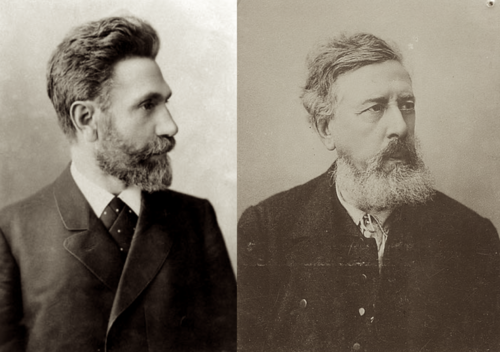
āļļ⎙āļļ⎙āļŊ⎊, ⎀⎒āļŊāˇŠāˇ„āˇ™āļŊ⎊āļ¸āˇŠ āļŊ⎒āļļ⎊āļąāˇ™āļšāˇŠāļ§āˇŠ

āļŠāˇ…āļŸ āļœāˇ’āļ¸āˇŠāˇ„āˇāļąāļē⎚āļ¯āˇ“, āļĄāļąāˇŠāļ¯āļēāļ§ āļ¯āˇ’āļą āļ¯āˇ™āļšāļšāļ§ āļ´āˇ™āļģ āļē⎔āļ¯āˇŠāļ°āļē āļ´āˇŠâ€āļģāļšāˇāˇ āļšāˇ… āļ´āˇŠâ€āļģāļ‚⎁āļēāļ§ āļ‘āļģ⎙⎄⎒⎀ ⎃āļ§āļąāˇŠ āļšāˇ’āļģ⎓āļ¸ āˇƒāļŗāˇ„āˇ āļ´āˇŠâ€āļģ⎂⎒āļēāˇāļąāˇ” āļē⎔āļ¯ āļĢāļē ⎃āļ¸āˇŠāļļāļąāˇŠāļ°āļē⎙āļąāˇŠ āļ‹āļ­āˇ”āļģ⎔ āļĸāļģ⎊āļ¸āˇāļąāˇ” āļģ⎓āļ āˇŠāˇƒāˇŠāļ§āˇāļœāˇŠ ⎄⎒ āļ´āˇāˇ€āļ­āˇ’ āļĄāļąāˇŠāļ¯ āˇ€āˇ’āļ¸āˇƒāˇ“āļ¸āļšāļ¯āˇ“, āļŊ⎒āļļ⎊āļąāˇ™āļšāˇŠāļ§āˇŠ ⎃āļ¸āļŸ āļ‘āļšāˇŠāˇ€ āļĄāļąāˇŠāļ¯āļē āļ¯āˇ“āļ¸āˇ™āļąāˇŠ ⎀⎐⎅āļšāˇ“ āˇƒāˇ’āļ§āˇ“āļ¸āˇ™āļąāˇŠ āļ´āˇƒāˇ” āļļ⎙āļļ⎙āļŊ⎊ ⎀⎛āļģāļē⎚ āļģ⎐āļŊ⎊āļŊāļšāļ§ āļ¸āˇ”⎄⎔āļĢ āļ¯āˇ”āļąāˇŠāļąāˇšāļē. 1871 āļ¸āˇāļē⎒ āļ¸āˇāˇƒāļē⎚āļ¯āˇ“ āļļ⎙āļļ⎙āļŊ⎊ āļ´āˇāˇ„⎐āļ¯āˇ’āļŊ⎒⎀āļ¸ āļ´āˇāļģāˇ’āˇƒāˇŠ āļšāˇœāļ¸āˇ’āļē⎔āļąāļē āļ†āļģāļšāˇŠāˇ‚āˇ āļšāˇ… ⎀⎒āļ§ āļšāˇāļ´āļē āļ‹āļ­āˇŠāˇƒāļąāˇŠāļą āˇ€āˇ’āļē.

āļ´āˇƒāˇ”⎀ āļļ⎙āļļ⎙āļŊ⎊ āˇƒāˇ„ āļŊ⎒āļļ⎊āļąāˇ™āļšāˇŠāļ§āˇŠ āļēāļą āļ¯āˇ™āļ¯āˇ™āļąāˇāļ¸ āļģāˇāļĸāļ¯āˇŠâ€āļģāˇāˇ„āˇ“ āļšāˇŠâ€āļģ⎒āļēāˇāˇ€āļšāļ§ āˇƒāˇ–āļ¯āˇāļąāļ¸āˇŠ ⎀⎓āļ¸ āˇƒāļ¸āˇŠāļļāļąāˇŠāļ°āļē⎙āļąāˇŠ ⎀āļģāļ¯āļšāļģ⎔⎀āļąāˇŠ ⎀⎖ āļąāļ¸āˇ”āļ­āˇŠ, āļļāˇœāˇ„āˇ āļšāļ¸āˇŠāļšāļģ⎔⎀āļąāˇŠ āˇ€āˇ’āˇƒāˇ’āļąāˇŠ āļ”⎀⎔āļąāˇŠāļœāˇš ⎃⎊āļŽāˇāˇ€āļģāļē ⎃āļŗāˇ„āˇ āļ”⎀⎔āļąāˇŠāˇ€ āļ´āˇŠâ€āļģ⎁āļ‚āˇƒāˇāˇ€āļ§ āļŊāļšāˇŠ āļšāˇ™āļģ⎔āļĢ⎒. 1872 āļĸ⎖āļŊ⎒ āļ¸āˇāˇƒāļē⎚āļ¯āˇ“  ⎄⎒āļē⎔āļļāļģ⎊āļ§āˇƒāˇŠāļļāļģ⎊āļœāˇŠ (Hubertusburg) āļļāļąāˇŠāļ°āļąāˇāļœāˇāļģāļē⎚ āļ”⎄⎔āļœāˇš āļ¯āļŦ⎔⎀āļ¸ āļ†āļģāļ¸āˇŠāļˇ āļšāˇ’āļģ⎓āļ¸āļ§ āļļ⎙āļļ⎙āļŊ⎊ āļ¯āˇ”āļ¸āˇŠāļģ⎒āļē⎙āļąāˇŠ āļ‘⎅⎒āļēāļ§ āļ† āˇ€āˇ’āļ§, āļ¯āˇ”āļ¸āˇŠāļģ⎒āļē āˇƒāˇšāˇ€āļšāļē⎒āļąāˇŠ āļģāˇāļĸāˇŠâ€āļē āļąāˇāļēāļšāļē⎙āļšāˇ”āļ§ āļœāļģ⎔ āļšāļģāļąāˇŠāļąāˇāļšāˇŠ āļ¸āˇ™āļąāˇŠ āļ”⎄⎔āļ§ āļ†āļ āˇāļģ āļšāˇ…⎄.

āļļ⎙āļļ⎙āļŊ⎊ āļ­āļ¸ āˇƒāˇ’āļģāļœāļ­ āļšāˇāļŊāļē āļ”⎄⎔āļœāˇš “āļšāˇāļąāˇŠāļ­āˇāˇ€ āˇƒāˇ„ ⎃āļ¸āˇāļĸāˇ€āˇāļ¯āļē” (Women and Socialism) āļąāļ¸āˇŠ āļ´āˇœāļ­ āļŊ⎒⎀⎓āļ¸āļ§ āļē⎜āļ¯āˇ āļœāļąāˇ’āļ¯āˇŠāļ¯āˇ’ , āļŊāˇƒāˇāļŊ⎊ āˇƒāˇ„ āļ‘āˇƒāˇŠāļŠāˇ“āļ’āļ´āˇ“ āļ…āļąāˇ”āļœāˇāļ¸āˇ’āļšāļē⎒āļąāˇŠ āļ‘āļšāˇ’āļąāˇ™āļšāˇāļ§ āˇƒāļ¸āˇ“āļ´ āˇ€āˇ’āļē. āļļ⎙āļļ⎙āļŊ⎊ āˇƒāˇ’āļģ⎙āļąāˇŠ āļąāˇ’āļ¯āˇ„āˇƒāˇŠ ⎀⎓ āļ¸āˇāˇƒāļēāļšāļ§ āļ´āˇƒāˇ”, āļ‘āļšāˇŠāˇƒāļ­āˇŠ āļšāˇ’āļģ⎓āļ¸āˇš ⎃āļ¸āˇŠāļ¸āˇšāļŊāļąāļē 1875 āļ¸āˇāļē⎒ āļ¸āˇāˇƒāļē⎚āļ¯āˇ“ āļœāˇāļ­āˇ ⎄⎒āļ¯āˇ“ āļ´āˇāˇ€āˇāļ­āˇŠāˇ€āˇ’āļĢ⎒. āļ¸āˇ™āļ¸ āˇƒāļ¸āˇŠāļ¸āˇšāļŊāļąāļē āˇƒāˇ’āļēāļŊ⎊āļŊāļ§āļ¸ āˇ€āļŠāˇ āļ¸āˇāļšāˇŠāˇƒāˇŠ āˇ€āˇ’āˇƒāˇ’āļąāˇŠ āļœāˇāļ­āˇ ⎀⎐āļŠāˇƒāļ§āˇ„āļąāļ§ (Gotha programme) āļšāļģāļą āļŊāļ¯ āļ­āˇ’āļē⎔āļĢ⎔ āˇ€āˇ’āˇ€āˇšāļ āļą āˇƒāļŗāˇ„āˇ āļ´āˇŠâ€āļģāˇƒāˇ’āļ¯āˇŠāļ°āļē.

āļ‘āļšāˇŠāˇƒāļ­āˇŠ ⎀⎓āļ¸āˇ™āļąāˇŠ āļ´āˇƒāˇ”, āļĸāļģ⎊āļ¸āļąāˇ’āļē⎚ ⎃āļ¸āˇāļĸāˇ€āˇāļ¯āˇ“ āļšāļ¸āˇŠāļšāļģ⎔ āļ´āļšāˇŠāˇ‚āļē (SAPD) āˇ€āˇšāļœāļē⎙āļąāˇŠ ⎀āļģ⎊āļ°āļąāļē ⎀⎖ āļ…āļ­āļģ, āˇ€āˇƒāļģ 15 āļšāļ§ āļ´āˇƒāˇ” āļ‘⎄⎒ āļąāļ¸ āļĸāļģ⎊āļ¸āļąāˇ’āļē⎚ ⎃āļ¸āˇāļĸ āļ´āˇŠâ€āļģāļĸāˇāļ­āļąāˇŠāļ­āˇŠâ€āļģāˇ€āˇāļ¯āˇ“ āļ´āļšāˇŠāˇ‚āļē (SPD) āļŊāˇ™āˇƒ ⎀⎙āļąāˇƒāˇŠ āļšāˇ…āˇšāļē. āļ‘āļšāˇŠāˇƒāļ­āˇŠ ⎀⎓āļ¸āˇ™āļąāˇŠ āˇ€āˇƒāļģ āļ­āˇ”āļąāļšāļ§ āļ´āˇƒāˇ”⎀⎙āļ¯āˇŠāļ¯āˇ“āļ¸, āļ´āļšāˇŠāˇ‚āļēāļ§ āļ´āˇŠâ€āļģāˇāļ¯āˇšāˇāˇ“āļē āļ´āˇ”⎀āļ­āˇŠāļ´āļ­āˇŠ 47 āļšāˇŠ āļ­āˇ’āļļ⎖ āļ…āļ­āļģ, āļ‘⎄⎒ āļ¸āļ°āˇŠâ€āļēāļ¸ āļ†āļēāļ­āļąāļē āļŊāˇ™āˇƒ Vorwärts (Forwards) āļ´āˇāˇ€āļ­āˇ’āļĢ⎒. āļ‘āļē āļģāļē⎒āļšāˇŠāˇƒāˇŠāļ§āˇāļœāˇŠ (Reichstag) āļ¸āˇāļ­āˇ’⎀āļģāļĢ⎀āļŊāļ¯āˇ“ āˇƒāˇ’āļēāļēāļ§ 10 āļš āļĄāļąāˇŠāļ¯ āļ´āˇŠâ€āļģāļ­āˇ’⎁āļ­āļēāļšāˇŠ āļŊāļļāˇ āļœāļ­āˇŠ āļ…āļ­āļģ, āļ‘āļē āļ‘āļšāˇŠāˇƒāļ­āˇŠ ⎀⎓āļ¸āļ§ āļ´āˇ™āļģ ⎃āļ‚⎀⎒āļ°āˇāļą āļ¯āˇ™āļšāˇ™āˇ„⎒āļ¸ āļ’āļšāˇāļļāļ¯āˇŠāļ° āļ‘āļšāļ­āˇ”⎀āļ§ āˇƒāˇāļ´āˇšāļšāˇŠāˇ‚⎀ āˇƒāˇ’āļēāļēāļ§ 40 āļš āˇ€āˇāļŠāˇ’⎀⎓āļ¸āļšāˇŠ ⎀⎒āļē. āļļāˇ’āˇƒāˇŠāļ¸āˇāļģ⎊āļšāˇŠ āļ”⎄⎔āļœāˇš āļ´āˇŠâ€āļģāļ­āˇ’-⎃āļ¸āˇāļĸāˇ€āˇāļ¯āˇ“ āļąāˇ“āļ­āˇ’āļē⎙āļąāˇŠ āļ´āˇŠâ€āļģāļ­āˇ’āļ āˇāļģ āļ¯āˇāļšāˇŠāˇ€āˇ“āļē. āļ´āļšāˇŠāˇ‚āļē⎚ āˇƒāˇ’āļēāļŊ⎔āļ¸ āˇƒāļ‚⎀⎒āļ°āˇāļą āˇƒāˇ„ āļ´āˇ”⎀āļ­āˇŠāļ´āļ­āˇŠ āļ­āˇ„āļąāļ¸āˇŠ āļšāļģāļą āļŊāļ¯āˇ“, āļąāļ¸āˇ”āļ­āˇŠ āļ´āˇāļģ⎊āļŊ⎒āļ¸āˇšāļąāˇŠāļ­āˇ” āļšāļąāˇŠāļŠāˇāļēāļ¸ āˇƒāˇ„ āļ‘⎄⎒ āļąāˇ’āļēāˇāļĸ⎒āļ­āļē⎒āļąāˇŠāļœāˇš ⎀⎐āļŠ āļąāˇ“āļ­āˇ’ ⎀⎒āļģāˇāļ°āˇ“ āļšāˇ’āļģ⎓āļ¸āļ§ āļļāˇ’āˇƒāˇŠāļ¸āˇāļģ⎊āļšāˇŠ āļ¯āˇāļģ⎖ āļ‹āļ­āˇŠāˇƒāˇāˇ„āļē āļ…āˇƒāˇāļģ⎊āļŽāļš āˇ€āˇ’āļē.

āļąāˇ“āļ­āˇ’ ⎀⎒āļģāˇāļ°āˇ“⎀ āˇƒāˇ’āļ§āˇ’ āˇ€āˇƒāļģ⎀āļŊāļ¯āˇ“ āļļ⎙āļļ⎙āļŊ⎊ āļ¯āˇšāˇāļ´āˇāļŊāļą āļšāˇ“āļģ⎊āļ­āˇ’āļē āˇƒāˇ„ āļąāˇŠâ€āļēāˇāļē⎒āļš āļ´āˇāˇ„⎐āļ¯āˇ’āļŊ⎒āļšāļ¸ āļŊāļļāˇ āļœāļ­āˇŠāļ­āˇšāļē. āļ­āˇ’āļē⎔āļĢ⎔ āļšāļąāˇŠāļŠāˇāļēāļ¸āˇŠ ⎃āļ§āļąāˇŠ āļ‡āļ­āˇ’ ⎀⎒āļē. āļ¸āļ°āˇŠâ€āļē⎃⎊āļŽāˇ€āˇāļ¯āˇ“āļąāˇŠ āˇƒāˇ„ āļģ⎐āļŠāˇ’āļšāļŊāˇŠāˇ€āˇāļ¯āˇ“āļąāˇŠ āļ´āļšāˇŠāˇ‚āļē⎚ āļ´āˇŠâ€āļģāļ¸āˇ”āļ› āˇƒāˇŠāļŽāˇāļąāļē ⎃āļŗāˇ„āˇ āļ…āļģāļœāļŊ āļšāˇ…⎄. āļ…āˇ€āˇƒāˇāļąāļē⎚ āļģ⎐āļŠāˇ’āļšāļŊāˇŠāˇ€āˇāļ¯āˇ“āļąāˇŠ āļĸāļēāļœāˇŠâ€āļģ⎄āļĢāļē āļšāˇ… āļ…āļ­āļģ, āļ‘āļē āˇƒāˇ’āļēāļŊ⎊āļŊāļ§āļ¸ āˇ€āļŠāˇ āļļ⎙āļļ⎙āļŊ⎊āļœāˇš āļ‹āˇƒāˇƒāˇŠ āļ‹āļ´āˇāļē⎒āļš āˇ„āˇāļšāˇ’āļēāˇāˇ€āļąāˇŠ āˇƒāˇ„ āļšāˇ“āļģ⎊āļ­āˇ’āļē āļąāˇ’āˇƒāˇ ⎀⎒āļē. āļ¸āˇ™āļ¸ āļĸāļēāļœāˇŠâ€āļģ⎄āļĢāļēāļ§ āļ´āˇŠâ€āļģāļ°āˇāļą āˇ„āˇšāļ­āˇ”⎀ ⎀⎖āļē⎚ āļļ⎙āļļ⎙āļŊ⎊āļœāˇš āļšāļąāˇŠāļŠāˇāļēāļ¸ āļ…āļąāļąāˇŠâ€āļē ⎀⎖ āļ¸āˇāļšāˇŠāˇƒāˇŠāˇ€āˇāļ¯āļē⎚ ⎀āļģ⎊āļ°āļąāļē ⎀⎙āļ¸āˇ’āļąāˇŠ āļ´āˇāˇ€āļ­āˇ’ āļ…āļ°āˇ’āļšāˇāļģāļē āļē⎒. āļ‘āļ‚āļœāļŊ⎊⎃⎊āļœāˇš āļŠāˇ–āļģ⎒āļ‚ āˇ€āˇ’āļģāˇāļ°āļē (Anti-DÃŧhring) āļ´āˇŠâ€āļģāļšāˇāˇāļēāļ§ āļ´āļ­āˇŠ āļšāˇ’āļģ⎓āļ¸ āļšāļ¸āˇŠāļšāļģ⎔ āˇ€āˇŠâ€āļēāˇāļ´āˇāļģāļē āļ­āˇ”⎅ ⎃āļ¸āˇāļĸāˇ€āˇāļ¯āļē⎚ āļ…āļ°āˇ’āļšāˇāļģ⎓ ⎄āļŦ āļļ⎀āļ§ āļ¸āˇāļšāˇŠāˇƒāˇŠāˇ€āˇāļ¯āļē āļ´āļ­āˇŠ āļšāļģ āļ­āˇ’āļļ⎔āļĢ⎒.

āļļ⎙āļļ⎙āļŊ⎊ āˇƒāˇ„ āļ”⎄⎔āļœāˇš āļ†āļ°āˇāļģāļšāļģ⎔⎀āļąāˇŠ āļ¸āˇāļšāˇŠāˇƒāˇŠāˇ€āˇāļ¯āˇ“ āļ¸āˇ–āļŊāļ°āļģ⎊āļ¸ āˇƒāˇ„ ⎀⎒āļ´āˇŠāļŊāˇ€āˇ€āˇāļ¯āˇ“ āļ‰āļ¯āˇ’āļģ⎒āļ¯āļģ⎊⎁āļąāļēāļšāˇŠ āļ´āˇāˇ„⎐āļ¯āˇ’āļŊ⎒⎀ āļ‰āļ¯āˇ’āļģ⎒āļ´āļ­āˇŠ āļšāļģāļą āļ­āļģāļ¸āļ§āļ¸, āļšāļģ⎊āļ¸āˇāļąāˇŠāļ­āˇāˇāļŊāˇ āļ­āˇ”⎅ āļ‘āˇƒāˇŠāļ´āˇ“āļŠāˇ“āļē⎚ āļ´āˇāˇ€āˇāļ­āˇŠāļ¸ āˇ€āˇāļŠāˇ’ ⎀⎐āļŠāˇ’āļē⎙āļąāˇŠ ⎀āļģ⎊āļ°āļąāļē ⎀⎒āļē. 1889 āļ¸āˇ„āˇ ⎀⎐āļŠ āˇ€āļģ⎊āļĸāļą āˇ€āˇŠâ€āļēāˇāļ´āˇāļģāļē⎚āļ¯āˇ“ āļ¸āˇ™āļē āļ´āˇāˇ„⎐āļ¯āˇ’āļŊ⎒⎀ āļ¯āˇ’āˇƒāˇŠ ⎀⎒āļē. āļģ⎔⎄āļģāˇŠāˇ„āˇ’ āļ´āļ­āļŊāˇŠāˇ€āļŊ ⎀⎐āļŠ āļąāļ­āļģ āļšāˇ’āļģ⎓āļ¸āˇŠ āļ†āļģāļ¸āˇŠāļˇ āˇ€āˇ– āļ…āļ­āļģ, āļ´āˇƒāˇ”⎀ āļ‰āļšāˇŠāļ¸āļąāˇ’āļąāˇŠ āļ†āļšāļąāˇŠ, āˇƒāˇāļģ⎊āļŊāļąāˇŠāļŠāˇŠ, ⎃⎐āļšāˇŠāˇƒāļąāˇ’ āˇƒāˇ„ ⎃āļē⎒āļŊāˇ“āˇƒāˇ’āļēāˇāˇ€ (Ruhr, Aachen, the Saarland, Saxony and Silesia) āļ¯āļšāˇŠāˇ€āˇ āˇ€āˇŠâ€āļēāˇāļ´āˇŠāļ­ āˇ€āˇ’āļē. āļģ⎔⎄āļģāˇŠāˇ„āˇ’ āļ´āļ­āļŊ⎊ āļšāļ¸āˇŠāļšāļģ⎔⎀āļąāˇŠ 97,000 āļšāˇŠ (āˇāˇŠâ€āļģāļ¸ āļļāļŊāļšāˇāļē⎙āļąāˇŠ āˇƒāˇ’āļēāļēāļ§ 86 āļšāˇŠ) ⎀⎐āļŠ āˇ€āļģ⎊āļĸāļąāļēāļ§ āļ‘āļšāˇŠ ⎀⎒āļē. ⎃āļąāˇŠāļąāļ¯āˇŠāļ° āļœāˇāļ§āˇ”āļ¸āˇŠ āļ‡āļ­āˇ’ ⎀⎖ āļ…āļ­āļģ ⎃⎜āļŊ⎊āļ¯āˇāļ¯āˇ”⎀āļąāˇŠ āļ¸āˇāļ¯āˇ’⎄āļ­āˇŠ ⎀⎖ āļąāļ¸āˇ”āļ­āˇŠ ⎀⎐āļŠ āˇ€āļģ⎊āļĸāļą āļ¯āˇ’āļœāļ§āļ¸ āˇ€āļģ⎊āļ°āļąāļē ⎀⎒āļē. 1890 āļ…āļ´āˇŠâ€āļģ⎚āļŊ⎊ ⎀āļą āˇ€āˇ’āļ§, ⎀⎐āļŠ āˇ€āļģ⎊āļĸāļą āˇƒāļ‚āļ›āˇŠâ€āļēāˇāˇ€ 715 āļ¯āļšāˇŠāˇ€āˇ ⎅āļŸāˇ ⎀⎖ āļ…āļ­āļģ, āļœāˇœāļŠāļąāˇāļœāˇ’āļŊ⎒, āļģ⎙āļ¯āˇ’āļ´āˇ’⎅⎒ āˇƒāˇ„ āļŊāˇāˇ„ āļšāļģ⎊āļ¸āˇāļąāˇŠāļ­āˇ€āļŊ āļ¸āˇ”⎅⎔ āļšāļ¸āˇŠāļšāļģ⎔⎀āļąāˇŠ 289,000 āļšāˇŠ āˇƒāˇ„āļˇāˇāļœāˇ“ ⎀⎖⎄.

āļ‘āļ¸ āˇ€āˇƒāļģ⎚āļ¸ āļģāļē⎒āļšāˇŠāˇƒāˇŠāļ§āˇāļœāˇŠ āļ¸āˇāļ­āˇ’⎀āļģāļĢāļē⎚āļ¯āˇ“, āļ‘āˇƒāˇŠāļ´āˇ“āļŠāˇ“ āļ´āļšāˇŠāˇ‚āļē āļ­āļ¸ āļĄāļąāˇŠāļ¯ āļ¸āˇ”⎅⎔ āļ´āˇŠâ€āļģāļ¸āˇāļĢāļē āˇƒāˇ’āļēāļēāļ§ 20 āļ¯āļšāˇŠāˇ€āˇ āļ¯āˇ™āļœāˇ”āļĢ āļšāˇ…āˇšāļē. ⎃āļ­āˇ’ āļšāˇ’⎄⎒āļ´āļēāļšāļ§ āļ´āˇƒāˇ” āļļāˇ’āˇƒāˇŠāļ¸āˇāļģ⎊āļšāˇŠ āļ‰āļŊ⎊āļŊāˇ āļ…āˇƒāˇŠ ⎀⎖ āļ…āļ­āļģ, āļ‘āļ¸ āˇ€āˇƒāļģ⎚ āļ”āļšāˇŠāļ­āˇāļļāļģ⎊ āļ¸āˇāˇƒāļē⎚āļ¯āˇ“ ⎃āļ¸āˇāļĸāˇ€āˇāļ¯āˇ“ ⎀⎒āļģāˇāļ°āˇ“ āļąāˇ“āļ­āˇ’ āļ…⎀āļŊāļ‚āļœāˇ” āļšāļģāļą āļŊāļ¯āˇ“.

āļąāˇ“āļ­āˇŠâ€āļēāˇāļąāˇ”āļšāˇ–āļŊ āļ´āļšāˇŠāˇ‚āļēāļšāˇŠ āļŊāˇ™āˇƒ āļ‘āˇƒāˇŠāļ´āˇ“āļŠāˇ“ āļ´āļšāˇŠāˇ‚āļē āļŠāļ§āļ­āˇŠ ⎀āļŠāˇ āˇ€āˇšāļœāļē⎙āļąāˇŠ ⎀āļģ⎊āļ°āļąāļē ⎀⎒āļē. 1890 āļ¯āˇ“ ⎃āļ¸āˇāļĸāˇ€āˇāļ¯ āˇ€āˇ’āļģāˇāļ°āˇ“ āļąāˇ“āļ­āˇ’ āļ…āˇ€āˇƒāˇāļąāļē⎚ āˇƒāˇ’āļ§ 1914 āļ¯āˇ“ āļ´āˇ…āļ¸āˇ” āļŊāˇāļš āļē⎔āļ¯āˇŠāļ°āļē āļ´āˇ”āļ´āˇ”āļģāˇ āļēāˇāļ¸ āļ¯āļšāˇŠāˇ€āˇ ⎀⎖ ⎁āļ­  ⎀āļģāˇŠāˇ‚ āļšāˇāļŊāļš āļšāˇāļŊ āļ´āļģ⎒āļ āˇŠāļĄāˇšāļ¯āļēāļš āļ­āˇ”⎅ āļ‘āļē āļĸāļģ⎊āļ¸āļąāˇ’āļē⎚ āˇ€āˇ’āˇāˇāļŊāļ­āļ¸ āļ´āļšāˇŠāˇ‚āļē āļļ⎀āļ§ āļ´āļ­āˇŠāˇ€āˇ’āļē. āļąāļ¸āˇ”āļ­āˇŠ āļ´āļšāˇŠāˇ‚āļēāļ§ āļŊ⎐āļļ⎔āļĢ⎔ āļĄāļąāˇŠāļ¯ āˇƒāļ‚āļ›āˇŠâ€āļēāˇāˇ€ āļšāļ¸āˇŠāļšāļģ⎔ āˇ€āˇŠâ€āļēāˇāļ´āˇāļģāļē āļ­āˇ”⎅ āļ‘⎄⎒ āļļāļŊāļ´āˇ‘āļ¸āˇš āļ´āˇ”⎅⎔āļŊ⎊ āļļ⎀ āˇ„āˇ āļœāˇāļšāˇ”āļģ ⎃āļ¸āˇŠāļ´āˇ–āļģ⎊āļĢāļē⎙āļąāˇŠāļ¸ āļ´āˇāˇ„⎐āļ¯āˇ’āļŊ⎒ āļąāˇœāļšāļģāļē⎒.

āļ’ āļšāˇāļŊāļē⎚ āļ¯āˇ“, āļ‘āˇƒāˇŠāļ´āˇ“āļŠāˇ“ āļ´āļšāˇŠāˇ‚āļē āļ“āļ­āˇ’āˇ„āˇāˇƒāˇ’āļš āˇ€āˇāļē⎙āļąāˇŠ āˇƒāˇ”āˇ€āˇ’āˇāˇšāˇ‚ ⎃āļ‚āˇƒāˇ’āļ¯āˇŠāļ°āˇ’āļēāļšāˇŠ ⎀⎒āļē: āļ¸āļąāˇŠāļ¯āļēāļ­āˇŠ, āļ‘āļē āļ´āˇ…āļ¸āˇ” ⎃⎐āļļ⎑ āļ¸āˇ„āļĸāļą āļšāļ¸āˇŠāļšāļģ⎔ āļ´āļąāˇŠāļ­āˇ’ āļ´āļšāˇŠāˇ‚āļē ⎀⎒āļē. āļ‘āļē ⎃āļ¸āˇāļĸāļē⎚ āˇƒāˇ’āļēāļŊ⎔ āļ°āļąāļē āļąāˇ’āļģ⎊āļ¸āˇāļĢāļē āļšāˇ… āˇƒāˇ„ āļ´āļąāˇŠāļ­āˇ’ āļģ⎄⎒āļ­ āˇƒāļ¸āˇāļĸāļēāļšāˇŠ āļœāˇœāļŠāļąāˇāļœāˇ“āļ¸āļ§ āˇƒāļ¸āļ­āˇŠ ⎀āļą āļ´āļąāˇŠāļ­āˇ’āļēāļš āˇ€āˇ’āļ āˇ’āļ­āˇŠâ€āļģ āļ…āļ´āˇšāļšāˇŠāˇ‚āˇāˇ€āļąāˇŠ, āļ‹āļ¯āˇŠāļēāˇāļœāļē āˇƒāˇ„ āļąāˇ’āļģ⎊āļ¸āˇāļĢ⎁⎓āļŊ⎒āļ­āˇŠāˇ€āļē āļ…⎀āļ¯āˇ’ āļšāˇ…āˇšāļē.

20 ⎀āļą āˇƒāˇ’āļēāˇ€āˇƒ āļ‹āļ¯āˇ ⎀⎙āļ¯āˇŠāļ¯āˇ“, āļšāļ¸āˇŠāļšāļģ⎔ āļ´āļąāˇŠāļ­āˇ’ āļĸ⎓⎀⎒āļ­āļē⎚ āˇƒāˇ’āļēāļŊ⎔ āļ…āļ‚⎁ āļ‘āˇƒāˇŠāļ´āˇ“āļŠāˇ“ āļē āˇ€āˇ’āˇƒāˇ’āļąāˇŠ ⎃āļ‚⎀⎒āļ°āˇāļąāļē āļšāļģāļą āļŊāļ¯āˇ“. āļ´āˇ„āļ­ āˇƒāļ‚āļ›āˇŠâ€āļēāˇāļŊ⎚āļ›āļą āļ¸āļœāˇ’āļąāˇŠ āļ‘āˇƒāˇŠāļ´āˇ“āļŠāˇ“ ⎄⎒ ⎀āļģ⎊āļ°āļąāļē āˇ„āˇ āļļ⎐āļŗāˇ”āļĢ⎔ āļšāļ¸āˇŠāļšāļģ⎔ āļ´āļąāˇŠāļ­āˇ’āļē⎚ ⎃āļ‚āˇƒāˇŠāļšāˇ˜āļ­āˇ’āļš āˇƒāļ‚⎀āļģ⎊āļ°āļąāļē āļąāˇ’āļģ⎖āļ´āļĢāļē āļšāˇ™āļģ⎚. 1900 āˇƒāˇ„ 1914 āļ…āļ­āļģ āļļ⎙āļļ⎙āļŊ⎊āļœāˇš āļ´āļšāˇŠāˇ‚āļē āļ´āˇ”āˇƒāˇŠāļ­āļšāˇāļŊ 1,100 āļšāˇŠ āļ†āļģāļ¸āˇŠāļˇ āļšāˇ’āļģ⎓āļ¸āļ§ āˇƒāļ¸āˇŠāļļāļąāˇŠāļ° āˇ€āˇ’āļē. āļ¸āˇ™āļ¸ āļ´āˇ”āˇƒāˇŠāļ­āļšāˇāļŊ⎀āļŊ ⎀⎙⎅⎔āļ¸āˇŠ 80,000 āļšāļ§ āļ…āļ°āˇ’āļš āļ‘āļšāļ­āˇ”⎀āļšāˇŠ āļ­āˇ’āļļ⎔āļĢ⎒. 1914 ⎀āļą āˇ€āˇ’āļ§ āļ´āļšāˇŠāˇ‚āļē⎚ ⎀⎐āļ§āˇ”āļ´āˇŠ āļŊ⎚āļ›āļąāļē⎚ āļ´āˇ”āˇƒāˇŠāļ­āļšāˇāļŊāļēāˇāļ°āˇ’āļ´āļ­āˇ’⎀āļģ⎔āļąāˇŠ 365 āļšāˇŠ āˇƒāˇ’āļ§āˇ’āļē⎄.

āļšāˇ™āˇƒāˇš ⎀⎙āļ­āļ­āˇŠ, āļ‘āˇƒāˇŠāļ´āˇ“āļŠāˇ“ ⎄⎒ āˇ€āˇšāļœāˇ€āļ­āˇŠ āļąāˇāļœāˇ“āļ¸ āˇƒāˇ„ āļ¯āˇšāˇāļ´āˇāļŊāļą āļļāļŊāļ´āˇ‘āļ¸ āˇ€āˇāļŠāˇ’⎀⎓āļ¸ āļˇāļēāˇāļąāļš āļ´āˇŠâ€āļģāļ­āˇ’⎀⎒āļ´āˇāļš āļœāˇ™āļą āļ¯āˇ”āļąāˇŠāļąāˇšāļē. āļ‘āļē 1895 āļ…āļģāˇŠāˇ†āļģ⎊āļ§āˇŠ ⎀⎐āļŠāˇƒāļ§āˇ„āļąāˇš (Erfurt Programme) āļ¯āļšāˇŠāˇ€āˇ āļ­āˇ’āļļ⎖ āļ‘⎄⎒  ⎀⎒āļ´āˇŠāļŊāˇ€āˇ€āˇāļ¯āˇ“ āļ‰āļ¯āˇ’āļģ⎒āļ¯āļģ⎊⎁āļąāļē āˇƒāˇ„ āļ´āļšāˇŠāˇ‚āļē⎚ āļ‘āļ¯āˇ’āļąāˇ™āļ¯āˇ āļšāļ§āļē⎔āļ­āˇ”⎀āļŊ āļąāˇœāˇ€āˇāˇ…⎐āļšāˇŠāˇ€āˇ’āļē ⎄⎐āļšāˇ’ āļ´āˇŠâ€āļģāļ­āˇ’āˇƒāļ‚āˇƒāˇŠāļšāļģāļĢāˇ€āˇāļ¯āˇ“ āˇƒāˇŠāˇ€āļˇāˇāˇ€āļē āļ…āļ­āļģ āļœāˇāļ§āˇ”āļ¸ āļ­āˇ“āˇ€āˇŠâ€āļģ āļšāˇ…āˇšāļē.

āļ´āļšāˇŠāˇ‚āļē⎚ āļ´āˇŠâ€āļģāļ¸āˇ”āļ› āļąāˇŠâ€āļēāˇāļēāˇāļ āˇāļģ⎊āļē⎀āļģāļēāˇ āļŊāˇ™āˇƒ āļ¸āļ­āˇ” ⎀⎖ āļšāˇāļŊ⎊ āļšāˇžāļ§āˇŠāˇƒāˇŠāļšāˇ’, “āļ‹āļ´āļģ⎒āļ¸ āˇƒāˇ„ āļ…⎀āļ¸ āˇ€āˇāļŠāˇƒāļ§āˇ„āļąāˇŠ (maximum and minimum programmes)” āļēāļą āļ”⎄⎔āļœāˇš ⎃āļ‚āļšāļŊ⎊āļ´āļē ⎃āļ¸āļŸāˇ’āļąāˇŠ ⎀⎒āļ´āˇŠāļŊāˇ€āˇ€āˇāļ¯āˇ“ āļ‰āļŊāļšāˇŠāļš āˇƒāˇ„ āļ´āļšāˇŠāˇ‚āļē⎚ āļ´āˇŠâ€āļģāļ­āˇ’āˇƒāļ‚āˇƒāˇŠāļšāļģāļĢāˇ€āˇāļ¯āˇ“ āļšāˇŠâ€āļģ⎒āļēāˇāļšāˇāļģāļšāļ¸āˇŠ āļ…āļ­āļģ āļ´āļģāļ­āļģāļē āļ´āˇ’āļē⎀⎓āļ¸āļ§ āļ‹āļ­āˇŠāˇƒāˇāˇ„ āļšāˇ…āˇšāļē. āļ´āˇ…āļ¸āˇ”⎀⎐āļąāˇŠāļą āļ‘āˇƒāˇŠāļ´āˇ“āļŠāˇ“āļē⎚ āļ“āļ­āˇ’āˇ„āˇāˇƒāˇ’āļš āļ‰āļŊāļšāˇŠāļš āļąāˇ’āļēāˇāļĸāļąāļē āļšāˇ… āļ…āļ­āļģ āļ¯āˇ™āˇ€āˇāļąāˇŠāļąāˇ™āˇ„⎒ āļ´āļšāˇŠāˇ‚āļē⎚ āļ´āˇŠâ€āļģāˇāļēāˇāļœāˇ’āļš āļ‰āļŊ⎊āļŊ⎓āļ¸āˇŠ āļ…āļŠāļ‚āļœāˇ” ⎀⎒āļē. āļ”⎄⎔ āļ­āˇ€āļ¸āļ­āˇŠ ⎀⎒āļ´āˇŠāļŊāˇ€āˇ€āˇāļ¯āˇ“ ⎀⎐āļŠāˇƒāļ§āˇ„āļą āļ†āļģāļšāˇŠāˇ‚āˇ āļšāˇ… āļąāļ¸āˇ”āļ­āˇŠ, āļ´āļšāˇŠāˇ‚āļē⎚ āļˇāˇāˇ€āˇ’āļ­āļē (practice) āļ’ āˇ€āļą āˇ€āˇ’āļ§āļ­āˇŠ “āļšāˇ… ⎄⎐āļšāˇ’ āļ¯āˇ™āļē (possibilism)” āļŊāˇ™āˇƒ ⎄⎐āļŗāˇ’āļąāˇŠāˇ€āˇ– āļģāˇāļ¸āˇ”⎀āļ§ āļ…āˇ€āˇƒāˇŠāļŽāˇāˇ€āˇāļ¯āˇ“ āļ…āļąāˇ”⎀āļģ⎊āļ­āļąāļēāļšāˇ’āļąāˇŠ ⎃āļ‚āļŊāļšāˇŠāˇ‚⎒āļ­ āˇ€āˇ’āļē.

āļ´āļšāˇŠāˇ‚āļē āļ­āˇ”⎅ ⎀āļģ⎊āļ°āļąāļē ⎀āļą āļ…āˇ€āˇƒāˇŠāļŽāˇāˇ€āˇāļ¯āļē āˇƒāˇ„ āˇ€āˇ˜āļ­āˇŠāļ­āˇ“āļē ⎃āļ¸āˇ’āļ­āˇ’⎀āļŊ ⎀⎐āļŠāˇ’⎀āļą āļļāļŊāļ´āˇ‘āļ¸ āˇƒāļ¸āļŸ āļ‡āļ­āˇ’ ⎀⎖ āļ…āļąāļ­āˇ”āļģ āļļ⎙āļļ⎙āļŊ⎊ āļ…⎀āļ­āļšāˇŠāˇƒāˇšāļģ⎔ āļšāˇ…āˇšāļē. 1890 āļœāļĢāļąāˇŠāˇ€āļŊ āļ¸āˇāļ¯ āļˇāˇāļœāļē ⎀āļą āļ­āˇ™āļšāˇŠ, āˇ€āˇ˜āļ­āˇŠāļ­āˇ“āļē ⎃āļ¸āˇ’āļ­āˇ’⎀āļŊ ⎀āļģ⎊āļ°āļąāļē āļ´āļšāˇŠāˇ‚āļēāļ§ āˇ€āļŠāˇ āļ´āˇƒāˇ”āļœāˇāļ¸āˇ“ ⎀⎖ āļ…āļ­āļģ āļ‘āļē āˇ€āˇ˜āļ­āˇŠāļ­āˇ“āļē ⎃āļ¸āˇ’āļ­āˇ’⎀āļŊāļ§ āļ¯āˇšāˇāļ´āˇāļŊāļą āļąāˇāļēāļšāļ­āˇŠāˇ€āļē āˇƒāˇ„ āļ¯āˇŠâ€āļģāˇ€āˇŠâ€āļēāļ¸āļē āˇƒāˇ„āļēāˇāļœāļē āļŊāļļāˇ āļ¯āˇ”āļąāˇŠāļąāˇšāļē. āļąāļ¸āˇ”āļ­āˇŠ 1895 āļ¯āˇ“ āļ†āļģāļ¸āˇŠāļˇ āˇ€āˇ– āˇƒāˇ„ āļ´āˇ…āļ¸āˇ”⎀āļą āļŊāˇāļš āļē⎔āļ¯āˇŠāļ°āļē āļ´āˇ”āļ´āˇ”āļģāˇ āļēāļą āļ­āˇ™āļšāˇŠāļ¸ āļ´āˇāˇ€āļ­āˇ’ āļ´āˇŠâ€āļģāļ°āˇāļą āļ†āļģ⎊āļŽāˇ’āļš āļ‹āļ­āˇŠāļ´āˇāļ­āļēāļšāˇŠ āˇ€āˇ˜āļ­āˇŠāļ­āˇ“āļē ⎃āļ¸āˇ’āļ­āˇ’⎀āļŊ āļ¯āˇāˇ€āˇāļąāˇŠāļ­ āˇ€āˇŠâ€āļēāˇāļ´āˇŠāļ­āˇ’āļēāļšāˇŠ āļ¯āˇ’āļģ⎒āļ¸āļ­āˇŠ āļšāˇ… āļ…āļ­āļģ, āļ”⎀⎔āļąāˇŠ āˇƒāˇ„ āļ´āļšāˇŠāˇ‚āļē āļ…āļ­āļģ ⎃āļ¸āˇŠāļļāļąāˇŠāļ°āļ­āˇāˇ€āļē āļ¸āˇ–āļŊ⎒āļš āˇ€āˇāļē⎙āļąāˇŠ ⎀⎙āļąāˇƒāˇŠ āļšāˇ…āˇšāļē. āˇ€āˇ˜āļ­āˇŠāļ­āˇ“āļē ⎃āļ¸āˇ’āļ­āˇ’ ⎃⎐āļŊāļšāˇ’āļē āļē⎔āļ­āˇ” āļ¸āˇ–āļŊāˇŠâ€āļē ⎃āļ¸āˇŠāļ´āļ­āˇŠ āļŊāļļāˇ āļœāļ­āˇŠ ⎀⎒āļ§, āļ”⎀⎔āļąāˇŠ ⎃āļ¸āˇāļĸāˇ€āˇāļ¯āˇ“ āˇ€āˇŠâ€āļēāˇāļ´āˇāļģāļēāļ§ āˇ€āļŠ āˇ€āļŠāˇāļ­āˇŠ ⎃āļ­āˇ”āļģ⎔ ⎀⎒āļē.

āļ¸āˇ™āļēāļ§ āˇ„āˇšāļ­āˇ”⎀ āļ°āļąāˇ€āˇāļ¯āļē āļēāļ§āļ­āˇš āˇ€āˇ˜āļ­āˇŠāļ­āˇ“āļē ⎃āļ¸āˇ’āļ­āˇ’⎀āļŊ āļˇāˇ–āļ¸āˇ’āļšāˇāˇ€āļē⎒. āļ”⎀⎔āļąāˇŠ āļšāļ¸āˇŠāļšāļģ⎔⎀āļąāˇŠ āļąāˇ’āļēāˇāļĸāļąāļē āļšāļģāļąāˇŠāļąāˇš āļ‰āļ­āˇ āļąāˇ’āˇāˇŠāļ āˇ’āļ­ āļ†āļģ⎊āļŽāˇ’āļš āļˇāˇ–āļ¸āˇ’āļšāˇāˇ€āļš, āļ‘āļąāļ¸āˇŠ āļ”⎀⎔āļąāˇŠāļœāˇš āˇāˇŠâ€āļģāļ¸ āˇāļšāˇŠāļ­āˇ’āļē (labour power) ⎀⎒āļšāˇ’āļĢ⎓āļ¸ āļ­āˇ”āļŊāļē⎒. āļ°āļąāˇšāˇāˇŠāˇ€āļģ āļ†āļģ⎊āļŽāˇ’āļš āˇƒāļļāļŗāļ­āˇ āļ”⎀⎔āļąāˇŠāļœāˇš āļ´āˇāˇ€āˇāļ­āˇŠāļ¸āˇš āļ´āļ¯āļąāļ¸ āˇ€āļą āļļ⎐⎀⎒āļąāˇŠ, āˇ€āˇ˜āļ­āˇŠāļ­āˇ“āļē ⎃āļ¸āˇ’āļ­āˇ’⎀āļŊ āļ¸āˇ–āļŊ⎒āļš āļ´āˇŠâ€āļģ⎀āļĢāļ­āˇāˇ€āļē ⎀āļąāˇŠāļąāˇš āļ´āļąāˇŠāļ­āˇ’ āļ…āļģāļœāļŊāļē āļ¸āļģ⎊āļ¯āļąāļē āļšāˇ’āļģ⎓āļ¸ āˇƒāˇ„ ⎃āļ¸āˇāļĸāˇ€āˇāļ¯āˇ“ āˇ€āˇŠâ€āļēāˇāļ´āˇāļģāļēāļ§ āļ‘āļģ⎙⎄⎒ ⎀⎓āļ¸āļē⎒. āļģāˇāˇƒāˇ āļŊāļšāˇŠāˇƒāļ¸āˇŠāļļāļģ⎊āļœāˇŠāļ§ āļļāˇœāˇ„āˇ āˇ€āˇ˜āļ­āˇŠāļ­āˇ“āļē ⎃āļ¸āˇ’āļ­āˇ’ ⎃āļ¸āˇŠāļ¸āˇšāļŊāļąāˇ€āļŊāļ¯āˇ“ āļšāļ­āˇ āļšāˇ’āļģ⎓āļ¸ āļ­āˇ„āļąāļ¸āˇŠ āļšāļģāļą āļŊāļ¯āˇŠāļ¯āˇš āļ¸āˇš āˇ„āˇšāļ­āˇ”⎀⎙āļąāˇ’.

āˇ€āˇ˜āļ­āˇŠāļ­āˇ“āļē ⎃āļ¸āˇ’āļ­āˇ’⎀āļŊ ⎀āļģ⎊āļ°āļąāļēāļ§ āˇƒāļ¸āļœāˇāļ¸āˇ“⎀ āļ…āˇ€āˇƒāˇŠāļŽāˇāˇ€āˇāļ¯āļē⎚ āļąāˇŠâ€āļēāˇāļēāˇāļ āˇāļģ⎊āļē⎀āļģāļēāˇ āļŊāˇ™āˇƒ āļ‘āļŠāˇŠāˇ€āļŠāˇŠ āļļāļģ⎊āļąāˇŠāˇƒāˇŠāļ§āļē⎒āļąāˇŠ āļ¸āļ­āˇ” ⎀⎒āļē. āļĸāˇāļ­āˇ’āļš āļģāˇāļ¸āˇ”⎀ āļ­āˇ”⎅ āļšāļ¸āˇŠāļšāļģ⎔⎀āļąāˇŠāļœāˇš āļ†āļ¯āˇāļēāļ¸āˇŠ āļ´āˇŠâ€āļģāļ­āˇ’⎁āļ­āļē⎚ āļąāˇ’āļģāļąāˇŠāļ­āļģ ⎀⎐āļŠāˇ’⎀⎓āļ¸āļšāˇŠ āļ’āˇ€āˇāļ§ āˇƒāˇ„āļ­āˇ’āļš āļšāˇ… ⎄⎐āļšāˇ’ āļļ⎀ āˇ€āˇ˜āļ­āˇŠāļ­āˇ“āļē ⎃āļ¸āˇ’āļ­āˇ’ āļ”āļ´āˇŠāļ´āˇ” āļšāļģ āļ‡āļ­āˇ’ āļļ⎀ āļ”⎄⎔ āļšāˇ’āļēāˇ āˇƒāˇ’āļ§āˇ’āļē⎚āļē. āļ‘āļļ⎐⎀⎒āļąāˇŠ, āļ´āˇ™āļąāˇ™āļą āļ†āļšāˇāļģāļēāļ§ āļšāļ¸āˇŠāļšāļģ⎔ āļ´āļąāˇŠāļ­āˇ’āļē āļ¯āļģ⎒āļ¯āˇŠâ€āļģāļ­āˇāˇ€āļēāļ§ āļ‡āļ¯ āˇ€āˇāļ§āˇ“āļ¸ āļ´āˇ’⎅⎒āļļāļŗ āļ¸āˇāļšāˇŠāˇƒāˇŠāļœāˇš āļąāˇŠâ€āļēāˇāļē āļ´āˇŠâ€āļģāļ­āˇ’āļšāˇŠāˇ‚āˇšāļ´ āļšāļģāļąāˇ” āļŊ⎐āļļ āļ‡āļ­. āļšāļ¸āˇŠāļšāļģ⎔ āļ´āļąāˇŠāļ­āˇ’āļē⎚ āļ¯āˇ’āļœāˇ”āļšāˇāļŊ⎓āļą āļ…āˇ€āˇāˇŠâ€āļēāļ­āˇ āˇƒāˇāļšāˇŠāˇ‚āˇāļ­āˇŠ āļšāļģāļœāļ­ āˇ„āˇāļšāˇ’⎀āļąāˇ” āļ‡āļ­āˇŠāļ­āˇš ⎀⎒āļ´āˇŠāļŊāˇ€āˇ€āˇāļ¯āˇ“ āļ‰āļ¯āˇ’āļģ⎒āļ¯āļģ⎊⎁āļąāļēāļšāˇ’āļąāˇŠ āļąāˇœāˇ€, āˇ€āˇ˜āļ­āˇŠāļ­āˇ“āļē ⎃āļ¸āˇ’āļ­āˇ’ āˇ€āˇ’āˇƒāˇ’āļąāˇŠ āˇƒāˇāļšāˇŠāˇ‚āˇāļ­āˇŠ āļšāļģ āļœāļąāˇŠāļąāˇ āļŊāļ¯ āļ´āˇŠâ€āļģāļ­āˇ’āˇƒāļ‚āˇƒāˇŠāļšāļģāļĢ āļąāˇ’āļģāļąāˇŠāļ­āļģāļē⎙āļąāˇŠ ⎃āļ¸āˇ”āļ āˇŠāļ āļē āļšāˇ’āļģ⎓āļ¸āˇ™āļąāˇŠ āļēāļą āˇƒāˇŠāļŽāˇāˇ€āļģāļē āļļāļģ⎊āļąāˇŠāˇƒāˇŠāļ§āļē⎒āļąāˇŠ āļ†āļģāļšāˇŠāˇ‚āˇ āļšāˇ…āˇšāļē.

āļļ⎙āļļ⎙āļŊ⎊ āļ´āļšāˇŠāˇ‚āļē⎚ ⎀⎒āļ´āˇŠāļŊāˇ€āˇ€āˇāļ¯āˇ“ āˇƒāˇ„ āļ…āˇ€āˇƒāˇŠāļŽāˇāˇ€āˇāļ¯āˇ“ āļ…āļ‚⎁ āļ…āļ­āļģ ⎀⎐āļŠāˇ™āļą āļļ⎙āļ¯āˇ“āļ¸āˇŠ ⎃āļ¸āļąāļē āļšāˇ’āļģ⎓āļ¸āļ§ āˇƒāˇ„ āļļ⎙āļ¯āˇ“āļ¸āļšāˇŠ ⎀⎐⎅⎐āļšāˇŠāˇ€āˇ“āļ¸āļ§ āļ‹āļ­āˇŠāˇƒāˇāˇ„ āļšāˇ…āˇšāļē. 1905 āļģāˇ”āˇƒāˇ’āļēāˇāļąāˇ” ⎀⎒āļ´āˇŠāļŊ⎀āļē⎙āļąāˇŠ āļ´āˇƒāˇ”⎀, 1906 āļ¯āˇ“ āļ¸āˇāļąāˇŠāˇ„āļē⎒āļ¸āˇŠ ⎄⎒ āļ´āˇāˇ€āļ­āˇ’ āļ´āļšāˇŠāˇ‚ ⎃āļ¸āˇŠāļ¸āˇšāļŊāļąāļē⎚ āļ¸āˇ„āļĸāļą āˇ€āˇāļŠ āˇ€āļģ⎊āļĸāļąāļē (mass strike) āļ´āˇ’⎅⎒āļļāļŗ āˇ€āˇ’āˇ€āˇāļ¯āļē⎙āļąāˇŠ āļ´āˇƒāˇ” āļ´āļšāˇŠāˇ‚āļē⎙āļąāˇŠ ⎀⎙āļąāˇŠ ⎀āļą āļļ⎀āļ§ āˇ€āˇ’āˇ€āˇ˜āļ­āˇ€ āļ­āļģ⎊āļĸāļąāļē āļšāļģāļ¸āˇ’āļąāˇŠ āˇ€āˇ˜āļ­āˇŠāļ­āˇ“āļē ⎃āļ¸āˇ’āļ­āˇ’ āļļ⎙āļļ⎙āļŊāˇŠāˇ€ ⎄⎒āļģ āļšāˇ’āļģ⎓āļ¸āļ§ āļ‹āļ­āˇŠāˇƒāˇāˇ„ āļšāˇ…āˇšāļē. āļļ⎙āļļ⎙āļŊ⎊ āˇ€āˇ˜āļ­āˇŠāļ­āˇ“āļē ⎃āļ¸āˇ’āļ­āˇ’ ⎃āļ¸āļŸ āļģāˇ„āˇƒāˇ’āļœāļ­ āļœāˇ’āˇ€āˇ’āˇƒāˇ”āļ¸āļšāļ§ āļ‘āļšāļŸ āˇ€āˇ– āļ…āļ­āļģ, āļ‘āļē āļŠāļŊāļœ āˇ€āˇƒāļģ⎀āļŊāļ¯āˇ“ ⎃āļ¸āˇ’āļ­āˇ’⎀āļŊ āˇƒāˇ„ āļ´āļšāˇŠāˇ‚āļē āļ­āˇ”⎅ āļ…āˇ€āˇƒāˇŠāļŽāˇāˇ€āˇāļ¯āˇ“ āļ´āˇŠâ€āļģ⎀āļĢāļ­āˇāˇ€āļē⎚ āļļāļŊāļ´āˇ‘āļ¸ āˇāļšāˇŠāļ­āˇ’āļ¸āļ­āˇŠ āļšāˇ…āˇšāļē.

1914 āļ¯āˇ“ āļ‘āˇƒāˇŠāļ´āˇ“āļŠāˇ“ āļąāˇāļēāļšāļ­āˇŠāˇ€āļē āļē⎔āļ¯ āˇ€āˇ’āļēāļ¯āļ¸āˇŠ ⎃āļŗāˇ„āˇ āļĄāļąāˇŠāļ¯āļē āļ¯āˇ”āļąāˇŠ ⎀⎒āļ§ āļļāˇ’āˇ„āˇ’āˇƒāˇ”āļĢ⎔ āļ´āˇŠâ€āļģāļ­āˇ’⎀⎒āļ´āˇāļš āļ´āˇāˇ„⎐āļ¯āˇ’āļŊ⎒ ⎀⎒āļē. āˇ€āˇƒāļģ ⎄āļ­āļģāļšāļ§ āļ´āˇƒāˇ”, āļąāˇœāˇ€āˇāļ¸āˇŠāļļāļģ⎊ ⎀⎒āļ´āˇŠāļŊ⎀āļē āļŊ⎚ ⎀⎐āļšāˇ’ āļŊāˇ™āˇƒ āļ¸āļģ⎊āļ¯āļąāļē āļšāˇ’āļģ⎓āļ¸āļ§ āˇƒāˇ„ āļģāˇāˇƒāˇ āļŊāļšāˇŠāˇƒāļ¸āˇŠāļļāļģ⎊āļœāˇŠ āˇƒāˇ„ āļšāˇāļŊ⎊ āļŊ⎒āļļ⎊āļąāˇ™āļšāˇŠāļ§āˇŠ āļāˇāļ­āļąāļē ⎃āļ‚⎀⎒āļ°āˇāļąāļē āļšāˇ’āļģ⎓āļ¸āļ§ āļ”⎀⎔āļąāˇŠ āˇ†āˇŠâ€āļģāļē⎒āļšāˇāļ´āˇŠāˇƒāˇŠ (Freikorps) ⎄āļ¸āˇ”āļ¯āˇ āļ‘āļšāˇŠāļģ⎐⎃⎊ āļšāˇ…⎄.

āļ”⎄⎔āļœāˇš āļĸ⎓⎀⎒āļ­āļē⎚ āļ…āˇ€āˇƒāˇāļą āˇ€āˇƒāļģ⎀āļŊāļ¯āˇ“, āļ…āļ°āˇ’āļģāˇāļĸāˇŠâ€āļēāˇ€āˇāļ¯āˇ“ āļē⎔āļœāļēāļ§ āļ¸āˇāļģ⎔⎀⎓āļ¸āˇšāļ¯āˇ“ āļ¸āļ­āˇ”⎀⎖ ⎀⎒āļ´āˇŠāļŊāˇ€āˇ€āˇāļ¯āˇ“ āļ…āļˇāˇ’āļēāˇāļœāˇ€āļŊāļ§ āļ¸āˇ”⎄⎔āļĢ āļ¯āˇ“āļ¸āļ§ āļ­āļģāļ¸āˇŠ āļ­āļ­āˇŠāˇ€āļēāļš āļ”āļœāˇƒāˇŠāļ§āˇŠ āļļ⎙āļļ⎙āļŊ⎊ āļ­āˇ€āļ¯āˇ”āļģāļ§āļ­āˇŠ āˇƒāˇ’āļ§āˇ’āļē⎚ āļąāˇāļ­.

āļ‘āˇƒāˇŠāļ´āˇ“āļŠāˇ“āļē⎚ āļ›āˇšāļ¯āˇ€āˇāļ āļšāļē āļŊ⎒āļē⎜āļąāˇŠ āļ§āˇŠâ€āļģ⎜āļ§āˇŠāˇƒāˇŠāļšāˇ’ āļ­āļģāļ¸āˇŠ ⎃āļ‚āļšāˇŠāˇ‚⎒āļ´āˇŠāļ­āˇ€ āˇ„āˇ āļ¯āˇ“āļ´āˇŠāļ­āˇ’āļ¸āļ­āˇŠ āļŊāˇ™āˇƒ āļšāˇ’āˇƒāˇ’āˇ€āˇ™āļšāˇ” āļœāˇ™āļąāˇ„⎐āļģ āļ¯āˇāļšāˇŠāˇ€āˇ–āļē⎚ āļąāˇāļ­: “āļĸāļģ⎊āļ¸āˇāļąāˇ” āļąāˇ’āļģ⎊āļ°āļą āļ´āļ‚āļ­āˇ’āļē⎚ ⎃āļ‚⎀⎒āļ°āˇāļąāļē āļ…āļ›āļĢ⎊āļŠāˇ€ ⎀āļģ⎊āļ°āļąāļē ⎀⎒āļē, āļ…āļģāļ¸āˇ”āļ¯āļŊ⎊ ⎀⎐āļŠāˇ’ ⎀⎒āļē, āļ´āˇ”⎀āļ­āˇŠāļ´āļ­āˇŠ, āļąāˇ’āļēāˇāļĸ⎒āļ­āļē⎒āļąāˇŠ āˇƒāˇ„ āļąāˇāļœāļģ⎒āļš āļ¸āļąāˇŠāļ­āˇŠâ€āļģ⎓⎀āļģ⎔āļąāˇŠ ⎃āļ‚āļ›āˇŠâ€āļēāˇāˇ€ āļ…āļ›āļĢ⎊āļŠāˇ€ āļœāˇ”āļĢ āļšāļģāļą āļŊāļ¯āˇ“. āļ’ āˇƒāļ¸āļŸāļ¸ āļ´āˇŠâ€āļģāļ­āˇ’āļœāˇāļ¸āˇ“āļ­āˇŠāˇ€āļē āļ‘⎄⎒ āˇƒāˇ’āļēāļŊ⎔āļ¸ āˇƒāˇŠāļŽāˇāˇ€āļģ ⎃āļŗāˇ„āˇ ⎃⎊āļŽāˇ’āļģ⎀ āļģāļ¯āˇ āļ´āˇāˇ€āļ­āˇ”āļąāˇ’. āļĸāļģ⎊āļ¸āˇāļąāˇ” ⎃āļ¸āˇāļĸ āļĸ⎓⎀⎒āļ­āļē⎚ āļ°āˇŠâ€āļģ⎐⎀⎓āļē āļļāļŊāˇ€āˇšāļœ āļ¯āˇ™āļš āļ…āļ­āļģ āļœāˇāļ§āˇ”āļ¸āˇš āļąāˇœāˇ€āˇāˇ…⎐āļšāˇŠāˇ€āˇ’āļē ⎄⎐āļšāˇ’ āļļ⎀ āļœāļŊāˇ āļ†āˇ€āˇš āļ¸āˇ™āļ­āˇāļąāˇ’āļąāˇ’. āļąāļ¸āˇ”āļ­āˇŠ āļ¸āˇ™āļ¸ āļœāˇāļ§āˇ”āļ¸ āļ¯āˇ’āļœāˇ” āļšāļŊāļšāˇŠ āļ­āˇ’āˇƒāˇŠāˇƒāˇš āļ‡āļ­āˇ’ āļąāˇœāˇ€āˇ– āļ…āļ­āļģ, ⎃āļ‚⎀⎒āļ°āˇāļąāļē⎚ āļļāļŊāˇ€āˇšāļœ āˇƒāˇ„ ⎃āļ¸āˇŠāļ´āļ­āˇŠ āļšāˇ™āļ­āļģāļ¸āˇŠ āˇƒāˇŠāˇ€āļēāļ‚āļšāˇŠâ€āļģ⎓āļē⎀ ⎀āļģ⎊āļ°āļąāļē āˇ€āˇ–āˇ€āˇāļ¯ āļēāļ­āˇŠ, āļ‘⎀⎐āļąāˇ’ āļ­āļ­āˇŠāˇ€āļēāļšāļ§ āˇ„āˇ”āļģ⎔⎀⎓āļ¸āļ§ āļ¸āˇ”⎅⎔ āļ´āļģāļ¸āˇŠāļ´āļģāˇāˇ€āļšāļ§āļ¸ āļšāˇāļŊāļē āļ­āˇ’āļļ⎔āļĢ⎒. āļ‘āļ¸āˇ™āļąāˇŠāļ¸, āˇƒāˇ‘āļ¸ āļšāˇ™āļąāˇ™āļšāˇ”āļ¸ āļ­āˇ“āļģāļĢāˇāļ­āˇŠāļ¸āļš āļœāˇāļ§āˇ”āļ¸āˇš āļąāˇœāˇ€āˇāˇ…⎐āļšāˇŠāˇ€āˇ’āļē ⎄⎐āļšāˇ’ āļļ⎀ āļœāˇāļą āļŊāˇ’āˇ€āˇŠāˇ€āļ­āˇŠ, āļšāļ­āˇ āļšāˇ…āļ­āˇŠ āˇ„āˇ āļšāˇ’āļēāˇ™āˇ€āˇŠāˇ€āļ­āˇŠ- āļ‘āļšāļ¸ āļ¸āˇāļģ⎊āļœāļēāļšāˇŠ āļ”āˇƒāˇŠāˇƒāˇš āļ‘āļšāˇ’āļąāˇ™āļš āļ¯āˇ™āˇƒāļ§ āļēāļą āļ¯āˇ”āļ¸āˇŠāļģ⎒āļē āļ¯āˇ™āļšāļšāˇŠ āļ…āļ­āļģ āļœāˇāļ§āˇ”āļ¸āˇš āļąāˇœāˇ€āˇāˇ…⎐āļšāˇŠāˇ€āˇ’āļē ⎄⎐āļšāˇ’ āļļ⎀ āļ¸āˇ™āļąāˇŠ – āļ…āˇ€āˇƒāˇāļąāļē⎚ āļ”⎀⎔āļąāˇŠ āļ­āˇ”⎅āļ¸ āļ¸āˇ™āļ¸ āļ…āļąāˇ’āˇ€āˇāļģ⎊āļēāļ­āˇāˇ€  ⎃āļ‚āˇ€āˇšāļ¯āļąāļē āļšāˇ’āļģ⎓āļ¸āļ§ āļ”⎀⎔āļąāļ§ āļąāˇœāˇ„⎐āļšāˇ’  ⎀⎒āļē. ⎀āļē⎃⎊āļœāļ­ āļļ⎙āļļ⎙āļŊ⎊ āļ…āļąāˇ™āļšāˇŠ āļļāˇœāˇ„āˇ āļ¯āˇ™āļąāˇ™āļšāˇ”āļœāˇ™āļąāˇŠ āļšāˇāļ´āˇ“ āļ´āˇ™āļąāˇ”āļąāˇš āˇƒāˇ’āļ¯āˇ”⎀⎓āļ¸āˇŠ āļ’āˇ€āˇāļē⎚ āļ´āļģāˇ’āˇƒāļ¸āˇāļ´āˇŠāļ­āˇ’āļēāļ§ āļ¸āˇāļģāˇāļąāˇŠāļ­āˇ’āļš āļŊāˇ™āˇƒ āˇ„āˇšāļ­āˇ” ⎀āļą āļļ⎀āļ§ āˇ€āˇ– āļąāˇ’āˇāˇŠāļ āˇ’āļ­ āˇ„āˇāļœāˇ“āļ¸āļšāˇ’āļąāˇŠ āļ”⎄⎔ āļ­āļ¸ āļ…āˇ€āˇƒāˇāļą āļšāˇāļŊāļē⎚ āļĸ⎓⎀āļ­āˇŠ ⎀⎖ āļļ⎐⎀⎒āļąāˇ’. ” [āļ‰āˇ„āļ­ āļšāˇ˜āļ­āˇ’āļē]

āļ•āļœāˇƒāˇŠāļ§āˇŠ āļļ⎙āļļ⎙āļŊ⎊ āˇƒāˇ„ āļšāļ¸āˇŠāļšāļģ⎔ āļ´āļąāˇŠāļ­āˇ’āļē⎚ āļ¯āˇšāˇāļ´āˇāļŊāļą āļ´āˇ’āļļ⎒āļ¯āˇ“āļ¸ Read More Âģ

Zelenskyy trump

Zelensky government hails Trump’s resumption of weapons deliveries

By Jason Melanovski.

Reposted below is the article published on wsws.org here on July 11, 2025.

Zelenskyy trump
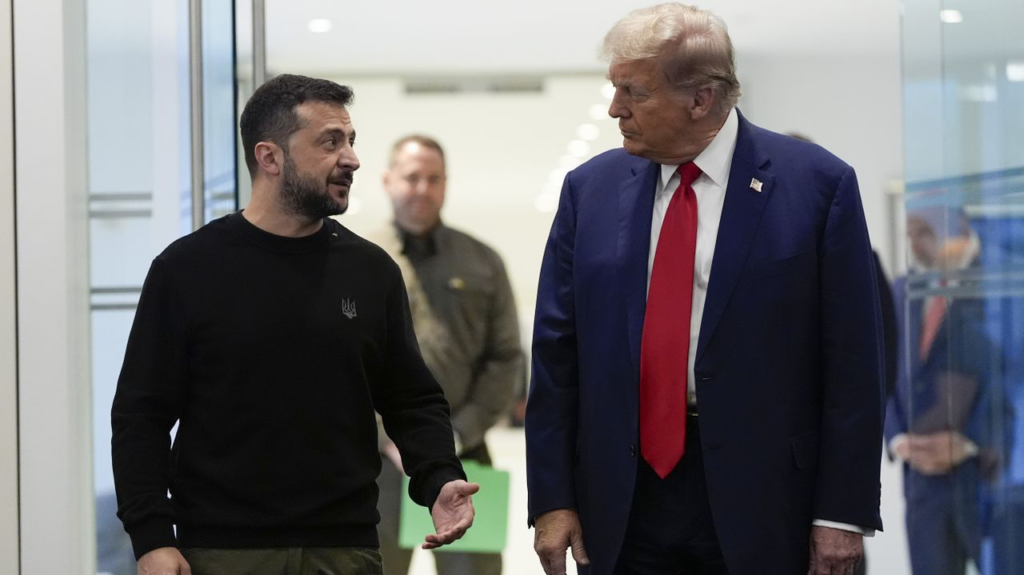
President Donald Trump meets with Ukraine’s President Volodymyr Zelensky at Trump Tower, Sept. 27, 2024, in New York. [AP Photo/Julia Demaree Nikhinson]

In a complete about-face from the position his administration declared last week, United States President Donald Trump announced on Monday that his government would continue to send weapons to Kiev in order to fuel the ongoing proxy war against Russia that has killed hundreds of thousands in its over three-year history. 

“We’re gonna send some more weapons we have to them, they have to be able to defend themselves, they’re getting hit very hard now,” Trump told reporters during a meeting of US and Israeli officials at the White House.

Later that day, the Pentagon released its own statement confirming more war materiel would be sent to Ukraine, likewise contradicting its previous statements that aid had been paused.

“At President Trump’s direction, the Department of Defense is sending additional defensive weapons to Ukraine to ensure the Ukrainians can defend themselves while we work to secure a lasting peace and ensure the killing stops,” it stated.

While initial reports from Politico cited Pentagon policy chief Elbridge Colby as the Trump official responsible for the weapons halt last week, shortly thereafter NBC News named Defense Secretary Pete Hegseth as the individual who made the decision, as part of a “capability review,” to unilaterally halt shipments to Ukraine starting on July 2.

According to the Washington Post, included in the items being held back from Ukraine were over two dozen Patriot air defense missiles, over two dozen Stinger air defense systems, precision artillery rounds, Hellfire missiles, drones and more than 90 AIM air-to-air missiles that Ukraine launches from F-16 fighter jets. These were reportedly already in Poland and being prepped for delivery to Ukraine when the order to cease was declared. 

The move, which was roundly criticized by the Ukrainian government, was later confirmed by both the Pentagon and White House, with Trump’s press secretary stating that the decision “was made to put America’s interests first following a (U.S. Defense Department) review of our nation’s military support and assistance to other countries across the globe.”

As has become typical of his crisis-plagued, criminal presidency, Trump later performed an about-face while speaking to a NY Times reporter last Friday.

“Why did you pause weapons shipments to Ukraine?” the journalist asked Trump as he was boarding Air Force One.

“We haven’t,” Trump replied, flatly contradicting multiple previous statements from his own government. “We’re giving weapons.”

Trump’s 180-degree foreign policy turn is being publicly celebrated by the right-wing dictatorial government of President Volodymyr Zelensky, following a disastrous public meeting at the White House between the two presidents, who was just months ago was accusing Trump of living in a Russian “disinformation space.” 

On Tuesday, Andriy Yermak, Zelensky’s closest presidential advisor, vociferously hailed Trump as the “only leader” who can pressure Russia to end the war on Ukrainian terms in an interview with the NY Post.

“I always knew that the two presidents share a lot in common. They have many of the things that they see the same way—they just need to talk more,” he said. “There was a brilliant meeting in the Vatican, and then several phone calls, and then meeting in The Hague, and so all that is the work to understand each other more deeply. 

“And you know, certain events had to unfold, certain conversations had to happen—including conversations with (Russian President Vladimir) Putin.”

Yermak’s glowing description of Trump is a tacit admission that both the war and the Zelensky government itself are highly dependent on the continuation of US military and financial aid.

Despite having been allocated $182.8 billion in US support since the beginning of the full-scale war in February 2022, the Ukrainian government continues to be totally dependent on foreign aid to function.

Speaking Wednesday at the 2025 Ukraine Recovery Conference, Ukrainian Prime Minister Denys Shmyhal underlined the critical financial situation of the country.

“The total financial resource for defence and security in 2025 will amount to nearly US$50 billion. That is 26% of GDP,” the prime minister stated.

The weapons procurement budget is also at a record-high $16.4 billion, while the state’s own revenue is projected to be just $48.5 billion.

“Thus, external financing is critically important for us, as it allows Ukraine to allocate its own resources directed at defending our country,” Shmyhal said.

Shmyhal also noted that Ukraine has already secured $22 billion in foreign aid for 2025. But it needs more for next year.

“Meanwhile, 2026 remains a challenge. Our external financing needs will stay above $40 billion. The key task is to develop mechanisms and instruments that will make it possible to raise these funds.”

Whatever the full story behind the rapid vacillations of Trump’s policy towards Ukraine, the ultimate goal of the Trump administration is to uphold the predatory interests of US capitalism, as demonstrated by the “critical minerals” signed between Ukraine and the US in April.

As Trump has demonstrated, despite his campaign promises to end the war in Ukraine in “24 hours,” he is just as committed to war as his predecessors, as long as it maximizes the interests of US capitalism.

Zelensky government hails Trump’s resumption of weapons deliveries Read More Âģ

Trump

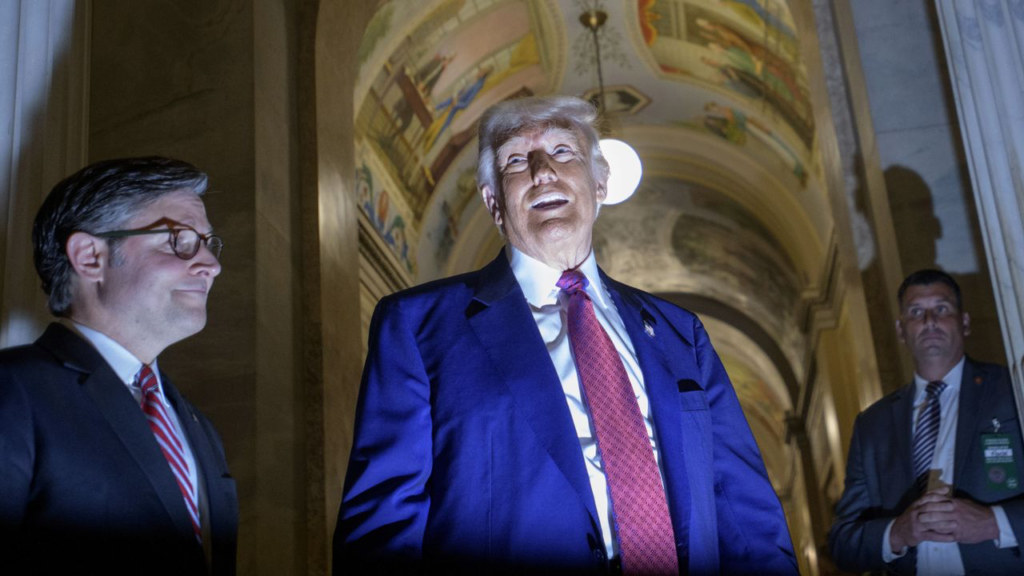
House passes Trump bill, which robs working people to give tax cuts for the super-rich

By Patrick Martin.

Reposted below is the article published on wsws.org here on July 04, 2025.

Trump

The House of Representatives gave final approval to President Trump’s tax and spending bill Thursday, with a 218-214 vote that fell nearly along party lines. Republicans backed the legislation by 218-2 and all 212 Democrats opposed it.

The bill cuts taxes for the wealthy by $3 trillion, slashes more than $1 trillion from social spending on Medicaid and food stamps and pours $300 billion more into military violence abroad and domestic repression, particularly against immigrants.

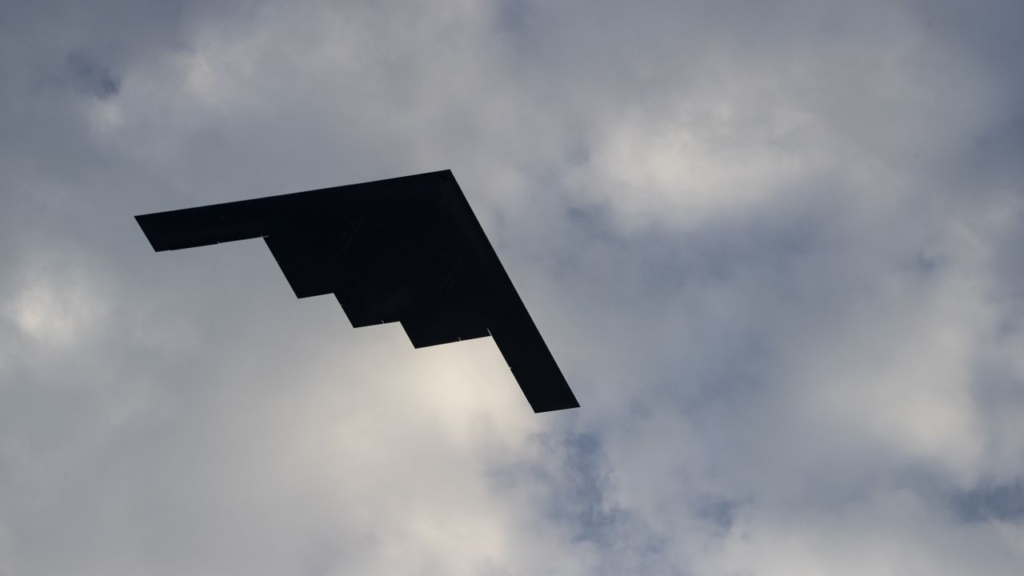
Trump plans to sign the legislation Friday morning in a fascist-style ceremony drenched in Fourth of July hoopla, topped off with a flyover by B-2 bombers, the same warplanes that he ordered to attack Iran barely 10 days ago.

The bill was unchanged from the version passed by the Senate two days before, despite the clamor from the fascistic House Freedom Caucus that it did not sufficiently cut the federal deficit, while more than a dozen Republican “moderates” deplored the cuts, particularly in Medicaid, as too large.

In the end, however, nearly every Republican fell in line with the dictates of the White House, with Trump threatening to purge anyone who voted against his principal legislative initiative by supporting primary challengers against them. Underlying the political bullying was the deluge of online threats against anyone who might oppose the bill, including threats of violence.

House Speaker Mike Johnson, addressing the House just before the vote, delivered an anti-communist tirade in which he declared that the United States was the first country to be founded on religious principles, pointing to the slogan “In God We Trust” embossed on the wall of the chamber (put up not by the Founding Fathers but by the McCarthyite witch-hunters of the 1950s and early 1960s).

As the WSWS explained when the bill passed the Senate:

The bill is one of the largest transfers of wealth from workers and the poor to the oligarchy in US history. It calls for $930 billion in cuts to the Medicaid program, which, according to the Congressional Budget Office, will deprive 11.8 million low-income and disabled workers of medical care.

It also includes $285 billion in food stamp cuts, a 20 percent reduction in a program on which 40 million Americans rely to feed themselves and their families. Nearly 11 million people, including 4 million children, could lose food assistance.

While the Democratic Party claimed to oppose the bill and every Democrat in the House and Senate voted against it, there was no serious effort by the party leadership to mobilize popular opposition.

The Democrats did not call a single protest in Washington or in any way alert the American population to the onslaught against their living standards and right to access healthcare services that this legislation authorizes. Instead, they engaged in a handful of futile gestures on Capitol Hill.

House Minority Leader Hakeem Jeffries delivered an eight-hour and 32-minute “speech” opposing the Trump bill, breaking the previous record for such a performance, but this only delayed passage in the House until Thursday afternoon. Senate Minority Leader Chuck Schumer did even less, making a parliamentary point of order that led to a change in the name of the bill, which the Republicans wished to call the “One Big Beautiful Bill Act,” in tribute to Trump’s sloganeering.

The real attitude of these gentlemen to the fascist in the White House was demonstrated in the weeks leading up to the passage of the tax and spending bill. 

In the Senate, Schumer intervened to break a parliamentary deadlock over a so-called Continuing Resolution, legislation required to provide funds to keep the government running. He led a group of Democrats to give the Republicans a 60-vote majority needed for passage.

In the House, Jeffries mobilized a majority of the Democratic caucus to vote against a resolution to impeach Trump for ordering air strikes on Iran without seeking congressional authorization, let alone the constitutionally required declaration of war.

If the congressional arithmetic were reversed, with Democrats holding a narrow majority in each house over the Republicans, the Democrats would not even have attempted to push through their supposed priorities over Republican opposition.

It should be recalled, for example, that the Biden administration was unable to enact either an increase in the federal minimum wage, significant debt forgiveness for college student loans, or measures to curb police violence after the nationwide protests against the police murder of George Floyd, because one or two right-wing Democratic senators blocked the legislation.

The spinelessness of the Democratic Party cannot by itself explain the passage of this monstrous legislation. The Democrats were responding to their real constituencies, Wall Street and the military-intelligence apparatus, and not to the working people whom they claim to defend.

The corporate oligarchs wanted the Trump tax cuts, enacted in 2017 and set to expire at the end of this year, made permanent. The legislation guarantees the 21 percent corporate tax rate and includes a treasure chest of other pro-corporate provisions that allow giant companies and billionaires to pay taxes at lower rates than factory workers and school teachers.

There is considerable discontent on Wall Street that the tax cuts will be financed largely through borrowing, since the spending cuts are to be phased in over a 10-year period and in any case do not come close to the $4 trillion windfall for the wealthy. But it is well understood that the cuts in Medicaid and food stamps are only a down payment, and that even more savage cuts are being prepared in future years, targeting Social Security and Medicare, the two largest social spending programs.

As to the military-police aspects of the legislation, roughly equal sums of about $150 billion each are provided for the Pentagon and the Department of Homeland Security. The DHS funds will go to finish building the wall on the US-Mexico border begun during Trump’s first term, and to build a network of concentration camps to detain the millions of immigrants Trump and his fascist aides Stephen Miller and Tom Homan plan to round up and expel.

The Pentagon funds will be used at least in part to begin work on Trump’s proposed anti-missile program. This is not a “defensive” measure but a direct preparation for nuclear war, since it would encourage a US nuclear attack on a foreign antagonist, such as Russia or China, in the illusion that the US would survive a retaliatory strike.

The Democrats have said virtually nothing about either measure, because they support the massive build-up of both the US military machine and the apparatus of domestic repression directed against immigrants and the working class as a whole. They have criticized Trump only for his most overtly fascistic methods of attacking immigrants, and for his shifting the focus of US foreign policy away from the war against Russia in Ukraine and towards the Middle East and China.

There are a raft of anti-democratic measures incorporated into the 950-page bill, which the WSWS will analyze in the coming days. One provision stands out immediately: The bill authorizes the Trump administration to terminate all federal funding for healthcare services through Planned Parenthood clinics. That is a longstanding demand of the fascist right, which seeks to bankrupt Planned Parenthood, the largest provider of abortion services, by cutting off funding for its non-abortion healthcare operations as well.

House passes Trump bill, which robs working people to give tax cuts for the super-rich Read More Âģ

Dollar

Dollar fall an expression of the crisis of US and global capitalism

By Nick Beams.

Reposted below is the perspective published on wsws.org here on July 01, 2025

Dollar
A worker carries a sheet of newly printed U.S. dollar bills at the Bureau of Engraving and Printing’s Western Currency Facility in Fort Worth, Texas, Dec. 8, 2022. [AP Photo/LM Otero]

The US dollar has had its worst start for the year since 1973, in the wake of President Nixon’s August 1971 decision to remove its gold backing and abrogate the Bretton Woods Agreement of 1944, which had been a central plank of the post-war monetary order established after the chaos of the 1930s.

In the first six months of the year, it has fallen by more than 10 percent against a basket of six major currencies, in a sign of a loss of confidence in its status as the dominant currency and a safe haven in periods of financial turbulence and stress.

The dollar had been under downward pressure from the beginning of the year, with a turning point in its slide coming after April 2, when Trump announced the imposition of massive “reciprocal tariffs” on a range of countries.

The upending of the post-war international trading system signified by this decision set off financial turbulence, with a significant fall in the US bond market sending yields (interest rates) higher.

But instead of there being a move into the dollar, considered to be the “normal” response, there was a dollar selloff, sending its value in currency markets down as the prevailing theme was “sell America.”

This downward movement has continued despite Trump’s decision on April 9 for a 90-day pause in initiating the tariff hikes to allow negotiations to take place. Trump was responding to a selloff in the bond markets, which he said had started to get a little “yippy.”

In the near three-month period since then, no agreements have been announced, except for a deal with the UK, and nervousness is returning with the July 9 deadline for the end of the pause approaching. The concern is not only on the blanket reciprocal tariffs, but involves other measures announced by Trump, in particular, the tariff hikes on autos, which are directed against Japan and Germany.

Japan has been engaged in a series of discussions with the Trump administration over the tariff hikes, which threaten to cost its car industry tens of billions of dollars, but no agreement has been reached.

In comments to the Financial Times on the dollar’s slide, after it dropped by a further 0.5 percent yesterday, a foreign exchange strategist at the financial firm ING, Francesco Pesole, pointed to some of the reasons.

“The dollar has become the whipping boy of Trump 2.0’s erratic policies,” he said, citing the tariff war, the growth of US debt, and the continued attacks on the independence of the US Federal Reserve.

Trump has labeled Fed Chair Jerome Powell a “numskull” and a “moron” for his refusal to cut interest rate cuts in line with his demand that the Fed rate be reduced to as low as 1 or 2 percent from its present level of 4.5 percent.

The turbulence resulting from Trump’s agenda and the increase in the debt flowing from his tax-cutting budget, which could see as much as $3.2 trillion added to the US debt mountain of $36 trillion, were cited in comments by economists in a poll conducted by the FT.

In its report on the poll, it said that Trump’s “breathtaking fiscal policy excess,” together with “attacks on the Federal Reserve’s independence, risk diminishing the US’s status as the ultimate safe haven for foreign investors.”

A comment by Saroj Bhattarai of the University of Texas at Austin summed up the prevailing sentiment.

“The safe-haven assets appear to be [the] Swiss Franc and gold. In fact, [the] US looks like an emerging market, whereby policy uncertainty leads to rising risk premia that drive long-term yields up and the currency value down.”

Citing what took place after April 2, dubbed by Trump as “liberation day,” Evi Papa, an economist at a major Madrid University, said: “US Treasury [bonds] might not be a safe asset anymore.”

Lack of confidence in the US dollar is driving the price of gold to new highs – it has risen by around 25 percent this year and at one point hit $3,500 per ounce, 100 times its price of $35 when Nixon removed the gold backing from the US dollar. One of the drivers of the rise is increased buying by central banks.

The Taxpayers Association of Europe (TAE) has even sent letters to the finance ministries and central banks of Italy and Germany, urging that their gold held in the Fed’s gold vault in Manhattan be moved out.

TAE President Michael Jäger told the FT: “We are very concerned about Trump tampering with the Federal Reserve Bank’s independence.”

Those fears are not misplaced when it is recalled that the removal of the gold backing from the US dollar in 1971 was simply announced on Sunday night television without any discussion with other powers.

As the dollar slide continues amid mounting debt, there is a real prospect that the Trump administration could act unilaterally at any stage.

One idea circulating in the economic circles of the Trump regime is that US Treasury bonds could be turned into perpetual bonds, that is, while they would continue to pay interest, the principal would never be repaid – an action that would be regarded as a default by the US on its debt.

This was rejected by Treasury Secretary Scott Bessent back in April, but the fact that he had to quash it, at least for the present, is an indication of the kind of measures being discussed as the debt crisis deepens.

While the actions of the Trump administration are the proximate cause of the dollar decline, they are themselves the outcome of the historic crisis of US imperialism, rooted in its long-term economic decline.

When global capitalism was restabilized after the war, not least by the Bretton Woods Agreement, it was the industrial powerhouse of the world. It used that power to establish economic order after the chaos of the 1930s.

This was not a product of the benevolence of the US. It was based on the recognition that unless this were done, then the world, and the US, would return to the conditions of the Depression, bringing with it the prospect of social revolution.

But the revival of the world economy steadily undermined the dominant position of the US in world trade, leading to balance of payments and trade deficits, which meant it could no longer redeem dollars for gold.

Following the Nixon decision, the dollar retained its position as the global currency. But it did so on new foundations. It was a fiat currency, no longer backed by value in the form of gold, but by the power of the US state and its financial markets.

However, the rise of finance, which this entailed, set in motion processes that have led to the present crisis. Over the past 50 years, the US has become the center of financial parasitism and speculation, resulting in a series of financial storms – the October 1987 stock market crash, the collapse of the dotcom bubble in 2001, the crash of 2008, and the Treasury market freeze of March 2020, to name some of the more prominent.

Throughout this period, there has been an escalation of government debt, not least because of the increase in military spending and massive corporate bailouts. This is reflected in the growth of the Treasury market, where government debt is bought and sold, from around $5 trillion in 2008 to $29 trillion today.

The rise of parasitism and speculation as the chief driver of profit accumulation, leading to the rise of an oligarchy based on finance capital, is indicated by the fact that just 15 percent of financial market transactions are involved in the development of new investments, with 85 percent based on dealings in financial assets.

Finance capital cannot continue to endlessly accumulate, seemingly creating profit out of thin air, through debt. All financial assets, shares, debt, and the various other arcane mechanisms are, in the final analysis, a claim on the surplus value extracted from the working class.

Consequently, there is no peaceful solution to the mounting crisis within the framework of the capitalist order. For the US, this means the intensification of war, on the economic and military front, as it seeks to batter down its rivals, foes like China, as well as erstwhile allies in Europe, coupled with a war against the working class at home, enforced by a dictatorial regime.

Nor is there the prospect of a so-called multipolar world where currencies coexist and peacefully compete, as is being advanced by China and increasingly by Europe. That road is a return to the economic conflicts of the 1930s, which led to World War II. This is why, in the midst of deepening economic turmoil, governments around the world are arming and rearming.

The dollar-debt crisis is rooted not simply in the personality and actions of Trump – he is only the most malignant expression of the historic bankruptcy of the capitalist system as a whole.

It places before the working class the necessity to end this system of war, economic crisis, deprivation, fascistic and authoritarian regimes in the political struggle for international socialism and the building of the world party of socialist revolution, the International Committee of the Fourth International, to lead it.

Dollar fall an expression of the crisis of US and global capitalism Read More Âģ

iranattackin israel

āļ‰āļģāˇāļąāļēāļ§ āļ‘āļģ⎙⎄⎒ āļ‘āļšāˇŠāˇƒāļ­āˇŠ āļĸāļąāļ´āļ¯-āļŠāˇāˇŠâ€āļģāˇāļēāļŊ āļē⎔āļ¯āˇŠāļ°āļē āļ´āˇ’āļ§āˇ”āļ´āˇƒ āļŠāļ§ āļ´āˇāļ¯āļš āˇ€āˇ– āļˇāˇ–-āļ¸āˇ–āļŊāˇāļ´āˇāļē⎒āļš āˇ„āˇšāļ­āˇ”

āļœāˇšāļļ⎊āļģ⎒āļē⎙āļŊ⎊ āļļ⎊āļŊ⎐āļšāˇŠ āˇ€āˇ’āˇƒāˇ’āļąāˇ’.

āļ¸āˇ™āˇ„⎒ āļ´āļŊ⎀āļąāˇŠāļąāˇš āļŊāˇāļš āˇƒāļ¸āˇāļĸāˇ€āˇāļ¯āˇ“ ⎀⎙āļļ⎊ āļ…āļŠāˇ€āˇ’āļē⎚ (āļŊāˇāˇƒāˇ€āˇ™āļ…) 2025 āļĸ⎔āļąāˇ’ 27 āļ¯āˇ’āļą â€˜The underlying geostrategic reasons behind the US-Israeli war against Iran’ āļēāļą āˇ„āˇ’āˇƒāˇ’āļąāˇŠ āļ´āļŊ⎀⎖ āļœāˇšāļļ⎊āļģ⎒āļē⎙āļŊ⎊ āļļ⎊āļŊ⎐āļšāˇŠ āˇ€āˇ’āˇƒāˇ’āļąāˇŠ āļŊ⎒āļēāļą āļŊāļ¯ āļŊ⎒āļ´āˇ’āļē⎚ āˇƒāˇ’āļ‚⎄āļŊ āļ´āļģ⎒⎀āļģ⎊āļ­āļąāļē āļē⎒.

iranattackin israel
āļœāˇ’āļąāˇ’ āļąāˇ’⎀āļą āļˇāļ§āļē⎒āļąāˇŠ 2025 āļĸ⎔āļąāˇ’ 24 ⎀āļą āļ…āļŸāˇ„āļģāˇ”āˇ€āˇāļ¯āˇ āļŠāˇāˇŠâ€āļģāˇāļēāļŊāļē⎚ āļ‰āļģāˇāļą āļ¸āˇ’āˇƒāļē⎒āļŊ āļ´āˇŠâ€āļģāˇ„āˇāļģāļēāļšāˇ’āļąāˇŠ āļ´āˇ„āļģ āļ¯āˇ”āļąāˇŠ ⎃⎊āļŽāˇāļąāļē āļ´āļģ⎓āļšāˇŠāˇ‚āˇ āļšāļģāļē⎒. [AP Photo/Leo Correa]

āļĸ⎖āļąāˇ’ 12āļ¯āˇ āļŠāˇāˇŠâ€āļģāˇāļēāļŊ āļē⎔āļ° āļœāˇ”⎀āļąāˇŠ āļēāˇāļąāˇ āļ‘āļģāļ§āļ§ āļ´āˇ”āļŊ⎔āļŊ⎊ āļ´āˇŠâ€āļģāˇ„āˇāļģāļēāļšāˇŠ āļ¯āˇ’āļēāļ­āˇŠ āļšāļģāļ¸āˇ’āļąāˇŠ āļ‡āļģāļšāˇ” āļąāˇ“āļ­āˇ’ ⎀⎒āļģāˇāļ°āˇ“ āļē⎔āļ¯āˇŠāļ°āļē āļąāˇāļ§āļšāˇ“āļē āļŊāˇ™āˇƒ āļ‹āļ­āˇŠāˇƒāļąāˇŠāļą āļšāļģāļ¸āˇ’āļąāˇŠ, āļĸ⎖āļąāˇ’ 21āļ¯āˇ āļ‘āļšāˇŠāˇƒāļ­āˇŠ āļĸāļąāļ´āļ¯āļē āļ‰āļģāˇāļąāļē⎚ āļąāˇŠâ€āļēāˇ‚āˇŠāļ§āˇ’āļš āˇƒāˇŠāļŽāˇāļą āļ­āˇ”āļąāļšāļ§ āļļāˇāļ¸āˇŠāļļ ⎄⎙āļŊ⎓āļē.

⎅āļ¸āļē⎒āļąāˇŠ 13 āļ¯āˇ™āļąāˇ™āļšāˇ” āļ¯ āļ‡āļ­āˇ”⎅⎔⎀, āļ‰āļģāˇāļąāļēāļ§ āļ‘āļģ⎙⎄⎒ āļ‘āļšāˇŠāˇƒāļ­āˇŠ āļĸāļąāļ´āļ¯-āļŠāˇāˇŠâ€āļģāˇāļēāļŊ āļē⎔āļ¯āˇŠāļ°āļē⎙āļąāˇŠ āļ¸āˇ’āļēāļœāˇ’āļē āļ¸āˇ”⎅⎔ ⎃āļ‚āļ›āˇŠâ€āļēāˇāˇ€ āļ¯āˇāļąāˇŠ 610 āļšāļšāˇ’. āļ”⎀⎔āļąāˇŠāļœāˇ™āļąāˇŠ āļ…āļ­āˇ’āļ¸āˇ„āļ­āˇŠ āļļ⎄⎔āļ­āļģāļē āˇƒāˇ’āˇ€āˇ’āļŊ⎊ āˇ€āˇāˇƒāˇ’āļēāļąāˇŠ āˇ€āˇš.

āļ¸āˇš ⎀āļą āˇ€āˇ’āļ§ āļ‰āļģāˇāļąāļēāļ§ āļļāˇāļ¸āˇŠāļļ ⎄⎙āļŊ⎓āļ¸ āļąāļ­āļģ ⎀⎓ āļ‡āļ­. āļļ⎒āļŗāˇ™āļąāˇƒāˇ”āļŊ⎔ ⎃āļ§āļąāˇŠ ⎀⎒āļģāˇāļ¸āļēāļšāˇŠ āļšāˇŠâ€āļģ⎒āļēāˇāļ­āˇŠāļ¸āļš āˇ€āˇš. āļąāļ¸āˇ”āļ­āˇŠ āļŠāˇāˇŠâ€āļģāˇāļēāļŊ ⎄āļ¸āˇ”āļ¯āˇāˇ€āˇš āļ¸āˇāļĢ⎊āļŠāļŊ⎒āļš āļ´āˇŠâ€āļģāļ°āˇāļąāˇ“ āļŊ⎔āļ­āˇ’āļąāļąāˇŠ āļĸ⎙āļąāļģāˇāļŊ⎊ Eyal Zamir āļ…āļŸāˇ„āļģāˇ”āˇ€āˇāļ¯āˇ  āļ­āļģ⎊āļĸāļąāļē āļšāˇ… āļŊāˇ™āˇƒ, “āļ…āļ´āˇ’ ⎃⎐āļŊāļšāˇ’āļē āļē⎔āļ­āˇ” āļ´āļģ⎒āļ āˇŠāļĄāˇšāļ¯āļēāļšāˇŠ āļ…āˇ€āˇƒāļąāˇŠ āļšāļģ āļ‡āļ­, āļąāļ¸āˇ”āļ­āˇŠ āļ‰āļģāˇāļąāļēāļ§ āļ‘āļģ⎙⎄⎒ āļ¸āˇ™āˇ„⎙āļē⎔āļ¸ āļ…āˇ€āˇƒāļąāˇŠ ⎀⎓ āļąāˇāļ­.”

āļ¸āˇ™āļ¸ āļąāˇ’āˇāˇŠāļ āˇ’āļ­ â€œāļ´āļģ⎒āļ āˇŠāļĄāˇšāļ¯āļēāˇšâ€ āļ´āˇŠâ€āļģāļ­āˇ’āļĩāļŊāļē āļšāˇ”āļ¸āļšāˇŠ ⎀⎔⎀āļ­āˇŠ, āļ‘āļšāˇŠāˇƒāļ­āˇŠ āļĸāļąāļ´āļ¯āļē āˇƒāˇ„ āļŠāˇāˇŠâ€āļģāˇāļēāļŊāļē, āļšāļŊāˇāļ´āļē āļ­āˇ”⎅ āļ­āļ¸ āļ¯āˇ’āļœāˇ”āļšāˇāļŊ⎓āļą āļ‹āļ´āˇāļēāļ¸āˇāļģ⎊āļœāˇ’āļš āļ…āļģāļ¸āˇ”āļąâ€“āļ‰āļģāˇāļą āļ´āˇāļŊāļą āļ­āļąāˇŠāļ­āˇŠâ€āļģāļē āļ…āļļāļŊāļąāˇŠ āļšāˇ’āļģ⎓āļ¸ āˇƒāˇ„ āļœāļŊāˇŠāˇ†āˇŠāˇ„āˇ’ āļ¯āˇāˇ€āˇāļąāˇŠāļ­ āļ­āˇ™āļŊ⎊ āˇ„āˇ āļœāˇ‘āˇƒāˇŠ ⎃āļ‚āļ āˇ’āļ­āˇ€āļŊ āļ´āˇāļŊāļąāļē āļēāļŊ⎒ āļ­āˇ„⎀⎔āļģ⎔ āļšāˇ’āļģ⎓āļ¸â€“āˇƒāˇāļšāˇŠāˇ‚āˇāļ­āˇŠ āļšāļģ āļœāˇāļąāˇ“āļ¸āļ§ āļšāˇāļ´āˇ€āˇ“ āˇƒāˇ’āļ§āˇ’āļą āļļ⎀ ⎃āļ¸āˇ“āļģ⎊āļœāˇš āļ´āˇŠâ€āļģāļšāˇāˇāˇ€āļŊ⎒āļąāˇŠ āļ´āˇ’⎅⎒āļļ⎒āļšāˇ” āˇ€āˇš:

2024 āļ”āļšāˇŠāļ­āˇāļ¸āˇŠāļļāļģ⎊ āļ¸āˇāˇƒāļē⎚āļ¯āˇ“ āļŠāˇāˇŠâ€āļģāˇāļēāļŊāļē āˇ€āˇ’āˇƒāˇ’āļąāˇŠ āļ‰āļģāˇāļą āļˇāˇ–āļ¸āˇ’āļēāļ§ āļ‘āļģ⎙⎄⎒⎀ āļ‘āļ­āˇ™āļšāˇŠ āˇƒāˇ’āļ¯āˇ” āļšāļģāļą āļŊāļ¯ āˇ€āˇ’āˇāˇāļŊāļ­āļ¸ āļ­āļąāˇ’ āļ´āˇŠâ€āļģāˇ„āˇāļģāļē āļ¯āˇ’āļēāļ­āˇŠ āļšāļģāļą āļŊāļ¯āˇ“. āļ‘⎄⎙āļ­āˇŠ āļ‘āļšāˇŠāˇƒāļ­āˇŠ āļĸāļąāļ´āļ¯ āļĸāļąāˇāļ°āˇ’āļ´āļ­āˇ’⎀āļģāļąāļē āļ…āˇ€āˇƒāļąāˇŠ ⎀āļą āļ­āˇ™āļšāˇŠ āļ´āˇ”⎅⎔āļŊ⎊ āļē⎔āļ¯āˇŠāļ°āļēāļšāˇŠ āļšāļŊ⎊ āļ¯āļ¸āļą āļŊāļ¯āˇ“. āļ‘āļ¸ āļ¸āˇāˇƒāļē⎚āļ¸ āļŠāˇāˇŠâ€āļģāˇāļēāļŊ āļ…āļœāļ¸āˇāļ­āˇ’ āļļ⎙āļąāˇŠāļĸāļ¸āˇ’āļąāˇŠ āļąāˇ™āļ­āļąāˇŠāļēāˇāˇ„āˇ” āļ”⎄⎔āļœāˇš āļ…āļˇāˇ’āļ´āˇŠâ€āļģāˇāļē āļ´āˇāˇ„⎐āļ¯āˇ’āļŊ⎒ āļšāˇ…āˇšāļē: “āļ…āˇ€āˇƒāˇāļąāļē⎚ āļ‰āļģāˇāļąāļē āļąāˇ’āļ¯āˇ„āˇƒāˇŠ ⎀⎖ ⎀⎒āļ§â€“āļ¸āˇ’āļąāˇ’āˇƒāˇ”āļąāˇŠ āˇƒāˇ’āļ­āļąāˇ€āˇāļ§ āˇ€āļŠāˇ āļ‘āļ¸ āļ¸āˇœāˇ„āˇœāļ­ āļ‰āļ­āˇ āļ‰āļšāˇŠāļ¸āļąāˇ’āļąāˇŠ āļ´āˇāļ¸āˇ’āļĢ⎙āļąāˇ” āļ‡āļ­â€”āˇƒāˇ’āļēāļŊ⎊āļŊ ⎀⎙āļąāˇƒāˇŠ ⎀āļąāˇ” āļ‡āļ­.”

āļ¯āˇāļąāˇŠ, āļ´āļŊ⎃⎊āļ­āˇ“āļą āļĸāļąāļ­āˇāˇ€āļ§ āļ‘āļģ⎙⎄⎒⎀ āļ‹āļ­āˇŠāˇƒāļąāˇŠāļą āļšāļģāļ¸āˇ’āļąāˇŠ āļ´āˇ€āļ­āˇ’āļą āˇƒāļ¸āˇ–āļŊ āļĸāļą āˇƒāļ‚āˇ„āˇāļģāļēāļš āˇ€āˇƒāļģ āļ¯āˇ™āļšā āļ´āļ¸āļĢ āļ‡āˇ€āˇ‘āļ¸āˇ™āļąāˇŠ, āļŠāˇāˇŠâ€āļģāˇāļēāļŊāļē, āļ´āˇŠâ€āļģāˇ„āˇāļģāļē ⎃āļŗāˇ„āˇ āļ­āļ¸ āļ¸āˇœāˇ„āˇœāļ­ āˇƒāˇœāļēāˇāļœāļą āļ­āˇ’āļļ⎚. āļ‰āļģāˇāļąāļēāļ§ āļ‘āļģ⎙⎄⎒ āļē⎔āļ¯āˇŠāļ°āļē ⎃āļąāˇ’āļ§āˇ”⎄āļąāˇŠ āļšāļģāļąāˇŠāļąāˇš āˇ€āˇƒāļģ āļœāļąāļąāˇāˇ€āļšāˇŠ āļ­āˇ’āˇƒāˇŠāˇƒāˇš āļœāˇœāļŠāļąāˇāļ‚⎀⎓āļ¸āļš āļšāˇ–āļ§āļ´āˇŠâ€āļģāˇāļ´āˇŠāļ­āˇ’āļēāļē⎒ – āļšāļŊāˇāļ´āļē āļ­āˇ”āļŊ āļ”⎀⎔āļąāˇŠāļœāˇš ⎀āļŠāˇāļ­āˇŠāļ¸ āļ āˇ’āļģ⎃⎊āļŽāˇāļē⎓ ⎀⎒āļģ⎔āļ¯āˇŠāļ°āˇ€āˇāļ¯āˇ’āļēāˇāļ§ āļ´āˇ„āļģ āļ¯āˇ“āļ¸āˇš ⎄⎀⎔āļŊ⎊ āļ…āļ´āˇšāļšāˇŠāˇ‚āˇāˇ€āļšāˇŠ āļŠāˇāˇŠâ€āļģāˇāļēāļŊ āˇ„āˇ āļ‡āļ¸āļģ⎒āļšāˇāļąāˇ” ⎃āļ‚āˇƒāˇŠāļŽāˇāļ´āˇ’āļ­āļē āļēāļą āļ¯āˇ™āļšāļ¸ āļļ⎙āļ¯āˇ āļœāļąāˇ“. āļ‘āļē ⎃āļ¸āˇāļĸ āļ¯āˇ™āļšāˇ™āˇ„⎒āļ¸ āˇ€āˇāļŠāˇ™āļą āļ…āļˇāˇŠâ€āļēāļąāˇŠāļ­āļģ āļ…āļģ⎊āļļ⎔āļ¯ āˇƒāˇ„ āļ´āˇŠâ€āļģāļ­āˇ’⎀⎒āļģāˇāļ°āļ­āˇ ⎀āļŊ⎒āļąāˇŠ āļ…⎀āļ°āˇāļąāļē āļ‰āˇ€āļ­ āˇ„āˇāļģ⎀⎓āļ¸ āļŊāˇ™āˇƒāļ¯ āļšāˇŠâ€āļģ⎒āļēāˇ āļšāļģāļē⎒.

āļ¸āˇ™āļ¸ āļē⎔āļ¯āˇŠāļ°āļē āļ´āˇ’āļ§āˇ”āļ´āˇƒ āļ‡āļ­āˇ’ āļ…āˇ€āˇƒāˇāļą āļ‰āļŊāļšāˇŠāļšāļē ⎀āļąāˇŠāļąāˇš āļ‰āļģāˇāļąāļē⎚ āˇ€āˇ’āˇāˇāļŊāļ­āļ¸ āˇ€āˇ™āˇ…āļŗ āˇ„āˇ€āˇ”āļŊ⎊āļšāļģāˇ”āˇ€āˇ ⎀āļą āļ āˇ“āļąāļēāļē⎒. āļ āˇ“āļąāļēāļ§ āļ‘āļģ⎙⎄⎒ āļē⎔āļ¯āˇŠāļ°āļēāļ§ āˇƒāˇ–āļ¯āˇāļąāļ¸āˇŠ ⎀⎓āļ¸ āļšāˇ™āļģ⎙⎄⎒ āļ…⎀āļ°āˇāļąāļē ⎃āļ‚āļšāˇšāļąāˇŠāļ¯āˇŠâ€āļģāļąāļē āļšāļģ āļ‡āļ­āˇ’ āļ§āˇŠâ€āļģāļ¸āˇŠāļ´āˇŠ āļ´āļģ⎒āļ´āˇāļŊāļąāļē, āļ‰āļģāˇāļą āļ´āˇāļŊāļą āļ­āļąāˇŠāļ­āˇŠâ€āļģāļē āļ‰āˇ€āļ­āˇŠ āļšāˇ’āļģ⎓āļ¸ āˇ„āˇ āļēāļ§āˇ„āļ­āˇŠ āļ´āˇ„āļ­āˇŠ āļšāļģāļœāˇāļąāˇ“āļ¸ āļ āˇ“āļąāļē ⎃āļ¸āļœ āļē⎔āļ¯āˇŠāļ°āļē āļ¯āˇ™āˇƒāļ§ āļ­āˇ“āļģāļąāˇāļ­āˇŠāļ¸āļš āļ¸āˇ–āļŊāˇāļ´āˇāļē⎒āļš āļ´āˇ’āļē⎀āļģāļšāˇŠ āļŊāˇ™āˇƒ ⎃āļŊāļšāļē⎒. āļ‘āļē āˇ€āˇ’āˇāˇāļŊ āļļāļŊ⎁āļšāˇŠāļ­āˇ’ ⎃āļ‚āļ āˇ’āļ­ āļąāˇāˇ€āļ­ āļŊāļļāˇ āļœāˇāļąāˇ“āļ¸āļ§ āˇƒāˇ„ āļŊāˇāļšāļē⎚ ⎀āļŠāˇāļ­āˇŠāļ¸ āļ­āˇ“āļģāļąāˇāļ­āˇŠāļ¸āļš āļˇāˇ–-āļ¯āˇšāˇāļ´āˇāļŊāļąāˇ’āļš āļ…⎀⎔āļģ⎔āļ¸āˇŠ  ⎃⎊āļŽāˇāļą (chokepoints) āļ¯āˇ™āļšāļšāˇŠ ⎀āļą āļ´āļģāˇŠāˇƒāˇ’āļēāˇāļąāˇ” āļļ⎜āļšāˇŠāļš āˇƒāˇ„ āļšāˇāˇƒāˇŠāļ´āˇ’āļēāļąāˇŠ āļ¸āˇ”⎄⎔āļ¯ āļ¸āļ­ āļ‘āļšāˇŠāˇƒāļ­āˇŠ āļĸāļąāļ´āļ¯ āļ†āļ°āˇ’āļ´āļ­āˇŠâ€āļēāļē āļēāļŊ⎒ āļ­āˇ„⎀⎔āļģ⎔ āļšāˇ’āļģ⎓āļ¸āˇš āļ¸āˇāˇ€āļ­ āˇ„āˇ™āˇ…āˇ’ āļšāļģāļē⎒.

āļ‰āļģāˇāļąāļē āļ­āˇ”āļŊ āļ‘āļšāˇŠāˇƒāļ­āˇŠ āļĸāļąāļ´āļ¯ āˇƒāˇ„ āļļāˇŠâ€āļģ⎒āļ­āˇāļąāˇŠâ€āļē āļ…āļ°āˇ’āļģāˇāļĸāˇŠâ€āļēāˇ€āˇāļ¯āļē

āļ¸āˇ’āļŊ⎒āļēāļą 90 āļšāļ§ āļ…āļ°āˇ’āļš āļĸāļąāļ­āˇāˇ€āļšāˇŠ āˇ€āˇ™āˇƒāˇ™āļą āļ‰āļģāˇāļąāļē āļ¸āˇāļ¯ āļ´āˇ™āļģāļ¯āˇ’āļœ āļ¯āˇ™āˇ€āļą āˇ€āˇāļŠāˇ’āļ¸ āļĸāļąāļœāˇ„āļąāļē āˇƒāˇ„āˇ’āļ­ āļģāļ§ āˇ€āˇš. āļ‘āļē 2003 āļ¯āˇ“ āļ‘āļšāˇŠāˇƒāļ­āˇŠ āļĸāļąāļ´āļ¯āļē āļ†āļšāˇŠâ€āļģāļ¸āļĢāļē āļšāļģ ⎀⎒āļąāˇāˇ āļšāˇ… āļ‰āļģāˇāļšāļē āļ¸āˇ™āļąāˇŠ āļ¯āˇ™āļœāˇ”āļĢāļēāļšāˇŠ āˇ€āˇ’āˇāˇāļŊāļē.

⎁āļ­āˇ€āļģāˇŠāˇ‚āļēāļšāļ§ āˇ€āˇāļŠāˇ’ āļšāˇāļŊāļēāļšāˇŠ āļ­āˇ’āˇƒāˇŠāˇƒāˇš āļ‘⎄⎒ āļ­āˇ™āļŊ⎊ ⎃āļ¸āˇŠāļ´āļ­, āļ‰āļģāˇāļąāļē āļ‘āļšāˇŠāˇƒāļ­āˇŠ āļĸāļąāļ´āļ¯ āˇ„āˇ āļļāˇŠâ€āļģ⎒āļ­āˇāļąāˇŠâ€āļē āļ…āļ°āˇ’āļģāˇāļĸāˇŠâ€āļēāˇ€āˇāļ¯āļē⎚ āļ‘āļŊ⎊āļŊāļē⎚ ⎄āļģ⎒ āļ¸āˇāļ¯ āļ­āļļāˇ āļ‡āļ­.

1908 āļ¯āˇ“, āļļāˇŠâ€āļģ⎒āļ­āˇāļąāˇŠâ€āļē āļˇāˇ– ⎀⎒āļ¯āˇŠâ€āļēāˇāļĨāļē⎒āļąāˇŠ āļŊāˇāļšāļē⎚ āˇ€āˇ’āˇāˇāļŊāļ­āļ¸ āļ­āˇ™āļŊ⎊ āļąāˇ’āļ°āˇ’ āļ…āļ­āļģ ⎀āļą āļ‰āļģāˇāļąāļē⎚ āļ¯āˇāˇ€āˇāļąāˇŠāļ­ āļ­āˇ™āļŊ⎊ āļąāˇ’āļ°āˇ’ ⎃⎜āļēāˇ āļœāļ­āˇŠāˇ„. āļ…āļ¯ āļ¯āˇ’āļą BP [British Petroleum] ⎄⎒ āļ´āˇ–āļģāˇŠāˇ€āļœāˇāļ¸āˇ’āļēāˇ ⎀āļą āļ‡āļąāˇŠāļœāˇŠāļŊāˇ-āļ´āļģāˇŠāˇƒāˇ’āļēāˇāļąāˇ” āļ­āˇ™āļŊ⎊ ⎃āļ¸āˇāļœāļ¸ (Anglo-Persian Oil Company-APOC) āļ´āˇ’⎄⎒āļ§āˇ”⎀⎓āļ¸āļ§ āļļāˇŠâ€āļģ⎒āļ­āˇāļąāˇŠâ€āļē āļģāˇāļĸāˇŠâ€āļēāļē āļ‰āļšāˇŠāļ¸āļąāˇ’āļąāˇŠ āļ´āˇ’āļē⎀āļģ āļœāļ­āˇŠāļ­āˇšāļē. āļ‰āļģāˇāļąāļē⎚ āļ­āˇ™āļŊ⎊ āļļāˇŠâ€āļģ⎒āļ­āˇāļąāˇŠâ€āļēāļēāļ§ āļ…āļ­āˇ’āˇ€āˇ’āˇāˇāļŊ āļŊāˇāļˇāļēāļšāˇŠ āļŊāļļāˇ āļ¯āˇ”āļąāˇŠ āļ…āļ­āļģ āļ‰āļģāˇāļą āļĸāļąāļ­āˇāˇ€āļ§ āļšāˇ’āˇƒāˇ’āˇ€āļšāˇŠāļ¸ āļ´āˇāˇ„āˇš āļŊ⎐āļļ⎔āļĢ⎚ āļąāˇāļ­.

1940 āļœāļĢāļąāˇŠāˇ€āļŊ āļ…āļœ āļˇāˇāļœāļē ⎀āļą āˇ€āˇ’āļ§, āļ¸āˇ™āļ¸ āļ°āļąāļē āļąāˇāˇ€āļ­ āļŊāļļāˇ āļœāˇāļąāˇ“āļ¸āļ§ āļ‹āļ­āˇŠāˇƒāˇāˇ„ āļšāļģāļ¸āˇ’āļąāˇŠ āļ´āˇŠâ€āļģāļˇāļŊ āļ¸āˇ„āļĸāļą āˇ€āˇāļŠ āˇ€āļģ⎊āļĸāļą āˇƒāˇ„ ⎀⎒āļģāˇāļ°āļ­āˇ āˇ€āˇŠâ€āļēāˇāļ´āˇāļģ āļ¸āļ­āˇ” ⎀⎒āļē. āļ…āļœāļ¸āˇāļ­āˇ’ āļ¸āˇœāˇ„āˇœāļ¸āļŠāˇŠ āļ¸āˇœāˇƒāˇāļŠāˇ™āļœāˇŠ (Mohammad Mossadegh) āˇƒāˇ„ āļĸāˇāļ­āˇ’āļš āļ´āˇ™āļģāļ¸āˇ”āļĢ⎚ āļąāˇāļēāļšāļ­āˇŠāˇ€āļē⎙āļąāˇŠ āļē⎔āļ­āˇŠ āļ¸āˇ™āļ¸ āˇ€āˇŠâ€āļēāˇāļ´āˇāļģāļē āļ­āˇ™āļŊ⎊ āļšāļģ⎊āļ¸āˇāļąāˇŠāļ­āļē āļĸāļąāˇƒāļ­āˇ” āļšāˇ’āļģ⎓āļ¸āļ§, āļ‰āļŠāļ¸āˇŠ āļąāˇāˇ€āļ­ āļļ⎙āļ¯āˇ ⎄⎐āļģ⎓āļ¸āļ§ āˇƒāˇ„ āļģāˇāļĸāˇāļĢ⎊āļŠāˇ”āˇ€āˇš āļļāļŊāļē āˇƒāˇ“āļ¸āˇ āļšāˇ’āļģ⎓āļ¸āļ§ āļ‹āļ­āˇŠāˇƒāˇāˇ„ āļšāˇ…āˇšāļē. āļ¸āļ°āˇŠâ€āļē⎃⎊āļŽ āļ°āļąāˇšāˇāˇŠāˇ€āļģ āļĸāˇāļ­āˇ’āļšāˇ€āˇāļ¯āˇ’āļē⎙āļšāˇ” ⎀⎖ āļ¸āˇœāˇƒāˇāļŠāˇ™āļœāˇŠ, āļ‘āļšāˇŠāˇƒāļ­āˇŠ āļĸāļąāļ´āļ¯āļē ⎀⎙āļ­ āļ†āļ¸āļąāˇŠāļ­āˇŠâ€āļģāļĢāļē āļšāļģāļ¸āˇ’āļąāˇŠ āˇƒāˇ„ āļ¸āˇ„āļĸāļą āˇ€āˇŠâ€āļēāˇāļ´āˇāļģāļē⎚ āļšāˇœāļ§āˇƒāˇŠ ⎀āļŊāļ§ āļ‘āļģ⎙⎄⎒⎀ ⎄āļ¸āˇ”āļ¯āˇāˇ€ āļē⎙āļ¯āˇ€āˇ“āļ¸ āļ¸āļœāˇ’āļąāˇŠ āļ­āˇ”āļŊ⎒āļ­āļ­āˇāˇ€āļēāļšāˇŠ āļ‡āļ­āˇ’ āļšāļģ āļœāˇāļąāˇ“āļ¸āļ§ āļ‹āļ­āˇŠāˇƒāˇāˇ„ āļšāˇ… āļąāļ¸āˇ”āļ­āˇŠ āļ”⎄⎔āļœāˇš āļ…āļģ⎊āļ° āļ´āˇ’āļē⎀āļģ āļ´āˇ€āˇ āļļāˇŠâ€āļģ⎒āļ­āˇāļąāˇŠâ€āļēāļē āˇƒāˇ„ āļ‘āļšāˇŠāˇƒāļ­āˇŠ āļĸāļąāļ´āļ¯āļē āļ•āļąāˇ‘⎀āļ§ āˇ€āˇāļŠāˇ’ ⎃⎚ ⎃āļŊāļšāļąāˇ” āļŊ⎐āļļ⎓āļē.

1953 āļ¯āˇ“, āˇƒāˇ“āļ…āļē⎒āļ’ āˇƒāˇ„ āļļāˇŠâ€āļģ⎒āļ­āˇāļąāˇŠâ€āļē āļļ⎔āļ¯āˇŠāļ°āˇ’ āļ…āļ‚⎁ “āļ”āļ´āļģāˇšāˇ‚āļąāˇŠ āļ‡āļĸ⎐āļšāˇŠāˇƒāˇŠ” āļšāˇ”āļ¸āļąāˇŠāļ­āˇŠâ€āļģāļĢāļē āļ¯āˇ’āļēāļ­āˇŠ āļšāˇ… āļ…āļ­āļģ āļ‘āļē āļ¸āˇœāˇƒāˇāļŠāˇ™āļœāˇŠ āļļāļŊāļē⎙āļąāˇŠ āļ´āˇ„ āļšāļģ āˇ‚āˇ āļąāˇāˇ€āļ­ āˇƒāˇŠāļŽāˇāļ´āļąāļē āļšāļģāļą āļŊāļ¯āˇ“. āļĸ⎙āļąāļģāˇāļŊāˇŠāˇ€āļģ⎔āļąāˇŠ āļ¸āˇ’āļŊ āļ¯āˇ“ āļœāˇāļąāˇ“āļ¸āļ§ āˇƒāˇ„ āļ´āˇŠâ€āļģāļ āļĢ⎊āļŠ āļ¸āˇāļģāļēāļąāˇŠ āļļāļŊāļ¸āˇ”āļŊ⎔ āļœāˇāļąāˇŠāˇ€āˇ“āļ¸ āˇƒāļŗāˇ„āˇ āļ‰āļģāˇāļąāļēāļ§ āļ¸āˇ”āļ¯āļŊ⎊ āļ´āˇ’āļēāˇāˇƒāļģ āļšāļģ⎀āļą āļŊāļ¯āˇ“. āļē⎔āļ° āļ§āˇāļ‚āļšāˇ’ āļ§āˇ™āˇ„⎙āļģāˇāļąāļēāļ§ āļ°āˇāˇ€āļąāļē āļšāˇ™āļģ⎔āļĢ⎒. āļ‰āļąāˇŠāļ´āˇƒāˇ”⎀ āˇƒāˇ’āļ¯āˇ”⎀⎖āļē⎚ āļ¸āˇŠāļŊ⎚āļ āˇŠāļĄ āļ¸āļģ⎊āļ¯āļąāļē ⎄āļģāˇ„āˇ āļļāļŊāˇāļ­āˇŠāļ¸āļš āļšāļģāļą āļŊāļ¯ āļ¸āˇœāˇ„āˇœāļ¸āļŠāˇŠ āļģāˇšāˇƒāˇ āļ´āˇāļŊ⎀⎒ (Mohammad Reza Pahlavi) āļēāļ§āļ­āˇš āļ¯āˇāļš āļ¯āˇ™āļšāļš āļ’āļšāˇāļ°āˇ’āļ´āļ­āˇ’ āļ´āˇāļŊāļąāļēāļšāˇ’. āļ¯āˇƒ āļ¯āˇ„āˇƒāˇŠ āļœāļąāļąāļšāˇŠ āļšāļ¸āˇŠāļšāļģ⎔⎀āļąāˇŠ āˇƒāˇ„ ⎃āļ¸āˇāļĸāˇ€āˇāļ¯āˇ“āļąāˇŠ āˇƒāˇ’āļģāļœāļ­ āļšāļģāļą āļŊāļ¯āˇ“; ⎀āļ°āˇ„⎒āļ‚āˇƒāˇ āļ´āļ¸āˇ”āļĢāˇ”āˇ€āˇ āˇ„āˇ āļ¸āļģāˇ āļ¯āļ¸āļą āļŊāļ¯āˇ“. āļ‰āļģāˇāļąāļē⎚ āļ­āˇ™āļŊ⎊ āļēāļŊ⎒āļ­āˇŠ ⎀āļģāļšāˇŠ BP āļšāˇšāļąāˇŠāļ¯āˇŠâ€āļģ āļšāļģāļœāˇ™āļą āļļāļ§āˇ„⎒āļģ ⎃āļ‚āļœāļ­ āˇ€āˇ™āļ­ āļœāļŊāˇ āļœāˇ’āļē⎚ āļē.

āˇ‚āˇ āļēāļ§āļ­āˇš, āļ‰āļģāˇāļąāļē āļ´āˇŠâ€āļģāļ°āˇāļą āļ­āˇ™āļŊ⎊ āļąāˇ’āˇ‚āˇŠāļ´āˇāļ¯āļšāļē⎙āļšāˇ” āļ´āļ¸āļĢāļšāˇŠ āļąāˇœāˇ€ āļ´āˇ”⎅⎔āļŊ⎊ āļē⎔āļģāˇšāˇƒāˇ’āļēāˇāļąāˇ” āˇƒāˇ“āļ¸āˇāˇ€ ⎄āļģāˇ„āˇ āļ‘āļšāˇŠāˇƒāļ­āˇŠ āļĸāļąāļ´āļ¯ āļļāļŊ āļ´āˇŠâ€āļģāļšāˇŠāˇ‚āˇšāļ´āļąāļē ⎃āļŗāˇ„āˇ āļ‰āļ¯āˇ’āļģ⎒ āļ¸āˇ™āˇ„⎙āļē⎔āļ¸āˇŠ āļšāļŗāˇ€āˇ”āļģāļšāˇŠāļ¯ āˇ€āˇ’āļē. 1953 āļšāˇ”āļ¸āļąāˇŠāļ­āˇŠâ€āļģāļĢāļē⎙āļąāˇŠ āļ´āˇƒāˇ”⎀, āļ‘āļšāˇŠāˇƒāļ­āˇŠ āļĸāļąāļ´āļ¯āļē āļ‰āļģāˇāļąāļē⎚ āļ¸āˇ’āļŊ⎒āļ§āļģ⎒ āˇƒāˇ„ āļ”āļ­āˇŠāļ­āˇ” āˇƒāˇšāˇ€āˇ āļąāˇ€āˇ“āļšāļģāļĢāļē āļšāˇ’āļģ⎓āļ¸āļ§ āļ‹āļ¯āˇ€āˇŠ āļšāˇ… āļ…āļ­āļģ āļ¸āˇ’āˇƒāļē⎒āļŊ āļ´āļģ⎓āļšāˇŠāˇ‚āļĢ āˇƒāˇ„ āļ¸āˇ’āļŊ⎒āļ§āļģ⎒ ⎃āļąāˇŠāļąāˇ’āˇ€āˇšāļ¯āļąāļēāļąāˇŠ āļąāˇ’āļģ⎓āļšāˇŠāˇ‚āļĢāļē āļšāˇ’āļģ⎓āļ¸ āˇƒāļŗāˇ„āˇ āļˇāˇāˇ€āˇ’āļ­āˇ āļšāļģāļą āļŊāļ¯ āˇƒāˇāˇ€āˇ’āļēāļ§āˇŠ āļ¯āˇšāˇāˇƒāˇ“āļ¸āˇ āļ…āˇƒāļŊ āļ­āˇ“āļģāļĢāˇāļ­āˇŠāļ¸āļš āˇƒāļ‚āļĨāˇ āļļ⎔āļ¯āˇŠāļ°āˇ’ āļ¸āļ°āˇŠâ€āļē⎃⎊āļŽāˇāļąāļēāļšāˇŠ āļ‡āļ­āˇ”⎅⎔⎀ āļąāˇ’āļģ⎓āļšāˇŠāˇ‚āļĢ āļ´āˇ„āˇƒāˇ”āļšāļ¸āˇŠ āļĸāˇāļŊāļēāļšāļ§ āļ´āˇŠâ€āļģāˇ€āˇšāˇāļē āļŊāļļāˇ āļœāļ­āˇŠāļ­āˇšāļē. āļ¸āˇ™āļ¸ āļ¸āˇ”āļģāļ´āˇœāļŊ⎀āļŊ⎊ āļ‘āļšāˇŠāˇƒāļ­āˇŠ āļĸāļąāļ´āļ¯āļēāļ§ āˇƒāˇāˇ€āˇ’āļēāļ§āˇŠ āļ¯āˇšāˇāļē āļ­āˇ”āļŊāļ§ āļœāˇāļšāˇ”āļģ⎒āļąāˇŠ āļ‘āļļ⎓ āļļ⎐āļŊ⎓āļ¸āļ§ āļ‰āļŠ āˇƒāļŊāˇƒāˇ āļ¯āˇ”āļąāˇŠ āļ…āļ­āļģ āļ¸āˇāļ¯ āļ´āˇ™āļģāļ¯āˇ’āļœ, āļšāˇœāļšāˇšāˇƒāˇƒāˇŠ āˇƒāˇ„ āļ¸āļ°āˇŠâ€āļēāļ¸ āļ†āˇƒāˇ’āļēāˇāˇ€ āļ´āˇ”āļģāˇ āļšāˇœāļ¸āˇ’āļē⎔āļąāˇ’āˇƒāˇŠāļ§āˇŠ āļļāļŊāļ´āˇ‘āļ¸āļ§ āļ‘āļģ⎙⎄⎒⎀ āļ´āˇ€āˇ”āļģāļšāˇŠ āļŊāˇ™āˇƒ āļ‰āļģāˇāļąāļē ⎃⎊āļŽāˇāļąāļœāļ­ āļšāˇ’āļģ⎓āļ¸āļ§ āļ‹āļ¯āˇ€āˇŠ ⎀⎒āļē.

āˇ‚āˇ āļļāļŊāļē⎙āļąāˇŠ āļ´āˇ„ āļšāļģ āļ…āļēāļ­āˇ”āļŊ⎊āļŊāˇ āļļāļŊāļēāļ§ āļ´āļ­āˇŠ āļšāļģāļą 1979 āļ‰āˇƒāˇŠāļŊāˇāļ¸āˇ“āļē ⎀⎒āļ´āˇŠāļŊ⎀āļē⎙āļąāˇŠ āļ´āˇƒāˇ”⎀, āļ‰āļģāˇāļšāļē  āˇ€āˇŠâ€āļēāļ‚āļœ āļ‘āļšāˇŠāˇƒāļ­āˇŠ āļĸāļąāļ´āļ¯ āļ…āļąāˇ”āļ¸āˇāļ­āˇ’āļē āļ‡āļ­āˇ’⎀ āļ‰āļģāˇāļąāļē āļ†āļšāˇŠâ€āļģāļ¸āļĢāļē āļšāˇ…āˇšāļē. 1982 āˇƒāˇ’āļ§ āļģ⎚āļœāļąāˇŠ āļ´āļģ⎒āļ´āˇāļŊāļąāļē, āļšāˇ”āļģ⎒āļģ⎔ āļ…āļ§ āˇ€āˇƒāļģāļš āļē⎔āļ¯āˇŠāļ°āļē āļ´āˇ”āļģāˇ ⎃āļ¯āˇāļ¸āˇŠ āˇ„āˇ”āˇƒāˇšāļąāˇŠāļ§ āļ†āļē⎔āļ°, āļļ⎔āļ¯āˇŠāļ°āˇ’ āˇƒāˇ„ āļ¯āˇšāˇāļ´āˇāļŊāļą āˇƒāˇ„āļēāˇāļœāļē āļŊāļļāˇ āļ¯āˇ”āļąāˇŠāļąāˇšāļē.

1990 āļœāļąāļąāˇŠāˇ€āļŊ āˇƒāˇ’āļ§, āļ‰āļģāˇāļąāļē⎚ āļ†āļģ⎊āļŽāˇ’āļšāļē ⎀⎒āļąāˇāˇ āļšāļģ āļ¸āˇ„āˇ āļ´āļģ⎒āļ¸āˇāļĢ āļ¯āˇ”āļœāˇ“āļšāļģāļąāļē⎚ āļœāˇ’āļŊ⎓ āļēāˇāļ¸āļ§ āˇ„āˇšāļ­āˇ” ⎀⎖ āļ…āļļāļŊ āļšāļģāļą āˇƒāļ¸āˇŠāļļāˇāļ°āļš āļ´āļąāˇ€āļą āļ…āļ­āļģāļ¸ āļ´āˇ’āļ§āˇ”⎀⎄āļŊ⎊ āļšāļģāļą āļŊāļ¯ āļģāˇāļĸāˇāļĢ⎊āļŠāˇ”āˇ€āˇāļ¯āˇ“āļąāˇŠāļ§ āˇƒāˇ„ ⎀⎒āļģ⎔āļ¯āˇŠāļ° āļšāļĢ⎊āļŠāˇāļēāļ¸āˇŠāˇ€āļŊāļ§ āļ…āļģāļ¸āˇ”āļ¯āļŊ⎊ ⎃⎐āļ´āļē⎓āļ¸āļ§ āļ‘āļšāˇŠāˇƒāļ­āˇŠ āļĸāļąāļ´āļ¯āļē āļļ⎒āļŊ⎒āļēāļą āļœāļĢāļąāˇŠ ⎀⎒āļēāļ¯āļ¸āˇŠ āļšāļģ āļ‡āļ­. āļ¸āˇ™āļ¸ āļ´āˇŠâ€āļģāļ­āˇ’āļ´āļ­āˇŠāļ­āˇ’ āļ´āˇāļŊāļą āļ­āļąāˇŠāļ­āˇŠâ€āļģāļē āļļ⎒āļŗ āˇ„āˇ™āļŊ⎓āļ¸āļ§ āļ…āļ´āˇœāˇ„āˇœāˇƒāļ­āˇŠ ⎀⎓ āļ‡āļ­āˇ’ āļąāļ¸āˇ”āļ­āˇŠ āļ’āˇ€āˇ āļ…āļ­āˇ’āˇ€āˇ’āˇāˇāļŊ āļ¯āˇ”āļšāˇŠ āˇ€āˇšāļ¯āļąāˇ āļĸāļąāļąāļē āļšāˇ’āļģ⎓āļ¸āļ§ āˇƒāļ¸āļ­āˇŠ ⎀⎓ āļ‡āļ­.

āļąāļœāļģ 85 āļšāˇŠ āļ¯āļšāˇŠāˇ€āˇ āˇ€āˇŠâ€āļēāˇāļ´āˇŠāļ­ āˇ€āˇ– āˇ€āˇ’āˇāˇāļŊ ⎀⎒āļģāˇāļ°āļ­āˇ 2017 āļ‡āļ­āˇ’ ⎀⎒āļē. āļ¸āˇ™āļ¸ āļ´āˇ™āļŊāļ´āˇāļŊ⎒ āļ‘āļšāˇŠāˇƒāļ­āˇŠ āļĸāļąāļ´āļ¯āļē āˇ€āˇ’āˇƒāˇ’āļąāˇŠ āļ´āˇāļŊāļąāļē āļąāˇœāļšāˇ… āļąāļ¸āˇ”āļ­āˇŠ āļ°āļąāˇšāˇāˇŠāˇ€āļģ āļĸāˇāļ­āˇ’āļšāˇ€āˇāļ¯āˇ“ āļ‰āˇƒāˇŠāļŊāˇāļ¸āˇ“āļē ⎃āļ¸āˇ–āˇ„āˇāļĢ⎊āļŠāˇ”⎀ āˇƒāˇ„ āļģāļ§ āļ¸āļ­ āļ­āļļāˇ āļ‡āļ­āˇ’ āļ…āļ°āˇ’āļģāˇāļĸāˇŠâ€āļēāˇ€āˇāļ¯āˇ“ āļœāˇ™āļŊ āˇƒāˇ’āļģ āļšāˇ’āļģ⎓āļ¸āļ§ āļēāļą āļ¯āˇ™āļšāļ§āļ¸ āļ‘āļģ⎙⎄⎒ āļ´āˇ”āļŊ⎔āļŊāˇŠāˇ€ āļ´āˇāļ­āˇ’āļģ⎔āļąāˇ” ⎀⎛āļģāļē āļ´āˇ’āļŊ⎒āļļ⎒āļšāˇ” āļšāļŊ⎚āļē.

āļ‰āļģāˇāļąāļē⎚ āļ­āˇ™āļŊ⎊ āˇƒāˇ„ āļ āˇ“āļą āˇƒāļ‚⎀āļģ⎊āļ°āļąāļē⎚ āļ‘⎄⎒ āļˇāˇ–āļ¸āˇ’āļšāˇāˇ€

āļ´āˇŠâ€āļģāļ­āˇŠâ€āļēāļšāˇŠāˇ‚ āļšāļģ āļ‡āļ­āˇ’ āļ­āˇ™āļŊ⎊ ⎃āļ‚āļ āˇ’āļ­ āļļ⎐āļģāļŊ⎊ āļļ⎒āļŊ⎒āļēāļą 150āļšāļ§ āˇ€āļŠāˇ āˇƒāˇ„āˇ’āļ­ āļ‰āļģāˇāļąāļē āļœāˇāļŊ⎓āļē ⎀⎁āļē⎙āļąāˇŠ āˇƒāˇ’āˇ€āˇŠāˇ€āļą āˇ€āˇ’āˇāˇāļŊāļ­āļ¸ āˇƒāļ‚āļ āˇ’āļ­ āˇ„āˇ’āļ¸āˇ’āļēāˇ āˇ€āˇš. āļģāˇ”āˇƒāˇ’āļēāˇāˇ€āļ§ āļ´āˇƒāˇ” āļ¯āˇ™āˇ€āļą āˇ€āˇ’āˇāˇāļŊāļ­āļ¸ āˇƒāˇŠāˇ€āˇāļˇāˇāˇ€āˇ’āļš āˇ€āˇāļē⎔ ⎃āļ‚āļ āˇ’āļ­āļē āļ¯ āļ‘āļē ⎃āļ­āˇ”āļē. āļŊāˇāļš āļąāˇ’āˇ‚āˇŠāļ´āˇāļ¯āļąāļē⎙āļąāˇŠ āˇƒāˇ’āļēāļēāļ§ 3 āļšāˇŠ āļ´āļ¸āļĢ āˇ€āļą āļ¯āˇ’āļąāļšāļ§ āļļ⎐āļģāļŊ⎊ āļ¸āˇ’āļŊ⎒āļēāļą 3 āļšāˇŠ āļ´āļ¸āļĢ āˇ€āļąāˇŠāļąāˇ ⎀⎖ āļ‘⎄⎒ āļ­āˇ™āļŊ⎊ āļąāˇ’āˇ‚āˇŠāļ´āˇāļ¯āļąāļē, ⎀⎒āļˇāˇ€āļēāļ§ āˇ€āļŠāˇ āļļ⎙⎄⎙⎀⎒āļąāˇŠ āļ…āļŠāˇ” āļē. āļ‘⎄⎒ āļ­āˇ™āļŊ⎊ āļąāˇ’āˇ‚āˇŠāļ´āˇāļ¯āļąāļē⎚ ⎃⎐āļŊāļšāˇ’āļē āļē⎔āļ­āˇ” ⎀⎐āļŠāˇ’ ⎀⎓āļ¸āļšāˇŠ āļ‡āļ­āˇ’ āļšāļŊ ⎄⎐āļšāˇ’ āļ´āˇŠâ€āļģāˇāļœāˇŠāļ°āļąāļē, āļ­āˇāļšāˇŠāˇ‚āļĢ⎒āļš āˇ€āˇ’āˇāˇšāˇ‚āļĨāļ­āˇāˇ€ āˇƒāˇ„ ⎀⎒āļ¯āˇšāˇāˇ“āļē ⎄⎀⎔āļŊ⎊āļšāˇāļģ⎒āļ­āˇŠāˇ€āļē ⎃āļ¸āˇŠāļļāˇāļ°āļš āˇ€āˇ’āˇƒāˇ’āļąāˇŠ  āļ‰āļģāˇāļąāļēāļ§ āļ…⎄⎒āļ¸āˇ’ āļšāļģ āļ‡āļ­āˇŠāļ­āˇšāļē.

⎃āļ¸āˇŠāļļāˇāļ°āļš āˇƒāˇ„ āļ…āļąāˇ™āļšāˇ”āļ­āˇŠ āļļāˇāļ°āļš āļ­āˇ’āļļ⎒āļēāļ¯āˇ“āļ­āˇŠ, āļ‰āļģāˇāļąāļē⎚ āļ­āˇ™āļŊ⎊ āļ…āļ´āļąāļēāļąāļē āļ­āˇ“āļģāļąāˇāļ­āˇŠāļ¸āļš āļœāˇāļąāˇ”āļ¸āˇŠāļšāļģ⎔⎀⎙āļšāˇ” ⎃⎜āļēāˇāļœāˇ™āļą āļ‡āļ­: āļ’ āļ āˇ“āļąāļē āļē⎒.

āļļāˇœāˇ„āˇ āļ¯āˇ”āļģāļ§ āļ…⎀⎒āļ°āˇ’āļ¸āļ­āˇŠ āˇ„āˇ āļ…āļģ⎊āļ° āļģāˇ„āˇƒāˇ’āļœāļ­ āļ¸āˇāļģ⎊āļœ āˇ„āļģāˇ„āˇ ⎃⎚ā āļļāˇœāˇ„āˇ ⎀⎒āļ§ āˇ€āļ§āˇŠāļ§āļ¸āˇŠ āļēāļ§āļ­āˇš,  āļ…āļ¯ āļ āˇ“āļąāļē āļ‰āļģāˇāļąāļē⎚ āļ­āˇ™āļŊāˇŠāˇ€āļŊ⎒āļąāˇŠ āˇƒāˇ’āļēāļēāļ§ 90āļšāˇŠ āļ´āļ¸āļĢ āļ¸āˇ’āļŊāļ¯āˇ“ āļœāļąāˇ“. āļ¸āˇ™āļ¸ [āļ­āˇ™āļŊ⎊] āļ´āˇŠâ€āļģāˇ€āˇāˇ„āļēāļąāˇŠ āļļāļ§āˇ„⎒āļģ āļ…āļ°āˇ“āļšāˇŠâ€āˇ‚āļĢāļē āˇƒāˇ„ ⎃āļ¸āˇŠāļļāˇāļ°āļš āļ¸āļœ āˇ„āļģ⎒āļ¸āˇ’āļąāˇŠ, āļģāļ§āˇ€āļŊ⎊ āļ¯āˇ™āļšāˇ™āˇ„⎒āļ¸ āļ¸āˇ–āļŊāˇāļ´āˇāļē⎒āļš āˇ„āˇ€āˇ”āļŊ⎊āļšāˇāļģ⎒āļ­āˇŠāˇ€āļēāļ§ āļ‰āļąāˇŠāļ°āļą āˇƒāļ´āļēāļą āļ…āļ­āļģ āļ‰āļģāˇāļąāļē⎚ āļ†āļģ⎊āļŽāˇ’āļšāļē āļœāˇ™āļŊ āˇƒāˇ’āļģ āļšāˇ’āļģ⎓āļ¸āˇš āļ‘āļšāˇŠāˇƒāļ­āˇŠ āļĸāļąāļ´āļ¯ āļ´āˇŠâ€āļģāļēāļ­āˇŠāļąāļēāļąāˇŠāļ§ āļļāˇāļ°āˇ āļšāļģāļē⎒.

āļ āˇ“āļąāļē ⎃āļŗāˇ„āˇ, āļ¸āˇ™āļ¸ āˇƒāļ¸āˇŠāļļāļąāˇŠāļ°āļ­āˇāˇ€āļē āļ‰āļ­āˇ ⎀⎐āļ¯āļœāļ­āˇŠ āˇ€āˇš. āļ‘āļē āļ¯āˇ’āļąāļšāļ§ āļ­āˇ™āļŊ⎊ āļļ⎐āļģāļŊ⎊ āļ¸āˇ’āļŊ⎒āļēāļą 11 āļšāļ§ āˇ€āļŠāˇ āļ†āļąāļēāļąāļē āļšāļģāļē⎒; āļ‘āļē āļŊāˇāļšāļē⎚ āļ•āļąāˇ‘āļ¸ āļģāļ§āļšāļ§ āˇ€āļŠāˇ ⎀⎐āļŠāˇ’ āļē. āļļ⎓āļĸ⎒āļ‚ āļ´āˇ”āļąāļģ⎊āļĸāļąāļąāˇ“āļē āļļāļŊ⎁āļšāˇŠāļ­āˇ’āļē āˇ€āˇšāļœāļē⎙āļąāˇŠ āˇ€āˇŠâ€āļēāˇāļ´āˇŠāļ­ āļšāļģāļ¸āˇ’āļąāˇŠ āˇƒāˇ’āļ§āˇ’, āļ‘⎄⎒ āļšāˇāļģ⎊āļ¸āˇ’āļš āļ´āļ¯āļąāļ¸ āˇƒāˇ„ āļ›āļąāˇ’āļĸ āļģāˇƒāˇāļēāļą (petrochemical) āļ…āļ‚⎁āļē āļ­āˇ€āļ¸āļ­āˇŠ āļļ⎜āļģāļ­āˇ™āļŊ⎊ āļ¸āļ­ āļ¯āˇāļŠāˇ’ āļŊāˇ™āˇƒ āļģāļŗāˇ āļ´āˇ€āļ­āˇ“. āļ¯āˇāļąāļ§   āļ āˇ“āļą āļ­āˇ™āļŊ⎊ āļ†āļąāļēāļąāļē⎙āļąāˇŠ āļ¯āˇ… ⎀⎁āļē⎙āļąāˇŠ āˇƒāˇ’āļēāļēāļ§ 15 āļšāˇŠ āļ‰āļģāˇāļąāļē ⎃āļ­āˇ” āˇ€āˇš. 

āļ´āļģāˇŠāˇƒāˇ’āļēāˇāļąāˇ” āļļ⎜āļšāˇŠāļš āˇƒāˇ„ āˇ„āˇāļ¸āˇ”āˇƒāˇŠ ⎃āļ¸āˇ”āļ¯āˇŠâ€āļģ ⎃āļąāˇŠāļ°āˇ’āļē

āļąāļ¸āˇ”āļ­āˇŠ āļ‰āļģāˇāļąāļē⎚ ⎀⎐āļ¯āļœāļ­āˇŠāļšāļ¸ āļ­āˇ™āļŊ⎊ āļąāˇ’āˇ‚āˇŠāļ´āˇāļ¯āļąāļē⎙āļąāˇŠ āļ”āļļ⎊āļļāļ§ āļēāļē⎒. āļ‰āļģāˇāļąāļēāļ§ āļŊāˇāļšāļē⎚ ⎀āļŠāˇāļ­āˇŠāļ¸ āļ­āˇ“āļģāļĢāˇāļ­āˇŠāļ¸āļš āļ­āˇ™āļŊ⎊ āļ‡āˇ€āˇ”āļģ⎔āļ¸āˇŠ āļŊāļšāˇŠāˇ‚āļē  āˇ€āļą āˇ„āˇāļ¸āˇ”āˇƒāˇŠ ⎃āļ¸āˇ”āļ¯āˇŠâ€āļģ ⎃āļąāˇŠāļ°āˇ’āļē āļ¸āļ­ āļ¸āˇ”⎅⎔āļ¸āļąāˇ’āļąāˇŠāļ¸ āļ´āˇāˇ„āˇš ⎀āļą āļ´āˇāļŊāļąāļēāļšāˇŠ āļ‡āļ­. āļ¸āˇ”⎄⎔āļ¯āˇ” āļ´āˇŠâ€āļģāˇ€āˇāˇ„āļą āļ­āˇ™āļŊāˇŠāˇ€āļŊ⎒āļąāˇŠ āˇƒāˇ’āļēāļēāļ§ 20āļšāļ§ āˇ€āˇāļŠāˇ’ āļ´āˇŠâ€āļģāļ¸āˇāļĢāļēāļšāˇŠ āļ¸āˇ™āļ¸ āļ´āļ§āˇ” āļ¸āˇāļģ⎊āļœāļē ⎄āļģāˇ„āˇ āļœāļ¸āļąāˇŠ āļšāļģāļē⎒. āļ‘āļšāˇŠāˇƒāļ­āˇŠ āļĸāļąāļ´āļ¯ āļ´āˇŠâ€āļģāˇ„āˇāļģ⎀āļŊāļ§ āļ´āˇ…⎒āļœāˇāļąāˇ“āļ¸āļšāˇŠ āļŊāˇ™āˇƒ āļ‰āļģāˇāļąāļē ⎃āļ¸āˇ”āļ¯āˇŠâ€āļģ ⎃āļąāˇŠāļ°āˇ’āļē āˇ€āˇƒāˇ āļ¯āļ¸āļą āļļ⎀āļ§ āļ­āļģ⎊āļĸāļąāļē āļšāļģ āļ­āˇ’āļļ⎒āļēāļ¯āˇ“, āļ‰āļģāˇāļąāļē ⎃āļ¸āˇ”āļ¯āˇŠâ€āļģ ⎃āļąāˇŠāļ°āˇ’āļē āˇ€āˇƒāˇ āļąāˇœāļ¯āļ¸āļąāˇ” āļ‡āļ­āˇāļē⎒ ⎀⎙⎅⎙āļąāˇŠāļ¯āˇ āļšāˇāļ§ āļ­āˇāļļ⎒āļ¸ āļąāˇ’āˇƒāˇ, āļ¸āˇ™āļ¸ āļŊ⎒āļ´āˇ’āļē āļŊ⎒āļēāļą āļ…āˇ€āˇƒāˇŠāļŽāˇāˇ€ ⎀āļą āˇ€āˇ’āļ§ āļ­āˇ™āļŊ⎊ ⎀⎙āļŊāļŗāļ´āˇœāļŊ⎀āļŊ⎊ āļ´āˇŠâ€āļģāļ­āˇ’⎁āļ­ āļŊāļšāˇŠāˇ‚āˇŠâ€āļēāļē  āļšāˇ’⎄⎒āļ´āļēāļšāˇ’āļąāˇŠ āļ´āˇ„āļ­ āˇ€āˇāļ§āˇ“ āļ‡āļ­.

āļ‰āļģāˇāļąāļē āļŠāļąāˇ’āļēāˇ “āļ­āˇ™āļŊ⎊ āļ…⎀⎒āļē” āļˇāˇāˇ€āˇ’āļ­āˇ āļšāˇ’āļģ⎓āļ¸āļ§ āļ…āļšāļ¸āˇāļ­āˇ’ ⎀⎓āļ¸āļ§ āļ‘āļšāˇŠ āˇ„āˇšāļ­āˇ”⎀āļšāˇŠ āļąāļ¸āˇŠ, āˇ„āˇāļ¸āˇ”āˇƒāˇŠ ⎃āļ¸āˇ”āļ¯āˇŠâ€āļģ ⎃āļąāˇŠāļ°āˇ’āļē⎙āļąāˇŠ āļœāļŊāˇ āļēāļą āļ­āˇ™āļŊāˇŠāˇ€āļŊ⎒āļąāˇŠ āļļ⎄⎔āļ­āļģāļē āļ¯āˇāļąāˇŠ āļąāˇāļœāˇ™āļąāˇ„⎒āļģ āļ¯āˇ™āˇƒāļ§, āļ‘āļąāļ¸āˇŠ āļ¯āˇ™āˇƒāļ§ āļœāļ¸āļąāˇŠ āļšāˇ’āļģ⎓āļ¸ āļē. āˇƒāˇžāļ¯āˇ’ āļ…āļģāˇāļļ⎒āļē, āļšāļ§āˇāļģ⎊, āļšāˇ”āˇ€āˇšāļ§āˇŠ āˇƒāˇ„ āļ‘āļšāˇŠāˇƒāļ­āˇŠ āļ…āļģāˇāļļ⎒ āļ‘āļ¸āˇ“āļģ⎊ āļģāˇāļĸāˇŠâ€āļēāļē āļ āˇ“āļąāļēāļ§ āļ´āˇŠâ€āļģāļ°āˇāļą āˇƒāˇāļ´āļē⎔āļ¸āˇŠāļšāļģ⎔⎀āļąāˇŠ āˇ€āˇš. āļ‰āļģāˇāļąāļē ⎃āļ¸āˇ”āļ¯āˇŠâ€āļģ ⎃āļąāˇŠāļ°āˇ’āļē āˇ€āˇƒāˇ āļ¯āˇāļ¸āˇ”āˇ€āˇ„āˇœāļ­āˇŠ, āļ‘āļē āļ¸āˇ™āļ¸ āļœāļŊāˇŠāˇ†āˇŠ āļģāˇāļĸāˇŠâ€āļēāļēāļąāˇŠ ⎃āļ¸āļŸ āļ‡āļ­āˇ’ ⎃āļļāļŗāļ­āˇ āļ´āˇ…⎔āļ¯āˇ” āļšāļģāļą āļ…āļ­āļģ, ⎀āļŠāˇāļ­āˇŠ āļļāļģāļ´āļ­āļŊ āļšāļģ⎔āļą āļŊāˇ™āˇƒ, āļ‘⎄⎒ āˇ€āˇ’āˇāˇāļŊāļ­āļ¸ āˇ€āˇ™āˇ…āļŗ āˇ„āˇ€āˇ”āļŊ⎊āļšāļģ⎔ ⎀āļą āļ āˇ“āļąāļēāļ§ āˇ„āˇāļąāˇ’ āļšāļģāļē⎒.

āļ‘āļšāˇŠāˇƒāļ­āˇŠ āļĸāļąāļ´āļ¯ āļ‹āļ´āˇāļēāļ¸āˇāļģ⎊āļœāˇ’āļš āˇƒāˇāļŊāˇƒāˇ”āļ¸āˇŠāļšāļģ⎔⎀āļąāˇŠ āļ¸āˇ™āļ¸ āļœāļ­āˇ’āļšāļē āˇ„āˇœāļŗāˇ’āļąāˇŠ ⎀āļ§āˇ„āˇāļœāˇ™āļą āļ‡āļ­. āļ‰āļ­āˇ’āˇ„āˇāˇƒāļē⎚ āˇ€āˇ’āˇāˇāļŊāļ­āļ¸ āļ­āˇ™āļŊ⎊ āļ‹āļ­āˇŠāļ´āˇāļ­āļē ⎀āļą āļ‡āļ¸āļģ⎒āļšāˇāļąāˇ” ⎄āļē⎒āļŠāˇŠâ€āļģ⎜āļŊ⎒āļšāˇŠ āļ›āļĢ⎊āļŠāļąāļē⎚ (hydraulic fracturing) āļąāˇāļœāˇ“āļ¸, āļģāļ§ āļ­āˇ”⎅ āˇƒāˇāļ´āˇšāļšāˇŠāˇ‚⎀ āļ…āļŠāˇ” āļ´āˇŠâ€āļģāļ­āˇ’⎀⎒āļ´āˇāļš āˇƒāˇ„āˇ’āļ­āˇ€ āļ¸āˇāļ¯ āļ´āˇ™āļģāļ¯āˇ’āļœ āˇƒāˇ”āļąāˇ”āˇ€āˇ’āˇƒāˇ”āļąāˇ” āļšāˇ’āļģ⎓āļ¸āļ§ āļ‘āļšāˇŠāˇƒāļ­āˇŠ āļĸāļąāļ´āļ¯āļēāļ§ āļ­āˇāˇ€āļšāˇāļŊ⎒āļšāˇ€ āˇ„āˇ”āˇƒāˇŠāļ¸ āļœāˇāļąāˇ“āļ¸āˇš āļ…⎀āļšāˇāˇāļēāļšāˇŠ āļŊāļļāˇ āļ¯āˇ“ āļ‡āļ­. āļ­āˇ™āļŊ⎊ ⎀⎙āļŊāļŗāļ´āˇœāļŊ⎀āļŊ⎊ āļœāˇāļŊ⎓āļē ⎀āļą āļ…āļ­āļģ āļ¸āˇ’āļŊ āļ‰āˇ„āļŊ āļēāˇāļ¸āļšāˇŠ āļ‘⎀āļ­āˇ”āļ¯āˇ” āļ‘āļšāˇŠāˇƒāļ­āˇŠ āļĸāļąāļ´āļ¯āļēāļ§ āļļāļŊāļ´āˇāļąāˇ” āļ‡āļ­; āļąāļ¸āˇ”āļ­āˇŠ ⎃āļ¸āˇ”āļ¯āˇŠâ€āļģ ⎃āļąāˇŠāļ°āˇ’āļē ⎄āļģāˇ„āˇ āļœāļ¸āļąāˇāļœāļ¸āļąāļēāļ§ āˇƒāˇ’āļ¯āˇ”⎀āļą āļ•āļąāˇ‘āļ¸ āļļāˇāļ°āˇāˇ€āļšāˇŠ ⎀āļŠāˇāļ­āˇŠ ⎃⎘āļĸ⎔⎀ āˇ„āˇ āļšāˇŠāˇ‚āļĢ⎒āļšāˇ€ āļļāļŊāļ´āˇāļąāˇ” āļŊāļļāļąāˇŠāļąāˇš āļ āˇ“āļąāļēāļ§āļē⎒.

āļ āˇ“āļąāļē āļ­āˇ“āļģāļĢāˇāļ­āˇŠāļ¸āļš āļ›āļąāˇ’āļĸ āļ´āˇ’āļģ⎒āļ´āˇ„āļ¯āˇ” āļšāˇ’āļģ⎓āļ¸āˇš āļœāˇāļŊ⎓āļē āļ†āļ°āˇ’āļ´āļ­āˇŠâ€āļēāļē āļ¯āˇāļģ⎔⎀āļ¯, āļ‘āļšāˇŠāˇƒāļ­āˇŠ āļĸāļąāļ´āļ¯āļē āˇƒāˇ„ āļ‘⎄⎒ āļ¸āˇ’āļ­āˇŠâ€āļģ āļģāļ§āˇ€āļŊ⎊ āļ­āˇ€āļ¸āļ­āˇŠ āļœāˇāļŊ⎓āļē āļ­āˇ™āļŊ⎊ āˇ„āˇ āļœāˇ‘āˇƒāˇŠ āļ´āˇŠâ€āļģāˇ€āˇāˇ„āļēāļąāˇŠ āļšāˇ™āļģ⎙⎄⎒ ⎀āļŠāˇāļ­āˇŠ āˇ€āˇ’āˇāˇāļŊ āļ´āˇāļŊāļąāļēāļšāˇŠ āļ¯āļģāļē⎒. āļ āˇ“āļąāļē ⎃āļ¸āļœ āļ…āļąāˇāļœāļ­ āļœāˇāļ§āˇ”āļ¸āļšāļ¯āˇ“ āļ­āˇ™āļŊ⎊ āˇ„āˇ āļœāˇ‘āˇƒāˇŠ ⎃āļŗāˇ„āˇ āļ´āˇŠâ€āļģāˇ€āˇšāˇāļē āļ­āˇ“āļģāļĢāˇāļ­āˇŠāļ¸āļš āļ´āˇ“āļŠāļą āļŊāļšāˇŠāˇ‚āˇŠâ€āļēāļēāļšāˇŠ āļŊāˇ™āˇƒ āˇƒāˇšāˇ€āļē āļšāļģāļąāˇ” āļ‡āļ­. āˇƒāˇ‘āļ¸ āļ¯āˇ’āļąāļšāļ¸ āļŊāˇœāˇ€ āļ´āˇ”āļģāˇ āļąāˇ’āļ´āļ¯āˇ€āļą āˇƒāˇ‘āļ¸ āļ­āˇ™āļŊ⎊ āļļ⎐āļģāļŊ⎊ āļąāˇ€āļēāļšāˇ’āļąāˇŠ āļ‘āļšāļšāˇŠāļ¸ āļ āˇ“āļąāļēāļ§ āļē⎀āļąāˇ” āļŊ⎐āļļ⎚. āļ‘āļ¸ āļ´āˇŠâ€āļģāˇ€āˇāˇ„āļē āļšāļ´āˇ ⎄⎐āļģ⎒āļēāˇ„āˇœāļ­āˇŠ, āļ āˇ“āļąāļē⎚ āļ†āļģ⎊āļŽāˇ’āļšāļēāļ§ āļ‡āļ­āˇ’ ⎀āļą āļļāļŊāļ´āˇ‘āļ¸ āļšāˇŠāˇ‚āļĢ⎒āļš āˇ„āˇ ⎀⎒āļąāˇāˇāļšāˇāļģ⎓ ⎀⎒āļē ⎄⎐āļšāˇ’āļē.

āˇ€āˇ’āˇāˇšāˇ‚āļē⎙āļąāˇŠāļ¸ āļ§āˇŠâ€āļģāļ¸āˇŠāļ´āˇŠ āļ´āļģ⎒āļ´āˇāļŊāļąāļē, āļ‰āļģāˇāļąāļē ⎃āļ¸āˇ“āļšāļģāļĢāļē⎙āļąāˇŠ āļ‰āˇ€āļ­āˇŠ āļšāˇ’āļģ⎓āļ¸āˇšâ€“āļ āˇ“āļąāļē⎚ āļ´āˇŠâ€āļģāļ°āˇāļą āˇƒāˇāļ´āļē⎔āļ¸āˇŠāļšāļģ⎔⎀⎙āļšāˇ” āļšāļ´āˇ ⎄⎐āļģ⎓āļ¸āˇš āˇƒāˇ„ āļœāˇāļŊ⎓āļē āļļāļŊ⎁āļšāˇŠāļ­āˇ’ āļ´āļ¯āˇŠāļ°āļ­āˇ’āļē āļ¸āļ­ āļ‘āļšāˇŠāˇƒāļ­āˇŠ āļĸāļąāļ´āļ¯ āļ…āļ°āˇ’āļģāˇāļĸāˇŠâ€āļēāˇ€āˇāļ¯āļē⎚ āļœāˇŠâ€āļģ⎄āļąāļē āļ¯āˇāļŠāˇ’ āļšāˇ’āļģ⎓āļ¸āˇšâ€“āļ…āļ´āˇšāļšāˇŠāˇ‚āˇāˇ€ āļ´āˇŠâ€āļģ⎒āļē āļšāļģāļą āļļ⎀ āļ´āˇ™āļąāˇ™āļąāˇŠāļąāˇš āļ¸āˇš āˇ„āˇšāļ­āˇ”⎀ āļąāˇ’āˇƒāˇ āļē.

āļ‰āļģāˇāļąāļē⎚ ⎀⎐āļ¯āļœāļ­āˇŠāļšāļ¸ āļ…⎀āļļāˇāļ° āļšāļģ āļœāˇāļąāˇ“āļ¸ āˇƒāļŗāˇ„āˇ āļ­āˇ™āļŊ⎊ āļšāˇšāļąāˇŠāļ¯āˇŠâ€āļģ⎓āļē ⎀āļą āļ…āļ­āļģ, āļ‘āļēāļ§ āļŠāļ§ āˇ€āļŠāˇ āļ´āˇ”⎅⎔āļŊ⎊ āļ‹āļ´āˇāļēāļ¸āˇāļģ⎊āļœāˇ’āļš āˇ€āļ§āˇ’āļąāˇāļšāļ¸āļšāˇŠ āļ‡āļ­. āļ¸āˇāļ¯āļ´āˇ™āļģāļ¯āˇ’āļœ, āļšāˇœāļšāˇšāˇƒāˇƒāˇŠ, āļ¸āļ°āˇŠâ€āļēāļ¸ āļ†āˇƒāˇ’āļēāˇāˇ€ āˇƒāˇ„ āļ‰āļąāˇŠāļ¯āˇ’āļēāļąāˇŠ āˇƒāˇāļœāļģāļē āļēāļą āļļ⎄⎔⎀⎒āļ° āļˇāˇ–-āļ¯āˇšāˇāļ´āˇāļŊāļąāˇ’āļš āļ¯āˇāˇ‚ āļģ⎚āļ›āˇāˇ€āļŊ āļąāˇāļˇāˇ’āļē⎚ āļ‰āļģāˇāļąāļē ⎃⎊āļŽāˇāļąāļœāļ­āˇ€  āˇƒāˇ’āļ§āˇ“. āļ‘⎄⎒ āļˇāˇ–āļ¸āˇ’ āļ´āˇŠâ€āļģāļ¯āˇšāˇāļē āļ´āļģāˇŠāˇƒāˇ’āļēāˇāļąāˇ” āļœāļŊāˇŠāˇ†āˇŠ āļ´āˇŠâ€āļģāļ¯āˇšāˇāļēāļ§ āļ´āļ¸āļĢāļšāˇŠ āļąāˇœāˇ€ āļšāˇāˇƒāˇŠāļ´āˇ’āļēāļąāˇŠ āļ¸āˇ”⎄⎔āļ¯āļ§ āˇƒāˇ„ āļģāˇ”āˇƒāˇ’āļēāˇāˇ€āˇš āļ¯āļšāˇ”āļĢ⎔ āļ´āˇāļ­āˇŠāļ­āļ§ āˇƒāļ¸āˇ“āļ´ āˇ€āˇ“āļ¸āļ§āļ¯ āļ‰āļŠ āˇƒāļŊ⎃āļē⎒.

⎁āļ­āˇ€āļģāˇŠāˇ‚āļēāļšāļ§ āˇ€āˇāļŠāˇ’ āļšāˇāļŊāļēāļšāˇŠ āļ´āˇ”āļģāˇ āļ…āļ°āˇ’āļģāˇāļĸāˇŠâ€āļē āļļāļŊ⎀āļ­āˇ”āļąāˇŠ āļ‰āļģāˇāļąāļē āļ¸āļ­ āļ´āˇāļŊāļąāļē āļē⎔āļģāˇšāˇƒāˇ’āļēāˇāļąāˇ” āļˇāˇ–āļ¸āˇ’ āļ´āˇŠâ€āļģāļ¯āˇšāˇāļē ⎄āļģāˇ„āˇ āļ†āļąāˇ”āļˇāˇāˇ€āļē āļ´āˇāˇ€āˇāļ­āˇŠāˇ€āˇ“āļ¸ āˇƒāļŗāˇ„āˇ āļēāļ­āˇ”āļģ āļŊāˇ™āˇƒ ⎃⎐āļŊāļšāˇ–⎄. āļ…āļ¯, āļ‘āļšāˇŠāˇƒāļ­āˇŠ āļĸāļąāļ´āļ¯ āˇƒāˇāļŊāˇƒāˇ”āļ¸āˇŠāļšāļģ⎔⎀āļąāˇŠ āļ‰āļģāˇāļąāļē āļ¯āļšāˇ’āļąāˇŠāļąāˇš āļ āˇ“āļąāļē⎚ āļļāļŊ⎁āļšāˇŠāļ­āˇ’ āˇƒāˇ”āļģāļšāˇŠāˇ‚⎒āļ­āļ­āˇāˇ€āļē⎚ āļ­āˇ“āļģāļąāˇāļ­āˇŠāļ¸āļš āˇƒāļąāˇŠāļ°āˇ’āļēāļšāˇŠ āļŊāˇ™āˇƒ āļ´āļ¸āļĢāļšāˇŠ āļąāˇœāˇ€, āļ āˇ“āļąāļē, āļģāˇ”āˇƒāˇ’āļēāˇāˇ€ āˇƒāˇ„ āļ”⎀⎔āļąāˇŠāļœāˇš āļ…āˇƒāļŊāˇŠāˇ€āˇāˇƒāˇ’āļēāļąāˇŠ āļ…āļ­āļģ āļšāļŊāˇāļ´āˇ“āļē āļ’āļšāˇāļļāļ¯āˇŠāļ°āļ­āˇāˇ€āļē āļšāļŠāˇāļšāļ´āˇŠāļ´āļŊ⎊ āļšāˇ’āļģ⎓āļ¸āˇš ⎀⎒āļˇāˇ€ āļŊ⎓⎀āļģāļēāļšāˇŠ āļŊāˇ™āˇƒ āļē. āļ‘āļšāˇŠāˇƒāļ­āˇŠ āļĸāļąāļ´āļ¯ āļ‰āļ¯āˇ’āļģ⎒āļ¯āļģ⎊⎁āļąāļē⎙āļąāˇŠ (āļļāļŊāļą āļšāļŊ), āļ‰āļģāˇāļąāļē āļ…āļŠāļ´āļĢ āļšāˇ’āļģ⎓āļ¸, āļąāˇāļœāˇ™āļąāˇ„⎒āļģ āˇƒāˇ„ āļļāļ§āˇ„⎒āļģ āļ†āˇƒāˇ’āļēāˇāˇ€ āļ´āˇ”āļģāˇ āļ‡āļ¸āļģ⎒āļšāˇāļąāˇ” āļ†āļ°āˇ’āļ´āļ­āˇŠâ€āļēāļēāļ§ āˇ€āˇ…āļšāˇāļ´āˇ“āļ¸āļ§ āļ­āļģ⎊āļĸāļąāļē āļšāļģāļą āˇƒāļļāļ¯āļ­āˇāˇ€āļē⎚ ⎃āļ¸āˇƒāˇŠāļ­ āļ…āļšāˇŠāˇ‚āļē āļ¯āˇ”āļģāˇŠāˇ€āļŊ āļšāˇ’āļģ⎓āļ¸āļšāˇ’.

āļ‰āļģāˇāļąāļē⎚ āļšāļŊāˇāļ´āˇ“āļē ⎃āļąāˇŠāļ°āˇāļą āļ‘⎄⎒ āļ¸āˇ–āļŊāˇāļ´āˇāļē⎒āļš āļļāļģ āļ­āˇ€āļ¯āˇ”āļģāļ§āļ­āˇŠ ⎁āļšāˇŠāļ­āˇ’āļ¸āļ­āˇŠ āļšāļģāļē⎒. āļŊ⎙āļļāļąāļąāļē⎚ āˇ„āˇ’āˇƒāˇŠāļļ⎔āļŊ⎊āļŊāˇ āˇƒāˇ„ āļē⎚āļ¸āļąāļē⎚ ⎄⎖āļ­āˇ’ āˇ€āˇŠâ€āļēāˇāļ´āˇāļģāļē ⎄āļģāˇ„āˇ āļ‰āļģāˇāļąāļē āļœāˇāļŊ⎓āļē āļ­āˇ™āļŊ⎊ āļœāļŊāˇāļēāˇāļ¸ āļšāļŠāˇāļšāļ´āˇŠāļ´āļŊ⎊ āļšāˇ’āļģ⎓āļ¸āˇš ⎄⎐āļšāˇ’āļēāˇāˇ€ āļ´āˇ™āļąāˇŠāļąāˇ”āļ¸āˇŠ āļšāļģ āļ‡āļ­. āļąāˇ’āļ¯āˇƒāˇ”āļąāļšāˇŠ ⎀⎁āļē⎙āļąāˇŠ, 2019 ⎃⎐āļ´āˇŠāļ­āˇāļ¸āˇŠāļļāļģ⎊ āļ¸āˇāˇƒāļē⎚āļ¯āˇ“, ⎄⎖āļ­āˇ’ āļŠāˇŠâ€āļģāˇāļą āļēāˇāļąāˇ āˇƒāˇžāļ¯āˇ’ āļ…āļģāˇāļļ⎒āļē⎚ āļ…āļļ⎊āļšāˇāļē⎒āļšāˇŠ āˇƒāˇ„ āļšāˇ”āļģāˇāļēāˇ’āˇƒāˇŠ āļ´āˇ„āˇƒāˇ”āļšāļ¸āˇŠāˇ€āļŊāļ§ āļ´āˇ„āļģ āļ¯āˇ“,  āļ¸āˇ’āļŊ āļ‘āļš āļģ⎐āļēāļšāˇ’āļąāˇŠ āˇƒāˇ’āļēāļēāļ§ 20 āļšāˇ’āļąāˇŠ āļ‰āˇ„⎅ āļē⎀āļ¸āˇ’āļąāˇŠ āļŊāˇāļšāļē⎚ āļ­āˇ™āļŊ⎊ ⎃⎐āļ´āļē⎔āļ¸āˇ™āļąāˇŠ āˇƒāˇ’āļēāļēāļ§ 5 āļšāˇŠ āļ­āˇāˇ€āļšāˇāļŊ⎒āļšāˇ€ āļļ⎒āļŗ āļ¯āˇāļ¸āˇ– āˇ€āˇšāļē.

āļ…āļ¯ āļē⎔āļ¯āˇŠāļ°āļē⎚ āļˇāˇ– āļ¸āˇ–āļŊāˇāļ´āˇāļē⎒āļš āļ´āˇƒāˇ”āļļ⎒āļ¸ āļ¸āˇ™āļēāļē⎒: āļ…āˇ€āˇƒāˇāļąāļē⎚ āļ¯āˇ“ āļ āˇ“āļąāļē ⎃āļ¸āļŸ āļœāˇāļ§āˇ”āļ¸āļšāļ§ āˇƒāˇ–āļ¯āˇāļąāļ¸āˇŠ ⎀⎓āļ¸ āˇƒāļ¯āˇ„āˇ āļ‰āļģāˇāļąāļē⎚ āļ­āˇ™āļŊ⎊ āļ´āˇāļŊāļąāļē āļ´āļ¸āļĢāļšāˇŠ āļąāˇœāˇ€ ⎃āļ¸āˇƒāˇŠāļ­āļēāļšāˇŠ āļŊāˇ™āˇƒ āļœāļŊāˇŠāˇ†āˇŠ āļšāļŊāˇāļ´āļē āˇ€āˇƒāˇ āļ¯āˇāļ¸āˇ“āļ¸āˇš ⎃⎐āļŊ⎐⎃⎊āļ¸āļē⎒.

āļ‰āļģāˇāļąāļē, āļ āˇ“āļąāļēāļ§ āļ‘āļģ⎙⎄⎒ āļē⎔āļ¯āˇŠāļ°āļē āļšāļģāˇ āļ´āˇ’āļē⎀āļģāļšāˇŠ

āļ´āˇƒāˇ”āļœāˇ’āļē ⎃āļ­āˇ’āļē āļ¸āˇ”āļŊāļ¯āˇ“, āļŠāˇœāļąāļŊ⎊āļŠāˇŠ āļ§āˇŠâ€āļģāļ¸āˇŠāļ´āˇŠ āļ‰āļģāˇāļąāļē⎚ āļ‹āļ­āˇŠāļ­āļģ⎓āļ­āļģ āļąāˇāļēāļš āļ…āļēāļ­āˇ”āļŊ⎊āļŊāˇ āļšāļ¸āˇšāļąāˇ’ āļāˇāļ­āļąāļē āļšāļģāļą āļļ⎀āļ§ āļ­āļģ⎊āļĸāļąāļē āļšāˇ…āˇšāļē. “āļŠāļąāˇ’āļēāˇ āļ‹āļ­āˇŠāļ­āļģ⎓āļ­āļģ āļąāˇāļēāļšāļēāˇ ⎃⎐āļŸāˇ€āˇ“ āˇƒāˇ’āļ§āˇ’āļąāˇŠāļąāˇš āļšāˇœāļ­āˇāļąāļ¯āˇāļē⎒ āļ…āļ´āˇ’ ⎄āļģ⎒āļēāļ§āļ¸ āļ¯āļąāˇ’āļ¸āˇ”,” āļ´āˇ€āˇƒāļ¸āˇ’āļąāˇŠ  āļ”⎄⎔ “āļ´āˇ„āˇƒāˇ” āļ‰āļŊāļšāˇŠāļšāļēāļšāˇŠ” āļļ⎀  āļ‘āļšāļ­āˇ” āļšāˇ…āˇšāļē.

⎃āļ‚āļēāļ¸āļē⎙āļąāˇŠ āˇƒāˇ’āļ§āˇ’āļą āļ†āļšāˇāļģāļē⎙āļąāˇŠ āļ´āˇ™āļąāˇ“ āˇƒāˇ’āļ§āˇ’ āļ§āˇŠâ€āļģāļ¸āˇŠāļ´āˇŠ āļ´āˇāˇ„⎐āļ¯āˇ’āļŊ⎒ āļšāļŊ⎚ : “āļ…āļ´āˇ’ āļ”⎄⎔⎀ āļąāˇāļ­āˇ’ āļšāļģāļąāˇŠāļą āļēāļąāˇŠāļąāˇš āļąāˇāˇ„⎐ – āļ…āļŠāˇ” āļ­āļģāļ¸āˇ’āļąāˇŠ āļ¯āˇāļąāļ§”, āļąāļ¸āˇ”āļ­āˇŠ āļ…āļąāļ­āˇ”āļģ⎔ āļ‡āļŸāˇ€āˇ–āļē⎚, “āļ…āļ´āˇš āļ‰āˇ€āˇƒāˇ“āļ¸ āļ­āˇ”āļąāˇ“  ⎀⎓ āļēāļ¸āˇ’āļąāˇŠ āļ‡āļ­,” āļēāļąāˇ”⎀⎙āļąāˇ’. 

āļŠāˇāˇŠâ€āļģāˇāļēāļŊ āļ†āļģāļšāˇŠāˇ‚āļš āļ‡āļ¸āļ­āˇ’ āļŠāˇāˇŠâ€āļģāˇāļēāļŊ⎊ āļšāˇāļ§āˇŠāˇƒāˇŠ āļ´āˇƒāˇ”āļœāˇ’āļē āˇƒāˇ’āļšāˇ”āļģāˇāļ¯āˇ āļ´āˇŠâ€āļģāļšāˇāˇ āļšāˇ…āˇš āļē⎔āļ¯āˇŠāļ°āļē⎚ āļ…āļģāļ¸āˇ”āļą āˇ€āˇ–āļē⎚ “āļ‘⎄⎒ āļļāļŊ āļ´āļ¯āļąāļ¸āˇŠāˇ€āļŊāļ§” āļ´āˇ„āļģ āļ¯āˇ“āļ¸āˇ™āļąāˇŠ “āļ­āļąāˇŠāļ­āˇŠâ€āļģāļē āļ…āˇƒāˇŠāļŽāˇāˇ€āļģ āļšāˇ’āļģ⎓ā āļļ⎀āļē⎒.

āļ‰āļģāˇāļąāļē ⎃āļŗāˇ”āļ¯āˇ āļ‘āļšāˇŠāˇƒāļ­āˇŠ āļĸāļąāļ´āļ¯ āļšāļŗāˇ€āˇ”āļģ⎔ ⎀⎙āļ­ āļģ⎜āļšāļ§āˇŠ āļšāˇ’⎄⎒āļ´āļēāļšāˇŠ āļ‘āļŊ⎊āļŊ āļšāļģāļ¸āˇ’āļąāˇŠ āļ´āˇŠâ€āļģāļ­āˇ’āļ´āˇŠâ€āļģāˇ„āˇāļģ āļ‘āļŊ⎊āļŊ āļšāļŊāļ¯, āļ¸āˇ™āļ¸ āļ´āˇŠâ€āļģāˇ„āˇāļģ āļļāˇœāˇ„āˇ āļ¯āˇ”āļģāļ§ āˇƒāļ‚āļšāˇšāļ­āˇāļ­āˇŠāļ¸āļš āˇ„āˇ āļ¸āˇ–āļĢ⎒āļ āˇŠāļĄāˇāˇ€āļ§ āļļ⎀ āļ´āˇ™āļąāˇš. āļ’āˇ€āˇ āļ‰āļŸāˇ’ āļšāļģāļąāˇŠāļąāˇš āļ‰āļģāˇāļąāļē āļ´āˇ–āļģ⎊āļĢ āļē⎔āļ¯āˇŠāļ°āļēāļšāļ§ āļ­āˇ”āļŠāˇ” āļ¯āˇ’āļē ⎄⎐āļšāˇ’ ⎃⎐āļļ⎑ āļ´āˇ…⎒āļœāˇāļąāˇ“āļ¸āļšāˇŠ ⎀⎅āļšāˇŠāˇ€āˇ āļœāˇāļąāˇ“āļ¸āļ§ āļ­āˇāļģāˇ āļœāļąāˇŠāļąāˇ āļļ⎀āļē⎒.

āļ‘⎄⎒ āļ¯āˇ’āļœāˇ”āļšāˇāļŊ⎓āļą āļ†āļģ⎊āļŽāˇ’āļš āļ´āļģāˇ’āˇ„āˇāļąāˇ’āļē ⎃āļ¸āļąāļē āļšāˇ’āļģ⎓āļ¸āļ§ āˇƒāˇ„ āļ‘āļšāˇŠāˇƒāļ­āˇŠ āļĸāļąāļ´āļ¯āļē⎚ āļœāˇāļŊ⎓āļē āļ†āļ°āˇ’āļ´āļ­āˇŠâ€āļēāļēāļ§ āļ…āļˇāˇ’āļēāˇāļœ āļšāˇ… ⎄⎐āļšāˇ’ āļ´āˇŠâ€āļģāļ­āˇ’āˇ€āˇāļ¯āˇ“ āļļāļŊāļēāļšāˇŠ āļ¸āļ­āˇ”⎀⎓āļ¸ āˇ€āˇāļŊ⎐āļšāˇŠāˇ€āˇ“āļ¸āˇš āļ¸āˇ–āļŊāˇāļ´āˇāļē⎒ā āļ´āˇ’āļē⎀āļģāļšāˇŠ ⎀⎁āļē⎙āļąāˇŠ,  āļ‘āļšāˇŠāˇƒāļ­āˇŠ āļĸāļąāļ´āļ¯āļē āļ āˇ“āļąāļē ⎃āļ¸āļœ āļ´āˇŠâ€āļģāļ°āˇāļą āļœāˇāļ§āˇ”āļ¸āļšāļ§ āˇƒāˇ–āļ¯āˇāļąāļ¸āˇŠ ⎀⎙āļ¸āˇ’āļąāˇŠ āˇƒāˇ’āļ§āˇ’āļą āļļ⎀ āļ…⎀āļ¸ āˇ€āˇāļē⎙āļąāˇŠ 2015 āˇƒāˇ’āļ§  āļŊāˇāļš āˇƒāļ¸āˇāļĸāˇ€āˇāļ¯āˇ“ ⎀⎙āļļ⎊ āļ…āļŠāˇ€āˇ’āļē āļ…āļąāļ­āˇ”āļģ⎔ āļ…āļŸāˇ€āˇ āļ‡āļ­. 

āļ‘āļšāˇŠāˇƒāļ­āˇŠ āļĸāļąāļ´āļ¯āļē 2025 ⎀āļą āˇ€āˇ’āļ§ āļ āˇ“āļąāļē ⎃āļ¸āļŸ āļē⎔āļ¯āˇŠāļ°āļēāļš āļē⎙āļ¯āˇ™āļą āļļ⎀, 2023 āļ¯āˇ“ āļģāļ§āˇš āļ‰āˇ„⎅āļ¸ āļĸ⎙āļąāļģāˇāļŊāˇŠāˇ€āļģ⎔āļąāˇŠāļœāˇ™āļąāˇŠ āļšāˇ™āļąāˇ™āļšāˇŠ āļ´āˇ”āļģāˇāļšāļŽāļąāļē āļšāļŊ⎚āļē.

āļ¸āˇš āļ¸āˇƒ āļ¸āˇ”āļŊāļ¯āˇ“, āļ‘āļšāˇŠāˇƒāļ­āˇŠ āļĸāļąāļ´āļ¯ āļ†āļģāļšāˇŠāˇ‚āļš āļŊ⎚āļšāļ¸āˇŠ āļ´āˇ“āļ§āˇŠ ⎄⎙āļœāˇŠāˇƒāˇ™āļ­āˇŠ, āˇ€āˇœāˇ‚āˇ’āļąāˇŠāļ§āļąāļē⎚ āļ´āˇŠâ€āļģāļ°āˇāļą āļ´āˇāˇƒāˇ’⎆⎒āļšāˇŠ āˇƒāˇ„āļ āļģāļē⎒āļąāˇŠ ⎀āļą āļ”āˇƒāˇŠāļ§āˇŠâ€āļģ⎚āļŊ⎒āļēāˇāˇ€, āļĸāļ´āˇāļąāļē, āļ¯āļšāˇ”āļąāˇ” āļšāˇœāļģ⎒āļēāˇāˇ€ āˇƒāˇ„ āļ´āˇ’āļŊ⎒āļ´āˇ“āļąāļē ⎄āļ¸āˇ”⎀⎓āļ¸āļ§ āļ†āˇƒāˇ’āļēāˇāˇ€āļ§ āļœāˇ’āļē āļ…āļ­āļģ, āļ”⎀⎔āļąāˇŠāļœāˇ™āļąāˇŠ āļ‰āļŊ⎊āļŊāˇ āˇƒāˇ’āļ§āˇ’āļē⎚ “āļ…āļ­āˇŠâ€āļēāˇāˇƒāļąāˇŠāļąâ€ āļœāˇāļ§āˇ”āļ¸āļšāˇŠ ⎃āļ¯āˇ„āˇ āˇƒāˇ–āļ¯āˇāļąāļ¸āˇŠ ⎀āļą āļŊāˇ™āˇƒāļē⎒. āļ¸āˇ™āļ¸ āļģāļ§āˇ€āļŊ⎊ ⎄āļ­āļģ⎙āļąāˇŠ āˇƒāˇ‘āļ¸ āļģāļ§āļšāˇŠāļ¸ āļ¸āˇ’āļŊ⎒āļ§āļģ⎒ ⎀⎒āļēāļ¯āļ¸āˇŠ āļ“āļ­āˇ’āˇ„āˇāˇƒāˇ’āļš āļ¸āļ§āˇŠāļ§āļ¸āˇŠ āļ¯āļšāˇŠāˇ€āˇ āļ‰āˇ„⎅ āļąāļ‚āˇ€āˇ āļ‡āļ­. āļ•āˇƒāˇŠāļ§āˇŠâ€āļģ⎚āļŊ⎒āļēāˇāˇ€āˇšāļ¯āˇ“, āļ†āļģāļšāˇŠāˇ‚āļš āļ´āˇŠâ€āļģāļ°āˇāļąāˇ“ āļ…āļ¯āˇŠāļ¸āˇ’āļģāˇāļŊ⎊ āļŠāˇšāˇ€āˇ’āļŠāˇŠ āļĸ⎜āļąāˇŠāˇƒāˇŠāļ§āļąāˇŠ āļĸāˇāļ­āˇ’āļē⎙āļąāˇŠ āļ´āˇāˇ„⎐āļ¯āˇ’āļŊ⎒⎀āļ¸ āļ‰āļŊ⎊āļŊāˇ āˇƒāˇ’āļ§āˇ’āļē⎚ āļē⎔āļ¯āˇŠāļ°āļēāļ§ āˇƒāˇ–āļ¯āˇāļąāļ¸āˇŠ ⎀⎙āļą āļŊāˇ™āˇƒāļē⎒.

āļ‰āļģāˇāļąāļēāļ§ āļ‘āļģ⎙⎄⎒ āļē⎔āļ¯āˇŠāļ°āļē āļ¸āˇ™āļ¸ āļ´āˇ”⎅⎔āļŊ⎊ ⎃āļąāˇŠāļ¯āļģ⎊āļˇāļē āļ­āˇ”⎅ āļ­āˇāļļ⎓āļ¸ āļ…āļ­āˇŠâ€āļēāˇ€āˇāˇŠâ€āļē āˇ€āˇš. āļ§āˇŠâ€āļģāļ¸āˇŠāļ´āˇŠ āļ´āļģ⎒āļ´āˇāļŊāļąāļē ⎃āļŗāˇ„āˇ āļ‰āļģāˇāļąāļē āļ´āˇŠâ€āļģāļ°āˇāļą āļˇāˇ– āļ¸āˇ–āļŊāˇāļ´āˇāļē⎒āļš āļ´āˇ’āļē⎀āļģāļšāˇ’–āļ‘āļąāļ¸āˇŠ, āļ¸āˇāļ¯ āļ´āˇ™āļģāļ¯āˇ’āļœ āļ āˇ“āļąāļē⎚ āļ†āˇƒāˇŠāļŽāˇāļąāļē āļ¯āˇ”āļģāˇŠāˇ€āļŊ āļšāˇ’āļģ⎓āļ¸āˇš āˇƒāˇ„ āļ´āˇ’āļģ⎒⎄⎙āļą āļ‘āļšāˇŠāˇƒāļ­āˇŠ āļĸāļąāļ´āļ¯ āļ†āļ°āˇ’āļ´āļ­āˇŠâ€āļēāļē ⎃āļ¸āļąāļē āļšāˇ’āļģ⎓āļ¸āˇš āļ´āˇ”āļŊ⎔āļŊ⎊ ⎃⎐āļŊ⎐⎃⎊āļ¸āˇš āļšāˇœāļ§āˇƒāļšāˇ’. āļē⎔āļ¯āˇŠāļ°āļē, āļ¸āˇš ⎀āļą āˇ€āˇ’āļ§, āļ´āˇāļŊāļą āļ­āļąāˇŠāļ­āˇŠâ€āļģ āļ¸āˇāļģ⎔⎀⎙āļąāˇŠ āļ¸āˇ™āˇ„āˇ āļąāļ­āļģ ⎀⎔⎀āļ¯, āļ‘⎄⎒ āļ…āļģāļ¸āˇ”āļą āˇ€āļąāˇŠāļąāˇš āˇƒāˇŠāˇ€āˇāļ°āˇ“āļą āļļāļŊ⎀āļ­āˇ™āļšāˇ” āļŊāˇ™āˇƒ āļšāˇŠâ€āļģ⎒āļēāˇ āļšāˇ’āļģ⎓āļ¸āļ§ āļ‰āļģāˇāļąāļē⎚ āļ‡āļ­āˇ’ ⎄⎐āļšāˇ’āļēāˇāˇ€ ⎃⎐āļŊāļšāˇ’āļē āļē⎔āļ­āˇ” āļŊāˇ™āˇƒ āļ…āļŠāļ´āļĢ āļšāˇ’āļģ⎓āļ¸ āˇƒāˇ„ āļ‘⎄⎒ āļ¯āˇ’āļœāˇ”⎀ āļŊāˇ™āˇƒ, āļ āˇ“āļąāļē⎚ āļļāļŊ⎁āļšāˇŠāļ­āˇ’ āˇƒāˇ”āļģāļšāˇŠāˇ‚⎒āļ­āļˇāˇāˇ€āļē āˇƒāˇ„ āļšāļŊāˇāļ´āˇ“āļē āļļāļŊāļ´āˇ‘āļ¸ āļēāļ§āļ´āļ­āˇŠ āļšāˇ’āļģ⎓āļ¸āļē⎒.

āļ…āļ­āˇŠāļŊāˇāļąāˇŠāļ­āˇ’āļšāˇŠ āļšāˇ€āˇ”āļąāˇŠāˇƒāˇ’āļŊāļē⎚ āļœāˇŠāļŊāˇāļļāļŊ⎊ āļ āļē⎒āļąāˇ ⎄āļļ⎊ ⎄⎒ (Global China Hub) ⎄⎒ āļ…āļąāˇšāˇ€āˇāˇƒāˇ’āļš āˇƒāˇāļ¸āˇāļĸ⎒āļšāļē⎙āļšāˇ” ⎀āļą āˇ€āˇ™āļąāˇŠ-āļ§āˇ’ āˇƒāˇ”āļ‚, DW āļĸāļģ⎊āļ¸āˇāļąāˇ” āļ´āˇŠâ€āļģāˇ€āˇ˜āļ­āˇŠāļ­āˇ’ āļ’āļĸāļąāˇŠāˇƒāˇ’āļēāļ§ āļ´āˇāˇ„⎐āļ¯āˇ’āļŊ⎒ āļšāˇ… āļ´āļģ⎒āļ¯āˇ’, “āļ‘āļšāˇŠāˇƒāļ­āˇŠ āļĸāļąāļ´āļ¯ āļ¸āˇ’āļŊ⎒āļ§āļģ⎒ āļ¸āˇāļ¯āˇ’⎄āļ­āˇŠāˇ€āˇ“āļ¸āˇš āļ´āˇŠâ€āļģāļ­āˇ’āļĩāļŊāļēāļšāˇŠ āļŊāˇ™āˇƒâ€“āˇƒāļ¸āˇ„āļģ⎀⎒āļ§  āļ¸āˇ’āļŊ⎒āļ§āļģ⎒āļ¸āļē ⎀⎁āļē⎙āļąāˇŠ  ⎃āļ¸āˇŠāļ´āˇŠâ€āļģāļ¯āˇāļē⎒āļš āļ´āˇ–āļģ⎊āļĢ āļē⎔āļ¯āˇŠāļ°āļēāļš āˇ„āˇ āˇƒāˇ’āˇ€āˇ’āļŊ⎊ āļē⎔āļ¯āˇŠāļ°āļēāļš āļ¸āˇāļē⎒āļ¸āˇš āļ¸āˇāļ¯āˇ’⎄āļ­āˇŠ ⎀⎓āļ¸āļšāˇ’āļąāˇŠâ€“āļ¯āˇ”āļģāˇŠāˇ€āļŊ āļšāˇ™āļģ⎔āļĢ⎔ āļ‰āļģāˇāļąāļēāļšāˇŠ āļ¸āˇāļ¯ āļ´āˇ™āļģāļ¯āˇ’āļœ āļ āˇ“āļą āļ…āļąāˇ”āˇ„āˇƒāˇš āˇ€āˇŠâ€āļēāˇāļ´āˇŠāļ­āˇ’āļē ⎃āļŗāˇ„āˇ āļ…āļŠāˇ” āļĩāļŊāļ¯āˇāļē⎓ ⎄⎀⎔āļŊ⎊āļšāļģ⎔⎀⎙āļšāˇ” āļļ⎀āļ§ āļ´āļ­āˇŠ āļšāļģāļąāˇ” āļ‡āļ­.” āļ…āˇ€āˇƒāˇāļąāļē⎚āļ¯āˇ“, āļ¸āˇ™āļ¸ āļē⎔āļ¯āˇŠāļ°āļē⎚āļ¯āˇ“ āļ‘āļšāˇŠāˇƒāļ­āˇŠ āļĸāļąāļ´āļ¯ āļ…āļ°āˇ’āļģāˇāļĸāˇŠâ€āļēāˇ€āˇāļ¯āļē⎚ āļ‰āļŊāļšāˇŠāļšāļē āļ¸āˇ™āļēāļē⎒.

āļ”⎄⎔āļœāˇš 2025 āļ¸āˇāļē⎒ āļ¯āˇ’āļą āļ¯āˇšāˇāļąāļē⎚āļ¯āˇ“â€“āˇ†āˇāˇƒāˇ’āˇƒāˇŠāļ§āˇŠāˇ€āˇāļ¯āļēāļ§ āˇ„āˇ āļē⎔āļ¯āˇŠāļ°āļēāļ§ āļ‘āļģ⎙⎄⎒ ⎃āļ¸āˇāļĸāˇ€āˇāļ¯āļē–āļŊāˇāļš āˇƒāļ¸āˇāļĸāˇ€āˇāļ¯āˇ“ ⎀⎙āļļ⎊ āļ…āļŠāˇ€āˇ’āļē⎚ āļĸāˇāļ­āˇŠâ€āļēāļąāˇŠāļ­āļģ āļšāļģ⎊āļ­āˇ˜ āļ¸āļĢ⎊āļŠāļŊāļē⎚ ⎃āļˇāˇāļ´āļ­āˇ’ āļŠāˇšāˇ€āˇ’āļŠāˇŠ āļąāˇāļģ⎊āļ­āˇŠ āļ¸āˇ™āˇƒāˇš āļ´āˇŠâ€āļģāļšāˇāˇ āļšāˇ…āˇšāļē.

“āļ†āļ°āˇ’āļ´āļ­āˇŠâ€āļēāļē āˇƒāˇ„ āļ´āˇāˇ€āˇāļ­āˇŠāļ¸ āˇƒāļŗāˇ„āˇ ⎀āļą āļ…āļģāļœāļŊāļē, āˇāˇŠâ€āļģāļ¸āļē āˇƒāˇ„ āļŊāˇāļš āˇ€āˇ™āˇ…āļŗāļ´āˇœāˇ… āļ‡āļ­āˇ”⎅⎔ āļ­āˇ“āļģāļĢāˇāļ­āˇŠāļ¸āļš āˇƒāļ¸āˇŠāļ´āļ­āˇŠ ⎀⎙āļ­ āļ´āˇŠâ€āļģāˇ€āˇšāˇ ⎀⎓āļ¸ āˇƒāļ¸āˇŠāļļāļąāˇŠāļ°āļē⎙āļąāˇŠ āļ…āļąāˇ’āˇ€āˇāļģ⎊āļēāļē⎙āļąāˇŠāļ¸ āļšāļ§āˇ”āļš āļ…āļģāļœāļŊ⎀āļŊāļ§ āļ¸āļŸ āļ´āˇāļ¯āļē⎒… āļ¸āˇ™āļ¸ āļŊāˇāļš āļ…āļģāļœāļŊāļē⎚ āļ´āˇŠâ€āļģāļ°āˇāļą āļ āļģ⎒āļ­āļē āļ‘āļšāˇŠāˇƒāļ­āˇŠ āļĸāļąāļ´āļ¯āļēāļē⎒. āļ‘⎄⎒ āļšāˇŠâ€āļģ⎒āļēāˇāˇ€āļąāˇŠāļ§ āˇ€āˇ’āˇāˇšāˇ‚āļē⎙āļąāˇŠ āļ…āļąāˇ”āļšāļ¸āˇŠāļ´āˇ ⎀⎒āļģ⎄⎒āļ­ āˇƒāˇ„ āļ´āˇŠâ€āļģāļ āļĢ⎊āļŠāļšāˇāļģ⎓ āˇƒāˇŠāˇ€āļˇāˇāˇ€āļēāļšāˇŠ āļŊāļļāˇ āļ¯āˇ™āļąāˇŠāļąāˇš, āļ‡āļ¸āļģ⎒āļšāˇāļąāˇ” āļ´āˇāļŊāļš āļ´āļąāˇŠāļ­āˇ’āļē⎚ āļœāˇāļŊ⎓āļē āļ†āļ°āˇ’āļ´āļ­āˇŠâ€āļēāļē ⎃āļŗāˇ„āˇ āļ…āļģāļœāļŊāļē āļ‘⎄⎒ ⎃⎐āļļ⎑ āļ†āļģ⎊āļŽāˇ’āļš āļļāļŊāļē⎚ āļ¯āˇ’āļœāˇŠāļœāˇāˇƒāˇŠāˇƒāˇ”āļąāˇ” āļ´āļģāˇ’āˇ„āˇāļąāˇ’āļē⎚ ⎃āļąāˇŠāļ¯āļģ⎊āļˇāļē āļ­āˇ”⎅ āˇƒāˇ’āļ¯āˇ”⎀⎙āļ¸āˇ’āļąāˇŠ āļ´āˇ€āļ­āˇ’āļą āļļ⎐⎀⎒āļąāˇ’.”

āļ‰āˇ„āļŊ āļēāļą āļĢāļē, āˇ€āˇŠâ€āļēāˇ”āˇ„āˇāļ­āˇŠāļ¸āļš āļ…āˇƒāļ¸āˇāļąāļ­āˇāˇ€āļē, āļ¯āˇšāˇāļ´āˇāļŊāļą āļ¯āˇ’āļģāˇāļ´āļ­āˇŠāˇ€āˇ“āļ¸ āˇ€āˇāļąāˇ’ ⎀⎐āļŠāˇ™āļą āˇƒāˇ„ āļąāˇœāˇ€āˇ’āˇƒāļŗāˇ’āļē ⎄⎐āļšāˇ’ āļŊāˇ™āˇƒ āļ´āˇ™āļąāˇ™āļą āļ…āļģ⎊āļļ⎔āļ¯āˇ€āļŊāļ§ āļ¸āˇ”⎄⎔āļą āļ¯āˇ“ āˇƒāˇ’āļ§āˇ’āļą āļ‡āļ¸āļģ⎒āļšāˇāļąāˇ” āļ´āˇāļŊāļš āļ´āļąāˇŠāļ­āˇ’āļē āļŊāˇāļš āļ´āļģ⎊āļēāˇāļē āļ¸āļ­ āļœāˇ’āļŊ⎒⎄⎓ āļēāļą āļ­āļ¸ āļœāˇŠâ€āļģ⎄āļąāļē āļģ⎐āļš āļœāˇāļąāˇ“āļ¸ āˇƒāļŗāˇ„āˇ āļœāˇāļŊ⎓āļē āļ´āļģ⎒āļ¸āˇāļąāļē⎚ āļ´āˇŠâ€āļģāļ āļĢ⎊āļŠāļ­āˇŠāˇ€āļēāļ§ āļē⎜āļ¸āˇ” ⎀⎙āļ¸āˇ’āļąāˇŠ āˇƒāˇ’āļ§āˇ“.

āļ‘⎄⎙āļ­āˇŠ āļ¸āˇ™āļ¸ āļ…āļ°āˇ’āļģāˇāļĸāˇŠâ€āļē āļ†āļšāˇŠâ€āļģāļ¸āļĢāļē āļ´āˇŠâ€āļģāļ­āˇ’āļģāˇāļ¯āļē⎙āļąāˇŠ āļ­āˇœāļģ⎀ āļœāļ¸āļąāˇŠ āļąāˇœāļšāļģāļąāˇ” āļ‡āļ­. āļ¸āˇāļ¯ āļ´āˇ™āļģāļ¯āˇ’āļœ āļ­āˇ”āļŊ āļ´āļ¸āļąāļšāˇŠ āļąāˇœāˇ€, āļŊāˇāļš āļ…āļ°āˇ’āļģāˇāļĸāˇŠâ€āļēāˇ€āˇāļ¯āļē⎚ āļąāˇ’āļēāļ¸āˇ” āļšāˇ”āļ§āˇ’āļē ⎀āļą āļ‘āļšāˇŠāˇƒāļ­āˇŠ āļĸāļąāļ´āļ¯āļē āļ­āˇ”āļŊ āļ¯āˇ“āļ¯ āļ´āˇŠâ€āļģāļ­āˇ’āļģāˇāļ°āļē ⎀āļģ⎊āļ°āļąāļē ⎀⎙āļ¸āˇ’āļąāˇŠ āļ´āˇ€āļ­āˇ“.

āļŊāˇāļš āˇƒāļ¸āˇāļĸāˇ€āˇāļ¯āˇ“ ⎀⎙āļļ⎊ āļ…āļŠāˇ€āˇ’āļē āļšāļģ⎊āļ­āˇ˜ āļ¸āļĢ⎊āļŠāļŊāļē āˇƒāˇ™āļąāˇƒāˇ”āļģāˇāļ¯āˇ āļ¸āˇ™āˇƒāˇš āļŊ⎒⎀⎓āļē.

“āļ‘āļšāˇŠāˇƒāļ­āˇŠ āļĸāļąāļ´āļ¯ āļ…āļ°āˇ’āļģāˇāļĸāˇŠâ€āļēāˇ€āˇāļ¯āļē āļē⎔āļ¯āˇŠāļ°āļēāļ§ āļēāļąāˇŠāļąāˇš āļ‰āļģāˇāļąāļē⎚ āļ¸āˇ’āļŊ⎒āļēāļą 90āļš āļĸāļąāļ­āˇāˇ€āļ§ āļ´āļ¸āļĢāļšāˇŠ āļąāˇœāˇ€ ⎃āļ¸āˇƒāˇŠāļ­ āļŊāˇāļšāļēāļ§āļ¸ āļ‘āļģ⎙⎄⎒⎀āļē. āļąāˇ“āļ­āˇ’⎀⎒āļģāˇāļ°āˇ“ āļ‘āļšāˇŠāˇƒāļ­āˇŠ āļĸāļąāļ´āļ¯-āļŠāˇāˇŠâ€āļģāˇāļēāļŊ āļ´āˇŠâ€āļģāˇ„āˇāļģāļēāļ§ āļ‘āļģ⎙⎄⎒⎀ āˇƒāˇ’āļē ⎀⎒āļģāˇāļ°āļē āļ´āˇŠâ€āļģāļšāˇāˇ āļšāˇ’āļģ⎓āļ¸āļ§ āˇƒāˇ’āļšāˇ”āļģāˇāļ¯āˇ āļ¸āˇ’āļŊ⎒āļēāļą āļœāļĢāļąāļšāˇŠ āļ‰āļģāˇāļąāļē⎚ āˇƒāˇ„ āļ¸āˇāļ¯ āļ´āˇ™āļģāļ¯āˇ’āļœ āļ…āļąāˇ™āļšāˇ”āļ­āˇŠ āļģāļ§āˇ€āļŊ ⎀⎓āļ¯āˇ’ āļļāļ§āˇ„.

āļ§āˇŠâ€āļģāļ¸āˇŠāļ´āˇŠ āļ´āˇ™āļģāļ¸āˇ”āļĢ⎔ āļ¯āˇ™āļšāļšāˇ’āļąāˇŠ āļē⎔āļ¯āˇŠāļ°āļē āļ¯āˇ’āļēāļ­āˇŠ āļšāļģāļē⎒: āļ’ āˇ€āˇ’āļ¯āˇšāˇāļē⎙⎄⎒āļ¯āˇ“ āļ‰āļģāˇāļąāļēāļ§ āļ‘āļģ⎙⎄⎒⎀ āˇƒāˇ„ āļģāļ§ āļ­āˇ”āļŊ āļ´āˇŠâ€āļģāļĸāˇāļ­āļąāˇŠāļ­āˇŠâ€āļģāˇ€āˇāļ¯āˇ“ āļ…āļē⎒āļ­āˇ“āļąāˇŠāļ§ āˇƒāˇ„ āļšāļ¸āˇŠāļšāļģ⎔ āļ´āļąāˇŠāļ­āˇ’āļēāļ§ āļ‘āļģ⎙⎄⎒⎀  ⎀⎁āļē⎙āļąāˇ’. āļ¸āˇšāˇ€āˇ āļ‘āļšāļ¸ āļšāˇŠâ€āļģ⎒āļēāˇāˇ€āļŊ⎒āļē⎚ āļ´āˇāļ­āˇ’ āļ¯āˇ™āļšāļšāˇ’. āļ‰āļģāˇāļąāļē ⎃āļ¸āļŸ āļē⎔āļ¯āˇŠāļ°āļēāļšāˇŠ āļąāˇœāˇ€āˇāļŊ⎐āļšāˇŠāˇ€āˇ’āļē ⎄⎐āļšāˇ’ āļŊāˇ™āˇƒāļ¸ āļ¯āˇšāˇāļ´āˇāļŊāļą āļ¸āļģ⎊āļ¯āļąāļē āˇƒāˇ„ ⎃āļ¸āˇāļĸ āļšāļ´āˇŠāļ´āˇāļ¯āˇ”⎀ āļ‹āļ­āˇŠāˇƒāļąāˇŠāļą āˇ€āˇ“āļ¸ āˇƒāļ¸āļœ āļ…āļ­āˇŠāˇ€āˇāļŊ⎊ āļļ⎐āļŗāļœāļąāˇ” āļ‡āļ­. āļē⎔āļ° āļ…āļē⎀⎐āļē āļ¯āˇāļąāļ§āļ¸āļ­āˇŠ āļŠāˇœāļŊāļģ⎊ āļ§āˇŠâ€āļģ⎒āļŊ⎒āļēāļą 1 āļ‰āļšāˇŠāļ¸āˇ€āˇ“āļ¸āļ­āˇŠ ⎃āļ¸āļŸ, āļšāļ¸āˇŠāļšāļģ⎔ āļ´āļąāˇŠāļ­āˇ’āļēāļ§ āļ’ āˇƒāļ¯āˇ„āˇ  āļļ⎒āļŊ āļ´āˇ’āļē⎀⎓āļ¸āļ§ āļļāļŊ āļšāˇ™āļģ⎙āļąāˇ” āļ‡āļ­.”

āļē⎔āļ¯āˇŠāļ° āˇƒāˇāļ¸āˇāļąāˇŠâ€āļēāļē⎙āļąāˇŠ āļąāˇœāļ¯āˇ’āˇƒāˇ’ āˇƒāˇ„ āļ¯āˇ”āļģāļ¯āˇ’āļœ āļēāļą āļ´āˇŠâ€āļģāļ­āˇ’⎀⎒āļ´āˇāļš āļ‡āļ­āˇ’ āļšāļģāļē⎒. āļ§āˇŠâ€āļģāļ¸āˇŠāļ´āˇŠ āļ´āļģ⎒āļ´āˇāļŊāļąāļē āļąāˇ’āˇƒāˇāļšāˇ€ āļ¸ āļ‘⎄⎒ āļšāˇŠâ€āļģ⎒āļēāˇāˇ€āļąāˇŠ āļ”⎄⎔āļœāˇš āļ…āˇƒāļ¸āˇƒāļ¸ â€œāˇƒāˇ”āļ°āˇ“āļ¸āļ­āˇŠāˇ€āļē” āˇƒāˇ„ “āļœāļąāˇ”āļ¯āˇ™āļąāˇ” ⎄⎐āļšāˇ’āļēāˇāˇ€â€ āļ´āˇ’āļŊ⎒āļļāļŗ āˇƒāˇāļšāˇŠāˇ‚⎒āļēāļšāˇŠ āļŊāˇ™āˇƒ āļ´āˇŠâ€āļģāļ āˇāļģāļē āļšāˇ’āļģ⎓āļ¸āļ§ āļ‹āļ­āˇŠāˇƒāˇāˇ„ āļšāļģāļąāˇ” āļ‡āļ­āļ­āˇŠ, āļ¸āˇ™āļ¸ â€˜āˇ€āˇ™āļąāˇŠāļą-⎄⎒āļ§āˇŠāļŊāļģāˇŠâ€™ āˇƒāˇ’āļ¯āˇ”āļšāļģ āļ‡āļ­āˇŠāļ­āˇš āļģ⎐āļŠāˇ’āļšāļŊ⎊āļšāļģāļĢāļē⎚ āļœāˇāļŊ⎓āļē āļšāˇŠâ€āļģ⎒āļēāˇāˇ€āļŊ⎒āļēāļšāˇŠ āˇ€āˇšāļœāˇ€āļ­āˇŠ āļšāˇ’āļģ⎓āļ¸ āļ´āļ¸āļĢ⎒. āļ°āļąāˇšāˇāˇŠāˇ€āļģ āļšāˇŠâ€āļģāļ¸āļē⎚ āļ…āļģ⎊āļļ⎔āļ¯āļē āļœāˇāļšāˇ”āļģ⎔ ⎀⎙āļ¯āˇŠāļ¯āˇ“, āļ‘āļē āˇ€āˇ’āˇƒāˇ’āļąāˇŠ āļ¸āˇ”āļ¯āˇāˇ„āļģ⎒āļą āļ´āˇŠâ€āļģāļ āļĢ⎊āļŠāļ­āˇŠāˇ€āļē⎚ āˇ„āˇ āļˇāˇ“⎂āļĢāļē⎚ āļ´āļģ⎒āļ¸āˇāļąāļē ⎀āļŠāˇāļ­āˇŠ āļ´āˇāˇ„⎐āļ¯āˇ’āļŊ⎒⎀ āļ¯āˇāļšāļœāˇāļąāˇ“āļ¸āļ§ āļļ⎒āļŊ⎒āļēāļą āˇƒāļ‚āļ›āˇŠâ€āļēāˇāļ­ āļĸāļąāļēāˇ āļ´āļ§āļąāˇŠ āļœāˇ™āļą āļ‡āļ­. 

āļ‰āļģāˇāļąāļēāļ§ āļ‘āļģ⎙⎄⎒ āļ‘āļšāˇŠāˇƒāļ­āˇŠ āļĸāļąāļ´āļ¯-āļŠāˇāˇŠâ€āļģāˇāļēāļŊ āļē⎔āļ¯āˇŠāļ°āļē āļ´āˇ’āļ§āˇ”āļ´āˇƒ āļŠāļ§ āļ´āˇāļ¯āļš āˇ€āˇ– āļˇāˇ–-āļ¸āˇ–āļŊāˇāļ´āˇāļē⎒āļš āˇ„āˇšāļ­āˇ” Read More Âģ

US attack Iran

American imperialism’s bombardment of Iran: A day that will live in infamy

By WSWS Editorial Board

We repost below the World Socialist Web Site Editorial Board statement published on wsws.org here on June 23, 2025

US attack Iran
A B-2 stealth bomber conducts a flyover on the South Lawn of the White House, Saturday, July 4, 2020, in Washington. [AP Photo/Alex Brandon]

June 22, 2025 is a day that will live in infamy. In a massive and unprovoked assault, the United States launched a sneak attack on Iran, dropping the most powerful non-nuclear bunker-buster bombs ever used in combat on Iranian nuclear energy facilities. This act of aggression is the continuation and escalation of the US-backed Israeli genocide in Gaza, and threatens to engulf the entire Middle East and set the world on fire.

Codenamed “Operation Midnight Hammer,” the assault involved more than 125 aircraft, including at least eight B-2 Spirit stealth bombers, backed by fighter jets, refueling tankers and surveillance aircraft, in what was the largest B-2 strike operation in US history. 

The centerpiece of the attack was the deployment of the GBU-57A/B Massive Ordnance Penetrator (MOP), a 13.6-ton bunker-busting bomb—the most powerful non-nuclear weapon of its kind ever used. Twelve MOPs were dropped on the heavily fortified Fordow uranium enrichment site, and two more on Natanz. These were accompanied by numerous 2,900-pound Tomahawk missiles, which rained down on both facilities as well as the Isfahan research complex.

US President Donald Trump justified his attack in a four-minute homicidal, lying rant, delivered Saturday night. Announcing that US forces had struck three nuclear facilities, he claimed they were part of a “horribly destructive enterprise” which was supposedly necessary to “stop the nuclear threat” posed by Iran. 

In fact, these sites are part of Iran’s civilian nuclear energy program, developed in accordance with the Nuclear Non-Proliferation Treaty (NPT) and subject to international inspection. For years, the United States’ own intelligence agencies have assessed that Iran was not actively pursuing nuclear weapons. But in the tradition of the Bush administration’s lies about Iraq’s “weapons of mass destruction,” Trump once again invoked fabricated threats to justify extraordinarily reckless acts of unprovoked aggression.

Trump boasted of the “spectacular military success” of the attack, which he intended to serve as a message to the entire region, declaring that “Iran, the bully of the Middle East, must now make peace.” 

The reference to Iran as the “bully of the Middle East” turns reality on its head. For over a third of a century, US imperialism has been at war and carried out regime change operations throughout the region, including in Iraq, Afghanistan, Syria, Libya and Yemen. Over the past two years, the Israeli government has waged a genocidal war in Gaza with continuous US support, slaughtering tens of thousands of innocent civilians. This has been merely a dress rehearsal for a broader campaign of mass murder. 

Having just launched an unprovoked military strike against a sovereign nation in flagrant violation of international law, Trump now demands “peace”! By this, he means “unconditional surrender,” as he demanded last week—that is, the turning over of the country to direct imperialist dominance. On Sunday, Trump explicitly called for “regime change” in Iran, following his threat last week to assassinate Ayatollah Khamenei.

Trump declared, “For 40 years”—since the overthrow of the US-backed Shah—“Iran has been saying, ‘Death to America, death to Israel,’” and proclaimed that “hundreds of thousands throughout the Middle East â€Ļ have died as a direct result of their hate.” The carnage Trump blames on Iran is in fact the outcome of successive US wars and interventions, under Democrats and Republicans, that have devastated entire societies. It is not Iran that has inflicted “hundreds of thousands” of deaths—it is the United States.

The strikes were directly coordinated with the fascist Israeli government, which is continuing to launch missile attacks on Iran. As Trump stated, “We worked as a team as perhaps no team has worked before.” Just prior to Trump’s remarks, Israeli Prime Minister Benjamin Netanyahu issued a statement hailing the US airstrikes and thanking Trump, declaring that the two were pursuing a policy of “Peace through strength: First comes strength, then comes peace.” In other words, slaughter and terror must precede submission.

Trump concluded with a naked threat of further violence: “There will be either peace, or there will be tragedy for Iran. â€Ļ Remember, there are many targets left.” The logical next step in this campaign of destruction is the use of tactical nuclear weapons—an option the Trump administration has repeatedly declared is “not off the table.” 

Saturday’s attack makes clear that there are no red lines for American imperialism, which will stop at nothing. Its criminality knows no limits. No government has so openly and flagrantly violated international law since the Nazi regime.

The bombing of Iran is a central component of an escalating global war. It is not a question of warning of the danger of a new world war—it has already begun. American imperialism is seeking to resolve its deepening internal social and political crisis through military aggression. Having targeted Iran, the logic of imperialist war is leading inevitably to confrontation with China. Regime change in Iran is aimed at securing unchallenged control over the Persian Gulf, the Caspian Sea and the broader Eurasian landmass—regions rich in oil, gas and critical trade routes.

Trump hailed the strikes as a “spectacular military success,” but in reality, he has embarked on a catastrophic and utterly reckless course of action. Whatever short-term calculations were made by the White House and Pentagon, they have now launched a war whose consequences they cannot control. They have sown the wind and will reap the whirlwind. As with the war against Iraq launched in 2003, American imperialism has a rendezvous with disaster, but on a far larger scale.

It remains to be seen how Iran will respond, as well as its close allies, Russia and China. Iran’s parliament has moved to close the strategic Strait of Hormuz, through which a significant share of the world’s oil supply passes—an action that will send global energy markets into turmoil and could trigger a global recession. For years, the passivity of the Iranian bourgeois government—marked by appeals for negotiations and the avoidance of direct confrontation—has emboldened US imperialism. 

Whatever the immediate response of Iran, Russia and China, however, the decisive issue is the reaction of the international working class. The most significant and far-reaching impact of Saturday’s attack will be on the consciousness of billions of people throughout the world. This act of imperialist aggression is already provoking mass outrage, expressed on all social media platforms and through initial protests that took place throughout the US on Sunday.

The war on Iran follows nearly two years of expanding global opposition to the genocide in Gaza. It exposes beyond any doubt the thoroughly criminal character of American foreign policy. The United States is increasingly seen by billions of workers throughout the world as a criminal government that operates outside of all legal restraint. The myth that American imperialism defends “freedom” or “democracy” lies forever in the past.

The war will pour gasoline on the already raging social and political crises in the United States, across Europe and around the world. It is the action of a regime ruled by and for the financial oligarchy. As it bombs and murders abroad, the Trump administration is dismantling democratic rights at home and erecting a political dictatorship. The Democratic Party, the so-called opposition, is paralyzed and complicit—paralyzed by its fear of the working class and complicit in the aims of imperialism.

Mass opposition is emerging. Just one week before the bombing of Iran, millions participated in the largest anti-government demonstrations in American history. The question is not whether opposition exists, but how it can be organized, directed and armed with a political perspective. The immense anger and revulsion provoked by the bombing must be transformed into a conscious political movement of the working class, linking the fight against war and dictatorship to the struggle against capitalism.

The working class is the social force that must be mobilized to stop imperialist barbarism. The criminal war being waged against Iran is not an aberration, but the product of the entire capitalist system. It must be halted through the unified global struggle of the working class, organized across all national boundaries. 

The International Committee of the Fourth International and its affiliated Socialist Equality Parties call for an immediate end to the US-Israeli war against Iran and the dismantling of the entire imperialist war machine. We urge workers and youth to organize protests, walkouts and strikes in every country.

Imperialism is plunging the world into barbarism and criminality. It is not a matter of reforming a bankrupt system, but of overthrowing it through the conscious and organized struggle of the working class for power. The alternative to war and dictatorship is socialism. What is needed is the building of a new revolutionary leadership to lead this movement forward, and to make socialism—the democratic control of the economy by the working class in the interests of all humanity—the guiding principle of a new social order.

American imperialism’s bombardment of Iran: A day that will live in infamy Read More Âģ

Iran

Stop the war against Iran!

By WSWS Editorial Board.

We repost below the World Socialist Web Site Editorial Board statement published on wsws.org here on June 21, 2025

Iran
Smoke rises from an oil storage facility after it appeared to have been struck by an Israeli strike on Saturday, in Tehran, Iran, Monday, June 16, 2025. [AP Photo/Vahid Salemi]

American imperialism and its Israeli proxy continue to escalate their illegal, unprovoked war of aggression against Iran, with US nuclear-capable B-52s and aircraft carrier battle groups readying to launch an imminent attack.

Nearly a quarter century after the United States invaded Afghanistan and Iraq, the American ruling class is once more preparing to launch a criminal war, this time against a vast country with a population more than three times larger than Iraq.

Through war, the would-be dictator Donald Trump and the financial oligarchy that rules via the Republican and Democratic parties hope to:

  • Reimpose the shackles of neo-colonial subjugation on Iran, 45 years after the Iranian people toppled the monarchical dictatorship of the US-installed Shah.
  • Secure unbridled US imperialist control over the world’s principal oil-exporting region and key global ocean trade routes, so as to prepare for war with Washington’s principal strategic adversaries, China and Russia.
  • Stave off economic crisis and financial collapse through plunder.
  • Divert attention from a massive domestic crisis and mounting social opposition.

The consequences of this reckless gamble will be catastrophic for the Iranian people, the Middle East and the entire world.

For all its massively armed gangsterism, deceit and treachery, the outcome of this war will be no less—and probably more—disastrous than the “wars of choice” that US imperialism waged in Afghanistan, Iraq, Vietnam and Korea.

The political establishments in the US and other imperialist centers, on the other hand, are in full war propaganda mode. Iran is vilified as a “terror state” and an “existential” threat to the Israeli and American people.

But who will take any of this seriously after decades of lies and criminality—after being bombarded with claims that Iraq possessed “weapons of mass destruction” and endless apologias for Israel as it bombs hospitals and slaughters people queuing for food in its drive to kill and expel the Gaza Palestinians?

Twenty-two years ago, at the launch of the Pentagon’s “shock and awe” invasion” of Iraq, World Socialist Web Site Chairman David North wrote, “Whatever the outcome of the initial stages of the conflict that has begun, American imperialism has a rendezvous with disaster. It cannot conquer the world. It cannot reimpose colonial shackles upon the masses of the Middle East.”

US imperialism is going to war not just against the 90 million people of Iran but against the entire world. On Friday, millions took to the streets of Iran and other countries in the Middle East to voice their opposition to the illegal US-Israeli assault. 

Throughout the world, people understand that the Trump administration is preparing to launch a war of aggression in alliance with Israel, whose genocidal assault on Gaza has made it the most despised state in the world. 

In the US, there is a growing mass movement against Trump, with 10-15 million people joining the June 14 “No Kings” protests. Moreover, a Washington Post poll found that the Americans it surveyed oppose US involvement in a war against Iran by a nearly two-to-one margin.  

The working class, as the classical Marxists explained, must evaluate its attitude toward any war by examining the social interests involved.

The US-Israeli war on Iran is an imperialist war. It is being waged on a historically oppressed country. The dominant factor in its political history has been a century-long struggle for emancipation from first British and then American imperialism.

Moreover, the war is part of an interconnected chain of military operations spanning decades. The same governments, organizations and media outlets now backing Israel’s onslaught on Iran were the most strident in supporting the war against Russia, provoked by the imperialist powers and justified on the basis of Russia’s invasion of Ukraine. 

Over the past 35 years, US imperialism has sought to reverse the consequences of the wave of anti-colonial and social revolutions of the 20th century and to counter the erosion of its global hegemony through ever-expanding militarism and aggression.

The World Socialist Web Site, the International Committee of the Fourth International and its affiliated Socialist Equality Parties stand unequivocally for the defeat of US imperialism and its Israeli proxy.

Iran is a capitalist country, led by a reactionary bourgeois nationalist regime. Rising to power on the basis of the 1979 Revolution, its greatest fear is the working class. Faced with mounting US threats over the past two decades, the Iranian bourgeoisie has combined repeated efforts to reach an accommodation with Washington with a drive to eliminate what remains of the social concessions made in the immediate aftermath of the popular explosion that overthrew the Shah.

The International Committee of the Fourth International opposes the bourgeois government in Iran. But its attitude to the imminent war is determined by the fact that Iran, a historically oppressed country, is threatened with subjugation and annihilation by an alliance of imperialist powers. The Iranian resistance to the imperialist onslaught is entirely legitimate and politically progressive.

Those who argue that the reactionary character of the Iranian government negates the right of Iran to defend itself are giving “left” cover to the imperialist war drive.

As Leon Trotsky wrote in 1937, shortly after Japanese imperialism launched its war of conquest against China, when an oppressed country comes under imperialist attack, the duty of socialists is to defend it irrespective of the reactionary character of its government. Answering those who refused to defend China because it was then led by Chiang Kai-shek and the bourgeois nationalist Kuomintang, which strangled the 1925-27 anti-imperialist revolution and massacred tens of thousands of revolutionary-minded workers, Trotsky explained:

China is a semicolonial country which Japan is transforming, under our very eyes, into a colonial country. Japan’s struggle is imperialist and reactionary. China’s struggle is emancipatory and progressive. â€Ļ

Japan and China are not on the same historical plane. The victory of Japan will signify the enslavement of China, the end of her economic and social development, and the terrible strengthening of Japanese imperialism. The victory of China will signify, on the contrary, the social revolution in Japan and the free development, that is to say unhindered by external oppression, of the class struggle in China.

The working class in Iran and globally must oppose the US-Israeli onslaught, but they must do so through their own class struggle methods. This means developing a global working class counteroffensive that ties the fight against imperialist war and the ever-widening assault on the social and democratic rights of the working class to the fight against capitalism. This requires the struggle for the building of sections of the ICFI in Iran, throughout the Middle East and internationally.

In conventional military terms, the US-Israeli attackers have a vast preponderance of destructive power. But as the history of revolutions and colonial wars has repeatedly shown, military might, although significant, is only one factor. 

The principal vulnerability of imperialism lies in the massive and rapidly expanding potential for social opposition that exists in the Middle East, throughout Asia, Africa and in the growing resistance of workers in the imperialist centers.

It is this force that constitutes the decisive answer to imperialist aggression and the expanding global war and that must be mobilized. This can only be done in implacable opposition to all the rival bourgeoisies, their governments and political representatives.

In the US, all factions of the Democratic Party and its chief media voice, the New York Times, are supporting a war that has been organized by a president they themselves admit is systematically violating the Constitution and seeking to establish a presidential dictatorship.

Trump is waging war on two fronts: abroad against Iran, and at home against democratic rights and the working class. These are two sides of the same process. A war with Iran will inevitably be accompanied by an escalation of political repression and social austerity. With the war budget already over $1 trillion, the working class will be forced to foot the bill.

Trump’s anti-Constitutional drive to establish a presidential dictatorship within the United States and the launching of an illegal war against Iran are interconnected elements of a criminal government. The interaction of these elements threatens the US and the world with a catastrophe. If there is any country that is in desperate need of a regime change, it is the United States.

The same basic processes are present in Europe. The talks held by the European imperialist powers with Iran’s foreign minister in Vienna Friday were a fraud, aimed at browbeating Tehran into surrender. Any reservations they have about Trump’s rush to war concern their own predatory interests: that they could be burned in the inferno Trump and Netanyahu have set alight; that all-out war in the Middle East will divert US war materiel from Ukraine; and that they are at risk of being cut out by Washington of the spoils of imperialist conquest and plunder.

The Chinese and Russian capitalist regimes, basing themselves on the most pragmatic, short-term calculations and clinging to the hope that they can reach some accommodation with Trump and US imperialism, have taken no action to oppose the onslaught on Iran.

As for the Iranian regime, its conduct before and during the war has only underscored that the national bourgeoisie is incapable of waging a struggle against imperialism. Even now after Trump has demanded “unconditional surrender,” it persists in making appeals to the would-be fascist dictator, while pleading for the European imperialist gangsters to intervene on its behalf.

This war, like World War I and World War II, arises out of the fundamental contradictions of capitalism: between a globally integrated economy and the outmoded nation-state system, and between private ownership of the means of production and the social character of modern economic life.

The International Committee of the Fourth International and its affiliated Socialist Equality Parties call for mass opposition to the Trump administration’s plans to launch a direct war against Iran. We call for protests, demonstrations and walkouts to oppose this act of imperialist aggression.

Only the international working class, armed with a revolutionary socialist program, can put an end to imperialist war and the capitalist system that breeds it. The ICFI insists that the fight against war must be fused with the fight for workers’ power and the socialist reorganization of global economic life.

Stop the war against Iran! Read More Âģ

Iran

Oppose the imperialist war on Iran!

By WSWS Editoria Board.

We repost below the World Socialist Web Site statement published on wsws.org here on June 13, 2025

Iran
Damages are seen in a building after an explosion in a residence compound after Israel attacked Iran’s capital Tehran, Friday, June 13, 2025. (AP Photo/Vahid Salemi) [AP Photo]

On Thursday evening, under the cover of darkness, Israel launched a massive air and missile assault on Iran, striking air defenses, nuclear facilities, key military personnel and command centers.

At least 78 people were killed and over 300 injured in the largest attack on Iran since the Iran-Iraq War of the 1980s. Israel assassinated six nuclear scientists and 20 high-ranking military personnel, including the Chief of Staff of Iran’s military and the commander-in-chief of the Islamic Revolutionary Guard Corps.

The World Socialist Web Site unequivocally condemns Israel’s illegal and unprovoked assault on Iran as a brazen act of imperialist aggression. The increasingly unhinged Israeli regime—already carrying out a genocide against 2 million people in Gaza—has now deliberately provoked war with a country 10 times its size, threatening catastrophic consequences for the entire region.

Israel’s claim that it acted in “self-defense” against an alleged Iranian nuclear program is an absurd and transparent fraud. It is well known that Israel possesses nuclear weapons, acquired in violation of international law.

Prior to the assault, Iran was engaged in negotiations with the White House over its nuclear program. In the days leading up to the strike, every major imperialist government—including the United States—made statements saying they opposed an Israeli attack on Iran, calling instead for a negotiated settlement.

The United States even went so far as to announce a new round of talks with Iran on Sunday just hours before Israel, with US foreknowledge and complicity, began raining missiles down on Tehran. Within the span of 24 hours, the White House went from vocally proclaiming it opposed an Israeli attack on Iran to publicly gloating about it.

Asked by the Wall Street Journal Friday whether the US got a “heads-up” of the attacks, US President Donald Trump replied, “Heads-up? It wasn’t a heads-up. It was, we know what’s going on.”

In reality, the so-called “negotiations” were a treacherous charade, designed to provide Israel with the opportunity to kill Iran’s military leaders in their homes. Among those targeted and killed in Israel’s Thursday night attack was top Iranian nuclear negotiator Ali Shamkhani.

Citing US and Israeli officials, Axios reported Friday that “Trump and his aides were only pretending to oppose an Israeli attack in public—and didn’t express opposition in private. ‘We had a clear U.S. green light,’ one claimed. The goal, they say, was to convince Iran that no attack was imminent and make sure Iranians on Israel’s target list wouldn’t move to new locations.”

The fact that Iran allowed a significant portion of its leadership to be killed—apparently while they were in civilian dwellings vulnerable to missile strikes, even as the American press openly telegraphed an Israeli attack—is a devastating exposure of the Iranian regime’s strategic bankruptcy. The regime placed immense confidence in the good faith of the Trump administration. Ignoring and forgetting all that has happened, including Trump’s authorization of the murder of General Suleimani in January 2020, the Iranian leaders were convinced that the United States would restrain Israel while negotiations were pending. They fell for a simple trick, like a child taking candy from a stranger.

But there are politics behind the Iranian regime’s astonishing naivete. Terrified of its own working class, the Iranian capitalist elite is desperately seeking an agreement with the imperialist powers, who have demonstrated their full commitment to Iran’s destruction and subjugation.

Israel’s attack on Iran has also exposed where the European imperialist powers really stand, despite their recent criticisms of aspects of the Israeli genocide in Gaza. The German government announced that Netanyahu had informed Chancellor Merz of the planned assault. Both the French and German governments issued statements affirming Israel’s “right to defend itself” and condemning retaliatory strikes by Iran.

The attack on Iran is the direct outcome of the longstanding US-Israeli drive to create a “new Middle East” under imperialist domination, intensified in the wake of the events of October 7, 2023. It was made possible by the immense political, military and intelligence support Israel has received from the United States for decades, under both Democratic and Republican administrations.

The Pentagon and Israeli military have long planned and war-gamed an assault on Iran and its nuclear program—an attack that Trump has repeatedly vowed to authorize.

US imperialism has never accepted the outcome of the 1979 Iranian Revolution, which overthrew the dictatorship of Shah Mohammad Reza Pahlavi, a key American ally in the Middle East. Washington backed Iraq in its brutal war against Iran throughout the 1980s. Even as it turned on Iraq—waging war in 1990–91 and invading in 2003—the installation of a US-aligned regime in Tehran remained a central objective. 

Today, Iran is grouped with Russia, China, and North Korea as a major obstacle to US global hegemony—one that Washington is determined to eliminate at any cost.

The ultimate aim of this assault is the imperialist domination of the Middle East—the world’s most important oil-exporting region and home to critical trade routes and strategic chokepoints, including the Persian Gulf. By subjugating Iran, a key ally of both Russia and China, the United States aims to strengthen its global position in preparation for direct confrontation with its principal strategic rivals.

History has shown that imperialist wars lead to unforeseen and catastrophic consequences. Just as the US invasion of Iraq unleashed a regional disaster, so too will Israel’s assault on Iran. The people of the Middle East will not remain passive as their countries are turned into battlegrounds for imperialist domination. 

The international working class must respond by building a conscious movement against imperialist war and the capitalist system that gives rise to it.

The World Socialist Web Site calls for the defense of Iran from imperialist violence and subjugation. But this can not be waged through the support of any bourgeois government. It requires the independent mobilization of the working class of the Middle East and the whole world, in opposition to all ethnic, racial and religious divisions, on the basis of a revolutionary socialist program.

Oppose the imperialist war on Iran! Read More Âģ

Scroll to Top