history

David North

Where is America going?: Oligarchy, dictatorship, and the revolutionary crisis of capitalism

By David North.

Reposted below is the Perspective published on the World Socialist Web Site on 24 November 2025.

David North
David North delivered his lecture in Berlin and London on November 18 and 22, 2025 respectively.

At two major public meetings held over the past week—in Berlin on November 18 and London on November 22—David North, chairperson of the International Editorial Board of the World Socialist Web Site, delivered lectures examining the global crisis of capitalism and the Trump administration’s drive to dictatorship. The text of his London lecture is presented here in full. 

North used both events to announce the upcoming launch of Socialism AI, a groundbreaking tool to assist workers and youth in the development of socialist consciousness.

In the 1920s and 1930s, Leon Trotsky chose to pose a question as the title for several of his greatest essays on then unfolding political events. The most famous of these essays were “Where is Britain Going?” written in 1925, just one year before the eruption of the historic General Strike, “Towards Socialism or Capitalism?” also written in 1925, which dealt with critical issues related to the economic policies of the new Soviet state, and “Whither France?” written in 1934 as the country was entering into a period of intense class conflict.

Tonight’s lecture poses the question, “Where is America Going?” I think that most people, if asked, would respond rather quickly, “To hell.” And, if only meant metaphorically, the answer would be justified. 

There is another similar phrase, “Going to hell in a hand basket”—denoting a crisis situation that is careening rapidly and uncontrollably toward disaster—that describes the US situation.

A challenge that I have confronted as I prepared this lecture is keeping apace with the speed of the political crisis.

On Thursday, Donald Trump posted a series of denunciations of Democratic Party senators and congressmen, accusing them of treason and calling for them to be punished “by death.” His statements were made in response to a video in which the Democratic legislators called on the military to “refuse illegal orders” that would compel them to violate their oath to respect and uphold the Constitution. 

Many of the Democrats who posted the video have longstanding connections to US intelligence agencies, and so it must be assumed that their warning is based on high-level information about Trump’s plans to use the military to overthrow the Constitution and establish a dictatorship. 

The video directly addressed the military: 

We know you are under enormous stress and pressure right now. Americans trust their military but that trust is at risk. …

This administration is pitting our uniformed military and intelligence community professionals against American citizens. Right now, the threats coming to our Constitution aren’t just coming from abroad but from right here at home. Our laws are clear. You can refuse illegal orders. You must refuse illegal orders. No one has to carry out orders that violate the law or our Constitution.

This is the sort of language that is used by besieged civilian politicians in the midst of a military coup d’etat. The legislators’ video, and Trump’s reply confirm that what is now taking place is an historically unprecedented breakdown of American democracy, of which the grotesque figure of Donald Trump is only a surface manifestation. To understand the crisis—its causes and consequences—it is necessary to penetrate beneath the surface, and examine its deeper economic and social roots.

Only by undertaking this deeper analysis, and linking Trump to the social milieu from which he emerged, the class interests that he represents, the crisis of the capitalist system, the massive contradictions of American society and the global challenges confronting US imperialism can one explain why the government of the United States has been placed by its ruling elite in the hands of a sociopathic criminal.

There is a justly celebrated passage in Marx’s 1850 account of The Class Struggles in France in which he described the bourgeois elite that ruled the country during the reign of Louis Philippe. Marx wrote:

Clashing every moment with the bourgeois laws themselves, an unbridled assertion of unhealthy and dissolute appetites manifested itself, particularly at the top of bourgeois society—lusts wherein wealth derived from gambling naturally seeks its satisfaction, where pleasure becomes crapuleux [debauched], where money, filth, and blood commingle. The finance aristocracy, in its mode of acquisition as well as in its pleasures, is nothing but the rebirth of the lumpenproletariat on the heights of bourgeois society.

If Marx were alive, he might write the following about the present regime in the United States:

The Wall Street Oligarchy and its corporate allies pervert the law, stack the government, and shape public opinion through a corrupt media that distorts and conceals social reality. Criminal swindling, thinly disguised graft, and wild obsession with personal wealth infect every layer of the elite, from the White House, the Congress, judiciary, and corporate boardrooms to the prestigious citadels of academia. The accumulation of billions is derived not from production, but from speculation, the manipulation of debt, the plundering of social resources, and the impoverishment of the mass of the population.

The Oligarchy’s insatiable greed and lust for self-gratification collides not only with bourgeois law but also the most basic moral precepts. From the White House and the Mar-a-Lago brothel to mega-million-dollar estates, perverse and predatory appetites reign unchecked: billionaires and high placed politicians welcome the services of child sex traffickers like Epstein, deriving pleasure from the raw exploitation of the helpless. In these circles, money, depravity, and violence are inseparable.

Trump’s “art of the deal” is the modus operandi of the capitalist class, encompassing every form of corporate and government criminality: amassing profits from the sale of aircraft and missiles used in the genocidal assault on Gaza, the murder of unidentified fishermen in international waters off the coast of Venezuela, the illegal deployment of military forces in US cities, and the seizure and deportation by ICE agents of immigrants, in violation of all legal rights, from the United States.

The financial-corporate Oligarchy, in its business operations and orgies, is nothing but a super-Mafia at the summit of capitalist society, flaunting crime and perversion while ordinary people pay the cost in misery and blood.

Following the second election of Trump in November 2024, exactly one year ago, the World Socialist Web Site warned that his repeated threats to rule as a dictator were not merely an expression of his desire to emulate his personal hero, Adolf Hitler. Rather, these threats anticipated the restructuring of American politics based on its real class structure. The massive concentration of wealth in an infinitesimal fraction of American society is not compatible with traditional forms of bourgeois democratic rule. 

The political structure of the United States is being brought into alignment with its class structure. The most basic feature of American society is its staggering level of social inequality. Any serious discussion of the American reality that avoids this issue is as intellectually worthless and politically fraudulent as a discussion of the politics of ancient Rome that failed to mention slavery. The term oligarchy is not employed as a rhetorical flourish. It is an appropriate description of the concentration of massive wealth and power in the United States.

On November 3, the humanitarian organization Oxfam published a report titled “Unequal: The Rise of a New American Oligarchy and the Agenda We Need.” Among its key findings are:

  • The wealthiest 0.1 percent in the US own 12.6 percent of assets and 24 percent of the stock market.
  • Between 1989 and 2022, a US household at the 99th percentile gained 101 times more wealth than the median household and 987 times more wealth than a household at the 20th percentile.
  • Over 40 percent of the US population—including 48.9 percent of children—are considered poor or low income.

The Oxfam report states:

In the past year alone, the 10 richest billionaires got $698 billion dollars richer. Since 2020, their inflation adjusted wealth is up 526%. The richest 0.0001% [1 in a million] control a greater share of wealth than in the Gilded Age, an era of US history defined by extreme inequality. … The richest 1% own half of the stock market [49.9%], while the bottom half of the US owns just 1% of the stock market.

The report exposes the claim that the great mass of working class Americans participate in the country’s wealth. It writes:

Despite notions of the U.S. as an exceptionally prosperous society, international comparisons illustrate a different reality. Looking at the 10 largest OECD economies, the U.S. has the highest rate of relative poverty, the second-highest rate of child poverty and infant mortality, and the second-lowest life expectancy.

These poor outcomes may seem surprising but are consistent with the country’s outlier status on social policy. Within that same group of peer countries, the U.S. is dead last in generosity of unemployment benefits, second-to-last in public spending for families with children, seventh out of 10 in public social spending overall, and number one for working hours needed to exit poverty. Of the 10 largest OECD economies, the U.S. tax and transfer system ranks second-to-last in reducing inequality.

The extreme concentration of wealth is inseparable from oligarchic political power. Trump’s cabinet and top appointees possess a collective net worth exceeding $60 billion. This administration’s wealth dwarfs all predecessors. Sixteen of Trump’s twenty-five wealthiest appointees rank among the 813 billionaires in a nation of 341 million people—placing them in the top 0.0001 percent. This is not symbolic representation. It is direct rule by the oligarchy.

It is a characteristic of every ruling class that as it heads for extinction it becomes increasingly aggressive. The more irrational its system becomes, the more violent the efforts to legitimize it. A parallel for this can be found in the decades preceding the French Revolution. As the nobility sought to reassert lost privileges and defend threatened prerogatives, it became ever more extreme and intransigent in its methods. The aristocratic offensive of the 1760s through 1789 was not a defensive reaction but an aggressive attempt to reverse the historical erosion of feudal privilege. And as the aristocracy sensed its ultimate doom, its desperation manifested itself in ever more violent assertions of arbitrary power. This process came to a head with the eruption of revolution in July 1789.

In the decades preceding the Second American Revolution of 1861-65, the slaveowners of the South sought to illegalize and stamp out every form of opposition to slavery. In a manner similar to the operations of ICE agents today against immigrants, the Fugitive Slave Act of 1850 empowered federal agents to seize runaway slaves who had fled to the North and return them to their masters. In 1857, the Supreme Court, controlled by the slave power, declared that slaves were merely property and were not protected by the laws that applied to citizens and human beings.

Finally, refusing to accept the election of Abraham Lincoln as president, the tyrants of the South began an insurrection against the United States in April 1861. The Confederate States of America proclaimed slavery as the foundation of civilization. A bloody civil war, which cost more than 700,000 lives, was required to suppress the rebellion and abolish slavery.

A similar process of political reaction and historical retrogression is underway today in the United States. The display of oligarchic power has become increasingly brazen, hostile to the forms of democratic legitimacy that have provided capitalist rule with at least a veneer of popular consent. Glorifying the legacy of slavery, Trump has ordered that the statues of Confederate military leaders, which had been removed from public places and military bases, be reassembled. The old battle cry of pro-Confederate racists, “The South shall rise again,” has become the policy of the US government.

Consider the spectacle staged in early September at the White House: virtually the entire leadership of the technology oligarchy, including Bill Gates of Microsoft, Tim Cook of Apple, Sam Altman of Open AI, Sergei Brin of Google, Mark Zuckerberg of Meta and other billionaires and corporate executives, paraded through the presidential residence, their presence signifying the complete subordination of formal governmental authority to financial and corporate power. This was not a private meeting. It was a public coronation. The president of the United States functions as the most vulgar representative of a parasitic oligarchy. And then, not long after, an even more extraordinary spectacle: Trump and scores of billionaires and corporate executives dined at Windsor Castle with the King of England.

To give an indication of the levels of wealth they embody, the combined personal worth of two dozen of the richest at the table was $274 billion. The average figure per person of $11.4 billion is over 67,000 times the wealth of the median British person. Between them, they represented companies with a market capitalization of $17.7 trillion, more than the combined value of every publicly listed company incorporated in the UK.

The royal family is poor by the standards of its guests, holding barely a third of a percent of the personal wealth of these two dozen people. But what it brings to the table is a long history of inherited privilege, a tradition of centuries of rule and luxury, which the new financial and corporate aristocracy finds deeply attractive.

Meanwhile, on American soil, Trump is constructing a monument to oligarchic power that surpasses all historical precedent. The entire Executive Residence of the White House, the central building that houses the president and serves as the primary ceremonial space, comprises approximately 55,000 square feet. Trump’s new ballroom, financed by billionaire donors and major corporations, will span 90,000 square feet—nearly double the size of the White House itself. The White House is being turned into a palace. This is the construction of a Versailles on the Potomac, a brazen assertion of oligarchic supremacy. The old residence is also being refurbished. Trump has proudly posted photos of a redecorated bathroom that was once used by Lincoln. It now features a gold toilet seat, upon which Trump can plant his posterior while he ponders and plans new crimes.

Taken as a whole, the actions of the Trump administration are an attempt to impose archaic forms of rule—hierarchical, authoritarian, explicitly anti-democratic—upon a modern mass society characterized by vast productive capacity, advanced technology, instantaneous global communications and the organizational potential of billions of workers integrated into the world economy. This anachronism, the fusion of ancient forms of despotic oligarchy with the technological and productive apparatus of a world economy, creates contradictions of extraordinary intensity.

The unfolding counterrevolution in politics is, inevitably, justified by a counterrevolution in thought.

The “Dark Enlightenment,” with its explicit invocation of a corporate-based monarchy, is an attempt to provide philosophical justification for this reversion to despotism dressed in the language of contemporary technological rationality. Peter Thiel, the founder of PayPal and patron of Vice President JD Vance and countless other fascistic politicians, wrote in 2009: “Most importantly, I no longer believe that freedom and democracy are compatible.” Another leading “philosopher” of the Dark Enlightenment, Curtis Yarvin, has proposed that government be structured as a corporation, with a CEO-monarch wielding absolute authority.

Are we witnessing merely the disgusting and irrational actions of manic individuals driven by unlimited greed and hunger for power? Or is there a deeper, objective basis for these phenomena rooted in the inner laws of capitalist accumulation?

A correct answer to this question is essential because a critique of capitalism based on moral outrage, however justified that outrage may be, cannot provide the foundation for a revolutionary struggle against it. There have been innumerable mass demonstrations against the Gaza genocide, but what has been totally absent from these demonstrations is a realistic political perspective and program based on a scientific understanding of the relationship between the genocide and the existing capitalist-imperialist system. In the absence of such an analysis, the protests became an appeal to the imperialist governments and corporations, the sponsors and defenders of Israel, to withdraw their support for genocide.

An article published on November 12 in the Wall Street Journal exposes the futility of such appeals. Titled “The Gaza War Has Been Big Business for U.S. Companies,” it reports:

The conflict built an unprecedented arms pipeline from the U.S. to Israel that continues to flow, generating substantial business for big U.S. companies—including Boeing, Northrop Grumman and Caterpillar.

Sales of U.S. weapons to Israel have surged since October 2023, with Washington approving more than $32 billion in armaments, ammunition and other equipment to the Israeli military over that time, according to a Wall Street Journal analysis of State Department disclosures.

Moral outrage provides no effective direction for political actions. Rather, the failure of moral appeals to the ruling class generally leads to disappointment, pessimism and demoralization. Moreover, and no less fatal to a genuinely revolutionary perspective, it leads to a vast exaggeration of the power of the ruling elites. The contradictions that are embedded in the capitalist system and which create the conditions for a revolutionary explosion are not seen. And, the greatest error of all, the central role of the working class in the struggle against capitalism is ignored and even rejected.

The crimes and brutalities of the ruling class are not simply symptoms of bad character; they reflect the desperate struggles of a system to overcome its internal contradictions. The violence of oligarchy, the brazenness of its power-grabs, the descent into authoritarianism—all of these express the terminal crisis of the capitalist mode of production itself.

In recent years, the word “financialization” has come into common usage as a description of an essential change in the structure of the US and world capitalist economy. It denotes the ever more extreme detachment of the generation of profits and wealth from the process of production. Corporations realize a large portion of their profits through financial transactions—trading securities, lending and all manner of speculative investments. The principal features of financialization include the growth of banks and institutional investors relative to the real productive economy; the proliferation of complex financial instruments (derivatives, securitized loans, etc.) and the vast expansion of credit and debt.

Inseparably connected with the process of financialization is the massive growth of fictitious capital, that is, claims on future wealth out of proportion to, or independent of, the current productive economy. A share of stock is a claim on future profits that have not yet, and may never be, realized in production. Between 2000 and 2020, for every one dollar of net new investment in the real economy, about four dollars in financial liabilities were created. Thus, the process of financialization and the growth of fictitious capital creates, over time, an economy that more and more resembles a Ponzi scheme, where investors rely on continually rising asset values. Little attention is paid to whether the stock market valuation of a company assets bears any relation to the real earnings, based on the production and sales of goods and services.

Systemically, this has created a world of illusory wealth. The total Gross Domestic Product of the United States is estimated to be around $30 trillion-$30.5 trillion. But the total market capitalization of US-listed companies reached approximately $69 trillion-$71 trillion by October of this year. The total value of all publicly traded US stocks is, therefore, more than double—220 percent—the size of annual US economic output.

This is a historical reversal of the relationship of the stock market to the US economy. In 1971, total market capitalization equaled approximately 80 percent of the GDP, about a quarter of what it is today. This means that over the last 50 years, the value of financial assets has grown much faster than the underlying production of goods and services. Financial wealth and speculative capital have become untethered from the real economy. 

This unsustainable relationship between the nominal value of the market is not only economically unsustainable, or, to use the famous phrase of Alan Greenspan, a sign of “irrational exuberance.” It is a manifestation of the historical decline of US capitalism.

In fact, when examined in its historical context, the year 1971 marked a fundamental watershed in the economic trajectory of American capitalism.

In August 1971, President Richard Nixon ended the convertibility of the dollar into gold at the rate of $35 per ounce, which had been established at the Bretton Woods economic conference of 1944 and which had served as the foundation of the post-World War II restabilization and growth of the world capitalist economy. The basis of dollar-gold convertibility was the overwhelming productive power and dominant role of American capitalism. The huge balance of trade and payments surpluses of the US underlay its pledge to redeem dollars held by foreign countries with gold.

But in the course of the 1950s and 1960s, as Europe and Japan rebuilt their war-shattered economies, the dominance of the United States steadily declined. As its trade surpluses steadily shrank, its commitment to dollar-gold convertibility became increasingly unviable. Fearing a run on the dollar and the depletion of its gold reserves, Nixon repudiated the agreements reached at Bretton Woods in 1944.

This decision generated global economic shock waves. The price of oil, measured in dollars, quadrupled. The dollar underwent a massive devaluation, a process which has continued for the last half century.

The rise of gold from $35/oz in 1971 to over $4,000 represents a de facto, objective measure of the long-term collapse in the real value of the US dollar. The more than hundredfold increase is therefore not an expression of gold becoming intrinsically “more valuable,” but of the dollar losing purchasing power and credibility.

If one takes gold as a proxy for the general price level over decades, a hundredfold increase implies a comparable erosion—roughly 99 percent—of the dollar’s real value. Few other indicators so starkly capture the cumulative effect of inflation, monetary expansion and persistent debt monetization since the end of the Bretton Woods system.

As a measure of its global economic position, the end of dollar-gold convertibility was a manifestation of crisis. However, a consequence of this decision was the removal of economically rational restraints on the accumulation of debts and deficits. The United States could cover its debts and deficits by printing dollars.

Since 1971, the US has financed deficits through expanding credit and, in recent decades, through unprecedented quantitative easing. The explosive rise in federal debt (from $400 billion in 1971 to $38 trillion today) underscores the degree to which the dollar is sustained not by convertibility but by global demand for dollar assets—a demand now under visible strain.

The gold price functions as an international referendum on the credibility of US monetary policy. A rise from $35 to $4,000 reflects broad, long-term hedging against dollar debasement. The decline in the dollar’s share of global reserves, the diversification into gold by central banks, and the growth of non-dollar trade arrangements all align with this trend.

Such a dramatic revaluation signifies not merely inflation, but a historic disintegration of the dollar’s value foundation. It expresses the same underlying contradictions—permanent trade deficits, deindustrialization, debt dependence, financialization—that now drive the broader decline of US hegemony.

The decline of the dollar is not only a monetary phenomenon. Over the past five decades, the erosion of US economic and geopolitical hegemony has assumed a cumulative, systemic character. The most visible index is the collapse of the country’s external financial position. Since the early 1990s, the United States has recorded uninterrupted and ever-widening trade deficits; the annual goods deficit, roughly $100 billion in 1990, now exceeds $1 trillion. This chronic imbalance expresses the hollowing-out of the country’s industrial base and its reliance on global financial inflows to sustain consumption and asset bubbles. The US Net International Investment Position—positive as late as the early 1980s—has plunged to more than $18 trillion, the largest debtor position in world history.

The United States is drowning in debt. Fifty years ago, in 1975, in the aftermath of the collapse of Bretton Woods and at the outset of the financialization process, the national debt stood at $533 billion. By 1985 it had tripled to $1.8 trillion. In 2005 the national debt was $7.9 trillion. Following the bailout of Wall Street by the Federal Reserve Bank in response to the crash of 2008, the national debt exploded. By 2015 it had reached $18.1 trillion. In 2020, following yet another bailout of Wall Street, the debt reached $27 trillion. As of 2025, the national debt stands at $38 trillion.

In the space of a half century, the national debt has grown by approximately 6,000 percent. During the same period, the GDP grew by only 1,321 percent. This means that the national debt has grown five times more than the total market value of all final goods and services produced by the United States.

To take a shorter time frame, in the space of a quarter century, from 2000 to 2025, the GDP grew approximately 187 percent while the national debt grew 566 percent.

Now let us examine the rise in personal debt. In 1975, personal debt totaled $500 billion. As of the third quarter of 2025, the total size of all forms of personal debt, which includes mortgages, credit card debt, auto loans, student loans and home equity lines of credit, stands at $18.59 trillion! This is a 36-fold increase. 

During the same period, the annual income of the bottom 90 percent of Americans has stagnated. The debt of the overwhelming majority of Americans is approximately one-third of their total household wealth. The ratio of debt to household wealth is substantially greater for the bottom half of the population. Between 2020 and 2024, a total of 2.45 million Americans filed for bankruptcy. As of September, 374,000 Americans have filed for bankruptcy. By the end of the year, the total number of bankruptcies in 2025 will exceed the 2024 number.

According to the most recent figures, approximately 75 percent of Americans are living “paycheck to paycheck.” This means that they have little or no money to cover emergencies should they arise. Tens of millions of Americans live on the brink of destitution.

Dickens’ famous description of France on the eve of the French Revolution as “the best of times … the worst of times” applies to present day America, and, in fact, to the world. While most Americans are living in various degrees of economic distress, an infinitesimal fraction have a level of wealth for which there is no precedent in the modern age, or even, perhaps, in world history. The total wealth of the mega-billionaires has been so widely reported that it is not necessary to review it in this report. Suffice it to say that after the announcement of Elon Musk’s $1 trillion pay packet one is not surprised to read that the personal wealth of Larry Ellison, the head of Oracle, increased by $100 billion in just one day!

However, what must be stressed is that the astronomical scale of the fortunes of the Oligarchs is inextricably linked to the financialization of the US and global economy. Their personal wealth is built upon a mountain of fictitious capital. They are the embodiment of financial parasitism, deriving wealth not from the production of real value, but through the inflation of claims on value. They owe their riches to asset price inflation, leveraging, share buybacks, mergers and acquisitions, debt securitization and derivatives and arbitrage. The legalization and success of these operations is assured by the collaboration of presidents, congressmen and congresswomen, judges and government administrators whom the Oligarchs buy and bribe.

Their wealth has a malignant and socially criminal character, as the processes and policies which sustain it require not only the impoverishment of billions of people, but also endless wars (for the control of markets and critical resources) and ecological disaster.

The statistics that I have cited, and a far longer list could be presented, are unanswerable factual demonstrations of the socially regressive, reactionary and criminal character of modern capitalism. But the question still arises: do these facts demonstrate the historical breakdown of the capitalist system? Or to put the question somewhat differently, is the rising mass opposition to capitalism only an outraged response to social inequality, or is it, in a more profound historical sense, an objective manifestation, in the sphere of politics, of a revolutionary solution to economic contradictions within the capitalist system?

The answer to this question requires that one review and work through the implications of, in the context of the present-day financialization of the US and world economy, Marx’s analysis of the value form and his discovery and explanation of the declining rate of profit. Value, as Marx explained in Volume I of Capital, is not a thing. It is, rather, a social relationship which finds expression in the process of production.

In the capitalist system, value is created by the application, or expenditure, of human labor, which is the use value of the commodity labor-power purchased by the capitalist.

Profit is derived through the purchase of labor power by the capitalist class, which in the course of its utilization produces a greater amount of value than the wage that the worker received for the sale of his labor power to the capitalist.

In his analysis of the labor process, Marx identified the two components of capital: variable capital, which is the portion of capital that a capitalist invests in wages for the purchase of labor power, and constant capital, which is all non-human inputs into the production process, including raw materials, machinery, tools and buildings required to produce a commodity. 

While constant capital transfers its value to the product, the expenditure on variable capital purchases labor power, whose use value (i.e., living labor) produces new value, generating surplus value (the value created by workers in production that exceeds the value paid to them as wages), from which profit is ultimately derived.

The rate of profit is defined by Marx as the ratio of surplus value generated by variable capital to the total capital—variable and constant capital—deployed in the labor process.

As the productive forces grow, the ratio of constant capital to variable capital increases. The result is a decline in the rate of profit. This law-governed process is the source of instability and crisis inherent in the capitalist system. However, the necessary effort of the capitalist class to counteract this decline in the rate of profit is the driving force of technological innovation aimed at increasing the efficiency of labor power in producing surplus value. The countervailing factors also include expansion of trade, the acquisition of new sources of “cheap labor” and, as we have reviewed, the increasing reliance on credit and debt to artificially increase profits, even as the underlying ratio between constant and variable capital grows increasingly unfavorable.

Over the last year, Wall Street has been engaged in a frenzy of speculative investment in Artificial Intelligence and associated automation technologies. It seems to be the realization of the dream of every corporate CEO. A way of drastically lowering labor costs has been found. And, in fact, corporations, within the US and internationally, are in the process of implementing massive job cuts.

Across industries from logistics to auto manufacturing to aerospace to telecom to banking, firms are implementing massive AI systems that eliminate clerical roles, customer support, coding, financial modeling and thousands of other functions that formerly provided employment.

In the UK, major corporations have announced significant AI-driven layoffs. BT plans to cut up to 55,000 jobs by 2030, with approximately 10,000 positions expected to be replaced by AI and automation in customer service and network management. Aviva is eliminating 2,300 roles in insurance operations following its Direct Line acquisition. BP is cutting 6,200 jobs—15 percent of its office-based workforce—by the end of 2025, with CEO Murray Auchincloss citing AI efficiency gains as part of cost-reduction drives.

The same process is sweeping through Western Europe. In Germany, Siemens has eliminated 5,600 industrial automation jobs; Lufthansa, 4,000 administrative roles; ZF Friedrichshafen faces 7,600 to 14,000 job losses tied to automation; Telefónica is cutting 6,000 to 7,000 jobs amid AI restructuring. 

And across the United States, Amazon cut 14,000 corporate roles, UPS eliminated 48,000 jobs through automated hubs, Salesforce replaced 4,000 customer service workers with AI agents.

However, whatever the short term increases in profitability that are achieved by individual corporations, the net effect of the vast displacement of human labor, the source of surplus value, is an accelerated rise in the ratio of constant to variable capital, and, therefore, a systemic decline in the rate of profit.

This process intensifies to a level of unprecedented scale the basic contradiction of capitalism identified by Marx. Surplus value cannot expand at the pace necessary to sustain the accumulating constant capital. The entire system is increasingly destabilized. Devaluation of capital, through bankruptcies, liquidations, write-downs and destruction of fixed capital, is a desperate response to the crisis of profitability.

Even amid the speculative frenzy unleashed by AI, concern is being raised about the socially devastating consequences of implementing this new technology. In an article published in the most recent issue of Foreign Affairs [November/December 2025], titled “The Stagnant Order,” Professor Michael Beckley writes:

Some forecasts claim that artificial intelligence will turbocharge global output by 30 percent per year, but most economists expect it will add only one percentage point to annual growth. AI excels at digital tasks, yet the toughest labor bottlenecks are in physical and social realms. Hospitals need nurses more than they need faster scans; restaurants need cooks more than ordering tablets; lawyers must persuade judges, not just parse briefs. Robots remain clumsy in real-world settings, and because machine learning is probabilistic, errors are inevitable—so humans must often stay in the loop. Reflecting these limits, roughly 80 percent of firms using generative AI reported that it had no material effect on their profits, in a McKinsey Global Survey on AI.

Even if AI keeps advancing, major productivity gains may take decades because economies must reorganize around new tools. That offers little relief for today’s economies. Global growth has slowed from four percent in the first decades of the twenty-first century to about three percent today—and to barely one percent in advanced economies. Productivity growth, which ran at three to four percent annually in the 1950s and 1960s, has fallen close to zero. Meanwhile, global debt has swollen from 200 percent of GDP 15 years ago to 250 percent today, topping 300 percent in some advanced economies.

The conclusions drawn by Professor Beckley are bleak. “The United States is becoming a rogue superpower … the phrase ‘leader of the free world’ rings hollow even to American ears.”

What looms is not a multipolar concert of great powers sharing the world, but a reprise of some of the worst aspects of the 20th century; struggling states militarizing, fragile ones collapsing, democracies rotting from within, and the supposed guarantor of order retreating into parochial self-interest.

AI does not arrive as a savior of capitalism. Rather, it magnifies to an extraordinary degree the contradictions that already exist. The enormous mass of constant capital required for AI infrastructure confronts a vastly reduced supply of living labor to generate surplus value. This is not a contradiction that can be overcome within capitalism.

Facing this predicament, the ruling class seeks to counteract the crisis through ever more violent processes—attacks on working conditions, the evisceration of social programs, mass deportation programs, wars, genocide. The oligarchy, cornered by its own internal contradictions, lashes out with increasing desperation. The militarization of American cities, the support for fascism, the promotion of war against Russia and China—these are not rational policy choices. They are the convulsions of a dying system.

As one observes the operations of this president, his administration, and his coterie of mega-billionaire corporate sponsors and allies, it seems that one is watching a Scorsese movie. This past Monday, Trump hosted a state dinner for Saudi Crown Prince Mohammed bin Salman. Those participating in the honoring of the Saudi ruler were an expanded list of the super-rich who attended the September White House function.

Just seven years have passed since bin Salman ordered the assassination of Jamal Khashoggi, a legal permanent resident in the US and writer employed by the Washington Post. The correspondent, whose articles exposing the brutally repressive character of the regime had angered the crown prince, met a gruesome end.

On October 2, 2018, Khashoggi entered the Saudi consulate in Istanbul to obtain documents that he needed for his upcoming marriage. Bin Salman had sent a 15-member Saudi murder squad to Istanbul to kill Khashoggi once he was inside the consulate. After the doors had closed behind him, Khashoggi was grabbed and strangled. His body was dismembered. Turkish investigators believe that Khashoggi’s body parts were dissolved with hydrofluoric acid and disposed of. Not a trace of Khashoggi was ever found.

When asked about the role of the crown prince in Khashoggi’s murder, Trump replied, in the manner of a Mafia don, “Things happen.”

THINGS HAPPEN! 

The selection of a crude gangster as president, the political equivalent of Tony Soprano, testifies to the putrefaction of the American ruling class.

In this lecture I have focused on the objective conditions and processes that have created a crisis that cannot be solved on a progressive basis other than through a socialist revolution. Moreover, the rapidly deteriorating conditions of life for the great majority of Americans is already producing a growing sentiment that an alternative to capitalism is necessary. This sentiment has found initial and politically naive expression in the election of Zohran Mamdani as mayor of New York City, the financial citadel of world capitalism. 

Of course, Mamdani has lost no time repudiating his “socialist” persona.

Since his election, Mamdani is in a pathetic “full Corbyn” mode, assuring the media and Wall Street that nothing he said during the election campaign should have been taken seriously, and going so far as to ask for an audience with Trump, and humiliating himself in the process. Yesterday, at a press conference in the Oval Office, Mamdani stood behind Trump like a well-behaved boy scout, nodding his head in approval as Trump toyed with him.

There is nothing surprising about this. Mamdani is only following the well-trod path of the aforementioned Corbyn, Iglesias of Podemos, Tsipras of Syriza, Mélenchon of La France Insoumise, Sanders and Ocasio-Cortez of the DSA and countless others. The only element that distinguishes Mamdani from all his predecessors in the politics of betrayal is the speed and grotesque shamelessness of his repudiation of his “leftism.” He could not even wait until his inauguration as mayor. 

On November 4, Mamdani declared upon winning the election:

After all, if anyone can show a nation betrayed by Donald Trump how to defeat him, it is the city that gave rise to him. And if there is any way to terrify a despot, it is by dismantling the very conditions that allowed him to accumulate power.

It has taken Mamdani only days to make the transition from his bombastic election night demagogy to his pilgrimage to the White House. Mamdani has quickly and effortlessly become one of the “very conditions” that enable Trump to remain in power and implement his conspiracy to establish a dictatorship.

Mamdani’s self-debasement is not just an exercise in cowardice. It is the expression of the sort of vulgar pragmatic politics, typical of petty-bourgeois pseudo-leftism, that is devoid of any understanding, or even interest in understanding, the contradictions of capitalism and the tendencies that drive it to crisis, fascism and war—and the working class to revolution.

Mamdani’s treachery demonstrates again that the central issue of our time is the crisis of revolutionary leadership.

The existence of an extreme crisis does not guarantee the overthrow of capitalism. Socialism is not simply the product of the working out of objective laws. The declining rate of profit does not lead automatically to the end of the capitalist system. The deeper the crisis, the more violent and ruthless will be the efforts of the ruling class to save its system, even at the cost of the destruction of civilization.

In the final analysis, the overthrow of capitalism depends on the conscious struggle of the working class for socialism. Objective economic processes create both the necessity and conditions for the overthrow of capitalism. But the socialist revolution is the outcome of the conscious intervention of the working class in the historic process.

The history of the 20th century was dominated by revolutionary struggles. The great political lesson of those struggles was that victory requires the leadership of a Marxist political party, based on the working class and supported by democratic organs of working class power. That was the basis of the victory of the 1917 October Revolution. It was the absence of Marxist leadership, due to the betrayals of Stalinism and social democracy, that was principally responsible for the defeats suffered by the working class in the aftermath of the Bolshevik Revolution. The culmination of those betrayals was the dissolution of the Soviet Union in 1991.

This was followed by 30 years of political confusion and disorientation. But the unresolved and insoluble contradictions of capitalism are setting into motion a new wave of revolutionary struggles. Within this process, events in the United States will play a central and decisive role. In the aftermath of the two devastating imperialist world wars of the 20th century, it was American capitalism that stabilized and rescued European and world capitalism. It will not be able to play that role in the revolutionary struggles that are now unfolding.

The former stabilizer of world capitalism has now become the greatest source of global instability. Moreover, the most politically conservative working class, supposedly immune to the appeal of socialism, in now being politically radicalized.

Where is America going? The answer to this question is: To socialism.

The conditions now exist for an extraordinary advance in the political consciousness of the working class. Paradoxically, the same technological advance that poses an immense threat to its living conditions will also prove to be a powerful weapon in the development of revolutionary consciousness.

The vast pedagogical potential of AI, combined with the revolutionary perspectives of scientific socialism, opens unprecedented possibilities. The consciousness of the working class, the understanding of the objective conditions of capitalist crisis, the clarification of the path to working class power—all of this can be spread on a scale that previous generations could scarcely have imagined.

Just as Diderot’s Encyclopedia in the 18th century became an instrument of enlightenment that contributed to the French Revolution by making knowledge available to masses of people who had been kept in ignorance, so artificial intelligence—properly developed and democratically controlled, utilized by the revolutionary Marxist-Trotskyist party and placed at the service of the working class rather than capitalist profit—can become an instrument of socialist consciousness and liberation.

The World Socialist Web Site has long recognized this potential. The ICFI has understood that the technological revolution represented by AI must be harnessed for the purposes of the working class movement. And it is with great satisfaction that I can announce that we will soon be releasing Socialism AI, a revolutionary application of artificial intelligence to the development of socialist consciousness and the organizational capacity of the international working class.

This is not a minor technical project. This is the application of the most advanced productive forces to the transformation of consciousness—to make available, instantly and globally, the theoretical resources, the historical analysis, the programmatic clarity necessary for the working class to understand its historic mission and seize power.

The world in which we live is like a sleeping volcano upon whose slopes civilization builds its monuments, establishes its institutions and organizes its daily life. For periods of time, the volcano appears dormant. But beneath the surface, immense pressures accumulate. The magma rises. The tremors intensify. And finally, the eruption comes with catastrophic force, transforming the landscape entirely.

The metaphor of the volcano captures not only the destructive but also the creative energy of this process. A volcanic eruption destroys the old terrain but also creates new land.

The eruption of class struggle in the United States will destroy the rotting structures of capitalism but will also open the possibility for a new world. From the depths of social oppression will arise a force greater than any army or corporation: the collective power of a class that produces all wealth yet owns nothing. When that force acts consciously, guided by scientific socialism and the analysis of objective reality, it will sweep away the barriers of nationality and ethnicity and unite humanity in a common struggle for liberation.

Where is America going?: Oligarchy, dictatorship, and the revolutionary crisis of capitalism Read More »

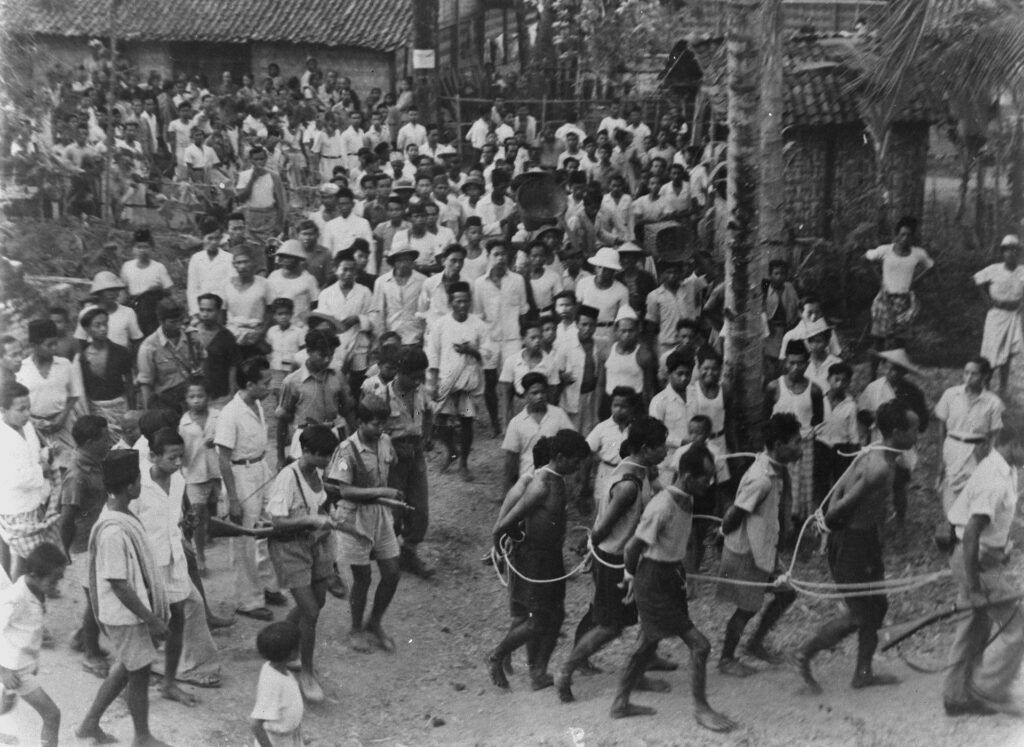
Indonesia killings

‘කොමියුනිස්ට්’ විරෝධී ඉන්දුනීසියානු මහා ජන සංහාරයෙන් 60 වසරක් – 1 කොටස

මිගාර මල්වත්ත විසිනි.

මෙම ලිපි මාලාවේ 02 කොටසට මෙතැනින් පිවිසෙන්න.

මෙම වසරේ ඔක්තෝබර් මාසයේදී, ඉන්දුනීසියානු කොමියුනිස්ට් පක්ෂ (PKI) සාමාජිකයින් සහ ආධරකරුවන් කේන්ද්‍ර කරගනිමින් 1965 දී කම්කරු පීඩිත මහජනතාවට එරෙහිව සිදු කරන ලද ජන සංහාරයට හැට වසරක් පිරුණි. දෙවන ලෝක යුද්ධයෙන් පසු ආසියාව, අප්‍රිකාව සහ ලතින් ඇමරිකානු කලාපයන් පුරා සැඩ සුළඟක් මෙන් හමා ගිය අධිරාජ්‍යවාදයට සහ දේශීය කොම්ප්‍රදෝරු ධනපති පන්තියට එරෙහි කම්කරු පීඩිත මහජනතාවගේ දැවැන්ත අරගලයන් අතරට, ඉන්දුනීසියානු කම්කරු පීඩිත මහජනතාව විසින් දියත් කරන ලද අරගලය ද ඇතුළත් විය. ප්‍රතිගාමී ස්ටැලින්වාදී නිලධාරීවාදයත්, 1950 ගණන්වල මුලදී මෙම ස්ටැලින්වාදී නිලධාරීවාදය රැක ගැනීම සඳහා අධිරාජ්‍යවාදයේ තවත් ඒජන්සියක් ලෙස මතු වූ පැබ්ලෝවාදයත් පිහිට කර ගනිමින්, අධිරාජ්‍යවාදය හා එහි සහායක දේශීය කොම්ප්‍රදෝරු ධනපති පංතිය විසින් කම්කරු පීඩිත මහජනතාවට අත්කර දුන් අතිදැවැන්ත පරාජයක් ලෙස මෙම සමූලඝාතනය හඳුනාදිය හැකිය. ස්ටැලින්වාදී ඉන්දුනීසියානු කොමියුනිස්ට් පක්ෂයේ සහයෙන් දේශීය ධනපති පන්තිය විසින් ඉන්දුනීසියානු ජාතික විමුක්ති අරගලය පාවා දීම, 1965 දී සිදු වූ ලේ වැකි කුමන්ත්‍රණය, ඒ තුළ එක්සත් ජනපද අධිරාජ්‍යවාදයේ මැදිහත් වීම, මෙම සමූලඝාතනය උදෙසා නැවත වරක් PKI නායකත්වය හා පැබ්ලෝවාදීන් විසින් සිදු කරන ලද පාවාදීම, මෙම ලේ වැකි සමූලඝාතනයෙන් පසු බලය ලබා ගත් සුහාර්තෝගේ හමුදා ඒකාධිපතිත්වය යටතේ 1998 දක්වා වූ දැඩි මර්දනකාරී පාලනය හා 1997 ආසියානු මූල්‍ය අර්බුදයේ ප්‍රතිඵලයක් ලෙස කැරලිකාර මහජනතාව විසින් සුහාර්තෝ පලවා හැරීම දක්වාත් ඉන් පසු ප්‍රතිසංස්කරණ යුගය (Reformasi) ලෙස ධනපති ක්‍රමය යළි ස්ථාපිත වීම දක්වාත් ඓතිහාසික වාර්ථාවක් මෙම ලිපි මාලාවට අඩංගු වේ. මෙම ඓතිහාසික වාර්තාව සලකා බැලෙන්නේ විශේෂයෙන් මෙම කාල පරිච්ඡේදය තුල විජිත හා ධනපති සංවර්ධනයේ පසුගාමී රටවල ජාතික ධනේශ්වරයේ හා සුලු ධනපති පන්තියේ නායකත්වයන් විසින් කම්කරු පීඩිත අරගල ග්‍රහනයට ගැනිම හා ඊට බැඳි පැබ්ලෝවාදයේ අවස්ථාවාදී ක්‍රියාකලාපය විග්‍රහ කර ගැනීමේ පසුබිමක් වශයෙනි. ඒ සමගම ඉන්දුනීසියාවේ කම්කරු, ගොවි හා ශිෂ්‍යයින් ඇතුලු පීඩිත මධ්‍යම පන්තිය දේශපාලනික අවමංගතභාවයේ හෙලමින් කම්කරු පන්තියේ ස්වාධීන් විප්ලවවාදී ජාත්‍යන්තරවාදී වැඩ පිළිවෙළට හතුරුව කටයුතු කරන වත්මන් ජාතිකවාදී ධනපති ව්‍යාපාර හා සුළු ධනපති ව්‍යාජ-වාම සංවිධානවල ක්‍රියාකලාපය සලකා බලමින්, මෙම සියලු පාවාදීම්වලට එරෙහිව විප්ලවවාදී ඉදිරිදර්ශනයක් සහිතව සම්ප්‍රදායික ට්‍රොට්ස්කිවාදයේ ධජය යටතේ හතරවන ජාත්‍යන්තරයේ ජාත්‍යන්තර කමිටුව(හජජාක) විසින් සිදු කරන ලද අරගලය සාකච්ඡා කිරිම සහ ඉන්දුනීසියාවේ එහි ශාඛාවක් පිහිටුවීමේ අවශ්‍යතාව මතු කිරීම මෙම ලිපි මාලාවේ අරමුණයි.

~~

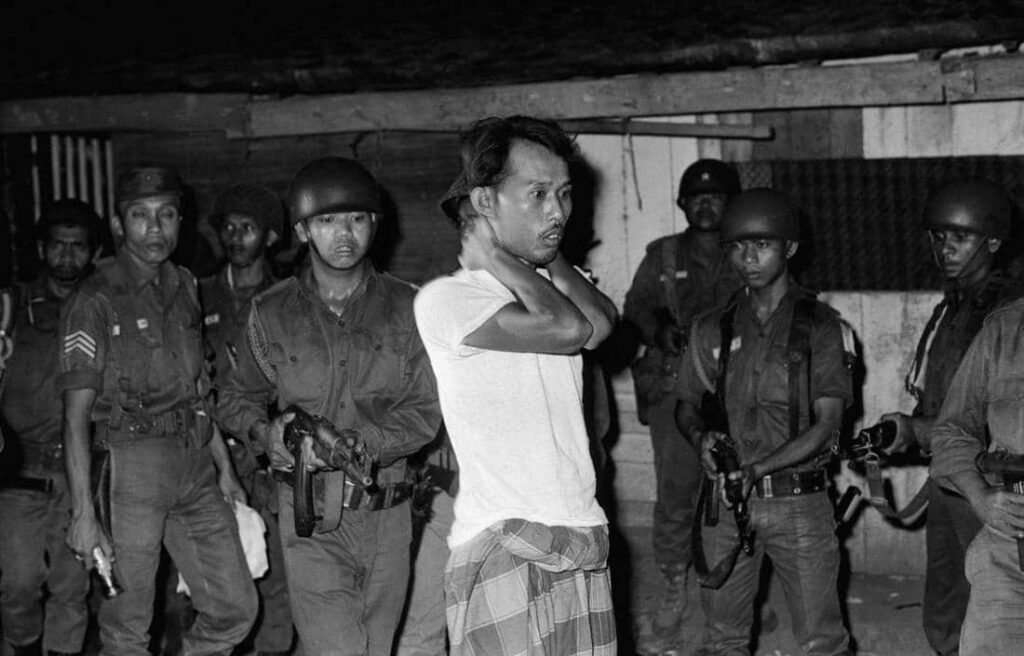
ඇමරිකානු CIA සංවිධානය මැදිහත් වීමෙන් සිදු කළ හමුදා කුමන්ත්‍රණයක් හරහා ඉන්දුනීසියානු කොමියුනිස්ට් පක්ෂ (PKI) සාමාජිකත්වය හා සහායකයින් ඉලක්ක කරගනිමින් 1965 ඔක්තෝම්බරයේ සිට සය මසකට වැඩි කලක් ක්‍රියාත්මක කෙරුණු මහා ජන සංහාරයට හැට වසරක් පිරී තිබේ. මෙම සංහාරය ‘කොමියුනිස්ට්’ විරෝධී යන නාමයෙන් සිදු කරන ලද නමුත්, සැබැවින්ම එය ස්ටැලින්වාදී PKI නායකත්වය විසින් පාවාදුන් කම්කරු පන්තියට සහ ගොවි ජනතාවට එරෙහි අධිරාජ්‍යවාදී ප්‍රහාරයක් විය. මෙම සංහාරයෙන් අවම වශයෙන් පුද්ගලයින් 500,000 ත් 1,000,000 ත් අතර සංඛ්‍යාවක් ඝාතනය කරන ලද බවට ගණන් බලා ඇත. තවත් වාර්තා මෙම ගණන මිලියන තුන දක්වා ඉහල දමයි. පශ්චාත් දෙවන ලෝක යුද කාල පරිච්ඡේදයේ, අධිරාජ්‍යවාදයට සහ දේශීය කොම්ප්‍රදෝරු ධනපති පන්තියට එරෙහිව ආසියාව, අප්‍රිකාව හා ලතින් ඇමරිකාව පුරා හමා ගිය කම්කරු පීඩිත මහජනතාවගේ දැවැන්ත විප්ලවවාදී අරගලයන් අතරට ඉන්දුනීසියානු කම්කරු පීඩිත මහජනතාවගේ අරගලය ද ඇතුළත්ය. ප්‍රතිගාමී ස්ටැලින්වාදී නිලධාරීවාදය  සහ 1950 මුල් භාගයේ ප්‍රතිගාමී ස්ටැලින්වාදය ආරක්ෂා කර ගැනීම සඳහා අධිරාජ්‍යවාදයේ තවත් ඒජන්සියක් ලෙස මතුවූ පැබ්ලෝවාදය විසින් මෙම විප්ලවවාදී ව්‍යාපාරය පාවා දීමෙන්, අධිරාජ්‍යවාදය හා එහි සහයක දේශීය කොම්ප්‍රදෝරු ධනපති පන්තිය විසින් කම්කරු පීඩිත මහජනතාවට අත්කර දුන් අති දැවැන්ත පරාජයක් ලෙස මෙම සමූලඝාතනය හඳුන්වාදිය හැකිය.

Massacre1965Indonesia
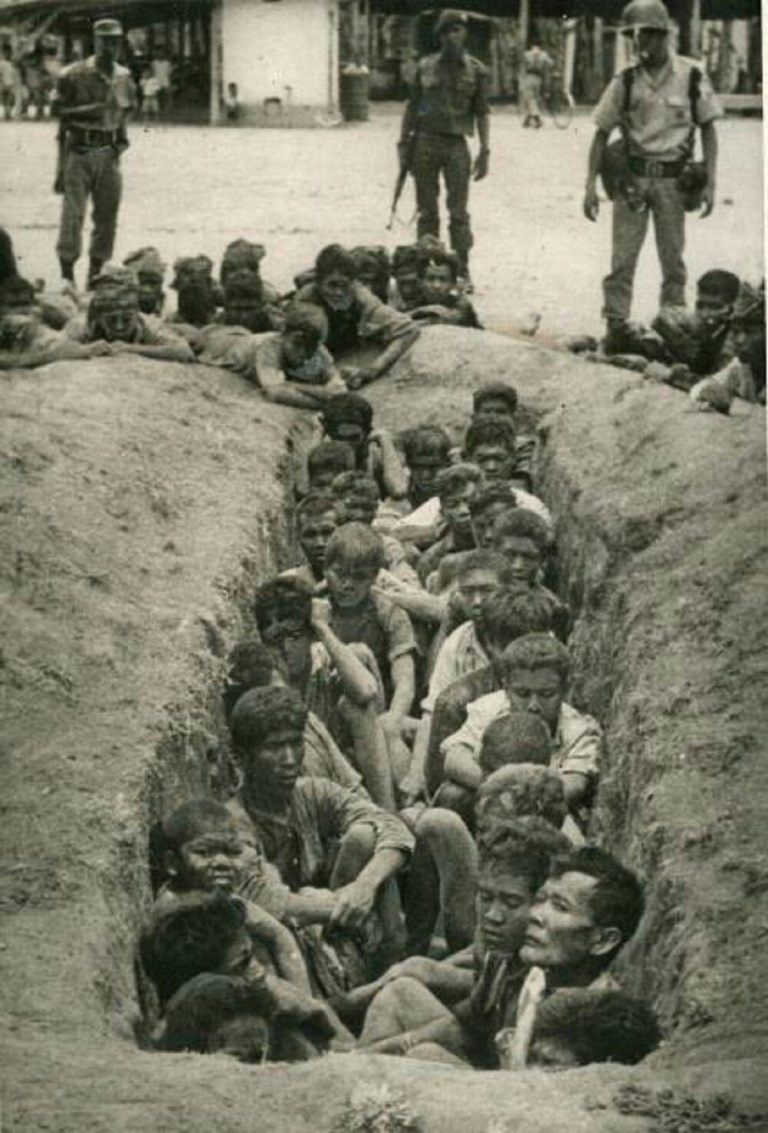
ඉන්දුනීසියානු සමූලඝාතනවලට ගොදුරු වූවන් සමූහ මිනී වලවල්වලට හෝ ගංගාවලට විසි කරන ලදී (1965).

ඓතිහාසික පසුබිම

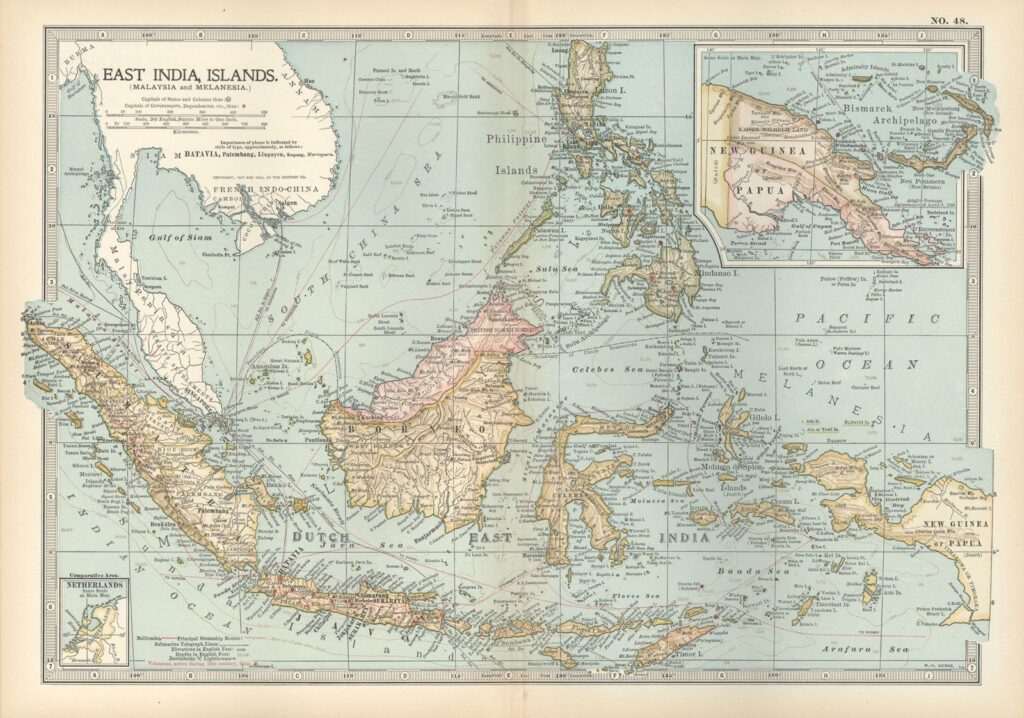
බුරුමයට ආසන්නව, අද දින ඉන්දියන් සාගරයේ පිහිටි සුමාත්‍රා දූපතේ සිට, ඕස්ට්‍රේලියාවට ආසන්න පැසිෆික් සාගරයේ පිහිටි බටහිර පැපුවා දක්වා සැතපුම් 3200 ක් පමණ දක්වා වූ දුරක් පුරා මෙම දූපත් සමූහය විහිද යන සේ පිහිටා සිටී. 1880 න් පසු මෙම භූගෝලීය කලාපය සඳහා “ඉන්දුනීසියාව” යන යෙදුම භාවිතා කරන ලදී. ඉන්දුනීසියානු දූපත් ප්‍රමාණය ගණනින් 17,000 ඉක්මවන අතර, ඉන් ජනාවාසව පවතින්නේ දූපත් 6,000 පමණ ප්‍රමාණයකි. ඉස්ලාම් ධර්මය හැරෙන්නට වෙනත් කිසිදු සංස්කෘතික සාම්‍යතාවයක් නොමැති මෙම දූපත් සමූහය එකට බැද තබනු ලැබුවේ වසර 350 පමණ වූ ලන්දේසි යටත් විජිත පාලනය විසිනි.

ලන්දේසි යටත් විජිතවල අධිරාජ්‍යවාදී කොල්ලකෑම

ලන්දේසි යටත් විජිත අධිරාජ්‍යවාදීන් විසින් වසර 350 ක් තිස්සේ ඉන්දුනීසියාව අනුකම්පා විරහිතව කොල්ලකෑ අතර, ස්වභාවික සම්පත් කොල්ලකෑම, විශාල කෘෂිකාර්මික වතු ස්ථාපිත කිරීම සහ එහි ජනතාව අනුකම්පා විරහිතව සූරා කෑම සිදු කළහ. ලන්දේසි නැගෙනහිර ඉන්දීය කොදෙව්වල (යටත්විජිත ඉන්දුනීසියාව) යටත් විජිත යුද්ධ ඉන්දුනීසියානු ජනගහනයට දැඩි හානියක් සිදු කළ අතර, සෘජු යුද්ධ හානි, සාගතය සහ රෝග හේතුවෙන් මිලියන 3 සිට 4 දක්වා මරණ සිදු විය.

19 වන සියවස ආරම්භයේදී, නැගී එන බ්‍රිතාන්‍ය ධනේශ්වර අධිරාජ්‍යවාදය මෙම කලාපය කෙරෙහි ආධිපත්‍යය සඳහා ලන්දේසීන්ට වැඩි වැඩියෙන් අභියෝග කළේය. 1800 දී ලන්දේසි නැගෙනහිර ඉන්දීය සමාගම බිඳ වැටුණු අතර 1811 දී බ්‍රිතාන්‍යය මෙම කලාපය අත්පත් කර ගත්තේය. නමුත් 1814 ඇංග්ලෝ-ලන්දේසි ගිවිසුමට අනුව 1816 දී නැවත ලන්දේසින්ට මෙම කලාපය බාර දෙන ලද අතර, 1824 ලන්ඩන් ගිවිසුම මගින් මෙම යටත් විජිත බලවතුන් දෙදෙනා විසින් කලාපය කොටස් දෙකකට බෙදා ගත්හ: බ්‍රිතාන්‍යයන් මැලේ අර්ධද්වීපයේ පාලනය අත්පත් කරගත් අතර ලන්දේසීන් ඉන්දුනීසියානු දූපත් සමූහය පාලනය කරන ලදී.

ලන්දේසීන් විසින් 1830 න් පසු ජාවාහි බලහත්කාර වගා කිරීමේ සහ ගිවිසුම්ගත ශ්‍රම ක්‍රමයක් හඳුන්වා දෙන ලදී. මෙම ක්‍රමය මගින් ලන්දේසීන් සහ ඔවුන්ගේ ඉන්දුනීසියානු සහචරයින් අතිවිශාල ධනයක් උපයන ලදී. මෙම වගා ක්‍රමය ගොවීන් ඔවුන්ගේ ඉඩම්වලට බැඳ දමා තිබුණි. 1870 න් පසු එළඹි වඩාත් ලිබරල් කාල පරිච්ඡේදයේ දී මෙම ක්‍රමය අහෝසි කරන ලදී.

1901 දී ලන්දේසීන් “ආචාර ධර්ම ප්‍රතිපත්තිය” ලෙස හැඳින්වූ ප්‍රතිපත්තියක් අනුගමනය කළ අතර, එයට දේශීය අධ්‍යාපනය සඳහා තරමක් වැඩි මුදලක් වෙන් කළහ. ලන්දේසි අධිරාජ්‍යවාදීන්ට මෙම ලිබරල් ප්‍රතිසංස්කරණ හදුන්වා දීමට සිදු වූයේ ධනපති ක්‍රමයේ සීඝ්‍ර වර්ධනයත් සමඟම, එහි පැවැත්ම සඳහා ධනපති පන්තියට වඩාත් ලිබරල්වාදී ප්‍රතිසංස්කරණ අනුගමනය කිරීමට සිදු වීමේ ප්‍රතිඵලයක් ලෙසිනි.

“ආචාර ධර්ම ප්‍රතිපත්තිය” පුළුල් අධ්‍යාපන අවස්ථා ලබා දුන්නේ නැත. කෙසේ වෙතත්, එය ස්වදේශික ඉන්දුනීසියානු ප්‍රභූ පැලැන්තියේ දරුවන්ට ලන්දේසි අධ්‍යාපනයක් ලබා දුන්නේය. බටහිර අධ්‍යාපනය නිදහස සහ ප්‍රජාතන්ත්‍රවාදය පිළිබඳ බටහිර දේශපාලන අදහස් ගෙන ආවේය. 1920 සහ 30 ගණන්වලදී, මෙම කුඩා ප්‍රභූ පැලැන්තිය නැගී එන යටත් විජිත විරෝධී ජාතික චින්තනයක් ප්‍රකාශ කිරීමට පටන් ගත්තේය.

1918 දී, වසර දෙකකට පෙර පිහිටුවන ලද පූර්ව-පාර්ලිමේන්තුවක් වන වොක්ස්රාඩ් (මහජන කවුන්සිලය), පළමු වරට රැස්විය. එය සාමාජිකයින් 39 දෙනෙකුගෙන් සමන්විත වූ අතර, ඉන් 15 දෙනෙකු ස්වදේශික ඉන්දුනීසියානුවන් විය. මෙම වසරේ දී, අනාගතයේ යම් නිශ්චිත අවස්ථාවක දී ඉන්දුනීසියානුවන්ට ස්වයං පාලනයක් ලබා දෙන බවට ලන්දේසි රජය එකඟ වූ නමුත්, පසු වසරවලදී මෙම පොරොන්දු අත් හැර දැමුණි.

ජාතිකවාදයේ නැගීම හා ඉන්දුනීසියානු කොමියුනිස්ට් පක්ෂය පිහිටුවීම

පළමු ලෝක යුද්ධය පුපුරා යාමෙන් (1914-1918) සනාථ වූයේ, ලෝක ආර්ථික දේශපාලන ක්‍රමයක් ලෙස ධනපති ක්‍රමය සිය ඓතිහාසික වලංගුතාවය සිඳ ගත් බවයි. එහෙයින්, මෙම ප්‍රතිගාමී අධිරාජ්‍යවාදී ධනපති ක්‍රමයට එරෙහිව, 20 වන සියවසේ මුල් භාගයේ විජිත හා අර්ධ-විජිත රාජ්‍ය තුළ පැන නැගි ජාතිකවාදය මෙම නව ලෝක තත්ත්වයේ නිෂ්පාදනයක් වූ අතර බටහිර යටත් විජිතවාදයේ යටත්වැසියන් ලෙස පැවති අප්‍රිකාවේ සහ ආසියාවේ බොහෝ ප්‍රදේශවලට බලපාන පුළුල් නොසන්සුන්තාවයේ ප්‍රවාහයන්ගේ කොටසක් විය.

මෙම කාල පරිච්ඡේදය තුළ පළමු ඉන්දුනීසියානු දේශපාලන පක්ෂ මතුවීමට පටන් ගත්තේය. 1908 ඔක්තෝබර් මාසයේදී, පළමු ජාතිකවාදී ව්‍යාපාරය වන බුඩි උටෝමෝ පිහිටුවන ලදී. “ඉන්ඩිෂ් පාර්ටිජ්” පක්ෂය 1912 දී පිහිටුවන ලදී. එම වසරේම, සැප්තැම්බර් 10 වන දින, සරේකට් ඉස්ලාම් පළමු ජාතිකවාදී මහජන ව්‍යාපාරය පිහිටුවන ලදී. 1912 දෙසැම්බර් වන විට සරේකට් ඉස්ලාම් හි සාමාජිකයින් 93,000 ක් සිටියහ. එය ලන්දේසි පාලනයට එරෙහිව ඉස්ලාමයේ ධජය භාවිතා කරමින් ඉන්දුනීසියානුවන් එකට ගෙන ආවේය.

PKI හි පුරෝගාමී ව්‍යාපාරය සහ නිදහස් අරගලය

1914 දී ඉන්දීය සමාජ ප්‍රජාතන්ත්‍රවාදී සංගමය (ලන්දේසි: Indische Sociaal-Democratische Vereeniging – ISDV -Indies Social Democratic Association) ලන්දේසි සමාජවාදී හෙන්ක් ස්නීව්ලියට් සහ තවත් ඉන්දීය සමාජවාදියෙකු විසින් ආරම්භ කරන ලදී. ISDV හි යටත් විජිත පාලනයට විරුද්ධ වීමට ක්‍රම සොයන උගත් ඉන්දුනීසියානුවන්ට ලන්දේසි සාමාජිකයින් විසින් කොමියුනිස්ට් අදහස් හඳුන්වා දෙනු ලැබුණි. 1914 දී පටන්, ඉන්දුනීසියානු පීඩිත ජනතාවගේ හොඳම නියෝජිතයෝ මාක්ස්වාදය වෙත හැරුණහ. 

ISDV විසින් 1915 ඔක්තෝබර් මාසයේදී Het Vrije Woord (නිදහස් වචනය) නමින් ලන්දේසි භාෂා ප්‍රකාශනයක් ආරම්භ කළේය. ISDV පිහිටුවන විට එය ස්වාධීනත්වයක් ඉල්ලා සිටියේ නැත. නමුත්, එය ඉක්මනින් රැඩිකල් ධනවාදී විරෝධී දිශාවක් ගත්තේය. ISDV විසින් 1917 වසරේ දී එහි පළමු ඉන්දුනීසියානු භාෂා ප්‍රකාශනය වන Soeara Merdeka (නිදහසේ හඬ) ආරම්භ කළේය.

1917 රුසියානු විප්ලවයෙන් පසුව, ISDV හි රැඩිකල්වාදයට ඉන්දුනීසියානු ජනගහනයෙන් මෙන්ම ලන්දේසි සොල්දාදුවන්ගෙන් සහ විශේෂයෙන් නාවිකයින්ගෙන් ප්‍රමාණවත් සහයෝගයක් ලැබුණු අතර ලන්දේසි බලධාරීන් කලබලයට පත් විය. එබැවින් 1918 දී ස්නීව්ලියට්ට ලන්දේසි නැගෙනහිර ඉන්දීය කොදෙව්වෙන් පිටව යාමට සිදු විය. ලන්දේසි යටත් විජිත බලධාරීන් විසින් ISDV මර්දනය කිරීම ආරම්භ කරන ලදී.

ඒ සමඟම, ISDV සහ කොමියුනිස්ට් හිතවතුන් “ඇතුළත අවහිර කිරීම” උපාය මාර්ගයක් ලෙස හැඳින්වෙන උපක්‍රමයකින් නැගෙනහිර ඉන්දීය කොදෙව්හි අනෙකුත් දේශපාලන කණ්ඩායම්වලට රිංගා ගැනීමට පටන් ගත්හ. වඩාත්ම පැහැදිලි බලපෑම වූයේ සරේකට් ඉස්ලාම් වෙත සිදු කරන ලද ඇතුළු වීමයි. සෙමවුන් සහ ඩාර්සෝනෝ ඇතුළු බොහෝ සාමාජිකයින්ගේ රැඩිකල් වාමාංශික අදහස් මගින් මෙම ඉස්ලාමීය ජාතිකවාදී සංවිධානය සාර්ථක බලපෑමට ලක් විය. එහි ප්‍රතිඵලයක් ලෙස, කොමියුනිස්ට්වාදී සංකල්පයන් ISDV නියෝජිතයන් විසින් ඉන්දුනීසියාවේ විශාලතම ඉස්ලාමීය සංවිධානය තුළ සාර්ථකව රෝපණය කරන ලදී.

1920 මැයි 23 වන දින සෙමරන්ග් හි පැවති සම්මේලනයේදී, ISDV, Perserikatan Komunis di Hindia (PKH; ඉන්දීය කොමියුනිස්ට් සංගමය) යන නම ලබා ගත්තේය. සෙමවුන් පක්ෂ සභාපතිවරයා වූ අතර ඩාර්සෝනෝ උප සභාපති විය. කොමියුනිස්ට් ජාත්‍යන්තරයේ (කොමින්ටර්න්) කොටසක් වූ පළමු ආසියානු කොමියුනිස්ට් පක්ෂය PKH වූ අතර, 1921 දී කොමින්ටර්න්හි 2 වන ලෝක සම්මේලනයේදී ස්නීව්ලියට් පක්ෂය නියෝජනය කළේය.

1924 වසරේ දී පක්ෂයේ නම පාර්ටයි කොමුනිස් ඉන්දුනීසියාව (PKI, ඉන්දුනීසියානු කොමියුනිස්ට් පක්ෂය) ලෙස වෙනස් කරන ලදී.

1926-27 කැරැල්ල සහ එහි මර්දනය

1925 මැයි මාසයේ පැවති පූර්ණ සැසියකදී, කොමින්ටර්න් විධායක කමිටුව, සිය ප්‍රතිගාමී පන්ති සම්මුතිවාදී ප්‍රතිපත්තිය මත පදනම් වෙමින්, ඉන්දුනීසියානු කොමියුනිස්ට්වාදීන්ට කොමියුනිස්ට් නොවන ජාතිකවාදී සංවිධාන සමඟ අධිරාජ්‍ය විරෝධී සන්ධානයක් පිහිටුවීමට නියෝග කළේය. PKI හි අලිමින් සහ මුසෝගේ නායකත්වයෙන් යුත් අධිරාජ්‍ය විරෝධී කොටස් ලන්දේසි යටත් විජිත රජය පෙරලා දැමීම සඳහා විප්ලවයක් ඉල්ලා සිටියහ.

සැලසුම් කළ විප්ලවය බටහිර සුමාත්‍රාවෙහි පඩාං නගරයෙන් ආරම්භ වීමට නියමිත විය. නමුත් 1926 ආරම්භයේදී ලන්දේසි ආරක්ෂක අංශ විසින් සිදු කරන ලද මර්දනය හේතුවෙන් PKI සාමාජිකයින් අත්අඩංගුවට ගැනීමට හේතු විය. 1926 නොවැම්බර් 12 වන දින බටේවියාවේ (දැන් ජකර්තා) සීමිත කැරැල්ලක් ආරම්භ විය; ඒ හා සමාන කැරලි පඩෑං, බැන්ටම් සහ සුරබයා හි සිදු විය.

අසාර්ථක වූ විප්ලවයේ ප්‍රතිඵලයක් ලෙස, පුද්ගලයින් 13,000 ක් අත්අඩංගුවට ගෙන, 4,500 ක් සිරගත කරන ලද අතර, 823 ක් බටහිර නිව්ගිනියාවේ ඩිගුල් කලාපයේ බොවන්-ඩිගොයෙල් කඳවුරට පිටුවහල් කරන ලදී. 1927 දී ලන්දේසි නැගෙනහිර ඉන්දීය කොදෙව් රජය විසින් PKI පක්ෂය තහනම් කරන ලදී.

සුකර්නෝ සහ ජාතිකවාදී ව්‍යාපාරය

කොමියුනිස්ට් කැරැල්ලේ පරාජය සහ සරේකට් ඉස්ලාමයේ පරිහානිය නව ජාතිකවාදී සංවිධානයක් සඳහා මාවත විවර කළ අතර, 1926 දී බන්ඩුං හි “සාමාන්‍ය අධ්‍යයන සමාජයක්” ආරම්භ කරන ලදී. එහි ලේකම් ලෙස පත්වූයේ, වංශාධිපති පවුලක ජාවා පාසල් ගුරුවරයෙකුගේ පුතෙකු වූ සුකර්නෝ ය. ඔහු තරුණ ගෘහ නිර්මාණ උපාධිධාරියෙකු වූ අතර, උගත් සුළු ධනේශ්වර ස්ථරයට අයත් විය. ඔහු ඉන්දුනීසියාවේ නව නාගරික ප්‍රභූ පැලැන්තිය මත පදනම් වෙමින් ජාතිකවාදී දෘෂ්ටියක් සකස් කිරීමට පටන් ගත්තේය. 

Sukarno
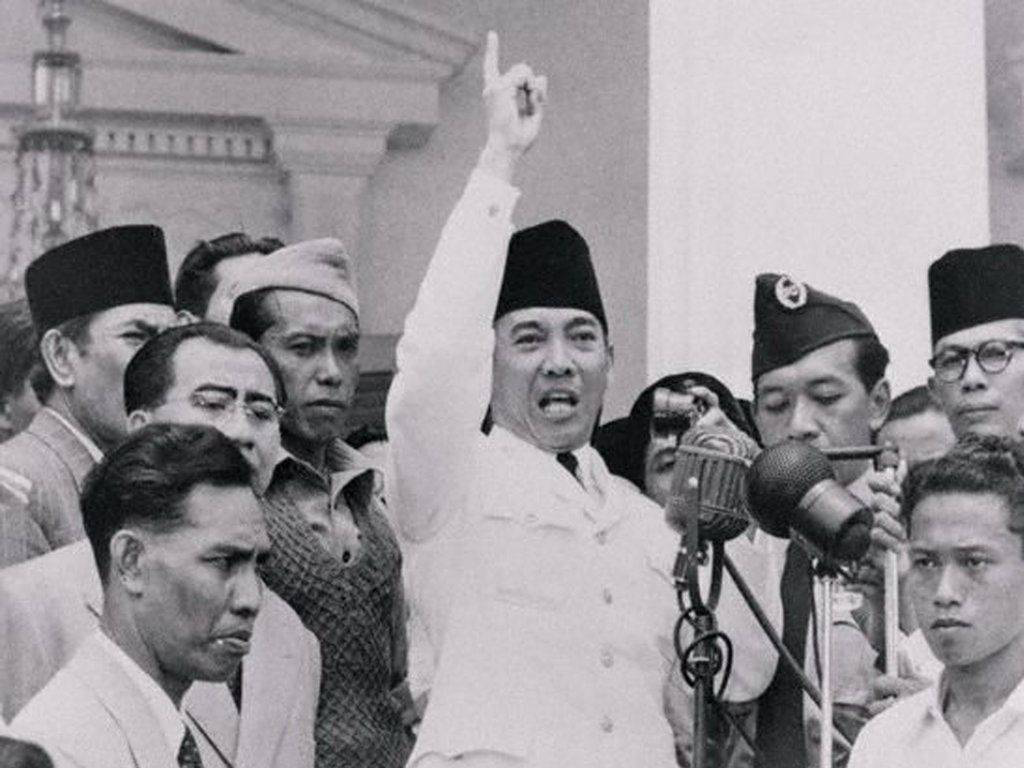
1949 දෙසැම්බර් 28 දින ජනාධිපති සුකර්නෝ, නිදහස් වී ඇති ඉන්දුනීසියාව ලෝකය සමඟ මිත්‍රත්වයෙන් ජීවත් වන බව ප්‍රකාශ කරන්නේ, ජකර්තා හි කොනිංස්ප්ලයින් හි (බටේවියාව සඳහා ඉන්දුනීසියානු නම, දැන් අගනුවරේ නිල නාමය) පිහිටි ඔහුගේ නව මූලස්ථානයේ සිටය. නෙදර්ලන්තයේ සිට ඉන්දුනීසියානු එක්සත් ජනපදයට ස්වෛරීභාවය මාරු කිරීම පෙර දිනයේ දී ජකර්තාහිදී සිදු විය.

ඉන්දුනීසියාවේ ජාතිකවාදය සැලකිලිමත් වූයේ ලන්දේසි පාලනයට එරෙහි ප්‍රතිරෝධය ගැන පමණක් නොව, දූපත් සමූහයේ වාර්ගික විවිධත්වය වැළඳ ගනිමින්, සාම්ප්‍රදායික අධිකාරිය ප්‍රතිව්‍යුහගත කිරීම සහ නවීන රාජ්‍යයක් ලෙස ඉන්දුනීසියාව නිර්මාණය කිරීමට හැකි වන පරිදි ජාතිකත්වය පිළිබඳ නව සංකල්ප ගොඩ නැගීම කෙරෙහිද අවධානය යොමු කළේය.

1920 පමණ වන විට “ඉන්දුනීසියාව” යන වචනය එහි නූතන භාවිතයට පැමිණියේය. ජනවාර්ගික හා භූගෝලීය ප්‍රදේශය වර්ගීකරණය කිරීම සඳහා 1850 දී ඉංග්‍රීසි ස්වභාව විද්‍යාඥයන් වූ ජෝර්ජ් වින්ඩ්සර් අර්ල් සහ ස්කොට්ලන්ත නාවිකයෙකු වූ ජේම්ස් රිචඩ්සන් ලෝගන් විසින් නිර්මාණය කරන ලද “ඉන්දුනීසියාව” යන යෙදුම ජාතිකවාදීන් විසින් ජනතාවගේ එකමුතුවක් පරිකල්පනය කිරීමේ වචනයක් ලෙස යොදා ගන්නා ලදී. මීට පෙර තරුණ සන්ධාන විසින් වෙනම බාලිනීස් ජාතියක්, ජාවා ජාතියක්, සුමාත්‍රා ජාතියක් යනාදිය වශයෙන් කතා කර තිබුණි. දැන් ඔවුහු ‘ඉන්දුනීසියාව’ ලෙස තනි ජනතාවක් ගැන කතා කළහ.

නෙදර්ලන්තයේ අධ්‍යාපනය ලද ඉන්දුනීසියානු සිසුන් විසින් නැගෙනහිර ඉන්දීය කොදෙව් හි ලන්දේසි පාලනයට එරෙහිව, 1924 දී පර්හිම්පුනාන් ඉන්දුනීසියා (Perhimpunan Indonesia – ඉන්දුනීසියානු සංගමය) නෙදර්ලන්තයේ ලෙයිඩන් නගරයේ දී පිහිටුවන ලදී. එය රැඩිකල් ජාතිකවාදී චින්තනයේ මධ්‍යස්ථානයක් බවට පත් වූ අතර, 1920 ගණන්වල මැද භාගයේදී නෙදර්ලන්තයේ සිට ආපසු මව්බිමට පැමිණි සිසුන් ඊට සමාන අදහස් ඇති කණ්ඩායම් සමඟ එක් විය.

නව ජාතිකවාදයට එහි ප්‍රකාශනය සඳහා නව සංවිධානයක් අවශ්‍ය වූ අතර, 1927 ජූලි 4 වන දින පිහිටුවන ලද ඉන්දුනීසියානු ජාතිකවාදී සංගමය (Perserikatan Nasional Indonesia), පසුව 1928 මැයි මාසයේදී ඉන්දුනීසියානු ජාතිකවාදී පක්ෂය (Partai Nasional Indonesia – PNI) ලෙස නම් වෙනස් කරන ලද්දේ, සුකර්නෝගේ සභාපතිත්වය යටතේය. PNI ලන්දේසි නැගෙනහිර ඉන්දීය කොදෙව් රජය සමඟ සහයෝගයෙන් කටයුතු නොකිරීමේ අදහස සහ ‘සම්පූර්ණ නිදහස’ සඳහා පෙනී සිටීම මත පදනම් විය. කෙසේ වෙතත්, PNI සඳහා මහජන සහයෝගයේ පදනමක් නිර්මාණය කිරීමට උත්සාහ කළ සුකර්නෝ වඩාත් මධ්‍යස්ථ නායකයින් සමඟ එක්ව කටයුතු කිරීමට ද, යම් සාර්ථකත්වයක් ලබා ගැනීමට ද පක්ෂය තුළ පුළුල් ලෙස පදනම් වූ, තරමක් අස්ථිර වුවද, ජාතිකවාදී සංවිධාන සංගමයක් පිහිටුවීමට සමත් විය.

1928 ඔක්තෝබර් 28 වන දින, තරුණ සංවිධානවල නියෝජිතයින් ගණනාවක් ඓතිහාසික තරුණ ප්‍රතිඥාව (Sumpah Pemuda) නිකුත් කළ අතර, එමඟින් ඔවුන් එක් ඉන්දුනීසියානු මාතෘ භූමියක්, එක් ඉන්දුනීසියානු ජනතාවක් සහ එක් ඉන්දුනීසියානු භාෂාවක් පමණක් හඳුනා ගැනීමට දිවුරුම් දුන්හ. එය රටේ නිදහස් ව්‍යාපාරයේ සන්ධිස්ථානයක් ලෙස සැලකෙන අතර විවිධ අනන්‍යතා හරහා පොදු අනන්‍යතාවයක් සංකේතවත් කෙරෙන බවට සැලකුණි.

සුකර්නෝ සිරගත කිරීම

1929 න් පසු ගෝලීය අවපාතය ලන්දේසි නැගෙනහිර ඉන්දීය කොදෙව්වන්ට තියුණු ලෙස බලපෑවේය. රබර්, සීනි සහ අනෙකුත් නිවර්තන භාණ්ඩ සඳහා වන අපනයන මිල පහත වැටුණි. එය යටත් විජිත බලධාරීන්ගේ ආදායම් පහත වැටීමට හේතු වූ අතර, වතු ශ්‍රමය සහ ගොවී අපනයන භෝග මත යැපෙන ඉන්දුනීසියානුවන්ගේ ආර්ථික අර්බුදය ඉහළ ගියේය. එමගින් දූපත් සමූහය පුරා සමාජ පීඩාව තීව්‍ර කළ අතර අර්ථවත් ප්‍රතිසංස්කරණ අනුගමනය කිරීමේ ලන්දේසි කැමැත්ත සහ ධාරිතාව සීමා විය. ආර්ථික හැකිලීම සමාජ නොසන්සුන්තාව, වැඩ වර්ජන සහ සහන සඳහා ඉල්ලීම් තීව්‍ර විය. මෙම තත්වය මත ප්‍රමුඛ අධිරාජ්‍ය විරෝධී කථීකයෙකු ලෙස සුකර්නෝ පෙරට පැමිණියේය. දේශීය වශයෙන් ඇතිවී තිබෙන මෙම නොසන්සුන්තාව මැඩපැවැත්වීම සඳහා දැඩි පියවර (පොලිස් ක්‍රියාමාර්ග, අත්අඩංගුවට ගැනීම්, මාධ්‍ය සහ රැස්වීම් සීමා කිරීම්) ලන්දේසි පාලනය විසින් ගනු ලැබුණි.

ලන්දේසි පාලනය විසින් ජාතිකවාදී ව්‍යාපාරය මර්දනය කිරීම ආරම්භ කරන ලද අතර, එය බොහෝ අත්අඩංගුවට ගැනීම් වලට හේතු විය. 1929 දෙසැම්බර් 29 වන දින, ඉන්දුනීසියාවේ පළමු ජනාධිපති වූ සුකර්නෝ සහ PNI හි අනෙකුත් ප්‍රමුඛ නායකයින් ජාවාව පුරා සිදු කරන ලද වැටලීම් මාලාවක දී ලන්දේසි යටත් විජිත බලධාරීන් විසින් අත්අඩංගුවට ගනු ලැබුණි. සුකර්නෝ අත්අඩංගුවට ගනු ලැබුවේ යොග්‍යාකාර්තාවට කරන ලද සංචාරයක දී ය. 1930 අගෝස්තු සිට දෙසැම්බර් දක්වා බන්ඩුං ලෑන්ඩ්‍රාඩ්  උසාවියේ පැවති ඔහුගේ නඩු විභාගයේදී, සුකර්නෝ විසින් යටත් විජිතවාදය හා අධිරාජ්‍යවාදය ප්‍රහාරයට ලක් කරමින් “Indonesia Menggoegat” (ඉන්දුනීසියාව චෝදනා කරයි) නම් දිගු දේශපාලන කථාමාලාවක් පැවැත්වීය. 1930 දෙසැම්බර් මාසයේදී සුකර්නෝට වසර හතරක සිර දඬුවමක් නියම කරන ලද අතර, ඔහු බංඩුං හි සුකමිස්කින් බන්ධනාගාරයේ සිර ගතව සිටියේය. කෙසේ වෙතත්, ඔහුගේ කථාව මාධ්‍ය විසින් පුළුල් ලෙස ආවරණය කරන ලද අතර, නෙදර්ලන්තයේ සහ ලන්දේසි නැගෙනහිර ඉන්දීය කොදෙව් යන දෙකෙහිම ලිබරල් කොටස්වල ප්‍රබල පීඩනය හේතුවෙන්, සුකර්නෝ 1931 දෙසැම්බර් 31 වන දින කලින් නිදහස් කරන ලදී. මේ වන විට ඔහු ඉන්දුනීසියාව පුරා ප්‍රකටව දන්නා ජනප්‍රිය වීරයෙකු බවට පත්ව තිබුණි. කෙසේ වෙතත්, ඔහුගේ සිරගත කිරීම තුළදී, PNI යටත් විජිත බලධාරීන්ගේ මර්දනය සහ අභ්‍යන්තර මතභේද හේතුවෙන් බෙදී ගොස් තිබුණි.

මුල් PNI විසුරුවා හරින ලද අතර එහි හිටපු සාමාජිකයින් වෙනම පක්ෂ දෙකක් පිහිටුවන ලදී. 1931 අප්‍රේල් මස අවසානයේදී, PNI හි හිටපු ප්‍රමුඛ චරිතයක් වූ සාර්ටෝනෝ, ඉන්දුනීසියානු පක්ෂය (Partindo) පිහිටුවන ලදී. එය PNI සාමාජිකත්වයෙන් බහුතරයක් ආකර්ෂණය කර ගත් අතර ලන්දේසීන්ගෙන් ඉන්දුනීසියානු නිදහස සඳහා උද්ඝෝෂනය කළ නමුත් PNI තරමේ රැඩිකල්භාවයක් පෙන්වූයේ නැත. පරින්ඩෝ, සහයෝගී ජාතිකවාදයේ ප්‍රමුඛ ප්‍රකාශනය ලෙස මතු වූයේ, සිවිල් අධ්‍යාපනය, සමාජ සුභසාධනය, වෙළඳාම සහ ආර්ථික දියුණුව වැනි ප්‍රතිසංස්කරණවාදී වැඩසටහන් වටා ජාතිකවාදී බලවේග එක්සත් කිරීමට උත්සාහ කරමිනි. එය වොක්ස්රාඩ් හි සාමාජිකත්වය පිළිගත්තේය. හදිසි ජන අරගලවල මාවත ඉදිරිපත් කළ සුකර්නෝ සමග පරින්ඩෝ පක්ෂය සබඳතා පැවැත් වූ අතර 1932 ජුලි මස සුකර්නෝ එහි නායකත්වයට එළඹියේය. PNI හි තවත් කණ්ඩායම් ගණනාවක් එකතු වී නව සංවිධානයක් පිහිටුවා ගත් අතර එය නව-PNI (PNI Baru) ලෙස හැඳින්වේ. නෙදර්ලන්තයේ අධ්‍යාපනයෙන් මෑතකදී ආපසු පැමිණි ජාතිකවාදීන් වූ මොහොමඩ් හට්ටා සහ සුතාන් ස්ජහ්රීර්ගේ නායකත්වයෙන් යුත් නව PNI පිහිටුවන ලද්දේ මහජන උද්ඝෝෂණ වෙනුවට දිගුකාලීන කේඩර් පදනම් වූ අරගලයක් සහ ඉන්දුනීසියානු ජනගහනයට නවීන අධ්‍යාපනය ලබා දීමේ උපාය මාර්ගය ප්‍රවර්ධනය කිරීමේ වැඩසටහනක් සහිතවය.

1933 අගෝස්තු මාසයේදී සුකර්නෝ නැවතත් අත්අඩංගුවට ගෙන මුලින් ෆ්ලෝරස් දූපතේ එන්ඩේ වෙත පිටුවහල් කර, පසුව 1938 දී දකුණු සුමාත්‍රාවේ බෙන්ග්කුලු වෙත මාරු කරන ලදී. හට්ටා සහ ස්ජහ්රීර් ඇතුළු අනෙකුත් පක්ෂ නායකයින්ට එරෙහිව මර්දනකාරී ක්‍රියාමාර්ග අනුගමනය කරන ලද අතර ඔවුන් ද පිටුවහල් කරන ලදී. මෙසේ ජාතිකවාදී ව්‍යාපාරයේ රැඩිකල්වාදී ප්‍රවනතාව මර්ධනය කරනු ලැබිණි.

සහයෝගී ජාතිකවාදය සහ වොක්ස්රාඩ් (මහජන කවුන්සිලය)

1930 ගණන්වල අගභාගයේදී ජාතිකවාදී නායකයින්ට ලන්දේසීන් සමඟ සහයෝගයෙන් කටයුතු කිරීමට බල කෙරුණු අතර, එය හැරෙන්නට මෙම පසුගාමී ධනපති පන්තියට පංති අවශ්‍යතාවය මත තෝරා ගත හැකි වෙනත් විකල්පයක් නොවීය. ජාතිකවාදී තර්ජන ක්ෂණිකව පෙනෙන තැන ලන්දේසීන් පාලනය දැඩි කළ අතර පරිපාලනය ස්ථාවර කිරීමට සේවය කළ ගතානුගතික දේශීය ධනපතින්ට සහයෝගය ලබා දුන්නේය. මේ සඳහා ලන්දේසින් යොදා ගනු ලැබුවේ වොක්ස්රාඩ් හෙවත් මහජන කවුන්සිලයයි. එය නීතිගත ක්‍රමය හරහා වර්ධක ප්‍රතිසංස්කරණ අපේක්ෂා කළ දේශපාලනික වශයෙන් ප්‍රභූන් (බොහෝ විට බටහිර අධ්‍යාපනය ලැබූ සහ යටත් විජිත පරිපාලන ජාලයන්හි ගිලී සිටි) පිරිසකගෙන් සැදුම් ලද්දකි.

1918 දී උපදේශක ව්‍යවස්ථාදායකයක් ලෙස නිර්මාණය කරන ලද වොක්ස්රාඩ් වැනි උපදේශක ආයතන ද සංරක්ෂණය කර සමහර විට පුළුල් කළේය. 1930 ගණන්වල මුල් භාගය වන විට වොක්ස්රාඩ් “සහයෝගී ජාතිකවාදීන්ට” වර්ධක ප්‍රතිසංස්කරණ සඳහා හිමිකම් පෑමට සහ පරිපාලන තනතුරු, සිවිල් සේවා ප්‍රතිසංස්කරණ හෝ ජාතිකවාදී පාරිභාෂිතය සහ සංවිධාන සඳහා නීතිමය පිළිගැනීමක් ලබා ගත හැකි ප්‍රධාන නීති සංසදය බවට පත්ව තිබුණි.

1930 ගණන්වල මැද භාගයේදී බුඩි උටෝමෝ සහ අනෙකුත් ජාතිකවාදී කණ්ඩායම්වල සම්මිශ්‍රණයකින් ආරම්භ කරන ලද පරින්ද්‍ර (Parindra) සංවිධානය, සහයෝගීතාවාදී (cooperative) ජාතිකවාදයේ ප්‍රමුඛ ප්‍රකාශනය ලෙස මතු විය. සිවිල් අධ්‍යාපනය, සමාජ සුභසාධනය, වෙළඳ හා ආර්ථික වැඩිදියුණු කිරීම ආදී ප්‍රතිසංස්කරණවාදී වැඩසටහන් වටා ජාතිකවාදී ශක්තීන් එක්සත් කිරීමට එය උත්සාහ කළේය. මෙම පක්ෂය වොක්ස්රාඩ් හි සාමාජිකත්වය පිළිගත්තේය.

වොක්ස්රාඩ් කණ්ඩායමක් තුළ කථීකයෙකු සේ කටයුතු කළ මොහොමඩ් හුස්නි තම්රින්, සහයෝගීතා ජාතිකවාදී නායකයින්ට යටත් විජිත පාලනය තුළ එක්ව වැඩ කළ හැකි ආකාරය පිළිබඳ වඩාත් ප්‍රසිද්ධ ජාතිකවාදී න්‍යාය පත්‍ර ඉදිරිපත් කරන ලදී.

දෙවන ලෝක යුද්ධය පුපුරා යාම හා ජාතිකවාදී දේශපාලන සංසදය

දෙවන ලෝක යුද සංග්‍රාමය පුපුරා යාමත් සමගම, ජර්මනිය විසින් සිදුකළ ආක්‍රමණයෙන් 1940 දී නෙදර්ලන්තය අත්පත් කර ගැනීමෙන් පසු ලන්දේසි රජයේ ස්ථාවරත්වය වේගයෙන් බිඳ වැටුණි. අගනගර පාලනය දුර්වල විය. යටත් විජිත පරිපාලකයින් හිඟයන්ට, අවිනිශ්චිතතාවයට සහ අධිරාජ්‍ය පිළිවෙල ආරක්ෂා කළ නොහැකි බවට වූ වැඩෙන හැඟීමකට මුහුණ දුන්හ. මෙවැනි තත්ත්වයක් තුළ ඉන්දුනීසියානු “රැඩිකල්වාදී” ජාතිකවාදී නායකත්වයන්ගේ පවා සැබෑ දේශපාලනය හෙලිදරව් වන්නට විය. මන්ද, 1937 දී Gerindo (ගෙරින්ඩෝ) නම් වඩාත් රැඩිකල් පක්ෂයක් පිහිටුවන ලද නමුත්, එය පවා ජාතික සමාජවාදයේ (නාසිවාදයේ) තර්ජනයට එරෙහිව නෙදර්ලන්තයට සහාය වීම ජාතික නිදහස පිළිබඳ ප්‍රශ්නයට වඩා වැදගත් යැයි සැලකීය. මෙසේ බිද වැටෙන ලන්දේසි අධිරාජ්‍යය ආරක්ෂා කර ගැනීම මෙම ජාතිකවාදී නායකත්වයන්ගේ දේශපාලන අස්ථානය වී පැවිතිණි.

මහා ඉන්දුනීසියානු පක්ෂය (Parindra – පරින්ද්‍ර), ඉන්දුනීසියානු මහජන ව්‍යාපාරය (Gerindo – ගෙරින්ඩෝ), Paguyuban Pasundan (පගුයුබන් පසුන්දන්), ඉන්දුනීසියානු ඉස්ලාමීය සංගම් පක්ෂය (PSII), ඉන්දුනීසියානු ඉස්ලාමීය පක්ෂය, මිනහාස සංගමය, කතෝලික පක්ෂය, ඉන්දුනීසියාවේ අරාබි සංගමය ආදී පක්ෂ ඒකාබද්ධ වීමෙන් ඉන්දුනීසියානු දේශපාලන සම්මේලනය (GAPI) 1939 දී පිහිටුවන ලද අතර, ඔවුන්ගේ අරමුණ වූයේ වොක්ස්රාඩ් හි සහභාගී වී, බිද වැටෙන ලන්දේසි අධිරාජ්‍යයට මුක්කු සපයමින්, ඊට ප්‍රතිඋපකාර ලෙස ලන්දේසි අධිරාජ්‍යවාදීන්ගෙන් ලැබෙන වරප්‍රසාදයන්ගෙන් තම පංති අවශ්‍යතා තෘප්තිමත් කර ගැනීමයි.

මෙම සහයෝගීතාවාදී ජාතිකවාදීන්ට ඉල්ලීම් විධිමත්ව ඉදිරිපත් කළ හැකි නමුත්, එය කළ හැකි වූයේ යටත් විජිතවාදී පාලන රාමුව තුළ පමණි. මහා නගර තුළ ලන්දේසි රජය තීරණාත්මක ලෙස බලය රඳවා ගත්තේය. විශේෂයෙන් ඉදිරිපත් කළ ප්‍රතිසංස්කරණයන් අධිරාජ්‍යයේ පරමාධිපත්‍යයට තර්ජනයක් ලෙස විනිශ්චය කළ අවස්ථාවන්හිදී, එවැනි පෙත්සම් ප්‍රතික්ෂේප කෙරුනි.

ජපන් ආක්‍රමණය සහ සුකර්නෝගේ සහයෝගීතාවය 

දෙවන ලෝක යුද්ධය තත්වය තවදුරටත් වෙනස් කළේය. 1942 ජනවාරි 10 වන දින ලන්දේසි නැගෙනහිර ඉන්දීය කොදෙව්හි ජපන් ආක්‍රමණය ආරම්භ වූ අතර, අධිරාජ්‍ය ජපන් හමුදාව මාස තුනකටත් අඩු කාලයකදී මුළු යටත් විජිතයම අත්පත් කර ගත්හ. මාර්තු 8 වන දින ලන්දේසීන් යටත් විය. මෙම පරාජය ලන්දේසි පරිපාලනය සම්පූර්ණයෙන්ම බිඳ දැමූ අතර, ජාතිකවාදී සිරකරුවන් නිදහස් කිරීම හා ජපන් අධිරාජ්‍යවාදයට සහයෝගී කිරීම සිදු කරමින් ජාතිකවාදී නායකයින්ට තියුණු තේරීමක් ඉදිරිපත් කළේය. එනම් නව අධිරාජ්‍ය බලයකට (ජපන්) විරුද්ධ වීම හෝ ඉන්දුනීසියානු ස්වයං පාලනය සඳහා ලීවරයක් ලෙස ජපන් අධිරාජ්‍යවාදය සමග උපායශීලීව සහයෝගයෙන් කටයුතු කිරීමයි.

සුකර්නෝ විසින් ජපන් අධිරාජ්‍යවාදීන් විමුක්තිදායකයින් විමේ හැකියාව පිළිගැනීම මත 1942–45 දී ජපන් අතරමැදියෙකු සහ ප්‍රචාරකයෙකු ලෙස ඔහුගේ පසුකාලීන භූමිකාව දිග හැරුණි. ජපන් අධිරාජ්‍යවාදයේ පැමිණීම ලන්දේසි පාලනය දුර්වල කළ හැකි බවත්, සහයෝගීතාවයෙන් අවසානයේ නිදහස ප්‍රකාශ කිරීම සඳහා සූදානම් වීමට ආයතනික හා සංවිධානාත්මක අවකාශය නිර්මාණය කළ හැකි බවත් සුකර්නෝ සහ අනෙකුත් නායකයින් තර්ක කළහ. එහෙත්, සැබවින්ම ඔවුහු සිදු කරන ලද්දේ, ලන්දේසි අධිරාජ්‍යවාදීන් වෙනුවට ජපන් අධිරාජ්‍යවාදීන්ට සහයෝගය දීමෙන්, නැවත වරක් ඉන්දුනීසියානු කම්කරු පීඩිත මහජනතාව වෙනත් අධිරාජ්‍යවාදී වියගසකට බැද දැමීමට සැලසුම් සකස් කිරීමයි.

ජපන් අධිරාජ්‍යවාදය සමග සුකර්නෝ විසින් ඇති කර ගනු ලැබූ සම්මුතිය සුකර්නෝ ඇතුළු ඉන්දුනීසියානු ධනපති පංතියේ පංති අවශ්‍යතා සමග ගැලපුනද, සැබැවින්ම ඉන්දුනීසියානු කම්කරු පීඩිත මහජනතාවට එමගින් අත්වූයේ මහා ව්‍යසනයකි.

ජපන් ආක්‍රමණයේ ලේවැකි ප්‍රතිඵල

ජපන් අධිරාජ්‍යවාදය විසින් ජාවා හි ආර්ථික සංවර්ධන සහ ආරක්ෂක ව්‍යාපෘති සඳහා ඉන්දුනීසියානු ජාතිකයන් මිලියන 4 ත් 10 ත් අතර සංඛ්‍යාවක් බලහත්කාර කම්කරුවන් (rōmusha – රෝමුෂා) ලෙස බඳවා ගත්හ. ඉන් 200,000 ත් 500,000 ත් අතර සංඛ්‍යාවක් ජාවා සිට පිටත දූපත් දක්වා සහ බුරුමය සහ සියම් (තායිලන්තය) දක්වා යවන ලදී. ජාවාවෙන් ඉවත් කරන ලද අයගෙන් 70,000 කට වඩා යුද්ධයෙන් දිවි ගලවා ගත්තේ නැත. ජපන් ආක්‍රමණය අතරතුර සාගතය සහ බලහත්කාර ශ්‍රමය හේතුවෙන් ලන්දේසි නැගෙනහිර ඉන්දීය කොදෙව්හි මිලියන හතරක පමණ ජනතාවක් මරණයට පත්විය. විශේෂයෙන්ම 1944-45 වසරවල ජාවාවේ සිදු වූ සාගතය මිලියන 2.4ක් පමණ මරණ වලට හේතු විය.

මේ විනාශයන් පෙන්නුම් කරන්නේ, ඒවාට හවුකල්කරු වීමෙන් සුකර්නෝ ඇතුලු දේශීය ධනේශ්වරයේ කන්ඩායම් මෙතෙක් කලක් පුනරුච්චාරනය කරන ලද අධිරාජ්‍ය විරෝධී වාචාල ප්‍රකාශ සේවය කළේ අධිරාජ්‍යවාදයේ ආරක්ෂාවට හා එහිම අවශ්‍යතායන්ම බවය.

ජාතික ධනේශ්වරයේ බෙලහීනත්වය 

දුර් විපාක ආකාරයෙන්, මෙය සනාථ කළේ පසුගාමී රටවල බෙලහීන ධනපති පන්තියට ඓතිහාසිකව තවදුරටත් ප්‍රගතිශීලී කාර්යභාරයක් නොමැති බවයි. එනම්, ට්‍රොට්ස්කිවාදී නොනවතින විප්ලව න්‍යායෙන් තහවුරු කරන ලද සිද්ධාන්තයයි. යටත් විජිත සහ අර්ධ-යටත් විජිත රටවල දේශීය ධනපති පන්තිය, අධිරාජ්‍යවාදය සමගම බැඳී සිටින දේපල හා වරප්‍රසාද සබඳතා විෂයයෙන්ම ජාතික ප්‍රජාතන්ත්‍රවාදී විප්ලවය සම්පූර්ණ කිරීමට සහ ඉඩම් ප්‍රශ්නය විසඳීමට වෛසිකවම අසමත් වේ. මෙම රටවල අධිරාජ්‍යවාදයට එරෙහි සැබෑ නිදහස් අරගලය දිනාගත හැක්කේ කම්කරු පංතියේ නායකත්වය යටතේ කම්කරු හා ගොවි සන්ධානයක් මත පදනම් වූ, සමාජවාදී විප්ලවයේ දෘෂ්ටිය සමගය.

එනම්, අවසානයේ දී මෙම බෙලහීන ධනපති පන්තියට ඒ හෝ මේ අධිරාජ්‍යවාදී බලයක් සමග පෙල ගැසීම හැරෙන්නට වෙනත් කිසිදු විකල්පයක් නොමැති වූ බව මෙම ඉතිහාස වාර්ථාව තහවුරු කරයි. 1942-45 ජපන් ආක්‍රමණය හා ඊට අනතුරුව 1965 ඇමරිකානු අධිරාජ්‍යවාදය විසින් සංවිධානය කරන ලද සුහර්තෝගේ හමුදා කුමන්ත්‍රණය තුළින් සිදු කළ සමූලඝාතනය, ජාතික ධනපති පන්තිය අතට ප්‍රජාතන්ත්‍රවාදී කර්තව්‍යයන් සාක්ෂාත් කිරීමේ කර්තව්‍යය රැගෙන යන මෙම සම්මුතිවාදී මාර්ගයේ අනිවාර්ය ප්‍රතිඵලය විය. ස්ටැලින්වාදී “අවධි දෙකේ න්‍යාය”, කම්කරු පන්තිය ධනපති පන්තියට යටත් කිරීම හරහා, කම්කරු පීඩිත මහජනතාවගේ ස්වාධීන අරගලය මර්දනය කරමින්, අධිරාජ්‍යවාදයට මෙම පරාජයන් සූදානම් කිරීමේ අවකාශ නිර්මාණය කළේය.

මතු සම්බන්ධයි…

ආශ්‍රිත ලිපි:

  1. Lessons of the 1965 Indonesian Coup – Chapter One: The historical background, World Socialist Web Site  <https://www.wsws.org/en/articles/2009/05/ind1-m16.html>
  2. Lessons of the 1965 Indonesian Coup – Chapter Two: Stalinists betray the mass movement, World Socialist Web Site  <https://www.wsws.org/en/articles/2009/05/ind2-m16.html>
  3. Lessons of the 1965 Indonesian Coup – Chapter Three: 1965—Stalinism’s bloody legacy, World Socialist Web Site  <https://www.wsws.org/en/articles/2009/05/ind3-m16.html>
  4. Indonesia – Colonialism, Revolution, Independence | Britannica <https://www.britannica.com/place/Indonesia/Toward-independence>
  5. Fifty years since the Indonesian coup, World Socialist Web Site <https://www.wsws.org/en/articles/2015/10/01/indo-o01.html>
  6. US orchestrated Suharto’s 1965-66 slaughter in Indonesia, World Socialist Web Site <https://www.wsws.org/en/articles/1999/07/indo1-j19.html>​​​​​​​​​​​​​​​​

‘කොමියුනිස්ට්’ විරෝධී ඉන්දුනීසියානු මහා ජන සංහාරයෙන් 60 වසරක් – 1 කොටස Read More »

Thermonuclear

ට්‍රම්ප් එක්සත් ජනපද න්‍යෂ්ටික අවි අත්හදා බැලීම් නැවත ආරම්භ කරන බව නිවේදනය කරයි

ඇන්ඩ්‍රේ ඩේමන් විසිනි. 

මෙහි පලවන්නේ ලෝක සමාජවාදී වෙබ් අඩවියේ (ලෝසවෙඅ) 2025 ඔක්තෝම්බර් 31 දින ‘Trump announces resumption of US nuclear weapons testing’ යන හිසින් පලවූ ඇන්ඩ්‍රේ ඩේමන් විසින් ලියන ලද ඉදිරිදර්ශන ලිපියේ සිංහල පරිවර්තනය යි.

Thermonuclear
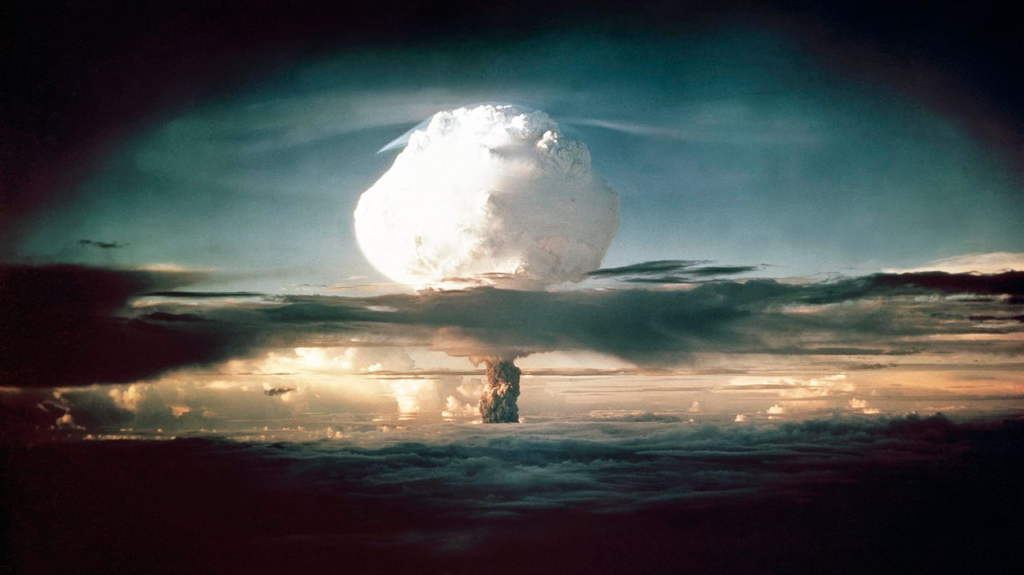
1952 නොවැම්බර් 1 වන දින මාෂල් දූපත් වල එනෙවෙටැක් අටෝල් මත ලොව ප්‍රථම තාප න්‍යෂ්ටික උපාංගයක් (හයිඩ්‍රජන් බෝම්බයක්) අත්හදා බැලීමෙන් පසු හතු වලාකුළ.[AP ඡායාරූපය/ලොස් ඇලමොස් ජාතික රසායනාගාරය]

තුන්වන ලෝක යුද්ධය සඳහා වන සූදානම සීමා කරන ඉතිරිව ඇති සියලුම ආරක්ෂක වැටවල් ඉවත් කිරීම සදහා  එක්සත් ජනපදය ගත් නවතම පියවර ලෙස, බ්‍රහස්පතින්දා(29), ජනාධිපති ඩොනල්ඩ් ට්‍රම්ප් එක්සත් ජනපද න්‍යෂ්ටික අවි අත්හදා බැලීම් නැවත ආරම්භ කරන බව නිවේදනය කලේය. ලෝකයේ සියලුම රටවල් නිල වශයෙන් න්‍යෂ්ටික අත්හදා බැලීම් තහනම් කර තිබියදී, මෙම පියවර මගින් එක්සත් ජනපදය මෙම ක්‍රියාවට ඉඩ දෙන ලෝකයේ එකම රට බවට පත්වේ.

මාරාන්තික විකිරණ වායුගෝලයට විසුරුවා හැරීම සහ භූගත ජලය දූෂණය කිරීමට අමතරව, න්‍යෂ්ටික අත්හදා බැලීම්, වැරදි ගණනය කිරීම් හෝ හිතාමතා ප්‍රකෝප කිරීම් හරහා හෝ න්‍යෂ්ටික යුද්ධයක හැකියාව පුළුල් කරන දැවැන්ත යුද උන්මාදී ක්‍රියාවක් ලෙස විශ්වීය වශයෙන් වටහාගෙන ඇත.

කියුබානු මිසයිල අර්බුදයේදී එක්සත් ජනපදය සහ සෝවියට් සංගමය න්‍යෂ්ටික යුද්ධයක අද්දරට පැමිණ වසරකට පසු, 1963 දී, කෙනඩි පරිපාලනය අර්ධ න්‍යෂ්ටික පරීක්ෂණ තහනම් ගිවිසුම (Partial Nuclear Test Ban Treaty) සාකච්ඡා කළ අතර, එමඟින් භූගතව සිදු කරන ලද ඒවා හැර අනෙකුත් සියලුම න්‍යෂ්ටික අත්හදා බැලීම් තහනම් කරන ලදී. 1992 දී, සෝවියට් සංගමය විසුරුවා හැරීමෙන් පසුව, ජනාධිපති ජෝර්ජ් එච්.ඩබ්ලිව්. බුෂ් න්‍යෂ්ටික අත්හදා බැලීම් සඳහා ඒකපාර්ශ්වික තහනමක් ප්‍රකාශයට පත් කළේය.

අත්හදා බැලීම් තහනම් කිරීමට පෙර දශක කිහිපය තුළ, න්‍යෂ්ටික පිපිරීම් 2,000 කට වඩා සිදු කරනු ලැබ ඇති අතර, ඉන් අඩකට වඩා සිදු කරන ලද්දේ එක්සත් ජනපදය විසිනි. මෙම පරීක්ෂණ ඇමරිකානු බටහිර ඇතුළත සහ දකුණු පැසිෆික් කලාපය පුරා ප්‍රජාවන් රෝගාතුර කළ අතර මුළු ප්‍රදේශම ජනාවාස කළ නොහැකි තත්ත්වයට පත් කළේය.

ට්‍රම්ප් මෙම නිවේදනය නිකුත් කළේ, දැනට ක්‍රියාත්මක වන ඇමරිකානු-චීන වෙළඳ යුද්ධය පිළිබඳව දකුණු කොරියාවේ සාකච්ඡා සඳහා චීන ජනාධිපති ෂී ජින්පින් හමුවීමට ටික වේලාවකට පෙරය. ට්‍රම්ප් ඇමරිකානු න්‍යෂ්ටික අවි ගබඩාව ලෝක වේදිකාවේ ඇමරිකානු අධිරාජ්‍යවාදයේ කොල්ලකාරී අවශ්‍යතා සුරක්ෂිත කිරීමේ මාධ්‍යයක් ලෙස භාවිතා කලේ, න්‍යෂ්ටික යුද්ධය හරහා සමූලඝාතනය කිරීමේ තර්ජනය මානව වර්ගයාගේ හිසට ඉහළින් ලෙලවමිනි.

ලොව විශාලතම න්‍යෂ්ටික වැඩසටහන එක්සත් ජනපදය සතුව ඇති අතර, රුසියාව සහ චීනය එක්ව වැය කරන මුදල මෙන් දෙගුණයක් න්‍යෂ්ටික අවි සඳහා වැය කරයි. දෙවන ලෝක යුද්ධය අවසානයේ සෝවියට් සංගමයට තර්ජනය කිරීම සඳහා හිරෝෂිමා සහ නාගසාකි හි අනාරක්ෂිත ජනගහනය සමූලඝාතනය කරමින් න්‍යෂ්ටික අවි භාවිතා කළ එකම රට ද එක්සත් ජනපදයයි.

ට්‍රම්ප්ගේ නිවේදනය වාර්තා කිරීමේදී, එක්සත් ජනපද මාධ්‍ය එයට කිසිදු ඓතිහාසික සන්දර්භයක් හෝ පූර්වගාමීත්වයක් ඉදිරිපත් කිරීමට අපොහොසත් වී ඇත. එහෙත්, එම නිවේදනය හුදෙක් ක්ෂණික සිතුවිල්ලක් වීමට වඩා වෙනස්ව, අවම වශයෙන් 2020 සිට එක්සත් ජනපද හමුදා සැලසුම්කරුවන් න්‍යෂ්ටික අත්හදා බැලීම් නැවත ආරම්භ කිරීම පිළිබඳව ක්‍රියාකාරීව සාකච්ඡා කරමින් සිට ඇත.

මෙම පියවර නිවේදනය කරමින් ට්‍රම්ප් විසින්ම කරන ලද සටහන, එය පැහැදිලිවම එක්සත් ජනපද න්‍යෂ්ටික අවි ගබඩාව වසර ගණනාවක් තිස්සේ ගොඩනැගීමේ සන්දර්භය තුළ තැබීය. ඔහු ලිවීය, “වෙනත් කිසිදු රටකට වඩා එක්සත් ජනපදය සතුව න්‍යෂ්ටික අවි තිබේ. පැවති ආයුධ සම්පූර්ණයෙන් යාවත්කාලීන කිරීම සහ ප්‍රතිසංස්කරණය කිරීම ඇතුළුව මෙය සාක්ෂාත් කර ගන්නා ලද්දේ මගේ පළමු ධුර කාලය තුළයි.”

“ඊට සමාන පදනමකින් අපගේ න්‍යෂ්ටික අවි අත්හදා බැලීම ආරම්භ කරන ලෙස මම යුද දෙපාර්තමේන්තුවට උපදෙස් දී තිබෙනවා. එම ක්‍රියාවලිය වහාම ආරම්භ වේවි”, ඔහු තවදුරටත් පැවසීය.

කෙසේ වෙතත්, ට්‍රම්ප්ගේ සටහන පැවසුවේ කතාවේ කොටසක් පමණකි . ඔහු පුරසාරම් දෙඩූ න්‍යෂ්ටික ගොඩනැගීම ඇත්ත වශයෙන්ම ඔබාමා පරිපාලනය යටතේ ආරම්භ කරන ලද අතර එය ට්‍රම්ප්ගේ පළමු ධුර කාලය තුළ, බයිඩන්ගේ ධුර කාලය තුළ සහ දැන් දෙවන ට්‍රම්ප් ධුර කාලය තුළ ද අඛන්ඩව ක්‍රියාත්මක විය. ඇමරිකානු ජනගහනයෙන් අතිමහත් බහුතරයක් නොදන්නා මෙම න්‍යෂ්ටික ගොඩනැගීම, ඩොලර් ට්‍රිලියන 1 කට වඩා වැඩි වියදමක් දරමින්  පූර්ණ ද්විපාර්ශ්වික (ඩිමොක්‍රටික් සහ රිපබ්ලිකන් පක්ෂවල) සහයෝගය ඇතිව දිගටම පැවතුනි.

වසරකට පෙර, නිව් යෝර්ක් ටයිම්ස් “චංචල නව න්‍යෂ්ටික යුගයක් සඳහා නවීන අවි ගබඩාවක්” නිර්මාණය කිරීම හරහා “ඇමරිකාව නැවතත් න්‍යෂ්ටික බවට පත් කිරීම” සඳහා කැප වූ රහස් සැලැස්ම පිළිබඳ පුළුල් විශේෂාංග ප්‍රවෘත්තියක් ප්‍රකාශයට පත් කරන ලදී.

“ඔබ සබ්මැරීන වෑල්ඩින් කරන හෝ මිසයිල කටාරම් හාරා ඇති ස්ථානයක ජීවත් නොවන්නේ නම්, එය සිදුවන බව ඔබ නොදැන සිටීමට බොහෝ අවස්ථාවක් තිබේ,”ටයිම්ස් ලිවීය. “කොංග්‍රස් මණ්ඩල විභාග සහ මූලෝපා පත්‍රිකා වල හැර, සැලැස්ම ගැන හෝ වියදම් කරන  අති විශාල මුදල ගැන, ෆෙඩරල් රජය ප්‍රසිද්ධියේ  එතරම් කතා කර නැත. සැලකිය යුතු විවාදයක් සිදුවී නොමැත. ඩොලර් බිලියන ගණන් වල  වැඩසටහන් රේඩාර් වලට  යටින්  ගමන් කරයි.”

එම ලිපිය ප්‍රකාශයට පත් කිරීමෙන් පසු වසර තුළ, දැවැන්ත එක්සත් ජනපද න්‍යෂ්ටික ගොඩනැගීම සහ ඒ වටා ඇති නිහඬතාවයේ කුමන්ත්‍රණය යන දෙකම අඛණ්ඩව පැවත ඇත. දෙසැම්බර් මාසයේදී, න්‍යෂ්ටික නවීකරණ උත්සාහයන් සඳහා වාර්තාගත අරමුදල් සම්පාදනයක් හා මානව ඉතිහාසයේ ඕනෑම රටක විශාලතම මිලිටරි අයවැය ද වන ඩොලර් බිලියන 895 ක ජාතික ආරක්ෂක බලය පැවරීමේ පනත (NDAA) කොංග්‍රසය අනුමත කළේය.

ජනවාරි මාසයේදී ට්‍රම්ප් නිවේදනය කළේ එක්සත් ජනපදය “අති නවීන යකඩ මිසයිල ආරක්ෂක පලිහක් (Iron Dome) ඉදිකිරීම වහාම ආරම්භ කරන” බවයි. එහෙත්, ආරක්ෂක පියවරක් වීමට විපරීතව, මිසයිල පලිහ එක්සත් ජනපදය පළිගැනීමේ ක්‍රියාවන්ගෙන් ආරක්ෂා කරනු ඇතැයි  අපේක්ෂා කරන බැවින්, මෙම ඊනියා “ගෝල්ඩන් ඩෝමය” ධවල මන්දිරය පූර්ව-භංග න්‍යෂ්ටික පළමු ප්‍රහාරයකින් අනෙකුත් රටවලට තර්ජනය කිරීමට දිරිගන්වනු ඇත.

එක්සත් ජනපදයේ අඛණ්ඩ න්‍යෂ්ටික ගොඩනැගීමේ කොටසක් ලෙස, ට්‍රම්ප් පරිපාලනය න්‍යෂ්ටික අවි භාවිතය සඳහා ඇති සියලු සීමාවන් ඉවත් කිරීමට උත්සාහ කර ඇත. වඩාත්ම කැපී පෙනෙන දෙය නම්, 2019 අගෝස්තු මාසයේදී–නැවතත්, ට්‍රම්ප් යටතේම–එක්සත් ජනපදය අතරමැදි පරාස න්‍යෂ්ටික බලකා (INF) ගිවිසුමෙන් ඉවත් වීමයි.

2018 ඔක්තෝම්බර් මාසයේදී ට්‍රම්ප් විසින් එක්සත් ජනපදය INF ගිවිසුමෙන් ඉවත් වන බවට කළ නිවේදනයට ප්‍රතිචාර වශයෙන්, රුසියානු ජනාධිපති ව්ලැඩිමීර් පුටින් ප්‍රකාශ කළේ, පොසයිඩන් ලෙස හඳුන්වන දිය යට ඩ්‍රෝන යානයක් සහ බුරෙවෙස්ට්නික් ලෙස හඳුන්වන නව දිගු දුර කෲස් මිසයිලයක් ඇතුළුව නව න්‍යෂ්ටික  (ප්‍රහාර) සැපයුම්  යාන්ත්‍රණ මාලාවක් සංවර්ධනය කිරීම රුසියාව ආරම්භ කරන බවයි.

රුසියාව මෑතකදී එකී පද්ධති දෙකෙහිම න්‍යෂ්ටික අවි නොවන බෙදාහැරීමේ  (ප්‍රහාර)  යාන්ත්‍රණයන් පිළිබඳ පරීක්ෂණ සිදු කළ අතර, එය දිගු කලක් තිස්සේ සැලසුම් කර තිබූ සහ දිගු කලක් සාකච්ඡා කරන ලද එක්සත් ජනපද න්‍යෂ්ටික අත්හදා බැලීම් නැවත ආරම්භ කිරීම නිවේදනය කිරීම සඳහා ට්‍රම්ප් විසින් ප්‍රයෝජනයට ගන්නා ලදී.

INF ගිවිසුමෙන් ඉවත් වීමෙන් පසුව, එක්සත් ජනපදය ගිවිසුම යටතේ කලින් තහනම් කරන ලද න්‍යෂ්ටික අවි, රුසියාවට සහ චීනයට පහර දිය හැකි ස්ථානවල ස්ථානගත කිරීමට පියවර ගෙන තිබේ. පෙන්ටගනය එහි ඉලක්ක ගත ප්‍රහාරක මිසයිලයේ (Precision Strike Missile) පරාසය පුළුල් කර ඇති අතර SLCM-N ලෙස හඳුන්වන නව න්‍යෂ්ටික සන්නද්ධ, මුහුදේ දියත් කරන කෲස් මිසයිලයක් සංවර්ධනය කිරීම සඳහා ඩොලර් මිලියන සිය ගණනක් වැය කර ඇත.

INF ගිවිසුම යටතේ කලින් තහනම් කරන ලද බැලස්ටික් සහ කෲස් මිසයිල සංවර්ධනය කිරීම, රුසියාවේ ගැඹුරු අභ්‍යන්තරයට  නේටෝ නියෝජිත වන  යුක්රේනයේ සෘජු ප්‍රහාර උත්සන්න කිරීම සමඟ ඒකාබද්ධ වී ඇත. මෙම මාසයේ, වෝල් ස්ට්‍රීට් ජර්නලය,“බටහිර සහචරයින් විසින් සපයන ලද සමහර  දිගු දුර මිසයිල යුක්රේනය භාවිතා කිරීම සඳහා පනවා තිබූ ප්‍රධාන සීමාවක් ට්‍රම්ප් පරිපාලනය ඉවත් කර ඇත” යනුවෙන් වාර්තා කල අතර, ඒ අනුව මේ මාසයේ දකුණු රුසියාවේ බ්‍රයන්ස්ක් නගරයට එක්සත් රාජධානිය විසින් සපයන ලද ස්ටෝම් ෂැඩෝ මිසයිල භාවිතා කරමින් ප්‍රහාරයක් එල්ල විය.

මේ මස මුලදී, ට්‍රම්ප් තහවුරු කළේ යුක්රේනයට ටොමාහෝක් මිසයිල යැවීම ගැන සලකා බලන බවයි. ට්‍රම්ප්ගේ තර්ජනයට ප්‍රතිචාර දක්වමින් හිටපු රුසියානු ජනාධිපති දිමිත්‍රි මෙඩ්විඩෙව් නිරීක්ෂණය කළේ, “ගුවනේදී න්‍යෂ්ටික ටොමාහෝක් මිසයිලයක් සාම්ප්‍රදායික එවැන්නකින්  වෙන්කර හඳුනා ගැනීමට නොහැකි” බවයි. ටොම්හෝක් මිසයිලවලට දිගු කලක් තිස්සේ න්‍යෂ්ටික යුධ ශීර්ෂ රැගෙන යාමේ හැකියාව තිබුණි.

රුසියානු සහ චීන දේශසීමා වල කෙටි දුර න්‍යෂ්ටික අවි ස්ථානගත කිරීම, නේටෝව විසින් සපයන ලද දිගු දුර අවි රුසියානු නගරවලට ප්‍රහාර එල්ල කිරීම සඳහා උසි ගැන්වීම සහ න්‍යෂ්ටික අත්හදා බැලීම් නැවත ආරම්භ කිරීම යන මේවා අතර, මුළු ලෝකයම න්‍යෂ්ටික යුද්ධයක කොකා ගස්සන කෙස් ගසක අද්දරට ගෙන යනු ඇත.

නේටෝවේ අර්ධ-නිල සහචර යුක්රේනයෙන් “සාම්ප්‍රදායික” මිසයිලයක් වෙඩි තබන ඕනෑම අවස්ථාවක, නැතහොත්,  ඊනියා ” වියරු මිනිසා න්‍යායේ” ලොව ප්‍රමුඛතම වෘත්තිකයා වන ට්‍රම්ප් විසින් නියෝග කරන ලද එක්සත් ජනපදයේ අනපේක්ෂිත න්‍යෂ්ටික අත්හදා බැලීමක් සිදු කරන සෑම අවස්ථාවකම රුසියාවේ සහ චීනයේ සැලසුම්කරුවන් තමන්ගෙන්ම මෙසේ අසනු ඇත: “අපි න්‍යෂ්ටික ප්‍රහාරයකට ලක්ව සිටිත්ද?”

රුසියාව සහ චීනය යටපත් කර ගැනීම සඳහා ගණන් බලමින් එක්සත් ජනපදය අවදානම් සීමාවට යෑම,  අසීමාන්තික ප්‍රතිවිපාක සහිත දැවැන්ත යුද උත්සන්නියේ සර්පිලයක් අවුලුවාලිය හැකිය.

අධිරාජ්‍යවාදී මිලිටරිවාදයේ නැගීම එක්සත් ජනපදයේ කම්කරු පන්තියට එල්ල වන ප්‍රහාරය සමඟ වෙන්කළ නොහැකි සේ බැඳී පවතී. එක්සත් ජනපදය න්‍යෂ්ටික අත්හදා බැලීම් නැවත ආරම්භ කරන බවට ට්‍රම්ප් කළ නිවේදනය, ආහාර මුද්දර සඳහා අරමුදල් සැපයීම අවසන් කිරීමට නියමිත දින කිහිපයකට පෙර පැමිණ ඇති අතර, එමඟින් ස්තුති දීමේ නිවාඩුවට (Thanksgiving) සහ නත්තල් නිවාඩුවට ආසන්න පෙරාතුවේ  ඇමරිකානුවන් දස මිලියන සංඛ්‍යාත පිරිසකට අත්‍යවශ්‍ය ජීවනාලියක් අහිමි කෙරේ.

මේ දෙක අතර සෘජු සම්බන්ධයක් තිබේ. මෙම මාසයේ ප්‍රකාශයට පත් කරන ලද ප්‍රකාශයක, ඩිමොක්‍රටික් පක්ෂයට පක්ෂපාත බෲකින්ස් ආයතනය, ඩිමොක්‍රටික් සහ රිපබ්ලිකන් පක්ෂ දෙකෙන්ම සහාය දක්වන ප්‍රතිපත්තියක් වෙනුවෙන් කතා කරමින්, “යොදා ගත හැකි සියලුම රාජ්‍ය සහ පෞද්ගලික මෙවලම් උපයෝගී කර ගන්නා ඔරොත්තු දීමේ සමස්ත සමාජ මූලෝපායක්: පූර්ණ යුද්ධ යුගයක් සඳහා පූර්ණ ආරක්ෂාව” ඉල්ලා සිටියේය.

දෙවන ලෝක යුද්ධ සමයේදී ජර්මානු හමුදා නායකත්වය විසින් පුරෝගාමී කරන ලද්දා වූ සහ නාසි පාලන තන්ත්‍රය යටතේ රාජ්‍ය මූලධර්මය ලෙස දිගටම පැවතියා වූ “පූර්ණ යුද්ධයේ” මූලධර්මය, ජාතික මිලිටරි සාර්ථකත්වයේ නාමයෙන් කම්කරු පන්තියෙන් “කැපකිරීම” ඉල්ලා සිටිමින්, සමස්ත සමාජයම යුධ ප්‍රයත්නයට යටත් කරන ලදී.

“පූර්ණ යුද්ධයේ” මූලධර්මය යටතේ, නාසි ජර්මනියේ නායකයින් නැගෙනහිර යුරෝපය පුරා සමූලඝාතන යුද්ධයක් දියත් කළාක් මෙන් නිසැකවම ජර්මනියේ මහජනතාව මත ව්‍යසනයක් ගෙන ආහ. දැන්, සමස්තයක් ලෙස ඇමරිකානු කතිපයාධිකාරය වෙනුවෙන් කතා කරන ට්‍රම්ප්, නාසි තන්ත්‍රය, එක්සත් ජනපදයේ ඒකාධිපතිත්වයට පමණක් නොව, ලොව පුරා මිලිටරි ප්‍රචණ්ඩත්වයට ආදර්ශයක් ලෙස දකී.

පාලක පන්තිය, තම රට තුළ කම්කරු පන්තියට එල්ල කරන ප්‍රහාරය විදේශයන්හි මිලිටරි උත්සන්න කිරීම සමඟ බද්ධ කරයි. කම්කරු පන්තිය තම සමාජ හා ආර්ථික අයිතීන් ආරක්ෂා කිරීම අධිරාජ්‍යවාදී යුද්ධයට එරෙහි අරගලය සමඟ ඒකාබද්ධ කිරීමෙන් ප්‍රතිචාර දැක්විය යුතුය. මෙම මස මුලදී පැවති “රජුන් එපා” රැලිය ට්‍රම්ප් පරිපාලනයේ ඒකාධිපතිත්වය සහ කප්පාදු ප්‍රතිපත්තිවලට මහා ජන විරෝධයක් පවතින බව පෙන්නුම් කළේය. අධිරාජ්‍යවාදී යුද්ධයට එරෙහි සටන ධනවාදයට එරෙහි සහ සමාජවාදය සඳහා වන සටනට බද්ධ කරන කම්කරු පන්තියේ ව්‍යාපාරයක් ලෙස මෙම විරුද්ධත්වය වර්ධනය කළ යුතුය.

ට්‍රම්ප් එක්සත් ජනපද න්‍යෂ්ටික අවි අත්හදා බැලීම් නැවත ආරම්භ කරන බව නිවේදනය කරයි Read More »

Webina

Nazism, big business and the working class: Historical experience and political lessons

This webinar was originally published in the World Socialist Web Site on 21 October 2025.

Nazism, big business and the working class: Historical experience and political lessons

On October 16, 2025, the World Socialist Web Site (WSWS) hosted a webinar examining the historical relationship between Nazism, big business and the working class—a discussion with urgent contemporary relevance. 

The discussion was chaired by David North, chairperson of the International Editorial Board of the WSWS and of the Socialist Equality Party in the United States. He was joined by three distinguished historians: David Abraham, professor emeritus of law at the University of Miami and author of The Collapse of the Weimar Republic: Political Economy and Crisis; Jacques Pauwels, Canadian historian and author of Big Business and Hitler; and Mario Kessler, senior fellow at the Centre for Contemporary History in Potsdam, Germany, whose scholarship focuses on the German Communist Party and European labor movements.

The webinar opened with North recounting the vicious academic campaign that destroyed Abraham’s career as a historian in the 1980s. After publishing his Marxist analysis of how conflicts within German capitalism facilitated Hitler’s rise, Abraham faced attacks from conservative historians Gerald Feldman and Henry Ashby Turner, who accused him of fraud. Abraham explained that the attack stemmed from “ideological animus, personal pique, and intellectual know-nothingism.”

In the discussion, Jacques Pauwels attacked the claim that Hitler’s rise was accidental or unconnected to capitalist interests. “Hitler’s so-called capture of power was merely a transfer or surrender of power,” he stated. “Without the financial and other support of industry and finance, in other words, big business, the rest of the German power elite, Hitler could never have risen to supremacy.” Pauwels described fascism as “the stick of capitalism, not to be used at all times, but certainly always ready behind the door.”

Mario Kessler addressed Hitler’s mobilization of the middle classes while preventing their left-wing radicalization toward socialism. He noted that the Nazi Party “never succeeded in making consistent inroads into the working class” and “never achieved an absolute majority of the votes” in any Weimar election. Hitler’s function was to “collect the votes of the unemployed people, the resentment of all who considered themselves losers of what was called the system.” Kessler stressed that “before Hitler and the German fascists could annihilate the Jews, they had to destroy the German and European labor movement.”

Pauwels demolished the myth that Hitler improved workers’ living conditions, documenting how “the German workers’ real wages fell dramatically under Nazi rule while corporate profits soared.” He revealed that work accidents and illnesses increased from 930,000 cases in 1933 to 2.2 million in 1939, calling Nazi policy “a high profit, low wage kind of policy.” The first concentration camp at Dachau was established not primarily for Jews but because “regular prisons were full of political prisoners, mostly social democrats and communists.”

The discussion then turned to contemporary parallels. North drew explicit connections between Weimar’s collapse and America’s current trajectory under the fascistic Trump administration, noting gold’s rise from $35 per ounce in 1971 to over $4,000 today as an “objective indication of a real crisis of the American economic system.” Abraham described the emerging alliance of “old right-wingers in the fossil fuel industry” with “anarcho-libertarians” from Silicon Valley, noting that Peter Thiel recently gave lectures invoking Carl Schmitt, the Nazi legal theorist, while identifying workers, leftists, minorities, and environmentalists as civilization’s “blockage,” which Abraham described as “a kind of new Judeo-Bolsheviks.”

North posed a critical question: “Do objective conditions create the possibility for a revolutionary orientation? Is fascism inevitable?” He argued that the same contradictions driving reaction also create revolutionary potential, citing how World War I produced both catastrophe and the October Revolution.

Christoph Vandreier, chairman of the Sozialistische Gleichheitspartei in Germany, addressed the rehabilitation of Hitler and the Nazis within German academia. He described how historian Jörg Baberowski declared in Der Spiegel that “Hitler was not cruel” and “was not a psychopath,” claiming the Holocaust “was not essentially different from shootings during the civil war in Russia.” Vandreier noted that “Baberowski was supported by almost the entire academia in Germany” and that such positions “are part of the mainstream” today, coinciding with Germany’s trillion-euro rearmament program.

The historians agreed that the struggle against historical falsification is inseparable from political struggle. Pauwels emphasized that “history is subversive” and that “the powers that be don’t really want us to know how we got into this trouble.” Abraham noted a modest revival of political economy studies after decades in which “the right captured Washington, the left captured the English department.”

North concluded by emphasizing the persistence of the same fundamental contradictions: “We are not only talking about the past, but we’re really discussing the present. The same issues, the same social forces are present today.” He predicted an “explosive turn by the working class and the most advanced sections of young people and workers toward Marxism, which is the only theoretical framework for which one can understand objective reality and on that basis build a revolutionary movement.”

Links to purchase literature from Mehring Books:

Nazism, big business and the working class: Historical experience and political lessons Read More »

Doing a

Former Kenyan prime minister Raila Odinga dies aged 80

By Kipchumba Ochieng.

This article was originally published in the World Socialist Web Site on 16 October 2025.

Few figures have done more to derail and contain the revolutionary strivings of Kenya’s oppressed masses than Raila Odinga. His death on Wednesday ends the long political career of a man who, for more than four decades, served as a central pillar of capitalist rule and imperialist domination in Kenya. Whether as opposition leader, cabinet minister, or prime minister, Odinga played the role of political fixer, channelling mass protests against inequality, corruption, and repression into the dead end of constitutional reform and imperialist-backed “national unity” coalitions.

Born in 1945 in Maseno, western Kenya, Odinga was the son of Jaramogi Oginga Odinga, Kenya’s first vice president after independence and a co-founder of the Kenya African National Union (KANU) alongside Jomo Kenyatta, the country’s first president. KANU struck a deal with British imperialism and ruled a de facto one-party state for over three decades.

Doing a
Raila Odinga in 2012 [Photo by CSIS / Flickr / CC BY-NC-SA 2.0]

In the early years after political independence, Jaramogi Odinga emerged as the leading figure of KANU’s left wing. Amid mass support for socialism among workers and the rural masses, Odinga sought to secure a base, advancing a programme of state-driven capitalist economic development within the national boundaries imposed by colonialism, the seizure of European settler farms without compensation and the rapid Africanisation of the civil service and public-sector jobs, as he explained in his book Not Yet Uhuru [Not Yet Freedom] (1967). These were measures to be carried out by a capitalist government leveraging close ties with the counterrevolutionary Soviet bureaucracy, not by the working class in alliance with the rural masses. 

Kenyatta crushed this opposition, banning Odinga’s attempts to launch a new party, the Kenya People’s Union (KPU), and placing Odinga under house arrest.

In the decades after independence, Kenya’s new elite enriched itself through vast land grabs financed by Western loans, buying up former settler estates at the expense of the rural poor while looting state resources and deepening military and economic ties with British and American imperialism that continue to this day. As with other post-colonial African independence governments, Kenya’s experience exposed the organic incapacity of Africa’s bourgeois nationalists to realise the aspirations of the African masses for freedom from foreign domination, democracy, and social justice.

Raila Odinga’s political ascent was built on his father’s legacy as the nominal left opposition to Kenyatta and his successor Daniel arap Moi. Educated in Stalinist East Germany as a mechanical engineer, he returned to a Kenya that his father had helped build to join the ranks of the new ruling class, expanding the family’s business empire in energy, construction, and media. By the time of his death, his fortune was estimated at between $1.2 and $3.3 billion, placing him among the richest 0.1 percent of Kenyans—an oligarchic layer of roughly 8,300 individuals who, according to Oxfam, own more wealth than the bottom 99.9 percent combined. This obscene inequality epitomises the class gulf between Odinga and the millions he claimed to represent.

Odinga under Moi and Kibaki

Odinga’s political career began in the 1980s after his arrest following the failed 1982 coup attempt against Moi’s regime. He spent nearly eight years in detention, during which he was beaten, denied medical care, and subjected to psychological torture that left him with lasting speech difficulties. Upon his release, he re-emerged in the 1990s as a leading figure in the bourgeois opposition to Moi’s dictatorship, the “Second Liberation” movement. Alongside Kenneth Matiba and Charles Rubia, Odinga campaigned for the restoration of multi-party democracy, channelling growing popular anger against the regime into a struggle for limited constitutional reforms within the framework of capitalism.

Odinga’s role as leader of the opposition was boosted by what passed as the leading underground left-wing opposition to the regime, the Maoist Mwakenya. With its two-stage theory of first reinstalling capitalist democracy, postponing indefinitely the struggle for socialism, it helped funnel opposition into Odinga’s camp. It called for “all progressive democratic and patriotic political organisations, workers trade unions, peasant cooperatives, professional bodies, religious organizations, student societies, the business community, welfare and other nongovernmental interest groups to unite in a single force of action to pressure Moi to resign.” Many of its members, including future Chief Justice Willy Mutunga, became key Odinga allies.

Facing mounting unrest and pressure from Washington, long his backer but now fearful of a genuine popular uprising, Moi was forced to repeal the constitutional ban on opposition parties, paving the way for Kenya’s first multi-party elections in 1992.

By the late 1990s, Odinga had reconciled with the regime and merged his National Development Party (NDP) with Moi’s deeply unpopular KANU after contesting the 1997 elections. He went on to serve as Moi’s Minister of Energy, marking his entry into the state apparatus. 

In 2002, as social opposition to Moi intensified, Odinga left Moi’s government and joined a coalition of anti-Moi bourgeois parties led by Mwai Kibaki, Moi’s former minister of finance. With Kibaki ill during the campaign, Odinga effectively led the election effort that ended Moi’s 24-year rule. However, after the victory, Kibaki sidelined him, denying Odinga and his allies the senior positions they had been promised. Given the post of Minister for Roads, Odinga soon fell out with Kibaki, whose government, like Moi’s before it, unleashed brutal police violence—including the extrajudicial killing of an estimated 8,000 mostly young men. 

Out of power, Odinga continued as the main opposition figurehead, while making it clear he was virulently opposed to socialism. In his autobiography, The Flame of Freedom (2013), he recounted how, ahead of the 2007 elections:

Because of my father’s and my longstanding support for equitable distribution of national resources, I had often been accused of being left-wing anti-capitalist (the latter a strange misconception about a man who, like his father before him, had long been involved in private enterprise). It was said that, as president, I would reverse some privatisations and make radical changes to the Kenyan stock market. The latter probably also had a connection with the charge I had made that the extensive profits from illegal drug-dealing had been ploughed into the national bourse [stock market]. In mid-October, I visited the Nairobi Stock Exchange to offer assurances of my support for its continued activities.

The “Grand Coalition” with Kibaki and alliance with Kenyatta

The 2007 elections marked the peak of Odinga’s political influence and the most violent crisis of Kenya’s post-independence history. Running as the main opposition candidate against incumbent Kibaki, Odinga appeared poised for victory until widespread electoral fraud secured Kibaki a self-declared win. Odinga called for mass demonstrations, and his supporters, largely drawn from Kenya’s working-class and impoverished layers in the slums and rural areas, poured into the streets. 

The regime responded with brutal repression. Ethnic violence, stoked by both ruling factions, engulfed the country, leaving more than 1,300 people dead and over 650,000 displaced. William Ruto, now Kenya’s president but then an ally of Odinga, played a criminal role in fomenting ethnic clashes for which he was later indicted by the International Criminal Court.

Odinga, fearing that the mass opposition might break out of his control and advised by Washington, entered into a US-brokered power-sharing agreement with Kibaki in 2008, becoming prime minister in a “Grand Coalition” government. The imperialist powers hailed the deal as a model of “stability.” It was designed to preserve Kenya’s role as a key regional base for Western military and financial interests.

During his five years as prime minister (2008–2013), Odinga demonstrated his loyalty to imperialism. His government backed US-led military interventions in Somalia under the banner of the “war on terror,” and supported France’s 2011 invasion of Ivory Coast. Domestically, his administration helped push through the 2010 Constitution, drafted under US and British guidance, as a mechanism to contain mass anger and restore confidence in the capitalist order after the post-election bloodshed of 2007.

In 2013, Odinga lost to Uhuru Kenyatta, son of the country’s first president. As disillusionment with the political establishment deepened, Odinga’s role as a “progressive” alternative was shown to be a fraud. When the 2017 elections were again marred by corruption and saw the killing of over 100 protesters, he briefly postured as leading a “people’s resistance movement.” But in early 2018, he abruptly reconciled with Kenyatta in the so-called “Handshake,” presenting the pact as a step toward “national unity.”

By the time of the 2022 election, Odinga had openly transformed into capitalist political fixer par excellence. Backed by Kenyatta, Kenya’s richest man whose family owns a multi-billion-dollar business empire, he faced Ruto, a former ally who exploited popular anger with a populist “bottom-up” campaign and by presenting himself as an outsider—despite being the sitting deputy president. Ruto’s slim victory reflected widespread hostility to Kenya’s political dynasties, including Odinga. 

Once elected, Ruto violently turned against the working class, as the economic crisis facing the country deepened, particularly soaring costs of living intensified by the NATO-Russia war in Ukraine and the COVID-19 pandemic. In 2023, Ruto imposed the first round of an IMF austerity programme, sparking mass protests. Odinga once again sought to channel mass discontent. He called intermittent protests against the austerity-driven Finance Bill 2023, only to suspend them when they began to merge with broader strikes by teachers, doctors, and civil servants. Dozens of his supporters were gunned down.

Odinga and Ruto versus the Kenyan working class and youth

Just when Odinga believed he had successfully contained social unrest, the Gen-Z uprising of mid-2024 erupted against the entire Kenyan political establishment. What began as protests against President Ruto’s IMF-dictated Finance Bill 2024—imposing sweeping taxes on fuel, bread, cooking oil, and digital services—quickly developed into a nationwide rebellion against the whole post-independence capitalist order. Unlike previous mobilisations, this movement arose entirely outside Odinga’s control. On June 25, protesters stormed parliament, and in the brutal crackdown that followed more than 60 people were killed, thousands arrested, and dozens abducted.

While he publicly voiced sympathy for the protests, Odinga was privately negotiating with Ruto on how to defuse them. Soon after, he integrated his Orange Democratic Movement into Ruto’s administration to form the current “broad-based” government, providing a political cover for the regime to push ahead with its IMF austerity agenda and consolidate a police-state dictatorship. Odinga then moved to co-opt self-styled Gen Z “leaders” into the regime’s orbit. 

The result was a de facto parliamentary dictatorship, lacking even a nominal opposition. It soon escalated bloody repression. Last July, as hundreds of thousands took to the streets, security forces killed 57 demonstrators and injured more than 600 in one of the worst massacres perpetrated by the Kenyan ruling class in decades.

Nothing could better expose the rottenness of Odinga than his death being used by the current Ruto regime to impose austerity and police-state measures. Barely had the ink dried on Odinga’s death certificate, with the media providing wall-to-wall obituaries hailing his democratic credentials, than Ruto decided to sign into law eight deeply authoritarian and anti-working-class bills.

These include the Privatisation Bill 2025, which allows the government to sell off state-owned enterprises without parliamentary approval; the Computer Misuse and Cybercrimes (Amendment) Bill 2024, granting sweeping powers to police and intelligence agencies to monitor, censor, and shut down online platforms; and the National Police Service Commission (Amendment) Bill 2024, further expanding executive control over the security apparatus.

Other laws include the National Land Commission (Amendment) and Land (Amendment) Bills, centralizing decision-making authority in Nairobi, weakening local land protections to allow more land looting by Ruto’s entourage, while the Air Passenger Service Charge (Amendment) and Virtual Asset Service Providers Bill impose new levies.

In one of his final interviews with the Sunday Nation, Odinga drew a parallel between Kenya’s youth revolt and the Egyptian Revolution of 2011, which toppled Hosni Mubarak. He recalled being “the last international leader hosted by Mubarak” before the dictator’s fall, remarking that even regimes that seem strong can collapse within weeks. Odinga’s message was a warning to the ruling elite that uncontained popular uprisings threaten the entire capitalist order.

The real lesson of Egypt, and of Kenya today, is that bourgeois “opposition” figures like Odinga, posing as champions of democracy, play the decisive role in strangling revolutionary movements and paving the way for renewed repression, austerity, and military rule. Odinga died at 80 in a private hospital for the wealthy in Koothattukulam, India, where he had been flown for specialist treatment. Like the rest of Kenya’s ruling elite, he sought medical care abroad while the country’s public health system, ravaged by decades of corruption, privatisation, and IMF-imposed austerity, lies in ruins.

Odinga’s death comes amid a new wave of social upheaval across the world, from PeruNepal, and Bangladesh to Madagascar, MoroccoMozambique, and Angola, driven by soaring prices, mass unemployment, IMF austerity and opposition to war and genocide. These movements express the mounting anger of workers and youth against unbearable social inequality and imperialist oppression.

Victory depends on rejecting the various representatives of a pro-capitalist opposition, which, like Odinga, fear the independent movement of the masses far more than dictatorship. The defence of democratic and social rights poses before Kenyan workers and youth the task of building a revolutionary Marxist party, a section of the International Committee of the Fourth International (ICFI), dedicated to the perspective of Permanent Revolution—the unification of the struggles of workers and the oppressed across Africa and the world for the establishment of a United Socialist States of Africa.

Former Kenyan prime minister Raila Odinga dies aged 80 Read More »

Millet painting

මියේ: භූමියේ ජීවිතය – ග්‍රාමීය සංක්‍රාන්තියේ රැඩිකල් නිරූපණයක්

පෝල් මිචෙල් විසිනි.


මෙහි පලවන්නේ ලෝක සමාජවාදී වෙබ් අඩවියේ (ලෝසවෙඅ) 2025 ඔක්තෝම්බර් 12 දින “Millet: Life on the Land—A radical depiction of rural transitionයන හිසින් පලවූ පෝල් මිචෙල් විසිනි විසින් ලියන ලද ලිපියේ සිංහල පරිවර්තනය යි.

ලන්ඩනයේ ජාතික ගැලරියේ [ඔක්තෝම්බර් 19 දක්වා පැවැත්වෙන] “මියේ: භූමියේ ජීවිතය” සිතුවම් ප්‍රදර්ශනය ප්‍රංශ කලාකරු ෂෝන් ෆ්රන්ස්වා මියේ [Jean-François Millet (1814–1875)] ගේ අභාවයෙන් 150 වන සංවත්සරය සනිටුහන් කරයි. එය පරිමාණයෙන් චාම් නමුත් අනුනාදයෙන් පොහොසත් වන අතර, වසර පනහකට ආසන්න කාලයක් තුළ මියේ ගේ කෘති සඳහා කැපවූ එක්සත් රාජධානියේ පැවැත්වෙන පළමු ප්‍රදර්ශනය වෙයි. එය, දහනව වන සියවසේ මැද භාගයේ ප්‍රංශයේ කෘෂිකාර්මික ජීවිතය ආලෝකවත් කරන ඔහුගේ විශිෂ්ට සිතුවම් සහ චිත්‍ර ( paintings and drawings ) පහළොවක එකතුවකි.

Millet
ෂෝන් ෆ්රන්ස්වා මියේ, 1856-58 දී ඡායාරූප ගත කරන  ලදුව [ඡායාරූපය: Félix Nadar, මෙට්‍රොපොලිටන් කෞතුකාගාරය, නිව් යෝර්ක්]

මියේගේ කලාව අතුරුදහන් වෙමින් පවතින ගොවි ජනතාවක් සහ ධනවාදය විසින් දුප්පත් කර කොඳු නාරටි කඩා දමන ශ්‍රම වැගිරීමේ නිමක් නැති චක්‍රයකට ඇද දමා ඇති අලුතින් මතුවන ග්‍රාමීය ඉඩම් නොමැති කම්කරුවන්ගේ පන්තියක් ග්‍රහණය කර ගනී. ඔහු කෘෂිකාර්මික ශ්‍රමය පූජනීය තත්වයක ආසන්නයට ඔසවා තැබූ අතර, ලී ඉරන්නනන් සහ දැව එකතු කරන්නන්, එඬේරුන් සහ කිරි සේවිකාවන්–දිගු කලක් තිස්සේ නොසලකා හරින ලද, සංවේගාතිශය භාවයට (sentimentalised) ලක් කළ, කලාව තුල සමච්චලයට ලක් කරන ලද චරිත–ගෞරවනීය බවට හා අනුස්මරණීය බවට පත් කළේය.

නෝමන්ඩි හි ගොවි පවුලක උපත ලැබූ මියේ, ප්‍රාදේශීය අප්‍රසිද්ධියේ සිට පැරිසියානු කලා ලෝකයට යන ගමන, කලාත්මක උපදේශකයින් පරම්පරාවක්  විසින් හැඩගස්වන ලදී. 1849 දී, දේශපාලන කැලඹීම් මධ්‍යයේ, ඔහු අගනුවරින් සැතපුම් පනහක් දුරින් පිහිටි ග්‍රාමීය ගම්මානයක් වන බාබිසන් (Barbizon) වෙත පිටත්ව ගොස්, තියඩෝර් රූසෝ (Théodore Rousseau) සහ ෂොන්-බැටීස්ට්-කමී කොරො (Jean-Baptiste-Camille Corot.) ඇතුළත් කලාකරුවන්ගේ ජනපදයකට සම්බන්ධ විය.

බාර්බිසන් ගුරුකුලය ශාස්ත්‍රීය සම්භාව්‍යවාදයෙන් තීරණාත්මක බිඳීමක් සනිටුහන් කළ අතර, සොබාදහමෙන් සෘජු නිරීක්ෂණ (en plein air) උකහා ගැනීමේ පුරෝගාමී වෙමින් ග්‍රාමීය ජීවිතයේ සුන්දරත්වය සහ දුෂ්කරතා යන දෙකම කෙරෙහි අවධානය යොමු කළේය. ග්‍රාමීය ශ්‍රමය සෞන්දර්යාත්මකව හා සමාජීය වශයෙන් පහත් යැයි සැලකුණු හා ඉතිහාස සිතුවම්, මිථ්‍යා විෂයයන් සහ ප්‍රභූ ආලේඛ්‍ය චිත්‍ර (portraiture) කලාව ආධිපත්‍යය දරන යුගයක මෙය රැඩිකල් හැරීමකි.

“කලාවට එහි සැබෑ බලය ලබා දෙන්නේ උත්කෘෂ්ට හැඟීමෙන් යුතුව සාමාන්‍ය දෙය පිලිඹඳ කටයුතු කිරීම මගිනි” යන මියේගේ ප්‍රකාශය ඔහුගේ ආචාර විධිය  සංක්ෂිප්ත කරයි. ස්වභාවධර්මයේ භීෂණය හෝ විභූතිය තුළ උත්කෘෂ්ටභාවය සෙවූ ටර්නර් සහ ෆ්‍රෙඩ්රික් වැනි රොමෑන්තික පූර්වගාමීන් මෙන් නොව, මියේ එය සාමාන්‍ය සහ නොසලකා හරින ලද දේ තුළ සොයා ගත්තේය. ඔහු සංවේගාතිශය භාවයට (sentimentality) විරුද්ධ වූ අතර, මෙසේ අවධාරනය කළේය: “මට අවශ්‍ය සියල්ල දැඩි ලෙස සහ සම්පූර්ණයෙන්ම ඉදිරිපත් කිරීමට අවශ්‍යයි, මන්ද දුර්වල ලෙස පවසන දේ කිසිසේත් නොකියා සිටීම හොඳය.” 

ශිල්පක්‍රමය, තේමාව සහ සමාජ සම්බන්ධතාවය පිළිබඳ බාබිසන් පාසලේ නවෝත්පාදනයන්, යථාර්ථවාදය (realism) සහ ධාරණාවාදය (Impressionism) සඳහා අඩිතාලම දැමූ අතර, යුරෝපය පුරා සහ ඉන් ඔබ්බට කලාකරුවන්ට ආස්වාදයක් ලබා දුන්නේය.

ප්‍රදර්ශනය ආරම්භ වන්නේ The Sower (වපුරන්නා) (1847-48) සමඟිනි; එහිදී හුදකලා ගොවියෙකු අඳුරු කෙතක් හරහා පා තබමින් ගමන් කරයි, බීජ විසුරුවා හැරීම සඳහා අත විදා හරිමින් ඔහු, සීතල අහසකට එරෙහිව ඡායා දර්ශනයට (silhouette) ලක් කර ඇත. පොලවේ පැහැයන්ගෙන් සහ නිල් වර්ණයෙන් ඉදිරිපත් කරන ලද මෙම රූපය පැරිස් කලා සංස්ථාපිතය විසින් රළු, තර්ජනාත්මක සහ සමාජවාදී ලෙස හෙළා දකින ලදී.

Image Not Found
වපුරන්නා (1847-48) [ඡායාරූපය: Amgueddfa Cymru – ජාතික කෞතුකාගාරය වේල්ස්]

මියේ ප්‍රතිචාර දැක්වූයේ මෙසේය: “මම කිසිදා ප්‍රචාරණ අරමුණින් එක සිතුවමක්වත් පින්තාරු කර නැත්තෙමි.” එහෙත් ඇමරිකානු කවිවර වෝල්ට් විට්මන් මියේගේ කෘතිය තුළ ඔහුගේම දැක්මට දෘශ්‍ය සාදෘශ්‍යයක් දුටු අතර, එහි ඇති “උත්කෘෂ්ට අඳුරු බව සහ ප්‍රාකෘත සිර කළ කෝපය” නිර්මාණශීලී කලාකරුවා–එනම්, සමාජ වෙනසක් සඳහා ඇති ශක්‍යතාවය සහ බීජ යන දෙකම වපුරන තැනැත්තා–සඳහා නව මූලාකෘතියක් පෙරටු කරන බවට ප්‍රශංසා කළේය.

The Winnower (පොළන්නා) (1847–48) හි නිරූපණය කර ඇත්තේ වැරහැලි එතූ කලිසම් සහ පිදුරු පිරවූ සපත්තු පැළඳ සිටින තනි මිනිසෙකු, තිරිඟු බීජ රන් වලාකුළක් මුදා හැරීම සඳහා පුළුල් කූඩයක් සොලවන ආකාරයයි. Wood Choppers (දර කපන්නෝ) (1850) හි, මියේ මිනිසුන් දෙදෙනෙකු නිරූපණය කිරීමට කළු හුණු භාවිතා කරයි: එක් අයෙක් කෝටු මිටියක් බඳිද්දී, අනෙකා ලී කපන අතර, දුරස්ථ අයෙක් ගොඩවල් සාදයි. මෙම දර්ශන දර එකතු කිරීමේ නීත්‍යානුකූලව අවදානම් සහගත ශ්‍රමය හෙළි කරයි–එය, ප්‍රංශයේ නව වනාන්තර නීති යටතේ අපරාධකාරී කර පැවති අතර එය සාමූහික අයිතිවාසිකම් වලට ඉහළින් පුද්ගලික දේපළ සහ රාජ්‍ය පාලනය සඳහා වරප්‍රසාද ලබා දුන්නේය.

Milkmaid
A Milkmaid (1853) [ඡායාරූපය: හෙන්රි බාබර් භාරය, බාබර් ලලිත කලා ආයතනය, බර්මින්හැම් විශ්ව විද්‍යාලය]

වැඩකර මහන්සිවී විවේක ගන්නා කාන්තාවන් දෙදෙනෙකු දක්වන The Faggot Gatherers (දර එකතු කරන්නෝ) (1850–55) හි මියේ මෙම තේමාවට නැවත පිවිසේ. ඇගේ තරුණ සහකාරිය සමග සංසන්දනය කරමින් වැඩිමහල් ස්ත්‍රියගේ ගැට ගැහුනු රළු අත් සහ වියැකී ගිය මුහුණ මත ආලෝකය පතිත වේ.  තාරුණ්‍යයේ අස්ථිර ස්වභාවය, වෙහෙසට පත් ගැහැණු ළමයෙක් පාත්තයින් රෑනක් මධ්‍යයේ ඇගේ සැරයටිය මත හේත්තු වී සිටින The Goose Girl at Gruchy (1854–56) සිතුවමේ ද, සඳ එළිය සුදු පැහැයෙන් රූපය පුරවා, පාරලෞකික, ආගමික රශ්මි මණ්ඩලයකට ආසන්න ස්වභාවයක් ඇයට ලබා දෙන A Milkmaid (කිරි කාරී) (1853) සිතුවමෙහි හි ද, පුනරාවර්තනය වේ.

The Wood Sawyers (ලී ඉරන්නෝ) (1850–52) මියේගේ ස්වභාවවාදය (naturalism) සහ රූපමය සංයුතිය නිදර්ශනය කරයි. පිටුපසින් බැලූ විට පෙනන පරිදි, හැඩි දැඩි ඇඟ පත ඇති කම්කරුවෝ දෙදෙනෙක් දැවැන්ත ගස් කඳක් කපන අතරතුර දිගු කියතක් සමඟ පොරබදති. රතු පැහැයෙන් සැරසුණු තුන්වන තැනැත්තෙක් පොරවක් හසුරුවයි. දැව ඉරීම පහත් තරාතිරමේ කාර්යයක් වුවද, සිතුවමේ වර්ණ එලකය–නිල්, සුදු සහ රතු–ප්‍රංශ ත්‍රිවර්ණ ධජය සහ එහි විප්ලවීය පොරොන්දුව වන නිදහස, සමානාත්මතාවය සහ සහෝදරත්වය අවදි කරයි.

Image Not Found
The Wood Sawyers (1850-52) [ඡායාරූපය: V&A රූප / වික්ටෝරියා සහ ඇල්බට් කෞතුකාගාරය, ලන්ඩන්]

ප්‍රදර්ශනයේ කේන්ද්‍රීය අංගය වන L’Angélus (1857–59), අර්තාපල් අස්වැන්න නෙළන ගොවීන් දෙදෙනෙකු, පල්ලියේ සීනුවේ හඬට සවස් යාමයේ යාච්ඤා කරන ආකාරය නිරූපණය කරයි. ග්‍රාමීය ප්‍රංශයේ දිනකට තුන් වරක් කියවන මෙම කතෝලික යාඥාවට තම ආච්චි තමා සහ ඔහුගේ සහෝදර සහෝදරියන් එක් කර ගන්නා ආකාරය මියේ සිහිපත් කළේය. දර්ශනය සංකේතාත්මක විස්තර වලින් පොහොසත් ය: හිරු බැස ගොස්ය, එහෙත් තවමත් කම්කරුවන්ගේ නැමුණු හිස්, පිදුරු මිටි සහ වක්‍ර වූ මිට දිග මුල්ලුව රන්වන් ආලෝකයෙන් නහවයි.

මියේගේ ජීවිතයේ අවසානයට ආසන්නව පින්තාරු කරන ලද අවසාන කෘතිය වන Winter: The Faggot Gatherers (1868–75) සිතුවම ශෝකාකූල හැගිම් සිත තුල රාව නංවන නිම නොකළ කැන්වසයකි. දරවලින් බර වූ කාන්තාවන් තිදෙනෙක්, දැඩි ශීශීර භූ දර්ශනයක් හරහා අස්ථායී ලෙස පිය නගති–මෙය, ආන්තික වෙහෙසට පත්වීම හා විඳදරාගැනීම පිලිබඳ දෙස් දීමකි.

Millet painting
L’Angelus (1857-59) [ඡායාරූපය: Musée d’Orsay, Dist. Grand Palais Rmn / Patrice Schmidt]

එහෙත් මෙම කෘතිවල ප්‍රබලත්වය තිබියදීත්, ප්‍රදර්ශනයේ භාරකරුවෝ මියේගේ රැඩිකල් දැක්ම සඳහා ඉතා සුළු ඓතිහාසික සන්දර්භයක් පමණක් ඉදිරිපත් කරති. ඔහුගේ කලාත්මක ජයග්‍රහණ ඔහුගේ ගොවි සම්භවය සහ ඔහුගේ වාසනාවට ලැබුනු උපදේශකත්වයට ආරෝපණය කර ඇති අතර, 1849 දී ඔහු පැරිසියෙන් පිටවීම “ව්‍යාකූලක් තත්ත්වයට” ප්‍රතිචාරයක් ලෙස අවිශද ලෙස පැහැදිලි කර ඇත.

නමුත් ඩේවිඩ් නෝර්ත් 2011 දී ඔහුගේ “1848 විප්ලවයන් සහ මාක්ස්වාදී මූලෝපායේ ඓතිහාසික පදනම්” යන දේශනයේදී සඳහන් කළ පරිදි, “යුරෝපය දේශපාලන පිපිරීමක අද්දර සිටියේය… ධනවාදය, වැඩ කරන ජනගහනයේ පුළුල් කොටස් කෙරෙහි විනාශකාරී බලපෑමක් ඇති කළ ප්‍රධාන ආර්ථික අර්බුදයක වෙලී සිටියේය. 1846-47 වසර, දහනව වන සියවසේ පෙර කිසිදු කාල පරිච්ඡේදයකට වඩා විශාල පරිමාණයකින් මානව දුක් වේදනා අත්විඳියේය. පුළුල් සාගතයක් ඇති කළ බෝග වගා අසාර්ථකත්වයකින් ආර්ථික අර්බුදය තවත් උග්‍ර විය. විරැකියා අනුපාතය අහස උසට නැගුනි.”

Image Not Found
ශීත ඍතුව: The Fagot Gatherers (1868-75) [ඡායාරූපය: Amgueddfa Cymru – ජාතික කෞතුකාගාරය වේල්ස්]

1848 දී, “පුරවැසි රජු” ලුවී-පිලිප්ගේ දූෂිත පාලනය, මියේ කෙටි කලක් සහභාගී වූ මහජන නැගිටීමකින් පෙරලා දමන ලදී. කැරැල්ල, කොන්සර්වේටිව් ධනේශ්වර තාවකාලික රජය විසින්  තලා දැමුනි.

1847 දී කොමියුනිස්ට් ප්‍රකාශනය (The Communist Manifesto) සහ 1850 දී ප්‍රංශයේ පන්ති අරගල (The Class Struggles in France) ප්‍රකාශයට පත් කළ කාල් මාක්ස්ට, පැරිසියානු කම්කරු පන්තිය මර්දනය කිරීම ලෝක-ඓතිහාසික සිදුවීමක් විය. එය ප්‍රජාතන්ත්‍රවාදය සහ නිදහස පිළිබඳ සටන් පාඨ පිටුපස ඇති පන්ති ගැටුමේ කුරිරු යථාර්ථය හෙළි කළේය. මාක්ස් ලියූ පරිදි, ධනේශ්වර ජනරජය එහි “කැළැල් සහිත, සමහන් කළ නොහැකි, පරාජය කළ නොහැකි සතුරා” වන කම්කරු පන්තියට එරෙහිව මුහුණ දීම සඳහා  “වහාම ධනේශ්වර ත්‍රස්තවාදය බවට හැරවීමට” නියමිතව තිබුණි.

මියේගේ කෘති රසාස්වාදනයේදී මෙම සිදුවීම් බැහැර කිරීම යනු ඔහුගේ කලාවේ සැබෑ වැදගත්කම අවතක්සේරු කිරීමයි: ඔහුගේ කලාව, ප්‍රතිවිරෝධතාව, අරගලය සහ පරිවර්තනය මගින් සලකුණු වූ යුගයක පරිපූර්ණ ආවර්ජනයකි.

අද දින, මියේ සහ බාබිසන් පාසලේ කෘති ඓතිහාසික ලේඛන ලෙස පමණක් නොව, මනුෂ්‍යත්වය, සොබාදහම සහ වඩාත් සාධාරණ සමාජයක් පරිකල්පනය කිරීමේදී කලාකරුවාගේ භූමිකාව පිළිබඳ දූරදර්ශී භාවනාවන් ලෙසද නොනැසී පවතී.

මියේ: භූමියේ ජීවිතය – ග්‍රාමීය සංක්‍රාන්තියේ රැඩිකල් නිරූපණයක් Read More »

Healy

ජී. හීලි නෙරපා හරී: හතරවන ජාත්‍යන්තරයේ ජාත්‍යන්තර කමිටුවේ (හජජාක) යෝජනාව – 1985 ඔක්තෝම්බර් 25

හතරවන ජාත්‍යන්තරයේ ජාත්‍යන්තර කමිටුව (හජජාක).

මෙහි නැවත පළකෙරෙන මෙම හජජාක යෝජනාව 1985 නොවැම්බර් 01 සිකුරාදා කම්කරු මාවත පත්‍රයේ පළ කෙරුණකි. හීලිගේ ජාතික අවස්ථාවාදය, කම්කරු විප්ලවවාදී පක්ෂය තුළ කල්ලිවාදී ගැටුම හා අවසානයේ එය ට්‍රොට්ස්කිවාදය පාවාදීම කෙරේ ගමන් කිරීම දක්වා ඉතිහාසය තුල එම පාවාදීමට එරෙහි ජාත්‍යන්තර කමිටුවේ අරගලයේ ප්‍රධානම සන්දිස්ථානයක් ලෙස ජෙරී හීලි නෙරපා හැරීම සැලකිය යුතුය. කවිපයේ ජාතික අවස්ථාවාදයේ ස්වරූපය අවබෝධකර ගැනීම සඳහා එම අරගලයේ ලේඛන බැරෑරුම්ව හා මූලධර්මාත්මකව හැදෑරිය යුතුය. එම හැදෑරීම හුදෙක් අතීත අත්දැකීමක් අවබෝධ කර ගැනීම සඳහා පමණක් නොව අපගේම ව්‍යාපාරයේ ඉතිහාසය හා වර්ථමානය අවබෝධ කරගැනීමේ හා පාඩම් උගැන්මේ අත්‍යවශ්‍ය කර්තව්‍යය කි. 

හතරවන ජාත්‍යන්තරයේ ජාත්‍යන්තර කමිටුවේ (හජජාක) යෝජනාව 

හතරවන ජාත්‍යන්තරයේ ජාත්‍යන්තර කමිටුව 1985 ඔක්තෝම්බර් 25 දා රැස්වීමේ දී පහත යෝජනාව සම්මත කලේය.

Healy
Gerry Healy, 1964

ජී.හීලි සිය සාමාජිකත්වයෙන් නෙරපා හරින හතරවන ජාත්‍යන්තරයේ ජාත්‍යන්තර කමිටුව (හජජාක) ඔහු බ්‍රිතාන්‍ය ශාඛාවෙන් නෙරපා හැරීමට කම්කරු විප්ලවවාදී පක්ෂයේ (කවිප) මධ්‍යම කාරක සභාව ගත් තීන්දුව අනුමත කරයි. 

හජජාක සහ කවිපයේ කේඩරය සිය පෞද්ගලික අරමුණු සඳහා යොදා ගනිමින් ද ඔවුන්ගේ අයිතීන් උල්ලංගනය කරමින් ද හීලි දීර්ග කාලහක් තිස්සේ ඔහුගේ දේශපාලන ආධිපත්‍යය බරපතලව වැරදි ලෙස පාවිච්චි කළේය. 

එසේ කිරීමේදී ඔහු හජජාකවේ සියලු ශාඛාවන් ඔහු කෙරේ රැඳවූ දේශපාලනික පිලිගැනීම හා විශ්වාසය වැරදි ලෙස පාවිච්චි කළේය.

ඔහු ගෙන ගිය භාවිතයන්, ට්‍රොට්ස්කිවාදී ව්‍යාපාරයේ ඓතිහාසිකව තේරුණු කේඩරයට පහර එල්ල කිරීමකින් සමන්විත විය. 

හීලි නෙරපා හැරීමට පාදක වූ හේතු පිළිබඳ දැවැන්ත සාක්ෂි හජජාක සතුවේ. 

ජී. හීලි විසින් කරන ලද දේශපාලනික එකතු කිරීම් හජජාක කිසිසේත් අමතක කර හෝ නොතකා නැත. එහෙත් මෙ  වැරදි කොතරම් බරපතල වන්නේද යත් මෙම ක්‍රියාමාර්ගය අනුගමනය කිරීම හජජාකවේ යුතුකම හා වගකීම වන්නේ ය. 

හජජාක තුළ දූෂනය ඉවසීමක් නැත. සියලුම නායකයින් සිය කටයුතු ගැන වග උත්තර කිව යුතු අතර පක්ෂයේ ව්‍යවස්ථාවට පිටින් ඔවුනට ක්‍රියා කළ නොහැක. 

තමාට එල්ල වූ චෝදනා බිඳ හෙළීමට හෝ තමා නෙරපා හැරීමට එරෙහිව කරුණු දැක්වීමට හෝ හීලි කිසිවිටෙකත් හජජාකව මුණ ගැසීමට කිසිදු උත්සාහයක් නොදැරීය.

ඊට විපරීතව, මෑත කාලයේ දී ඔහු‍, තමා දේශපාලන කුමන්ත්‍රණයක ගොදුරක් වී ඇතැයි පෙන්නුම් කිරීමටත් හජජාකවේ ප්‍රමුඛ සාමාජිකයන්ට එරෙහිව දුෂ්ට අවලාද ව්‍යාපාරයක් ගෙන යාමටත් තම පෞද්ගලික සම්බන්ධතා යොදා ගනිමින් හජජාකව තුළ ප්‍රතිපත්ති විරහිත කණ්ඩායමික ව්‍යාපාරයක් ගෙන ගියේය. 

හීලි නෙරපා හැරීමේදී, ඔහු අතීතයේ කරන ලද දේශපාලන එකතු කිරීම්, විශේෂයෙන්ම පැබ්ලෝවාදී සංශෝධනවාදයට එරෙහිව 1950 සහ 1960 ගණන්වල කරන ලද අරගලය, ප්‍රතික්ෂේප කිරීමේ අපේක්ෂාවක් හජජාකවට නැත. 

ඇත්තවශයෙන්ම නම් මේ නෙරපා හැරීම වනාහී, එම අතීත අරගලයන් පදනම් කෙරුණු ට්‍රොට්ස්කිවාදී මූලධර්මයන් ඔහු විසින් ප්‍රතික්ෂේප කිරීමේත් ඉතා ග්‍රාම්‍ය අවස්ථාවාදය කරා ඔහුගේ පල්ලම් බැසීමේත් අවසාන ප්‍රතිඵලය වේ. 

බ්‍රිතාන්‍යයේ ට්‍රොට්ස්කිවාදී ව්‍යාපාරයේ ප්‍රායෝගික හා සංවිධානාත්මක ජයග්‍රහණයන් ඒවාම පැන නැංවූවා වූ ස්ටැලින්වාදයටත්, සංශෝධනවාදයටත් එරෙහිව ඓතිහාසිකවත් ජාත්‍යන්තරවත් මුල් විහිදුනු අරගලයන් ගෙන් වඩ වඩාත් වෙන් කර ලීම වෙත හීලි ගේ දේශපාලනික හා පෞද්ගලික පරිහාණිය පැහැදිලිව ඇදී යයි. 

පක්ෂ තන්ත්‍රයේ වැඩීම තහවරු කිරීම වටා කේන්ද්‍රනය වූ ක්ෂනික ප්‍රායෝගික අවශ්‍යතා වලට මූළධර්මාත්මක ප්‍රශ්න වැඩි වැඩියෙන් යටත් කිරීම, දේශපාලනික අවස්ථාවාදය කරා පිරිහෙමින් ලෝකයේ පැරණිම ධනවාදී රටෙහි අධිරාජ්‍යවාදී පීඩනයන්ට ප්‍රතිබද්ධ ඔහුගේම දේශපාලනික හා සදාචාරාත්මක රැකවරනයන් වේගයෙන් ඛාදනය කර දැමීය. 

මෙම තතු යටතේ ඔහුගේ බරපතල ආත්මීය දුබලතා වඩ වඩාත් අන්තරාය කාරී දේශපාලන කාර්‍යයක් ඉටු කළේය. 

කවිපය හා හජජාකය තුළ තව තවත්, හිතුවක්කාරී ලෙස ක්‍රියා කරමින් හීලි, ලෝක පක්ෂයේ ඉදිරි පියවරයන් සම්බන්ධ කළේ හතරවැනි ජාත්‍යන්තරයේ මාක්ස්වාදී මූලධර්ම වලට හා එහි කේඩරයේ සාමූහික අරගලයට නොව ඔහුගේම  පෞද්ගලික දක්ෂතාවයන්ටය.

තම අන්තරකරණීය තීරණයන් තමා විසින්ම වර්ණනා කර ගැනීම නොවැලැක්විය හැකි ලෙසම යොමු වූයේ භෞතිකවාදී අපෝහකවාදය බරපතලව විකෘති කිරීම කරාත් හීලි දැඩි ආත්මීය විඥානවාදියෙකු හා තත්කාර්‍යවාදියෙකු බවට පරිවර්තනය වීම කරාත් ය. 

ජාත්‍යන්තර ට්‍රොට්ස්කිවාදී ව්‍යාපාරයේ කේඩරය වර්ධනය කිරීම පිළිබඳ සංකීර්ණ ගැටළු කෙරෙහි ඔහුගේ පෙර පැවති උනන්දුව වෙනුවට හීලිගේ භාවිතය ධනපති ජාතිකවාදී නායකයන් සමගත්  බ්‍රිතාන්‍යයේ වෘත්තීය සමිති හා ලේබර් පක්ෂ ප්‍රතිසංස්කරණවාදීන් සමගත් ප්‍රතිපත්ති විරහිත සබඳතා වර්ධනය කර ගැනීමට මුළු මනින්ම යෙදවුනි. 

ඔහුගේ පෞද්ගලික ජීවන රටාව ඊට සම්පාතික පරිහාණියකට භාජනය විය. 

වරෙකදී තමන් සටන් කළා වූ මූළධර්මයන් අතහැර දමන්නා වූත් ජාතික ශාඛාවන් ගොඩ නැගීමේ දී හජජාකට යටත් වීම ප්‍රතික්ශේප කරන්නාවූත් හීලි වැනි අය නොවැලැක්විය හැකි ලෙසම පංති සතුරාගේ පීඩනය යටතේ පිරිහෙන්නෝය.

මෙම ඓතිහාසික නීතියට නතු නොවන්නෙකු නැත. 

හජජාක යළි තහවරු කරන්නේ කවර නායකයෙකු වත් කම්කරු පන්තියේ ඓතිහාසික අවශ්‍යතාවයන්ට ඉහළින් පිහිටනු නැති බවයි. 

(අවධාරන අපෙනි)

ජී. හීලි නෙරපා හරී: හතරවන ජාත්‍යන්තරයේ ජාත්‍යන්තර කමිටුවේ (හජජාක) යෝජනාව – 1985 ඔක්තෝම්බර් 25 Read More »

Commemoration

කටුවන සමූලඝාතනය: වසර 36ක බිය ගැන්වීම්වලින් සහ අඛණ්ඩ දණ්ඩමුක්තියකින් පසු ඥාතීහු වින්දිතයන් අනුස්මරණය කරති

අපගේ වාර්තාකරු විසිනි.

මෙම ලිපිය ඉංග්‍රීසි බසින් 2025 සැප්තැම්බර් 05 දින thesocialist.lk හි පල විය. 

Commemoration
කටුවන සමූලඝාතනයේ වින්දිතයන් – දකුණේ සිට: සිසිලියානා, එඩ්වින්, නිල්මිණි, මතගලතා, සුජිතසීලි, චන්ද්‍රලේකා සහ නිරංජලා. 1990 දී ඝාතනය වූ චූලානන්ද, වමේ සිට මුලින්ම.

අගෝස්තු 27 වන දින, හම්බන්තොට දිස්ත්‍රික්කයේ කටුවන දී, 1989 අගෝස්තු මාසයේ දී ශ්‍රී ලංකා හමුදාව විසින් සමූලඝාතනය කරන ලද පවුලේ සාමාජිකයින් හත් දෙනාගේ ඥාතීන් විසින් ඔවුන්ව බෝම්බ ප්‍රහාරයට ලක් කරන ලද එම ස්ථානයේම, තම ආදරණීයයන් සැමරීමේ අවස්ථාවක් පවත්වන ලදී. වසර 36ක් අපරාධකරුවන්ට ලැබුනු දණ්ඩමුක්ති‍යකින් සහ වින්දිතයින්ගේ ඥාතීන්ට එරෙහි පීඩනයෙන් පසු රාජ්‍ය භීෂණයට ගොදුරු වූ මෙම වින්දිතයන් අනුස්මරණය කරමින් සැමරුම් උත්සවයක් පැවැත්වූ පළමු අවස්ථාව මෙය විය. theSocialist.lk වාර්තාකරුවෝ මෙම අවස්ථාවට එක් වූහ.

දශක තුනහමාරකට සහ තවත් වසරකට පෙර,  ඒ මාරක රාත්‍රියේදී, ශ්‍රී ලංකා හමුදාවේ සිංහ රෙජිමේන්තුවේ  6 වැනි බලඇණිය එම පවුලේ නිවස ආක්‍රමණය කළේය. එම අවස්ථාවේ නිවසේ සිටි එකම පිරිමියා වූයේ සිංහල පාරම්පරික වෛද්‍යවරයෙක් වූ 63 හැවිරිදි  ජේ.එච්.ඒ. එඩ්වින් පියා ය. අනෙක් අය වූයේ 53 හැවිරිදි මව වන එච්.ඒ. සිසිලියානා, තරුණ දියණියන් තිදෙනා වූ, ජේ.එච්.ඒ. නිල්මිණි අශෝකා (25), ජේ.එච්.ඒ. මතඟලතා (20), ජේ.එච්.ඒ. සුජිතසීලි (15), ඥාති දියණියක් වූ ඩබ්ලිව්.ඒ.චන්ද්‍රලේකා (24) සහ 6 හැවිරිදි මිනිබිරිය වූ එන්.ඒ.නිරංජලා විල්සන්ය. සියල්ලෝම සිංහල වාර්ගිකයෝ වූහ. හමුදාව ඔවුන් සියල්ලන්ම එම ස්ථානයේදීම මරා දැමුවේය, නැතහොත් (පසුව මරා දැමූනු ලැබූ) සමහර සාක්ෂිකරුවන්ට අනුව, තරුණ ගැහැණු ළමයින් හතරදෙනා හමුදා කඳවුරට ගෙන ගොස් දින තුනක් දූෂණය කර මරා දමන ලදී. නිවසට බෝම්බ ප්‍රහාරයක් එල්ල වූ අතර නිවස සමඟ පවුලම දවා ලනු ලැබූහ.

ඥාතීන් තම ආදරණීයයන්ගේ පින්තූර ප්‍රදර්ශනය කර ඉටිපන්දම් දැල් වූහ. දිවි ගලවා ගත් දියණියන් දෙදෙනෙක්, ඔවුන්ගේ ස්වාමිපුරුෂයන්, මුණුබුරන් සහ ඔවුන්ගේ පවුල් සහ මිතුරන් විනාඩි කිහිපයක නිශ්ශබ්දතාවයක් පැවැත් වූහ. දශක ගණනාවකට පසුවත් ඔවුන්ගේ කඳුළු වියළී නොතිබුණි. එඩ්වින්ගේ මුණුබුරෙකු වන විමුක්ති මෙසේ සභාව ඇමතීය: 

දිගු වසර 36 ක් තිස්සේ, ඔවුන්ගේ මතකය සැමරීම සඳහා අපට මෙම ඓතිහාසික අවස්ථාව උදා කර ගැනීමට නොහැකි විය. අපට මෙහි පැමිණීමට, ඔවුන්ගේ නම් හඬ ගා කීමට සහ විවෘතව ශෝකය පල කිරීමට අපට නොහැකි විය. භීෂණ තත්ත්වය, මර්දනයේ වාතාවරණය සහ සත්‍යය සහ යුක්තිය සොයන මිනිසුන්ට එරෙහිව අඛණ්ඩව පැවති තර්ජනය අප වැනි පවුල් නිහඬ කළේය. නමුත් නිහඬතාවය යනු අමතක කිරීම නොවේ. මේ වසර ගණනාව අපගේ ශෝකය ගැඹුරු කර ඇති අතර අපගේ අධිෂ්ඨානය ශක්තිමත් කර ඇත.

අද අපි ඒ නිහඬතාවය බිඳ දමමු…ඒවා ක්‍රියාත්මක කළ හමුදාව, ඝාතක කණ්ඩායම් සහ පොලිසියේ සිට ඒවා මෙහෙයවූ දේශපාලන අධිකාරියේ අය දක්වා, නීතිය ඉදිරියේ නොවේ නම්, ඉතිහාසය ඉදිරියේ වගවීමට ලක්කල  යුතුය.

අපේ ඥාතීන්ගේ රුධිරය කෑගසන්නේ පළිගැනීම සඳහා නොව සත්‍යය හා යුක්තිය සඳහා ය. මෙම ජීවිත වැදගත් බවත්, දුප්පතුන්, ගම්වැසියන්, එම වසරවල මරා දැමූ අහිංසක මිනිසුන්, ගැහැනුන් සහ තරුණයින්ගේ ජීවිත ගෞරවනීය බව පිළිගැනීම සඳහා එය කෑගසයි.

මෙවැනි අපරාධ නැවත කිසිදා සිදු නොවිය යුතු බවට විරෝධය පළ කිරීමේ ගැඹුරු සලකුණක් ලෙස අපි ඔබේ නම් සහ ඔබට එල්ල කරන ලද කෲරත්වයන් පිලිබද මතකය ඉදිරියට ගෙන යන්නෙමු.

සත්‍යය, යුක්තිය සහ ගෞරවය වෙනුවෙන් සහ රාජ්‍ය මර්දනයට එරෙහිව සටන් කරන සැමට ඔබේ මතකය ධෛර්යය ලබා දෙනු ඇත.”

එඩ්වින් සහ සිසිලියානාගේ එකම පුත්‍රයා වූ ජේ.එච්.ඒ. චූලානන්ද (22)ගේ නම  සඳහන් කරමින්, ඔහු “යුක්තිය සහ සමාජ සමානාත්මතාවය අපේක්ෂා කළ නමුත් යුගයේ ප්‍රතිගාමී දේශපාලන බලවේග විසින් නොමඟ යවන ලද තරුණයෙක්” බවත්, 1990 ඔක්තෝම්බර් මාසයේදී බෙලිඅත්ත පොලිසිය විසින් ඝාතනය කරන ලද බවත් හෙතෙම ප්‍රකාශ කළේය. චූලානන්ද, 1988-1990 කාලය තුල, ෆැසිස්ට් ජනතා විමුක්ති පෙරමුණේ සාමාජිකයෙකු වූ බව පැවසේ. කරුනු පැහැදිලි කරන්නේ, ඔහුව අල්ලා ගැනීමට හෝ මරා දැමීමට අපොහොසත් වූ කළ, හමුදාව, පළිගැනීමේ හා ත්‍රස්ත ගැන්වීමේ ක්‍රියාවක් ලෙස, ඔහුගේ මුළු පවුලම සමූලඝාතනය කිරීම සැලසුම් කරන ලද බවයි. 

Katuwana massacre commemoration
කටුවන සමූලඝාතනයට ගොදුරු වූවන්ගේ පවුල්වල සාමාජිකයෝ දණ්ඩමුක්තියේ වසර 36 සනිටුහන් කරමින් තම ආදරණීයයන් අනුස්මරණය කරති.


සාක්ෂි

මරා දැමුනු අයගේ ඥාතීන් සමඟ අපි කතා කළෙමු. එඩ්වින්ගේ වැඩිමහල් දියණිය චාන්දනී (63) වසර ගණනාවක වේදනාව, විඳදරාගැනීම සහ ජීවන අරගලය පිළිබඳ ඇගේ දුක්බර කතාව අප සමඟ මෙසේ පැවසුවාය: 

“මගේ තාත්තට මිනිස්සු කිව්වේ වෙද මහත්තයා කියලා. මිනිස්සු ගොඩක් ඔහුට ආදරේ කළා. ඔහු හරිම අහිංසක, කරුණාවන්ත, අවංක මනුස්සයෙක්. ඔහු අවිද්දෙ හෙමින්,  මුහුන ප්‍රියමනාප හිනාවකින් පිරී තිබුනා, මෘදුව කතා කළා, සරමයි ජාතික ඇඳුමයි ඇඳලා හිටියේ. ඉස්සර පැවිදි වෙලා ආයුර්වේද පොත් ගණනාවක් පළ කරලා තිබුණා. ඔහුගෙන් ඖෂධ ප්‍රතිකාර ලැබූ බොහෝ දෙනෙක් මා හමුවී මගේ පියානන්ගෙන් සහ මවගෙන් ලැබුණු දයානුකම්පිත සහ, බොහෝ විට නොමිලේ වූ ප්‍රතිකාර ගැන මට පැවසූවා.

අපේ පවුල දුවලා හය දෙනෙක්ගෙන් වූ ලොකු පවුලක්, මගේ සහෝදරයා චූලානන්ද එකම පුතා. අපේ පවුලේ ආර්ථිකය යැපුනේ මගේ පියාගේ ආයුර්වේද වෙදකමෙන් ලැබෙන සොච්චම්, නමුත් ස්ථාවර ඉපැයීම් මතයි. අපිට කුඹුරු ඉඩම් සහ අක්කර ගාණක පොල්, කුරුඳු, හා පැඟිරි ඉඩම් තිබුණා; ඒවා තාත්තා වගා කරලා කළමනාකරණය කළා. මගේ පියා ජයගත් නමුත්, ඒ ඉඩම් පිළිබඳ නඩු හබ නිසා ඔහුට මූල්‍යමය වශයෙන් අලාභ වුනා වගේම ඔහුගේ ව්‍යාපාර කඩා වැටුණා.  අපි හැමෝම ජීවත් වුණේ වරිච්චි ගහල මැටි වලින් හදපු ගෙදරක. කොහොම වුණත්, අපි හැමෝටම හොඳට කන්න දෙන්න, අපිට උගන්වන්න, අසරණ අයට උදව් කරන්න මගේ තාත්තාට තවමත් හැකියාව තිබුණා. 

1971 වන විට මගේ පියා ශ්‍රී ලංකා නිදහස් පක්ෂයේ (ශ්‍රීලනිප) සහ සිරිමාවෝ බණ්ඩාරනායක මැතිනියගේ ප්‍රබල ආධාරකරුවෙක් වුනා. කෙසේ වෙතත්, 1977 වන විට, ඔහු සමඟි පෙරමුණු ආණ්ඩුව එපා වී, අතෘප්තියට පත් වී එක්සත් ජාතික පක්ෂයට ඡන්දය දුන්නා. එහි නායක ජේ.ආර්.ජයවර්ධන “ධර්මිෂ්ඨ සමාජයක්” පොරොන්දු වුණා.  

අපි හැමෝම ගියේ කටුවන මහා විද්‍යාලයට. මගේ මල්ලී හතේ ශ්‍රේණියෙන් පසු අධ්‍යාපන කටයුතු කරගෙන ගියේ නැහැ. ඔහු ඉතා කාරුණික හා සමාජශීලී තරුණයෙක්. ගම්වැසියන්ට බොහෝ උපකාර කළා. ඔහු තම පවුලේ අයට වඩා තම මිතුරන් සහ අසල්වැසියන් ගැන සැලකිලිමත් වුනා. බොහෝ විට ඔහු නිවසේ සිටි කාලයට වඩා වැඩි කාලයක් නිවසින් බැහැරව සිටියා. ඔහුගේ කැපී පෙනෙන හා බුද්ධිමත් ස්වභාවයත්, සිත් ඇදගන්නා පෙනුමත් නිසා ස්වභාවිකවම තරුණයින් ඔහුව ඔවුන්ගේ නායකයා ලෙස සැලකූවා. ඔහුට රැකියාවක් කිරීමට අවශ්‍ය වූ නමුත් ගම හැර යාමට ඔහුට අවශ්‍ය නොවීය. මම හිතන්නේ ඔහු 1987 අගභාගයේ සිටම ජනතා විමුක්ති පෙරමුණ සමඟ සම්බන්ධකම් ඇතිකරගෙන තිබුණා. 

මගේ සහෝදරයා ගමේ මැරයන්ගේ සහ පියාගේ හිටපු විරුද්ධවාදීන්ගේ උදහසට ලක්ව සිටියා. වරක් ඔවුන් හෙල්ලයෙන් ඇන ඔහුගේ ජීවිතය නැති කිරීමට පවා උත්සාහ කළා. ඔහු යන්තම් දිවි ගලවා ගත් නමුත් ඔහුගේ මිතුරා තුවාල ලබා මිය ගියා. 

1979 දී මම ගුරුවරයෙක් සමඟ විවාහ වී වෙනම ජීවත් වුණා. මගේ වැඩිමහල් සහෝදරියක් (ඉන්දුමතී) පසුව පොලිස් නිලධාරියෙකු සමඟ විවාහ වී 1989 මුල් භාගයේදී වැලිමඩ පදිංචියට ගියා. අනෙක් සියලුම සහෝදරියන් මගේ දෙමව්පියන් සමග මහගෙදර ජීවත් වුනා. බාලමයාට වැඩිමල් නංගී ‘ලොකු’ (සුජිතසීලි) සාමාන්‍ය පෙළ (සා/පෙ) විභාගයටත්, ‘හිච්චි’ (මතඟලතා) උසස් පෙළ (උ/පෙ) විභාගයටත් ඉගෙන ගනිමින් සිටියා. නීලා (නිල්මිණි) උසස් පෙළින් පසුව රැකියාවක් බලාපොරොත්තුවෙන් වෘත්තීය පුහුණු පාඨමාලාවලට සහභාගි වෙමින් සිටියා.

1989 අගෝස්තු මාසේ ඉස්කෝලේ නිවාඩු කාලේ මගේ වැඩිමල් නංගිලා දෙන්නා [නිල්මිණි සහ මතඟලතා] අපිව බලන්න වලස්මුල්ලේ [කටුවන සිට කිලෝමීටර් 17ක්] අපේ ගෙදරට ආවා. අපගේ මහගෙදර පිහිටා තිබුණෙ කටුවන ගොවි ජන සේවා මධ්‍යස්ථානය පරිශ්‍රයේ පිහිටි යුධ හමුදා කඳවුරේ සිට කිලෝමීටර් භාගයක් පමණ දුරින්. මගේ සහෝදරියන් හමුදා කඳවුර පසුකර යද්දී සමහර සොල්දාදුවන්, ‘හා…රවුමක් දාල එන්න’ යි කෑ ගසා  තිබුණා. ඒ අගෝස්තු 26 වැනි දා, සෙනසුරාදා දිනයක්. 

මගේ නංගිලා අපිත් එක්ක දවල්ට කෑවා. ඒක තමයි අපි එකට ගත්ත අන්තිම කෑම වේල. මගේ දරුවන් තිදෙනාම ඔවුන්ගේ ආච්චිලා සීයලා සහ පුංචිලා සමඟ නැවතී සිටීමට බොහෝ කැමැත්තක් දැක්වූවා. ඉතින්, තුන්දෙනාම පුංචිලා එක්ක යන්න කියලා අඬන්න ගත්තා. අන්තිමට මගේ දුව නිරංජලා එයාලා එක්ක ගියා. 

ඉස්කෝලේ නිවාඩුව ඉවර වෙන නිසා අගෝස්තු 29 වෙනිදා උදේ මගේ මහත්තයා [සැමියා] අපේ දුවව ගෙදර එක්කන් එන්න යාළුවෙක් එක්ක කටුවනට ගියා. මගේ මහත්තයා බෝම්බ දැමූ නිවස දුටුවා; මිනිස් මාංශ සහ හිස් කබලක් පිළිස්සෙනු ඔහු දුටුවා. මගේ දරුවා ඇතුළු කිසිවෙක් ජීවතුන් අතර සිටියේ නැහැ.  

සිද්ධියෙන් පසු මම වලස්මුල්ල පොලිසියට පැමිණිල්ලක් කිරීමට ගියේ ඒ වන විට කටුවන ප්‍රදේශයේ පොලිසියක් නොතිබූ බැවිනි. පොලිසිය මගේ පැමිණිල්ල සටහන් කර ගැනීම ප්‍රතික්ෂේප කළා. ස්ථානාධිපති (OIC), කේ.එම්. ප්‍රේමතිලක එයාගේ පිස්තෝලය මගේ කටට තියලා, ‘උඹ ගෑණි, කට වහගෙන හිටපං. අවි ගත්තෝ අවියෙන් නසිති,’ කියලා කෑ ගැහුවා.

හරියටම මගේ 28 වැනි උපන්දිනය දවසේ, 1990 ඔක්තෝබර් 22 වැනිදා, බෙලිඅත්ත පොලිසියෙන් මගේ මල්ලී ඝාතනය කළා කියලා සිල්වා කියල කෙනෙක්ගෙන් මගේ මහත්තයාට තොරතුරක් ලැබුණා. මගේ මල්ලීට වෙඩි තැබූ බෙලිඅත්ත පොලිසියේ ස්ථානාධිපති දසනායක මෙම ඝාතනය පිළිබඳව ඉක්මනින්ම පළාත් සභා මන්ත්‍රී කේ. ධනපාලට දන්වා තියෙනවා. ධනපාල [ඔහු අවුරුදු කිහිපයකට පෙර මිය ගියේය] මගේ සහෝදරයාගෙන් ඔහුගේ ජීවිතයට තර්ජනයක් වේ යැයි බිය විය; නමුත් එය කිසි විටෙකත් එසේ නොවීය. ධනපාල තෘප්තිමත් කරවන්න දේහය ඔහුට පෙන්වූ පසු පොලීසිය මල්ලීගේ සිරුර ටයර් සෑයක් මත  පුලුස්සා තිබුණා.

ධනපාලටත් බොහෝ කලකට පෙර මගේ පියා සමඟ ඉඩම් ආරවුලක් තිබුනා. ඔහු මගේ පියාට එරෙහිව පවරා තිබූ නඩුවක් පැරදුණා. ධනපාල සහ අප අතර කුල භේදයක්ද  තිබුනා. මගේ පියාත්, ගමේ ඒ මුළු කොටසම පාහේත් ධනපාලගේ කුලයට වඩා උසස් කුලයකට අයත් වූවක්. ගමේ විවිධ කුලවලට අයත් මිනිසුන් ජීවත් වුනේ ‘මණ්ඩි’ [පොකුරු] හැටියට.”

චාන්දනීගේ ස්වාමිපුරුෂයා වන චමල් (69) සිය කම්පන සහගත අත්දැකීම් මෙසේ හෙලි  කළේය:

“අගෝස්තු 29 වෙනිදා උදේ මම මගේ යාළුවෙක් එක්ක එයාගේ කාර් එකේ දුවව ගෙදර එක්කන් එන්න කටුවනට ගියා. මගේ යාළුවාට ඕන වුණා ධනපාල මන්ත්‍රීව හම්බවෙලා එයාගේ අයියගෙ පුතාව වලස්මුල්ල යුද හමුදා කඳවුරෙන් නිදහස් කර ගන්න උදව්වක් ඉල්ලන්න. කටුවන යුද හමුදා කඳවුරේ මාර්ග බාධකය ළඟ හමුදාව අපේ කාර් එක නතර කළා. මගේ යාළුවා කිව්වා අපි මන්ත්‍රී තුමා හම්බ වෙන්න යනවා කියලා. ඒනිසා, අපිට යන්න දුන්නා.

අපි නිවස පිහිටි ස්ථානයට ළඟා වූ විට මට නිවස  දකින්නට ලැබුනේ නැහැ. මට පෙනුනේ දුම විතරයි. මම ළඟට ගියා. මට මගේ ඇස් අදහා ගන්න බැරි  උනා. නිවස කඩා විනාශ කර දමා සියල්ල ගිනිබත්  වෙමින් පැවතියා. ප්‍රධාන දොරට කිට්ටුව ගේ ඇතුලේ මිනිස් මාංශ පිච්චෙනවා මම දැක්කා. හිස් කබලක් පිච්චෙනවා මම දැක්කා. මට හිටගෙන ඉන්න බැරි වුණා. ගමේ එක්කෙනෙක් දෙන්නෙක් ඇවිත් මාව තදින් අල්ලගත්තා. මගේ නැන්දම්මාගේ සහෝදරියක් මා ළඟට ඇවිත් ‘කවුරුත් ජීවතුන් අතර නැහැ. හැමෝම පිච්චිලා’, කියලා කිව්වා. මම මගේ දුවගේ නම කියමින් කෑගැසුවා. පුංචිඅම්මා මට කිව්වා, ‘මහත්තයා දැන් යන්න. හමුදාව ආවොත් මහත්තයත් මරයි’. ඊට පස්සේ මගේ යාළුවා මාව කාර් එක ඇතුලට තල්ලු කරලා ආපහු ගෙදර ගෙනාවා. මම මගේ බිරිඳට හැමදේම කිව්වා. ඇය පොලොවේ හැපෙමින් වැලපුණා.

සති කිහිපයකට පසු, ධනපාලගේ මුරට හිටපු ග්‍රාම ආරක්ෂකයෙකු වූ [රජයේ සිවිල් ආරක්ෂක බළකායේ සාමාජිකයෙක්] ගාමිණී මට කියා සිටියේ ඔහු සහ තවත් මුරකරුවෙකු අපරාධය කරන විට හමුදාව සමඟ සිටි බවත්, හමුදාවෙන් සියලු දෙනාම මරා දැමූ බවත්, ඒනිසා ඔවුන් ගැන නොසොයන ලෙසත් ය. සහෝදරියන් හතර දෙනා කටුවන හමුදා කඳවුරට ගෙන ගොස් එහි දින තුනක් දූෂණය කර වධ දී මරා දැමූ බව ඔහු මට කීවේය. වැඩි කල් යන්නට මත්තෙන් ඒ මුරකරුවන් දෙදෙනාම ඝාතනය වූ බව මට දැන ගන්නට ලැබුණා.

එම කාලය තුළම අපි පොලිස් ස්ථානවල පැමිණිලි කිරීමට උත්සාහ කළා. ඔවුන් තවමත් කිසියම් රැඳවුම් මධ්‍යස්ථානයක ජීවතුන් අතර සිටින බවට විශ්වාස කළ නිසා අපි හමුදා කඳවුරුවල පවා ඔවුන් සොයමින් සිටියා. මමත් මගේ බිරිඳත් වලස්මුල්ල පොලිසියට පැමිණිල්ලක් කරන්න ගියාම අපිව එලව ගත්තා. මගේ ඥාතීන් ගැන තොරතුරු දැන ගන්න සිංහ රෙජිමේන්තුවේ 6 වැනි බළඇණියේ කපිතාන් පී.එල්.යූ. බුද්ධදාස හමුවීමට වලස්මුල්ල හමුදා කඳවුරට යාමට පවා මම එඩිතර වුණා. ඔහු මට කිව්වා, ‘ඔවුන් ගැන හොයන්න එපා. ඒ අය ඔක්කොම මැරිලා. ඔවුන් වෙනුවෙන් පිනක් දහමක් කරන්න,’ කියලා. මම තංගල්ල සහකාර පොලිස් අධිකාරී කාර්යාලයට (ඒඑස්පී) පැමිණිලි කිරීමට ගිය විට සහකාර පොලිස් අධිකාරී ඒකනායක මට තර්ජනය කරමින්, ‘තමුන් ගුරුවරයෙක්; මැරිච්ච මිනිස්සු ගැන සෙවීමට උත්සාහ කරන්න එපා. එසේ නොවුණහොත් තමුන්ට තමුන්ගේ ජීවිතයත් අහිමි වෙයි’, කියලා කෑ ගැසුවා.

මට මිද්දෙණිය පොලිසියට පැමිණිල්ලක් කරන්න පුළුවන් වුණේ 1994 සැප්තැම්බර් අගදී චන්ද්‍රිකා කුමාරතුංග මැතිනිය ජනාධිපති වුණාට පස්සේ. අතුරුදන් වූවන් පිළිබඳ ජනාධිපති කොමිසමට පැමිණිලි කරන්නත් අපට පුළුවන් වුණා. මුත්තෙට්ටුවේගම කොමිසමේ අවසන් වාර්තාවේ අපේ ඥාතීන් හත් දෙනාගේ නම් තිබෙනවා.

කෙසේ වෙතත්, 1998 න් පසු මෙම නඩුව කිසි දිනක ඉදිරියට ගියේ නැහැ. සමූල ඝාතන භූමියේ සාම්පල එකතු කර වසර හතරක් ගතවී තිබියදී, මෙම නඩුව ක්‍රමානුකූලව වළලන්නට පොලිසිය ධනපාල සමඟ හවුල් වී ඇති බව අපට දැනගන්නට ලැබුණා. 

මටත්, මගේ බිරිඳටත් විඳදරාගැනීමට සිදු වූ දිගුකාලීන මානසික කම්පනය නිසා මට ගුරුවරයෙක් ලෙස මගේ වැඩ කටයුතු අවංකව කරගෙන යාමට නොහැකි වුනා. ඒ නිසා මම අංක 44/90 චක්‍රලේඛය යටතේ විශ්‍රාම යාමට තීරණය කළා. ඊට පස්සේ අපේ පවුලේ තත්ත්වය නරක අතට හැරුණා. දරුවන් හතර දෙනෙකුගෙන් යුත් මගේ පවුලේ පැවැත්ම සඳහා මට අරගල කිරීමට සිදුවුණා.

චන්ද්‍රිකා එල්ටීටීඊය [දෙමළ ඊළාම් විමුක්ති කොටි සංවිධානය] සමඟ යුද්ධය නැවත ආරම්භ කළා. 1998 වන විට ශ්‍රී ලංකා හමුදාව යාපනයේ අහිංසක දෙමළ ජනතාවට කළ අපරාධ ගැන අපට දැනගන්නට ලැබුණා. ක්‍රිෂාන්ති කුමාරස්වාමි සහ ඇගේ පවුලේ අය චෙම්මනිහිදී ඝාතනය කිරීමේ සිද්ධිය අපගේ ආත්මයන් කම්පා කළා. එතකොට අපිට තේරුණා සමහර වෙලාවට අපේ පවුලට කරපු අපරාධවලට වඩා දෙමළ මිනිස්සුන්ට උතුරේ විඳවන්න සිද්ධ වෙන්න ඇති අපරාධවල තරම. පසුව, මහින්ද රාජපක්ෂ යුද්ධය දිගටම කරගෙන ගියා; ඔහුගේ සහ ඔහුගෙන් පසු සියලු රජයක්ම කුලී මිනී මරුවන් ‘රණ විරුවන්’ ලෙස වර්ණනා කළා. ඒ මුළු කාලය පුරාම අපව නිහඬ කරනු ලැබුවා.”

එකල ව්‍යාජ “මානව හිමිකම්” සටන් කරුවන් පිලිඹඳ ඔහුගේ අත්දැකීම් ගැන ද ඔහු අපට පැවසීය: 

“මගේ බිරිඳගේ අනාථ වූ බාලම සොහොයුරිය ඒ කාලය තුළ ඉගෙනුම ලබමින් අප සමඟ ජීවත් වූවා. වරක්, 1997 මුල් භාගයේදී, ඇයට රැකියාවක් සොයා දීමට උදව්වක් අපේක්ෂාවෙන් මම ඇය සමඟ මහින්ද රාජපක්ෂ හමුවීමට ඔහුගේ තංගල්ල කාල්ටන් කාර්යාලයට ගියා. මගේ දෙමව්පියන් ඩී.ඒ. රාජපක්ෂ වෙනුවෙන් වැඩ කළා; තරුණයෙකු ලෙස මම මහින්දගේ මැතිවරණ සඳහා මැතිවරණ ව්‍යාපාරයේ නියැලිලා තිබුණා. ඉතින්, මම ඔහුව පෞද්ගලිකව දැන සිටියා. ඔහුව හමුවීමට බොහෝ වේලාවක් බලා සිටීමෙන් පසු, අපි බලහත්කාරයෙන් ඔහුගේ කාමරයට ඇතුළු වී පවුලේ සමූලඝාතනයෙන් පසු අපගේ දුෂ්කර තත්වය ඔහුට දැනුම් දුන්නා. ඔහු අපට කෑ ගැසුවා: ‘බලන්න, මේ කට්ටිය ජවිපෙට වැඩ කරලා මරෝගෙන, දැන් රැකියා ගන්න මගේ උදව් ඉල්ලගෙන ඇවිත්’. මගේ නෑනා හඬා වටුනා. ඇයට ඔහුගෙන් රැකියාවක් හෝ කිසිදු උදව්වක් ලැබුණේ නැහැ.”

පවුලේ ඉතිරි වූ තවත් වැඩිමල් දියණියක් වන ඉන්දුමතී ප්‍රාදේශීය දේශපාලකයා පවුල කෙරෙහි බැඳගෙන තිබූ ද්වේශය පිළිබඳ සිය අත්දැකීම මෙසේ පැවසුවාය: 

“මගේ තාත්තා 1988 අග සහ 1989 මුල මැතිවරණවලදී එජාපයට සහය දුන් නිසා, මහ මැතිවරණයෙන් පසු, මගේ පියා මා සමඟ ගියා ධනපාල මන්ත්‍රීට කතා කිරීමට. අපේ දෙමවුපියන්ගේ නිවස තිබුණේ ඔහුගේ නිවසට යාර කිහිපයක් දුරින්. ඔහු මුල්කිරිගල ආසනයේ එවකට එක්සත් ජාතික පක්ෂ කැබිනට් අමාත්‍යවරයා වූ ආනන්ද කුලරත්නගේ බාප්පා විය. පසු කාලීනව අපට දැනගන්නට ලැබුණා මගේ සහෝදරයා ඒ කාලේ ජනතා විමුක්ති පෙරමුණේ (ජවිපෙ) ක්‍රියාකාරකම්වල පූර්ණ කාලීනව නියැලී සිටි බව.  මැතිවරණවලදී ඡන්දය නොදෙන ලෙස ජවිපෙ නියෝග කර තිබුණා [දකුණු පළාතේ පළාත් සභා මැතිවරණය 1988 ජුනි මාසයේදී පැවැත්විණි]. ධනපාල හිතුවෙ ජවිපෙ සහ එහි සන්නද්ධ අංශය වූ දේශප්‍රේමී ජනතා ව්‍යාපාරය (DJV) මගින් ඔහුගේ ජීවිතයට තර්ජනයක් එල්ල වී ඇති බව යි. කෙසේ වෙතත්, ගම්වැසියන් පවසන්නේ මගේ සහෝදරයා ගමේ කිසිවෙකුට, අපේ පවුලට ඊර්ෂ්‍යා කළ අයට පවා, හානියක් කිරීමට කිසිඳු ඉඩක් නොතැබූ බවයි. මට හෝ අපේ පවුලේ වෙනත් කිසිවෙකුට රැකියා සොයා දීම ධනපාල දැඩි ලෙස ප්‍රතික්ෂේප කළා. ‘ඔය ගෙදර ත්‍රස්තවාදියෙක් ඉන්නවා. වෙද මහත්තයා සිටියේ නැත්නම්, මෙලහකටත් ඔය ගෙදර තමුසෙලත් එක්කම අලුවෙලා ඉවරයි,’ කියල ඔහු කෑ ගැසුවා.

නමුත්, මගේ දෙමවුපියන් හෝ කිසිවකු ළඟදීම නියමිත සමූල ඝාතනයක් ගැන සිහිනෙන්වත් නොසිතුවේ, එවැනි සිදුවීම් අප මීට පෙර අසා නොතිබූ නිසයි. 

අපේ නිවසට බෝම්බ ප්‍රහාරයක් එල්ල කිරීමට දින දෙකකට පමණ පෙර මගේ වැඩිමහල් සහෝදරිය, නීලා මට ලිපියක් එවා  කියා තිබුණේ, පෙරේදා එම ප්‍රදේශයේ හමුදාව ඉලක්ක කර බෝම්බ ප්‍රහාරයක් එල්ල වූ බවත්, එයින් සෙබළුන් කිහිප දෙනෙකු මිය ගිය බවත්ය. මගේ සහෝදරිය ලියල තිබුනා දැන් ඔවුන්ට ඔවුන්ගේ ජීවිතත් අනතුරේ කියලා දැනෙනවා කියලා. මම හිතන්නේ ඒ ලියුම තැපෑලට දාපු දවසෙ තමයි එයායි හිච්චියි අපේ ලොකු අක්කාව බලන්න වලස්මුල්ලේ එයාගේ ගෙදරට ගිහින්  තියෙන්නෙ. ඒ ලියුම එවනකොට අපේ හීං නංගී [සුනීතා] මාත් එක්ක මගේ ගෙදර හිටියා. ඒ නිසා ඇගේ ජීවිතය බේරුණා.”

දිවි ගලවා ගත් බාලම දියණිය සහ දැන් ගුරුවරියක් වන සුනීතා තම ආදරණීය දෙමාපියන්, තම සහෝදරයා සහ හමුදාවෙන් එල්ල වූ හිරිහැර ගැන කඳුළු සලමින් සිහිපත් කළාය:

“මගේ පියා බෝධිසත්වයෙක්. රටේ විවිධ ප්‍රදේශවල මිනිසුන් විසින් සොයනු ලැබූ දක්ෂ වෛද්‍යවරයෙකු ලෙස, සර්ප දෂ්ට කිරීම්වලින් පසු ගෙන එන ලද බොහෝ රෝගීන්ගේ ජීවිත ඔහු කොතරම් ආශ්චර්යමත් ලෙස බේරා ගත්තාද යන්න මම දුටුවා. විවිධ අනතුරු හේතුවෙන් සිදු වූ අත් පා කැඩීම් බ්ඳීම් ඔහු දක්ෂ ලෙස සුව කළ ආකාරය ද මම දුටුවා. මගේ මව මගේ පියාට පරිපූර්ණ ගැළපුමක්. දේවතාවියක් මෙන්, ඇය රෝගීන්ට ප්‍රතිකාර කිරීම සඳහා දිවා රෑ කැපවී සිටියා. 

අපේ තාත්තා වෙද ග්‍රන්ථ කිහිපයක් ලියා පළ කර තිබුණා. ඒවා ලියා ඇත්තේ කවි පද ස්වරූපයෙන්. සර්ප විෂ සංහාරය I සහ II, හා බිලිඳු රෝග සංහාරය ඉතා ජනප්‍රිය වූ අතර මන්ත්‍ර ශතකය තවමත් පොත් සාප්පු වල අලෙවි වන පොතක්.

ඔහු කිසිවිටෙක කිසිවෙකුට, කෘමියෙකුටවත් හානියක් කළේ නෑ. එවැනි තේජසකින් යුත් මිනිසෙකුට ගිනි අවියක් එල්ල කර ඔහුව මරා දැමීමට යමෙකු කෙතරම් කුරිරු විය යුතු දැයි මට තේරුම් ගත නොහැකියි. මේ ලෝකය ශාප ලත් වේ!

අයියා හරිම කඩවසම් කෙනෙක්. ඔහු සෑම විටම අන් අයට උපකාර කළ අතර සහානුකම්පාවෙන් යුක්තව සිටියා. ඔහු ගමේ තරුණයන්ට නායකයෙක් වුනා. සමහර විට ගමේ තරුණයන් ඔහුව පාවා දුන්නේ ඔහු කළ වරදක් නිසා නොව කුඩා ආරවුල් සහ රණ්ඩු සරුවල්වලට අත්අඩංගුවට ගත් විට තමුන්ට බේරීමට යි.

අපේ පවුල ඝාතනයට මාස දහයකට පමණ පෙර කටුවන යුද හමුදා කඳවුරේ ප්‍රධානියා අනෙක් සොල්දාදුවන් සමඟ අපේ පැරණි නිවසට පැමිණ එදින රාත්‍රී 7.00 ට අපේ නිවස ගිනිබත් කිරීමට යන බැවින් අවශ්‍ය සියලුම බඩු බාහිරාදිය ඉවත් කර  ගන්නා  ලෙස තාත්තාට කියා සිටියා. “අපට හිංසා කරන්න එපා, මගේ පුතා වරදක් කර ඇත්නම් ඔහුට දඬුවම් කරන්න” යි කියා මගේ පියා ඔහුගෙන් ඉල්ලා සිටියා. ඒත් ඔවුන් අපේ ගෙදරට ගිනි තිබ්බා. සමූල ඝාතනය වන විට අපේ පවුල පදිංචිව සිටි රුක්මල්පිටිය පාර අයිනේ තිබූ නිවස එම මාර්ගයේම තිබූ පැරණි නිවසට මීටර් සියයක් පමණ දුරින් පසුව ඉදිකරන ලද්දක්.

මට මතකයි රාජ්‍ය ත්‍රස්තවාදය පැවැති කාලයේ හමුදාව නිතරම අපේ ගෙදරට රිංගලා ඇතුලේ හැමතැනම සෝදිසි කළා. අපි නිතරම භීතියට පත් වුණා. ඒ අය හොඳටම දැනගෙන හිටියා මගේ අයියා ගෙදර නැති බවත්, අපේ වයසක අම්මා තාත්තා සහ අපි ගෑනු ළමයි විතරයි එතන හිටියේ කියලා. ඒ අය අපෙන් අයියා ගැන ප්‍රශ්න කරලා පොත්පත් පවා හෙව්වා. සමහර වෙලාවට අපි නිදාගෙන ඉද්දි රෑ මැදියමේ පවා ඒ අය කඩා වැදුනා. ඉන් පස්සෙ භූමිතෙල් ලාම්පු නිවන්න කියලා,  එහේ මෙහේ  හොයනවා.”

ක්‍රමානුකූල ඝාතන රැල්ලක් 

දකුණේ සහ උතුරේ, ශ්‍රී ලංකාවේ පාලක ප්‍රභූව, ධනේශ්වර පාලනයට දේශපාලන දක්ෂිනාංශයෙන් එල්ල විය හැකි තර්ජනය  තුරන් කිරීමට හා, සියල්ලටත් වඩා, අහිංසක ග්‍රාමීය දුප්පතුන්ට හා පීඩිතයන්ට එරෙහිව, මිලිටරිය සහ පොලිසිය, ඝාතක කල්ලි, ත්‍රස්තවාදය වැලැක්වීමේ පනත සහ හදිසි අවස්ථා රෙගුලාසි යන රාජ්‍යයේ සම්පූර්ණ යාන්ත්‍රණය දිගේලි කළේය. එම කාලපරිච්ඡේදය තුළ සිදු වූ මහා පරිමාණ අතුරුදන්වීම්වලට හේතු සූත්‍රගත කරමින්, 1997 දෙසැම්බර් මස ආසියානු මානව හිමිකම් කොමිෂන් සභා වාර්තාව (AHRC) මෙසේ ප්‍රකාශ කළේය:

 “හදිසි අවස්ථා රෙගුලාසි යටතේ, නීතිය ක්‍රියාත්මක කරන නිලධාරීන්ට තිබූ සියලු සීමාවන් ඉවත් කරන ලද අතර, මළ සිරුරු බැහැර කිරීමේ බලය මෙම නිලධාරීන්ගේ තනි අභිමතයට පවරන ලදී. අධිකරණ අධීක්ෂණය අත්හිටුවන ලදී. බැහැර කරන ලද සිරුරු පිළිබඳ වාර්තා තබා ගැනීමට පවා ප්‍රතිපාදන නොතිබුණි.”

එම වාර්තාවේ වැඩිදුරටත් මෙසේද සඳහන් විය:

“අතුරුදහන් කිරීම් ඉතා හිතාමතාම සැලසුම් කළ ප්‍රතිපත්තියක ප්‍රතිඵලයක් වූ අතර සැලැස්මකට අනුව ඉතා සූක්ෂම ලෙස ක්‍රියාත්මක කරන ලදී. නීතිය ක්‍රියාත්මක කරන නිලධාරීන්ට අත්අඩංගුවට ගැනීමට, මරා දැමීමට සහ මළ සිරුරු බැහැර කිරීමට උපදෙස් ලැබුණි. හදිසි අවස්ථා රෙගුලාසි පැනවීමෙන් මෙය නීත්‍යානුකූලව කළ හැකි විය. ඝාතන සිදු කිරීමට පොලිසියට නිරන්තරයෙන් පුහුණුව ලබා දුන් අතර, එක් එක් ප්‍රදේශයේ කොපමණ සංඛ්‍යාවක් මරා දැමිය යුතුද යන්න අධීක්ෂණය කිරීමේ ක්‍රම තිබුණි. ඝාතක කණ්ඩායම් සඳහා මුදල් බෙදා හැරීම හරහා දිරි දීමනා ලබා දෙන ලදී. 

එවැනි ක්‍රියාකාරකම්වලට සහභාගී වීමට හිතකර මනෝභාවයකින් තබා ගැනීම සඳහා මෙම කණ්ඩායම්වලට මත්පැන් ද ලබා දෙන ලදී. මරා දැමීමට නියමිත අයගේ ලැයිස්තු බෙදා හරින ලදී. ප්‍රශ්න කිරීම සඳහා විශේෂ ස්ථානවල විශේෂ ප්‍රශ්න කිරීම් පවත්වන ලදී. බොහෝ අවස්ථාවන්හිදී, මෙම ප්‍රශ්න කිරීම් අතරතුර මරා දැමීමට තීරණය කරන ලද අතර, මෙම ස්ථානවල රහසිගත වටපිටාව තුළ මිනිසුන් ඝාතනය කරන ලදී. නීතිය ක්‍රියාත්මක කරන නිලධාරීන් මෙම ක්‍රියාකාරකම් සිදු කිරීමේදී නීති විරෝධී කන්ඩායම් සමඟ මිශ්‍ර විය. දේශපාලනඥයින්ගේ අභිමතයන් ක්‍රියාත්මක කිරීමට හැකි වන පරිදි මෙම කණ්ඩායම් වෙත දේශපාලනඥයින්ට සෘජු ප්‍රවේශය ලබා දෙන ලදී.”

කොමිෂන් සභා වාර්තාව සහ වළ දැමූ ලැයිස්තු

1988 ජනවාරි 1 න් පසු පුද්ගලයන් බලහත්කාරයෙන් ඉවත් කිරීම හෝ අතුරුදන් කිරීම් පිළිබඳ සිද්ධීන් විමර්ශනය කිරීම සඳහා 1994 නොවැම්බරයේදී ජනාධිපති කුමාරතුංග විසින් ජනාධිපති කොමිෂන් සභා තුනක් පත් කරන ලදී. මනෝරි මුත්තෙටුවේගමගේ සභාපතිත්වයෙන් යුත් කොමිසම බස්නාහිර, දකුණ සහ සබරගමුව පළාත්වල සිදුවීම් පිළිබඳව සොයා බලන ලදී.

එවකට කටුවන යුද හමුදා කඳවුරට අනුයුක්තව සිටි නිලධාරීන් පිළිබඳ තොරතුරු ලබා දෙන ලෙස කොමිෂන් සභාව කළ ඉල්ලීමට ප්‍රතිචාර වශයෙන් 1997 ජුනි 30 වැනි දින යුද හමුදාව ඔවුන්ගේ වාර්තාවල ‘සඳහන්ව නොමැත’ යනුවෙන් පිළිතුරු දුන්නේය. මෙය අනෙක් බොහෝ කඳවුරු සම්බන්ඳයෙන් ප්‍රතිචාර වශයෙන් ලබා දුන් පිළිතුරම විය. එම තොරතුරු හමුදාවෙන් ලබා ගැනීමට කොමිසම වැඩිදුර පියවර ගත්තේ නැත.

මෙම අපරාධ සිදු කළ බව කියන අපරාධකරුවන් කොමිසමේ නිර්දේශවලින්ම ආරක්ෂා විය. කොමිසම “සාක්ෂිකරුවන්ගේ චෝදනාවලට පදනම් වූ තොරතුරු සහ කරුණු මූලික වශයෙන් විශ්වාස කළ හැකි” බව සොයා ගත් නමුත්, එය එසේ වුවද, වැඩිදුර විමර්ශන සිදු කරන තුරු, “අප විසින් වෙනම ආවරණයක් යටතේ එවනු ලබන බලහත්කාරයෙන් ඉවත් කිරීම් හෝ අතුරුදහන් කිරීම් සම්බන්ධයෙන් වගකිව යුතු යැයි චෝදනා ලබන පුද්ගලයන්ගේ නම් ලැයිස්තු ප්‍රකාශයට පත් නොකරන ලෙස අපි නිර්දේශ කරමු,” යි කියා සිටියේය. කුමාරතුංගගේ ආන්ඩුව හෝ අනුප්‍රාප්තික ආන්ඩු විසින් එවැනි “වැඩිදුර විමර්ශන” කිසිවිටෙක සිදු නොකළ අතර, එමගින් අපරාධකරුවන්ට ජීවිතාන්තය දක්වා දණ්ඩමුක්තිය සහ වැඩිදුර අපරාධ කිරීම සඳහා ආරක්ෂාව ලබා දුන්නේය. අද දක්වාම, මෙම රහස්‍ය ලැයිස්තු සහ සාක්ෂිකරුවන්ගේ සාක්ෂි මහජනතාවට අනාවරණය කර නොමැත.

ධනේශ්වර ඒකීය රාජ්‍යය සහ මූල්‍ය ප්‍රාග්ධනයේ අවශ්‍යතා ආරක්ෂා කිරීම සඳහා පසුව උතුරේ සහ නැගෙනහිර ජනවාර්ගික දෙමළ ජනතාවට එරෙහිව ඉදිරියට ගෙන ගිය දකුණේ ප්‍රතිකැරැල්ල සමයේ ක්‍රියාත්මක කළ ආන්ඩුවේ මර්දන ප්‍රතිපත්තිවල පන්ති ස්වභාවය theSocialist.lk පෙන්වා දී ඇත

පරපෝෂිත රාජ්‍යය, එහි මිලිටරිය, පොලිසිය, නීති සහ ධනේශ්වර පන්ති පාලනය අහෝසි කිරීමෙන් තොරව ධනේශ්වර රාජ්‍යයේ මෙම කුරිරුකම් වැළැක්විය නොහැකි අතර යුක්තිය ස්ථාපිත කළ නොහැක. සමාජවාදී ප්‍රතිපත්ති සඳහා දකුනු ආසියාතික හා ජාත්‍යන්තර කම්කරු පන්තියේ ඒකාබද්ධ අරගලයේ කොටසක් ලෙස සුලු ධනේශ්වරය සහ පීඩිත ජනතාව තම පිටුපස පෙළගස්වා ගනිමින් මේ සඳහා සටන් කිරීම කම්කරු පන්තියේ ඓතිහාසික කර්තව්‍යය යි.

කටුවන සමූලඝාතනය: වසර 36ක බිය ගැන්වීම්වලින් සහ අඛණ්ඩ දණ්ඩමුක්තියකින් පසු ඥාතීහු වින්දිතයන් අනුස්මරණය කරති Read More »

Commemoration

Katuwana Massacre: Relatives commemorate victims after 36 years of intimidation and continuing impunity

Our Correspondent.

Commemoration
Katuwana Massacre Victims – From right: Sisiliyana, Edwin, Nilmini, Mathangalatha, Sujithaseeli, Chandraleka and Niranjala. Chulananda, first from the Left, was assassinated in 1990.

On August 27, at Katuwana, in Hambantota District, the relatives of the seven family members, who were massacred by Sri Lanka Army in August 1989, held an event of commemoration of their loved-ones, at the same location where they were bombed. This was the first time a commemoration event was held in remembrance of these victims of state terror after 36 years of impunity and oppression. theSocialist.lk reporters were present at the occasion.

On that fateful night, three and half a decade plus one year ago, Sri Lanka army of the Singha Regiment – 6th Battalion invaded the house of the family, where the only male who was at home at the time was the 63 year old father, J.H.A. Edwin, a Sinhalaese traditional medical physician. The others were the 53-year-old mother, H.A. Sisiliyana; the three young daughters, namely J.H.A. Nilmini Asoka (25), J.H.A. Mathangalatha (20), J.H.A. Sujithaseeli (15); a niece, W.A. Chandraleka (24), and the 6 year old granddaughter, N.A. Niranjala Wilson. All were ethnic Sinhalese. The army killed them all on the spot or, according to some witnesses—who were also killed later—the four young girls were carried to the army camp, raped for three days and killed. The house was bombed and the family was burnt with the house. 

The relatives displayed the pictures of their loved ones and lit candles. Two surviving daughters, their husbands, grandchildren and their families and friends observed minutes of silence. Even decades later, their tears have not dried. Vimukthi, a grandson of Edwin addressed the gathering. He stated as follows: 

This is the first time in 36 years that we have been able to gather here publicly to speak their names…They were silenced by guns and disappeared into the shadows of mass graves and tire pyres.

For 36 long years, we could not hold this historic event in commemoration of their memory. We could not come here, speak their names, and mourn openly. The state of terror, the climate of repression, and the continued threat against those who sought truth and justice kept families like ours silent. But silence is not forgetfulness. These years have only deepened our grief and strengthened our determination.

Today we break that silence… Those who carried them out—from the military, death squads and the police to those who directed them—must be held accountable before history, if not yet before law.

Our relatives’ blood cries out not for revenge, but for truth and justice. It cries out for recognition that these lives mattered, that the poor, the villagers, the youth killed in those years were not expendable.

We carry your names and the memories of cruelties inflicted on you forward as a profound mark of protest, so that such crimes must never be repeated.

May your memory give courage to all who fight for truth, justice and dignity and against State repression.”

He also read out the name of J.H.A. Chulananda (22), the only son of Edwin and Sisiliyana, whom he stated was “a young man who aspired to justice and social equality but was misled by the reactionary political forces of the era”, and who was killed by Beliatta Police in October 1990.  He was said to be a member of fascist Janatha Vimukthi Peramuna (JVP) during the 1988-1990 insurgency. When the Army failed to capture or kill him, evidently, the massacre of his entire family was orchestrated as an act of reprisal and terrorization. 

Katuwana massacre commemoration
Family members of the Katuwana Massacre victims commemorate their loved ones, marking 36 years of impunity.

Testimonials 

We talked to the victims’ relatives. Edwin’s eldest surviving daughter Chandani (63) related to us her harrowing story of years of pain, endurance and struggle:

“People called my father Weda Mahattaya. He was very much loved by people. He was a very  innocent, kind and honest man. He walked slowly, smiled pleasantly, spoke gently, and wore a sarong and the national dress. Formerly, as a monk, he had published a number of Ayurvedic books. Many people who received medicinal treatment from him have met me and told me about the compassionate, and often free, treatment they received from my father and mother. 

Our family is a large one of six daughters, and my brother, Chulananda, was the only son. Our family’s economy was founded on meager but stable earnings from my father’s Ayurvedic practice. We had paddy land and acres of coconut, cinnamon and citronella land, which my father cultivated and managed. Due to litigations on land disputes, which my father all won, he lost financially, and his businesses collapsed.  We all lived in a thatched house, made of wattle and mud. However, my father could still afford to feed all of us well, educate us, and also help the needy. 

By 1971, my father was a strong supporter of the Sri Lanka Freedom Party (SLFP) and Sirimavo Bandaranaike. However, by 1977, he was fed-up with and dissatisfied with the United Front government and voted for the United National Party, whose leader J.R.Jayawardene promised a “Dharmista Samajaya” [A society led by noble principles].  

We all went to Katuwana Maha Vidyalaya (school). My brother did not continue his education after grade seven. He was very kind-hearted, sociable, and very helpful to the villagers. He cared for his friends and neighbors more than his own family. He often stayed away from home longer than he stayed at home. He was outstanding, intelligent, fair-looking and, naturally, the youth considered him as their leader.  He wanted to do a job, but also never wanted to leave the village. I think he had made connections with the JVP since late 1987. 

My brother had earned the wrath of village thugs and  father’s former opponents. Once they even attempted to take his life by stabbing him. He narrowly escaped with his life, but his friend succumbed to the injuries. 

In 1979, I married a teacher and lived separately. One of my older sisters married a police officer and went to live in Welimada in early 1989. All other sisters were with my parents at home, Loku (Sujithaseeli), the next to youngest preparing for her Ordinary Level Examinations. Hichchi (Mathangalatha) was studying for the Advanced Level (A/L) examination. Neela (Nilmini) was attending vocational training courses after A/L in expectation of a job.

During the school vacation in August 1989, my two elder sisters [Nilmini and Mathangalatha] came to visit us at our residence at Walasmulla [17 km from Katuwana] by bus. Our parental home was just about half a kilometer away from the Army camp located in the Katuwana Govi Jana Seva [Aggrarian Services Center] premises. While my sisters were passing the army camp, some soldiers had shouted and remarked, “well, go, have a round and come”. That was on 26th August, a Saturday. 

My sisters had lunch with us. That was our last meal together. All my three children were much fond of staying with their grandparents and aunts. So, all three were crying and pleading to go with their aunts.  Finally,  my daughter, Niranjala went with them. 

On the morning of August 29th, my husband went to Katuwana with a friend to bring our daughter back home, as school vacation was ending. My husband saw the bombed house; he saw burning human flesh and a skull. Nobody was alive, including my child.  

After the incident, I went to lodge a complaint at Walsamulla Police, as there was no police station in Katuwana at the time. The police refused to record my complaint. The Officer in Charge (OIC), K.M. Premathilake put his pistol to my mouth and shouted, ‘You woman, keep your mouth shut. Those who take arms will perish by arms.’

Exactly on my 28th birthday, on October 22, 1990, my husband received information from one Silva that my brother had been killed by Beliatta Police. Dasanayake, OIC of the Beliatta Police, who had shot my brother, had quickly informed K. Danapala, the newly elected Provincial Councillor (PC), about the killing. Danapala [who expired a few years ago] feared my brother would pose a threat to his life, which was never the case. My brother’s body had been burnt on a tyre-pyre, after the body was shown to the satisfaction of Danapala.

Danapala too had had a land dispute with my father a long time ago. He lost a court case he had filed against my father. There was also a caste difference between Danapala and us. My father, and almost that entire block of the village, belonged to a higher caste than Danapala’s. Katuwana had a number of such blocks of houses called “Mandi”, where people of different castes lived.” 

Chandani’s husband, Chamal (69), related his traumatic experiences as follows:

”On the morning of 29 August, I went with a friend of mine in his car to Katuwana to bring my daughter back home. My friend wanted to meet Danapala Manthree (PC) and request his help to get his nephew released from Walasmulla Army camp. At the road barrier at the Katuwana Army Camp, the army stopped our car. My friend told them we were going to meet Manthree Thuma (Danapala). So, we were allowed to proceed. 

When we reached the place where the house was situated, I could not see the house. I could only see the smoke. I went closer. I could not believe my eyes. The house was demolished and everything was burning. I could see human flesh burning inside the house close to the main door. I saw a skull burning. I could not stand up. One or two villagers came to me and held me tight. A sister of my mother-in -law came to me and said, ‘Nobody is alive. Everybody is burnt’. I shouted, calling my daughter’s name. The aunt told me, ‘You should leave now. If the army comes and finds you, they will kill you too”. My friend then pushed me inside the car and brought me back home. I told my wife everything. She was devastated.

A couple of weeks later, Gamini, one of Danapala’s home guards [Grama Arakshaka – members of government’s Civil Security Force], told me that he and another guard were present with the army when they committed the crime, and asked me not to search for the family as everybody was killed by the army. He told me that the four sisters were taken to Katuwana army camp, raped and tortured there for three days, and then killed. It was not long afterwards that I came to know that both those guards were assassinated.

During the same period, we were trying to lodge complaints at police stations and even searched for them at army camps, as we believed they were still alive in some detention center. When my wife and I went to lodge a complaint at Walasmulla Police, we were chased away. I even dared to go to Walasmulla army camp to meet Captain P.L.U. Buddadhasa of the 6th Battalion, Singha Regiment, to find out some information about my relatives. He just told me, ‘Do not search for them. They are all dead. Do some religious observances for them’.  When I went to complain to the ASP [Assistant Superintendent of Police] office at Tangalle, ASP Ekanayake warned me, saying, ‘You are a teacher; do not try to search for them. Otherwise, you will lose your own life.’

I was able to lodge a complaint at Middeniya Police only in late September 1994, after Madam Chandrika Kumaratunga was elected President. We were also able to complain to the Presidential Commission on Disappearances. The Muttetuwegama Commission’s final report contains the seven names of our relatives.

However, the court case never proceeded after 1998. We have learned that the Police had colluded with Danapala to systematically bury the case, four years after the collection of samples from the massacre site. 

Due to the lasting psychological shock my wife and I had to endure, I could not continue my work as a teacher with sincerity. Therefore, I decided to retire under the Circular No.44/90. Thereafter, the conditions of our family worsened. I had to struggle for sustenance for my family of four children.

Chandrika soon resumed the war with the LTTE [Liberation Tigers of Tamil Eelam]. By 1998, we learned of the crimes committed by the Sri Lankan army against innocent Tamil people in Jaffna. The case of Krishanti Kumaraswamy and her family’s murder at Chemmani shook our souls. Then we realized the extent of the crimes Tamils must have been forced to suffer in the North, sometimes even beyond the crimes committed against our family. Later, Mahinda Rajapaksa continued the war, and his and all succeeding governments praised the mercenaries as ‘Rana Viruvo’ [war heroes]. Throughout, we were silenced.”

He also told us about his experience with the false “human rights” crusaders of the time: 

“The orphaned youngest sister of my wife was studying and living with us during that period. Once, in early 1997, I went with her to meet Mahinda Rajapaksa at his Carlton office, seeking his help to find a job for her. My parents had worked for D.A. Rajapaksa and I myself had, as a youth, campaigned for Mahinda’s elections. So, I knew him personally. After waiting a long time to meet him, we forcibly entered his room and informed him of our predicament after the massacre of the family. He shouted at us: ‘Look, these people have worked for the JVP and got themselves killed, and now have come seeking my help to get jobs’. My sister-in-law was crying. She never received a job from him, nor any assistance.” 

The other surviving daughter, Indumathi expressed her first hand experience of the wrath the local politician had toward the family: 

“Since my father supported the UNP in elections in late 1988 and early 1989, after the general elections, my father went with me to talk to Danapala Manthree. Our parental home was just a few yards away from his residence. He was the uncle of Ananda Kularathna, then UNP cabinet minister from the Mulkirigala seat. We later came to understand that my brother was at that time full time engaged in the activities of the JVP, which had ordered people not to vote at elections [the provincial council election in the Southern Province was held in June 1988]. Danapala seemingly saw his life as threatened by the JVP and its military wing, Deshapremi Janatha Viyaparaya (DJV). However, villagers say my brother never left any room for harm to be inflicted upon anybody in the village, not even on those who envied our family. Danapala ferociously denied any help in finding jobs for me or anyone else in our family. He shouted: ‘There is a terrorist in your house. If it were not for Weda Mahattaya, you and your house would already have been reduced to ashes.’ 

But, neither my parents nor anybody even dreamt of an impending massacre, because we had not heard of such incidents before. 

About two days before the bombing of our home, my elder sister Neela sent me a letter saying that the previous day there had been a bomb blast in the area targeting the army, which had killed several soldiers. My sister wrote that now they felt their lives were also in danger. I think the day she posted that letter was the day she and Hichchi visited my eldest sister at her home in Walasmulla. When she sent that letter, our youngest sister was with me at my house. So, her life was saved.”

Sunitha, the youngest surviving daughter and now a teacher, tearfully recalled her loving parents, her brother, and the harassment by the armed forces:

“My father was a Bodhisattva [a reference to the noble lives of Buddha before enlightenment]. As a skilled physician, sought after by people from different parts of the country, I witnessed how miraculously he saved the lives of many patients who had been brought after snakebites. I also saw how skillfully he cured limb and arm injuries caused by various accidents. My mother was the perfect match for my father. Like a goddess, she was dedicated day and night to treating patients. 

Our father had written and published a couple of Veda Grantha [medicinal books]. They were written in verse form. Sarpa Visha Sanharaya I and II [Neutralizing Serpent Venom], Bilindu Roga Sanharaya [Treating Pediatric Illnesses] were very popular, and Manthra Sathakaya [Hundred Mantras] is a book still being sold in bookstores.

He never harmed anybody, not even an insect. I cannot understand how cruel one must be to aim a weapon at such a man of glory and kill him. This world is cursed!

My brother was very handsome. He was always helpful and empathetic toward others. He was a leader to the village youth. Sometimes, village youth even betrayed him, not because of any wrongdoing he committed, but to save themselves when they were arrested for small disputes and fights.

About ten months before the massacre of our family, the chief of the Katuwana Army Camp came to our former house with other soldiers and asked my father to remove all necessary belongings, as they were going to burn our house at 7:00 p.m. that night. My father pleaded with him: “Do not harm us. If my son has done anything wrong, you may punish him.” But they burned our house. The house by the side of Rukmalpitiya Road, where our family was living at the time of the massacre, was built later, about a hundred meters away from the former house on the same road.

I remember, during the period of state terror, the army often intruded into our home and searched everywhere inside. We were always terrorized. They knew very well that my brother was not there, and that only our elderly parents and we girls were present. They questioned us about our brother and even searched for books. Sometimes, they even came in the middle of the night while we were sleeping. Then they would ask us to turn off the lamps (kerosene lamps) and search here and there.”

A systematized killing spree 

In both the South and the North, the Sri Lankan ruling elite deployed the full apparatus of the state—the military and police, death squads, the Prevention of Terrorism Act, and Emergency Regulations—to eliminate perceived threats to capitalist rule from the political right and, above all, against the innocent rural poor and the oppressed. Theorizing the causes of large scale disappearances during the period, Asian Human Rights Commission (AHRC) report in December 1997 stated,

 “[U]nder the emergency regulations, all restraints on law enforcement officers were removed, and the power to dispose of dead bodies was left to the sole discretion of these officers. Judicial supervision was suspended. There were no provisions even to keep records of the disposed bodies.”

The report further stated as follows:

“Disappearances were the result of a very deliberate policy and were implemented meticulously according to a plan. Law enforcement officers received instructions to arrest, kill and dispose of the bodies. Enacting emergency regulations made this legally possible. The police were constantly coached to carry out killings, and there were methods of supervising how many were to be killed in each area. Incentives were given through the distribution of money for killer squads. 

Liquor was also provided to these squads to keep them in a mood conducive to participation in such activities. Lists of those who were to be killed were distributed. Special interrogations were held in special places for interrogation. In many instances, the decision to kill was made during these interrogations, and people were murdered in the secret surroundings of these places. Law enforcement officers mingled with illegal elements in undertaking these activities. Politicians were given direct access to these groups so that they could execute the wishes of these politicians.”

The Commission Report and the Buried Lists

In November 1994, president Kumaratunga appointed three presidential commissions to  inquire into incidents of involuntary removals or disappearances of persons after 1 January 1988. The commission chaired by Manouri Muttetuwegama inquired into incidents in Western, Southern and Sabaragamuwa Provinces.

In response to the Commission’s request to provide information on the officers who were attached to the Katuwana Army Camp at the time, on 30 June 1997, the Army replied “not mentioned” in their records—the same answer given in response to most of the other camps. The Commission did not take any further steps to obtain the information from the Army.

The alleged perpetrators of these crimes were shielded by the very recommendations of the Commission itself. While the Commission “found the information and material upon which the allegations of the witnesses were based to be prima facie credible,” it nevertheless stated: “we recommend that the lists of names of persons alleged to have been responsible for involuntary removals or disappearances sent by us under separate cover be not published,” until further investigations were carried out. No such “further investigations” were ever undertaken by Kumaratunga’s government or by successive governments, thereby granting the perpetrators lifelong impunity and protection to commit further crimes. To this day, these confidential lists and the witness testimonies remain undisclosed to the public.

theSocialist.lk has pointed out the class character of the government’s policies of repression during the counterinsurgency in the South, which were later carried forward against the ethnic Tamil population in the North and East, in order to defend the capitalist unitary state and the interests of finance capital. 

These atrocities of the capitalist state cannot—and could not—be prevented, nor justice established, without the abolition of the parasitic state, its military, police, laws, and capitalist class rule. This is the historic task of the working class, rallying behind it the petty bourgeoisie and the oppressed masses, as part of the united struggle of the South Asian and international working class for socialist policies.

Katuwana Massacre: Relatives commemorate victims after 36 years of intimidation and continuing impunity Read More »

Chemmani

චෙම්මනි සමූහ මිනීවළවල් ශ්‍රී ලංකා රාජ්‍යයේ පන්ති යුද ප්‍රතිපත්ති හෙලිදරව් කරයි

සංජය ජයසේකර විසිනි.

Chemmani
චෙම්මනි සමූහ මිනීවළ 2025 අගෝස්තු 01 දින. ඡායාරූප අනුග්‍රහය Kumanan Kana ෆේස්බුක් පිටුවෙනි.

යාපනයේ අලුතින් අනාවරණය කරගත් චෙම්මනිහි අරියාලෙයි “සිත්තුපත්ති” හින්දු සුසාන භූමියේ සමූහ මිනීවළේ දෙවැනි අදියරේ කැණීම්වල 28 වැනි දිනය අවසන් වන විට ඇටසැකිලි 147ක්—ඒ අතර බිළිඳන්, කුඩා දරුවන් සහ මාස දොළහකට අඩු ළදරුවන් ගේද වන ඒවා—ගොඩගෙන ඇත. අඩි දෙකක් තරම් වන නොගැඹුරු වළකින් සොයා ගන්නා ලද මෙම ඇටසැකිලි සහ ඉතිරි පහදු–සමහර සිරුරු එකිනෙක මත ගොඩගැසී ද, සමහර සිරුරු පණපිටින් වළලනු ලැබූ බව අඟවමින් අතපය නැවීගිය ආකාරයෙන් ද වන සේ–පිළිවෙලක් නොමැතිව විසිරී තිබුණි. සියලු දෙනාම ඇඳුම් රහිතව වූ අතර, ඔවුන්ගේ ළදරුවන් සමඟ කාන්තාවන් එතැනම මරා දැමීමේ පැහැදිලි සලකුණු ද, කඩිමුඩියේ භූමදාන කිරීමද සහ ඇඟ සීතල කරවන මානවකෘති ද–1990 ගණන්වල යුනෙස්කෝව විසින් පරිත්‍යාග කරන ලද ඒවා වැනිම වූ පාසල් බෑගයක්, ළදරු සෙල්ලම් බඩුවක් සහ පෝෂණ (කිරි) බෝතලයක්, කුඩා වීදුරු වළලු, සපත්තු මේස්, සෙරෙප්පු, මැෂින් තුවක්කු  බඳක් යැයි සැක කරන්නක්, බිදීම් සහිත හිස් කබල්–දක්නට විය. මෙම සොයාගැනීම්, දැනටමත් පවතින වාර්තා සහ සාක්ෂි සමගින්, මොවුන් ස්වභාවික විපත්වලට හෝ අහඹු ප්‍රචණ්ඩත්වයට ගොදුරු වූවන් නොව, ක්‍රමානුකූලව, රාජ්‍ය විසින් සංවිධානාය කළ සමූහ ඝාතන ව්‍යාපාරයක ගොදුරු බවට සැකයක් ඉතිරි නොකරයි.

යාපනය මහේස්ත්‍රාත් ඒ.ඒ.ආනන්දරාජා ගේ අධීක්‍ෂණය යටතේ  සහ පුරාවිද්‍යා මහාචාර්ය රාජ් සෝමදේවගේ නායකත්වයෙන් සිදුකෙරෙන කැණීම, අගෝස්තු 6 වැනිදා තාවකාලිකව නවතා දමා අගෝස්තු 22 වැනිදා නැවත ආරම්භ කිරීමට නියමිතය. අගෝස්තු 3 සහ 4 යන දිනවල මෙම ලේඛකයා එම ස්ථානයේදී මහේස්ත්‍රාත්වරයා සමඟ ද, අතුරුදහන් වූවන් පිළිබඳ කාර්යාලයේ (OMP) විධායක අධ්‍යක්ෂ ජේ. තත්පරන් හා  මහාචාර්ය සෝමදේව සමගද සෘජුවම කතා කළේය. එයින් හෙළි කරන ම්ලේච්ඡත්වයේ සහ මානව ඛේදවාචකයේ පරිමාණය පිළිබඳව පමණක් නොව, අහිංසක සිවිල් වැසියන්ට එරෙහිව සිදු කරන ලද අපරාධ සම්බන්ධයෙන් එය සපයන ප්‍රතික්ෂේප කළ නොහැකි සාක්ෂි සඳහාද මෙම සොයාගැනීමේ වැදගත්කම සියල්ලෝම තහවුරු කළහ. 

Chemmani visit
චෙම්මනි සොහොන් බිමේ, වමේ සිට, 2025 අගෝස්තු 3: යාපනය මහේස්ත්‍රාත් ඒ.ඒ. ආනන්දරාජා; ජේ. තත්පරන්, අතුරුදහන් වූවන් පිළිබඳ කාර්යාලයේ (OMP) විධායක අධ්‍යක්ෂ; සහ ලේඛකයා. ඡායාරූප අනුග්‍රහය Kumanan Kana ෆේස්බුක් පිටුවෙනි.

චෙම්මනි, 1998 සිට අද දක්වා: රාජ්‍ය හමුදා සමූහ මිනීවළ වලට සම්බන්ධ කිරීම

1995 න් පසු යාපනය වාඩිලා ගත් ශ්‍රී ලංකා සන්නද්ධ හමුදාවන්ට මෙම සමූහ මිනී වලවල් සම්බන්ධ කිරීම සඳහා කිසිවකුට අඳුරේ අතපත ගෑමට අවශ්‍ය නැත. සමූහ මිනීවළවල් පවතින බවත් රාජ්‍ය හමුදාව විසින් සමූලඝාතන සිදු කළ බවත් අන්ත දක්ෂිණාංශික සිංහල ජාතිවාදීන් විසින් පවා පිළිගෙන ඇති අවිවාදිත සත්‍යයකි. චෙම්මනි ගොඩගැනීම් වලින් තැතිගත් පිවිතුරු හෙළ උරුමයේ නායක සහ හිටපු ඇමැතියෙක් වූ වර්ගවාදී හා යුධකාමි උදය ගම්මන්පිල මාධ්‍යයට පැවසුවේ, “උතුර යුද්ධයෙන් විනාශ වී ඇති නිසා සමූහ මිනීවළවල් කොතැනක හෝ මතුවෙයි. ඒවා හාරා [ඒවා ගැන] අදහස් දැක්වීම තේරුමක් නැති වැඩක් සහ මුදල් නාස්තියක්,” යනුවෙනි.

ආසියානු මානව හිමිකම් කොමිසම (AHRC) 1997 දෙසැම්බරයේ මෙසේ වාර්තා කළේය: “මෑත කාලයේ යාපනය අර්ධද්වීපයෙන් අතුරුදහන් වූ 600 දෙනෙකුගේ පමණ ඉරණම  කුමක් ද යන්න නොදනී”. 18 හැවිරිදි දෙමළ පාසල් සිසුවියක් වන ක්‍රිෂාන්ති කුමාරස්වාමි දූෂණය කර ඝාතනය කිරීමේ චෝදනාවට වරදකරු වූ ශ්‍රී ලංකා යුද හමුදාවේ කෝප්‍රල් දේවගේ සෝමරත්න රාජපක්ෂ, ”අපි කිසිවකු මැරුවේ නැහැ. අපි සිරුරු වැළලූවා පමණයි. සිරුරු 300-400 වළ දමා ඇති ස්ථාන පෙන්වීමට අපිට හැකියි,”කොළඹ මහාධිකරණයට ප්‍රකාශ කිරීමත් සමඟ 1998 ජූලි මාසයේදී “චෙම්මනි” යන නාමය ලෝකයේ අවධානයට ලක්විය.

1999 ජූනි මස ගොඩ ගැනීම් වලට ආසන්න පෙරාතුවේ යාපනය මහේස්ත්‍රාත් අධිකරණයේදී, ඔහු මෙසේ කීවේය: “අරියාලෙයි ප්‍රදේශයේ මිනිසුන් අත්අඩංගුවට ගෙන, වධ හිංසා පමුණුවා, වළදැමූ ආකාරය මට ඔබට පෙන්විය හැකියි… චෙම්මනි වල සිරුරු වළ දැමූ ස්ථාන 10 ක් මට ඔබට පෙන්විය හැකියී. මා සමඟ වරදකරුවන් වූ අනෙක් හතර දෙනාට තවත් ස්ථාන හයක් පෙන්විය හැකියි.”

1995 දී ශ්‍රී ලංකා හමුදාව අර්ධද්වීපය යළි අත්පත් කර ගැනීමෙන් පසු “අතුරුදහන් වූ” සිවිල් වැසියන් සිය ගනනක් අඩංගු යාපනය ප්‍රදේශයේ රහසිගත සමූහ මිනීවළවල් ජාලයක් රාජපක්ෂගේ සාක්ෂියෙන් හෙලිදරව් විය. 1990 දශකයේ අගභාගයේදී, චෙම්මනි හි සීමිත කැණීම් මගින් පුද්ගලයන් 15 දෙනෙකුගේ අස්ථි කොටස් තහවුරු විය; නමුත්, දේශපාලන බාධා කිරීම්, සාක්ෂිකරුවන් බිය ගැන්වීම, ක්‍රියාපටිපාටිමය බාධා, සහ හිතාමතාම සාක්ෂි විකෘති කිරීම්–රට පුරා විසිරී ඇති වෙනත් බොහෝ සමූහ මිනීවළවල් මෙන්–බොහෝ ස්ථාන දශක දෙකකට වැඩි කාලයක් තිස්සේ අත නොගසා පැවතීම සහතික කළේය. 

මුල් චෙම්මනි මිනීවළට කෙටි දුරක් පමණින් පිහිටි වත්මන් අරියාලෙයි සමූහ මිනීවළ, රාජපක්ෂගේ ප්‍රකාශවල සත්‍යතාව තහවුරු කරන අතර ශ්‍රී ලංකා හමුදාව මෙම කුරිරුකම්වලට සෘජුවම සම්බන්ධ කරයි. මාධ්‍ය වාර්තා, මිලිටරි මුරපොලවල් වල නතර කිරීමෙන් පසු  සහ වටලෑම් වලදී අතුරුදහන් වූ සිය ගණනක් දෙමළ සිවිල් වැසියන් ලේඛනගත කර ඇත. එකල චෙම්මනි මධ්‍යම හමුදා කඳවුර සුසාන භූමියට යාර කිහිපයක් ආසන්නයේ  පිහිටා තිබීම, ඇටසැකිලි අහඹු ලෙස ස්ථානගතව පැවතීම, ඇඳුම් පැළඳුම් නොතිබීම, සිරුරු සමඟ හමු වූ මිලිටරි භාණ්ඩය සහ මොට්ට ආයුධයකින් ලද තුවාල පිළිබඳ සාක්ෂි යන සියල්ල හමුදා පැහැරගැනීම්, වධහිංසා පැමිණවීම් සහ සෘජු මරා දැමීම් හා ගැලපේ.

Chemmani the dead
2025 අගෝස්තු 6 වන දින චෙම්මනි සමූහ මිනීවළෙන් හමු වූ වින්දිතයෙකුගේ කැඩුණු හිස් කබල. ඡායාරූපය: ෂබීර් මොහොමඩ්

රාජ්‍ය මර්දනය: උතුරේ සිට දකුණට

1988-90 ෆැසිස්ට්වාදී ජනතා විමුක්ති පෙරමුනට (ජවිපෙ) එරෙහි ප්‍රතිකැරැල්ලේදී දකුණේ සිද්ධි 16,700කට වඩා සත්‍යාපනය කර ඇති බව 1997 දෙසැම්බරයේ සඳහන් කරමින් AHRC අතුරුදහන්වීම්වල ක්‍රමානුකූල ස්වභාවය ලේඛනගත කළේය.  අපරාධකරුවන්ට එරෙහිව නඩු පැවරීම් හුදෙකලා අවස්ථා කීපයක පමණක් ආරම්භ කරන ලද අතර, ඒ සියල්ලේන්ම පාහේ කිසිදු වරදක් සිදුකළ බවට තීන්දු නොකෙරුණි. ශ්‍රී ලංකාවේ පාලක ප්‍රභූව, දකුණේ සහ උතුරේ, හමුදාව සහ පොලිසිය, ඝාතක කල්ලි, ත්‍රස්තවාදය වැලැක්වීමේ පනත සමග දඬුවම් නොලබා  මිනීමැරීමට සහ මළ සිරුරු බැහැර කිරීමටද, සමූහ මිනීවළවල් භාවිතා කිරීමටද නීතිමය බලපත්‍රයක් ලෙස සේවය කළ හදිසි නීති රෙගුලාසි සමග රාජ්‍යයේ සම්පූර්ණ යාන්ත්‍රණය යොදවා, ධනපති පන්ති පාලනයට, දේශපාලන දකුණෙන් සහ සියල්ලටම ඉහළින් අහිංසක ගැමි දුප්පතුන් සහ පීඩිතයන්ගෙන්  එල්ල වනවා යැයි  ඔවුන් සිතූ තර්ජනය අහෝසි කිරීමට කටයුතු කළහ.

කෙසේ වෙතත්, සිරුරු බැහැර කිරීමේ ක්‍රමවල වෙනස්කම් තිබුණි. දකුණේ, ටයර් සෑය–ප්‍රසිද්ධ ස්ථානවල මළ සිරුරු පුළුස්සා දැමීම–මහජනයා භීතියට පත් කිරීමට සහ විරෝධය දැක්වීමේ ප්‍රතිවිපාක ප්‍රදර්ශනය කිරීමට භාවිතා කරන ලදී. උතුරේ සහ නැඟෙනහිර ප්‍රදේශවල හමුදාව බොහෝ විට තම අපරාධ සඟවා ගනිමින්, මර්දනය දිගටම කරගෙන යන අතරේ, සෝදිසියෙන් වැළකී සිටීම සඳහා දුරස්ථ හෝ පාලිත ප්‍රදේශවල මළ සිරුරු වළදැමූහ.

මේවා “බලය ඉක්මවායෑම්” හෝ “අපගමන” නොව හිතාමතා තීන්දු කළ පන්ති ප්‍රතිපත්තියේ ප්‍රතිඵලය විය. නිදහස් වෙලඳපොල ආර්ථික ප්‍රතිපත්ති හඳුන්වා දීමේ පූර්ව කොන්දේසියක් ලෙස දහස් ගණනක් ඉවත් කර දැමීම සඳහා ගත් සෘජු දේශපාලන තීරණ සහ 1965 ඉන්දුනීසියානු සමූහ ඝාතන ශෛලිය භාවිතය මර්දනය සඳහා ආදර්ශයක් ලෙස ගැනීම ඇතුළුව අතුරුදහන්වීම් පිටුපස රටා හතක් AHRC හඳුනාගෙන ඇත.

අනුප්‍රාප්තික ආණ්ඩු, හවුල් අපරාධ

දිවයින පුරා අනාවරණය වී ඇති තවත් දුසිම් දෙකකට ආසන්න ප්‍රමාණයක් වන අනෙකුත් ඒවා  සමග, චෙම්මනි සමූහ මිනීවළවල්,  හමුදාවට පමණක් නොව, රාජ්‍ය ප්‍රචණ්ඩත්වය කෙරෙහි දණ්ඩමුක්තිය ලබා දුන් පාලන තන්ත්‍රයක මුලසුන දැරූ යූඑන්පී, ශ්‍රීලනිප, ශ්‍රී ලංකා පොදුජන පෙරමුණ සහ දැන් එන්පීපී/ජේවීපී යන සෑම ආන්ඩුවකටම එරෙහිව අධි චෝදනා ඉදිරිපත් කරයි.

අද “පිරිසිදු” සහ ප්‍රජාතන්ත්‍රවාදී බලවේගයක් ලෙස පෙනී සිටීමට උත්සාහ කරන ජනතා විමුක්ති පෙරමුන (ජවිපෙ), අවම වශයෙන් ප්‍රතිගාමී ඉන්දු-ශ්‍රී ලංකා ගිවිසුම අත්සන් කළ 1987 ජූලි මාසයේ සිට උතුරේ සහ දකුණේ මර්දනය නීත්‍යානුකූල කළ ජාතිකවාදී, ස්වෝත්තමවාදී සහ මිලිටරිවාදී ව්‍යාපාරවල ප්‍රධාන භූමිකාවක් ඉටු කළේය. ජනතා විමුක්ති පෙරමුණ එසේ කළේ හිටපු ජනාධිපතිවරු වන චන්ද්‍රිකා කුමාරතුංග සහ මහින්ද රාජපක්ෂ සමඟ සභාග ආණ්ඩුවලට හවුල් වෙමින් සිටියදීය. ජනතා විමුක්ති පෙරමුණේ දෑත් දෙමළ ජනතාවගේ ලේවලින් තෙත් වී ඇත. චෙම්මනි පිලිබඳ එහි වත්මන් නිශ්ශබ්දතාවය කම්කරු පන්තියට හා දුප්පතුන්ට එරෙහිව එය ආරක්ෂා කරන ධනේශ්වර රාජ්‍යයට සහ අධිරාජ්‍යවාදයට එහි ඇති සැබෑ පන්ති පක්ෂපාතීත්වය පිළිබඳ මහත් සේ හඬ නගයි.

හමුදාකරණය, බිය ගැන්වීම සහ මර්දනය

දකුණේ, එජාප රජය යටතේ රාජ්‍ය භීෂණයට  සහ ජවිපෙ ෆැසිස්ට්වාදීන්ට ගොදුරු වූවන්ට පොලිස් පැමිණිලි පවා ඉදිරිපත් කිරීමට සීමිත ඉඩක් විවෘත වූයේ, අතුරුදහන් වූවන්ගේ පවුල්වලට සත්‍යය සහ යුක්තිය පිළිබඳ ව්‍යාජ ප්‍රතිඥා දී ජනාධිපති කුමාරතුංග බලයට පත් වූ 1994 න් පසුව  පමණි.  වැඩි කල් නොගොස්, බෙදුම්වාදී දෙමළ ඊළාම් විමුක්ති කොටි (එල්ටීටීඊ) සංවිධානයට එරෙහි යුද්ධය යලි ආරම්භ කිරීමේදී පොදුජන එක්සත් පෙරමුණු (PA) ආන්ඩුව විසින් හමුදාව ඉහලම උත්කර්ෂයට නංවන ලදී. උතුරේ අඛන්ඩ මිලිටරිකරණය සහ මර්දනය, කම්කරු පන්තිය සහ සියලු විරුද්ධවාදීන් භීත කරමින් පැහැරගැනීම් සාමාන්‍ය දෙයක් බවට පත් කල ජනාධිපති රාජපක්ෂ යටතේ පුනර්ජීවනය කරන ලද යුද්ධය තුල, දකුණ මග හැරියේ නැත. මුළු කාලය පුරාම ජවිපෙ ගෙන ගියේ යුද්ධයට සහාය දෙන දුෂ්ට ස්වෝත්තමවාදී ව්‍යාපාරයකි. අද විශ්‍රාමික හමුදා නිලධාරීන් බොහෝ දුරට ජ්විපී/එන්පීපී ආණ්ඩුව යටතේ සුරක්ෂිත බලකොටුවක් සොයාගෙන ඇත. අතුරුදහන් වූවන්ගේ අගතියට පත් ඥාතීන්ට අධිකරණ ක්‍රියාවලීන් කරා යාම වැළැක්වූ කොන්දේසි මේවා වූ අතර, පොලිසිය සහ හමුදාව නඩු කටයුතු අවහිර කිරීමට සක්‍රීයව මැදිහත් විය.

ජාතිකවාදී උගුල් සහ අධිරාජ්‍යවාදයට කරන ආයාචනවල ආවෘත අන්තය

උතුරේ හෝ කොළඹ ක්‍රියාත්මක වන දෙමල ජාතිකවාදී සංවිධාන හෝ දෙමල ඩයස්පෝරාව ඉදිරි මාවතක් ඉදිරිපත් නොකරයි. ඔවුන්ගේ සැබෑ අරමුණ දෙමළ කම්කරු පන්තියට සහ දුප්පතුන්ට එරෙහිව තම වරප්‍රසාද ආරක්ෂා කර ගැනීම සඳහා උතුරු හා නැගෙනහිර ප්‍රභූ ස්වයං-පාලනයක් තහවුරු කර ගැනීමයි. එක්සත් ජාතීන්ගේ සංවිධානය, බටහිර ආන්ඩු සහ ජාත්‍යන්තර මානව හිමිකම් සංවිධාන වෙත ඔවුන් කරන ආයාචනා හුදෙක් කඩතුරාවක් පමණක් වී ඇති අතර, බොහෝ දුරට එක්සත් ජනපද අධිරාජ්‍යවාදය කොළඹට යටත් වන ලෙස බලපෑම් කිරීම සඳහා ඒවා යොදා ගනී. මේවා, යුද සමයේ කොළඹට, හමුදා, බුද්ධි අංශ සහ රාජ්‍යතාන්ත්‍රික පිටුබලය සැපයූ අධිරාජ්‍යවාදී බලයන්මය.

ඒ හා සමානව, සිංහල ජාතිකවාදය, “ඒකීය රාජ්‍යය සුරැකීමේ” සහ “ජාතික ආරක්ෂාව” ආරක්ෂා කිරීමේ ආවරණය යටතේ අතීත සහ වර්තමාන සමූලඝාතන සාධාරණීකරණය කරයි. වාර්ගික ජාතිකවාදයන් දෙකම සේවය කරන්නේ මර්දනයේ සහ දණ්ඩමුක්තියේ චක්‍රය අවසන් කළ හැකි එකම සමාජ බලවේගය වන කම්කරු පන්තිය බෙදීමට ය.

සමූල ඝාතන පන්ති යුද්ධයක් ලෙස

1988-90 කාලයේ දකුණේ සිදුකළ සමූලඝාතන මෙන්ම, 1983-2009 දෙමල විරෝධී සිවිල් යුද්ධයේදී උතුරු හා නැඟෙනහිර සිදුවූ ඒවා හුදෙක් වාර්ගික සුළුතරයකට එරෙහිව සිදු කරන ලද අපරාධ නොව, මූලික වශයෙන් පන්ති යුද්ධයේ ක්‍රියාවන් ය. වින්දිතයන්–JVP සබඳතා පිලිබඳ චෝදනා එල්ල වූ ග්‍රාමීය සිංහල තරුනයන් හෝ වේවා, එල්ටීටීඊයට ආධාර කළ බවට සැක කෙරෙන දෙමල ගැමියන් වේවා–අතිමහත් ලෙස ඇදී ආවේ කම්කරු පන්තියෙන්, රැකියා විරහිත තරුනයන්ගෙන් සහ පීඩිත ග්‍රාමීය දුප්පතුන්ගෙනි. ඔවුන්ව තුරන් කිරීමේ අරමුණ වූයේ දේශපාලන විරුද්ධත්වය තලා දැමීම සහ දේශීය ධනේශ්වරය සහ ජාත්‍යන්තර මූල්‍ය ප්‍රාග්ධනය විසින් ඉල්ලා සිටින “විවෘත ආර්ථික” ප්‍රතිපත්ති පිළිගැනීමට මහජනයා භීතියට පත් කිරීමයි.

හතරවන ජාත්‍යන්තරයේ ජාත්‍යන්තර කමිටුව (ICFI) අවධාරනයෙන් පැහැදිලි කර ඇති පරිදි, උතුරේ වින්දිතයින්ට යුක්තිය නොමැතිව දකුණේ වින්දිතයින්ට යුක්තිය ඉටු නොවනු ඇති අතර එහි ප්‍රතිලෝමයද සත්‍ය වනු ඇත. වාර්ගික බෙදීම මත 1948 දී පිහිටුවන ලද ධනේශ්වර රාජ්‍යය තමන්ටම එරෙහිව නඩු  පවරා ගැනීම සිදු නොකරන්නාක් මෙන්ම එසේ කරනුද නැත.

ඉදිරි මාවත: කම්කරු පන්තිය සහ පීඩිතයන් සඳහා සමාජවාදී වැඩපිලිවෙලක්

මර්දනය අවසන් කිරීම සහ අව්‍යාජ යුක්තිය සුරක්ෂිත කිරීම සඳහා ICFI පැහැදිලි ඉදිරිදර්ශනයක් ඉදිරිපත් කරයි: එනම්, දකුනු ආසියාවේ සමාජවාදී සමූහාන්ඩු සංගමයේ කොටසක් ලෙස, ශ්‍රී ලංකා-ඊලාම් එක්සත් සමාජවාදී රාජ්‍යයක් සඳහා අරගලයේ දී, කම්කරු පන්තියේ ස්වාධීන දේශපාලන බලමුලු ගැන්වීම තුල සිංහල, දෙමල සහ මුස්ලිම් කම්කරුවන් එක්සත් කිරීම යි.

මේ සඳහා, රැකියා විරහිත තරුනයින් සමග පීඩිත ග්‍රාමීය හා නාගරික දුගීන්, කම්කරු පන්තියේ නායකත්වය පිටුපස එක්සත් කිරීමට සටන් කරන, නොනවතින විප්ලවයේ ට්‍රොට්ස්කිවාදී වැඩපිලිවෙල මත පදනම් වූ විප්ලවවාදී පක්ෂයක් ගොඩනැගීමය අවශ්‍ය යි. මධ්‍යම පංතිය සහ සුළු ධනේශ්වරය ජාතිකවාදී මිත්‍යාවන්ගෙන් මිදී ජාතික හා ජාත්‍යන්තර වශයෙන් ඔවුන්ගේ සැබෑ පන්ති සහෝදර සහෝදරියන් සමඟ එක්විය යුතුය.

සත්‍යය නම් යුක්තිය ඉටුවනු ඇත්තේ හේග්, ජිනීවා හෝ වොෂින්ටනයෙන් නොව, යුද්ධය, ආඥාදායකත්වය සහ සමූහ මිනීමැරුම් බිහි කරන ධනේශ්වර ක්‍රමයට එරෙහිව කම්කරු පන්තියේ ජයග්‍රහණයෙන් බවයි. චෙම්මනි හි මිනීවලවල්  හුදෙක් අතීත කුරිරුකම්වල නටබුන් පමණක් නොවේ–ඒවා කම්කරු පන්තිය තවත් පරාජයකට ලක් වුවහොත් ශ්‍රී ලංකා රාජ්‍යය යලිත් කුමක් වෙතට යොමු වනු ඇත්ද යන්න පිලිබඳ අනතුරු ඇඟවීමකි. අධිරාජ්‍යවාදී පිටුබලය ලත් සියොන්වාදී ඊශ්‍රායලය විසින් පලස්තීනුවන් සමූලඝාතනය කිරීම තුලින් අපගේ ඇස් ඉදිරිපිට ප්‍රදර්ශනය කරන ලද මෙය දුරස්ථ වියහැකියාව ක් නොව ජීවමාන යථාර්ථයකි. 

මෙම ලිපිය 2025 අගෝස්තු 15 දින ඉංග්‍රීසි බසින් මෙම වෙබ් අඩවියේ පල කෙරුණි.

චෙම්මනි සමූහ මිනීවළවල් ශ්‍රී ලංකා රාජ්‍යයේ පන්ති යුද ප්‍රතිපත්ති හෙලිදරව් කරයි Read More »

Scroll to Top