politics

Healy

āļĸ⎓. ⎄⎓āļŊ⎒ āļąāˇ™āļģāļ´āˇ ⎄āļģ⎓: ⎄āļ­āļģ⎀āļą āļĸāˇāļ­āˇŠâ€āļēāļąāˇŠāļ­āļģāļē⎚ āļĸāˇāļ­āˇŠâ€āļēāļąāˇŠāļ­āļģ āļšāļ¸āˇ’āļ§āˇ”āˇ€āˇš (⎄āļĸāļĸāˇāļš) āļēāˇāļĸāļąāˇāˇ€ – 1985 āļ”āļšāˇŠāļ­āˇāļ¸āˇŠāļļāļģ⎊ 25

⎄āļ­āļģ⎀āļą āļĸāˇāļ­āˇŠâ€āļēāļąāˇŠāļ­āļģāļē⎚ āļĸāˇāļ­āˇŠâ€āļēāļąāˇŠāļ­āļģ āļšāļ¸āˇ’āļ§āˇ”⎀ (⎄āļĸāļĸāˇāļš).

āļ¸āˇ™āˇ„⎒ āļąāˇāˇ€āļ­ āļ´āˇ…āļšāˇ™āļģ⎙āļą āļ¸āˇ™āļ¸ āˇ„āļĸāļĸāˇāļš āļēāˇāļĸāļąāˇāˇ€ 1985 āļąāˇœāˇ€āˇāļ¸āˇŠāļļāļģ⎊ 01 āˇƒāˇ’āļšāˇ”āļģāˇāļ¯āˇ āļšāļ¸āˇŠāļšāļģ⎔ āļ¸āˇāˇ€āļ­ āļ´āļ­āˇŠâ€āļģāļē⎚ āļ´āˇ… āļšāˇ™āļģ⎔āļĢāļšāˇ’. ⎄⎓āļŊ⎒āļœāˇš āļĸāˇāļ­āˇ’āļš āļ…āˇ€āˇƒāˇŠāļŽāˇāˇ€āˇāļ¯āļē, āļšāļ¸āˇŠāļšāļģ⎔ ⎀⎒āļ´āˇŠāļŊāˇ€āˇ€āˇāļ¯āˇ“ āļ´āļšāˇŠāˇ‚āļē āļ­āˇ”⎅ āļšāļŊ⎊āļŊāˇ’āˇ€āˇāļ¯āˇ“ āļœāˇāļ§āˇ”āļ¸ āˇ„āˇ āļ…āˇ€āˇƒāˇāļąāļē⎚ āļ‘āļē āļ§āˇŠâ€āļģ⎜āļ§āˇŠāˇƒāˇŠāļšāˇ’āˇ€āˇāļ¯āļē āļ´āˇāˇ€āˇāļ¯āˇ“āļ¸ āļšāˇ™āļģ⎚ āļœāļ¸āļąāˇŠ āļšāˇ’āļģ⎓āļ¸ āļ¯āļšāˇŠāˇ€āˇ āļ‰āļ­āˇ’āˇ„āˇāˇƒāļē āļ­āˇ”āļŊ āļ‘āļ¸ āļ´āˇāˇ€āˇāļ¯āˇ“āļ¸āļ§ āļ‘āļģ⎙⎄⎒ āļĸāˇāļ­āˇŠâ€āļēāļąāˇŠāļ­āļģ āļšāļ¸āˇ’āļ§āˇ”āˇ€āˇš āļ…āļģāļœāļŊāļē⎚ āļ´āˇŠâ€āļģāļ°āˇāļąāļ¸ āˇƒāļąāˇŠāļ¯āˇ’āˇƒāˇŠāļŽāˇāļąāļēāļšāˇŠ āļŊāˇ™āˇƒ āļĸ⎙āļģ⎓ ⎄⎓āļŊ⎒ āļąāˇ™āļģāļ´āˇ ⎄⎐āļģ⎓āļ¸ āˇƒāˇāļŊāļšāˇ’āļē āļē⎔āļ­āˇ”āļē. āļšāˇ€āˇ’āļ´āļē⎚ āļĸāˇāļ­āˇ’āļš āļ…āˇ€āˇƒāˇŠāļŽāˇāˇ€āˇāļ¯āļē⎚ āˇƒāˇŠāˇ€āļģ⎖āļ´āļē āļ…⎀āļļāˇāļ°āļšāļģ āļœāˇāļąāˇ“āļ¸ āˇƒāļŗāˇ„āˇ āļ‘āļ¸ āļ…āļģāļœāļŊāļē⎚ āļŊ⎚āļ›āļą āļļ⎐āļģ⎑āļģ⎔āļ¸āˇŠāˇ€ āˇ„āˇ āļ¸āˇ–āļŊāļ°āļģ⎊āļ¸āˇāļ­āˇŠāļ¸āļšāˇ€ ⎄⎐āļ¯āˇ‘āļģ⎒āļē āļē⎔āļ­āˇ”āļē. āļ‘āļ¸ āˇ„āˇāļ¯āˇ‘āļģ⎓āļ¸ āˇ„āˇ”āļ¯āˇ™āļšāˇŠ āļ…āļ­āˇ“āļ­ āļ…āļ­āˇŠāļ¯āˇāļšāˇ“āļ¸āļšāˇŠ āļ…⎀āļļāˇāļ° āļšāļģ āļœāˇāļąāˇ“āļ¸ āˇƒāļŗāˇ„āˇ āļ´āļ¸āļĢāļšāˇŠ āļąāˇœāˇ€ āļ…āļ´āļœāˇšāļ¸ āˇ€āˇŠâ€āļēāˇāļ´āˇāļģāļē⎚ āļ‰āļ­āˇ’āˇ„āˇāˇƒāļē āˇ„āˇ ⎀āļģ⎊āļŽāļ¸āˇāļąāļē āļ…⎀āļļāˇāļ° āļšāļģāļœāˇāļąāˇ“āļ¸āˇš āˇ„āˇ āļ´āˇāļŠāļ¸āˇŠ āļ‹āļœāˇāļąāˇŠāļ¸āˇš āļ…āļ­āˇŠâ€āļēāˇ€āˇāˇŠâ€āļē āļšāļģ⎊āļ­āˇ€āˇŠâ€āļēāļē āļšāˇ’. 

⎄āļ­āļģ⎀āļą āļĸāˇāļ­āˇŠâ€āļēāļąāˇŠāļ­āļģāļē⎚ āļĸāˇāļ­āˇŠâ€āļēāļąāˇŠāļ­āļģ āļšāļ¸āˇ’āļ§āˇ”āˇ€āˇš (⎄āļĸāļĸāˇāļš) āļēāˇāļĸāļąāˇāˇ€ 

⎄āļ­āļģ⎀āļą āļĸāˇāļ­āˇŠâ€āļēāļąāˇŠāļ­āļģāļē⎚ āļĸāˇāļ­āˇŠâ€āļēāļąāˇŠāļ­āļģ āļšāļ¸āˇ’āļ§āˇ”⎀ 1985 āļ”āļšāˇŠāļ­āˇāļ¸āˇŠāļļāļģ⎊ 25 āļ¯āˇ āļģāˇāˇƒāˇŠāˇ€āˇ“āļ¸āˇš āļ¯āˇ“ āļ´āˇ„āļ­ āļēāˇāļĸāļąāˇāˇ€ ⎃āļ¸āˇŠāļ¸āļ­ āļšāļŊ⎚āļē.

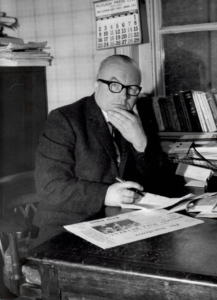
Healy
Gerry Healy, 1964

āļĸ⎓.⎄⎓āļŊ⎒ āˇƒāˇ’āļē āˇƒāˇāļ¸āˇāļĸ⎒āļšāļ­āˇŠāˇ€āļē⎙āļąāˇŠ āļąāˇ™āļģāļ´āˇ ⎄āļģ⎒āļą āˇ„āļ­āļģ⎀āļą āļĸāˇāļ­āˇŠâ€āļēāļąāˇŠāļ­āļģāļē⎚ āļĸāˇāļ­āˇŠâ€āļēāļąāˇŠāļ­āļģ āļšāļ¸āˇ’āļ§āˇ”⎀ (⎄āļĸāļĸāˇāļš) āļ”⎄⎔ āļļāˇŠâ€āļģ⎒āļ­āˇāļąāˇŠâ€āļē āˇāˇāļ›āˇāˇ€āˇ™āļąāˇŠ āļąāˇ™āļģāļ´āˇ ⎄⎐āļģ⎓āļ¸āļ§ āļšāļ¸āˇŠāļšāļģ⎔ ⎀⎒āļ´āˇŠāļŊāˇ€āˇ€āˇāļ¯āˇ“ āļ´āļšāˇŠāˇ‚āļē⎚ (āļšāˇ€āˇ’āļ´) āļ¸āļ°āˇŠâ€āļēāļ¸ āļšāˇāļģāļš āˇƒāļˇāˇāˇ€ āļœāļ­āˇŠ āļ­āˇ“āļąāˇŠāļ¯āˇ”⎀ āļ…āļąāˇ”āļ¸āļ­ āļšāļģāļē⎒. 

⎄āļĸāļĸāˇāļš āˇƒāˇ„ āļšāˇ€āˇ’āļ´āļē⎚ āļšāˇšāļŠāļģāļē āˇƒāˇ’āļē āļ´āˇžāļ¯āˇŠāļœāļŊ⎒āļš āļ…āļģāļ¸āˇ”āļĢ⎔ ⎃āļŗāˇ„āˇ āļē⎜āļ¯āˇ āļœāļąāˇ’āļ¸āˇ’āļąāˇŠ āļ¯ āļ”⎀⎔āļąāˇŠāļœāˇš āļ…āļē⎒āļ­āˇ“āļąāˇŠ āļ‹āļŊ⎊āļŊāļ‚āļœāļąāļē āļšāļģāļ¸āˇ’āļąāˇŠ āļ¯ āˇ„āˇ“āļŊ⎒ āļ¯āˇ“āļģ⎊āļœ āļšāˇāļŊ⎄āļšāˇŠ āļ­āˇ’āˇƒāˇŠāˇƒāˇš āļ”⎄⎔āļœāˇš āļ¯āˇšāˇāļ´āˇāļŊāļą āļ†āļ°āˇ’āļ´āļ­āˇŠâ€āļēāļē āļļāļģāļ´āļ­āļŊ⎀ ⎀⎐āļģāļ¯āˇ’ āļŊāˇ™āˇƒ āļ´āˇāˇ€āˇ’āļ āˇŠāļ āˇ’ āļšāˇ…āˇšāļē. 

āļ‘āˇƒāˇš āļšāˇ’āļģ⎓āļ¸āˇšāļ¯āˇ“ āļ”⎄⎔ ⎄āļĸāļĸāˇāļšāˇ€āˇš āˇƒāˇ’āļēāļŊ⎔ āˇāˇāļ›āˇāˇ€āļąāˇŠ āļ”⎄⎔ āļšāˇ™āļģ⎚ āļģ⎐āļŗāˇ€āˇ– āļ¯āˇšāˇāļ´āˇāļŊāļąāˇ’āļš āļ´āˇ’āļŊ⎒āļœāˇāļąāˇ“āļ¸ āˇ„āˇ āˇ€āˇ’āˇāˇŠāˇ€āˇāˇƒāļē ⎀⎐āļģāļ¯āˇ’ āļŊāˇ™āˇƒ āļ´āˇāˇ€āˇ’āļ āˇŠāļ āˇ’ āļšāˇ…āˇšāļē.

āļ”⎄⎔ āļœāˇ™āļą āļœāˇ’āļē āļˇāˇāˇ€āˇ’āļ­āļēāļąāˇŠ, āļ§āˇŠâ€āļģ⎜āļ§āˇŠāˇƒāˇŠāļšāˇ’āˇ€āˇāļ¯āˇ“ āˇ€āˇŠâ€āļēāˇāļ´āˇāļģāļē⎚ āļ“āļ­āˇ’āˇ„āˇāˇƒāˇ’āļšāˇ€ āļ­āˇšāļģ⎔āļĢ⎔ āļšāˇšāļŠāļģāļēāļ§ āļ´āˇ„āļģ āļ‘āļŊ⎊āļŊ āļšāˇ’āļģ⎓āļ¸āļšāˇ’āļąāˇŠ ⎃āļ¸āļąāˇŠāˇ€āˇ’āļ­ āˇ€āˇ’āļē. 

⎄⎓āļŊ⎒ āļąāˇ™āļģāļ´āˇ ⎄⎐āļģ⎓āļ¸āļ§ āļ´āˇāļ¯āļš āˇ€āˇ– āˇ„āˇšāļ­āˇ” āļ´āˇ’⎅⎒āļļāļŗ āļ¯āˇāˇ€āˇāļąāˇŠāļ­ āˇƒāˇāļšāˇŠāˇ‚⎒ ⎄āļĸāļĸāˇāļš āˇƒāļ­āˇ”āˇ€āˇš. 

āļĸ⎓. ⎄⎓āļŊ⎒ āˇ€āˇ’āˇƒāˇ’āļąāˇŠ āļšāļģāļą āļŊāļ¯ āļ¯āˇšāˇāļ´āˇāļŊāļąāˇ’āļš āļ‘āļšāļ­āˇ” āļšāˇ’āļģ⎓āļ¸āˇŠ ⎄āļĸāļĸāˇāļš āļšāˇ’āˇƒāˇ’āˇƒāˇšāļ­āˇŠ āļ…āļ¸āļ­āļš āļšāļģ āˇ„āˇ āļąāˇœāļ­āļšāˇ āļąāˇāļ­. āļ‘⎄⎙āļ­āˇŠ āļ¸āˇ™  ⎀⎐āļģāļ¯āˇ’ āļšāˇœāļ­āļģāļ¸āˇŠ āļļāļģāļ´āļ­āļŊ ⎀āļąāˇŠāļąāˇšāļ¯ āļēāļ­āˇŠ āļ¸āˇ™āļ¸ āļšāˇŠâ€āļģ⎒āļēāˇāļ¸āˇāļģ⎊āļœāļē āļ…āļąāˇ”āļœāļ¸āļąāļē āļšāˇ’āļģ⎓āļ¸ āˇ„āļĸāļĸāˇāļšāˇ€āˇš āļē⎔āļ­āˇ”āļšāļ¸ āˇ„āˇ ⎀āļœāļšāˇ“āļ¸ āˇ€āļąāˇŠāļąāˇš āļē. 

⎄āļĸāļĸāˇāļš āļ­āˇ”⎅ āļ¯āˇ–⎂āļąāļē āļ‰āˇ€āˇƒāˇ“āļ¸āļšāˇŠ āļąāˇāļ­. āˇƒāˇ’āļēāļŊ⎔āļ¸ āļąāˇāļēāļšāļē⎒āļąāˇŠ āˇƒāˇ’āļē āļšāļ§āļē⎔āļ­āˇ” āļœāˇāļą āˇ€āļœ āļ‹āļ­āˇŠāļ­āļģ āļšāˇ’⎀ āļē⎔āļ­āˇ” āļ…āļ­āļģ āļ´āļšāˇŠāˇ‚āļē⎚ āˇ€āˇŠâ€āļēāˇ€āˇƒāˇŠāļŽāˇāˇ€āļ§ āļ´āˇ’āļ§āˇ’āļąāˇŠ āļ”⎀⎔āļąāļ§ āļšāˇŠâ€āļģ⎒āļēāˇ āļšāˇ… āļąāˇœāˇ„⎐āļš. 

āļ­āļ¸āˇāļ§ āļ‘āļŊ⎊āļŊ ⎀⎖ āļ āˇāļ¯āļąāˇ āļļ⎒āļŗ āˇ„āˇ™āˇ…āˇ“āļ¸āļ§ āˇ„āˇ āļ­āļ¸āˇ āļąāˇ™āļģāļ´āˇ ⎄⎐āļģ⎓āļ¸āļ§ āļ‘āļģ⎙⎄⎒⎀ āļšāļģ⎔āļĢ⎔ āļ¯āˇāļšāˇŠāˇ€āˇ“āļ¸āļ§ āˇ„āˇ ⎄⎓āļŊ⎒ āļšāˇ’āˇƒāˇ’āˇ€āˇ’āļ§āˇ™āļšāļ­āˇŠ ⎄āļĸāļĸāˇāļšāˇ€ āļ¸āˇ”āļĢ āļœāˇāˇƒāˇ“āļ¸āļ§ āļšāˇ’āˇƒāˇ’āļ¯āˇ” āļ‹āļ­āˇŠāˇƒāˇāˇ„āļēāļšāˇŠ āļąāˇœāļ¯āˇāļģ⎓āļē.

āļŠāļ§ āˇ€āˇ’āļ´āļģ⎓āļ­āˇ€, āļ¸āˇ‘āļ­ āļšāˇāļŊāļē⎚ āļ¯āˇ“ āļ”āˇ„āˇ”â€, āļ­āļ¸āˇ āļ¯āˇšāˇāļ´āˇāļŊāļą āļšāˇ”āļ¸āļąāˇŠāļ­āˇŠâ€āļģāļĢāļēāļš āļœāˇœāļ¯āˇ”āļģāļšāˇŠ ⎀⎓ āļ‡āļ­āˇāļē⎒ āļ´āˇ™āļąāˇŠāļąāˇ”āļ¸āˇŠ āļšāˇ’āļģ⎓āļ¸āļ§āļ­āˇŠ ⎄āļĸāļĸāˇāļšāˇ€āˇš āļ´āˇŠâ€āļģāļ¸āˇ”āļ› āˇƒāˇāļ¸āˇāļĸ⎒āļšāļēāļąāˇŠāļ§ āļ‘āļģ⎙⎄⎒⎀ āļ¯āˇ”āˇ‚āˇŠāļ§ āļ…⎀āļŊāˇāļ¯ āˇ€āˇŠâ€āļēāˇāļ´āˇāļģāļēāļšāˇŠ āļœāˇ™āļą āļēāˇāļ¸āļ§āļ­āˇŠ āļ­āļ¸ āļ´āˇžāļ¯āˇŠāļœāļŊ⎒āļš āˇƒāļ¸āˇŠāļļāļąāˇŠāļ°āļ­āˇ āļē⎜āļ¯āˇ āļœāļąāˇ’āļ¸āˇ’āļąāˇŠ ⎄āļĸāļĸāˇāļšāˇ€ āļ­āˇ”⎅ āļ´āˇŠâ€āļģāļ­āˇ’āļ´āļ­āˇŠāļ­āˇ’ ⎀⎒āļģ⎄⎒āļ­ āļšāļĢ⎊āļŠāˇāļēāļ¸āˇ’āļš āˇ€āˇŠâ€āļēāˇāļ´āˇāļģāļēāļšāˇŠ āļœāˇ™āļą āļœāˇ’āļē⎚āļē. 

⎄⎓āļŊ⎒ āļąāˇ™āļģāļ´āˇ ⎄⎐āļģ⎓āļ¸āˇšāļ¯āˇ“, āļ”⎄⎔ āļ…āļ­āˇ“āļ­āļē⎚ āļšāļģāļą āļŊāļ¯ āļ¯āˇšāˇāļ´āˇāļŊāļą āļ‘āļšāļ­āˇ” āļšāˇ’āļģ⎓āļ¸āˇŠ, āˇ€āˇ’āˇāˇšāˇ‚āļē⎙āļąāˇŠāļ¸ āļ´āˇāļļ⎊āļŊāˇāˇ€āˇāļ¯āˇ“ ⎃āļ‚āˇāˇāļ°āļąāˇ€āˇāļ¯āļēāļ§ āļ‘āļģ⎙⎄⎒⎀ 1950 āˇƒāˇ„ 1960 āļœāļĢāļąāˇŠāˇ€āļŊ āļšāļģāļą āļŊāļ¯ āļ…āļģāļœāļŊāļē, āļ´āˇŠâ€āļģāļ­āˇ’āļšāˇŠāˇ‚āˇšāļ´ āļšāˇ’āļģ⎓āļ¸āˇš āļ…āļ´āˇšāļšāˇŠāˇ‚āˇāˇ€āļšāˇŠ ⎄āļĸāļĸāˇāļšāˇ€āļ§ āļąāˇāļ­. 

āļ‡āļ­āˇŠāļ­āˇ€āˇāļē⎙āļąāˇŠāļ¸ āļąāļ¸āˇŠ āļ¸āˇš āļąāˇ™āļģāļ´āˇ ⎄⎐āļģ⎓āļ¸ āˇ€āļąāˇāˇ„⎓, āļ‘āļ¸ āļ…āļ­āˇ“āļ­ āļ…āļģāļœāļŊāļēāļąāˇŠ āļ´āļ¯āļąāļ¸āˇŠ āļšāˇ™āļģ⎔āļĢ⎔ āļ§āˇŠâ€āļģ⎜āļ§āˇŠāˇƒāˇŠāļšāˇ’āˇ€āˇāļ¯āˇ“ āļ¸āˇ–āļŊāļ°āļģ⎊āļ¸āļēāļąāˇŠ āļ”⎄⎔ āˇ€āˇ’āˇƒāˇ’āļąāˇŠ āļ´āˇŠâ€āļģāļ­āˇ’āļšāˇŠāˇ‚āˇšāļ´ āļšāˇ’āļģ⎓āļ¸āˇšāļ­āˇŠ āļ‰āļ­āˇ āļœāˇŠâ€āļģāˇāļ¸āˇŠâ€āļē āļ…āˇ€āˇƒāˇŠāļŽāˇāˇ€āˇāļ¯āļē āļšāļģāˇ āļ”⎄⎔āļœāˇš āļ´āļŊ⎊āļŊāļ¸āˇŠ āļļāˇāˇƒāˇ“āļ¸āˇšāļ­āˇŠ āļ…āˇ€āˇƒāˇāļą āļ´āˇŠâ€āļģāļ­āˇ’āļĩāļŊāļē āˇ€āˇš. 

āļļāˇŠâ€āļģ⎒āļ­āˇāļąāˇŠâ€āļēāļē⎚ āļ§āˇŠâ€āļģ⎜āļ§āˇŠāˇƒāˇŠāļšāˇ’āˇ€āˇāļ¯āˇ“ āˇ€āˇŠâ€āļēāˇāļ´āˇāļģāļē⎚ āļ´āˇŠâ€āļģāˇāļēāˇāļœāˇ’āļš āˇ„āˇ ⎃āļ‚⎀⎒āļ°āˇāļąāˇāļ­āˇŠāļ¸āļš āļĸāļēāļœāˇŠâ€āļģ⎄āļĢāļēāļąāˇŠ āļ’āˇ€āˇāļ¸ āļ´āˇāļą āļąāˇāļ‚āˇ€āˇ–āˇ€āˇ ⎀⎖ ⎃⎊āļ§āˇāļŊ⎒āļąāˇŠāˇ€āˇāļ¯āļēāļ§āļ­āˇŠ, ⎃āļ‚āˇāˇāļ°āļąāˇ€āˇāļ¯āļēāļ§āļ­āˇŠ āļ‘āļģ⎙⎄⎒⎀ āļ“āļ­āˇ’āˇ„āˇāˇƒāˇ’āļšāˇ€āļ­āˇŠ āļĸāˇāļ­āˇŠâ€āļēāļąāˇŠāļ­āļģ⎀āļ­āˇŠ āļ¸āˇ”āļŊ⎊ ⎀⎒⎄⎒āļ¯āˇ”āļąāˇ” āļ…āļģāļœāļŊāļēāļąāˇŠ āļœāˇ™āļąāˇŠ ⎀āļŠ āˇ€āļŠāˇāļ­āˇŠ ⎀⎙āļąāˇŠ āļšāļģ āļŊ⎓āļ¸ āˇ€āˇ™āļ­ āˇ„āˇ“āļŊ⎒ āļœāˇš āļ¯āˇšāˇāļ´āˇāļŊāļąāˇ’āļš āˇ„āˇ āļ´āˇžāļ¯āˇŠāļœāļŊ⎒āļš āļ´āļģāˇ’āˇ„āˇāļĢ⎒āļē āļ´āˇāˇ„⎐āļ¯āˇ’āļŊ⎒⎀ āļ‡āļ¯āˇ“ āļēāļē⎒. 

āļ´āļšāˇŠāˇ‚ āļ­āļąāˇŠāļ­āˇŠâ€āļģāļē⎚ ⎀⎐āļŠāˇ“āļ¸ āļ­āˇ„⎀āļģ⎔ āļšāˇ’āļģ⎓āļ¸ āˇ€āļ§āˇ āļšāˇšāļąāˇŠāļ¯āˇŠâ€āļģāļąāļē ⎀⎖ āļšāˇŠāˇ‚āļąāˇ’āļš āļ´āˇŠâ€āļģāˇāļēāˇāļœāˇ’āļš āļ…āˇ€āˇāˇŠâ€āļēāļ­āˇ ⎀āļŊāļ§ āļ¸āˇ–⎅āļ°āļģ⎊āļ¸āˇāļ­āˇŠāļ¸āļš āļ´āˇŠâ€āļģ⎁⎊āļą āˇ€āˇāļŠāˇ’ ⎀⎐āļŠāˇ’āļē⎙āļąāˇŠ āļēāļ§āļ­āˇŠ āļšāˇ’āļģ⎓āļ¸, āļ¯āˇšāˇāļ´āˇāļŊāļąāˇ’āļš āļ…āˇ€āˇƒāˇŠāļŽāˇāˇ€āˇāļ¯āļē āļšāļģāˇ āļ´āˇ’āļģ⎒⎄⎙āļ¸āˇ’āļąāˇŠ āļŊāˇāļšāļē⎚ āļ´āˇāļģāļĢ⎒āļ¸ āļ°āļąāˇ€āˇāļ¯āˇ“ āļģāļ§āˇ™āˇ„⎒ āļ…āļ°āˇ’āļģāˇāļĸāˇŠâ€āļēāˇ€āˇāļ¯āˇ“ āļ´āˇ“āļŠāļąāļēāļąāˇŠāļ§ āļ´āˇŠâ€āļģāļ­āˇ’āļļāļ¯āˇŠāļ° āļ”⎄⎔āļœāˇšāļ¸ āļ¯āˇšāˇāļ´āˇāļŊāļąāˇ’āļš āˇ„āˇ ⎃āļ¯āˇāļ āˇāļģāˇāļ­āˇŠāļ¸āļš āļģ⎐āļšāˇ€āļģāļąāļēāļąāˇŠ āˇ€āˇšāļœāļē⎙āļąāˇŠ āļ›āˇāļ¯āļąāļē āļšāļģ āļ¯āˇāļ¸āˇ“āļē. 

āļ¸āˇ™āļ¸ āļ­āļ­āˇ” āļēāļ§āļ­āˇš āļ”⎄⎔āļœāˇš āļļāļģāļ´āļ­āļŊ āļ†āļ­āˇŠāļ¸āˇ“āļē āļ¯āˇ”āļļāļŊāļ­āˇ ⎀āļŠ āˇ€āļŠāˇāļ­āˇŠ āļ…āļąāˇŠāļ­āļģāˇāļē āļšāˇāļģ⎓ āļ¯āˇšāˇāļ´āˇāļŊāļą āļšāˇāļģāˇŠâ€āļēāļēāļšāˇŠ āļ‰āļ§āˇ” āļšāˇ…āˇšāļē. 

āļšāˇ€āˇ’āļ´āļē āˇ„āˇ ⎄āļĸāļĸāˇāļšāļē āļ­āˇ”⎅ āļ­āˇ€ āļ­āˇ€āļ­āˇŠ, ⎄⎒āļ­āˇ”⎀āļšāˇŠāļšāˇāļģ⎓ āļŊāˇ™āˇƒ āļšāˇŠâ€āļģ⎒āļēāˇ āļšāļģāļ¸āˇ’āļąāˇŠ ⎄⎓āļŊ⎒, āļŊāˇāļš āļ´āļšāˇŠāˇ‚āļē⎚ āļ‰āļ¯āˇ’āļģ⎒ āļ´āˇ’āļē⎀āļģāļēāļąāˇŠ ⎃āļ¸āˇŠāļļāļąāˇŠāļ° āļšāˇ…āˇš ⎄āļ­āļģ⎀⎐āļąāˇ’ āļĸāˇāļ­āˇŠâ€āļēāļąāˇŠāļ­āļģāļē⎚ āļ¸āˇāļšāˇŠāˇƒāˇŠāˇ€āˇāļ¯āˇ“ āļ¸āˇ–āļŊāļ°āļģ⎊āļ¸ āˇ€āļŊāļ§ āˇ„āˇ āļ‘⎄⎒ āļšāˇšāļŠāļģāļē⎚ āˇƒāˇāļ¸āˇ–⎄⎒āļš āļ…āļģāļœāļŊāļēāļ§ āļąāˇœāˇ€ āļ”⎄⎔āļœāˇšā āļ´āˇžāļ¯āˇŠāļœāļŊ⎒āļš āļ¯āļšāˇŠāˇ‚āļ­āˇāˇ€āļēāļąāˇŠāļ§āļē.

āļ­āļ¸ āļ…āļąāˇŠāļ­āļģāļšāļģāļĢ⎓āļē āļ­āˇ“āļģāļĢāļēāļąāˇŠ āļ­āļ¸āˇ āˇ€āˇ’āˇƒāˇ’āļąāˇŠāļ¸ āˇ€āļģ⎊āļĢāļąāˇ āļšāļģ āļœāˇāļąāˇ“āļ¸ āļąāˇœāˇ€āˇāļŊ⎐āļšāˇŠāˇ€āˇ’āļē ⎄⎐āļšāˇ’ āļŊāˇ™āˇƒāļ¸ āļē⎜āļ¸āˇ” ⎀⎖āļē⎚ āļˇāˇžāļ­āˇ’āļšāˇ€āˇāļ¯āˇ“ āļ…āļ´āˇāˇ„āļšāˇ€āˇāļ¯āļē āļļāļģāļ´āļ­āļŊ⎀ ⎀⎒āļšāˇ˜āļ­āˇ’ āļšāˇ’āļģ⎓āļ¸ āļšāļģāˇāļ­āˇŠ ⎄⎓āļŊ⎒ āļ¯āˇāļŠāˇ’ āļ†āļ­āˇŠāļ¸āˇ“āļē ⎀⎒āļĨāˇāļąāˇ€āˇāļ¯āˇ’āļē⎙āļšāˇ” āˇ„āˇ āļ­āļ­āˇŠāļšāˇāļģāˇŠâ€āļēāˇ€āˇāļ¯āˇ’āļē⎙āļšāˇ” āļļ⎀āļ§ āļ´āļģ⎒⎀āļģ⎊āļ­āļąāļē ⎀⎓āļ¸ āļšāļģāˇāļ­āˇŠ āļē. 

āļĸāˇāļ­āˇŠâ€āļēāļąāˇŠāļ­āļģ āļ§āˇŠâ€āļģ⎜āļ§āˇŠāˇƒāˇŠāļšāˇ’āˇ€āˇāļ¯āˇ“ āˇ€āˇŠâ€āļēāˇāļ´āˇāļģāļē⎚ āļšāˇšāļŠāļģāļē ⎀āļģ⎊āļ°āļąāļē āļšāˇ’āļģ⎓āļ¸ āļ´āˇ’⎅⎒āļļāļŗ āˇƒāļ‚āļšāˇ“āļģ⎊āļĢ āļœāˇāļ§āˇ…⎔ āļšāˇ™āļģ⎙⎄⎒ āļ”⎄⎔āļœāˇš āļ´āˇ™āļģ āļ´āˇāˇ€āļ­āˇ’ āļ‹āļąāļąāˇŠāļ¯āˇ”⎀ ⎀⎙āļąāˇ”⎀āļ§ āˇ„āˇ“āļŊ⎒āļœāˇš āļˇāˇāˇ€āˇ’āļ­āļē āļ°āļąāļ´āļ­āˇ’ āļĸāˇāļ­āˇ’āļšāˇ€āˇāļ¯āˇ“ āļąāˇāļēāļšāļēāļąāˇŠ ⎃āļ¸āļœāļ­āˇŠ  āļļāˇŠâ€āļģ⎒āļ­āˇāļąāˇŠâ€āļēāļē⎚ āˇ€āˇ˜āļ­āˇŠāļ­āˇ“āļē ⎃āļ¸āˇ’āļ­āˇ’ āˇ„āˇ āļŊ⎚āļļāļģ⎊ āļ´āļšāˇŠāˇ‚ āļ´āˇŠâ€āļģāļ­āˇ’āˇƒāļ‚āˇƒāˇŠāļšāļģāļĢāˇ€āˇāļ¯āˇ“āļąāˇŠ ⎃āļ¸āļœāļ­āˇŠ āļ´āˇŠâ€āļģāļ­āˇ’āļ´āļ­āˇŠāļ­āˇ’ ⎀⎒āļģ⎄⎒āļ­ āˇƒāļļāļŗāļ­āˇ ⎀āļģ⎊āļ°āļąāļē āļšāļģ āļœāˇāļąāˇ“āļ¸āļ§ āļ¸āˇ”⎅⎔ āļ¸āļąāˇ’āļąāˇŠāļ¸ āļē⎙āļ¯āˇ€āˇ”āļąāˇ’. 

āļ”⎄⎔āļœāˇš āļ´āˇžāļ¯āˇŠāļœāļŊ⎒āļš āļĸ⎓⎀āļą āļģāļ§āˇāˇ€ āļŠāļ§ āˇƒāļ¸āˇŠāļ´āˇāļ­āˇ’āļš āļ´āļģāˇ’āˇ„āˇāļĢ⎒āļēāļšāļ§ āļˇāˇāļĸāļąāļē ⎀⎒āļē. 

⎀āļģ⎙āļšāļ¯āˇ“ āļ­āļ¸āļąāˇŠ ⎃āļ§āļąāˇŠ āļšāˇ…āˇ ⎀⎖ āļ¸āˇ–⎅āļ°āļģ⎊āļ¸āļēāļąāˇŠ āļ…āļ­āˇ„⎐āļģ āļ¯āļ¸āļąāˇŠāļąāˇ ⎀⎖āļ­āˇŠ āļĸāˇāļ­āˇ’āļš āˇāˇāļ›āˇāˇ€āļąāˇŠ āļœāˇœāļŠ āļąāˇāļœāˇ“āļ¸āˇš āļ¯āˇ“ ⎄āļĸāļĸāˇāļšāļ§ āļēāļ§āļ­āˇŠ ⎀⎓āļ¸ āļ´āˇŠâ€āļģāļ­āˇ’āļšāˇŠāˇāˇšāļ´ āļšāļģāļąāˇŠāļąāˇāˇ€āˇ–āļ­āˇŠ ⎄⎓āļŊ⎒ ⎀⎐āļąāˇ’ āļ…āļē āļąāˇœāˇ€āˇāļŊ⎐āļšāˇŠāˇ€āˇ’āļē ⎄⎐āļšāˇ’ āļŊāˇ™āˇƒāļ¸ āļ´āļ‚āļ­āˇ’ ⎃āļ­āˇ”āļģāˇāļœāˇš āļ´āˇ“āļŠāļąāļē āļēāļ§āļ­āˇš āļ´āˇ’āļģ⎒⎄⎙āļąāˇŠāļąāˇāļē.

āļ¸āˇ™āļ¸ āļ“āļ­āˇ’āˇ„āˇāˇƒāˇ’āļš āļąāˇ“āļ­āˇ’āļēāļ§ āļąāļ­āˇ” āļąāˇœāˇ€āļąāˇŠāļąāˇ™āļšāˇ” āļąāˇāļ­. 

⎄āļĸāļĸāˇāļš āļē⎅⎒ āļ­āˇ„⎀āļģ⎔ āļšāļģāļąāˇŠāļąāˇš āļšāˇ€āļģ āļąāˇāļēāļšāļē⎙āļšāˇ” ⎀āļ­āˇŠ āļšāļ¸āˇŠāļšāļģ⎔ āļ´āļąāˇŠāļ­āˇ’āļē⎚ āļ“āļ­āˇ’āˇ„āˇāˇƒāˇ’āļš āļ…āˇ€āˇāˇŠâ€āļēāļ­āˇāˇ€āļēāļąāˇŠāļ§ āļ‰āˇ„⎅⎒āļąāˇŠ āļ´āˇ’⎄⎒āļ§āļąāˇ” āļąāˇāļ­āˇ’ āļļ⎀āļē⎒. 

(āļ…⎀āļ°āˇāļģāļą āļ…āļ´āˇ™āļąāˇ’)

āļĸ⎓. ⎄⎓āļŊ⎒ āļąāˇ™āļģāļ´āˇ ⎄āļģ⎓: ⎄āļ­āļģ⎀āļą āļĸāˇāļ­āˇŠâ€āļēāļąāˇŠāļ­āļģāļē⎚ āļĸāˇāļ­āˇŠâ€āļēāļąāˇŠāļ­āļģ āļšāļ¸āˇ’āļ§āˇ”āˇ€āˇš (⎄āļĸāļĸāˇāļš) āļēāˇāļĸāļąāˇāˇ€ – 1985 āļ”āļšāˇŠāļ­āˇāļ¸āˇŠāļļāļģ⎊ 25 Read More Âģ

Commemoration

āļšāļ§āˇ”⎀āļą āˇƒāļ¸āˇ–āļŊāļāˇāļ­āļąāļē: āˇ€āˇƒāļģ 36āļš āļļ⎒āļē āļœāˇāļąāˇŠāˇ€āˇ“āļ¸āˇŠāˇ€āļŊ⎒āļąāˇŠ āˇƒāˇ„ āļ…āļ›āļĢ⎊āļŠ āļ¯āļĢ⎊āļŠāļ¸āˇ”āļšāˇŠāļ­āˇ’āļēāļšāˇ’āļąāˇŠ āļ´āˇƒāˇ” āļĨāˇāļ­āˇ“⎄⎔ ⎀⎒āļąāˇŠāļ¯āˇ’āļ­āļēāļąāˇŠ āļ…āļąāˇ”āˇƒāˇŠāļ¸āļģāļĢāļē āļšāļģāļ­āˇ’

āļ…āļ´āļœāˇš āˇ€āˇāļģ⎊āļ­āˇāļšāļģ⎔ āˇ€āˇ’āˇƒāˇ’āļąāˇ’.

āļ¸āˇ™āļ¸ āļŊ⎒āļ´āˇ’āļē āļ‰āļ‚āļœāˇŠ‍āļģāˇ“āˇƒāˇ’ āļļāˇƒāˇ’āļąāˇŠ 2025 ⎃⎐āļ´āˇŠāļ­āˇāļ¸āˇŠāļļāļģ⎊ 05 āļ¯āˇ’āļą thesocialist.lk ⎄⎒ āļ´āļŊ ⎀⎒āļē. 

Commemoration
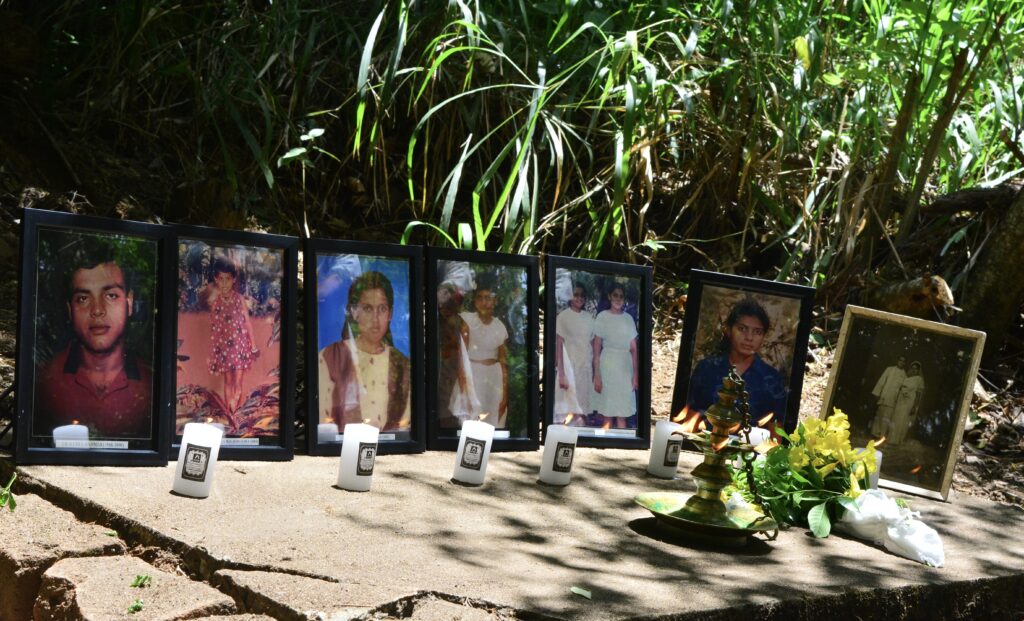
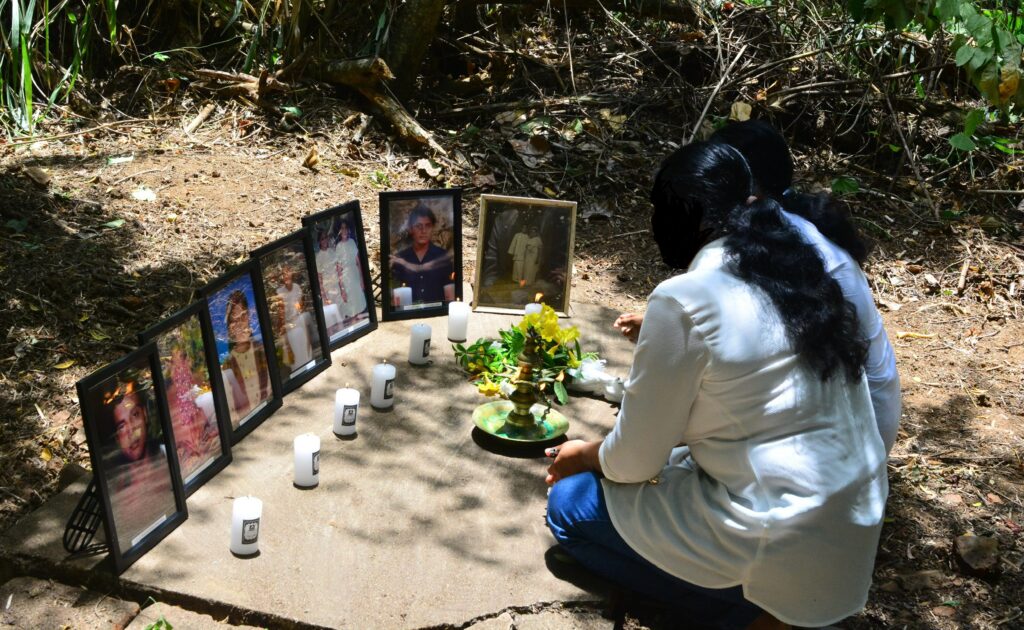
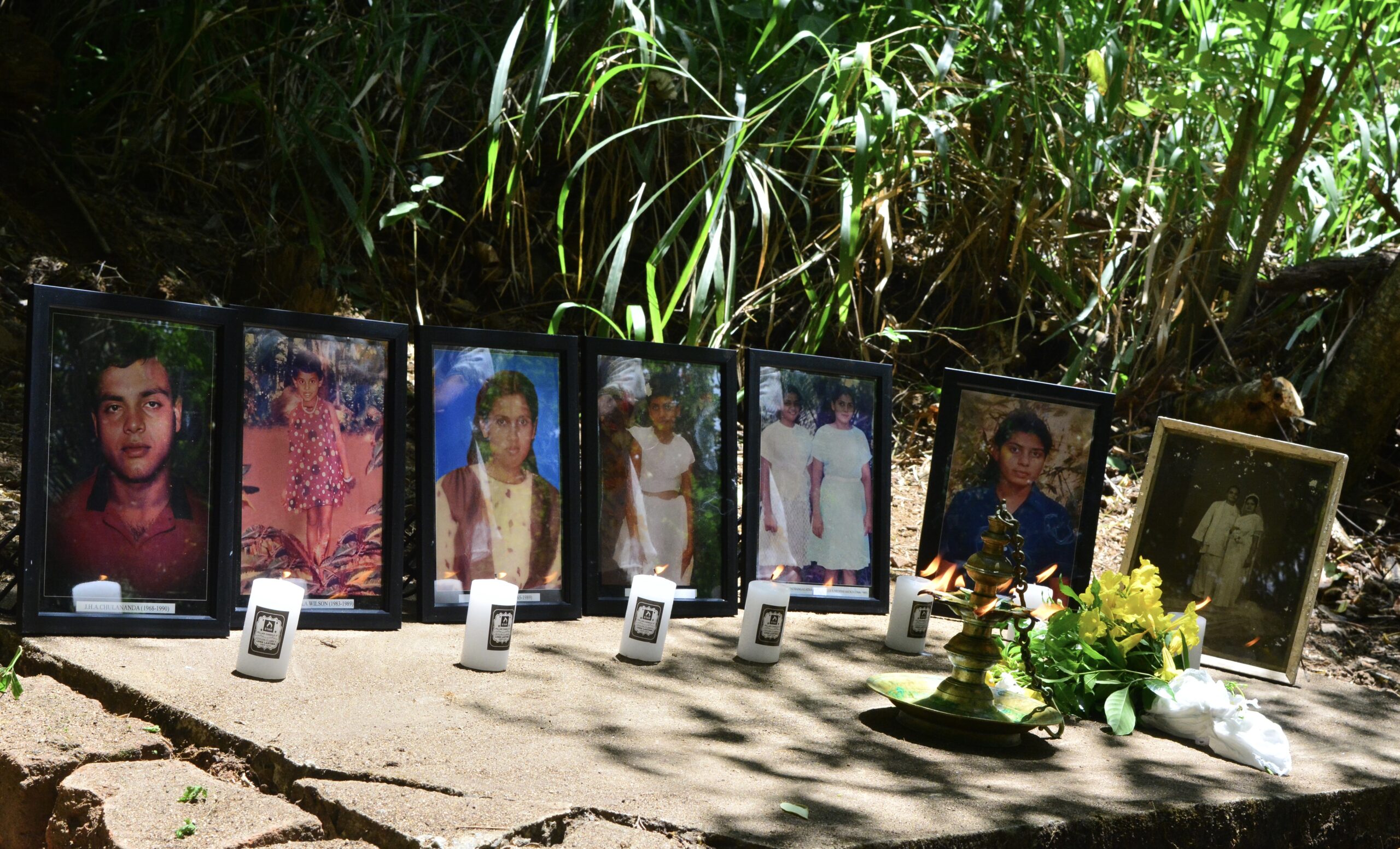
āļšāļ§āˇ”⎀āļą āˇƒāļ¸āˇ–āļŊāļāˇāļ­āļąāļē⎚ ⎀⎒āļąāˇŠāļ¯āˇ’āļ­āļēāļąāˇŠ – āļ¯āļšāˇ”āļĢ⎚ āˇƒāˇ’āļ§: āˇƒāˇ’āˇƒāˇ’āļŊ⎒āļēāˇāļąāˇ, āļ‘āļŠāˇŠāˇ€āˇ’āļąāˇŠ, āļąāˇ’āļŊ⎊āļ¸āˇ’āļĢ⎒, āļ¸āļ­āļœāļŊāļ­āˇ, āˇƒāˇ”āļĸ⎒āļ­āˇƒāˇ“āļŊ⎒, āļ āļąāˇŠāļ¯āˇŠ‍āļģāļŊ⎚āļšāˇ āˇƒāˇ„ āļąāˇ’āļģāļ‚āļĸāļŊāˇ. 1990 āļ¯āˇ“ āļāˇāļ­āļąāļē ⎀⎖ āļ āˇ–āļŊāˇāļąāļąāˇŠāļ¯, ⎀āļ¸āˇš āˇƒāˇ’āļ§ āļ¸āˇ”āļŊ⎒āļąāˇŠāļ¸.

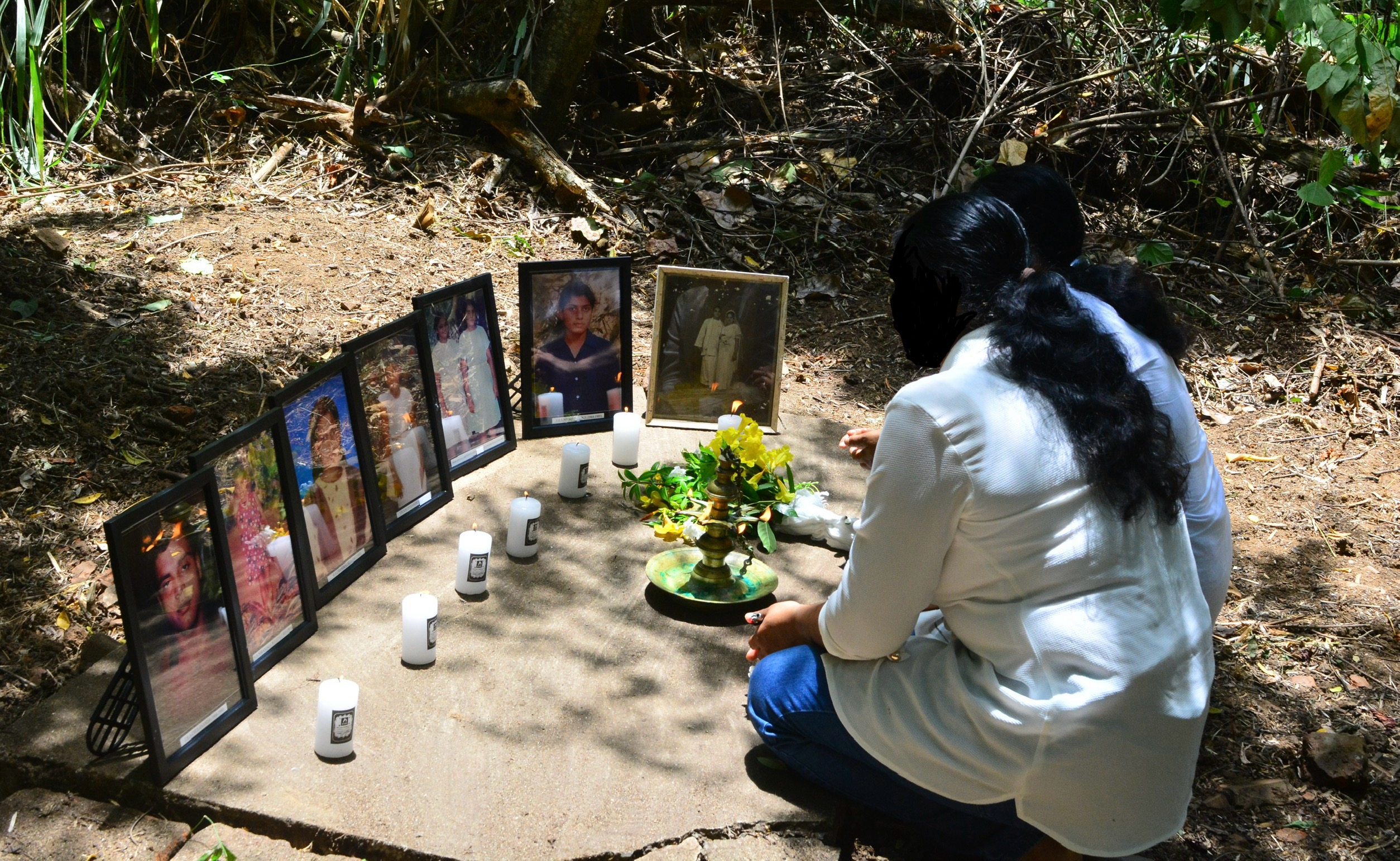
āļ…āļœāˇāˇƒāˇŠāļ­āˇ” 27 ⎀āļą āļ¯āˇ’āļą, ⎄āļ¸āˇŠāļļāļąāˇŠāļ­āˇœāļ§ āļ¯āˇ’āˇƒāˇŠāļ­āˇŠ‍āļģ⎒āļšāˇŠāļšāļē⎚ āļšāļ§āˇ”⎀āļą āļ¯āˇ“, 1989 āļ…āļœāˇāˇƒāˇŠāļ­āˇ” āļ¸āˇāˇƒāļē⎚ āļ¯āˇ“ ⎁⎊‍āļģ⎓ āļŊāļ‚āļšāˇ ⎄āļ¸āˇ”āļ¯āˇāˇ€ āˇ€āˇ’āˇƒāˇ’āļąāˇŠ ⎃āļ¸āˇ–āļŊāļāˇāļ­āļąāļē āļšāļģāļą āļŊāļ¯ āļ´āˇ€āˇ”āļŊ⎚ āˇƒāˇāļ¸āˇāļĸ⎒āļšāļē⎒āļąāˇŠ ⎄āļ­āˇŠ āļ¯āˇ™āļąāˇāļœāˇš āļĨāˇāļ­āˇ“āļąāˇŠ āˇ€āˇ’āˇƒāˇ’āļąāˇŠ āļ”⎀⎔āļąāˇŠāˇ€ āļļāˇāļ¸āˇŠāļļ āļ´āˇŠ‍āļģāˇ„āˇāļģāļēāļ§ āļŊāļšāˇŠ āļšāļģāļą āļŊāļ¯ āļ‘āļ¸ āˇƒāˇŠāļŽāˇāļąāļē⎚āļ¸, āļ­āļ¸ āļ†āļ¯āļģāļĢ⎓āļēāļēāļąāˇŠ ⎃⎐āļ¸āļģ⎓āļ¸āˇš āļ…āˇ€āˇƒāˇŠāļŽāˇāˇ€āļšāˇŠ āļ´āˇ€āļ­āˇŠāˇ€āļą āļŊāļ¯āˇ“. āˇ€āˇƒāļģ 36āļšāˇŠ āļ…āļ´āļģāˇāļ°āļšāļģ⎔⎀āļąāˇŠāļ§ āļŊ⎐āļļ⎔āļąāˇ” āļ¯āļĢ⎊āļŠāļ¸āˇ”āļšāˇŠāļ­āˇ’‍āļēāļšāˇ’āļąāˇŠ āˇƒāˇ„ ⎀⎒āļąāˇŠāļ¯āˇ’āļ­āļē⎒āļąāˇŠāļœāˇš āļĨāˇāļ­āˇ“āļąāˇŠāļ§ āļ‘āļģ⎙⎄⎒ āļ´āˇ“āļŠāļąāļē⎙āļąāˇŠ āļ´āˇƒāˇ” āļģāˇāļĸ⎊‍āļē āļˇāˇ“⎂āļĢāļēāļ§ āļœāˇœāļ¯āˇ”āļģ⎔ ⎀⎖ āļ¸āˇ™āļ¸ āˇ€āˇ’āļąāˇŠāļ¯āˇ’āļ­āļēāļąāˇŠ āļ…āļąāˇ”āˇƒāˇŠāļ¸āļģāļĢāļē āļšāļģāļ¸āˇ’āļąāˇŠ ⎃⎐āļ¸āļģ⎔āļ¸āˇŠ āļ‹āļ­āˇŠāˇƒāˇ€āļēāļšāˇŠ āļ´āˇāˇ€āˇāļ­āˇŠāˇ€āˇ– āļ´āˇ…āļ¸āˇ” āļ…āˇ€āˇƒāˇŠāļŽāˇāˇ€ āļ¸āˇ™āļē ⎀⎒āļē. theSocialist.lk āˇ€āˇāļģ⎊āļ­āˇāļšāļģāˇ”āˇ€āˇ āļ¸āˇ™āļ¸ āļ…āˇ€āˇƒāˇŠāļŽāˇāˇ€āļ§ āļ‘āļšāˇŠ ⎀⎖⎄.

āļ¯āˇāļš āļ­āˇ”āļąāˇ„āļ¸āˇāļģāļšāļ§ āˇƒāˇ„ āļ­āˇ€āļ­āˇŠ āˇ€āˇƒāļģāļšāļ§ āļ´āˇ™āļģ,  āļ’ āļ¸āˇāļģāļš āļģāˇāļ­āˇŠ‍āļģ⎒āļē⎚āļ¯āˇ“, ⎁⎊‍āļģ⎓ āļŊāļ‚āļšāˇ ⎄āļ¸āˇ”āļ¯āˇāˇ€āˇš āˇƒāˇ’āļ‚⎄ āļģ⎙āļĸ⎒āļ¸āˇšāļąāˇŠāļ­āˇ”āˇ€āˇš  6 ⎀⎐āļąāˇ’ āļļāļŊāļ‡āļĢ⎒āļē āļ‘āļ¸ āļ´āˇ€āˇ”āļŊ⎚ āļąāˇ’āˇ€āˇƒ āļ†āļšāˇŠ‍āļģāļ¸āļĢāļē āļšāˇ…āˇšāļē. āļ‘āļ¸ āļ…āˇ€āˇƒāˇŠāļŽāˇāˇ€āˇš āļąāˇ’āˇ€āˇƒāˇš āˇƒāˇ’āļ§āˇ’ āļ‘āļšāļ¸ āļ´āˇ’āļģ⎒āļ¸āˇ’āļēāˇ ⎀⎖āļē⎚ āˇƒāˇ’āļ‚⎄āļŊ āļ´āˇāļģāļ¸āˇŠāļ´āļģ⎒āļš āˇ€āˇ›āļ¯āˇŠ‍āļē⎀āļģāļē⎙āļšāˇŠ ⎀⎖ 63 ⎄⎐⎀⎒āļģ⎒āļ¯āˇ’  āļĸ⎚.āļ‘āļ āˇŠ.āļ’. āļ‘āļŠāˇŠāˇ€āˇ’āļąāˇŠ āļ´āˇ’āļēāˇ āļē. āļ…āļąāˇ™āļšāˇŠ āļ…āļē ⎀⎖āļē⎚ 53 ⎄⎐⎀⎒āļģ⎒āļ¯āˇ’ āļ¸āˇ€ ⎀āļą āļ‘āļ āˇŠ.āļ’. āˇƒāˇ’āˇƒāˇ’āļŊ⎒āļēāˇāļąāˇ, āļ­āļģ⎔āļĢ āļ¯āˇ’āļēāļĢ⎒āļēāļąāˇŠ āļ­āˇ’āļ¯āˇ™āļąāˇ ⎀⎖, āļĸ⎚.āļ‘āļ āˇŠ.āļ’. āļąāˇ’āļŊ⎊āļ¸āˇ’āļĢ⎒ āļ…āˇāˇāļšāˇ (25), āļĸ⎚.āļ‘āļ āˇŠ.āļ’. āļ¸āļ­āļŸāļŊāļ­āˇ (20), āļĸ⎚.āļ‘āļ āˇŠ.āļ’. āˇƒāˇ”āļĸ⎒āļ­āˇƒāˇ“āļŊ⎒ (15), āļĨāˇāļ­āˇ’ āļ¯āˇ’āļēāļĢ⎒āļēāļšāˇŠ ⎀⎖ āļŠāļļ⎊āļŊāˇ’āˇ€āˇŠ.āļ’.āļ āļąāˇŠāļ¯āˇŠ‍āļģāļŊ⎚āļšāˇ (24) āˇƒāˇ„ 6 ⎄⎐⎀⎒āļģ⎒āļ¯āˇ’ āļ¸āˇ’āļąāˇ’āļļ⎒āļģ⎒āļē ⎀⎖ āļ‘āļąāˇŠ.āļ’.āļąāˇ’āļģāļ‚āļĸāļŊāˇ ⎀⎒āļŊ⎊⎃āļąāˇŠāļē. āˇƒāˇ’āļēāļŊ⎊āļŊāˇāļ¸ āˇƒāˇ’āļ‚⎄āļŊ āˇ€āˇāļģ⎊āļœāˇ’āļšāļēāˇ ⎀⎖⎄. ⎄āļ¸āˇ”āļ¯āˇāˇ€ āļ”⎀⎔āļąāˇŠ āˇƒāˇ’āļēāļŊ⎊āļŊāļąāˇŠāļ¸ āļ‘āļ¸ āˇƒāˇŠāļŽāˇāļąāļē⎚āļ¯āˇ“āļ¸ āļ¸āļģāˇ āļ¯āˇāļ¸āˇ”āˇ€āˇšāļē, āļąāˇāļ­āˇ„āˇœāļ­āˇŠ (āļ´āˇƒāˇ”⎀ āļ¸āļģāˇ āļ¯āˇāļ¸āˇ–āļąāˇ” āļŊ⎐āļļ⎖) ⎃āļ¸āˇ„āļģ āˇƒāˇāļšāˇŠāˇ‚⎒āļšāļģ⎔⎀āļąāˇŠāļ§ āļ…āļąāˇ”⎀, āļ­āļģ⎔āļĢ āļœāˇāˇ„⎐āļĢ⎔ ⎅āļ¸āļē⎒āļąāˇŠ ⎄āļ­āļģāļ¯āˇ™āļąāˇ ⎄āļ¸āˇ”āļ¯āˇ āļšāļŗāˇ€āˇ”āļģāļ§ āļœāˇ™āļą āļœāˇœāˇƒāˇŠ āļ¯āˇ’āļą āļ­āˇ”āļąāļšāˇŠ āļ¯āˇ–⎂āļĢāļē āļšāļģ āļ¸āļģāˇ āļ¯āļ¸āļą āļŊāļ¯āˇ“. āļąāˇ’āˇ€āˇƒāļ§ āļļāˇāļ¸āˇŠāļļ āļ´āˇŠ‍āļģāˇ„āˇāļģāļēāļšāˇŠ āļ‘āļŊ⎊āļŊ ⎀⎖ āļ…āļ­āļģ āļąāˇ’āˇ€āˇƒ ⎃āļ¸āļŸ āļ´āˇ€āˇ”āļŊāļ¸ āļ¯āˇ€āˇ āļŊāļąāˇ” āļŊ⎐āļļ⎖⎄.

āļĨāˇāļ­āˇ“āļąāˇŠ āļ­āļ¸ āļ†āļ¯āļģāļĢ⎓āļēāļēāļąāˇŠāļœāˇš āļ´āˇ’āļąāˇŠāļ­āˇ–āļģ āļ´āˇŠ‍āļģāļ¯āļģ⎊⎁āļąāļē āļšāļģ āļ‰āļ§āˇ’āļ´āļąāˇŠāļ¯āļ¸āˇŠ āļ¯āˇāļŊ⎊ ⎀⎖⎄. āļ¯āˇ’⎀⎒ āļœāļŊāˇ€āˇ āļœāļ­āˇŠ āļ¯āˇ’āļēāļĢ⎒āļēāļąāˇŠ āļ¯āˇ™āļ¯āˇ™āļąāˇ™āļšāˇŠ, āļ”⎀⎔āļąāˇŠāļœāˇš āˇƒāˇŠāˇ€āˇāļ¸āˇ’āļ´āˇ”āļģ⎔⎂āļēāļąāˇŠ, āļ¸āˇ”āļĢ⎔āļļ⎔āļģāļąāˇŠ āˇƒāˇ„ āļ”⎀⎔āļąāˇŠāļœāˇš āļ´āˇ€āˇ”āļŊ⎊ āˇƒāˇ„ āļ¸āˇ’āļ­āˇ”āļģāļąāˇŠ ⎀⎒āļąāˇāļŠāˇ’ āļšāˇ’⎄⎒āļ´āļēāļš āļąāˇ’āˇāˇŠāˇāļļ⎊āļ¯āļ­āˇāˇ€āļēāļšāˇŠ āļ´āˇāˇ€āˇāļ­āˇŠ ⎀⎖⎄. āļ¯āˇāļš āļœāļĢāļąāˇāˇ€āļšāļ§ āļ´āˇƒāˇ”⎀āļ­āˇŠ āļ”⎀⎔āļąāˇŠāļœāˇš āļšāļŗāˇ”⎅⎔ ⎀⎒āļē⎅⎓ āļąāˇœāļ­āˇ’āļļ⎔āļĢ⎒. āļ‘āļŠāˇŠāˇ€āˇ’āļąāˇŠāļœāˇš āļ¸āˇ”āļĢ⎔āļļ⎔āļģ⎙āļšāˇ” ⎀āļą āˇ€āˇ’āļ¸āˇ”āļšāˇŠāļ­āˇ’ āļ¸āˇ™āˇƒāˇš ⎃āļˇāˇāˇ€ āļ‡āļ¸āļ­āˇ“āļē: 

“āļ¯āˇ’āļœāˇ” āˇ€āˇƒāļģ 36 āļšāˇŠ āļ­āˇ’āˇƒāˇŠāˇƒāˇš, āļ”⎀⎔āļąāˇŠāļœāˇš āļ¸āļ­āļšāļē ⎃⎐āļ¸āļģ⎓āļ¸ āˇƒāļŗāˇ„āˇ āļ…āļ´āļ§ āļ¸āˇ™āļ¸ āļ“āļ­āˇ’āˇ„āˇāˇƒāˇ’āļš āļ…āˇ€āˇƒāˇŠāļŽāˇāˇ€ āļ‹āļ¯āˇ āļšāļģ āļœāˇāļąāˇ“āļ¸āļ§ āļąāˇœāˇ„⎐āļšāˇ’ ⎀⎒āļē. āļ…āļ´āļ§ āļ¸āˇ™āˇ„⎒ āļ´āˇāļ¸āˇ’āļĢ⎓āļ¸āļ§, āļ”⎀⎔āļąāˇŠāļœāˇš āļąāļ¸āˇŠ ⎄āļŦ āļœāˇ āļšāˇ“āļ¸āļ§ āˇƒāˇ„ āˇ€āˇ’āˇ€āˇ˜āļ­āˇ€ āˇāˇāļšāļē āļ´āļŊ āļšāˇ’āļģ⎓āļ¸āļ§ āļ…āļ´āļ§ āļąāˇœāˇ„⎐āļšāˇ’ ⎀⎒āļē. āļˇāˇ“⎂āļĢ āļ­āļ­āˇŠāļ­āˇŠāˇ€āļē, āļ¸āļģ⎊āļ¯āļąāļē⎚ āˇ€āˇāļ­āˇāˇ€āļģāļĢāļē āˇƒāˇ„ ⎃āļ­āˇŠ‍āļēāļē āˇƒāˇ„ āļē⎔āļšāˇŠāļ­āˇ’āļē ⎃⎜āļēāļą āļ¸āˇ’āļąāˇ’āˇƒāˇ”āļąāˇŠāļ§ āļ‘āļģ⎙⎄⎒⎀ āļ…āļ›āļĢ⎊āļŠāˇ€ āļ´āˇāˇ€āļ­āˇ’ āļ­āļģ⎊āļĸāļąāļē āļ…āļ´ āˇ€āˇāļąāˇ’ āļ´āˇ€āˇ”āļŊ⎊ āļąāˇ’⎄āļŦ āļšāˇ…āˇšāļē. āļąāļ¸āˇ”āļ­āˇŠ āļąāˇ’⎄āļŦāļ­āˇāˇ€āļē āļēāļąāˇ” āļ…āļ¸āļ­āļš āļšāˇ’āļģ⎓āļ¸ āļąāˇœāˇ€āˇš. āļ¸āˇš āˇ€āˇƒāļģ āļœāļĢāļąāˇāˇ€ āļ…āļ´āļœāˇš āˇāˇāļšāļē āļœāˇāļšāˇ”āļģ⎔ āļšāļģ āļ‡āļ­āˇ’ āļ…āļ­āļģ āļ…āļ´āļœāˇš āļ…āļ°āˇ’āˇ‚āˇŠāļ¨āˇāļąāļē ⎁āļšāˇŠāļ­āˇ’āļ¸āļ­āˇŠ āļšāļģ āļ‡āļ­.

āļ…āļ¯ āļ…āļ´āˇ’ āļ’ āļąāˇ’⎄āļŦāļ­āˇāˇ€āļē āļļ⎒āļŗ āļ¯āļ¸āļ¸āˇ”â€Ļāļ’āˇ€āˇ āļšāˇŠ‍āļģ⎒āļēāˇāļ­āˇŠāļ¸āļš āļšāˇ… ⎄āļ¸āˇ”āļ¯āˇāˇ€, āļāˇāļ­āļš āļšāļĢ⎊āļŠāˇāļēāļ¸āˇŠ āˇƒāˇ„ āļ´āˇœāļŊāˇ’āˇƒāˇ’āļē⎚ āˇƒāˇ’āļ§ āļ’āˇ€āˇ āļ¸āˇ™āˇ„⎙āļē⎀⎖ āļ¯āˇšāˇāļ´āˇāļŊāļą āļ…āļ°āˇ’āļšāˇāļģ⎒āļē⎚ āļ…āļē āļ¯āļšāˇŠāˇ€āˇ, āļąāˇ“āļ­āˇ’āļē āļ‰āļ¯āˇ’āļģ⎒āļē⎚ āļąāˇœāˇ€āˇš āļąāļ¸āˇŠ, āļ‰āļ­āˇ’āˇ„āˇāˇƒāļē āļ‰āļ¯āˇ’āļģ⎒āļē⎚ ⎀āļœāˇ€āˇ“āļ¸āļ§ āļŊāļšāˇŠāļšāļŊ  āļē⎔āļ­āˇ”āļē.

āļ…āļ´āˇš āļĨāˇāļ­āˇ“āļąāˇŠāļœāˇš āļģ⎔āļ°āˇ’āļģāļē āļšāˇ‘āļœāˇƒāļąāˇŠāļąāˇš āļ´āˇ…⎒āļœāˇāļąāˇ“āļ¸ āˇƒāļŗāˇ„āˇ āļąāˇœāˇ€ ⎃āļ­āˇŠ‍āļēāļē āˇ„āˇ āļē⎔āļšāˇŠāļ­āˇ’āļē ⎃āļŗāˇ„āˇ āļē. āļ¸āˇ™āļ¸ āļĸ⎓⎀⎒āļ­ āˇ€āˇāļ¯āļœāļ­āˇŠ āļļ⎀āļ­āˇŠ, āļ¯āˇ”āļ´āˇŠāļ´āļ­āˇ”āļąāˇŠ, āļœāļ¸āˇŠāˇ€āˇāˇƒāˇ’āļēāļąāˇŠ, āļ‘āļ¸ āˇ€āˇƒāļģ⎀āļŊ āļ¸āļģāˇ āļ¯āˇāļ¸āˇ– āļ…⎄⎒āļ‚āˇƒāļš āļ¸āˇ’āļąāˇ’āˇƒāˇ”āļąāˇŠ, āļœāˇāˇ„⎐āļąāˇ”āļąāˇŠ āˇƒāˇ„ āļ­āļģ⎔āļĢāļē⎒āļąāˇŠāļœāˇš āļĸ⎓⎀⎒āļ­ āļœāˇžāļģ⎀āļąāˇ“āļē āļļ⎀ āļ´āˇ’⎅⎒āļœāˇāļąāˇ“āļ¸ āˇƒāļŗāˇ„āˇ āļ‘āļē āļšāˇ‘āļœāˇƒāļē⎒.

āļ¸āˇ™āˇ€āˇāļąāˇ’ āļ…āļ´āļģāˇāļ° āļąāˇāˇ€āļ­ āļšāˇ’āˇƒāˇ’āļ¯āˇ āˇƒāˇ’āļ¯āˇ” āļąāˇœāˇ€āˇ’āļē āļē⎔āļ­āˇ” āļļ⎀āļ§ āˇ€āˇ’āļģāˇāļ°āļē āļ´āˇ… āļšāˇ’āļģ⎓āļ¸āˇš āļœāˇāļšāˇ”āļģ⎔ ⎃āļŊāļšāˇ”āļĢāļšāˇŠ āļŊāˇ™āˇƒ āļ…āļ´āˇ’ āļ”āļļ⎚ āļąāļ¸āˇŠ āˇƒāˇ„ āļ”āļļāļ§ āļ‘āļŊ⎊āļŊ āļšāļģāļą āļŊāļ¯ āļšāˇ˛āļģāļ­āˇŠāˇ€āļēāļąāˇŠ āļ´āˇ’āļŊ⎒āļļāļ¯ āļ¸āļ­āļšāļē āļ‰āļ¯āˇ’āļģ⎒āļēāļ§ āļœāˇ™āļą āļēāļąāˇŠāļąāˇ™āļ¸āˇ”.

⎃āļ­āˇŠ‍āļēāļē, āļē⎔āļšāˇŠāļ­āˇ’āļē āˇƒāˇ„ āļœāˇžāļģ⎀āļē ⎀⎙āļąāˇ”⎀⎙āļąāˇŠ āˇƒāˇ„ āļģāˇāļĸ⎊‍āļē āļ¸āļģ⎊āļ¯āļąāļēāļ§ āļ‘āļģ⎙⎄⎒⎀ ⎃āļ§āļąāˇŠ āļšāļģāļą āˇƒāˇāļ¸āļ§ āļ”āļļ⎚ āļ¸āļ­āļšāļē āļ°āˇ›āļģ⎊āļēāļē āļŊāļļāˇ āļ¯āˇ™āļąāˇ” āļ‡āļ­.”

āļ‘āļŠāˇŠāˇ€āˇ’āļąāˇŠ āˇƒāˇ„ āˇƒāˇ’āˇƒāˇ’āļŊ⎒āļēāˇāļąāˇāļœāˇš āļ‘āļšāļ¸ āļ´āˇ”āļ­āˇŠ‍āļģāļēāˇ ⎀⎖ āļĸ⎚.āļ‘āļ āˇŠ.āļ’. āļ āˇ–āļŊāˇāļąāļąāˇŠāļ¯ (22)āļœāˇš āļąā ⎃āļŗāˇ„āļąāˇŠ āļšāļģāļ¸āˇ’āļąāˇŠ, āļ”⎄⎔ “āļē⎔āļšāˇŠāļ­āˇ’āļē āˇƒāˇ„ ⎃āļ¸āˇāļĸ ⎃āļ¸āˇāļąāˇāļ­āˇŠāļ¸āļ­āˇāˇ€āļē āļ…āļ´āˇšāļšāˇŠāˇ‚āˇ āļšāˇ… āļąāļ¸āˇ”āļ­āˇŠ āļē⎔āļœāļē⎚ āļ´āˇŠ‍āļģāļ­āˇ’āļœāˇāļ¸āˇ“ āļ¯āˇšāˇāļ´āˇāļŊāļą āļļāļŊāˇ€āˇšāļœ āˇ€āˇ’āˇƒāˇ’āļąāˇŠ āļąāˇœāļ¸āļŸ āļē⎀āļą āļŊāļ¯ āļ­āļģ⎔āļĢāļē⎙āļšāˇŠ” āļļ⎀āļ­āˇŠ, 1990 āļ”āļšāˇŠāļ­āˇāļ¸āˇŠāļļāļģ⎊ āļ¸āˇāˇƒāļē⎚āļ¯āˇ“ āļļ⎙āļŊ⎒āļ…āļ­āˇŠāļ­ āļ´āˇœāļŊāˇ’āˇƒāˇ’āļē āˇ€āˇ’āˇƒāˇ’āļąāˇŠ āļāˇāļ­āļąāļē āļšāļģāļą āļŊāļ¯ āļļ⎀āļ­āˇŠ ⎄⎙āļ­āˇ™āļ¸ āļ´āˇŠ‍āļģāļšāˇāˇ āļšāˇ…āˇšāļē. āļ āˇ–āļŊāˇāļąāļąāˇŠāļ¯, 1988-1990 āļšāˇāļŊāļē āļ­āˇ”āļŊ, āˇ†āˇāˇƒāˇ’āˇƒāˇŠāļ§āˇŠ āļĸāļąāļ­āˇ ⎀⎒āļ¸āˇ”āļšāˇŠāļ­āˇ’ āļ´āˇ™āļģāļ¸āˇ”āļĢ⎚ āˇƒāˇāļ¸āˇāļĸ⎒āļšāļē⎙āļšāˇ” ⎀⎖ āļļ⎀ āļ´āˇāˇ€āˇƒāˇš. āļšāļģ⎔āļąāˇ” āļ´āˇāˇ„⎐āļ¯āˇ’āļŊ⎒ āļšāļģāļąāˇŠāļąāˇš, āļ”⎄⎔⎀ āļ…āļŊ⎊āļŊāˇ āļœāˇāļąāˇ“āļ¸āļ§ āˇ„āˇ āļ¸āļģāˇ āļ¯āˇāļ¸āˇ“āļ¸āļ§ āļ…āļ´āˇœāˇ„āˇœāˇƒāļ­āˇŠ ⎀⎖ āļšāˇ…, ⎄āļ¸āˇ”āļ¯āˇāˇ€, āļ´āˇ…⎒āļœāˇāļąāˇ“āļ¸āˇš āˇ„āˇ āļ­āˇŠ‍āļģ⎃⎊āļ­ āļœāˇāļąāˇŠāˇ€āˇ“āļ¸āˇš āļšāˇŠ‍āļģ⎒āļēāˇāˇ€āļšāˇŠ āļŊāˇ™āˇƒ, āļ”⎄⎔āļœāˇš āļ¸āˇ”⎅⎔ āļ´āˇ€āˇ”āļŊāļ¸ āˇƒāļ¸āˇ–āļŊāļāˇāļ­āļąāļē āļšāˇ’āļģ⎓āļ¸ āˇƒāˇāļŊāˇƒāˇ”āļ¸āˇŠ āļšāļģāļą āļŊāļ¯ āļļ⎀āļē⎒. 

Katuwana massacre commemoration
āļšāļ§āˇ”⎀āļą āˇƒāļ¸āˇ–āļŊāļāˇāļ­āļąāļēāļ§ āļœāˇœāļ¯āˇ”āļģ⎔ ⎀⎖⎀āļąāˇŠāļœāˇš āļ´āˇ€āˇ”āļŊāˇŠāˇ€āļŊ āˇƒāˇāļ¸āˇāļĸ⎒āļšāļēāˇ āļ¯āļĢ⎊āļŠāļ¸āˇ”āļšāˇŠāļ­āˇ’āļē⎚ āˇ€āˇƒāļģ 36 ⎃āļąāˇ’āļ§āˇ”⎄āļąāˇŠ āļšāļģāļ¸āˇ’āļąāˇŠ āļ­āļ¸ āļ†āļ¯āļģāļĢ⎓āļēāļēāļąāˇŠ āļ…āļąāˇ”āˇƒāˇŠāļ¸āļģāļĢāļē āļšāļģāļ­āˇ’.


āˇƒāˇāļšāˇŠāˇ‚⎒

āļ¸āļģāˇ āļ¯āˇāļ¸āˇ”āļąāˇ” āļ…āļēāļœāˇš āļĨāˇāļ­āˇ“āļąāˇŠ ⎃āļ¸āļŸ āļ…āļ´āˇ’ āļšāļ­āˇ āļšāˇ…⎙āļ¸āˇ”. āļ‘āļŠāˇŠāˇ€āˇ’āļąāˇŠāļœāˇš ⎀⎐āļŠāˇ’āļ¸āˇ„āļŊ⎊ āļ¯āˇ’āļēāļĢ⎒āļē āļ āˇāļąāˇŠāļ¯āļąāˇ“ (63) āˇ€āˇƒāļģ āļœāļĢāļąāˇāˇ€āļš āˇ€āˇšāļ¯āļąāˇāˇ€, ⎀⎒āļŗāļ¯āļģāˇāļœāˇāļąāˇ“āļ¸ āˇƒāˇ„ āļĸ⎓⎀āļą āļ…āļģāļœāļŊāļē āļ´āˇ’⎅⎒āļļāļŗ āļ‡āļœāˇš āļ¯āˇ”āļšāˇŠāļļāļģ āļšāļ­āˇāˇ€ āļ…āļ´ āˇƒāļ¸āļŸ āļ¸āˇ™āˇƒāˇš āļ´āˇāˇ€āˇƒāˇ”āˇ€āˇāļē: 

“āļ¸āļœāˇš āļ­āˇāļ­āˇŠāļ­āļ§ āļ¸āˇ’āļąāˇ’āˇƒāˇŠāˇƒāˇ” āļšāˇ’āˇ€āˇŠāˇ€āˇš ⎀⎙āļ¯ āļ¸āˇ„āļ­āˇŠāļ­āļēāˇ āļšāˇ’āļēāļŊāˇ. āļ¸āˇ’āļąāˇ’āˇƒāˇŠāˇƒāˇ” āļœāˇœāļŠāļšāˇŠ āļ”⎄⎔āļ§ āļ†āļ¯āļģ⎚ āļšāˇ…āˇ. āļ”⎄⎔ ⎄āļģ⎒āļ¸ āļ…⎄⎒āļ‚āˇƒāļš, āļšāļģ⎔āļĢāˇāˇ€āļąāˇŠāļ­, āļ…⎀āļ‚āļš āļ¸āļąāˇ”āˇƒāˇŠāˇƒāļē⎙āļšāˇŠ. āļ”⎄⎔ āļ…⎀⎒āļ¯āˇŠāļ¯āˇ™ ⎄⎙āļ¸āˇ’āļąāˇŠ,  āļ¸āˇ”⎄⎔āļą āļ´āˇŠ‍āļģ⎒āļēāļ¸āļąāˇāļ´ āˇ„āˇ’āļąāˇāˇ€āļšāˇ’āļąāˇŠ āļ´āˇ’āļģ⎓ āļ­āˇ’āļļ⎔āļąāˇ, āļ¸āˇ˜āļ¯āˇ”⎀ āļšāļ­āˇ āļšāˇ…āˇ, ⎃āļģāļ¸āļē⎒ āļĸāˇāļ­āˇ’āļš āļ‡āļŗāˇ”āļ¸āļē⎒ āļ‡āļŗāļŊāˇ ⎄⎒āļ§āˇ’āļē⎚. āļ‰āˇƒāˇŠāˇƒāļģ āļ´āˇāˇ€āˇ’āļ¯āˇ’ ⎀⎙āļŊāˇ āļ†āļē⎔āļģāˇŠāˇ€āˇšāļ¯ āļ´āˇœāļ­āˇŠ āļœāļĢāļąāˇāˇ€āļšāˇŠ āļ´āˇ… āļšāļģāļŊāˇ āļ­āˇ’āļļ⎔āļĢāˇ. āļ”⎄⎔āļœāˇ™āļąāˇŠ āļ–⎂āļ° āļ´āˇŠ‍āļģāļ­āˇ’āļšāˇāļģ āļŊ⎐āļļ⎖ āļļāˇœāˇ„āˇ āļ¯āˇ™āļąāˇ™āļšāˇŠ āļ¸āˇ ⎄āļ¸āˇ”⎀⎓ āļ¸āļœāˇš āļ´āˇ’āļēāˇāļąāļąāˇŠāļœāˇ™āļąāˇŠ āˇƒāˇ„ āļ¸āˇ€āļœāˇ™āļąāˇŠ āļŊ⎐āļļ⎔āļĢ⎔ āļ¯āļēāˇāļąāˇ”āļšāļ¸āˇŠāļ´āˇ’āļ­ āˇƒāˇ„, āļļāˇœāˇ„āˇ ⎀⎒āļ§ āļąāˇœāļ¸āˇ’āļŊ⎚ ⎀⎖ āļ´āˇŠ‍āļģāļ­āˇ’āļšāˇāļģ āļœāˇāļą āļ¸āļ§ āļ´āˇāˇ€āˇƒāˇ–āˇ€āˇ.

āļ…āļ´āˇš āļ´āˇ€āˇ”āļŊ āļ¯āˇ”⎀āļŊāˇ ⎄āļē āļ¯āˇ™āļąāˇ™āļšāˇŠāļœāˇ™āļąāˇŠ ⎀⎖ āļŊ⎜āļšāˇ” āļ´āˇ€āˇ”āļŊāļšāˇŠ, āļ¸āļœāˇš āˇƒāˇ„āˇāļ¯āļģāļēāˇ āļ āˇ–āļŊāˇāļąāļąāˇŠāļ¯ āļ‘āļšāļ¸ āļ´āˇ”āļ­āˇ. āļ…āļ´āˇš āļ´āˇ€āˇ”āļŊ⎚ āļ†āļģ⎊āļŽāˇ’āļšāļē āļē⎐āļ´āˇ”āļąāˇš āļ¸āļœāˇš āļ´āˇ’āļēāˇāļœāˇš āļ†āļē⎔āļģāˇŠāˇ€āˇšāļ¯ āˇ€āˇ™āļ¯āļšāļ¸āˇ™āļąāˇŠ āļŊ⎐āļļ⎙āļą āˇƒāˇœāļ āˇŠāļ āļ¸āˇŠ, āļąāļ¸āˇ”āļ­āˇŠ ⎃⎊āļŽāˇāˇ€āļģ āļ‰āļ´āˇāļē⎓āļ¸āˇŠ āļ¸āļ­āļē⎒. āļ…āļ´āˇ’āļ§ āļšāˇ”āļšāˇ”āļģ⎔ āļ‰āļŠāļ¸āˇŠ āˇƒāˇ„ āļ…āļšāˇŠāļšāļģ āļœāˇāļĢāļš āļ´āˇœāļŊ⎊, āļšāˇ”āļģ⎔āļŗāˇ”, āˇ„āˇ āļ´āˇāļŸāˇ’āļģ⎒ āļ‰āļŠāļ¸āˇŠ āļ­āˇ’āļļ⎔āļĢāˇ; āļ’āˇ€āˇ āļ­āˇāļ­āˇŠāļ­āˇ ⎀āļœāˇ āļšāļģāļŊāˇ āļšāˇ…āļ¸āļąāˇāļšāļģāļĢāļē āļšāˇ…āˇ. āļ¸āļœāˇš āļ´āˇ’āļēāˇ āļĸāļēāļœāļ­āˇŠ āļąāļ¸āˇ”āļ­āˇŠ, āļ’ āļ‰āļŠāļ¸āˇŠ āļ´āˇ’⎅⎒āļļāļŗ āļąāļŠāˇ” ⎄āļļ āļąāˇ’āˇƒāˇ āļ”⎄⎔āļ§ āļ¸āˇ–āļŊ⎊‍āļēāļ¸āļē ⎀⎁āļē⎙āļąāˇŠ āļ…āļŊāˇāļˇ āˇ€āˇ”āļąāˇ ⎀āļœāˇšāļ¸ āļ”⎄⎔āļœāˇš āˇ€āˇŠ‍āļēāˇāļ´āˇāļģ āļšāļŠāˇ ⎀⎐āļ§āˇ”āļĢāˇ.  āļ…āļ´āˇ’ ⎄⎐āļ¸āˇāļ¸ āļĸ⎓⎀āļ­āˇŠ ⎀⎔āļĢ⎚ ⎀āļģ⎒āļ āˇŠāļ āˇ’ āļœāˇ„āļŊ āļ¸āˇāļ§āˇ’ ⎀āļŊ⎒āļąāˇŠ ⎄āļ¯āļ´āˇ” āļœāˇ™āļ¯āļģāļš. āļšāˇœāˇ„āˇœāļ¸ āˇ€āˇ”āļĢāļ­āˇŠ, āļ…āļ´āˇ’ ⎄⎐āļ¸āˇāļ§āļ¸ āˇ„āˇœāļŗāļ§ āļšāļąāˇŠāļą āļ¯āˇ™āļąāˇŠāļą, āļ…āļ´āˇ’āļ§ āļ‹āļœāļąāˇŠāˇ€āļąāˇŠāļą, āļ…āˇƒāļģāļĢ āļ…āļēāļ§ āļ‹āļ¯āˇ€āˇŠ āļšāļģāļąāˇŠāļą āļ¸āļœāˇš āļ­āˇāļ­āˇŠāļ­āˇāļ§ āļ­āˇ€āļ¸āļ­āˇŠ ⎄⎐āļšāˇ’āļēāˇāˇ€ āļ­āˇ’āļļ⎔āļĢāˇ. 

1971 ⎀āļą āˇ€āˇ’āļ§ āļ¸āļœāˇš āļ´āˇ’āļēāˇ ⎁⎊‍āļģ⎓ āļŊāļ‚āļšāˇ āļąāˇ’āļ¯āˇ„āˇƒāˇŠ āļ´āļšāˇŠāˇ‚āļē⎚ (⎁⎊‍āļģ⎓āļŊāļąāˇ’āļ´) āˇƒāˇ„ āˇƒāˇ’āļģ⎒āļ¸āˇāˇ€āˇ āļļāļĢ⎊āļŠāˇāļģāļąāˇāļēāļš āļ¸āˇāļ­āˇ’āļąāˇ’āļēāļœāˇš āļ´āˇŠ‍āļģāļļāļŊ āļ†āļ°āˇāļģāļšāļģ⎔⎀⎙āļšāˇŠ ⎀⎔āļąāˇ. āļšāˇ™āˇƒāˇš ⎀⎙āļ­āļ­āˇŠ, 1977 ⎀āļą āˇ€āˇ’āļ§, āļ”⎄⎔ ⎃āļ¸āļŸāˇ’ āļ´āˇ™āļģāļ¸āˇ”āļĢ⎔ āļ†āļĢ⎊āļŠāˇ”⎀ āļ‘āļ´āˇ ⎀⎓, āļ…āļ­āˇ˜āļ´āˇŠāļ­āˇ’āļēāļ§ āļ´āļ­āˇŠ ⎀⎓ āļ‘āļšāˇŠāˇƒāļ­āˇŠ āļĸāˇāļ­āˇ’āļš āļ´āļšāˇŠāˇ‚āļēāļ§ āļĄāļąāˇŠāļ¯āļē āļ¯āˇ”āļąāˇŠāļąāˇ. āļ‘⎄⎒ āļąāˇāļēāļš āļĸ⎚.āļ†āļģ⎊.āļĸāļē⎀āļģ⎊āļ°āļą â€œāļ°āļģ⎊āļ¸āˇ’āˇ‚āˇŠāļ¨ āˇƒāļ¸āˇāļĸāļēāļšāˇŠâ€ āļ´āˇœāļģ⎜āļąāˇŠāļ¯āˇ” ⎀⎔āļĢāˇ.  

āļ…āļ´āˇ’ ⎄⎐āļ¸āˇāļ¸ āļœāˇ’āļē⎚ āļšāļ§āˇ”⎀āļą āļ¸āˇ„āˇ ⎀⎒āļ¯āˇŠ‍āļēāˇāļŊāļēāļ§. āļ¸āļœāˇš āļ¸āļŊ⎊āļŊ⎓ ⎄āļ­āˇš ⎁⎊‍āļģ⎚āļĢ⎒āļē⎙āļąāˇŠ āļ´āˇƒāˇ” āļ…āļ°āˇŠ‍āļēāˇāļ´āļą āļšāļ§āļē⎔āļ­āˇ” āļšāļģāļœāˇ™āļą āļœāˇ’āļē⎚ āļąāˇāˇ„⎐. āļ”⎄⎔ āļ‰āļ­āˇ āļšāˇāļģ⎔āļĢ⎒āļš āˇ„āˇ ⎃āļ¸āˇāļĸ⎁⎓āļŊ⎓ āļ­āļģ⎔āļĢāļē⎙āļšāˇŠ. āļœāļ¸āˇŠāˇ€āˇāˇƒāˇ’āļēāļąāˇŠāļ§ āļļāˇœāˇ„āˇ āļ‹āļ´āļšāˇāļģ āļšāˇ…āˇ. āļ”⎄⎔ āļ­āļ¸ āļ´āˇ€āˇ”āļŊ⎚ āļ…āļēāļ§ āˇ€āļŠāˇ āļ­āļ¸ āļ¸āˇ’āļ­āˇ”āļģāļąāˇŠ āˇƒāˇ„ āļ…āˇƒāļŊāˇŠāˇ€āˇāˇƒāˇ’āļēāļąāˇŠ āļœāˇāļą āˇƒāˇāļŊāļšāˇ’āļŊ⎒āļ¸āļ­āˇŠ ⎀⎔āļąāˇ. āļļāˇœāˇ„āˇ ⎀⎒āļ§ āļ”⎄⎔ āļąāˇ’āˇ€āˇƒāˇš āˇƒāˇ’āļ§āˇ’ āļšāˇāļŊāļēāļ§ āˇ€āļŠāˇ ⎀⎐āļŠāˇ’ āļšāˇāļŊāļēāļšāˇŠ āļąāˇ’āˇ€āˇƒāˇ’āļąāˇŠ āļļ⎐⎄⎐āļģ⎀ āˇƒāˇ’āļ§āˇ’āļēāˇ. āļ”⎄⎔āļœāˇš āļšāˇāļ´āˇ“ āļ´āˇ™āļąāˇ™āļą āˇ„āˇ āļļ⎔āļ¯āˇŠāļ°āˇ’āļ¸āļ­āˇŠ āˇƒāˇŠāˇ€āļˇāˇāˇ€āļēāļ­āˇŠ, āˇƒāˇ’āļ­āˇŠ āļ‡āļ¯āļœāļąāˇŠāļąāˇ āļ´āˇ™āļąāˇ”āļ¸āļ­āˇŠ āļąāˇ’āˇƒāˇ āˇƒāˇŠāˇ€āļˇāˇāˇ€āˇ’āļšāˇ€āļ¸ āļ­āļģ⎔āļĢāļē⎒āļąāˇŠ āļ”⎄⎔⎀ āļ”⎀⎔āļąāˇŠāļœāˇš āļąāˇāļēāļšāļēāˇ āļŊāˇ™āˇƒ ⎃⎐āļŊāļšāˇ–āˇ€āˇ. āļ”⎄⎔āļ§ āļģ⎐āļšāˇ’āļēāˇāˇ€āļšāˇŠ āļšāˇ’āļģ⎓āļ¸āļ§ āļ…āˇ€āˇāˇŠ‍āļē ⎀⎖ āļąāļ¸āˇ”āļ­āˇŠ āļœāļ¸ āˇ„āˇāļģ āļēāˇāļ¸āļ§ āļ”⎄⎔āļ§ āļ…āˇ€āˇāˇŠ‍āļē āļąāˇœāˇ€āˇ“āļē. āļ¸āļ¸ āˇ„āˇ’āļ­āļąāˇŠāļąāˇš āļ”⎄⎔ 1987 āļ…āļœāļˇāˇāļœāļē⎚ āˇƒāˇ’āļ§āļ¸ āļĸāļąāļ­āˇ ⎀⎒āļ¸āˇ”āļšāˇŠāļ­āˇ’ āļ´āˇ™āļģāļ¸āˇ”āļĢ āˇƒāļ¸āļŸ āˇƒāļ¸āˇŠāļļāļąāˇŠāļ°āļšāļ¸āˇŠ āļ‡āļ­āˇ’āļšāļģāļœāˇ™āļą āļ­āˇ’āļļ⎔āļĢāˇ. 

āļ¸āļœāˇš āˇƒāˇ„āˇāļ¯āļģāļēāˇ āļœāļ¸āˇš āļ¸āˇāļģāļēāļąāˇŠāļœāˇš āˇƒāˇ„ āļ´āˇ’āļēāˇāļœāˇš ⎄⎒āļ§āļ´āˇ” ⎀⎒āļģ⎔āļ¯āˇŠāļ°āˇ€āˇāļ¯āˇ“āļąāˇŠāļœāˇš āļ‹āļ¯āˇ„āˇƒāļ§ āļŊāļšāˇŠāˇ€ āˇƒāˇ’āļ§āˇ’āļēāˇ. ⎀āļģāļšāˇŠ āļ”⎀⎔āļąāˇŠ ⎄⎙āļŊ⎊āļŊāļē⎙āļąāˇŠ āļ‡āļą āļ”⎄⎔āļœāˇš āļĸ⎓⎀⎒āļ­āļē āļąāˇāļ­āˇ’ āļšāˇ’āļģ⎓āļ¸āļ§ āļ´āˇ€āˇ āļ‹āļ­āˇŠāˇƒāˇāˇ„ āļšāˇ…āˇ. āļ”⎄⎔ āļēāļąāˇŠāļ­āļ¸āˇŠ āļ¯āˇ’⎀⎒ āļœāļŊāˇ€āˇ āļœāļ­āˇŠ āļąāļ¸āˇ”āļ­āˇŠ āļ”⎄⎔āļœāˇš āļ¸āˇ’āļ­āˇ”āļģāˇ āļ­āˇ”āˇ€āˇāļŊ āļŊāļļāˇ āļ¸āˇ’āļē āļœāˇ’āļēāˇ. 

1979 āļ¯āˇ“ āļ¸āļ¸ āļœāˇ”āļģ⎔⎀āļģāļē⎙āļšāˇŠ ⎃āļ¸āļŸ āˇ€āˇ’āˇ€āˇāˇ„ ⎀⎓ ⎀⎙āļąāļ¸ āļĸ⎓⎀āļ­āˇŠ ⎀⎔āļĢāˇ. āļ¸āļœāˇš ⎀⎐āļŠāˇ’āļ¸āˇ„āļŊ⎊ āˇƒāˇ„āˇāļ¯āļģ⎒āļēāļšāˇŠ (āļ‰āļąāˇŠāļ¯āˇ”āļ¸āļ­āˇ“) āļ´āˇƒāˇ”⎀ āļ´āˇœāļŊāˇ’āˇƒāˇŠ āļąāˇ’āļŊāļ°āˇāļģ⎒āļē⎙āļšāˇ” ⎃āļ¸āļŸ āˇ€āˇ’āˇ€āˇāˇ„ ⎀⎓ 1989 āļ¸āˇ”āļŊ⎊ āļˇāˇāļœāļē⎚āļ¯āˇ“ ⎀⎐āļŊ⎒āļ¸āļŠ āļ´āļ¯āˇ’āļ‚āļ āˇ’āļēāļ§ āļœāˇ’āļēāˇ. āļ…āļąāˇ™āļšāˇŠ āˇƒāˇ’āļēāļŊ⎔āļ¸ āˇƒāˇ„āˇāļ¯āļģ⎒āļēāļąāˇŠ āļ¸āļœāˇš āļ¯āˇ™āļ¸āˇ€āˇŠāļ´āˇ’āļēāļąāˇŠ ⎃āļ¸āļœ āļ¸āˇ„āļœāˇ™āļ¯āļģ āļĸ⎓⎀āļ­āˇŠ ⎀⎔āļąāˇ. āļļāˇāļŊāļ¸āļēāˇāļ§ āˇ€āˇāļŠāˇ’āļ¸āļŊ⎊ āļąāļ‚āļœāˇ“ ‘āļŊ⎜āļšāˇ”’ (āˇƒāˇ”āļĸ⎒āļ­āˇƒāˇ“āļŊ⎒) āˇƒāˇāļ¸āˇāļąāˇŠ‍āļē āļ´āˇ™āˇ… (āˇƒāˇ/āļ´āˇ™) ⎀⎒āļˇāˇāļœāļēāļ§āļ­āˇŠ, â€˜āˇ„āˇ’āļ āˇŠāļ āˇ’’ (āļ¸āļ­āļŸāļŊāļ­āˇ) āļ‹āˇƒāˇƒāˇŠ āļ´āˇ™āˇ… (āļ‹/āļ´āˇ™) ⎀⎒āļˇāˇāļœāļēāļ§āļ­āˇŠ āļ‰āļœāˇ™āļą āļœāļąāˇ’āļ¸āˇ’āļąāˇŠ āˇƒāˇ’āļ§āˇ’āļēāˇ. āļąāˇ“āļŊāˇ (āļąāˇ’āļŊ⎊āļ¸āˇ’āļĢ⎒) āļ‹āˇƒāˇƒāˇŠ āļ´āˇ™āˇ…⎒āļąāˇŠ āļ´āˇƒāˇ”⎀ āļģ⎐āļšāˇ’āļēāˇāˇ€āļšāˇŠ āļļāļŊāˇāļ´āˇœāļģ⎜āļ­āˇŠāļ­āˇ”⎀⎙āļąāˇŠ āˇ€āˇ˜āļ­āˇŠāļ­āˇ“āļē āļ´āˇ”⎄⎔āļĢ⎔ āļ´āˇāļ¨āļ¸āˇāļŊāˇāˇ€āļŊāļ§ āˇƒāˇ„āļˇāˇāļœāˇ’ ⎀⎙āļ¸āˇ’āļąāˇŠ āˇƒāˇ’āļ§āˇ’āļēāˇ.

1989 āļ…āļœāˇāˇƒāˇŠāļ­āˇ” āļ¸āˇāˇƒāˇš āļ‰āˇƒāˇŠāļšāˇāļŊ⎚ āļąāˇ’āˇ€āˇāļŠāˇ” āļšāˇāļŊ⎚ āļ¸āļœāˇš ⎀⎐āļŠāˇ’āļ¸āļŊ⎊ āļąāļ‚āļœāˇ’āļŊāˇ āļ¯āˇ™āļąāˇŠāļąāˇ [āļąāˇ’āļŊ⎊āļ¸āˇ’āļĢ⎒ āˇƒāˇ„ āļ¸āļ­āļŸāļŊāļ­āˇ] āļ…āļ´āˇ’⎀ āļļāļŊāļąāˇŠāļą āˇ€āļŊ⎃⎊āļ¸āˇ”āļŊ⎊āļŊ⎚ [āļšāļ§āˇ”⎀āļą āˇƒāˇ’āļ§ āļšāˇ’āļŊāˇāļ¸āˇ“āļ§āļģ⎊ 17āļšāˇŠ] āļ…āļ´āˇš āļœāˇ™āļ¯āļģāļ§ āļ†āˇ€āˇ. āļ…āļ´āļœāˇš āļ¸āˇ„āļœāˇ™āļ¯āļģ āļ´āˇ’⎄⎒āļ§āˇ āļ­āˇ’āļļ⎔āļĢ⎙ āļšāļ§āˇ”⎀āļą āļœāˇœāˇ€āˇ’ āļĸāļą āˇƒāˇšāˇ€āˇ āļ¸āļ°āˇŠ‍āļē⎃⎊āļŽāˇāļąāļē āļ´āļģāˇ’āˇāˇŠ‍āļģāļē⎚ āļ´āˇ’⎄⎒āļ§āˇ’ āļē⎔āļ° āˇ„āļ¸āˇ”āļ¯āˇ āļšāļŗāˇ€āˇ”āļģ⎚ āˇƒāˇ’āļ§ āļšāˇ’āļŊāˇāļ¸āˇ“āļ§āļģ⎊ āļˇāˇāļœāļēāļšāˇŠ āļ´āļ¸āļĢ āļ¯āˇ”āļģ⎒āļąāˇŠ. āļ¸āļœāˇš āˇƒāˇ„āˇāļ¯āļģ⎒āļēāļąāˇŠ ⎄āļ¸āˇ”āļ¯āˇ āļšāļŗāˇ€āˇ”āļģ āļ´āˇƒāˇ”āļšāļģ āļēāļ¯āˇŠāļ¯āˇ“ ⎃āļ¸āˇ„āļģ ⎃⎜āļŊ⎊āļ¯āˇāļ¯āˇ”⎀āļąāˇŠ, â€˜āˇ„āˇâ€Ļāļģ⎀⎔āļ¸āļšāˇŠ āļ¯āˇāļŊ āļ‘āļąāˇŠāļąâ€™ āļē⎒ āļšāˇ‘ āļœāˇƒāˇ  āļ­āˇ’āļļ⎔āļĢāˇ. āļ’ āļ…āļœāˇāˇƒāˇŠāļ­āˇ” 26 ⎀⎐āļąāˇ’ āļ¯āˇ, āˇƒāˇ™āļąāˇƒāˇ”āļģāˇāļ¯āˇ āļ¯āˇ’āļąāļēāļšāˇŠ. 

āļ¸āļœāˇš āļąāļ‚āļœāˇ’āļŊāˇ āļ…āļ´āˇ’āļ­āˇŠ āļ‘āļšāˇŠāļš āļ¯āˇ€āļŊ⎊āļ§ āļšāˇ‘āˇ€āˇ. āļ’āļš āļ­āļ¸āļē⎒ āļ…āļ´āˇ’ āļ‘āļšāļ§ āļœāļ­āˇŠāļ­ āļ…āļąāˇŠāļ­āˇ’āļ¸ āļšāˇ‘āļ¸ āˇ€āˇšāļŊ. āļ¸āļœāˇš āļ¯āļģ⎔⎀āļąāˇŠ āļ­āˇ’āļ¯āˇ™āļąāˇāļ¸ āļ”⎀⎔āļąāˇŠāļœāˇš āļ†āļ āˇŠāļ āˇ’āļŊāˇ āˇƒāˇ“āļēāļŊāˇ āˇƒāˇ„ āļ´āˇ”āļ‚āļ āˇ’āļŊāˇ ⎃āļ¸āļŸ āļąāˇāˇ€āļ­āˇ“ āˇƒāˇ’āļ§āˇ“āļ¸āļ§ āļļāˇœāˇ„āˇ āļšāˇāļ¸āˇāļ­āˇŠāļ­āļšāˇŠ āļ¯āˇāļšāˇŠāˇ€āˇ–āˇ€āˇ. āļ‰āļ­āˇ’āļąāˇŠ, āļ­āˇ”āļąāˇŠāļ¯āˇ™āļąāˇāļ¸ āļ´āˇ”āļ‚āļ āˇ’āļŊāˇ āļ‘āļšāˇŠāļš āļēāļąāˇŠāļą āļšāˇ’āļēāļŊāˇ āļ…āļŦāļąāˇŠāļą āļœāļ­āˇŠāļ­āˇ. āļ…āļąāˇŠāļ­āˇ’āļ¸āļ§ āļ¸āļœāˇš āļ¯āˇ”⎀ āļąāˇ’āļģāļ‚āļĸāļŊāˇ āļ‘āļēāˇāļŊāˇ āļ‘āļšāˇŠāļš āļœāˇ’āļēāˇ. 

āļ‰āˇƒāˇŠāļšāˇāļŊ⎚ āļąāˇ’āˇ€āˇāļŠāˇ”⎀ āļ‰āˇ€āļģ ⎀⎙āļą āļąāˇ’āˇƒāˇ āļ…āļœāˇāˇƒāˇŠāļ­āˇ” 29 ⎀⎙āļąāˇ’āļ¯āˇ āļ‹āļ¯āˇš āļ¸āļœāˇš āļ¸āˇ„āļ­āˇŠāļ­āļēāˇ [⎃⎐āļ¸āˇ’āļēāˇ] āļ…āļ´āˇš āļ¯āˇ”⎀⎀ āļœāˇ™āļ¯āļģ āļ‘āļšāˇŠāļšāļąāˇŠ āļ‘āļąāˇŠāļą āļēāˇāˇ…āˇ”āˇ€āˇ™āļšāˇŠ āļ‘āļšāˇŠāļš āļšāļ§āˇ”⎀āļąāļ§ āļœāˇ’āļēāˇ. āļ¸āļœāˇš āļ¸āˇ„āļ­āˇŠāļ­āļēāˇ āļļāˇāļ¸āˇŠāļļ āļ¯āˇāļ¸āˇ– āļąāˇ’āˇ€āˇƒ āļ¯āˇ”āļ§āˇ”āˇ€āˇ; āļ¸āˇ’āļąāˇ’āˇƒāˇŠ āļ¸āˇāļ‚⎁ āˇƒāˇ„ āˇ„āˇ’āˇƒāˇŠ āļšāļļāļŊāļšāˇŠ āļ´āˇ’āˇ…āˇ’āˇƒāˇŠāˇƒāˇ™āļąāˇ” āļ”⎄⎔ āļ¯āˇ”āļ§āˇ”āˇ€āˇ. āļ¸āļœāˇš āļ¯āļģāˇ”āˇ€āˇ āļ‡āļ­āˇ”⎅⎔ āļšāˇ’āˇƒāˇ’āˇ€āˇ™āļšāˇŠ āļĸ⎓⎀āļ­āˇ”āļąāˇŠ āļ…āļ­āļģ āˇƒāˇ’āļ§āˇ’āļē⎚ āļąāˇāˇ„⎐.  

āˇƒāˇ’āļ¯āˇŠāļ°āˇ’āļē⎙āļąāˇŠ āļ´āˇƒāˇ” āļ¸āļ¸ āˇ€āļŊ⎃⎊āļ¸āˇ”āļŊ⎊āļŊ āļ´āˇœāļŊāˇ’āˇƒāˇ’āļēāļ§ āļ´āˇāļ¸āˇ’āļĢ⎒āļŊ⎊āļŊāļšāˇŠ āļšāˇ’āļģ⎓āļ¸āļ§ āļœāˇ’āļē⎚ āļ’ āˇ€āļą āˇ€āˇ’āļ§ āļšāļ§āˇ”⎀āļą āļ´āˇŠ‍āļģāļ¯āˇšāˇāļē⎚ āļ´āˇœāļŊāˇ’āˇƒāˇ’āļēāļšāˇŠ āļąāˇœāļ­āˇ’āļļ⎖ āļļ⎐⎀⎒āļąāˇ’. āļ´āˇœāļŊāˇ’āˇƒāˇ’āļē āļ¸āļœāˇš āļ´āˇāļ¸āˇ’āļĢ⎒āļŊ⎊āļŊ ⎃āļ§āˇ„āļąāˇŠ āļšāļģ āļœāˇāļąāˇ“āļ¸ āļ´āˇŠ‍āļģāļ­āˇ’āļšāˇŠāˇ‚āˇšāļ´ āļšāˇ…āˇ. ⎃⎊āļŽāˇāļąāˇāļ°āˇ’āļ´āļ­āˇ’ (OIC), āļšāˇš.āļ‘āļ¸āˇŠ. āļ´āˇŠ‍āļģ⎚āļ¸āļ­āˇ’āļŊāļš āļ‘āļēāˇāļœāˇš āļ´āˇ’āˇƒāˇŠāļ­āˇāļŊāļē āļ¸āļœāˇš āļšāļ§āļ§ āļ­āˇ’āļēāļŊāˇ, ‘āļ‹āļš āļœāˇ‘āļĢ⎒, āļšāļ§ āˇ€āˇ„āļœāˇ™āļą āˇ„āˇ’āļ§āļ´āļ‚. āļ…⎀⎒ āļœāļ­āˇŠāļ­āˇ āļ…⎀⎒āļē⎙āļąāˇŠ āļąāˇƒāˇ’āļ­āˇ’,’ āļšāˇ’āļēāļŊāˇ āļšāˇ‘ āļœāˇāˇ„āˇ”āˇ€āˇ.

⎄āļģ⎒āļēāļ§āļ¸ āļ¸āļœāˇš 28 ⎀⎐āļąāˇ’ āļ‹āļ´āļąāˇŠāļ¯āˇ’āļąāļē āļ¯āˇ€āˇƒāˇš, 1990 āļ”āļšāˇŠāļ­āˇāļļāļģ⎊ 11 ⎀⎐āļąāˇ’āļ¯āˇ, āļļ⎙āļŊ⎒āļ…āļ­āˇŠāļ­ āļ´āˇœāļŊāˇ’āˇƒāˇ’āļē⎙āļąāˇŠ āļ¸āļœāˇš āļ¸āļŊ⎊āļŊ⎓ āļāˇāļ­āļąāļē āļšāˇ…āˇ āļšāˇ’āļēāļŊāˇ āˇƒāˇ’āļŊāˇŠāˇ€āˇ āļšāˇ’āļēāļŊ āļšāˇ™āļąāˇ™āļšāˇŠāļœāˇ™āļąāˇŠ āļ¸āļœāˇš āļ¸āˇ„āļ­āˇŠāļ­āļēāˇāļ§ āļ­āˇœāļģāļ­āˇ”āļģāļšāˇŠ āļŊ⎐āļļ⎔āļĢāˇ. āļ¸āļœāˇš āļ¸āļŊ⎊āļŊ⎓āļ§ āˇ€āˇ™āļŠāˇ’ āļ­āˇāļļ⎖ āļļ⎙āļŊ⎒āļ…āļ­āˇŠāļ­ āļ´āˇœāļŊāˇ’āˇƒāˇ’āļē⎚ ⎃⎊āļŽāˇāļąāˇāļ°āˇ’āļ´āļ­āˇ’ āļ¯āˇƒāļąāˇāļēāļš āļ¸āˇ™āļ¸ āļāˇāļ­āļąāļē āļ´āˇ’⎅⎒āļļāļŗāˇ€ āļ‰āļšāˇŠāļ¸āļąāˇ’āļąāˇŠāļ¸ āļ´āˇ…āˇāļ­āˇŠ ⎃āļˇāˇ āļ¸āļąāˇŠāļ­āˇŠ‍āļģ⎓ āļšāˇš. āļ°āļąāļ´āˇāļŊāļ§ āļ¯āļąāˇŠāˇ€āˇ āļ­āˇ’āļē⎙āļąāˇ€āˇ. āļ°āļąāļ´āˇāļŊ [āļ”⎄⎔ āļ…⎀⎔āļģ⎔āļ¯āˇ” āļšāˇ’⎄⎒āļ´āļēāļšāļ§ āļ´āˇ™āļģ āļ¸āˇ’āļē āļœāˇ’āļē⎚āļē] āļ¸āļœāˇš āˇƒāˇ„āˇāļ¯āļģāļēāˇāļœāˇ™āļąāˇŠ āļ”⎄⎔āļœāˇš āļĸ⎓⎀⎒āļ­āļēāļ§ āļ­āļģ⎊āļĸāļąāļēāļšāˇŠ āˇ€āˇš āļē⎐āļē⎒ āļļ⎒āļē ⎀⎒āļē; āļąāļ¸āˇ”āļ­āˇŠ āļ‘āļē āļšāˇ’āˇƒāˇ’ ⎀⎒āļ§āˇ™āļšāļ­āˇŠ āļ‘āˇƒāˇš āļąāˇœāˇ€āˇ“āļē. āļ°āļąāļ´āˇāļŊ āļ­āˇ˜āļ´āˇŠāļ­āˇ’āļ¸āļ­āˇŠ āļšāļģ⎀āļąāˇŠāļą āļ¯āˇšāˇ„āļē āļ”⎄⎔āļ§ āļ´āˇ™āļąāˇŠāˇ€āˇ– āļ´āˇƒāˇ” āļ´āˇœāļŊāˇ“āˇƒāˇ’āļē āļ¸āļŊ⎊āļŊ⎓āļœāˇš āˇƒāˇ’āļģ⎔āļģ āļ§āļēāļģ⎊ āˇƒāˇ‘āļēāļšāˇŠ āļ¸āļ­Â  āļ´āˇ”āļŊāˇ”āˇƒāˇŠāˇƒāˇ āļ­āˇ’āļļ⎔āļĢāˇ.

āļ°āļąāļ´āˇāļŊāļ§āļ­āˇŠ āļļāˇœāˇ„āˇ āļšāļŊāļšāļ§ āļ´āˇ™āļģ āļ¸āļœāˇš āļ´āˇ’āļēāˇ ⎃āļ¸āļŸ āļ‰āļŠāļ¸āˇŠ āļ†āļģ⎀⎔āļŊāļšāˇŠ āļ­āˇ’āļļ⎔āļąāˇ. āļ”⎄⎔ āļ¸āļœāˇš āļ´āˇ’āļēāˇāļ§ āļ‘āļģ⎙⎄⎒⎀ āļ´āˇ€āļģāˇ āļ­āˇ’āļļ⎖ āļąāļŠāˇ”⎀āļšāˇŠ āļ´āˇāļģāļ¯āˇ”āļĢāˇ. āļ°āļąāļ´āˇāļŊ āˇƒāˇ„ āļ…āļ´ āļ…āļ­āļģ āļšāˇ”āļŊ āļˇāˇšāļ¯āļēāļšāˇŠā āļ­āˇ’āļļ⎔āļąāˇ. āļ¸āļœāˇš āļ´āˇ’āļēāˇāļ­āˇŠ, āļœāļ¸āˇš āļ’ āļ¸āˇ”⎅⎔ āļšāˇœāļ§āˇƒāļ¸ āļ´āˇāˇ„āˇšāļ­āˇŠ āļ°āļąāļ´āˇāļŊāļœāˇš āļšāˇ”āļŊāļēāļ§ āˇ€āļŠāˇ āļ‹āˇƒāˇƒāˇŠ āļšāˇ”āļŊāļēāļšāļ§ āļ…āļēāļ­āˇŠ ⎀⎖⎀āļšāˇŠ. āļœāļ¸āˇš ⎀⎒⎀⎒āļ° āļšāˇ”āļŊ⎀āļŊāļ§ āļ…āļēāļ­āˇŠ āļ¸āˇ’āļąāˇ’āˇƒāˇ”āļąāˇŠ āļĸ⎓⎀āļ­āˇŠ ⎀⎔āļąāˇš ‘āļ¸āļĢ⎊āļŠāˇ’’ [āļ´āˇœāļšāˇ”āļģ⎔] ⎄⎐āļ§āˇ’āļēāļ§.”

āļ āˇāļąāˇŠāļ¯āļąāˇ“āļœāˇš āˇƒāˇŠāˇ€āˇāļ¸āˇ’āļ´āˇ”āļģ⎔⎂āļēāˇ ⎀āļą āļ āļ¸āļŊ⎊ (69) āˇƒāˇ’āļē āļšāļ¸āˇŠāļ´āļą āˇƒāˇ„āļœāļ­ āļ…āļ­āˇŠāļ¯āˇāļšāˇ“āļ¸āˇŠ āļ¸āˇ™āˇƒāˇš ⎄⎙āļŊ⎒  āļšāˇ…āˇšāļē:

“āļ…āļœāˇāˇƒāˇŠāļ­āˇ” 29 ⎀⎙āļąāˇ’āļ¯āˇ āļ‹āļ¯āˇš āļ¸āļ¸ āļ¸āļœāˇš āļēāˇāˇ…āˇ”āˇ€āˇ™āļšāˇŠ āļ‘āļšāˇŠāļš āļ‘āļēāˇāļœāˇš āļšāˇāļģ⎊ āļ‘āļšāˇš āļ¯āˇ”⎀⎀ āļœāˇ™āļ¯āļģ āļ‘āļšāˇŠāļšāļąāˇŠ āļ‘āļąāˇŠāļą āļšāļ§āˇ”⎀āļąāļ§ āļœāˇ’āļēāˇ. āļ¸āļœāˇš āļēāˇāˇ…āˇ”āˇ€āˇāļ§ āļ•āļą āˇ€āˇ”āļĢāˇ āļ°āļąāļ´āˇāļŊ āļ¸āļąāˇŠāļ­āˇŠ‍āļģ⎓⎀ ⎄āļ¸āˇŠāļļ⎀⎙āļŊāˇ āļ‘āļēāˇāļœāˇš āļ…āļē⎒āļēāļœāˇ™ āļ´āˇ”āļ­āˇāˇ€ ⎀āļŊ⎃⎊āļ¸āˇ”āļŊ⎊āļŊ āļē⎔āļ¯ āˇ„āļ¸āˇ”āļ¯āˇ āļšāļŗāˇ€āˇ”āļģ⎙āļąāˇŠ āļąāˇ’āļ¯āˇ„āˇƒāˇŠ āļšāļģ āļœāļąāˇŠāļą āļ‹āļ¯āˇ€āˇŠāˇ€āļšāˇŠ āļ‰āļŊ⎊āļŊāļąāˇŠāļą. āļšāļ§āˇ”⎀āļą āļē⎔āļ¯ āˇ„āļ¸āˇ”āļ¯āˇ āļšāļŗāˇ€āˇ”āļģ⎚ āļ¸āˇāļģ⎊āļœ āļļāˇāļ°āļšāļē ⎅āļŸ āˇ„āļ¸āˇ”āļ¯āˇāˇ€ āļ…āļ´āˇš āļšāˇāļģ⎊ āļ‘āļš āļąāļ­āļģ āļšāˇ…āˇ. āļ¸āļœāˇš āļēāˇāˇ…āˇ”āˇ€āˇ āļšāˇ’āˇ€āˇŠāˇ€āˇ āļ…āļ´āˇ’ āļ¸āļąāˇŠāļ­āˇŠ‍āļģ⎓ āļ­āˇ”āļ¸āˇ ⎄āļ¸āˇŠāļļ ⎀⎙āļąāˇŠāļą āļēāļąāˇ€āˇ āļšāˇ’āļēāļŊāˇ. āļ’āļąāˇ’āˇƒāˇ, āļ…āļ´āˇ’āļ§ āļēāļąāˇŠāļą āļ¯āˇ”āļąāˇŠāļąāˇ.

āļ…āļ´āˇ’ āļąāˇ’āˇ€āˇƒ āļ´āˇ’⎄⎒āļ§āˇ’ ⎃⎊āļŽāˇāļąāļēāļ§ āˇ…āļŸāˇ ⎀⎖ ⎀⎒āļ§ āļ¸āļ§ āļąāˇ’āˇ€āˇƒ  āļ¯āļšāˇ’āļąāˇŠāļąāļ§ āļŊ⎐āļļ⎔āļąāˇš āļąāˇāˇ„⎐. āļ¸āļ§ āļ´āˇ™āļąāˇ”āļąāˇš āļ¯āˇ”āļ¸ āˇ€āˇ’āļ­āļģāļē⎒. āļ¸āļ¸ āˇ…āļŸāļ§ āļœāˇ’āļēāˇ. āļ¸āļ§ āļ¸āļœāˇš āļ‡āˇƒāˇŠ āļ…āļ¯āˇ„āˇ āļœāļąāˇŠāļą āļļ⎐āļģ⎒  āļ‹āļąāˇ. āļąāˇ’āˇ€āˇƒ āļšāļŠāˇ ⎀⎒āļąāˇāˇ āļšāļģ āļ¯āļ¸āˇ āˇƒāˇ’āļēāļŊ⎊āļŊ āļœāˇ’āļąāˇ’āļļāļ­āˇŠ  ⎀⎙āļ¸āˇ’āļąāˇŠ āļ´āˇāˇ€āļ­āˇ’āļēāˇ. āļ´āˇŠ‍āļģāļ°āˇāļą āļ¯āˇœāļģāļ§ āļšāˇ’āļ§āˇŠāļ§āˇ”⎀ āļœāˇš āļ‡āļ­āˇ”āļŊ⎚ āļ¸āˇ’āļąāˇ’āˇƒāˇŠ āļ¸āˇāļ‚⎁ āļ´āˇ’āļ āˇŠāļ āˇ™āļąāˇ€āˇ āļ¸āļ¸ āļ¯āˇāļšāˇŠāļšāˇ. āˇ„āˇ’āˇƒāˇŠ āļšāļļāļŊāļšāˇŠ āļ´āˇ’āļ āˇŠāļ āˇ™āļąāˇ€āˇ āļ¸āļ¸ āļ¯āˇāļšāˇŠāļšāˇ. āļ¸āļ§ āˇ„āˇ’āļ§āļœāˇ™āļą āļ‰āļąāˇŠāļą āļļ⎐āļģ⎒ ⎀⎔āļĢāˇ. āļœāļ¸āˇš āļ‘āļšāˇŠāļšāˇ™āļąāˇ™āļšāˇŠ āļ¯āˇ™āļąāˇŠāļąāˇ™āļšāˇŠ āļ‡āˇ€āˇ’āļ­āˇŠ āļ¸āˇāˇ€ āļ­āļ¯āˇ’āļąāˇŠ āļ…āļŊ⎊āļŊāļœāļ­āˇŠāļ­āˇ. āļ¸āļœāˇš āļąāˇāļąāˇŠāļ¯āļ¸āˇŠāļ¸āˇāļœāˇš āˇƒāˇ„āˇāļ¯āļģ⎒āļēāļšāˇŠ āļ¸āˇ ⎅āļŸāļ§ āļ‡āˇ€āˇ’āļ­āˇŠ ‘āļšāˇ€āˇ”āļģ⎔āļ­āˇŠ āļĸ⎓⎀āļ­āˇ”āļąāˇŠ āļ…āļ­āļģ āļąāˇāˇ„⎐. ⎄⎐āļ¸āˇāļ¸ āļ´āˇ’āļ āˇŠāļ āˇ’āļŊāˇ’, āļšāˇ’āļēāļŊāˇ āļšāˇ’āˇ€āˇŠāˇ€āˇ. āļ¸āļ¸ āļ¸āļœāˇš āļ¯āˇ”⎀āļœāˇš āļąāļ¸ āļšāˇ’āļēāļ¸āˇ’āļąāˇŠ āļšāˇ‘āļœāˇāˇƒāˇ”āˇ€āˇ. āļ´āˇ”āļ‚āļ āˇ’āļ…āļ¸āˇŠāļ¸āˇ āļ¸āļ§ āļšāˇ’āˇ€āˇŠāˇ€āˇ, ‘āļ¸āˇ„āļ­āˇŠāļ­āļēāˇ āļ¯āˇāļąāˇŠ āļēāļąāˇŠāļą. ⎄āļ¸āˇ”āļ¯āˇāˇ€ āļ†āˇ€āˇœāļ­āˇŠ āļ¸āˇ„āļ­āˇŠāļ­āļēāļ­āˇŠ āļ¸āļģāļēāˇ’â€™. āļŠāļ§ āļ´āˇƒāˇŠāˇƒāˇš āļ¸āļœāˇš āļēāˇāˇ…āˇ”āˇ€āˇ āļ¸āˇāˇ€ āļšāˇāļģ⎊ āļ‘āļš āļ‡āļ­āˇ”āļŊāļ§ āļ­āļŊ⎊āļŊ⎔ āļšāļģāļŊāˇ āļ†āļ´āˇ„⎔ āļœāˇ™āļ¯āļģ āļœāˇ™āļąāˇāˇ€āˇ. āļ¸āļ¸ āļ¸āļœāˇš āļļ⎒āļģ⎒āļŗāļ§ āˇ„āˇāļ¸āļ¯āˇšāļ¸ āļšāˇ’āˇ€āˇŠāˇ€āˇ. āļ‡āļē āļ´āˇœāļŊāˇœāˇ€āˇš ⎄⎐āļ´āˇ™āļ¸āˇ’āļąāˇŠ ⎀⎐āļŊāļ´āˇ”āļĢāˇ.

⎃āļ­āˇ’ āļšāˇ’⎄⎒āļ´āļēāļšāļ§ āļ´āˇƒāˇ”, āļ°āļąāļ´āˇāļŊāļœāˇš āļ¸āˇ”āļģāļ§ āˇ„āˇ’āļ§āļ´āˇ” āļœāˇŠ‍āļģāˇāļ¸ āļ†āļģāļšāˇŠāˇ‚āļšāļē⎙āļšāˇ” ⎀⎖ [āļģāļĸāļē⎚ āˇƒāˇ’āˇ€āˇ’āļŊ⎊ āļ†āļģāļšāˇŠāˇ‚āļš āļļ⎅āļšāˇāļē⎚ āˇƒāˇāļ¸āˇāļĸ⎒āļšāļē⎙āļšāˇŠ] āļœāˇāļ¸āˇ’āļĢ⎓ āļ¸āļ§ āļšāˇ’āļēāˇ āˇƒāˇ’āļ§āˇ’āļē⎚ āļ”⎄⎔ āˇƒāˇ„ āļ­āˇ€āļ­āˇŠ āļ¸āˇ”āļģāļšāļģ⎔⎀⎙āļšāˇ” āļ…āļ´āļģāˇāļ°āļē āļšāļģāļą āˇ€āˇ’āļ§ āˇ„āļ¸āˇ”āļ¯āˇāˇ€ ⎃āļ¸āļŸ āˇƒāˇ’āļ§āˇ’ āļļ⎀āļ­āˇŠ, ⎄āļ¸āˇ”āļ¯āˇāˇ€āˇ™āļąāˇŠ āˇƒāˇ’āļēāļŊ⎔ āļ¯āˇ™āļąāˇāļ¸ āļ¸āļģāˇ āļ¯āˇāļ¸āˇ– āļļ⎀āļ­āˇŠ, āļ’āļąāˇ’āˇƒāˇ āļ”⎀⎔āļąāˇŠ āļœāˇāļą āļąāˇœāˇƒāˇœāļēāļą āļŊāˇ™āˇƒāļ­āˇŠ āļē. āˇƒāˇ„āˇāļ¯āļģ⎒āļēāļąāˇŠ ⎄āļ­āļģ āļ¯āˇ™āļąāˇ āļšāļ§āˇ”⎀āļą āˇ„āļ¸āˇ”āļ¯āˇ āļšāļŗāˇ€āˇ”āļģāļ§ āļœāˇ™āļą āļœāˇœāˇƒāˇŠ āļ‘⎄⎒ āļ¯āˇ’āļą āļ­āˇ”āļąāļšāˇŠ āļ¯āˇ–⎂āļĢāļē āļšāļģ ⎀āļ° āļ¯āˇ“ āļ¸āļģāˇ āļ¯āˇāļ¸āˇ– āļļ⎀ āļ”⎄⎔ āļ¸āļ§ āļšāˇ“āˇ€āˇšāļē. ⎀⎐āļŠāˇ’ āļšāļŊ⎊ āļēāļąāˇŠāļąāļ§ āļ¸āļ­āˇŠāļ­āˇ™āļąāˇŠ āļ’ āļ¸āˇ”āļģāļšāļģ⎔⎀āļąāˇŠ āļ¯āˇ™āļ¯āˇ™āļąāˇāļ¸ āļāˇāļ­āļąāļē ⎀⎖ āļļ⎀ āļ¸āļ§ āļ¯āˇāļą āļœāļąāˇŠāļąāļ§ āļŊ⎐āļļ⎔āļĢāˇ.

āļ‘āļ¸ āļšāˇāļŊāļē āļ­āˇ”⎅āļ¸ āļ…āļ´āˇ’ āļ´āˇœāļŊāˇ’āˇƒāˇŠ ⎃⎊āļŽāˇāļąāˇ€āļŊ āļ´āˇāļ¸āˇ’āļĢ⎒āļŊ⎒ āļšāˇ’āļģ⎓āļ¸āļ§ āļ‹āļ­āˇŠāˇƒāˇāˇ„ āļšāˇ…āˇ. āļ”⎀⎔āļąāˇŠ āļ­āˇ€āļ¸āļ­āˇŠ āļšāˇ’āˇƒāˇ’āļēāļ¸āˇŠ āļģ⎐āļŗāˇ€āˇ”āļ¸āˇŠ āļ¸āļ°āˇŠ‍āļē⎃⎊āļŽāˇāļąāļēāļš āļĸ⎓⎀āļ­āˇ”āļąāˇŠ āļ…āļ­āļģ āˇƒāˇ’āļ§āˇ’āļą āļļ⎀āļ§ āˇ€āˇ’āˇāˇŠāˇ€āˇāˇƒ āļšāˇ… āļąāˇ’āˇƒāˇ āļ…āļ´āˇ’ ⎄āļ¸āˇ”āļ¯āˇ āļšāļŗāˇ€āˇ”āļģ⎔⎀āļŊ āļ´āˇ€āˇ āļ”⎀⎔āļąāˇŠ ⎃⎜āļēāļ¸āˇ’āļąāˇŠ āˇƒāˇ’āļ§āˇ’āļēāˇ. āļ¸āļ¸āļ­āˇŠ āļ¸āļœāˇš āļļ⎒āļģ⎒āļŗāļ­āˇŠ ⎀āļŊ⎃⎊āļ¸āˇ”āļŊ⎊āļŊ āļ´āˇœāļŊāˇ’āˇƒāˇ’āļēāļ§ āļ´āˇāļ¸āˇ’āļĢ⎒āļŊ⎊āļŊāļšāˇŠ āļšāļģāļąāˇŠāļą āļœāˇ’āļēāˇāļ¸ āļ…āļ´āˇ’⎀ āļ‘āļŊ⎀ āļœāļ­āˇŠāļ­āˇ. āļ¸āļœāˇš āļĨāˇāļ­āˇ“āļąāˇŠ āļœāˇāļą āļ­āˇœāļģāļ­āˇ”āļģ⎔ āļ¯āˇāļą āļœāļąāˇŠāļą āˇƒāˇ’āļ‚⎄ āļģ⎙āļĸ⎒āļ¸āˇšāļąāˇŠāļ­āˇ”āˇ€āˇš 6 ⎀⎐āļąāˇ’ āļļ⎅āļ‡āļĢ⎒āļē⎚ āļšāļ´āˇ’āļ­āˇāļąāˇŠ āļ´āˇ“.āļ‘āļŊ⎊.āļē⎖. āļļ⎔āļ¯āˇŠāļ°āļ¯āˇāˇƒ ⎄āļ¸āˇ”⎀⎓āļ¸āļ§ āˇ€āļŊ⎃⎊āļ¸āˇ”āļŊ⎊āļŊ ⎄āļ¸āˇ”āļ¯āˇ āļšāļŗāˇ€āˇ”āļģāļ§ āļēāˇāļ¸āļ§ āļ´āˇ€āˇ āļ¸āļ¸ āļ‘āļŠāˇ’āļ­āļģ ⎀⎔āļĢāˇ. āļ”⎄⎔ āļ¸āļ§ āļšāˇ’āˇ€āˇŠāˇ€āˇ, ‘āļ”⎀⎔āļąāˇŠ āļœāˇāļą āˇ„āˇœāļēāļąāˇŠāļą āļ‘āļ´āˇ. āļ’ āļ…āļē āļ”āļšāˇŠāļšāˇœāļ¸ āļ¸āˇāļģ⎒āļŊāˇ. āļ”⎀⎔āļąāˇŠ ⎀⎙āļąāˇ”⎀⎙āļąāˇŠ āļ´āˇ’āļąāļšāˇŠ āļ¯āˇ„āļ¸āļšāˇŠ āļšāļģāļąāˇŠāļą,’ āļšāˇ’āļēāļŊāˇ. āļ¸āļ¸ āļ­āļ‚āļœāļŊ⎊āļŊ āˇƒāˇ„āļšāˇāļģ āļ´āˇœāļŊāˇ’āˇƒāˇŠ āļ…āļ°āˇ’āļšāˇāļģ⎓ āļšāˇāļģ⎊āļēāˇāļŊāļēāļ§ (āļ’āļ‘āˇƒāˇŠāļ´āˇ“) āļ´āˇāļ¸āˇ’āļĢ⎒āļŊ⎒ āļšāˇ’āļģ⎓āļ¸āļ§ āļœāˇ’āļē ⎀⎒āļ§ āˇƒāˇ„āļšāˇāļģ āļ´āˇœāļŊāˇ’āˇƒāˇŠ āļ…āļ°āˇ’āļšāˇāļģ⎓ āļ’āļšāļąāˇāļēāļš āļ¸āļ§ āļ­āļģ⎊āļĸāļąāļē āļšāļģāļ¸āˇ’āļąāˇŠ, ‘āļ­āļ¸āˇ”āļąāˇŠ āļœāˇ”āļģ⎔⎀āļģāļē⎙āļšāˇŠ; āļ¸āˇāļģ⎒āļ āˇŠāļ  āļ¸āˇ’āļąāˇ’āˇƒāˇŠāˇƒāˇ” āļœāˇāļą āˇƒāˇ™āˇ€āˇ“āļ¸āļ§ āļ‹āļ­āˇŠāˇƒāˇāˇ„ āļšāļģāļąāˇŠāļą āļ‘āļ´āˇ. āļ‘āˇƒāˇš āļąāˇœāˇ€āˇ”āļĢāˇ„āˇœāļ­āˇŠ āļ­āļ¸āˇ”āļąāˇŠāļ§ āļ­āļ¸āˇ”āļąāˇŠāļœāˇš āļĸ⎓⎀⎒āļ­āļēāļ­āˇŠ āļ…⎄⎒āļ¸āˇ’ ⎀⎙āļēāˇ’â€™, āļšāˇ’āļēāļŊāˇ āļšāˇ‘ āļœāˇāˇƒāˇ”āˇ€āˇ.

āļ¸āļ§ āļ¸āˇ’āļ¯āˇŠāļ¯āˇ™āļĢ⎒āļē āļ´āˇœāļŊāˇ’āˇƒāˇ’āļēāļ§ āļ´āˇāļ¸āˇ’āļĢ⎒āļŊ⎊āļŊāļšāˇŠ āļšāļģāļąāˇŠāļą āļ´āˇ”⎅⎔⎀āļąāˇŠ ⎀⎔āļĢ⎚ 1994 ⎃⎐āļ´āˇŠāļ­āˇāļ¸āˇŠāļļāļģ⎊ āļ…āļœāļ¯āˇ“ āļ āļąāˇŠāļ¯āˇŠ‍āļģ⎒āļšāˇ āļšāˇ”āļ¸āˇāļģāļ­āˇ”āļ‚āļœ āļ¸āˇāļ­āˇ’āļąāˇ’āļē āļĸāļąāˇāļ°āˇ’āļ´āļ­āˇ’ ⎀⎔āļĢāˇāļ§ āļ´āˇƒāˇŠāˇƒāˇš. āļ…āļ­āˇ”āļģ⎔āļ¯āļąāˇŠ ⎀⎖⎀āļąāˇŠ āļ´āˇ’⎅⎒āļļāļŗ āļĸāļąāˇāļ°āˇ’āļ´āļ­āˇ’ āļšāˇœāļ¸āˇ’āˇƒāļ¸āļ§ āļ´āˇāļ¸āˇ’āļĢ⎒āļŊ⎒ āļšāļģāļąāˇŠāļąāļ­āˇŠ āļ…āļ´āļ§ āļ´āˇ”⎅⎔⎀āļąāˇŠ ⎀⎔āļĢāˇ. āļ¸āˇ”āļ­āˇŠāļ­āˇ™āļ§āˇŠāļ§āˇ”āˇ€āˇšāļœāļ¸ āļšāˇœāļ¸āˇ’āˇƒāļ¸āˇš āļ…āˇ€āˇƒāļąāˇŠ āˇ€āˇāļģ⎊āļ­āˇāˇ€āˇš āļ…āļ´āˇš āļĨāˇāļ­āˇ“āļąāˇŠ ⎄āļ­āˇŠ āļ¯āˇ™āļąāˇāļœāˇš āļąāļ¸āˇŠ āļ­āˇ’āļļ⎙āļąāˇ€āˇ.

āļšāˇ™āˇƒāˇš ⎀⎙āļ­āļ­āˇŠ, 1998 āļąāˇŠ āļ´āˇƒāˇ” āļ¸āˇ™āļ¸ āļąāļŠāˇ”⎀ āļšāˇ’āˇƒāˇ’ āļ¯āˇ’āļąāļš āļ‰āļ¯āˇ’āļģ⎒āļēāļ§ āļœāˇ’āļē⎚ āļąāˇāˇ„⎐. ⎃āļ¸āˇ–āļŊ āļāˇāļ­āļą āļˇāˇ–āļ¸āˇ’āļē⎚ āˇƒāˇāļ¸āˇŠāļ´āļŊ āļ‘āļšāļ­āˇ” āļšāļģ āˇ€āˇƒāļģ ⎄āļ­āļģāļšāˇŠ āļœāļ­āˇ€āˇ“ āļ­āˇ’āļļ⎒āļēāļ¯āˇ“, āļ¸āˇ™āļ¸ āļąāļŠāˇ”⎀ āļšāˇŠ‍āļģāļ¸āˇāļąāˇ”āļšāˇ–āļŊ⎀ ⎀⎅āļŊāļąāˇŠāļąāļ§ āļ´āˇœāļŊāˇ’āˇƒāˇ’āļē āļ°āļąāļ´āˇāļŊ ⎃āļ¸āļŸ āˇ„āˇ€āˇ”āļŊ⎊ ⎀⎓ āļ‡āļ­āˇ’ āļļ⎀ āļ…āļ´āļ§ āļ¯āˇāļąāļœāļąāˇŠāļąāļ§ āļŊ⎐āļļ⎔āļĢāˇ. 

āļ¸āļ§āļ­āˇŠ, āļ¸āļœāˇš āļļ⎒āļģ⎒āļŗāļ§āļ­āˇŠ ⎀⎒āļŗāļ¯āļģāˇāļœāˇāļąāˇ“āļ¸āļ§ āˇƒāˇ’āļ¯āˇ” ⎀⎖ āļ¯āˇ’āļœāˇ”āļšāˇāļŊ⎓āļą āļ¸āˇāļąāˇƒāˇ’āļš āļšāļ¸āˇŠāļ´āļąāļē āļąāˇ’āˇƒāˇ āļ¸āļ§ āļœāˇ”āļģ⎔⎀āļģāļē⎙āļšāˇŠ āļŊāˇ™āˇƒ āļ¸āļœāˇš ⎀⎐āļŠ āļšāļ§āļē⎔āļ­āˇ” āļ…⎀āļ‚āļšāˇ€ āļšāļģāļœāˇ™āļą āļēāˇāļ¸āļ§ āļąāˇœāˇ„⎐āļšāˇ’ ⎀⎔āļąāˇ. āļ’ āļąāˇ’āˇƒāˇ āļ¸āļ¸ āļ…āļ‚āļš 44/90 āļ āļšāˇŠ‍āļģāļŊ⎚āļ›āļē āļēāļ§āļ­āˇš āˇ€āˇ’āˇāˇŠ‍āļģāˇāļ¸ āļēāˇāļ¸āļ§ āļ­āˇ“āļģāļĢāļē āļšāˇ…āˇ. āļŠāļ§ āļ´āˇƒāˇŠāˇƒāˇš āļ…āļ´āˇš āļ´āˇ€āˇ”āļŊ⎚ āļ­āļ­āˇŠāļ­āˇŠāˇ€āļē āļąāļģāļš āļ…āļ­āļ§ āˇ„āˇāļģ⎔āļĢāˇ. āļ¯āļģ⎔⎀āļąāˇŠ ⎄āļ­āļģ āļ¯āˇ™āļąāˇ™āļšāˇ”āļœāˇ™āļąāˇŠ āļē⎔āļ­āˇŠ āļ¸āļœāˇš āļ´āˇ€āˇ”āļŊ⎚ āļ´āˇāˇ€āˇāļ­āˇŠāļ¸ āˇƒāļŗāˇ„āˇ āļ¸āļ§ āļ…āļģāļœāļŊ āļšāˇ’āļģ⎓āļ¸āļ§ āˇƒāˇ’āļ¯āˇ”⎀⎔āļĢāˇ.

āļ āļąāˇŠāļ¯āˇŠ‍āļģ⎒āļšāˇ āļ‘āļŊ⎊āļ§āˇ“āļ§āˇ“āļŠāļē [āļ¯āˇ™āļ¸āˇ… āļŠāˇ…āˇāļ¸āˇŠ ⎀⎒āļ¸āˇ”āļšāˇŠāļ­āˇ’ āļšāˇœāļ§āˇ’ ⎃āļ‚⎀⎒āļ°āˇāļąāļē] ⎃āļ¸āļŸ āļē⎔āļ¯āˇŠāļ°āļē āļąāˇāˇ€āļ­ āļ†āļģāļ¸āˇŠāļˇ āļšāˇ…āˇ. 1998 ⎀āļą āˇ€āˇ’āļ§ āˇāˇŠ‍āļģ⎓ āļŊāļ‚āļšāˇ ⎄āļ¸āˇ”āļ¯āˇāˇ€ āļēāˇāļ´āļąāļē⎚ āļ…⎄⎒āļ‚āˇƒāļš āļ¯āˇ™āļ¸āˇ… āļĸāļąāļ­āˇāˇ€āļ§ āļšāˇ… āļ…āļ´āļģāˇāļ° āļœāˇāļą āļ…āļ´āļ§ āļ¯āˇāļąāļœāļąāˇŠāļąāļ§ āļŊ⎐āļļ⎔āļĢāˇ. āļšāˇŠ‍āļģāˇ’āˇ‚āˇāļąāˇŠāļ­āˇ’ āļšāˇ”āļ¸āˇāļģāˇƒāˇŠāˇ€āˇāļ¸āˇ’ āˇƒāˇ„ āļ‡āļœāˇš āļ´āˇ€āˇ”āļŊ⎚ āļ…āļē āļ āˇ™āļ¸āˇŠāļ¸āļąāˇ’⎄⎒āļ¯āˇ“ āļāˇāļ­āļąāļē āļšāˇ’āļģ⎓āļ¸āˇš āˇƒāˇ’āļ¯āˇŠāļ°āˇ’āļē āļ…āļ´āļœāˇš āļ†āļ­āˇŠāļ¸āļēāļąāˇŠ āļšāļ¸āˇŠāļ´āˇ āļšāˇ…āˇ. āļ‘āļ­āļšāˇœāļ§ āļ…āļ´āˇ’āļ§ āļ­āˇšāļģ⎔āļĢāˇ ⎃āļ¸āˇ„āļģ ⎀⎙āļŊāˇāˇ€āļ§ āļ…āļ´āˇš āļ´āˇ€āˇ”āļŊāļ§ āļšāļģāļ´āˇ” āļ…āļ´āļģāˇāļ°āˇ€āļŊāļ§ āˇ€āļŠāˇ āļ¯āˇ™āļ¸āˇ… āļ¸āˇ’āļąāˇ’āˇƒāˇŠāˇƒāˇ”āļąāˇŠāļ§ āļ‹āļ­āˇ”āļģ⎚ ⎀⎒āļŗāˇ€āļąāˇŠāļą āˇƒāˇ’āļ¯āˇŠāļ° āˇ€āˇ™āļąāˇŠāļą āļ‡āļ­āˇ’ āļ…āļ´āļģāˇāļ°āˇ€āļŊ āļ­āļģāļ¸. āļ´āˇƒāˇ”⎀, āļ¸āˇ„⎒āļąāˇŠāļ¯ āļģāˇāļĸāļ´āļšāˇŠāˇ‚ āļē⎔āļ¯āˇŠāļ°āļē āļ¯āˇ’āļœāļ§āļ¸ āļšāļģāļœāˇ™āļą āļœāˇ’āļēāˇ; āļ”⎄⎔āļœāˇš āˇƒāˇ„ āļ”⎄⎔āļœāˇ™āļąāˇŠ āļ´āˇƒāˇ” āˇƒāˇ’āļēāļŊ⎔ āļģāļĸāļēāļšāˇŠāļ¸ āļšāˇ”āļŊ⎓ āļ¸āˇ’āļąāˇ“ āļ¸āļģ⎔⎀āļąāˇŠ ‘āļģāļĢ āˇ€āˇ’āļģ⎔⎀āļąāˇŠâ€™ āļŊāˇ™āˇƒ ⎀āļģ⎊āļĢāļąāˇ āļšāˇ…āˇ. āļ’ āļ¸āˇ”⎅⎔ āļšāˇāļŊāļē āļ´āˇ”āļģāˇāļ¸ āļ…āļ´āˇ€ āļąāˇ’⎄āļŦ āļšāļģāļąāˇ” āļŊ⎐āļļāˇ”āˇ€āˇ.”

āļ‘āļšāļŊ āˇ€āˇŠ‍āļēāˇāļĸ “āļ¸āˇāļąāˇ€ ⎄⎒āļ¸āˇ’āļšāļ¸āˇŠâ€ ⎃āļ§āļąāˇŠ āļšāļģ⎔⎀āļąāˇŠ āļ´āˇ’āļŊ⎒āļšāļŗ āļ”⎄⎔āļœāˇš āļ…āļ­āˇŠāļ¯āˇāļšāˇ“āļ¸āˇŠ āļœāˇāļą āļ¯ āļ”⎄⎔ āļ…āļ´āļ§ āļ´āˇāˇ€āˇƒāˇ“āļē: 

“āļ¸āļœāˇš āļļ⎒āļģ⎒āļŗāļœāˇš āļ…āļąāˇāļŽ āˇ€āˇ– āļļāˇāļŊāļ¸ āˇƒāˇœāˇ„āˇœāļē⎔āļģ⎒āļē āļ’ āļšāˇāļŊāļē āļ­āˇ”⎅ āļ‰āļœāˇ™āļąāˇ”āļ¸ āļŊāļļāļ¸āˇ’āļąāˇŠ āļ…āļ´ āˇƒāļ¸āļŸ āļĸ⎓⎀āļ­āˇŠ āˇ€āˇ–āˇ€āˇ. ⎀āļģāļšāˇŠ, 1997 āļ¸āˇ”āļŊ⎊ āļˇāˇāļœāļē⎚āļ¯āˇ“, āļ‡āļēāļ§ āļģ⎐āļšāˇ’āļēāˇāˇ€āļšāˇŠ ⎃⎜āļēāˇ āļ¯āˇ“āļ¸āļ§ āļ‹āļ¯āˇ€āˇŠāˇ€āļšāˇŠ āļ…āļ´āˇšāļšāˇŠāˇ‚āˇāˇ€āˇ™āļąāˇŠ āļ¸āļ¸ āļ‡āļē ⎃āļ¸āļŸ āļ¸āˇ„⎒āļąāˇŠāļ¯ āļģāˇāļĸāļ´āļšāˇŠāˇ‚ ⎄āļ¸āˇ”⎀⎓āļ¸āļ§ āļ”⎄⎔āļœāˇš āļ­āļ‚āļœāļŊ⎊āļŊ āļšāˇāļŊ⎊āļ§āļąāˇŠ āļšāˇāļģ⎊āļēāˇāļŊāļēāļ§ āļœāˇ’āļēāˇ. āļ¸āļœāˇš āļ¯āˇ™āļ¸āˇ€āˇŠāļ´āˇ’āļēāļąāˇŠ āļŠāˇ“.āļ’. āļģāˇāļĸāļ´āļšāˇŠāˇ‚ ⎀⎙āļąāˇ”⎀⎙āļąāˇŠ ⎀⎐āļŠ āļšāˇ…āˇ; āļ­āļģ⎔āļĢāļē⎙āļšāˇ” āļŊāˇ™āˇƒ āļ¸āļ¸ āļ¸āˇ„⎒āļąāˇŠāļ¯āļœāˇš āļ¸āˇāļ­āˇ’⎀āļģāļĢ āˇƒāļŗāˇ„āˇ āļ¸āˇāļ­āˇ’⎀āļģāļĢ āˇ€āˇŠ‍āļēāˇāļ´āˇāļģāļē⎚ āļąāˇ’āļē⎐āļŊ⎒āļŊāˇ āļ­āˇ’āļļ⎔āļĢāˇ. āļ‰āļ­āˇ’āļąāˇŠ, āļ¸āļ¸ āļ”⎄⎔⎀ āļ´āˇžāļ¯āˇŠāļœāļŊ⎒āļšāˇ€ āļ¯āˇāļą āˇƒāˇ’āļ§āˇ’āļēāˇ. āļ”⎄⎔⎀ ⎄āļ¸āˇ”⎀⎓āļ¸āļ§ āļļāˇœāˇ„āˇ āˇ€āˇšāļŊāˇāˇ€āļšāˇŠ āļļāļŊāˇ āˇƒāˇ’āļ§āˇ“āļ¸āˇ™āļąāˇŠ āļ´āˇƒāˇ”, āļ…āļ´āˇ’ āļļāļŊ⎄āļ­āˇŠāļšāˇāļģāļē⎙āļąāˇŠ āļ”⎄⎔āļœāˇš āļšāˇāļ¸āļģāļēāļ§ āļ‡āļ­āˇ”⎅⎔ ⎀⎓ āļ´āˇ€āˇ”āļŊ⎚ ⎃āļ¸āˇ–āļŊāļāˇāļ­āļąāļē⎙āļąāˇŠ āļ´āˇƒāˇ” āļ…āļ´āļœāˇš āļ¯āˇ”āˇ‚āˇŠāļšāļģ āļ­āļ­āˇŠāˇ€āļē āļ”⎄⎔āļ§ āļ¯āˇāļąāˇ”āļ¸āˇŠ āļ¯āˇ”āļąāˇŠāļąāˇ. āļ”⎄⎔ āļ…āļ´āļ§ āļšāˇ‘ āļœāˇāˇƒāˇ”āˇ€āˇ: ‘āļļāļŊāļąāˇŠāļą, āļ¸āˇš āļšāļ§āˇŠāļ§āˇ’āļē āļĸ⎀⎒āļ´āˇ™āļ§ āˇ€āˇāļŠ āļšāļģāļŊāˇ āļ¸āļģāˇāļœāˇ™āļą, āļ¯āˇāļąāˇŠ āļģ⎐āļšāˇ’āļēāˇ āļœāļąāˇŠāļą āļ¸āļœāˇš āļ‹āļ¯āˇ€āˇŠ āļ‰āļŊ⎊āļŊāļœāˇ™āļą āļ‡āˇ€āˇ’āļ­āˇŠâ€™. āļ¸āļœāˇš āļąāˇ‘āļąāˇ ⎄āļŦāˇ ⎀āļ§āˇ”āļąāˇ. āļ‡āļēāļ§ āļ”⎄⎔āļœāˇ™āļąāˇŠ āļģ⎐āļšāˇ’āļēāˇāˇ€āļšāˇŠ āˇ„āˇ āļšāˇ’āˇƒāˇ’āļ¯āˇ” āļ‹āļ¯āˇ€āˇŠāˇ€āļšāˇŠ āļŊ⎐āļļ⎔āļĢ⎚ āļąāˇāˇ„⎐.”

āļ´āˇ€āˇ”āļŊ⎚ āļ‰āļ­āˇ’āļģ⎒ ⎀⎖ āļ­āˇ€āļ­āˇŠ ⎀⎐āļŠāˇ’āļ¸āļŊ⎊ āļ¯āˇ’āļēāļĢ⎒āļēāļšāˇŠ ⎀āļą āļ‰āļąāˇŠāļ¯āˇ”āļ¸āļ­āˇ“ āļ´āˇŠ‍āļģāˇāļ¯āˇšāˇāˇ“āļē āļ¯āˇšāˇāļ´āˇāļŊāļšāļēāˇ āļ´āˇ€āˇ”āļŊ āļšāˇ™āļģ⎙⎄⎒ āļļ⎐āļŗāļœāˇ™āļą āļ­āˇ’āļļ⎖ āļ¯āˇŠāˇ€āˇšāˇāļē āļ´āˇ’⎅⎒āļļāļŗ āˇƒāˇ’āļē āļ…āļ­āˇŠāļ¯āˇāļšāˇ“āļ¸ āļ¸āˇ™āˇƒāˇš āļ´āˇāˇ€āˇƒāˇ”āˇ€āˇāļē: 

“āļ¸āļœāˇš āļ­āˇāļ­āˇŠāļ­āˇ 1988 āļ…āļœ āˇƒāˇ„ 1989 āļ¸āˇ”āļŊ āļ¸āˇāļ­āˇ’⎀āļģāļĢ⎀āļŊāļ¯āˇ“ āļ‘āļĸāˇāļ´āļēāļ§ āˇƒāˇ„āļē āļ¯āˇ”āļąāˇŠ āļąāˇ’āˇƒāˇ, āļ¸āˇ„ āļ¸āˇāļ­āˇ’⎀āļģāļĢāļē⎙āļąāˇŠ āļ´āˇƒāˇ”, āļ¸āļœāˇš āļ´āˇ’āļēāˇ āļ¸āˇ ⎃āļ¸āļŸ āļœāˇ’āļēāˇ āļ°āļąāļ´āˇāļŊ āļ¸āļąāˇŠāļ­āˇŠ‍āļģ⎓āļ§ āļšāļ­āˇ āļšāˇ’āļģ⎓āļ¸āļ§. āļ…āļ´āˇš āļ¯āˇ™āļ¸āˇ€āˇ”āļ´āˇ’āļēāļąāˇŠāļœāˇš āļąāˇ’āˇ€āˇƒ āļ­āˇ’āļļ⎔āļĢ⎚ āļ”⎄⎔āļœāˇš āļąāˇ’āˇ€āˇƒāļ§ āļēāˇāļģ āļšāˇ’⎄⎒āļ´āļēāļšāˇŠ āļ¯āˇ”āļģ⎒āļąāˇŠ. āļ”⎄⎔ āļ¸āˇ”āļŊ⎊āļšāˇ’āļģ⎒āļœāļŊ āļ†āˇƒāļąāļē⎚ āļ‘⎀āļšāļ§ āļ‘āļšāˇŠāˇƒāļ­āˇŠ āļĸāˇāļ­āˇ’āļš āļ´āļšāˇŠāˇ‚ āļšāˇāļļ⎒āļąāļ§āˇŠ āļ…āļ¸āˇāļ­āˇŠ‍āļē⎀āļģāļēāˇ ⎀⎖ āļ†āļąāļąāˇŠāļ¯ āļšāˇ”āļŊāļģāļ­āˇŠāļąāļœāˇš āļļāˇāļ´āˇŠāļ´āˇ ⎀⎒āļē. āļ´āˇƒāˇ” āļšāˇāļŊ⎓āļąāˇ€ āļ…āļ´āļ§ āļ¯āˇāļąāļœāļąāˇŠāļąāļ§ āļŊ⎐āļļ⎔āļĢāˇ āļ¸āļœāˇš āˇƒāˇ„āˇāļ¯āļģāļēāˇ āļ’ āļšāˇāļŊ⎚ āļĸāļąāļ­āˇ ⎀⎒āļ¸āˇ”āļšāˇŠāļ­āˇ’ āļ´āˇ™āļģāļ¸āˇ”āļĢ⎚ (āļĸ⎀⎒āļ´āˇ™) āļšāˇŠ‍āļģ⎒āļēāˇāļšāˇāļģāļšāļ¸āˇŠāˇ€āļŊ āļ´āˇ–āļģ⎊āļĢ āļšāˇāļŊ⎓āļąāˇ€ āļąāˇ’āļē⎐āļŊ⎓ āˇƒāˇ’āļ§āˇ’ āļļ⎀.  āļ¸āˇāļ­āˇ’⎀āļģāļĢ⎀āļŊāļ¯āˇ“ āļĄāļąāˇŠāļ¯āļē āļąāˇœāļ¯āˇ™āļą āļŊāˇ™āˇƒ āļĸ⎀⎒āļ´āˇ™ āļąāˇ’āļēāˇāļœ āļšāļģ āļ­āˇ’āļļ⎔āļĢāˇ [āļ¯āļšāˇ”āļĢ⎔ āļ´āˇ…āˇāļ­āˇš āļ´āˇ…āˇāļ­āˇŠ ⎃āļˇāˇ āļ¸āˇāļ­āˇ’⎀āļģāļĢāļē 1988 āļĸ⎔āļąāˇ’ āļ¸āˇāˇƒāļē⎚āļ¯āˇ“ āļ´āˇāˇ€āˇāļ­āˇŠāˇ€āˇ’āļĢ⎒]. āļ°āļąāļ´āˇāļŊ ⎄⎒āļ­āˇ”⎀⎙ āļĸ⎀⎒āļ´āˇ™ āˇƒāˇ„ āļ‘⎄⎒ ⎃āļąāˇŠāļąāļ¯āˇŠāļ° āļ…āļ‚⎁āļē ⎀⎖ āļ¯āˇšāˇāļ´āˇŠ‍āļģ⎚āļ¸āˇ“ āļĸāļąāļ­āˇ āˇ€āˇŠ‍āļēāˇāļ´āˇāļģāļē (DJV) āļ¸āļœāˇ’āļąāˇŠ āļ”⎄⎔āļœāˇš āļĸ⎓⎀⎒āļ­āļēāļ§ āļ­āļģ⎊āļĸāļąāļēāļšāˇŠ āļ‘āļŊ⎊āļŊ ⎀⎓ āļ‡āļ­āˇ’ āļļ⎀ āļē⎒. āļšāˇ™āˇƒāˇš ⎀⎙āļ­āļ­āˇŠ, āļœāļ¸āˇŠāˇ€āˇāˇƒāˇ’āļēāļąāˇŠ āļ´āˇ€āˇƒāļąāˇŠāļąāˇš āļ¸āļœāˇš āˇƒāˇ„āˇāļ¯āļģāļēāˇ āļœāļ¸āˇš āļšāˇ’āˇƒāˇ’āˇ€āˇ™āļšāˇ”āļ§, āļ…āļ´āˇš āļ´āˇ€āˇ”āļŊāļ§ āļŠāļģāˇŠāˇ‚āˇŠ‍āļēāˇ āļšāˇ… āļ…āļēāļ§ āļ´āˇ€āˇ, āˇ„āˇāļąāˇ’āļēāļšāˇŠ āļšāˇ’āļģ⎓āļ¸āļ§ āļšāˇ’āˇƒāˇ’āļŗāˇ” āļ‰āļŠāļšāˇŠ āļąāˇœāļ­āˇāļļ⎖ āļļ⎀āļē⎒. āļ¸āļ§ āˇ„āˇ āļ…āļ´āˇš āļ´āˇ€āˇ”āļŊ⎚ ⎀⎙āļąāļ­āˇŠ āļšāˇ’āˇƒāˇ’āˇ€āˇ™āļšāˇ”āļ§ āļģ⎐āļšāˇ’āļēāˇ ⎃⎜āļēāˇ āļ¯āˇ“āļ¸ āļ°āļąāļ´āˇāļŊ āļ¯āˇāļŠāˇ’ āļŊāˇ™āˇƒ āļ´āˇŠ‍āļģāļ­āˇ’āļšāˇŠāˇ‚āˇšāļ´ āļšāˇ…āˇ. ‘āļ”āļē āļœāˇ™āļ¯āļģ āļ­āˇŠ‍āļģ⎃⎊āļ­āˇ€āˇāļ¯āˇ’āļē⎙āļšāˇŠ āļ‰āļąāˇŠāļąāˇ€āˇ. ⎀⎙āļ¯ āļ¸āˇ„āļ­āˇŠāļ­āļēāˇ āˇƒāˇ’āļ§āˇ’āļē⎚ āļąāˇāļ­āˇŠāļąāļ¸āˇŠ, āļ¸āˇ™āļŊ⎄āļšāļ§āļ­āˇŠ āļ”āļē āļœāˇ™āļ¯āļģ āļ­āļ¸āˇ”āˇƒāˇ™āļŊāļ­āˇŠ āļ‘āļšāˇŠāļšāļ¸ āļ…āļŊ⎔⎀⎙āļŊāˇ āļ‰āˇ€āļģāļē⎒,’ āļšāˇ’āļēāļŊ āļ”⎄⎔ āļšāˇ‘ āļœāˇāˇƒāˇ”āˇ€āˇ.

āļąāļ¸āˇ”āļ­āˇŠ, āļ¸āļœāˇš āļ¯āˇ™āļ¸āˇ€āˇ”āļ´āˇ’āļēāļąāˇŠ āˇ„āˇ āļšāˇ’āˇƒāˇ’āˇ€āļšāˇ” ⎅āļŸāļ¯āˇ“āļ¸ āļąāˇ’āļēāļ¸āˇ’āļ­ āˇƒāļ¸āˇ–āļŊ āļāˇāļ­āļąāļēāļšāˇŠ āļœāˇāļą āˇƒāˇ’āˇ„āˇ’āļąāˇ™āļąāˇŠāˇ€āļ­āˇŠ āļąāˇœāˇƒāˇ’āļ­āˇ”āˇ€āˇš, āļ‘⎀⎐āļąāˇ’ āˇƒāˇ’āļ¯āˇ”⎀⎓āļ¸āˇŠ āļ…āļ´ āļ¸āˇ“āļ§ āļ´āˇ™āļģ āļ…āˇƒāˇ āļąāˇœāļ­āˇ’āļļ⎖ āļąāˇ’āˇƒāļē⎒. 

āļ…āļ´āˇš āļąāˇ’āˇ€āˇƒāļ§ āļļāˇāļ¸āˇŠāļļ āļ´āˇŠ‍āļģāˇ„āˇāļģāļēāļšāˇŠ āļ‘āļŊ⎊āļŊ āļšāˇ’āļģ⎓āļ¸āļ§ āļ¯āˇ’āļą āļ¯āˇ™āļšāļšāļ§ āļ´āļ¸āļĢ āļ´āˇ™āļģ āļ¸āļœāˇš ⎀⎐āļŠāˇ’āļ¸āˇ„āļŊ⎊ āˇƒāˇ„āˇāļ¯āļģ⎒āļē, āļąāˇ“āļŊāˇ āļ¸āļ§ āļŊ⎒āļ´āˇ’āļēāļšāˇŠ āļ‘āˇ€āˇ  āļšāˇ’āļēāˇ āļ­āˇ’āļļ⎔āļĢ⎚, āļ´āˇ™āļģ⎚āļ¯āˇ āļ‘āļ¸ āļ´āˇŠ‍āļģāļ¯āˇšāˇāļē⎚ ⎄āļ¸āˇ”āļ¯āˇāˇ€ āļ‰āļŊāļšāˇŠāļš āļšāļģ āļļāˇāļ¸āˇŠāļļ āļ´āˇŠ‍āļģāˇ„āˇāļģāļēāļšāˇŠ āļ‘āļŊ⎊āļŊ ⎀⎖ āļļ⎀āļ­āˇŠ, āļ‘āļē⎒āļąāˇŠ āˇƒāˇ™āļļ⎅⎔āļąāˇŠ āļšāˇ’⎄⎒āļ´ āļ¯āˇ™āļąāˇ™āļšāˇ” āļ¸āˇ’āļē āļœāˇ’āļē āļļ⎀āļ­āˇŠāļē. āļ¸āļœāˇš āˇƒāˇ„āˇāļ¯āļģ⎒āļē āļŊ⎒āļēāļŊ āļ­āˇ’āļļ⎔āļąāˇ āļ¯āˇāļąāˇŠ āļ”⎀⎔āļąāˇŠāļ§ āļ”⎀⎔āļąāˇŠāļœāˇš āļĸ⎓⎀⎒āļ­āļ­āˇŠ āļ…āļąāļ­āˇ”āļģ⎚ āļšāˇ’āļēāļŊāˇ āļ¯āˇāļąāˇ™āļąāˇ€āˇ āļšāˇ’āļēāļŊāˇ. āļ¸āļ¸ āˇ„āˇ’āļ­āļąāˇŠāļąāˇš āļ’ āļŊ⎒āļē⎔āļ¸ āļ­āˇāļ´āˇ‘āļŊāļ§ āļ¯āˇāļ´āˇ” āļ¯āˇ€āˇƒāˇ™ āļ­āļ¸āļē⎒ āļ‘āļēāˇāļē⎒ ⎄⎒āļ āˇŠāļ āˇ’āļē⎒ āļ…āļ´āˇš āļŊ⎜āļšāˇ” āļ…āļšāˇŠāļšāˇāˇ€ āļļāļŊāļąāˇŠāļą āˇ€āļŊ⎃⎊āļ¸āˇ”āļŊ⎊āļŊ⎚ āļ‘āļēāˇāļœāˇš āļœāˇ™āļ¯āļģāļ§ āļœāˇ’⎄⎒āļąāˇŠ  āļ­āˇ’āļē⎙āļąāˇŠāļąāˇ™. āļ’ āļŊ⎒āļē⎔āļ¸ āļ‘⎀āļąāļšāˇœāļ§ āļ…āļ´āˇš ⎄⎓āļ‚ āļąāļ‚āļœāˇ“ [āˇƒāˇ”āļąāˇ“āļ­āˇ] āļ¸āˇāļ­āˇŠ āļ‘āļšāˇŠāļš āļ¸āļœāˇš āļœāˇ™āļ¯āļģ ⎄⎒āļ§āˇ’āļēāˇ. āļ’ āļąāˇ’āˇƒāˇ āļ‡āļœāˇš āļĸ⎓⎀⎒āļ­āļē āļļ⎚āļģ⎔āļĢāˇ.”

āļ¯āˇ’⎀⎒ āļœāļŊāˇ€āˇ āļœāļ­āˇŠ āļļāˇāļŊāļ¸ āļ¯āˇ’āļēāļĢ⎒āļē āˇƒāˇ„ āļ¯āˇāļąāˇŠ āļœāˇ”āļģ⎔⎀āļģ⎒āļēāļšāˇŠ ⎀āļą āˇƒāˇ”āļąāˇ“āļ­āˇ āļ­āļ¸ āļ†āļ¯āļģāļĢ⎓āļē āļ¯āˇ™āļ¸āˇāļ´āˇ’āļēāļąāˇŠ, āļ­āļ¸ āˇƒāˇ„āˇāļ¯āļģāļēāˇ āˇƒāˇ„ ⎄āļ¸āˇ”āļ¯āˇāˇ€āˇ™āļąāˇŠ āļ‘āļŊ⎊āļŊ ⎀⎖ ⎄⎒āļģ⎒⎄⎐āļģ āļœāˇāļą āļšāļŗāˇ”⎅⎔ ⎃āļŊāļ¸āˇ’āļąāˇŠ āˇƒāˇ’āˇ„āˇ’āļ´āļ­āˇŠ āļšāˇ…āˇāļē:

“āļ¸āļœāˇš āļ´āˇ’āļēāˇ āļļāˇāļ°āˇ’āˇƒāļ­āˇŠāˇ€āļē⎙āļšāˇŠ. āļģāļ§āˇš ⎀⎒⎀⎒āļ° āļ´āˇŠ‍āļģāļ¯āˇšāˇāˇ€āļŊ āļ¸āˇ’āļąāˇ’āˇƒāˇ”āļąāˇŠ āˇ€āˇ’āˇƒāˇ’āļąāˇŠ ⎃⎜āļēāļąāˇ” āļŊ⎐āļļ⎖ āļ¯āļšāˇŠāˇ‚ ⎀⎛āļ¯āˇŠ‍āļē⎀āļģāļē⎙āļšāˇ” āļŊāˇ™āˇƒ, ⎃āļģ⎊āļ´ āļ¯āˇ‚āˇŠāļ§ āļšāˇ’āļģ⎓āļ¸āˇŠāˇ€āļŊ⎒āļąāˇŠ āļ´āˇƒāˇ” āļœāˇ™āļą āļ‘āļą āļŊāļ¯ āļļāˇœāˇ„āˇ āļģāˇāļœāˇ“āļąāˇŠāļœāˇš āļĸ⎓⎀⎒āļ­ āļ”⎄⎔ āļšāˇœāļ­āļģāļ¸āˇŠ āļ†āˇāˇŠāļ āļģ⎊āļēāļ¸āļ­āˇŠ āļŊāˇ™āˇƒ āļļ⎚āļģāˇ āļœāļ­āˇŠāļ­āˇāļ¯ āļēāļąāˇŠāļą āļ¸āļ¸ āļ¯āˇ”āļ§āˇ”āˇ€āˇ. ⎀⎒⎀⎒āļ° āļ…āļąāļ­āˇ”āļģ⎔ āˇ„āˇšāļ­āˇ”⎀⎙āļąāˇŠ āˇƒāˇ’āļ¯āˇ” ⎀⎖ āļ…āļ­āˇŠ āļ´āˇ āļšāˇāļŠāˇ“āļ¸āˇŠ āļļ⎊āļŗāˇ“āļ¸āˇŠ āļ”⎄⎔ āļ¯āļšāˇŠāˇ‚ āļŊāˇ™āˇƒ āˇƒāˇ”āˇ€ āļšāˇ… āļ†āļšāˇāļģāļē āļ¯ āļ¸āļ¸ āļ¯āˇ”āļ§āˇ”āˇ€āˇ. āļ¸āļœāˇš āļ¸āˇ€ āļ¸āļœāˇš āļ´āˇ’āļēāˇāļ§ āļ´āļģ⎒āļ´āˇ–āļģ⎊āļĢ āļœāˇāˇ…āļ´āˇ”āļ¸āļšāˇŠ. āļ¯āˇšāˇ€āļ­āˇāˇ€āˇ’āļēāļšāˇŠ āļ¸āˇ™āļąāˇŠ, āļ‡āļē āļģāˇāļœāˇ“āļąāˇŠāļ§ āļ´āˇŠ‍āļģāļ­āˇ’āļšāˇāļģ āļšāˇ’āļģ⎓āļ¸ āˇƒāļŗāˇ„āˇ āļ¯āˇ’āˇ€āˇ āļģ⎑ āļšāˇāļ´āˇ€āˇ“ āˇƒāˇ’āļ§āˇ’āļēāˇ. 

āļ…āļ´āˇš āļ­āˇāļ­āˇŠāļ­āˇ ⎀⎙āļ¯ āļœāˇŠ‍āļģāļąāˇŠāļŽ āļšāˇ’⎄⎒āļ´āļēāļšāˇŠ āļŊ⎒āļēāˇ āļ´āˇ… āļšāļģ āļ­āˇ’āļļ⎔āļĢāˇ. āļ’āˇ€āˇ āļŊ⎒āļēāˇ āļ‡āļ­āˇŠāļ­āˇš āļšāˇ€āˇ’ āļ´āļ¯ āˇƒāˇŠāˇ€āļģ⎖āļ´āļē⎙āļąāˇŠ. ⎃āļģ⎊āļ´ āˇ€āˇ’āˇ‚ ⎃āļ‚āˇ„āˇāļģāļē I āˇƒāˇ„ II, āˇ„āˇ āļļ⎒āļŊ⎒āļŗāˇ” āļģāˇāļœ āˇƒāļ‚āˇ„āˇāļģāļē āļ‰āļ­āˇ āļĸāļąāļ´āˇŠ‍āļģ⎒āļē ⎀⎖ āļ…āļ­āļģ āļ¸āļąāˇŠāļ­āˇŠ‍āļģ ⎁āļ­āļšāļē āļ­āˇ€āļ¸āļ­āˇŠ āļ´āˇœāļ­āˇŠ āˇƒāˇāļ´āˇŠāļ´āˇ” ⎀āļŊ āļ…āļŊ⎙⎀⎒ ⎀āļą āļ´āˇœāļ­āļšāˇŠ.

āļ”⎄⎔ āļšāˇ’āˇƒāˇ’āˇ€āˇ’āļ§āˇ™āļš āļšāˇ’āˇƒāˇ’āˇ€āˇ™āļšāˇ”āļ§, āļšāˇ˜āļ¸āˇ’āļē⎙āļšāˇ”āļ§āˇ€āļ­āˇŠ āˇ„āˇāļąāˇ’āļēāļšāˇŠ āļšāˇ…āˇš āļąāˇ‘. āļ‘⎀⎐āļąāˇ’ āļ­āˇšāļĸ⎃āļšāˇ’āļąāˇŠ āļē⎔āļ­āˇŠ āļ¸āˇ’āļąāˇ’āˇƒāˇ™āļšāˇ”āļ§ āļœāˇ’āļąāˇ’ āļ…⎀⎒āļēāļšāˇŠ āļ‘āļŊ⎊āļŊ āļšāļģ āļ”⎄⎔⎀ āļ¸āļģāˇ āļ¯āˇāļ¸āˇ“āļ¸āļ§ āļēāļ¸āˇ™āļšāˇ” āļšāˇ™āļ­āļģāļ¸āˇŠ āļšāˇ”āļģ⎒āļģ⎔ ⎀⎒āļē āļē⎔āļ­āˇ” āļ¯āˇāļē⎒ āļ¸āļ§ āļ­āˇšāļģ⎔āļ¸āˇŠ āļœāļ­ āļąāˇœāˇ„⎐āļšāˇ’āļē⎒. āļ¸āˇš āļŊāˇāļšāļē āˇāˇāļ´ āļŊāļ­āˇŠ āˇ€āˇš!

āļ…āļē⎒āļēāˇ ⎄āļģ⎒āļ¸ āļšāļŠāˇ€āˇƒāļ¸āˇŠ āļšāˇ™āļąāˇ™āļšāˇŠ. āļ”⎄⎔ āˇƒāˇ‘āļ¸ āˇ€āˇ’āļ§āļ¸ āļ…āļąāˇŠ āļ…āļēāļ§ āļ‹āļ´āļšāˇāļģ āļšāˇ… āļ…āļ­āļģ āˇƒāˇ„āˇāļąāˇ”āļšāļ¸āˇŠāļ´āˇāˇ€āˇ™āļąāˇŠ āļē⎔āļšāˇŠāļ­āˇ€ āˇƒāˇ’āļ§āˇ’āļēāˇ. āļ”⎄⎔ āļœāļ¸āˇš āļ­āļģ⎔āļĢāļēāļąāˇŠāļ§ āļąāˇāļēāļšāļē⎙āļšāˇŠ ⎀⎔āļąāˇ. ⎃āļ¸āˇ„āļģ ⎀⎒āļ§ āļœāļ¸āˇš āļ­āļģ⎔āļĢāļēāļąāˇŠ āļ”⎄⎔⎀ āļ´āˇāˇ€āˇ āļ¯āˇ”āļąāˇŠāļąāˇš āļ”⎄⎔ āļšāˇ… ⎀āļģāļ¯āļšāˇŠ āļąāˇ’āˇƒāˇ āļąāˇœāˇ€ āļšāˇ”āļŠāˇ āļ†āļģ⎀⎔āļŊ⎊ āˇƒāˇ„ āļģāļĢ⎊āļŠāˇ” ⎃āļģ⎔⎀āļŊāˇŠāˇ€āļŊāļ§ āļ…āļ­āˇŠāļ…āļŠāļ‚āļœāˇ”⎀āļ§ āļœāļ­āˇŠ ⎀⎒āļ§ āļ­āļ¸āˇ”āļąāˇŠāļ§ āļļ⎚āļģ⎓āļ¸āļ§ āļē⎒.

āļ…āļ´āˇš āļ´āˇ€āˇ”āļŊ āļāˇāļ­āļąāļēāļ§ āļ¸āˇāˇƒ āļ¯āˇ„āļēāļšāļ§ āļ´āļ¸āļĢ āļ´āˇ™āļģ āļšāļ§āˇ”⎀āļą āļē⎔āļ¯ āˇ„āļ¸āˇ”āļ¯āˇ āļšāļŗāˇ€āˇ”āļģ⎚ āļ´āˇŠ‍āļģāļ°āˇāļąāˇ’āļēāˇ āļ…āļąāˇ™āļšāˇŠ ⎃⎜āļŊ⎊āļ¯āˇāļ¯āˇ”⎀āļąāˇŠ ⎃āļ¸āļŸ āļ…āļ´āˇš āļ´āˇāļģāļĢ⎒ āļąāˇ’āˇ€āˇƒāļ§ āļ´āˇāļ¸āˇ’āļĢ āļ‘āļ¯āˇ’āļą āļģāˇāļ­āˇŠ‍āļģ⎓ 7.00 āļ§ āļ…āļ´āˇš āļąāˇ’āˇ€āˇƒ āļœāˇ’āļąāˇ’āļļāļ­āˇŠ āļšāˇ’āļģ⎓āļ¸āļ§ āļēāļą āļļ⎐⎀⎒āļąāˇŠ āļ…āˇ€āˇāˇŠ‍āļē āˇƒāˇ’āļēāļŊ⎔āļ¸ āļļāļŠāˇ” āļļāˇāˇ„āˇ’āļģāˇāļ¯āˇ’āļē āļ‰āˇ€āļ­āˇŠ āļšāļģ  āļœāļąāˇŠāļąāˇ  āļŊāˇ™āˇƒ āļ­āˇāļ­āˇŠāļ­āˇāļ§ āļšāˇ’āļēāˇ āˇƒāˇ’āļ§āˇ’āļēāˇ. “āļ…āļ´āļ§ āˇ„āˇ’āļ‚āˇƒāˇ āļšāļģāļąāˇŠāļą āļ‘āļ´āˇ, āļ¸āļœāˇš āļ´āˇ”āļ­āˇ ⎀āļģāļ¯āļšāˇŠ āļšāļģ āļ‡āļ­āˇŠāļąāļ¸āˇŠ āļ”⎄⎔āļ§ āļ¯āļŦ⎔⎀āļ¸āˇŠ āļšāļģāļąāˇŠāļąâ€ āļē⎒ āļšāˇ’āļēāˇ āļ¸āļœāˇš āļ´āˇ’āļēāˇ āļ”⎄⎔āļœāˇ™āļąāˇŠ āļ‰āļŊ⎊āļŊāˇ āˇƒāˇ’āļ§āˇ’āļēāˇ. āļ’āļ­āˇŠ āļ”⎀⎔āļąāˇŠ āļ…āļ´āˇš āļœāˇ™āļ¯āļģāļ§ āļœāˇ’āļąāˇ’ āļ­āˇ’āļļ⎊āļļāˇ. ⎃āļ¸āˇ–āļŊ āļāˇāļ­āļąāļē ⎀āļą āˇ€āˇ’āļ§ āļ…āļ´āˇš āļ´āˇ€āˇ”āļŊ āļ´āļ¯āˇ’āļ‚āļ āˇ’⎀ āˇƒāˇ’āļ§āˇ’ āļģ⎔āļšāˇŠāļ¸āļŊ⎊āļ´āˇ’āļ§āˇ’āļē āļ´āˇāļģ āļ…āļē⎒āļąāˇš āļ­āˇ’āļļ⎖ āļąāˇ’āˇ€āˇƒ āļ‘āļ¸ āļ¸āˇāļģ⎊āļœāļē⎚āļ¸ āļ­āˇ’āļļ⎖ āļ´āˇāļģāļĢ⎒ āļąāˇ’āˇ€āˇƒāļ§ āļ¸āˇ“āļ§āļģ⎊ āˇƒāˇ’āļēāļēāļšāˇŠ āļ´āļ¸āļĢ āļ¯āˇ”āļģ⎒āļąāˇŠ āļ´āˇƒāˇ”⎀ āļ‰āļ¯āˇ’āļšāļģāļą āļŊāļ¯āˇŠāļ¯āļšāˇŠ.

āļ¸āļ§ āļ¸āļ­āļšāļē⎒ āļģāˇāļĸ⎊‍āļē āļ­āˇŠ‍āļģ⎃⎊āļ­āˇ€āˇāļ¯āļē āļ´āˇāˇ€āˇāļ­āˇ’ āļšāˇāļŊāļē⎚ ⎄āļ¸āˇ”āļ¯āˇāˇ€ āļąāˇ’āļ­āļģāļ¸ āļ…āļ´āˇš āļœāˇ™āļ¯āļģāļ§ āļģ⎒āļ‚āļœāļŊāˇ āļ‡āļ­āˇ”āļŊ⎚ ⎄⎐āļ¸āļ­āˇāļąāļ¸ āˇƒāˇāļ¯āˇ’āˇƒāˇ’ āļšāˇ…āˇ. āļ…āļ´āˇ’ āļąāˇ’āļ­āļģāļ¸ āļˇāˇ“āļ­āˇ’āļēāļ§ āļ´āļ­āˇŠ ⎀⎔āļĢāˇ. āļ’ āļ…āļē āˇ„āˇœāļŗāļ§āļ¸ āļ¯āˇāļąāļœāˇ™āļą āˇ„āˇ’āļ§āˇ’āļēāˇ āļ¸āļœāˇš āļ…āļē⎒āļēāˇ āļœāˇ™āļ¯āļģ āļąāˇāļ­āˇ’ āļļ⎀āļ­āˇŠ, āļ…āļ´āˇš ⎀āļē⎃āļš āļ…āļ¸āˇŠāļ¸āˇ āļ­āˇāļ­āˇŠāļ­āˇ āˇƒāˇ„ āļ…āļ´āˇ’ āļœāˇ‘āļąāˇ” ⎅āļ¸āļē⎒ ⎀⎒āļ­āļģāļē⎒ āļ‘āļ­āļą āˇ„āˇ’āļ§āˇ’āļē⎚ āļšāˇ’āļēāļŊāˇ. āļ’ āļ…āļē āļ…āļ´āˇ™āļąāˇŠ āļ…āļē⎒āļēāˇ āļœāˇāļą āļ´āˇŠ‍āļģ⎁⎊āļą āļšāļģāļŊāˇ āļ´āˇœāļ­āˇŠāļ´āļ­āˇŠ āļ´āˇ€āˇ āˇ„āˇ™āˇ€āˇŠāˇ€āˇ. ⎃āļ¸āˇ„āļģ ⎀⎙āļŊāˇāˇ€āļ§ āļ…āļ´āˇ’ āļąāˇ’āļ¯āˇāļœāˇ™āļą āļ‰āļ¯āˇŠāļ¯āˇ’ āļģ⎑ āļ¸āˇāļ¯āˇ’āļēāļ¸āˇš āļ´āˇ€āˇ āļ’ āļ…āļē āļšāļŠāˇ ⎀⎐āļ¯āˇ”āļąāˇ. āļ‰āļąāˇŠ āļ´āˇƒāˇŠāˇƒāˇ™ āļˇāˇ–āļ¸āˇ’āļ­āˇ™āļŊ⎊ āļŊāˇāļ¸āˇŠāļ´āˇ” āļąāˇ’⎀āļąāˇŠāļą āļšāˇ’āļēāļŊāˇ,  āļ‘āˇ„āˇš āļ¸āˇ™āˇ„āˇš  āˇ„āˇœāļēāļąāˇ€āˇ.”

āļšāˇŠ‍āļģāļ¸āˇāļąāˇ”āļšāˇ–āļŊ āļāˇāļ­āļą āļģ⎐āļŊ⎊āļŊāļšāˇŠ 

āļ¯āļšāˇ”āļĢ⎚ āˇƒāˇ„ āļ‹āļ­āˇ”āļģ⎚, ⎁⎊‍āļģ⎓ āļŊāļ‚āļšāˇāˇ€āˇš āļ´āˇāļŊāļš āļ´āˇŠ‍āļģāļˇāˇ–⎀, āļ°āļąāˇšāˇāˇŠāˇ€āļģ āļ´āˇāļŊāļąāļēāļ§ āļ¯āˇšāˇāļ´āˇāļŊāļą āļ¯āļšāˇŠāˇ‚⎒āļąāˇāļ‚⎁āļē⎙āļąāˇŠ āļ‘āļŊ⎊āļŊ ⎀⎒āļē ⎄⎐āļšāˇ’ āļ­āļģ⎊āļĸāļąāļē  āļ­āˇ”āļģāļąāˇŠ āļšāˇ’āļģ⎓āļ¸āļ§ āˇ„āˇ, āˇƒāˇ’āļēāļŊ⎊āļŊāļ§āļ­āˇŠ ⎀āļŠāˇ, āļ…⎄⎒āļ‚āˇƒāļš āļœāˇŠ‍āļģāˇāļ¸āˇ“āļē āļ¯āˇ”āļ´āˇŠāļ´āļ­āˇ”āļąāˇŠāļ§ āˇ„āˇ āļ´āˇ“āļŠāˇ’āļ­āļēāļąāˇŠāļ§ āļ‘āļģ⎙⎄⎒⎀, āļ¸āˇ’āļŊ⎒āļ§āļģ⎒āļē āˇƒāˇ„ āļ´āˇœāļŊāˇ’āˇƒāˇ’āļē, āļāˇāļ­āļš āļšāļŊ⎊āļŊ⎒, āļ­āˇŠ‍āļģ⎃⎊āļ­āˇ€āˇāļ¯āļē ⎀⎐āļŊ⎐āļšāˇŠāˇ€āˇ“āļ¸āˇš āļ´āļąāļ­ āˇƒāˇ„ ⎄āļ¯āˇ’āˇƒāˇ’ āļ…āˇ€āˇƒāˇŠāļŽāˇ āļģ⎙āļœāˇ”āļŊāˇāˇƒāˇ’ āļēāļą āļģāˇāļĸ⎊‍āļēāļē⎚ ⎃āļ¸āˇŠāļ´āˇ–āļģ⎊āļĢ āļēāˇāļąāˇŠāļ­āˇŠ‍āļģāļĢāļē āļ¯āˇ’āļœāˇšāļŊ⎒ āļšāˇ…āˇšāļē. āļ‘āļ¸ āļšāˇāļŊāļ´āļģ⎒āļ āˇŠāļĄāˇšāļ¯āļē āļ­āˇ”⎅ āˇƒāˇ’āļ¯āˇ” ⎀⎖ āļ¸āˇ„āˇ āļ´āļģ⎒āļ¸āˇāļĢ āļ…āļ­āˇ”āļģ⎔āļ¯āļąāˇŠāˇ€āˇ“āļ¸āˇŠāˇ€āļŊāļ§ āˇ„āˇšāļ­āˇ” āˇƒāˇ–āļ­āˇŠ‍āļģāļœāļ­ āļšāļģāļ¸āˇ’āļąāˇŠ, 1997 āļ¯āˇ™āˇƒāˇāļ¸āˇŠāļļāļģ⎊ āļ¸āˇƒ āļ†āˇƒāˇ’āļēāˇāļąāˇ” āļ¸āˇāļąāˇ€ ⎄⎒āļ¸āˇ’āļšāļ¸āˇŠ āļšāˇœāļ¸āˇ’⎂āļąāˇŠ ⎃āļˇāˇ āˇ€āˇāļģ⎊āļ­āˇāˇ€ (AHRC) āļ¸āˇ™āˇƒāˇš āļ´āˇŠ‍āļģāļšāˇāˇ āļšāˇ…āˇšāļē:

 “⎄āļ¯āˇ’āˇƒāˇ’ āļ…āˇ€āˇƒāˇŠāļŽāˇ āļģ⎙āļœāˇ”āļŊāˇāˇƒāˇ’ āļēāļ§āļ­āˇš, āļąāˇ“āļ­āˇ’āļē āļšāˇŠ‍āļģ⎒āļēāˇāļ­āˇŠāļ¸āļš āļšāļģāļą āļąāˇ’āļŊāļ°āˇāļģ⎓āļąāˇŠāļ§ āļ­āˇ’āļļ⎖ āˇƒāˇ’āļēāļŊ⎔ āˇƒāˇ“āļ¸āˇāˇ€āļąāˇŠ āļ‰āˇ€āļ­āˇŠ āļšāļģāļą āļŊāļ¯ āļ…āļ­āļģ, āļ¸āˇ… āˇƒāˇ’āļģ⎔āļģ⎔ āļļ⎐⎄⎐āļģ āļšāˇ’āļģ⎓āļ¸āˇš āļļāļŊāļē āļ¸āˇ™āļ¸ āļąāˇ’āļŊāļ°āˇāļģ⎓āļąāˇŠāļœāˇš āļ­āļąāˇ’ āļ…āļˇāˇ’āļ¸āļ­āļēāļ§ āļ´āˇ€āļģāļą āļŊāļ¯āˇ“. āļ…āļ°āˇ’āļšāļģāļĢ āļ…āļ°āˇ“āļšāˇŠāˇ‚āļĢāļē āļ…āļ­āˇŠāˇ„⎒āļ§āˇ”⎀āļą āļŊāļ¯āˇ“. āļļ⎐⎄⎐āļģ āļšāļģāļą āļŊāļ¯ āˇƒāˇ’āļģ⎔āļģ⎔ āļ´āˇ’⎅⎒āļļāļŗ āˇ€āˇāļģ⎊āļ­āˇ āļ­āļļāˇ āļœāˇāļąāˇ“āļ¸āļ§ āļ´āˇ€āˇ āļ´āˇŠ‍āļģāļ­āˇ’āļ´āˇāļ¯āļą āļąāˇœāļ­āˇ’āļļ⎔āļĢ⎒.”

āļ‘āļ¸ āˇ€āˇāļģ⎊āļ­āˇāˇ€āˇš ⎀⎐āļŠāˇ’āļ¯āˇ”āļģāļ§āļ­āˇŠ āļ¸āˇ™āˇƒāˇšāļ¯ āˇƒāļŗāˇ„āļąāˇŠ ⎀⎒āļē:

“āļ…āļ­āˇ”āļģ⎔āļ¯āˇ„āļąāˇŠ āļšāˇ’āļģ⎓āļ¸āˇŠ āļ‰āļ­āˇ ⎄⎒āļ­āˇāļ¸āļ­āˇāļ¸ āˇƒāˇāļŊāˇƒāˇ”āļ¸āˇŠ āļšāˇ… āļ´āˇŠ‍āļģāļ­āˇ’āļ´āļ­āˇŠāļ­āˇ’āļēāļš āļ´āˇŠ‍āļģāļ­āˇ’āļĩāļŊāļēāļšāˇŠ ⎀⎖ āļ…āļ­āļģ ⎃⎐āļŊ⎐⎃⎊āļ¸āļšāļ§ āļ…āļąāˇ”⎀ āļ‰āļ­āˇ āˇƒāˇ–āļšāˇŠāˇ‚āļ¸ āļŊāˇ™āˇƒ āļšāˇŠ‍āļģ⎒āļēāˇāļ­āˇŠāļ¸āļš āļšāļģāļą āļŊāļ¯āˇ“. āļąāˇ“āļ­āˇ’āļē āļšāˇŠ‍āļģ⎒āļēāˇāļ­āˇŠāļ¸āļš āļšāļģāļą āļąāˇ’āļŊāļ°āˇāļģ⎓āļąāˇŠāļ§ āļ…āļ­āˇŠāļ…āļŠāļ‚āļœāˇ”⎀āļ§ āļœāˇāļąāˇ“āļ¸āļ§, āļ¸āļģāˇ āļ¯āˇāļ¸āˇ“āļ¸āļ§ āˇƒāˇ„ āļ¸āˇ… āˇƒāˇ’āļģ⎔āļģ⎔ āļļ⎐⎄⎐āļģ āļšāˇ’āļģ⎓āļ¸āļ§ āļ‹āļ´āļ¯āˇ™āˇƒāˇŠ āļŊ⎐āļļ⎔āļĢ⎒. ⎄āļ¯āˇ’āˇƒāˇ’ āļ…āˇ€āˇƒāˇŠāļŽāˇ āļģ⎙āļœāˇ”āļŊāˇāˇƒāˇ’ āļ´āˇāļąāˇ€āˇ“āļ¸āˇ™āļąāˇŠ āļ¸āˇ™āļē āļąāˇ“āļ­āˇŠ‍āļēāˇāļąāˇ”āļšāˇ–āļŊ⎀ āļšāˇ… ⎄⎐āļšāˇ’ ⎀⎒āļē. āļāˇāļ­āļą āˇƒāˇ’āļ¯āˇ” āļšāˇ’āļģ⎓āļ¸āļ§ āļ´āˇœāļŊāˇ’āˇƒāˇ’āļēāļ§ āļąāˇ’āļģāļąāˇŠāļ­āļģāļē⎙āļąāˇŠ āļ´āˇ”⎄⎔āļĢ⎔⎀ āļŊāļļāˇ āļ¯āˇ”āļąāˇŠ āļ…āļ­āļģ, āļ‘āļšāˇŠ āļ‘āļšāˇŠ āļ´āˇŠ‍āļģāļ¯āˇšāˇāļē⎚ āļšāˇœāļ´āļ¸āļĢ āˇƒāļ‚āļ›āˇŠ‍āļēāˇāˇ€āļšāˇŠ āļ¸āļģāˇ āļ¯āˇāļ¸āˇ’āļē āļē⎔āļ­āˇ”āļ¯ āļēāļąāˇŠāļą āļ…āļ°āˇ“āļšāˇŠāˇ‚āļĢāļē āļšāˇ’āļģ⎓āļ¸āˇš āļšāˇŠ‍āļģāļ¸ āļ­āˇ’āļļ⎔āļĢ⎒. āļāˇāļ­āļš āļšāļĢ⎊āļŠāˇāļēāļ¸āˇŠ ⎃āļŗāˇ„āˇ āļ¸āˇ”āļ¯āļŊ⎊ āļļ⎙āļ¯āˇ ⎄⎐āļģ⎓āļ¸ āˇ„āļģāˇ„āˇ āļ¯āˇ’āļģ⎒ āļ¯āˇ“āļ¸āļąāˇ āļŊāļļāˇ āļ¯āˇ™āļą āļŊāļ¯āˇ“. 

āļ‘⎀⎐āļąāˇ’ āļšāˇŠ‍āļģ⎒āļēāˇāļšāˇāļģāļšāļ¸āˇŠāˇ€āļŊāļ§ āˇƒāˇ„āļˇāˇāļœāˇ“ ⎀⎓āļ¸āļ§ āˇ„āˇ’āļ­āļšāļģ āļ¸āļąāˇāļˇāˇāˇ€āļēāļšāˇ’āļąāˇŠ āļ­āļļāˇ āļœāˇāļąāˇ“āļ¸ āˇƒāļŗāˇ„āˇ āļ¸āˇ™āļ¸ āļšāļĢ⎊āļŠāˇāļēāļ¸āˇŠāˇ€āļŊāļ§ āļ¸āļ­āˇŠāļ´āˇāļąāˇŠ āļ¯ āļŊāļļāˇ āļ¯āˇ™āļą āļŊāļ¯āˇ“. āļ¸āļģāˇ āļ¯āˇāļ¸āˇ“āļ¸āļ§ āļąāˇ’āļēāļ¸āˇ’āļ­ āļ…āļēāļœāˇš āļŊ⎐āļēāˇ’āˇƒāˇŠāļ­āˇ” āļļ⎙āļ¯āˇ ⎄āļģ⎒āļą āļŊāļ¯āˇ“. āļ´āˇŠ‍āļģ⎁⎊āļą āļšāˇ’āļģ⎓āļ¸ āˇƒāļŗāˇ„āˇ āˇ€āˇ’āˇāˇšāˇ‚ ⎃⎊āļŽāˇāļąāˇ€āļŊ āˇ€āˇ’āˇāˇšāˇ‚ āļ´āˇŠ‍āļģ⎁⎊āļą āļšāˇ’āļģ⎓āļ¸āˇŠ āļ´āˇ€āļ­āˇŠāˇ€āļą āļŊāļ¯āˇ“. āļļāˇœāˇ„āˇ āļ…āˇ€āˇƒāˇŠāļŽāˇāˇ€āļąāˇŠāˇ„⎒āļ¯āˇ“, āļ¸āˇ™āļ¸ āļ´āˇŠ‍āļģ⎁⎊āļą āļšāˇ’āļģ⎓āļ¸āˇŠ āļ…āļ­āļģāļ­āˇ”āļģ āļ¸āļģāˇ āļ¯āˇāļ¸āˇ“āļ¸āļ§ āļ­āˇ“āļģāļĢāļē āļšāļģāļą āļŊāļ¯ āļ…āļ­āļģ, āļ¸āˇ™āļ¸ āˇƒāˇŠāļŽāˇāļąāˇ€āļŊ āļģāˇ„āˇƒāˇ’āļœāļ­ āˇ€āļ§āļ´āˇ’āļ§āˇāˇ€ āļ­āˇ”⎅ āļ¸āˇ’āļąāˇ’āˇƒāˇ”āļąāˇŠ āļāˇāļ­āļąāļē āļšāļģāļą āļŊāļ¯āˇ“. āļąāˇ“āļ­āˇ’āļē āļšāˇŠ‍āļģ⎒āļēāˇāļ­āˇŠāļ¸āļš āļšāļģāļą āļąāˇ’āļŊāļ°āˇāļģ⎓āļąāˇŠ āļ¸āˇ™āļ¸ āļšāˇŠ‍āļģ⎒āļēāˇāļšāˇāļģāļšāļ¸āˇŠ āˇƒāˇ’āļ¯āˇ” āļšāˇ’āļģ⎓āļ¸āˇšāļ¯āˇ“ āļąāˇ“āļ­āˇ’ ⎀⎒āļģāˇāļ°āˇ“ āļšāļąāˇŠāļŠāˇāļēāļ¸āˇŠ ⎃āļ¸āļŸ āļ¸āˇ’āˇāˇŠ‍āļģ ⎀⎒āļē. āļ¯āˇšāˇāļ´āˇāļŊāļąāļĨāļē⎒āļąāˇŠāļœāˇš āļ…āļˇāˇ’āļ¸āļ­āļēāļąāˇŠ āļšāˇŠ‍āļģ⎒āļēāˇāļ­āˇŠāļ¸āļš āļšāˇ’āļģ⎓āļ¸āļ§ āˇ„āˇāļšāˇ’ ⎀āļą āļ´āļģ⎒āļ¯āˇ’ āļ¸āˇ™āļ¸ āļšāļĢ⎊āļŠāˇāļēāļ¸āˇŠ ⎀⎙āļ­ āļ¯āˇšāˇāļ´āˇāļŊāļąāļĨāļē⎒āļąāˇŠāļ§ āˇƒāˇ˜āļĸ⎔ āļ´āˇŠ‍āļģāˇ€āˇšāˇāļē āļŊāļļāˇ āļ¯āˇ™āļą āļŊāļ¯āˇ“.”

āļšāˇœāļ¸āˇ’⎂āļąāˇŠ ⎃āļˇāˇ āˇ€āˇāļģ⎊āļ­āˇāˇ€ āˇƒāˇ„ ⎀⎅ āļ¯āˇāļ¸āˇ– āļŊ⎐āļēāˇ’āˇƒāˇŠāļ­āˇ”

1988 āļĸāļąāˇ€āˇāļģ⎒ 1 āļąāˇŠ āļ´āˇƒāˇ” āļ´āˇ”āļ¯āˇŠāļœāļŊāļēāļąāˇŠ āļļāļŊ⎄āļ­āˇŠāļšāˇāļģāļē⎙āļąāˇŠ āļ‰āˇ€āļ­āˇŠ āļšāˇ’āļģ⎓āļ¸ āˇ„āˇ āļ…āļ­āˇ”āļģ⎔āļ¯āļąāˇŠ āļšāˇ’āļģ⎓āļ¸āˇŠ āļ´āˇ’⎅⎒āļļāļŗ āˇƒāˇ’āļ¯āˇŠāļ°āˇ“āļąāˇŠ ⎀⎒āļ¸āļģ⎊⎁āļąāļē āļšāˇ’āļģ⎓āļ¸ āˇƒāļŗāˇ„āˇ 1994 āļąāˇœāˇ€āˇāļ¸āˇŠāļļāļģāļē⎚āļ¯āˇ“ āļĸāļąāˇāļ°āˇ’āļ´āļ­āˇ’ āļšāˇ”āļ¸āˇāļģāļ­āˇ”āļ‚āļœ āˇ€āˇ’āˇƒāˇ’āļąāˇŠ āļĸāļąāˇāļ°āˇ’āļ´āļ­āˇ’ āļšāˇœāļ¸āˇ’⎂āļąāˇŠ ⎃āļˇāˇ āļ­āˇ”āļąāļšāˇŠ āļ´āļ­āˇŠ āļšāļģāļą āļŊāļ¯āˇ“. āļ¸āļąāˇāļģ⎒ āļ¸āˇ”āļ­āˇŠāļ­āˇ™āļ§āˇ”āˇ€āˇšāļœāļ¸āļœāˇš ⎃āļˇāˇāļ´āļ­āˇ’āļ­āˇŠāˇ€āļē⎙āļąāˇŠ āļē⎔āļ­āˇŠ āļšāˇœāļ¸āˇ’āˇƒāļ¸ āļļ⎃⎊āļąāˇāˇ„⎒āļģ, āļ¯āļšāˇ”āļĢ āˇƒāˇ„ ⎃āļļāļģāļœāļ¸āˇ”⎀ āļ´āˇ…āˇāļ­āˇŠāˇ€āļŊ āˇƒāˇ’āļ¯āˇ”⎀⎓āļ¸āˇŠ āļ´āˇ’⎅⎒āļļāļŗāˇ€ ⎃⎜āļēāˇ āļļāļŊāļą āļŊāļ¯āˇ“.

āļ‘⎀āļšāļ§ āļšāļ§āˇ”⎀āļą āļē⎔āļ¯ āˇ„āļ¸āˇ”āļ¯āˇ āļšāļŗāˇ€āˇ”āļģāļ§ āļ…āļąāˇ”āļē⎔āļšāˇŠāļ­āˇ€ āˇƒāˇ’āļ§āˇ’ āļąāˇ’āļŊāļ°āˇāļģ⎓āļąāˇŠ āļ´āˇ’⎅⎒āļļāļŗ āļ­āˇœāļģāļ­āˇ”āļģ⎔ āļŊāļļāˇ āļ¯āˇ™āļą āļŊāˇ™āˇƒ āļšāˇœāļ¸āˇ’⎂āļąāˇŠ ⎃āļˇāˇāˇ€ āļšāˇ… āļ‰āļŊ⎊āļŊ⎓āļ¸āļ§ āļ´āˇŠ‍āļģāļ­āˇ’āļ āˇāļģ ⎀⎁āļē⎙āļąāˇŠ 1997 āļĸ⎔āļąāˇ’ 30 ⎀⎐āļąāˇ’ āļ¯āˇ’āļą āļē⎔āļ¯ āˇ„āļ¸āˇ”āļ¯āˇāˇ€ āļ”⎀⎔āļąāˇŠāļœāˇš āˇ€āˇāļģ⎊āļ­āˇāˇ€āļŊ â€˜āˇƒāļŗāˇ„āļąāˇŠāˇ€ āļąāˇœāļ¸āˇāļ­â€™ āļēāļąāˇ”⎀⎙āļąāˇŠ āļ´āˇ’⎅⎒āļ­āˇ”āļģ⎔ āļ¯āˇ”āļąāˇŠāļąāˇšāļē. āļ¸āˇ™āļē āļ…āļąāˇ™āļšāˇŠ āļļāˇœāˇ„āˇ āļšāļŗāˇ€āˇ”āļģ⎔ ⎃āļ¸āˇŠāļļāļąāˇŠāļŗāļē⎙āļąāˇŠ āļ´āˇŠ‍āļģāļ­āˇ’āļ āˇāļģ ⎀⎁āļē⎙āļąāˇŠ āļŊāļļāˇ āļ¯āˇ”āļąāˇŠ āļ´āˇ’⎅⎒āļ­āˇ”āļģāļ¸ āˇ€āˇ’āļē. āļ‘āļ¸ āļ­āˇœāļģāļ­āˇ”āļģ⎔ ⎄āļ¸āˇ”āļ¯āˇāˇ€āˇ™āļąāˇŠ āļŊāļļāˇ āļœāˇāļąāˇ“āļ¸āļ§ āļšāˇœāļ¸āˇ’āˇƒāļ¸ āˇ€āˇāļŠāˇ’āļ¯āˇ”āļģ āļ´āˇ’āļē⎀āļģ āļœāļ­āˇŠāļ­āˇš āļąāˇāļ­.

āļ¸āˇ™āļ¸ āļ…āļ´āļģāˇāļ° āˇƒāˇ’āļ¯āˇ” āļšāˇ… āļļ⎀ āļšāˇ’āļēāļą āļ…āļ´āļģāˇāļ°āļšāļģ⎔⎀āļąāˇŠ āļšāˇœāļ¸āˇ’āˇƒāļ¸āˇš āļąāˇ’āļģ⎊āļ¯āˇšāˇāˇ€āļŊ⎒āļąāˇŠāļ¸ āļ†āļģāļšāˇŠāˇ‚āˇ ⎀⎒āļē. āļšāˇœāļ¸āˇ’āˇƒāļ¸ â€œāˇƒāˇāļšāˇŠāˇ‚⎒āļšāļģ⎔⎀āļąāˇŠāļœāˇš āļ āˇāļ¯āļąāˇāˇ€āļŊāļ§ āļ´āļ¯āļąāļ¸āˇŠ ⎀⎖ āļ­āˇœāļģāļ­āˇ”āļģ⎔ āˇƒāˇ„ āļšāļģ⎔āļĢ⎔ āļ¸āˇ–āļŊ⎒āļš āˇ€āˇāļē⎙āļąāˇŠ āˇ€āˇ’āˇāˇŠāˇ€āˇāˇƒ āļšāˇ… ⎄⎐āļšāˇ’” āļļ⎀ ⎃⎜āļēāˇ āļœāļ­āˇŠ āļąāļ¸āˇ”āļ­āˇŠ, āļ‘āļē āļ‘āˇƒāˇš ⎀⎔⎀āļ¯, ⎀⎐āļŠāˇ’āļ¯āˇ”āļģ ⎀⎒āļ¸āļģ⎊⎁āļą āˇƒāˇ’āļ¯āˇ” āļšāļģāļą āļ­āˇ”āļģ⎔, “āļ…āļ´ āˇ€āˇ’āˇƒāˇ’āļąāˇŠ ⎀⎙āļąāļ¸ āļ†āˇ€āļģāļĢāļēāļšāˇŠ āļēāļ§āļ­āˇš āļ‘⎀āļąāˇ” āļŊāļļāļą āļļāļŊ⎄āļ­āˇŠāļšāˇāļģāļē⎙āļąāˇŠ āļ‰āˇ€āļ­āˇŠ āļšāˇ’āļģ⎓āļ¸āˇŠ āˇ„āˇ āļ…āļ­āˇ”āļģ⎔āļ¯āˇ„āļąāˇŠ āļšāˇ’āļģ⎓āļ¸āˇŠ ⎃āļ¸āˇŠāļļāļąāˇŠāļ°āļē⎙āļąāˇŠ ⎀āļœāļšāˇ’⎀ āļē⎔āļ­āˇ” āļē⎐āļē⎒ āļ āˇāļ¯āļąāˇ āļŊāļļāļą āļ´āˇ”āļ¯āˇŠāļœāļŊāļēāļąāˇŠāļœāˇš āļąāļ¸āˇŠ āļŊ⎐āļēāˇ’āˇƒāˇŠāļ­āˇ” āļ´āˇŠ‍āļģāļšāˇāˇāļēāļ§ āļ´āļ­āˇŠ āļąāˇœāļšāļģāļą āļŊāˇ™āˇƒ āļ…āļ´āˇ’ āļąāˇ’āļģ⎊āļ¯āˇšāˇ āļšāļģāļ¸āˇ”,” āļē⎒ āļšāˇ’āļēāˇ āˇƒāˇ’āļ§āˇ’āļē⎚āļē. āļšāˇ”āļ¸āˇāļģāļ­āˇ”āļ‚āļœāļœāˇš āļ†āļąāˇŠāļŠāˇ”⎀ āˇ„āˇ āļ…āļąāˇ”āļ´āˇŠ‍āļģāˇāļ´āˇŠāļ­āˇ’āļš āļ†āļąāˇŠāļŠāˇ” āˇ€āˇ’āˇƒāˇ’āļąāˇŠ āļ‘⎀⎐āļąāˇ’ “⎀⎐āļŠāˇ’āļ¯āˇ”āļģ ⎀⎒āļ¸āļģ⎊⎁āļą” āļšāˇ’āˇƒāˇ’āˇ€āˇ’āļ§āˇ™āļš āˇƒāˇ’āļ¯āˇ” āļąāˇœāļšāˇ… āļ…āļ­āļģ, āļ‘āļ¸āļœāˇ’āļąāˇŠ āļ…āļ´āļģāˇāļ°āļšāļģ⎔⎀āļąāˇŠāļ§ āļĸ⎓⎀⎒āļ­āˇāļąāˇŠāļ­āļē āļ¯āļšāˇŠāˇ€āˇ āļ¯āļĢ⎊āļŠāļ¸āˇ”āļšāˇŠāļ­āˇ’āļē āˇƒāˇ„ ⎀⎐āļŠāˇ’āļ¯āˇ”āļģ āļ…āļ´āļģāˇāļ° āļšāˇ’āļģ⎓āļ¸ āˇƒāļŗāˇ„āˇ āļ†āļģāļšāˇŠāˇ‚āˇāˇ€ āļŊāļļāˇ āļ¯āˇ”āļąāˇŠāļąāˇšāļē. āļ…āļ¯ āļ¯āļšāˇŠāˇ€āˇāļ¸, āļ¸āˇ™āļ¸ āļģāˇ„āˇƒāˇŠ‍āļē āļŊ⎐āļēāˇ’āˇƒāˇŠāļ­āˇ” āˇƒāˇ„ āˇƒāˇāļšāˇŠāˇ‚⎒āļšāļģ⎔⎀āļąāˇŠāļœāˇš āˇƒāˇāļšāˇŠāˇ‚⎒ āļ¸āˇ„āļĸāļąāļ­āˇāˇ€āļ§ āļ…āļąāˇāˇ€āļģāļĢāļē āļšāļģ āļąāˇœāļ¸āˇāļ­.

āļ°āļąāˇšāˇāˇŠāˇ€āļģ āļ’āļšāˇ“āļē āļģāˇāļĸ⎊‍āļēāļē āˇƒāˇ„ āļ¸āˇ–āļŊ⎊‍āļē āļ´āˇŠ‍āļģāˇāļœāˇŠāļ°āļąāļē⎚ āļ…āˇ€āˇāˇŠ‍āļēāļ­āˇ āļ†āļģāļšāˇŠāˇ‚āˇ āļšāˇ’āļģ⎓āļ¸ āˇƒāļŗāˇ„āˇ āļ´āˇƒāˇ”⎀ āļ‹āļ­āˇ”āļģ⎚ āˇƒāˇ„ āļąāˇāļœāˇ™āļąāˇ„⎒āļģ āļĸāļąāˇ€āˇāļģ⎊āļœāˇ’āļš āļ¯āˇ™āļ¸āˇ… āļĸāļąāļ­āˇāˇ€āļ§ āļ‘āļģ⎙⎄⎒⎀ āļ‰āļ¯āˇ’āļģ⎒āļēāļ§ āļœāˇ™āļą āļœāˇ’āļē āļ¯āļšāˇ”āļĢ⎚ āļ´āˇŠ‍āļģāļ­āˇ’āļšāˇāļģ⎐āļŊ⎊āļŊ ⎃āļ¸āļē⎚ āļšāˇŠ‍āļģ⎒āļēāˇāļ­āˇŠāļ¸āļš āļšāˇ… āļ†āļąāˇŠāļŠāˇ”āˇ€āˇš āļ¸āļģ⎊āļ¯āļą āļ´āˇŠ‍āļģāļ­āˇ’āļ´āļ­āˇŠāļ­āˇ’⎀āļŊ āļ´āļąāˇŠāļ­āˇ’ āˇƒāˇŠāˇ€āļˇāˇāˇ€āļē theSocialist.lk āļ´āˇ™āļąāˇŠāˇ€āˇ āļ¯āˇ“ āļ‡āļ­

āļ´āļģāļ´āˇāˇ‚⎒āļ­ āļģāˇāļĸ⎊‍āļēāļē, āļ‘⎄⎒ āļ¸āˇ’āļŊ⎒āļ§āļģ⎒āļē, āļ´āˇœāļŊāˇ’āˇƒāˇ’āļē, āļąāˇ“āļ­āˇ’ āˇƒāˇ„ āļ°āļąāˇšāˇāˇŠāˇ€āļģ āļ´āļąāˇŠāļ­āˇ’ āļ´āˇāļŊāļąāļē āļ…āˇ„āˇāˇƒāˇ’ āļšāˇ’āļģ⎓āļ¸āˇ™āļąāˇŠ āļ­āˇœāļģ⎀ āļ°āļąāˇšāˇāˇŠāˇ€āļģ āļģāˇāļĸ⎊‍āļēāļē⎚ āļ¸āˇ™āļ¸ āļšāˇ”āļģ⎒āļģ⎔āļšāļ¸āˇŠ ⎀⎐⎅⎐āļšāˇŠāˇ€āˇ’āļē āļąāˇœāˇ„⎐āļšāˇ’ āļ…āļ­āļģ āļē⎔āļšāˇŠāļ­āˇ’āļē ⎃⎊āļŽāˇāļ´āˇ’āļ­ āļšāˇ… āļąāˇœāˇ„⎐āļš. ⎃āļ¸āˇāļĸāˇ€āˇāļ¯āˇ“ āļ´āˇŠ‍āļģāļ­āˇ’āļ´āļ­āˇŠāļ­āˇ’ ⎃āļŗāˇ„āˇ āļ¯āļšāˇ”āļąāˇ” āļ†āˇƒāˇ’āļēāˇāļ­āˇ’āļš āˇ„āˇ āļĸāˇāļ­āˇŠ‍āļēāļąāˇŠāļ­āļģ āļšāļ¸āˇŠāļšāļģ⎔ āļ´āļąāˇŠāļ­āˇ’āļē⎚ āļ’āļšāˇāļļāļ¯āˇŠāļ° āļ…āļģāļœāļŊāļē⎚ āļšāˇœāļ§āˇƒāļšāˇŠ āļŊāˇ™āˇƒ āˇƒāˇ”āļŊ⎔ āļ°āļąāˇšāˇāˇŠāˇ€āļģāļē āˇƒāˇ„ āļ´āˇ“āļŠāˇ’āļ­ āļĸāļąāļ­āˇāˇ€ āļ­āļ¸ āļ´āˇ’āļ§āˇ”āļ´āˇƒ āļ´āˇ™āˇ…āļœāˇƒāˇŠāˇ€āˇ āļœāļąāˇ’āļ¸āˇ’āļąāˇŠ āļ¸āˇš ⎃āļŗāˇ„āˇ ⎃āļ§āļąāˇŠ āļšāˇ’āļģ⎓āļ¸ āļšāļ¸āˇŠāļšāļģ⎔ āļ´āļąāˇŠāļ­āˇ’āļē⎚ āļ“āļ­āˇ’āˇ„āˇāˇƒāˇ’āļš āļšāļģ⎊āļ­āˇ€āˇŠ‍āļēāļē āļē⎒.

āļšāļ§āˇ”⎀āļą āˇƒāļ¸āˇ–āļŊāļāˇāļ­āļąāļē: āˇ€āˇƒāļģ 36āļš āļļ⎒āļē āļœāˇāļąāˇŠāˇ€āˇ“āļ¸āˇŠāˇ€āļŊ⎒āļąāˇŠ āˇƒāˇ„ āļ…āļ›āļĢ⎊āļŠ āļ¯āļĢ⎊āļŠāļ¸āˇ”āļšāˇŠāļ­āˇ’āļēāļšāˇ’āļąāˇŠ āļ´āˇƒāˇ” āļĨāˇāļ­āˇ“⎄⎔ ⎀⎒āļąāˇŠāļ¯āˇ’āļ­āļēāļąāˇŠ āļ…āļąāˇ”āˇƒāˇŠāļ¸āļģāļĢāļē āļšāļģāļ­āˇ’ Read More Âģ

T

The Socialist Equality Party is established in Turkey as a section of the International Committee of the Fourth International

Statement of the International Committee of the Fourth International

Reposted below is the ICFI Statement published in the World Socialist Web Site on 13 August 2025.

The International Committee of the Fourth International welcomes with pride and enthusiasm the establishment of the Sosyalist Eşitlik Partisi – DÃļrdÃŧncÃŧ Enternasyonal (Socialist Equality Party – Fourth International) as the Turkish section of the World Party of Socialist Revolution.

The formation of the section of the ICFI in Turkey is an event of immense historical significance. Although it was on the island of BÃŧyÃŧkada (Prinkipo) in 1933 that the call for the building of the Fourth International was issued, the establishment of the SEP marks the first time that a party has been formed in Turkey based on the internationalist program and principles of Trotskyism.

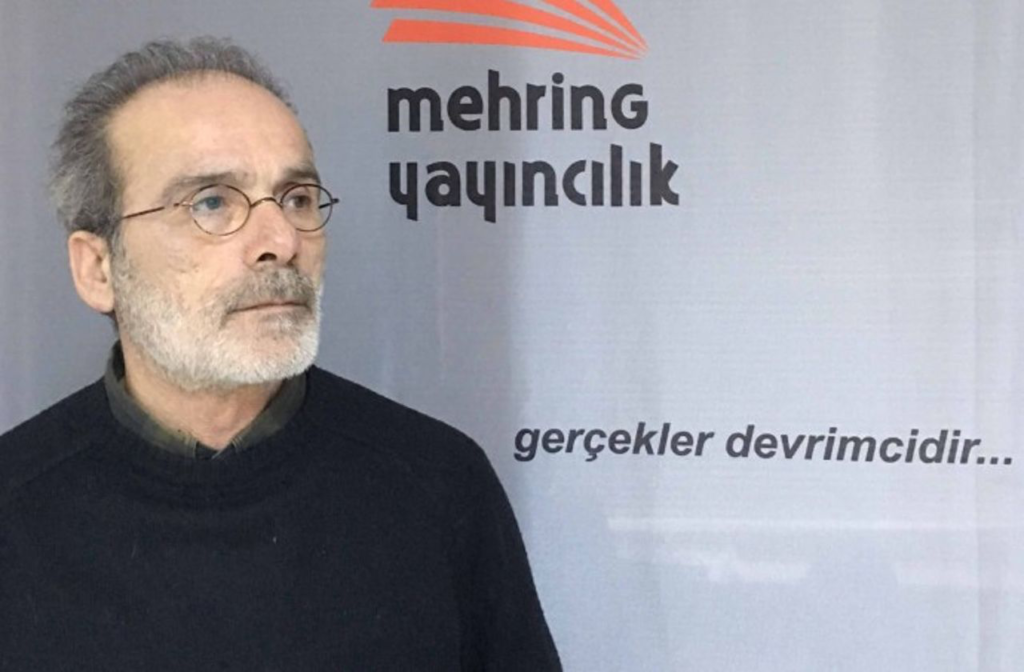
The establishment of the Turkish section is the outcome of an intense and systematic process of theoretical, historical and political clarification. The foundations for the formation of a Trotskyist party in Turkey were laid by the late comrade Halil Celik, who initiated political discussions with the International Committee. Halil’s contact with the ICFI and his commitment to building its Turkish section resulted from his conclusion, drawn from years of painful experience with various forms of Pabloite opportunism, that relentless political struggle against these tendencies was necessary.

In 2014 the ICFI formally endorsed the efforts of comrade Halil, who had begun the education of a group of young socialists in the history of the Fourth International, to establish a section in Turkey. In 2018 the Sosyalist Eşitlik Grubu (Socialist Equality Group) was formed. 

Celia
Halil Celik (1961-2018)

Halil undertook the translation of major publications of the International Committee into Turkish. He wrote: 

In a country where the working class and socialist movement in general have been dominated by Stalinism, Maoism and petty-bourgeois nationalist tendencies for decades, these books are of prime importance in developing socialist consciousness among workers and youth. Publications of the contemporary Marxist literature produced by the world Trotskyist movement in Turkish, we believe, will contribute to laying the theoretical and political foundation for the building of the Turkish section of the International Committee of the Fourth International (ICFI).

Despite his untimely death on December 31, 2018, Halil had by then recruited and educated a cadre of Sosyalist Eşitlik Grubu that was determined to carry forward the fight for Trotskyism. 

In June 2022 the SEG submitted its application to join the ICFI. The resolution motivating the application stated: 

The building of a revolutionary party in any country is possible only on the basis of an international perspective, program and party. The only solution to the major problems in Turkey, which is in a critical position in terms of global geopolitics and class struggle, is the international socialist revolution. The founding of the SEP (Turkey) will be an expression of the global expansion of the ICFI, the only political tendency that assumes the task of solving the great historical problems.

The International Committee accepted the application of the SEG. This posed before the Turkish comrades the challenge of elaborating the historical foundations and principles of the new section. As there had never been a Trotskyist party in Turkey, this required the most exacting political work. It demanded not only a thorough assimilation of the history of the Fourth International, but also an analysis and explanation of the complex political and strategic issues that confront the Trotskyist movement in Turkey. 

While pursuing this theoretical work, contributing significantly to the editorial work of the World Socialist Web Site, and continuing their ambitious program of publishing critical works of the International Committee, the SEG undertook important political initiatives to expand the political presence of the ICFI. Of particular importance was the SEG’s organization, beginning in 2023, of annual meetings on the island of BÃŧyÃŧkada to commemorate the life and work of Leon Trotsky.

In April 2025 the International Committee voted to approve the transformation of the SEG into the Sosyalist Eşitlik Partisi and its recognition as a section of the World Party of Socialist Revolution. This vote was taken following a careful review of the organization’s document, The Historical and International Foundations of the Socialist Equality Party (Turkey). 

The Sosyalist Eşitlik Partisi – DÃļrdÃŧncÃŧ Enternasyonal held its founding congress in Istanbul on June 13-15, 2025. In addition to the historical document, the SEP also adopted a Statement of Principles and a constitution. In accordance with Turkish law, the Sosyalist Eşitlik Partisi – DÃļrdÃŧncÃŧ Enternasyonal was obligated to apply in Ankara for formal recognition as a party by the state. The official certification was received in August. 

In a video statement announcing the formation of the SEP, posted on the World Socialist Web Site, its national chairman Ulaş Sevinç states:

The Sosyalist Eşitlik Partisi is unlike other political parties. We are part of the World Party of Socialist Revolution. We reject all forms of nationalism and fight for the international unity of workers, who have common interests and enemies worldwide. We reject petty-bourgeois identity politics, recognizing that the fundamental division in society is class-based.

All fundamental problems facing humanity are global problems stemming from the capitalist system. Since one cause of these problems is private ownership of the means of production and another is the division of the world into economically obsolete nation states, the solutions must also be international. The working class, as an international class, is the only social force capable of implementing these solutions. Rather than pursuing a “multipolar” capitalist world, the alternative to the nation-state system that leads to imperialist war and genocide is a federation of world workers’ states that will eliminate borders.

The ongoing genocide in Gaza is the most striking manifestation of the barbarism of the capitalist system and the decay of all parties defending it. As with other critical issues, it has become clear that the Palestinian question cannot be solved within the existing capitalist nation-state system. The same applies to the Kurdish question, which is an international issue. The only valid, progressive solution to these questions is a Socialist Federation of the Middle East, which will be established through the revolutionary mobilization of workers of all nationalities.

The Sosyalist Eşitlik Partisi unequivocally rejects the “lesser evil” policy and fights for the political independence of the working class. This means rejecting class-collaborationist “popular front” politics, which subordinate the working class to bourgeois parties and interests.

Regardless of their differences, all capitalist parties are in complete agreement on two fundamental issues: allegiance to imperialism and hostility toward the interests of the working class. For this reason, by their very nature, they cannot resolve any fundamental political issues, including the Kurdish question. They cannot establish a democratic regime, ensure social equality, or pursue an anti-imperialist foreign policy. As Leon Trotsky explained in his theory of permanent revolution, these tasks fall to the working class in the struggle for socialism. That is, the struggle for democracy is inextricably linked to the struggle for socialism.

The Sosyalist Eşitlik Partisi rejects the capitalist establishment parties and the pseudo-left parties that claim there is no alternative to collaborating with them. We call on workers and youth to build the Sosyalist Eşitlik Partisi as their own revolutionary party.

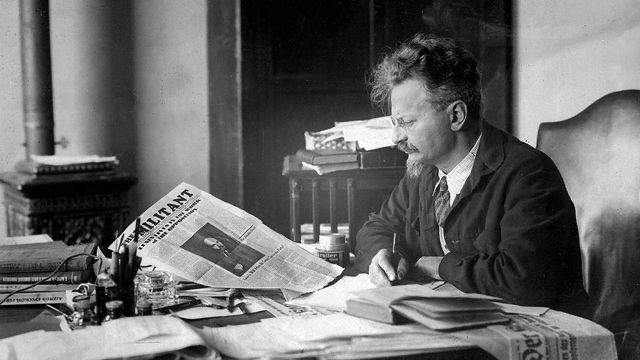
The Sosyalist Eşitlik Partisi is a “party of history.” Our party stands in the tradition of classical Marxism of Marx, Engels, Lenin, and Trotsky, as well as the tradition of the October Revolution of 1917. Since its founding in 1923, the Trotskyist movement has defended and developed this tradition against Stalinism, whose “national socialism” betrayed the revolution in the interests of the Kremlin bureaucracy’s “peaceful coexistence” with imperialism that led to the collapse of the USSR; against Social Democracy, whose reactionary program of reforming capitalism has failed; and against petty-bourgeois nationalism, which results inevitably in capitulation to imperialism and defeat.

The aim of the Sosyalist Eşitlik Partisi and the International Committee of the Fourth International, with which it is in political solidarity, is summed up in the following statement of Trotsky, founder of the Fourth International: “â€Ļ the full material and spiritual liberation of the toilers and exploited through the socialist revolution.”

Join us in this struggle that determines the fate of all humanity. Visit sosyalistesitlikpartisi.org, review our documents, and join the party!

The foundation of the Socialist Equality Party in Turkey extends the work of the Trotskyist movement into a country that stands at a key strategic juncture of not only global geopolitics but also of the international class struggle. The massively powerful multi-national proletariat of Turkey is destined to play a gigantic role in the global struggle against capitalism and imperialism. 

Moreover, the raising of the banner of Permanent Revolution by our comrades in Turkey will inspire a new generation of workers and the most principled elements among the youth and intellectuals in the “emerging” countries of the Middle East, Central Asia and Africa. The political bankruptcy of the national bourgeoisie—i.e., its subservience to imperialism and inability to satisfy either the democratic aspirations or social interests of the masses—is vindicating every day the insistence of the Fourth International that the future of humanity depends upon the socialist revolution and the transfer of power to the working class.

Long Live the Sosyalist Eşitlik Partisi!

Long Live the International Committee of the Fourth International!

Forward to the World Socialist Revolution!

Read Statement of Principles of the Sosyalist Eşitlik Partisi – DÃļrdÃŧncÃŧ Enternasyonal (Socialist Equality Party – Fourth International)

Read: The Historical and International Foundations of the Sosyalist Eşitlik Partisi – DÃļrdÃŧncÃŧ Enternasyonal (Socialist Equality Party – Fourth International)

The Socialist Equality Party is established in Turkey as a section of the International Committee of the Fourth International Read More Âģ

Toronto

Toronto International Film Festival to screen propaganda film for Israel’s genocide in Gaza

By Lee Parsons.

Reposted below is the article of the World Socialist Web Site published on 10 September 2025.

Acting as a cultural arm of Canada’s imperialist ruling elite, the Toronto International Film Festival (TIFF) will be rolling out the red carpet Wednesday for the world premiere of a film about the events of October 7, 2023 that provides propaganda cover for Israel’s genocide against the Gaza Palestinians.

The Road Between Us: The Ultimate Rescue, from director and producer Barry Avrich, is entirely silent about the Israeli state’s decades of brutal oppression and dispossession of the Palestinian people, and the violence and terror it has inflicted on the residents of Gaza and the West Bank over the past two years. The documentary film’s lens is exclusively focused on the efforts of retired Israeli Major General Noam Tibon to rescue family members caught up in the October 7 Gaza Palestinian uprising against the Zionist regime, which for more than 15 years had subjected them to a brutal and ongoing economic blockade.

Toronto

The film presents Tibon as an heroic figure. While Avrich emphatically—and laughably—claims the film is “non-political,” the not-so-subtly inferred message is that Tibon personifies the “plight” and “courage” of the Israeli people. 

The documentary centers on Tibon’s obstacles in reaching his family, who had come under fire during the attack, when Palestinian fighters entered Kibbutz Nahal Oz, which lies less than one kilometer from the Gaza border. Tibon responded to a text from his son and, as the film’s website breathlessly puts it,

With no time to spare, Noam and his wife, Gali, embarked on a ten-hour mission across a country under siege to save their familyâ€Ļ Noam navigated ambushes, roadblocks, and a collapsing security system in a relentless race against time.

The film is described in the synopsis given by TIFF as “a profoundly human story about courage, family, and the power of love in the face of unimaginable terror.”

This is foul Zionist propaganda. The constructed and entirely contrived narrative treats the events of October 7 entirely outside of history—as if they fell from the sky. Its narrative frame conforms to a “T” with that of the Israeli state and its western imperialist backers: the Hamas-led uprising was “unprovoked.” Indeed, Avrich submitted his film to TIFF under the title “Out of Nowhere.” It was the festival organizers, clearly in the interests of obscuring the film’s pro-Zionist line, who persuaded him to rename it The Road Between Us. 

Anyone who has followed the decades-long persecution of the Palestinians by the Israeli regime can only feel outraged by claims that Israel, which has been armed to the teeth by Washington and its allies, was a “country under siege” in October 2023. Since 2006, Israel had effectively maintained Gaza as an “open-air prison,” repeatedly bombing and terrorizing its population, not to mention the systematic seizures of Palestinian land and episodes of mass ethnic cleansing going back to the very formation of Israel in 1948. 

Nor can there be any other legitimate response but hostility to complacent references to “courage” and “family” after almost two years of a non-stop genocidal onslaught by Israel, backed by the imperialist powers, on the Palestinians, whose families have been torn apart, massacred, starved and left destitute. The only “unimaginable terror” is that carried out by the IDF against Gaza’s population.

The attempt by TIFF to wash the blood of the Palestinian people from the IDF by finding a “hero” among its senior ranks could not have served as a better piece of propaganda for the Netanyahu regime if they had paid for it themselves. To tout such a film as a legitimate artwork is as repugnant today as claiming that Leni Riefenstahl’s propaganda efforts were a legitimate expression of life during the Third Reich.

There are many issues a serious documentary about October 7 could have taken up, including interrogating the conditions that caused hundreds of Palestinian fighters to embark effectively on a suicide mission, and the reasons for the alleged and thoroughly unconvincing state of “unpreparedness” of the Israeli military and intelligence.

The Zionist state and military boast about their technological capability and skill at every turn when it serves their ideological and political purposes. But world public opinion is supposed to believe they found themselves entirely blind-sided in October 2023.

Extensive evidence suggests that elements high up in the Zionist regime were aware of the Islamist Hamas’ plans for October 7 well in advance, and chose to ensure that Israel’s security forces stood down to create a pretext for a long-planned onslaught on Gaza to ethnically cleanse its population and seize the tiny enclave, to implement, in fact, the “Final Solution” of the Palestinian question. After the uprising began, the IDF invoked the so-called â€œHannibal Directive,” which allows the military to kill Israeli civilians rather than let them be taken hostage.

The decision to screen the film at TIFF, which has reserved the 1,800-capacity Roy Thompson Hall for Wednesday’s premiere, has nothing to do with questions of artistic merit. On the contrary, the sordid process by which the film, initially excluded from one of the world’s most important film festivals, became a—if not the—marquee event of TIFF 2025 underscores the central role that financial and Canadian imperialist foreign policy interests play in the festival management’s decisions and those of the country’s other major cultural institutions.

The phony furor over TIFF “censorship”

On August 12, media reports emerged that TIFF had reversed its decision to screen The Road Between Us at this year’s festival, citing legal concerns that some of the footage recovered from captured GoPros by Hamas fighters had not been cleared for use, as well as a “potential threat of significant disruption.” 

These reports met with an immediate outcry of protest from the Zionist lobby in Canada, quickly joined and encouraged by the political elite and right-wing press. 

On August 13, Toronto City councillors James Pasternak and Brad Bradford issued a joint statement on X, declaring, “TIFF should not be banning or censoring films and should respect the freedoms of the arts community,” and concluding that the decision to cancel was a “moral failure.”

The very next day, TIFF capitulated to this reactionary campaign, now less than 48 hours old, and announced it would ensure the film would be screened during what is the festival’s 50th edition. With The Road Between US’s producers, explained TIFF CEO Cameron Bailey, “We have worked together to find a resolution to satisfy important safety, legal, and programming concerns.” 

This quick retreat did next to nothing, however, to appease the film’s ruling class promoters, who in the name of denouncing TIFF censorship, lashed out at the supposed intolerance of anti-Gaza genocide protesters.  

The National Post gave feature coverage to an op-ed penned by Sharren Haskel, who self-identifies as Israel’s “Canadian-born” deputy foreign minister. She voiced her outrage that TIFF sought “the ‘approval’ of terrorists,” who carry out “murders, rapes, and kidnappings,” and charged the festival with complicity “in silencing the truth.” She also slammed the Carney government for its empty announcement it would recognize a Palestinian state.

Canada, like the US and the other imperialist powers, is a key supporter of the Gaza genocide. Whether under Mark Carney or Justin Trudeau before him, the Liberal government has backed Israel’s genocidal campaign against Gaza and rampage across the Middle East to the hilt, shipping tens of millions of dollars in weaponry to Israel, while clamping down ruthlessly on anti-genocide protests at home.

Within Canada’s film industry the most prominent public statement of support for the screening of The Road Between US’s came from Susan Reitman Michaels, sister of the late producer/director Ivan Reitman, whose family is a major benefactor of TIFF. The family donated land for the home of the festival, the TIFF Lightbox complex in downtown Toronto. 

In an open letter Michaels wrote, “The irony is unbearable. My family’s gift of land to TIFF was intended as a memorial to my parents’ faith in freedom of expression, only to see that very principle eroded… What it looks like, and feels like, is the silencing of a Jewish voice at a time when Jewish voices are already being marginalized.” As intended, the letter elicited a thoroughly stage-managed “torrent of outrage,” with the festival reportedly receiving 60,000 emails objecting to the initial cancellation of the film.

The hypocrisy of Michaels and the other would-be warriors for “free speech” is staggering. None of them batted an eyelid, but on the contrary cheered on the political establishment when it systematically smeared and sought to intimidate hundreds of thousands of Canadians who participated in anti-genocide protests over the past two years. Anti-genocide activists calling for an end to Canadian imperialism’s supply of military equipment to Israel have faced arrest and harassment by the police, and in some cases the loss of their employment. The few voices who raised any criticism of the genocide within the political establishment, like former NDP member of the Ontario legislature Sarah Jama, were politically sidelined and silenced.

Moreover, the claim to be defending rights of “freedom of expression” on the one hand, while invoking the special rights of wealthy benefactors to influence programming decisions, reveals the class character of the objections.

In announcing the festival’s renewed commitment to screen The Road Between Us, TIFF CEO Bailey issued a cowardly mea culpa. “I want to apologize,” he declared, “for any hurt, frustration, or disappointment that our communication about the film has caused, and for any mischaracterizations that have taken root. We’re working now—and we will be for a while—to clarify things and to repair relationships.”

Bailey offered his fawning and, frankly, disgusting reassurance:

I want to be clear: claims that the film was rejected due to censorship are unequivocally false. Both TIFF and the filmmakers have heard the pain and frustration expressed by the public and we want to address this together.

The “pain and frustration” were not expressed by “the public,” but by TIFF’s wealthy donors, the Zionist lobby, and powerful sections of the corporate and political elite—many of them the very same forces who last year demanded that TIFF cancel screenings of a documentary that humanized Russian soldiers fighting in Ukraine.

It should be remembered that TIFF has a record of celebrating Zionism and Israel. In 2009, eight months after one of the Israeli military’s murderous assaults on Gaza, the film festival decided to honor Tel Aviv as the first city to be the subject of its new program, “City to City.” The decision provoked widespread outrage and protest.

Avrich, a Montreal-based filmmaker, has less than convincingly sought to talk his way out of any political intention behind his decision to make the film. Avrich told an interviewer for Deadline, “This film is not about politics, it’s about humanity, family and sacrifice.” 

Avrich and the IDF Major General Tibon used a joint interview with the Globe and Mail, published September 6, as an opportunity to double down on this transparent falsification, presenting their film, in the postmodernist jargon so prominent in artistic and academic circles, as simply one “story” among others. In a remark that reveals at best his indifference towards and more likely support for the greatest crime of the 21st century so far, Avrich blandly told the Globe that he was just “a guy in Canada who is attracted to a great storyâ€Ļ I didn’t see anything outside that story.” The same line was taken by Tibon, who adds in the same interview that ”we didn’t say one word of politics.” Anyone who believes a word of this rubbish …

When the Globe interviewer gave them the opportunity, to say something about the plight of the Palestinians and the ongoing genocide, both Avrich and Tibon pointedly refused to do so.

An artist unmoved by genocide and who, in the face of the systematic destruction of an entire people, “didn’t see anything outside” the fate of a senior officer in this machinery of mass murder and his immediate family, deserves only contempt. This is not a matter of artistic freedom. Rather, it reflects a tendency to revel in a kind of cold indifference to mass human suffering cultivated within a privileged layer of the middle class, whose expanding stock portfolios and bank balances are tied up with the eruption of imperialist wars over the past three-and-a-half decades, culminating in the Gaza genocide as part of a rapidly developing third world war.

Toronto International Film Festival to screen propaganda film for Israel’s genocide in Gaza Read More Âģ

Indonesia

Indonesian protests—a sign of social crisis and deep-seated opposition

By Peter Symonds.

Reposted below is the article of the World Socialist Web Site published on 07 September 2025.

In the wake of a huge police crackdown and thousands of arrests, the protest movement that erupted in Indonesia late last month has largely subsided, but none of the basic issues that fuelled the widespread demonstrations have been resolved. 

The immediate trigger for the protests was the decision to pay a huge monthly accommodation allowance of 50 million rupiah ($US3,045) to the 580 parliamentarians of the House of Representatives (DPR)—10 to 20 times the minimum wage paid to millions of workers struggling to survive.

The lavish allowance was emblematic of far deeper concerns and opposition stemming from the immense social gulf between the country’s wealthy few and their political representatives and the vast majority of working people. Moreover, the social crisis facing broad layers of the population, particularly young people, is only worsening as economic growth slows and unemployment rises. The jobless rate for youth has hit 16 percent, forcing many into poorly paid, casual work.

Indonesia
Protesters clash with the police during a protest against lavish allowances given to parliament members, in Jakarta, August 28, 2025. [AP Photo/Tatan Syuflana]

The protests dramatically escalated after the callous killing of a young ride-share motorbike rider Affan Kurniawan on August 28. He was run over by an armoured police vehicle amid a mass mobilisation of police, including the notorious, heavily-armed BRIMOB. In the following days, angry protesters clashed with police, attacked government buildings and stormed the homes of prominent political figures including Finance Minister Sri Mulyani, the architect of the budget cuts that set off protests earlier in the year. 

Facing a deepening political crisis, President Prabowo Subianto delayed a planned trip to China. He appeared at a press conference on August 31, flanked by leaders of the main political parties, to appeal for calm, declaring he understood “the genuine aspirations of the public.” At the same time, however, he ordered “the police and military to take the strongest possible action” against purported looting and destruction. 

The protests involving thousands were not limited to the capital Jakarta but had spread to major cities throughout the country, including Surabaya, Surakarta, Bandung, Semarang and Yogakarta in Java; Banda Aceh, Padang and Medan in Sumatra; as well as Makassar and Kendari in Sulawesi, Palangka Raya in Kalimantan, and Manokwari in West Papua.

At least 11 people died in the clashes with the police and military, hundreds were injured, and another 20 protesters are missing, according to the Commission for Missing Persons and Victims of Violence. More than 3,000 people have been arrested. 

Confronting a police crackdown, the protests subsided last week but the anger has not. Smaller protests continued. Last Wednesday, hundreds of women from the Indonesian Women’s Alliance (IWA) marched to the parliament building in Jakarta wielding brooms to “sweep away the dirt of the state, militarism and police repression.”

Last Thursday, a student demonstration led by the All-Indonesian Students’ Union (BEM SI) took place outside the parliament, where its central coordinator Muzammil Ihsan read out a list of demands, including the reduction of parliamentary allowances, complete reform of the national police and parliament, the release of all those arrested and the creation of 19 million jobs. 

On the same day, members of the Labor Movement with the People (GEBRAK) held a protest in a major road in Jakarta also demanding the complete reform of the police and parliament.

On Thursday evening, a delegation of student leaders was invited to meet ministers at the Presidential Palace but reportedly walked out of the talks after being told they had to consider “the nation’s development” in making any demands. 

Last week, a grouping of activist organisations drew up a list of 17 short-term “people’s demands” to be implemented by Prabowo and the government by last Friday along with eight longer-term ones. The deadline, however, passed with few of the demands being met or partially met.

In a bid to quell widespread anger, the parliament did announce the axing of the housing allowance that initially sparked the protests. The announcement was left to the parliamentary speaker Puan Maharani. She is the daughter of former president Megawati Sukarnoputri, chairperson of the Indonesian Democratic Party of Struggle (PDI-P)—the only parliamentary party that is not part of the Prabowo government.

On the same day, Co-ordinating Minister for Economic Affairs Airlangga Hartarto suggested that the government would carry out various stimulus measures to boost jobs and incomes—including wage subsidies for those earning less than 10 million rupiah a month, a program of public works, tax exemptions and steps to prevent mass lay-offs. But under conditions of a slowing economy that will be further hit by Trump’s tariffs, these proposals have the character of empty promises.

No steps have been taken to rein in the police and military. The only action taken against the police has been against low-level officers involved in the widely publicised killing of ride-share worker Affan Kurniawan. The officer in charge of the vehicle that struck Kurniawan has been dishonourably dismissed, and another received a seven-year demotion.

These measures are unlikely to assuage popular anger and resentment. Imran, a food delivery driver, told Al Jazeera that “inequality” was the root cause of the mass protests, “including economic inequality, educational inequality, health inequality and unequal public services.”

Referring to the government and parliament, he said: “They are not concerned about our fate. They should be present to resolve the problems facing the community, not fan the flames. These protests arose from the community’s poor economic conditions.”

Speaking to Al Jazeera, Rahmawati, a housewife, said that public anger had “finally exploded â€Ļbecause we feel like no one cares about usâ€Ļ What we want is for them [politicians] to care about us and our needs. Every year, the price of basic foodstuffs rises and never goes back down again. Groceries are becoming more and more difficult to afford.”

Significantly, the protests in Indonesia reverberated more broadly throughout South East Asia as workers and young people confront very similar economic and social problems, exacerbated by slowing economies. Protests took place last week in support of those in Indonesia, including in Malaysia and Thailand.

Thai students hung a banner on an overpass near Chulalongkorn University in Bangkok declaring “Thailand stands with the people of Indonesia” and called for justice for those protesters killed during police crackdowns.

In Thailand, a social media poster called Yammi shared instructions on how to order meals for Jakarta-based ride-share and food delivery motorbike riders. Revealing sympathy not just with the protesters but the difficult and dangerous conditions facing poorly paid riders, the post went viral in the region and internationally. Donations came in from Singapore, Malaysia, the Philippines and Brunei, as well as Japan, Sweden and the United States.

The protests have provided a glimpse of the explosive social tensions that have built up in Indonesia as well as the broader region and will only intensify amid growing global economic turmoil.

Indonesian protests—a sign of social crisis and deep-seated opposition Read More Âģ

Commemoration

Katuwana Massacre: Relatives commemorate victims after 36 years of intimidation and continuing impunity

Our Correspondent.

Commemoration
Katuwana Massacre Victims – From right: Sisiliyana, Edwin, Nilmini, Mathangalatha, Sujithaseeli, Chandraleka and Niranjala. Chulananda, first from the Left, was assassinated in 1990.

On August 27, at Katuwana, in Hambantota District, the relatives of the seven family members, who were massacred by Sri Lanka Army in August 1989, held an event of commemoration of their loved-ones, at the same location where they were bombed. This was the first time a commemoration event was held in remembrance of these victims of state terror after 36 years of impunity and oppression. theSocialist.lk reporters were present at the occasion.

On that fateful night, three and half a decade plus one year ago, Sri Lanka army of the Singha Regiment – 6th Battalion invaded the house of the family, where the only male who was at home at the time was the 63 year old father, J.H.A. Edwin, a Sinhalaese traditional medical physician. The others were the 53-year-old mother, H.A. Sisiliyana; the three young daughters, namely J.H.A. Nilmini Asoka (25), J.H.A. Mathangalatha (20), J.H.A. Sujithaseeli (15); a niece, W.A. Chandraleka (24), and the 6 year old granddaughter, N.A. Niranjala Wilson. All were ethnic Sinhalese. The army killed them all on the spot or, according to some witnesses—who were also killed later—the four young girls were carried to the army camp, raped for three days and killed. The house was bombed and the family was burnt with the house. 

The relatives displayed the pictures of their loved ones and lit candles. Two surviving daughters, their husbands, grandchildren and their families and friends observed minutes of silence. Even decades later, their tears have not dried. Vimukthi, a grandson of Edwin addressed the gathering. He stated as follows: 

“This is the first time in 36 years that we have been able to gather here publicly to speak their namesâ€ĻThey were silenced by guns and disappeared into the shadows of mass graves and tire pyres.

For 36 long years, we could not hold this historic event in commemoration of their memory. We could not come here, speak their names, and mourn openly. The state of terror, the climate of repression, and the continued threat against those who sought truth and justice kept families like ours silent. But silence is not forgetfulness. These years have only deepened our grief and strengthened our determination.

Today we break that silence… Those who carried them out—from the military, death squads and the police to those who directed them—must be held accountable before history, if not yet before law.

Our relatives’ blood cries out not for revenge, but for truth and justice. It cries out for recognition that these lives mattered, that the poor, the villagers, the youth killed in those years were not expendable.

We carry your names and the memories of cruelties inflicted on you forward as a profound mark of protest, so that such crimes must never be repeated.

May your memory give courage to all who fight for truth, justice and dignity and against State repression.”

He also read out the name of J.H.A. Chulananda (22), the only son of Edwin and Sisiliyana, whom he stated was “a young man who aspired to justice and social equality but was misled by the reactionary political forces of the era”, and who was killed by Beliatta Police in October 1990.  He was said to be a member of fascist Janatha Vimukthi Peramuna (JVP) during the 1988-1990 insurgency. When the Army failed to capture or kill him, evidently, the massacre of his entire family was orchestrated as an act of reprisal and terrorization. 

Katuwana massacre commemoration
Family members of the Katuwana Massacre victims commemorate their loved ones, marking 36 years of impunity.

Testimonials 

We talked to the victims’ relatives. Edwin’s eldest surviving daughter Chandani (63) related to us her harrowing story of years of pain, endurance and struggle:

“People called my father Weda Mahattaya. He was very much loved by people. He was a very  innocent, kind and honest man. He walked slowly, smiled pleasantly, spoke gently, and wore a sarong and the national dress. Formerly, as a monk, he had published a number of Ayurvedic books. Many people who received medicinal treatment from him have met me and told me about the compassionate, and often free, treatment they received from my father and mother. 

Our family is a large one of six daughters, and my brother, Chulananda, was the only son. Our family’s economy was founded on meager but stable earnings from my father’s Ayurvedic practice. We had paddy land and acres of coconut, cinnamon and citronella land, which my father cultivated and managed. Due to litigations on land disputes, which my father all won, he lost financially, and his businesses collapsed.  We all lived in a thatched house, made of wattle and mud. However, my father could still afford to feed all of us well, educate us, and also help the needy. 

By 1971, my father was a strong supporter of the Sri Lanka Freedom Party (SLFP) and Sirimavo Bandaranaike. However, by 1977, he was fed-up with and dissatisfied with the United Front government and voted for the United National Party, whose leader J.R.Jayawardene promised a “Dharmista Samajaya” [A society led by noble principles].  

We all went to Katuwana Maha Vidyalaya (school). My brother did not continue his education after grade seven. He was very kind-hearted, sociable, and very helpful to the villagers. He cared for his friends and neighbors more than his own family. He often stayed away from home longer than he stayed at home. He was outstanding, intelligent, fair-looking and, naturally, the youth considered him as their leader.  He wanted to do a job, but also never wanted to leave the village. I think he had made connections with the JVP since late 1987. 

My brother had earned the wrath of village thugs and  father’s former opponents. Once they even attempted to take his life by stabbing him. He narrowly escaped with his life, but his friend succumbed to the injuries. 

In 1979, I married a teacher and lived separately. One of my older sisters married a police officer and went to live in Welimada in early 1989. All other sisters were with my parents at home, Loku (Sujithaseeli), the next to youngest preparing for her Ordinary Level Examinations. Hichchi (Mathangalatha) was studying for the Advanced Level (A/L) examination. Neela (Nilmini) was attending vocational training courses after A/L in expectation of a job.

During the school vacation in August 1989, my two elder sisters [Nilmini and Mathangalatha] came to visit us at our residence at Walasmulla [17 km from Katuwana] by bus. Our parental home was just about half a kilometer away from the Army camp located in the Katuwana Govi Jana Seva [Aggrarian Services Center] premises. While my sisters were passing the army camp, some soldiers had shouted and remarked, “well, go, have a round and come”. That was on 26th August, a Saturday. 

My sisters had lunch with us. That was our last meal together. All my three children were much fond of staying with their grandparents and aunts. So, all three were crying and pleading to go with their aunts.  Finally,  my daughter, Niranjala went with them. 

On the morning of August 29th, my husband went to Katuwana with a friend to bring our daughter back home, as school vacation was ending. My husband saw the bombed house; he saw burning human flesh and a skull. Nobody was alive, including my child.  

After the incident, I went to lodge a complaint at Walsamulla Police, as there was no police station in Katuwana at the time. The police refused to record my complaint. The Officer in Charge (OIC), K.M. Premathilake put his pistol to my mouth and shouted, ‘You woman, keep your mouth shut. Those who take arms will perish by arms.’

Exactly on my 28th birthday, on October 11, 1990, my husband received information from one Silva that my brother had been killed by Beliatta Police. Dasanayake, OIC of the Beliatta Police, who had shot my brother, had quickly informed K. Danapala, the newly elected Provincial Councillor (PC), about the killing. Danapala [who expired a few years ago] feared my brother would pose a threat to his life, which was never the case. My brother’s body had been burnt on a tyre-pyre, after the body was shown to the satisfaction of Danapala.

Danapala too had had a land dispute with my father a long time ago. He lost a court case he had filed against my father. There was also a caste difference between Danapala and us. My father, and almost that entire block of the village, belonged to a higher caste than Danapala’s. Katuwana had a number of such blocks of houses called “Mandi”, where people of different castes lived.” 

Chandani’s husband, Chamal (69), related his traumatic experiences as follows:

”On the morning of 29 August, I went with a friend of mine in his car to Katuwana to bring my daughter back home. My friend wanted to meet Danapala Manthree (PC) and request his help to get his nephew released from Walasmulla Army camp. At the road barrier at the Katuwana Army Camp, the army stopped our car. My friend told them we were going to meet Manthree Thuma (Danapala). So, we were allowed to proceed. 

When we reached the place where the house was situated, I could not see the house. I could only see the smoke. I went closer. I could not believe my eyes. The house was demolished and everything was burning. I could see human flesh burning inside the house close to the main door. I saw a skull burning. I could not stand up. One or two villagers came to me and held me tight. A sister of my mother-in -law came to me and said, ‘Nobody is alive. Everybody is burnt’. I shouted, calling my daughter’s name. The aunt told me, ‘You should leave now. If the army comes and finds you, they will kill you too”. My friend then pushed me inside the car and brought me back home. I told my wife everything. She was devastated.

A couple of weeks later, Gamini, one of Danapala’s home guards [Grama Arakshaka – members of government’s Civil Security Force], told me that he and another guard were present with the army when they committed the crime, and asked me not to search for the family as everybody was killed by the army. He told me that the four sisters were taken to Katuwana army camp, raped and tortured there for three days, and then killed. It was not long afterwards that I came to know that both those guards were assassinated.

During the same period, we were trying to lodge complaints at police stations and even searched for them at army camps, as we believed they were still alive in some detention center. When my wife and I went to lodge a complaint at Walasmulla Police, we were chased away. I even dared to go to Walasmulla army camp to meet Captain P.L.U. Buddadhasa of the 6th Battalion, Singha Regiment, to find out some information about my relatives. He just told me, ‘Do not search for them. They are all dead. Do some religious observances for them’.  When I went to complain to the ASP [Assistant Superintendent of Police] office at Tangalle, ASP Ekanayake warned me, saying, ‘You are a teacher; do not try to search for them. Otherwise, you will lose your own life.’

I was able to lodge a complaint at Middeniya Police only in late September 1994, after Madam Chandrika Kumaratunga was elected President. We were also able to complain to the Presidential Commission on Disappearances. The Muttetuwegama Commission’s final report contains the seven names of our relatives.

However, the court case never proceeded after 1998. We have learned that the Police had colluded with Danapala to systematically bury the case, four years after the collection of samples from the massacre site. 

Due to the lasting psychological shock my wife and I had to endure, I could not continue my work as a teacher with sincerity. Therefore, I decided to retire under the Circular No.44/90. Thereafter, the conditions of our family worsened. I had to struggle for sustenance for my family of four children.

Chandrika soon resumed the war with the LTTE [Liberation Tigers of Tamil Eelam]. By 1998, we learned of the crimes committed by the Sri Lankan army against innocent Tamil people in Jaffna. The case of Krishanti Kumaraswamy and her family’s murder at Chemmani shook our souls. Then we realized the extent of the crimes Tamils must have been forced to suffer in the North, sometimes even beyond the crimes committed against our family. Later, Mahinda Rajapaksa continued the war, and his and all succeeding governments praised the mercenaries as ‘Rana Viruvo’ [war heroes]. Throughout, we were silenced.”

He also told us about his experience with the false “human rights” crusaders of the time: 

“The orphaned youngest sister of my wife was studying and living with us during that period. Once, in early 1997, I went with her to meet Mahinda Rajapaksa at his Carlton office, seeking his help to find a job for her. My parents had worked for D.A. Rajapaksa and I myself had, as a youth, campaigned for Mahinda’s elections. So, I knew him personally. After waiting a long time to meet him, we forcibly entered his room and informed him of our predicament after the massacre of the family. He shouted at us: ‘Look, these people have worked for the JVP and got themselves killed, and now have come seeking my help to get jobs’. My sister-in-law was crying. She never received a job from him, nor any assistance.” 

The other surviving daughter, Indumathi expressed her first hand experience of the wrath the local politician had toward the family: 

“Since my father supported the UNP in elections in late 1988 and early 1989, after the general elections, my father went with me to talk to Danapala Manthree. Our parental home was just a few yards away from his residence. He was the uncle of Ananda Kularathna, then UNP cabinet minister from the Mulkirigala seat. We later came to understand that my brother was at that time full time engaged in the activities of the JVP, which had ordered people not to vote at elections [the provincial council election in the Southern Province was held in June 1988]. Danapala seemingly saw his life as threatened by the JVP and its military wing, Deshapremi Janatha Viyaparaya (DJV). However, villagers say my brother never left any room for harm to be inflicted upon anybody in the village, not even on those who envied our family. Danapala ferociously denied any help in finding jobs for me or anyone else in our family. He shouted: ‘There is a terrorist in your house. If it were not for Weda Mahattaya, you and your house would already have been reduced to ashes.’ 

But, neither my parents nor anybody even dreamt of an impending massacre, because we had not heard of such incidents before. 

About two days before the bombing of our home, my elder sister Neela sent me a letter saying that the previous day there had been a bomb blast in the area targeting the army, which had killed several soldiers. My sister wrote that now they felt their lives were also in danger. I think the day she posted that letter was the day she and Hichchi visited my eldest sister at her home in Walasmulla. When she sent that letter, our youngest sister was with me at my house. So, her life was saved.”

Sunitha, the youngest surviving daughter and now a teacher, tearfully recalled her loving parents, her brother, and the harassment by the armed forces:

“My father was a Bodhisattva [a reference to the noble lives of Buddha before enlightenment]. As a skilled physician, sought after by people from different parts of the country, I witnessed how miraculously he saved the lives of many patients who had been brought after snakebites. I also saw how skillfully he cured limb and arm injuries caused by various accidents. My mother was the perfect match for my father. Like a goddess, she was dedicated day and night to treating patients. 

Our father had written and published a couple of Veda Grantha [medicinal books]. They were written in verse form. Sarpa Visha Sanharaya I and II [Neutralizing Serpent Venom], Bilindu Roga Sanharaya [Treating Pediatric Illnesses] were very popular, and Manthra Sathakaya [Hundred Mantras] is a book still being sold in bookstores.

He never harmed anybody, not even an insect. I cannot understand how cruel one must be to aim a weapon at such a man of glory and kill him. This world is cursed!

My brother was very handsome. He was always helpful and empathetic toward others. He was a leader to the village youth. Sometimes, village youth even betrayed him, not because of any wrongdoing he committed, but to save themselves when they were arrested for small disputes and fights.

About ten months before the massacre of our family, the chief of the Katuwana Army Camp came to our former house with other soldiers and asked my father to remove all necessary belongings, as they were going to burn our house at 7:00 p.m. that night. My father pleaded with him: “Do not harm us. If my son has done anything wrong, you may punish him.” But they burned our house. The house by the side of Rukmalpitiya Road, where our family was living at the time of the massacre, was built later, about a hundred meters away from the former house on the same road.

I remember, during the period of state terror, the army often intruded into our home and searched everywhere inside. We were always terrorized. They knew very well that my brother was not there, and that only our elderly parents and we girls were present. They questioned us about our brother and even searched for books. Sometimes, they even came in the middle of the night while we were sleeping. Then they would ask us to turn off the lamps (kerosene lamps) and search here and there.”

A systematized killing spree 

In both the South and the North, the Sri Lankan ruling elite deployed the full apparatus of the state—the military and police, death squads, the Prevention of Terrorism Act, and Emergency Regulations—to eliminate perceived threats to capitalist rule from the political right and, above all, against the innocent rural poor and the oppressed. Theorizing the causes of large scale disappearances during the period, Asian Human Rights Commission (AHRC) report in December 1997 stated,

 â€œ[U]nder the emergency regulations, all restraints on law enforcement officers were removed, and the power to dispose of dead bodies was left to the sole discretion of these officers. Judicial supervision was suspended. There were no provisions even to keep records of the disposed bodies.”

The report further stated as follows:

“Disappearances were the result of a very deliberate policy and were implemented meticulously according to a plan. Law enforcement officers received instructions to arrest, kill and dispose of the bodies. Enacting emergency regulations made this legally possible. The police were constantly coached to carry out killings, and there were methods of supervising how many were to be killed in each area. Incentives were given through the distribution of money for killer squads. 

Liquor was also provided to these squads to keep them in a mood conducive to participation in such activities. Lists of those who were to be killed were distributed. Special interrogations were held in special places for interrogation. In many instances, the decision to kill was made during these interrogations, and people were murdered in the secret surroundings of these places. Law enforcement officers mingled with illegal elements in undertaking these activities. Politicians were given direct access to these groups so that they could execute the wishes of these politicians.”

The Commission Report and the Buried Lists

In November 1994, president Kumaratunga appointed three presidential commissions to  inquire into incidents of involuntary removals or disappearances of persons after 1 January 1988. The commission chaired by Manouri Muttetuwegama inquired into incidents in Western, Southern and Sabaragamuwa Provinces.

In response to the Commission’s request to provide information on the officers who were attached to the Katuwana Army Camp at the time, on 30 June 1997, the Army replied “not mentioned” in their records—the same answer given in response to most of the other camps. The Commission did not take any further steps to obtain the information from the Army.

The alleged perpetrators of these crimes were shielded by the very recommendations of the Commission itself. While the Commission “found the information and material upon which the allegations of the witnesses were based to be prima facie credible,” it nevertheless stated: “we recommend that the lists of names of persons alleged to have been responsible for involuntary removals or disappearances sent by us under separate cover be not published,” until further investigations were carried out. No such “further investigations” were ever undertaken by Kumaratunga’s government or by successive governments, thereby granting the perpetrators lifelong impunity and protection to commit further crimes. To this day, these confidential lists and the witness testimonies remain undisclosed to the public.

theSocialist.lk has pointed out the class character of the government’s policies of repression during the counterinsurgency in the South, which were later carried forward against the ethnic Tamil population in the North and East, in order to defend the capitalist unitary state and the interests of finance capital. 

These atrocities of the capitalist state cannot—and could not—be prevented, nor justice established, without the abolition of the parasitic state, its military, police, laws, and capitalist class rule. This is the historic task of the working class, rallying behind it the petty bourgeoisie and the oppressed masses, as part of the united struggle of the South Asian and international working class for socialist policies.

Katuwana Massacre: Relatives commemorate victims after 36 years of intimidation and continuing impunity Read More Âģ

Summit

Leaders of China, Russia and India gather for Shanghai Cooperation Organisation summit

By Peter Symonds

Reposted below is the article of the World Socialist Web Site published on 02 September 2025.

The two-day gathering of Shanghai Cooperation Organisation (SCO) leaders finished yesterday in the Chinese city of Tianjin. The host, Chinese President Xi Jinping, put forward his vision of a multi-polar world in opposition to “hegemonism and power politics”—a barely veiled criticism of the US.

Summit
Putin, Modi and Xi. [AP Photo/Suo Takekuma]

The grouping has its roots in what was dubbed the “Shanghai Five,” formed by China and Russia with Kazakhstan, Kyrgyzstan and Tajikistan in 1996 to counter US interventions in Central Asia following the dissolution of the Soviet Union. The SCO was formally established in 2001 and expanded to include Uzbekistan. India, Pakistan, Belarus and Iran have subsequently been included as full members, while 14 other countries including Saudi Arabia, Turkey and Egypt are dialogue partners.

While the attendance of many of the 20 leaders at the summit was unremarkable, the presence of Indian Prime Minister Narendra Modi—his first visit to China in seven years—triggered alarm bells in Washington. US imperialism has carefully cultivated economic and strategic relations with India for well over a decade, as it has accelerated its preparations for war with China, which it regards as the chief threat to US global dominance. 

Modi had previously signalled that he would not be attending the summit, citing his necessary attendance at a sitting of India’s parliament, in what could only be construed as a calculated snub to China. Although a thaw had begun, relations between the two countries were frosty following military clashes along their disputed border in 2020 that left 20 Indian and four Chinese soldiers dead.

Modi abruptly changed his plans amid a standoff with the Trump administration over India’s purchase of oil from Russia. In early August, Trump attempted to bully India into submission by doubling tariffs on Indian exports to the US to a massive 50 percent. Modi refused to cave in and the final 25 percent of the tariff hit came into effect last week. Indeed, Reuters reported last Thursday that India plans to increase purchases of Russian oil by between 10 and 20 percent. 

Trump had been pressing India and China to end imports of Russia oil as a lever to strongarm Russian President Vladimir Putin into making concessions to Ukraine as part of negotiations over a ceasefire in the ongoing war. The fact that Trump had not imposed a similar tariff punishment increase on China to that on India was no doubt doubly galling for Modi, given India’s longstanding strategic partnership with the US.

Modi’s presence in China this week was something of a diplomatic coup for Xi, who effusively welcomed him on Sunday, saying the two countries must not let the border issue define overall relations, and should be development partners not rivals. Modi, in turn, declared that there was now an “atmosphere of peace and stability” between them. 

Modi and Xi met in Russia last October on the sidelines of the BRICS summit shortly after reaching a border patrol agreement. Over recent weeks, a further warming of relations has been evidenced by the re-establishment of direct flights and a lifting of Chinese export restrictions on India including on rare earths. Yesterday, according to Modi, the two leaders discussed reducing India’s huge trade deficit of $99 billion with China, the country’s largest trading partner.

Xi clearly used the SCO summit as a platform to demonstrate China’s ability to counter US efforts to isolate it internationally and encircle it militarily. “Global governance has reached a new crossroads,” he said. 

In another swipe at the US and Trump, without naming names, Xi criticised “bullying practices” and declared: “The house rules of a few countries should not be imposed on others.” 

The meeting agreed to Xi’s proposal for a new SCO development bank in a move to further undermine the dominance of the US dollar in world trade and finance. Beijing is to provide 10 billion yuan ($US1.4 billion) in loans to the new banking consortium and another 2 billion yuan in aid to member states this year. China also plans to build an artificial intelligence cooperation centre for SCO nations. 

Putin also used the opportunity to call for “genuine multilateralism” to lay the groundwork for “a new system of stability and security in Eurasia.” In an obvious reference to the US and NATO, he added: “This security system, unlike Euro-centric and Euro-Atlantic models, â€Ļ [would be] truly balanced, and would not allow one country to ensure its own security at the expense of others.”

Putin also lashed out against the US and NATO over the war in Ukraine, saying it “did not arise as a result of Russia’s aggression against Ukraine, but rather as a consequence of a coup d’Êtat [in 2014] in Ukraine, which was supported and provoked by the West.” He praised the efforts of China and India in facilitating a resolution to the crisis and said he would inform SCO members of details of last month’s negotiations with Trump in Alaska in bilateral meetings. 

Both China and India have called for an end to the war, but at the same time pointedly refused to condemn Russia’s 2022 invasion.

Efforts were made to present an atmosphere of conviviality and bonhomie. Modi and Putin arrived together in Putin’s vehicle to yesterday’s meeting after a lengthy discussion and joined Xi for a photo opportunity holding hands in a close circle. The Indian and Russian leaders also publicly praised their own discussions. 

An editorial in the Washington Post entitled “Trump’s white-knuckling with India could backfire” expressed the alarm in US ruling circles that the White House’s crude attempt to use hefty tariffs to bludgeon New Delhi into submission and break up longstanding Indian ties with Russia had failed. 

“Beijing remains Washington’s most powerful rival. In purely economic terms, China is already a far more formidable adversary than the Soviet Union ever was,” it noted, then concluded:

“Trump’s zero-sum approach is to not leave any money on the table in negotiations. Even in business, that’s arguably a mistake. Goodwill has value. Trump’s talks with China might yet turn out to be every bit as bruising as those he is having with allies. Maybe that’s when he might appreciate better relations with friends.”

Trump officials, however, have shown no signs of heeding the advice. US Treasury Secretary Scott Bessent described the SCO summit as “performative” and denounced India and China as “bad actors” that were “fuelling the Russian war machine”. Trump’s anti-China trade adviser Peter Navarro condemned India as “arrogant,” declaring that the “Brahmins are profiteering at the expense of the Indian people” with the Russia oil trade. In a fit of exasperation, Navarro branded the conflict in Ukraine as “Modi’s war.” 

Modi has no intention of immediately rupturing relations with the US. On his way to the SCO summit, he stopped in Tokyo where he praised the work of the Quadrilateral Security Dialogue or Quad—a quasi-military pact with Japan, the US and Australia. Speaking to Nikkei Asia, Modi repeated stock standard US propaganda, declaring: “As vibrant democracies, open economies and pluralistic societies, we are committed to a free, open and inclusive Indo-Pacific”—directed against “authoritarian” China.

Like the other SCO members including China and Russia, India aggressively pursues its economic and strategic interests amid worsening international economic turmoil, exacerbated by Trump’s trade war measures, along with heightened geo-political tensions and an emerging world war. Wracked by social tensions at home and divided by many unresolved disputes, none of them has a progressive solution to the global eruption of imperialist violence and deepening crisis of the capitalist system.

Leaders of China, Russia and India gather for Shanghai Cooperation Organisation summit Read More Âģ

Chemmani

āļ āˇ™āļ¸āˇŠāļ¸āļąāˇ’ ⎃āļ¸āˇ–⎄ āļ¸āˇ’āļąāˇ“⎀⎅ āˇāˇŠâ€āļģ⎓ āļŊāļ‚āļšāˇ āļģāˇāļĸāˇŠâ€āļēāļē⎚ āļ´āļąāˇŠāļ­āˇ’ āļē⎔āļ¯ āļ´āˇŠâ€āļģāļ­āˇ’āļ´āļ­āˇŠāļ­āˇ’ ⎄⎙āļŊ⎒āļ¯āļģāˇ€āˇŠ āļšāļģāļē⎒

⎃āļ‚āļĸāļē āļĸāļē⎃⎚āļšāļģ āˇ€āˇ’āˇƒāˇ’āļąāˇ’.

Chemmani
āļ āˇ™āļ¸āˇŠāļ¸āļąāˇ’ ⎃āļ¸āˇ–⎄ āļ¸āˇ’āļąāˇ“⎀⎅ 2025 āļ…āļœāˇāˇƒāˇŠāļ­āˇ” 01 āļ¯āˇ’āļą. āļĄāˇāļēāˇāļģ⎖āļ´ āļ…āļąāˇ”āļœāˇŠâ€āļģ⎄āļē Kumanan Kana āˇ†āˇšāˇƒāˇŠāļļ⎔āļšāˇŠ āļ´āˇ’āļ§āˇ”⎀⎙āļąāˇ’.

āļēāˇāļ´āļąāļē⎚ āļ…āļŊ⎔āļ­āˇ’āļąāˇŠ āļ…āļąāˇāˇ€āļģāļĢāļē āļšāļģāļœāļ­āˇŠ āļ āˇ™āļ¸āˇŠāļ¸āļąāˇ’⎄⎒ āļ…āļģ⎒āļēāˇāļŊ⎙āļē⎒ â€œāˇƒāˇ’āļ­āˇŠāļ­āˇ”āļ´āļ­āˇŠāļ­āˇ’” ⎄⎒āļąāˇŠāļ¯āˇ” āˇƒāˇ”āˇƒāˇāļą āļˇāˇ–āļ¸āˇ’āļē⎚ ⎃āļ¸āˇ–⎄ āļ¸āˇ’āļąāˇ“āˇ€āˇ…āˇš āļ¯āˇ™āˇ€āˇāļąāˇ’ āļ…āļ¯āˇ’āļēāļģ⎚ āļšāˇāļĢ⎓āļ¸āˇŠāˇ€āļŊ 28 ⎀⎐āļąāˇ’ āļ¯āˇ’āļąāļē āļ…āˇ€āˇƒāļąāˇŠ ⎀āļą āˇ€āˇ’āļ§ āļ‡āļ§āˇƒāˇāļšāˇ’āļŊ⎒ 147āļšāˇŠâ€”āļ’ āļ…āļ­āļģ āļļ⎒⎅⎒āļŗāļąāˇŠ, āļšāˇ”āļŠāˇ āļ¯āļģ⎔⎀āļąāˇŠ āˇƒāˇ„ āļ¸āˇāˇƒ āļ¯āˇœāˇ…⎄āļšāļ§ āļ…āļŠāˇ” ⎅āļ¯āļģ⎔⎀āļąāˇŠ āļœāˇšāļ¯ āˇ€āļą āļ’āˇ€āˇâ€”āļœāˇœāļŠāļœāˇ™āļą āļ‡āļ­. āļ…āļŠāˇ’ āļ¯āˇ™āļšāļšāˇŠ āļ­āļģāļ¸āˇŠ ⎀āļą āļąāˇœāļœāˇāļšāˇ”āļģ⎔ ⎀⎅āļšāˇ’āļąāˇŠ ⎃⎜āļēāˇ āļœāļąāˇŠāļąāˇ āļŊāļ¯ āļ¸āˇ™āļ¸ āļ‡āļ§āˇƒāˇāļšāˇ’āļŊ⎒ āˇƒāˇ„ āļ‰āļ­āˇ’āļģ⎒ āļ´āˇ„āļ¯āˇ”â€“āˇƒāļ¸āˇ„āļģ āˇƒāˇ’āļģ⎔āļģ⎔ āļ‘āļšāˇ’āļąāˇ™āļš āļ¸āļ­ āļœāˇœāļŠāļœāˇāˇƒāˇ“ āļ¯, ⎃āļ¸āˇ„āļģ āˇƒāˇ’āļģ⎔āļģ⎔ āļ´āļĢāļ´āˇ’āļ§āˇ’āļąāˇŠ ⎀⎅āļŊāļąāˇ” āļŊ⎐āļļ⎖ āļļ⎀ āļ…āļŸāˇ€āļ¸āˇ’āļąāˇŠ āļ…āļ­āļ´āļē āļąāˇāˇ€āˇ“āļœāˇ’āļē āļ†āļšāˇāļģāļē⎙āļąāˇŠ āļ¯ āˇ€āļą āˇƒāˇšâ€“āļ´āˇ’⎅⎒⎀⎙āļŊāļšāˇŠ āļąāˇœāļ¸āˇāļ­āˇ’⎀ āˇ€āˇ’āˇƒāˇ’āļģ⎓ āļ­āˇ’āļļ⎔āļĢ⎒. āˇƒāˇ’āļēāļŊ⎔ āļ¯āˇ™āļąāˇāļ¸ āļ‡āļŗāˇ”āļ¸āˇŠ āļģ⎄⎒āļ­āˇ€ ⎀⎖ āļ…āļ­āļģ, āļ”⎀⎔āļąāˇŠāļœāˇš ⎅āļ¯āļģ⎔⎀āļąāˇŠ ⎃āļ¸āļŸ āļšāˇāļąāˇŠāļ­āˇāˇ€āļąāˇŠ āļ‘āļ­āˇāļąāļ¸ āļ¸āļģāˇ āļ¯āˇāļ¸āˇ“āļ¸āˇš āļ´āˇāˇ„⎐āļ¯āˇ’āļŊ⎒ ⎃āļŊāļšāˇ”āļĢ⎔ āļ¯, āļšāļŠāˇ’āļ¸āˇ”āļŠāˇ’āļē⎚ āļˇāˇ–āļ¸āļ¯āˇāļą āļšāˇ’āļģ⎓āļ¸āļ¯ āˇƒāˇ„ āļ‡āļŸ āˇƒāˇ“āļ­āļŊ āļšāļģ⎀āļą āļ¸āˇāļąāˇ€āļšāˇ˜āļ­āˇ’ āļ¯â€“1990 āļœāļĢāļąāˇŠāˇ€āļŊ āļē⎔āļąāˇ™āˇƒāˇŠāļšāˇāˇ€ āˇ€āˇ’āˇƒāˇ’āļąāˇŠ āļ´āļģ⎒āļ­āˇŠâ€āļēāˇāļœ āļšāļģāļą āļŊāļ¯ āļ’āˇ€āˇ ⎀⎐āļąāˇ’āļ¸ āˇ€āˇ– āļ´āˇāˇƒāļŊ⎊ āļļ⎑āļœāļēāļšāˇŠ, ⎅āļ¯āļģ⎔ āˇƒāˇ™āļŊ⎊āļŊāļ¸āˇŠ āļļāļŠāˇ”⎀āļšāˇŠ āˇƒāˇ„ āļ´āˇāˇ‚āļĢ (āļšāˇ’āļģ⎒) āļļāˇāļ­āļŊāļēāļšāˇŠ, āļšāˇ”āļŠāˇ ⎀⎓āļ¯āˇ”āļģ⎔ ⎀⎅āļŊ⎔, ⎃āļ´āļ­āˇŠāļ­āˇ” āļ¸āˇšāˇƒāˇŠ, āˇƒāˇ™āļģ⎙āļ´āˇŠāļ´āˇ”, āļ¸āˇāˇ‚⎒āļąāˇŠ āļ­āˇ”⎀āļšāˇŠāļšāˇ”  āļļāļŗāļšāˇŠ āļē⎐āļē⎒ ⎃⎐āļš āļšāļģāļąāˇŠāļąāļšāˇŠ, āļļ⎒āļ¯āˇ“āļ¸āˇŠ āˇƒāˇ„āˇ’āļ­ āˇ„āˇ’āˇƒāˇŠ āļšāļļāļŊāˇŠâ€“āļ¯āļšāˇŠāļąāļ§ āˇ€āˇ’āļē. āļ¸āˇ™āļ¸ āˇƒāˇœāļēāˇāļœāˇāļąāˇ“āļ¸āˇŠ, āļ¯āˇāļąāļ§āļ¸āļ­āˇŠ āļ´āˇ€āļ­āˇ’āļą āˇ€āˇāļģ⎊āļ­āˇ āˇƒāˇ„ āˇƒāˇāļšāˇŠāˇ‚⎒ ⎃āļ¸āļœāˇ’āļąāˇŠ, āļ¸āˇœāˇ€āˇ”āļąāˇŠ āˇƒāˇŠāˇ€āļˇāˇāˇ€āˇ’āļš āˇ€āˇ’āļ´āļ­āˇŠāˇ€āļŊāļ§ āˇ„āˇ āļ…⎄āļšāˇ” āļ´āˇŠâ€āļģāļ āļĢ⎊āļŠāļ­āˇŠāˇ€āļēāļ§ āļœāˇœāļ¯āˇ”āļģ⎔ ⎀⎖⎀āļąāˇŠ āļąāˇœāˇ€, āļšāˇŠâ€āļģāļ¸āˇāļąāˇ”āļšāˇ–āļŊ⎀, āļģāˇāļĸāˇŠâ€āļē āˇ€āˇ’āˇƒāˇ’āļąāˇŠ ⎃āļ‚⎀⎒āļ°āˇāļąāˇāļē āļšāˇ… ⎃āļ¸āˇ–⎄ āļāˇāļ­āļą āˇ€āˇŠâ€āļēāˇāļ´āˇāļģāļēāļš āļœāˇœāļ¯āˇ”āļģ⎔ āļļ⎀āļ§ āˇƒāˇāļšāļēāļšāˇŠ āļ‰āļ­āˇ’āļģ⎒ āļąāˇœāļšāļģāļē⎒.

āļēāˇāļ´āļąāļē āļ¸āˇ„āˇšāˇƒāˇŠāļ­āˇŠâ€āļģāˇāļ­āˇŠ āļ’.āļ’.āļ†āļąāļąāˇŠāļ¯āļģāˇāļĸāˇ āļœāˇš āļ…āļ°āˇ“āļšāˇŠâ€āˇ‚āļĢāļē āļēāļ§āļ­āˇš  āˇƒāˇ„ āļ´āˇ”āļģāˇāˇ€āˇ’āļ¯āˇŠâ€āļēāˇ āļ¸āˇ„āˇāļ āˇāļģ⎊āļē āļģāˇāļĸ⎊ āˇƒāˇāļ¸āļ¯āˇšāˇ€āļœāˇš āļąāˇāļēāļšāļ­āˇŠāˇ€āļē⎙āļąāˇŠ āˇƒāˇ’āļ¯āˇ”āļšāˇ™āļģ⎙āļą āļšāˇāļĢ⎓āļ¸, āļ…āļœāˇāˇƒāˇŠāļ­āˇ” 6 ⎀⎐āļąāˇ’āļ¯āˇ āļ­āˇāˇ€āļšāˇāļŊ⎒āļšāˇ€ āļąāˇ€āļ­āˇ āļ¯āļ¸āˇ āļ…āļœāˇāˇƒāˇŠāļ­āˇ” 22 ⎀⎐āļąāˇ’āļ¯āˇ āļąāˇāˇ€āļ­ āļ†āļģāļ¸āˇŠāļˇ āļšāˇ’āļģ⎓āļ¸āļ§ āļąāˇ’āļēāļ¸āˇ’āļ­āļē. āļ…āļœāˇāˇƒāˇŠāļ­āˇ” 3 āˇƒāˇ„ 4 āļēāļą āļ¯āˇ’āļąāˇ€āļŊ āļ¸āˇ™āļ¸ āļŊ⎚āļ›āļšāļēāˇ āļ‘āļ¸ āˇƒāˇŠāļŽāˇāļąāļē⎚āļ¯āˇ“ āļ¸āˇ„āˇšāˇƒāˇŠāļ­āˇŠâ€āļģāˇāļ­āˇŠāˇ€āļģāļēāˇ ⎃āļ¸āļŸ āļ¯, āļ…āļ­āˇ”āļģ⎔āļ¯āˇ„āļąāˇŠ ⎀⎖⎀āļąāˇŠ āļ´āˇ’⎅⎒āļļāļŗ āļšāˇāļģ⎊āļēāˇāļŊāļē⎚ (OMP) ⎀⎒āļ°āˇāļēāļš āļ…āļ°āˇŠâ€āļēāļšāˇŠāˇ‚ āļĸ⎚. āļ­āļ­āˇŠāļ´āļģāļąāˇŠ āˇ„āˇ  āļ¸āˇ„āˇāļ āˇāļģ⎊āļē āˇƒāˇāļ¸āļ¯āˇšāˇ€ ⎃āļ¸āļœāļ¯ āˇƒāˇ˜āļĸ⎔⎀āļ¸ āļšāļ­āˇ āļšāˇ…āˇšāļē. āļ‘āļē⎒āļąāˇŠ ⎄⎙⎅⎒ āļšāļģāļą āļ¸āˇŠāļŊ⎚āļ āˇŠāļĄāļ­āˇŠāˇ€āļē⎚ āˇƒāˇ„ āļ¸āˇāļąāˇ€ āļ›āˇšāļ¯āˇ€āˇāļ āļšāļē⎚ āļ´āļģ⎒āļ¸āˇāļĢāļē āļ´āˇ’⎅⎒āļļāļŗāˇ€ āļ´āļ¸āļĢāļšāˇŠ āļąāˇœāˇ€, āļ…⎄⎒āļ‚āˇƒāļš āˇƒāˇ’āˇ€āˇ’āļŊ⎊ āˇ€āˇāˇƒāˇ’āļēāļąāˇŠāļ§ āļ‘āļģ⎙⎄⎒⎀ āˇƒāˇ’āļ¯āˇ” āļšāļģāļą āļŊāļ¯ āļ…āļ´āļģāˇāļ° āˇƒāļ¸āˇŠāļļāļąāˇŠāļ°āļē⎙āļąāˇŠ āļ‘āļē ⎃āļ´āļēāļą āļ´āˇŠâ€āļģāļ­āˇ’āļšāˇŠāˇ‚āˇšāļ´ āļšāˇ… āļąāˇœāˇ„⎐āļšāˇ’ āˇƒāˇāļšāˇŠāˇ‚⎒ ⎃āļŗāˇ„āˇāļ¯ āļ¸āˇ™āļ¸ āˇƒāˇœāļēāˇāļœāˇāļąāˇ“āļ¸āˇš ⎀⎐āļ¯āļœāļ­āˇŠāļšāļ¸ āˇƒāˇ’āļēāļŊ⎊āļŊāˇāļ¸ āļ­āˇ„⎀⎔āļģ⎔ āļšāˇ…⎄. 

Chemmani visit
āļ āˇ™āļ¸āˇŠāļ¸āļąāˇ’ āˇƒāˇœāˇ„āˇœāļąāˇŠ āļļ⎒āļ¸āˇš, ⎀āļ¸āˇš āˇƒāˇ’āļ§, 2025 āļ…āļœāˇāˇƒāˇŠāļ­āˇ” 3: āļēāˇāļ´āļąāļē āļ¸āˇ„āˇšāˇƒāˇŠāļ­āˇŠâ€āļģāˇāļ­āˇŠ āļ’.āļ’. āļ†āļąāļąāˇŠāļ¯āļģāˇāļĸāˇ; āļĸ⎚. āļ­āļ­āˇŠāļ´āļģāļąāˇŠ, āļ…āļ­āˇ”āļģ⎔āļ¯āˇ„āļąāˇŠ ⎀⎖⎀āļąāˇŠ āļ´āˇ’⎅⎒āļļāļŗ āļšāˇāļģ⎊āļēāˇāļŊāļē⎚ (OMP) ⎀⎒āļ°āˇāļēāļš āļ…āļ°āˇŠâ€āļēāļšāˇŠāˇ‚; āˇƒāˇ„ āļŊ⎚āļ›āļšāļēāˇ. āļĄāˇāļēāˇāļģ⎖āļ´ āļ…āļąāˇ”āļœāˇŠâ€āļģ⎄āļē Kumanan Kana āˇ†āˇšāˇƒāˇŠāļļ⎔āļšāˇŠ āļ´āˇ’āļ§āˇ”⎀⎙āļąāˇ’.

āļ āˇ™āļ¸āˇŠāļ¸āļąāˇ’, 1998 āˇƒāˇ’āļ§ āļ…āļ¯ āļ¯āļšāˇŠāˇ€āˇ: āļģāˇāļĸāˇŠâ€āļē ⎄āļ¸āˇ”āļ¯āˇ ⎃āļ¸āˇ–⎄ āļ¸āˇ’āļąāˇ“⎀⎅ ⎀āļŊāļ§ āˇƒāļ¸āˇŠāļļāļąāˇŠāļ° āļšāˇ’āļģ⎓āļ¸

1995 āļąāˇŠ āļ´āˇƒāˇ” āļēāˇāļ´āļąāļē āˇ€āˇāļŠāˇ’āļŊāˇ āļœāļ­āˇŠ āˇāˇŠâ€āļģ⎓ āļŊāļ‚āļšāˇ ⎃āļąāˇŠāļąāļ¯āˇŠāļ° āˇ„āļ¸āˇ”āļ¯āˇāˇ€āļąāˇŠāļ§ āļ¸āˇ™āļ¸ āˇƒāļ¸āˇ–⎄ āļ¸āˇ’āļąāˇ“ ⎀āļŊ⎀āļŊ⎊ ⎃āļ¸āˇŠāļļāļąāˇŠāļ° āļšāˇ’āļģ⎓āļ¸ āˇƒāļŗāˇ„āˇ āļšāˇ’āˇƒāˇ’āˇ€āļšāˇ”āļ§ āļ…āļŗāˇ”āļģ⎚ āļ…āļ­āļ´āļ­ āļœāˇ‘āļ¸āļ§ āļ…āˇ€āˇāˇŠâ€āļē āļąāˇāļ­. ⎃āļ¸āˇ–⎄ āļ¸āˇ’āļąāˇ“⎀⎅⎀āļŊ⎊ āļ´āˇ€āļ­āˇ’āļą āļļ⎀āļ­āˇŠ āļģāˇāļĸāˇŠâ€āļē ⎄āļ¸āˇ”āļ¯āˇāˇ€ āˇ€āˇ’āˇƒāˇ’āļąāˇŠ ⎃āļ¸āˇ–āļŊāļāˇāļ­āļą āˇƒāˇ’āļ¯āˇ” āļšāˇ… āļļ⎀āļ­āˇŠ āļ…āļąāˇŠāļ­ āļ¯āļšāˇŠāˇ‚⎒āļĢāˇāļ‚⎁⎒āļš āˇƒāˇ’āļ‚⎄āļŊ āļĸāˇāļ­āˇ’āˇ€āˇāļ¯āˇ“āļąāˇŠ āˇ€āˇ’āˇƒāˇ’āļąāˇŠ āļ´āˇ€āˇ āļ´āˇ’⎅⎒āļœāˇ™āļą āļ‡āļ­āˇ’ āļ…āˇ€āˇ’āˇ€āˇāļ¯āˇ’āļ­ āˇƒāļ­āˇŠâ€āļēāļēāļšāˇ’. āļ āˇ™āļ¸āˇŠāļ¸āļąāˇ’ āļœāˇœāļŠāļœāˇāļąāˇ“āļ¸āˇŠ ⎀āļŊ⎒āļąāˇŠ āļ­āˇāļ­āˇ’āļœāļ­āˇŠ āļ´āˇ’⎀⎒āļ­āˇ”āļģ⎔ ⎄⎙⎅ āļ‹āļģ⎔āļ¸āļē⎚ āļąāˇāļēāļš āˇƒāˇ„ ⎄⎒āļ§āļ´āˇ” āļ‡āļ¸āˇāļ­āˇ’āļē⎙āļšāˇŠ ⎀⎖ ⎀āļģ⎊āļœāˇ€āˇāļ¯āˇ“ āˇ„āˇ āļē⎔āļ°āļšāˇāļ¸āˇ’ āļ‹āļ¯āļē āļœāļ¸āˇŠāļ¸āļąāˇŠāļ´āˇ’āļŊ āļ¸āˇāļ°āˇŠâ€āļēāļēāļ§ āļ´āˇāˇ€āˇƒāˇ”āˇ€āˇš, “āļ‹āļ­āˇ”āļģ āļē⎔āļ¯āˇŠāļ°āļē⎙āļąāˇŠ ⎀⎒āļąāˇāˇ ⎀⎓ āļ‡āļ­āˇ’ āļąāˇ’āˇƒāˇ ⎃āļ¸āˇ–⎄ āļ¸āˇ’āļąāˇ“⎀⎅⎀āļŊ⎊ āļšāˇœāļ­āˇāļąāļš āˇ„āˇ āļ¸āļ­āˇ”⎀⎙āļē⎒. āļ’āˇ€āˇ āˇ„āˇāļģāˇ [āļ’āˇ€āˇ āļœāˇāļą] āļ…āļ¯āˇ„āˇƒāˇŠ āļ¯āˇāļšāˇŠāˇ€āˇ“āļ¸ āļ­āˇšāļģ⎔āļ¸āļšāˇŠ āļąāˇāļ­āˇ’ ⎀⎐āļŠāļšāˇŠ āˇƒāˇ„ āļ¸āˇ”āļ¯āļŊ⎊ āļąāˇāˇƒāˇŠāļ­āˇ’āļēāļšāˇŠ,” āļēāļąāˇ”⎀⎙āļąāˇ’.

āļ†āˇƒāˇ’āļēāˇāļąāˇ” āļ¸āˇāļąāˇ€ ⎄⎒āļ¸āˇ’āļšāļ¸āˇŠ āļšāˇœāļ¸āˇ’āˇƒāļ¸ (AHRC) 1997 āļ¯āˇ™āˇƒāˇāļ¸āˇŠāļļāļģāļē⎚ āļ¸āˇ™āˇƒāˇš āˇ€āˇāļģ⎊āļ­āˇ āļšāˇ…āˇšāļē: “āļ¸āˇ‘āļ­ āļšāˇāļŊāļē⎚ āļēāˇāļ´āļąāļē āļ…āļģ⎊āļ°āļ¯āˇŠāˇ€āˇ“āļ´āļē⎙āļąāˇŠ āļ…āļ­āˇ”āļģ⎔āļ¯āˇ„āļąāˇŠ ⎀⎖ 600 āļ¯āˇ™āļąāˇ™āļšāˇ”āļœāˇš āļ´āļ¸āļĢ āļ‰āļģāļĢā āļšāˇ”āļ¸āļšāˇŠ āļ¯ āļēāļąāˇŠāļą āļąāˇœāļ¯āļąāˇ“”. 18 ⎄⎐⎀⎒āļģ⎒āļ¯āˇ’ āļ¯āˇ™āļ¸āˇ… āļ´āˇāˇƒāļŊ⎊ āˇƒāˇ’āˇƒāˇ”āˇ€āˇ’āļēāļšāˇŠ ⎀āļą āļšāˇŠâ€āļģāˇ’āˇ‚āˇāļąāˇŠāļ­āˇ’ āļšāˇ”āļ¸āˇāļģāˇƒāˇŠāˇ€āˇāļ¸āˇ’ āļ¯āˇ–⎂āļĢāļē āļšāļģ āļāˇāļ­āļąāļē āļšāˇ’āļģ⎓āļ¸āˇš āļ āˇāļ¯āļąāˇāˇ€āļ§ āˇ€āļģāļ¯āļšāļģ⎔ ⎀⎖ āˇāˇŠâ€āļģ⎓ āļŊāļ‚āļšāˇ āļē⎔āļ¯ āˇ„āļ¸āˇ”āļ¯āˇāˇ€āˇš āļšāˇāļ´āˇŠâ€āļģāļŊ⎊ āļ¯āˇšāˇ€āļœāˇš āˇƒāˇāļ¸āļģāļ­āˇŠāļą āļģāˇāļĸāļ´āļšāˇŠāˇ‚, ”āļ…āļ´āˇ’ āļšāˇ’āˇƒāˇ’āˇ€āļšāˇ” āļ¸āˇāļģāˇ”āˇ€āˇš āļąāˇāˇ„⎐. āļ…āļ´āˇ’ āˇƒāˇ’āļģ⎔āļģ⎔ ⎀⎐⎅āļŊāˇ–āˇ€āˇ āļ´āļ¸āļĢāļē⎒. āˇƒāˇ’āļģ⎔āļģ⎔ 300-400 ⎀⎅ āļ¯āļ¸āˇ āļ‡āļ­āˇ’ ⎃⎊āļŽāˇāļą āļ´āˇ™āļąāˇŠāˇ€āˇ“āļ¸āļ§ āļ…āļ´āˇ’āļ§ āˇ„āˇāļšāˇ’āļē⎒,”āļšāˇœāˇ…āļš āļ¸āˇ„āˇāļ°āˇ’āļšāļģāļĢāļēāļ§ āļ´āˇŠâ€āļģāļšāˇāˇ āļšāˇ’āļģ⎓āļ¸āļ­āˇŠ ⎃āļ¸āļŸ 1998 āļĸ⎖āļŊ⎒ āļ¸āˇāˇƒāļē⎚āļ¯āˇ“ “āļ āˇ™āļ¸āˇŠāļ¸āļąāˇ’” āļēāļą āļąāˇāļ¸āļē āļŊāˇāļšāļē⎚ āļ…⎀āļ°āˇāļąāļēāļ§ āļŊāļšāˇŠāˇ€āˇ’āļē.

1999 āļĸ⎖āļąāˇ’ āļ¸āˇƒ āļœāˇœāļŠ āļœāˇāļąāˇ“āļ¸āˇŠ ⎀āļŊāļ§ āļ†āˇƒāļąāˇŠāļą āļ´āˇ™āļģāˇāļ­āˇ”āˇ€āˇš āļēāˇāļ´āļąāļē āļ¸āˇ„āˇšāˇƒāˇŠāļ­āˇŠâ€āļģāˇāļ­āˇŠ āļ…āļ°āˇ’āļšāļģāļĢāļē⎚āļ¯āˇ“, āļ”⎄⎔ āļ¸āˇ™āˇƒāˇš āļšāˇ“āˇ€āˇšāļē: “āļ…āļģ⎒āļēāˇāļŊ⎙āļē⎒ āļ´āˇŠâ€āļģāļ¯āˇšāˇāļē⎚ āļ¸āˇ’āļąāˇ’āˇƒāˇ”āļąāˇŠ āļ…āļ­āˇŠāļ…āļŠāļ‚āļœāˇ”⎀āļ§ āļœāˇ™āļą, ⎀āļ° āˇ„āˇ’āļ‚āˇƒāˇ āļ´āļ¸āˇ”āļĢāˇ”āˇ€āˇ, ⎀⎅āļ¯āˇāļ¸āˇ– āļ†āļšāˇāļģāļē āļ¸āļ§ āļ”āļļāļ§ āļ´āˇ™āļąāˇŠāˇ€āˇ’āļē ⎄⎐āļšāˇ’āļē⎒… āļ āˇ™āļ¸āˇŠāļ¸āļąāˇ’ ⎀āļŊ āˇƒāˇ’āļģ⎔āļģ⎔ ⎀⎅ āļ¯āˇāļ¸āˇ– ⎃⎊āļŽāˇāļą 10 āļšāˇŠ āļ¸āļ§ āļ”āļļāļ§ āļ´āˇ™āļąāˇŠāˇ€āˇ’āļē ⎄⎐āļšāˇ’āļē⎓. āļ¸āˇ ⎃āļ¸āļŸ āˇ€āļģāļ¯āļšāļģ⎔⎀āļąāˇŠ ⎀⎖ āļ…āļąāˇ™āļšāˇŠ ⎄āļ­āļģ āļ¯āˇ™āļąāˇāļ§ āļ­āˇ€āļ­āˇŠ ⎃⎊āļŽāˇāļą āˇ„āļēāļšāˇŠ āļ´āˇ™āļąāˇŠāˇ€āˇ’āļē ⎄⎐āļšāˇ’āļē⎒.”

1995 āļ¯āˇ“ āˇāˇŠâ€āļģ⎓ āļŊāļ‚āļšāˇ ⎄āļ¸āˇ”āļ¯āˇāˇ€ āļ…āļģ⎊āļ°āļ¯āˇŠāˇ€āˇ“āļ´āļē āļē⎅⎒ āļ…āļ­āˇŠāļ´āļ­āˇŠ āļšāļģ āļœāˇāļąāˇ“āļ¸āˇ™āļąāˇŠ āļ´āˇƒāˇ” “āļ…āļ­āˇ”āļģ⎔āļ¯āˇ„āļąāˇŠ ⎀⎖” āˇƒāˇ’āˇ€āˇ’āļŊ⎊ āˇ€āˇāˇƒāˇ’āļēāļąāˇŠ āˇƒāˇ’āļē āļœāļąāļąāļšāˇŠ āļ…āļŠāļ‚āļœāˇ” āļēāˇāļ´āļąāļē āļ´āˇŠâ€āļģāļ¯āˇšāˇāļē⎚ āļģāˇ„āˇƒāˇ’āļœāļ­ āˇƒāļ¸āˇ–⎄ āļ¸āˇ’āļąāˇ“⎀⎅⎀āļŊ⎊ āļĸāˇāļŊāļēāļšāˇŠ āļģāˇāļĸāļ´āļšāˇŠāˇ‚āļœāˇš āˇƒāˇāļšāˇŠāˇ‚⎒āļē⎙āļąāˇŠ ⎄⎙āļŊ⎒āļ¯āļģāˇ€āˇŠ ⎀⎒āļē. 1990 āļ¯āˇāļšāļē⎚ āļ…āļœāļˇāˇāļœāļē⎚āļ¯āˇ“, āļ āˇ™āļ¸āˇŠāļ¸āļąāˇ’ ⎄⎒ āˇƒāˇ“āļ¸āˇ’āļ­ āļšāˇāļĢ⎓āļ¸āˇŠ āļ¸āļœāˇ’āļąāˇŠ āļ´āˇ”āļ¯āˇŠāļœāļŊāļēāļąāˇŠ 15 āļ¯āˇ™āļąāˇ™āļšāˇ”āļœāˇš āļ…āˇƒāˇŠāļŽāˇ’ āļšāˇœāļ§āˇƒāˇŠ āļ­āˇ„⎀⎔āļģ⎔ ⎀⎒āļē; āļąāļ¸āˇ”āļ­āˇŠ, āļ¯āˇšāˇāļ´āˇāļŊāļą āļļāˇāļ°āˇ āļšāˇ’āļģ⎓āļ¸āˇŠ, āˇƒāˇāļšāˇŠāˇ‚⎒āļšāļģ⎔⎀āļąāˇŠ āļļ⎒āļē āļœāˇāļąāˇŠāˇ€āˇ“āļ¸, āļšāˇŠâ€āļģ⎒āļēāˇāļ´āļ§āˇ’āļ´āˇāļ§āˇ’āļ¸āļē āļļāˇāļ°āˇ, āˇƒāˇ„ ⎄⎒āļ­āˇāļ¸āļ­āˇāļ¸ āˇƒāˇāļšāˇŠāˇ‚⎒ ⎀⎒āļšāˇ˜āļ­āˇ’ āļšāˇ’āļģ⎓āļ¸āˇŠâ€“āļģāļ§ āļ´āˇ”āļģāˇ āˇ€āˇ’āˇƒāˇ’āļģ⎓ āļ‡āļ­āˇ’ ⎀⎙āļąāļ­āˇŠ āļļāˇœāˇ„āˇ ⎃āļ¸āˇ–⎄ āļ¸āˇ’āļąāˇ“⎀⎅⎀āļŊ⎊ āļ¸āˇ™āļąāˇŠâ€“āļļāˇœāˇ„āˇ ⎃⎊āļŽāˇāļą āļ¯āˇāļš āļ¯āˇ™āļšāļšāļ§ āˇ€āˇāļŠāˇ’ āļšāˇāļŊāļēāļšāˇŠ āļ­āˇ’āˇƒāˇŠāˇƒāˇš āļ…āļ­ āļąāˇœāļœāˇƒāˇ āļ´āˇāˇ€āļ­āˇ“āļ¸ āˇƒāˇ„āļ­āˇ’āļš āļšāˇ…āˇšāļē. 

āļ¸āˇ”āļŊ⎊ āļ āˇ™āļ¸āˇŠāļ¸āļąāˇ’ āļ¸āˇ’āļąāˇ“⎀⎅āļ§ āļšāˇ™āļ§āˇ’ āļ¯āˇ”āļģāļšāˇŠ āļ´āļ¸āļĢ⎒āļąāˇŠ āļ´āˇ’⎄⎒āļ§āˇ’ ⎀āļ­āˇŠāļ¸āļąāˇŠ āļ…āļģ⎒āļēāˇāļŊ⎙āļē⎒ ⎃āļ¸āˇ–⎄ āļ¸āˇ’āļąāˇ“⎀⎅, āļģāˇāļĸāļ´āļšāˇŠāˇ‚āļœāˇš āļ´āˇŠâ€āļģāļšāˇāˇāˇ€āļŊ ⎃āļ­āˇŠâ€āļēāļ­āˇāˇ€ āļ­āˇ„⎀⎔āļģ⎔ āļšāļģāļą āļ…āļ­āļģ āˇāˇŠâ€āļģ⎓ āļŊāļ‚āļšāˇ ⎄āļ¸āˇ”āļ¯āˇāˇ€ āļ¸āˇ™āļ¸ āļšāˇ”āļģ⎒āļģ⎔āļšāļ¸āˇŠāˇ€āļŊāļ§ āˇƒāˇ˜āļĸ⎔⎀āļ¸ āˇƒāļ¸āˇŠāļļāļąāˇŠāļ° āļšāļģāļē⎒. āļ¸āˇāļ°āˇŠâ€āļē āˇ€āˇāļģ⎊āļ­āˇ, āļ¸āˇ’āļŊ⎒āļ§āļģ⎒ āļ¸āˇ”āļģāļ´āˇœāļŊ⎀āļŊ⎊ ⎀āļŊ āļąāļ­āļģ āļšāˇ’āļģ⎓āļ¸āˇ™āļąāˇŠ āļ´āˇƒāˇ”  āˇƒāˇ„ ⎀āļ§āļŊ⎑āļ¸āˇŠ ⎀āļŊāļ¯āˇ“ āļ…āļ­āˇ”āļģ⎔āļ¯āˇ„āļąāˇŠ ⎀⎖ āˇƒāˇ’āļē āļœāļĢāļąāļšāˇŠ āļ¯āˇ™āļ¸āˇ… āˇƒāˇ’āˇ€āˇ’āļŊ⎊ āˇ€āˇāˇƒāˇ’āļēāļąāˇŠ āļŊ⎚āļ›āļąāļœāļ­ āļšāļģ āļ‡āļ­. āļ‘āļšāļŊ āļ āˇ™āļ¸āˇŠāļ¸āļąāˇ’ āļ¸āļ°āˇŠâ€āļēāļ¸ āˇ„āļ¸āˇ”āļ¯āˇ āļšāļŗāˇ€āˇ”āļģ āˇƒāˇ”āˇƒāˇāļą āļˇāˇ–āļ¸āˇ’āļēāļ§ āļēāˇāļģ āļšāˇ’⎄⎒āļ´āļēāļšāˇŠ āļ†āˇƒāļąāˇŠāļąāļē⎚  āļ´āˇ’⎄⎒āļ§āˇ āļ­āˇ’āļļ⎓āļ¸, āļ‡āļ§āˇƒāˇāļšāˇ’āļŊ⎒ āļ…⎄āļšāˇ” āļŊāˇ™āˇƒ ⎃⎊āļŽāˇāļąāļœāļ­āˇ€ āļ´āˇāˇ€āļ­āˇ“āļ¸, āļ‡āļŗāˇ”āļ¸āˇŠ āļ´āˇāˇ…āļŗāˇ”āļ¸āˇŠ āļąāˇœāļ­āˇ’āļļ⎓āļ¸, āˇƒāˇ’āļģ⎔āļģ⎔ ⎃āļ¸āļŸ āˇ„āļ¸āˇ” ⎀⎖ āļ¸āˇ’āļŊ⎒āļ§āļģ⎒ āļˇāˇāļĢ⎊āļŠāļē āˇƒāˇ„ āļ¸āˇœāļ§āˇŠāļ§ āļ†āļē⎔āļ°āļēāļšāˇ’āļąāˇŠ āļŊāļ¯ āļ­āˇ”āˇ€āˇāļŊ āļ´āˇ’⎅⎒āļļāļŗ āˇƒāˇāļšāˇŠāˇ‚⎒ āļēāļą āˇƒāˇ’āļēāļŊ⎊āļŊ ⎄āļ¸āˇ”āļ¯āˇ āļ´āˇāˇ„⎐āļģāļœāˇāļąāˇ“āļ¸āˇŠ, ⎀āļ°āˇ„⎒āļ‚āˇƒāˇ āļ´āˇāļ¸āˇ’āļĢ⎀⎓āļ¸āˇŠ āˇƒāˇ„ ⎃⎘āļĸ⎔ āļ¸āļģāˇ āļ¯āˇāļ¸āˇ“āļ¸āˇŠ āˇ„āˇ āļœāˇāļŊāļ´āˇš.

Chemmani the dead
2025 āļ…āļœāˇāˇƒāˇŠāļ­āˇ” 6 ⎀āļą āļ¯āˇ’āļą āļ āˇ™āļ¸āˇŠāļ¸āļąāˇ’ ⎃āļ¸āˇ–⎄ āļ¸āˇ’āļąāˇ“⎀⎅⎙āļąāˇŠ ⎄āļ¸āˇ” ⎀⎖ ⎀⎒āļąāˇŠāļ¯āˇ’āļ­āļē⎙āļšāˇ”āļœāˇš āļšāˇāļŠāˇ”āļĢ⎔ āˇ„āˇ’āˇƒāˇŠ āļšāļļāļŊ. āļĄāˇāļēāˇāļģ⎖āļ´āļē: ⎂āļļ⎓āļģ⎊ āļ¸āˇœāˇ„āˇœāļ¸āļŠāˇŠ

āļģāˇāļĸāˇŠâ€āļē āļ¸āļģ⎊āļ¯āļąāļē: āļ‹āļ­āˇ”āļģ⎚ āˇƒāˇ’āļ§ āļ¯āļšāˇ”āļĢāļ§

1988-90 āˇ†āˇāˇƒāˇ’āˇƒāˇŠāļ§āˇŠāˇ€āˇāļ¯āˇ“ āļĸāļąāļ­āˇ ⎀⎒āļ¸āˇ”āļšāˇŠāļ­āˇ’ āļ´āˇ™āļģāļ¸āˇ”āļąāļ§ (āļĸ⎀⎒āļ´āˇ™) āļ‘āļģ⎙⎄⎒ āļ´āˇŠâ€āļģāļ­āˇ’āļšāˇāļģ⎐āļŊ⎊āļŊ⎚āļ¯āˇ“ āļ¯āļšāˇ”āļĢ⎚ āˇƒāˇ’āļ¯āˇŠāļ°āˇ’ 16,700āļšāļ§ āˇ€āļŠāˇ ⎃āļ­āˇŠâ€āļēāˇāļ´āļąāļē āļšāļģ āļ‡āļ­āˇ’ āļļ⎀ 1997 āļ¯āˇ™āˇƒāˇāļ¸āˇŠāļļāļģāļē⎚ ⎃āļŗāˇ„āļąāˇŠ āļšāļģāļ¸āˇ’āļąāˇŠ AHRC āļ…āļ­āˇ”āļģ⎔āļ¯āˇ„āļąāˇŠāˇ€āˇ“āļ¸āˇŠāˇ€āļŊ āļšāˇŠâ€āļģāļ¸āˇāļąāˇ”āļšāˇ–āļŊ āˇƒāˇŠāˇ€āļˇāˇāˇ€āļē āļŊ⎚āļ›āļąāļœāļ­ āļšāˇ…āˇšāļē.  āļ…āļ´āļģāˇāļ°āļšāļģ⎔⎀āļąāˇŠāļ§ āļ‘āļģ⎙⎄⎒⎀ āļąāļŠāˇ” āļ´āˇāˇ€āļģ⎓āļ¸āˇŠ ⎄⎔āļ¯āˇ™āļšāļŊāˇ āļ…āˇ€āˇƒāˇŠāļŽāˇ āļšāˇ“āļ´āļēāļš āļ´āļ¸āļĢāļšāˇŠ āļ†āļģāļ¸āˇŠāļˇ āļšāļģāļą āļŊāļ¯ āļ…āļ­āļģ, āļ’ āˇƒāˇ’āļēāļŊ⎊āļŊ⎚āļąāˇŠāļ¸ āļ´āˇāˇ„āˇš āļšāˇ’āˇƒāˇ’āļ¯āˇ” ⎀āļģāļ¯āļšāˇŠ āˇƒāˇ’āļ¯āˇ”āļšāˇ… āļļ⎀āļ§ āļ­āˇ“āļąāˇŠāļ¯āˇ” āļąāˇœāļšāˇ™āļģ⎔āļĢ⎒. āˇāˇŠâ€āļģ⎓ āļŊāļ‚āļšāˇāˇ€āˇš āļ´āˇāļŊāļš āļ´āˇŠâ€āļģāļˇāˇ–⎀, āļ¯āļšāˇ”āļĢ⎚ āˇƒāˇ„ āļ‹āļ­āˇ”āļģ⎚, ⎄āļ¸āˇ”āļ¯āˇāˇ€ āˇƒāˇ„ āļ´āˇœāļŊāˇ’āˇƒāˇ’āļē, āļāˇāļ­āļš āļšāļŊ⎊āļŊ⎒, āļ­āˇŠâ€āļģ⎃⎊āļ­āˇ€āˇāļ¯āļē ⎀⎐āļŊ⎐āļšāˇŠāˇ€āˇ“āļ¸āˇš āļ´āļąāļ­ āˇƒāļ¸āļœ āļ¯āļŦ⎔⎀āļ¸āˇŠ āļąāˇœāļŊāļļāˇ  āļ¸āˇ’āļąāˇ“āļ¸āˇāļģ⎓āļ¸āļ§ āˇƒāˇ„ āļ¸āˇ… āˇƒāˇ’āļģ⎔āļģ⎔ āļļ⎐⎄⎐āļģ āļšāˇ’āļģ⎓āļ¸āļ§āļ¯, ⎃āļ¸āˇ–⎄ āļ¸āˇ’āļąāˇ“⎀⎅⎀āļŊ⎊ āļˇāˇāˇ€āˇ’āļ­āˇ āļšāˇ’āļģ⎓āļ¸āļ§āļ¯ āļąāˇ“āļ­āˇ’āļ¸āļē āļļāļŊāļ´āļ­āˇŠâ€āļģāļēāļšāˇŠ āļŊāˇ™āˇƒ āˇƒāˇšāˇ€āļē āļšāˇ… ⎄āļ¯āˇ’āˇƒāˇ’ āļąāˇ“āļ­āˇ’ āļģ⎙āļœāˇ”āļŊāˇāˇƒāˇ’ ⎃āļ¸āļœ āļģāˇāļĸāˇŠâ€āļēāļē⎚ ⎃āļ¸āˇŠāļ´āˇ–āļģ⎊āļĢ āļēāˇāļąāˇŠāļ­āˇŠâ€āļģāļĢāļē āļē⎜āļ¯āˇ€āˇ, āļ°āļąāļ´āļ­āˇ’ āļ´āļąāˇŠāļ­āˇ’ āļ´āˇāļŊāļąāļēāļ§, āļ¯āˇšāˇāļ´āˇāļŊāļą āļ¯āļšāˇ”āļĢ⎙āļąāˇŠ āˇƒāˇ„ āˇƒāˇ’āļēāļŊ⎊āļŊāļ§āļ¸ āļ‰āˇ„⎅⎒āļąāˇŠ āļ…⎄⎒āļ‚āˇƒāļš āļœāˇāļ¸āˇ’ āļ¯āˇ”āļ´āˇŠāļ´āļ­āˇ”āļąāˇŠ āˇƒāˇ„ āļ´āˇ“āļŠāˇ’āļ­āļēāļąāˇŠāļœāˇ™āļąāˇŠ  āļ‘āļŊ⎊āļŊ ⎀āļąāˇ€āˇ āļē⎐āļē⎒  āļ”⎀⎔āļąāˇŠ āˇƒāˇ’āļ­āˇ– āļ­āļģ⎊āļĸāļąāļē āļ…āˇ„āˇāˇƒāˇ’ āļšāˇ’āļģ⎓āļ¸āļ§ āļšāļ§āļē⎔āļ­āˇ” āļšāˇ…⎄.

āļšāˇ™āˇƒāˇš ⎀⎙āļ­āļ­āˇŠ, āˇƒāˇ’āļģ⎔āļģ⎔ āļļ⎐⎄⎐āļģ āļšāˇ’āļģ⎓āļ¸āˇš āļšāˇŠâ€āļģāļ¸āˇ€āļŊ ⎀⎙āļąāˇƒāˇŠāļšāļ¸āˇŠ āļ­āˇ’āļļ⎔āļĢ⎒. āļ¯āļšāˇ”āļĢ⎚, āļ§āļēāļģ⎊ āˇƒāˇ‘āļē–āļ´āˇŠâ€āļģāˇƒāˇ’āļ¯āˇŠāļ° āˇƒāˇŠāļŽāˇāļąāˇ€āļŊ āļ¸āˇ… āˇƒāˇ’āļģ⎔āļģ⎔ āļ´āˇ”āˇ…āˇ”āˇƒāˇŠāˇƒāˇ āļ¯āˇāļ¸āˇ“āļ¸â€“āļ¸āˇ„āļĸāļąāļēāˇ āļˇāˇ“āļ­āˇ’āļēāļ§ āļ´āļ­āˇŠ āļšāˇ’āļģ⎓āļ¸āļ§ āˇƒāˇ„ ⎀⎒āļģāˇāļ°āļē āļ¯āˇāļšāˇŠāˇ€āˇ“āļ¸āˇš āļ´āˇŠâ€āļģāļ­āˇ’⎀⎒āļ´āˇāļš āļ´āˇŠâ€āļģāļ¯āļģ⎊⎁āļąāļē āļšāˇ’āļģ⎓āļ¸āļ§ āļˇāˇāˇ€āˇ’āļ­āˇ āļšāļģāļą āļŊāļ¯āˇ“. āļ‹āļ­āˇ”āļģ⎚ āˇƒāˇ„ āļąāˇāļŸāˇ™āļąāˇ„⎒āļģ āļ´āˇŠâ€āļģāļ¯āˇšāˇāˇ€āļŊ ⎄āļ¸āˇ”āļ¯āˇāˇ€ āļļāˇœāˇ„āˇ ⎀⎒āļ§ āļ­āļ¸ āļ…āļ´āļģāˇāļ° āˇƒāļŸāˇ€āˇ āļœāļąāˇ’āļ¸āˇ’āļąāˇŠ, āļ¸āļģ⎊āļ¯āļąāļē āļ¯āˇ’āļœāļ§āļ¸ āļšāļģāļœāˇ™āļą āļēāļą āļ…āļ­āļģ⎚, āˇƒāˇāļ¯āˇ’āˇƒāˇ’āļē⎙āļąāˇŠ ⎀⎐⎅āļšāˇ“ āˇƒāˇ’āļ§āˇ“āļ¸ āˇƒāļŗāˇ„āˇ āļ¯āˇ”āļģ⎃⎊āļŽ āˇ„āˇ āļ´āˇāļŊ⎒āļ­ āļ´āˇŠâ€āļģāļ¯āˇšāˇāˇ€āļŊ āļ¸āˇ… āˇƒāˇ’āļģ⎔āļģ⎔ ⎀⎅āļ¯āˇāļ¸āˇ–⎄.

āļ¸āˇšāˇ€āˇ “āļļāļŊāļē āļ‰āļšāˇŠāļ¸āˇ€āˇāļē⎑āļ¸āˇŠ” āˇ„āˇ “āļ…āļ´āļœāļ¸āļą” āļąāˇœāˇ€ ⎄⎒āļ­āˇāļ¸āļ­āˇ āļ­āˇ“āļąāˇŠāļ¯āˇ” āļšāˇ… āļ´āļąāˇŠāļ­āˇ’ āļ´āˇŠâ€āļģāļ­āˇ’āļ´āļ­āˇŠāļ­āˇ’āļē⎚ āļ´āˇŠâ€āļģāļ­āˇ’āļĩāļŊāļē ⎀⎒āļē. āļąāˇ’āļ¯āˇ„āˇƒāˇŠ ⎀⎙āļŊāļŗāļ´āˇœāļŊ āļ†āļģ⎊āļŽāˇ’āļš āļ´āˇŠâ€āļģāļ­āˇ’āļ´āļ­āˇŠāļ­āˇ’ ⎄āļŗāˇ”āļąāˇŠāˇ€āˇ āļ¯āˇ“āļ¸āˇš āļ´āˇ–āļģāˇŠāˇ€ āļšāˇœāļąāˇŠāļ¯āˇšāˇƒāˇ’āļēāļšāˇŠ āļŊāˇ™āˇƒ āļ¯āˇ„āˇƒāˇŠ āļœāļĢāļąāļšāˇŠ āļ‰āˇ€āļ­āˇŠ āļšāļģ āļ¯āˇāļ¸āˇ“āļ¸ āˇƒāļŗāˇ„āˇ āļœāļ­āˇŠ ⎃⎘āļĸ⎔ āļ¯āˇšāˇāļ´āˇāļŊāļą āļ­āˇ“āļģāļĢ āˇƒāˇ„ 1965 āļ‰āļąāˇŠāļ¯āˇ”āļąāˇ“āˇƒāˇ’āļēāˇāļąāˇ” ⎃āļ¸āˇ–⎄ āļāˇāļ­āļą āˇāˇ›āļŊ⎒āļē āļˇāˇāˇ€āˇ’āļ­āļē āļ¸āļģ⎊āļ¯āļąāļē ⎃āļŗāˇ„āˇ āļ†āļ¯āļģ⎊⎁āļēāļšāˇŠ āļŊāˇ™āˇƒ āļœāˇāļąāˇ“āļ¸ āļ‡āļ­āˇ”⎅⎔⎀ āļ…āļ­āˇ”āļģ⎔āļ¯āˇ„āļąāˇŠāˇ€āˇ“āļ¸āˇŠ āļ´āˇ’āļ§āˇ”āļ´āˇƒ āļģāļ§āˇ ⎄āļ­āļšāˇŠ AHRC ⎄āļŗāˇ”āļąāˇāļœāˇ™āļą āļ‡āļ­.

āļ…āļąāˇ”āļ´āˇŠâ€āļģāˇāļ´āˇŠāļ­āˇ’āļš āļ†āļĢ⎊āļŠāˇ”, ⎄⎀⎔āļŊ⎊ āļ…āļ´āļģāˇāļ°

āļ¯āˇ’⎀āļē⎒āļą āļ´āˇ”āļģāˇ āļ…āļąāˇāˇ€āļģāļĢāļē ⎀⎓ āļ‡āļ­āˇ’ āļ­āˇ€āļ­āˇŠ āļ¯āˇ”āˇƒāˇ’āļ¸āˇŠ āļ¯āˇ™āļšāļšāļ§ āļ†āˇƒāļąāˇŠāļą āļ´āˇŠâ€āļģāļ¸āˇāļĢāļēāļšāˇŠ ⎀āļą āļ…āļąāˇ™āļšāˇ”āļ­āˇŠ āļ’āˇ€āˇ  ⎃āļ¸āļœ, āļ āˇ™āļ¸āˇŠāļ¸āļąāˇ’ ⎃āļ¸āˇ–⎄ āļ¸āˇ’āļąāˇ“⎀⎅⎀āļŊ⎊,  ⎄āļ¸āˇ”āļ¯āˇāˇ€āļ§ āļ´āļ¸āļĢāļšāˇŠ āļąāˇœāˇ€, āļģāˇāļĸāˇŠâ€āļē āļ´āˇŠâ€āļģāļ āļĢ⎊āļŠāļ­āˇŠāˇ€āļē āļšāˇ™āļģ⎙⎄⎒ āļ¯āļĢ⎊āļŠāļ¸āˇ”āļšāˇŠāļ­āˇ’āļē āļŊāļļāˇ āļ¯āˇ”āļąāˇŠ āļ´āˇāļŊāļą āļ­āļąāˇŠāļ­āˇŠâ€āļģāļēāļš āļ¸āˇ”āļŊāˇƒāˇ”āļą āļ¯āˇāļģ⎖ āļē⎖āļ‘āļąāˇŠāļ´āˇ“, āˇāˇŠâ€āļģ⎓āļŊāļąāˇ’āļ´, āˇāˇŠâ€āļģ⎓ āļŊāļ‚āļšāˇ āļ´āˇœāļ¯āˇ”āļĸāļą āļ´āˇ™āļģāļ¸āˇ”āļĢ āˇƒāˇ„ āļ¯āˇāļąāˇŠ āļ‘āļąāˇŠāļ´āˇ“āļ´āˇ“/āļĸāˇšāˇ€āˇ“āļ´āˇ“ āļēāļą āˇƒāˇ‘āļ¸ āļ†āļąāˇŠāļŠāˇ”⎀āļšāļ§āļ¸ āļ‘āļģ⎙⎄⎒⎀ āļ…āļ°āˇ’ āļ āˇāļ¯āļąāˇ āļ‰āļ¯āˇ’āļģ⎒āļ´āļ­āˇŠ āļšāļģāļē⎒.

āļ…āļ¯ “āļ´āˇ’āļģāˇ’āˇƒāˇ’āļ¯āˇ”” āˇƒāˇ„ āļ´āˇŠâ€āļģāļĸāˇāļ­āļąāˇŠāļ­āˇŠâ€āļģāˇ€āˇāļ¯āˇ“ āļļāļŊāˇ€āˇšāļœāļēāļšāˇŠ āļŊāˇ™āˇƒ āļ´āˇ™āļąāˇ“ āˇƒāˇ’āļ§āˇ“āļ¸āļ§ āļ‹āļ­āˇŠāˇƒāˇāˇ„ āļšāļģāļą āļĸāļąāļ­āˇ ⎀⎒āļ¸āˇ”āļšāˇŠāļ­āˇ’ āļ´āˇ™āļģāļ¸āˇ”āļą (āļĸ⎀⎒āļ´āˇ™), āļ…⎀āļ¸ āˇ€āˇāļē⎙āļąāˇŠ āļ´āˇŠâ€āļģāļ­āˇ’āļœāˇāļ¸āˇ“ āļ‰āļąāˇŠāļ¯āˇ”-āˇāˇŠâ€āļģ⎓ āļŊāļ‚āļšāˇ āļœāˇ’āˇ€āˇ’āˇƒāˇ”āļ¸ āļ…āļ­āˇŠāˇƒāļąāˇŠ āļšāˇ… 1987 āļĸ⎖āļŊ⎒ āļ¸āˇāˇƒāļē⎚ āˇƒāˇ’āļ§ āļ‹āļ­āˇ”āļģ⎚ āˇƒāˇ„ āļ¯āļšāˇ”āļĢ⎚ āļ¸āļģ⎊āļ¯āļąāļē āļąāˇ“āļ­āˇŠâ€āļēāˇāļąāˇ”āļšāˇ–āļŊ āļšāˇ… āļĸāˇāļ­āˇ’āļšāˇ€āˇāļ¯āˇ“, āˇƒāˇŠāˇ€āˇāļ­āˇŠāļ­āļ¸āˇ€āˇāļ¯āˇ“ āˇƒāˇ„ āļ¸āˇ’āļŊ⎒āļ§āļģāˇ’āˇ€āˇāļ¯āˇ“ āˇ€āˇŠâ€āļēāˇāļ´āˇāļģ⎀āļŊ āļ´āˇŠâ€āļģāļ°āˇāļą āļˇāˇ–āļ¸āˇ’āļšāˇāˇ€āļšāˇŠ āļ‰āļ§āˇ” āļšāˇ…āˇšāļē. āļĸāļąāļ­āˇ ⎀⎒āļ¸āˇ”āļšāˇŠāļ­āˇ’ āļ´āˇ™āļģāļ¸āˇ”āļĢ āļ‘āˇƒāˇš āļšāˇ…āˇš ⎄⎒āļ§āļ´āˇ” āļĸāļąāˇāļ°āˇ’āļ´āļ­āˇ’⎀āļģ⎔ ⎀āļą āļ āļąāˇŠāļ¯āˇŠâ€āļģ⎒āļšāˇ āļšāˇ”āļ¸āˇāļģāļ­āˇ”āļ‚āļœ āˇƒāˇ„ āļ¸āˇ„⎒āļąāˇŠāļ¯ āļģāˇāļĸāļ´āļšāˇŠāˇ‚ ⎃āļ¸āļŸ āˇƒāļˇāˇāļœ āļ†āļĢ⎊āļŠāˇ”⎀āļŊāļ§ āˇ„āˇ€āˇ”āļŊ⎊ ⎀⎙āļ¸āˇ’āļąāˇŠ āˇƒāˇ’āļ§āˇ’āļēāļ¯āˇ“āļē. āļĸāļąāļ­āˇ ⎀⎒āļ¸āˇ”āļšāˇŠāļ­āˇ’ āļ´āˇ™āļģāļ¸āˇ”āļĢ⎚ āļ¯āˇ‘āļ­āˇŠ āļ¯āˇ™āļ¸āˇ… āļĸāļąāļ­āˇāˇ€āļœāˇš āļŊāˇšāˇ€āļŊ⎒āļąāˇŠ āļ­āˇ™āļ­āˇŠ ⎀⎓ āļ‡āļ­. āļ āˇ™āļ¸āˇŠāļ¸āļąāˇ’ āļ´āˇ’āļŊ⎒āļļāļŗ āļ‘⎄⎒ ⎀āļ­āˇŠāļ¸āļąāˇŠ āļąāˇ’āˇāˇŠāˇāļļ⎊āļ¯āļ­āˇāˇ€āļē āļšāļ¸āˇŠāļšāļģ⎔ āļ´āļąāˇŠāļ­āˇ’āļēāļ§ āˇ„āˇ āļ¯āˇ”āļ´āˇŠāļ´āļ­āˇ”āļąāˇŠāļ§ āļ‘āļģ⎙⎄⎒⎀ āļ‘āļē āļ†āļģāļšāˇŠāˇ‚āˇ āļšāļģāļą āļ°āļąāˇšāˇāˇŠāˇ€āļģ āļģāˇāļĸāˇŠâ€āļēāļēāļ§ āˇƒāˇ„ āļ…āļ°āˇ’āļģāˇāļĸāˇŠâ€āļēāˇ€āˇāļ¯āļēāļ§ āļ‘⎄⎒ āļ‡āļ­āˇ’ ⎃⎐āļļ⎑ āļ´āļąāˇŠāļ­āˇ’ āļ´āļšāˇŠāˇ‚āļ´āˇāļ­āˇ“āļ­āˇŠāˇ€āļē āļ´āˇ’⎅⎒āļļāļŗ āļ¸āˇ„āļ­āˇŠ ⎃⎚ ⎄āļŦ āļąāļœāļē⎒.

⎄āļ¸āˇ”āļ¯āˇāļšāļģāļĢāļē, āļļ⎒āļē āļœāˇāļąāˇŠāˇ€āˇ“āļ¸ āˇƒāˇ„ āļ¸āļģ⎊āļ¯āļąāļē

āļ¯āļšāˇ”āļĢ⎚, āļ‘āļĸāˇāļ´ āļģāļĸāļē āļēāļ§āļ­āˇš āļģāˇāļĸāˇŠâ€āļē āļˇāˇ“⎂āļĢāļēāļ§  āˇƒāˇ„ āļĸ⎀⎒āļ´āˇ™ āˇ†āˇāˇƒāˇ’āˇƒāˇŠāļ§āˇŠāˇ€āˇāļ¯āˇ“āļąāˇŠāļ§ āļœāˇœāļ¯āˇ”āļģ⎔ ⎀⎖⎀āļąāˇŠāļ§ āļ´āˇœāļŊāˇ’āˇƒāˇŠ āļ´āˇāļ¸āˇ’āļĢ⎒āļŊ⎒ āļ´āˇ€āˇ āļ‰āļ¯āˇ’āļģ⎒āļ´āļ­āˇŠ āļšāˇ’āļģ⎓āļ¸āļ§ āˇƒāˇ“āļ¸āˇ’āļ­ āļ‰āļŠāļšāˇŠ āˇ€āˇ’āˇ€āˇ˜āļ­ āˇ€āˇ–āļē⎚, āļ…āļ­āˇ”āļģ⎔āļ¯āˇ„āļąāˇŠ ⎀⎖⎀āļąāˇŠāļœāˇš āļ´āˇ€āˇ”āļŊāˇŠāˇ€āļŊāļ§ āˇƒāļ­āˇŠâ€āļēāļē āˇƒāˇ„ āļē⎔āļšāˇŠāļ­āˇ’āļē āļ´āˇ’⎅⎒āļļāļŗ āˇ€āˇŠâ€āļēāˇāļĸ āļ´āˇŠâ€āļģāļ­āˇ’āļĨāˇ āļ¯āˇ“ āļĸāļąāˇāļ°āˇ’āļ´āļ­āˇ’ āļšāˇ”āļ¸āˇāļģāļ­āˇ”āļ‚āļœ āļļāļŊāļēāļ§ āļ´āļ­āˇŠ ⎀⎖ 1994 āļąāˇŠ āļ´āˇƒāˇ”⎀  āļ´āļ¸āļĢ⎒.  ⎀⎐āļŠāˇ’ āļšāļŊ⎊ āļąāˇœāļœāˇœāˇƒāˇŠ, āļļ⎙āļ¯āˇ”āļ¸āˇŠāˇ€āˇāļ¯āˇ“ āļ¯āˇ™āļ¸āˇ… āļŠāˇ…āˇāļ¸āˇŠ ⎀⎒āļ¸āˇ”āļšāˇŠāļ­āˇ’ āļšāˇœāļ§āˇ’ (āļ‘āļŊ⎊āļ§āˇ“āļ§āˇ“āļŠ) ⎃āļ‚⎀⎒āļ°āˇāļąāļēāļ§ āļ‘āļģ⎙⎄⎒ āļē⎔āļ¯āˇŠāļ°āļē āļēāļŊ⎒ āļ†āļģāļ¸āˇŠāļˇ āļšāˇ’āļģ⎓āļ¸āˇšāļ¯āˇ“ āļ´āˇœāļ¯āˇ”āļĸāļą āļ‘āļšāˇŠāˇƒāļ­āˇŠ āļ´āˇ™āļģāļ¸āˇ”āļĢ⎔ (PA) āļ†āļąāˇŠāļŠāˇ”⎀ āˇ€āˇ’āˇƒāˇ’āļąāˇŠ ⎄āļ¸āˇ”āļ¯āˇāˇ€ āļ‰āˇ„āļŊāļ¸ āļ‹āļ­āˇŠāļšāļģāˇŠāˇ‚āļēāļ§ āļąāļ‚⎀āļą āļŊāļ¯āˇ“. āļ‹āļ­āˇ”āļģ⎚ āļ…āļ›āļąāˇŠāļŠ āļ¸āˇ’āļŊ⎒āļ§āļģ⎒āļšāļģāļĢāļē āˇƒāˇ„ āļ¸āļģ⎊āļ¯āļąāļē, āļšāļ¸āˇŠāļšāļģ⎔ āļ´āļąāˇŠāļ­āˇ’āļē āˇƒāˇ„ āˇƒāˇ’āļēāļŊ⎔ ⎀⎒āļģ⎔āļ¯āˇŠāļ°āˇ€āˇāļ¯āˇ“āļąāˇŠ āļˇāˇ“āļ­ āļšāļģāļ¸āˇ’āļąāˇŠ āļ´āˇāˇ„⎐āļģāļœāˇāļąāˇ“āļ¸āˇŠ āˇƒāˇāļ¸āˇāļąāˇŠâ€āļē āļ¯āˇ™āļēāļšāˇŠ āļļ⎀āļ§ āļ´āļ­āˇŠ āļšāļŊ āļĸāļąāˇāļ°āˇ’āļ´āļ­āˇ’ āļģāˇāļĸāļ´āļšāˇŠāˇ‚ āļēāļ§āļ­āˇš āļ´āˇ”āļąāļģ⎊āļĸ⎓⎀āļąāļē āļšāļģāļą āļŊāļ¯ āļē⎔āļ¯āˇŠāļ°āļē āļ­āˇ”āļŊ, āļ¯āļšāˇ”āļĢ āļ¸āļœ āˇ„āˇāļģ⎒āļē⎚ āļąāˇāļ­. āļ¸āˇ”⎅⎔ āļšāˇāļŊāļē āļ´āˇ”āļģāˇāļ¸ āļĸ⎀⎒āļ´āˇ™ āļœāˇ™āļą āļœāˇ’āļē⎚ āļē⎔āļ¯āˇŠāļ°āļēāļ§ āˇƒāˇ„āˇāļē āļ¯āˇ™āļą āļ¯āˇ”āˇ‚āˇŠāļ§ āˇƒāˇŠāˇ€āˇāļ­āˇŠāļ­āļ¸āˇ€āˇāļ¯āˇ“ āˇ€āˇŠâ€āļēāˇāļ´āˇāļģāļēāļšāˇ’. āļ…āļ¯ āˇ€āˇ’āˇāˇŠâ€āļģāˇāļ¸āˇ’āļš āˇ„āļ¸āˇ”āļ¯āˇ āļąāˇ’āļŊāļ°āˇāļģ⎓āļąāˇŠ āļļāˇœāˇ„āˇ āļ¯āˇ”āļģāļ§ āļĸāˇŠāˇ€āˇ’āļ´āˇ“/āļ‘āļąāˇŠāļ´āˇ“āļ´āˇ“ āļ†āļĢ⎊āļŠāˇ”⎀ āļēāļ§āļ­āˇš āˇƒāˇ”āļģāļšāˇŠāˇ‚⎒āļ­ āļļāļŊāļšāˇœāļ§āˇ”⎀āļšāˇŠ ⎃⎜āļēāˇāļœāˇ™āļą āļ‡āļ­. āļ…āļ­āˇ”āļģ⎔āļ¯āˇ„āļąāˇŠ ⎀⎖⎀āļąāˇŠāļœāˇš āļ…āļœāļ­āˇ’āļēāļ§ āļ´āļ­āˇŠ āļĨāˇāļ­āˇ“āļąāˇŠāļ§ āļ…āļ°āˇ’āļšāļģāļĢ āļšāˇŠâ€āļģ⎒āļēāˇāˇ€āļŊ⎓āļąāˇŠ āļšāļģāˇ āļēāˇāļ¸ āˇ€āˇāˇ…āˇāļšāˇŠāˇ€āˇ– āļšāˇœāļąāˇŠāļ¯āˇšāˇƒāˇ’ āļ¸āˇšāˇ€āˇ ⎀⎖ āļ…āļ­āļģ, āļ´āˇœāļŊāˇ’āˇƒāˇ’āļē āˇƒāˇ„ ⎄āļ¸āˇ”āļ¯āˇāˇ€ āļąāļŠāˇ” āļšāļ§āļē⎔āļ­āˇ” āļ…⎀⎄⎒āļģ āļšāˇ’āļģ⎓āļ¸āļ§ āˇƒāļšāˇŠâ€āļģ⎓āļē⎀ āļ¸āˇāļ¯āˇ’⎄āļ­āˇŠ ⎀⎒āļē.

āļĸāˇāļ­āˇ’āļšāˇ€āˇāļ¯āˇ“ āļ‹āļœāˇ”āļŊ⎊ āˇƒāˇ„ āļ…āļ°āˇ’āļģāˇāļĸāˇŠâ€āļēāˇ€āˇāļ¯āļēāļ§ āļšāļģāļą āļ†āļēāˇāļ āļąāˇ€āļŊ āļ†āˇ€āˇ˜āļ­ āļ…āļąāˇŠāļ­āļē

āļ‹āļ­āˇ”āļģ⎚ āˇ„āˇ āļšāˇœāˇ…āļš āļšāˇŠâ€āļģ⎒āļēāˇāļ­āˇŠāļ¸āļš āˇ€āļą āļ¯āˇ™āļ¸āļŊ āļĸāˇāļ­āˇ’āļšāˇ€āˇāļ¯āˇ“ ⎃āļ‚⎀⎒āļ°āˇāļą āˇ„āˇ āļ¯āˇ™āļ¸āļŊ āļŠāļē⎃⎊āļ´āˇāļģāˇāˇ€ āļ‰āļ¯āˇ’āļģ⎒ āļ¸āˇāˇ€āļ­āļšāˇŠ āļ‰āļ¯āˇ’āļģ⎒āļ´āļ­āˇŠ āļąāˇœāļšāļģāļē⎒. āļ”⎀⎔āļąāˇŠāļœāˇš ⎃⎐āļļ⎑ āļ…āļģāļ¸āˇ”āļĢ āļ¯āˇ™āļ¸āˇ… āļšāļ¸āˇŠāļšāļģ⎔ āļ´āļąāˇŠāļ­āˇ’āļēāļ§ āˇƒāˇ„ āļ¯āˇ”āļ´āˇŠāļ´āļ­āˇ”āļąāˇŠāļ§ āļ‘āļģ⎙⎄⎒⎀ āļ­āļ¸ āˇ€āļģāļ´āˇŠâ€āļģāˇƒāˇāļ¯ āļ†āļģāļšāˇŠāˇ‚āˇ āļšāļģ āļœāˇāļąāˇ“āļ¸ āˇƒāļŗāˇ„āˇ āļ‹āļ­āˇ”āļģ⎔ āˇ„āˇ āļąāˇāļœāˇ™āļąāˇ„⎒āļģ āļ´āˇŠâ€āļģāļˇāˇ– āˇƒāˇŠāˇ€āļēāļ‚-āļ´āˇāļŊāļąāļēāļšāˇŠ āļ­āˇ„⎀⎔āļģ⎔ āļšāļģ āļœāˇāļąāˇ“āļ¸āļē⎒. āļ‘āļšāˇŠāˇƒāļ­āˇŠ āļĸāˇāļ­āˇ“āļąāˇŠāļœāˇš ⎃āļ‚⎀⎒āļ°āˇāļąāļē, āļļāļ§āˇ„⎒āļģ āļ†āļąāˇŠāļŠāˇ” āˇƒāˇ„ āļĸāˇāļ­āˇŠâ€āļēāļąāˇŠāļ­āļģ āļ¸āˇāļąāˇ€ ⎄⎒āļ¸āˇ’āļšāļ¸āˇŠ ⎃āļ‚⎀⎒āļ°āˇāļą āˇ€āˇ™āļ­ āļ”⎀⎔āļąāˇŠ āļšāļģāļą āļ†āļēāˇāļ āļąāˇ ⎄⎔āļ¯āˇ™āļšāˇŠ āļšāļŠāļ­āˇ”āļģāˇāˇ€āļšāˇŠ āļ´āļ¸āļĢāļšāˇŠ ⎀⎓ āļ‡āļ­āˇ’ āļ…āļ­āļģ, āļļāˇœāˇ„āˇ āļ¯āˇ”āļģāļ§ āļ‘āļšāˇŠāˇƒāļ­āˇŠ āļĸāļąāļ´āļ¯ āļ…āļ°āˇ’āļģāˇāļĸāˇŠâ€āļēāˇ€āˇāļ¯āļē āļšāˇœāˇ…āļšāļ§ āļēāļ§āļ­āˇŠ ⎀āļą āļŊāˇ™āˇƒ āļļāļŊāļ´āˇ‘āļ¸āˇŠ āļšāˇ’āļģ⎓āļ¸ āˇƒāļŗāˇ„āˇ āļ’āˇ€āˇ āļē⎜āļ¯āˇ āļœāļąāˇ“. āļ¸āˇšāˇ€āˇ, āļē⎔āļ¯ āˇƒāļ¸āļē⎚ āļšāˇœāˇ…āļšāļ§, ⎄āļ¸āˇ”āļ¯āˇ, āļļ⎔āļ¯āˇŠāļ°āˇ’ āļ…āļ‚⎁ āˇƒāˇ„ āļģāˇāļĸāˇŠâ€āļēāļ­āˇāļąāˇŠāļ­āˇŠâ€āļģ⎒āļš āļ´āˇ’āļ§āˇ”āļļāļŊāļē ⎃⎐āļ´āļē⎖ āļ…āļ°āˇ’āļģāˇāļĸāˇŠâ€āļēāˇ€āˇāļ¯āˇ“ āļļāļŊāļēāļąāˇŠāļ¸āļē.

āļ’ āˇ„āˇ ⎃āļ¸āˇāļąāˇ€, āˇƒāˇ’āļ‚⎄āļŊ āļĸāˇāļ­āˇ’āļšāˇ€āˇāļ¯āļē, “āļ’āļšāˇ“āļē āļģāˇāļĸāˇŠâ€āļēāļē āˇƒāˇ”āļģ⎐āļšāˇ“āļ¸āˇš” āˇƒāˇ„ “āļĸāˇāļ­āˇ’āļš āļ†āļģāļšāˇŠāˇ‚āˇāˇ€” āļ†āļģāļšāˇŠāˇ‚āˇ āļšāˇ’āļģ⎓āļ¸āˇš āļ†āˇ€āļģāļĢāļē āļēāļ§āļ­āˇš āļ…āļ­āˇ“āļ­ āˇƒāˇ„ ⎀āļģ⎊āļ­āļ¸āˇāļą āˇƒāļ¸āˇ–āļŊāļāˇāļ­āļą āˇƒāˇāļ°āˇāļģāļĢ⎓āļšāļģāļĢāļē āļšāļģāļē⎒. āˇ€āˇāļģ⎊āļœāˇ’āļš āļĸāˇāļ­āˇ’āļšāˇ€āˇāļ¯āļēāļąāˇŠ āļ¯āˇ™āļšāļ¸ āˇƒāˇšāˇ€āļē āļšāļģāļąāˇŠāļąāˇš āļ¸āļģ⎊āļ¯āļąāļē⎚ āˇƒāˇ„ āļ¯āļĢ⎊āļŠāļ¸āˇ”āļšāˇŠāļ­āˇ’āļē⎚ āļ āļšāˇŠâ€āļģāļē āļ…āˇ€āˇƒāļąāˇŠ āļšāˇ… ⎄⎐āļšāˇ’ āļ‘āļšāļ¸ āˇƒāļ¸āˇāļĸ āļļāļŊāˇ€āˇšāļœāļē ⎀āļą āļšāļ¸āˇŠāļšāļģ⎔ āļ´āļąāˇŠāļ­āˇ’āļē āļļ⎙āļ¯āˇ“āļ¸āļ§ āļē.

⎃āļ¸āˇ–āļŊ āļāˇāļ­āļą āļ´āļąāˇŠāļ­āˇ’ āļē⎔āļ¯āˇŠāļ°āļēāļšāˇŠ āļŊāˇ™āˇƒ

1988-90 āļšāˇāļŊāļē⎚ āļ¯āļšāˇ”āļĢ⎚ āˇƒāˇ’āļ¯āˇ”āļšāˇ… ⎃āļ¸āˇ–āļŊāļāˇāļ­āļą āļ¸āˇ™āļąāˇŠāļ¸, 1983-2009 āļ¯āˇ™āļ¸āļŊ ⎀⎒āļģāˇāļ°āˇ“ āˇƒāˇ’āˇ€āˇ’āļŊ⎊ āļē⎔āļ¯āˇŠāļ°āļē⎚āļ¯āˇ“ āļ‹āļ­āˇ”āļģ⎔ āˇ„āˇ āļąāˇāļŸāˇ™āļąāˇ„⎒āļģ āˇƒāˇ’āļ¯āˇ”⎀⎖ āļ’āˇ€āˇ ⎄⎔āļ¯āˇ™āļšāˇŠ āˇ€āˇāļģ⎊āļœāˇ’āļš āˇƒāˇ”āˇ…āˇ”āļ­āļģāļēāļšāļ§ āļ‘āļģ⎙⎄⎒⎀ āˇƒāˇ’āļ¯āˇ” āļšāļģāļą āļŊāļ¯ āļ…āļ´āļģāˇāļ° āļąāˇœāˇ€, āļ¸āˇ–āļŊ⎒āļš āˇ€āˇāļē⎙āļąāˇŠ āļ´āļąāˇŠāļ­āˇ’ āļē⎔āļ¯āˇŠāļ°āļē⎚ āļšāˇŠâ€āļģ⎒āļēāˇāˇ€āļąāˇŠ āļē. ⎀⎒āļąāˇŠāļ¯āˇ’āļ­āļēāļąāˇŠâ€“JVP ⎃āļļāļŗāļ­āˇ āļ´āˇ’āļŊ⎒āļļāļŗ āļ āˇāļ¯āļąāˇ āļ‘āļŊ⎊āļŊ ⎀⎖ āļœāˇŠâ€āļģāˇāļ¸āˇ“āļē āˇƒāˇ’āļ‚⎄āļŊ āļ­āļģ⎔āļąāļēāļąāˇŠ āˇ„āˇ āˇ€āˇšāˇ€āˇ, āļ‘āļŊ⎊āļ§āˇ“āļ§āˇ“āļŠāļēāļ§ āļ†āļ°āˇāļģ āļšāˇ… āļļ⎀āļ§ āˇƒāˇāļš āļšāˇ™āļģ⎙āļą āļ¯āˇ™āļ¸āļŊ āļœāˇāļ¸āˇ’āļēāļąāˇŠ āˇ€āˇšāˇ€āˇâ€“āļ…āļ­āˇ’āļ¸āˇ„āļ­āˇŠ āļŊāˇ™āˇƒ āļ‡āļ¯āˇ“ āļ†āˇ€āˇš āļšāļ¸āˇŠāļšāļģ⎔ āļ´āļąāˇŠāļ­āˇ’āļē⎙āļąāˇŠ, āļģ⎐āļšāˇ’āļēāˇ ⎀⎒āļģ⎄⎒āļ­ āļ­āļģ⎔āļąāļēāļąāˇŠāļœāˇ™āļąāˇŠ āˇƒāˇ„ āļ´āˇ“āļŠāˇ’āļ­ āļœāˇŠâ€āļģāˇāļ¸āˇ“āļē āļ¯āˇ”āļ´āˇŠāļ´āļ­āˇ”āļąāˇŠāļœāˇ™āļąāˇ’. āļ”⎀⎔āļąāˇŠāˇ€ āļ­āˇ”āļģāļąāˇŠ āļšāˇ’āļģ⎓āļ¸āˇš āļ…āļģāļ¸āˇ”āļĢ āˇ€āˇ–āļē⎚ āļ¯āˇšāˇāļ´āˇāļŊāļą āˇ€āˇ’āļģ⎔āļ¯āˇŠāļ°āļ­āˇŠāˇ€āļē āļ­āļŊāˇ āļ¯āˇāļ¸āˇ“āļ¸ āˇƒāˇ„ āļ¯āˇšāˇāˇ“āļē āļ°āļąāˇšāˇāˇŠāˇ€āļģāļē āˇƒāˇ„ āļĸāˇāļ­āˇŠâ€āļēāļąāˇŠāļ­āļģ āļ¸āˇ–āļŊāˇŠâ€āļē āļ´āˇŠâ€āļģāˇāļœāˇŠāļ°āļąāļē āˇ€āˇ’āˇƒāˇ’āļąāˇŠ āļ‰āļŊ⎊āļŊāˇ āˇƒāˇ’āļ§āˇ’āļą “āˇ€āˇ’āˇ€āˇ˜āļ­ āļ†āļģ⎊āļŽāˇ’ā āļ´āˇŠâ€āļģāļ­āˇ’āļ´āļ­āˇŠāļ­āˇ’ āļ´āˇ’⎅⎒āļœāˇāļąāˇ“āļ¸āļ§ āļ¸āˇ„āļĸāļąāļēāˇ āļˇāˇ“āļ­āˇ’āļēāļ§ āļ´āļ­āˇŠ āļšāˇ’āļģ⎓āļ¸āļē⎒.

⎄āļ­āļģ⎀āļą āļĸāˇāļ­āˇŠâ€āļēāļąāˇŠāļ­āļģāļē⎚ āļĸāˇāļ­āˇŠâ€āļēāļąāˇŠāļ­āļģ āļšāļ¸āˇ’āļ§āˇ”⎀ (ICFI) āļ…⎀āļ°āˇāļģāļąāļē⎙āļąāˇŠ āļ´āˇāˇ„⎐āļ¯āˇ’āļŊ⎒ āļšāļģ āļ‡āļ­āˇ’ āļ´āļģ⎒āļ¯āˇ’, āļ‹āļ­āˇ”āļģ⎚ ⎀⎒āļąāˇŠāļ¯āˇ’āļ­āļē⎒āļąāˇŠāļ§ āļē⎔āļšāˇŠāļ­āˇ’āļē āļąāˇœāļ¸āˇāļ­āˇ’⎀ āļ¯āļšāˇ”āļĢ⎚ ⎀⎒āļąāˇŠāļ¯āˇ’āļ­āļē⎒āļąāˇŠāļ§ āļē⎔āļšāˇŠāļ­āˇ’āļē āļ‰āļ§āˇ” āļąāˇœāˇ€āļąāˇ” āļ‡āļ­āˇ’ āļ…āļ­āļģ āļ‘⎄⎒ āļ´āˇŠâ€āļģāļ­āˇ’āļŊāˇāļ¸āļēāļ¯ āˇƒāļ­āˇŠâ€āļē ⎀āļąāˇ” āļ‡āļ­. āˇ€āˇāļģ⎊āļœāˇ’āļš āļļ⎙āļ¯āˇ“āļ¸ āļ¸āļ­ 1948 āļ¯āˇ“ āļ´āˇ’⎄⎒āļ§āˇ”⎀āļą āļŊāļ¯ āļ°āļąāˇšāˇāˇŠāˇ€āļģ āļģāˇāļĸāˇŠâ€āļēāļē āļ­āļ¸āļąāˇŠāļ§āļ¸ āļ‘āļģ⎙⎄⎒⎀ āļąāļŠāˇ”  āļ´āˇ€āļģāˇ āļœāˇāļąāˇ“āļ¸ āˇƒāˇ’āļ¯āˇ” āļąāˇœāļšāļģāļąāˇŠāļąāˇāļšāˇŠ āļ¸āˇ™āļąāˇŠāļ¸ āļ‘āˇƒāˇš āļšāļģāļąāˇ”āļ¯ āļąāˇāļ­.

āļ‰āļ¯āˇ’āļģ⎒ āļ¸āˇāˇ€āļ­: āļšāļ¸āˇŠāļšāļģ⎔ āļ´āļąāˇŠāļ­āˇ’āļē āˇƒāˇ„ āļ´āˇ“āļŠāˇ’āļ­āļēāļąāˇŠ ⎃āļŗāˇ„āˇ ⎃āļ¸āˇāļĸāˇ€āˇāļ¯āˇ“ ⎀⎐āļŠāļ´āˇ’āļŊ⎒⎀⎙āļŊāļšāˇŠ

āļ¸āļģ⎊āļ¯āļąāļē āļ…āˇ€āˇƒāļąāˇŠ āļšāˇ’āļģ⎓āļ¸ āˇƒāˇ„ āļ…āˇ€āˇŠâ€āļēāˇāļĸ āļē⎔āļšāˇŠāļ­āˇ’āļē āˇƒāˇ”āļģāļšāˇŠāˇ‚⎒āļ­ āļšāˇ’āļģ⎓āļ¸ āˇƒāļŗāˇ„āˇ ICFI āļ´āˇāˇ„⎐āļ¯āˇ’āļŊ⎒ āļ‰āļ¯āˇ’āļģ⎒āļ¯āļģ⎊⎁āļąāļēāļšāˇŠ āļ‰āļ¯āˇ’āļģ⎒āļ´āļ­āˇŠ āļšāļģāļē⎒: āļ‘āļąāļ¸āˇŠ, āļ¯āļšāˇ”āļąāˇ” āļ†āˇƒāˇ’āļēāˇāˇ€āˇš ⎃āļ¸āˇāļĸāˇ€āˇāļ¯āˇ“ ⎃āļ¸āˇ–āˇ„āˇāļąāˇŠāļŠāˇ” ⎃āļ‚āļœāļ¸āļē⎚ āļšāˇœāļ§āˇƒāļšāˇŠ āļŊāˇ™āˇƒ, āˇāˇŠâ€āļģ⎓ āļŊāļ‚āļšāˇ-āļŠāļŊāˇāļ¸āˇŠ āļ‘āļšāˇŠāˇƒāļ­āˇŠ ⎃āļ¸āˇāļĸāˇ€āˇāļ¯āˇ“ āļģāˇāļĸāˇŠâ€āļēāļēāļšāˇŠ ⎃āļŗāˇ„āˇ āļ…āļģāļœāļŊāļē⎚ āļ¯āˇ“, āļšāļ¸āˇŠāļšāļģ⎔ āļ´āļąāˇŠāļ­āˇ’āļē⎚ āˇƒāˇŠāˇ€āˇāļ°āˇ“āļą āļ¯āˇšāˇāļ´āˇāļŊāļą āļļāļŊāļ¸āˇ”āļŊ⎔ āļœāˇāļąāˇŠāˇ€āˇ“āļ¸ āļ­āˇ”āļŊ āˇƒāˇ’āļ‚⎄āļŊ, āļ¯āˇ™āļ¸āļŊ āˇƒāˇ„ āļ¸āˇ”āˇƒāˇŠāļŊ⎒āļ¸āˇŠ āļšāļ¸āˇŠāļšāļģ⎔⎀āļąāˇŠ āļ‘āļšāˇŠāˇƒāļ­āˇŠ āļšāˇ’āļģ⎓āļ¸ āļē⎒.

āļ¸āˇš ⎃āļŗāˇ„āˇ, āļģ⎐āļšāˇ’āļēāˇ ⎀⎒āļģ⎄⎒āļ­ āļ­āļģ⎔āļąāļē⎒āļąāˇŠ ⎃āļ¸āļœ āļ´āˇ“āļŠāˇ’āļ­ āļœāˇŠâ€āļģāˇāļ¸āˇ“āļē āˇ„āˇ āļąāˇāļœāļģ⎒āļš āļ¯āˇ”āļœāˇ“āļąāˇŠ, āļšāļ¸āˇŠāļšāļģ⎔ āļ´āļąāˇŠāļ­āˇ’āļē⎚ āļąāˇāļēāļšāļ­āˇŠāˇ€āļē āļ´āˇ’āļ§āˇ”āļ´āˇƒ āļ‘āļšāˇŠāˇƒāļ­āˇŠ āļšāˇ’āļģ⎓āļ¸āļ§ āˇƒāļ§āļąāˇŠ āļšāļģāļą, āļąāˇœāļąāˇ€āļ­āˇ’āļą āˇ€āˇ’āļ´āˇŠāļŊ⎀āļē⎚ āļ§āˇŠâ€āļģ⎜āļ§āˇŠāˇƒāˇŠāļšāˇ’āˇ€āˇāļ¯āˇ“ ⎀⎐āļŠāļ´āˇ’āļŊ⎒⎀⎙āļŊ āļ¸āļ­ āļ´āļ¯āļąāļ¸āˇŠ ⎀⎖ ⎀⎒āļ´āˇŠāļŊāˇ€āˇ€āˇāļ¯āˇ“ āļ´āļšāˇŠāˇ‚āļēāļšāˇŠ āļœāˇœāļŠāļąāˇāļœāˇ“āļ¸āļē āļ…āˇ€āˇāˇŠâ€āļē āļē⎒. āļ¸āļ°āˇŠâ€āļēāļ¸ āļ´āļ‚āļ­āˇ’āļē āˇƒāˇ„ āˇƒāˇ”āˇ…āˇ” āļ°āļąāˇšāˇāˇŠāˇ€āļģāļē āļĸāˇāļ­āˇ’āļšāˇ€āˇāļ¯āˇ“ āļ¸āˇ’āļ­āˇŠâ€āļēāˇāˇ€āļąāˇŠāļœāˇ™āļąāˇŠ āļ¸āˇ’āļ¯āˇ“ āļĸāˇāļ­āˇ’āļš āˇ„āˇ āļĸāˇāļ­āˇŠâ€āļēāļąāˇŠāļ­āļģ ⎀⎁āļē⎙āļąāˇŠ āļ”⎀⎔āļąāˇŠāļœāˇš ⎃⎐āļļ⎑ āļ´āļąāˇŠāļ­āˇ’ āˇƒāˇ„āˇāļ¯āļģ āˇƒāˇ„āˇāļ¯āļģ⎒āļēāļąāˇŠ ⎃āļ¸āļŸ āļ‘āļšāˇŠāˇ€āˇ’āļē āļē⎔āļ­āˇ”āļē.

⎃āļ­āˇŠâ€āļēāļē āļąāļ¸āˇŠ āļē⎔āļšāˇŠāļ­āˇ’āļē āļ‰āļ§āˇ”⎀āļąāˇ” āļ‡āļ­āˇŠāļ­āˇš āˇ„āˇšāļœāˇŠ, āļĸ⎒āļąāˇ“āˇ€āˇ āˇ„āˇ āˇ€āˇœāˇ‚āˇ’āļąāˇŠāļ§āļąāļē⎙āļąāˇŠ āļąāˇœāˇ€, āļē⎔āļ¯āˇŠāļ°āļē, āļ†āļĨāˇāļ¯āˇāļēāļšāļ­āˇŠāˇ€āļē āˇƒāˇ„ ⎃āļ¸āˇ–⎄ āļ¸āˇ’āļąāˇ“āļ¸āˇāļģ⎔āļ¸āˇŠ āļļ⎒⎄⎒ āļšāļģāļą āļ°āļąāˇšāˇāˇŠāˇ€āļģ āļšāˇŠâ€āļģāļ¸āļēāļ§ āļ‘āļģ⎙⎄⎒⎀ āļšāļ¸āˇŠāļšāļģ⎔ āļ´āļąāˇŠāļ­āˇ’āļē⎚ āļĸāļēāļœāˇŠâ€āļģ⎄āļĢāļē⎙āļąāˇŠ āļļ⎀āļē⎒. āļ āˇ™āļ¸āˇŠāļ¸āļąāˇ’ ⎄⎒ āļ¸āˇ’āļąāˇ“⎀āļŊ⎀āļŊ⎊  ⎄⎔āļ¯āˇ™āļšāˇŠ āļ…āļ­āˇ“āļ­ āļšāˇ”āļģ⎒āļģ⎔āļšāļ¸āˇŠāˇ€āļŊ āļąāļ§āļļ⎔āļąāˇŠ āļ´āļ¸āļĢāļšāˇŠ āļąāˇœāˇ€āˇšâ€“āļ’āˇ€āˇ āļšāļ¸āˇŠāļšāļģ⎔ āļ´āļąāˇŠāļ­āˇ’āļē āļ­āˇ€āļ­āˇŠ āļ´āļģāˇāļĸāļēāļšāļ§ āļŊāļšāˇŠ āˇ€āˇ”āˇ€āˇ„āˇœāļ­āˇŠ āˇāˇŠâ€āļģ⎓ āļŊāļ‚āļšāˇ āļģāˇāļĸāˇŠâ€āļēāļē āļēāļŊ⎒āļ­āˇŠ āļšāˇ”āļ¸āļšāˇŠ ⎀⎙āļ­āļ§ āļē⎜āļ¸āˇ” ⎀āļąāˇ” āļ‡āļ­āˇŠāļ¯ āļēāļąāˇŠāļą āļ´āˇ’āļŊ⎒āļļāļŗ āļ…āļąāļ­āˇ”āļģ⎔ āļ‡āļŸāˇ€āˇ“āļ¸āļšāˇ’. āļ…āļ°āˇ’āļģāˇāļĸāˇŠâ€āļēāˇ€āˇāļ¯āˇ“ āļ´āˇ’āļ§āˇ”āļļāļŊāļē āļŊāļ­āˇŠ āˇƒāˇ’āļē⎜āļąāˇŠāˇ€āˇāļ¯āˇ“ āļŠāˇāˇŠâ€āļģāˇāļēāļŊāļē āˇ€āˇ’āˇƒāˇ’āļąāˇŠ āļ´āļŊ⎃⎊āļ­āˇ“āļąāˇ”⎀āļąāˇŠ ⎃āļ¸āˇ–āļŊāļāˇāļ­āļąāļē āļšāˇ’āļģ⎓āļ¸ āļ­āˇ”āļŊ⎒āļąāˇŠ āļ…āļ´āļœāˇš āļ‡āˇƒāˇŠ āļ‰āļ¯āˇ’āļģ⎒āļ´āˇ’āļ§ āļ´āˇŠâ€āļģāļ¯āļģ⎊⎁āļąāļē āļšāļģāļą āļŊāļ¯ āļ¸āˇ™āļē āļ¯āˇ”āļģ⎃⎊āļŽ āˇ€āˇ’āļē⎄⎐āļšāˇ’āļēāˇāˇ€ āļšāˇŠ āļąāˇœāˇ€ āļĸ⎓⎀āļ¸āˇāļą āļēāļŽāˇāļģ⎊āļŽāļēāļšāˇ’. 

āļ¸āˇ™āļ¸ āļŊ⎒āļ´āˇ’āļē 2025 āļ…āļœāˇāˇƒāˇŠāļ­āˇ” 15 āļ¯āˇ’āļą āļ‰āļ‚āļœāˇŠâ€āļģāˇ“āˇƒāˇ’ āļļāˇƒāˇ’āļąāˇŠ āļ¸āˇ™āļ¸ āˇ€āˇ™āļļ⎊ āļ…āļŠāˇ€āˇ’āļē⎚ āļ´āļŊ āļšāˇ™āļģ⎔āļĢ⎒.

āļ āˇ™āļ¸āˇŠāļ¸āļąāˇ’ ⎃āļ¸āˇ–⎄ āļ¸āˇ’āļąāˇ“⎀⎅ āˇāˇŠâ€āļģ⎓ āļŊāļ‚āļšāˇ āļģāˇāļĸāˇŠâ€āļēāļē⎚ āļ´āļąāˇŠāļ­āˇ’ āļē⎔āļ¯ āļ´āˇŠâ€āļģāļ­āˇ’āļ´āļ­āˇŠāļ­āˇ’ ⎄⎙āļŊ⎒āļ¯āļģāˇ€āˇŠ āļšāļģāļē⎒ Read More Âģ

Trump Putin

The Trump-Putin summit in Alaska and the shift in American geostrategy

By WSWS Editorial Board

We repost below the World Socialist Web Site Editorial Board Statement of August 17, 2025, published Here.

Trump Putin
President Donald Trump meets with Russia’s President Vladimir Putin Friday, Aug. 15, 2025, at Joint Base Elmendorf-Richardson, Alaska. [AP Photo/Julia Demaree Nikhinson]

The heads of all the major European powers are heading to Washington today for emergency meetings with US President Donald Trump and Ukrainian President Volodymyr Zelensky, following Trump’s summit with Russian President Vladimir Putin in Alaska on Friday. That meeting, in which Trump warmly embraced Putin and called for a negotiated peace in Ukraine, has set off a political crisis across Europe.

Attending the talks in Washington are German Chancellor Friedrich Merz, French President Emmanuel Macron, British Prime Minister Keir Starmer, NATO Secretary-General Mark Rutte, Finnish President Alexander Stubb, Italian Prime Minister Giorgia Meloni and European Commission President Ursula von der Leyen. They aim to present a united front as they confront the fallout from Trump’s shift in US support for the Ukraine war, hoping they can prevent Trump from abruptly pulling the plug on their entire operation.

In advance of Monday’s talks, debate within the media and among officials in both the United States and Europe centered on whether any settlement would involve binding “security guarantees” for Ukraine and, at the same time, compel Ukraine to surrender territory to Russia. On Sunday, US Special Envoy Steve Witkoff told CNN that for the first time Russia had agreed to allow the United States and European powers to extend “Article 5-like protection” to Ukraine, a reference to NATO’s mutual defense clause. 

Zelensky called it “a historic decision,” writing on X that the guarantees must provide “protection on land, in the air, and at sea” with Europe’s full participation. At the same time, however, Trump has diverged from Ukraine and the major European powers by backing Putin’s demand that Kiev cede territory, including sections of the Donbas region not currently under Russian control.

That such a change was coming had been evident for some time. The Alaska summit made it official, and the reaction in European capitals has bordered on hysteria, augmented by the fact that Ukraine has suffered a series of military defeats. Whatever they declare publicly, the reality is that without US backing the prosecution of the war in Ukraine becomes untenable. The NATO alliance has been held together until now by Washington’s ferocious hostility toward Russia, a policy spearheaded by the Democratic Biden administration. 

Trump, reviving the tradition of the far-right “America Firsters” of the World War II era, speaks for layers of the American ruling class oriented toward war in the Pacific and the confrontation with China. He has coupled this outlook with tariff and trade war measures directed against the European powers. For this faction, disengaging from the conflict with Russia over Ukraine offers potential advantages: securing access to vital resources in Russia and Ukraine, loosening Moscow’s alignment with Beijing, and weakening European imperialism.

Particularly since Trump’s re-election, the US foreign policy establishment has discussed a “reverse Kissinger” strategy. Faced with China’s economic rise, they aim to invert the policy championed in the 1970s by US President Richard Nixon’s Secretary of State Henry Kissinger of allying with China against the Soviet Union. In an article titled “A ‘Reverse Kissinger’?,” the American Enterprise Institute think-tank endorsed attempts to ally with Russia against China, but noted that the Ukraine war was an obstacle to winning over Putin. It wrote:

Moscow and Beijing have been forced together by the war in Ukraine. Ending that war, and mending ties with Russian President Vladimir Putin, could slow the Sino-Russian convergence—and perhaps even make Moscow a partner in containing Beijing. The aspiration is admirable. â€Ļ It didn’t work, because Putin was less interested in stability than in swallowing Ukraine.

At the same time, any shift in Washington’s policy toward Russia will provoke bitter conflicts within the American state apparatus. For powerful sections of the ruling class, the defeat of Russia remains non-negotiable—not only to salvage the credibility of American imperialism after pouring vast sums into the Ukraine war, but also because they view concessions to Moscow as weakening the broader confrontation with China.

The heads of European imperialism converging on Washington are not only seeking to pressure Trump directly, hoping to play for time if not shift course, but also to rally allies within the American political establishment to block any retreat from the NATO war drive.

However the situation develops, certain fundamental issues must be stressed. First, Trump’s shift on Ukraine is not a “peace policy.” His support for the genocide in Gaza and the bombing of Iran make this clear. The divisions within the American ruling class center on tactical issues related to a shared project of global domination.

Second, Trump’s maneuver takes place within the framework of an escalating global war and intensifying conflicts between the United States and the European imperialist powers. The costs of this conflict will be imposed through a massive assault on the working class.

Across Europe, governments are carrying out a vast program of remilitarization that can only be financed by dismantling what remains of social protections and diverting trillions into a military build-up. In the United States, Trump is spearheading a social counterrevolution and dictatorship against the working class, tearing down every constraint on the accumulation of wealth by the rich. One element of his calculations is undoubtedly the need to redirect military resources toward the “near abroad” in Latin America and against workers within the United States itself.

Third, Putin’s fawning praise for Trump at the summit on Friday underscores the thoroughly reactionary character of the Russian government. Putin’s ludicrous flattery recalls Stalin’s infamous toast to Hitler in August 1939, as the Stalin-Hitler Non-Aggression Pact was being concluded: “I know how much the German nation loves its FÃŧhrer. I should therefore like to drink to his health.” Within a week, World War II had erupted; two years later, Hitler launched his invasion of the Soviet Union, at the cost of 27 million Soviet lives.

Like Stalin, Putin seeks deals with imperialism that can only end in disaster for the working class. The Russian invasion of Ukraine in February 2022 was provoked by the US and European imperialist powers, through the relentless expansion of NATO to the east and the refusal to negotiate over Ukraine. The invasion, however, was the action of a bourgeois state defending its own interests. It had nothing in common with the independent mobilization of the Russian or Ukrainian working class against imperialism.

The reactionary character of Putin’s rule is underscored by his alignment with far-right forces across Europe and the United States—including Viktor OrbÃĄn in Hungary, Marine Le Pen’s National Rally in France, and Alternative for Germany. They will be strengthened by the realignment now underway.

The outcome of today’s talks in Washington remains uncertain, but what is beyond doubt is that the fundamental tendencies driving the world toward catastrophe remain. There will be no progressive resolution to this crisis without the independent intervention of the international working class.

The Trotskyist movement completely rejects the opportunist mantra that “the enemy of my enemy is my friend.” Neither the maneuvers of Trump, nor the intrigues of the European powers, nor the reactionary calculations of Putin offer a way forward. The struggle against genocide, austerity, dictatorship and war requires the building of a conscious, international socialist movement of the working class, fighting irreconcilably against all the capitalist governments and their political agents.

The Trump-Putin summit in Alaska and the shift in American geostrategy Read More Âģ

Chemmani

The Chemmani Mass Graves expose the class war policies of the Sri Lankan State

By Sanjaya Jayasekera.

Chemmani
Chemmani Mass Graves on August 01, 2025. Photo courtesy of Kumanan Kana Facebook page.

At the close of the 28th day of the second phase of excavations at the newly uncovered Chemmani–Ariyalai “Siththupaththi” Hindu Cemetery mass grave in Jaffna, 147 skeletons have been exhumed—among them toddlers, children, and babies less than twelve months old. The remains were unearthed in a pit as shallow as two feet, scattered without order—some bodies stacked atop one another, some with bent limbs suggesting they were buried alive. All were stripped of clothing, with clear signs of on-the-spot killings of women alongside their babies, hurried burials, and accompanied by chilling artifacts: a school bag identical to those donated by UNESCO in the 1990s, a baby’s toy and a feeding bottle, small glass bangles, socks, slippers, a suspected machine gun barrel, and fractured skulls. These discoveries, together with already available reports and evidence, leave no doubt that these were not the victims of natural disaster or random violence, but of a systematic, state-organised campaign of mass murder.

The ongoing excavation, conducted under the supervision of Jaffna Magistrate A.A. Anandarajah and led by archaeologist Professor Raj Somadeva, was temporarily halted on August 6 and is scheduled to resume on August 22. On August 3 and 4, this writer visited the site and spoke directly with the Magistrate; J. Thathparan, Executive Director of the Office of Missing Persons (OMP); and Professor Somadeva. All confirmed the significance of the discovery—not only for the scale of barbarism and human tragedy it reveals, but also for the irrefutable evidence it provides of crimes committed against innocent civilians.

Chemmani visit
From left at the Chemmani grave site, August 3, 2025: Jaffna Magistrate A.A. Anandarajah; J. Thathparan, Executive Director of the Office of Missing Persons (OMP); and the writer. Photo credit Kumanan Kana facebook page.

Chemmani from 1998 to today: Linking State Military to the Graves

One does not have to grope around to relate these mass graves to the Sri Lankan armed forces who occupied Jaffna after 1995. It is an indisputable fact—even acknowledged by ultra-right Sinhala racists—that mass graves exist and massacres were carried out by the state military. Alarmed by the Chemmani exhumations, racist warmonger Udaya Gammanpila, leader of the Pivithuru Hela Urumaya and a former minister, told the media: “The North is war-ravaged, so mass graves will appear anywhere. Digging them up and commenting [on them] is pointless and a waste of money.”

Asian Human Rights Commission (AHRC) reported  in December 1997: “The fate of about 600 people who disappeared from Jaffna Peninsula in recent times is unknown”. The name “Chemmani” entered the world’s attention in July 1998, when Sri Lanka Army Corporal Dewage Somaratna Rajapaksha, convicted for the rape and murder of 18-year-old Tamil schoolgirl Krishanthi Kumaraswamy, told the Colombo High Court: “We didn’t kill anyone. We only buried bodies. We can show you where 300 to 400 bodies have been buried.”

In Jaffna Magistrate Court, just prior to exhumations in June 1999, he said, “I can show you how people were arrested in Ariyalai, tortured and buriedâ€ĻI can show you 10 places in Chemmani where bodies are buried. The other four convicted with me can show another six places.”

Rajapaksha’s testimony exposed a network of clandestine mass graves in the Jaffna area, containing hundreds of civilians who had “disappeared” following the Sri Lankan military’s recapture of the peninsula in 1995. In the late 1990s, limited excavations at Chemmani confirmed the remains of 15 individuals, but political obstruction, witness intimidation, procedural impediments, and the deliberate tampering with evidence ensured that most sites remained untouched for over two decades—like many other mass graves scattered across the country.

The present Ariyalai mass grave—only a short distance from the original Chemmani site—confirms the truth of Rajapaksha’s claims and directly links the Sri Lankan army to these atrocities. Media reports from the period documented hundreds of Tamil civilians vanishing after being stopped at military checkpoints and round-ups. The close proximity of the central army camp at Chemmani at the time, few yards away from the burial site, random placement of the skeletons, absence of clothing, a military item found with the bodies, and evidence of blunt force trauma all fit the established pattern of military abductions, torture, and summary executions.

Chemmani the dead
The fractured skull of a victim found on August 6, 2025 at the Chemmani mass grave. Photo credit: Shabeer Mohamed.

State repression: from the North to the South

The AHRC documented the systematic nature of disappearances, noting in December 1997 that more than 16,700 cases had been verified in the South during the 1988–90 counterinsurgency against the fascist Janatha Vimukthi Peramuna (JVP). Only in isolated instances were prosecutions initiated against the perpetrators, and almost all of these resulted in no convictions. In both the South and the North, the Sri Lankan ruling elite deployed the full apparatus of the state—the military and police, death squads, the Prevention of Terrorism Act, and emergency regulations that served as a legal licence to kill and dispose of bodies with impunity, along with the use of mass graves—to eliminate perceived threats to capitalist rule from the political right and, above all, against the innocent rural poor and the oppressed. 

There were, however, differences in the methods of disposal. In the South, tyre pyres—burning corpses in public—were used to terrorise the population and demonstrate the cost of defiance. In the North and East, the army often concealed its crimes, burying the bodies in remote or controlled areas to evade scrutiny while continuing the repression.

These were not “excesses” or “aberrations,” but the outcome of deliberate class policy. The AHRC identified seven patterns behind disappearances, including direct political decisions to eliminate thousands as a precondition for introducing free-market economic policies, and the use of 1965 Indonesian-style mass killings as a model for repression.

Successive governments, shared crimes

The Chemmani mass graves, like nearly two dozen others uncovered around the island, indict not only the military but every government—UNP, SLFP, SLPP, and now NPP/JVP—that has presided over a regime of impunity for state violence.

The Janatha Vimukthi Peramuna (JVP), which today attempts to posture as a “clean” and democratic force, played a key role in the nationalist, chauvinist, and militarist campaigns that legitimised repression in both the North and the South—at least since July 1987, when the reactionary Indo–Sri Lanka Accord was signed. The JVP did so while entering into coalition governments with former presidents Chandrika Kumaratunga and Mahinda Rajapaksa. The JVP’s hands are soaked in the blood of Tamils. Its current silence on Chemmani speaks volumes about its real class allegiance—to the capitalist state and imperialism, which it defends against the working class and the poor.

Militarization, Intimidation, and Suppression

In the South, it was only after 1994—when President Kumaratunga came to power with phony pledges of truth and justice to the families of the disappeared—that limited space was opened for victims of state terror under the UNP government and of JVP fascists to lodge even police complaints. Soon, the military was elevated to the highest esteem by the People’s Alliance (PA) government in resuming the war against the separatist Liberation Tigers of Tamil Eelam (LTTE). The continued militarization and repression in the North did not spare the South, where abductions were commonplace under president Rajapaksa’s reinvigorated war, keeping the working class and all dissenters in a state of terror. All throughout, the JVP waged a sinister chauvinist campaign supporting the war. Today, retired military officers have largely found a safe haven under the JVP/NPP government. These were the conditions that prevented the aggrieved relatives of the disappeared from pursuing judicial processes, while the police and military actively intervened to block prosecutions.

Nationalist traps and the dead-end of appeals to imperialism

Neither Tamil nationalist organisations operating in the North or Colombo, nor the Tamil diaspora—whose real aim is to secure an elite self-rule in the North and East to safeguard their privileges against the Tamil working class and poor—offer any way forward. Their appeals to the United Nations, Western governments, and international human rights bodies have only been pretexts, largely for US imperialism to exert pressure on Colombo into submission. These are the very same imperialist powers that provided military, intelligence, and diplomatic backing to Colombo during the war.

Similarly, Sinhala nationalism justifies past and present massacres under the cover of “protecting the unitary state” and defending “national security.” Both ethnic nationalisms serve to divide the working class, the only social force capable of ending the cycle of repression and impunity.

Massacres as class war

Like the massacres in the South during 1988–90, those in the North and East during the 1983–2009 anti-Tamil civil war were not simply crimes committed against an ethnic minority, but primarily acts of class war. The victims—whether rural Sinhala youth accused of JVP links, or Tamil villagers suspected of aiding the LTTE—were overwhelmingly drawn from the working class, unemployed youth and oppressed rural poor. Their elimination was intended to crush political opposition and terrorise the masses into accepting the “open economy” policies demanded by the local bourgeoisie and international finance capital.

As the International Committee of the Fourth International (ICFI) has emphatically explained, there has been—and will be—no justice for the victims of the South without justice for the victims of the North, and vice versa. The capitalist state, founded in 1948 on communal division, cannot and will not prosecute itself.

The way forward: a socialist programme for the working class and the Oppressed

The ICFI advances a clear perspective for ending repression and securing genuine justice: the independent political mobilisation of the working class, uniting Sinhala, Tamil, and Muslim workers in the struggle for a Sri Lanka–Eelam United Socialist States, as part of the Union of Socialist Republics of South Asia.

This requires building a revolutionary party grounded in the Trotskyist programme of permanent revolution, fighting to unite the oppressed rural and urban poor, along with unemployed youth, behind the leadership of the working class. The middle class and petty bourgeoisie must break from nationalist illusions and join forces with their true class brothers and sisters, both nationally and internationally.

The truth is that justice will not come from The Hague, Geneva, or Washington, but from the victory of the working class over the capitalist system that breeds war, dictatorship, and mass murder. The graves at Chemmani are not merely relics of past atrocities—they are a warning of what the Sri Lankan state will resort to again if the working class suffers another defeat. This is not a distant possibility but a living reality, demonstrated before our eyes in the ongoing genocide of the Palestinians by imperialist-backed Zionist Israel.

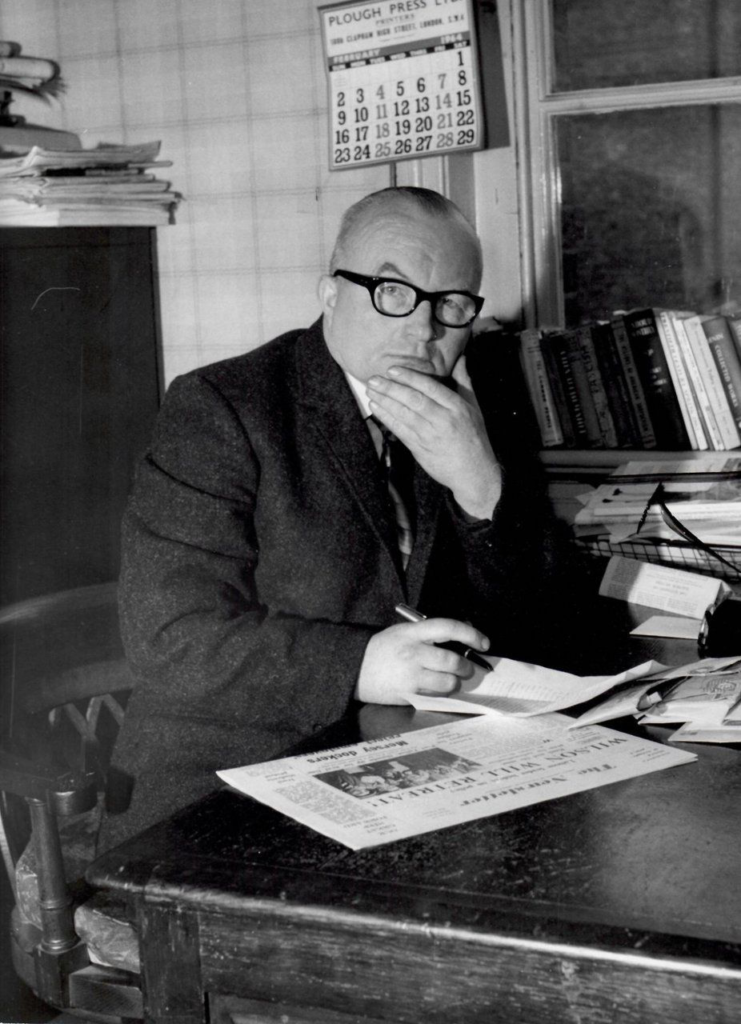
The Chemmani Mass Graves expose the class war policies of the Sri Lankan State Read More Âģ

Scroll to Top