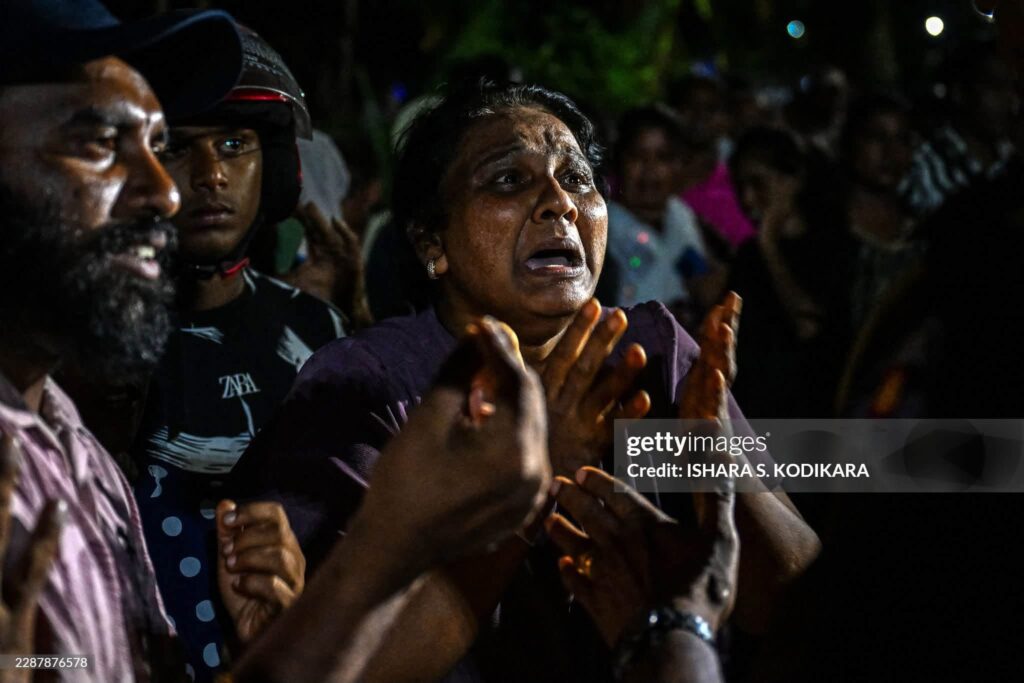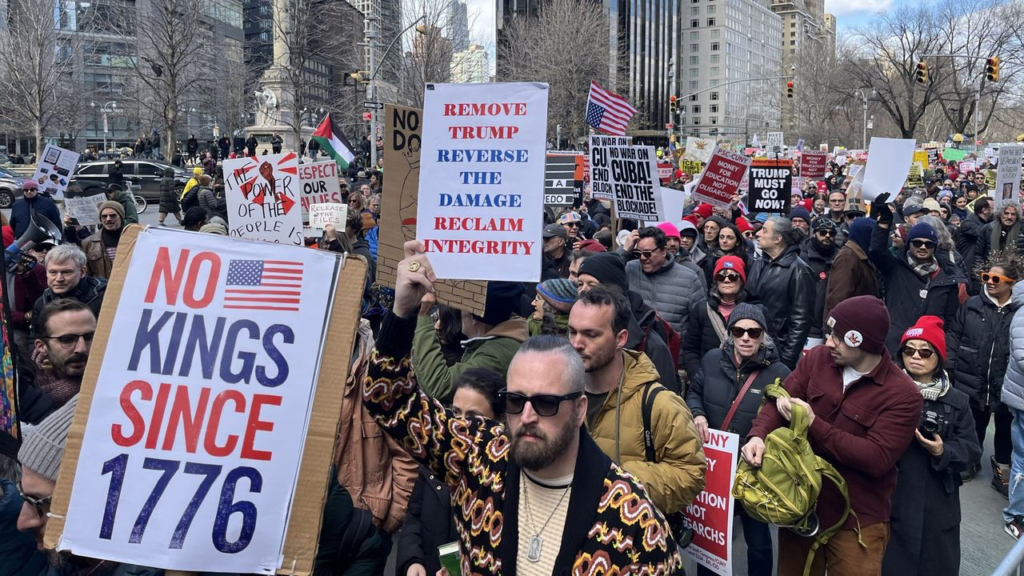
class struggles

Aragalaya

The Gen-Z Uprisings and the Crisis of Leadership: Permanent Revolution against ‘Leaderless’ movements and ‘Left Populism’ – Part 4

By Sanjaya Jayasekera. 

We publish here Part 4 of a series examining the global wave of Gen Z protests, the deepening crisis of revolutionary leadership, and the necessity of fighting for the program of socialist internationalism on the basis of Leon Trotsky’s Theory of Permanent Revolution. Part 1 was published on November 6, 2025 here. Part 2 was published on November 14, 2025 here. Part 3 was published on February 27, 2026 here

The Lineage of Gen-Z Revolts: Arab Spring, Occupy Wall Street and the Yellow Vests — Politics, Tactics, Programme and the Lessons for the Working Class (continued)

Tactics: Direct Action, Digital Organization, and the Irreplaceable Role of Revolutionary Leadership 

The three waves exhibit a progression in tactical forms that reflects the changing technological environment of mass struggle without altering its fundamental political requirements.

Occupy pioneered the sustained occupation of public space as a form of political presence, consciously modeling itself on the imagery of Tahrir Square. The “people’s microphone,” horizontal decision-making, and assembly democracy expressed a genuine aspiration to overcome the alienation of bourgeois representative politics. But symbolic occupation could not threaten capitalist production or state power. It could only be tolerated until inconvenient, at which point it was cleared by coordinated federal instruction.

The Yellow Vests developed a more economically disruptive tactical repertoire: the blockade of circulation nodes, the weekly cadence of national mobilizations, the combination of symbolic and material disruption. France’s tradition of militant industrial action created real—if unrealized—possibilities for converting street protest into generalized strike action. The tactical innovation was real; the political ceiling remained identical. Without independent rank-and-file workplace and neighbourhood committees capable of coordinating strikes across sectors and regions, the disruptive energy could not be converted into sustained, organized industrial action that would have posed a genuine challenge to state power. Such committees, independent of the union bureaucracy, are the organizational precondition for elevating local struggles into a revolutionary movement.[17]

The Gen-Z movements added the rapid mobilizing capacity of social media platforms, enabling the coordination of mass actions across vast geographic areas at speeds that made traditional institutional responses appear slow-footed. This digital dimension introduced new capacities and new vulnerabilities. The same platforms that enabled rapid mobilization also enabled state surveillance, intelligence infiltration, and the algorithmic manipulation of political content. More fundamentally, the substitution of social media coordination for political organization—viral hashtags for programmatic clarity, trending topics for theoretical development—produced movements whose apparent technological strength masked a structural weakness: the inability to translate street power into sustained industrial action through which the working class exercises its decisive social leverage.

The “leaderless” framework promoted by theorists like Zeynep Tufekci and Paolo Gerbaudo performs an ideological function related to the reactionary theory of Chantal Mouffe’s left populism. By celebrating the organizational forms of networked protest—horizontal assemblies, social media coordination, the absence of formal leadership—these theorists elevate into a political virtue what is objectively a political deficit. Lenin’s analysis in What Is to Be Done? (1902) retains its full force against the spontaneism celebrated by theorists of “leaderless” movements: spontaneous working-class anger, however militant, does not generate socialist consciousness; it is the raw material that revolutionary political leadership must organize and direct.[18] The “leaderless” ideology does not liberate movements from leadership; it conceals the leadership that actually operates—whether of NGO-funded coordinators, pseudo-left academics channeling energy into reformist avenues, or the bourgeois politicians who ultimately harvest the political fruit of mass insurgency.

Programme: The Reformist Horizon and its Necessary Transcendence

All three movements articulated genuine and legitimate grievances with concrete “programmatic” demands. Yet all three remained, in the absence of revolutionary leadership, within a reformist political horizon that left the fundamental question—who controls the means of production, and in whose interests?—systematically unaddressed.

Occupy’s demands centered on redistribution, corporate accountability, and the reduction of economic inequality. The Yellow Vests called for lower fuel taxes, higher minimum wages, the restoration of public services, and various forms of direct democracy. The Gen-Z movements demanded the withdrawal of specific IMF-dictated tax measures, the end of corruption, and the removal of individual heads of state. All these demands expressed authentic material needs. None of them, in the absence of a program for working-class political power, pointed beyond the framework of bourgeois rule.

Left-populist tendencies within each movement—drawing on the theoretical framework elaborated by Mouffe in For a Left Populism (Verso, 2018) and given organizational expression by Podemos in Spain and France Insoumise—framed these demands as a struggle of “the people” against “the oligarchy,” a formulation deliberately designed to incorporate sections of the bourgeoisie into a cross-class “progressive” bloc while excluding the perspective of working-class political independence and socialist expropriation.

The WSWS analyzed the bankruptcy of this framework through its comprehensive coverage of the Syriza and Podemos experiences. Syriza’s capitulation to the EU-IMF troika (EC, ECB, IMF) within months of its January 2015 election victory[19] and Podemos’s entry into coalition government with the PSOE to implement the austerity it had promised to oppose[20] are not exceptions to the left-populist rule but its most perfect expressions. History has delivered its verdict: ten years after Syriza’s 2015 betrayal, Greece remains mired in poverty with intensified exploitation; four years after Podemos entered government, the far-right Vox party emerged as a major force in Spanish politics. The pseudo-left’s claim that workers must “go through the experience” of these parties before advancing to socialism has been exposed as a murderous lie whose consequences have been catastrophic for the working class.[21]

The genuinely revolutionary programme is the programme of permanent revolution—the only programme that corresponds to the objective interests of the working class in the epoch of imperialism. No democratic task, no elementary improvement in the material conditions of the working class, can be secured on a lasting basis without the conquest of state power by the working class, the expropriation of the capitalist class, and the extension of socialist revolution beyond national borders. The partial demands of Occupy, the Yellow Vests, and the Gen-Z movements can serve as transitional demands—points of departure for mass mobilization—only if they are embedded in a programmatic framework that identifies capitalism as the enemy and poses the question of workers’ power at the center, as elaborated in the ICFI’s foundational programme documents.[22]

Differences that register: Social Composition, Geography, and Revolutionary Intensity

Having established the essential political homology of the three waves—their common ideological limitations and programmatic deficits—it is necessary to register the differences that carry strategic implications. 

Social composition: Occupy was dominated overwhelmingly by urban, often-educated layers of the precarious middle class concentrated in metropolitan centers. It reflected genuine mass discontent but was organized and led largely by socially privileged layers within the broad “99%.  The slogan of “99 percent” elided the divisions within that 99 percent between the working class and the upper-middle strata whose class interests diverge sharply from those of workers. The Yellow Vests drew a geographically and socially broader base—provincial workers, commuters, pensioners, small proprietors—reaching deeper into the actual working class outside metropolitan milieux. The Gen-Z movements combined student and youth vanguards with genuine proletarian participation on a scale neither Occupy nor the Yellow Vests achieved: Sri Lanka’s general strikes, Kenya’s successive wave strikes, and Bangladesh’s garment-worker participation despite union-bureaucratic demobilization expressed authentic working-class militancy of a qualitatively higher order.

Geography and the neocolonial dimension:  Occupy and the Yellow Vests occurred in imperialist countries—the United States and France respectively—where the immediate political demands did not include the overthrow of IMF debt peonage or liberation from neocolonial exploitation. The Gen-Z movements occurred overwhelmingly in former colonial and semi-colonial countries where this dimension is central: the IMF stands immediately behind the specific tax measures and austerity programs that triggered mass protests, and the question of imperialist domination is inseparable from the question of domestic capitalist exploitation. This adds to the Gen-Z movements a dimension that links national democratic grievances directly to the international socialist revolution, confirming Trotsky’s Theory of Permanent Revolution in its twenty-first-century application.

Revolutionary intensity: Occupy was suppressed while still in embryonic form, never forcing a regime change or a serious rupture in state power. The Yellow Vests subjected the French ruling class to sustained pressure but did not threaten the fundamental stability of its political institutions. The Gen-Z movements, by contrast, drove heads of state from office, forced the collapse of governments, and in Sri Lanka generated a general strike drive that showed the potential to shake the entire structure of bourgeois rule. This heightened revolutionary intensity makes the absence of Trotskyist leadership all the more catastrophic in its consequences. The gulf between the objective revolutionary situation and the subjective capacity of the working class to take power—what the ICFI has consistently identified as the crisis of revolutionary leadership—is expressed with particular acuity in the Gen-Z experience.

The Pseudo-Left: An International Political Current, Not a Collection of Local Accidents

Any serious analysis of the three waves must confront the role of pseudo-left organizations not as a collection of locally specific political traps but as the expression of a coherent international political current whose function—whatever the subjective intentions of its participants—is the containment of working-class revolutionary energy within limits acceptable to capitalism.

The ISO in the United States, the various Pabloite networks that promoted Syriza and Podemos across Europe, Kenya’s Revolutionary Socialist League, the Stalinist Communist Party Marxist-Kenya, BAYAN and Akbayan in the Philippines, Sri Lanka’s Frontline Socialist Party—these organizations share a common political method regardless of their specific national contexts. The theoretical genealogy is explicit: Chantal Mouffe directly advised both Podemos and Mélenchon’s France Insoumise; her partner Ernesto Laclau’s post-Marxist elaboration of “hegemony” theory has influenced pseudo-left groups across three continents; the International Socialist Tendency provided intellectual legitimation for Syriza’s trajectory while blocking Marxist criticism of its capitulation.

As the WSWS warned in its analysis of pseudo-left containment strategies, these tendencies serve as a “reservoir for capitalist ideology within the ‘left,’” defending trade-union bureaucracy and social-democratic compromises rather than a revolutionary program.[15] Their middle-class composition, their material dependence on foundations and nonprofits, their rejection of working-class revolutionary politics, and their promotion of spontaneity and “leaderlessness” all serve the single function of blocking the emergence of authentic socialist leadership. Workers and youth who participate in mass movements must understand this pattern not as a series of coincidences but as the expression of a determinate class interest.

The Aragalaya in Perspective: Sri Lanka 2022 and the Global Pattern of Gen-Z Revolt

The 2022 Aragalaya — Sri Lanka’s mass uprising of April through July — was not primarily a protest against the Rajapaksa family’s corruption or mismanagement, though popular anger at the regime’s criminality was genuine and explosive. It was the expression of the terminal crisis of Sri Lankan capitalism under conditions of global capitalist breakdown. Decades of foreign debt dependency, subordination to the diktats of the International Monetary Fund, and the utter bankruptcy of every bourgeois political formation — the Sri Lanka Podujana Peramuna, the United National Party, the Sri Lanka Freedom Party, and their various parliamentary combinations — had produced a social catastrophe in which fuel, medicine, and basic foodstuffs disappeared from the shelves. The COVID-19 pandemic and the economic disruption unleashed by the US-NATO proxy war against Russia in Ukraine accelerated the collapse of foreign exchange reserves and forced the government to default on its debt. Between April and July, hundreds of thousands poured into the streets across ethnic lines — a fact of profound political significance in a country whose ruling class has systematically exploited Sinhala and Tamil chauvinism for seven decades as its primary instrument of mass division. Two general strikes, on April 28 and May 6, in which millions participated, demonstrated with unmistakable force the potential power of the working class when it moves as an independent social force. Rajapaksa was driven from office and forced to flee the country on July 13, 2022. At that moment, the labor bureaucracy had already isolated the struggle and the working class was without leadership.

Image Not Found
Protesters fill the streets of Colombo ahead of President Gotabaya Rajapaksa’s resignation. (Photo: Sakuna Miyasinadha Gamage |From asiafoundation.org)

The pseudo-left organizations and trade union bureaucracies understood their task with a clarity proportional to the revolutionary danger the uprising posed. Their decisive function was not to advance the movement but to contain it: to ensure that the immense social energy erupting from below was channeled into a political framework that preserved bourgeois rule. The Frontline Socialist Party — Sri Lanka’s principal pseudo-left formation — promoted the demand for an “interim government” as the movement’s central political objective. This demand, however radical it sounded in the mouths of those advancing it, was not a call for workers’ power but an invitation to a section of the discredited parliamentary establishment to replace another under conditions of mass pressure. The trade union confederations called and controlled the two general strikes — limiting them to single-day actions, carefully isolating them from the movement at Galle Face Green, and at no point advancing demands that could challenge the fundamental capitalist order: repudiation of the IMF debt, nationalization of the commanding heights of the economy under workers’ control, or the formation of independent organs of working-class power. The middle-class protest forces concentrated at Galle Face Green, for their part, reproduced in Sri Lankan conditions the identical “no politics, no leadership” framework that characterized Occupy Wall Street and the Yellow Vests — directing mass anger at the persons of the Rajapaksas rather than at the capitalist state and the imperialist domination that had produced the catastrophe. The ICFI warned with precision throughout this period: the emancipation of the working class is the task of the workers themselves, and there is no solution to the immense social problems within the existing social order.

The political consequences of this combined betrayal unfolded with an inexorable logic that ICFI analysis had forewarned and precisely identified. With the working class politically disarmed and demobilized within the “interim government” framework advanced by the pseudo-left and trade union bureaucracy, parliament was free to act on behalf of the ruling class. Ranil Wickremesinghe — six-time prime minister, organic representative of finance capital and the comprador bourgeoisie, the politician whom not a single constituency had endorsed for presidential office — was installed as president by parliamentary vote on July 20, 2022. His mandate was explicit and has been executed without deviation: enforce the IMF’s austerity program, restore bourgeois order, and suppress working-class resistance. The Essential Public Services Act was wielded against striking workers. IMF conditionalities — privatization, regressive taxation, cuts to public services — were implemented under conditions of systematic repression of labor rights. The attack on the Galle Face encampment, the criminalization of protest, and the systematic persecution of activists who had led the uprising followed in sequence. What the masses had achieved in revolutionary form — the removal of a head of state — was thus converted through the mechanism of pseudo-left betrayal into its precise opposite: the installation of a more disciplined and more ruthless enforcer of the same IMF program the uprising had sought to overthrow. The Aragalaya confirmed the ICFI’s assessment that “the critical issue is that of political leadership,” and that spontaneity alone — however militant — cannot overcome the organized political capacity of the bourgeoisie and its pseudo-left auxiliaries to contain and divert mass revolutionary energy.

Video shows protesters at Sri Lanka’s Aragalaya mass uprising chanting slogans demanding resignation of president Gotabhaya Rajapaksa in July 2022

The Sri Lankan experience illuminates with particular clarity the global pattern of Gen-Z revolt analyzed throughout this essay, and deserves recognition as the paradigmatic case — the template, as the WSWS established, from which the subsequent uprisings in Bangladesh, Kenya, the Philippines, and elsewhere descended. Every essential element of the global pattern is present in concentrated form: the objective crisis produced by IMF debt peonage and imperialist domination; the explosive intervention of youth and workers across social and ethnic divisions; the decisive role of the two general strikes in revealing the working class as the social force capable of resolving the crisis; the systematic intervention of pseudo-left and trade union bureaucratic forces to channel the movement into a bourgeois-preserving “interim government” framework; the deliberate suppression of demands that could challenge capitalist property relations; and the installation of a new government whose primary task was to enforce the same IMF program the uprising had repudiated. The “leaderless” and “no politics” character of the Galle Face movement — celebrated in pseudo-left and liberal commentary as democratic spontaneity — performed in Sri Lanka the identical ideological function that Tufekci, Gerbaudo, and Mouffe perform in academic registers: it severed the connection between the genuine revolutionary impulse of the masses and the programmatic framework — permanent revolution, independent working-class political mobilization, the building of the ICFI — that alone can carry that impulse to its necessary conclusion.

The question posed by the Aragalaya — and posed with equal urgency by every Gen-Z uprising from Nairobi to Dhaka, from Colombo to Manila — is therefore not whether the masses are capable of revolutionary action. The two general strikes of April 28 and May 6, 2022, and the storming of the presidential residence on July 9, provided a definitive answer to that question. The question is whether the working class possesses the political instrument — the revolutionary Marxist party, armed with the Theory of Permanent Revolution, organized as a section of the International Committee of the Fourth International, and fighting for the perspective of international socialist revolution — without which the objective revolutionary capacity of the masses is systematically transformed, through the mediation of pseudo-left betrayal, into its opposite: the consolidation of the very capitalist order the masses sought to overthrow.

Lessons and Strategic Conclusions

The comparative analysis of the Occupy Wall Street, the Yellow Vests, and the Gen-Z uprisings in the backward countries yields strategic conclusions of the utmost importance.

  1. Extra-parliamentary revolt is a necessary but radically insufficient condition for social transformation: The ruling class has demonstrated—across all three waves—that it can survive even the most massive and determined popular uprisings, provided the working class lacks the political instruments to translate spontaneous street power into social power.
  1. The construction of independent rank-and-file workplace and neighbourhood committees is the decisive organizational advance: Such committees can coordinate strikes across sectors and regions, connect immediate economic demands to broader political objectives, and create the federated structures through which the working class exercises its decisive social leverage. The International Workers Alliance of Rank-and-File Committees, built by the ICFI, represents the organizational expression of this strategy on an international scale.
  1. The political independence of the working class from all bourgeois parties and factions is non-negotiable: This means not only rejection of openly pro-capitalist parties but the political exposure and defeat of pseudo-left organizations that channel mass discontent back into bourgeois management.
  1. Internationalization of the struggle is a strategic necessity, not a supplementary aspiration: The simultaneous eruption of mass revolt across multiple countries in the Gen-Z wave—and the common mechanisms of its betrayal across those countries—demonstrates that the crisis is global and the response of the working class must be equally global. Strike actions and defensive measures must be planned to hit the economic and political levers of capitalism simultaneously in multiple countries to break the ability of national ruling classes to isolate rebellions. The construction of genuinely internationalist revolutionary parties, organized as sections of the ICFI, is the precondition for transforming national eruptions into a global challenge to capitalist rule. 
  1. The struggle for socialist consciousness in the working class and among revolutionary youth is the precondition for revolutionary success: As Lenin insisted and as a century of revolutionary experience has confirmed, the working class requires not the absence of political leadership but the highest quality of political leadership–disciplined revolutionary parties armed with the program of permanent revolution, organized as sections of the world party of socialist revolution. The “leaderless” ideology does not liberate movements from leadership; it leaves them at the mercy of forces whose interests are inimical to those of the working class.

The common thread running through Occupy, the Yellow Vests, and the Gen-Z wave is a deepening of objective class discontent and the repeated opening of political spaces that the ruling class cannot close merely by repression or token reform. The critical historical task is to convert this recurring insurgency into organized, conscious socialist struggle under independent working-class leadership. That task—the construction of the International Committee of the Fourth International as the world party of socialist revolution—is the most pressing political obligation of our time.

Concluded.

References:

[17] World Socialist Web Site, ‘What way forward in the struggle to bring down Macron?’ (5 April 2023) <https://www.wsws.org/en/articles/2023/04/06/pers-a06.html>   

[18] Lenin VI, What Is to Be Done? Burning Questions of Our Movement (1902) <https://www.marxists.org/archive/lenin/works/1901/witbd/

[19] World Socialist Web Site, ‘The capitulation of Syriza and the lessons for the working class’ (23 February 2015) <https://www.wsws.org/en/articles/2015/02/23/pers-f23.html>   

[20] World Socialist Web Site, ‘Podemos enters Spanish government: (8 January 2020) “On Tuesday, the Spanish Socialist Party (PSOE) of Prime Minister Pedro Sanchez officially formed a coalition government with the pseudo-left Podemos party, the Spanish ally of Greece’s pro-austerity Syriza (“Coalition of the Radical Left”).” <https://www.wsws.org/en/articles/2020/01/08/pode-j08.html

[21] World Socialist Web Site, ‘How Syriza’s betrayals strengthened the extreme political right in Greece’ (27 June 2023) <https://www.wsws.org/en/articles/2023/06/27/etlb-j27.html> ; International Committee of the Fourth International, ‘The Political Lessons of Syriza’s Betrayal in Greece’ (13 November 2015) <https://www.wsws.org/en/articles/2015/11/13/icfi-n13.html>  

[22] Trotsky L, The Transitional Programme: The Death Agony of Capitalism and the Tasks of the Fourth International (1938) <https://www.marxists.org/archive/trotsky/1938/tp/> ; International Committee of the Fourth International, The Historical and International Foundations of the Socialist Equality Party  (Mehring Books 2008) <https://www.wsws.org/en/special/library/foundations-us/00.html

Image Not Found
Stop the Imperialist War against Iran!

The Gen-Z Uprisings and the Crisis of Leadership: Permanent Revolution against ‘Leaderless’ movements and ‘Left Populism’ – Part 4 Read More »

IMG 0724

ට්‍රම්ප්  කොංග්‍රසයේ දී කළ ෆැසිස්ට්වාදී කතාවට සමාජවාදී සමානතා පක්ෂය (එ.ජ) පිළිතුරු දෙයි

ඩේවිඩ් නෝර්ත් විසිනි.

මෙහි පළවන්නේ ලෝක සමාජවාදී වෙබ් අඩවියේ (WSWS) 2026 පෙබරවාරි 25 වන දින The Socialist Equality Party replies to Trump’s fascist address to Congress’ යන හිසින් පළවූ ඩෙවිඩ් නෝර්ත් විසින් ඉදිරිපත් කළ කතාවේ සිංහල පරිවර්තනය යි.

Image Not Found
2026 පෙබරවාරි 24 වන අඟහරුවාදා වොෂින්ටනයේ එක්සත් ජනපද කැපිටල් හි නියෝජිත මන්ත්‍රී මණ්ඩල සභා ගර්භයේදී කොංග්‍රසයේ ඒකාබද්ධ සැසිවාරයට ජනාධිපති ඩොනල්ඩ් ට්‍රම්ප් රාජ්‍ය තත්ව (State of the Union) දේශනය පවත්වයි. [ඡායාරූපය: ධවල මන්දිර වෙබ් අඩවිය]

ධනවාදී ද්වි-පක්ෂ ක්‍රමය වසර 150ක් තිස්සේ ක්‍රියාත්මක වන එක්සත් ජනපදයේ, පාලක පන්තියේ ප්‍රතිපත්ති සහ අවශ්‍යතාවලට සැබවින්ම විරුද්ධ වන සියලු දෙනාටම ජනතාව ඇමතීමේ අයිතිය අහිමි කරනු ලැබ තිබේ. කෙසේ වෙතත්, ට්‍රම්ප්ගේ රාජ්‍ය තත්ව දේශනයට පමණක් නොව, ඩිමොක්‍රටික් පක්ෂයේ ඊට පිළිතුරට ද රූපවාහිනී මගින් කරන ප්‍රතික්ෂේප කිරීමක් කිරීමට සමාජවාදී සමානතා පක්ෂයට අවස්ථාව ලබා දී තිබුනේ නම්, අපි කියන්නෙ  මෙයයි.

***

සුභ සන්ධ්‍යාවක්. රාජ්‍ය තත්වය පිළිබඳ අපගේ තක්සේරුව ඉදිරිපත් කිරීමට ලැබෙන මෙම දුර්ලභ අවස්ථාව සමාජවාදී සමානතා පක්ෂය සාදරයෙන් පිළිගනී.

සසප නියෝජිතයෙකු ලෙස කතා කරමින්, මම මෙම ප්‍රකාශයන් මගින් අමතනු ලබන්නේ, එක්සත් ජනපදයේ කම්කරුවන්ට සහ තරුණයින්ට පමණක් නොව, ලොව පුරා සිටින අපගේ පන්ති සහෝදර සහෝදරියන්ට ය. ඔබ අපගේ සතුරන් නොවේ. ධනේශ්වර ක්‍රමයේ අර්බුදය විසඳීම සඳහා මංමුලා සහගත උත්සාහයක් ලෙස බල-උමතු කතිපයාධිකාරය විසින් දියත් කරන ඕනෑම යුද්ධයකට ඇමරිකානු වැඩ කරන ජනතාව විරුද්ධ වන අතර කිසිදු අයුරකින් එයට සහභාගී වීමට ඔවුන් කැමති නැත.

ඔබ නැරඹූ දේ–ඔබට දරාගත හැකි  වී නම්–විකෘතරූපී හා ආත්මගෞරවය කෙලෙසන දසුනකි.  පැය දෙකකට ආසන්න කාලයක් ට්‍රම්ප් වෛරය, තර්ජන සහ අමනාපය වගුරුවමින් සිටියා. ස්පීල්බර්ග්ගේ ලින්කන් පිළිබඳ සිනමා චරිතාපදානයේ, ශ්‍රේෂ්ඨ රැඩිකල් නායක තැඩියස් ස්ටීවන්සන් (Thaddeus Stevens)  පිළිකුල් සහගත ප්‍රතිගාමී කොන්ග්‍රස් සභිකයෙකුට බැණ වදින දර්ශනයක් තිබේ. ස්ටීවන්ස් ප්‍රකාශ කරන පරිදි,  ඔහු  “සදාචාරයේ මළකඳකි …  මිනිසෙකුට වඩා උරගයෙකි.” ට්‍රම්ප් හිස ඉහළට සහ පහළට වනමින්, කටුස්සෙකුගෙ වැනි තොල් ලෙවකමින් සහ ඔහුගේ ගොබ්බ කතා කටින් පිට කරන ආකාරය  දුටු විට,  ස්ටීවන්ස්ගේ වචන මගේ මතකයට නැගුනි.

ඒ සමගම එහි කොංග්‍රස් කොංග්‍රස් සභික සභිකාවියන් ද සිටියහ. කිහිප දෙනෙකු හැර, ඔවුන් තවත් ශ්‍රේෂ්ඨ ඇමරිකානුවෙකු වන මාර්ක් ට්වේන් (Mark Twain) ගේ වචන සනාථ කරයි: “කොංග්‍රසය හැර වෙනත් පැහැදිලිව ස්වදේශිකවූ ඇමරිකානු අපරාධ පන්තියක් නොමැති බව කරුණු සහ සංඛ්‍යාලේඛන මගින් බොහෝ විට පෙන්විය හැකිය.”

එක් පැත්තක රිපබ්ලිකන් ෆැසිස්ට්වාදීන් රංචුවක් වාඩි වී සිටි අතර, ඔවුන්ගේ Führer [හිට්ලර්] හුස්ම ගැනීම සඳහා විරාමයක් තබන සෑම අවස්ථාවකම ඔවුන්, එකවර පැන, නැගී සිටිමින් “Sieg Heil” (”ජය වේවා”) හි ඇමරිකානු  අනුවර්තනය “USA, USA!” ලෙස කෑගසමින් ගොරවන්නට විය. 

අනෙක් පැත්තෙන් ව්‍යාජ විපක්ෂය වන ඩිමොක්‍රටික් පක්ෂයේ බියගුලු නියෝජිතයෝ, තම ඔඩොක්කුවේ දෑත් බැඳගෙන, “අපේ රට විනාශ කරන,” “පිස්සු”, “රෝගී මිනිසුන්”,  “වංචා කරන්නන්” ලෙස ඔවුන්ව හැඳින්වූ මිනිසෙකුගෙන් පැය දෙකකට ආසන්න කාලයක් විවෘත අපහාස, බැණ වැදීම් සහ උසිගැන්වීම් විඳදරා ගනිමින් වාඩි වී සිටියහ. එය අවසන් වූ පසු, ඔවුන් සභා ගර්භයෙන් පිටතට ගොස් මයික්‍රෆෝනය හිටපු සීඅයිඒ නිලධාරියෙකු වන ආණ්ඩුකාර අබිගේල් ස්පාන්බර්ගර් (Abigail Spanberger) වෙත භාර දුන් අතර, ඇය “වියදම් දැරිය හැකි බව” සහ “දක්ෂ කළමනාකරණය” පිළිබඳ නිදිමත ඇති කරන ආකරයේ නිෂ්ප්‍රභා කිරීමක්  ඉදිරිපත් කළේය.

2026 දී ඇමරිකානු ප්‍රජාතන්ත්‍රවාදයේ තත්වය මෙයයි. ෆැසිස්ට් ජනාධිපතිවරයෙක් සහ කීකරු විපක්ෂයක්. එය, කොල්ලය කළමනාකරණය කරන්නේ කුමන කන්ඩායමද යන්න මත පමණක් බෙදී ඇති, ලාභය ආරක්ෂා කිරීම, යුද්ධ කිරීම, කම්කරු පන්තිය මර්දනය කිරීම යන අත්‍යවශ්‍ය දේවලින් එක්සත් වූ පාලක පන්තියකි.

පෙර දින රාත්‍රියේ ඒ කාමරේ සිටි කිසිවෙක් ඔබ  වෙනුවෙන් කතා කළේ නැත.

ෆැසිස්ට්වාදයට එරෙහි, අධිරාජ්‍යවාදී යුද්ධයට එරෙහි, බිලියනපති කතිපයාධිකාරයේ ආඥාදායකත්වයට එරෙහි සටන, කැපිටල් හි කිරිගරුඬ කොරිඩෝවෙන් නොපැමිණෙනු ඇත. එය පැමිණෙනු ඇත්තේ පහලිනි–එනම්,කර්මාන්තශාලා, ගබඩා, රෝහල්, පාසල්, වැඩ කරන ජනතාව සැබවින්ම ජීවත් වන සහ වැඩ කරන නිවහන් ප්‍රදේශ වලිනි. එය සමාජවාදී වැඩපිළිවෙලක පදනම මත කම්කරු පන්තියේ ස්වාධීන දේශපාලන බලමුලු ගැන්වීමකින් පැමිණෙනු ඇත. නැතහොත් එය කිසිසේත්ම පැමිනෙනු නැත.

ට්‍රම්ප්ගේ කතාව අමූලික බොරු පොදියක් විය. ආර්ථිකය “පෙර  නොවූ විරූ ආකාරයකින් වේගයෙන් වර්ධනය වෙමින් ප්‍රසාරනය වන ” බවත් “මිල ගණන් කඩා වැටෙමින් පවතින” බවත් ඔහු ප්‍රකාශ කළේය. පුනරුච්චාරණය මගින් ප්‍රචාරණය යථාර්ථයක් බවට පත් කළ හැකි යයි හඟින්නා සේ, ඔහු පෙට්‍රල් මිල ගණන් සහ හදිසියේ පහළ වූ ආයෝජන පොරොන්දු ගැන පුරසාරම් දෙඩුවේ, රැකියා, වැටුප් සහ තීරුබදු පිළිබඳ තෝරාගත් සහ විකෘති කරන ලද සංඛ්‍යා මාලාවක් ඉදිරිපත් කරමිනි. මෙය, සෑම කම්කරුවෙකු ම දන්නා කරුණු–එනම්, මූලික අවශ්‍යතා සඳහා මිල ගණන් දැරිය නොහැකි බවත්, සමාජය කොල්ලකෑමට ලක්වන අතර බිලියනපතියන් මහජන මුදල් ගිජු ලෙස ගිල දමන බවත්–වසන් කිරීම අරමුණු කරගත් මූල්‍ය කතිපයාධිකාරය වෙනුවෙන් ඉදිරිපත් කරන ලද විකුණුම්කරුවෙකුගේ අලෙවිකරණය පිළිබඳ උස් ස්වරයකි. 

තම ICE නියෝජිතයන් විසින් මිනියාපොලිස් හි රෙනී නිකොල් ගුඩ් සහ ඇලෙක්ස් ප්‍රෙට්ටි ඝාතනය සිදු කරනු ලැබ තිබියදීත්, ඔහුගේ පරිපාලනය මගින් එම ඝාතන සාධාරණීකරණය කරනු ලැබ තිබියදීත් සහ ඔහුගේ උප ජනාධිපති විසින් ගුඩ්ගේ මරණය “ඇය විසින්ම නිර්මාණය කරන ලද ඛේදවාචකයක්” බව  ප්‍රකාශ කරනු ලැබ තිබියදීත්, කොංග්‍රසය ඉදිරියේ පෙනී සිටි ජනාධිපතිවරයා ඔවුන් ගැන එක වචනයක්වත් කතා කළේ නැත. ඒ වෙනුවට, “ඇමරිකානු රජයේ පළමු රාජකාරිය වන්නේ නීතිවිරෝධී විදේශිකයන් නොව ඇමරිකානු පුරවැසියන් ආරක්ෂා කිරීම” බව තහවුරු කරන ලෙස ඔහු ඉල්ලා සිටි විට, ඒ වෙනුවෙන් නැගී සිටීම ප්‍රතික්ෂේප කිරීම ගැන ඩිමොක්‍රටික් පක්ෂය උපහාසයට ලක්කරමින් අවුස්සනු ලැබීය.

ඔහු මිනසෝටා හි සෝමාලි ප්‍රජාව ඇමරිකානු ජනතාවගෙන් බිලියන ගණනක් “කොල්ල කෑ” “මුහුදු කොල්ලකරුවන්” ලෙස හංවඩු ගසමින් වර්ගවාදී බොරු රාශියක් මුදා හැරියේය. හොලොකෝස්ටය [නාසි ජන සංහාරය] සඳහා අඩිතාලම දමන අතර නාසීන් යුදෙව්වන්ට එරෙහිව භාවිතා කළ භාෂාව මෙයයි. ට්‍රම්ප් “දූෂණය” ගැන කතා කරන්නේ, වෝල් වීදිය, පෙන්ටගන් කොන්ත්‍රාත්කරුවන් සහ නීතිය ලියන බිලියනපතියන් විසින් දිනපතා සිදු කරන ලද කොල්ලකෑම් සම්බන්ධයෙන් නොව, වැටලීම්, සමූහ අත්අඩංගුවට ගැනීම් සහ නගර ෆෙඩරල් ආණ්ඩුව විසින් අත්පත් කර ගැනීම සඳහා කඩතුරාවක් නිර්මාණය කිරීමට ය. මිනියාපොලිස් හි සිදු කළ දේ වෙනත් තැන් වලද සිදු කරනු ඇති බවට ඔහු තර්ජනය කළේය.

“ඇමරිකාව බේරා ගැනීමේ පනත” යටතේ, ට්‍රම්ප් “නීති විරෝධී විදේශිකයන් සහ අනෙකුත් අය” ඡන්දය දීම තහනම් කිරීමට පියවර ගන්නා ලෙස ඉල්ලා සිටි අතර, කිසිදු සාක්ෂියක් නොමැතිව, “වංචා කිරීම බහුලව සිදුවන” බව ප්‍රකාශ කළේය. මෙය රිපබ්ලිකන් ජයග්‍රහණයක් ලබා නොදෙන ඕනෑම මැතිවරණ ප්‍රතිඵලයක් සුජාත නොවන බවට වන පූර්වගාමී ප්‍රකාශයකි. නාසි ජර්මනියේ ගෙස්ටාපෝ නියෝජිතයන් මෙන්,  අනන්‍යතාව විමසන ICE විසින් අධීක්ෂණය කරන ලදුව, තුවක්කු බැරල යටතේ ඉදිරි මැතිවරණ පැවැත්වීමට ට්‍රම්ප් සූදානම් වන අතර, ඡන්දදායකයින් මර්දනය කිරීමට, බිය ගැන්වීමට සහ විරුද්ධ පක්ෂය අපරාධකරණය කිරීම සඳහා වන සැලැස්මකි.

ට්‍රම්ප්ගේ කතාව අධිරාජ්‍යවාදී මැරකම් හා ඇමරිකානු අධිරාජ්‍යවාදයට තම අභිමතය පරිදි ආක්‍රමණය කිරීමට, බෝම්බ දැමීමට, ඝාතනය කිරීමට සහ පැහැර ගැනීමට ඇති “අයිතිය” සැමරීමක් ද වෙයි. ඔහුගේ ප්‍රකාශ අතරතුර ඔහු වෙනිසියුලාවේ මිලිටරි ආක්‍රමණය–සිවිල් වැසියන් ඝාතනය කිරීම සහ එහි තේරී පත් වූ ජනාධිපතිවරයා පැහැර ගැනීම–අගය කළ යුතු ජයග්‍රහණයක් ලෙස සැලකීය. වැටලීමේදී තුවාල ලැබූ හෙලිකොප්ටර් නියමුවෙකුට ගෞරව පදක්කමක් ප්‍රදානය කළ ඔහු දඩයම් ගමනක්  තලු මරා විස්තර කරන මිනිසෙකු මෙන් එම මෙහෙයුම විස්තර කළේය.

දෙවන ලෝක යුද්ධයෙන් පසු නියුරම්බර්ග් නඩු විභාගවලදී ස්ථාපිත කරන ලද ප්‍රමිතීන්ට අනුව, මෙය නීති විරෝධී “සාමයට එරෙහි අපරාධයක්” වන අතර එය නාසි විත්තිකරුවන් එල්ලුම් ගහට යැවූ ක්‍රියාවන්ට සමාන කළ හැකිය. නමුත් ට්‍රම්ප් පාලන තන්ත්‍රය සඳහා, ජාත්‍යන්තර නීතිය, ජාතීන්ගේ ස්වෛරීභාවය සහ යටත් කර ගැනීමෙ යුද්ධ තහනම, රාජ්‍ය ලේකම් මාර්කෝ රුබියෝ පැවසූ පරිදි, පසෙකට අතුගා දැමිය යුතු  “වියුක්තයන්ය”. එක්සත් ජනපදය “ඔවුන්ගේ ධීවර කර්මාන්තයටද ඉතා බරපතල ලෙස හානි කර ඇත. කිසිවෙකු මසුන් ඇල්ලීමට යාමට කැමති නැත” යනුවෙන් ට්‍රම්ප් පුරසාරම් දොඩමින්, කැරිබියන් සහ පැසිෆික් කලාපයේ සිදු කරන ලද ධීවරයින්ගේ ඝාතන පිළිබඳ  පරපීඩාකාමී  කෲර-සතුටින් සඳහන් කළේය.

ගාසා තීරය පැවැත්මෙන් මකා දමා ඇත.”පලස්තීන” යන වචනය කතාවේ දක්නට නොලැබුණි. ඇමරිකානු අවි සහ දේශපාලනික සහ සැපයුම් සහාය ඇතිව, පිරිමින්, කාන්තාවන් සහ ළමුන් දස දහස් ගණනක් මරා දමා ඇත; රෝහල් විනාශ කර ඇත; විශ්ව විද්‍යාල සමතලා කරන ලදී; සිවිල් ජනතාවක් කුසගින්නේ හා බෝම්බ හෙලීමට ලක්ව ඇත. ට්‍රම්ප් මැදිහත්ව සමථ කළ බව කියන සටන් විරාමයට පටහැනිව ඊශ්‍රායලය ගුවන් ප්‍රහාර දිගටම සිදු කරයි. ඊනියා සටන් විරාමයෙන් පසු සිය ගණනක් මිය ගොස් ඇත. ජන සංහාරය ඉදිරියට යන අතර, එය සක්‍රීය කළ ජනාධිපතිවරයා එය විසඳා ඇති බව ප්‍රකාශ කර ඇත.

ඉරානය ගැන සඳහන් කිරීමට පෙර ට්‍රම්ප් මිනිත්තු 90 කට වඩා කතා කළේ, එක්සත් ජනපදය යුද්ධයක් දියත් කිරීමට සැලසුම් කරන්නේ ඇයි සහ කවදාද යන්න දැන ගැනීමට රටේ කිසිවෙකුට අයිතියක් නැති සෙයිනි. අවසානයේ, 2003 න් පසු මැද පෙරදිග විශාලතම එක්සත් ජනපද හමුදා යෙදවීම දැන් සිදුවෙමින් පවතිද්දී ඔහු ඉරානය ගැන සඳහන් කළේ වාක්‍ය කිහිපයක්  පමණි; එම ප්‍රකාශ මගින් කිසිවක් පැහැදිලි නොකෙරුණි.

එක්සත් ජනපද සහ ජාත්‍යන්තර පාලක පන්තියේ ප්‍රමුඛ පුද්ගලයන්  ගේ නාම ලේඛනයක් බදු වූ එප්ස්ටයින් ලිපිගොනු ගැන සඳහනක් නොවීය. බිලියනපතියන්, දේශපාලනඥයින්, බුද්ධිමතුන්, තාක්ෂණික විධායකයින් සහ රාජකීයයන් ආදී, වරදකරු කරන ලද ළමා ලිංගික ජාවාරම්කරුවෙකුගේ කක්ෂය හරහා භ්‍රමණය වූ ඇමරිකානු සහ ජාත්‍යන්තර ධනවාදී කතිපයාධිකාරයේ පරිහානියට පත් සමාජ විශ්වය හෙළිදරව් කරන පිටු මිලියන 3 කට අධික ලේඛන නිකුත් කෙරුණද, ඡායාරූප, ගුවන් ගමන් ලොග් සටහන් සහ සාක්ෂිකරුවන්ගේ සාක්ෂි මගින් ලේඛනගත කර ඇති, එප්ස්ටයින් සමඟ දශක ගණනාවක් තිස්සේ පැවති සමීප සම්බන්ධතාවයක් තිබූ ජනාධිපතිවරයා, කිසිවක් ප්‍රකාශ කළේ නැත. ට්‍රම්ප්ගේ කතාව පැවැත් වූ දිනයේදී, NPR පරීක්ෂණයක් වාර්තා කළේ, ට්‍රම්ප්ට චෝදනා එල්ල කරන එප්ස්ටයින් සම්බන්ධ වාර්තා අධිකරණ දෙපාර්තමේන්තුව විසින් ඉවත් කර හෝ රඳවාගෙන ඇති බවයි. ඉන්, රාජ්‍ය යාන්ත්‍රණය විසින් සිදු කරනු ලබන වසන් කිරීම අවධාරනය කරයි. 

එප්ස්ටයින් ලිපිගොනු මගින් පරිහානිගතයන් ගෙන් සැදුම්ලත් පාලක පන්තියක් හෙළිදරව් කෙරේ. ක්ලින්ටන් සහ ට්‍රම්ප්, සමර්ස් සහ බැනන්, ලිබරල් ශාස්ත්‍රාලිකයන් සහ ෆැසිස්ට් ක්‍රියාකාරීන් ආදී වශයෙන් පක්ෂ දෙකම ඊට සම්බන්ධ වී ඇති බැවින් දෙපක්ෂයම ඒවා සාකච්ඡා කිරීමට කැමති නැත.

දැන් අපි ඩිමොක්‍රටිකයන් වෙත හැරෙමු. ඩිමොක්‍රටික් පක්ෂය විරුද්ධ පක්ෂයක් නොවේ. එය ඇමරිකානු පාලක පන්තියේ පක්ෂයකි. එහි කාර්යය වන්නේ සමාජ විරෝධය අවශෝෂණය කර උදාසීන කිරීම, කම්කරු පන්තියේ ස්වාධීන දේශපාලන ව්‍යාපාරය ඇවිරීම සහ ධනවාදයට කිසිදු අභියෝගයක් පහළින් මතු නොවන බව සහතික කිරීමයි.

පක්ෂයේ නිල පිළිතුර ලබා දුන්නේ සෙනෙට් සභිකයෙකු හෝ කොංග්‍රස් සභිකයෙකු විසින් නොව වර්ජිනියා ආණ්ඩුකාර අබිගේල් ස්පාන්බර්ගර් (Abigail Spanberger) විසිනි. සෑම විටම ඔවුන්ගේ විකල්ප විවෘතව තබා ගනිමින්, බර්නි සැන්ඩර්ස් හෝ ඇලෙක්සැන්ඩ්‍රියා ඔකාසියෝ-කෝර්ටෙස්, ට්‍රම්ප්ට ඩිමොක්‍රටික් පක්ෂ ප්‍රතිචාරය දැක්වීම සඳහා බල කර ඉල්ලා සිටියේ නැත.

පුරෝකථනය කළ හැකි පරිදි, ඩිමොක්‍රටික් පක්ෂය, හිටපු සීඅයිඒ ක්‍රියාකාරිනියක් [පිළිතුරු කතාව සඳහා] ඉදිරිපත් කළ අතර, ඇය ඇගේ බුද්ධි අංශ අක්තපත්‍ර කැඳවා ගනිමින් ට්‍රම්ප් “චීනයට වාසි ලෙස ආර්ථික බලය සහ තාක්‍ෂණික ශක්තිය පවරා දෙන” බවත් “රුසියානු ඒකාධිපතියෙකුට හිස නමන” බවත් සඳහන් කරමින් අනතුරු ඇඟවූ අයෙකි. එම පණිවිඩය වැඩ කරන ජනතාව ඉලක්ක කර ගෙන නොව පාලක පන්තිය වෙත යොමු කරන ලද්දකි: අපි විශ්වාසදායකයි, අපි බැරෑරුම්, අපට වැඩි නිපුණතාවයකින් සහ වඩා අඩු මහජන විපිළිසර වීම් ඇතිව අධිරාජ්‍යය පවත්වාගෙන යාමේ හැකියාව තිබේ. 

ස්පාන්බර්ගර් නොකියූ දෙය වනාහි ස්වයං-චෝදනා පත්‍රයකි. ඇය ICE අහෝසි කරන ලෙස ඉල්ලා සිටියේ නැත. ඇය රෙනී ගුඩ් හෝ ඇලෙක්ස් ප්‍රෙට්ටිගේ නම් සඳහන් කළේ නැත. ඇය වෙනිසියුලාව ආක්‍රමණය කිරීම හෝ ගාසා තීරයේ ජන සංහාරය හෙළා දුටුවේ නැත. ඇය ඩොලර් ට්‍රිලියන ප්‍රමාණයේ මිලිටරි අයවැයට හෝ සමාජ වැඩසටහන් කපා දැමීම අභියෝග කළේ නැත.

ඩිමොක්‍රටික් පක්ෂය මර්දනයේ සහ යුද්ධයේ යන්ත්‍රයට විරුද්ධ නැත. ඔවුන් විරුද්ධ වන්නේ ට්‍රම්ප් එය ක්‍රියාත්මක කරන රළු ආකාරයට පමණි.

ඒකාධිපතිත්වයක් ස්ථාපිත කිරීම සඳහා ට්‍රම්ප්ට ඩිමොක්‍රටික් දේශපාලනඥයින් කායිකව තලා දැමීමට අවශ්‍ය නොවේ. සැලකිය යුතු දෙයක් නම්, ඩිමොක්‍රටික් කොංග්‍රස් සභිකයෙකු වන අල් ග්‍රීන් (Al Green), ට්‍රම්ප්ගේ වර්ගවාදය හෙළා දකින පුවරුවක් ඔසවාගෙන සිටියදී ආරක්ෂකයින් විසින් ඔහුව සභා ගර්භයෙන් ඇදගෙන යද්දී ඔහුගේ පක්ෂ සගයන්ගේ කිසිදු විරෝධයක් පල නොවීමයි.

කොංග්‍රස් සභාවේ යල් පැන ගිය ක්‍රියා පටිපාටිවලට හානි කරන කුමන හෝ දෙයක් කළහොත්, එය ඔවුන්ට පාලනය කළ නොහැකි මහජන විරෝධය සහ මහා කම්කරු පන්ති ක්‍රියාමාර්ග දිරිමත් කරනු ඇතැයි ද, එය ධනේශ්වර ක්‍රමයට තර්ජනයක් වනු ඇතැයි ද ඩිමොක්‍රටික් පක්ෂය බිය වෙයි.

කම්කරු පන්තිය තමන් වෙනුවෙන් කතා කළ යුතුය

ආණ්ඩුකාර ස්පාන්බර්ගර් ඇගේ ප්‍රකාශය ආරම්භ කළේ, එක්සත් ජනපදය පදනම් වී ඇත්තේ ” රජයෙන් වඩා හොඳ දේ ඉල්ලා සිටීම සදහා ජනතාවට එකට එකතු විය හැකිය” යන අදහස මත බව පවසමිනි.

එය බොරුවකි. බියගුල්ලෙකු නොවන තෝමස් ජෙෆර්සන් ඇත්ත වශයෙන්ම ලිව්වේ පීඩාකාරී රජයකට මුහුණ දෙන විට, “එය වෙනස් කිරීමට හෝ අහෝසි කිරීමට සහ නව රජයක් පිහිටුවීමට ජනතාවට අයිතිය ඇති ” බවයි. එක්සත් ජනපදයේ පුරෝගාමී ආරම්භකයින් (The Founders) III වන ජෝර්ජ් රජුගෙන් “වඩා හොඳ දෙයක් ඉල්ලා සිටියේ” නැත. ඔවුන් නිදහස ප්‍රකාශ කර වසර අටක විප්ලවවාදී යුද්ධයක් දියත් කළහ. අද දින කම්කරු පන්තියට පන්නරය ලබා දිය යුතු සම්ප්‍රදාය එයයි.

වසර දෙසිය පනහකට පසු, කම්කරු පන්තියේ ඉල්ලීම ට්‍රම්ප් හෝ ඩිමොක්‍රටික් පක්ෂය “වඩා හොඳින් කටයුතු කළ යුතුය” යන්න නොවිය යුතුය. ස්වයං-මුළාවේ දේශපාලනයෙන් බිඳී යාමට කාලය පැමිණ තිබේ.

ඊයේ රාත්‍රියේ සිදු වූ දර්ශනයෙන් ඉගෙන ගත හැකි කේන්ද්‍රීය පාඩම නම්, ඇමරිකානු ධනවාදයේ දේශපාලන ක්‍රමය තුළ කම්කරු පන්තියට හඬක් නොමැති බවයි. පක්ෂ දෙකෙන් එකකින් වත් ඔබේ අවශ්‍යතා නියෝජනය නොවේ. පක්ෂ දෙකෙන් එකකින් වත් ඔබේ අයිතිවාසිකම් ආරක්ෂා නොවේ. නිල දේශපාලනයේ සමස්ත රාමුවම පවතිනුයේ, කම්කරු පන්තිය තමන් පන්තියක් ලෙස හඳුනා ගැනීමෙන්, ස්වාධීනව සංවිධානය වීමෙන් සහ එය සූරාකන පන්තියට එරෙහිව තමන්ගේම අවශ්‍යතා සඳහා සටන් කිරීමෙන් වැළැක්වීම සඳහා ය.

මෙය වෙනස් විය යුතුයි. කම්කරු පන්තිය තමන් වෙනුවෙන් කතා කළ යුතුයි.

සමාජවාදී සමානතා පක්ෂය කැඳවුම් කරන්නේ:

ICE සහ සංක්‍රමණික භීෂණයේ සමස්ත යාන්ත්‍රණයම අහෝසි කිරීම. සංක්‍රමණික සේවකයින් ඇමරිකානු කම්කරු පන්තියේ සතුරන් නොවේ. ඔවුන් ජාත්‍යන්තර කම්කරු පන්තියේ කොටසකි. සංක්‍රමණිකයින් බිල්ලට ගැනීම පාලක පන්තියේ අවි ගබඩාවේ ඇති පැරණිතම අවියයි; සූරාකන්නන්ට එරෙහිව සූරාකෑමට ලක්වන අයගේ එකමුතුකම වැළැක්වීම සඳහා වාර්ගික හා ජාතික බෙදීම් හිතාමතාම වගා කිරීම සිදු කරනු ලබයි. සියලුම සංක්‍රමණිකයින් හට පූර්ණ පුරවැසි අයිතිවාසිකම් සඳහා අපි බලකර සිටිමු.

රෙනී ගුඩ් සහ ඇලෙක්ස් ප්‍රෙට්ටිගේ ඝාතන කම්කරු පන්තියේ කමිටු විසින් ස්වාධීනව විමර්ශනය කළ යුතුය. උණ්ඩ පත්තු කළ නියෝජිතයන්ගේ සිට නියෝග ලබා දුන් නිලධාරීන් දක්වා වගකිව යුතු අය යුක්තිය හමුවට පමුණුවා ගත යුතුය.

අධිරාජ්‍යවාදී මිලිටරි මෙහෙයුම් සියල්ල වහාම අවසන් කිරීම. මැද පෙරදිගින් සෑම සොල්දාදුවෙක්ම ඉවත් කරනු. කියුබාව අවහිර කිරීම අවසන් කරනු. වෙනිසියුලාවේ වාඩි ලෑම අවසන් කරනු. ඉරානයට එරෙහි යුද්ධයට සූදානම් වීම නවත්වනු. ඇමරිකානු අධිරාජ්‍යවාදයේ කොල්ලකාරී අවශ්‍යතා සඳහා එක් ඩොලරයක්වත්, එක් ජීවිතයක්වත් ලබා නොදෙනු. ඩොලර් ට්‍රිලියන ගණනක මිලිටරි අයවැය කම්කරු පන්තියේ සමාජ අවශ්‍යතා–සෞඛ්‍ය සේවා, නිවාස, අධ්‍යාපනය, යටිතල පහසුකම්–සපුරාලීම සඳහා හරවා යවනු.

කතිපයාධිකාරය අත්පත් කර ගැනීම. බිලියනපතියන් 905 දෙනෙකු අත ඩොලර් ට්‍රිලියන 7.8 ක් සංකේන්ද්‍රණය වී ඇති අතර, මිලියන සංඛ්‍යාත පිරිසකට සෞඛ්‍ය සේවා, නිවාස සහ ආහාර නොමැති වීම ධනේශ්වර ක්‍රමයේ තර්කනය ප්‍රකාශ කරයි. බැංකු, යෝධ සංගත, හෙජ් අරමුදල්, තාක්ෂණික ඒකාධිකාරයන් කම්කරු පන්තියේ පොදු අයිතිය සහ ප්‍රජාතන්ත්‍රවාදී පාලනය යටතේ තැබිය යුතුය. සූරාකෑම, සමපේක්ෂනය, වංචාව සහ බහුතරයේ දරිද්‍රතාවය හරහා රැස් කරගත් කතිපයාධිකාරීත්වයේ අශෝභන ධනය අත්පත් කර ගෙන සමාජ වැඩසටහන් දැවැන්ත ලෙස ව්‍යාප්ත කිරීම සඳහා අරමුදල් සැපයීමට භාවිතා කළ යුතුය. 

සමාජ වැඩසටහන් සඳහා වන සියලු කප්පාදු ආපසු හැරවීම සහ සමාජ අයිතිවාසිකම් ස්ථාපිත කිරීම. සෞඛ්‍ය සේවා (Medicaid) වලින් සොරකම් කරන ලද සෑම ඩොලරයක්ම නැවත ලබා දීම. ආහාර මුද්දර සුදුසුකම් නැවත ලබා දීම, නොමිලේ මහජන සෞඛ්‍ය සේවා, විශ්ව විද්‍යාල මට්ටම දක්වා නොමිලේ රාජ්‍ය අධ්‍යාපනය, දැරිය හැකි නිවාස සහ සෑම සේවකයෙකුටම සුරක්ෂිත විශ්‍රාම වැටුපක් සහතික කිරීම කළ යුතුය. මේවා මනෝරාජික ඉල්ලීම් නොවේ. කම්කරු පන්තියේ ශ්‍රමය විසින් නිර්මාණය කරන ලද නමුත් දැන් පාලක පන්තිය විසින් පොදි ගසාගෙන ඇති ධනය පවතී. කාර්යය වන්නේ එය ආපසු ලබා ගැනීමයි.

සෑම කර්මාන්ත ශාලාවකම, වැඩබිමකම සහ නිවහන් ප්‍රදේශයකම ක්‍රියාකාරී කමිටු ගොඩනැගීම. බොහෝ කලකට පෙර ආයතනික කළමනාකරණයේ අනුබද්ධ ආයතන බවට පරිවර්තනය වී ඇති වෘත්තීය සමිති යාන්ත්‍රණය මෙම සටනට නායකත්වය නොදෙනු ඇත. ඔවුන්ගේ ආයතනික අවශ්‍යතා කම්කරු පන්තිය විනාශ කරන පද්ධතියම ආරක්ෂා කිරීම සමඟ බැඳී ඇත. ප්‍රජාතන්ත්‍රවාදීව තේරී පත් වූ ක්‍රියාකාරී කමිටු හරහා කම්කරුවන් ස්වාධීනව සංවිධානය විය යුතු අතර, එය අන් කිසිවෙකුට නොව කම්කරුවන්ටම පමනක් වග වීමට බැඳී සිටිය යුතුය. මෙම කමිටු කර්මාන්ත හරහා, ප්‍රාන්ත රේඛා හරහා, ජාතික දේශසීමා හරහා, ජාත්‍යන්තර කම්කරු පන්තියේ අරගල ඒකාබද්ධ කිරීම සඳහා වන සංවිධානාත්මක රාමුව වන කම්කරුවන්ගේ ක්‍රියාකාරී කමිටුවල ජාත්‍යන්තර සන්ධානය (IWA-RFC කක්‍රිකජාස) හරහා සම්බන්ධ විය යුතුය.

මහා වැඩ වර්ජනයක් සඳහා කොන්දේසි සකස් කිරීම. ඇමරිකානු ප්‍රජාතන්ත්‍රවාදයේ අර්බුදය, එකම කතිපයාධිකාරීන් විසින් අරමුදල් සපයා ධනේශ්වර පක්ෂ දෙකක් විසින් පාලනය කරනු ලබන දූෂිත දේශපාලන පද්ධතියක පවතින ඡන්ද පෙට්ටිය හරහා විසඳිය නොහැක. කම්කරු පන්තියේ බලය පවතින්නේ එහි ශ්‍රමය තුළ ය—එනම්, නිෂ්පාදනය නැවැත්වීමට, ලාභ ප්‍රවාහය නැවැත්වීමට, සූරාකෑමේ යන්ත්‍රෝපකරණ ඇණහිටවීමට එහි ඇති සාමූහික ධාරිතාවය තුළ ය. දේශපාලන මහා වැඩ වර්ජනය කම්කරු පන්තියේ බලගතු ආයුධයක් වන අතර, එය යෙදවීම සඳහා කොන්දේසි වේගයෙන් පරිණත වෙමින් පවතී. කර්තව්‍යය වන්නේ දැන් සංවිධානාත්මක හා දේශපාලන පදනම් ගොඩනැගීමයි.

ජාත්‍යන්තර කම්කරු පන්ති එකමුතුව. කම්කරු පන්තිය ජාත්‍යන්තර පන්තියකි. ප්‍රාග්ධනය ගෝලීය වශයෙන් ක්‍රියාත්මක වේ; කම්කරු පන්තිය ගෝලීය වශයෙන් සංවිධානය විය යුතුය. ඩෙට්‍රොයිට් හි කම්කරුවන් සූරාකන එම සංස්ථාම, ෂෙන්සෙන් හි, මොන්ටෙරේ හි, ඩකා හි සහ බර්ලිනයේ කම්කරුවන් සූරාකයි. මැද පෙරදිග යුද්ධ කරන එම අධිරාජ්‍යවාදී ක්‍රමයම සෑම මහාද්වීපයකම කම්කරුවන් දුගීභාවයට පත් කරයි. ට්‍රම්ප්ට සහ ඇමරිකානු කතිපයාධිකාරයට එරෙහි අරගලය ලෝක ධනේශ්වර ක්‍රමයට එරෙහිව සෑම රටකම කම්කරුවන්ගේ අරගලයෙන් වෙන් කළ නොහැකිය. ජාතික බෙදීම්, වාර්ගික බෙදීම්, ජනවාර්ගික බෙදීම්, ආගමික බෙදීම් සියල්ල පාලක පන්තියේ ආයුධ වන අතර, එය අන් සියල්ලටම වඩා බිය වන එකම දෙය, එනම් සූරාකෑමට ලක්වූවන්ගේ එකමුතුව, වැළැක්වීම සඳහා යොදවා ඇත.

අවසාන විග්‍රහයේදී කම්කරු පන්තියේ අර්බුදය යනු විප්ලවවාදී නායකත්වයේ අර්බුදයකි. කම්කරු පන්තියේ බහුජන ව්‍යාපාරයක් සඳහා වෛෂයික කොන්දේසි පවතිනවා පමණක් නොව, ඒවා දිගු කලක් අපේක්ෂා කළ අය පවා මවිතයට පත් කරන වේගයකින් තීව්‍ර වෙමින් පවතී. අඩුව පවතින්නේ වැඩිවන කෝපය, පැතිරෙන ප්‍රතිරෝධය, පද්ධතියම කැඩී ඇති බවට වන වැඩෙන පිළිගැනීම සමාජයේ සමාජවාදී පරිවර්තනය සඳහා ඒකාබද්ධ ව්‍යාපාරයක් බවට පරිවර්තනය කළ හැකි සවිඥානික දේශපාලන නායකත්වයයි.

1775 දී, ටොම් පේන් (Tom Paine) ඇමරිකානු විප්ලවයට අනුප්‍රාණයක් ලබා දුන් අමරණීය පත්‍රිකාවක් වන  ‘සාමාන්‍ය බුද්ධිය’ (Common Sense) හි මෙසේ ප්‍රකාශ කළේය: “ලෝකය නැවත ආරම්භ කිරීම සදහා වන බලය අපට තිබේ.”

නව ලෝකය සමාජවාදී වනු ඇත. එය ගොඩනඟනු ඇති බලය  වන්නේ කම්කරු පන්තියයි.

සමාජවාදී සමානතා පක්ෂයට බැඳෙන්න.

ඔබේ සේවා ස්ථානයේ සහ ඔබේ නිවහන් ප්‍රදේශයේ ක්‍රියාකරී කමිටු ගොඩනඟන්න.

ක්‍රියාකාරී කමිටුවල ජාත්‍යන්තර කම්කරු සන්ධානය ගොඩනඟන්න.

ලෝක සමාජවාදී වෙබ් අඩවිය (WSWS. Org) දින පතා කියවන්න 

අනාගතය අයිති වන්නේ කතිපයාධිකාරීන්ට සහ ඔවුන්ගේ දේශපාලන සේවකයින්ට නොව ජාත්‍යන්තර කම්කරු පන්තියට ය.

ට්‍රම්ප්  කොංග්‍රසයේ දී කළ ෆැසිස්ට්වාදී කතාවට සමාජවාදී සමානතා පක්ෂය (එ.ජ) පිළිතුරු දෙයි Read More »

IMG 0717

Weekly Political Report — Week Ending 28 February 2026

This political report for the week of February 22–28, 2026, is compiled based on coverage from the World Socialist Web Site (WSWS.org).

I. Imperialism and War: The Accelerating Drive Toward Catastrophe

The week ending 28 February 2026 was dominated by the ever-sharpening US imperialist drive toward a military assault on Iran. Despite public claims of ongoing “talks,” the Trump administration has amassed a massive armada in the Middle East — carriers, aircraft, and logistical assets repositioned for what US officials described as a “sustained, weeks-long” campaign. The WSWS made clear that the diplomatic theatre serves as cover: Trump, in his State of the Union address, escalated threats against Tehran while menacing the American working class at home with authoritarian consolidation. The WSWS issued an urgent anti-war call, demanding that the international working class mobilise independently of all bourgeois parties to halt the march toward catastrophe.[1]

Image Not Found
The USS Abraham Lincoln aircraft carrier now deployed off Iran in formation during Rim of the Pacific exercises in July 2022. [Photo: Canadian Armed Forces photo by Cpl. Djalma Vuong-De Ramos]

The week also saw Indian Prime Minister Modi in Tel Aviv, deepening the India-Israel strategic axis — intelligence, defence, and security cooperation — directly as Washington and Tel Aviv were preparing their assault on Iran. New imperial alignments are accelerating the globalisation of warmaking. Canada’s Liberal government, meanwhile, declared it would not establish diplomatic relations with Iran “unless there is a regime change,” endorsed sanctions, and promoted the exiled monarchist Reza Pahlavi — subordinating itself entirely to Washington’s and Tel Aviv’s imperialist agenda. Ottawa simultaneously released its Defence Industrial Strategy, accelerating military procurement and tying Canadian industry more tightly to the machinery of war.[2]

Japan’s newly elected far-right government moved to expand security and military measures, aligning with US strategic objectives in Asia, while New Zealand’s right-wing commentariat openly floated political union with Australia to consolidate military capacity. Globally, the ruling classes are on a war footing, converting civilian society into a war machine on the basis of capitalist austerity.

The 2026 Winter Olympics in Milan provided a vivid illustration of this contradiction: remarkable athletic achievement was poisoned by nationalist chauvinism and commercialisation. Massive protests erupted against the presence of ICE and the Trump administration at the Games; dockworkers’ strikes delayed arms shipments; athletes publicly criticised ICE from international platforms. These internationalist impulses demonstrate the real social forces that can be mobilised — but they require conscious socialist political leadership to be transformed into sustained anti-imperialist action.

II. Authoritarian Consolidation and State Repression

The Trump administration continued its drive toward authoritarian rule. Reports confirmed that Trump allies are preparing executive orders to seize administrative control over US midterm election structures — a direct attack on democratic procedures. Epstein files naming Trump as an attacker were deliberately withheld by the DOJ, demonstrating how the ruling class uses legal instruments to protect the powerful while pursuing lawfare against the working class and its fighters.

The criminalisation of dissent intensified. Two Pennsylvania high school students remained imprisoned for four days after an anti-ICE protest; the “Quakertown 5” face felony charges designed to terrorise youth into silence. In Australia, police confiscated an anti-genocide placard at a Ramadan festival in Lakemba, using expanded “hate speech” legislation to police political expression. The apparatus of state repression is being normalised, step by step, against migrant defenders, youth protesters, and any expression of anti-war, anti-genocide sentiment.

Palestinian activist Nerdeen Kiswani filed a civil rights lawsuit under the Ku Klux Klan Act against Zionist Betar USA for violent attacks and organised intimidation on US campuses. While legal action can play a tactical role, the WSWS insists that mass working-class mobilisation — not reliance on bourgeois courts — is the essential instrument for defending democratic rights and the safety of oppressed peoples.

Jay Bhattacharya, co-author of the Great Barrington Declaration, was named acting director of both NIH and CDC by the Trump administration. This centralisation of public health authority in a figure associated with deliberate mass-infection policy coincides with surging measles cases and plummeting vaccine confidence. The politicisation and evisceration of public health institutions to serve capitalist accumulation exposes the ruling class’s readiness to treat the working class as expendable.[3]

III. Austerity, Economic Warfare, and AI-Driven Job Destruction

The IMF hailed Sri Lanka’s economic programme as a “success story” even as its austerity agenda deepens poverty, unemployment, and social devastation across the island. IMF “success” means the triumph of capital over the working class: the enforcement of debt repayment to international creditors at the expense of living standards, public services, and human dignity.

Australian logistics software maker WiseTech announced the elimination of roughly 2,000 jobs, citing AI automation. This follows the broader pattern of corporate layoffs accelerating to Great Recession levels. Capitalists are deploying AI not to liberate human labour but to discipline the workforce, destroy jobs, and protect profits. Workers must organise to demand social solutions: shorter working hours with no loss of pay, public investment in socially necessary employment, and democratic oversight of technological change.[4]

Greece’s main trade union confederation, GSEE, was engulfed in a corruption scandal, reinforcing its record of collaboration with governments on austerity. Institutional union corruption is not an aberration but a structural feature of bureaucracies that have integrated themselves into the management of capitalism.

Argentina’s contested labour reform vote and the abrupt shutdown of a tire factory laid bare the betrayal by bureaucratic unions and pseudo-left formations that failed to defend jobs. In New Zealand, a union pushed through a pay cut for 12,300 health workers. The pattern is consistent across continents: union apparatuses act as industrial policemen for capital, containing militancy and delivering concessions.

IV. Class Struggle and Bureaucratic Betrayal

The most politically significant labour development of the week was the abrupt suspension of the four-week strike of 31,000 Kaiser Permanente healthcare workers in California and Hawaii. UNAC/UHCP bureaucrats shut down the strike without a contract, ordering members back to work while claiming there was “movement at the table” — a classic bureaucratic manoeuvre to demobilise a powerful working-class action at the very moment its leverage was greatest. The WSWS sharply condemned this betrayal and called for the formation of democratic rank-and-file committees to continue the fight, link up across sectors, and resist both management and union sellout.[^5]

In Los Angeles, 30,000 school support workers — custodians, bus drivers, cafeteria workers, and paraprofessionals — voted overwhelmingly to authorise a strike over pay, staffing, benefits, and safety. This vote is an expression of the eruption of working-class resistance to austerity gripping the United States. Union bureaucracies will seek to contain and negotiate away this power; the urgent task is to build rank-and-file committees and cross-sector coordination to transform it into decisive action.

UAW presidential candidate Will Lehman called for solidarity with Turkish miners who launched wildcat strikes over pay and safety, linking labour struggles across borders and demonstrating the potential for internationalist rank-and-file politics. His campaign — which continued to attract broad working-class support — was targeted by DSA-linked slanders, exposing once again the pseudo-left’s role in policing acceptable labour politics and shielding bureaucratic structures from genuine rank-and-file challenge.

The week’s workers’ struggle roundups — covering Europe, the Middle East, Africa, Asia, Australia, and the Pacific — documented rising strike militancy in healthcare, transport, education, and logistics. These struggles reflect shared material conditions under capitalism: austerity, inflation, understaffing, and management offensives. Their success depends on democratically organised, international rank-and-file coordination and a political programme that directly challenges the capitalist state.

V. Elite Criminality and Political Decay

The Epstein files affair continued to expose the systematic protection of ruling-class criminals by the state. DOJ’s suppression of documents naming Trump as an attacker is not a bureaucratic oversight but a political decision to safeguard the powerful. Simultaneously, a Drop Site investigation revealed that a sophisticated Israeli surveillance and security system was installed at an Epstein-controlled Manhattan apartment building — pointing to the intersection of intelligence operations, criminal networks, and the ruling class.

In the South Pacific, former Fijian Prime Minister Bainimarama was arrested on charges of inciting mutiny, a symptom of the political instability convulsing ruling establishments across the globe as capitalist crisis deepens. In Britain, Labour suffered a crushing wipe-out in the Gorton and Denton by-elections, with the Greens making substantial gains at Labour’s expense — reflecting mass disaffection with Labour’s pro-capitalist management, even as the Greens offer no genuine alternative.

South Australia’s Labor government ran its election campaign on support for property developers, austerity, expanded policing, and militarisation — indistinguishable in substance from its conservative rivals. Labor parties internationally have completed their transformation into straightforward managers of capitalist crisis.

VI. The Political Bankruptcy of Reformism

The week provided a sharp illustration of the foreword to the German edition of Where is America Going?, published by the WSWS: Trump is not an aberration but the political weaponisation of oligarchy and capitalist decomposition. The fight against fascism and war demands a complete break with bourgeois parties — including not only the Republicans but the Democrats, Labor, the Greens, and the entire spectrum of reformist and pseudo-left formations that channel working-class anger back into the institutions of capitalist rule.

The corruption of the GSEE in Greece, the shutdown of the Kaiser strike by UNAC/UHCP bureaucrats, the DSA’s slanders against Will Lehman, the South Australian Labor government’s developer-friendly programme, and the British Labour wipe-out in by-elections all express a single political truth: the existing leaderships of the labour movement, and all self-styled “left” alternatives within the parliamentary framework, cannot and will not defend the working class.

The IMF’s praise for Sri Lanka’s “success” while social crisis deepens is the economic counterpart to this political reality. Technocratic austerity managed by bourgeois institutions — whether right-wing or nominally social-democratic — inflicts suffering on the working class while protecting capital and imperialist creditors.

The necessary response is independent working-class political organisation on an international basis, rooted in the Trotskyist programme of the International Committee of the Fourth International: for socialist policies that prioritise human need over profit, for the expropriation of the banks and major corporations under workers’ control, for international solidarity against imperialist war, and for the construction of a revolutionary leadership capable of leading the working class to power.

Prepared by theSocialist.lk on the basis of WSWS.org coverage for the week ending 28 February 2026.

[1] WSWS, US planes flood UK bases in preparation for attack on Iran https://www.wsws.org/en/articles/2026/02/22/adkd-f22.html

WSWS, Washington preparing military strikes against Iran https://www.wsws.org/en/articles/2026/02/10/wpjo-f10.html 

[2] WSWS, “Canada’s Liberal government backs imperialist regime change in Iran” — https://www.wsws.org/en/articles/2026/02/23/zllb-f23.html 

[3] WSWS, “Great Barrington Declaration author Jay Bhattacharya takes control of CDC as measles cases surge” — https://www.wsws.org/en/articles/2026/02/23/zgqh-f23.html 

[4] WSWS,  Artificial Intelligence in the entertainment industry and the necessary socialist response https://www.wsws.org/en/articles/2025/08/26/bdjz-a26.html 

[5] WSWS, “UNAC/UHCP bureaucrats shut down Kaiser Permanente strike without a contract” — https://www.wsws.org/en/articles/2026/02/24/aidf-f24.html  

Weekly Political Report — Week Ending 28 February 2026 Read More »

IMG 0706

ජෙන්-Z නැගිටීම් සහ නායකත්වයේ අර්බුදය: ‘නායකත්වයක් නොමැති’ ව්‍යාපාර සහ ‘වාම ජනතාවාදයට’ එරෙහිව නොනවතින විප්ලවය –  3 කොටස

සංජය ජයසේකර විසිනි.

ජෙන්-Z විරෝධතාවල ගෝලීය රැල්ල, විප්ලවවාදී නායකත්වයේ ගැඹුරු වන අර්බුදය සහ ලියොන් ට්‍රොට්ස්කිගේ නොනවතින විප්ලව න්‍යායේ පදනම මත සමාජවාදී ජාත්‍යන්තරවාදයේ වැඩපිළිවෙල සඳහා සටන් කිරීමේ අවශ්‍යතාවය විමර්ශනය කරන ලිපි මාලාවක 3 වන කොටසෙහි සිංහල පරිවර්තනය අපි මෙහි පළ කරමු. 2 කොටස ඉංග්‍රීසි බසින් theSocialist.lk වෙබ් අඩවියේ 2025 නොවැම්බර් 14 දින පළ කෙරුණි. 1 කොටස 2025 නොවැම්බර් 6 වන දින ඉංග්‍රීසි බසින්ද, නොවැම්බර් 10 දින සිංහල බසින් ද පළ කරන ලදී. 3 කොටස ඉංග්‍රීසි බසින් 2026 පෙබරවාරි 27 දින පළ විය.

ජෙන්-Z කැරලිවල පෙළපත: අරාබි වසන්තය, වෝල් වීදිය වඩිලෑම සහ කහ කබා උද්ඝෝෂණ—දේශපාලනය, උපායමාර්ග, වැඩ පිළිවෙළ සහ කම්කරු පන්තිය සඳහා පාඩම්

අරාබි වසන්තය — ඓතිහාසික පූර්වගාමියා සහ දේශපාලන පාඩමක වස්තු විෂය

මැදපෙරදිග සහ උතුරු අප්‍රිකාවේ (MENA) 2010–2011 කාල වකවානුවේ සිදුවූ අරාබි වසන්තය (Arab Spring) මෙහිදී පරීක්ෂා කෙරෙන එකක් පසු එකක් ලෙස හටගත් පාර්ලිමේන්තුවෙන්-පිටත කැරලි රැල්ලට තීරණාත්මක ඓතිහාසික පූර්වගාමියා වූ අතර, එහි දේශපාලන පාඩම් සමස්ත පසුකාලීන ඉතිහාසයම විනිවිද යයි. එය තනි සමජාතීය ව්‍යාපාරයක් නොව, ලෝක ධනවාදයේ ව්‍යුහාත්මක අර්බුදය–ඉහළ යන අසමානතාවය, මහා විරැකියාව සහ බිඳ වැටෙන ජීවන තත්වයන් මගින් පිළිබිඹු වූ–මගින් මෙහෙයවන ලද මහා සමාජ නොසන්සුන්තාවයේ ගෝලීය පිපිරීමක් වූ අතර, එහි දේශපාලනය ගැඹුරින් ප්‍රතිවිරෝධී පන්ති බලවේගයන්ගේ ගැටුමින් හැඩගැසුණි: රැඩිකල් වන කම්කරු පන්තියක් සහ දුප්පතුන්, තරුණයින් සහ සුලු ධනේශ්වර ක්‍රියාකාරීන් විශාල ස්ථරයක්, දේශපාලන අවකාශයක් සහ වාසියෙන් වැඩි පංගුවක් සොයන මධ්‍යම පන්තියේ කොටස්, මිලිටරි කල්ලි සහ ඉස්ලාමීය පක්ෂ ඇතුළු ජාතික පාලක පන්තිවල තරඟකාරී කොටස් මේ පන්ති බලවේග අතර විය. ඒකාධිපති පාලන තන්ත්‍රයන්ට එරෙහි මහජන නැගිටීම් ලෙස ආරම්භ වූ දෙය වේගයෙන් විවිධ පන්ති බලවේග සහ ධනේශ්වර කන්ඩායම් තමන්ගේ අවශ්‍යතා සඳහා ප්‍රතිඵල හැඩගැස්වීමට සටන් කළ යුධ පිටියක් බවට පත්විය.

Image Not Found
ජනාධිපති හොස්නි මුබාරක්ගේ ඉල්ලා අස්වීම නිවේදනය කිරීමෙන් පසු කයිරෝවේ තහ්රීර් චතුරශ්‍රයේ විරෝධතාකරුවෝ ප්‍රීති ඝෝෂා පවත්වති.

ඊජිප්තුවේ, මුස්ලිම් සහෝදරත්වය සහ මිලිටරි පිටුබලය ලත් ටැමරොඩ් (Tamarod) ව්‍යාපාරය යන දෙකම උත්සාහ කළේ මහජන කෝපය ස්වාධීන කම්කරු පන්තිය මගින් ධනේශ්වර රාජ්‍යය පෙරලා දැමීමක් වෙතට වඩා ඔවුන්ගේ අදාළ ධනේශ්වර ව්‍යාපෘතිවලට යොමු කිරීමට ය. ඊජිප්තු අත්දැකීම් පිළිබඳ WSWS විශ්ලේෂණය තහවුරු කළ පරිදි, ඊනියා ලිබරල් සහ ව්‍යාජ වාම සංවිධාන තීරණාත්මක ප්‍රතිවිප්ලවවාදී භූමිකාවක් ඉටු කළ අතර, කුමන්ත්‍රණ අණදෙන නිලධාරී ජෙනරාල් අබ්දෙල් ෆටා එල්-සිසි විසින් හමුදා අත්පත් කර ගැනීම–එය එම සංවිධාන යථාමය ලෙස සූදානම් කර තිබූ ප්‍රතිඵලයකි–නිවේදනය කරන විට ටැමරොඩ් නායකයින් ඔහුගේ පැත්තේ සිටගෙන සිටියහ.[1] වීදිවල ස්වයංසිද්ධව ඉදිරිපත් වූ දේශපාලන ඉල්ලීම්–පාන්/ආහාර, රැකියා, ගෞරවය, දූෂණයට අවසානයක්, ප්‍රජාතන්ත්‍රවාදී අයිතිවාසිකම්–අව්‍යාජ සහ ගැඹුරු සමාජ අවශ්‍යතාවයක් ප්‍රකාශ කළ නමුත් සමාජ හා ප්‍රජාතන්ත්‍රවාදී ඉල්ලීම් ස්වයංක්‍රීයව සමාජවාදී වැඩසටහනක් අන්තර්ගත කර නොගනියි. සංවිධානාත්මක විප්ලවවාදී කම්කරු පන්ති නායකත්වය නොමැති තැන, ලිබරල්, ඉස්ලාමීය සහ සුලු ධනේශ්වර ධාරාවන් රික්තය පුරවා, සෑම අවස්ථාවකම ධනේශ්වර දේපළ සබඳතා සහ අධිරාජ්‍යවාදී ආධිපත්‍යය ආරක්ෂා කරන විකල්ප වැඩසටහන් ඉදිරිපත් කළහ.

අරාබි වසන්තයේ කේන්ද්‍රීය ලක්ෂණයක් වූයේ එහි ස්වයංසිද්ධතාවයයි: එය හදිසි මහජන බලමුලු ගැන්වීම්, මහා වැඩවර්ජන සහ ගෝලීය වශයෙන් පාලක පන්ති භීතියට පත් කළ සහ පවතින සංවිධානවල සීමාවන් හරහා පුපුරා ගිය වාඩිලාගැනීම් වලින් සමන්විත විය. මෙම ස්වයංසිද්ධතාවය එකවරම ශක්තියක්–ස්වාධීනව සහ දැවැන්ත බලයකින් ක්‍රියා කිරීමට ජනතාවට ඇති හැකියාව පෙන්නුම් කිරීම–සහ නැගිටීම්වල විප්ලවවාදී විභවයට මාරාන්තික බව ඔප්පු කළ ව්‍යුහාත්මක සීමාවක් විය. විප්ලවවාදී කම්කරු පන්ති පක්ෂයක් නොමැතිව සහ කම්කරු පන්ති බලයේ අවයව නොමැතිව—කර්මාන්තශාලා කමිටු, ක්‍රියාකාරී කමිටු, නිවහන් පෙදෙස්  කමිටු යන සංවිධාන ආකාර–මෙම ස්වයංසිද්ධ ව්‍යාපාර, වඩා හොඳින් සංවිධානය වූ ධනේශ්වර කන්ඩායම් විසින් අවශෝෂණය කර ගැනීම, වෙහෙසට පත් කිරීම සහ මර්දනය කිරීම හරහා අත්පත් කර ගැනීම මගින් බලමුලු හරනයට ගොදුරු විය හැකිය. 2011 පෙබරවාරියේ දී ඉදිරිපත් කරන ලද ඊජිප්තු නැගිටීම පිළිබඳ ඔහුගේ සමකාලීන විශ්ලේෂණයේ දී නික් බීම්ස් තර්ක කළ පරිදි, මහජන විප්ලවවාදී ශක්තිය රාජ්‍ය බලය බවට පරිවර්තනය කළ හැකි දේශපාලන හා සංවිධානාත්මක නායකත්වයක් කම්කරු පන්තියට නොමැති තැන හමුදාවට සහ ධනේශ්වර බලවේගවලට පාලනය නැවත තහවුරු කිරීමට හැකි විය.[2] මුබාරක් බලයෙන් පහ කළ වැඩ වර්ජන රළ තුළ, ඊජිප්තුව සතුව සමාජවාදී විප්ලවයක් කිරීමට වෛෂයික සමාජ බලය පැවතිණි; එයට නොතිබුනේ ආත්මීය මෙවලම, එනම් ජනතාව තුළ නැංගුරම් ලා ගත් ජාත්‍යන්තර සමාජවාදයේ ඉදිරිදර්ශනය සඳහා සටන් කරන විප්ලවවාදී පක්ෂයකි: එය නොමැතිව එම බලය එහි අවශ්‍ය අවසානයට යොමු කළ නොහැකි විය. දශකයක පසුකාලීන අත්දැකීම් මගින් සනාථ කරන ලද ප්‍රතිඵලය වූයේ විප්ලවය විසින් පෙරලා දැමූ පාලනයට වඩා කුරිරු හමුදා ආඥාදායකත්වයක් එල්-සිසි යටතේ  ඇති කිරීමයි.

අරාබි වසන්තය, අධිරාජ්‍යවාදී මධ්‍යස්ථානයේ නිශ්චිත තත්වයන් තුළ වෝල්  වීදිය වාඩි ලෑම  Occupy Wall Street (2011) විසින් ප්‍රතිනිෂ්පාදනය කෙරුනු දේශපාලනික අන්තරායන් හෙළිදරව් කරන අතරම, වාඩි ලෑම මත සෘජු දෘෂ්ටිවාදාත්මක හා උපායමාර්ගික (tactical) බලපෑමක් ඇති කළේය. පොදු අවකාශ මහජනයා අත්පත් කර ගැනීම් සහ තිරස් (horizontal) රැස්වීම් මගින් පුළුල් මහජන අනුකම්පාවක් උත්ගත කළ හැකි බවට වූ විචිත්‍රවත් නිරූපණය, වෝලි වීදිය වාඩි ලෑමට එහි උපායමාර්ගික ආකෘතිය සහ එහි ආරම්භක දේශපාලන විශ්වාසය ලබා දුන්නේය. නමුත් අරාබි වසන්තය, ඇස් ඇති අයට, “නායකත්වයක් නොමැති” ස්වයංසිද්ධ ව්‍යාපාර ඒවා තුළ ගැබ් කර ගත් නිශ්චිත අවදානම ද හෙළි කළේය: සමාජවාදී වැඩසටහනක් සහ ස්වාධීන කම්කරු පන්ති සංවිධානයක් නොමැතිව, මහජන කැරැල්ල ක්‍රමානුකූලව ධනේශ්වර ආයතන හෝ ප්‍රතිසංස්කරණවාදී ආවෘත අන්ත වෙත නැවත යොමු කෙරේ.

2012 ඔබාමා මැතිවරණ ව්‍යාපාරයට, වෝල් වීදිය වාඩිලෑමේ ව්‍යාපාරය අවශෝෂණය කර ගැනීමට හිටපු වාමාංශික පුද්ගලයින් සහ ඩිමොක්‍රටික් පක්ෂ ක්‍රියාකාරීන් දැරූ උත්සාහයන් ලේඛනගත කරමින්, ලෝක සමාජවාදී වෙබ් අඩවිය මෙම අනතුර එම ව්‍යාපාරය බිහිවෙද්දීම හරියටම හඳුනා ගත්තේ, රටින් රටට අරාබි වසන්තයේ දේශපාලන ප්‍රතිඵල විකෘති කළ ධනේශ්වර නැවත අවශෝෂණය කිරීමේ (reabsorption) යාන්ත්‍රණය  ලෙසයි.[3] අරාබි වසන්තය මතු කළ සහ වෝල් වීදිය වාඩි ලෑම විසඳීමට අපොහොසත් වූ මූලෝපායික ප්‍රශ්නය, 2022 සිට ජෙන්-Z ව්‍යාපාර මුහුණ දෙන ප්‍රශ්නයම විය: එනම්, මහජන විරෝධතා ධනේශ්වර දේශපාලනයේ රාමුව තුළ සංකේතාත්මක බාධා කිරීම් සහ දැනුවත්භාවය ඉහළ නැංවීම අරමුණු කර ගන්නේද, නැතහොත් ඒවා ප්‍රාග්ධනයේ ආර්ථික බලයට එරෙහිව සටන් කිරීමට සහ රාජ්‍ය බලය පිළිබඳ ප්‍රශ්නය මතු කිරීමට හැකියාව ඇති ස්වාධීන කම්කරු පන්ති සංවිධානයක්–මහා වැඩ වර්ජන, ක්‍රියාකාරී කමිටු, කර්මාන්ත අරගල සම්බන්ධීකරණය–ගොඩනැගීම දෙසට යොමු කර තිබේද යන්නයි. විප්ලවවාදී ජාත්‍යන්තරවාදී දෘෂ්ටි කෝණයකින්, ස්වයංසිද්ධ මහජන ශක්තිය සමාජවාදී දේශපාලන වැඩසටහනක් සහ කල් පවතින නිර්ධන පන්ති (කාර්මික) සංවිධානයක් බවට පරිවර්තනය කිරීමෙන් පමණක් පීඩිතයන්ගේ පුනරර්කරණය වන කැරලිකාරිත්වය ධනේශ්වර පාලනය පෙරලා දැමිය හැකි බලවේගයක් බවට පරිවර්තනය කළ හැකිය.

පොදු මූලයන්: ධනවාදයේ අර්බුදය සහ දේශපාලන සුජාතභාවයේ අර්බුදය

වෝල් වීදිය වාඩිලෑමේ ව්‍යාපාරය, කහ කබා ව්‍යාපාරය (Yellow Vest Movement / Gilets Jaunes, 2018–2020) සහ ජෙන්-Z නැගිටීම්, අනුප්‍රාප්තික හා ගුණාත්මකව උත්සන්න වන පාර්ලිමේන්තු ක්‍රමයෙන් පිටත මහජන කැරැලිවල රැළි තුනක් වේ. ඒවා සම්බන්ධයක් නැති හෝ හුදෙක් අනුක්‍රමික සංසිද්ධි ලෙස සැලකීම යනු ඒවා පොදුවේ හෙළි කරන වැදගත්ම සත්‍යය මග හැරීමකි: මේ තුනම ලෝක ධනවාදයේ යටින් පවතින සහ ගැඹුරු වන එකම ප්‍රතිවිරෝධතාවයේ–එනම්, වඩ වඩාත් ඒකාබද්ධ වූ හා ගෝලීය පරිමාණයෙන් සංවිධානය වූ සමාජ නිෂ්පාදනය සහ එය, අතිමහත් බහුතරය අනාරක්ෂිතභාවයට, දරිද්‍රතාවයට සහ අවිනිශ්චිතභාවයට හෙළා දමමින් එන්න එන්නම අඩු වන පුද්ගල සංඛ්‍යාවක් අත ධනය සංකේන්ද්‍රණය කරන පුද්ගලික අයිතියට සහ ලාභයට යටත් කිරීමේ–ප්‍රකාශනයන් වේ.

සෑම රැල්ලක්ම පැන නැගුනේ එම පොදු අර්බුදයේ නිශ්චිත සංධිස්ථානයකිනි. 2007-2009 මූල්‍ය බිඳවැටීමට සහ ඔබාමා පරිපාලනයේ බැංකු ඇපකර වැඩසටහන හරහා වෝල් වීදියේ බලය නැවත තහවුරු කිරීමට වාඩිලෑම ප්‍රතිචාර දැක්වීය. මෙම ඇප දීම හරහා මූල්‍ය විනාශයේ නිර්මාතෘවරුන්ට ට්‍රිලියන ගණන් මහජන අරමුදල් මාරු කරන ලද අතර කම්කරු පන්ති පවුල්වලට ඔවුන්ගේ නිවාස, රැකියා සහ ඔවුන්ගේ ඉතිරිකිරීම් අහිමි කෙරිණි. වාඩිලෑමේ ව්‍යාපාරය “මූලික ඓතිහාසික බලවේගය ලෙස පන්ති අරගලය නැවත මතුවන” බව ප්‍රකාශ කළ බවත්, එය “ලෝක ධනවාදයේ කේන්ද්‍රස්ථානය වන එක්සත් ජනපදයේ පන්ති අරගලයේ පුපුරන සුලු පිපිරීමක පෙරටු සේයාව” බවත් ලෝක සමාජවාදී වෙබ් අඩවිය එකල නිරීක්ෂණය කළේය.[4]

2018 නොවැම්බර් මාසයේදී කහ කබා විරෝධතා පුපුරා ගියේ, එමානුවෙල් මැක්‍රොන්ගේ ඉන්ධන බද්ද–බලශක්ති සංක්‍රාන්ති  කිරීමේ (ෆොසිල ඉන්ධන වලින් ඉවතට) පිරිවැය සමාගම් වලින් කම්කරුවන් සහ පළාත් බද දුප්පතුන් මතට මාරු කිරීම සඳහා හිතාමතාම නිර්මාණය කරන ලද බද්දක්–පශ්චාත් දෘෂ්ටිවාදී (පන්ති දේශපාලනයේ සහ දෘෂ්ටිවාදාත්මක ගැටුමේ යුගය අවසන් වූ බව) තාක්ෂණික නවීකරණයක් ලෙස ඡන්දදායකයින්ට ඉදිරිපත් කරන ලද “En Marche” (මැක්‍රොන්ගේ මාධ්‍යමික, ලිබරල්  දේශපාලන පක්ෂය) ව්‍යාපෘතියේ පන්ති ස්වභාවය නිසැකවම පෙන්නුම් කළ විටය.

නව ලිබරල් ප්‍රතිව්‍යුහගතකරණයේ වසර හතළිහක සුන්බුන්, COVID-19 හි විනාශය, යුක්රේනයේ එක්සත් ජනපද-නේටෝ ප්‍රොක්සි ගැටුමේ ආර්ථික යුද්ධය, පසුගාමී රටවල් පුරා IMF හි ණය-වහල්කමේ (debt-peonage) තන්ත්‍රය සහ ත්වරණය වන දේශගුණික අර්බුදය හේතුවෙන් බහු මහාද්වීප හරහා මිලියන සංඛ්‍යාත තරුණ තරුණියන්ට පැවැත්මම දේශපාලන ප්‍රශ්නයක් බවට එකවර පත් වූ විට, ජෙන්-Z රැල්ල පුපුරා ගියේය.

මෙම අරගලවල පොදු දේශපාලන ස්වභාවය ඒවා අතර පොදුවේ බෙදා ගැනුණු ද්‍රව්‍යමය මූලයන්ගෙන් සෘජුවම පැන නගී. නාමික “වාම” සහ දක්ෂිණාංශික යන ස්ථාපිත පක්ෂ සියල්ලක්ම සූරාකෑමට සමාන හවුල්කරුවන් ලෙස සැලකීමත්, දිගු කලක් පන්ති අරගලය කළමනාකරණය කර මැඩ පැවැත්වීම සිදුකළ වෘත්තීය සමිති නිලධරයන් සහ ආයතනික මැදිහත්කරුවන් සමඟත්, පාර්ලිමේන්තු දේශපාලනය සමඟත් මහජනයාගේ ගැඹුරු බිඳීමක් මෙම ත්‍රිත්ව විරෝධතා මගින් සටහන් කෙරුණි. වාඩිලෑමෙහි “සියයට 99ය අපි වෙමු”, මාධ්‍ය කුටිවල “පැරිසියානු ප්‍රභූන්” කෙරෙහි කහ කබාකරුවන් ගේ  කැකෑරෙන පිළිකුල, ජෙන්-Z ව්‍යාපාර විසින් ස්ථාපිත දේශපාලන සංයුතීන් ප්‍රතිසංස්කරණයෙන් ඔබ්බට දූෂිත යැයි සම්පූර්ණයෙන්ම බැහැර කිරීම යන මෙම සටන් පාඨ ප්‍රකාශ කරන්නේ දේශපාලන අපරිණතභාවය නොව, කිසිදු රූපලාවන්‍ය ප්‍රතිසංස්කරණයකට හෝ රජයේ නිලධාරීන්ගේ වෙනසක් මගින් විසඳිය නොහැකි ධනේශ්වර දේශපාලන සුජාතභාවයේ අව්‍යාජ හා ගැඹුරු වන අර්බුදයකි.

දේශපාලනය: සංස්ථාපිත විරෝධීවාදය, “දේශපාලනය එපා” සහ ජනතාවාදී උගුල

ඒවායේ පොදු සංස්ථාපිත විරෝධී ස්වභාවය තිබියදීත්, මෙම අරගල රැලි තුන දේශපාලන සංයුතියේ සැලකිය යුතු වෙනස්කම් පෙන්නුම් කරන අතර, ඒවා අවිභින්න (undifferentiated) “නව සමාජ ව්‍යාපාර” කාණ්ඩයකට ලඝු කිරීම  නොව නිශ්චිතව විශ්ලේෂණය කළ යුතුය.

  1. වෝල් වීදිය වාඩිලෑම: මධ්‍යම පාන්තික පෙරහුරුව

ආරම්භයේ සිටම වාඩිලෑමේ ව්‍යාපාරය ආධිපත්‍යය දැරුවේ නිව්යෝර්ක්හි සුකෝටි පාර්ක්, ඕක්ලන්ඩ්, බොස්ටන් සහ ලන්ඩනයේ සහ අනෙකුත් අධිරාජ්‍යවාදී නගරවල ඔවුන්ගේ සගයන් බඳු නාගරික මධ්‍යස්ථානවල සංකේන්ද්‍රණය වූ ප්‍රධාන වශයෙන් මධ්‍යම පාන්තික සමාජ කාණ්ඩ වලිනි. වාඩිලෑමේ  ව්‍යාපාරය පැහැදිලිවම අරාබි වසන්තයෙන් ආභාෂය ලබා ගත් අතර, කැනේඩියානු ඇඩ්බස්ටර්ස් සඟරාවේ සංවිධායකයින් එය මෙසේ ප්‍රකාශ කළහ: “ඊජිප්තුවේ, ග්‍රීසියේ, ස්පාඤ්ඤයේ සහ අයිස්ලන්තයේ සිටින අපගේ සහෝදර සහෝදරියන් මෙන්, ඇමරිකාවේ ප්‍රජාතන්ත්‍රවාදය යථා තත්ත්වයට පත් කිරීම සඳහා විප්ලවීය අරාබි වසන්ත උපක්‍රමය භාවිතා කිරීමට අපි සැලසුම් කරමු.”[ABCNews] ව්‍යාපාරයේ රූප සංඥාව (imagery)–කයිරෝවේ තහ්රීර් චතුරශ්‍රය ප්‍රතිරාවය කරන සුකෝටි උද්‍යානය අත්පත් කර ගැනීම–සහ ඊජිප්තු විප්ලවයේ ජයග්‍රහණයෙන් මාස කිහිපයක් පසු පසින් පැමිණි එහි කාල නිශ්චය (timing) සෘජු පෙළපත් සම්බන්ධයක් (lineage) පිහිටු විය. ඒ කාලයේ ලෝක සමාජවාදී වෙබ් අඩවිය නිරීක්ෂණය කරන ලද පරිදි , “ඊජිප්තුවේ විප්ලවවාදී නැගිටීම්වල සිට ඊශ්‍රායලයේ මහජන පෙලපාලි සහ යුරෝපයේ සමාජ පිපිරීම් දක්වා, පන්ති අරගලය මූලික ඓතිහාසික බලවේගය ලෙස නැවත මතුවී තිබේ.”[5]

Image Not Found
නිව්යෝර්ක් නගරයේ වාඩිලෑමේ විරෝධතා (රූපය wsws.org වෙතින්)

මෙම ව්‍යාපාරය මතු වූයේ අරාජිකවාදී සංවිධාන වලින්–විශේෂයෙන් කැනේඩියානු සඟරාවක් වන ඇඩ්බස්ටර්ස් වෙතින්–වන අතර, එය “විප්ලවවාදී අරාබි වසන්ත උපක්‍රමය” එහි සංවිධානාත්මක ආකෘතිය ලෙස පැහැදිලිවම යොදා ගත්තේ එම ආකෘතියේ පන්ති අන්තර්ගතය බැහැර කරමිණි. ජනප්‍රිය කතිපයාධිකාරී විරෝධී හැඟීම්වල ප්‍රකාශනයක් ලෙස කෙතරම් ආකර්ශනීය වුවත්, “සියයට 99” සටන් පාඨය දේශපාලනිකව නිර්මාණය කරනු ලැබුවේ, කම්කරු පන්තිය සහ වාඩිලෑමේ   නායකත්වය උකහා ගත් ධනවත් ඉහළ-මැද ස්ථරය අතර මූලික පන්ති බෙදීම තියුණු කිරීමට නොව වසං කිරීමට ය. [6]

මෙම පන්ති පදනමේ දේශපාලන ප්‍රතිවිපාක, ව්‍යාජ-වාම සංවිධාන, සියල්ලටත් වඩා ජාත්‍යන්තර සමාජවාදී සංවිධානය (ISO) විසින් ඉටු කරන ලද භූමිකාව තුළ දෘශ්‍යමාන විය. එහි නාමික සමාජවාදී වාචාලකම තිබියදීත්, ISO, වාඩිලෑම AFL-CIO වෘත්තීය සමිති යන්ත්‍රණයට යටත් කිරීමට සහ එහි ශක්තිය බැරැක් ඔබාමාගේ 2012 නැවත මැතිවරණ ව්‍යාපාරයට යට කිරීමට ක්‍රමානුකූලව කටයුතු කළේය. සමකාලීන වාර්තාකරණයේ දී WSWS ලේඛනගත කළ පරිදි, ISO, “AFL-CIO සහ අනෙකුත් වෘත්තීය සමිති යාන්ත්‍රණවල පාලනය යටතට වාඩිලෑම  ගෙන ඒමට උදව් කිරීමෙන් විරෝධතා ව්‍යාපාරය යටපත් කිරීමට උත්සාහ කරයි”. ඒ අතර, ඔවුහු, නොබෝ කලකට පෙර වෙරිසොන් වැඩ වර්ජනය පාවා දීමෙන් නැවුම්ව සිටි AFL-CIO සභාපති රිචඩ් ට්‍රම්කා සහ CWA හි බොබ් මාස්ටර් යන වෘත්තීය සමිති නිලධාරීන්ට ප්‍රශංසා කරමින්, කම්කරුවන් මත (හාම්පුතුන් සඳහා සහන සපයමින්) කප්පාදු පැනවීමේ ඔවුන්ගේ භූමිකාව සඟවා ගත්හ.[7]

“දේශපාලනය එපා” සහ “නායකත්වයක් එපා” යන්න ISO විසින් ප්‍රවර්ධනය කිරීම, ඩිමොක්‍රටික් පක්ෂය පැන පිරවීමට හදිසි වූ දේශපාලන රික්තය හරියටම නිර්මාණය කිරීමට උපකාරී විය. WSWS දුරදක්නා නිරවද්‍යතාවයකින් අනතුරු ඇඟවීය: “වෝල් වීදියේ විරෝධතාවලට සම්බන්ධ බොහෝ කණ්ඩායම් ස්පාඤ්ඤයේ සහ ග්‍රීසියේ  indignados හි ‘දේශපාලනය එපා’ සහ නායකත්වයක් නොතිබිය යුතු බවට වන ස්ථාවරය ප්‍රතිරාවය කර ඇත. ‘දේශපාලනය එපා’ සඳහා වන ඉල්ලීම ධනේශ්වර දේශපාලනයට සහ ධනවාදී ද්වි-පක්ෂ ක්‍රමයට විරුද්ධ ප්‍රතිපත්තිගරුක සහ සංගත දේශපාලන විකල්පයක්–එනම්, සමාජවාදී දේශපාලනය–ප්‍රතික්ෂේප කිරීමකට සමාන වේ. එය දේශපාලන රික්තය පිරවීමට පියවර ගන්නා ඩිමොක්‍රටික් පක්ෂයේ වාසියට සෘජුවම ක්‍රියා කරයි.”[8] හරියටම සිදු වූයේ මෙයයි. 2011 නොවැම්බර් මාසයේදී වාඩිලෑමේ කඳවුරු විනාශ කළ සම්බන්ධීකෘත ෆෙඩරල්-ප්‍රාදේශීය පොලිස් මර්දනය–එෆ්බීඅයි, ස්වදේශ ආරක්ෂක දෙපාර්තමේන්තුව සහ ප්‍රාදේශීය පොලිස් බලකායන් සම්බන්ධ වූ, බහු නගර හරහා ජාතික වශයෙන් සංවිධානාත්මක කල මෙහෙයුමක් ලෙස එය ලෝක සමාජවාදී වෙබ් අඩවිය විසින් ලේඛනගත කරන ලදී [9]–ධනවාදී පිළිවෙලට කිසිදු තිරසාර අභියෝගයක්–එය කෙතරම් කළලමය අවස්ථාවක වූවද–නොඉවසීමට  පාලක පන්තියේ ස්ථිර අධිෂ්ඨානය හෙළි කළේය. ISO පසුව විසුරුවා හැරීම සහ එහි ප්‍රමුඛ කන්ඩායම ඇමරිකානු ප්‍රජාතන්ත්‍රවාදී සමාජවාදීන් (DSA-Democratic Socialists of America) තුළට අවශෝෂණය කර ගැනීම, ආරම්භයේ සිටම වාඩිලෑමේ ව්‍යාපාරය  තුළ එය අනුගමනය කළ දේශපාලන ගමන් පථය විධිමත් කිරීමක් පමණි.

  1. කහ කබා විරෝධතා: පුළුල් සමාජ පදනමක්, තියුණු මායිමක්, එකම දේශපාලන සීමාවක්

කහ කබා ව්‍යාපාරය වෝල් වීදිය වාඩිලෑමේ ව්‍යාපාරයට වඩා තියුණු සමාජ රැඩිකල්වාදයක් සහ සැලකිය යුතු ලෙස පුළුල් කම්කරු පන්තික සමාජ පදනමක් ප්‍රකාශ කළේය. එහි භූගෝලීය හා සමාජීය ගුරුත්ව කේන්ද්‍රය පළාත් බද (පැරිස් අගනුවරින් පිටත) ප්‍රංශයේ–මගීන්, විශ්‍රාමිකයන්, කුඩා ව්‍යාපාර හිමිකරුවන්, අස්ථිර කම්කරුවන් සහ ප්‍රවාහන වියදම් වැඩි වීමෙන්, ප්‍රාදේශීය රාජ්‍ය සේවාවන්හි පහත වැටීමෙන් සහ නව ලිබරල් ප්‍රතිව්‍යුහගතකරණය යටතේ වැටුප් ඛාදනය වේගවත් වීමෙන් පීඩාවට පත් ග්‍රාමීය හා අර්ධ නාගරික දුප්පතුන් අතර–පිහිටා තිබුණි. මැක්‍රොන්ගේ සුපිරි පුරවර සැලසුම් පිළිබඳ උද්‍යෝගී සහායකයන් විසින් සමරනු ලබන “නවීකරණයේ” පිරිවැයට වඩාත් සෘජුවම නිරාවරණය වන කම්කරු පන්තියේ සහ පහළ මධ්‍යම පන්තියේ ස්ථර තුළ මුල් බැසගත් මෙම විසරණය වූ, පළාත් සමාජ සංයුතිය, වාඩිලෑමෙහි හි පුරවරයන්හි සාන්ද්‍රණය වී තිබූ ප්‍රමාණයට වඩා,  කහ කබා විරෝධතා වලට පුළුල් භූගෝලීය ප්‍රවේශයක් සහ ධනේශ්වර පාලනය සමඟ වඩාත් සෘජු ද්‍රව්‍යමය ගැටුමක් ලබා දුන්නේය.

එහි උපක්‍රම ඊට අනුරූපව වඩාත් අවහිරකාරී විය. සතිපතා රටපුරා ක්‍රියාකාරකම්, වටරවුම් සහ ගාස්තු අය කරන මාර්ග අවහිර කිරීම්, ප්‍රධාන වාණිජ මාර්ග අත්පත් කර ගැනීම සහ පැරිසියේ සහ පළාත් නගරවල කැරලි මර්දන පොලිසිය සමඟ ගැටුම්, ධනවාදී සංසරණය සඳහා සැබෑ පිරිවැයක් නිර්මාණය කළ අතර ප්‍රංශ පාලක පන්තිය, වාඩිලෑම සංකේතාත්මක චතුරශ්‍ර වාඩිලාගැනීම් මගින් අත්කර නොගත් ආකාරයේ, තිරසාර දේශපාලන පීඩනයකට ලක් කළේය. ඇතැම් අවස්ථාවන්හිදී, කහ කබා ව්‍යාපාරය ගුරුවරුන්, සෞඛ්‍ය සේවකයින්, ප්‍රවාහන සේවකයින්ගේ වැනි වැඩ වර්ජන රැළි සමඟ ඡේදනය වූ අතර, මහජන වීදි විරෝධතා සහ සංවිධානාත්මක කාර්මික ක්‍රියාමාර්ග අතර ඒකාබද්ධ වීමේ සැබෑ හැකියාව–කිසි විටෙකත් සංවිධානාත්මක යථාර්ථයක් නොවූ වද–නිර්මාණය කළේය.

Image Not Found
2018 දෙසැම්බර් 8 වන දින ප්‍රංශයේ පැරිසියේ පැවති “කහ කබා” ව්‍යාපාරයේ ජාතික විරෝධතා දිනයක් අතරතුර කහ කබා පැළඳ සිටින විරෝධතාකරුවන් එක්රැස් වන ප්ලේස් ඩි ලා රිපබ්ලික් හි දසුනක්. REUTERS/Stephane Mahe/ගොනු ඡායාරූපය

මෙම හැකියාව ක්‍රමානුකූලව අවහිර කරන ලදී. කහ කබාකරුවන් සහ සංවිධානාත්මක කම්කරු ව්‍යාපාරය අතර කිසිදු ඒකාග්‍ර වීමක් වැළැක්වීම සඳහා ප්‍රංශ වෘත්තීය සමිති සම්මේලන ක්‍රමානුකූලව කටයුතු කළේය.[10] ව්‍යාපාරය තුළ සහ අවට වාම-ජනප්‍රියවාදී ප්‍රවණතා “ප්‍රභූන්ට එරෙහිව ජනතාව” යන වාග් මාලාවෙන් ඉල්ලීම් සකස් කළහ–එනම්, ජනමත විචාරණ, ධනය නැවත බෙදා හැරීම සහ ශක්තිමත් ජාතික සුභසාධන ප්‍රතිපාදන සඳහා වන ඉල්ලීම්. ඒවා හුදෙක් ක්‍රමයේ වඩාත් දෘශ්‍යමාන දූෂිත හෝ අහංකාර තනි නියෝජිතයන් නොව, පද්ධතිමය සතුරා, එනම්, ධනපති පන්තිය සහ එහි රාජ්‍යය හඳුනා ගැනීම වැලක්වනු ලැබීය.[11] මැක්‍රොන්ගේ රජය දිවි ගලවා ගත්තේය. කහ කබාකරුවන් විසිරී ගියහ. යටින් පවතින සමාජ අර්බුදය තීව්‍ර විය.

  1. ජෙන්-Z රැල්ල: ගෝලීය පරිමාණය, විප්ලවීය තීව්‍රතාවය, එකම දේශපාලනික ඌනතාවය

ජෙන්-Z නැගිටීම් භූගෝලීය පරාසය සහ විප්ලවීය තීව්‍රතාවය යන දෙකෙහිම ගුණාත්මක උත්සන්න වීමක් නියෝජනය කරයි. පැරණි යටත් විජිත ලෝකයේ රටවල් කිහිපයක එකවර සිදු වූ ඒවායේ සටන්කාමී ශිෂ්‍ය හා තරුණ පෙරමුණු, වැඩ වර්ජන සහ කාර්මික ක්‍රියාමාර්ග හරහා සැබෑ නිර්ධන පංති මැදිහත්වීමක් සමඟ ඒකාබද්ධ විය. 2022 අප්‍රේල් 28 සහ මැයි 6 යන දිනවල ශ්‍රී ලංකාවේ පැවති මහා වැඩ වර්ජන දෙක, ජනවාර්ගික රේඛා හරහා මිලියන ගණනක් සහභාගී වූ අතර, ස්වාධීන බලවේගයක් ලෙස ක්‍රියා කරන විට කම්කරු පන්තියේ තීරණාත්මක බලය පෙන්නුම් කළේය.[12] ජෙන්-Z හි ආරම්භක විරෝධතාවලින් පසුව කෙන්යාවේ ගුරුවරුන්, සෞඛ්‍ය සේවකයින්, සිවිල් සේවකයින් සහ ප්‍රවාහන සේවකයින්ගේ අඛණ්ඩ වැඩ වර්ජන රැළි පුපුරා ගියේය.[13] දේශපාලන අවහිර කිරීමේ පරිමාණය–රාජ්‍ය නායකයින් ධුරයෙන් පලවා හැරීම, පාර්ලිමේන්තු තුලට කඩා වැදීම, ආණ්ඩු බිඳ වැටීම–වාඩිලෑම හෝ කහ කබා උද්ඝෝෂණ විසින් ඇති කරන ලද සියලු දේ අභිබවා ගියේය.

Image Not Found
නේපාලයේ ජෙනරාල්-ඉසෙඩ් විරෝධතා. රූපය Kathmandupost.com අනුග්‍රහයෙනි

එහෙත් මෙම ව්‍යාපාර ක්‍රියාත්මක වූ දේශපාලන රාමුව, ධනේශ්වර සංවර්ධනය ප්‍රමාද වූ මෙම රටවල ප්‍රතිනිෂ්පාදනය කළේ අධිරාජ්‍යවාදී මධ්‍යස්ථානවල වාඩිලෑම සහ කහ කබාකරුවන් සිරකර පාවා දුන් එක සමාන ගතිකයන්මය. “රජය ක්‍රියාකාරීව නායකයින් සොයමින් සිටී” යන පදනම මත නායකත්වයක් නොමැතිකම සාධාරණීකරණය කරමින් කෙන්යාවේ විප්ලවවාදී සමාජවාදී සංගමය (Revolutionary Socialist League), රයිලා ඔඩින්ගා සහ වෘත්තීය සමිති නිලධරය විසින් පුරවන ලද දේශපාලන රික්තයක් නිර්මාණය කළේය.[14] මාක්ස්වාදී කොමියුනිස්ට් පක්ෂය-කෙන්යාව (Communist Party Marxist-Kenya), බ්‍රිතාන්‍ය සහ එක්සත් ජනපද අරමුදල් වලින් පාලක පන්තිය විසින් කෙටුම්පත් කරන ලද 2010 ආණ්ඩුක්‍රම ව්‍යවස්ථාව ආරක්ෂා කිරීම ප්‍රවර්ධනය කළ අතර, එමඟින් මහජන කෝපය ධනේශ්වර-ප්‍රජාතන්ත්‍රවාදී මිත්‍යාවන් වෙතට හරවා යැවීය. පිලිපීනයේ බයාන් (BAYAN) සහ අක්බයාන් (Akbayan) ධනේශ්වර චීන-විරෝධී කන්ඩායම් සමඟ පෙලගැසී, කම්කරු පන්ති දේශපාලනය එක්සත් ජනපද අධිරාජ්‍යවාදයේ ඉන්දු-පැසිෆික් ගැටුමේ උපායමාර්ගික අත්‍යවශ්‍යතාවයන්ට යටත් කළේය.[15]

ව්‍යාජ වමේ ජාත්‍යන්තර ස්වභාවය අහඹු සිදුවීමක් නොවේ: මෙම සංවිධාන සහභාගී වන්නේ, එක්සත් ජනපදය තුළ ISO විසින් මූර්තිමත් කරන ලද, ධනවාදය ආරක්ෂා කිරීම සහ කම්කරු පන්ති අතෘප්තිය කළමනාකරණය කිරීම ඔවුන්ගේ ද්‍රව්‍යමය අවශ්‍යතාවක් වන  ධනවත් මධ්‍යම පන්තික ස්ථර නියෝජනය කරන එකම ජාත්‍යන්තර දේශපාලන ධාරාවට ය. විප්ලවවාදී පක්ෂ ගොඩනැගීමෙන්  වැලකී ගැනීම සඳහා ඔවුන් ස්වයංසිද්ධියට ප්‍රශංසා කරති. ඔවුන් පන්ති බෙදීම් සැඟවීමට “ජනතා බලය” සහ “දූෂණ විරෝධය” ප්‍රවර්ධනය කරති. ඔවුහු “ප්‍රගතිශීලී” විකල්ප ලෙස ඉදිරිපත් කරනු ලබන විරුද්ධ ධනේශ්වර බලවේග සමඟ පෙළ ගැසෙති. WSWS නිරන්තරයෙන් අනතුරු අඟවා ඇති පරිදි, මෙම ප්‍රවණතා වෛෂයිකව “වම” තුළ ධනේශ්වර දෘෂ්ටිවාදය සඳහා සංචිතයක් ලෙස සේවය කරයි. [16]

මතු සම්බන්ධයි…. 

සබැඳි ලිපි: 

[1] World Socialist Web Site, ‘Revolution and counterrevolution in Egypt: The political lessons’ (7 September 2013) <https://www.wsws.org/en/articles/2013/09/07/egyr-s07.html

[2] World Socialist Web Site (Nick Beams), ‘Notes on the Egyptian Revolution’ (25 February 2011) <https://www.wsws.org/en/articles/2011/02/nbre-f25.html

World Socialist Web Site, ‘Third National Congress of the SEP (Sri Lanka): Greetings from the French and German sections of the world Trotskyist movement’ (19 June 2022) <https://www.wsws.org/en/articles/2022/06/20/bnmf-j20.html

[3] World Socialist Web Site (Bill Van Auken), ‘Ex-SDS leader seeks to herd Wall Street protest behind Obama’ (12 October 2011) <https://www.wsws.org/en/articles/2011/10/gitl-o12.html

[4] World Socialist Web Site, ‘The way forward in the fight against Wall Street’ (15 October 2011) <https://www.wsws.org/en/articles/2011/10/pers-o15.html

[5] World Socialist Web Site, ‘Occupy Wall Street movement at a crossroads’ (26 October 2011) <https://www.wsws.org/en/articles/2011/10/pers-o26.html

[6] The WSWS analysis identified this with precision: “The social and political outlook of those at the core of the protests—including anarchist organizations around the Canadian magazine Adbusters, which initiated the call to occupy Wall Street—was fundamentally hostile to the working class. Contained in the ‘99 percent’ slogan itself was an effort to obscure the deep social divide between the working class and the more privileged sections of the upper-middle class, for which these groups spoke.”

World Socialist Web Site, ‘The 2011 Occupy Wall Street Protests’ (editorial overview) <https://www.wsws.org/en/topics/socialIssuesCategory/wallst> , drawing on ‘The way forward in the fight against Wall Street’ (15 October 2011) <https://www.wsws.org/en/articles/2011/10/pers-o15.html>

[7] World Socialist Web Site, ‘The Nation, ISO seek to channel Wall Street protests back to the Democratic Party’ (7 October 2011) <https://www.wsws.org/en/articles/2011/10/nati-o07.html

World Socialist Web Site, ‘The Occupy movement, identity politics and the International Socialist Organization’ (11 November 2011) <https://www.wsws.org/en/articles/2011/11/iden-n11.html>

[8] World Socialist Web Site, ‘How to fight Wall Street’ (4 October 2011) <https://www.wsws.org/en/articles/2011/10/pers-o04.html

[9] World Socialist Web Site, ‘The shutdown of Occupy Wall Street’ (17 November 2011) <https://www.wsws.org/en/articles/2011/11/pers-n17.html> ; see also ‘Mayors conspired to close Occupy Wall Street encampments’ (17 November 2011) <https://www.wsws.org/en/articles/2011/11/occu-n17.html> and ‘Police repression escalates against Occupy protests’ (19 November 2011) <https://www.wsws.org/en/articles/2011/11/occu-n19.html

[10] World Socialist Web Site, ‘Oppose French unions’ attempts to strangle the “yellow vest” protests!’ (26 January 2019) <https://www.wsws.org/en/articles/2019/01/26/yell-j26.html

[11] World Socialist Web Site, ‘France’s “yellow vest” protests and the resurgence of the international class struggle’ (3 July 2019) <https://www.wsws.org/en/articles/2019/07/03/yell-j03.html

World Socialist Web Site, ‘Recording reveals pseudo-left La France Insoumise collusion with Macron in 2016’ (14 December 2019) <https://www.wsws.org/en/articles/2019/12/14/ruff-d14.html

[12] Socialist Equality Party (Sri Lanka), ‘For a Democratic and Socialist Congress of Workers and Rural Masses!’ (20 July 2022) <https://www.wsws.org/en/articles/2022/07/21/pers-j21.html

[13] World Socialist Web Site, ‘Kenya’s Gen Z insurgency, the strike wave and the struggle for Permanent Revolution-Part 1’ (3 October 2024)

 <https://www.wsws.org/en/articles/2024/10/03/rhnr-o03.html

[14] World Socialist Web Site, ‘Kenya’s Gen Z insurgency, the strike wave and the struggle for Permanent Revolution — Part 3’ (6 October 2024) <https://www.wsws.org/en/articles/2024/10/06/xrfc-o06.html> ; see also ‘One year since the Gen-Z Uprising in Kenya: The need for a socialist and internationalist strategy’ (24 June 2025) <https://www.wsws.org/en/articles/2025/06/24/yvsc-j24.html

[15] World Socialist Web Site, ‘Washington’s war drive against China fuels political conflict in the Philippines’ (8 November 2023) <https://www.wsws.org/en/articles/2023/11/08/xjyz-n08.html> ; see also ‘Philippine Maoists support US war drive against China’ (5 June 2015) <https://www.wsws.org/en/articles/2015/06/05/phil-j05.html

[16] World Socialist Web Site, ‘The resurgence of the class struggle and the tasks of the Socialist Equality Party (UK)’ (5 December 2018) <https://www.wsws.org/en/articles/2018/12/05/con3-d05.html

ජෙන්-Z නැගිටීම් සහ නායකත්වයේ අර්බුදය: ‘නායකත්වයක් නොමැති’ ව්‍යාපාර සහ ‘වාම ජනතාවාදයට’ එරෙහිව නොනවතින විප්ලවය –  3 කොටස Read More »

IMG 0706

The Gen-Z Uprisings and the Crisis of Leadership: Permanent Revolution against ‘Leaderless’ movements and ‘Left Populism’ – Part 3

By Sanjaya Jayasekera. 

We publish here Part 3 of a series examining the global wave of Gen Z protests, the deepening crisis of revolutionary leadership, and the necessity of fighting for the program of socialist internationalism on the basis of Leon Trotsky’s Theory of Permanent Revolution. Part 1 was published on November 6, 2025 here. Part 2 was published on November 14, 2025 here

The Lineage of Gen-Z Revolts: Arab Spring, Occupy Wall Street and the Yellow Vests — Politics, Tactics, Programme and the Lessons for the Working Class

The Arab Spring — Historical Precursor and Political Object Lesson

The Arab Spring of 2010–2011 in the Middle East and North Africa (MENA) constitutes the decisive historical precursor to the successive waves of extra-parliamentary revolt examined here and its political lessons penetrate the entire subsequent history. It was not a single homogeneous movement but a global eruption of mass social unrest driven by the structural crisis of world capitalism—rising inequality, mass unemployment, and collapsing living standards—whose politics were shaped by the collision of profoundly antagonistic class forces: a radicalising working class and poor, large layers of youth and petty-bourgeois activists, sections of the middle class seeking political space and a greater share of the spoils, and competing fractions of the national ruling classes including military cliques and Islamist parties. What began as mass popular uprisings against dictatorial regimes rapidly became a battlefield where different class forces and bourgeois factions contended to shape outcomes in their own interests.

Image Not Found
Demonstrators celebrate in Cairo’s Tahrir Square after the announcement of President Hosni Mubarak’s resignation

In Egypt, the Muslim Brotherhood and the military-backed Tamarod campaign each sought to channel mass anger into their respective bourgeois projects rather than into an independent working-class overthrow of the capitalist state. As the World Socialist Web Site (WSWS) analysis of the Egyptian experience established, the so-called liberal and pseudo-left organisations played a decisive counterrevolutionary role, with Tamarod leaders standing at the side of coup commander General Abdel Fattah el-Sisi as he announced the military takeover—an outcome those organisations had materially prepared.[1] The political demands advanced spontaneously in the streets—bread, jobs, dignity, an end to corruption, democratic rights—expressed genuine and profound social need, but social and democratic demands do not automatically constitute a socialist programme. Where organised revolutionary working-class leadership was absent, liberal, Islamist, and petty-bourgeois currents filled the vacuum, offering alternative programmes that in every instance preserved capitalist property relations and imperialist domination.

A central feature of the Arab Spring was its spontaneity: sudden mass mobilisations, general strikes, and occupations that burst through the limits of existing organisations and terrified ruling classes globally. This spontaneity was simultaneously a strength—demonstrating the capacity of the masses to act independently and with enormous force—and a structural limitation that proved fatal to the revolutionary potential of the uprisings. Without a revolutionary working-class party and without organs of working-class power—factory committees, rank-and-file unions, neighbourhood councils—spontaneous movements remain vulnerable to appropriation by better-organised bourgeois factions or to demobilisation through absorption, exhaustion and repression. As Nick Beams argued in his contemporaneous analysis of the Egyptian upheaval in February 2011, the army and bourgeois forces were able to reassert control precisely where the working class lacked a political and organisational leadership capable of transforming mass revolutionary energy into state power.[2] Egypt possessed, in the strike waves that brought down Mubarak, the objective social power to make a socialist revolution; what it lacked was the subjective instrument—the revolutionary party anchored in the masses and fighting for the perspective of international socialism—without which that power could not be directed to its necessary conclusion. The result, confirmed by a decade of subsequent experience, was a military dictatorship under el-Sisi more brutal than the one the revolution had overthrown.

The Arab Spring exerted a direct ideological and tactical influence on Occupy Wall Street (2011), while simultaneously exposing the political pitfalls that Occupy would reproduce in the specific conditions of the imperialist center. The vivid demonstration that mass occupations of public space and horizontal assemblies could galvanise broad popular sympathy gave Occupy its tactical model and its initial political confidence. But the Arab Spring also disclosed, for those with eyes to see, the precise vulnerability that “leaderless” spontaneous movements carry within themselves: without a socialist programme and independent working-class organisation, mass insurgency is systematically channelled back into bourgeois institutions or reformist dead-ends. 

The WSWS identified this danger at the outset of Occupy’s emergence, documenting the efforts of ex-left figures and Democratic Party operatives to absorb the movement into the 2012 Obama electoral campaign—precisely the mechanism of bourgeois reabsorption that had disfigured the Arab Spring’s political outcomes in country after country.[3] The strategic question the Arab Spring posed, and which Occupy failed to resolve, was the same question that confronts the Gen-Z movements from 2022: whether mass protests aim at symbolic disruption and awareness-raising within the framework of bourgeois politics, or whether they are directed toward building independent working-class organisation—general strikes, rank-and-file committees, industrial coordination—capable of fighting the economic power of capital and posing the question of state power. From a revolutionary internationalist standpoint, only transforming spontaneous mass energy into a socialist political programme and durable proletarian (industrial) organisation—linking democratic struggles to the working class’s capacity to seize power—can convert the recurring insurgency of the oppressed into a force capable of overthrowing capitalist rule.

Common Roots: The Crisis of Capitalism and the Crisis of Political Legitimacy

Occupy Wall Street, the Yellow Vest movement (Gilets Jaunes, 2018–2020), and the Gen-Z uprisings constitute three successive and qualitatively escalating waves of mass extra-parliamentary revolt. To treat them as unrelated or merely sequential phenomena is to miss the most important truth they disclose in common: all three are expressions of the same underlying and deepening contradiction of world capitalism—the contradiction between social production organized on an ever more integrated and global scale, and its subordination to private ownership and profit that concentrates wealth in ever fewer hands while condemning the vast majority to insecurity, impoverishment, and precarity.

Each wave erupted from a specific conjuncture of that general crisis. Occupy responded to the 2007–2009 financial crash and the naked reassertion of Wall Street power through the Obama administration’s bank bailout program, which transferred trillions in public funds to the architects of financial ruin while working-class families lost their homes, their jobs, and their savings. The WSWS observed at the time that the Occupy movement expressed “the class struggle reemerging as the basic historical force,” and that it “foreshadows an explosive eruption of class struggle in the United States, the center of world capitalism.”[4]

The Yellow Vests erupted in November 2018 when Emmanuel Macron’s fuel tax—a levy deliberately designed to shift the costs of the energy transition (away from fossil fuels) from corporations onto workers and the provincial poor—rendered unmistakable the class character of the “En Marche” (the centrist, liberal party of Macron) project presented to the electorate as post-ideological (that the era of class politics and ideological conflict was over) technocratic modernization.

The Gen-Z wave erupted when the accumulated wreckage of forty years of neoliberal restructuring, the devastation of COVID-19, the economic warfare of the US-NATO proxy conflict in Ukraine, the IMF’s debt-peonage regime across the backward countries, and the accelerating climate crisis made survival itself a political question for tens of millions of young people across multiple continents simultaneously.

Their common political character follows directly from these shared material roots. All three registered a profound mass rupture with parliamentary politics, with the established parties of both nominal “left” and right perceived as equally complicit in exploitation, and with the trade union bureaucracies and institutional mediators that had long managed and dampened class struggle. The “We are the 99 percent” of Occupy, the Yellow Vests’ visceral contempt for the “Parisian elites” in their media chambers, the Gen-Z movements’ blanket dismissal of all established political formations as corrupt beyond reform—these slogans express not political immaturity but a genuine and deepening crisis of bourgeois political legitimacy that no cosmetic reform or change of government personnel can address.

Politics: Anti-Establishmentism, “No Politics,” and the Populist Trap

Despite their common anti-establishment character, the three waves exhibit significant differences in political composition that must be analyzed with precision rather than collapsed into an undifferentiated “new social movements” category.

  1. Occupy Wall Street: The Middle-Class Rehearsal

Occupy was dominated from its inception by a predominantly middle-class social milieu concentrated in metropolitan centers—New York’s Zuccotti Park, Oakland, Boston, and their counterparts in London and other imperialist cities. The Occupy movement explicitly drew inspiration from the Arab Spring, with organizers from Canadian magazine Adbusters declaring: “Like our brothers and sisters in Egypt, Greece, Spain, and Iceland, we plan to use the revolutionary Arab Spring tactic of mass occupation to restore democracy in America.”[ABC News] The movement’s imagery—the occupation of Zuccotti Park echoing Cairo’s Tahrir Square—and its timing, coming months after the Egyptian Revolution’s triumph, established a direct lineage. As the WSWS observed at the time, “From the revolutionary upheavals in Egypt, to mass demonstrations in Israel and social eruptions in Europe, the class struggle has reemerged as the basic historical force.”[5]

Image Not Found
Occupy protests in New York City (Image from wsws.org)

The movement emerged from anarchist organizations, in particular the Adbusters, which explicitly invoked “the revolutionary Arab Spring tactic” as its organizational model while stripping that model of its class content. The “99 percent” slogan, however appealing as an expression of popular anti-oligarchic sentiment, was politically designed to obscure rather than sharpen the fundamental class division between the working class and the affluent upper-middle strata from which Occupy’s leadership was drawn.[6]

The political consequences of this class foundation became visible in the role played by pseudo-left organizations, above all the International Socialist Organization (ISO). Despite its nominally socialist rhetoric, the ISO worked systematically to subordinate Occupy to the AFL-CIO trade union apparatus and channel its energy toward Barack Obama’s 2012 re-election campaign. As the WSWS documented in contemporaneous coverage, the ISO “is attempting to stifle the protest movement by helping to bring it under the control of the AFL-CIO and the rest of the trade union apparatus,” praising corrupt union officials—among them AFL-CIO President Richard Trumka and CWA’s Bob Master, both fresh from betraying the Verizon strike—while concealing their role in imposing concessions on workers.[7]

The ISO’s promotion of “no politics” and “no leadership” served to create precisely the political vacuum the Democratic Party rushed to fill. The WSWS warned with prophetic accuracy: “Many of the groups involved in Wall Street demonstrations have echoed the position of the indignados in Spain and Greece that there should be ‘no politics’ and no leadership. The call for ‘no politics’ amounts to a rejection of a principled and coherent political alternative to bourgeois politics and the capitalist two-party system—that is, to socialist politics. It plays directly into the hands of the Democratic Party, which will move to fill the political vacuum.”[8] This is precisely what occurred. The coordinated federal-local police crackdown that destroyed Occupy’s encampments in November 2011—documented by the WSWS as a nationally organized operation involving the FBI, the Department of Homeland Security, and local police forces across multiple cities[9]—revealed the ruling class’s settled determination to tolerate no sustained challenge to capitalist order, however embryonic. The ISO’s subsequent dissolution and absorption of its dominant faction into the Democratic Socialists of America merely formalized the political trajectory it had pursued within Occupy from the outset.

  1. The Yellow Vests: Broader Social Base, Sharper Edge, Same Political Ceiling

The Yellow Vest movement expressed a sharper social radicalism and a considerably broader working-class social base than Occupy. Its geographical and social centre of gravity lay in provincial France—among commuters, pensioners, small proprietors, precarious workers, and the rural and peri-urban poor hit by transport costs, the decline of local public services, and the accelerating erosion of wages under neoliberal restructuring. This diffuse, provincial social composition—rooted in layers of the working class and lower middle strata most directly exposed to the costs of the “modernization” celebrated by Macron’s metropolitan enthusiasts—gave the Yellow Vests a broader geographic reach and a more direct material confrontation with capitalist rule than Occupy’s metropolitan concentration had permitted.

Its tactics were correspondingly more disruptive. Weekly nationwide actions, roundabout and toll-road blockades, the occupation of commercial arteries, and confrontations with riot police in Paris and provincial cities created real costs for capitalist circulation and subjected the French ruling class to sustained political pressure of a kind Occupy’s symbolic square occupations had not achieved. At certain moments, the Yellow Vest movement intersected with strike waves—teachers, health workers, transport workers—creating the real possibility, if never the organizational reality, of a fusion between mass street protest and organized industrial action.

Image Not Found
FILE PHOTO: A view of the Place de la Republique as protesters wearing yellow vests gather during a national day of protest by the “yellow vests” movement in Paris, France, December 8, 2018. REUTERS/Stephane Mahe/File Photo

This possibility was systematically blocked. The French trade union confederations worked methodically to prevent any convergence between the Yellow Vests and the organized labor movement.[10] Left-populist tendencies within and around the movement framed demands in the idiom of “the people versus the elites”—calls for referenda, wealth redistribution, and stronger national welfare provisions—that avoided identifying the systemic enemy: the capitalist class and its state, not merely its more visibly corrupt or arrogant individual representatives.[11] Macron’s government survived. The Yellow Vests dissipated. The underlying social crisis intensified.

  1. The Gen-Z Wave: Global Scale, Revolutionary Intensity, Identical Political Deficit

The Gen-Z uprisings represent a qualitative escalation in both geographic scope and revolutionary intensity. Occurring simultaneously across multiple countries of the former colonial world, they combined militant student and youth vanguards with genuine proletarian intervention through strikes and industrial action. Sri Lanka’s two general strikes of April 28 and May 6, 2022, in which millions participated across ethnic lines, demonstrated the decisive power of the working class when it acts as an independent force.[12] Kenya witnessed successive waves of strikes by teachers, healthcare workers, civil servants, and transport workers erupting in the wake of the initial Gen-Z protests.[13] The scale of political disruption—heads of state driven from office, parliaments stormed, governments collapsed—surpassed anything Occupy or the Yellow Vests had produced.

Image Not Found
Nepal Gen-Z protests. Image Courtesy of Kathmandupost.com

Yet the political framework within which these movements operated reproduced in these countries of belated capitalist development the identical dynamics that had contained and betrayed Occupy and the Yellow Vests in the imperialist centers. Kenya’s Revolutionary Socialist League, justifying the absence of leadership on the grounds that “the government is actively looking for leaders,” created a political vacuum filled by Raila Odinga and the trade union bureaucracy.[14]  The Communist Party Marxist-Kenya promoted defense of the 2010 Constitution—drafted by the ruling class with British and US funding—thereby channeling mass anger into bourgeois-democratic illusions. BAYAN and Akbayan in the Philippines aligned with bourgeois anti-China factions, subordinating working-class politics to the strategic imperatives of US imperialism’s Indo-Pacific confrontation.[15]

The pseudo-left’s international character was not incidental: these organizations participate in the same international political current—representing affluent middle-class layers whose material interests require the preservation of capitalism while managing working-class discontent—that the ISO embodied in the United States. They celebrate spontaneity to avoid building revolutionary parties. They promote “people power” and “anti-corruption” to obscure class divisions. They align with bourgeois opposition forces presented as “progressive” alternatives. As the WSWS has consistently warned, these tendencies serve objectively as a reservoir for capitalist ideology within the “left.”[16]

To be continued….

References:

[1] World Socialist Web Site, ‘Revolution and counterrevolution in Egypt: The political lessons’ (7 September 2013) <https://www.wsws.org/en/articles/2013/09/07/egyr-s07.html

[2] World Socialist Web Site (Nick Beams), ‘Notes on the Egyptian Revolution’ (25 February 2011) <https://www.wsws.org/en/articles/2011/02/nbre-f25.html>  World Socialist Web Site, ‘Third National Congress of the SEP (Sri Lanka): Greetings from the French and German sections of the world Trotskyist movement’ (19 June 2022) <https://www.wsws.org/en/articles/2022/06/20/bnmf-j20.html

[3] World Socialist Web Site (Bill Van Auken), ‘Ex-SDS leader seeks to herd Wall Street protest behind Obama’ (12 October 2011) <https://www.wsws.org/en/articles/2011/10/gitl-o12.html

[4] World Socialist Web Site, ‘The way forward in the fight against Wall Street’ (15 October 2011) <https://www.wsws.org/en/articles/2011/10/pers-o15.html

[5] World Socialist Web Site, ‘Occupy Wall Street movement at a crossroads’ (26 October 2011) <https://www.wsws.org/en/articles/2011/10/pers-o26.html

[6] The WSWS analysis identified this with precision: “The social and political outlook of those at the core of the protests—including anarchist organizations around the Canadian magazine Adbusters, which initiated the call to occupy Wall Street—was fundamentally hostile to the working class. Contained in the ‘99 percent’ slogan itself was an effort to obscure the deep social divide between the working class and the more privileged sections of the upper-middle class, for which these groups spoke.”

World Socialist Web Site, ‘The 2011 Occupy Wall Street Protests’ (editorial overview) <https://www.wsws.org/en/topics/socialIssuesCategory/wallst> , drawing on ‘The way forward in the fight against Wall Street’ (15 October 2011) <https://www.wsws.org/en/articles/2011/10/pers-o15.html>

[7] World Socialist Web Site, ‘The Nation, ISO seek to channel Wall Street protests back to the Democratic Party’ (7 October 2011) <https://www.wsws.org/en/articles/2011/10/nati-o07.html

World Socialist Web Site, ‘The Occupy movement, identity politics and the International Socialist Organization’ (11 November 2011) <https://www.wsws.org/en/articles/2011/11/iden-n11.html>

[8] World Socialist Web Site, ‘How to fight Wall Street’ (4 October 2011) <https://www.wsws.org/en/articles/2011/10/pers-o04.html

[9] World Socialist Web Site, ‘The shutdown of Occupy Wall Street’ (17 November 2011) <https://www.wsws.org/en/articles/2011/11/pers-n17.html> ; see also ‘Mayors conspired to close Occupy Wall Street encampments’ (17 November 2011) <https://www.wsws.org/en/articles/2011/11/occu-n17.html> and ‘Police repression escalates against Occupy protests’ (19 November 2011) <https://www.wsws.org/en/articles/2011/11/occu-n19.html

[10] World Socialist Web Site, ‘Oppose French unions’ attempts to strangle the “yellow vest” protests!’ (26 January 2019) <https://www.wsws.org/en/articles/2019/01/26/yell-j26.html

[11] World Socialist Web Site, ‘France’s “yellow vest” protests and the resurgence of the international class struggle’ (3 July 2019) <https://www.wsws.org/en/articles/2019/07/03/yell-j03.html

World Socialist Web Site, ‘Recording reveals pseudo-left La France Insoumise collusion with Macron in 2016’ (14 December 2019) <https://www.wsws.org/en/articles/2019/12/14/ruff-d14.html

[12] Socialist Equality Party (Sri Lanka), ‘For a Democratic and Socialist Congress of Workers and Rural Masses!’ (20 July 2022) <https://www.wsws.org/en/articles/2022/07/21/pers-j21.html

[13] World Socialist Web Site, ‘Kenya’s Gen Z insurgency, the strike wave and the struggle for Permanent Revolution-Part 1’ (3 October 2024) <https://www.wsws.org/en/articles/2024/10/03/rhnr-o03.html

[14] World Socialist Web Site, ‘Kenya’s Gen Z insurgency, the strike wave and the struggle for Permanent Revolution — Part 3’ (6 October 2024) <https://www.wsws.org/en/articles/2024/10/06/xrfc-o06.html> ; see also ‘One year since the Gen-Z Uprising in Kenya: The need for a socialist and internationalist strategy’ (24 June 2025) <https://www.wsws.org/en/articles/2025/06/24/yvsc-j24.html

[15] World Socialist Web Site, ‘Washington’s war drive against China fuels political conflict in the Philippines’ (8 November 2023) <https://www.wsws.org/en/articles/2023/11/08/xjyz-n08.html> ; see also ‘Philippine Maoists support US war drive against China’ (5 June 2015) <https://www.wsws.org/en/articles/2015/06/05/phil-j05.html

[16] World Socialist Web Site, ‘The resurgence of the class struggle and the tasks of the Socialist Equality Party (UK)’ (5 December 2018) <https://www.wsws.org/en/articles/2018/12/05/con3-d05.html

The Gen-Z Uprisings and the Crisis of Leadership: Permanent Revolution against ‘Leaderless’ movements and ‘Left Populism’ – Part 3 Read More »

IMG 0701

ට්‍රම්ප්ගේ ඇමරිකාවේ සැබෑ තත්වය: සමාජ කාලකන්නිභාවය, ආඥාදායකත්වය, යුද්ධය—සහ පන්ති අරගලයේ නැගීමක්

WSWS කර්තෘ මණ්ඩලය  

මෙහි පළවන්නේ ලෝක සමාජවාදී වෙබ් අඩවියේ (WSWS) 2026 පෙබරවාරි 23 වන දින The real state of Trump’s America: Social misery, dictatorship, war—and an upsurge of class struggle යන හිසින් පළවූ WSWS කර්තෘ මණ්ඩලය  විසින් ප්‍රකාශයට පත් කරන ලද ඉදිරිදර්ශන ලිපියේ සිංහල පරිවර්තනය යි.

Image Not Found
ජනාධිපති ඩොනල්ඩ් ට්‍රම්ප්, 2026 පෙබරවාරි 23 වන සඳුදා වොෂින්ටනයේ ධවල මන්දිරයේ නැගෙනහිර කාමරයේ “දේවදූත පවුල් දිනය (Angel Family Day)” ප්‍රකාශයට පත් කිරීමේ උත්සවයක් අතරතුර. [AP ඡායාරූපය/ඉවාන් වුචි]

ඇමරිකානු ජනාධිපති ඩොනල්ඩ් ට්‍රම්ප් කොංග්‍රසයේ ඒකාබද්ධ සැසිවාරයදී අඟහරුවාදා රාත්‍රියේ වාර්ෂික රාජ්‍ය තත්ව දේශනය පවත්වනු ඇත. අවංකව එම කතාව නම් කරනු ලැබුනේ නම්, එය “ධනවතුන්ගේ රාජ්‍යය” ලෙස හඳුන්වනු ඇත–එය ඇමරිකානු ජීවිතයේ විනාශකාරී යථාර්ථය බොරු කන්දක් යට වළලමින් ස්වයං-සුබ පැතුම් ප්‍රකාශ කිරීමේ වාචාල කතාවල අභ්‍යාසයකි.

මෙම දේශනය පවත්වනු ලබන්නේ එක්සත් ජනපද නිදහස් ප්‍රකාශනයේ 250 වන සංවත්සරය සැමරීමට නියමිත වර්ෂයේදීය. 2026 ජූලි 4 වන දින, “සියලු මිනිසුන් සමාන ලෙස නිර්මාණය කර ඇත” යනුවෙන් ප්‍රකාශ කරන ලද සහ “ජීවිතය, නිදහස සහ සතුට ලුහුබැඳීමේ” අහිමි කළ නොහැකි අයිතිවාසිකම් තහවුරු කරන ලද ලේඛනය නිකුත් කිරීම ජාතිය විසින් සමරනු ඇත. රාජ්‍යය බිහිකිරීමේ පුරෝගාමීහු III වන ජෝර්ජ් රජුට එරෙහිව විප්ලවයක් සිදු කළහ.

වසර දෙසිය පනහකට පසු, ට්‍රම්ප්ගේ ඇමරිකාව ප්‍රකාශනයේ පරමාදර්ශයන්ට තමන්ගේම පිළිතුරක් ලබා දෙයි: එය, බිලියනපතියන් විසින් සහ බිලියනපතියන් සඳහා වූ බිලියනපතියන්ගේ රජයක්, සංක්‍රමණික ප්‍රජාවන්ට එරෙහිව සන්නද්ධ වැටලීම් මෙහෙයවීම, රට පුරා පැතිරී ඇති ගාල් කිරීමේ කඳවුරු ජාලයක්, දෙමාපියන්ගෙන් උදුරා ගන්නා ලද දරුවන් සහ මිනියාපොලිස් වීදිවල ෆෙඩරල් නියෝජිතයන් විසින් නිරායුධ සිවිල් වැසියන්ට වෙඩි තැබීම, ආදී දේ වලින් යුක්තව ඇත.

රැස්වීමේ කටයුතු පුරා පැතිර ඇත්තේ ජෙෆ්රි එප්ස්ටයින්ගේ දුර්ගන්ධයයි. ළමා ලිංගික ශ්‍රම ජාවාරම්කරුවෙකු සමඟ බිලියනපතියන්, ප්‍රධාන විධායක නිලධාරීන් සහ ජ්‍යෙෂ්ඨ දේශපාලන පුද්ගලයින්ට පැවති සම්බන්ධතා හෙළිදරව් කරමින් අධිකරණ දෙපාර්තමේන්තුව විසින් පිටු මිලියන 3 කට ආසන්න ප්‍රමාණයක් නිකුත් කිරීම මගින් සංස්ථාපිත ඇමරිකාවේ ඉහළ ස්ථර සොලවා ඇත. ලෝසවෙඅ සභාපති ඩේවිඩ් නෝර්ත් මෑතකදී සදහන් කල පරිදි, එම ලිපිගොනු , “දිරාපත්වීමේ ඉහළම තත්වයක සිටින පරිහානියට පත් පාලක පන්තියක සහ කතිපයාධිකාරී සමාජයක සමාජ දේහය හෙළි කරයි. ඔවුන්ගේ අපරාධ ඉහළම ගනණයේ ඒවාය; ඒවායින් මහත් කුණුගඳ වහනය වේ.”

මේවාට ට්‍රම්ප්ම ගැඹුරින් සම්බන්ධ වී සිටී. නීතිපති පැම් බොන්ඩි, ඩව් දර්ශකය 50,000 දක්වා ඉහළ ගොස් ඇති බවට පුරසාරම් දොඩමින්, අඛණ්ඩ කෙරෙන කරණු වසන් කිරීම පිළිබඳ ප්‍රශ්නවලට ප්‍රතිචාර දැක්වීය. 2019 දී බිලියනපති ලෙස්ලි වෙක්ස්නර් එප්ස්ටයින්ගේ සම-කුමන්ත්‍රණකරුවෙකු ලෙස හඳුනාගෙන ඇති බව FBI ලේඛනවලින් හෙළි වන නමුත්, කිසිදු චෝදනාවක් ඔහුට එරෙහිව ඉදිරිපත් කර නොමැත. එප්ස්ටයින් තමා ජාවාරම් කළ ගැහැණු ළමයින් “හිස ඉවත් කර ශරීරය තබා ගන්නා ඉස්සන්” සමඟ සංසන්දනය කර ඇති බව විද්‍යුත් තැපෑල් ලිපි පෙන්වයි. මේ ඇමරිකාව පාලනය කරන පාලක පන්තියයි.

ට්‍රම්ප්ගේ ප්‍රලාප යටින් වැළලෙන කරුණු සලකා බලන්න. ජාතික ණය ඩොලර් ට්‍රිලියන 38.4 ක් වන විට රටේ සෑම පුද්ගලයෙකුම ඩොලර් 113,000 ක ණය බරක් දරයි. එය දිනකට ඩොලර් බිලියන 8 කින් වැඩි වෙමින් පවතී. කොංග්‍රස් අයවැය කාර්යාලය (CBO) මෙම වසරේ අය වැය හිඟය ඩොලර් ට්‍රිලියන 1.9 ක් ලෙස ප්‍රක්ෂේපණය කරන අතර එය 2036 වන විට ඩොලර් ට්‍රිලියන 3.1 දක්වා වර්ධනය වේ. ණය දළ දේශීය නිෂ්පාදිතයෙන් සියයට 120 දක්වා ළඟා වන අතර එය ජාතියේ ඉතිහාසයේ ඕනෑම අවස්ථාවකට වඩා ඉහළ අගයක් ගනී.

2025 දී ඩොලරය සියයට 9 කට වඩා පහත වැටුණි. එය 2017 න් පසු එහි නරකම වාර්ෂික ක්‍රියාකාරිත්වය වන අතර  පසුබෑමක කලාපයේ පවතී. BRICS රටවල් දේශීය මුදල් ඒකක වලින් වෙළඳ පියවීම් සියයට 35 සිට 50 දක්වා වැඩි කර ඇත. 2020 සිට සමුච්චිත මිල ඉහළ යාම විනාශකාරී වී ඇත: ආහාර මිළ සියයට 25 ට වඩා ඉහළ යාම, නිවාස පිරිවැය තවමත් වාර්ෂිකව සියයට 3 කින් ඉහළ යාම සහ ස්වාභාවික ගෑස් සියයට 10 කින් පමණ ඉහළ යාම ආදී වශයෙනි.

සමාජ අසමානතාවයේ මට්ටම ඓතිහාසික වශයෙන් පෙර නොවූ විරූ මට්ටමක පවතී. ඉහළම කුටුම්භ 1% දැන් සියලු ධනයෙන් සියයට 31.7 ක් පාලනය කරයි. එය 1989 දී ෆෙඩරල් මහ බැංකුව එවැනි දත්ත නිරීක්ෂණය කිරීමට පටන් ගත් දා සිට ඉහළම කොටසයි. ඔවුන් සතුව ඩොලර් ට්‍රිලියන 55 ක් ඇති අතර එය ජන ගහනයෙන් පහළම සියයට 90 ට ඇති ධනයේ එකතුවට සමානය. ඇමරිකානු බිලියනපතියන් 935 දෙනෙකුගේ ඒකාබද්ධ ධනය 2025 අවසානයේ ඩොලර් ට්‍රිලියන 8.1 දක්වා ඉහළ ගියේය.

DOGE ( රජයේ කාර්යක්ෂමතා දෙපාර්තමේන්තුව) හරහා ෆෙඩරල් රජය විසුරුවා හැරීමේ ට්‍රම්ප්ගේ හවුල්කරු වන එලොන් මස්ක්, ඔහුගේ ධනය ඩොලර් බිලියන 726 දක්වා ඉහළ දමාගෙන තිබේ. S&P 500 සමාගම්වල ප්‍රධාන විධායක නිලධාරීන්ගේ වන්දි ගෙවීම් වල සාමාන්‍යයය ඩොලර් මිලියන 18.9 ක් විය–එය සාමාන්‍ය සේවකයෙකුගේ වැටුප මෙන් 285 ගුණයකි; එය 1965 දී පැවති 21 ට 1  වන අනුපාතයේ සිට  ඉහළ ගොස් ඇත. 1978 සිට ප්‍රධාන විධායක නිලධාරී වැටුප සියයට 1,094 කින් ඉහළ ගොස් ඇති අතර සේවක වැටුප සියයට 26 කින් පමණක් වැඩි වී තිබේ. ටෙස්ලා සමාගම මස්ක් සඳහා ඩොලර් ට්‍රිලියන 1 ක වැටුප් පැකේජයක් යෝජනා කර ඇති අතර එය සමස්ත ෆෙඩරල් ශ්‍රම බලකායේ මුළු වාර්ෂික වන්දි මුදල ඉක්මවා යයි. කොටස් වෙළඳපොළ ජාතික සමෘද්ධිය පිළිබඳ මිනුමක් නොවේ. එය පාලක පන්තියේ පොහොසත්කම පිළිබඳ පරාමිතියකි.

නමුත් එක්සත් ජනපදයේ සැබෑ තත්වයේ වඩාත්ම භයානක මානය වන්නේ ජනගහනයට එරෙහිව සන්නද්ධ ෆෙඩරල් නියෝජිතයන් යෙදවීමයි. 2025 දෙසැම්බර් මාසයේදී පරිපාලනය විසින් ඔපරේෂන් මෙට්‍රෝ සර්ජ් (Operation Metro Surge) දියත් කරන ලද අතර, වෙස්මුහුණු පැළඳගත් ICE (එක්සත් ජනපද ආගමන සහ රේගු බලාත්මක කිරීමේ ආයතනය) සහ දේශසීමා මුර සංචාර නියෝජිතයන් 3,000 ක් මිනසෝටා හි නිවුන් නගරවලට යොදවන ලදී. DHS  (එක්සත් ජනපද ස්වදේශ ආරක්ෂක දෙපාර්තමේන්තුව) විසින්ම එය ඇමරිකානු ඉතිහාසයේ විශාලතම සංක්‍රමණ විරෝධී මෙහෙයුම ලෙස හැඳින්විණි. ජනවාරි 7 වන දින, ICE විසින් 37 හැවිරිදි ඇමරිකානු පුරවැසියෙකු සහ දරුවන් තිදෙනෙකුගේ මවක් වන රෙනී ගුඩ් වෙඩි තබා ඝාතනය කරන ලදී. ජනවාරි 24 වන දින, දේශසීමා මුර සංචාර නියෝජිතයන් 37 හැවිරිදි ICU හෙද නිලධාරියෙකුවන ඇලෙක්ස් ප්‍රෙට්ටිට වෙඩි තබා ඝාතනය කළ අතර, ඔහු බිම වැතිර සිටියදී ඔහුට වට 10 ක් පමණ වෙඩි තැබීය.

පරිපාලනය රට පුරා රැඳවුම් කඳවුරු ජාලයක් ගොඩනඟා ඇති අතර, එහි පුද්ගලයින් 66,000 කට ආසන්න සංඛ්‍යාවක් රඳවා ඇත–එය සියයට 75 ක වැඩිවීමක් වන අතර එය ඉතිහාසයේ ඉහළම මට්ටමයි. කොංග්‍රසය තවත් එවැනි මධ්‍යස්ථාන සඳහා ඩොලර් බිලියන 45 ක් වෙන් කර ඇති අතර, එහි ධාරිතාව 135,000 ක් ලෙස ප්‍රක්ෂේපණය කර ඇත. වාර්තාගත අනුපාතයකින් දරුවන් තම දෙමාපියන්ගෙන් වෙන් කරනු ලැබේ. ටෙක්සාස් හි ෆෝර්ට් බ්ලිස් (Fort Bliss) හි කූඩාරම් කඳවුරක, දෙවන ලෝක යුද්ධ සමයේදී ජපන් ඇමරිකානුවන් සඳහා සිර කඳවුරක් ලෙස පාවිච්චියට ගත්  භූමියේම පුද්ගලයින් 5,000 ක් රඳවා සිටී. 2025, ICE රඳවා තබා ගැනීම සඳහා වාර්තාගත මාරාන්තිකම වසර විය.

මෙහිදී ඩිමොක්‍රටික් පක්ෂය කිසිදු සැබෑ විරුද්ධත්වයක් ඉදිරිපත් නොකරනු ඇත. අඟහරුවාදා රාත්‍රියේ ඔවුන් කරන ඕනෑම අභිනයක් අර්ථ විරහිත ප්‍රයෝග වනු ඇත. සැබෑ භාවිතයේදී, පාලක පන්තියට වඩාත්ම වැදගත් කරුණු සම්බන්ධයෙන් ඔවුහු ට්‍රම්ප් සමඟ සහයෝගයෙන් කටයුතු කරති. ට්‍රම්ප් සමඟ ඔවුන්ගේ මතභේද පවතින තැන්වල, ඔවුන් කේන්ද්‍රගත වී ඇත්තේ අධිරාජ්‍යවාදී උපායමාර්ගයේ උපායශීලී ප්‍රශ්න මත ය–සියල්ලටත් වඩා, යුක්රේනය තුළ රුසියාවට එරෙහි එක්සත් ජනපද-නේටෝ ප්‍රොක්සි යුද්ධයට ඔහු ප්‍රමාණවත් සහයෝගයක් නොදැක්වීම පිළිබඳ අතෘප්තියි. නමුත් ඉරානය සමඟ යුද්ධය කරා යන ගමනේදී, පක්ෂ දෙක අත්‍යවශ්‍ය එකඟතාවයක සිටිති.

ට්‍රම්ප්ගේ රාජ්‍ය තත්ව දේශනයට ප්‍රතිචාරය ඉදිරිපත් කිරීම සඳහා ඩිමොක්‍රටික් පක්ෂය සීඅයිඒ හිටපු ප්‍රවීණයන්–පසුගිය වසරේ සෙනෙට් සභික එලිසා ස්ලොට්කින් සහ මෙම වසරේ වර්ජිනියා ආණ්ඩුකාර අබිගේල් ස්පාන්බර්ගර් – තෝරා ගැනීමම, බර්නි සැන්ඩර්ස් සහ ඇලෙක්සැන්ඩ්‍රියා ඔකාසියෝ-කෝර්ටෙස්ගේ “වාම” හඬක් සහිත වාචාලකම භාවිතා කරමින් පහළින් මහජන ව්‍යාපාරයක් මතුවීම අවහිර කිරීම සඳහා ඔවුන් මිලිටරි-බුද්ධි යාන්ත්‍රණය ආරක්ෂා කරන බවට පාලක පන්තියට දෙනු ලැබූ සහතිකයකි.

නිදහස් ප්‍රකාශනයේ සිට 250 වන වසර වන විට ට්‍රම්ප්ගේ ඇමරිකාවේ සැබෑ තත්වය මෙයයි: එය, ස්වර්ණමය යුගයේ (Gilded Age) සිට නොදුටු පරිමාණයකින් පන්ති ප්‍රතිවිරෝධතාවලින් ඉරිතලා ගිය, ප්‍රජාතන්ත්‍රවාදී පාලනයේ මවාපෑම පවා අත්හැර දැමූ, විදේශයන්හි යුද්ධයට සහ රට තුළ ආඥාදායකත්වයට නැඹුරු වූ අපරාධකාරී කතිපයාධිකාරීත්වයක් විසින් පාලනය කරන ලද සමාජයකි.

නමුත් සමීකරණයට තවත් පැත්තක් ඇති අතර එය තීරණාත්මක එකකි. පාලක පන්තිය ෆැසිස්ට්වාදය හා යුද්ධය කරා තල්ලු කරන එම අර්බුදයම කම්කරු පන්තිය අරගලයට තල්ලු කරයි. වර්ධනය වන වැඩ වර්ජන රැල්ලක්, ICE විරෝධී මහජන විරෝධතා, පසුගිය වසරේ “නෝ-කිංග්ස් ( රජුන් එපා!)” පාගමන්, උසස් පාසල් සිසුන්ගේ අඛණ්ඩ පාගමන්–මේවා මහා ව්‍යාපාරික පක්ෂ දෙකට පාලනය කළ නොහැකි සමාජ බලවේගයක ආරම්භක ප්‍රකාශනයන් වේ.

තීරනාත්මක ප්‍රශ්නය වන්නේ දේශපාලන වැඩපිළිවෙල, ඉදිරිදර්ශනය සහ සංවිධානය පිළිබඳ එකකි. ට්‍රම්ප් පරිපාලනයට එරෙහි විරෝධය ඔහු කරන සෑම දෙයකටම හවුල් වන ඩිමොක්‍රටිකයන්ට භාර දිය නොහැක. එය කම්කරු පන්තියේ ස්වාධීන බලමුලු ගැන්වීම මත පදනම් විය යුතුය.

කම්කරුවන් සෑම වැඩබිමකම, පාසලකම සහ අසල්වැසි ප්‍රදේශයකම ක්‍රියාකාරී කමිටු පිහිටුවා ගත යුත්තේ ප්‍රතිරෝධය සම්බන්ධීකරණය කිරීමට, ICE ත්‍රස්තවාදය අවසන් කරන ලෙස ඉල්ලා සිටීමට, සංක්‍රමණිකයන් ආරක්ෂා කිරීමට සහ රජයේ යුද, කප්පාදු සහ ආඥාදායකත්ව වැඩසටහනට එරෙහිව මහා වැඩ වර්ජනයකට සූදානම් වීමට ය. සමාජවාදී සහ ජාත්‍යන්තරවාදී වැඩසටහනක පදනම මත සංවිධානය කරන ලද එවැනි කමිටු ගොඩනැගීම ඇමරිකානු කතිපයාධිකාරීත්වයේ ෆැසිස්ට් කුමන්ත්‍රණය පරාජය කිරීම සඳහා ඇති එකම යථාර්ථවාදී උපාය මාර්ගයයි.

ට්‍රම්ප්ගේ ඇමරිකාවේ සැබෑ තත්වය: සමාජ කාලකන්නිභාවය, ආඥාදායකත්වය, යුද්ධය—සහ පන්ති අරගලයේ නැගීමක් Read More »

IMG 0694

Demand the immediate release of Communist Party Marxist-Kenya leader Booker Omole!

Statement of the International Committee of the Fourth International

Image Not Found
Communist Party Marxist Kenya (CPM-K) Secretary General Booker Ngesa Omole in prison [Photo: CPM Marxist (Facebook)]

The Central Committee of the Communist Party Marxist Kenya (CPM-K) has reported that its secretary general, Booker Ngesa Omole, was violently abducted on Monday in Isiolo town by the Kenya Police Service. 

In a public statement February 24, the party wrote: “This was not an arrest. This was not lawful detention. This was a kidnapping.” Omole was “beaten severely. Tortured. Brutalised to near death. His tooth was broken. His finger was cut with a pen knife.” They state that after the assault he was “dumped at Mlolongo Police Station,” a facility associated with extrajudicial kidnappings and killings. His phone signal, they report, was traced there.

The party posted a photo of Omole in a Mlolongo Police Station cell February 25, explaining that he is being held unlawfully, “and the police have refused all access to him. No lawyers. No comrades. No family.”

The International Committee of the Fourth International (ICFI) denounces Omole’s abduction and demands that the Kenyan regime release him immediately.

That Omole was singled out by the “broad-based unity” government of President William Ruto—uniting the United Democratic Alliance (UDA) and the Orange Democratic Movement (ODM) founded by the late political fixer Raila Odinga—is clear from the repeated and escalating character of the attacks against him and other CPM-K members. A year ago, he was targeted for assassination as part of a broader campaign of intimidation and repression directed at the party’s leadership.

The assassination attempt came days after the attempted abduction of CPM-K National Chairperson Mwaivu Kaluka in Mombasa—Kenya’s second-largest city—along with two other party members, by plain-clothes police officers. While Kaluka was eventually released, the operation came just weeks after a crackdown on the CPM-K following its national congress in November. At that time, Kaluka and former National Chairperson Kinuthia Ndungu—who had been beaten repeatedly and arrested 10 times—were detained at Central Police Station in Nairobi. No reason was given for their arrest.

The repression against the CPM-K is part of the escalating violence of the Ruto regime since he came to power in 2022. In 2023, Ruto’s first year in power, security forces killed at least 31 demonstrators. In June 2024, during the Gen Z protests against Ruto’s International Monetary Fund (IMF) Finance Bill that sought to impose savage tax hikes, police killed more than 60. In 2025, at least 50 were killed in protests and hundreds injured.

The abduction of Omole takes place amid an escalating campaign of repression against opposition figures in the run-up to next year’s elections. Weeks ago, police violently dispersed a rally in Kitengela organised by the former and expelled the general secretary of ODM, Senator Edwin Sifuna, firing tear gas and live rounds at thousands of supporters. One of the victims, 28-year-old Vincent Ayomo, was shot in the eye as he crossed the road from work and another 50 attendees were injured.

This deepening turn to repression unfolds against a backdrop of extreme social inequality and mounting economic hardship. Oxfam reports show that nearly half of Kenya’s population lives in extreme poverty, surviving on meagre daily incomes, even as wealth accumulates at the very top. A minuscule layer of the super-rich has amassed obscene fortunes: the richest 125 individuals now control more wealth than 77 percent of the population—over 42 million people. 

Meanwhile, average real wages have fallen by 11 percent since 2020, the cost of food has surged by 50 percent over the same period, and household expenses for transport and energy remain punishingly high. Public services are deteriorating under the impact of IMF-dictated austerity and debt servicing, exposing millions to collapsing health, education and social support systems.

The trade union bureaucracy is backing this assault on the working class and rural masses. Francis Atwoli, Secretary General of the Central Organisation of Trade Unions (COTU), recently declared that workers should “support him [Ruto] and ignore the noise,” hailing him as the only leader capable of transforming Kenya into a “first-world” industrialised economy. “The only person who can take us to that level is none other than William Ruto,” Atwoli insisted, presenting the regime’s pro-capitalist agenda as the path to jobs and development.

Atwoli has openly backed Ruto’s violence on protesters after last year’s July 7, 2025 “Saba Saba” protest massacre, when security forces gunned down scores of protesters nationwide commemorating pro-democracy protests in the 1990s against the Western-backed Daniel Arap Moi regime. Speaking days after the bloodshed, Atwoli instructed young people to “forget about demonstrations, remain home, silent, and promote peace,” warning that protests were “scaring investors away.” He called on the government to take “firm measures to curb the unrest.” 

By urging youth to stay off the streets while police deployed live ammunition, mass arrests and abductions, the trade union bureaucracy is providing political cover for state repression. It has made clear that it stands not with workers and youth facing austerity and bullets, but with the capitalist state and its demands for “stability” and investor confidence.

The attacks on the CPM-K, the abductions, arbitrary detentions and cross-border renditions to neighbouring Uganda under brutal dictator Yoweri Museveni, carried out by the Kenyan government, are political preparations for far broader assaults on the democratic rights of the population as a whole. What is being tested against one organisation today will be used tomorrow against striking workers, protesting youth and impoverished communities resisting austerity. 

These events lay bare the grave dangers confronting the masses as social tensions intensify and the ruling elite closes ranks in defence of its wealth and power.

The turn to open repression in Kenya is being emboldened by the example set by would-be dictator Donald Trump in the United States. Thousands of armed ICE agents have been sent into major urban centres, while detention centres have been built across the country, with 66,000 people held in immigration custody—the highest level in US history. These crackdowns have left two American protesters killed.

In France, President Emmanuel Macron and the political establishment have exploited the death of fascist activist Quentin Deranque—following clashes around an event addressed by Rima Hassan of La France Insoumise (France Unbowed)—to whip up a reactionary campaign against the left. Backed by the neo-fascist National Rally (RN) and the Socialist Party, a broad political front is seeking to criminalise opposition and prepare the ground for an authoritarian shift in advance of next year’s presidential elections. As with Charlie Kirk in the US, the death of a fascist is being weaponised to strengthen the repressive powers of the state and legitimise far-right forces.

In South Africa, the African National Congress (ANC) government is deploying the army into townships under the pretext of restoring order. It follows the mass killings of protesters in Tanzania in the aftermath of last year’s elections, where thousands were reported killed or disappeared amid a brutal post-election crackdown, and the ongoing suppression of opposition forces in Uganda under President Yoweri Museveni.

These developments are expressions of a global crisis of capitalism. From Washington to Paris, Pretoria to Nairobi, ruling elites confront deepening inequality, mass anger and political instability. Their common response is to fortify the police state apparatus, promote far-right forces and normalise violence against social opposition. 

Workers and youth must draw the necessary conclusions. The defence of democratic rights cannot be entrusted to the courts, the opposition factions of the bourgeoisie, or the trade union bureaucracy. Mass meetings, demonstrations and workplaces must establish their own defence committees to protect protesters from police violence and state-sanctioned gangs. Those targeted for repression must not be left isolated but defended collectively.

Above all, the working class must build its own independent political movement, rooted in factories, neighbourhoods and schools, and guided by an international socialist perspective. This means breaking from all parties and trade union apparatuses tied to the capitalist ruling class and uniting with workers across Africa and internationally in the struggle against imperialist domination, austerity and state repression. Only through the conscious mobilisation of the working class for socialist transformation can democratic rights be secured and defended. 

The ICFI has well-documented and irreconcilable political differences with the CPM-K, which have been clearly presented in the World Socialist Web Site. But it unequivocally opposes this brutal attack on the organization’s general secretary, demands Omole’s immediate release, and calls for an end to all state threats and repressive acts against the CPM-K.

Demand the immediate release of Communist Party Marxist-Kenya leader Booker Omole! Read More »

IMG 0672

Political Report for the Week ending 14 February 2026

This political report for the week of February 8–14, 2026, is compiled based on coverage from the World Socialist Web Site (WSWS.org).

Image Not Found
Demonstrators hemmed in by NSW Riot Squad Police at Sydney Town Hall, February 9, 2026

1. Imperialism and War

    Preparations for War Against Iran

    The United States has repositioned substantial military assets—including the USS Abraham Lincoln carrier group, additional aircraft and logistics infrastructure—to prepare for what officials describe as a “sustained, weeks-long” military campaign against Iran. This build-up accompanies tightened sanctions and continued diplomatic manoeuvring, with high-level Trump–Netanyahu conclaves coordinating strategy and escalatory rhetoric toward Tehran. The repositioning signals an expectation of reciprocal strikes and prolonged regional confrontation, occurring alongside sharp transatlantic diplomatic tensions at the Munich Security Conference.

    This military mobilisation represents imperialist decision-making divorced from democratic accountability, driven by competition for regional dominance and resource control. War preparations will deepen social misery both in Iran and across the region while accelerating global polarisation. The working class internationally must mount independent anti-war mobilisations: strikes, mass actions and political organisation to block military adventurism and the domestic austerity that invariably accompanies rearmament spending.

    Complicity in Israeli Genocide

    Israeli policies in the West Bank have escalated dramatically, with expanded settlement construction, tightened movement restrictions and explicit annexationist measures designed to “bury the idea of a Palestinian state.” German officials, including Parliament President Klöckner, visited Israel in what amounts to tacit endorsement of genocidal policies, signalling Berlin’s political alignment with Israeli security doctrine. Meanwhile, Australian police violently suppressed mass protests opposing Israeli President Herzog’s state visit to Sydney, deploying riot squads, horse charges and kettling tactics that left demonstrators—including filmmaker James Ricketson—bloodied and arrested. Labor governments imposed protest bans and extended police-state powers to protect visiting war criminals.

    These actions confirm that European and allied governments are active accomplices in imperialist aggression. The suppression of dissent through state violence exposes the class character of bourgeois democracy: when challenged on fundamental questions of war and genocide, ruling elites deploy repression regardless of party labels. Workers must oppose their own governments’ participation in imperialist crimes through international solidarity and industrial action, not appeals to the very state institutions orchestrating repression.

    Militarisation and Inter-Imperialist Rivalry

    Germany is transforming a regional airport into a military fortress as part of NATO’s eastern-flank expansion, deepening preparations for imperialist confrontation. The Munich Security Conference revealed sharp US–EU tensions over strategy, burden-sharing and confrontations with Russia and China, exposing fissures within NATO alliances. Social-democratic parties across Europe are converting wholesale to pro-war positions: Germany’s SPD is drafting a programme stressing military readiness and “national strengthening,” while conscription plans advance despite youth opposition organised by socialist student groups.

    Inter-imperialist rivalry intensifies the danger of global conflict as capitalist powers compete for markets, resources and geopolitical advantage. Workers must oppose their own governments’ militarism and build international solidarity to prevent war profiteering and the conversion of Europe into a staging ground for imperialist confrontation.

    2. Authoritarian Consolidation and State Repression

      Criminalisation of Dissent

      Türkiye imprisoned 77 members of the Socialist Party of the Oppressed (ESP) and placed six Left Party members under house arrest, with charges relying on informant testimony that conflated legal party activism with terrorism. Evidence presented in court included routine political literature such as copies of The Communist Manifesto. In Australia, new “prohibited hate group” laws echo 1951 Cold War-era attempts to ban communism, while Queensland’s LNP government matched Labor by banning “prescribed phrases” at protests. Princeton University abruptly cancelled a scheduled discussion by Norman Finkelstein on Gaza, implementing new policies to limit campus dissent and free speech.

      These measures demonstrate how bourgeois states weaponise counter-terror and hate-speech legislation to criminalise legal socialist organising and suppress opposition to imperialist policy. The expansion of police-state powers is bipartisan: Labor and conservative governments alike deploy repression to defend capitalist interests. The defence of democratic rights requires mass working-class mobilisation and political independence, not reliance on bourgeois courts or appeals to the same state apparatus orchestrating repression.

      Immigration Enforcement as State Terror

      ICE operations have intensified across the United States, with mass workplace raids targeting Amazon Flex drivers in Michigan, meatpacking workers in Colorado facing deportation threats to break strike authorisations, and routine abductions dwarfing media-sensationalised individual kidnapping cases. The Department of Justice moved to gut asylum rights through regulatory changes designed to accelerate deportations. At the Dilley detention centre, a toddler’s near-fatal medical neglect case exposed life-threatening conditions and systematic denial of care. Palestinian detainee Leqaa Kordia suffered a delayed medical emergency after one year of detention at a Texas ICE facility.

      Immigration detention operates as a racist, punitive apparatus designed to discipline precarious labour and fragment working-class solidarity. Deportation threats function as employers’ weapons to intimidate workers and prevent collective action. The defence of immigrant workers requires workplace solidarity committees, mass mobilisation against detention regimes and political organisation that links immigrant rights to broader working-class struggles against state repression.

      Police Violence and Authoritarian Measures

      Minnesota police rioted against protesters outside the Whipple Federal building, deploying indiscriminate baton charges and mass arrests. NSW riot police violently attacked demonstrators opposing Herzog’s visit, with eyewitness accounts documenting kettling, horse charges and denial of medical attention to injured protesters in custody. Massive security operations in Milan deployed snipers and heavy policing against protests opposing Trump administration presence at the Winter Olympics, though dockworker strikes delayed arms shipments and athletes publicly criticised ICE.

      State violence is escalating to protect imperialist policy and criminalise dissent. The international coordination of repression—from Australia to the United States to Europe—reveals the class function of bourgeois states under crisis. Defensive mobilisation requires united working-class action and democratic organising, not appeals to the institutions wielding violence.

      3. Austerity and Economic Warfare

        Corporate Restructuring and Worker Attacks

        Stellantis recorded a $26 billion charge tied to its electric-vehicle strategy reversal and simultaneously delayed plant reopenings, cut dividends and pushed buyout schemes affecting American workers. UPS is preparing a second driver buyout program while planning 30,000 layoffs in 2026, shifting labour costs despite sustained profitability. BYD’s Xi’an high-voltage electrical equipment factory imposed steep cuts to piece-rate bonuses that reduced many workers’ take-home pay below 2,000 yuan monthly, provoking wildcat strikes met with police repression.

        Corporate crisis is weaponised to intensify exploitation: immense private wealth accrues to billionaire owners while workers face precarious pay, forced exits and degraded conditions. Buyout programmes and “voluntary” redundancies are designed to weaken collective strength and force exits that erode bargaining power. The strategic response requires coordinated rank-and-file mobilisation, rejection of unilateral management schemes and international solidarity to resist the global race to the bottom.

        Public Service Destruction

        The UK lost WHO measles elimination status due to falling vaccination rates and deliberate public-health neglect—a direct outcome of neoliberal austerity that prioritises profit over population health. New Zealand’s capital faces environmental disaster from a massive sewage leak, exposing capitalist underinvestment in essential infrastructure. Los Angeles authorities moved to dismantle federal oversight of homelessness as the crisis deepens, shifting responsibility to avoid redistributive demands. A UN report warned of global “water bankruptcy” affecting billions, with scarcity and contamination exacerbated by private control of resources and climate breakdown.

        The rollback of public health, infrastructure and essential services is rooted in the capitalist drive to divert social resources toward private accumulation and war preparation. Restoring public goods requires mass working-class pressure to force socialised control, democratic planning and international cooperation—issues only resolvable through political struggle against capitalist property relations.

        Trade War and Economic Coercion

        Trump threatened to block the opening of the Gordie Howe International Bridge as part of escalating economic warfare against Canada, weaponising infrastructure to extract concessions. New Zealand’s coalition government fractured over the India Free Trade Agreement, with populist objections masking the reality that such deals serve corporate profit and intensify wage competition, privatisation and precarious labour.

        Economic warfare is an extension of imperialist diplomacy. Free-trade agreements deepen exploitation and cross-border wage competition while populist nationalism channels working-class anger into reactionary scapegoating. Workers on both sides of borders must unite internationally to resist bourgeois brinkmanship and oppose both neoliberal trade regimes and chauvinist diversion.

        4. Class Struggle and Bureaucratic Betrayal

          Healthcare Workers’ Resistance

          Nurses at NewYork-Presbyterian overwhelmingly rejected a tentative agreement that the New York State Nurses Association attempted to force through via an illegitimate snap vote, continuing their strike under rank-and-file defiance. The Kaiser healthcare workers’ strike expanded as 3,000 pharmacy and laboratory workers joined 31,000 already on strike, significantly widening disruption. San Francisco’s 6,400 educators struck for the first time since 1979, drawing mass rallies and broad community support before union bureaucrats and Democratic Party figures brokered a tentative agreement that concedes austerity and fails special-education demands.

          These struggles expose the gulf between rank-and-file militancy and union apparatus. Bureaucratic sellouts are imposed to protect political ties with the Democratic Party and stabilise capitalist rule. The NYSNA’s snap-vote manoeuvre, the attempt to isolate Kaiser strikers and the intervention of Nancy Pelosi to contain San Francisco educators all demonstrate that union leaderships function as barriers to sustained class struggle. Winning safe staffing, liveable wages and healthcare as a social right requires democratically elected strike committees, strike pay drawn from union assets, expansion of strikes across facilities and sectors, and political independence from both union bureaucrats and bourgeois parties.

          Industrial Militancy and Betrayal

          Refinery workers denounced the United Steelworkers’ national pattern deal as a sellout prioritising corporate interests, with BP Whiting workers facing isolation if concessions are accepted. The UAW hailed a Volkswagen Tennessee contract as “historic” amid rank-and-file criticism that gains are modest and concessions linger. Will Lehman, a Mack Trucks rank-and-file activist, launched a campaign for UAW president demanding abolition of the Solidarity House bureaucracy and creation of workplace committees. In Norway, a union organised a sham strike that imposed financial burdens on members while failing to press management, forcing workers to pay for bureaucratic theatre.

          National pattern agreements and bureaucratic compromises fragment struggle and normalise concessions. Union apparatuses routinely betray workers by containing mobilisation, isolating militants and deferring to management. The necessary alternative is democratic coordination across plants, refusal of bureaucratic imposition and preparation for escalated, coordinated strike action under workers’ control.

          International Worker Struggles

          Tens of millions of Indian workers joined a one-day national strike against the Modi government’s labour “reforms” and removal of employment guarantees, though participation remained politically confined by Stalinist-linked federations channelling dissent toward bourgeois opposition parties. Peru saw mass protests uniting transport workers, students and families of state-repression victims against austerity and violence. Colorado meatpacking workers authorised strike action over dangerous conditions despite ICE deportation threats. High school students in Carson, Royal Oak and Detroit suburbs staged walkouts protesting ICE raids, authoritarianism and war, joining broader youth mobilisations.

          These struggles demonstrate the international scope of working-class resistance and the potential for cross-generational, cross-border solidarity. However, episodic protests and one-day token strikes cannot substitute for sustained, politically independent organisation. Without rank-and-file leadership breaking from nationalist and reformist containment, such mobilisations risk canalisation into bourgeois electoral channels or bureaucratic dead-ends.

          5. Elite Criminality and Political Decay

            Revelations tying Lord Peter Mandelson to Jeffrey Epstein networks have engulfed Keir Starmer’s Labour government, producing resignations and police inquiries. Jeremy Corbyn called for a Chilcot-style inquiry while insisting much remain shielded on “national security” grounds, demonstrating the political bankruptcy of Corbynism: seeking establishment solutions that protect state secrets and preserve bourgeois stability rather than mobilising independent working-class opposition. Leaked Epstein files implicate Trump and other political figures, with testimony at the Bondi hearing exposing cover-ups and secret “domestic terrorist” lists targeting dissidents. The FBI identified billionaire Leslie Wexner as a co-conspirator in 2019 but took no action.

            The Mandelson-Epstein scandal exposes intimate links between political elites and the financial oligarchy, revealing how the ruling class operates with systemic impunity. Parliamentary inquiries and legalistic remedies cannot break oligarchic power because state institutions exist to shield ruling-class crimes. Only mass working-class mobilisation and independent political organisation can hold elites accountable and overturn the structures protecting them.

            6. Political Bankruptcy of Reformism

              Corbynism and Pseudo-Left Opportunism

              Internal battles within Your Party saw factional purges and contrasting programmes, with Zarah Sultana’s Grassroots Left emphasising parliamentary reform and alliances with NGOs, unions and identity-based coalitions. Corbyn’s historical record of accommodation to Labour’s Blairite right and Sultana’s reformist trajectory both reproduce illusions that have repeatedly failed the working class. Alexandria Ocasio-Cortez’s appearance at the Munich Security Conference signals her full integration into establishment foreign-policy circles, providing pseudo-left cover for imperialist strategy.

              Corbynism’s “broad church” historically subordinated the left to Blairite interests; Sultana-style reformism proposes parliamentary solutions that will capitulate under capitalist crisis. Figures like AOC function to contain working-class anger within bourgeois institutions. Objective economic developments—globalisation, financial oligarchy, declining profitability—have rendered social-democratic reformism impotent. Only revolutionary organisation rooted in workplaces, independent of bourgeois parties and grounded in international socialist strategy, can defend social rights.

              Stalinist Betrayal

              The Communist Party Marxist–Kenya published a diatribe openly defending Stalin and endorsing Stalinist historical falsifications while aligning with reactionary bourgeois regimes. The Turkish Communist Party held a mass Ankara rally glorifying Stalinist figures and promoting revisionist Soviet narratives. In Venezuela, Morenoite currents formed alliances with Stalinist parties supporting bourgeois nationalist regimes through electoral manoeuvres.

              Praising Stalin today is not abstract historiography but a political programme that betrays working-class independence by subordinating socialist aims to bourgeois nationalism and petty-bourgeois interests. Stalinist tendencies function as props for capitalist regimes, providing pseudo-left legitimacy for reactionary policies and undermining international solidarity. Trotskyism remains the necessary continuity of revolutionary Marxism against both Stalinist bureaucratic liquidation and nationalist illusions.

              Electoralism and Municipal Dead-Ends

              DSA-aligned councilmember Nithya Raman entered the Los Angeles mayoral race presenting symbolic progressive rhetoric while actual policy remains confined within bourgeois constraints. New York City Mayor Mamdani announced symbolic tax-the-rich rhetoric while cutting homelessness support, prioritising market interests. The military-aligned Bhumjaithai Party won Thailand’s election through defections and right-wing consolidation, reflecting the bankruptcy of nominally “democratic” bourgeois parties.

              Electoral manoeuvres cannot substitute for independent workplace organisation. Symbolic reforms and progressive branding deflect from fundamental class conflict while subordinating working-class demands to capitalist institutional limits. Parliamentary routes have been exhausted; only mass organisation and direct working-class action can secure social rights.

              7. The Revolutionary Alternative

                The week’s events confirm a central reality: global capitalist crisis produces simultaneous assaults on living standards, democratic rights and international peace. Imperialism drives toward war in the Middle East while intensifying repression domestically. Austerity destroys public services and infrastructure. Corporate restructuring weaponises crisis to deepen exploitation. Elite criminality operates with systemic impunity.

                Against these attacks, working-class resistance is mounting: nurses rejecting bureaucratic sellouts, educators striking, refinery and meatpacking workers authorising action, youth walking out against ICE terror, millions in India protesting labour destruction. Yet episodic militancy remains fragmented and politically contained by union bureaucracies, reformist parties and pseudo-left opportunism.

                The strategic answer is the independent, international organisation of the working class around a Trotskyist programme: democratically elected rank-and-file committees in every workplace and school; coordination across industries, borders and continents; political independence from all bourgeois and reformist parties; and the construction of a mass revolutionary party to expropriate the oligarchy, end imperialist war and place social power in workers’ hands. The International Committee of the Fourth International (ICFI) and the Socialist Equality Parties organise this political work. Workers seeking to connect their struggles to organised resistance can join at https://www.wsws.org/en/special/pages/sep/us/join.html.​​​​​​​​​​​​​​​​

                Political Report for the Week ending 14 February 2026 Read More »

                IMG 0671

                චීනයේ BYD හි ෂියාන් කම්හලේ කම්කරුවෝ දරිද්‍රතා වැටුප් වලට එරෙහිව වැඩ වර්ජනය කරති

                පීටර් සිමන්ඩ්ස් විසිනි. 

                මෙහි පලවන්නේ ලෝක සමාජවාදී වෙබ් අඩවියේ (ලෝසවෙඅ) 2026 පෙබරවාරි 08 වන දින ‘Workers at BYD’s Xi’an plant in China strike over poverty wages යන හිසින් පලවූ පීටර් සිමන්ඩ්ස් විසින් ලියන ලද ලිපියේ සිංහල පරිවර්තනය යි. 

                පෙබරවාරි 5 වන දින, ෂියාන්හි (Xi’an’s) අධි-තාක්‍ෂණික කලාපයේ ජික්සියන් කාර්මික උද්‍යානයේ (Jixian Industrial Park) පිහිටි BYD හි අධි වෝල්ටීයතා විදුලි උපකරණ කම්හලේ කම්කරුවන් තම කෑලි-අනුපාත ප්‍රසාද දීමනා ම්ලේච්ඡ ලෙස කප්පාදු කිරීම් වලට එරෙහිව සාමූහික වැඩ වර්ජනයක් දියත් කළහ. BYD හි දැනට ක්‍රියාත්මක පිරිවැය අඩු කිරීමේ මෙහෙයුම යටතේ, කම්කරුවන්ගේ සොච්චම් ආදායමේ තීරණාත්මක අංගයක් වන, උපරිම මාසික කෑලි-අනුපාත ප්‍රසාද දීමනාව යුවාන් 2,400 සිට යුවාන් 300-600 දක්වා අඩු කරන ලදී.

                සමාජ රක්ෂණ සහ නිවාස අරමුදල් දායක මුදල් සඳහා අනිවාර්ය අඩු කිරීම් වලින් පසුව, බොහෝ සේවකයින් වාර්තා කළේ ඔවුන්ගේ මාසික අතට ලැබෙන වැටුප යුවාන් 2,000 ට (ආසන්න වශයෙන් ඇමරිකානු ඩොලර් 290) ට වඩා පහත වැටී ඇති බවයි. මෙම අගය වෙනත් විදිහකට පවසතොත්, මසකට යුවාන් 2,000 ක් වසරකට දළ වශයෙන් ඩොලර් 3,480 කි.

                මේ අතර, BYD නිර්මාතෘ, සභාපති සහ ප්‍රධාන විධායක නිලධාරී වැන්ග් චුවාන්ෆු (Wang Chuanfu) ගේ  පසුගිය වසරේ ඇස්තමේන්තුගත පුද්ගලික ධනය  ඩොලර් බිලියන 28.5 ක් බව ෆෝබ්ස් වාර්තා කරයි. මසකට යුවාන් 2,000 ක් උපයන තනි BYD කර්මාන්තශාලා සේවකයෙකුට අද වැන්ග් සතුව ඇති ධනය රැස් කර ගැනීමට වසර මිලියන 8.2 කට වඩා කාලයක්  වැඩ කිරීමට සිදුවනු ඇත.

                මෙම දැවැන්ත විෂමතාවය අපගමනයක් නොව BYD හි ව්‍යාපාරික ආකෘතියේ අත්තිවාරමයි. එහිදී මූලික වැටුප් හිතාමතාම ප්‍රාදේශීය අවම වැටුප් මට්ටම්වලට වඩා යන්තම් ඉහළින් –සමහර විට යන්තම් සමාන වනසේ–සකසා ඇති අතර, සේවකයින්ට කළමනාකරණයේ අභිමතය පරිදි ඉවත් කර ගත හැකි අතිකාල, ප්‍රසාද දීමනා සහ කාර්ය සාධන අතිරේක දීමනා මත යැපීමට බල කෙරේ.

                ෂියෑන් වැඩ වර්ජනය හුදකලා සිදුවීමක් නොවේ. එය වසර ගණනාවක් පුරා විහිදෙන සහ රටවල් ගණනාවක් සහ චීන‍යේ පළාත් පුරා පැතිරී ඇති BYD හි දැවැන්ත නිෂ්පාදන අධිරාජ්‍යය පුරා උත්සන්න වන කම්කරු නොසන්සුන්තාවයේ රටාවක නවතම පිපිරීමයි.

                2024 මැයි මාසයේදී, එක්සත් ජනපදය පදනම් කරගත් ඉලෙක්ට්‍රොනික නිෂ්පාදකයෙකු වන ජබිල්ට (Jabil) අයත් වූ BYD හි වූක්සි (Wuxi) කම්හලේ සේවකයින් වැඩ වර්ජනය කළේ, සමාගම විසින් අතිකාල ඉවත් කරන නව කාලසටහනක් පැනවීමෙන් පසුවය. එය කම්කරුවන් ඔවුන්ගේ දරිද්‍රතා මට්ටමේ මූලික වැටුපට අතිරේකව යමක් උපයා ගත් ප්‍රධාන යාන්ත්‍රණයයි. වූක්සි හි BYD හි මූලික වැටුප, නීත්‍යානුකූල අවමයට වඩා යන්තම් ඉහළ යුවාන් 2,490 ක් ලෙස පිහිටුවා තිබුණි. චීන කම්කරු නීතියට අනුව සාමාන්‍ය අනුපාතයට වඩා 1.5 සිට 2 ගුණයකින් ගෙවීමට අවශ්‍ය වන අතිකාල ඉවත් කිරීම, සැබෑ මාසික ආදායම බොහෝ සේ පහත වැටීමට හේතු විය.

                2025 මාර්තු අග සහ අප්‍රේල් මුලදී තත්වය නාටකාකාර ලෙස තීව්‍ර විය. මාර්තු 28-29 දිනවල වූක්සි කම්හලේ සේවකයින් 1,000 කට වැඩි පිරිසක් වැඩ වර්ජනය කළ අතර, මාර්තු 31 සිට අප්‍රේල් 1 දක්වා BYD හි චෙන්ග්ඩු කම්හලේ ඔවුන්ගේ සගයන් ද වැඩ වර්ජනය කළහ. දුක්ගැනවිලි සමාන විය: කාර්ය සාධනය මත පදනම් වූ වැටුප් අඩු කිරීම්, යුවාන් 30 ක උපන්දින සහනාධාරයක් වැනි සංකේතාත්මක ප්‍රතිලාභ පවා ඉවත් කිරීම, අත්තනෝමතික තනතුරු මාරු කිරීම් සහ පහත් කිරීම්.

                සියල්ලටත් වඩා, වූක්සි කම්හලේ කම්කරුවන්ගේ කෝපය යොමු වූයේ 2023 දෙසැම්බර් මාසයේදී ජබිල් හි ග්‍රීන් පොයින්ට් මෙහෙයුම් යුවාන් බිලියන 15.8 කට අත්පත් කර ගැනීමේදී BYD විසින් දුන් පොරොන්දු බරපතල ලෙස උල්ලංඝනය කිරීම කෙරෙහි ය. එහිදී කළමනාකාරිත්වය අවම වශයෙන් මාස 18 ක් වැටුප් හා කොන්දේසි නොවෙනස්ව පවතින බවට පොරොන්දු විය.

                වූක්සි කම්හලට පොලිසිය යොදවා තිබූ අතර, විරෝධතාකරුවන් මහජන දර්ශනයෙන් වැළැක්වීම සඳහා රෙදි තිර ඉදිකර තිබුණි. චෙන්ග්ඩු හි, කැරලි මර්දන පොලිසිය සහ SWAT කණ්ඩායම් පසුගිය වසරේ අප්‍රේල් 2 වන දින වැඩ වර්ජනය බලහත්කාරයෙන් විසුරුවා හැරිය අතර, අත්අඩංගුවට ගැනීම් වාර්තා විය. මාර්තු මැද භාගයේදී එක් සේවකයෙකු ඒ වනවිටත් දින පහක් රඳවාගෙන සිටියේ සේවය පහත් කිරීමකට විරෝධය දැක්වීම නිසාය.

                Image Not Found
                2025 මාර්තු 6 වන බ්‍රහස්පතින්දා, බ්‍රසීලයේ බහියා ප්‍රාන්තයේ කැමකාරි හි ඉදිවෙමින් පවතින කර්මාන්ත ශාලාවක් අසල BYD සඳහා ලකුණක් ප්‍රදර්ශනය කෙරේ.[AP ඡායාරූපය/එරල්ඩෝ පෙරෙස්]

                සූරාකෑමේ රටාව චීනයේ දේශසීමාවලින් ඔබ්බට විහිදේ. 2024 දෙසැම්බර් මාසයේදී, බ්‍රසීල බලධාරීන් බහියා හි කැමසාරි හි නව BYD කම්හලක් සඳහා ඉදිකිරීම් ස්ථානයක, අවම වශයෙන් චීන කම්කරුවන් 163 දෙනෙකු අභිචෝදකයන් විසින් “වහල්භාවයට සමාන කොන්දේසි” ලෙස  විස්තර කළ තත්වයෙන්  බේරා ගත්හ. පසුගිය වසරේ ආසියාවෙන් පිටත සමාගමේ පළමු මගී මෝටර් රථ කම්හල විවෘත කිරීම ප්‍රමාද කරමින් එම ස්ථානය වසා දමන ලදී.

                HK කම්කරු අයිතිවාසිකම් නිරීක්ෂක වෙබ් අඩවියට (HK Labour Rights Monitor website) අනුව, “පරීක්ෂණයෙන් කම්පනය සහගත අපයෝජන අනාවරණය විය: සමහර සේවකයින් හිස් ඇඳන් මත නිදා ගත් අතර, පුද්ගලයෝ 31 දෙනෙකු එකම වැසිකිළියක් පාවිච්චි කළහ. ආහාර සහ පුද්ගලික අයිතම අපිරිසිදු තත්වයන් යටතේ ගබඩා කර තිබුණි. වාර්තා වන පරිදි, සේවකයින්ට අලුයම 4 ට පමණ වේලාසනින් අවදි වීමට බල කෙරුණි, විවේක දින නොමැතිව අධික වැඩ පැය ගණනක් විඳදරාගත් අතර සමහර අවස්ථාවල දින 25 ක් අඛණ්ඩව වැඩ කළහ.”

                කම්කරුවන්ගේ විදේශ ගමන් බලපත්‍ර රඳවා ගන්නා ලද අතර, වැටුප් වලින් සියයට 60 ක් දක්වා අත්හිටුවා, දිනකට පැය 12 ක් දක්වා, සතියේ දින හතේම, අඛණ්ඩව දින 25 ක් වැඩ කිරීමට බල කෙරුණි. පසුව ෆෙඩරල් නඩු පවරන්නන් රිඉස් මිලියන 257 ක (ආසන්න වශයෙන් ඇමරිකානු ඩොලර් මිලියන 45) වන්දි ඉල්ලා නඩුවක් ගොනු කළ අතර, පසුව රිඉස් මිලියන 40 ක් පමණක් ගෙවීමට එය සමථ වී ඇත.

                2008 සිට 2025 දක්වා වසර 17ක් පුරා, BYD හි කම්කරු පිළිවෙතට ලොව ධනවත්ම පුද්ගලයින්ගෙන් කෙනෙකු වන බහු-ප්‍රකෝටිපති සමපේක්ෂක වොරන් බෆට් (Warren Buffett) වක්‍රව සහාය ලබා දී ඇත. බෆට්ගේ ආයෝජන උපකරණය වන බර්ක්ෂයර් හැතවේ (Berkshire Hathaway), BYD හි ප්‍රධාන කොටස් හිමිකරගෙන සිටි අතර, බෆට්ගේ මියගිය ව්‍යාපාර සහකරු චාලි මුන්ගර් (Charlie Munger) ගේ උනන්දු කිරීම පරිදි, මුලින් 2008 දී, ඩොලර් මිලියන 230 කට එය අත්පත් කර ගන්නා ලදී. මුන්ගර් වැන්ග් චුවාන්ෆු (Wang Chuanfu) “තෝමස් එඩිසන් සහ ජැක් වෙල්ච්ගේ (Jack Welch) සංයෝජනයක්” ලෙස විස්තර කළේය. 

                එහි උච්චතම අවස්ථාවේදී, බර්ක්ෂයර් හි BYD කොටස් වටිනාකම ඩොලර් බිලියන 9 ඉක්මවිය–එය දළ වශයෙන් 40 ගුණයක ලාභයකි. ආයෝජනයෙන් ඇස්තමේන්තුගත ඩොලර් බිලියන 7 ක ලාභයක් උපයා ගන ඇත. මෙම කාලය පුරාම, BYD සේවකයින් දරිද්‍රතා වැටුප්, වැඩ වර්ජන සඳහා පොලිස් මර්දනයන්, විදේශයන්හි විදේශ ගමන් බලපත්‍ර රඳවා ගැනීම් සහ ක්‍රමානුකූලව කඩ කරන ලද පොරොන්දු විඳදරා ගනිද්දි, බර්ක්ෂයර් හැතවේ ප්‍රමුඛ කොටස් හිමියෙකු ලෙස රැඳී සිටිමින්, එහි සහ පෞද්ගලිකව බෆට්ගේ කීර්තිය සමාගමට ලබා දුන්නේය.

                බර්ක්ෂයර් 2022 අගෝස්තු මාසයේදී තම කොටස් විකිණීම ආරම්භ කළ අතර 2025 මුල් භාගය වන විට එහි පිටවීම සම්පූර්ණ කළේය. බෆට් BYD හි අධික ලෙස සූරාකෑමේ ශ්‍රම පිළිවෙත් පිළිබඳව කිසිදු විවේචනයක් ඉදිරිපත් කළේ නැත. ඔහුගේ එකම ප්‍රසිද්ධ ප්‍රකාශය වූයේ, 2023 දී, BYD යනු “අපූර්ව පුද්ගලයෙකු” විසින් පවත්වාගෙන යනු ලබන “අපූර්ව සමාගමක්” බවයි. එනමුත්, තමන් “මුදල් වලින්, වඩා හොඳ හැඟීමක් ඇති කරන දේ සොයා ගන්නා බව”  ඔහු පැවසීය.

                BYD හි පුණරාවර්තනය වන වැඩවර්ජන මගින් චීනයේ ධනවාදී සූරාකෑමේ ස්වභාවය සහ ලෝකයේ ප්‍රමුඛ විදුලි වාහන නිෂ්පාදකයා ලෙස BYD හි නැගීම හෙළි වේ. 2024 දී යුවාන් බිලියන 777.1 ක ආදායමක් සහ යුවාන් බිලියන 40 කට වඩා වැඩි ශුද්ධ ලාභයක් BYD වාර්තා කළේය. වැන්ග් චුවාන්ෆුගේ පෞද්ගලික ධනය ඔහුව පෘථිවියේ ධනවත්ම පුද්ගලයින් අතරට පත් කරයි–පසුගිය වසරේ Forbes සඟරාව විසින් චීනයේ බිලියනපතියන් අතරින් 9 වන ධනවත්ම පුද්ගලයා ලෙස ඔහුව ලැයිස්තු ගත කෙරුණි.

                එහෙත් බොහෝ කර්මාන්තශාලා වල, මෙම ධනය නිෂ්පාදනය කරන–චීනයේ විශාලතම ප්‍රසිද්ධියේ වෙළඳාම් කරන (publicly traded company) සේවා යෝජකයා බවට BYD පත් කරන දැන් 900,000 කට වඩා වැඩි සංඛ්‍යාවක් වන–කම්කරුවන්ට ලැබෙන්නේ අධික  වෙහෙසකින් අතිකාල කිරීමෙන් තොරව මූලික ජීවන වියදම් සපුරාලීමට නොහැකි වන වැටුපකි.

                නීත්‍යානුකූලව අවසර ලත් එකම වෘත්තීය සමිති ආයතනය වන සමස්ත චීන වෘත්තීය සමිති සම්මේලනය (All-China Federation of Trade Unions), කම්කරුවන්ගේ  ස්වාධීන සංවිධානය මර්දනය කරමින් සහ අතෘප්තිය හානිකර නොවන මාර්ග වෙත යොමු කරමින්, කම්කරුවන්ගේ නියෝජිතයෙකු ලෙස නොව කළමනාකරණයේ සහ රාජ්‍යයේ හස්තයක් ලෙස ක්‍රියා කරයි. සංවිධානය වීමට හෝ විරෝධතා දැක්වීමට උත්සාහ කරන කම්කරුවන්, වේගයෙන් පොලිස් මර්දනය, සේවයෙන් පහ කිරීම සහ රඳවා තබා ගැනීමකට මුහුණ දෙති.

                වුක්සි, චෙන්ග්ඩු සහ චැංෂා හි ඊට පෙර සිදු වූ දේ මෙන්, ෂියාන් වැඩ වර්ජනයෙන් පෙන්නුම් කරන්නේ චීන කම්කරු පන්තිය මෙම කොන්දේසි පිළිගැනීමට සූදානම් නැති බවයි. චීන රාජ්‍ය මාධ්‍ය සහ නිලධරය කාර්මික ක්‍රියාමාර්ග පිළිබඳ සංඛ්‍යාලේඛන ප්‍රසිද්ධ නොකලත්, චීනයෙන් පිටත සිට වැඩ වර්ජන ක්‍රියාකාරකම් නිරීක්ෂණය කිරීමට උත්සාහ කරන සංවිධානවලට අනුව, විශේෂයෙන් නොගෙවූ වැටුප් සහ වැටුප් කප්පාදුවලට එරෙහිව 2023 සිට හදිසි වැඩ වර්ජන සහ විරෝධතා කැපී පෙනෙන ලෙස වැඩි වී තිබේ.

                චීනයේ BYD හි ෂියාන් කම්හලේ කම්කරුවෝ දරිද්‍රතා වැටුප් වලට එරෙහිව වැඩ වර්ජනය කරති Read More »

                Scroll to Top