World Economy

IMG 0671

චීනයේ BYD හි ෂියාන් කම්හලේ කම්කරුවෝ දරිද්‍රතා වැටුප් වලට එරෙහිව වැඩ වර්ජනය කරති

පීටර් සිමන්ඩ්ස් විසිනි. 

මෙහි පලවන්නේ ලෝක සමාජවාදී වෙබ් අඩවියේ (ලෝසවෙඅ) 2026 පෙබරවාරි 08 වන දින ‘Workers at BYD’s Xi’an plant in China strike over poverty wages යන හිසින් පලවූ පීටර් සිමන්ඩ්ස් විසින් ලියන ලද ලිපියේ සිංහල පරිවර්තනය යි. 

පෙබරවාරි 5 වන දින, ෂියාන්හි (Xi’an’s) අධි-තාක්‍ෂණික කලාපයේ ජික්සියන් කාර්මික උද්‍යානයේ (Jixian Industrial Park) පිහිටි BYD හි අධි වෝල්ටීයතා විදුලි උපකරණ කම්හලේ කම්කරුවන් තම කෑලි-අනුපාත ප්‍රසාද දීමනා ම්ලේච්ඡ ලෙස කප්පාදු කිරීම් වලට එරෙහිව සාමූහික වැඩ වර්ජනයක් දියත් කළහ. BYD හි දැනට ක්‍රියාත්මක පිරිවැය අඩු කිරීමේ මෙහෙයුම යටතේ, කම්කරුවන්ගේ සොච්චම් ආදායමේ තීරණාත්මක අංගයක් වන, උපරිම මාසික කෑලි-අනුපාත ප්‍රසාද දීමනාව යුවාන් 2,400 සිට යුවාන් 300-600 දක්වා අඩු කරන ලදී.

සමාජ රක්ෂණ සහ නිවාස අරමුදල් දායක මුදල් සඳහා අනිවාර්ය අඩු කිරීම් වලින් පසුව, බොහෝ සේවකයින් වාර්තා කළේ ඔවුන්ගේ මාසික අතට ලැබෙන වැටුප යුවාන් 2,000 ට (ආසන්න වශයෙන් ඇමරිකානු ඩොලර් 290) ට වඩා පහත වැටී ඇති බවයි. මෙම අගය වෙනත් විදිහකට පවසතොත්, මසකට යුවාන් 2,000 ක් වසරකට දළ වශයෙන් ඩොලර් 3,480 කි.

මේ අතර, BYD නිර්මාතෘ, සභාපති සහ ප්‍රධාන විධායක නිලධාරී වැන්ග් චුවාන්ෆු (Wang Chuanfu) ගේ  පසුගිය වසරේ ඇස්තමේන්තුගත පුද්ගලික ධනය  ඩොලර් බිලියන 28.5 ක් බව ෆෝබ්ස් වාර්තා කරයි. මසකට යුවාන් 2,000 ක් උපයන තනි BYD කර්මාන්තශාලා සේවකයෙකුට අද වැන්ග් සතුව ඇති ධනය රැස් කර ගැනීමට වසර මිලියන 8.2 කට වඩා කාලයක්  වැඩ කිරීමට සිදුවනු ඇත.

මෙම දැවැන්ත විෂමතාවය අපගමනයක් නොව BYD හි ව්‍යාපාරික ආකෘතියේ අත්තිවාරමයි. එහිදී මූලික වැටුප් හිතාමතාම ප්‍රාදේශීය අවම වැටුප් මට්ටම්වලට වඩා යන්තම් ඉහළින් –සමහර විට යන්තම් සමාන වනසේ–සකසා ඇති අතර, සේවකයින්ට කළමනාකරණයේ අභිමතය පරිදි ඉවත් කර ගත හැකි අතිකාල, ප්‍රසාද දීමනා සහ කාර්ය සාධන අතිරේක දීමනා මත යැපීමට බල කෙරේ.

ෂියෑන් වැඩ වර්ජනය හුදකලා සිදුවීමක් නොවේ. එය වසර ගණනාවක් පුරා විහිදෙන සහ රටවල් ගණනාවක් සහ චීන‍යේ පළාත් පුරා පැතිරී ඇති BYD හි දැවැන්ත නිෂ්පාදන අධිරාජ්‍යය පුරා උත්සන්න වන කම්කරු නොසන්සුන්තාවයේ රටාවක නවතම පිපිරීමයි.

2024 මැයි මාසයේදී, එක්සත් ජනපදය පදනම් කරගත් ඉලෙක්ට්‍රොනික නිෂ්පාදකයෙකු වන ජබිල්ට (Jabil) අයත් වූ BYD හි වූක්සි (Wuxi) කම්හලේ සේවකයින් වැඩ වර්ජනය කළේ, සමාගම විසින් අතිකාල ඉවත් කරන නව කාලසටහනක් පැනවීමෙන් පසුවය. එය කම්කරුවන් ඔවුන්ගේ දරිද්‍රතා මට්ටමේ මූලික වැටුපට අතිරේකව යමක් උපයා ගත් ප්‍රධාන යාන්ත්‍රණයයි. වූක්සි හි BYD හි මූලික වැටුප, නීත්‍යානුකූල අවමයට වඩා යන්තම් ඉහළ යුවාන් 2,490 ක් ලෙස පිහිටුවා තිබුණි. චීන කම්කරු නීතියට අනුව සාමාන්‍ය අනුපාතයට වඩා 1.5 සිට 2 ගුණයකින් ගෙවීමට අවශ්‍ය වන අතිකාල ඉවත් කිරීම, සැබෑ මාසික ආදායම බොහෝ සේ පහත වැටීමට හේතු විය.

2025 මාර්තු අග සහ අප්‍රේල් මුලදී තත්වය නාටකාකාර ලෙස තීව්‍ර විය. මාර්තු 28-29 දිනවල වූක්සි කම්හලේ සේවකයින් 1,000 කට වැඩි පිරිසක් වැඩ වර්ජනය කළ අතර, මාර්තු 31 සිට අප්‍රේල් 1 දක්වා BYD හි චෙන්ග්ඩු කම්හලේ ඔවුන්ගේ සගයන් ද වැඩ වර්ජනය කළහ. දුක්ගැනවිලි සමාන විය: කාර්ය සාධනය මත පදනම් වූ වැටුප් අඩු කිරීම්, යුවාන් 30 ක උපන්දින සහනාධාරයක් වැනි සංකේතාත්මක ප්‍රතිලාභ පවා ඉවත් කිරීම, අත්තනෝමතික තනතුරු මාරු කිරීම් සහ පහත් කිරීම්.

සියල්ලටත් වඩා, වූක්සි කම්හලේ කම්කරුවන්ගේ කෝපය යොමු වූයේ 2023 දෙසැම්බර් මාසයේදී ජබිල් හි ග්‍රීන් පොයින්ට් මෙහෙයුම් යුවාන් බිලියන 15.8 කට අත්පත් කර ගැනීමේදී BYD විසින් දුන් පොරොන්දු බරපතල ලෙස උල්ලංඝනය කිරීම කෙරෙහි ය. එහිදී කළමනාකාරිත්වය අවම වශයෙන් මාස 18 ක් වැටුප් හා කොන්දේසි නොවෙනස්ව පවතින බවට පොරොන්දු විය.

වූක්සි කම්හලට පොලිසිය යොදවා තිබූ අතර, විරෝධතාකරුවන් මහජන දර්ශනයෙන් වැළැක්වීම සඳහා රෙදි තිර ඉදිකර තිබුණි. චෙන්ග්ඩු හි, කැරලි මර්දන පොලිසිය සහ SWAT කණ්ඩායම් පසුගිය වසරේ අප්‍රේල් 2 වන දින වැඩ වර්ජනය බලහත්කාරයෙන් විසුරුවා හැරිය අතර, අත්අඩංගුවට ගැනීම් වාර්තා විය. මාර්තු මැද භාගයේදී එක් සේවකයෙකු ඒ වනවිටත් දින පහක් රඳවාගෙන සිටියේ සේවය පහත් කිරීමකට විරෝධය දැක්වීම නිසාය.

Image Not Found
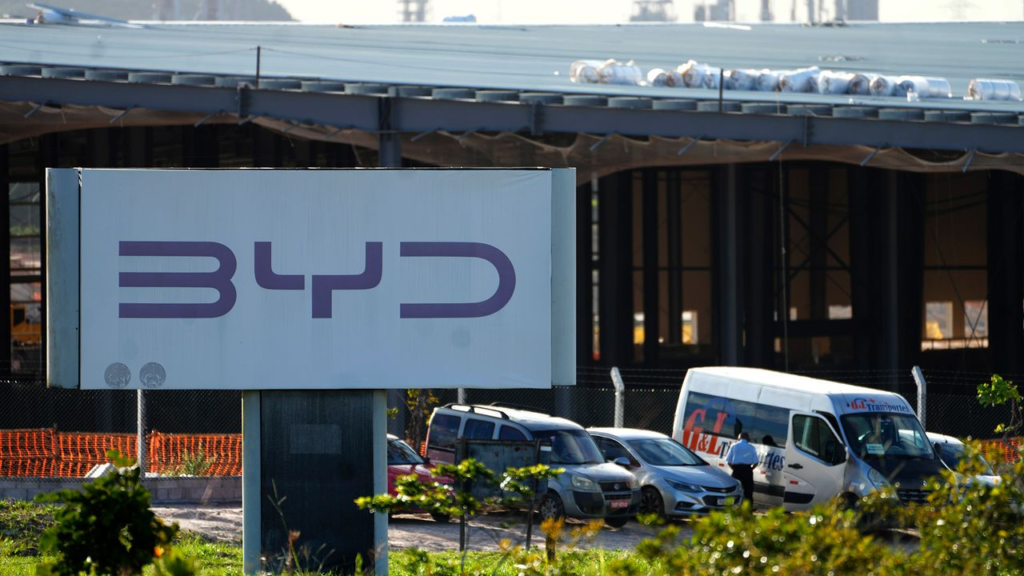
2025 මාර්තු 6 වන බ්‍රහස්පතින්දා, බ්‍රසීලයේ බහියා ප්‍රාන්තයේ කැමකාරි හි ඉදිවෙමින් පවතින කර්මාන්ත ශාලාවක් අසල BYD සඳහා ලකුණක් ප්‍රදර්ශනය කෙරේ.[AP ඡායාරූපය/එරල්ඩෝ පෙරෙස්]

සූරාකෑමේ රටාව චීනයේ දේශසීමාවලින් ඔබ්බට විහිදේ. 2024 දෙසැම්බර් මාසයේදී, බ්‍රසීල බලධාරීන් බහියා හි කැමසාරි හි නව BYD කම්හලක් සඳහා ඉදිකිරීම් ස්ථානයක, අවම වශයෙන් චීන කම්කරුවන් 163 දෙනෙකු අභිචෝදකයන් විසින් “වහල්භාවයට සමාන කොන්දේසි” ලෙස  විස්තර කළ තත්වයෙන්  බේරා ගත්හ. පසුගිය වසරේ ආසියාවෙන් පිටත සමාගමේ පළමු මගී මෝටර් රථ කම්හල විවෘත කිරීම ප්‍රමාද කරමින් එම ස්ථානය වසා දමන ලදී.

HK කම්කරු අයිතිවාසිකම් නිරීක්ෂක වෙබ් අඩවියට (HK Labour Rights Monitor website) අනුව, “පරීක්ෂණයෙන් කම්පනය සහගත අපයෝජන අනාවරණය විය: සමහර සේවකයින් හිස් ඇඳන් මත නිදා ගත් අතර, පුද්ගලයෝ 31 දෙනෙකු එකම වැසිකිළියක් පාවිච්චි කළහ. ආහාර සහ පුද්ගලික අයිතම අපිරිසිදු තත්වයන් යටතේ ගබඩා කර තිබුණි. වාර්තා වන පරිදි, සේවකයින්ට අලුයම 4 ට පමණ වේලාසනින් අවදි වීමට බල කෙරුණි, විවේක දින නොමැතිව අධික වැඩ පැය ගණනක් විඳදරාගත් අතර සමහර අවස්ථාවල දින 25 ක් අඛණ්ඩව වැඩ කළහ.”

කම්කරුවන්ගේ විදේශ ගමන් බලපත්‍ර රඳවා ගන්නා ලද අතර, වැටුප් වලින් සියයට 60 ක් දක්වා අත්හිටුවා, දිනකට පැය 12 ක් දක්වා, සතියේ දින හතේම, අඛණ්ඩව දින 25 ක් වැඩ කිරීමට බල කෙරුණි. පසුව ෆෙඩරල් නඩු පවරන්නන් රිඉස් මිලියන 257 ක (ආසන්න වශයෙන් ඇමරිකානු ඩොලර් මිලියන 45) වන්දි ඉල්ලා නඩුවක් ගොනු කළ අතර, පසුව රිඉස් මිලියන 40 ක් පමණක් ගෙවීමට එය සමථ වී ඇත.

2008 සිට 2025 දක්වා වසර 17ක් පුරා, BYD හි කම්කරු පිළිවෙතට ලොව ධනවත්ම පුද්ගලයින්ගෙන් කෙනෙකු වන බහු-ප්‍රකෝටිපති සමපේක්ෂක වොරන් බෆට් (Warren Buffett) වක්‍රව සහාය ලබා දී ඇත. බෆට්ගේ ආයෝජන උපකරණය වන බර්ක්ෂයර් හැතවේ (Berkshire Hathaway), BYD හි ප්‍රධාන කොටස් හිමිකරගෙන සිටි අතර, බෆට්ගේ මියගිය ව්‍යාපාර සහකරු චාලි මුන්ගර් (Charlie Munger) ගේ උනන්දු කිරීම පරිදි, මුලින් 2008 දී, ඩොලර් මිලියන 230 කට එය අත්පත් කර ගන්නා ලදී. මුන්ගර් වැන්ග් චුවාන්ෆු (Wang Chuanfu) “තෝමස් එඩිසන් සහ ජැක් වෙල්ච්ගේ (Jack Welch) සංයෝජනයක්” ලෙස විස්තර කළේය. 

එහි උච්චතම අවස්ථාවේදී, බර්ක්ෂයර් හි BYD කොටස් වටිනාකම ඩොලර් බිලියන 9 ඉක්මවිය–එය දළ වශයෙන් 40 ගුණයක ලාභයකි. ආයෝජනයෙන් ඇස්තමේන්තුගත ඩොලර් බිලියන 7 ක ලාභයක් උපයා ගන ඇත. මෙම කාලය පුරාම, BYD සේවකයින් දරිද්‍රතා වැටුප්, වැඩ වර්ජන සඳහා පොලිස් මර්දනයන්, විදේශයන්හි විදේශ ගමන් බලපත්‍ර රඳවා ගැනීම් සහ ක්‍රමානුකූලව කඩ කරන ලද පොරොන්දු විඳදරා ගනිද්දි, බර්ක්ෂයර් හැතවේ ප්‍රමුඛ කොටස් හිමියෙකු ලෙස රැඳී සිටිමින්, එහි සහ පෞද්ගලිකව බෆට්ගේ කීර්තිය සමාගමට ලබා දුන්නේය.

බර්ක්ෂයර් 2022 අගෝස්තු මාසයේදී තම කොටස් විකිණීම ආරම්භ කළ අතර 2025 මුල් භාගය වන විට එහි පිටවීම සම්පූර්ණ කළේය. බෆට් BYD හි අධික ලෙස සූරාකෑමේ ශ්‍රම පිළිවෙත් පිළිබඳව කිසිදු විවේචනයක් ඉදිරිපත් කළේ නැත. ඔහුගේ එකම ප්‍රසිද්ධ ප්‍රකාශය වූයේ, 2023 දී, BYD යනු “අපූර්ව පුද්ගලයෙකු” විසින් පවත්වාගෙන යනු ලබන “අපූර්ව සමාගමක්” බවයි. එනමුත්, තමන් “මුදල් වලින්, වඩා හොඳ හැඟීමක් ඇති කරන දේ සොයා ගන්නා බව”  ඔහු පැවසීය.

BYD හි පුණරාවර්තනය වන වැඩවර්ජන මගින් චීනයේ ධනවාදී සූරාකෑමේ ස්වභාවය සහ ලෝකයේ ප්‍රමුඛ විදුලි වාහන නිෂ්පාදකයා ලෙස BYD හි නැගීම හෙළි වේ. 2024 දී යුවාන් බිලියන 777.1 ක ආදායමක් සහ යුවාන් බිලියන 40 කට වඩා වැඩි ශුද්ධ ලාභයක් BYD වාර්තා කළේය. වැන්ග් චුවාන්ෆුගේ පෞද්ගලික ධනය ඔහුව පෘථිවියේ ධනවත්ම පුද්ගලයින් අතරට පත් කරයි–පසුගිය වසරේ Forbes සඟරාව විසින් චීනයේ බිලියනපතියන් අතරින් 9 වන ධනවත්ම පුද්ගලයා ලෙස ඔහුව ලැයිස්තු ගත කෙරුණි.

එහෙත් බොහෝ කර්මාන්තශාලා වල, මෙම ධනය නිෂ්පාදනය කරන–චීනයේ විශාලතම ප්‍රසිද්ධියේ වෙළඳාම් කරන (publicly traded company) සේවා යෝජකයා බවට BYD පත් කරන දැන් 900,000 කට වඩා වැඩි සංඛ්‍යාවක් වන–කම්කරුවන්ට ලැබෙන්නේ අධික  වෙහෙසකින් අතිකාල කිරීමෙන් තොරව මූලික ජීවන වියදම් සපුරාලීමට නොහැකි වන වැටුපකි.

නීත්‍යානුකූලව අවසර ලත් එකම වෘත්තීය සමිති ආයතනය වන සමස්ත චීන වෘත්තීය සමිති සම්මේලනය (All-China Federation of Trade Unions), කම්කරුවන්ගේ  ස්වාධීන සංවිධානය මර්දනය කරමින් සහ අතෘප්තිය හානිකර නොවන මාර්ග වෙත යොමු කරමින්, කම්කරුවන්ගේ නියෝජිතයෙකු ලෙස නොව කළමනාකරණයේ සහ රාජ්‍යයේ හස්තයක් ලෙස ක්‍රියා කරයි. සංවිධානය වීමට හෝ විරෝධතා දැක්වීමට උත්සාහ කරන කම්කරුවන්, වේගයෙන් පොලිස් මර්දනය, සේවයෙන් පහ කිරීම සහ රඳවා තබා ගැනීමකට මුහුණ දෙති.

වුක්සි, චෙන්ග්ඩු සහ චැංෂා හි ඊට පෙර සිදු වූ දේ මෙන්, ෂියාන් වැඩ වර්ජනයෙන් පෙන්නුම් කරන්නේ චීන කම්කරු පන්තිය මෙම කොන්දේසි පිළිගැනීමට සූදානම් නැති බවයි. චීන රාජ්‍ය මාධ්‍ය සහ නිලධරය කාර්මික ක්‍රියාමාර්ග පිළිබඳ සංඛ්‍යාලේඛන ප්‍රසිද්ධ නොකලත්, චීනයෙන් පිටත සිට වැඩ වර්ජන ක්‍රියාකාරකම් නිරීක්ෂණය කිරීමට උත්සාහ කරන සංවිධානවලට අනුව, විශේෂයෙන් නොගෙවූ වැටුප් සහ වැටුප් කප්පාදුවලට එරෙහිව 2023 සිට හදිසි වැඩ වර්ජන සහ විරෝධතා කැපී පෙනෙන ලෙස වැඩි වී තිබේ.

චීනයේ BYD හි ෂියාන් කම්හලේ කම්කරුවෝ දරිද්‍රතා වැටුප් වලට එරෙහිව වැඩ වර්ජනය කරති Read More »

White house

Political Report for the Week ending 07 February 2026

This political report for the week ending 07 February 2026 is compiled based on coverage from the World Socialist Web Site (WSWS.org).

White house
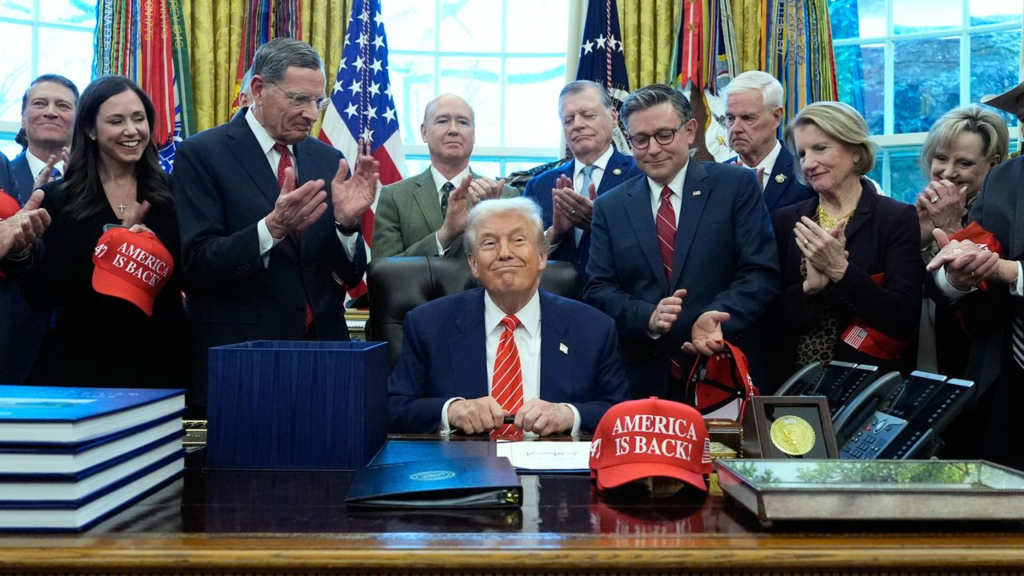
President Donald Trump smiles after signing a spending bill that ends a partial shutdown of the federal government in the Oval Office of the White House, Tuesday, Feb. 3, 2026, in Washington. [AP Photo/Alex Brandon]

The week ending February 7, 2026 witnessed an intensification of inter-imperialist rivalry, the acceleration of domestic repression in the United States, and a global surge in working-class militancy met with systematic betrayal by trade union bureaucracies. From preparations for regime change in Iran to mass strikes in healthcare and education, the international crisis of capitalism manifested in parallel assaults on democratic rights, living standards, and public services. This report synthesizes key developments across four domains: imperialist war preparations and geopolitical realignment; the consolidation of authoritarian rule and state repression; capitalist austerity and economic warfare; and the eruption of class struggle against union bureaucratic containment.

I. Imperialism and War: Escalation Toward Iran and Regional Realignment

European Powers Line Up Behind Regime Change in Iran

European governments openly aligned with Washington’s escalation toward regime change in Tehran. The EU placed Iran’s Revolutionary Guards on its “terror” list while European leaders—including Germany’s Friedrich Merz and UK Prime Minister Keir Starmer—publicly backed US threats and prepared rhetoric for a “transition” in Iran. This coordination followed prior US and Israeli strikes and represents strategic repositioning by European imperialism to secure access to energy resources and geopolitical influence.

Core analysis: The WSWS situates European actions as integral to imperialist rivalry and the scramble for markets and spheres of influence. Liberal imperialism cloaks predatory aims in “humanitarian” language, but the underlying logic is capitalist competition driving preparations for inter-imperialist war. Only an international working-class anti-war movement grounded in revolutionary socialist politics can halt the slide toward regional and global conflagration.

Turkey Attempts Mediation as NATO Ally

As US preparations for possible military action against Iran escalated, Turkey sought to mediate between Washington and Tehran. Ankara’s diplomacy aimed to limit regional destabilization while protecting Turkish geopolitical and economic interests, revealing the contradictions of a junior NATO power attempting to maneuver within imperialist rivalry.

Core analysis: Turkish mediation is not peaceful diplomacy but a junior imperialist power managing fallout from US militarism. Imperialist competition, not negotiation, drives the crisis; only international working-class anti-war mobilization can block regional war.

Merz’s Gulf Tour: Alliance with Dictators for German Great Power Politics

German Chancellor Friedrich Merz toured Gulf monarchies—Saudi Arabia, Qatar, UAE—meeting personally with Mohammed bin Salman and pledging strategic partnerships, arms deals, and energy cooperation despite documented human rights crimes. The visit frankly asserted German great-power ambitions subordinating all ethical concerns to capitalist and geostrategic interests.

Core analysis: Imperialist states ally with dictators to secure energy and markets. Workers must oppose rearmament and foreign-policy adventurism through an international socialist program that rejects nationalist accommodation to imperialism.

II. Authoritarian Consolidation and State Repression

Trump Administration’s Assault on Democratic Norms

Federal Election Seizure Plans: President Trump publicly urged federal takeover of state election administration and directed FBI operations in Fulton County, Georgia, threatening to “nationalize” elections in targeted cities. These moves signal preparation to rig or cancel the 2026 elections.

Core analysis: This represents an overt break with democratic norms by sections of the capitalist state preparing for dictatorship. The principal obstacle to a coup is the working class; the necessary response is independent political mobilization through rank-and-file organizations and preparation for general strike, not reliance on the Democratic Party.

Federal Purges: The administration announced sweeping purges of federal civil service employees, replacing career officials with political loyalists to centralize control—measures framed as rooting out “disloyalty.”

Core analysis: Politicized purges characterize authoritarian consolidation, removing institutional checks on presidential power. Defense of democratic rights requires independent working-class organizing and mass political resistance.

Racist Provocations: Trump posted a racist video depicting Barack and Michelle Obama as apes, one in a series of overt racist provocations from the White House designed to mobilize racist sentiment, terrorize minorities, and divide the working class.

Mass Surveillance Infrastructure

The Trump administration expanded mass-surveillance networks—databases, facial recognition, cross-agency sharing—to track immigrants and political protesters, integrating private tech contractors into state repression apparatus.

Core analysis: Surveillance is a political tool to suppress dissent and enforce social control for the oligarchy. Defense of democratic rights requires independent working-class mobilization and dismantling surveillance apparatuses through mass action.

Immigrant Repression and Detention Center Horrors

Measles Outbreak at Dilley: A measles outbreak tore through the South Texas Family Residential Center in Dilley, confining hundreds of asylum-seeking families and children. Overcrowding, poor sanitation, and rationed medical care created conditions for rapid spread amid a nationwide measles resurgence (2,267 confirmed cases in 2025) following mass purges at HHS and CDC.

Core analysis: The outbreak demonstrates Trump’s program of criminalizing and caging migrants while dismantling scientific public health, subordinating life to profit and political repression. Both Republican and Democratic parties share complicity in detention regimes and public-health defunding.

Vindictive Deportation: After protests forced the release of five-year-old Liam Conejo Ramos from Dilley, DHS filed a motion to expedite deportation proceedings against his family—vindictive state repression designed to terrorize immigrants and suppress dissent.

ICE Workplace Raids: ICE conducted workplace raids including at an Amazon facility in Hazel Park, Michigan, weaponizing enforcement to intimidate immigrant and non-immigrant workers alike, deepen labor discipline, and facilitate corporate flexibility.

University Republican Club Calls for Assassinations

The Illini Republicans at the University of Illinois Urbana-Champaign posted on Instagram celebrating political killings and calling for assassination of opponents; the administration refused discipline, citing “protected speech.”

Core analysis: This evidences deepening fascist and white-supremacist currents fostered by capitalism resorting to political violence. The university’s selective “free speech” shields reactionary violence while repressing left protests. Defense of democratic rights requires independent working-class mobilization against both fascism and the bipartisan state protecting it.

Repression of Nurses and Protesters

New York Nurses Arrested: At least 13 striking nurses were arrested outside Greater New York Hospital Association headquarters on Day 25 of their strike, with NYPD riot units deployed amid pressure from Mayor Zohran Mamdani and Governor Kathy Hochul to end the action through emergency orders facilitating out-of-state replacements.

Core analysis: The arrests demonstrate state readiness to use force defending corporate healthcare interests. Union bureaucracy’s containment strategy isolates nurses; expansion of the strike, full strike pay, and national coordination through rank-and-file committees are essential.

Mamdani’s Betrayal: DSA Mayor Embraces Police State

New York Mayor Zohran Mamdani praised an NYPD shooting of a 22-year-old Bangladeshi man experiencing a mental-health crisis and endorsed Governor Hochul’s strike-breaking measures, revealing continuity with pro-police policies despite earlier populist branding.

Core analysis: DSA-style figures integrate into the capitalist state, converting electoral radicalism into administrative collaboration with police and oligarchy. The working class must not be misled; independent organization and rank-and-file control are essential.

III. Austerity, Economic Warfare, and Capitalist Crisis

US Economic Warfare Against Cuba and Venezuela

Cuba Blockade: The US energy blockade threatened Cuba with humanitarian “collapse” as the UN Secretary-General warned of imminent crisis. Washington’s executive order threatened tariffs on countries supplying Cuba with oil; Mexico and other suppliers faced pressure to cease shipments, precipitating blackouts and shortages.

Core analysis: The blockade constitutes genocidal imperialist coercion aimed at regime overthrow, with complicity from regional bourgeois governments and nationalist-left leaders who capitulate. Only international working-class solidarity can oppose imperialist economic warfare.

Venezuela Privatization: Following the US abduction of Nicolás Maduro, Venezuela’s interim authorities rapidly overhauled hydrocarbons law, opening oil to foreign control and subordinating resources to US and corporate interests.

Core analysis: This exposes the failure of chavismo and bourgeois-nationalist projects that cannot defend resources or working-class gains under imperialism. Only working-class revolution and international socialist policy can break imperialist domination.

Corporate Layoffs Accelerate to Great Recession Levels

January job-cut announcements by US corporations tripled, with large tech, media, and retail firms leading the wave. The increase signals renewed corporate restructuring and mass unemployment approaching Great Recession scale.

Core analysis: Layoffs flow from falling profitability and overaccumulation; corporate efforts to restore margins enforce political choices subordinating labor to capital. The response must be mass industrial organization, strikes, and rank-and-file committees defending jobs and fighting for nationalization under workers’ control.

Washington Post Slashes Newsroom: The Washington Post eliminated roughly one-third of its newsroom (over 300 jobs), closing entire desks while billionaire owner Jeff Bezos’s wealth surged. This media purge is part of capitalist restructuring and concentration of cultural power under the oligarchy, using “efficiency” rationales to mask political decisions shrinking independent journalism.

1,200 GM Layoffs in Canada: General Motors ended the third shift at its Oshawa plant, laying off approximately 1,200 autoworkers as part of production rationalization.

Austerity Across Multiple Fronts

Australia: The Labor government drove up housing prices through developer-friendly policies, cut arts funding (forcing Writers Victoria to close), raised interest rates deepening household debt crises, and approved National Cabinet measures removing tens of thousands of children from disability support. Labor also pressed ahead with demolition of Melbourne public housing towers, displacing residents under privatized redevelopment schemes.

UK: A major charity reported deepening poverty under the Starmer Labour government, documenting rising food insecurity, housing stress, and benefit shortfalls. Starmer’s administration implements austerity while claiming respectability.

SNAP Cuts: Trump administration changes to SNAP eligibility set 2.4 million people at risk of losing food assistance by 2034, shifting the burden onto working people to finance corporate and military priorities.

Homeless Death in Kalamazoo: A homeless man froze to death in Kalamazoo, Michigan while the city allocated $515 million to build a new arena—a stark juxtaposition of social neglect and pro-business public spending.

Kaiser Permanente Medicare Fraud

Kaiser agreed to a $556 million settlement over allegations of inflating Medicare Advantage risk scores, generating roughly $1 billion in alleged overpayments—while claiming inability to meet demands from striking healthcare workers.

Core analysis: “Non-profit” healthcare corporations are profit-driven entities using public funds for private gain. Fraud settlements are routine costs of business while frontline workers and patients suffer austerity.

IV. Class Struggle and Union Bureaucratic Betrayal

Healthcare Workers’ Strikes

Kaiser Strike Enters Third Week: The strike by 31,000 Kaiser healthcare workers continued into its third week, with 4,000 pharmacy and lab workers (UFCW) preparing to join. Management pursued legal and PR strategies while union bureaucracy sought localized talks fragmenting the struggle.

New York Nurses: 15,000 nurses remained on strike facing threats of permanent replacement, with escalated repression (arrests, state emergency orders) and union bureaucracy retreat toward concessions.

Boston Nurses: Despite an overwhelming strike vote, the union bureaucracy left 650 nurses at Boston Medical Center Brighton working, fragmenting leverage and isolating the struggle.

Core analysis: Healthcare strikes contain the embryo of a national movement defending public health, but unions seek containment. Only rank-and-file organization could transform disputes into unifying working-class struggles. The fight centers on whether workers accept permanent understaffing or build nationwide, worker-led movements.

Education Workers’ Mobilization

San Francisco Teachers’ Strike: 6,400 educators in San Francisco Unified School District voted overwhelmingly to strike over chronic understaffing, poverty wages, unaffordable healthcare costs, and class-size caps—the first district-wide walkout since 1979.

Core analysis: The strike occurs amid obscene regional inequality driven by tech billionaires and Democratic-party austerity. Union bureaucratic entanglement with Democrats must be broken; independent rank-and-file committees should link educators across districts for statewide and national action.

Ann Arbor: Educators worked under expired contracts amid massive cuts and restructuring.

Australia: The WSWS called for building rank-and-file committees among educators and students to oppose mass job cuts, course closures, and integration of universities into the military-industrial complex under the Universities Accord.

Industrial Workers’ Struggles

Birmingham Refuse Workers: Over a year into indefinite strike action, Birmingham loaders and drivers opposed pay cuts up to £8,000 and abolition of safety roles, facing intimidation, court injunctions, agency labor, and £33 million council deployment to break the strike—backed by the Starmer government declaring a “major incident.”

Core analysis: This is a test case for Starmer’s austerity drive and labor bureaucracy’s capacity to contain conflict. The dispute can only be won through independent rank-and-file organization, democratic worker control of strategy, and national solidarity exposing government use of state power to enforce austerity.

USW Refinery Sellout: The United Steelworkers announced a tentative national agreement for 30,000 refinery workers offering 15% over four years with no binding protections against AI or job cuts; rank-and-file anger erupted over the perceived betrayal.

Core analysis: The WSWS denounced the USW bureaucracy’s sellout and called for immediate formation of elected rank-and-file refinery committees to reject the deal, coordinate national strike, and use union assets to sustain prolonged action.

Royal Mail: The Communication Worker Union’s Martin Walsh attacked rank-and-file initiatives calling for nationwide fightback against the Optimised Delivery Model and asset-stripping, collaborating with EP Group management.

German Public Transport: Verdi leadership limited warning strikes over pay and conditions, negotiating incremental deals rather than escalating militant potential.

Pattern of Bureaucratic Containment

Teachers’ Unions Suppress Resistance: Teachers’ union bureaucracies issued directives forbidding participation in anti-fascist walkouts and protests, framing suppression under “student safety” and contractual pretexts. 

Core analysis: Union bureaucracies act to preserve capitalist order by containing rank-and-file militancy and preventing cross-sector solidarity. Democratic rank-and-file committees are essential to defend educational professionals’ rights and broader anti-dictatorship mobilizations.

International Labour Developments

Mediterranean Dockworkers: Dockworkers across Mediterranean ports planned coordinated protests opposing use of port infrastructure for military logistics and arms shipments.

German Hospital Workers: Strikes and protests spread across regions over understaffing, wage stagnation, and cost-cutting as patient safety deteriorates.

University of Sheffield Lock-out: Management locked out staff adhering to action short of striking, withholding pay—an unprecedented enforcement of unpaid labor to punish industrial action.

V. Elite Criminality and Systemic Corruption

Epstein Files Expose Ruling Class Impunity

The DOJ released millions of Epstein-related documents revealing extensive elite contacts; the Trump White House sought to minimize revelations while DOJ downplayed prosecution prospects and redactions selectively protected prominent individuals. Materials implicated UK figures including Peter Mandelson and Prince Andrew, threatening Starmer’s “clean-government” stance.

Core analysis: The files expose systemic criminality and class impunity at capitalism’s summit. The ruling class protects its own through legal cover-ups and media manipulation. Justice cannot be delivered by capitalist courts or parties; accountability requires mass political mobilization of the working class and dismantling oligarchic power.

Financial Oligarchy and Fed Appointment

Wall Street figures rallied to secure Kevin Warsh’s nomination to lead the Federal Reserve, demonstrating fusion between state power and financial oligarchy. Central-bank appointments serve capitalist interests by stabilizing conditions for private profit rather than defending working-class living standards.

VI. Political Bankruptcy of Reformism

Colombian President Petro’s Capitulation

Colombian President Gustavo Petro visited the White House for talks with Trump days after military threats related to Venezuela, signaling sharp realignment with pledges of collaboration, intelligence sharing, and economic cooperation.

Core analysis: Petro’s capitulation confirms the bankruptcy of bourgeois nationalist “lefts” attempting reforms within imperialist frameworks. His turn toward Washington facilitates US neocolonial objectives and suppresses independent working-class alternatives.

Costa Rica Election

A Trump-aligned, right-of-centre candidate won Costa Rica’s presidency, displacing traditional pink-tide forces and marking electoral weakness of reformist nationalist-left projects.

Core analysis: This exposes the failure of nationalist or reformist regimes to defend working-class interests; only independent socialist politics rooted in the working class can offer an anti-imperialist alternative.

Conclusion

The week’s developments confirm the WSWS analysis: capitalism’s crisis is driving simultaneous escalation toward imperialist war, consolidation of authoritarian rule, intensification of austerity, and explosion of working-class resistance. The central political question is leadership: will struggles be contained and betrayed by union bureaucracies and bourgeois parties (including their pseudo-left appendages), or will workers build independent, democratically controlled rank-and-file committees capable of coordinating international resistance?

The necessity of the hour is the construction of an international socialist movement of the working class, organized independently of all capitalist parties and union apparatuses, and guided by the program and perspective of the International Committee of the Fourth International. Only such a movement—linking healthcare workers, educators, refinery workers, dockworkers, students, and immigrant communities across national boundaries—can halt the drive to dictatorship and war, defend democratic rights and living standards, and open the road to socialist transformation of society.​​​​​​​​​​​​​​​​

Political Report for the Week ending 07 February 2026 Read More »

Maduro

වෙනිසියුලා ආක්‍රමණය: ඇමරිකානු අධිරාජ්‍යවාදයේ අර්බුදයේ හැරවුම් ලක්ෂ්‍යයක්

සංජය ජයසේකර විසිනි.

මෙම ලිපිය 2026 ජනවාරි 10 දින ඉංග්‍රීසි බසින්The Venezuela Invasion: A Turning Point in the Crisis of American Imperialism’ සිරසින් thesocialist.lk හි පළ විය. 

Maduro
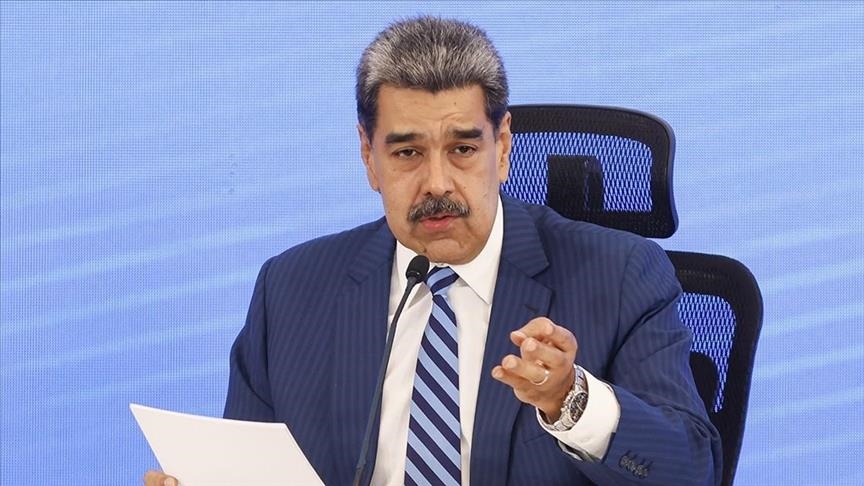
වෙනිසියුලානු ජනාධිපති නිකොලස් මධුරෝ. ඡායඡායාරූපය www.aa.com.trn අනුග්‍රහයෙනි.

2026 ජනවාරි 3 වන දින වෙනිසියුලාවට එල්ල කරන ලද එක්සත් ජනපද මිලිටරි ප්‍රහාරය සහ ජනාධිපති නිකොලස් මධුරෝ බලහත්කාරයෙන් අල්ලා ගැනීම, ඇමරිකානු අධිරාජ්‍යවාදයේ පරිහානිය සහ 1945 න් පසු ස්ථාපිත නෛතික පිළිවෙළ (order) බිඳවැටීමේ සන්ධිස්ථානයකි. මෙය තක්කඩි “වැටලීමක්” හෝ නීතිය ක්‍රියාත්මක කිරීමේ මෙහෙයුමක් නොව මූලෝපායික සම්පත් සහ භූ-දේශපාලනික අවකාශය පාලනය කිරීම සඳහා සිදු කරන ලද ආක්‍රමණශීලී යුද්ධයකි. ලෝක සමාජවාදී වෙබ් අඩවිය (WSWS) අවධාරණය කළ පරිදි, මෙහෙයුම නියෝජනය කරන්නේ, “ට්‍රම්ප් පාලන තන්ත්‍රය විසින් නීත්‍යානුකූලභාවයේ සියලු ස්වරූපයක්ම සම්පූර්ණයෙන්ම ප්‍රතික්ෂේප කිරීමක්… ජාත්‍යන්තර නීතිය බරපතල ලෙස උල්ලංඝනය කරමින් දියත් කරන ලද ප්‍රකෝප නොකළ ආක්‍රමණශීලී යුද්ධයක්” බවයි. [1] බටහිර අර්ධගෝලය පුරා කඳවුරු 20 කින් දියත් කරන ලද ගුවන් යානා 150 කට අධික සංඛ්‍යාවක් යෙදවීම, කැරකස් සහ අවට ප්‍රාන්ත හරහා දැඩි බෝම්බ හෙලීම්, නාවික අවහිරයක් යෙදීම සහ කියුබානු හමුදා නිලධාරීන් 32 ක් ඇතුළුව අවම වශයෙන් 100 ක් ඝාතනය කිරීම, මෙහෙයුමේ ස්වභාවය මත්ද්‍රව්‍ය විරෝධී ක්‍රියාමාර්ගයකට වඩා මහා පරිමාණ මිලිටරි යටත් කිරීමක් බව අවධාරණය කරයි.

ද්‍රව්‍යමය පදනම්: තෙල්, මූල්‍ය ප්‍රාග්ධනය සහ භූ දේශපාලනික එදිරිවාදිකම්

මෙම ප්‍රහාරය සමකාලීන අධිරාජ්‍යවාදය මෙහෙයවන ද්‍රව්‍යමය අවශ්‍යතා හරහා තේරුම් ගත යුතුය. රන්, බොක්සයිට්, දියමන්ති, තඹ, නිකල්, මැන්ගනීස්, කොල්ටන් සහ යුරේනියම් සැලකිය යුතු තැන්පතු සමඟ ලොව විශාලතම ප්‍රත්‍යක්ෂ කරන ලද තෙල් සංචිත වෙනිසියුලාව සන්තකව ඇත. මෙම සම්පත් පාලනය කිරීම එක්සත් ජනපද මූල්‍ය ප්‍රාග්ධනයේ සහ තෙල් සංගත ප්‍රධානීන්ගේ මූලෝපායික අරමුණුවලට කේන්ද්‍රීය වේ. ට්‍රම්ප් කොල්ලකාරී චේතනාව පැහැදිලි කරමින් ප්‍රකාශ කළේ, “ලෝකයේ ඕනෑම තැනක වේවා විශාලතම එවා වූ එක්සත් ජනපද තෙල් සමාගම් රට තුලට ඇතුළු වී ඩොලර් බිලියන ගණනක් වියදම් කරනු ඇත” ලෙසය. [2] වාර්තා වන පරිදි, ට්‍රම්ප් ප්‍රහාරය සිදුවීමට පෙර තෙල් සංගත විධායකයින් ඒ පිළිබඳව දැනුවත් කළ අතර, කොංග්‍රසයෙන් සහ ඇමරිකානු ජනතාවගෙන් තොරතුරු හිතාමතාම සඟවා ගත්තේය.

මෙම මෙහෙයුමේ අරමුණ වන්නේ ලතින් ඇමරිකාව තුළට චීනයේ සහ රුසියාවේ ගැඹුරු වන ආර්ථික විනිවිදීම ආපසු හැරවීමයි. අන්තර්වාර ජනාධිපති ඩෙල්සි රොඩ්‍රිගස් වෙත එක්සත් ජනපදය කළ බලකිරිම් මගින් භූ දේශපාලනික අරමුණු හෙළි විය: වෙනිසියුලාව “චීනය, රුසියාව, ඉරානය සහ කියුබාව පන්නා දමා ආර්ථික සබඳතා බිඳ දැමිය යුතුය”, ඉන්පසු “තෙල් නිෂ්පාදනය සම්බන්ධයෙන් එක්සත් ජනපදය සමඟ පමණක් හවුල් වීමට සහ බර බොරතෙල් (heavy crude) අලෙවි කිරීමේදී ඇමරිකාවට අනුග්‍රහය දැක්වීමට එකඟ විය යුතුය.”[3] රාජ්‍ය ලේකම් මාර්කෝ රුබියෝ මෙය පැහැදිලිවම රාමුගත කළේය: “චීනයට ඔවුන්ගේ තෙල් අවශ්‍ය වන්නේ ඇයි? රුසියාවට ඔවුන්ගේ තෙල් අවශ්‍ය වන්නේ ඇයි? ඔවුන් මේ මහාද්වීපයේවත් නැහැ. මෙය බටහිර අර්ධගෝලයයි.”[4] එබැවින් ආක්‍රමණය සෘජු කොල්ලකෑම හරහා අතිරික්ත වටිනාකම් හඹා යෑම සහ එක්සත් ජනපද අධිරාජ්‍යවාදයේ පද්ධතිමය අර්බුදයෙන් ජනනය වන තියුණු වන භූ-දේශපාලනික එදිරිවාදිකම් යන දෙකම ප්‍රකාශ කරයි.

මෙම අර්බුදයට ගැඹුරු ඓතිහාසික මූලයන් ඇත. ලෙනින් විසින් අධිරාජ්‍යවාදය, ධනවාදයේ ඉහළම අවධිය තුළ විශ්ලේෂණය කළ පරිදි, අමුද්‍රව්‍ය ප්‍රභවයන් , ආයෝජන අවස්ථා සහ වෙළඳපොළවල් සුරක්ෂිත කර ගැනීමට ඒකාධිකාරී ප්‍රාග්ධනයේ (monopoly capital)  ධාවනය ප්‍රතිවාදී බලවතුන් අතර ලෝකය ප්‍රචණ්ඩ ලෙස නැවත බෙදා ගැන්මට හේතු වේ. වත්මන් කාල පරිච්ඡේදය මෙම ක්‍රියාවලිය උග්‍ර ස්වරූපයෙන් අත්දකී: දශක ගණනාවක මූල්‍යකරණය, ණය ප්‍රසාරණය සහ සීමාව ඉක්මවූ සමපේක්ෂනය, ධනවාදයේ මූලික ප්‍රතිවිරෝධතාව–ලාභ රේට්ටුව පහත වැටීමේ ප්‍රවණතාවය–විසඳීමට අසමත් වී ඇත. 1970 ගණන්වල අග භාගයේ සිට නිෂ්පාදනයේ භූගෝලීයකරණය, ලාභ ශ්‍රමය සහ මූලෝපායික භූමි ප්‍රදේශ වෙත ප්‍රවේශ වීම මත පදනම් වූ තාවකාලික ප්‍රතිචාරයක් නියෝජනය කළ නමුත්, ඇමරිකානු අධිරාජ්‍යවාදය ඛාදනය වන තම ආර්ථික ආධිපත්‍යයට සහ ප්‍රතිවාදී බලවතුන්ගෙන් තීව්‍ර වන තරඟකාරිත්වයට මුහුණපා සිටිද්දී එම රාමුව දැන් බිඳ වැටෙමින් පවතී.

නෛතිකභාවයේ මවාපෑමේ සිට බලය පිළිබඳ “අයෝමය නීතිය” දක්වා

මෙම ප්‍රහාරයෙන් සංකේතවත් වන්නේ, පැරණි යටත් විජිත, ඒවායේ සම්පත් සහ ලාභ ශ්‍රමය ආදියේ ‘සාමකාමී’ නව-යටත් විජිතමය කොල්ලය සඳහා අන්තර්-අධිරාජ්‍යවාදී සමථය වෙනුවෙන් සේවය කළ එක්සත් ජාතීන්ගේ ප්‍රඥප්ති සම්මතයන්, ස්වෛරීභාවයේ ආරක්ෂාවන්, රාජ්‍ය තාන්ත්‍රික ක්‍රියාවලිය වැනි පශ්චාත්-යුධ නීතිමය සීමාවන් ඇමරිකානු අධිරාජ්‍යවාදය විසින් අතහැර දැමීමයි. ඓතිහාසිකව, එක්සත් ජනපද අධිරාජ්‍යවාදය කිසි විටෙකත් මෙම ජාත්‍යන්තර සීමාවන්ගෙන් සීමා වීමට කැමති වූයේ නැත. අද දින  එක්සත් ජනපද පරිපාලන නිලධාරීහු එවැනි සීමාවන් පෙර නොවූ විරූ විවෘතභාවයකින් බැහැර කරති. නියෝජ්‍ය මාණ්ඩලික ප්‍රධානී (Deputy Chief of Staff) ස්ටීවන් මිලර්, ජාත්‍යන්තර නීතිය හුදෙක් “ජාත්‍යන්තර ආචාරශලී චර්යාවන්” ලෙස බැහැර කරමින් ප්‍රකාශ කළේ: “අපි ජීවත් වන්නේ ශක්තියෙන් පාලනය වන, බලහත්කාරකම්න් පාලනය වන, බලයෙන් පාලනය වන ලෝකයකයි” ලෙසය. [5] මිලර් පැහැදිලිවම පැවසුවේ “ඇමරිකා එක්සත් ජනපදය වෙනිසියුලාව පාලනය කරයි… අපි බලයේ සිටින්නේ, එක්සත් ජනපද හමුදාව රටින් පිටත රදවා ඇති බැවිනි. සීමාවන් සහ කොන්දේසි අපි පනවමු.” [6]

මෙය නියෝජනය කරන්නේ සීමාව ඉක්මවවූ වාචාල කියුම් නොව මිලිටරි මෙහෙයුම් හරහා පනවන ලද රජයේ මූලධර්මයි. මිලර්ගේ සූත්‍රගත කිරීම්, “ජන වර්ගයන් සහ ජන වාර්ගික-රාජ්‍ය ගැටුම් සම්බන්ධව ‘සොබාදහමේ යකඩ නීති’ පිළිබඳ හිට්ලර්ගේ මෙයින් කැම්ප් (Mein Kampf) කෘතියෙන්  උපුටා ගන්නා ලද නාසීන්ගේ භාෂාවයි” යනුවෙන් WSWS නිවැරදිව විස්තර කළේය.[7] දැනට සිටින රාජ්‍ය නායකයෙකු වන මධුරෝව–ඔහුගේ අනන්‍යතා ප්‍රකාශය සම්පූර්ණ කිරීමට පවා අවස්ථාව ප්‍රතික්ෂේප කර “යුද සිරකරුවෙකු” ලෙස ප්‍රකාශයට පත් කර මාංචු දමා–ෆෙඩරල් අධිකරණය ඉදිරියට ප්‍රදර්ශනයේ ගෙනයාමේ මෑන්හැටන් සංදර්ශනය ස්වෛරී ජාතියක් අවමානයට ලක් කරන අතරම ව්‍යාජ නීතිමය රංගනයක් හරහා පැහැර ගැනීම නීත්‍යානුකූල කිරීම අරමුණු කරයි. [8]

අන්තර් අධිරාජ්‍යවාදී එදිරිවාදිකම් නියාමනය කිරීමට සහ නව යටත් විජිත සූරාකෑම සඳහා නීත්‍යානුකූලභාවයේ ආවරණයක් සැපයූ පශ්චාත්-යුධ ආයතන, උග්‍ර ධනේශ්වර අර්බුදයක තත්වයන් යටතේ, කොල්ලකෑමට බාධාවක් බවට පත්ව ඇත. එම පිළිවෙල බිඳ වැටී ඇත. මොන්රෝ මූලධර්මයේ රූස්වෙල්ට් අනුෂංගය විස්තාපනය කරන, “ඩොන්රෝ මූලධර්මය” ලෙස ට්‍රම්ප් හඳුන්වන දෙය ඔහු විසින් කැඳවුම් කිරීම සහ “මෙය අපගේ අර්ධගෝලය යි” යන ඔහුගේ ප්‍රකාශය වොෂින්ටනය ලතින් ඇමරිකාව යටත් විජිත දේපළක් ලෙස සලකන බව පැහැදිලි කරයි. ග්‍රීන්ලන්තය සම්බන්ධයෙන් නේටෝ මිත්‍ර රටක් වන ඩෙන්මාර්කයට පවා තර්ජනය කිරීමට ඇති කැමැත්ත සහ වෙනිසියුලාවෙන් විදේශීය ආර්ථික හවුල්කරුවන් නෙරපා හැරීමට පැහැදිලි ලෙස නියෝග කිරීම සමඟ, එක්සත් ජනපද කතිපයාධිකාරය දැන් නීතිමය සීමාවන් පසෙකට දැමිය යුතු බාධක ලෙස සලකන බව පෙන්නුම් කරයි. ඇමරිකානු ප්‍රතිපත්ති, නග්න අධිරාජ්‍යවාදී අවශ්‍යතා හැර වෙනත් මූලධර්ම මගින් හැඩගස්වා ඇති බවට දිගු කලක් තිස්සේ පැවති ප්‍රබන්ධය දැන් එළිපිටම පසෙකට දමා ඇත.

දිග් ගැස්සුණු ආක්‍රමණ මත ගොඩනැගූ ප්‍රහාරක උත්සන්න කිරීමක්

බටහිර අර්ධගෝලය “ඇමරිකානු බලපෑම් ක්ෂේත්‍රයක්” ලෙස පැහැදිලිව නම් කර, ඒ තුල “අර්ධගෝලයෙන් බාහිර බලවතුන්ගේ” ඕනෑම මැදිහත්වීමක් වොෂින්ටනය විසින්  ප්‍රතික්ෂේප කරනු ඇති බව ප්‍රකාශ කළ දෙසැම්බර් 2025 ජාතික ආරක්ෂක මූලෝපාය නිකුත් කිරීමෙන් කෙටි කලකට පසුව වෙනිසියුලාවට මෙම ප්‍රහාරය එල්ල විය. මෙම මූලෝපායික ලේඛනය චීනය ප්‍රධාන සතුරා ලෙස හඳුනා ගත් අතර, ලතින් ඇමරිකාව සහ මැද පෙරදිග පුරා මූලෝපායික සම්පත් තමන් සදහා සුරක්ෂිත කිරීමෙන් “බලශක්ති ආධිපත්‍යය” මත එක්සත් ජනපද මිලිටරි පාලනය තහවරු කිරීම අවධාරණය කළේය. වෙනිසියුලානු මැදිහත්වීම මෙම මූලධර්මයේ සමාරම්භක ක්‍රියාත්මක කිරීම නියෝජනය කරයි.

මධුරෝ පැහැර ගැනීම හමුදා පීඩනයේ සහ ආර්ථික ගෙල සිර කිරීමේ අඛණ්ඩ ව්‍යාපාරයක් සම්පූර්ණ කළේය. 2025 පුරාම, එක්සත් ජනපදය කැරිබියන් මුහුදේ දැවැන්ත නාවික හමුදාවක් එක්රැස් කර, වෙනිසියුලානු යාත්‍රාවලට නැවත නැවතත් මාරාන්තික ප්‍රහාර එල්ල කර, තෙල් ප්‍රවාහන නෞකා අල්ලා ගත් අතර, ක්‍රියාකාරී නාවික නිරෝධායනයක් පැනවීය–මේවා යුද ක්‍රියා වූවා මෙන්ම සැබෑ ලෙස ම වටලෑමක් (blockade) විය. 2025 දෙසැම්බර් අග දී, CIA සංවිධානය වෙනිසියුලානු භූමියට පළමු ප්‍රහාරය එල්ල කළේ වරාය පහසුකමක් ඉලක්ක කර ගනිමිනි. ජනවාරි මුල වන විට, හමුදා රැස්කිරීම කූටප්‍රාප්තියට පැමිණ තිබූ අතර, විශේෂ බලකායන් මධුරෝගේ වාස භූමියේ ආකෘති භාවිතා කරමින් ප්‍රහාරය පෙරහුරු කලහ; ට්‍රම්ප්  නත්තලට පෙර අවසන් මෙහෙයුම අනුමත කළේය.

මෙම ගමන් පථය හිතාමතාම සිදු කළ ප්‍රහාරාත්මක උත්සන්න කිරීමේ ඉණිමඟක් ඉහළට ගමන් කළේය: මදුරෝ විසින් කළමනාකරණය කිරීමට උදව් කළ  සහ මුදුනේ සිට මෙහෙයවන ලද  බවට රාජ්‍ය දෙපාර්තමේන්තුව චෝදනා කළ  “සූර්යයන්ගේ කාටලය” විදේශ ත්‍රස්තවාදී සංවිධානයක් ලෙස නම් කිරීම, මදුරෝගේ පවුල සහ තෙල් නැව්ගත කිරීම් ඉලක්ක කරගත් සම්බාධක පුළුල් කිරීම, 2007 දී එක්සත් ජනපද සමාගම් වලින් අත්පත් කරගත් ජනසතු කළ වත්කම් ආපසු ලබා දෙන ලෙස බල කිරීම සහ අවසානයේ සෘජු මිලිටරි ප්‍රහාරය. විපක්ෂයට මහජන සහයෝගයක් නොමැතිකම හේතුවෙන් දේශපාලන කුමන්ත්‍රණයක් මෙහෙය වීමට ගත් උත්සාහයන් අසාර්ථක වීමෙන් පසුව පමණක් සෘජු මිලිටරි මැදිහත්වීමක් මගින්  සිදු කරන ලද පාලන තන්ත්‍ර වෙනසක් සහ සම්පත් අත්පත් කර ගැනීම සඳහා ක්‍රමානුකූල සූදානම මෙම රටාවෙන් හෙළි වේ.

ධනේශ්වර ජාතිකවාදයේ බංකොලොත්භාවය සහ රෝස උදම් රැල්ල

මෙම වැටලීම මගින් ලතින් ඇමරිකාවේ ජාතික ධනේශ්වරයේ පන්ති ස්වභාවය සහ දේශපාලන බංකොලොත්භාවය ශල්‍යකර්ම නිරවද්‍යතාවයෙන් හෙළිදරව් විය. බ්‍රසීලයේ ලූලා ද සිල්වා, මෙක්සිකෝවේ ක්ලෝඩියා ෂයින්බෝම්, කොලොම්බියාවේ ගුස්ටාවෝ පෙට්‍රෝ සහ අනෙකුත් “රෝස උදම් රැල්ල” (“Pink Tide”) නායකයින්, අධිරාජ්‍යවාදයෙන් බිඳී යාමෙන් හෝ මහජන විරෝධය බලමුලු ගැන්වීමෙන් ප්‍රවේශමෙන් වැළකුණු ඇල්මැරුණු හෙලාදැකීම් ඉදිරිපත් කළහ. WSWS ලේඛනගත කළ පරිදි, “ඇමරිකාව වෙනිසියුලාව ආක්‍රමණය කිරීම කෙරෙහි ලතින් ඇමරිකානු ධනේශ්වරයේ සියලුම කොටස්වල කුණු වූ සහ ප්‍රතිගාමී ප්‍රතිචාරය, අධිරාජ්‍යවාදී යුගයේ සියලු ජාතිකවාදී ඉදිරිදර්ශනවල අප්‍රමාණවත් බව පිළිබඳ සාක්ෂියක් ලෙස කම්කරු පන්තිය විසින් ගත යුතුය.”[9]

දකුණු ආසියාව පුරාම ද බියගුලුකමේ සහ පාවාදීමේ මෙම එකම රටාව ඉස්මතු විය. ශ්‍රී ලංකාවේ, ජනතා විමුක්ති පෙරමුණ (ජේවීපී) ජනවාරි 4 වන දින එක්සත් ජනපද ප්‍රහාරය හෙළා දකිමින් සහ ස්වෛරීභාවය පිළිබඳ “මෙම මූලධර්මය බලවත් රටවලට උල්ලංඝනය කිරීමට අයිතියක් නැත” යනුවෙන් ප්‍රකාශයක් නිකුත් කළ අතර, ජාතික ජන බලවේග (එන්පීපී) රජය කැපී පෙනෙන ලෙස වෙනස් ස්ථාවරයක් ගත්තේය. ජේවීපී දේශපාලන මණ්ඩල සභිකයෙකු වන විදේශ අමාත්‍ය විජිත හේරත්, පක්ෂය සහ එන්පීපී රජය අතර පැහැදිලිව  බෙදුම් කඩනයක් සිදු කරමින්, “දේශපාලන පක්ෂවලට තමන්ගේම මත තිබිය හැකි” අතර, රජය “සියලු පාර්ශවයන් නියෝජනය කරන” බවත් එක්සත් ජාතීන්ගේ යාන්ත්‍රණයන් හරහා ක්‍රියා කළ යුතු බවත් ප්‍රකාශ කළේය. විදේශ අමාත්‍යාංශ නිල ප්‍රකාශය, ආක්‍රමණිකයා නම් කිරීම හෝ මහජන විරෝධය බලමුලු ගැන්වීම ප්‍රතික්ෂේප කරන රාජ්‍ය තාන්ත්‍රික මගහැරීමේ භාෂාවෙන්, “සංවාදය” සහ “සාමකාමී විසඳුමක්” ඉල්ලා සිටින අතර “ගැඹුරු කනස්සල්ලක්” ප්‍රකාශ කළේය. මෙම භේදය ධනේශ්වර ජාතිකවාදී පාලනයේ හදවතේ ඇති මූලික ප්‍රතිවිරෝධතාව හෙළි කරයි: වරක් අධිරාජ්‍ය විරෝධී ලෙස පෙනී සිටි පක්ෂය දැන්, අධිරාජ්‍යවාදී ආර්ථික හා මිලිටරි සැකසුම් වලට එහි ඒකාබද්ධතාවය අනතුරේ හෙළනු ඇතැයි යන  බිය දරා ගනිමින් වොෂින්ටනය සහ නවදිල්ලිය සමඟ ආරක්ෂක සහයෝගීතා ගිවිසුම් ආරක්ෂා කරයි.

ඉන්දියාවේ මෝදි රජය ඊටත් වඩා අන්ත වහල්භාවයක් පෙන්නුම් කළේය. ප්‍රහාරයෙන් පැය 24 කට වඩා පසු විදේශ කටයුතු අමාත්‍යාංශය නිවේදනයක් නිකුත් කරමින් “ගැඹුරු කනස්සල්ල” ප්‍රකාශ කළ නමුත් එක්සත් ජනපදය නම් කිරීම හෝ හමුදා ප්‍රහාර හෙළා දැකීම කැපී පෙනෙන ලෙස මග හැරියේය. ජනවාරි 04 වන දින ඉන්දියාවේ ප්‍රතිචාරය වොෂින්ටනය නම් කිරීමෙන් ප්‍රවේශමෙන් වැළකී, ඒ වෙනුවට “සංවාදය හරහා සාමකාමීව ගැටළු විසඳා ගැනීමට අදාළ සියලු දෙනාටම” නොපැහැදිලි ලෙස ඉල්ලා සිටියේය. මෝදි රජයේ ගණනය කිරීම විනිවිද පෙනෙන සුළුය: ට්‍රම්ප් සමඟ වෙළඳ සාකච්ඡා, ONGC (ඉන්දීය රජය සතු විශාල තෙල් සමාගම) වෙත ගෙවිය යුතු වෙනිසියුලානු තෙල් ගෙවීම් සඳහා විභව ප්‍රවේශය සහ වොෂින්ටනය සමඟ මූලෝපායික හවුල්කාරිත්වය අධිරාජ්‍යවාදී ආක්‍රමණයට එරෙහි ඕනෑම ප්‍රතිපත්තිමය විරුද්ධත්වයකට වඩා ප්‍රමුඛත්වය ගනී.

පකිස්ථානයේ මිලිටරි ආධිපත්‍යය දරන තන්ත්‍රය සහ බංග්ලාදේශයේ එක්සත් ජනපදයේ සහාය ලත් අන්තර්කාලීන රජය, කිසිදු හෙළා දැකීමේ ප්‍රකාශයක් ඉදිරිපත් නොකර, පුරෝකථනය කළ හැකි නිහඬතාවයක් පවත්වා ගත්හ. දකුණු ආසියාව පුරා, ධනේශ්වර ජාතිකවාදී පක්ෂ සහ ආණ්ඩු–ඒවා වාම-ප්‍රගතිශීලී, හින්දු-ස්වෝත්තමවාදී හෝ ඉස්ලාම්වාදීන් ලෙස පෙනී සිටියත්–අධිරාජ්‍යවාදයේ නිරුවත් බලය ප්‍රකාශ කිරීමට මුහුණ දුන් විට එයට එරෙහි වීමට ඔවුන්ගේ ඓන්ද්‍රීය නොහැකියාව පෙන්නුම් කළහ.

මෙය ලියොන් ට්‍රොට්ස්කිගේ නොනවතින විප්ලවය පිළිබඳ න්‍යාය සහ පරායත්ත රටවල ජාතික ධනේශ්වර පන්තියට අධිරාජ්‍ය විරෝධී හෝ ප්‍රජාතන්ත්‍රවාදී කාර්යයන් ඉදිරියට ගෙන යාමට ඇති නොහැකියාව පිළිබඳ ඔහුගේ විශ්ලේෂණය සනාථ කරයි. ප්‍රතිඵල සහ ශක්‍යතා (Results and Prospects -1906) සහ නොනවතින විප්ලවය (The Permanent Revolution-1928) යන කෘති තුළ, පසුගාමී රටවල ධනවාදයේ ප්‍රමාද වූ සංවර්ධනය, අධිරාජ්‍යවාදයට සහ ඉඩම් හිමි දේපළට ඓන්ද්‍රීයව බැඳී ඇති ධනේශ්වරයක් නිපදවන බවත්, එම පන්තිය ස්වාධීන කම්කරු පන්ති බලමුලු ගැන්වීමට බිය වන බවත්, එබැවින් විදේශ ආධිපත්‍යයට එරෙහිව අරගලයට නායකත්වය දීමට නොහැකි බවත් ට්‍රොට්ස්කි පෙන්නුම් කළේය. රෝස උදම් රැල්ල නියෝජනය කරන්නේ ලතින් ඇමරිකානු ධනේශ්වර ජාතිකවාදයේ ගැලපී ගැනීමේ (accommodation) සහ පාවාදීමේ ඉතිහාසයේ නවතම පරිච්ඡේදය පමණි.

දක්ෂිණාංශික සහ ෆැසිස්ට් ආන්ඩු තවත් ඉදිරියට ගොස්, ප්‍රහාරය විවෘතව සැමරූහ. 2023 ජනවාරි 8 වන දින බ්‍රසීලියාවේ කුමන්ත්‍රණ උත්සාහයේ නිර්මාපකයින් වූ බ්‍රසීලියානු අන්ත දක්ෂිණාංශිකයෝ, අලුතින් වාසිදායක ජාත්‍යන්තර තත්වයන් යටතේ තමන්ගේම ඒකාධිපති අරමුණු ඉදිරියට ගෙන යාම සඳහා මෙහෙයුම අල්ලා ගත්හ. කොලොම්බියානු ජනාධිපති පෙට්‍රෝට එරෙහිව ට්‍රම්ප්ගේ තර්ජන–”ඔහු තම පශ්චාත් භාගය ප්‍රවේශම් කරගත යුතුය” –සහ කියුබාව සහ නිකරගුවාව ඔහුගේ පරිපාලනය ඉදිරියේ “නොනැසී පවතිනු නැත” යන ප්‍රකාශයන් සංඥා කරන්නේ වෙනිසියුලානු මෙහෙයුම අර්ධගෝලය පුරා අසීමිත ප්‍රචණ්ඩත්වය සඳහා පූර්වාදර්ශයක් ස්ථාපිත කරන බවයි.[10]

ව්‍යාජ-වමේ ප්‍රති-විප්ලවවාදී භූමිකාව

ජාත්‍යන්තර නීතිය, රාජ්‍ය තාන්ත්‍රික ආයතන හෝ ප්‍රතිවාදී ධනේශ්වර බලවතුන් සමඟ සන්ධාන තුළ අධිරාජ්‍යවාදයට එරෙහි විරෝධය ස්ථානගත කරන ව්‍යාජ-වාම ප්‍රවාහයන්, ප්‍රතිසංස්කරණවාදී පක්ෂ සහ රාජ්‍ය නොවන සංවිධාන වෛෂයිකව ප්‍රති-විප්ලවවාදී කාර්යභාරයක් ඉටු කරයි. ඔවුහු මහජන කෝපය ධනේශ්වර දේපළ සබඳතා සහ අධිරාජ්‍යවාදී ආධිපත්‍යයට මූලික වශයෙන් අත නොතබන බෙලහීන ආයාචනා සහ ජාතික මූලෝපායන් වෙතට තල්ලු කරති.

ජර්මනියේ වාම පක්ෂය (Left Party) මෙම ප්‍රවණතාවය නිදර්ශනය කළේය. ට්‍රම්ප්ගේ ක්‍රියා “රාජ්‍ය ත්‍රස්තවාදය” ලෙස රූපිකව හෙළා දකින අතරම, තම විවේචනය යොමු කළේ අධිරාජ්‍යවාදයට එරෙහිව නොව, යුරෝපය තමන්ගේම මහා-බලවත් අභිලාෂයන් වඩාත් ආක්‍රමණශීලී ලෙස ප්‍රකාශ කරන ලෙස ඉල්ලා සිටීම දෙසට ය. WSWS විශ්ලේෂණය කළ පරිදි, වාම පක්ෂය “චාන්සලර් මර්ස් විවේචනය කරන්නේ වමේ සිට නොව දකුණේ සිට” ය. එය, එක්සත් ජනපදයට එරෙහිව සම්බාධක පැනවීමට සහ ඇමරිකානු ක්‍රියාමාර්ගවලට එරෙහිව “සංයුක්ත යුරෝපීය සැලැස්මක්” කැඳවුම් කරමින්, එමඟින් “ජර්මානු සහ යුරෝපීය අධිරාජ්‍යවාදය සඳහා ආක්‍රමණශීලී ක්ෂමාලාපකයින්” ලෙස ක්‍රියා කළේය. [11] ජාත්‍යන්තරව ව්‍යාජ-වාම සංවිධාන හරහා සමාන ‍රටා පෙන්නුම් කළ අතර, ඒ සෑම එකක්ම තමන්ගේ ජාතික ධනේශ්වරයේ භූ දේශපාලනික අවශ්‍යතාවලට කම්කරු පන්තියේ විරෝධය යටත් කළේය.

ධනේශ්වර ආයතනවලට ආයාචනා කිරීම හරහා අධිරාජ්‍යවාදය මැඩපැවැත්විය හැකි බවත්, “බහු ධ්‍රැවීය” ධනවාදී තරඟය ප්‍රගතිශීලී විකල්ප ඉදිරිපත් කරන බවත්, අනන්‍යතා දේශපාලනය හෝ ප්‍රතිසංස්කරණවාදී පාර්ලිමේන්තුවාදය ස්වාධීන පන්ති අරගලය වෙනුවට ආදේශ කළ හැකි බවත් ලෙස මෙම ප්‍රවනතා මාරාන්තික මිත්‍යාවන් ප්‍රචාරය කරයි. ලෝක සමාජවාදී වෙබ් අඩවිය අවධාරණය කළ පරිදි, “යුද්ධයට එරෙහි අරගලය එහි හේතුවට–එනම් ධනවාදය–එරෙහි අරගලයට වෙන් කළ නොහැකි ලෙස බැඳී ඇත. පෞද්ගලික ලාභයට නොව සමාජ අවශ්‍යතා මත සමාජය ප්‍රතිසංවිධානය කිරීමට ධනවාදය ජය ගැනීම සඳහා ස්වාධීන දේශපාලන ව්‍යාපාරයක් ගොඩනැගීමේ අරමුණින් කම්කරු පන්තිය විසින් එය මෙහෙයවිය යුතුය.”[12]

දේශීය මානය: විදේශයන්හි යුද්ධය, රට තුල ඒකාධිපතිත්වය

විදේශයන්හි මිලිටරිවාදයට හැරීම දේශීය වශයෙන් ඒකාධිපතිත්වය තහවුරුකිරීම හා වෙන් කළ නොහැකි ලෙස සමගාමී වේ. WSWS මෙම අත්‍යවශ්‍ය සම්බන්ධතාවය හඳුනා ගත්තේය: “මධුරෝ පැහැරගැනීමේදී ප්‍රකාශිත වන එම අනීතික බව, එම අනුකම්පා විරහිත බව, එම අපරාධකාරී බව, රට තුල ප්‍රජාතන්ත්‍රවාදී අයිතිවාසිකම්වලට පහර දීම්–සමූහ පිටුවහල් කිරීම්, මාධ්‍යයට පහරදීම්, සිවිල් සේවයෙන් පහ කිරීම්, ජනගහනයට එරෙහිව හමුදාව යෙදවීම–මගින් ප්‍රකාශ වේ.”[13] අනවරත යුද්ධයන්ට මුදල් සපයන අතර ඒවා පොලිස් රාජ්‍ය ක්‍රියාමාර්ග නීත්‍යානුකූල කිරීමට යොදා ගන්නා අතරම සමාජ කෝපය පාලක පන්තියට එරෙහිව නොව පිටතට යොමු කරයි.

මෙම රටාව කතිපයාධිකාරයේ වෛෂයික අවශ්‍යතාවය පිළිබිඹු කරයි. මාක්ස් පෙන්නුම් කළ පරිදි ධනවාදයේ අභ්‍යන්තර ප්‍රතිවිරෝධතා, බාහිර ප්‍රසාරණය සහ අභ්‍යන්තර මර්දනය යන දෙකම ජනනය කරයි. “වංචාව, සමපේක්ෂනය සහ කොල්ලකෑම හරහා තම ධනය රැස් කරගත් සාපරාධී කතිපයාධිකාරයක් ට්‍රම්ප් නියෝජනය කරයි…ඇමරිකානු පාලක පන්තියේ මෙම තෝරාගත්  මෙවලම, ප්‍රජාතන්ත්‍රවාදී හෝ නීතිමය ක්‍රම මගින් තවදුරටත් ක්‍රියාත්මක කළ නොහැකි ප්‍රතිපත්ති ක්‍රියාත්මක කිරීම සඳහා කතිපයාධිකාරිය විසින් වමනය කරන ලද මැරයෙකි.”[14] එකවර වෙනිසියුලාවට පහර දීම සහ දේශීය වශයෙන් ඒකාධිපති පියවර වේගවත් කිරීම, ගැඹුරු වන අර්බුදයට මුහුණ දෙන මූල්‍ය ප්‍රාග්ධනයේ ඒකාබද්ධ වූ පන්ති අවශ්‍යතා  ප්‍රකාශ කරයි.

විප්ලවීය කර්තව්‍යයන් සහ ඉදිරි මාවත

වෙනිසියුලාවට එල්ල කරන ප්‍රහාරයෙන් පෙන්නුම් කරන්නේ අධිරාජ්‍යවාදී යුද්ධයට එරෙහි සටන ධනවාදයට එරෙහි සටනෙන් වෙන් කළ නොහැකි බවයි. ආරක්ෂක පියවරයන් ගැනීම හදිසි වේ: මහා යුද විරෝධී ක්‍රියාමාර්ග බලමුලු ගැන්වීම, මිලිටරි සූදානමට විරුද්ධ වීම සඳහා සේවා ස්ථානවල ක්‍රියාකාරී කමිටු ගොඩනැගීම, විශේෂයෙන් එක්සත් ජනපද කම්කරුවන් සහ ඔවුන්ගේ ලතින් ඇමරිකානු පන්ති සහෝදර සහෝදරියන් අතර කම්කරුවන්ගේ සහයෝගීතාවයේ ජාත්‍යන්තර සබඳතා ඇති කිරීම ආදී ක්‍රියාමාර්ග ඒ අතර වේ.

නමුත් ආරක්ෂක පියවර විප්ලවවාදී ඉදිරිදර්ශනයට සම්බන්ධ විය යුතුය. බැංකු සහ බහුජාතික සමාගම් අත්පත් කර ගැනීම, කම්කරු කවුන්සිල සහ කම්කරු ආණ්ඩු පිහිටුවීම, ජාත්‍යන්තර සමාජවාදී විකල්පයක් මෙහෙයවීම සඳහා හතරවන ජාත්‍යන්තරයේ ජාත්‍යන්තර කමිටුවේ (හජාජාක) ශාඛා ගොඩනැගීම–මේවා සෑම තැනකම පීඩිත ජාතීන් සහ වැඩ කරන ජනතාවගේ එකම යථාර්ථවාදී ආරක්ෂාවයි. WSWS සඳහන් කළ පරිදි: “පිළිතුර විය යුත්තේ 2026 පන්ති අරගලයේ සහ සමාජවාදය සඳහා මහජන ව්‍යාපාරයක වර්ධනයේ වසරක් බවට පත් කිරීමයි. යුද්ධයට එරෙහි සටන එය උත්පාදනය කරන ධනේශ්වර ක්‍රමයට එරෙහි සටනකි.” [15]

විප්ලවවාදී අරගලය සඳහා වෛෂයික කොන්දේසි අසාමාන්‍ය වේගයකින් පරිණත වෙමින් පවතී. එක්සත් ජනපදය පුරා, මධුරෝ පැහැර ගැනීම කර්මාන්තශාලා සහ සේවා ස්ථානවල කම්කරුවන් අතර පුළුල් කෝපයක් සහ සැලකිල්ලක් ඇති කර තිබේ. මෙම විරුද්ධත්වය ස්වාධීන පන්ති පදනම් මත සංවිධානය කළ යුතු අතර, ධනවාදයේ පාලනය සුරක්ෂිත කරන ධනේශ්වරයේ සහ ව්‍යාජ-වමේ සියලු කොටස් ප්‍රතික්ෂේප කළ යුතුය. ලතින් ඇමරිකානු කම්කරුවන් “තමන්ගේම” ජාතික ධනේශ්වරය දෙසට නොව අධිරාජ්‍යවාදය පෙරලා දැමීමේ ඒකාබද්ධ අරගලයකදී ජාත්‍යන්තරව ඔවුන්ගේ පන්ති සහෝදර සහෝදරියන් දෙසට නැඹුරු විය යුතුය.

මාක්ස්වාදී වැඩපිළිවෙලකින් සහ ජාත්‍යන්තර කමිටුව තුළ මූර්තිමත් වන ඓතිහාසික පාඩම් වලින් සන්නද්ධ වූ ජාත්‍යන්තර කම්කරු පන්තියේ සහ පීඩිත ජනතාවගේ ස්වාධීන දේශපාලන බලමුලු ගැන්වීම හරහා පමණක්, ම්ලේච්ඡත්වයට හා සමූලඝාතනයට ඇද වැටීම නැවැත්විය හැකි අතර ලෝක සමාජවාදී විප්ලවය හරහා සැබෑ මානව විමුක්තිය සඳහා කොන්දේසි නිර්මානය කළ හැකිය.

යොමුව:

[1] “Oppose Trump’s criminal invasion of Venezuela! Release Maduro!” WSWS, 4 January 2026, <https://www.wsws.org/en/articles/2026/01/04/avdu-j04.html>

[2] “US imperialist bandits parade kidnapped Maduro in show trial,” WSWS, 6 January 2026

[3] “Trump and Miller’s ‘iron law’ of imperialist barbarism,” WSWS, 7 January 2026, <https://www.wsws.org/en/articles/2026/01/07/erjx-j07.html>

[4] “After Venezuela attack: White House threatens Venezuelan acting president, Cuba and Greenland,” WSWS, 5 January 2026, <https://www.wsws.org/en/articles/2026/01/05/crzb-j05.html>

[5] “Trump and Miller’s ‘iron law’ of imperialist barbarism,” WSWS, 7 January 2026

[6] Ibid.

[7] Ibid.

[8] “US imperialist bandits parade kidnapped Maduro in show trial,” WSWS, 6 January 2026 , <https://www.wsws.org/en/articles/2026/01/06/zyve-j06.html>

[9] “Latin America’s bourgeois governments bow to US attack on Venezuela,” WSWS, 6 January 2026, <https://www.wsws.org/en/articles/2026/01/06/slwp-j06.html>

[10] “Oppose Trump’s criminal invasion of Venezuela!” WSWS, 4 January 2026

[11] “After Trump’s attack on Venezuela: Germany’s Left Party supports European imperialism,” WSWS, 7 January 2026, <https://www.wsws.org/en/articles/2026/01/07/sfqt-j07.html>

[12] Ibid.

[13] “Trump and Miller’s ‘iron law’ of imperialist barbarism,” WSWS, 7 January 2026

[14] Ibid.

[15] “Oppose Trump’s criminal invasion of Venezuela!” WSWS, 4 January 2026

වෙනිසියුලා ආක්‍රමණය: ඇමරිකානු අධිරාජ්‍යවාදයේ අර්බුදයේ හැරවුම් ලක්ෂ්‍යයක් Read More »

Trump in Davos

ග්‍රීන්ලන්තය සම්බන්ධ ට්‍රම්ප්ගේ තර්ජන ඩාවෝස් ලෝක ආර්ථික සමුළුවේ ආධිපත්‍යය දරයි

ඇන්ඩ්‍රේ ඩෙමන් විසිනි. 

මෙහි පලවන්නේ ලෝක සමාජවාදී වෙබ් අඩවියේ (ලෝසවෙඅ) 2026 ජනවාරි 22 දින ‘Davos World Economic Forum dominated by Trump threats over Greenlandයන හිසින් පලවූ ඇන්ඩ්‍රේ ඩෙමන් විසින් ලියන ලද ලිපියේ සිංහල පරිවර්තනය යි.

Trump in Davos
2026 ජනවාරි 21 වන බදාදා ස්විට්සර්ලන්තයේ ඩාවෝස් හි ලෝක ආර්ථික සංසදයේ වාර්ෂික රැස්වීමේදී ගෝලීය ව්‍යාපාරික නායකයින්ගේ රැස්වීමක් අතරතුර ජනාධිපති ඩොනල්ඩ් ට්‍රම්ප් කතා කරයි. [AP ඡායාරූපය/ඉවාන් වුචි]

එක්සත් ජනපද ජනාධිපති ඩොනල්ඩ් ට්‍රම්ප් ග්‍රීන්ලන්තය අත්පත් කර ගැනීමට දරන උත්සාහයන් සම්බන්ධව එක්සත් ජනපදය සහ යුරෝපීය බලවතුන් අතර ගැඹුරු වන විරසකය, සඳුදා ස්විට්සර්ලන්තයේ ඩාවෝස් හි ආරම්භ වූ ලෝක ආර්ථික සංසදයේ/සමුළුවේ  ආධිපත්‍යය දැරීය. බදාදා සවස අවසන් වන විට, ට්‍රම්ප් නිවේදනය කළේ, භූමිය පාලනය කිරීම පිළිබඳ ගිවිසුමක් ලෙස ඔහු හැඳින්වූ දෙයට හිලව් වශයෙන්, ග්‍රීන්ලන්තය මිලිටරි බලයෙන් ඈඳා ගන්නා බවට හෝ යුරෝපීය රාජ්‍යයන්ට එරෙහිව තීරුබදු පැනවීමට තමා කලින් කළ තර්ජන ආපසු හරවන බවයි.

ග්‍රීන්ලන්තය යනු නේටෝ සන්ධානයේ ආරම්භක සාමාජිකයෙකු වන ඩෙන්මාර්කයේ ස්වාධීන ප්‍රදේශයකි. ට්‍රම්ප් බදාදා නේටෝ මහලේකම් මාර්ක් රූට් හමුවී “අනාගත ගිවිසුමක රාමුව” ප්‍රකාශයට පත් කළ නමුත් නිශ්චිත කොන්දේසි අපැහැදිලි සහ මතභේදාත්මක ය.

සාකච්ඡා ගැන දැනුමක් ඇති නම් නොකළ ජ්‍යෙෂ්ඨ නිලධාරීන් උපුටා දක්වමින් නිව්යෝර්ක් ටයිම්ස් වාර්තා කළේ, නේටෝ හමුදා නිලධාරීන් “ඩෙන්මාර්කය එක්සත් ජනපදයට හමුදා කඳවුරු ගොඩනගා ගත හැකි ග්‍රීන්ලන්ත කුඩා ඉඩම් කොටස් මත එක්සත් ජනපදයට ස්වෛරීභාවය ලබා දෙන සම්මුතියක්” සාකච්ඡා කළ බවයි. නිලධාරීන් දෙදෙනෙක් මෙම යෝජනාව සයිප්‍රසයේ බ්‍රිතාන්‍යයේ ස්වෛරී කඳවුරු ප්‍රදේශ සමඟ සංසන්දනය කළහ. මෙම රාමුව මඟින් ඩෙන්මාර්කයේ අවසරය ලබා නොගෙන එක්සත් ජනපදයට “මිලිටරි මෙහෙයුම්, බුද්ධි අංශ සහ පුහුණුව” සිදු කිරීමට ඉඩ සලසන බව ටෙලිග්‍රාෆ් පැවසීය–එය කියුබාවේ ගුවන්තනාමෝ බොක්කෙහි එක්සත් ජනපද හමුදාවේ පාලනයට සමාන විධිවිධානයකි.

ඩෙන්මාර්ක නිලධාරීන් සැබෑ ගිවිසුමකට එළඹ ඇති බවට කරන ලද ගුණාංකරණය ප්‍රතික්ෂේප කළහ. ඩෙන්මාර්ක විදේශ අමාත්‍ය ලාර්ස් ලොක්කේ රස්මුසන් (Lars Løkke Rasmussen) ජාතික විකාශන ආයතනය වන ඩීආර් (DR) වෙත පැවසුවේ ග්‍රීන්ලන්තයේ ඇමරිකානු අයිතිය ඩෙන්මාර්කය සඳහා “රතු ඉරක්” වන බවයි. ඩෙන්මාර්ක පාර්ලිමේන්තු මන්ත්‍රී සාෂා ෆැක්ස් (Sascha Faxe), ස්කයි නිව්ස් වෙත පැවසුවේ, මෙම කියනු ලබන ගනුදෙනුව “සැබෑ නොවේ” යනුවෙනි.  තවදුරටත් සඳහන් : “ඒක මිනිසුන් දෙදෙනෙක් අතර සිදුවූ සංවාදයක්. එය නියත වශයෙන්ම ගනුදෙනුවක් නොවේ.” ට්‍රම්ප් සමඟ කළ සාකච්ඡාවලදී ග්‍රීන්ලන්තය ඩෙන්මාර්ක පාලනය යටතේ පවතිනු ඇත්ද යන ප්‍රශ්නය “නො නැඟුණු” බව රූට් විසින්ම ෆොක්ස් නිව්ස් වෙත පැවසීය.

නිවේදනයෙන් පසුව ට්‍රම්ප්, S&P 500 දර්ශකය ඔක්තෝබර් මාසයෙන් පසු එහි නරකම දිනය අඟහරුවාදා සටහන් කිරීමෙන් පසු කොටස් වෙළඳපොළ තියුනු ලෙස ඉහළ යවමින්,  යුරෝපීය රටවල් අටකට එරෙහි තීරුබදු තර්ජන ඉවත් කර ගත්තේය.

ඩාවෝස් හි අර්බුදය, අත්ලාන්තික් සාගර සන්ධානයේ බිඳවැටීමේ දියුණු තත්ත්වය හෙළි කළේය. අඟහරුවාදා සංසදයේදී කතා කරමින් කැනේඩියානු අගමැති මාර්ක් කාර්නි (Mark Carney), ගෝලීය තත්වය පිළිබඳ තියුණු තක්සේරුවක් කළේය. “මම සෘජුවම කියන්නම්: අපි සංක්‍රාන්තියක නොව, බිඳීමක මධ්‍යයේ සිටිමු,” කාර්නි ප්‍රකාශ කළේය. “නීති මත පදනම් වූ පටිපාටිය මැකී යමින් පවතින” බවට ඔහු අනතුරු ඇඟවූ අතර, පුරාණ ග්‍රීක ඉතිහාසඥ තුසිඩයිඩීස් (Thucydides) ගෙන් උපුටා දැක්වීය: “ශක්තිමත් අය තමන්ට කළ හැකි දේ කරති, දුර්වලයන් තමන් විඳවිය යුතු දේ විඳවති.” ට්‍රම්ප්ගේ කතාවට  ඇල්මැරුණු අත්පොළසන් නාදයක් ලැබුණු අතර, ප්‍රේක්ෂකයෝ කාර්නිට නැගී සිටිමින් අත්පොළසන් දුන්හ.

ප්‍රංශ ජනාධිපති එමානුවෙල් මැක්‍රොන් ට්‍රම්ප් පරිපාලනයේ වෙළඳ මූලෝපාය “යුරෝපය දුර්වල කර යටත් කිරීමේ” උත්සාහයක් ලෙස හෙලා දුටුවේය. එක්සත් ජනපදයේ යුරෝපීය වාණිජ ලේකම් හොවාර්ඩ් ලුට්නික් (Howard Lutnick) යුරෝපීය ආර්ථික ප්‍රතිපත්ති විවේචනය කරමින් කළ කතාවක් අතරතුර, යුරෝපීය මහ බැංකු සභාපතිනි ක්‍රිස්ටීන් ලගාඩ් (Christine Lagarde) රාත්‍රී භෝජන සංග්‍රහයකින් පිටව යෑමෙන්, එක්සත් ජනපදය සහ යුරෝපය අතර ඇති භේදයේ ගැඹුර නිරූපණය කරන විය.

ගිවිසුමේ අවසාන ස්වරූපය කුමක් වුවත්, එය ආක්ටික් ප්‍රදේශය පුරා ඇමරිකානු මිලිටරි පාලනය පුළුල් කිරීමක් නියෝජනය කරයි. සංසදය අමතමින් ට්‍රම්ප්, රුසියාව සහ චීනය සමඟ එක්සත් ජනපද ගැටුමේ සන්දර්භය තුළ ග්‍රීන්ලන්තය පාලනය කිරීමට ඔහු දරන උත්සාහයන් රාමුගත කළේය.

“ග්‍රීන්ලන්තය යනු එක්සත් ජනපදය, රුසියාව සහ චීනය අතර ප්‍රධාන මූලෝපායික ස්ථානයක අනාරක්ෂිත  පිහිටා ඇති, විශාල, සම්පූර්ණයෙන්ම පාහේ ජනාවාස නොවූ සහ සංවර්ධනය නොවූ භූමියකි,” ඔහු පැවසීය. මෙම  අරුම පුදුම භූගෝලීය පිහිටීම (ග්‍රීන්ලන්තය චීනයෙන් සැතපුම් 5,000 ක් හෙවත් කිලෝමීටර් 8,000 ක් දුරින් පිහිටා ඇත)  යළි තහවුරු කරමින්, ඔහු තවදුරටත් මෙසේ පැවසීය, “ඒක හරියටම තියෙන්නෙ එතැන, හරියටම මැද යි.”

මිලිටරි බලය යෙදවීමේ තර්ජනය ආපසු හරවන අතරතුර, ට්‍රම්ප් තම අරමුණු සාක්ෂාත් කර ගැනීම සඳහා ආර්ථික බලහත්කාරය භාවිතා කරන බව පැහැදිලි කළේය. “ඔබට ඔව් යැයි පැවසිය හැකි අතර අපි (ඊට)ඉතා කෘතඥ වනු ඇත, නැතහොත් ඔබට නැතැයි පැවසිය හැකි අතර එය අපි මතක තබා ගන්නෙමු” යනුවෙන් ඔහු ප්‍රකාශ කළේය.

ග්‍රීන්ලන්තයේ පාලනය අත්පත් කර ගැනීමේ ට්‍රම්ප් පරිපාලනයේ උත්සාහය, සෘජු ඇමරිකානු ආධිපත්‍යය යටතේ බටහිර අර්ධගෝලය ප්‍රතිසංවිධානය කිරීමේ පුළුල් උත්සාහයක කොටසකි. ඇමරිකානු අධිරාජ්‍යවාදයේ ප්‍රධාන ප්‍රතිවාදියා වන චීනයට එරෙහිව බලය ප්‍රක්ෂේපණය කිරීම සඳහා එහි “ආසන්න විදේශයන්හි” ඇමරිකානු බලය තහවුරු කිරීම අත්‍යවශ්‍ය බව පරිපාලනය සලකයි. පැනමා ඇළ මෙන්ම, ඒවායෙහි ඇති අතිවිශාල ඛනිජ සම්පත්, බලශක්ති නිධි සහ ආක්ටික් මුහුදු මාර්ග වෙත ප්‍රවේශය සහිත කැනඩාව සහ ග්‍රීන්ලන්තය මෙම උත්සාහයට ඉතා වැදගත් වේ. මෙම අර්ධගෝලීය ඒකාබද්ධ කිරීමේ මූලෝපාය අරමුණු කරන්නේ මහා බල ගැටුම සඳහා මහාද්වීපික සම්පත් පදනමක් සුරක්ෂිත කිරීමයි.

දේශගුණික විපර්යාසය ආක්ටික් ප්‍රදේශය පරිවර්තනය කරද්දී ග්‍රීන්ලන්තයේ මූලෝපායික වටිනාකම වර්ධනය වී තිබේ. වසරෙන් වැඩි කාලයක් ගමන් කළ නොහැකිව තිබූ වයඹ දිග මාර්ගය, වැඩි වැඩියෙන් යාත්‍රා කළ හැකි වෙමින් පවතින අතර, ආසියාව සහ අත්ලාන්තික් සාගරය අතර ගමන් වලින් සැතපුම් දහස් ගණනක් සහ සති ගණනක සංක්‍රමණ කාලය අඩු කරන නාවූක මාර්ගයක් ලබා දෙයි. ආක්ටික් සමුද්‍ර ප්‍රදේශ සහ ඒවාට මායිම් වන භූමි ප්‍රදේශ පාලනය කිරීම සියලුම ප්‍රධාන අධිරාජ්‍යවාදී බලවතුන්ගේ කේන්ද්‍රීය අවධානයක් ලෙස මතු වී තිබේ.

ආක්ටික් ප්‍රදේශය මිලිටරිකරණය තීව්‍ර වන කලාපයක් බවට පත්ව ඇත. එක්සත් ජනපදය, එහි වඩාත්මක උතුරු දෙසින් පිහිටි හමුදා ස්ථාපනය වන  උතුරු ග්‍රීන්ලන්තයේ උතුරු කෙළවරේ , කලින් තුලේ ගුවන් කඳවුර (Thule Air Base) ලෙස හැඳින්වූ, පිටූෆික් අභ්‍යවකාශ කඳවුර (Pituffik Space Base) පවත්වාගෙන යයි. රුසියාව හෝ චීනය සමඟ න්‍යෂ්ටික වෙඩි හුව මාරුවක දී අමතර අනතුරු ඇඟවීමේ කාලය මිනිත්තු කිහිපයක් ලබා දෙන තීරණාත්මක මිසයිල ආරක්ෂණ සහ පූර්ව අනතුරු ඇඟවීමේ පද්ධති මෙම කඳවුරේ අඩංගු වේ.

ට්‍රම්ප් ඔහුගේ “ගෝල්ඩන් ඩෝම්” මිසයිල ආරක්ෂක පද්ධතිය ගැන නැවත නැවතත් කතා කර ඇති අතර, ඒ සඳහා ග්‍රීන්ලන්තයේ පිහිටීම මිල කළ නොහැකි වැදගත්කමක් දරනු ඇත. මහාද්වීපික එක්සත් ජනපදය සහ රුසියාව සහ චීනය යන දෙකම අතර කෙටිම ගුවන් ගමන් මාර්ග හරහා මෙම ඉහළ ආක්ටික් භූමිය පිහිටා තිබෙන නිසා, ප්‍රහාරාත්මක මෙන්ම  ආරක්ෂක හමුදා  මෙහෙයුම් සඳහා එය ආදේශ රහිත වේ.

එහි මූලෝපායිකව වැදගත් පිහිටීමට අමතරව, දියුණු තාක්‍ෂණය සහ ආයුධ පද්ධති සඳහා අත්‍යවශ්‍ය දුර්ලභ පාංශු ඛනිජ ලවණ අති විශාල ප්‍රමාණයක් මෙන්ම,  යුරේනියම් සහ සැලකිය යුතු තෙල් සංචිත ද, ග්‍රීන්ලන්තයේ  මහාද්වීපික තටකයට (continental shelf) යටින් අඩංගු වේ.

ඩාවෝස් හි ලෝක මූල්‍ය කතිපයාධිකාරයේ රැස්වීම සිදු වූයේ, සංසදයට සමගාමීව නිකුත් කරන ලද ඔක්ස්ෆෑම්හි “ධනවතුන්ගේ පාලනයට එරෙහි වීම” යන වාර්තාව තුළ ලේඛනගත කර ඇති බිලියනපතියන්ගේ ධනයේ විශ්මයජනක වර්ධනයේ පසුබිමක ය. පෘථිවියේ ධනවත්ම පුද්ගලයින් 12 දෙනා, දැන් මානව වර්ගයාගේ දුප්පත්ම භාගයට හිමි සමස්ථ ධනයට වඩා වැඩි ධනයක් හිමිකර ගනිමින්, බිලියනපතියන්ගේ ධනය පෙර වසර පහේ වේගය මෙන් තුන් ගුණයකින් වර්ධනය වූ බව වාර්තාව හෙළි කරයි.

ග්‍රීන්ලන්තය ආශ්‍රිත අර්බුදය ආයෝජකයින් ආරක්ෂිත වත්කම් කරා දිව යෑමට හේතු විය. වටිනා ලෝහ මාස කිහිපයක් තුල  තියුණුම අගය වැඩිවීම් වාර්තා කිරීමත් සමඟ රන් මිල වාර්තාගත ඉහළම අගයන් කරා ඉහළ ගියේය. රන් සහ අනෙකුත් වටිනාකම් ගබඩා වෙත දිව යෑම, මහා බල සබඳතාවල ගමන් පථය සහ පුළුල් ගැටුමක වැඩෙන අවදානම සම්බන්ධයෙන් මූල්‍ය වෙළඳපොළ තුළ ඇති ගැඹුරු නොසන්සුන්තාව පිළිබිඹු කරයි. වටිනා ලෝහවල මිල ඉහලයාම ධනවාදී අස්ථාවරත්වයේ පීඩන මාපකයක් වන අතර,    පාලක පන්තියේ කොටස් වත්මන් අර්බුදය තුළ වඩාත්ම නරක දෙයක පෙර නිමිත්තක් දකින බව පෙන්වයි.

ග්‍රීන්ලන්තය සම්බන්ධයෙන් ඇති වී ඇති මතභේදයේ තාවකාලික විසඳුම කුමක් වුවත්, යටින් පවතින ගමන් පථය ඇමරිකා එක්සත් ජනපදය සහ යුරෝපය අතර වැඩිවන ගැටුම දෙසට වන අතර, එහිදී ඇමරිකානු අධිරාජ්‍යවාදයට එහි ප්‍රධාන වාසිය වන මිලිටරි බලය මත විශ්වාසය තැබීමට වඩ වඩාත් බල කෙරෙනු ඇත. ගෝලීය ධනේශ්වර ප්‍රභූවේ ප්‍රමුඛ රැස්වීමේදී මෙම අර්බුදය පුපුරා යාම දෙවන ලෝක යුද්ධයෙන් පසු සමස්ත ජාත්‍යන්තර පර්යායේ අර්බුදය හෙලිදරව් කරයි.

ට්‍රම්ප්ගේ “පළමුව ඇමරිකාව” යන ජාතිකවාදය හෝ යුරෝපීය ධනේශ්වරයේ ප්‍රතිචාරය කම්කරු පන්තියට කිසිදු ඉදිරි මාවතක් ඉදිරිපත් නොකරයි.  ප්‍රචණ්ඩත්වය, ආර්ථික යුද්ධය සහ අවසන මිලිටරි ගැටුම හැර වෙනත් කිසිදු ක්‍රමයකින් තම ගැටුම් විසඳා ගැනීමට අපොහොසත් පාලක පන්තියක පිල් දෙකක් මෙම දෙපාර්ශ්වයෙන් නියෝජනය වේ.

ග්‍රීන්ලන්තය සම්බන්ධ ට්‍රම්ප්ගේ තර්ජන ඩාවෝස් ලෝක ආර්ථික සමුළුවේ ආධිපත්‍යය දරයි Read More »

Venezuela US Invation

Oppose Trump’s criminal invasion of Venezuela!

US imperialism rings in the New Year with a new war


By the WSWS Editorial Board.

Reposted below is the statement of the Editorial Board of the World Socialist Web Site, published on the same website on the 04 January 2025.

Venezuela US Invation
U.S. F-35 fighter jets are parked on the tarmac as military personnel walk among the aircraft at José Aponte de la Torre Airport in Ceiba, Puerto Rico, Saturday, Jan. 3, 2026. (AP Photo/Alejandro Granadillo)

The World Socialist Web Site, the Socialist Equality Party in the US and the International Committee of the Fourth International unequivocally denounce the invasion of Venezuela and the criminal abduction of President Nicolás Maduro in the early hours of Saturday morning. We demand the immediate release of Maduro and his wife, Cilia Flores, and the full withdrawal of all US troops and military forces from the region.

The invasion, which included the killing of at least 40 people, is a total repudiation by the Trump regime of any semblance of legality. It is an unprovoked war of aggression launched in flagrant violation of international law and carried out to reimpose colonial control over Venezuela and all of Latin America. This imperialist assault must be opposed by the working class in the United States and throughout the world.

Speaking at Saturday’s press conference, Trump’s “Secretary of War,” Pete Hegseth, declared, “Welcome to 2026.” Only three days into the New Year, the assault on Venezuela is an unmistakable signal that the imperialist violence that marked 2025—in the Gaza genocide and the bombings of Lebanon, Syria and Iran—will escalate in 2026. 

There is no concrete wall between foreign and domestic policy. Imperialist gangsterism beyond the borders of the United States will be accompanied by the acceleration of the conspiracy to impose a fascistic presidential dictatorship within the United States.

In his remarks at Saturday’s press conference, Trump declared that the United States would “run the country until such time as we can do a safe, proper, and judicious transition.” In the past, American imperialism sought to legitimize its wars with hypocritical invocations of democracy and human rights. Trump dispensed with pretenses. The purpose of the assault on Venezuela, he declared on Sunday, was to seize control of the country and its oil resources.

“We’re going to have our very large United States oil companies, the biggest anywhere in the world, go in, spend billions of dollars,” Trump declared. If there is any resistance, Trump threatened a more brutal military onslaught. “We are ready to stage a second and much larger attack if we need to do so,” Trump warned. 

The Wall Street Journal reported Saturday that top hedge funds and asset managers are preparing to send a delegation to Caracas in March to assess what one investor called $500–$750 billion in “investment opportunities” over the next five years.

The invasion of Venezuela and the abduction of its president are meant, as Trump put it on Saturday, as a “warning” to “anyone who would threaten American sovereignty.” Referring to his new National Security Strategy, Trump declared that “American dominance in the Western Hemisphere will never be questioned again,” hailing the assault as a reassertion of the “iron laws that have always determined global power.” 

The immediate targets are governments in Latin America that may act against US imperialist interests. Speaking of Colombian President Gustavo Petro, Trump warned in the language of a street thug, “He has to watch his ass.” The fascist Secretary of War, Pete Hegseth, added: “America can project our will anywhere, anytime,” drawing a direct parallel between Venezuela and last year’s US bombing of Iranian nuclear sites. “Maduro had his chance,” he sneered, “just like Iran had their chance—until they didn’t.”

Secretary of State Marco Rubio—Trump’s Ribbentrop—issued his own gangster threat to the Cuban government, saying that if he were the leader of the island nation, “I’d be concerned.”

But the threats are not confined to Latin America. In addition to Venezuela and Iran, the United States bombed five additional countries last year: Syria, Iraq, Yemen, Somalia and, most recently, Nigeria in December. Trump has issued threats of war against Mexico, floated the annexation of Greenland and Canada, and declared the Panama Canal “non-negotiable” for US control.

The aggressive message to China was unmistakable. Just hours before the assault, Venezuelan President Nicolás Maduro met with a high-level Chinese delegation led by Beijing’s Special Representative for Latin American and Caribbean Affairs, Qiu Xiaoqi, to discuss joint energy cooperation. The US raid, timed to coincide with this meeting, was an act of aggression aimed at disrupting growing ties between China and Latin America.

The actions taken by the Trump administration are not only criminal, they have the character of sheer madness. In 2003, when the United States invaded Iraq, the World Socialist Web Site warned that American imperialism had entered into a “rendezvous with disaster. It cannot conquer the world. It cannot reimpose colonial shackles upon the masses of the Middle East. … It will not find, through the medium of war, a viable solution to its internal maladies.” 

That warning was confirmed. What is now being set into motion is even more reckless—a rendezvous with catastrophe. 

Trump declared on Saturday the intention to impose a dictatorship over Venezuela, proclaiming that the country will be “run” by Rubio, Hegseth and other officials in the Trump regime, as though this colonial fantasy could be imposed with a press conference. In reality, such an occupation would require the deployment of hundreds of thousands of US troops and a brutal campaign of urban warfare amid mass resistance. Trump said as much when he said he was not afraid of “boots on the ground.” 

It should be recalled that the 2003 invasion of Iraq required approximately 180,000 coalition troops, including 130,000 from the United States. In total, nearly half a million US personnel were deployed across the region in support of the war effort. And Iraq, with a population smaller than Venezuela’s, was already devastated by a decade of sanctions. The scale of military occupation required to enforce the subjugation of Venezuela would rapidly spiral into a bloody, protracted conflict across all of Latin America, and indeed throughout the world.

The recklessness of the Trump government can only be understood in the context of the crisis of American imperialism. Politically, there are no doubt many calculations behind Trump’s actions, including an effort to distract from the explosive revelations surrounding the Epstein network, which has implicated top figures within the financial aristocracy and state apparatus. 

But more basic issues are at stake. The United States is attempting to reverse the long-term decline of American capitalism through militarism and war. The economic foundations of US global dominance have dramatically eroded. Gold has surged past $4,300 an ounce, a de facto measure of the collapse in confidence in the dollar as a global reserve currency. The national debt has soared past $38 trillion. The seizure of Venezuela’s oil and the reassertion of American control over the Western Hemisphere are seen by the ruling class as essential to the survival of its economic and geopolitical position.

The realization of this policy will require a massive escalation of the assault on the working class. The astronomical costs of militarism and global conquest will be borne through an intensification of austerity and the destruction of what remains of vital social programs. To impose neocolonial domination abroad, the administration must also overcome mass opposition at home. The inevitable disasters flowing from this strategy will be met with even greater violence, both internationally and within the United States.

At Saturday’s press conference, Trump’s erratic remarks shifted seamlessly from boasting about the “snatch and grab” abduction of Maduro to threatening major American cities. Praising the National Guard deployments to Washington D.C., Los Angeles, Memphis and New Orleans, he declared, “They should do it with more cities.” The same “iron laws” of violence that govern US conduct abroad will be imposed on the population at home.

It is necessary to understand that Trump does not act as an individual. He is the chosen instrument of the American ruling class, a gangster elevated to power by the oligarchy to enforce policies that can no longer be pursued through democratic or legal means.

In 2025, US billionaires—roughly 900 individuals—amassed an 18 percent increase in their net worth, bringing their combined holdings to nearly $7 trillion. Ten individuals alone accounted for $750 billion of this total. Just as the German ruling class brought Hitler to power to implement policies that could not be carried out except through dictatorship, Trump serves the same function.

Notably, the Washington Post, owned by Amazon billionaire Jeff Bezos, published an editorial exalting the abduction of Maduro as “one of the boldest moves a president has made in years.” The paper hailed the “unquestionable tactical success” of the military operation, called Maduro’s downfall “good news,” and praised Trump’s willingness to “follow through” where previous administrations hesitated.

The Democratic Party represents the same class and defends the same system as Trump. There will be no serious opposition from its ranks. Their differences with Trump are purely tactical, not strategic. This was made clear in the muted response to the assault on Venezuela. House Minority Leader Hakeem Jeffries grumbled about the lack of congressional notification, while reaffirming that Maduro was “not the legitimate head of government.” 

Just weeks ago, Democrats and Republicans joined together to pass a $900 billion military spending bill, in an unambiguous endorsement of the imperialist agenda now being ruthlessly enforced.

For his part, anticipating broad popular opposition, Senator Bernie Sanders issued a statement calling the action against Venezuela “illegal and unconstitutional,” but he did not propose any strategy to stop the war or call for a popular mobilization against it. 

There will be a response in the working class, and not only in Venezuela and Latin America. The reimposition of colonial domination will confront immense resistance throughout the world. In the United States, polls show overwhelming opposition to a war against Venezuela. Trump’s approval rating, at just 36 percent at the end of his first year back in office, is the lowest of any president at the same point in their term in more than half a century.

Demonstrations broke out within hours of the assault on Venezuela, an initial indication of popular opposition that will expand and grow. However, the experience of the mass protests against the Gaza genocide has shown that demonstrations alone are not enough. Without a program and leadership, popular outrage is funneled back into the political structures of the capitalist state.

What is required is the conscious intervention of the working class into political struggle. The conditions for such a struggle are rapidly maturing. The war abroad is inseparable from a social counterrevolution at home—soaring inflation, AI-driven job destruction, deepening poverty, and the systematic dismantling of every democratic and social right. 

The oligarchy sits atop a social powder keg. The world volcanic eruption of American imperialism will set into motion a global tsunami of class struggle. Both arise from the same contradictions of the capitalist system.

And while it is expressed most violently in the US, the same basic tendencies exist throughout the world. All the imperialist powers are now engaged in a global redivision of the world. In Europe, the major capitalist governments are undertaking the most massive rearmament campaigns since the Second World War as they clamor for war against and destroy social programs. The German ruling class is nurturing dreams of a Fourth Reich, asserting its military power across the continent and beyond.

The ruling class has made clear what they want 2026 to be: a year of unrestrained military violence. The answer must be to make 2026 a year of class struggle and the development of a mass movement for socialism. 

The fight against war is, at its root, a fight against the capitalist system that breeds it. This struggle must be led by the working class, the only social force capable of ending imperialist violence and establishing genuine democracy and equality. The alternative to dictatorship and war is revolution, the building of an independent political movement to overthrow capitalism and reorganize society on the basis of social need, not private profit.

The Socialist Equality Party and the International Committee of the Fourth International call on workers, students, and young people across the United States, throughout Latin America, and internationally: Join our ranks. Build the Socialist Equality Party in the US and the sections of the ICFI around the world. Take up the fight to unify the working class across all borders, to abolish capitalism, and to establish socialism as the foundation of a new society.

Oppose Trump’s criminal invasion of Venezuela! Read More »

David North

Where is America going?: Oligarchy, dictatorship, and the revolutionary crisis of capitalism

By David North.

Reposted below is the Perspective published on the World Socialist Web Site on 24 November 2025.

David North
David North delivered his lecture in Berlin and London on November 18 and 22, 2025 respectively.

At two major public meetings held over the past week—in Berlin on November 18 and London on November 22—David North, chairperson of the International Editorial Board of the World Socialist Web Site, delivered lectures examining the global crisis of capitalism and the Trump administration’s drive to dictatorship. The text of his London lecture is presented here in full. 

North used both events to announce the upcoming launch of Socialism AI, a groundbreaking tool to assist workers and youth in the development of socialist consciousness.

In the 1920s and 1930s, Leon Trotsky chose to pose a question as the title for several of his greatest essays on then unfolding political events. The most famous of these essays were “Where is Britain Going?” written in 1925, just one year before the eruption of the historic General Strike, “Towards Socialism or Capitalism?” also written in 1925, which dealt with critical issues related to the economic policies of the new Soviet state, and “Whither France?” written in 1934 as the country was entering into a period of intense class conflict.

Tonight’s lecture poses the question, “Where is America Going?” I think that most people, if asked, would respond rather quickly, “To hell.” And, if only meant metaphorically, the answer would be justified. 

There is another similar phrase, “Going to hell in a hand basket”—denoting a crisis situation that is careening rapidly and uncontrollably toward disaster—that describes the US situation.

A challenge that I have confronted as I prepared this lecture is keeping apace with the speed of the political crisis.

On Thursday, Donald Trump posted a series of denunciations of Democratic Party senators and congressmen, accusing them of treason and calling for them to be punished “by death.” His statements were made in response to a video in which the Democratic legislators called on the military to “refuse illegal orders” that would compel them to violate their oath to respect and uphold the Constitution. 

Many of the Democrats who posted the video have longstanding connections to US intelligence agencies, and so it must be assumed that their warning is based on high-level information about Trump’s plans to use the military to overthrow the Constitution and establish a dictatorship. 

The video directly addressed the military: 

We know you are under enormous stress and pressure right now. Americans trust their military but that trust is at risk. …

This administration is pitting our uniformed military and intelligence community professionals against American citizens. Right now, the threats coming to our Constitution aren’t just coming from abroad but from right here at home. Our laws are clear. You can refuse illegal orders. You must refuse illegal orders. No one has to carry out orders that violate the law or our Constitution.

This is the sort of language that is used by besieged civilian politicians in the midst of a military coup d’etat. The legislators’ video, and Trump’s reply confirm that what is now taking place is an historically unprecedented breakdown of American democracy, of which the grotesque figure of Donald Trump is only a surface manifestation. To understand the crisis—its causes and consequences—it is necessary to penetrate beneath the surface, and examine its deeper economic and social roots.

Only by undertaking this deeper analysis, and linking Trump to the social milieu from which he emerged, the class interests that he represents, the crisis of the capitalist system, the massive contradictions of American society and the global challenges confronting US imperialism can one explain why the government of the United States has been placed by its ruling elite in the hands of a sociopathic criminal.

There is a justly celebrated passage in Marx’s 1850 account of The Class Struggles in France in which he described the bourgeois elite that ruled the country during the reign of Louis Philippe. Marx wrote:

Clashing every moment with the bourgeois laws themselves, an unbridled assertion of unhealthy and dissolute appetites manifested itself, particularly at the top of bourgeois society—lusts wherein wealth derived from gambling naturally seeks its satisfaction, where pleasure becomes crapuleux [debauched], where money, filth, and blood commingle. The finance aristocracy, in its mode of acquisition as well as in its pleasures, is nothing but the rebirth of the lumpenproletariat on the heights of bourgeois society.

If Marx were alive, he might write the following about the present regime in the United States:

The Wall Street Oligarchy and its corporate allies pervert the law, stack the government, and shape public opinion through a corrupt media that distorts and conceals social reality. Criminal swindling, thinly disguised graft, and wild obsession with personal wealth infect every layer of the elite, from the White House, the Congress, judiciary, and corporate boardrooms to the prestigious citadels of academia. The accumulation of billions is derived not from production, but from speculation, the manipulation of debt, the plundering of social resources, and the impoverishment of the mass of the population.

The Oligarchy’s insatiable greed and lust for self-gratification collides not only with bourgeois law but also the most basic moral precepts. From the White House and the Mar-a-Lago brothel to mega-million-dollar estates, perverse and predatory appetites reign unchecked: billionaires and high placed politicians welcome the services of child sex traffickers like Epstein, deriving pleasure from the raw exploitation of the helpless. In these circles, money, depravity, and violence are inseparable.

Trump’s “art of the deal” is the modus operandi of the capitalist class, encompassing every form of corporate and government criminality: amassing profits from the sale of aircraft and missiles used in the genocidal assault on Gaza, the murder of unidentified fishermen in international waters off the coast of Venezuela, the illegal deployment of military forces in US cities, and the seizure and deportation by ICE agents of immigrants, in violation of all legal rights, from the United States.

The financial-corporate Oligarchy, in its business operations and orgies, is nothing but a super-Mafia at the summit of capitalist society, flaunting crime and perversion while ordinary people pay the cost in misery and blood.

Following the second election of Trump in November 2024, exactly one year ago, the World Socialist Web Site warned that his repeated threats to rule as a dictator were not merely an expression of his desire to emulate his personal hero, Adolf Hitler. Rather, these threats anticipated the restructuring of American politics based on its real class structure. The massive concentration of wealth in an infinitesimal fraction of American society is not compatible with traditional forms of bourgeois democratic rule. 

The political structure of the United States is being brought into alignment with its class structure. The most basic feature of American society is its staggering level of social inequality. Any serious discussion of the American reality that avoids this issue is as intellectually worthless and politically fraudulent as a discussion of the politics of ancient Rome that failed to mention slavery. The term oligarchy is not employed as a rhetorical flourish. It is an appropriate description of the concentration of massive wealth and power in the United States.

On November 3, the humanitarian organization Oxfam published a report titled “Unequal: The Rise of a New American Oligarchy and the Agenda We Need.” Among its key findings are:

  • The wealthiest 0.1 percent in the US own 12.6 percent of assets and 24 percent of the stock market.
  • Between 1989 and 2022, a US household at the 99th percentile gained 101 times more wealth than the median household and 987 times more wealth than a household at the 20th percentile.
  • Over 40 percent of the US population—including 48.9 percent of children—are considered poor or low income.

The Oxfam report states:

In the past year alone, the 10 richest billionaires got $698 billion dollars richer. Since 2020, their inflation adjusted wealth is up 526%. The richest 0.0001% [1 in a million] control a greater share of wealth than in the Gilded Age, an era of US history defined by extreme inequality. … The richest 1% own half of the stock market [49.9%], while the bottom half of the US owns just 1% of the stock market.

The report exposes the claim that the great mass of working class Americans participate in the country’s wealth. It writes:

Despite notions of the U.S. as an exceptionally prosperous society, international comparisons illustrate a different reality. Looking at the 10 largest OECD economies, the U.S. has the highest rate of relative poverty, the second-highest rate of child poverty and infant mortality, and the second-lowest life expectancy.

These poor outcomes may seem surprising but are consistent with the country’s outlier status on social policy. Within that same group of peer countries, the U.S. is dead last in generosity of unemployment benefits, second-to-last in public spending for families with children, seventh out of 10 in public social spending overall, and number one for working hours needed to exit poverty. Of the 10 largest OECD economies, the U.S. tax and transfer system ranks second-to-last in reducing inequality.

The extreme concentration of wealth is inseparable from oligarchic political power. Trump’s cabinet and top appointees possess a collective net worth exceeding $60 billion. This administration’s wealth dwarfs all predecessors. Sixteen of Trump’s twenty-five wealthiest appointees rank among the 813 billionaires in a nation of 341 million people—placing them in the top 0.0001 percent. This is not symbolic representation. It is direct rule by the oligarchy.

It is a characteristic of every ruling class that as it heads for extinction it becomes increasingly aggressive. The more irrational its system becomes, the more violent the efforts to legitimize it. A parallel for this can be found in the decades preceding the French Revolution. As the nobility sought to reassert lost privileges and defend threatened prerogatives, it became ever more extreme and intransigent in its methods. The aristocratic offensive of the 1760s through 1789 was not a defensive reaction but an aggressive attempt to reverse the historical erosion of feudal privilege. And as the aristocracy sensed its ultimate doom, its desperation manifested itself in ever more violent assertions of arbitrary power. This process came to a head with the eruption of revolution in July 1789.

In the decades preceding the Second American Revolution of 1861-65, the slaveowners of the South sought to illegalize and stamp out every form of opposition to slavery. In a manner similar to the operations of ICE agents today against immigrants, the Fugitive Slave Act of 1850 empowered federal agents to seize runaway slaves who had fled to the North and return them to their masters. In 1857, the Supreme Court, controlled by the slave power, declared that slaves were merely property and were not protected by the laws that applied to citizens and human beings.

Finally, refusing to accept the election of Abraham Lincoln as president, the tyrants of the South began an insurrection against the United States in April 1861. The Confederate States of America proclaimed slavery as the foundation of civilization. A bloody civil war, which cost more than 700,000 lives, was required to suppress the rebellion and abolish slavery.

A similar process of political reaction and historical retrogression is underway today in the United States. The display of oligarchic power has become increasingly brazen, hostile to the forms of democratic legitimacy that have provided capitalist rule with at least a veneer of popular consent. Glorifying the legacy of slavery, Trump has ordered that the statues of Confederate military leaders, which had been removed from public places and military bases, be reassembled. The old battle cry of pro-Confederate racists, “The South shall rise again,” has become the policy of the US government.

Consider the spectacle staged in early September at the White House: virtually the entire leadership of the technology oligarchy, including Bill Gates of Microsoft, Tim Cook of Apple, Sam Altman of Open AI, Sergei Brin of Google, Mark Zuckerberg of Meta and other billionaires and corporate executives, paraded through the presidential residence, their presence signifying the complete subordination of formal governmental authority to financial and corporate power. This was not a private meeting. It was a public coronation. The president of the United States functions as the most vulgar representative of a parasitic oligarchy. And then, not long after, an even more extraordinary spectacle: Trump and scores of billionaires and corporate executives dined at Windsor Castle with the King of England.

To give an indication of the levels of wealth they embody, the combined personal worth of two dozen of the richest at the table was $274 billion. The average figure per person of $11.4 billion is over 67,000 times the wealth of the median British person. Between them, they represented companies with a market capitalization of $17.7 trillion, more than the combined value of every publicly listed company incorporated in the UK.

The royal family is poor by the standards of its guests, holding barely a third of a percent of the personal wealth of these two dozen people. But what it brings to the table is a long history of inherited privilege, a tradition of centuries of rule and luxury, which the new financial and corporate aristocracy finds deeply attractive.

Meanwhile, on American soil, Trump is constructing a monument to oligarchic power that surpasses all historical precedent. The entire Executive Residence of the White House, the central building that houses the president and serves as the primary ceremonial space, comprises approximately 55,000 square feet. Trump’s new ballroom, financed by billionaire donors and major corporations, will span 90,000 square feet—nearly double the size of the White House itself. The White House is being turned into a palace. This is the construction of a Versailles on the Potomac, a brazen assertion of oligarchic supremacy. The old residence is also being refurbished. Trump has proudly posted photos of a redecorated bathroom that was once used by Lincoln. It now features a gold toilet seat, upon which Trump can plant his posterior while he ponders and plans new crimes.

Taken as a whole, the actions of the Trump administration are an attempt to impose archaic forms of rule—hierarchical, authoritarian, explicitly anti-democratic—upon a modern mass society characterized by vast productive capacity, advanced technology, instantaneous global communications and the organizational potential of billions of workers integrated into the world economy. This anachronism, the fusion of ancient forms of despotic oligarchy with the technological and productive apparatus of a world economy, creates contradictions of extraordinary intensity.

The unfolding counterrevolution in politics is, inevitably, justified by a counterrevolution in thought.

The “Dark Enlightenment,” with its explicit invocation of a corporate-based monarchy, is an attempt to provide philosophical justification for this reversion to despotism dressed in the language of contemporary technological rationality. Peter Thiel, the founder of PayPal and patron of Vice President JD Vance and countless other fascistic politicians, wrote in 2009: “Most importantly, I no longer believe that freedom and democracy are compatible.” Another leading “philosopher” of the Dark Enlightenment, Curtis Yarvin, has proposed that government be structured as a corporation, with a CEO-monarch wielding absolute authority.

Are we witnessing merely the disgusting and irrational actions of manic individuals driven by unlimited greed and hunger for power? Or is there a deeper, objective basis for these phenomena rooted in the inner laws of capitalist accumulation?

A correct answer to this question is essential because a critique of capitalism based on moral outrage, however justified that outrage may be, cannot provide the foundation for a revolutionary struggle against it. There have been innumerable mass demonstrations against the Gaza genocide, but what has been totally absent from these demonstrations is a realistic political perspective and program based on a scientific understanding of the relationship between the genocide and the existing capitalist-imperialist system. In the absence of such an analysis, the protests became an appeal to the imperialist governments and corporations, the sponsors and defenders of Israel, to withdraw their support for genocide.

An article published on November 12 in the Wall Street Journal exposes the futility of such appeals. Titled “The Gaza War Has Been Big Business for U.S. Companies,” it reports:

The conflict built an unprecedented arms pipeline from the U.S. to Israel that continues to flow, generating substantial business for big U.S. companies—including Boeing, Northrop Grumman and Caterpillar.

Sales of U.S. weapons to Israel have surged since October 2023, with Washington approving more than $32 billion in armaments, ammunition and other equipment to the Israeli military over that time, according to a Wall Street Journal analysis of State Department disclosures.

Moral outrage provides no effective direction for political actions. Rather, the failure of moral appeals to the ruling class generally leads to disappointment, pessimism and demoralization. Moreover, and no less fatal to a genuinely revolutionary perspective, it leads to a vast exaggeration of the power of the ruling elites. The contradictions that are embedded in the capitalist system and which create the conditions for a revolutionary explosion are not seen. And, the greatest error of all, the central role of the working class in the struggle against capitalism is ignored and even rejected.

The crimes and brutalities of the ruling class are not simply symptoms of bad character; they reflect the desperate struggles of a system to overcome its internal contradictions. The violence of oligarchy, the brazenness of its power-grabs, the descent into authoritarianism—all of these express the terminal crisis of the capitalist mode of production itself.

In recent years, the word “financialization” has come into common usage as a description of an essential change in the structure of the US and world capitalist economy. It denotes the ever more extreme detachment of the generation of profits and wealth from the process of production. Corporations realize a large portion of their profits through financial transactions—trading securities, lending and all manner of speculative investments. The principal features of financialization include the growth of banks and institutional investors relative to the real productive economy; the proliferation of complex financial instruments (derivatives, securitized loans, etc.) and the vast expansion of credit and debt.

Inseparably connected with the process of financialization is the massive growth of fictitious capital, that is, claims on future wealth out of proportion to, or independent of, the current productive economy. A share of stock is a claim on future profits that have not yet, and may never be, realized in production. Between 2000 and 2020, for every one dollar of net new investment in the real economy, about four dollars in financial liabilities were created. Thus, the process of financialization and the growth of fictitious capital creates, over time, an economy that more and more resembles a Ponzi scheme, where investors rely on continually rising asset values. Little attention is paid to whether the stock market valuation of a company assets bears any relation to the real earnings, based on the production and sales of goods and services.

Systemically, this has created a world of illusory wealth. The total Gross Domestic Product of the United States is estimated to be around $30 trillion-$30.5 trillion. But the total market capitalization of US-listed companies reached approximately $69 trillion-$71 trillion by October of this year. The total value of all publicly traded US stocks is, therefore, more than double—220 percent—the size of annual US economic output.

This is a historical reversal of the relationship of the stock market to the US economy. In 1971, total market capitalization equaled approximately 80 percent of the GDP, about a quarter of what it is today. This means that over the last 50 years, the value of financial assets has grown much faster than the underlying production of goods and services. Financial wealth and speculative capital have become untethered from the real economy. 

This unsustainable relationship between the nominal value of the market is not only economically unsustainable, or, to use the famous phrase of Alan Greenspan, a sign of “irrational exuberance.” It is a manifestation of the historical decline of US capitalism.

In fact, when examined in its historical context, the year 1971 marked a fundamental watershed in the economic trajectory of American capitalism.

In August 1971, President Richard Nixon ended the convertibility of the dollar into gold at the rate of $35 per ounce, which had been established at the Bretton Woods economic conference of 1944 and which had served as the foundation of the post-World War II restabilization and growth of the world capitalist economy. The basis of dollar-gold convertibility was the overwhelming productive power and dominant role of American capitalism. The huge balance of trade and payments surpluses of the US underlay its pledge to redeem dollars held by foreign countries with gold.

But in the course of the 1950s and 1960s, as Europe and Japan rebuilt their war-shattered economies, the dominance of the United States steadily declined. As its trade surpluses steadily shrank, its commitment to dollar-gold convertibility became increasingly unviable. Fearing a run on the dollar and the depletion of its gold reserves, Nixon repudiated the agreements reached at Bretton Woods in 1944.

This decision generated global economic shock waves. The price of oil, measured in dollars, quadrupled. The dollar underwent a massive devaluation, a process which has continued for the last half century.

The rise of gold from $35/oz in 1971 to over $4,000 represents a de facto, objective measure of the long-term collapse in the real value of the US dollar. The more than hundredfold increase is therefore not an expression of gold becoming intrinsically “more valuable,” but of the dollar losing purchasing power and credibility.

If one takes gold as a proxy for the general price level over decades, a hundredfold increase implies a comparable erosion—roughly 99 percent—of the dollar’s real value. Few other indicators so starkly capture the cumulative effect of inflation, monetary expansion and persistent debt monetization since the end of the Bretton Woods system.

As a measure of its global economic position, the end of dollar-gold convertibility was a manifestation of crisis. However, a consequence of this decision was the removal of economically rational restraints on the accumulation of debts and deficits. The United States could cover its debts and deficits by printing dollars.

Since 1971, the US has financed deficits through expanding credit and, in recent decades, through unprecedented quantitative easing. The explosive rise in federal debt (from $400 billion in 1971 to $38 trillion today) underscores the degree to which the dollar is sustained not by convertibility but by global demand for dollar assets—a demand now under visible strain.

The gold price functions as an international referendum on the credibility of US monetary policy. A rise from $35 to $4,000 reflects broad, long-term hedging against dollar debasement. The decline in the dollar’s share of global reserves, the diversification into gold by central banks, and the growth of non-dollar trade arrangements all align with this trend.

Such a dramatic revaluation signifies not merely inflation, but a historic disintegration of the dollar’s value foundation. It expresses the same underlying contradictions—permanent trade deficits, deindustrialization, debt dependence, financialization—that now drive the broader decline of US hegemony.

The decline of the dollar is not only a monetary phenomenon. Over the past five decades, the erosion of US economic and geopolitical hegemony has assumed a cumulative, systemic character. The most visible index is the collapse of the country’s external financial position. Since the early 1990s, the United States has recorded uninterrupted and ever-widening trade deficits; the annual goods deficit, roughly $100 billion in 1990, now exceeds $1 trillion. This chronic imbalance expresses the hollowing-out of the country’s industrial base and its reliance on global financial inflows to sustain consumption and asset bubbles. The US Net International Investment Position—positive as late as the early 1980s—has plunged to more than $18 trillion, the largest debtor position in world history.

The United States is drowning in debt. Fifty years ago, in 1975, in the aftermath of the collapse of Bretton Woods and at the outset of the financialization process, the national debt stood at $533 billion. By 1985 it had tripled to $1.8 trillion. In 2005 the national debt was $7.9 trillion. Following the bailout of Wall Street by the Federal Reserve Bank in response to the crash of 2008, the national debt exploded. By 2015 it had reached $18.1 trillion. In 2020, following yet another bailout of Wall Street, the debt reached $27 trillion. As of 2025, the national debt stands at $38 trillion.

In the space of a half century, the national debt has grown by approximately 6,000 percent. During the same period, the GDP grew by only 1,321 percent. This means that the national debt has grown five times more than the total market value of all final goods and services produced by the United States.

To take a shorter time frame, in the space of a quarter century, from 2000 to 2025, the GDP grew approximately 187 percent while the national debt grew 566 percent.

Now let us examine the rise in personal debt. In 1975, personal debt totaled $500 billion. As of the third quarter of 2025, the total size of all forms of personal debt, which includes mortgages, credit card debt, auto loans, student loans and home equity lines of credit, stands at $18.59 trillion! This is a 36-fold increase. 

During the same period, the annual income of the bottom 90 percent of Americans has stagnated. The debt of the overwhelming majority of Americans is approximately one-third of their total household wealth. The ratio of debt to household wealth is substantially greater for the bottom half of the population. Between 2020 and 2024, a total of 2.45 million Americans filed for bankruptcy. As of September, 374,000 Americans have filed for bankruptcy. By the end of the year, the total number of bankruptcies in 2025 will exceed the 2024 number.

According to the most recent figures, approximately 75 percent of Americans are living “paycheck to paycheck.” This means that they have little or no money to cover emergencies should they arise. Tens of millions of Americans live on the brink of destitution.

Dickens’ famous description of France on the eve of the French Revolution as “the best of times … the worst of times” applies to present day America, and, in fact, to the world. While most Americans are living in various degrees of economic distress, an infinitesimal fraction have a level of wealth for which there is no precedent in the modern age, or even, perhaps, in world history. The total wealth of the mega-billionaires has been so widely reported that it is not necessary to review it in this report. Suffice it to say that after the announcement of Elon Musk’s $1 trillion pay packet one is not surprised to read that the personal wealth of Larry Ellison, the head of Oracle, increased by $100 billion in just one day!

However, what must be stressed is that the astronomical scale of the fortunes of the Oligarchs is inextricably linked to the financialization of the US and global economy. Their personal wealth is built upon a mountain of fictitious capital. They are the embodiment of financial parasitism, deriving wealth not from the production of real value, but through the inflation of claims on value. They owe their riches to asset price inflation, leveraging, share buybacks, mergers and acquisitions, debt securitization and derivatives and arbitrage. The legalization and success of these operations is assured by the collaboration of presidents, congressmen and congresswomen, judges and government administrators whom the Oligarchs buy and bribe.

Their wealth has a malignant and socially criminal character, as the processes and policies which sustain it require not only the impoverishment of billions of people, but also endless wars (for the control of markets and critical resources) and ecological disaster.

The statistics that I have cited, and a far longer list could be presented, are unanswerable factual demonstrations of the socially regressive, reactionary and criminal character of modern capitalism. But the question still arises: do these facts demonstrate the historical breakdown of the capitalist system? Or to put the question somewhat differently, is the rising mass opposition to capitalism only an outraged response to social inequality, or is it, in a more profound historical sense, an objective manifestation, in the sphere of politics, of a revolutionary solution to economic contradictions within the capitalist system?

The answer to this question requires that one review and work through the implications of, in the context of the present-day financialization of the US and world economy, Marx’s analysis of the value form and his discovery and explanation of the declining rate of profit. Value, as Marx explained in Volume I of Capital, is not a thing. It is, rather, a social relationship which finds expression in the process of production.

In the capitalist system, value is created by the application, or expenditure, of human labor, which is the use value of the commodity labor-power purchased by the capitalist.

Profit is derived through the purchase of labor power by the capitalist class, which in the course of its utilization produces a greater amount of value than the wage that the worker received for the sale of his labor power to the capitalist.

In his analysis of the labor process, Marx identified the two components of capital: variable capital, which is the portion of capital that a capitalist invests in wages for the purchase of labor power, and constant capital, which is all non-human inputs into the production process, including raw materials, machinery, tools and buildings required to produce a commodity. 

While constant capital transfers its value to the product, the expenditure on variable capital purchases labor power, whose use value (i.e., living labor) produces new value, generating surplus value (the value created by workers in production that exceeds the value paid to them as wages), from which profit is ultimately derived.

The rate of profit is defined by Marx as the ratio of surplus value generated by variable capital to the total capital—variable and constant capital—deployed in the labor process.

As the productive forces grow, the ratio of constant capital to variable capital increases. The result is a decline in the rate of profit. This law-governed process is the source of instability and crisis inherent in the capitalist system. However, the necessary effort of the capitalist class to counteract this decline in the rate of profit is the driving force of technological innovation aimed at increasing the efficiency of labor power in producing surplus value. The countervailing factors also include expansion of trade, the acquisition of new sources of “cheap labor” and, as we have reviewed, the increasing reliance on credit and debt to artificially increase profits, even as the underlying ratio between constant and variable capital grows increasingly unfavorable.

Over the last year, Wall Street has been engaged in a frenzy of speculative investment in Artificial Intelligence and associated automation technologies. It seems to be the realization of the dream of every corporate CEO. A way of drastically lowering labor costs has been found. And, in fact, corporations, within the US and internationally, are in the process of implementing massive job cuts.

Across industries from logistics to auto manufacturing to aerospace to telecom to banking, firms are implementing massive AI systems that eliminate clerical roles, customer support, coding, financial modeling and thousands of other functions that formerly provided employment.

In the UK, major corporations have announced significant AI-driven layoffs. BT plans to cut up to 55,000 jobs by 2030, with approximately 10,000 positions expected to be replaced by AI and automation in customer service and network management. Aviva is eliminating 2,300 roles in insurance operations following its Direct Line acquisition. BP is cutting 6,200 jobs—15 percent of its office-based workforce—by the end of 2025, with CEO Murray Auchincloss citing AI efficiency gains as part of cost-reduction drives.

The same process is sweeping through Western Europe. In Germany, Siemens has eliminated 5,600 industrial automation jobs; Lufthansa, 4,000 administrative roles; ZF Friedrichshafen faces 7,600 to 14,000 job losses tied to automation; Telefónica is cutting 6,000 to 7,000 jobs amid AI restructuring. 

And across the United States, Amazon cut 14,000 corporate roles, UPS eliminated 48,000 jobs through automated hubs, Salesforce replaced 4,000 customer service workers with AI agents.

However, whatever the short term increases in profitability that are achieved by individual corporations, the net effect of the vast displacement of human labor, the source of surplus value, is an accelerated rise in the ratio of constant to variable capital, and, therefore, a systemic decline in the rate of profit.

This process intensifies to a level of unprecedented scale the basic contradiction of capitalism identified by Marx. Surplus value cannot expand at the pace necessary to sustain the accumulating constant capital. The entire system is increasingly destabilized. Devaluation of capital, through bankruptcies, liquidations, write-downs and destruction of fixed capital, is a desperate response to the crisis of profitability.

Even amid the speculative frenzy unleashed by AI, concern is being raised about the socially devastating consequences of implementing this new technology. In an article published in the most recent issue of Foreign Affairs [November/December 2025], titled “The Stagnant Order,” Professor Michael Beckley writes:

Some forecasts claim that artificial intelligence will turbocharge global output by 30 percent per year, but most economists expect it will add only one percentage point to annual growth. AI excels at digital tasks, yet the toughest labor bottlenecks are in physical and social realms. Hospitals need nurses more than they need faster scans; restaurants need cooks more than ordering tablets; lawyers must persuade judges, not just parse briefs. Robots remain clumsy in real-world settings, and because machine learning is probabilistic, errors are inevitable—so humans must often stay in the loop. Reflecting these limits, roughly 80 percent of firms using generative AI reported that it had no material effect on their profits, in a McKinsey Global Survey on AI.

Even if AI keeps advancing, major productivity gains may take decades because economies must reorganize around new tools. That offers little relief for today’s economies. Global growth has slowed from four percent in the first decades of the twenty-first century to about three percent today—and to barely one percent in advanced economies. Productivity growth, which ran at three to four percent annually in the 1950s and 1960s, has fallen close to zero. Meanwhile, global debt has swollen from 200 percent of GDP 15 years ago to 250 percent today, topping 300 percent in some advanced economies.

The conclusions drawn by Professor Beckley are bleak. “The United States is becoming a rogue superpower … the phrase ‘leader of the free world’ rings hollow even to American ears.”

What looms is not a multipolar concert of great powers sharing the world, but a reprise of some of the worst aspects of the 20th century; struggling states militarizing, fragile ones collapsing, democracies rotting from within, and the supposed guarantor of order retreating into parochial self-interest.

AI does not arrive as a savior of capitalism. Rather, it magnifies to an extraordinary degree the contradictions that already exist. The enormous mass of constant capital required for AI infrastructure confronts a vastly reduced supply of living labor to generate surplus value. This is not a contradiction that can be overcome within capitalism.

Facing this predicament, the ruling class seeks to counteract the crisis through ever more violent processes—attacks on working conditions, the evisceration of social programs, mass deportation programs, wars, genocide. The oligarchy, cornered by its own internal contradictions, lashes out with increasing desperation. The militarization of American cities, the support for fascism, the promotion of war against Russia and China—these are not rational policy choices. They are the convulsions of a dying system.

As one observes the operations of this president, his administration, and his coterie of mega-billionaire corporate sponsors and allies, it seems that one is watching a Scorsese movie. This past Monday, Trump hosted a state dinner for Saudi Crown Prince Mohammed bin Salman. Those participating in the honoring of the Saudi ruler were an expanded list of the super-rich who attended the September White House function.

Just seven years have passed since bin Salman ordered the assassination of Jamal Khashoggi, a legal permanent resident in the US and writer employed by the Washington Post. The correspondent, whose articles exposing the brutally repressive character of the regime had angered the crown prince, met a gruesome end.

On October 2, 2018, Khashoggi entered the Saudi consulate in Istanbul to obtain documents that he needed for his upcoming marriage. Bin Salman had sent a 15-member Saudi murder squad to Istanbul to kill Khashoggi once he was inside the consulate. After the doors had closed behind him, Khashoggi was grabbed and strangled. His body was dismembered. Turkish investigators believe that Khashoggi’s body parts were dissolved with hydrofluoric acid and disposed of. Not a trace of Khashoggi was ever found.

When asked about the role of the crown prince in Khashoggi’s murder, Trump replied, in the manner of a Mafia don, “Things happen.”

THINGS HAPPEN! 

The selection of a crude gangster as president, the political equivalent of Tony Soprano, testifies to the putrefaction of the American ruling class.

In this lecture I have focused on the objective conditions and processes that have created a crisis that cannot be solved on a progressive basis other than through a socialist revolution. Moreover, the rapidly deteriorating conditions of life for the great majority of Americans is already producing a growing sentiment that an alternative to capitalism is necessary. This sentiment has found initial and politically naive expression in the election of Zohran Mamdani as mayor of New York City, the financial citadel of world capitalism. 

Of course, Mamdani has lost no time repudiating his “socialist” persona.

Since his election, Mamdani is in a pathetic “full Corbyn” mode, assuring the media and Wall Street that nothing he said during the election campaign should have been taken seriously, and going so far as to ask for an audience with Trump, and humiliating himself in the process. Yesterday, at a press conference in the Oval Office, Mamdani stood behind Trump like a well-behaved boy scout, nodding his head in approval as Trump toyed with him.

There is nothing surprising about this. Mamdani is only following the well-trod path of the aforementioned Corbyn, Iglesias of Podemos, Tsipras of Syriza, Mélenchon of La France Insoumise, Sanders and Ocasio-Cortez of the DSA and countless others. The only element that distinguishes Mamdani from all his predecessors in the politics of betrayal is the speed and grotesque shamelessness of his repudiation of his “leftism.” He could not even wait until his inauguration as mayor. 

On November 4, Mamdani declared upon winning the election:

After all, if anyone can show a nation betrayed by Donald Trump how to defeat him, it is the city that gave rise to him. And if there is any way to terrify a despot, it is by dismantling the very conditions that allowed him to accumulate power.

It has taken Mamdani only days to make the transition from his bombastic election night demagogy to his pilgrimage to the White House. Mamdani has quickly and effortlessly become one of the “very conditions” that enable Trump to remain in power and implement his conspiracy to establish a dictatorship.

Mamdani’s self-debasement is not just an exercise in cowardice. It is the expression of the sort of vulgar pragmatic politics, typical of petty-bourgeois pseudo-leftism, that is devoid of any understanding, or even interest in understanding, the contradictions of capitalism and the tendencies that drive it to crisis, fascism and war—and the working class to revolution.

Mamdani’s treachery demonstrates again that the central issue of our time is the crisis of revolutionary leadership.

The existence of an extreme crisis does not guarantee the overthrow of capitalism. Socialism is not simply the product of the working out of objective laws. The declining rate of profit does not lead automatically to the end of the capitalist system. The deeper the crisis, the more violent and ruthless will be the efforts of the ruling class to save its system, even at the cost of the destruction of civilization.

In the final analysis, the overthrow of capitalism depends on the conscious struggle of the working class for socialism. Objective economic processes create both the necessity and conditions for the overthrow of capitalism. But the socialist revolution is the outcome of the conscious intervention of the working class in the historic process.

The history of the 20th century was dominated by revolutionary struggles. The great political lesson of those struggles was that victory requires the leadership of a Marxist political party, based on the working class and supported by democratic organs of working class power. That was the basis of the victory of the 1917 October Revolution. It was the absence of Marxist leadership, due to the betrayals of Stalinism and social democracy, that was principally responsible for the defeats suffered by the working class in the aftermath of the Bolshevik Revolution. The culmination of those betrayals was the dissolution of the Soviet Union in 1991.

This was followed by 30 years of political confusion and disorientation. But the unresolved and insoluble contradictions of capitalism are setting into motion a new wave of revolutionary struggles. Within this process, events in the United States will play a central and decisive role. In the aftermath of the two devastating imperialist world wars of the 20th century, it was American capitalism that stabilized and rescued European and world capitalism. It will not be able to play that role in the revolutionary struggles that are now unfolding.

The former stabilizer of world capitalism has now become the greatest source of global instability. Moreover, the most politically conservative working class, supposedly immune to the appeal of socialism, in now being politically radicalized.

Where is America going? The answer to this question is: To socialism.

The conditions now exist for an extraordinary advance in the political consciousness of the working class. Paradoxically, the same technological advance that poses an immense threat to its living conditions will also prove to be a powerful weapon in the development of revolutionary consciousness.

The vast pedagogical potential of AI, combined with the revolutionary perspectives of scientific socialism, opens unprecedented possibilities. The consciousness of the working class, the understanding of the objective conditions of capitalist crisis, the clarification of the path to working class power—all of this can be spread on a scale that previous generations could scarcely have imagined.

Just as Diderot’s Encyclopedia in the 18th century became an instrument of enlightenment that contributed to the French Revolution by making knowledge available to masses of people who had been kept in ignorance, so artificial intelligence—properly developed and democratically controlled, utilized by the revolutionary Marxist-Trotskyist party and placed at the service of the working class rather than capitalist profit—can become an instrument of socialist consciousness and liberation.

The World Socialist Web Site has long recognized this potential. The ICFI has understood that the technological revolution represented by AI must be harnessed for the purposes of the working class movement. And it is with great satisfaction that I can announce that we will soon be releasing Socialism AI, a revolutionary application of artificial intelligence to the development of socialist consciousness and the organizational capacity of the international working class.

This is not a minor technical project. This is the application of the most advanced productive forces to the transformation of consciousness—to make available, instantly and globally, the theoretical resources, the historical analysis, the programmatic clarity necessary for the working class to understand its historic mission and seize power.

The world in which we live is like a sleeping volcano upon whose slopes civilization builds its monuments, establishes its institutions and organizes its daily life. For periods of time, the volcano appears dormant. But beneath the surface, immense pressures accumulate. The magma rises. The tremors intensify. And finally, the eruption comes with catastrophic force, transforming the landscape entirely.

The metaphor of the volcano captures not only the destructive but also the creative energy of this process. A volcanic eruption destroys the old terrain but also creates new land.

The eruption of class struggle in the United States will destroy the rotting structures of capitalism but will also open the possibility for a new world. From the depths of social oppression will arise a force greater than any army or corporation: the collective power of a class that produces all wealth yet owns nothing. When that force acts consciously, guided by scientific socialism and the analysis of objective reality, it will sweep away the barriers of nationality and ethnicity and unite humanity in a common struggle for liberation.

Where is America going?: Oligarchy, dictatorship, and the revolutionary crisis of capitalism Read More »

War ship

2030 යුරෝපයේ ආරක්ෂක මාර්ග සිතියම ඒකාධිපතිත්වයට සහ ගෝලීය යුද්ධයට පදනම දමයි

ජොහැන්නස් ස්ටර්න් විසිනි. 

මෙහි පලවන්නේ ලෝක සමාජවාදී වෙබ් අඩවියේ (ලෝසවෙඅ) 2025 ඔක්තෝම්බර් 25 දින ‘Europe’s defence roadmap 2030 lays the groundwork for dictatorship and global warයන හිසින් පලවූ ජොහැන්නස් ස්ටර්න් විසින් ලියන ලද ඉදිරිදර්ශන ලිපියේ සිංහල පරිවර්තනය යි.

War ship
2003 මාර්තු 23 වන දින මධ්‍යධරණී මුහුදේ ක්‍රියාත්මක වන USS කේප් ශාන්ත ජෝර්ජ් (CG 71) නියෙමු මිසයිල නෞකාවෙන් ටොමාහෝක් ගොඩබිම් ප්‍රහාරක මිසයිලයක් (TLAM) දියත් කරන අයුරු.[AP ඡායාරූප/බුද්ධි විශේෂඥ 1 වන කෙනත් මෝල්/එක්සත් ජනපද නාවික හමුදාව]

පසුගිය දිනවල සිදුවීම් රුසියාවට එරෙහි අධිරාජ්‍යවාදී මිලිටරි උත්සන්න කිරීමේ සහ තුන්වන ලෝක යුද්ධයකට සූදානම් වීමේ නව අවධියක් සනිටුහන් කරයි. බ්‍රහස්පතින්දා බ්‍රසල්ස් හි පැවති යුරෝපීය කවුන්සිලයේ රැස්වීම් සහ සිකුරාදා ලන්ඩනයේ පැවති ඊනියා “කැමැත්ත ඇත්තන්ගේ සන්ධානය” සාමාන්‍ය රාජ්‍ය තාන්ත්‍රික රැස්වීම් නොව යුද සමුළු විය. ඔවුහු එක්ව නව සම්බාධක, යුක්රේනයට තවදුරටත් මිලිටරි ආධාර සහ සමස්ත මහාද්වීපයම මිලිටරිකරණය කිරීම සඳහා වන පස් අවුරුදු සැලැස්මක් සකස් කරන “ආරක්ෂක සූදානම මාර්ග සිතියම 2030” අනුමත කළහ.

ඒ සමඟම, වොෂින්ටනය එහි සෘජු මැදිහත්වීම තීව්‍ර කළේය. ට්‍රම්ප් පරිපාලනය යුක්රේනයට බටහිර රටවල් විසින් සපයන ලද දිගු දුර මිසයිල භාවිතා කිරීම සඳහා පනවා තිබූ ප්‍රධාන සීමාවන් ඉවත් කිරිම මගින්, කියෙව්ට රුසියානු භූමියේ ගැඹුරට පහර දීමට හැකියාව ඇති කළේය. අඟහරුවාදා, යුක්රේනය බ්‍රිතාන්‍ය සැපයූ ස්ටෝම්  ෂැඩෝ කෲස් මිසයිලයක් භාවිතා කර බ්‍රයන්ස්ක් හි පුපුරණ ද්‍රව්‍ය සහ රොකට් ඉන්ධන නිපදවන කම්හලකට ප්‍රහාරයක් එල්ල කළේය. යුක්රේන පොදු කාර්ය මණ්ඩලය (general staff) “සාර්ථක ප්‍රහාරය” සැමරූහ. එවැනි මෙහෙයුම් නේටෝ බලවතුන් සහ රුසියාව අතර විවෘත ගැටුමක් අවුලුවාලීමේ අවදානමක් ඇති කරන අතර එය වේගයෙන් න්‍යෂ්ටික සටනක් දක්වා සර්පිලාකාර විය හැකිය.

එක්සත් ජනපදය සහ එහි යුරෝපීය සහචරයෝ හිතාමතාම ගැටුම උත්සන්න කරමින් සිටිති. වොෂින්ටනය සහ ලන්ඩන් යන දෙපිරසම රුසියාවේ විශාලතම තෙල් හා ගෑස් නිෂ්පාදකයින් වන රොස්නෙෆ්ට් සහ ලුකොයිල්ට (Rosneft, Lukoil) එරෙහිව නව සම්බාධක ප්‍රකාශයට පත් කළ අතර යුරෝපීය සංගමය තමන්ගේම ආර්ථික යුද්ධය දැඩි කිරීමට එකඟ විය. බ්‍රසල්ස් සමුළුවේදී ද්විත්ව-භාවිත භාණ්ඩ සඳහා අපනයන තහනම් පුළුල් කිරීමට, යුරෝපීය ප්‍රාග්ධන වෙළඳපොළට රුසියානු ප්‍රවේශය සීමා කිරීමට, රුසියානු “සෙවණැලි නැව් කණ්ඩායමේ (shadow fleet)” නැව් 117 කට යුරෝපා සංගම් වරායන් තහනම් කිරීමට සහ රුසියානු රාජ්‍ය තාන්ත්‍රිකයින්ට නව සංචාරක සහ මූල්‍ය සීමාවන් පැනවීමට තීරණය විය. කලින් සැලසුම් කළ කාල සීමාවන්ට වඩා වසරකට පෙර–2027 වන විට–රුසියානු ද්‍රව ස්වාභාවික ගෑස් (LNG) ආනයනය සම්පූර්ණයෙන්ම තහනම් කරනු ඇත.

ඊටත් වඩා ප්‍රකෝපකාරී වන්නේ යුක්‍රේනයට ආයුධ සඳහා අරමුදල් සැපයීම පිණිස රුසියානු මහ බැංකුවේ සිර කළ වත්කම් අත්පත් කර ගෙන ප්‍රති-අරමුණුගත කිරීමට යුරෝපා සංගමය සැලසුම් කිරීමයි. බෙල්ජියම නීතිමය විරෝධතා මතු කළද, යුරෝපීය කවුන්සිලය කොමිසමට උපදෙස් දුන්නේ “හැකි ඉක්මනින් යෝජනාවක් ඉදිරිපත් කරන ලෙසයි.” මෙය ජාත්‍යන්තර සොරකමකට වඩා අඩු දෙයක් නොවේ–එය බටහිර අවශ්‍යතා සමඟ ගැටෙන්නේ නම් තම  සංචිත ආරක්ෂිත නොවන බව පෘථිවියේ සෑම ජාතියකටම සංඥා කරන අධිරාජ්‍යවාදී අත්පත් කර ගැනීමකි.

යුක්‍රේනය පිළිබඳ යුරෝපීය කවුන්සිලයේ ප්‍රකාශය, 2022 සිට යුරෝපා සංගමය දැනටමත් යුරෝ බිලියන 177.5 ක් ලබා දී ඇති බවත්, “2026–2027 සඳහා එහි මිලිටරි සහ ආරක්ෂක කටයුතු ඇතුළුව යුක්‍රේනයේ හදිසි මූල්‍ය අවශ්‍යතා සපුරාලීමට කැපවී සිටින බවත්” පුරසාරම් දොඩයි. තවත් බිලියන සිය ගණනක් අනුමත කෙරෙනු ඇත.

සමුළුවට සමගාමීව ඉදිරිපත් කරන ලද, ඊනියා ආරක්ෂක සූදානම මාර්ග සිතියම 2030,  මෙම මුදල් කුමක් සඳහාද යන්න සම්පූර්ණයෙන්ම පැහැදිලි කරයි. එය පහත ප්‍රකාශයෙන් ආරම්භ වේ:

“ආරක්ෂක සූදානම යනු නවීන යුද්ධ සඳහා අවශ්‍ය හැකියාවන් වර්ධනය කිරීම සහ අත්පත් කර ගැනීමයි. එහි තේරුම යුරෝපයට උපායමාර්ගික වාසියක් සහ අවශ්‍ය ස්වාධීනත්වය ලබා දෙන ආරක්ෂක කාර්මික පදනමක් ඇති බව සහතික කිරීමයි. තවද, එහි තේරුම තීරණාත්මක කාලවලදී අති නවීන නවෝත්පාදනයන් සහ වේගවත්, මහා පරිමාණ නිෂ්පාදනයක් ලබා දීමට සූදානම් වීමයි.”

මෙය යුරෝපීය යුද ආර්ථිකයක් සඳහා මහා සැලැස්මකි–මහා පරිමාණ අවි ආයුධ සන්නද්ධ කිරීම සඳහා කර්මාන්ත, මූල්‍ය සහ තාක්‍ෂණය සම්බන්ධීකරණය කරන ලද බලමුලු ගැන්වීමකි.  මාර්ග සිතියම, “උත්සාහයන්  ඉහළ මට්ටමකට ගෙන ඒමේ සහ වේගවත් කිරීමේ අවශ්‍යතාවය, අද දින වැඩිවන අන්තරායන් පිළිබිඹු කරයි,” ලෙස සඳහන් කරයි.

රුසියාව ප්‍රධාන සතුරා ලෙස හඳුනාගෙන ඇති අතර එය “දැකිය හැකි අනාගතය සඳහා යුරෝපීය ආරක්ෂාවට නිරන්තර තර්ජනයක්” ලෙස කියාපාන නමුත් ලේඛනයේ විෂය පථය ගෝලීය වේ:

“යුරෝපයේ සූදානම, 360° ප්‍රවේශයක් සහිත පුළුල් ගෝලීය සන්දර්භය තුළ මුල් බැස ගත යුතුය. …ගාසා තීරයේ සහ මැද පෙරදිග සිට අප්‍රිකාවේ සැඟවුණු හෝ විවෘත ගැටුම් කිහිපයක් දක්වා, ආසියා-පැසිෆික් කලාපයේ වැඩිවන ආතතීන්ගේ සිට ආක්ටික් දක්වා ආදී ලෝකයේ අනෙකුත් ප්‍රදේශවලින් එල්ලවන තර්ජනවලට අපට අන්ධ විය නොහැක.”

වෙනත් වචන වලින් කිවහොත්, යුරෝපා සංගමය එක්සත් ජනපදයෙන් ස්වාධීනව තම ආර්ථික හා භූ මූලෝපායික අවශ්‍යතා ඉටු කර ගැනීම සඳහා ලෝක ව්‍යාප්ත යුද්ධයකට සූදානම් වෙමින් සිටී. එය පැහැදිලිවම සඳහන් කරන්නේ, “සාම්ප්‍රදායික සහචරයින් සහ හවුල්කරුවන් ලෝකයේ අනෙකුත් කලාප වෙත තම අවධානය යොමු කරමින් සිටින” බවත් “යුද්ධයේ වෙනස්වන ස්වභාවයට අනුකූලව, යුරෝපයේ ආරක්ෂක ඉරියව්ව සහ හැකියාවන් … හෙට දවසේ යුධ පිටි සඳහා සූදානම් කළ යුතු” බවත්ය.

මාර්ග සිතියම 1930 ගණන්වල ප්‍රති-සන්නද්ධ කිරීමේ වැඩසටහන් සමඟ තරඟකාරීවන මට්ටමේ ප්‍රමාණාත්මක ඉලක්ක නියම කරයි. එය 2021 දී යුරෝ බිලියන 218 සිට 2025 දී යුරෝ බිලියන 392 දක්වා යුරෝපීය ආරක්ෂක වියදම් ඉහළ යාම සමරන අතර තවදුරටත් වේගවත් කිරීමක් ඉල්ලා සිටී. “ReArm Europe” (යුරෝපය  ප්‍රතිසන්නද්ධ කරමු) න්‍යාය පත්‍රය යටතේ, SAFE මෙවලම වැනි නව අරමුදල් යාන්ත්‍රණ හරහා අවි ආයුධ සඳහා යුරෝ බිලියන 800 ක් දක්වා බලමුලු ගන්වනු ලැබේ. 2035 වන විට දළ දේශීය නිෂ්පාදිතයෙන් සියයට 3.5 ක ආරක්ෂක වියදම් ඉලක්කයක් කරා ළඟා වීමට ජුනි මස නේටෝ සමුළුවේදී කරන ලද කැපවීම් සඳහා වාර්ෂිකව අවම වශයෙන් වසරකට අමතර යුරෝ බිලියන 288 ක් අවශ්‍ය වේ.

මෙම අතිවිශාල මුදල් සම්භාරයට මුදල් යෙදවිය හැක්කේ කුරිරු කප්පාදු, සමාජ වැඩසටහන් විනාශ කිරීම සහ මහජන අරමුදල් කොල්ලකෑම හරහා පමණි. “ආරක්ෂක සූදානම” සඳහා මුදල් සහ ආයුධ පමණක් නොව යුද්ධය සඳහා සමස්ත මහාද්වීපයම ප්‍රතිසංවිධානය කිරීම අවශ්‍ය බව ලේඛනය පැහැදිලි කරයි. “යුරෝපා සංගමය පුරා හමුදා සංචලන ප්‍රදේශයක් කරා” වගන්තිය යටතේ එය යෝජනා කරන්නේ:

“2027 අවසානය වන විට, නේටෝව සමඟ සමීප සම්බන්ධීකරණයෙන්, සංගමය පුරා හමුදා සහ හමුදා උපකරණ බාධාවකින් තොරව ප්‍රවාහනය සහතික කරන, සංගත  කළ නීති සහ ක්‍රියා පටිපාටි, ගොඩබිම් කොරිඩෝ, ගුවන්තොටුපළ, වරාය සහ ආධාරක අංග ජාලයක් සහිත, යුරෝපා සංගමය පුරා හමුදා සංචලන ප්‍රදේශයක් පිහිටුවනු ඇත.”

ඉලක්කය වන්නේ යුරෝපය තනි යුධ පිටියක් බවට පරිවර්තනය කිරීමයි–එනම්, හමුදා සහ සන්නාහ බෝල්ටික් සිට කළු මුහුද දක්වා නිදහසේ ගමන් කළ හැකි ඒකාබද්ධ සැපයුම් කලාපයක් සැකසීමයි. සිවිල් යටිතල පහසුකම් මිලිටරි අවශ්‍යතා සඳහා යටත් කරනු ලැබේ.  දස දහස් ගණනක් නේටෝ භටයින් චලනය කරමින් යුද විරෝධී විරෝධතාකරුවන්ට එරෙහිව සොල්දාදුවන් යෙදවීම සිදු කළ හැම්බර්ග්හි, රෙඩ් ස්ටෝම් බ්‍රාවෝ වැනි අභ්‍යාස, මෙම මිලිටරිකරණයේ දේශීය මානය දැනටමත් අපේක්ෂා කරයි: එනම් අභ්‍යන්තර විරුද්ධත්වය මර්දනය කිරීම යි.

මෙම පරිවර්තනයේ පෙරමුණේ සිටින්නේ ජර්මනියයි.  හරිත පක්ෂයේ  සහ වාම පක්ෂයේ  සහාය ඇතිව, පාලක සන්ධානය ප්‍රති-සන්නද්ධ කිරීම සඳහා යුරෝ ට්‍රිලියනයක රාමුවක් නිර්මාණය කර ඇත. 2025 ආරක්ෂක අයවැය යුරෝ බිලියන 86.5 ක් වන අතර එය දෙවන ලෝක යුද්ධය අවසන් වීමෙන් පසු ඕනෑම අවස්ථාවකට වඩා වැඩි වේ. 2029 වන විට යුරෝ බිලියන 150 කට වඩා වැඩි වන මෙම වියදම දළ වශයෙන් දළ දේශීය නිෂ්පාදිතයෙන් සියයට 3.5 කි.  “මිලිටරි සූදානම”සඳහා යටිතල පහසුකම් වියදම් ඇතුළත් කළහොත්, යුද්ධයට අදාළ මුළු වියදම් දළ දේශීය නිෂ්පාදිතයෙන් සියයට 5 ක් දක්වා ඉහල යනු ඇති අතර, එය වාර්ෂිකව යුරෝ බිලියන 215 ක් පමණ වේ.

නව හමුදා සහ සිවිල් තනතුරු දස දහස් ගණනක් නිර්මාණය වෙමින් පවතින අතර අනිවාර්ය හමුදා බඳවා ගැනීම නැවත ස්ථාපිත කෙරෙනු ඇත. ප්‍රහාරක ජෙට් යානා, ප්‍රවාහන හෙලිකොප්ටර්, නව යුධ ටැංකි, සන්නද්ධ වාහන, යුද නැව්, ඩ්‍රෝන යානා, මිසයිල පද්ධති සහ ඒ සඳහා කැපවූ අභ්‍යවකාශ විධානයක් (මූලස්ථානයක්) පවා නිර්මාණය කිරීම සඳහා බිලියන ගණනක් මුදල් හරවා ඇත. චාන්සලර් ෆ්‍රෙඩ්රික් මර්ස් ජර්මනිය “යුරෝපයේ ශක්තිමත්ම සාම්ප්‍රදායික හමුදාව” බවට පත් කිරීමේ තම ඉලක්කය විවෘතව ප්‍රකාශ කර තිබේ.

මෙම ප්‍රතිපත්ති, යලි සන්නද්ධ කිරීම සහ ලෝක බලය සඳහා වූ තල්ලුව මගින් ෆැසිස්ට් තන්ත්‍රයක් ස්ථාපනය කිරීම, ප්‍රජාතන්ත්‍රවාදී අයිතිවාසිකම් විනාශ කිරීම සහ කම්කරු පන්තිය මර්දනය කිරීම සිදු කළ, 1930 ගනන්වල ජර්මානු අධිරාජ්‍යවාදයේ සූදානම සිහිපත් කරයි. එම තර්කනය නැවතත් තහවුරු වෙමින් පවතී. යුරෝපය පුරා, පාලක ප්‍රභූන් සමාජ කෝපය මැඩපැවැත්වීමට සහ යුද්ධයට සූදානම් වීමට ෆැසිස්ට් බලවේග–බ්‍රිතාන්‍යයේ ෆරාජ්, ප්‍රංශයේ ල පෙන්, ඉතාලියේ මෙලෝනි සහ ජර්මනියේ ඒඑෆ්ඩී–වගා කරමින් සිටිති.

වෛෂයික ප්‍රවණතා නිසැකවම පැහැදිලිය. යුරෝපා සංගමය, නේටෝව සහ අවි කර්මාන්තය ඒකාබද්ධ යුද යාන්ත්‍රණයකට බද්ධ කිරීම ඒකාධිපති පාලනයක් කරා හැරීම සමඟ අත්වැල් බැඳගනී. ප්‍රජාතන්ත්‍රවාදී අයිතිවාසිකම්වලට පහර දීම, ගාසා සංහාරයට එරෙහි විරෝධතා අපරාධකරණය කිරීම සහ පොලිස් බලකායන් මිලිටරිකරණය කිරීම යන සියල්ල මහජන විරෝධයට පාලක පන්තියේ බිය පිළිබිඹු කරයි.

අධිරාජ්‍යවාදය යුද්ධයට තල්ලු කරන එම ප්‍රතිවිරෝධතාම–සියල්ලටත් වඩා ධනේශ්වර ක්‍රමයේ ගැඹුරු අර්බුදය–විප්ලවවාදී නැගිටීම් සඳහා කොන්දේසි ද ඇති කරයි. ප්‍රති-සන්නද්ධ කිරීම, ජීවන තත්වයන් විනාශ කිරීම සහ  නිරන්තරයෙන් වර්ධනය වන න්‍යෂ්ටික සමූලඝාතනයේ අනතුර සඳහා මුදල් යෙදවීම සඳහා ධනය විශාල වශයෙන් නැවත වෙන් කිරීම කම්කරු පන්තිය පුරා ප්‍රතිරෝධය අවුස්සනු ඇත. එක්සත් ජනපදයේ, ඔක්තෝබර් 18 වන දින ට්‍රම්ප්ගේ ෆැසිස්ට් ප්‍රතිපත්තිවලට එරෙහි “රජුන් එපා” විරෝධතාවලට මිලියන 7 කට වැඩි පිරිසක් එක් වූහ. යුරෝපයේ අනෙකුත් ස්ථාන අතර, ග්‍රීසිය, බෙල්ජියම, ඉතාලිය, නෙදර්ලන්තය සහ ප්‍රංශය හි කප්පාදු පියවරයන්ට සහ මිලිටරිවාදයට එරෙහිව වැඩවර්ජන සහ විරෝධතා පුපුරා ගොස් ඇත.  මේවා පන්ති අරගලයේ පුපුරන සුලු ගෝලීය පුනර්ජීවනයක සලකුණු ය.

නමුත් ස්වයංසිද්ධ විරුද්ධත්වය ප්‍රමාණවත් නොවේ. යුද්ධයට සහ ආඥාදායකත්වයට එරෙහි සටන, ඒවායේ මූල හේතුවට, එනම් ධනේශ්වර ක්‍රමයටම එරෙහි අරගලයට සම්බන්ධ කරන සවිඥානික දේශපාලන වැඩපිළිවෙලකින් එය සන්නද්ධ විය යුතුය. හතරවන ජාත්‍යන්තරයේ ජාත්‍යන්තර කමිටුවවේ (හජාජාක)”සමාජවාදය සහ යුද්ධයට එරෙහි සටන”-2016 ප්‍රකාශය දැන් දැවෙන හදිසිතාවයක් අත්කර ගන්නා මූලධර්ම ඉදිරිපත් කර ඇත:

  • යුද්ධයට එරෙහි අරගලය, සමාජයේ මහා විප්ලවවාදී බලවේගය වන කම්කරු පන්තිය මත පදනම් විය යුතු අතර, ජනගහනයේ සියලු ප්‍රගතිශීලී කොටස් කම්කරු පන්තිය පිටුපස එක්සත් කළ යුතුය.
  • නව යුද විරෝධී ව්‍යාපාරය ධනවාදී විරෝධී සහ සමාජවාදී විය යුතුය, මන්ද, මූල්‍ය ප්‍රාග්ධනයේ ආඥාදායකත්වය අවසන් කිරීමට සහ මිලිටරිවාදයේ සහ යුද්ධයේ මූලික හේතුව වන ආර්ථික ක්‍රමය අවසන් කිරීමට කරන සටනකින් තොරව යුද්ධයට එරෙහි බරපතල අරගලයක් තිබිය නොහැකි බැවිනි.
  • එබැවින්, නව යුද විරෝධී ව්‍යාපාරය, අවශ්‍යයෙන්ම, ධනපති පන්තියේ සියලුම දේශපාලන පක්ෂ සහ සංවිධානවලින් සම්පූර්ණයෙන්ම සහ නිසැකවම ස්වාධීන විය යුතු අතර ඒවාට සතුරු විය යුතුය.
  • නව යුද විරෝධී ව්‍යාපාරය, සියල්ලටත් වඩා, ජාත්‍යන්තර විය යුතු අතර, අධිරාජ්‍යවාදයට එරෙහි ඒකාබද්ධ ගෝලීය අරගලයක් තුළ කම්කරු පන්තියේ දැවැන්ත බලය බලමුලු ගැන්විය යුතුය.

යුරෝපය පුරා සහ ජාත්‍යන්තරව කම්කරුවන්, තරුණයින් සහ බුද්ධිමතුන් [oppressed middle class] මුහුණ දෙන කර්තව්‍යය පැහැදිලිය: සෑම වැඩබිමකම සහ අසල්වැසි ප්‍රදේශයකම ස්වාධීන ක්‍රියාකාරී කමිටු ගොඩනැගීම, ඔවුන්ගේ අරගල දේශසීමා හරහා සම්බන්ධ කිරීම සහ සමාජවාදය සඳහා සටනේදී සවිඥානික විප්ලවවාදී නායකත්වයක්–හතරවන ජාත්‍යන්තරයේ ජාත්‍යන්තරයේ කමිටුවේ කොටස් ලෙස සමාජවාදී සමානතා පක්ෂ–වර්ධනය කිරීම. ධනේශ්වර ක්‍රමය පෙරලා දමා, පෘථිවියේ සම්පත් ලාභය සඳහා නොව තාර්කිකව සහ ප්‍රජාතන්ත්‍රවාදීව මානව අවශ්‍යතා සඳහා භාවිතා කරන සමාජවාදී ලෝක සමූහාණ්ඩුවක කොටසක් ලෙස යුරෝපීය එක්සත් සමාජවාදී රාජ්‍යයක් මගින් එය ප්‍රතිස්ථාපනය කිරීමෙන් පමණක්, මානව වර්ගයාට ලෝක යුද්ධයේ ව්‍යසනය වළක්වා ගත හැකිය.

2030 යුරෝපයේ ආරක්ෂක මාර්ග සිතියම ඒකාධිපතිත්වයට සහ ගෝලීය යුද්ධයට පදනම දමයි Read More »

IMG 0501

Gold price surge continues, passing the $4,000 mark

By Nick Beams.

This article was originally published in the World Socialist Website on 08 October 2025.

After hitting record highs throughout this year, the price of gold continues to surge and has now passed $4,000 an ounce, taking its rise this year to more than 50 percent after a 12 percent increase for September alone.

Image Not Found
Gold bars are shown stacked in a vault at the United States Mint on July 22, 2014 in West Point, New York [AP Photo/Mike Groll]

The gold price surge is a sign of growing uncertainty and doubts over the stability of the international monetary system based on the US dollar as the global currency. As a Wall Street Journal article noted, the gold price “has surged this year more than it did during some of America’s biggest crises” including the 2007–2009 recession and the onset of the pandemic.

Back in June, as the gold surge was accelerating and it had become the second-largest reserve asset held by central banks after the dollar, surpassing the euro, an article in the Financial Times (FT) described it as the “world’s refuge from uncertainty” and pointed to the broader implications of its rise.

Bullion, it said, had “made a roaring comeback, not just among speculators and so-called gold bugs who mistrust paper currencies, but even among the most conservative investors in the world” and that “in a febrile political era, when many of the core assumptions about the global economy are being questioned, gold has once more become an anchor.”

In the four months since these lines were written all the processes it identified have intensified.

The key “core assumption,” not only being questioned but increasingly eroded, is the capacity of the US state and its financial institutions to provide a stable foundation for the international monetary order based on the US dollar as a fiat currency after US president Nixon removed its gold backing in August 1971.

While this process has accelerated under the second Trump presidency it was already well underway before he arrived on the scene.

It has been fueled by the ongoing crises in the US financial system, expressed most sharply in the financial crisis of 2008 and the freezing of the US Treasury market in March 2020 when, for a number of days, no buyers could be found for US government debt, supposedly the safest financial asset in the world.

A central factor in the latest gold surge has been the escalation of US government debt. It now stands at more than $37 trillion. For more than a decade the rise in debt—used to finance wars, tax cuts to the wealthy and corporations as well as government bailouts—was able to proceed almost unnoticed because of the ultra-low interest rates maintained by the Fed.

But after the rate rises started in 2022, the interest bill has become an increasing drain on government finances, such that it has risen to almost $1 trillion annually and is set to become the biggest item in the US budget, surpassing even military outlays.

This has meant that the global monetary system is based on the currency of the most indebted country in the world, whose credit rating has been downgraded by all the three major rating agencies and which needs to borrow money just to pay the interest bill on past debts.

The policies of the Trump administration are working to exacerbate these underlying tensions within the global financial system.

A major blow came with the so-called “reciprocal tariffs” of April 2, through which the Trump regime upended what had remained of the post-war international trading order. The “liberation day” measures led to a spike in Treasury yields combined with a fall in the value of the dollar—a rare occurrence.

Since then, in the trade “deal” with Japan and the proposals of the Trump regime for South Korea, the tariffs have been revealed as the mechanism for standover demands by the US for the investment of hundreds of billions of dollars in the US under the direct control of the administration.

As part of his drive to establish a personalist dictatorship, combined with the moves to establish martial law in major US cities, Trump has moved to try to take direct control of the Fed. This has sparked concerns that its political independence will be effectively ended, sparking concerns in international markets about financial stability leading to an increasing turn to gold as a safe haven.

And the latest surge has been spurred on by the US government shutdown initiated by Trump as part of a drive to sack hundreds of thousands of government employees and axe whole departments.

As Mark Sobel, a former US Treasury official and now the US chair of the think-tank OMFIF told the FT back in June: “Gold’s rise in part reflects the administration’s undermining of the properties underpinning dollar dominance.”

Sobel said that attacking institutions such as the Fed and the courts while “threatening to add massively to debt and deficits through the ‘big, beautiful bill,’ and being an unreliable partner to our allies and partners” had all undercut the dollar’s status.

Others have gone further in their analysis, describing the shift into gold as a move “back to the future.” As the latest surge was getting underway in the middle of the year, Randy Smallwood, chief executive of a precious metals company, told the FT: “It wouldn’t surprise me if, in 20 years, when you take an economics course, there will be a discussion about the 60-year experiment from 1970 to 2030 on fiat currencies, and how it failed.”

In an earlier period, such comments might have been dismissed simply as the outlook of “gold bugs.” Not so today.

Even before the latest actions by Trump, central banks had begun to move. In each of the past three years, they have bought more than 1,000 tonnes of gold, hitting record levels. The bulk of the purchases have been by countries not closely aligned with the US such as China, India, and Turkey. But the rise of gold to be the second-largest reserve asset is an indication that other central banks are heading in the same direction.

The shift is extending to the private sector with the move by investors into gold-backed exchange-traded funds (ETFs). The World Gold Council has reported that $13.6 billion flowed into these funds in September, bringing the total so far this year to $60 billion—a record.

The significance of this shift is reflected in an analysis by Morgan Stanley. The traditional benchmark for investor allocations is 60 percent of funds in equities with 40 percent in bonds. But it suggested that the split should be 60/20/20. That is, gold should have an equal weight with bonds.

Significantly, such is the uncertainty around the financial position and indebtedness of all the major economies—the debt-induced turmoil in France is a case in point—that the move out of the dollar is being accompanied by growing uncertainty about other currencies. As one analyst at a metals trading firm told the FT: “People are looking to short the dollar, but they are not quite sure what currency to purchase—that uncertainty leads you straight to gold.”

And while the gold issue may appear to be simply a market phenomenon—investors trying to capitalize on the surge, others seeking a hedge in times of uncertainty, on top of the concerns of central banks, it goes deeper than that.

The entire fiat monetary system that has prevailed for the past 50 years and more—the foundation for the functioning of the global capitalist order—is starting to unravel, and that will have major economic, financial and political consequences.

Gold price surge continues, passing the $4,000 mark Read More »

Jeff

ආර්ථික බුබුලු “හොඳයි” යැයි ප්‍රකෝටිපති ජෙෆ් බෙසෝස් ප්‍රකාශ කරයි

ඇන්ඩ්‍රේ ඩේමන් විසිනි. 

මෙහි පලවන්නේ ලෝක සමාජවාදී වෙබ් අඩවියේ (ලෝසවෙඅ) 2025 ඔක්තෝම්බර් 03 දින ‘Ultra-billionaire Jeff Bezos declares economic bubbles are “good”යන හිසින් පලවූ ඇන්ඩ්‍රේ ඩේමන් විසින් ලියන ලද ලිපියේ සිංහල පරිවර්තනය යි.

Jeff
2025 ජනවාරි 20 වන සඳුදා වොෂින්ටනයේ එක්සත් ජනපද කැපිටල් හි රොටුන්ඩා හි 60 වන ජනාධිපති පදවි ප්‍රාප්තිය ඉදිරිපිට වමේ සිට මාර්ක් සකර්බර්ග්, ලෝරන් සැන්චෙස්, ජෙෆ් බෙසෝස් සහ සුන්දර් පිචායි. [AP ඡායාරූපය/කෙනී හොල්ස්ටන්/ද නිව් යෝර්ක් ටයිම්ස්]

සිකුරාදා, ලෝකයේ සිව්වන ධනවත්ම මිනිසා සහ ඇමසන් සමාගමේ නිර්මාතෘ සහ සභාපති, තාක්ෂණ කතිපයාධිකාරී ජෙෆ් බෙසෝස්, එක්සත් ජනපද ආර්ථිකය තාක්‍ෂණික සමාගම් කොටස් මත කේන්ද්‍රගත වූ ආර්ථික බුබුලක් මධ්‍යයේ පවතින බව කෙලින්ම පිළිගෙන එය “හොඳ” බව ප්‍රකාශ කළේය.

එක්සත් ජනපදය ආර්ථික බුබුලක් මධ්‍යයේ සිටින බවට බෙසෝස්ගේ පිළිගැනීම දශක ගණනාවක පූර්වාදර්ශයන්ගෙන් බිඳ දමයි. ප්‍රධාන සමපේක්ෂන උමතුකම් අතරතුර, ඇමරිකාවේ ප්‍රකෝටිපතියන්, ඔවුන් ආර්ථික බුබුලකට ඉන්ධන සපයන බව ප්‍රතික්ෂේප කරනු ඇති අතර, පසුව නොවැළැක්විය හැකි බිඳවැටීම දෙවියන්ගේ අනපේක්ෂිත ක්‍රියාවක් ලෙස හුවා දක්වමින්, මානව වර්ගයාගේ පොදු යහපත සඳහා යැයි කියමින් රජයේ ඇපකර ඩොලර් ට්‍රිලියන ගනනක් එකතු කර ගනු ඇත.

2008 දී එක්සත් ජනපද රජය ඩොලර් ට්‍රිලියන 30 කට වැඩි මූල්‍ය වත්කම්වල වටිනාකම් ඉහළ නැංවීම සඳහා හදිසි කොන්දේසි මත ඩොලර් ට්‍රිලියන 7 කට වඩා ණයට දුන් විට වූ  තිර රචනය මෙය විය. 2020 දී බයිඩන් සහ ට්‍රම්ප් පරිපාලනයන් COVID-19 වසංගතය යොදා ගනිමින් “Cares Act” සහ හදිසි ෆෙඩරල් සංචිත බැංකුවේ ව්ව්මැදිහත්වීම හරහා අධික ලෙස උත්තෝලනය කරන ලද (over-leveraged) බැංකු සහ සංගතවලට ඩොලර් ට්‍රිලියන ගනනක් මාරු කිරීමට කඩතුරාවක් ලෙස භාවිතා කළ විට එය නැවත නැවතත් සිදු විය.

තාක්‍ෂණ සමාගම් සඳහා කොටස් වටිනාකම්වල දැවැන්ත වැඩිවීම ගැන සඳහන් කරමින් බෙසෝස් ප්‍රකාශ කළේ, “මෙය එක්තරා ආකාරයක කාර්මික බුබුලක්” බවයි.

තාක්‍ෂණික කොටස්වල බුබුලක් ඇති බව පිළිගැනීමේදී, බෙසෝස් ප්‍රතික්ෂේප කළ නොහැකි ලෙස නිවැරදිය. බරපතල මූල්‍ය විශ්ලේෂකයින් අතර, සෑම අනතුරු ඇඟවීමේ ලකුණක්ම රතු පැහැයෙන් දැල්වෙමින් පවතී. නොසැලකිය හැකි ඉපැයීම් ඇති තාක්‍ෂණ සමාගම්, වඩාත්ම ශුභවාදී අවස්ථාවන්හිදී පවා ඉටු කළ නොහැකි උපකල්පන මත පදනම්ව ආයෝජන සිදු කිරීමට සැලසුම් කරයි. වෝල් ස්ට්‍රීට් ජර්නලයේ මෑත ලිපියක සඳහන් වූයේ, ප්‍රමුඛ පෙළේ තාක්‍ෂණ සමාගම්, දශක හතරක් පුරා එක්සත් ජනපද අන්තර් ප්‍රාන්ත මහාමාර්ග පද්ධතිය ගොඩනැගීමේ පිරිවැයට වඩා වැඩි මුදලක්, AI දත්ත මධ්‍යස්ථාන සහ ඒ ආශ්‍රිත තාක්ෂණයන් ගොඩනැගීම සඳහා පොරොන්දු වී ඇති බවයි.

බේන් සහ සමාගම විසින් මෑතකදී කරන ලද විශ්ලේෂණයකින් ඇස්තමේන්තු කර ඇත්තේ, AI මත පදනම් වූ මෘදුකාංග සඳහා වත්මන් වාර්ෂික ආදායම වන ඩොලර් බිලියන 45 ට සාපේක්ෂව, යටිතල පහසුකම් වියදම්වල වත්මන් රැල්ල සඳහා ගෙවීමට වාර්ෂික ආදායම ඩොලර් ට්‍රිලියන 2 ක් අවශ්‍ය වනු ඇති බවයි. මෙම 40 ගුණයකින් වැඩි වීම කෙසේ සිදුවනු ඇත්දැයි කිසිවෙකු දන්නේ නැත.

නමුත් ඔහුගේ සමාගම වැනි තාක්‍ෂණ සමාගම්වල වත්කම් වටිනාකම් දැවැන්ත ලෙස අධිතක්සේරු කිරීම හොඳ දෙයක් බව බෙසෝස් පැවසීය. කාර්මික බුබුලු “හොඳ වෙන්නත් පුළුවන්, මොකද දූවිලි තැන්පත් වෙලා [බුබුල පුපුරා යාමෙන් පසු] ජයග්‍රාහකයින් කවුද කියලා ඔබ දකිනකොට, සමාජයට ඒ නව නිපැයුම් වලින් ප්‍රතිලාභ ලැබෙනවා… ඒ වගේම මෙතන සිද්ධ වෙන්න යන්නේ ඒකයි.”

ඇමරිකානු ඉතිහාසය එවැනි “කාර්මික බුබුලු” වලින් පිරී තිබේ. එයින් වඩාත්ම වැදගත්ම එක වූයේ 1920 ගණන්වල “ගර්ජනාත්මක” කාර්මික හා තාක්‍ෂණික ධාරිතාවයේ දැවැන්ත අධික-ආයෝජනයයි; එය 1929 මූල්‍ය බිඳවැටීමට අවසාන හේතුව වූ අතර මහා අවපාතයට ප්‍රධාන දායකත්වයක් ලබා දුන්නේය. මෙම කාලාවර්තක බුබුලු සෑම විටම වංචාකරුවන්ගේ පොහොසත් වීමට සහ කම්කරු ජනතාව දුප්පත් කිරීමට හේතු වී තිබේ.

නමුත් මෙය 1920 ගණන්වල හෝ 1930 ගණන්වල නොවේ. ඒ කාලයේ දී, වෙළඳපොළවල් තමන්වම “පිරිසිදු” කර ගැනීමට ඉඩ දීම ආර්ථික සම්ප්‍රදාය විය. බැංකුකරු ඇන්ඩෲ මෙලන්ගේ ආදර්ශ පාඨය වූයේ: “ශ්‍රමය ඈවර කරන්න, කොටස් ඈවර කරන්න, ගොවීන් ඈවර කරන්න, දේපළ ඈවර කරන්න. එය පද්ධතියෙන් කුණුවීම ඉවත් කරනු ඇත.”

මෙම දැක්ම එක්සත් ජනපද දේශපාලන සංස්ථාපිතය විසින් සම්පූර්ණයෙන්ම ප්‍රතික්ෂේප කර ඇත. නිල ආර්ථික විද්‍යාවේ සමස්ත රාමුවම, හිතකර අනුපාත යටතේ අසීමිත ණය ලබා දීම පමණක් නොව, බැංකු සහ සංගතවලට ලබාදෙන සෘජු රජයේ ඇපකර හරහා ද මූල්‍ය අර්බුද ඕනෑම වියදමකින් සමනය කළ යුතු බවට ප්‍රකාශ කිරීමට මාරු වී ඇත. එහි ප්‍රතිඵලයක් වශයෙන්, මූල්‍ය බුබුලු බිඳවැටීමේ විභවය ප්‍රධාන සංගතවල ශේෂ පත්‍රවලට පමණක් නොව, එක්සත් ජනපද රජයේ, එහි මහ බැංකුවේ සහ සමස්ත ඩොලර් මත පදනම් වූ මූල්‍ය පද්ධතියේ නුබූන්වත්කමට ද තර්ජනය කරයි.

2008 සහ 2020 දී මෙම ඇපකර මගින් බෙසෝස්ගේම ධනයේ දැවැන්ත වැඩිවීමක් සඳහා කොන්දේසි නිර්මානය කරන ලදී. 2007 දී බෙසොස්ගේ ශුද්ධ වත්කම ඩොලර් බිලියන 8.7 ක් විය. 2008 බිඳවැටීමෙන් වසර 10 කට පසු, 2018 වන විට ඔහුගේ ධනය ඩොලර් බිලියන 161 දක්වා ඉහළ ගොස් තිබුණි. එතැන් සිට එය තවදුරටත් වර්ධනය වීම පමණක් සිදු වී ඇත අතර,  වර්තමානයේ මුළු වත්කම ඩොලර් බිලියන 250 කි.

ජනක AI (generative AI) හි යටින් පවතින ආර්ථික සංවර්ධනය සමාජයට ප්‍රතිලාභ ලබා දෙන බවට වන පදනම මත බෙසෝස් මූල්‍ය වත්කම්වල වර්තමාන අධි තක්සේරුව ආරක්ෂා කරයි. නිසැකවම, සමාජවාදය ලෙස හැඳින්වෙන සමාජයට ප්‍රතිලාභ ලබා දීම සඳහා සංවිධානය කරන ලද ආර්ථික පද්ධතියක, ජනක AI දැවැන්ත ධනාත්මක බලපෑමක් ඇති කරනු ඇත. නමුත් ධනවාදය යටතේ, ජනක AI හි දැවැන්ත ශ්‍රම ඉතිරි කිරීමේ බලයේ බලපෑම ප්‍රධාන වශයෙන් සමස්ත ශ්‍රම පන්තින් ප්‍රතිස්ථාපනය කිරීම, විරැකියාව ඉහළ නැංවීම, වැටුප් පහත හෙලීම සහ ආර්ථික අසමානතාවය වැඩි කිරීමයි.

කෙසේ වෙතත්, බුබුල AI වලට පමණක් සීමා නොවන බව බෙසෝස් දනී. ගෝලීය ක්‍රිප්ටෝ මුදල් වෙළඳපොළ ඩොලර් ට්‍රිලියන 4 ක තක්සේරුවකට ලක්ව ඇති අතර, බිට්කොයින් ඩොලර් බිලියන 47 කින් ඉහළ ගොස් ඇත. ජනක AI මෙන් නොව, ක්‍රිප්ටෝ මුදල් අපරාධ සහ මුදල් විශුද්ධිකරණයෙන් පිටත කිසිදු වැදගත් භාවිතයක් ඇති බව කිසි විටෙකත් පෙන්වා නැත.

AI බුබුල පමණක් නොව ක්‍රිප්ටෝ මුදල් බුබුල ද නොවැළැක්විය හැකි දියවීමකට ලක් වූ විට රජයන්ගේ ප්‍රතිචාරය කුමක් වේද? ට්‍රම්ප්ගේ සෙසු කතිපයාධිකාරීන්ට ඇප ලබා දීම සඳහා අතිවිශාල හා පෙර නොවූ විරූ නව මුදල් ලබා දෙමින් ට්‍රම්ප් රජය වහාම ක්‍රියාත්මක වනු ඇත.

මෙම ඇපදීම සඳහා ගෙවනු ලබන්නේ කෙසේද යන ප්‍රශ්නය මෙය මතු කරයි. එක්සත් ජනපද ෆෙඩරල් ණය ඩොලර් ට්‍රිලියන 37 දක්වා ළඟා වී ඇති අතර, ණය-දළ දේශීය නිෂ්පාදිත අනුපාතය එක්සත් ජනපද ඉතිහාසයේ ඉහළම මට්ටමේ පවතී. ඩොලරයේ නුබුන්වත්භාවය පිළිබඳ වෙළඳපල අවිනිශ්චිතතාවයට විකල්පයක් වන රත්‍රන්වල මිල ඩොලර් 3,900 දක්වා ළඟා වී ඇති අතර එය මාස හයක් තුළ සියයට 25 කින් ඉහළ ගොස් තිබේ.

යථාර්ථය නම්, මූල්‍ය කතිපයාධිකාරීන් පැත්තෙන් ඔවුන්ගේ ධනය තිරසාර නොවන මූල්‍ය බුබුලකින් ආධාරක වන බවට ඇති දැනුම, සමාජ වියදම් කප්පාදු කිරීමට, ලක්ෂ සංඛ්‍යාත ෆෙඩරල් සේවකයින් සේවයෙන් පහ කිරීමට සහ ප්‍රධාන හිමිකම් වැඩසටහන් – මෙඩිකෙයාර්, මෙඩිකේඩ් සහ සමාජ ආරක්ෂණය – විනාශ කිරීමට ට්‍රම්ප් පරිපාලනය දරන ක්‍රමානුකූල උත්සාහයන් පිටුපස පවතී. බුබුල අනිවාර්යයෙන්ම පුපුරා යන විට ඔවුන්ගේ බොල් ණය වලට ඇප තැබීමට මෙම මුදල් අවශ්‍ය වන බව ඔවුන් සම්පූර්ණයෙන්ම දනී.

තව දුරටත් ධනය මහත් ලෙස ඉහළට යලි බෙදාහැරීමකට මහජන විරෝධයක් ඇති වනු ඇති බව කතිපයාධිකාරීන් ඒ හා සමානව හොඳින් දනී. ජනාධිපති ආඥාදායකත්වයක් ස්ථාපිත කිරීමට ට්‍රම්ප් දරන උත්සාහයට ඔවුන්ගේ සහයෝගය පිටුපස ඇත්තේ මෙයයි.

ආර්ථික බුබුලු “හොඳයි” යැයි ප්‍රකෝටිපති ජෙෆ් බෙසෝස් ප්‍රකාශ කරයි Read More »

Trump Putin

The Trump-Putin summit in Alaska and the shift in American geostrategy

By WSWS Editorial Board

We repost below the World Socialist Web Site Editorial Board Statement of August 17, 2025, published Here.

Trump Putin
President Donald Trump meets with Russia’s President Vladimir Putin Friday, Aug. 15, 2025, at Joint Base Elmendorf-Richardson, Alaska. [AP Photo/Julia Demaree Nikhinson]

The heads of all the major European powers are heading to Washington today for emergency meetings with US President Donald Trump and Ukrainian President Volodymyr Zelensky, following Trump’s summit with Russian President Vladimir Putin in Alaska on Friday. That meeting, in which Trump warmly embraced Putin and called for a negotiated peace in Ukraine, has set off a political crisis across Europe.

Attending the talks in Washington are German Chancellor Friedrich Merz, French President Emmanuel Macron, British Prime Minister Keir Starmer, NATO Secretary-General Mark Rutte, Finnish President Alexander Stubb, Italian Prime Minister Giorgia Meloni and European Commission President Ursula von der Leyen. They aim to present a united front as they confront the fallout from Trump’s shift in US support for the Ukraine war, hoping they can prevent Trump from abruptly pulling the plug on their entire operation.

In advance of Monday’s talks, debate within the media and among officials in both the United States and Europe centered on whether any settlement would involve binding “security guarantees” for Ukraine and, at the same time, compel Ukraine to surrender territory to Russia. On Sunday, US Special Envoy Steve Witkoff told CNN that for the first time Russia had agreed to allow the United States and European powers to extend “Article 5-like protection” to Ukraine, a reference to NATO’s mutual defense clause. 

Zelensky called it “a historic decision,” writing on X that the guarantees must provide “protection on land, in the air, and at sea” with Europe’s full participation. At the same time, however, Trump has diverged from Ukraine and the major European powers by backing Putin’s demand that Kiev cede territory, including sections of the Donbas region not currently under Russian control.

That such a change was coming had been evident for some time. The Alaska summit made it official, and the reaction in European capitals has bordered on hysteria, augmented by the fact that Ukraine has suffered a series of military defeats. Whatever they declare publicly, the reality is that without US backing the prosecution of the war in Ukraine becomes untenable. The NATO alliance has been held together until now by Washington’s ferocious hostility toward Russia, a policy spearheaded by the Democratic Biden administration. 

Trump, reviving the tradition of the far-right “America Firsters” of the World War II era, speaks for layers of the American ruling class oriented toward war in the Pacific and the confrontation with China. He has coupled this outlook with tariff and trade war measures directed against the European powers. For this faction, disengaging from the conflict with Russia over Ukraine offers potential advantages: securing access to vital resources in Russia and Ukraine, loosening Moscow’s alignment with Beijing, and weakening European imperialism.

Particularly since Trump’s re-election, the US foreign policy establishment has discussed a “reverse Kissinger” strategy. Faced with China’s economic rise, they aim to invert the policy championed in the 1970s by US President Richard Nixon’s Secretary of State Henry Kissinger of allying with China against the Soviet Union. In an article titled “A ‘Reverse Kissinger’?,” the American Enterprise Institute think-tank endorsed attempts to ally with Russia against China, but noted that the Ukraine war was an obstacle to winning over Putin. It wrote:

Moscow and Beijing have been forced together by the war in Ukraine. Ending that war, and mending ties with Russian President Vladimir Putin, could slow the Sino-Russian convergence—and perhaps even make Moscow a partner in containing Beijing. The aspiration is admirable. … It didn’t work, because Putin was less interested in stability than in swallowing Ukraine.

At the same time, any shift in Washington’s policy toward Russia will provoke bitter conflicts within the American state apparatus. For powerful sections of the ruling class, the defeat of Russia remains non-negotiable—not only to salvage the credibility of American imperialism after pouring vast sums into the Ukraine war, but also because they view concessions to Moscow as weakening the broader confrontation with China.

The heads of European imperialism converging on Washington are not only seeking to pressure Trump directly, hoping to play for time if not shift course, but also to rally allies within the American political establishment to block any retreat from the NATO war drive.

However the situation develops, certain fundamental issues must be stressed. First, Trump’s shift on Ukraine is not a “peace policy.” His support for the genocide in Gaza and the bombing of Iran make this clear. The divisions within the American ruling class center on tactical issues related to a shared project of global domination.

Second, Trump’s maneuver takes place within the framework of an escalating global war and intensifying conflicts between the United States and the European imperialist powers. The costs of this conflict will be imposed through a massive assault on the working class.

Across Europe, governments are carrying out a vast program of remilitarization that can only be financed by dismantling what remains of social protections and diverting trillions into a military build-up. In the United States, Trump is spearheading a social counterrevolution and dictatorship against the working class, tearing down every constraint on the accumulation of wealth by the rich. One element of his calculations is undoubtedly the need to redirect military resources toward the “near abroad” in Latin America and against workers within the United States itself.

Third, Putin’s fawning praise for Trump at the summit on Friday underscores the thoroughly reactionary character of the Russian government. Putin’s ludicrous flattery recalls Stalin’s infamous toast to Hitler in August 1939, as the Stalin-Hitler Non-Aggression Pact was being concluded: “I know how much the German nation loves its Führer. I should therefore like to drink to his health.” Within a week, World War II had erupted; two years later, Hitler launched his invasion of the Soviet Union, at the cost of 27 million Soviet lives.

Like Stalin, Putin seeks deals with imperialism that can only end in disaster for the working class. The Russian invasion of Ukraine in February 2022 was provoked by the US and European imperialist powers, through the relentless expansion of NATO to the east and the refusal to negotiate over Ukraine. The invasion, however, was the action of a bourgeois state defending its own interests. It had nothing in common with the independent mobilization of the Russian or Ukrainian working class against imperialism.

The reactionary character of Putin’s rule is underscored by his alignment with far-right forces across Europe and the United States—including Viktor Orbán in Hungary, Marine Le Pen’s National Rally in France, and Alternative for Germany. They will be strengthened by the realignment now underway.

The outcome of today’s talks in Washington remains uncertain, but what is beyond doubt is that the fundamental tendencies driving the world toward catastrophe remain. There will be no progressive resolution to this crisis without the independent intervention of the international working class.

The Trotskyist movement completely rejects the opportunist mantra that “the enemy of my enemy is my friend.” Neither the maneuvers of Trump, nor the intrigues of the European powers, nor the reactionary calculations of Putin offer a way forward. The struggle against genocide, austerity, dictatorship and war requires the building of a conscious, international socialist movement of the working class, fighting irreconcilably against all the capitalist governments and their political agents.

The Trump-Putin summit in Alaska and the shift in American geostrategy Read More »

Scroll to Top