economics

Floods in Sri Lanka

දිට්වා සුළි කුණාටු ව්‍යසනයෙන් පසු ශ්‍රී ලංකාවේ එන්පීපී ආණ්ඩුව හදිසි නීතිය පනවයි: කම්කරු පන්තියට අනතුරු ඇඟවීමක්

සංජය ජයසේකර විසිනි.

මෙම ලිපිය ඉංග්‍රීසි බසින් 2025 දෙසැම්බර් 02 දින thesocialist.lk හි පල විය. 

Sri Lanka Floods
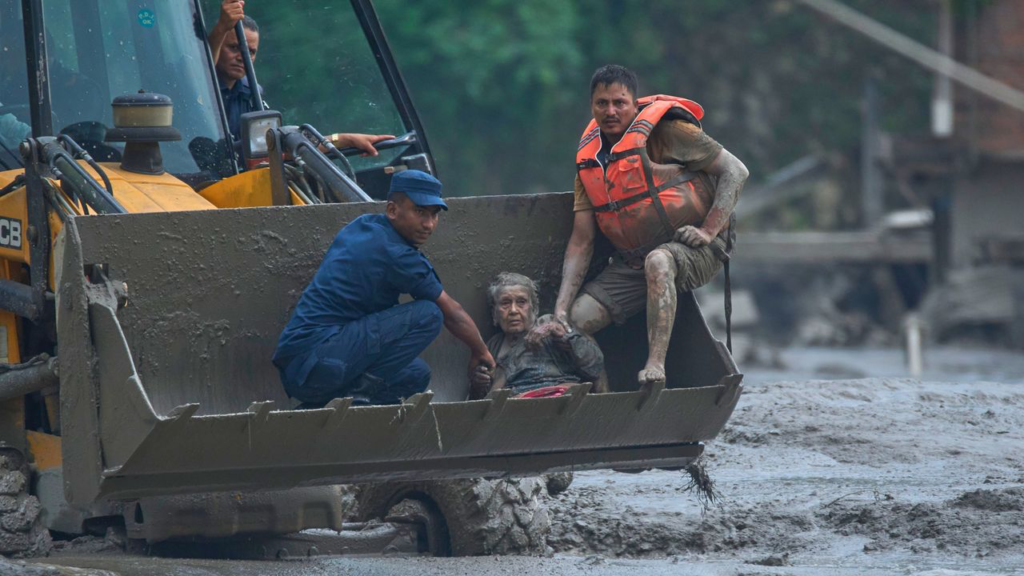
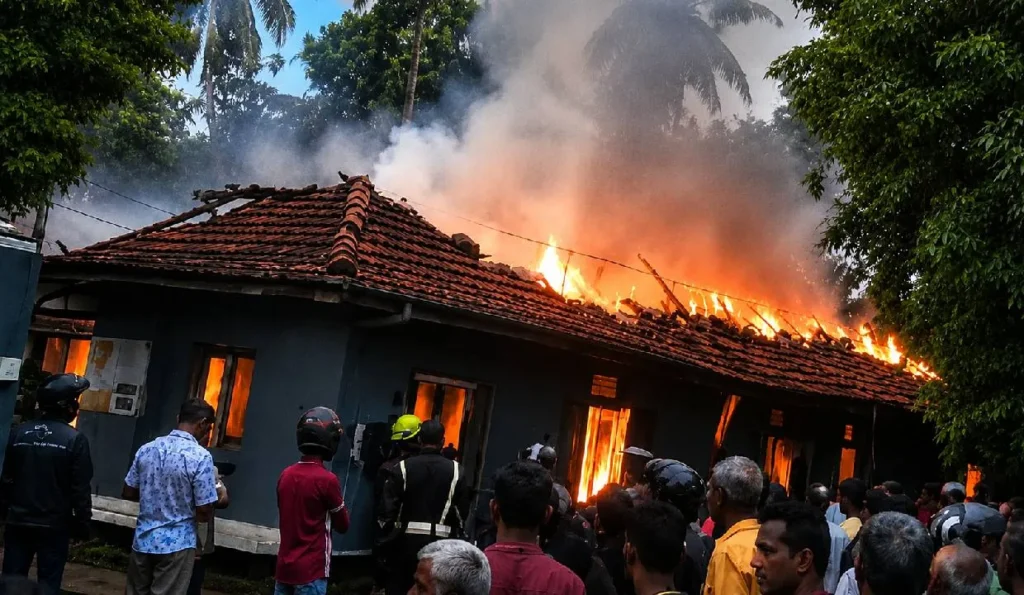
2025 නොවැම්බර් 30 වන දින ශ්‍රී ලංකාවේ මුතූර් ප්‍රදේශයේ ඩිට්වා සුළි කුණාටුවෙන් ඇති වූ ගංවතුර

නොවැම්බර් 28 වන දින ජනාධිපති අනුර කුමාර දිසානායක හදිසි තත්වයක් ප්‍රකාශයට පත් කරමින්, ඩිට්වා සුළි කුණාටුවෙන් සිදු වූ ව්‍යසනකාරී විනාශයට ප්‍රතිචාර වශයෙන්, දුෂ්ට මහජන ආරක්ෂක ආඥා පනත (PSO) ක්‍රියාත්මක කළේය. සුළි කුණාටුවෙන් අවම වශයෙන් ජීවිත 410 ක් අහිමි වී, 400 කට ආසන්න පිරිසක් තවමත් අතුරුදහන් වී ඇති අතර, එය 2017 න් මෙපිට ශ්‍රී ලංකාවේ වඩාත්ම මාරාන්තික ස්වාභාවික විපත සනිටුහන් කරයි. මිලියනයකට ආසන්න ජනතාවක් පීඩාවට පත්ව ඇති අතර, 180,000 කට වැඩි පිරිසක් රජය විසින් පවත්වාගෙන යනු ලබන ආරක්ෂක මධ්‍යස්ථානවල නවාතැන් ගෙන සිටිති.

නොවැම්බර් 29 වන දින ජාතිය අමතමින් ජනාධිපතිවරයා කළ කතාවේදී, ජාතිය නැවත ගොඩනැගීම සඳහා “එක්සත්” වන ලෙස සහ “සියලු පක්ෂ හා දේශපාලන වෙනස්කම් ඉවත ලන ලෙස” ජනතාවගෙන් ඉල්ලා සිටිමින්, ජනතාවාදී වාගලංකාර කතා ප්‍රවේශමෙන් භාවිතා කළේය. හදිසි අවස්ථා රෙගුලාසි තනිකරම ආපදා කළමනාකරණය සඳහා වන පරිපාලන අවශ්‍යතාවක් ලෙස ඉදිරිපත් කිරීමට ඔහු ප්‍රවේශම් විය. එහෙත් මෙම හදිසි බලතලවල පන්ති ස්වභාවය නොවරදවාම එය සඟවා ඇති තැනින් හෙළිදරව් වේ.

හදිසි අවස්ථා තත්ත්වය සමඟ ගැසට් කර ඇති හදිසි නීති රෙගුලාසි, ආපදා සහනවල අවශ්‍යතා වලට වඩා එපිට බොහෝ දුරට විහිදෙන පුළුල් බලතල ලබා දෙයි. “රාජ්‍ය නිලධාරීන් අතර අප්‍රසාදයබ් ඇති කිරීම” අපරාධකරණය කිරීම, “මහජන ආරක්ෂාවට, මහජන සාමයට හෝ ජනතාවගේබ්බ් ජීවිතයට අත්‍යවශ්‍ය සැපයුම් හා සේවා නඩත්තු කිරීමට අගතිදාහක වන කාරණා අඩංගු වන දැන්වීම් කොළ, අත්පත්‍රිකා හෝ පත්‍රිකා ඇලවීම හෝ බෙදා හැරීම” තහනම් කිරීම සහ “මහජනයා බිය ගැන්විය හැකි හෝ මහජනයා කැලඹිය හැකි” “කටකතා හෝ අසත්‍ය ප්‍රකාශ” ලෙස සැලකෙන තොරතුරු මර්දනය කිරීම මෙයට ඇතුළත් වේ (18,19, 20 රෙගුලාසි). ශ්‍රී ලාංකික චින්තන පර්ශදයක් වන විකල්ප ප්‍රතිපත්ති කේන්ද්‍රය (CPA), එවැනි “පුළුල් රෙගුලාසි (නීත්‍යානුකූල සීමාවන් ඉක්මවා යන) මගින් ගමනාගමනයේ නිදහස, රැස්වීමේ, ප්‍රකාශනයේ සහ නිසි පටිපාටියේ මූලික අයිතිවාසිකම් ඇතුළු සිවිල් නිදහසට හානි කිරීමේ අවදානමක් ඇති බවට” අනතුරු ඇඟවීමක් කර තිබේ. 2005 ආපදා කළමනාකරණ පනත වැනි වඩා අඩුවෙන් දැඩි ආපදා කළමනාකරණය සඳහා නිශ්චිත නීති තිබියදීත් හදිසි නීති ක්‍රියාත්මක කර ඇති බව එය සඳහන් කරයි.

දිසානායක තම කතාවේදී සඳහන් නොකළ නමුත් කම්කරු පන්තිය තේරුම් ගත යුතු දෙය නම්, මෙම හදිසි බලතල වැඩ වර්ජන බිඳීම, කම්කරු පන්ති අරගලවලට එරෙහිව සන්නද්ධ හමුදා යෙදවීම, සහ “ජාතිය නැවත ගොඩනැගීම” මුවාවෙන් ම්ලේච්ඡ කප්පාදු පියවර පැනවීම සඳහා නීතිමය රාමුව සපයන බවයි. හදිසි නීති රෙගුලාසි යටතේ අත්‍යවශ්‍ය සේවා කොමසාරිස් ජනරාල්වරයෙකු පත් කිරීම හරියටම මෙම අභිප්‍රාය සංඥා කරයි.

මූලික ඇස්තමේන්තුවලට අනුව ගංවතුර, නායයෑම් සහ සුළං හේතුවෙන් ඇති වූ ආර්ථික හානිය ඩොලර් මිලියන 500 ඉක්මවන අතර එය 2022 ආර්ථික අර්බුදයෙන් තවමත් මිදී නැති රටක කෘෂිකර්මාන්තයට වඩාත්ම බලපා ඇත. විදේශ අමාත්‍යාංශය පෙන්වා දී ඇත්තේ නොවැම්බර් 28 වන විට කෘෂිකර්මාන්තය, වාරිමාර්ග වැව් සහ හානියට පත් ඇළ මාර්ග ප්‍රතිසංස්කරණය කිරීම සඳහා රුපියල් බිලියන 31 ක් අවශ්‍ය බවයි. හානියට පත් මාර්ග, දුම්රිය මාර්ග, පාලම්, විදුලි සැපයුම් සහ රජයේ ගොඩනැගිලි අලුත්වැඩියා කිරීම සහ ප්‍රතිසංස්කරණය කිරීම සඳහා සැලකිය යුතු පිරිවැයක් දැරීමට සිදුවනු ඇත. ගොවිබිම් හෙක්ටයාර 57,000 කට වඩා බලපෑමට ලක්ව ඇති අතර, ණය බරින් සහ වෙළඳපොළ යැපීමෙන් දැනටමත් අරගල කරමින් සිටින ග්‍රාමීය නිෂ්පාදකයින් විනාශකාරී ලෙස පීඩාවට පත්ව ඇත.

Floods in Sri Lanka
Towns inundated with flood water after cyclone Ditwah swept through the island. Mutur Central, November 30, 2025.

මෙම ව්‍යසනය සමාජයේ වඩාත්ම අවදානම් සහගත තත්වයන්හි සිටින ස්ථරවලට විශේෂයෙන් දරුණු ලෙස පහර දෙයි. ජලයෙන් යට වූ ගොවිබිම්, හානි වූ ගබඩා පහසුකම් සහ කපා දැමූ සැපයුම් මාර්ග ඉදිරි සතිවලදී බාණ්ඩ හිඟයක සහ මිල වැඩි වීමේ තර්ජනයක් මතු කරමින් ඉහළ යන ආහාර අනාරක්ෂිතභාවය පිළිබඳව බලධාරීන් අනතුරු අඟවා ඇත. කම්කරු පන්තියට සහ ග්‍රාමීය දුප්පතුන්ට, මෙය කුසගින්නේ සහ මන්දපෝෂණයේ අද්දරට තල්ලු කිරීමක් බවට පරිවර්තනය වේ–එය හුදෙක් ‘ස්වාභාවික’ ව්‍යසනයක නොව, දශක ගණනාවක් තිස්සේ පැවති නව ලිබරල් ප්‍රතිපත්තිය යටතේ කෘෂිකාර්මික යටිතල පහසුකම් සහ ආහාර සුරක්ෂිතතාව ක්‍රමානුකූලව නොසලකා හැරීමේ සෘජු ප්‍රතිවිපාකයකි.

ආණ්ඩුව මෙම අර්බුදයට මුහුණ දෙන්නේ ජාත්‍යන්තර මූල්‍ය අරමුදලේ (IMF) යකඩ කූඩුව තුළ සිර වී සිටියදීය. හිටපු අමාත්‍ය සහ දිවයිනේ රාජ්‍ය මූල්‍ය පිළිබඳ පාර්ලිමේන්තු කමිටුවේ සභාපති හර්ෂ ද සිල්වා සඳහන් කළ පරිදි, මූලික අභියෝගය පවතින්නේ “ශ්‍රී ලංකාව මත පනවා ඇති ජාත්‍යන්තර මූල්‍ය අරමුදලේ මූල්‍ය සීමාවන් තුළ වැඩ කිරීම තුළ වන අතර එමඟින් ප්‍රාථමික වියදම් දළ දේශීය නිෂ්පාදිතයෙන් සියයට 13 කට සීමා වේ”. විශේෂයෙන් IMF වියදම් සීමාවන් සැලකිල්ලට ගත් විට, දිගු කාලීන නැවත ගොඩනැගීම සඳහා සැලකිය යුතු බාහිර ආයෝජන අවශ්‍ය වනු ඇත, ඔහු පවසා තිබේ.

වෛෂයික ආර්ථික යථාර්ථය මෙයයි:  පූර්වගාමී ආන්ඩුව විසින් සාකච්ඡා කරන ලද IMF ගිවිසුම පවත්වා ගැනීමට පොරොන්දු වූ NPP ආණ්ඩුවට, කම්කරු පන්තියේ ජීවන තත්වයන්ට තවදුරටත් ප්‍රහාර එල්ල කිරීම හැර වෙනත් කිසිදු ක්‍රමයක් නොමැත. “ජාත්‍යන්තර ආධාර” සහ “විදෙස් ගත වූවන්ගෙන් සහ ශ්‍රී ලාංකික සමාගම්වලින් පරිත්‍යාග” සඳහා වන ඉල්ලීම්, රජයේ ඊළඟ ඉල්ලීමට පූර්විකාවකි: එනම්, රාජ්‍ය සේවකයින් ඔවුන්ගේ වැටුප්, ප්‍රතිලාභ සහ වැඩ කරන වේලාවන්ගෙන් “කැප කිරීම්” කිරීම යි.

මෙම ව්‍යසනය තනිකරම “ස්වාභාවික” සංසිද්ධියක් ලෙස තේරුම් ගත නොහැක. කාලගුණ විද්‍යාඥයින් සඳහන් කරන්නේ, ගෝලීය උණුසුම හා සම්බන්ධ ප්‍රවණතාවක් වන උණුසුම් වූ මුහුදු මතුපිට උෂ්ණත්වය හේතුවෙන් ඩිට්වාහි තීව්‍රතාවය ඇති වූ බවයි. ඉන්දුනීසියාව, තායිලන්තය, මැලේසියාව සහ අනෙකුත් අග්නිදිග ආසියානු රටවලට පහර දුන් විනාශකාරී සුළි සුළං සමඟ සමගාමීව ඩිට්වා සුළි කුණාටුව ශ්‍රී ලංකාවට හ්බලපෑ අතර, එය ආන්තික කාලගුණික සංසිද්ධි මගින් මෙහෙයවනු ලබන පුළුල් ව්‍යසනයක් ලෙස කලාපය පුරා මිලියන ගණනකට බලපෑවේය.

එවැනි ව්‍යසනයන් උත්සන්න වීම ගෝලීය ධනවාදය විසින් ස්වභාවධර්මය නිර්දය ලෙස සූරාකෑමේ සෘජු ප්‍රතිවිපාකයකි. දියුණු අධිරාජ්‍යවාදී බලවතුන්–ප්‍රධාන වශයෙන්, එක්සත් ජනපදය, යුරෝපීය සංගමය සහ ජපානය–හරිතාගාර වායු විමෝචනය සඳහා අතිමහත් ලෙස අසමානුපාතික ඓතිහාසික වගකීම දරන නමුත් වඩාත්ම විනාශකාරී ප්‍රතිවිපාකවලට ගොදුරු වන්නේ ආසියාවේ, අප්‍රිකාවේ හා ලතින් ඇමරිකාවේ සහ එම අධිරාජ්‍යවාදයේ මධ්‍යස්ථානවල ම වැඩ කරන ජනතාවයි.

එපමණක් නොව, ශ්‍රී ලංකාව තුළම, දශක ගණනාවක් තිස්සේ නියාමනය නොකළ ධනවාදී සංවර්ධනය ස්වභාවික ගංවතුර බාධක ක්‍රමානුකූලව විනාශ කර, තෙත්බිම් ඉවත් කර, ප්‍රමාණවත් යටිතල පහසුකම් නොමැතිව ආපදාවන්ට ගොදුරු විය හැකි ප්‍රදේශවල අවදානමට ලක්විය හැකි ජනගහනය සංකේන්ද්‍රණය කර ඇත. අවදානම් කලාපවල සිටින අය වෙනත් ස්ථානයකට ගෙන යාමට හෝ දිගුකාලීන ආපදා සූදානම සඳහා අවශ්‍ය අරමුදල් වෙන් කිරීමට ආණ්ඩුව කිසිදු බැරෑරුම් උත්සාහයක් ගෙන නොමැත. බදුකරණය හරහා කම්කරු පන්තියෙන් ලබා ගන්නා සෑම රුපියලක්ම ගංවතුර පාලන පද්ධති, පූර්ව අනතුරු ඇඟවීමේ යටිතල පහසුකම් හෝ දේශගුණික අනුවර්තන පියවරයන් සඳහා ආයෝජනය කිරීම වෙනුවට ජාත්‍යන්තර මූල්‍ය ආයතන වෙත පොලී ආපසු ගෙවීම ඇතුළුව ණය සේවා සැපයීම සඳහා යොමු කරන ලදී.

ශ්‍රී ලංකාවේ කම්කරු පන්තිය හදිසි අවස්ථා ප්‍රකාශයට ප්‍රවේශ විය යුත්තේ ඓතිහාසික අත්දැකීම්වල සම්පූර්ණ බර සමඟිනි. එක්සත් ජාතික පක්ෂයේ සිට ශ්‍රීලනිපය දක්වා, රාජපක්ෂගේ සිට වික්‍රමසිංහ දක්වා පෙර පැවති සෑම ආණ්ඩුවක්ම හදිසි අවස්ථා නීති භාවිතා කර ඇත්තේ ප්‍රධාන වශයෙන් සැබෑ අර්බුද විසඳීමට නොව, කප්පාදු සහ සූරාකෑමට එරෙහිව කම්කරු පන්තියේ ප්‍රතිරෝධය මැඩපැවැත්වීම සඳහා ය.

බ්‍රිතාන්‍ය යටත් විජිත පාලනයෙන් උරුම වූ සහ අනුප්‍රාප්තික ධනේශ්වර ආණ්ඩු යටතේ පරිපූර්ණ කරන ලද, පාලක පන්තියේ අවි ගබඩාවේ භයානක ආයුධවලින් එකක් වන මහජන ආරක්ෂක ආඥා පනත, වැඩ වර්ජන කුරිරු ලෙස මර්දනය කිරීම, කම්කරු ආරවුල් මිලිටරිකරණය කිරීම සහ සමාජ විරුද්ධත්වය අපරාධකරණය කිරීම සඳහා නීතිමය මෙවලම ලෙස සේවය කර ඇත. නොවැම්බර් 26 වන දින, PSO හි 12 වන වගන්තිය යටතේ ජනාධිපතිවරයා ශ්‍රී ලංකාව පුරා ‘මහජන සාමය’ පවත්වා ගැනීම සඳහා ත්‍රිවිධ හමුදා සාමාජිකයින් කැඳවූ අතර, එය ඔහුගේ සියලු පූර්වගාමීන් විසින් අනුගමනය කරන ලද පියවරකි. හදිසි තත්වයක් ප්‍රකාශයට පත් කිරීමේ අවශ්‍යතාවයකින් තොරව ඇඳිරි නීතිය ප්‍රකාශ කිරීමට PSO ජනාධිපතිවරයාට බලය ලබා දෙයි. නොවැම්බර් 28 වන දින, අත්‍යවශ්‍ය මහජන සේවා පනතේ 2 වන වගන්තිය යටතේ ජනාධිපතිවරයා විසින් සේවාවන් කිහිපයක් අත්‍යවශ්‍ය මහජන සේවා ලෙස ප්‍රකාශයට පත් කරන ලදී. මෙම නීතියේ විධිවිධාන ප්‍රවාහන, සෞඛ්‍ය, අධ්‍යාපන සහ අනෙකුත් අංශවල සේවකයින්ට වැඩ වර්ජනය කිරීමේ මූලික අයිතිය ක්‍රියාත්මක කිරීම වළක්වයි.

එන්පීපී ආණ්ඩුව, ජනතා විමුක්ති පෙරමුණේ (ජේවීපී) සංස්ථාපිත-විරෝධී ජනතාවාදී වාගාලංකාරය තිබියදීත්, දැන් එම ධනේශ්වර රාජ්‍ය උපකරණයම පරිපාලනය කරමින්, එම පන්ති අවශ්‍යතාවලින්ම බැඳී, අධිරාජ්‍යවාදී මූල්‍ය පද්ධතියෙන්ම තල්ලු වෙන තැනට පත්ව ඇත. හදිසි අවස්ථා බලතල ඉල්ලා සිටීමේදී එය එහි පූර්වගාමීන්ගේ සමාන තර්කනය අනුගමනය කරයි: එනම්, ධනේශ්වර දේපළ සබඳතා ආරක්ෂා කිරීම සහ අධිරාජ්‍යවාදී නියෝග ක්‍රියාත්මක කිරීම මිනිස් ජීවිතවලට වඩා පරම ප්‍රමුඛතාවයක් ගනී.

සාම්ප්‍රදායික දක්ෂිණාංශික පක්ෂ මගින් හෝ NPP වැනි සුලු ධනේශ්වර ජනතාවාදයේ පක්ෂ මගින් නියෝජනය වන ධනේශ්වරය, ආරක්ෂිත ස්ථානවල ප්‍රමාණවත් නිවාස, විස්තීර්ණ ආපදා සූදානම, ආහාර සුරක්ෂිතතාව හෝ දේශගුණික ව්‍යසනයෙන් ආරක්ෂාව යන මුඛ්‍ය අවශ්‍යතා පවා සැපයීමට මූලික වශයෙන් අසමත් බව කම්කරු පන්තිය තේරුම් ගත යුතුය.

ශ්‍රී ලංකාවේ දිග හැරෙන ව්‍යසනය ධනවාදයේ ගෝලීය අර්බුදයේ ක්ෂුද්‍ර නිරූපණයකි. දේශගුණික විපත් උත්සන්න වන විට, සමාජ යටිතල පහසුකම් කප්පාදුව යටතේ බිඳ වැටෙන විට, අසමානතාවය අසභ්‍ය අනුපාතයන්ට ළඟා වන විට, ධනේශ්වර ජාතික රාජ්‍යය මානව පැවැත්ම සඳහා අවශ්‍ය ජාත්‍යන්තර සහයෝගීතාවය සම්බන්ධීකරණය කිරීමට නොහැකි යල් පැන ගිය සහ ප්‍රතිගාමී ආයතනයක් ලෙස තමන්ව හෙළි කරයි.

හදිසි නීතියට එරෙහිව, IMF කප්පාදුවලට එරෙහිව, දේශගුණික ව්‍යසනයට එරෙහිව සටන් කිරීම, ධනේශ්වර පාර්ලිමේන්තුවාදයේ රාමුව තුළ හෝ දිසානායක විසින් කැඳවන ලද “ජාතික සමගිය” සඳහා ආයාචනා හරහා දියත් කළ නොහැක. ඒ සඳහා ජාත්‍යන්තර සමාජවාදී වැඩපිළිවෙලක් මත කම්කරු පන්තියේ ස්වාධීන දේශපාලන බලමුලු ගැන්වීම අවශ්‍ය වේ.

මෙයින් අදහස් වන්නේ:

  • හදිසි නීතියට සහ ප්‍රජාතන්ත්‍රවාදී අයිතිවාසිකම්වලට ඇති සියලු සීමාවන්ට කොන්දේසි විරහිතව විරුද්ධ වීම
  • අහිමි වූ ජීවිත හා දේපළ හානි සඳහා සම්පූර්ණ වන්දි සහ යහපත් ජීවන තත්වයන් සහිතව නැවත පදිංචි කිරීම.
  • IMF විසින් පනවන ලද සියලුම කප්පාදු පියවර ප්‍රතික්ෂේප කිරීම, පෙර පාලන තන්ත්‍රයන් යටතේ රැස් කරගත් විදේශ ණය ප්‍රතික්ෂේප කිරීම සහ අධිරාජ්‍යවාදයේ නියෝජිතයන් ලෙස ක්‍රියා කරන බැංකු සහ මූල්‍ය සමූහ සමාගම් වන්දි ගෙවීමකින් තොරව අත්පත් කර ගැනීම.
  • ධනපති පන්තිය විසින් රැස්කරගෙන ඇති ධනය අත්පත් කර ගැනීමෙන් අරමුදල් සපයනු ලබන දේශගුණික අනුවර්තන යටිතල පහසුකම් සඳහා දැවැන්ත රාජ්‍ය ආයෝජන.
  • තවදුරටත් කප්පාදු පියවර ඉල්ලා සිටින අධිරාජ්‍යවාදී “ආධාර” වැඩසටහන් නොව, කම්කරුවන්ගේ පාලනය යටතේ දේශගුණික විපත්වලට ප්‍රතිචාර දැක්වීමේ ජාත්‍යන්තර සම්බන්ධීකරණය
  • ස්වාධීන සහන සේවා කටයුතු සංවිධානය කිරීම සහ හදිසි නීතියට එරෙහි ප්‍රතිරෝධය දැක්වීම සඳහා සේවා ස්ථාන, අසල්වැසි ප්‍රදේශ සහ ගම්මානවල ක්‍රියාකාරී කමිටු ගොඩනැගීම.

විකල්පය පැහැදිලිය: එක්කෝ කම්කරු පන්තිය ජාත්‍යන්තර සමාජවාදී විප්ලවය හරහා ධනවාදයේ සහ අධිරාජ්‍යවාදයේ සිරගෙයින් මිදිය යුතුය, නැතහොත් උත්සන්න වන වෙළඳ යුද්ධය, දේශගුණික ව්‍යසනය, මිලිටරිකරණය වූ මර්දනය, සමාජ බිඳවැටීම සහ න්‍යෂ්ටික යුද්ධය මගින් සලකුණු කරන ලද ම්ලේච්ඡත්වයට ඇද වැටීමකට මානව වර්ගයා මුහුණ දිය යුතුය.

ඩිට්වා සුළි කුණාටුවේ අත්දැකීම ශ්‍රී ලාංකික කම්කරු පන්තියේ දේශපාලන පිබිදීම සඳහා උත්ප්‍රේරකයක් ලෙස සේවය කළ යුතුය. මෙම ව්‍යසනය, එන්පීපී/ජේවීපී ජනතාවාදය (populism) ඇතුළු ධනේශ්වර පාලනයේ සියලු ප්‍රභේදවල බංකොලොත්භාවය අනුකම්පා විරහිතව පැහැදිලි කරයි. ශ්‍රී ලංකාවේ, දකුණු ආසියාවේ සහ ජාත්‍යන්තරව ධනවාදය විප්ලවීය ලෙස පෙරලා දමා කම්කරු බලය ස්ථාපිත කිරීම හරහා පමණක්, දේශගුණික විපර්යාස සහ අධිරාජ්‍යවාදී යුද්ධයේ ද්විත්ව ව්‍යසනයන්ට එරෙහිව මානව වර්ගයාට තම අනාගතය සුරක්ෂිත කර ගත හැකිය. මේ සඳහා, ප්‍රථමයෙන් සහ ප්‍රධාන වශයෙන්, සමාජවාදී විප්ලවයේ ලෝක පක්ෂය වන හතරවන ජාත්‍යන්තරයේ ජාත්‍යන්තර කමිටුව (හජාජාක) ගොඩනැගීම අවශ්‍ය වේ.

දිට්වා සුළි කුණාටු ව්‍යසනයෙන් පසු ශ්‍රී ලංකාවේ එන්පීපී ආණ්ඩුව හදිසි නීතිය පනවයි: කම්කරු පන්තියට අනතුරු ඇඟවීමක් Read More »

Floods in Sri Lanka

Sri Lanka NPP government imposes Emergency Laws following Cyclone Ditwah disaster: A warning to the working class

By Sanjaya Jayasekera.

Sri Lanka floods
Floods caused by Cyclone Ditwah in Mutur Central, Sri Lanka, November 30, 2025

President Anura Kumara Dissanayake declared a state of emergency on November 28, invoking the draconian Public Security Ordinance (PSO) in response to the catastrophic devastation wrought by Cyclone Ditwah. The cyclone has claimed at least 410 lives, with nearly 400 people still missing, marking Sri Lanka’s deadliest natural disaster since 2017. Nearly one million people have been affected, with over 180,000 sheltering in government-run safety centers.

The president’s address to the nation  on November 29 carefully employed populist rhetoric, calling upon the people to “unite” and “  shed all party and political differences” in rebuilding the nation. He was careful to present the emergency measures as purely administrative necessities for disaster management. Yet the class character of these emergency powers reveals itself unmistakably in the fine print.

The Emergency Regulations gazetted alongside the state of emergency grant sweeping powers that extend far beyond disaster relief. These include provisions criminalizing “causing disaffection among public officers,” prohibiting “affixing or distributing posters, handbills or leaflets which are prejudicial to public security, public order or the maintenance of supplies and services essential to the life of the community”, and suppressing information deemed to constitute “rumours or false statements” that might cause “public alarm”. The Centre for Policy Alternatives, a Sri Lankan think tank, has raised alarm that such “overbroad regulations risk undermining civil liberties, including fundamental rights of freedom of movement, assembly, expression, and due process”. It notes that emergency laws have been put in place in spite of less-severe but specific laws available for disaster management like the Disaster Management Act of 2005.

What Dissanayake did not mention in his address—but what the working class must understand—is that these emergency powers provide the legal framework for strike-breaking, the deployment of armed forces against working class struggles, and the imposition of savage austerity measures under the guise of “national reconstruction.” The appointment of a Commissioner-General of Essential Services under the Emergency Regulations signals precisely this intention.

Preliminary estimates place economic damage due to floods, landslides and wind at over $500 million, hitting agriculture hardest in a nation still reeling from the 2022 economic crisis. The Foreign Ministry has indicated that Rs. 31 billion is required as of November 28 for restoration of agriculture, irrigation tanks, and damaged canals. Repairing and reconstruction of damaged roads, railway tracks, bridges, electrical supplies, and government buildings will cause significant costs. More than 57,000 hectares of farmland have been affected, devastating rural producers already struggling under the weight of debt and market dependency.

Floods in Sri Lanka
Towns inundated with flood water after cyclone Ditwah swept through the island. Mutur Central, November 30, 2025.

The catastrophe strikes at the most vulnerable layers of society with particular ferocity. Authorities have warned of rising food insecurity, as submerged farmland, damaged storage facilities and severed supply routes threaten shortages and price increases in the weeks ahead. For the working class and rural poor, this translates into imminent hunger and malnutrition—a direct consequence not merely of ‘natural’ disaster, but of the systematic neglect of agricultural infrastructure and food security under decades of neoliberal policy.

The government confronts this crisis while imprisoned within the iron cage of the International Monetary Fund program. As noted by former minister and Chairman of the island’s Parliamentary Committee on Public Finance, Harsha de Silva, the fundamental challenge lies in “working within the fiscal limits of the International Monetary Fund (IMF) programme imposed on Sri Lanka, which caps primary expenditure at 13 per cent of GDP”. Substantial external investments will be necessary for long-term rebuilding, particularly given IMF expenditure constraints, he has said.

This is the objective economic reality: the NPP government, having pledged to maintain the IMF agreement negotiated by its predecessor, possesses no means to address the disaster except through further attacks on the living standards of the working class. The calls for “international aid” and “donations from expatriates and Sri Lankan companies” are a prelude to the next calling by the government: “dedication “ from public employees from their salaries, benefits and working hours. 

The disaster itself cannot be understood as a purely “natural” phenomenon. Meteorologists note that Ditwah’s intensification was fueled by warm sea surface temperatures, a trend linked to global warming. Cyclone Ditwah struck Sri Lanka simultaneously with devastating cyclones battering Indonesia, Thailand, Malaysia, and other Southeast Asian nations, affecting millions across the region in what constitutes a broader catastrophe driven by extreme weather phenomena.

The intensification of such disasters is the direct consequence of global capitalism’s relentless exploitation of nature. The advanced imperialist powers—principally the United States, European Union, and Japan—bear overwhelmingly disproportionate historical responsibility for greenhouse gas emissions, yet it is the working masses of Asia, Africa, and Latin America and in the same centers of  imperialism who suffer the most catastrophic consequences. 

Moreover, within Sri Lanka itself, decades of unregulated capitalist development have systematically destroyed natural flood barriers, eliminated wetlands, and concentrated vulnerable populations in disaster-prone areas without adequate infrastructure. The government has made no serious effort to relocate those in danger zones or allocate necessary funds for long-term disaster preparedness. Every rupee extracted from the working class through taxation was funneled toward debt servicing including interest repayment to international financial institutions rather than invested in flood control systems, early warning infrastructure, or climate adaptation measures.

The working class of Sri Lanka must approach the declaration of emergency with the full weight of historical experience. Every previous government—from the UNP to the SLFP, from Rajapaksa to Wickremesinghe—has employed states of emergency not primarily to address genuine crises, but to suppress working class resistance to austerity and exploitation.

The Public Security Ordinance, one of the dangerous weapons of the arsenal of the ruling class, inherited from British colonial rule and perfected under successive bourgeois governments, has served as the legal instrument for the brutal suppression of strikes, the militarization of labor disputes, and the criminalization of social opposition. On November 26, the President under Section 12 of the PSO called out all the members of the three armed forces for the purpose of maintenance of ‘public order’ all over Sri Lanka, a move resorted to by all his predecessors. PSO grants the President the power to declare curfew without the need to declare a state of emergency.  On November 28, the President also declared several services as essential public services in terms of Section 2 of the Essential Public Services Act. The provisions of this law prevent workers in transport, health, education, and other sectors from exercising their fundamental right to strike.

The NPP government, despite the anti-establishment populist rhetoric of Janatha Vimukthi Peramuna (JVP), now finds itself administering the same capitalist state apparatus, bound by the same class interests, compelled by the same imperialist financial architecture. Its invocation of emergency powers follows the identical logic of its predecessors: the defense of capitalist property relations and implementation of imperialist dictates takes absolute priority over human life.

The working class must understand that the bourgeoisie—whether represented by traditional right-wing parties or by parties of petty-bourgeois populism like the NPP—is fundamentally incapable of providing even the basic necessities of a decent life: adequate housing in safe locations, comprehensive disaster preparedness, food security, or protection from climate catastrophe.

The disaster unfolding in Sri Lanka is a microcosm of the global crisis of capitalism. As climate disasters intensify, as social infrastructure crumbles under austerity, as inequality reaches obscene proportions, the bourgeois nation-state reveals itself as an obsolete and reactionary institution, incapable of coordinating the international cooperation necessary for human survival.

The fight against emergency rule, against IMF austerity, against climate catastrophe, cannot be waged within the framework of bourgeois parliamentarism or through appeals to the “national unity” invoked by Dissanayake. It requires the independent political mobilization of the working class on an international socialist program.

This means:

  • Unconditional opposition to the state of emergency and all restrictions on democratic rights
  • Full compensation for the lives lost and property damaged and resettlement with decent living conditions
  • Rejection of all IMF-imposed austerity measures and repudiation of external debt accumulated under previous regimes, and expropriation of Banks and financial conglomerates that act as agents of imperialism, without compensation.
  • Massive public investment in climate adaptation infrastructure, funded by the expropriation of the wealth hoarded by the capitalist class
  • International coordination of climate disaster response under workers’ control, not imperialist “aid” programs that calls for further austerity
  • The building of action committees in workplaces, neighborhoods, and villages to organize independent relief efforts and resistance to emergency rule

The alternative is clear: either the working class breaks free from the prison of capitalism and imperialism through international socialist revolution, or humanity faces a descent into barbarism marked by escalating trade war, climate catastrophe, militarized repression, social collapse and nuclear war.

The experience of Cyclone Ditwah must serve as a catalyst for the political awakening of the Sri Lankan working class. The disaster exposes with pitiless clarity the bankruptcy of all variants of bourgeois rule, including that of NPP/JVP populism. Only through the revolutionary overthrow of capitalism and the establishment of workers’ power—in Sri Lanka, South Asia and internationally—can humanity secure its future against the twin catastrophes of climate change and imperialist war. This requires, first and foremost, the building of the world party of the socialist revolution, the International Committee of the Fourth International (ICFI). 

Sri Lanka NPP government imposes Emergency Laws following Cyclone Ditwah disaster: A warning to the working class Read More »

IMG 0544

ඔක්ස්ෆෑම්: 2020 සිට ඇමරිකානු බිලියනපතියන් 10 දෙනෙකුගේ ධනය 6 ගුණයකින් වැඩි වී තිබේ

ඇන්ඩ්‍රේ ඩේමන් විසිනි.

මෙහි පලවන්නේ ලෝක සමාජවාදී වෙබ් අඩවියේ (ලෝසවෙඅ) 2025 නොවැම්බර් 04 දින ‘Oxfam: 10 US billionaires have had their wealth increase 6-fold since 2020යන හිසින් පලවූ ඇන්ඩ්‍රේ ඩේමන් විසින් ලියන ලද ඉදිරිදර්ශන ලිපියේ සිංහල පරිවර්තනය යි.

සඳුදා, ඔක්ස්ෆෑම් පර්‍යේශන ආයතනය, එක්සත් ජනපදයේ සමාජ අසමානතාවයේ වර්ධනය පිළිබඳ “අසමාන්‍ය: නව ඇමරිකානු කතිපයාධිකාරයක නැගීම” යන මාතෘකාව යටතේ වාර්තාවක් ප්‍රකාශයට පත් කළේය.

“පසුගිය වසර සංකේන්ද්‍රිත ධනය හා බලය මගින් නොමැකෙන ලෙස හැඩගස්වා ඇති” බව වාර්තාව සඳහන් කරයි. පසුගිය මාස 12 තුළ පමණක්, එක්සත් ජනපදයේ ධනවත්ම බිලියනපතියන් 10 දෙනා ආසන්න වශයෙන් තවත් ඩොලර් බිලියන 700  කින් ධනවත් වූ බව පෙන්වන දත්ත එය උපුටා දක්වයි. මෙම කාලය තුළ ඔවුන්ගේ ධනය ඩොලර් ට්‍රිලියන 1.79 සිට ඩොලර් ට්‍රිලියන 2.5 දක්වා සියයට 40 කින් විශ්මයජනක ලෙස වර්ධනය විය.

Billionaire
පසුගිය වසරේදී බිලියනපතියන් දස දෙනෙකු ඩොලර් බිලියන 728 කින් ධනය වැඩි කරගෙන ඇත.

ඔක්ස්ෆෑම් වාර්තාව ප්‍රකාශයට පත් කිරීම සිදු වූයේ ට්‍රම්ප් පරිපාලනය ඇමරිකානු පවුල් දස මිලියන ගණනකට ආහාර මුද්දර ප්‍රතිලාභ කප්පාදු කිරීමෙන් දිනකට පසුවය. මෙය සිදු වූයේ එක්සත් ජනපද ජනාධිපති ට්‍රම්ප් ධවල මන්දිරයේ දැවැන්ත උත්සව ශාලාවක් ගොඩනඟා ගැනීමට ඉදිරියට යද්දී සහ ඔහුගේ බිලියනපති මිතුරන් ඔවුන් සඳහාම සති අන්තයේ ඔහුගේ මාර්-ඒ-ලාගෝ නිවාඩු නිකේතනයේදී “ග්‍රේට් ගැට්ස්බි” තේමාවෙන් යුත් සාදයක් පැවැත්වූ අවස්ථාවේදීය.

ධවල මන්දිරය බල ආසනය ලෙස තබාගෙන සිටින පරපෝෂී කතිපයාධිකාරිත්වයක්  විසින් එක්සත් ජනපදය මත ආධිපත්‍යය දැරීම සැමට දැකගත හැකි පරිදි ප්‍රදර්ශනය කෙරේ.

නමුත් ඔක්ස්ෆෑම් වාර්තාව පැහැදිලි කරන්නේ ට්‍රම්ප් යටතේ සිදු කෙරෙන ධනය ඉහළට යලි බෙදා හැරීම කෙතරම් ප්‍රචණ්ඩකාරී වුවත්, එය දශක ගණනාවක් තිස්සේ පක්ෂ දෙකම [රිපබ්ලිකන් හා ඩිමොක්‍රටික්] විසින් ක්‍රියාත්මක කරන ලද කප්පාදු සහ සංගත-ගැති ප්‍රතිපත්තිවල ප්‍රතිඵලයක් බවයි. වාර්තාව ප්‍රකාශ කරන පරිදි, “කතාව 2025 දී ආරම්භ නොවේ.”

ඇමරිකාවේ ධනවත්ම මිනිසුන් 10 දෙනා වෙත හැරෙමින් ඔක්ස්ෆෑම් වාර්තාව සඳහන් කරන්නේ, “2020 සිට ඔවුන්ගේ උද්ධමනයට ගැලපූ ධනය 526% කින් ඉහළ ගොස් තිබේ.” වෙනත් වචන වලින් කිවහොත්, 2020 මාර්තු සිට වර්තමානය දක්වා, මෙම පුද්ගලයින් 10 දෙනාගේ ධනය සාමූහිකව හය ගුණයකින් වැඩි විය.

2020 මාර්තු මාසයේදී ඩොලර් බිලියන 33 ක් වූ එලොන් මස්ක්ගේ ධනය එතැන් සිට එය 14 ගුණයක වැඩිවීමකින් ඩොලර් බිලියන 469 දක්වා ඉහළ ගොස් තිබීම මේ සඳහා උදාහරණයක්.

ලැයිස්තුවේ දෙවන ස්ථානයේ සිටින ලැරී එලිසන්ගේ ධනය 2020 මාර්තු මාසයේදී ඩොලර් බිලියන 54 සිට ඩොලර් බිලියන 323 දක්වා හය ගුණයකින් වැඩි විය. ලැයිස්තුවේ තුන්වන ස්ථානයේ සිටින ජෙෆ් බෙසොස්ගේ ධනය 2020 මාර්තු මාසයේදී ඩොලර් බිලියන 126 සිට අද වන විට ඩොලර් බිලියන 265 දක්වා වැඩි විය.

Wealth
එක්සත් ජනපදයේ ජාතික ධනය බෙදී යෑම

වෝල් වීදියේ කොටස් වටිනාකම්වල අඛණ්ඩ සමපේක්ෂන වර්ධනයක් මගින් ධනයේ වැඩිවීම සිදු වේ. ඔක්ස්ෆෑම් වාර්තාව සඳහන් කළේ, “2025 දී, ෆෙඩරල් මහ බැංකව 1989 දී දත්ත ප්‍රකාශයට පත් කිරීම ආරම්භ කළ දා සිට, ඉහළම සියයට 0.1 සතු වත්කම්වල කොටස වාර්තාගත ඉහළම අගයට (12.6%)  ළඟා වූ අතර, කොටස් වෙළඳපොලේ ඔවුන්ගේ කොටස ද (24%) ද එසේම විය.”

1989 දී, ඉහළම කුටුම්භ සියයට 0.1 ක් ධනයෙන් සියයට 8.6 ක් පාලනය කළ අතර, අද එය සියයට 13.9 කි. ඊට වෙනස්ව, ඇමරිකානු සමාජයේ පහළම සියයට 50 විසින් පාලනය කරන ලද ධනයේ කොටස 1989 දී සියයට 3.5 සිට අද සියයට 2.5 දක්වා පහත වැටී ඇත.

වෙනත් වචන වලින් කිවහොත්, ඇමරිකානු කුටුම්භවලින් ඉහළම සියයට 0.1, එනම් පුද්ගලයින් 100,000 කට වඩා යන්තම් වැඩි ප්‍රමාණයක්, සමාජයේ පහළම ස්ථානයේ සිටින කුටුම්භ මිලියන 64 ට  [ආසන්න වශයෙන් මුලු ජනගහනයෙන් අඩකට] වඩා හය ගුණයක ධනයක් පාලනය කරති.

ඇත්ත වශයෙන්ම, තෝමස් පිකෙටි සහ එමානුවෙල් සායෙස්ගේ සංඛ්‍යාලේඛන උපුටා දක්වමින් ඔක්ස්ෆෑම් වාර්තාව සඳහන් කරන්නේ, “ධනවත්ම 0.0001% පිරිස එක්සත් ජනපද ඉතිහාසයේ ආන්තික අසමානතාවයෙන් අර්ථ දක්වා ඇති යුගයක් වන ස්වර්ණමය යුගයට (Gilded Age) වඩා ධනයෙන් වැඩි කොටසක් පාලනය කරන” බවයි.

“ධනවත්ම 1% පිරිස කොටස් වෙළඳපොළෙන් අඩක් (49.9%) හිමිකර ගන්නා අතර, එක්සත් ජනපදයේ පහළ භාගය කොටස් වෙළඳපොළෙන් 1.1% ක් පමණක් හිමිකර ගනී,” යනුවෙන් වාර්තාව තවදුරටත් දක්වයි.

ට්‍රම්ප් පරිපාලනය සමාජ අසමානතාවය දැවැන්ත ලෙස ප්‍රසාරණය කරන ප්‍රතිපත්ති ක්‍රියාත්මක කරමින් සිටින බවට වාර්තාව නිවැරදිව අනතුරු අඟවයි. “ට්‍රම්ප් පරිපාලනය–බොහෝ දුරට කොංග්‍රසයේ රිපබ්ලිකන් පක්ෂයේ සහාය ඇතිව–කම්කරු පන්තික පවුල්වලට අනවරත ප්‍රහාරයක් එල්ල කිරීමට සහ ධනවතුන් සහ තමන්ට හොඳින් සම්බන්ධ වූවන් පොහොසත් කිරීමට තනතුරේ බලය භාවිතා කිරීමට විශ්මයජනක වේගයකින් සහ පරිමාණයකින් පියවර ගෙන ඇති” බවට එය අනතුරු අඟවයි.

“මෑතකදී සම්මත කරන ලද One Big Beautiful Bill Act (OBBBA) මගින් 2027 දී ඉහළම ආදායම් ලබන 0.1% ක බදු බිල ඇස්තමේන්තුගත ඩොලර් 311,000 කින් අඩු කරනු ඇති අතර, වාර්ෂිකව ඩොලර් 15,000 ට අඩු ආදායමක් උපයන අඩුම ආදායම් ලබන කුටුම්භ බදු වැඩිවීම්වලට මුහුණ දෙනු ඇතැයි අපේක්ෂා කෙරේ,” යනුවෙන් ඔක්ස්ෆෑම් සඳහන් කරයි.

නමුත් ඔක්ස්ෆෑම් වාර්තාව පැහැදිලි කරන පරිදි, දශක ගණනාවක් තිස්සේ සිදුවෙමින් පැවති ක්‍රියාවලීන්හි පෙර නොවූ විරූ වේගයකින් වේගවත් වීමක් ට්‍රම්ප් පරිපාලනය  සනිටුහන් කරයි. “ප්‍රතිපත්ති සම්පාදකයින් අසමානතාවය තෝරාගෙන ඇති අතර, එම තේරීම්වලට ද්විපාර්ශ්වික සහයෝගය ලැබී තිබේ,” යැයි අධ්‍යයනයේ කතුවරිය වන රෙබෙකා රිඩෙල්, ගාඩියන්  ට පැවසුවාය. “බදු සහ සමාජ ආරක්ෂණ ජාලය කප්පාදු කිරීමේ සිට කම්කරු ගැටළු සහ ඉන් ඔබ්බට පසුගිය වසර 40 තුළ ප්‍රතිපත්ති ප්‍රතිසංස්කරණ සඳහා සැබවින්ම දෙපාර්ශවයේම සහාය ලැබුණි.”

මෙම තක්සේරුව සත්‍යයකි. නමුත් වාර්තාව ගැටගැසී පැටලී ඇත්තේ මෙහිදීය. දේශපාලන පක්ෂ දෙකම යටතේ දශක ගණනාවක් තිස්සේ සමාජ අසමානතාවයේ වැඩිවීම සිදුවී ඇති බව අධ්‍යයනයේ කතුවරයා නිවැරදිව පෙන්වා දෙයි. නමුත් වාර්තාව පහත සඳහන් ප්‍රකාශය කිරීම සඳහා ඉදිරියට යයි:

දරිද්‍රතාවය අඩු කිරීම, අඩු වැටුප් ලබන සේවකයින් සඳහා වැඩිදියුණු කළ වැටුප් සහ පවුල්වල සාක්කුවලට මුදල් නැවත ලබා දෙන ශක්තිමත් වෙළෙඳ-ඒකාධිකාර විරෝධී ක්‍රියාමාර්ග (antitrust action) වැනි බයිඩන් පරිපාලනය තුළ ලබා ගත් ජයග්‍රහණ, ජනතාවගේ ජීවිත වැඩිදියුණු කරන ප්‍රතිපත්ති වෙනසක් ලබා ගැනීම සඳහා සංවිධානය වීමේ සැබෑ විභවය පෙන්නුම් කළේය.

10richest
බයිඩන් යටතේ ධනවත්ම එජ බිලියනපතියන් දස දෙනා තම ධනය දෙගුණයක් කරගති

වාර්තාවේම සොයාගැනීම් වලට මෙය සම්පූර්ණයෙන්ම පටහැනි වේ. බයිඩන් පරිපාලනය යටතේ මූල්‍ය කතිපයාධිකාරීන් විසින් පාලනය කරන ලද ධනයේ කොටස ඉහළ ගිය ප්‍රමාණය දෙවැනි වන්නේ ට්‍රම්ප් පරිපාලනය යටතේ ඉහළ ගිය පමණට පමණි. ඇමරිකාවේ ධනවත්ම පුද්ගලයින් 10 දෙනාගේ ඒකාබද්ධ ධනය, 2021 ජනවාරි මාසයේදී ඩොලර් බිලියන 976 සිට 2025 ජනවාරි මාසයේදී ඩොලර් බිලියන 1,991 දක්වා දෙගුණ විය. මෙම කාලය තුළ, ජාතික ආදායමෙන් ශ්‍රමයේ කොටස සර්වකාලීන අවම මට්ටමකට පහත වැටුණි.

Labor share
ජාතික ආදායමෙන් ශ්‍රමයේ කොටස


බයිඩන් යටතේ ඇමරිකානු දරුවන්ගේ ආහාර අනාරක්ෂිතතා අනුපාතය සියයට 13 සිට සියයට 19 දක්වා වැඩි විය. ඔහුගේ පරිපාලනයේ අවසාන වසර වන විට, එක්සත් ජනපද නිවාස හා නාගරික සංවර්ධන දෙපාර්තමේන්තුව සිය වාර්ෂික වාර්තාව “එක් රාත්‍රියක නිවාස නොමැතිකම අත්විඳින පුද්ගලයින් සංඛ්‍යාව 2024 දී මෙතෙක් වාර්තා වූ ඉහළම අගය ගත්තේය” යි අවධරණය කළේය. 

වෙනත් වචන වලින් කිවහොත්, බයිඩන් පරිපාලනය කම්කරු පන්තියට ව්‍යසනයක් වූ අතර මූල්‍ය කතිපයාධිකාරයට සරු ලාභ ගෙන දෙන්නක් විය.

Food insecurity
ආහාර අනාරක්ෂිත පවුල්වල ජීවත්වන එජ දරුවන් ප්‍රතිශතය

වාර්තාවේ පෙරවදන ලියා ඇත්තේ ඩිමොක්‍රටික් සෙනෙට් සභික එලිසබෙත් වොරන් විසිනි. ඇය ප්‍රකාශ කරන්නේ “ඉහළම සිටින අයට හොඳින් ක්‍රියාත්මක වන සහ අනෙක් සියල්ලන් ඔවුන්ගේ නියපොතු වලින් එල්ලී සිටින ආර්ථිකයක් … හිතාමතා ගත් ප්‍රතිපත්ති තේරීම් හරහා සිදු වූ” බවයි.

එහෙත් ඔක්ස්ෆෑම් වාර්තාවේ ලේඛනගත කර ඇති සමාජ අසමානතාවයේ වැඩිවීමේ විශාල කොටසක්, ඇය අනුමත කළ සහ,  ඇය නැවත නැවතත් සහ ව්‍යතිරේකයකින් තොරව ආරක්ෂා කළ පරිපාලනයක් යටතේ සිදු වූයේ කෙසේදැයි ඇය පැහැදිලි නොකරයි.

ඔක්ස්ෆෑම් වාර්තාවේ ප්‍රධාන වචනවල සඳහන් නොවී ඇත්තේ එක් වචනයකි: ධනවාදය. එහි මූලික රාමුව වන්නේ සමාජ අසමානතාවයේ වර්ධනය ප්‍රතිපත්තිමය තේරීමක් පමණක් බවත්, වර්තමාන සමාජ රාමුව තුළ තවත් තේරීමක් ඒ තරම්ම පහසුවෙන් අනුගමනය කළ හැකි බවත් තර්ක කිරීමයි.

කෙසේ වෙතත්, යථාර්ථයේ දී, ඩිමොක්‍රටික් සහ රිපබ්ලිකන් යන දෙපාර්ශවය යටතේම සමාජ අසමානතාවයේ අඛණ්ඩ වර්ධනය, ධනේශ්වර ක්‍රමයේ මූලික ලක්ෂණයකි. වසර 150 කට පෙර කාල් මාක්ස් පැහැදිලි කළ පරිදි, “එක් ධ්‍රැවයක ධනය සමුච්චය වීම යනු … ඒ සමඟම ප්‍රතිවිරුද්ධ ධ්‍රැවයේ, එනම්, ප්‍රාග්ධනයේ ස්වරූපයෙන් තමන්ගේම නිෂ්පාදනය නිපදවන පන්තියේ පැත්තේ, දුක්ඛිතභාවය, වෙහෙසී වැඩ කිරීමේ වද වේදනාව, වහල්භාවය, නොදැනුවත්කම, ම්ලේච්ඡත්වය, මානසික පරිහානිය සමුච්චය වීමයි.”

එහි ඉහළම හා වඩාත්ම විකෘතරූපී  ප්‍රකාශනය තුළ, ට්‍රම්ප් පරිපාලනය, වසර 150 කට පෙර කාල් මාක්ස් විසින් විස්තර කරන ලද ධනේශ්වර ක්‍රමයේ අත්‍යවශ්‍ය ලක්ෂණවල දිගුවක් නියෝජනය කරයි. එය බිලියනපතියන් සහ ඔවුන්ගේ සංගත සදහා සෘජුවම පාලනය කරන, ධනේශ්වර කතිපයාධිකාරය විසින් කතිපයාධිකාරය වෙනුවෙන්, කතිපයාධිකාරයේම වූ රජයකි.

ප්‍රජාතන්ත්‍රවාදී අයිතිවාසිකම් විනාශ කිරීමේ පන්ති අන්තර්ගතය මෙයයි. ට්‍රම්ප්ගේ ඒකාධිපතිත්වය සඳහා වැඩිදියුණු  වන කුමන්ත්‍රණය, ප්‍රචණ්ඩත්වය, මර්දනය සහ ප්‍රජාතන්ත්‍රවාදී අයිතිවාසිකම් විනාශ කිරීම තුළින් පමණක් තම ධනය හා බලය පවත්වා ගත හැකි පාලක පන්තියක අවශ්‍යතාවයන්ගෙන් ගලා එයි. ඩිමොක්‍රටික් පක්ෂයේ හවුල්කාරිත්වය සහ බියගුලුකම පැහැදිලි වන්නේ එය එකම ධනේශ්වර කතිපයාධිකාරයේම තවත් කන්ඩායමක් නියෝජනය කරන බැවිනි.

නමුත් එක්සත් ජනපදයේ සමාජ මනෝභාවය වෙනස් වෙමින් පවතී. ට්‍රම්ප් පරිපාලනය ප්‍රජාතන්ත්‍රවාදී අයිතිවාසිකම් සහ කප්පාදු ප්‍රතිපත්තිවලට එල්ල කළ ප්‍රහාරය, ඇමරිකානු ඉතිහාසයේ විශාලතම පෙලපාලි අතරින් එකක් වූ “රජුන් එපා” නමින් වූ පසුගිය මාසයේ පැවති පෙලපාලිවල මිලියන සංඛ්‍යාත ජනතාවගේ විරෝධතාවලට තුඩු දුන්නේය. මෑතක Axios  මත විමසුමකින් හෙළි වූයේ, එක්සත් ජනපදයේ තරුණයින්ගෙන් සියයට 67 ක් දැන් “සමාජවාදය” යන යෙදුම ධනාත්මකව හෝ මධ්‍යස්ථව දකින බවත්, “ධනවාදය” සඳහා එය  සියයට 40 ක් පමණක් වන බවත්ය.

සමාජ අසමානතාවයට සහ මූල්‍ය කතිපයාධිකාරයේ ආඥාදායකත්වයට එරෙහිව, කම්කරුවන් සහ තරුනයින් ඇතුළු ජනගහනයේ පුලුල් කොටස් අතර විරෝධය වැඩෙමින් පවතී.

මූල්‍ය ප්‍රභූවේ අශික්ෂිත ධනය අත්පත් කර ගත යුතු බව සමාජවාදී සමානතා පක්ෂය අවධාරනය කරයි. කතිපයාධිකාරීන්ගේ ධනය, ආර්ථික හා දේශපාලන ජීවිතයේ සෑම අංශයකම ආධිපත්‍යය දරන යෝධ සංගත, බැංකු සහ ආයෝජන අරමුදල් මත ඔවුන්ගේ පාලනයෙන් වෙන් කළ නොහැකි ය. මෙම ආයතන පොදු අයිතිය ඇති උපයෝගිතා බවට පරිවර්තනය කර, කම්කරු පන්තිය විසින් ප්‍රජාතන්ත්‍රවාදීව පාලනය කරනු ලැබිය යුතු අතර, පුද්ගලික ලාභය නොව මානව අවශ්‍යතා සපුරාලීම සඳහා ප්‍රතිසංවිධානය කළ යුතුය.

වෝල් වීදියේ පක්ෂ දෙකටම ආයාචනා කිරීමෙන් එවැනි පරිවර්තනයක් සාක්ෂාත් කරගත නොහැකිය. ඒ සඳහා සාමාන්‍ය කම්කරුවන්ගේ කමිටුවල ජාත්‍යන්තර කම්කරු සංධානයක්  (IWA-RFC) හරහා ජාත්‍යන්තරව එක්සත් වූ කම්කරු කමිටුවලින් සංවිධානවූ කම්කරු පන්තියේ මහජන ව්‍යාපාරයක් ගොඩනැගීම අවශ්‍ය වේ. අසමානතාවයට සහ ආඥාදායකත්වයට එරෙහි සටන, එහි සාරය වශයෙන්, ධනවාදයට එරෙහි සටනකි. සූරාකෑම, දරිද්‍රතාවය සහ යුද්ධය අවසන් කිරීම සඳහා, කම්කරු පන්තිය බලය අල්ලාගෙන සමාජවාදී පදනම් මත ආර්ථික ජීවිතය නැවත ගොඩනැගිය යුතුය.

ඔක්ස්ෆෑම්: 2020 සිට ඇමරිකානු බිලියනපතියන් 10 දෙනෙකුගේ ධනය 6 ගුණයකින් වැඩි වී තිබේ Read More »

War ship

2030 යුරෝපයේ ආරක්ෂක මාර්ග සිතියම ඒකාධිපතිත්වයට සහ ගෝලීය යුද්ධයට පදනම දමයි

ජොහැන්නස් ස්ටර්න් විසිනි. 

මෙහි පලවන්නේ ලෝක සමාජවාදී වෙබ් අඩවියේ (ලෝසවෙඅ) 2025 ඔක්තෝම්බර් 25 දින ‘Europe’s defence roadmap 2030 lays the groundwork for dictatorship and global warයන හිසින් පලවූ ජොහැන්නස් ස්ටර්න් විසින් ලියන ලද ඉදිරිදර්ශන ලිපියේ සිංහල පරිවර්තනය යි.

War ship
2003 මාර්තු 23 වන දින මධ්‍යධරණී මුහුදේ ක්‍රියාත්මක වන USS කේප් ශාන්ත ජෝර්ජ් (CG 71) නියෙමු මිසයිල නෞකාවෙන් ටොමාහෝක් ගොඩබිම් ප්‍රහාරක මිසයිලයක් (TLAM) දියත් කරන අයුරු.[AP ඡායාරූප/බුද්ධි විශේෂඥ 1 වන කෙනත් මෝල්/එක්සත් ජනපද නාවික හමුදාව]

පසුගිය දිනවල සිදුවීම් රුසියාවට එරෙහි අධිරාජ්‍යවාදී මිලිටරි උත්සන්න කිරීමේ සහ තුන්වන ලෝක යුද්ධයකට සූදානම් වීමේ නව අවධියක් සනිටුහන් කරයි. බ්‍රහස්පතින්දා බ්‍රසල්ස් හි පැවති යුරෝපීය කවුන්සිලයේ රැස්වීම් සහ සිකුරාදා ලන්ඩනයේ පැවති ඊනියා “කැමැත්ත ඇත්තන්ගේ සන්ධානය” සාමාන්‍ය රාජ්‍ය තාන්ත්‍රික රැස්වීම් නොව යුද සමුළු විය. ඔවුහු එක්ව නව සම්බාධක, යුක්රේනයට තවදුරටත් මිලිටරි ආධාර සහ සමස්ත මහාද්වීපයම මිලිටරිකරණය කිරීම සඳහා වන පස් අවුරුදු සැලැස්මක් සකස් කරන “ආරක්ෂක සූදානම මාර්ග සිතියම 2030” අනුමත කළහ.

ඒ සමඟම, වොෂින්ටනය එහි සෘජු මැදිහත්වීම තීව්‍ර කළේය. ට්‍රම්ප් පරිපාලනය යුක්රේනයට බටහිර රටවල් විසින් සපයන ලද දිගු දුර මිසයිල භාවිතා කිරීම සඳහා පනවා තිබූ ප්‍රධාන සීමාවන් ඉවත් කිරිම මගින්, කියෙව්ට රුසියානු භූමියේ ගැඹුරට පහර දීමට හැකියාව ඇති කළේය. අඟහරුවාදා, යුක්රේනය බ්‍රිතාන්‍ය සැපයූ ස්ටෝම්  ෂැඩෝ කෲස් මිසයිලයක් භාවිතා කර බ්‍රයන්ස්ක් හි පුපුරණ ද්‍රව්‍ය සහ රොකට් ඉන්ධන නිපදවන කම්හලකට ප්‍රහාරයක් එල්ල කළේය. යුක්රේන පොදු කාර්ය මණ්ඩලය (general staff) “සාර්ථක ප්‍රහාරය” සැමරූහ. එවැනි මෙහෙයුම් නේටෝ බලවතුන් සහ රුසියාව අතර විවෘත ගැටුමක් අවුලුවාලීමේ අවදානමක් ඇති කරන අතර එය වේගයෙන් න්‍යෂ්ටික සටනක් දක්වා සර්පිලාකාර විය හැකිය.

එක්සත් ජනපදය සහ එහි යුරෝපීය සහචරයෝ හිතාමතාම ගැටුම උත්සන්න කරමින් සිටිති. වොෂින්ටනය සහ ලන්ඩන් යන දෙපිරසම රුසියාවේ විශාලතම තෙල් හා ගෑස් නිෂ්පාදකයින් වන රොස්නෙෆ්ට් සහ ලුකොයිල්ට (Rosneft, Lukoil) එරෙහිව නව සම්බාධක ප්‍රකාශයට පත් කළ අතර යුරෝපීය සංගමය තමන්ගේම ආර්ථික යුද්ධය දැඩි කිරීමට එකඟ විය. බ්‍රසල්ස් සමුළුවේදී ද්විත්ව-භාවිත භාණ්ඩ සඳහා අපනයන තහනම් පුළුල් කිරීමට, යුරෝපීය ප්‍රාග්ධන වෙළඳපොළට රුසියානු ප්‍රවේශය සීමා කිරීමට, රුසියානු “සෙවණැලි නැව් කණ්ඩායමේ (shadow fleet)” නැව් 117 කට යුරෝපා සංගම් වරායන් තහනම් කිරීමට සහ රුසියානු රාජ්‍ය තාන්ත්‍රිකයින්ට නව සංචාරක සහ මූල්‍ය සීමාවන් පැනවීමට තීරණය විය. කලින් සැලසුම් කළ කාල සීමාවන්ට වඩා වසරකට පෙර–2027 වන විට–රුසියානු ද්‍රව ස්වාභාවික ගෑස් (LNG) ආනයනය සම්පූර්ණයෙන්ම තහනම් කරනු ඇත.

ඊටත් වඩා ප්‍රකෝපකාරී වන්නේ යුක්‍රේනයට ආයුධ සඳහා අරමුදල් සැපයීම පිණිස රුසියානු මහ බැංකුවේ සිර කළ වත්කම් අත්පත් කර ගෙන ප්‍රති-අරමුණුගත කිරීමට යුරෝපා සංගමය සැලසුම් කිරීමයි. බෙල්ජියම නීතිමය විරෝධතා මතු කළද, යුරෝපීය කවුන්සිලය කොමිසමට උපදෙස් දුන්නේ “හැකි ඉක්මනින් යෝජනාවක් ඉදිරිපත් කරන ලෙසයි.” මෙය ජාත්‍යන්තර සොරකමකට වඩා අඩු දෙයක් නොවේ–එය බටහිර අවශ්‍යතා සමඟ ගැටෙන්නේ නම් තම  සංචිත ආරක්ෂිත නොවන බව පෘථිවියේ සෑම ජාතියකටම සංඥා කරන අධිරාජ්‍යවාදී අත්පත් කර ගැනීමකි.

යුක්‍රේනය පිළිබඳ යුරෝපීය කවුන්සිලයේ ප්‍රකාශය, 2022 සිට යුරෝපා සංගමය දැනටමත් යුරෝ බිලියන 177.5 ක් ලබා දී ඇති බවත්, “2026–2027 සඳහා එහි මිලිටරි සහ ආරක්ෂක කටයුතු ඇතුළුව යුක්‍රේනයේ හදිසි මූල්‍ය අවශ්‍යතා සපුරාලීමට කැපවී සිටින බවත්” පුරසාරම් දොඩයි. තවත් බිලියන සිය ගණනක් අනුමත කෙරෙනු ඇත.

සමුළුවට සමගාමීව ඉදිරිපත් කරන ලද, ඊනියා ආරක්ෂක සූදානම මාර්ග සිතියම 2030,  මෙම මුදල් කුමක් සඳහාද යන්න සම්පූර්ණයෙන්ම පැහැදිලි කරයි. එය පහත ප්‍රකාශයෙන් ආරම්භ වේ:

“ආරක්ෂක සූදානම යනු නවීන යුද්ධ සඳහා අවශ්‍ය හැකියාවන් වර්ධනය කිරීම සහ අත්පත් කර ගැනීමයි. එහි තේරුම යුරෝපයට උපායමාර්ගික වාසියක් සහ අවශ්‍ය ස්වාධීනත්වය ලබා දෙන ආරක්ෂක කාර්මික පදනමක් ඇති බව සහතික කිරීමයි. තවද, එහි තේරුම තීරණාත්මක කාලවලදී අති නවීන නවෝත්පාදනයන් සහ වේගවත්, මහා පරිමාණ නිෂ්පාදනයක් ලබා දීමට සූදානම් වීමයි.”

මෙය යුරෝපීය යුද ආර්ථිකයක් සඳහා මහා සැලැස්මකි–මහා පරිමාණ අවි ආයුධ සන්නද්ධ කිරීම සඳහා කර්මාන්ත, මූල්‍ය සහ තාක්‍ෂණය සම්බන්ධීකරණය කරන ලද බලමුලු ගැන්වීමකි.  මාර්ග සිතියම, “උත්සාහයන්  ඉහළ මට්ටමකට ගෙන ඒමේ සහ වේගවත් කිරීමේ අවශ්‍යතාවය, අද දින වැඩිවන අන්තරායන් පිළිබිඹු කරයි,” ලෙස සඳහන් කරයි.

රුසියාව ප්‍රධාන සතුරා ලෙස හඳුනාගෙන ඇති අතර එය “දැකිය හැකි අනාගතය සඳහා යුරෝපීය ආරක්ෂාවට නිරන්තර තර්ජනයක්” ලෙස කියාපාන නමුත් ලේඛනයේ විෂය පථය ගෝලීය වේ:

“යුරෝපයේ සූදානම, 360° ප්‍රවේශයක් සහිත පුළුල් ගෝලීය සන්දර්භය තුළ මුල් බැස ගත යුතුය. …ගාසා තීරයේ සහ මැද පෙරදිග සිට අප්‍රිකාවේ සැඟවුණු හෝ විවෘත ගැටුම් කිහිපයක් දක්වා, ආසියා-පැසිෆික් කලාපයේ වැඩිවන ආතතීන්ගේ සිට ආක්ටික් දක්වා ආදී ලෝකයේ අනෙකුත් ප්‍රදේශවලින් එල්ලවන තර්ජනවලට අපට අන්ධ විය නොහැක.”

වෙනත් වචන වලින් කිවහොත්, යුරෝපා සංගමය එක්සත් ජනපදයෙන් ස්වාධීනව තම ආර්ථික හා භූ මූලෝපායික අවශ්‍යතා ඉටු කර ගැනීම සඳහා ලෝක ව්‍යාප්ත යුද්ධයකට සූදානම් වෙමින් සිටී. එය පැහැදිලිවම සඳහන් කරන්නේ, “සාම්ප්‍රදායික සහචරයින් සහ හවුල්කරුවන් ලෝකයේ අනෙකුත් කලාප වෙත තම අවධානය යොමු කරමින් සිටින” බවත් “යුද්ධයේ වෙනස්වන ස්වභාවයට අනුකූලව, යුරෝපයේ ආරක්ෂක ඉරියව්ව සහ හැකියාවන් … හෙට දවසේ යුධ පිටි සඳහා සූදානම් කළ යුතු” බවත්ය.

මාර්ග සිතියම 1930 ගණන්වල ප්‍රති-සන්නද්ධ කිරීමේ වැඩසටහන් සමඟ තරඟකාරීවන මට්ටමේ ප්‍රමාණාත්මක ඉලක්ක නියම කරයි. එය 2021 දී යුරෝ බිලියන 218 සිට 2025 දී යුරෝ බිලියන 392 දක්වා යුරෝපීය ආරක්ෂක වියදම් ඉහළ යාම සමරන අතර තවදුරටත් වේගවත් කිරීමක් ඉල්ලා සිටී. “ReArm Europe” (යුරෝපය  ප්‍රතිසන්නද්ධ කරමු) න්‍යාය පත්‍රය යටතේ, SAFE මෙවලම වැනි නව අරමුදල් යාන්ත්‍රණ හරහා අවි ආයුධ සඳහා යුරෝ බිලියන 800 ක් දක්වා බලමුලු ගන්වනු ලැබේ. 2035 වන විට දළ දේශීය නිෂ්පාදිතයෙන් සියයට 3.5 ක ආරක්ෂක වියදම් ඉලක්කයක් කරා ළඟා වීමට ජුනි මස නේටෝ සමුළුවේදී කරන ලද කැපවීම් සඳහා වාර්ෂිකව අවම වශයෙන් වසරකට අමතර යුරෝ බිලියන 288 ක් අවශ්‍ය වේ.

මෙම අතිවිශාල මුදල් සම්භාරයට මුදල් යෙදවිය හැක්කේ කුරිරු කප්පාදු, සමාජ වැඩසටහන් විනාශ කිරීම සහ මහජන අරමුදල් කොල්ලකෑම හරහා පමණි. “ආරක්ෂක සූදානම” සඳහා මුදල් සහ ආයුධ පමණක් නොව යුද්ධය සඳහා සමස්ත මහාද්වීපයම ප්‍රතිසංවිධානය කිරීම අවශ්‍ය බව ලේඛනය පැහැදිලි කරයි. “යුරෝපා සංගමය පුරා හමුදා සංචලන ප්‍රදේශයක් කරා” වගන්තිය යටතේ එය යෝජනා කරන්නේ:

“2027 අවසානය වන විට, නේටෝව සමඟ සමීප සම්බන්ධීකරණයෙන්, සංගමය පුරා හමුදා සහ හමුදා උපකරණ බාධාවකින් තොරව ප්‍රවාහනය සහතික කරන, සංගත  කළ නීති සහ ක්‍රියා පටිපාටි, ගොඩබිම් කොරිඩෝ, ගුවන්තොටුපළ, වරාය සහ ආධාරක අංග ජාලයක් සහිත, යුරෝපා සංගමය පුරා හමුදා සංචලන ප්‍රදේශයක් පිහිටුවනු ඇත.”

ඉලක්කය වන්නේ යුරෝපය තනි යුධ පිටියක් බවට පරිවර්තනය කිරීමයි–එනම්, හමුදා සහ සන්නාහ බෝල්ටික් සිට කළු මුහුද දක්වා නිදහසේ ගමන් කළ හැකි ඒකාබද්ධ සැපයුම් කලාපයක් සැකසීමයි. සිවිල් යටිතල පහසුකම් මිලිටරි අවශ්‍යතා සඳහා යටත් කරනු ලැබේ.  දස දහස් ගණනක් නේටෝ භටයින් චලනය කරමින් යුද විරෝධී විරෝධතාකරුවන්ට එරෙහිව සොල්දාදුවන් යෙදවීම සිදු කළ හැම්බර්ග්හි, රෙඩ් ස්ටෝම් බ්‍රාවෝ වැනි අභ්‍යාස, මෙම මිලිටරිකරණයේ දේශීය මානය දැනටමත් අපේක්ෂා කරයි: එනම් අභ්‍යන්තර විරුද්ධත්වය මර්දනය කිරීම යි.

මෙම පරිවර්තනයේ පෙරමුණේ සිටින්නේ ජර්මනියයි.  හරිත පක්ෂයේ  සහ වාම පක්ෂයේ  සහාය ඇතිව, පාලක සන්ධානය ප්‍රති-සන්නද්ධ කිරීම සඳහා යුරෝ ට්‍රිලියනයක රාමුවක් නිර්මාණය කර ඇත. 2025 ආරක්ෂක අයවැය යුරෝ බිලියන 86.5 ක් වන අතර එය දෙවන ලෝක යුද්ධය අවසන් වීමෙන් පසු ඕනෑම අවස්ථාවකට වඩා වැඩි වේ. 2029 වන විට යුරෝ බිලියන 150 කට වඩා වැඩි වන මෙම වියදම දළ වශයෙන් දළ දේශීය නිෂ්පාදිතයෙන් සියයට 3.5 කි.  “මිලිටරි සූදානම”සඳහා යටිතල පහසුකම් වියදම් ඇතුළත් කළහොත්, යුද්ධයට අදාළ මුළු වියදම් දළ දේශීය නිෂ්පාදිතයෙන් සියයට 5 ක් දක්වා ඉහල යනු ඇති අතර, එය වාර්ෂිකව යුරෝ බිලියන 215 ක් පමණ වේ.

නව හමුදා සහ සිවිල් තනතුරු දස දහස් ගණනක් නිර්මාණය වෙමින් පවතින අතර අනිවාර්ය හමුදා බඳවා ගැනීම නැවත ස්ථාපිත කෙරෙනු ඇත. ප්‍රහාරක ජෙට් යානා, ප්‍රවාහන හෙලිකොප්ටර්, නව යුධ ටැංකි, සන්නද්ධ වාහන, යුද නැව්, ඩ්‍රෝන යානා, මිසයිල පද්ධති සහ ඒ සඳහා කැපවූ අභ්‍යවකාශ විධානයක් (මූලස්ථානයක්) පවා නිර්මාණය කිරීම සඳහා බිලියන ගණනක් මුදල් හරවා ඇත. චාන්සලර් ෆ්‍රෙඩ්රික් මර්ස් ජර්මනිය “යුරෝපයේ ශක්තිමත්ම සාම්ප්‍රදායික හමුදාව” බවට පත් කිරීමේ තම ඉලක්කය විවෘතව ප්‍රකාශ කර තිබේ.

මෙම ප්‍රතිපත්ති, යලි සන්නද්ධ කිරීම සහ ලෝක බලය සඳහා වූ තල්ලුව මගින් ෆැසිස්ට් තන්ත්‍රයක් ස්ථාපනය කිරීම, ප්‍රජාතන්ත්‍රවාදී අයිතිවාසිකම් විනාශ කිරීම සහ කම්කරු පන්තිය මර්දනය කිරීම සිදු කළ, 1930 ගනන්වල ජර්මානු අධිරාජ්‍යවාදයේ සූදානම සිහිපත් කරයි. එම තර්කනය නැවතත් තහවුරු වෙමින් පවතී. යුරෝපය පුරා, පාලක ප්‍රභූන් සමාජ කෝපය මැඩපැවැත්වීමට සහ යුද්ධයට සූදානම් වීමට ෆැසිස්ට් බලවේග–බ්‍රිතාන්‍යයේ ෆරාජ්, ප්‍රංශයේ ල පෙන්, ඉතාලියේ මෙලෝනි සහ ජර්මනියේ ඒඑෆ්ඩී–වගා කරමින් සිටිති.

වෛෂයික ප්‍රවණතා නිසැකවම පැහැදිලිය. යුරෝපා සංගමය, නේටෝව සහ අවි කර්මාන්තය ඒකාබද්ධ යුද යාන්ත්‍රණයකට බද්ධ කිරීම ඒකාධිපති පාලනයක් කරා හැරීම සමඟ අත්වැල් බැඳගනී. ප්‍රජාතන්ත්‍රවාදී අයිතිවාසිකම්වලට පහර දීම, ගාසා සංහාරයට එරෙහි විරෝධතා අපරාධකරණය කිරීම සහ පොලිස් බලකායන් මිලිටරිකරණය කිරීම යන සියල්ල මහජන විරෝධයට පාලක පන්තියේ බිය පිළිබිඹු කරයි.

අධිරාජ්‍යවාදය යුද්ධයට තල්ලු කරන එම ප්‍රතිවිරෝධතාම–සියල්ලටත් වඩා ධනේශ්වර ක්‍රමයේ ගැඹුරු අර්බුදය–විප්ලවවාදී නැගිටීම් සඳහා කොන්දේසි ද ඇති කරයි. ප්‍රති-සන්නද්ධ කිරීම, ජීවන තත්වයන් විනාශ කිරීම සහ  නිරන්තරයෙන් වර්ධනය වන න්‍යෂ්ටික සමූලඝාතනයේ අනතුර සඳහා මුදල් යෙදවීම සඳහා ධනය විශාල වශයෙන් නැවත වෙන් කිරීම කම්කරු පන්තිය පුරා ප්‍රතිරෝධය අවුස්සනු ඇත. එක්සත් ජනපදයේ, ඔක්තෝබර් 18 වන දින ට්‍රම්ප්ගේ ෆැසිස්ට් ප්‍රතිපත්තිවලට එරෙහි “රජුන් එපා” විරෝධතාවලට මිලියන 7 කට වැඩි පිරිසක් එක් වූහ. යුරෝපයේ අනෙකුත් ස්ථාන අතර, ග්‍රීසිය, බෙල්ජියම, ඉතාලිය, නෙදර්ලන්තය සහ ප්‍රංශය හි කප්පාදු පියවරයන්ට සහ මිලිටරිවාදයට එරෙහිව වැඩවර්ජන සහ විරෝධතා පුපුරා ගොස් ඇත.  මේවා පන්ති අරගලයේ පුපුරන සුලු ගෝලීය පුනර්ජීවනයක සලකුණු ය.

නමුත් ස්වයංසිද්ධ විරුද්ධත්වය ප්‍රමාණවත් නොවේ. යුද්ධයට සහ ආඥාදායකත්වයට එරෙහි සටන, ඒවායේ මූල හේතුවට, එනම් ධනේශ්වර ක්‍රමයටම එරෙහි අරගලයට සම්බන්ධ කරන සවිඥානික දේශපාලන වැඩපිළිවෙලකින් එය සන්නද්ධ විය යුතුය. හතරවන ජාත්‍යන්තරයේ ජාත්‍යන්තර කමිටුවවේ (හජාජාක)”සමාජවාදය සහ යුද්ධයට එරෙහි සටන”-2016 ප්‍රකාශය දැන් දැවෙන හදිසිතාවයක් අත්කර ගන්නා මූලධර්ම ඉදිරිපත් කර ඇත:

  • යුද්ධයට එරෙහි අරගලය, සමාජයේ මහා විප්ලවවාදී බලවේගය වන කම්කරු පන්තිය මත පදනම් විය යුතු අතර, ජනගහනයේ සියලු ප්‍රගතිශීලී කොටස් කම්කරු පන්තිය පිටුපස එක්සත් කළ යුතුය.
  • නව යුද විරෝධී ව්‍යාපාරය ධනවාදී විරෝධී සහ සමාජවාදී විය යුතුය, මන්ද, මූල්‍ය ප්‍රාග්ධනයේ ආඥාදායකත්වය අවසන් කිරීමට සහ මිලිටරිවාදයේ සහ යුද්ධයේ මූලික හේතුව වන ආර්ථික ක්‍රමය අවසන් කිරීමට කරන සටනකින් තොරව යුද්ධයට එරෙහි බරපතල අරගලයක් තිබිය නොහැකි බැවිනි.
  • එබැවින්, නව යුද විරෝධී ව්‍යාපාරය, අවශ්‍යයෙන්ම, ධනපති පන්තියේ සියලුම දේශපාලන පක්ෂ සහ සංවිධානවලින් සම්පූර්ණයෙන්ම සහ නිසැකවම ස්වාධීන විය යුතු අතර ඒවාට සතුරු විය යුතුය.
  • නව යුද විරෝධී ව්‍යාපාරය, සියල්ලටත් වඩා, ජාත්‍යන්තර විය යුතු අතර, අධිරාජ්‍යවාදයට එරෙහි ඒකාබද්ධ ගෝලීය අරගලයක් තුළ කම්කරු පන්තියේ දැවැන්ත බලය බලමුලු ගැන්විය යුතුය.

යුරෝපය පුරා සහ ජාත්‍යන්තරව කම්කරුවන්, තරුණයින් සහ බුද්ධිමතුන් [oppressed middle class] මුහුණ දෙන කර්තව්‍යය පැහැදිලිය: සෑම වැඩබිමකම සහ අසල්වැසි ප්‍රදේශයකම ස්වාධීන ක්‍රියාකාරී කමිටු ගොඩනැගීම, ඔවුන්ගේ අරගල දේශසීමා හරහා සම්බන්ධ කිරීම සහ සමාජවාදය සඳහා සටනේදී සවිඥානික විප්ලවවාදී නායකත්වයක්–හතරවන ජාත්‍යන්තරයේ ජාත්‍යන්තරයේ කමිටුවේ කොටස් ලෙස සමාජවාදී සමානතා පක්ෂ–වර්ධනය කිරීම. ධනේශ්වර ක්‍රමය පෙරලා දමා, පෘථිවියේ සම්පත් ලාභය සඳහා නොව තාර්කිකව සහ ප්‍රජාතන්ත්‍රවාදීව මානව අවශ්‍යතා සඳහා භාවිතා කරන සමාජවාදී ලෝක සමූහාණ්ඩුවක කොටසක් ලෙස යුරෝපීය එක්සත් සමාජවාදී රාජ්‍යයක් මගින් එය ප්‍රතිස්ථාපනය කිරීමෙන් පමණක්, මානව වර්ගයාට ලෝක යුද්ධයේ ව්‍යසනය වළක්වා ගත හැකිය.

2030 යුරෝපයේ ආරක්ෂක මාර්ග සිතියම ඒකාධිපතිත්වයට සහ ගෝලීය යුද්ධයට පදනම දමයි Read More »

IMG 0501

Gold price surge continues, passing the $4,000 mark

By Nick Beams.

This article was originally published in the World Socialist Website on 08 October 2025.

After hitting record highs throughout this year, the price of gold continues to surge and has now passed $4,000 an ounce, taking its rise this year to more than 50 percent after a 12 percent increase for September alone.

Image Not Found
Gold bars are shown stacked in a vault at the United States Mint on July 22, 2014 in West Point, New York [AP Photo/Mike Groll]

The gold price surge is a sign of growing uncertainty and doubts over the stability of the international monetary system based on the US dollar as the global currency. As a Wall Street Journal article noted, the gold price “has surged this year more than it did during some of America’s biggest crises” including the 2007–2009 recession and the onset of the pandemic.

Back in June, as the gold surge was accelerating and it had become the second-largest reserve asset held by central banks after the dollar, surpassing the euro, an article in the Financial Times (FT) described it as the “world’s refuge from uncertainty” and pointed to the broader implications of its rise.

Bullion, it said, had “made a roaring comeback, not just among speculators and so-called gold bugs who mistrust paper currencies, but even among the most conservative investors in the world” and that “in a febrile political era, when many of the core assumptions about the global economy are being questioned, gold has once more become an anchor.”

In the four months since these lines were written all the processes it identified have intensified.

The key “core assumption,” not only being questioned but increasingly eroded, is the capacity of the US state and its financial institutions to provide a stable foundation for the international monetary order based on the US dollar as a fiat currency after US president Nixon removed its gold backing in August 1971.

While this process has accelerated under the second Trump presidency it was already well underway before he arrived on the scene.

It has been fueled by the ongoing crises in the US financial system, expressed most sharply in the financial crisis of 2008 and the freezing of the US Treasury market in March 2020 when, for a number of days, no buyers could be found for US government debt, supposedly the safest financial asset in the world.

A central factor in the latest gold surge has been the escalation of US government debt. It now stands at more than $37 trillion. For more than a decade the rise in debt—used to finance wars, tax cuts to the wealthy and corporations as well as government bailouts—was able to proceed almost unnoticed because of the ultra-low interest rates maintained by the Fed.

But after the rate rises started in 2022, the interest bill has become an increasing drain on government finances, such that it has risen to almost $1 trillion annually and is set to become the biggest item in the US budget, surpassing even military outlays.

This has meant that the global monetary system is based on the currency of the most indebted country in the world, whose credit rating has been downgraded by all the three major rating agencies and which needs to borrow money just to pay the interest bill on past debts.

The policies of the Trump administration are working to exacerbate these underlying tensions within the global financial system.

A major blow came with the so-called “reciprocal tariffs” of April 2, through which the Trump regime upended what had remained of the post-war international trading order. The “liberation day” measures led to a spike in Treasury yields combined with a fall in the value of the dollar—a rare occurrence.

Since then, in the trade “deal” with Japan and the proposals of the Trump regime for South Korea, the tariffs have been revealed as the mechanism for standover demands by the US for the investment of hundreds of billions of dollars in the US under the direct control of the administration.

As part of his drive to establish a personalist dictatorship, combined with the moves to establish martial law in major US cities, Trump has moved to try to take direct control of the Fed. This has sparked concerns that its political independence will be effectively ended, sparking concerns in international markets about financial stability leading to an increasing turn to gold as a safe haven.

And the latest surge has been spurred on by the US government shutdown initiated by Trump as part of a drive to sack hundreds of thousands of government employees and axe whole departments.

As Mark Sobel, a former US Treasury official and now the US chair of the think-tank OMFIF told the FT back in June: “Gold’s rise in part reflects the administration’s undermining of the properties underpinning dollar dominance.”

Sobel said that attacking institutions such as the Fed and the courts while “threatening to add massively to debt and deficits through the ‘big, beautiful bill,’ and being an unreliable partner to our allies and partners” had all undercut the dollar’s status.

Others have gone further in their analysis, describing the shift into gold as a move “back to the future.” As the latest surge was getting underway in the middle of the year, Randy Smallwood, chief executive of a precious metals company, told the FT: “It wouldn’t surprise me if, in 20 years, when you take an economics course, there will be a discussion about the 60-year experiment from 1970 to 2030 on fiat currencies, and how it failed.”

In an earlier period, such comments might have been dismissed simply as the outlook of “gold bugs.” Not so today.

Even before the latest actions by Trump, central banks had begun to move. In each of the past three years, they have bought more than 1,000 tonnes of gold, hitting record levels. The bulk of the purchases have been by countries not closely aligned with the US such as China, India, and Turkey. But the rise of gold to be the second-largest reserve asset is an indication that other central banks are heading in the same direction.

The shift is extending to the private sector with the move by investors into gold-backed exchange-traded funds (ETFs). The World Gold Council has reported that $13.6 billion flowed into these funds in September, bringing the total so far this year to $60 billion—a record.

The significance of this shift is reflected in an analysis by Morgan Stanley. The traditional benchmark for investor allocations is 60 percent of funds in equities with 40 percent in bonds. But it suggested that the split should be 60/20/20. That is, gold should have an equal weight with bonds.

Significantly, such is the uncertainty around the financial position and indebtedness of all the major economies—the debt-induced turmoil in France is a case in point—that the move out of the dollar is being accompanied by growing uncertainty about other currencies. As one analyst at a metals trading firm told the FT: “People are looking to short the dollar, but they are not quite sure what currency to purchase—that uncertainty leads you straight to gold.”

And while the gold issue may appear to be simply a market phenomenon—investors trying to capitalize on the surge, others seeking a hedge in times of uncertainty, on top of the concerns of central banks, it goes deeper than that.

The entire fiat monetary system that has prevailed for the past 50 years and more—the foundation for the functioning of the global capitalist order—is starting to unravel, and that will have major economic, financial and political consequences.

Gold price surge continues, passing the $4,000 mark Read More »

Jeff

ආර්ථික බුබුලු “හොඳයි” යැයි ප්‍රකෝටිපති ජෙෆ් බෙසෝස් ප්‍රකාශ කරයි

ඇන්ඩ්‍රේ ඩේමන් විසිනි. 

මෙහි පලවන්නේ ලෝක සමාජවාදී වෙබ් අඩවියේ (ලෝසවෙඅ) 2025 ඔක්තෝම්බර් 03 දින ‘Ultra-billionaire Jeff Bezos declares economic bubbles are “good”යන හිසින් පලවූ ඇන්ඩ්‍රේ ඩේමන් විසින් ලියන ලද ලිපියේ සිංහල පරිවර්තනය යි.

Jeff
2025 ජනවාරි 20 වන සඳුදා වොෂින්ටනයේ එක්සත් ජනපද කැපිටල් හි රොටුන්ඩා හි 60 වන ජනාධිපති පදවි ප්‍රාප්තිය ඉදිරිපිට වමේ සිට මාර්ක් සකර්බර්ග්, ලෝරන් සැන්චෙස්, ජෙෆ් බෙසෝස් සහ සුන්දර් පිචායි. [AP ඡායාරූපය/කෙනී හොල්ස්ටන්/ද නිව් යෝර්ක් ටයිම්ස්]

සිකුරාදා, ලෝකයේ සිව්වන ධනවත්ම මිනිසා සහ ඇමසන් සමාගමේ නිර්මාතෘ සහ සභාපති, තාක්ෂණ කතිපයාධිකාරී ජෙෆ් බෙසෝස්, එක්සත් ජනපද ආර්ථිකය තාක්‍ෂණික සමාගම් කොටස් මත කේන්ද්‍රගත වූ ආර්ථික බුබුලක් මධ්‍යයේ පවතින බව කෙලින්ම පිළිගෙන එය “හොඳ” බව ප්‍රකාශ කළේය.

එක්සත් ජනපදය ආර්ථික බුබුලක් මධ්‍යයේ සිටින බවට බෙසෝස්ගේ පිළිගැනීම දශක ගණනාවක පූර්වාදර්ශයන්ගෙන් බිඳ දමයි. ප්‍රධාන සමපේක්ෂන උමතුකම් අතරතුර, ඇමරිකාවේ ප්‍රකෝටිපතියන්, ඔවුන් ආර්ථික බුබුලකට ඉන්ධන සපයන බව ප්‍රතික්ෂේප කරනු ඇති අතර, පසුව නොවැළැක්විය හැකි බිඳවැටීම දෙවියන්ගේ අනපේක්ෂිත ක්‍රියාවක් ලෙස හුවා දක්වමින්, මානව වර්ගයාගේ පොදු යහපත සඳහා යැයි කියමින් රජයේ ඇපකර ඩොලර් ට්‍රිලියන ගනනක් එකතු කර ගනු ඇත.

2008 දී එක්සත් ජනපද රජය ඩොලර් ට්‍රිලියන 30 කට වැඩි මූල්‍ය වත්කම්වල වටිනාකම් ඉහළ නැංවීම සඳහා හදිසි කොන්දේසි මත ඩොලර් ට්‍රිලියන 7 කට වඩා ණයට දුන් විට වූ  තිර රචනය මෙය විය. 2020 දී බයිඩන් සහ ට්‍රම්ප් පරිපාලනයන් COVID-19 වසංගතය යොදා ගනිමින් “Cares Act” සහ හදිසි ෆෙඩරල් සංචිත බැංකුවේ ව්ව්මැදිහත්වීම හරහා අධික ලෙස උත්තෝලනය කරන ලද (over-leveraged) බැංකු සහ සංගතවලට ඩොලර් ට්‍රිලියන ගනනක් මාරු කිරීමට කඩතුරාවක් ලෙස භාවිතා කළ විට එය නැවත නැවතත් සිදු විය.

තාක්‍ෂණ සමාගම් සඳහා කොටස් වටිනාකම්වල දැවැන්ත වැඩිවීම ගැන සඳහන් කරමින් බෙසෝස් ප්‍රකාශ කළේ, “මෙය එක්තරා ආකාරයක කාර්මික බුබුලක්” බවයි.

තාක්‍ෂණික කොටස්වල බුබුලක් ඇති බව පිළිගැනීමේදී, බෙසෝස් ප්‍රතික්ෂේප කළ නොහැකි ලෙස නිවැරදිය. බරපතල මූල්‍ය විශ්ලේෂකයින් අතර, සෑම අනතුරු ඇඟවීමේ ලකුණක්ම රතු පැහැයෙන් දැල්වෙමින් පවතී. නොසැලකිය හැකි ඉපැයීම් ඇති තාක්‍ෂණ සමාගම්, වඩාත්ම ශුභවාදී අවස්ථාවන්හිදී පවා ඉටු කළ නොහැකි උපකල්පන මත පදනම්ව ආයෝජන සිදු කිරීමට සැලසුම් කරයි. වෝල් ස්ට්‍රීට් ජර්නලයේ මෑත ලිපියක සඳහන් වූයේ, ප්‍රමුඛ පෙළේ තාක්‍ෂණ සමාගම්, දශක හතරක් පුරා එක්සත් ජනපද අන්තර් ප්‍රාන්ත මහාමාර්ග පද්ධතිය ගොඩනැගීමේ පිරිවැයට වඩා වැඩි මුදලක්, AI දත්ත මධ්‍යස්ථාන සහ ඒ ආශ්‍රිත තාක්ෂණයන් ගොඩනැගීම සඳහා පොරොන්දු වී ඇති බවයි.

බේන් සහ සමාගම විසින් මෑතකදී කරන ලද විශ්ලේෂණයකින් ඇස්තමේන්තු කර ඇත්තේ, AI මත පදනම් වූ මෘදුකාංග සඳහා වත්මන් වාර්ෂික ආදායම වන ඩොලර් බිලියන 45 ට සාපේක්ෂව, යටිතල පහසුකම් වියදම්වල වත්මන් රැල්ල සඳහා ගෙවීමට වාර්ෂික ආදායම ඩොලර් ට්‍රිලියන 2 ක් අවශ්‍ය වනු ඇති බවයි. මෙම 40 ගුණයකින් වැඩි වීම කෙසේ සිදුවනු ඇත්දැයි කිසිවෙකු දන්නේ නැත.

නමුත් ඔහුගේ සමාගම වැනි තාක්‍ෂණ සමාගම්වල වත්කම් වටිනාකම් දැවැන්ත ලෙස අධිතක්සේරු කිරීම හොඳ දෙයක් බව බෙසෝස් පැවසීය. කාර්මික බුබුලු “හොඳ වෙන්නත් පුළුවන්, මොකද දූවිලි තැන්පත් වෙලා [බුබුල පුපුරා යාමෙන් පසු] ජයග්‍රාහකයින් කවුද කියලා ඔබ දකිනකොට, සමාජයට ඒ නව නිපැයුම් වලින් ප්‍රතිලාභ ලැබෙනවා… ඒ වගේම මෙතන සිද්ධ වෙන්න යන්නේ ඒකයි.”

ඇමරිකානු ඉතිහාසය එවැනි “කාර්මික බුබුලු” වලින් පිරී තිබේ. එයින් වඩාත්ම වැදගත්ම එක වූයේ 1920 ගණන්වල “ගර්ජනාත්මක” කාර්මික හා තාක්‍ෂණික ධාරිතාවයේ දැවැන්ත අධික-ආයෝජනයයි; එය 1929 මූල්‍ය බිඳවැටීමට අවසාන හේතුව වූ අතර මහා අවපාතයට ප්‍රධාන දායකත්වයක් ලබා දුන්නේය. මෙම කාලාවර්තක බුබුලු සෑම විටම වංචාකරුවන්ගේ පොහොසත් වීමට සහ කම්කරු ජනතාව දුප්පත් කිරීමට හේතු වී තිබේ.

නමුත් මෙය 1920 ගණන්වල හෝ 1930 ගණන්වල නොවේ. ඒ කාලයේ දී, වෙළඳපොළවල් තමන්වම “පිරිසිදු” කර ගැනීමට ඉඩ දීම ආර්ථික සම්ප්‍රදාය විය. බැංකුකරු ඇන්ඩෲ මෙලන්ගේ ආදර්ශ පාඨය වූයේ: “ශ්‍රමය ඈවර කරන්න, කොටස් ඈවර කරන්න, ගොවීන් ඈවර කරන්න, දේපළ ඈවර කරන්න. එය පද්ධතියෙන් කුණුවීම ඉවත් කරනු ඇත.”

මෙම දැක්ම එක්සත් ජනපද දේශපාලන සංස්ථාපිතය විසින් සම්පූර්ණයෙන්ම ප්‍රතික්ෂේප කර ඇත. නිල ආර්ථික විද්‍යාවේ සමස්ත රාමුවම, හිතකර අනුපාත යටතේ අසීමිත ණය ලබා දීම පමණක් නොව, බැංකු සහ සංගතවලට ලබාදෙන සෘජු රජයේ ඇපකර හරහා ද මූල්‍ය අර්බුද ඕනෑම වියදමකින් සමනය කළ යුතු බවට ප්‍රකාශ කිරීමට මාරු වී ඇත. එහි ප්‍රතිඵලයක් වශයෙන්, මූල්‍ය බුබුලු බිඳවැටීමේ විභවය ප්‍රධාන සංගතවල ශේෂ පත්‍රවලට පමණක් නොව, එක්සත් ජනපද රජයේ, එහි මහ බැංකුවේ සහ සමස්ත ඩොලර් මත පදනම් වූ මූල්‍ය පද්ධතියේ නුබූන්වත්කමට ද තර්ජනය කරයි.

2008 සහ 2020 දී මෙම ඇපකර මගින් බෙසෝස්ගේම ධනයේ දැවැන්ත වැඩිවීමක් සඳහා කොන්දේසි නිර්මානය කරන ලදී. 2007 දී බෙසොස්ගේ ශුද්ධ වත්කම ඩොලර් බිලියන 8.7 ක් විය. 2008 බිඳවැටීමෙන් වසර 10 කට පසු, 2018 වන විට ඔහුගේ ධනය ඩොලර් බිලියන 161 දක්වා ඉහළ ගොස් තිබුණි. එතැන් සිට එය තවදුරටත් වර්ධනය වීම පමණක් සිදු වී ඇත අතර,  වර්තමානයේ මුළු වත්කම ඩොලර් බිලියන 250 කි.

ජනක AI (generative AI) හි යටින් පවතින ආර්ථික සංවර්ධනය සමාජයට ප්‍රතිලාභ ලබා දෙන බවට වන පදනම මත බෙසෝස් මූල්‍ය වත්කම්වල වර්තමාන අධි තක්සේරුව ආරක්ෂා කරයි. නිසැකවම, සමාජවාදය ලෙස හැඳින්වෙන සමාජයට ප්‍රතිලාභ ලබා දීම සඳහා සංවිධානය කරන ලද ආර්ථික පද්ධතියක, ජනක AI දැවැන්ත ධනාත්මක බලපෑමක් ඇති කරනු ඇත. නමුත් ධනවාදය යටතේ, ජනක AI හි දැවැන්ත ශ්‍රම ඉතිරි කිරීමේ බලයේ බලපෑම ප්‍රධාන වශයෙන් සමස්ත ශ්‍රම පන්තින් ප්‍රතිස්ථාපනය කිරීම, විරැකියාව ඉහළ නැංවීම, වැටුප් පහත හෙලීම සහ ආර්ථික අසමානතාවය වැඩි කිරීමයි.

කෙසේ වෙතත්, බුබුල AI වලට පමණක් සීමා නොවන බව බෙසෝස් දනී. ගෝලීය ක්‍රිප්ටෝ මුදල් වෙළඳපොළ ඩොලර් ට්‍රිලියන 4 ක තක්සේරුවකට ලක්ව ඇති අතර, බිට්කොයින් ඩොලර් බිලියන 47 කින් ඉහළ ගොස් ඇත. ජනක AI මෙන් නොව, ක්‍රිප්ටෝ මුදල් අපරාධ සහ මුදල් විශුද්ධිකරණයෙන් පිටත කිසිදු වැදගත් භාවිතයක් ඇති බව කිසි විටෙකත් පෙන්වා නැත.

AI බුබුල පමණක් නොව ක්‍රිප්ටෝ මුදල් බුබුල ද නොවැළැක්විය හැකි දියවීමකට ලක් වූ විට රජයන්ගේ ප්‍රතිචාරය කුමක් වේද? ට්‍රම්ප්ගේ සෙසු කතිපයාධිකාරීන්ට ඇප ලබා දීම සඳහා අතිවිශාල හා පෙර නොවූ විරූ නව මුදල් ලබා දෙමින් ට්‍රම්ප් රජය වහාම ක්‍රියාත්මක වනු ඇත.

මෙම ඇපදීම සඳහා ගෙවනු ලබන්නේ කෙසේද යන ප්‍රශ්නය මෙය මතු කරයි. එක්සත් ජනපද ෆෙඩරල් ණය ඩොලර් ට්‍රිලියන 37 දක්වා ළඟා වී ඇති අතර, ණය-දළ දේශීය නිෂ්පාදිත අනුපාතය එක්සත් ජනපද ඉතිහාසයේ ඉහළම මට්ටමේ පවතී. ඩොලරයේ නුබුන්වත්භාවය පිළිබඳ වෙළඳපල අවිනිශ්චිතතාවයට විකල්පයක් වන රත්‍රන්වල මිල ඩොලර් 3,900 දක්වා ළඟා වී ඇති අතර එය මාස හයක් තුළ සියයට 25 කින් ඉහළ ගොස් තිබේ.

යථාර්ථය නම්, මූල්‍ය කතිපයාධිකාරීන් පැත්තෙන් ඔවුන්ගේ ධනය තිරසාර නොවන මූල්‍ය බුබුලකින් ආධාරක වන බවට ඇති දැනුම, සමාජ වියදම් කප්පාදු කිරීමට, ලක්ෂ සංඛ්‍යාත ෆෙඩරල් සේවකයින් සේවයෙන් පහ කිරීමට සහ ප්‍රධාන හිමිකම් වැඩසටහන් – මෙඩිකෙයාර්, මෙඩිකේඩ් සහ සමාජ ආරක්ෂණය – විනාශ කිරීමට ට්‍රම්ප් පරිපාලනය දරන ක්‍රමානුකූල උත්සාහයන් පිටුපස පවතී. බුබුල අනිවාර්යයෙන්ම පුපුරා යන විට ඔවුන්ගේ බොල් ණය වලට ඇප තැබීමට මෙම මුදල් අවශ්‍ය වන බව ඔවුන් සම්පූර්ණයෙන්ම දනී.

තව දුරටත් ධනය මහත් ලෙස ඉහළට යලි බෙදාහැරීමකට මහජන විරෝධයක් ඇති වනු ඇති බව කතිපයාධිකාරීන් ඒ හා සමානව හොඳින් දනී. ජනාධිපති ආඥාදායකත්වයක් ස්ථාපිත කිරීමට ට්‍රම්ප් දරන උත්සාහයට ඔවුන්ගේ සහයෝගය පිටුපස ඇත්තේ මෙයයි.

ආර්ථික බුබුලු “හොඳයි” යැයි ප්‍රකෝටිපති ජෙෆ් බෙසෝස් ප්‍රකාශ කරයි Read More »

Indonesia

Indonesian protests—a sign of social crisis and deep-seated opposition

By Peter Symonds.

Reposted below is the article of the World Socialist Web Site published on 07 September 2025.

In the wake of a huge police crackdown and thousands of arrests, the protest movement that erupted in Indonesia late last month has largely subsided, but none of the basic issues that fuelled the widespread demonstrations have been resolved. 

The immediate trigger for the protests was the decision to pay a huge monthly accommodation allowance of 50 million rupiah ($US3,045) to the 580 parliamentarians of the House of Representatives (DPR)—10 to 20 times the minimum wage paid to millions of workers struggling to survive.

The lavish allowance was emblematic of far deeper concerns and opposition stemming from the immense social gulf between the country’s wealthy few and their political representatives and the vast majority of working people. Moreover, the social crisis facing broad layers of the population, particularly young people, is only worsening as economic growth slows and unemployment rises. The jobless rate for youth has hit 16 percent, forcing many into poorly paid, casual work.

Indonesia
Protesters clash with the police during a protest against lavish allowances given to parliament members, in Jakarta, August 28, 2025. [AP Photo/Tatan Syuflana]

The protests dramatically escalated after the callous killing of a young ride-share motorbike rider Affan Kurniawan on August 28. He was run over by an armoured police vehicle amid a mass mobilisation of police, including the notorious, heavily-armed BRIMOB. In the following days, angry protesters clashed with police, attacked government buildings and stormed the homes of prominent political figures including Finance Minister Sri Mulyani, the architect of the budget cuts that set off protests earlier in the year. 

Facing a deepening political crisis, President Prabowo Subianto delayed a planned trip to China. He appeared at a press conference on August 31, flanked by leaders of the main political parties, to appeal for calm, declaring he understood “the genuine aspirations of the public.” At the same time, however, he ordered “the police and military to take the strongest possible action” against purported looting and destruction. 

The protests involving thousands were not limited to the capital Jakarta but had spread to major cities throughout the country, including Surabaya, Surakarta, Bandung, Semarang and Yogakarta in Java; Banda Aceh, Padang and Medan in Sumatra; as well as Makassar and Kendari in Sulawesi, Palangka Raya in Kalimantan, and Manokwari in West Papua.

At least 11 people died in the clashes with the police and military, hundreds were injured, and another 20 protesters are missing, according to the Commission for Missing Persons and Victims of Violence. More than 3,000 people have been arrested. 

Confronting a police crackdown, the protests subsided last week but the anger has not. Smaller protests continued. Last Wednesday, hundreds of women from the Indonesian Women’s Alliance (IWA) marched to the parliament building in Jakarta wielding brooms to “sweep away the dirt of the state, militarism and police repression.”

Last Thursday, a student demonstration led by the All-Indonesian Students’ Union (BEM SI) took place outside the parliament, where its central coordinator Muzammil Ihsan read out a list of demands, including the reduction of parliamentary allowances, complete reform of the national police and parliament, the release of all those arrested and the creation of 19 million jobs. 

On the same day, members of the Labor Movement with the People (GEBRAK) held a protest in a major road in Jakarta also demanding the complete reform of the police and parliament.

On Thursday evening, a delegation of student leaders was invited to meet ministers at the Presidential Palace but reportedly walked out of the talks after being told they had to consider “the nation’s development” in making any demands. 

Last week, a grouping of activist organisations drew up a list of 17 short-term “people’s demands” to be implemented by Prabowo and the government by last Friday along with eight longer-term ones. The deadline, however, passed with few of the demands being met or partially met.

In a bid to quell widespread anger, the parliament did announce the axing of the housing allowance that initially sparked the protests. The announcement was left to the parliamentary speaker Puan Maharani. She is the daughter of former president Megawati Sukarnoputri, chairperson of the Indonesian Democratic Party of Struggle (PDI-P)—the only parliamentary party that is not part of the Prabowo government.

On the same day, Co-ordinating Minister for Economic Affairs Airlangga Hartarto suggested that the government would carry out various stimulus measures to boost jobs and incomes—including wage subsidies for those earning less than 10 million rupiah a month, a program of public works, tax exemptions and steps to prevent mass lay-offs. But under conditions of a slowing economy that will be further hit by Trump’s tariffs, these proposals have the character of empty promises.

No steps have been taken to rein in the police and military. The only action taken against the police has been against low-level officers involved in the widely publicised killing of ride-share worker Affan Kurniawan. The officer in charge of the vehicle that struck Kurniawan has been dishonourably dismissed, and another received a seven-year demotion.

These measures are unlikely to assuage popular anger and resentment. Imran, a food delivery driver, told Al Jazeera that “inequality” was the root cause of the mass protests, “including economic inequality, educational inequality, health inequality and unequal public services.”

Referring to the government and parliament, he said: “They are not concerned about our fate. They should be present to resolve the problems facing the community, not fan the flames. These protests arose from the community’s poor economic conditions.”

Speaking to Al Jazeera, Rahmawati, a housewife, said that public anger had “finally exploded …because we feel like no one cares about us… What we want is for them [politicians] to care about us and our needs. Every year, the price of basic foodstuffs rises and never goes back down again. Groceries are becoming more and more difficult to afford.”

Significantly, the protests in Indonesia reverberated more broadly throughout South East Asia as workers and young people confront very similar economic and social problems, exacerbated by slowing economies. Protests took place last week in support of those in Indonesia, including in Malaysia and Thailand.

Thai students hung a banner on an overpass near Chulalongkorn University in Bangkok declaring “Thailand stands with the people of Indonesia” and called for justice for those protesters killed during police crackdowns.

In Thailand, a social media poster called Yammi shared instructions on how to order meals for Jakarta-based ride-share and food delivery motorbike riders. Revealing sympathy not just with the protesters but the difficult and dangerous conditions facing poorly paid riders, the post went viral in the region and internationally. Donations came in from Singapore, Malaysia, the Philippines and Brunei, as well as Japan, Sweden and the United States.

The protests have provided a glimpse of the explosive social tensions that have built up in Indonesia as well as the broader region and will only intensify amid growing global economic turmoil.

Indonesian protests—a sign of social crisis and deep-seated opposition Read More »

0a01030a1de5b275f761d943e2890cd1545530d4

යුරෝපීය සංගමය-චීන සමුළුව: බීජිං සහ බ්‍රසල්ස් අතර තියුණු ආතතීන්

පීටර් ෂ්වාස් විසිනි.

මෙහි පලවන්නේ ලෝක සමාජවාදී වෙබ් අඩවියේ (ලෝසවෙඅ) 2025 ජුලි 25 දින ‘European Union-China summit: sharp tensions between Beijing and Brussels’ යන හිසින් පලවූ පීටර් ෂ්වාස් විසින් ලියන ලද ලිපියේ සිංහල පරිවර්තනය යි.

එක්සත් ජනපදයේ ආක්‍රමණශීලී වෙලඳ යුද්ධ ප්‍රතිපත්තිය අනෙකුත් කාර්මික රටවල් සහ කලාප වඩාත් සමීප කරනු ඇතැයි දිගු කලක් තිස්සේ අපේක්ෂාවන් පැවතුනි. කෙසේ වෙතත්, චීනය සහ යුරෝපා සංගමය (EU) අතර බ්‍රහස්පතින්දා සමුළුව ප්‍රතිවිරුද්ධ දිශාවට යොමු කරයි. බීජිං සහ බ්‍රසල්ස් අතර ආතතීන් වසර ගණනාවක් තිස්සේ මෙතරම් ඉහළ මට්ටමක නොතිබුණි.

Image Not Found

චීන අගමැති Li Qiang, වමේ සිව්වන , යුරෝපීය කොමිසමේ සභාපති Ursula von der Leyen, දකුණ තුන්වන , යුරෝපීය කවුන්සිලයේ සභාපති Antonio Costa, දකුණ දෙවන , සහ විදේශ කටයුතු සහ ආරක්ෂක ප්‍රතිපත්ති පිළිබඳ ඉහළ නියෝජිත සහ යුරෝපීය කොමිසමේ උප සභාපති Kaja Kallas, දකුණට, 2025 ජුලි 24 බ්‍රහස්පතින්දා , චීන මහජන මහා ශාලාවේදී රැස්වීම ආරම්භයේදී සවන් දෙයි. [AP ඡායාරූපය/Andres Martinez Casares]

එක්සත් ජනපදය සිය තීරුබදු මගින් සෑම පාර්ශ්වයකටම හානි කරන බවට නිරන්තරයෙන් චෝදනා කරන යුරෝපීය සංගම් කොමිසමේ (EU) සභාපති Ursula von der Leyen,  ට්‍රම්ප් පන්නයේ වෙළඳ සම්බාධක මගින් චීනයට තර්ජනය කලාය. චීනය සහ යුරෝපා සංගමය අතර සබඳතා “හැරවුම් ලක්ෂයක” පවතින බවට ඇය අනතුරු ඇඟවීය. වෙළඳ සබඳතාව “අතිශයින් අසමතුලිත” වූ අතර, ද්විපාර්ශ්වික සබඳතා නැවත තුලනය කිරීම “අත්‍යවශ්‍ය” බව ඇය පැවසුවාය. චීනය රාජ්‍ය සහනාධාර ලත් අධි-ධාරිතාවෙන් ලෝක වෙලඳපොලවල් තුළට තල්ලු කර ගැනීම දිගටම කරගෙන යන්නේ නම්, “යුරෝ සංගමයට එහි වත්මන් මට්ටමේ විවෘත භාවය පවත්වා ගැනීම ඉතා අපහසු වනු ඇත” යි ඇය පැවසුවාය. 

එවන් ආකාරයේ 25 වැන්න වූ සමුළුව, යුරෝපා සංගමය සහ චීනය අතර රාජ්‍ය තාන්ත්‍රික සබඳතා පිහිටුවීමේ 50 වැනි සංවත්සරය සැමරීම සඳහා අරමුණු කරන ලදී. මෙම සබඳතා කිසිදා ආතතියෙන් නිදහස් ව නොතිබුණි. යුරෝපීය ආයෝජන සහ භාණ්ඩ සඳහා චීනයට ප්‍රවේශය, ප්‍රකාශන හිමිකම් සහ පේටන්ට් බලපත්‍ර සදහා ආරක්ෂාව, ප්‍රපාතන මිල ගණන් (dumping prices- විශේෂයෙන් විදේශ වෙළඳපළවල තරගකාරී වීම සදහා මිල බොහෝ අඩු කිරීම) සහ සහනාධාර සහ තවත් බොහෝ ගැටලු සම්බන්ධයෙන් ආරවුල් ඇති වී තිබේ. චීනයට පීඩනය යෙදීම සඳහා යුරෝපා සංගමය ටිබෙටයේ සහ ෂින්ජියැන්ග්හි වාර්ගික සුළුතරයන්ගේ තත්ත්වය ද ප්‍රයෝජනයට ගෙන ඇත.

චීනයට එරෙහි වෙලඳ යුද පියවර පිලිබඳ වොන් ඩර් ලේයන්ගේ තර්ජනය පෙන්නුම් කරන්නේ තීරුබදු පැනවීම එක්සත් ජනපද ජනාධිපති ට්‍රම්ප්ගේ පුද්ගලික විකාරයක් නොව, ධනේශ්වර පද්ධතියේ ගෝලීය අර්බුදයට ප්‍රතිචාරයක් බවයි. පළමු හා දෙවන ලෝක යුද්ධ ආසන්නයේ දී මෙන්, අමුද්‍රව්‍ය, වෙලඳපොලවල් සහ ලාභ සඳහා අරගලය තවදුරටත් සාමකාමී තරඟයකින් නොව, බලහත්කාරයෙන්, බ්ලැක්මේල් සහ මිලිටරි බලය හරහා ගෙන යනු ලැබේ.

කෙසේ වෙතත්, ආර්ථික සබඳතා විශාල ලෙස වර්ධනය වී ඇත. 2024 දී, යුරෝපා සංගමය සහ චීනය අතර භාණ්ඩ හා සේවා වෙළඳාමේ වටිනාකම යුරෝ බිලියන 845 කට වඩා වැඩි විය. මෙය ලෝක වෙලඳාමෙන් සියයට 30කට යන්තම් අඩු ප්‍රමාණයකට අනුරූප වේ. EU යනු චීනයේ වැදගත්ම වෙළඳ සහකරු වන අතර චීනය යුරෝපා සංගමයේ හි දෙවන විශාලතම වෙලඳ ගනුදෙනුකරු වේ.

චීන අපනයනය, ආනයනය මෙන් දෙගුණයකටත් වඩා වැඩි ය. 2024 දී යුරෝපා සංගමය චීනය සමඟ යුරෝ බිලියන 300 කට වඩා වැඩි වෙළඳ හිඟයක් වාර්තා කළේය. විශේෂයෙන්ම චීනය තවදුරටත් යුරෝපීය සංගත සඳහා අඩු වැටුප් වේදිකාවක් සහ විකුණුම් වෙලඳපොලක් ලෙස පමණක් සේවය නොකරන අතර, විදුළි මෝටර් රථ, දුර්ලභ ඛනිජ (rare earths) සහ වැඩි වැඩියෙන් AI වැනි තාක්ෂණයන්හි ලෝක ප්‍රමුඛයා බවට පත් වී ඇති බැවින්, පරතරය පුළුල් වෙමින් පවතී.

2020 දීත්, Volkswagen සියයට 19 ක වෙළඳපල කොටසක් සතුව චීනයේ ප්‍රමුඛතම මෝටර් රථ නිෂ්පාදකයා වූ නමුත් එතැන් සිට එම කොටස සියයට 12 දක්වා අඩු වී ඇත. අනෙක් අතට, චීන වෙළඳ නාම පසුගිය වසර පහ තුළ ඔවුන්ගේ වෙළඳපල කොටස සියයට 36 සිට 69 දක්වා වැඩි කරගන ඇත. මෙයට ප්‍රධාන වශයෙන් හේතු වී ඇත්තේ මිල අඩු, උසස් තත්ත්වයේ විදුලි මෝටර් රථ නිෂ්පාදනය කිරීමයි.

පසුගිය ගිම්හානයේදී යුරෝපා සංගමය චීන මෝටර් රථ සඳහා මූලික සියයට 10ක තීරුබදු මත්තෙහි සියයට 17 සිට 35 දක්වා අමතර අධිභාර පැන වූයේ  ඒවා යුරෝපීය වෙලඳපොලද ජයගැනීම වැලැක්වීම සඳහාය. බොහෝ නවීන තාක්ෂණයන් සඳහා අත්‍යවශ්‍ය වන දුර්ලභ ඛනිජ මත චීනයට ගෝලීය ඒකාධිකාරයක් බදු තත්වයක් ඇත.

චීනයේ ආර්ථික නැගීම කෙරෙහි යුරෝපා සංගමය අතිශය ආක්‍රමණශීලී ලෙස ප්‍රතිචාර දක්වයි. ඒ අතරම, ආර්ථික බැඳීම් සම්පූර්ණයෙන් බිඳ නොදැමීමට උත්සාහ කරයි. යුරෝපා සංගමයේ විශාලතම වෙලඳ සහකරු වන එක්සත් ජනපදය පැනවීමට තර්ජනය කරන දණ්ඩන තීරුබදු සමග එක් වූ කල මෙය විනාශකාරී ආර්ථික ප්‍රතිවිපාකා ඇති කරනු ඇත.

චීනයේ පාර්ශ්වයෙන්, එහි නායකත්වය වැඩිදුර ආර්ථික සහයෝගීතාව සඳහා තම උනන්දුව අවධාරනය කර ඇතත්, යුරෝපීය බ්ලැක්මේල් තර්ජන වලට යටත් වීමට එය සූදානම් නැත. යුරෝපා සංගම් නායකයින් සමඟ පැවති සාකච්ඡාවකදී ජනාධිපති ෂී ජින්පින් ප්‍රකාශ කළේ චීනය සහ යුරෝපා සංගමය අතර බැඳියා ගැටුම් (conflicts of interest) හෝ භූ දේශපාලනික ප්‍රතිවිරෝධතා නොමැති බවයි. යුරෝපා සංගම් වෙලඳපොල විවෘතව පවතිනු ඇතැයිද, යුරෝපීය පාර්ශවය “සීමාකාරී ආර්ථික හා වෙළඳ උපකරණ භාවිතා කිරීමෙන් වැළකී සිටිනු ඇතැයිද ” යනුවෙන් බලාපොරොත්තු වන බව ඔහු පැවසීය.

චීනයට එරෙහිව දැඩි ආස්ථානයක් ගැනීම මගින්  යුරෝපා සංගමය එක්සත් ජනපදය සමඟ ඇති තීරුබදු ගැටුමේ දී වාසිදායක එකඟතාවයකට එළඹෙනු ඇති බවටද බීජිනය බිය වේ. යුරෝපා සංගමය දැනටමත් චීනයට දේශපාලන හා මිලිටරි පීඩනය වැඩි කරමින් සිටී.

යුක්රේනය සමඟ යුද්ධයේදී, චීනය රුසියාවේ  තෙල් මිල දී ගෙන, බටහිර සම්බාධක මගහරිමින් ද්විත්ව භාවිත සංරචක (dual-use components), එනම් ආයුධ නිෂ්පාදනය සඳහා ද භාවිතා කළ හැකි සංරචක සැපයීමෙන් රුසියාවට සහාය දෙන බවට චෝදනා කිරීම සමුළුව පුරාවටම පුනරාවර්තිත තේමාවක් විය. රුසියාවේ මිලිටරි-කාර්මික පදනමට ද්‍රව්‍යමය ආධාර ලබා නොදෙන ලෙසත් යුද්ධය අවසන් කිරීමට එහි බලපෑම භාවිතා කරන ලෙසත් යුරෝපා සංගමය චීනයෙන් ඉල්ලා සිටියේය.

බීජිංහි සමුළුවට පෙර දින, යුරෝපා සංගම් නියෝජිතයෝ ටෝකියෝ හි පැවති යුරෝපා සංගම්-ජපාන සමුළුවකට සහභාගී වූ අතර ආයුධ කර්මාන්තයේ සමීප සහයෝගීතාව සඳහා සහ තීරණාත්මක අමුද්‍රව්‍ය ක්ෂේත්‍රයේ උපායමාර්ගික යැපීම් අඩු කිරීම සම්බන්ධයෙන් එකඟ වූහ. මෙම තීරණ දෙකම චීනය ඉලක්ක කර ගත් ඒවාය. ජපානය, නේටෝවේ ද සහාය ලබන, චීනයට එරෙහි යුද්ධය සඳහා එක්සත් ජනපද සූදානම සමග  දැඩි ලෙස සම්බන්ධ වී සිටී.

ඒ අනුව යුරෝපා සංගම්-චීන සමුළුව කිසිදු දැනෙන ප්‍රතිඵලයකින් තොරව අවසන් විය. මුලින් එය දින දෙකක් පැවැත්වීමට නියමිතව තිබූ අතර, එය එවිටමත් දිනකට කෙටි කර තිබුණි. ඒකාබද්ධ අවසන් ප්‍රකාශයක් නොවුණි. තීරණාත්මක අමුද්‍රව්‍ය බෙදා හැරීම ප්‍රමාද වූ විට උපදේශන යාන්ත්‍රණයක් සහ දේශගුණික ආරක්ෂාව සඳහා බැඳීමක් නොමැති කැපවීමක් පමණි එකඟ වූ සියල්ල වූයේ.

විරැකියාව, සමාජ වියදම් කප්පාදුව සහ වෙඩි උණ්ඩ සදහා ගොදුරු ලෙස භාවිතාව වැනි බර පැන කරගැසීමට සිදුවන කම්කරු පන්තියේ උරමතින් වෙලඳ යුද්ධ සහ යුද්ධ දියත් කෙරේ. එය බෙදීමට ලක්වීම හා ජාතිකවාදී උද්ඝෝෂණ විය ගසට  යොදා ගැනීමට ඉඩ නොදිය යුතුය. එය ජාත්‍යන්තරව එක්සත් වී ධනවාදය පෙරලා දැමීම සඳහා සටන් කළ යුතුය. දැවැන්ත තාක්‍ෂණික වර්ධනයන් විනාශ කිරීමේ මාධ්‍යයක් බවට පත් කිරීම වෙනුවට සමාජ ප්‍රගතිය සඳහා සේවයට යෙදවිය හැක්කේ මේ ආකාරයෙන් පමණි.

යුරෝපීය සංගමය-චීන සමුළුව: බීජිං සහ බ්‍රසල්ස් අතර තියුණු ආතතීන් Read More »

Trump

House passes Trump bill, which robs working people to give tax cuts for the super-rich

By Patrick Martin.

Reposted below is the article published on wsws.org here on July 04, 2025.

Trump

The House of Representatives gave final approval to President Trump’s tax and spending bill Thursday, with a 218-214 vote that fell nearly along party lines. Republicans backed the legislation by 218-2 and all 212 Democrats opposed it.

The bill cuts taxes for the wealthy by $3 trillion, slashes more than $1 trillion from social spending on Medicaid and food stamps and pours $300 billion more into military violence abroad and domestic repression, particularly against immigrants.

Trump plans to sign the legislation Friday morning in a fascist-style ceremony drenched in Fourth of July hoopla, topped off with a flyover by B-2 bombers, the same warplanes that he ordered to attack Iran barely 10 days ago.

The bill was unchanged from the version passed by the Senate two days before, despite the clamor from the fascistic House Freedom Caucus that it did not sufficiently cut the federal deficit, while more than a dozen Republican “moderates” deplored the cuts, particularly in Medicaid, as too large.

In the end, however, nearly every Republican fell in line with the dictates of the White House, with Trump threatening to purge anyone who voted against his principal legislative initiative by supporting primary challengers against them. Underlying the political bullying was the deluge of online threats against anyone who might oppose the bill, including threats of violence.

House Speaker Mike Johnson, addressing the House just before the vote, delivered an anti-communist tirade in which he declared that the United States was the first country to be founded on religious principles, pointing to the slogan “In God We Trust” embossed on the wall of the chamber (put up not by the Founding Fathers but by the McCarthyite witch-hunters of the 1950s and early 1960s).

As the WSWS explained when the bill passed the Senate:

The bill is one of the largest transfers of wealth from workers and the poor to the oligarchy in US history. It calls for $930 billion in cuts to the Medicaid program, which, according to the Congressional Budget Office, will deprive 11.8 million low-income and disabled workers of medical care.

It also includes $285 billion in food stamp cuts, a 20 percent reduction in a program on which 40 million Americans rely to feed themselves and their families. Nearly 11 million people, including 4 million children, could lose food assistance.

While the Democratic Party claimed to oppose the bill and every Democrat in the House and Senate voted against it, there was no serious effort by the party leadership to mobilize popular opposition.

The Democrats did not call a single protest in Washington or in any way alert the American population to the onslaught against their living standards and right to access healthcare services that this legislation authorizes. Instead, they engaged in a handful of futile gestures on Capitol Hill.

House Minority Leader Hakeem Jeffries delivered an eight-hour and 32-minute “speech” opposing the Trump bill, breaking the previous record for such a performance, but this only delayed passage in the House until Thursday afternoon. Senate Minority Leader Chuck Schumer did even less, making a parliamentary point of order that led to a change in the name of the bill, which the Republicans wished to call the “One Big Beautiful Bill Act,” in tribute to Trump’s sloganeering.

The real attitude of these gentlemen to the fascist in the White House was demonstrated in the weeks leading up to the passage of the tax and spending bill. 

In the Senate, Schumer intervened to break a parliamentary deadlock over a so-called Continuing Resolution, legislation required to provide funds to keep the government running. He led a group of Democrats to give the Republicans a 60-vote majority needed for passage.

In the House, Jeffries mobilized a majority of the Democratic caucus to vote against a resolution to impeach Trump for ordering air strikes on Iran without seeking congressional authorization, let alone the constitutionally required declaration of war.

If the congressional arithmetic were reversed, with Democrats holding a narrow majority in each house over the Republicans, the Democrats would not even have attempted to push through their supposed priorities over Republican opposition.

It should be recalled, for example, that the Biden administration was unable to enact either an increase in the federal minimum wage, significant debt forgiveness for college student loans, or measures to curb police violence after the nationwide protests against the police murder of George Floyd, because one or two right-wing Democratic senators blocked the legislation.

The spinelessness of the Democratic Party cannot by itself explain the passage of this monstrous legislation. The Democrats were responding to their real constituencies, Wall Street and the military-intelligence apparatus, and not to the working people whom they claim to defend.

The corporate oligarchs wanted the Trump tax cuts, enacted in 2017 and set to expire at the end of this year, made permanent. The legislation guarantees the 21 percent corporate tax rate and includes a treasure chest of other pro-corporate provisions that allow giant companies and billionaires to pay taxes at lower rates than factory workers and school teachers.

There is considerable discontent on Wall Street that the tax cuts will be financed largely through borrowing, since the spending cuts are to be phased in over a 10-year period and in any case do not come close to the $4 trillion windfall for the wealthy. But it is well understood that the cuts in Medicaid and food stamps are only a down payment, and that even more savage cuts are being prepared in future years, targeting Social Security and Medicare, the two largest social spending programs.

As to the military-police aspects of the legislation, roughly equal sums of about $150 billion each are provided for the Pentagon and the Department of Homeland Security. The DHS funds will go to finish building the wall on the US-Mexico border begun during Trump’s first term, and to build a network of concentration camps to detain the millions of immigrants Trump and his fascist aides Stephen Miller and Tom Homan plan to round up and expel.

The Pentagon funds will be used at least in part to begin work on Trump’s proposed anti-missile program. This is not a “defensive” measure but a direct preparation for nuclear war, since it would encourage a US nuclear attack on a foreign antagonist, such as Russia or China, in the illusion that the US would survive a retaliatory strike.

The Democrats have said virtually nothing about either measure, because they support the massive build-up of both the US military machine and the apparatus of domestic repression directed against immigrants and the working class as a whole. They have criticized Trump only for his most overtly fascistic methods of attacking immigrants, and for his shifting the focus of US foreign policy away from the war against Russia in Ukraine and towards the Middle East and China.

There are a raft of anti-democratic measures incorporated into the 950-page bill, which the WSWS will analyze in the coming days. One provision stands out immediately: The bill authorizes the Trump administration to terminate all federal funding for healthcare services through Planned Parenthood clinics. That is a longstanding demand of the fascist right, which seeks to bankrupt Planned Parenthood, the largest provider of abortion services, by cutting off funding for its non-abortion healthcare operations as well.

House passes Trump bill, which robs working people to give tax cuts for the super-rich Read More »

Dollar

Dollar fall an expression of the crisis of US and global capitalism

By Nick Beams.

Reposted below is the perspective published on wsws.org here on July 01, 2025

Dollar
A worker carries a sheet of newly printed U.S. dollar bills at the Bureau of Engraving and Printing’s Western Currency Facility in Fort Worth, Texas, Dec. 8, 2022. [AP Photo/LM Otero]

The US dollar has had its worst start for the year since 1973, in the wake of President Nixon’s August 1971 decision to remove its gold backing and abrogate the Bretton Woods Agreement of 1944, which had been a central plank of the post-war monetary order established after the chaos of the 1930s.

In the first six months of the year, it has fallen by more than 10 percent against a basket of six major currencies, in a sign of a loss of confidence in its status as the dominant currency and a safe haven in periods of financial turbulence and stress.

The dollar had been under downward pressure from the beginning of the year, with a turning point in its slide coming after April 2, when Trump announced the imposition of massive “reciprocal tariffs” on a range of countries.

The upending of the post-war international trading system signified by this decision set off financial turbulence, with a significant fall in the US bond market sending yields (interest rates) higher.

But instead of there being a move into the dollar, considered to be the “normal” response, there was a dollar selloff, sending its value in currency markets down as the prevailing theme was “sell America.”

This downward movement has continued despite Trump’s decision on April 9 for a 90-day pause in initiating the tariff hikes to allow negotiations to take place. Trump was responding to a selloff in the bond markets, which he said had started to get a little “yippy.”

In the near three-month period since then, no agreements have been announced, except for a deal with the UK, and nervousness is returning with the July 9 deadline for the end of the pause approaching. The concern is not only on the blanket reciprocal tariffs, but involves other measures announced by Trump, in particular, the tariff hikes on autos, which are directed against Japan and Germany.

Japan has been engaged in a series of discussions with the Trump administration over the tariff hikes, which threaten to cost its car industry tens of billions of dollars, but no agreement has been reached.

In comments to the Financial Times on the dollar’s slide, after it dropped by a further 0.5 percent yesterday, a foreign exchange strategist at the financial firm ING, Francesco Pesole, pointed to some of the reasons.

“The dollar has become the whipping boy of Trump 2.0’s erratic policies,” he said, citing the tariff war, the growth of US debt, and the continued attacks on the independence of the US Federal Reserve.

Trump has labeled Fed Chair Jerome Powell a “numskull” and a “moron” for his refusal to cut interest rate cuts in line with his demand that the Fed rate be reduced to as low as 1 or 2 percent from its present level of 4.5 percent.

The turbulence resulting from Trump’s agenda and the increase in the debt flowing from his tax-cutting budget, which could see as much as $3.2 trillion added to the US debt mountain of $36 trillion, were cited in comments by economists in a poll conducted by the FT.

In its report on the poll, it said that Trump’s “breathtaking fiscal policy excess,” together with “attacks on the Federal Reserve’s independence, risk diminishing the US’s status as the ultimate safe haven for foreign investors.”

A comment by Saroj Bhattarai of the University of Texas at Austin summed up the prevailing sentiment.

“The safe-haven assets appear to be [the] Swiss Franc and gold. In fact, [the] US looks like an emerging market, whereby policy uncertainty leads to rising risk premia that drive long-term yields up and the currency value down.”

Citing what took place after April 2, dubbed by Trump as “liberation day,” Evi Papa, an economist at a major Madrid University, said: “US Treasury [bonds] might not be a safe asset anymore.”

Lack of confidence in the US dollar is driving the price of gold to new highs – it has risen by around 25 percent this year and at one point hit $3,500 per ounce, 100 times its price of $35 when Nixon removed the gold backing from the US dollar. One of the drivers of the rise is increased buying by central banks.

The Taxpayers Association of Europe (TAE) has even sent letters to the finance ministries and central banks of Italy and Germany, urging that their gold held in the Fed’s gold vault in Manhattan be moved out.

TAE President Michael Jäger told the FT: “We are very concerned about Trump tampering with the Federal Reserve Bank’s independence.”

Those fears are not misplaced when it is recalled that the removal of the gold backing from the US dollar in 1971 was simply announced on Sunday night television without any discussion with other powers.

As the dollar slide continues amid mounting debt, there is a real prospect that the Trump administration could act unilaterally at any stage.

One idea circulating in the economic circles of the Trump regime is that US Treasury bonds could be turned into perpetual bonds, that is, while they would continue to pay interest, the principal would never be repaid – an action that would be regarded as a default by the US on its debt.

This was rejected by Treasury Secretary Scott Bessent back in April, but the fact that he had to quash it, at least for the present, is an indication of the kind of measures being discussed as the debt crisis deepens.

While the actions of the Trump administration are the proximate cause of the dollar decline, they are themselves the outcome of the historic crisis of US imperialism, rooted in its long-term economic decline.

When global capitalism was restabilized after the war, not least by the Bretton Woods Agreement, it was the industrial powerhouse of the world. It used that power to establish economic order after the chaos of the 1930s.

This was not a product of the benevolence of the US. It was based on the recognition that unless this were done, then the world, and the US, would return to the conditions of the Depression, bringing with it the prospect of social revolution.

But the revival of the world economy steadily undermined the dominant position of the US in world trade, leading to balance of payments and trade deficits, which meant it could no longer redeem dollars for gold.

Following the Nixon decision, the dollar retained its position as the global currency. But it did so on new foundations. It was a fiat currency, no longer backed by value in the form of gold, but by the power of the US state and its financial markets.

However, the rise of finance, which this entailed, set in motion processes that have led to the present crisis. Over the past 50 years, the US has become the center of financial parasitism and speculation, resulting in a series of financial storms – the October 1987 stock market crash, the collapse of the dotcom bubble in 2001, the crash of 2008, and the Treasury market freeze of March 2020, to name some of the more prominent.

Throughout this period, there has been an escalation of government debt, not least because of the increase in military spending and massive corporate bailouts. This is reflected in the growth of the Treasury market, where government debt is bought and sold, from around $5 trillion in 2008 to $29 trillion today.

The rise of parasitism and speculation as the chief driver of profit accumulation, leading to the rise of an oligarchy based on finance capital, is indicated by the fact that just 15 percent of financial market transactions are involved in the development of new investments, with 85 percent based on dealings in financial assets.

Finance capital cannot continue to endlessly accumulate, seemingly creating profit out of thin air, through debt. All financial assets, shares, debt, and the various other arcane mechanisms are, in the final analysis, a claim on the surplus value extracted from the working class.

Consequently, there is no peaceful solution to the mounting crisis within the framework of the capitalist order. For the US, this means the intensification of war, on the economic and military front, as it seeks to batter down its rivals, foes like China, as well as erstwhile allies in Europe, coupled with a war against the working class at home, enforced by a dictatorial regime.

Nor is there the prospect of a so-called multipolar world where currencies coexist and peacefully compete, as is being advanced by China and increasingly by Europe. That road is a return to the economic conflicts of the 1930s, which led to World War II. This is why, in the midst of deepening economic turmoil, governments around the world are arming and rearming.

The dollar-debt crisis is rooted not simply in the personality and actions of Trump – he is only the most malignant expression of the historic bankruptcy of the capitalist system as a whole.

It places before the working class the necessity to end this system of war, economic crisis, deprivation, fascistic and authoritarian regimes in the political struggle for international socialism and the building of the world party of socialist revolution, the International Committee of the Fourth International, to lead it.

Dollar fall an expression of the crisis of US and global capitalism Read More »

Scroll to Top