Democratic Rights

Theepachelvan Piratheepan

The NPP/JVP Government’s Assault on Tamil Historical Memory: State Censorship, Class Repression and Intellectual Complicity

The Socialist Lead of Sri Lanka and South Asia condemns the detention of Theepachelvan Piratheepan’s books and demands their immediate and unconditional release

By Sanjaya Jayasekera.

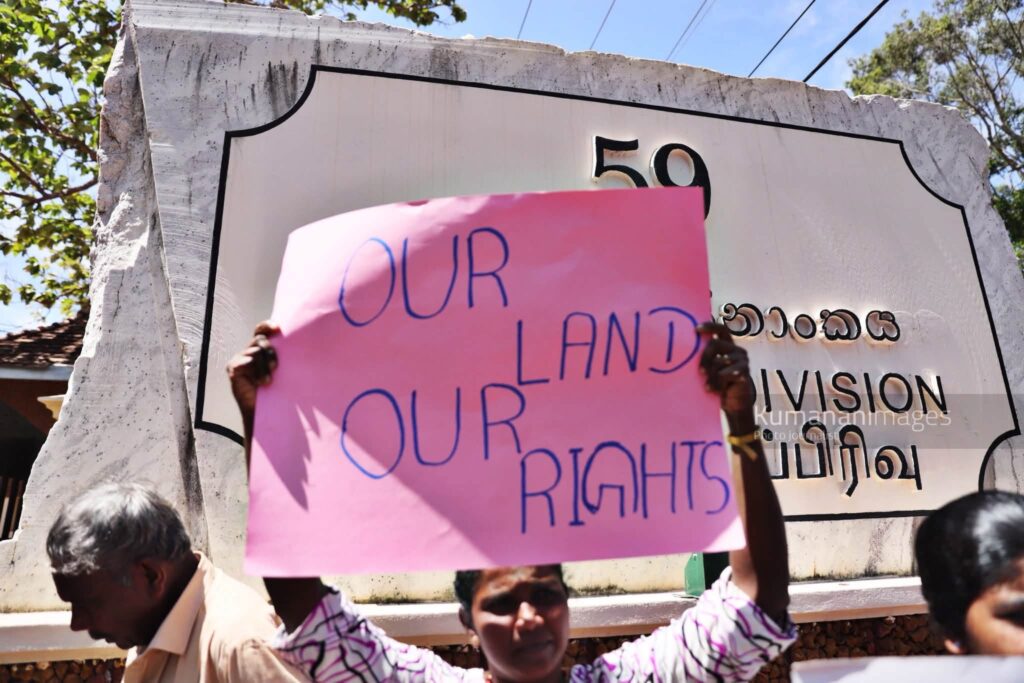
The Socialist Lead of Sri Lanka and South Asia (SLLA) and thesocialist.lk  unconditionally condemn the detention by Sri Lanka Customs of two books by Kilinochchi-based Tamil author Theepachelvan Piratheepan — Elluttal Nan Yuttam Ceykiren (“I Wage War Through Writing”), a collection of interviews, and Ippothum Inge Irandu Thesangalil (“Now Too Here Are Two Nations”), a collection of essays on the war — and demands their immediate and unconditional release. This act of state censorship, carried out with the direct institutional involvement of the Ministry of Defence and under the rubber-stamp of cultural bureaucracies subordinated to the security apparatus, is not an administrative irregularity. It is a political act, rooted in the class interests of the Sri Lankan bourgeoisie and its state, and it must be understood and combated as such.
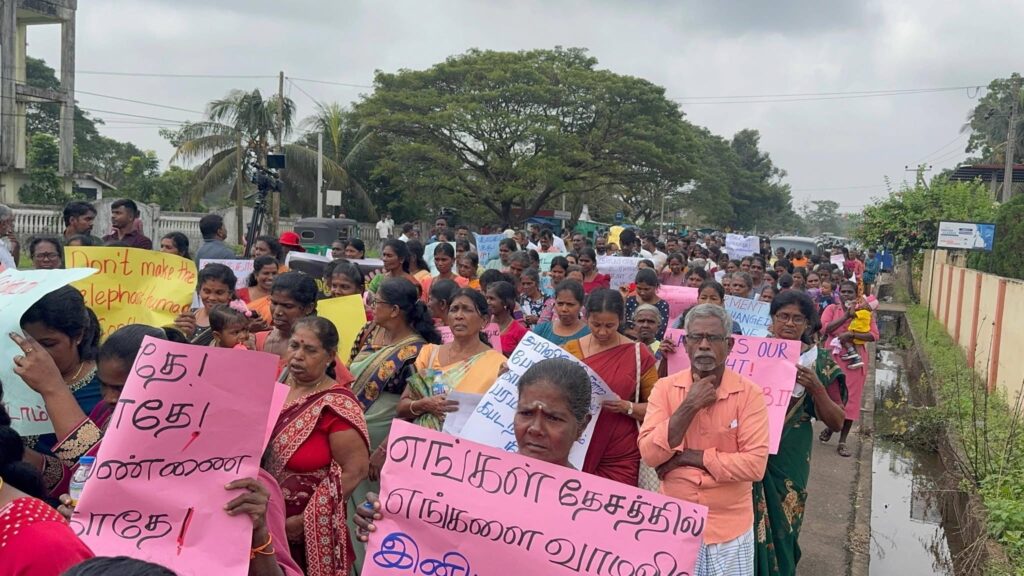
The Facts of the Case Expose the Repressive Machinery under the NPP/JVP government

On 18 March 2026, Sri Lanka Customs seized a consignment of books imported from Chennai, India, by Onereach Lanka (Pvt) Ltd, under CusDec No. 47995. The consignment included four books by Theepachelvan Piratheepan. Customs officers, purportedly suspecting a threat to national security, initiated a review process — with the Director General of Customs, Seevali Arukgoda, subsequently stating that the suspicion arose from one book’s cover, which depicted a map of Tamil Eelam separated from the rest of Sri Lanka, and what he described as a “limited inspection of the contents.”

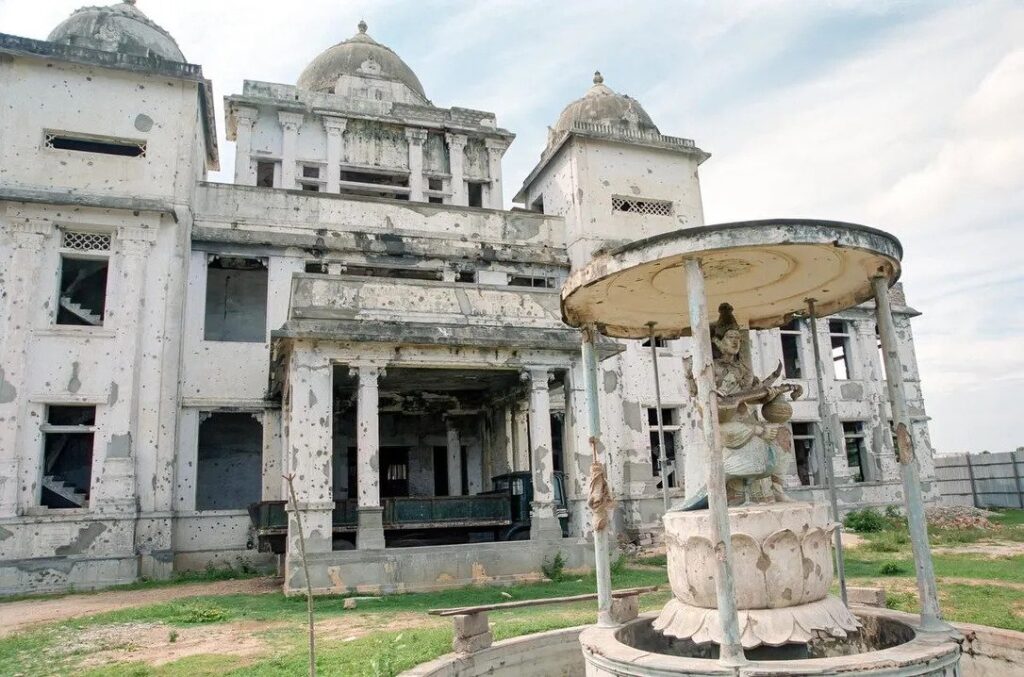
Theepachelvan

What followed was a cascade of bureaucratic evasion and institutional complicity that lays bare the functioning of the capitalist state. The Defence Ministry recommended that Customs detain all four books, while the Culture Ministry recommended the release of the two novels. Customs then returned to the Defence Ministry seeking a “no objection” for the novels’ release, which was granted. Based on the recommendations of the Arts Council of Sri Lanka, the State Panel of Literature of the Ministry of Buddhasasana, Religious and Cultural Affairs, and the Ministry of Defence, two books — Elluttal Nan Yuttam Ceykiren and Ippothum Inge Irandu Thesangalil — were formally withheld, with Customs citing provisions under section 120 of the Penal Code, a colonial law, read with Schedule B of the Customs Ordinance.

The Defence Ministry did not respond to questions as to how it determined that the books incited “disaffection” or posed a threat to national security. Crucially, the two books that were eventually released were not first editions and had already been distributed and made available at Tamil bookshops across Sri Lanka. The logical absurdity of this position — that books freely circulating in Tamil bookshops nonetheless require Defence Ministry clearance to re-enter the country through customs — exposes the purely political, punitive character of the censorship directed against Theepachelvan’s work on the war and its aftermath.

When The Examiner inquired whether Customs had reached out to the Attorney General for his opinion, Director General Arukgoda replied: “Why should we consult the AG’s department?” — asserting that Defence Ministry observations are sufficient and that “this has been the practice for as long as he can remember.” Here, in the unguarded candour of a senior bureaucrat, is the operating logic of the Sri Lankan security state: the military-intelligence apparatus has, through decades of communal war and “anti-terrorism” legislation, assumed permanent, unaccountable authority over political expression.

The detention of Theepachelvan’s books is not an isolated incident but part of a systematic and sustained campaign by the NPP/JVP government to suppress Tamil literary and political expression through the Defence Ministry’s permanent stranglehold over the circulation of ideas in the north and east. Writer and actor Antonythasan Jesuthasan — known by his pseudonym Shobasakthi — has revealed that copies of his book 1990: Leidenthivu – Mandaithivu Massacres and Mass Graves, documenting the massacres and mass graves of the war, sent from Chennai to poet Karunakaran’s address in Kilinochchi in late 2025, were seized by Customs at the Jaffna Post Office in November 2025 and forwarded to the Defence Ministry where they remain suppressed to this day — a complaint to Jaffna District NPP MP Rajeevan having yielded nothing, confirming that the censorship of Tamil historical memory is not a bureaucratic malfunction tolerated by the NPP government but its deliberate and continuing political policy.

The Human Rights Commission of Sri Lanka has warned that detaining publications without clear evidence of inciting communal disharmony could violate constitutional protections, including freedom of expression and equality before the law, and that such actions may amount to a misuse of power and a potential human rights violation. These expressions of institutional “concern,” however, will remain toothless so long as the fundamental class character of the state — and the NPP government that now administers it — goes unexamined and unchallenged.

The Class Character of the NPP’s Censorship

The detention of Theepachelvan’s books is not an aberration of the National People’s Power government; it is a manifestation of its essential political character. The NPP, led by the Janatha Vimukthi Peramuna (JVP) of Anura Kumara Dissanayake, rose to power on the wave of mass popular revulsion demonstrated in the 2022 aragalaya uprising — a spontaneous movement of workers, youth and the oppressed masses against decades of IMF-dictated austerity, official corruption and elite plunder. Having exploited that mass anti-establishment sentiment to win the presidency and parliamentary majority, the NPP has proceeded to do precisely what every bourgeois government before it has done: implement IMF austerity with renewed vigour, maintain and expand the security-state apparatus inherited from the Rajapaksa and Wickremesinghe eras, and deploy the machinery of repression against those who challenge its authority.

The JVP’s historical trajectory makes this entirely predictable. The JVP, which twice launched armed insurrections in the south — in 1971 and from 1987 to 1989 — and which conducted savage political violence, including the assassination of trade union leaders and left-wing opponents, subsequently transformed itself into a parliamentary party deeply integrated into the structures of the Sri Lankan capitalist state. Its “left” and “progressive” credentials — always petty-bourgeois in their class content, reformist in their political program and nationalist in their ideological framework — have served as a political cover for its absorption into bourgeois politics. Its “anti-corruption” and “good governance” rhetoric during the aragalaya period and the 2024 election campaign was not the language of class struggle but the language of the petty-bourgeois intelligentsia appealing to middle-class frustrations within the framework of capitalist rule.

Now in government, the NPP/JVP administers the very security apparatus whose colonial-era legal instruments — including Section 120 of the Penal Code, the draconian Public Security Ordinance and the Prevention of Terrorism Act — were wielded by Sinhala-chauvinist governments against the Tamil people for decades. Tamil writers in Sri Lanka live under constant surveillance of the security state. In 2024, Theepachelvan himself was summoned and interrogated by the Terrorist Investigation Division (CTID), and was subjected to nearly three hours of questioning over a book launch event. This persecution has not ceased under the National People’s Power government. The NPP’s “change” amounts to the continuation of the communal-security state with a new parliamentary facade and a refreshed managerial personnel.

Theepachelvan Piratheepan — born on 24 October 1983 in Kilinochchi — is one of the most significant Tamil literary voices to emerge from the lived experience of the war and its devastating human consequences. His poetry, essays and interviews document the suffering of the Tamil people through the armed conflict, the mass atrocities of the final military offensive, and the grinding social desolation of the post-war north and east. It is precisely because his work constitutes an act of bearing witness — of preserving the collective historical memory of a people subjected to systematic violence and dispossession — that the state seeks to suppress it. The detained books represent documentary historical testimony from below: the kind of testimony that the bourgeois state, regardless of which party administers it, has an enduring material interest in silencing.

The Intelligentsia’s Capitulation: Performing Criticism, Defending the Capitalist State

I. Nirmal Ranjith Dewasiri: The Government Supporter as Critic

No examination of this crisis would be complete without addressing the role played by the layers of academic and intellectual figures who occupy the space of “civil society” dissent in Sri Lanka — and who perform, with cultivated theatrical effect, the function of absorbing and neutralising working-class and democratic opposition to the capitalist state. The case of Professor Nirmal Ranjith Dewasiri demands particular attention, because in the Theepachelvan affair his political intervention reveals, with unusual transparency, the precise mechanism by which the pseudo-left intelligentsia serves the class interests of the bourgeoisie.

Nirmal Dewasiri
Nirmal Ranjith Dewasiri

On 19 April 2026, Dewasiri published a video statement on his YouTube channel — History with Nirmal — titled in Sinhala: “The greatest political defeat the Malima [NPP] government received in the case of Theepachelvan!” The framing is significant before a single word of analysis is delivered: the detention of a Tamil author’s books about the war is characterised not as a state assault on democratic rights and on the historical memory of the Tamil people — but as a political defeat for the government. The suffering of the Tamil author, the democratic principle of freedom of expression, the class content of the censorship — all of this is pushed to the background. What remains is a problem of government optics, of public relations management, of the NPP’s political credibility.

In the body of that statement, Dewasiri makes three things clear, each of which must be examined with precision.

First, having campaigned for the NPP/JVP electoral win, he asserts himself a supporter of the NPP/JVP government. This is an admission of class alignment. Dewasiri — the former secretary of the X-Group, the one-time FUTA president, the 2010 Cultural and National Heritage Ministry advisor, the key civil-society architect of the 2015 Sirisena “good governance” election victory — has now completed the arc of petty-bourgeois left politics in Sri Lanka: from student politics, through post-JVP academic radicalism, through “civil society” coalition-building for bourgeois electoral formations, to open and declared support for the NPP government that is today implementing IMF austerity and maintaining the security-state apparatus of the Rajapaksa era. This trajectory is not an individual aberration; it is the class trajectory of the petty-bourgeois intelligentsia in the epoch of imperialism.

Second, Dewasiri invokes the argument that in the digital age, banning physical books is an act of political absurdity — that in an era of internet access, detaining a printed consignment at customs only amplifies the work’s reach and drives readers to seek out the censored material. On the surface, one may see it as a critique of the government. In reality, it is something far more insidious: it is the argument of a government supporter advising his preferred government on how to conduct its affairs more effectively. The “digital age” argument does not challenge the ‘right’ of the state to suppress political literature; it argues that this particular act of suppression is tactically counterproductive. It is the counsel of a sympathetic advisor, not the principled opposition of a democrat.

Third, and most revealing, Dewasiri’s video statement conveys that he is worried about the NPP government losing credibility in public perception, and urges it to act quickly to resolve the problem. Here the contradiction at the heart of his entire political trajectory is exposed with unusual clarity — and it is a contradiction that deserves to be taken seriously rather than dismissed.

It would be a political error to characterise Dewasiri as someone indifferent to Tamil democratic rights. The record is otherwise. He has written at length on the ideological mechanisms by which Sinhala-Buddhist nationalist hegemony suppresses Tamil historical claims, on the illegitimacy of post-war “reconciliation” frameworks that deny devolution and Tamil political agency, and on the dangers of allowing dominant historical narratives to erase the lived experience of the Tamil people. These are not trivial positions — they represent a formal intellectual recognition of the very injustice that the detention of Theepachelvan’s books embodies. However, this critique is made entirely within the service of “post-war reconciliation” — a framework that accepts the Sri Lankan unitary capitalist state as the boundary within which Tamil political claims must be accommodated. Dewasiri argues for a more pluralist, less chauvinist bourgeois order — not for the right of the Tamil nation to self-determination, and certainly not for a class analysis of the national question that would expose the bourgeois state itself as the structural source of national oppression. His formal intellectual defence of Tamil historical memory therefore operates within the very political framework that generates the suppression he critiques.

This contradiction is precisely what makes his intervention in the Theepachelvan case so revealing — and so politically instructive. A man who has written extensively on how Sinhala-Buddhist historical consciousness suppresses Tamil historical memory, who has argued that post-war reconciliation is impossible without confronting that suppression, and who has documented in analytical detail the JVP’s own degeneration into Sinhala-Buddhist nationalist politics, now urges swift action by the NPP/JVP government that is suppressing Tamil historical testimony — not in order to vindicate the principle he has spent years articulating, but in order to protect the government’s political standing with the electorate. The defence of Theepachelvan Piratheepan’s books — of the Tamil people’s right to possess, circulate and build upon their own historical testimony of the war — is subordinated entirely to the political management needs of a bourgeois government Dewasiri has openly declared he supports. What his academic framework identifies as an ideological injustice demanding structural confrontation becomes, in the moment of concrete political decision, a governmental embarrassment requiring swift damage control. The principle survives in the academic publications; it dissolves entirely when the government he supports is the one doing the suppressing.

This is not hypocrisy in the ordinary personal sense. It is the structural logic of petty-bourgeois left politics in the epoch of imperialism. What must be stated with precision is the distinction between historical acknowledgement and political principle: Dewasiri’s academic credentials as a critic of Sinhala-Buddhist nationalism make his political function as a government defender more effective rather than less — allowing him to perform the role of principled critic while the substance of his intervention is the protection of a capitalist government that continues the security-state suppression of the very historical memory he has written about. The writings establish his credentials; his political conduct reveals his class allegiance.

The SLLA does not question the sincerity of Dewasiri’s academic work on Tamil historical oppression. We question its political value in the absence of the class independence that alone could give it practical force. Academic recognition of Tamil historical suffering, combined with political support for the bourgeois government that perpetuates it, does not advance the democratic rights of the Tamil people by a single degree. It provides intellectual legitimacy to the political management of their oppression.

This is not the first time Dewasiri has played this role. His trajectory — from X-Group intellectual and cultural radicalism, through ministerial advisor in 2010, to key civil-society architect of the 2015 Sirisena “good governance” coalition, to declared NPP supporter in 2026 — is the biography of the Sri Lankan pseudo-left intelligentsia’s absorption into the structures of bourgeois political management. At every stage, the rhetorical register changes — radical academic, trade union activist, “civil society” democrat, progressive government supporter — while the underlying political function remains constant: to channel mass discontent into safe institutional waters, to dress bourgeois politics in the language of popular aspiration, and to prevent the emergence of an independent, class-conscious political movement of the working class.

The SLLA’s critique of Dewasiri is not personal. It is the application of historical materialism to the concrete political role of a social layer. The pseudo-left intelligentsia does not invent the positions it holds; those positions are determined by its class position, its institutional dependencies, and its material and ideological integration into the structures of bourgeois society. Understanding this is essential to building the independent working-class political alternative that the Theepachelvan case — like every case of state repression before it — demands.

II. Jayathilaka Kammellaweera: The Literary Establishment as Cultural Gendarme

The response of figures like Dewasiri represents one mode of capitulation to the bourgeois state among those aligned with the NPP/JVP. The intervention of renowned Sinhala author and literary critic Jayathilaka Kammellaweera represents something qualitatively different and more openly reactionary: not the management of political embarrassment dressed in progressive credentials, but the direct rationalisation of censorship in the language of Sinhala cultural nationalism itself — a position that does not merely fail to defend Tamil democratic rights but actively argues for their suppression.

Jayathilaka Kammellaweera

Kammellaweera’s position is unambiguous. He argued that books containing ideas damaging to “national reconciliation” could legitimately be detained on the grounds that they harm “social cohesion.” He knows — from what he “heard” about the books — precisely what they contain: the historical memory of the Tamil oppressed nation, the testimonies of the war, the mass atrocities, the dispossession of a people subjected to decades of Sinhala-chauvinist state violence. It is on this basis that he endorses their suppression. His acknowledgement that he has not read the exact text is therefore entirely marginal to his political position — reading the books would not alter his stance by a single degree, because his position is not formed from the specific arrangement of words on specific pages but from what those pages represent: Tamil historical testimony that the Sinhala cultural establishment, aligned with the NPP government, requires to be silenced.

The terms Kammellaweera deploys — “national reconciliation,” “social cohesion” — require class analysis, not liberal restatement. In the political vocabulary of the Colombo establishment since the military defeat of the LTTE in 2009, “national reconciliation” has functioned consistently as a euphemism for Tamil acquiescence to the terms of the Sinhala-Buddhist state’s military victory. “Social cohesion” refers not to the freely expressed unity of equal peoples but to the managed coexistence of unequal communities within the framework of the unitary Sinhala-Buddhist state — a framework in which Tamil historical memory is treated as a threat to stability precisely because it is true. Kammellaweera’s argument is therefore not a liberal position on the limits of free expression made in good faith. It is a Sinhala chauvinist argument made in the language of social harmony: it subordinates the right of the Tamil people to preserve and circulate their own historical memory of national oppression to the political requirements of a Sinhala-dominated state’s management of post-war ethnic relations.

The SLLA states this directly and without qualification: Kammellaweera’s position is objectively racist in its political content and consequences. It assumes the right of the Sinhala cultural establishment — aligned with a Sinhala-chauvinist government of the South — to determine what Tamil writers may say about the Tamil people’s experience of the war, and legitimises the suppression of Tamil historical testimony as a public service. When the NPP state detains Tamil books through the Defence Ministry and aligned literary intellectuals rationalise that act in the language of social cohesion, we witness the complete operation of bourgeois ideological control: the state provides the coercive instrument and the cultural intelligentsia provides the legitimising discourse. These two functions are inseparable. Kammellaweera’s statement is a cultural expression of the JVP/NPP’s deep roots in Sinhala chauvinism — the WSWS has warned that true to its vile record and the reactionary traditions of the Sri Lankan bourgeoisie, the JVP/NPP government will whip up anti-Tamil Sinhala-Buddhist chauvinism in an attempt to divide and weaken the working class — and it confirms that this tendency finds its reflection not only in the state apparatus but in the literary establishment that serves it.

The SLLA condemns Kammellaweera’s statement in the strongest possible terms. The defence of Theepachelvan Piratheepan’s right to write, publish and circulate his testimony of the war is not merely a Tamil democratic demand. It is a demand of the entire working class — Sinhala, Tamil and Muslim — for the right to know its own history, free from the censorship of any state and any literary establishment that has traded its critical independence for proximity to bourgeois political power.

Equally revealing is the conduct of the Arts Council of Sri Lanka, whose chairperson, Keerthi Welisarage declared — with breathtaking cynicism — that “there are no restrictions on freedom of expression in Sri Lanka” even as his institution’s recommendations formed part of the bureaucratic chain that kept Theepachelvan’s books in Customs detention. Cultural institutions subordinated to the state and its security apparatus do not defend artists; they police them — and the liberal intelligentsia that staffs and defends such institutions performs the same function in the domain of “civil society.”

The Continuity of State Repression and the Lessons of the SEP’s Record

The detention of Theepachelvan’s books must be situated within the pattern of sustained state repression against artists, writers and political dissenters in Sri Lanka that has intensified under every successive government. The Socialist Equality Party (SEP) and its affiliated Action Committee for the Defence of Freedom of Art and Expression (ACDAE) (now defunct) have fought consistently against this repression — defending writer Shakthika Sathkumara when he was imprisoned on trumped-up blasphemy charges; campaigning for the release of Tamil poet Ahnaf Jazeem, held for months by the Terrorism Investigations Division under the Prevention of Terrorism Act for the content of a poetry collection; and standing with film director and playwright Malaka Devapriya when he was subjected to intimidatory investigation by the Criminal Investigation Department. These were not isolated or tokenistic acts of solidarity. They expressed a principled, politically grounded understanding that the defence of democratic rights — including freedom of expression and artistic freedom — is inseparable from the struggle of the working class against the capitalist state.

The SLLA, as the Revolutionary Left Faction of the SEP, grounds its response to the current attack on Theepachelvan in the same political foundation. The defence of his books is not a matter of abstract liberal principle. It is a class question. The suppression of Tamil literary testimony about the war is an attack on the democratic rights of the Tamil masses and on the ability of the entire working class — Sinhala, Tamil and Muslim alike — to form independent political consciousness, to know its own history, and to build the movement necessary to defend its interests against austerity, communalism and authoritarianism.

What Must Be Done

The SLLA and thesocialist.lk demand:

1. Immediate and unconditional release of both detained books —  Elluttal Nan Yuttam Ceykiren and Ippothum Inge Irandu Thesangalil — by Theepachelvan Piratheepan, with no conditions, no ongoing surveillance and no further harassment of the author. We also demand immediate release of all books of other authors including those of writer and actor Antonythasan Jesuthasan.

2. Abolition of the practice whereby the Ministry of Defence — an institution of military-intelligence power — exercises authority over the import and circulation of literary works. The subordination of cultural institutions and customs procedures to the security apparatus must be ended. The repeal of all colonial-era and post-independence legal provisions — including parts of the Schedule B of the Customs Ordinance and its invocation of Section 120 of the Penal Code — used to suppress political literature and artistic expression is an urgent democratic necessity.

3. Full public accountability: the Defence Ministry must be compelled to explain publicly, on the record, on what specific grounds it determined that these literary works constituted a threat to national security. Secret, unaccountable determinations by the military-intelligence apparatus over the domain of political and artistic expression are fundamentally incompatible with democratic rights.

4. Mobilisation of workers, artists, students and youth: the SLLA calls for the broadest possible mobilisation in defence of Theepachelvan and of freedom of expression. Writers, publishers, academics, teachers, trade unionists and students must come together in independent democratic committees — in workplaces, universities and communities — to coordinate this defence outside and against the institutions of bourgeois civil society, which have proved incapable of providing principled opposition to state censorship.

5. Link the defence of democratic rights to socialist politics: the struggle against censorship, against the suppression of Tamil historical memory, and against the NPP government’s continuation of the security state cannot be separated from the struggle against IMF austerity, against the exploitation of the working class, and against the capitalist system that generates communalism and repression as instruments of class rule. The SLLA calls on workers and youth to break with the NPP, the JVP and all parties of the bourgeoisie, and to build an independent socialist political movement grounded in the program and perspectives of the International Committee of the Fourth International.

The SLLA and theSocialist.lk stand in unconditional solidarity with Theepachelvan Piratheepan. His work — bearing witness to the anguish, the loss, the resistance and the aspirations of the Tamil people — belongs to the historical memory not only of the Tamil nation but of the international working class. No security ministry, no colonial-era customs ordinance, and no NPP government that has betrayed the masses who trusted it can legitimately suppress that testimony.

The defence of art and free expression is the defence of the working class. The struggle for democratic rights is the struggle for socialism.

The NPP/JVP Government’s Assault on Tamil Historical Memory: State Censorship, Class Repression and Intellectual Complicity Read More »

Cuba

කියුබාවට සහ ලතින් ඇමරිකාවට එරෙහි වොෂින්ටනයේ ප්‍රහාරය: 20 වන සියවස අහෝසි කිරීමේ ධනවාදී ධාවනයේ මුඛ්‍ය පෙරමුණක්

අන්ඩ්‍රියා ලෝබෝ විසිනි. 

මෙහි පළවන්නේ ලෝක සමාජවාදී වෙබ් අඩවියේ (WSWS) 2026 මාර්තු 18 වන දින  “Washington’s assault on Cuba and Latin America: A key front in the capitalist drive to abolish the 20th centuryයන හිසින් පළවූ අන්ඩ්‍රියා ලෝබෝ  විසින් ලියන ලද ඉදිරිදර්ශන ලිපියේ සිංහල පරිවර්තනය යි. 

Cuba
මතන්සාස්, කියුබාව [ඡායාරූපය Greg0611 / CC BY 4.0]

සඳුදා දිවයින (කියුබාව) පුරා සම්පූර්ණ විදුලි කප්පාදුවකට සමගාමීව, එක්සත් ජනපද ජනාධිපති ඩොනල්ඩ් ට්‍රම්ප් වාර්තාකරුවන්ට පුරසාරම් දෙඩුවේ, “කියුබාව අල්ලා ගැනීමේ ගෞරවය මට ලැබෙනු ඇතැයි මම විශ්වාස කරවා. ඒක ලොකු ගෞරවයක්”,යනුවෙනි.

“මම ඒක නිදහස් කළත්, ලබා ගත්තත්, මට හිතෙනවා  ඒකෙන් මට ඕන දෙයක් කරන්න පුළුවන් කියලා,” ඔහු එය පැවසුවේ, “බිග් ස්ටික්” ( Big Stick) රාජ්‍ය තාන්ත්‍රිකත්වයේ නිර්මාතෘ වන තියඩෝර් රූස්වෙල්ට් පවා ලැජ්ජාවට පත් කරන   ආකාරයේ මැර කල්ලිවාදයකිනි.

ජනවාරි 29 වන දින ට්‍රම්ප් විසින් කියුබාව “ජාතික හදිසි අවස්ථාවක්” ලෙස නම් කිරීමෙන් සහ මෙම දූපත් රාජ්‍යයට එරෙහිව සම්පූර්ණ බලශක්ති සම්බාධක පැනවීමෙන් පසු හවානා විසින් ලබා දුන් ප්‍රධාන අත් හැරීම් මාලාවකින් පසුව මෙම උද්දච්ච ප්‍රකාශ නිකුත් විය. 

සති කිහිපයක් ඇතුළත, කියුබානු රජය විසින් පෞද්ගලික ව්‍යාපාර පුළුල් කරමින් සහ රාජ්‍ය-පෞද්ගලික හවුල්කාරිත්වයන්ට ඉඩ සලසමින් පුළුල් ආර්ථික “ප්‍රතිසංස්කරණ” නිවේදනය කර ඇත. කියුබානු-ඇමරිකානු ත්‍රස්තවාදීන්ගේ සන්නද්ධ ආක්‍රමණයක් විමර්ශනය කිරීමට උදව් කිරීම සඳහා දිවයිනට FBI “විශේෂඥයින්”ට ආරාධනා කර තිබේ. මියාමි හි එක්සත් ජනපද සංගත සහ පිටුවහල් “ගුසානෝ (gusano)”ධනපතියන් හා සමග  සබදකම් සදහා විවෘතව තැත් කර ඇත. එමෙන්ම ඉන්ධන අවහිර කිරීම සහ “ආරක්ෂක සහයෝගීතාව” සම්බන්ධයෙන් ට්‍රම්ප් පරිපාලනය සමඟ අඛණ්ඩ සාකච්ඡා තහවුරු කර ඇත.

බදාදා දින, කියුබාවේ ජනාධිපති මිගෙල් ඩියාස්-කැනල් විසින් “දිනපතාම පාහේ” ට්‍රම්ප් සිදු කරනු ලබන තර්ජන හෙළා දුටු අතර, ඊට “නොනැමෙන ප්‍රතිරෝධය” ප්‍රකාශ කළ නමුත් ඔහුගේ පරිපාලනයේ ක්‍රියාමාර්ග යටත් වීමක් පෙන්නුම් කරයි. නියෝජ්‍ය අගමැති ඔස්කාර් පෙරෙස්-ඔලිවා එන්බීසී ප්‍රවෘත්ති වෙත පැවසුවේ “ඇමරිකානු සමාගම් සමඟ සහ එක්සත් ජනපදයේ වෙසෙන කියුබානුවන් සහ ඔවුන්ගේ පරම්පරාවන් සමඟ ද නම්‍යශීලී වාණිජ සම්බන්ධතාවයක් පැවැත්වීමට කියුබාව විවෘත” බවයි.

මෙය ෆිදෙල් කැස්ත්‍රෝ විසින් පිටුවහල් ප්‍රාග්ධනය සඳහා දීර්ඝ කාලයක් තිස්සේ පනවා තිබූ තහනමේ ඓතිහාසික ආපසු හැරීමකි. ආක්‍රමණ, ත්‍රස්තවාදී බෝම්බ ප්‍රහාර සහ ඝාතන උත්සාහයන් හරහා අර්ධ යටත් විජිත යුගය නැවත ඇති කිරීමට උත්සාහ කළ ස්ථරවලට එරෙහිව ආරක්ෂාවක් ලෙස මෙය යුක්ති සහගත කරන ලදී.

එහෙත් මෙය පාලන තන්ත්‍ර වෙනසක් සඳහා ධවල මන්දිර බල කිරීම් සන්සුන් කිරීමට කිසිවක් කර නැත. අඟහරුවාදා ඕවල් කාර්යාලයේ ට්‍රම්ප් අසල වාඩි වී සිටි රාජ්‍ය ලේකම් මාර්කෝ රුබියෝ, හවානාහි ව්‍යාපාරික-ගැති පියවර ප්‍රමාණවත් නොවන බව පවසා ප්‍රතික්ෂේප කළේය: “ඔවුන්ට එය නිවැරදි කළ නොහැක. එබැවින් ඔවුන් බරපතල ලෙස වෙනස් විය යුතුය. ඔවුන් ඊයේ නිවේදනය කළ දෙය ප්‍රමාණවත් තරම් නාටකාකාර නොවේ. එය එය නිවැරදි කිරීමට සමත් නැත.”

කැස්ත්‍රෝ පවුල දිවයිනේ අඛණ්ඩව රැඳී සිටීම ගැනත්, ඩයස්-කැනල්  සම්බන්ධයෙන් “ඉවත් කිරීමේ” පියවරක් ගැනීම සහ “වරාය, බලශක්තිය සහ සංචාරක ව්‍යාපාරය සම්බන්ධ ගණුදෙනු” – වෙනත් වචන වලින් කිවහොත්, එකඟතාවයට එළඹුණු නැවත-යටත්විජිතකරණ පැකේජයක්– පිළිබඳව ට්‍රම්ප්ගේ කණ්ඩායම සාකච්ඡා කරමින් සිටින බව USA Today වාර්තා කර ඇත.

එක්සත් ජනපදය කියුබාව වටලෑම, අර්ධගෝලයේ සෑම රටකම ඉරණම සෘජුවම නියම කිරීමට සහ ඔවුන්ගේ සියලු සම්පත් අත්පත් කර ගැනීමට වොෂින්ටනයට ඇති අයිතිය තහවුරු කරන මොන්රෝ මූලධර්මයේ ට්‍රම්ප්ගේ “ට්‍රම්ප් අනුෂංගය” (Trump Corollary) යටතේ වන පුළුල් අධිරාජ්‍යවාදී ප්‍රහාරයක සංරචකයකි.

ඇමරිකානු මහජනතාවට එය අලෙවි කරන ආකාරය පිළිබඳ විවාදවලට අමතරව, පාලන තන්ත්‍රයන් වෙනස් කිරීමේ ජන සංහාරක මෙහෙයුමට පක්ෂ දෙකම සහ සංගත (large company) මාධ්‍ය සහාය දක්වයි. පක්ෂයේ “ප්‍රගතිශීලී” පාර්ශ්වයේ කොටසක් ලෙස සැලකෙන ඩිමොක්‍රටික් කොන්ග්‍රස් සභික රෝ ඛන්නා, X සමාජ මාධ්‍යය තුළ එයට අනුමැතිය දෙමින් “(එවැනි) ගිවිසුමක් ඇමරිකානු සහ කියුබානු ව්‍යවසායකයින්ට කියුබාවේ ආයෝජනය කිරීමට සහ කියුබාව ආර්ථික වශයෙන් යථා තත්ත්වයට පත් කිරීමට සහ නවීකරණය කිරීමට උපකාරී වනු ඇත,” යනුවෙන් ලිව්වේය.

මේ මස මුලදී මියාමි හි පැවති ෂීල්ඩ් ඔෆ් ද ඇමරිකාස් (Shield of the Americas) සමුළුවේදී, ට්‍රම්ප් විසින් ආර්ජන්ටිනාව, ඉක්වදෝරය, පැරගුවේ, චිලී සහ අර්ධගෝලයේ වෙනත් තැන්වල අන්ත දක්ෂිණාංශික පාලන තන්ත්‍ර සහ සහචරයින් පොදු වැඩසටහනක් සඳහා එක් කරන ලදී. එමගින් හමුදාකරණය, මහජන මර්දනය සහ ජීවන තත්වයන්ට සහ සමාජ වැඩසටහන් වලට දැවැන්ත ප්‍රහාරයක් එල්ල කිරීම අරමුණු කර ගෙන ඇත. 

ට්‍රම්ප් ෆැසිස්ට්වාදී කලාපීය නායකයින්ට පැවසුවේ “කියුබාව එහි ජීවිතයේ අවසාන මොහොතේ පසුවෙන,” බවයි. ඊට ඔවුහු අත්පොළසන් දෙමින් ප්‍රතිචාර දැක්වූහ. 

“මත්ද්‍රව්‍ය-ත්‍රස්තවාදීන්ට” එරෙහිව සටන් කරන බව පවසමින්, “සම්පූර්ණ සමූලඝාතන මෙහෙයුම” යටතේ එක්සත් ජනපදය ඉක්වදෝරයට හමුදා යොදවා FBI සහ හමුදා කාර්යාල විවෘත කර ඇත. මෙම ඒකාබද්ධ ප්‍රහාරයෙන් ගොවීන්ගේ නිවාස ගිනි තැබීම, ග්‍රාමීය ප්‍රදේශවලට බෝම්බ හෙලීම සහ කම්කරුවන්ට වධහිංසා පැමිණවීම පමණක් නොව, ඉක්වදෝරයෙන් දියත් කරන ලද ගුවන් ප්‍රහාරයකින් තම භූමියේ පුද්ගලයින් 27 දෙනෙකු ඝාතනය වීම කොලොම්බියාව විසින් හෙළා දැකීමද සිදුවුණි. මේ අතර, ඉක්වදෝර අධිකරණ විසින් ප්‍රධාන ධනේශ්වර විරුද්ධ පක්ෂය වන රෆායෙල් කොරියාගේ “ පුරවැසි විප්ලවය ව්‍යාපාරය” අත්හිටුවා තිබේ.

පෙන්ටගනයේ දක්ෂිණ අධිකාරිය   කලාපය පුරා තම  කඳවුරු පිහිටුවා ගැනීමේ අයිතිවාසිකම් ආක්‍රමණශීලී ලෙස අත්කර ගනිමින් ද, කැරිබියන් සහ පැසිෆික් කලාපයේ නාවික මෙහෙයුම් පුළුල් කරමින් ද සිටී.  මත්ද්‍රව්‍ය ජාවාරම පිළිබඳ සාක්ෂි නොමැතිව චෝදනා කරනු ලැබූ  ධීවරයින් 157 දෙනෙකුගේ ජීවිත බිලිගත් දැනුදු කෙරීගෙන යන අඛණ්ඩ බෝම්බ හෙලීමේ ව්‍යාපාරයක් ද ඊට ඇතුළත් ය.

පැනමා ඇළ සහ ග්‍රීන්ලන්තය මිලිටරිමය වශයෙන් අත්පත් කර ගන්නා බවට ට්‍රම්ප් නැවත නැවතත් තර්ජනය කර ඇති අතර, මෙක්සිකෝව ආක්‍රමණය කර බෝම්බ  හෙලීම සඳහා නිතර කැඳවුම් කරයි.

වෙනිසියුලාව යටත් කරගත් භූමියක් ලෙස සලකමින්, කැනඩාව පිළිබඳ ඒ හා සමාන ප්‍රකාශයන් අනුගමනය කරමින්, ට්‍රම්ප් මෑතකදී සමාජ මාධ්‍ය ඔස්සේ යෝජනා කළේ, වෙනිසියුලාව එක්සත් ජනපදයේ 51 වන රාජ්‍යය බවට පත්විය හැකි බවයි. කැරකස් හි බෝම්බ හෙලීමේ ව්‍යාපාරයක් අතරතුර ජනාධිපති නිකොලස් මධුරෝ සහ ඔහුගේ බිරිඳ පැහැර ගැනීම, සීඅයිඒ සංවිධානයට රට විවෘත කර ඇති අතර, එහි තෙල් හා ඛනිජ සම්පත් කොල්ලකෑම සඳහා සංගතවලට විවෘත කර තිබේ.

ට්‍රම්ප්ගේ භාණ්ඩාගාර ලේකම්වරයා ආර්ජන්ටිනාව කලාපයේ ඇමරිකානු මූලෝපායික මාර්ගයේ “කේන්ද්‍රස්ථානය” ලෙස ප්‍රකාශ කිරීමත් සමඟ, හාවියර් මිලී, චීන ධීවර මෙහෙයුම්වලට එරෙහි වීමේ මුවාවෙන් දකුණු අත්ලාන්තික් සාගරයේ පාලනය පෙන්ටගනයට පවරා දී, වසර 100 කට වැඩි කාලයක් තිස්සේ කම්කරුවන්ගේ ජයග්‍රහණ මකා දැමීම අරමුණු කරගත් කම්කරු “ප්‍රතිසංස්කරණයක්” ක්‍රියාත්මක කර, එක්සත් ජනපද පිටුබලය ලත් අවසන් මිලිටරි ආඥාදායකත්වයේ අපරාධ ආරක්ෂා කර ඇත.

ආර්ජන්ටිනා, හොන්ඩුරාස් සහ කොස්ටාරිකාවේ අන්ත දක්ෂිණාංශික අපේක්ෂකයින් සදහා සිදුකල  සමාන ආකාරයේ බලහත්කාරී අනුමත කිරීම් වලින් පසුව, මිලීගේ ප්‍රතිපත්ති අනුගමනය කරමින් ආර්ථික කම්පන-චිකිත්සක (shock therapy) වැඩසටහනක් දැනටමත් දියත් කරමින් සිටින, ඔගස්ටෝ පිනෝචෙට් ඒකාධිපතිත්වයේ විවෘත රසිකයෙකු වන හොසෙ ඇන්ටෝනියෝ කස්ට්ගේ චිලී මැතිවරණ ව්‍යාපාරයට ට්‍රම්ප් සහාය දැක්වීය.

මෙය හුදෙක් භූ දේශපාලනය නොවේ; එය පන්ති යුද්ධය යි. 20 වන සියවස පුරා මුළු ඇමරිකානු කලාපයේම කම්කරුවන් දිනා ගන්නා ලද සමාජ හා ප්‍රජාතන්ත්‍රවාදී ජයග්‍රහණ අතුගා දැමීම මෙහි අරමුණයි. එය පසුගිය සියවසේ මිලිටරි ඒකාධිපතිත්වයන් විසින් උත්සාහ කරන ලද සමාජ ප්‍රතිවිප්ලවය සම්පූර්ණ කිරීමකි. මෙය දේශීයව ෆැසිස්ට් තන්ත්‍රයක් ගොඩනැගීමට ට්‍රම්ප් දරන උත්සාහයන්ගෙන් වෙන් කළ නොහැකිය.

කියුබාවට සාමූහිකව දඬුවම් කිරීම

දිවයිනට එකදු මිසයිලයක් වත් එල්ල නොකර වුවද, කියුබාවේ ආර්ථික ගෙල සිර කිරීම මගින් සිදු කරන විනාශයේ  පරිමාණය යුද්ධයේ විනාශයට සමාන වේ.  2026 මුල් භාගයේදී මදුරෝ ඉවත් කිරීමෙන් පසුව, එක්සත් ජනපදය විසින් කියුබාව වෙනිසියුලානු තෙල් නැව්ගත කිරීම් කපා හැර ඇති අතර කියුබාවට ඉන්ධන අපනයනය කළහොත් මෙක්සිකෝව සහ අනෙකුත් සැපයුම්කරුවන්ට ආර්ථික අඩපණ කෙරෙන තීරුබදු පැනවීමට තර්ජනය කළේය. මෙක්සිකෝවේ ජනාධිපති ක්ලෝඩියා ෂයින්බෝම් ජනවාරි මාසයේදී තෙල් නැව්ගත කිරීම් නැවැත්වූවාය. “වාම” නායකයින් සහ ප්‍රධාන තෙල් අපනයනකරුවන් විසින් පාලනය කරනු ලබන බ්‍රසීලය සහ කොලොම්බියාව ද සම්බාධක බිඳ දැමීම ප්‍රතික්ෂේප කර ඇත.

මෙය හුදෙක් යටත් වීමක් නොව, අර්ධගෝලය කපා කොටස් කිරීමේ වොෂින්ටනයේ නව යටත් විජිතවාදී ප්‍රතිපත්තියේ කනිෂ්ඨ හවුල්කරුවන් ලෙස තමන්ව ස්ථානගත කිරීමට උත්සාහ කරන දේශීය ධනේශ්වර අවශ්‍යතා ආරක්ෂා කිරීමට සහාය වීමකි.

කියුබාවේ හුදකලාව තියුණු ය. ඉක්වදෝරය කියුබානු රාජ්‍ය තාන්ත්‍රිකයින් නෙරපා හැරියේය; නිකරගුවාව කියුබානුවන් සඳහා වීසා රහිත ගමන් සීමා කළේය; එසේම, සහ ග්වාතමාලාව, හොන්ඩුරාස් සහ ජැමෙයිකාව,  ඩොලර ඇතුලු ප්‍රධාන විදේශ මුදල් සැපයූ වෛද්‍ය සහයෝගීතා ගිවිසුම් අවසන් කිරීමට පියවර ගෙන තිබේ.

බර බොරතෙල් දහනය කරන පැරණි සෝවියට් යුගයේ තාප බලාගාර සහ ඩීසල් ජනක යන්ත්‍ර ජාලයක් මත යැපෙන කියුබානු විදුලිබල ජාලය බිඳවැටීමේ ලක්ෂ්‍යයෙන් ඔබ්බට තල්ලු කර දමා ඇත. මාර්තු 16 වන දින, මුළු ජාතික විදුලිබල පද්ධතියම බිඳ වැටීමෙන් මුලු දිවයිනම අන්ධකාරයට ඇද වැටුණි . ඉන් පැය 29 කට පසුව, විදුලිය අර්ධ වශයෙන් පමණක් යථා තත්ත්වයට පත් කරන ලදී.

මැටන්සාස් හි සේවිකාවක් WSWS වෙත පැවසුවේ ඇගේ අසල්වැසි ප්‍රදේශයේ විදුලිය නොමැතිව දින ගණනක් ගෙවී ගොස් ඇති බවයි. පානීය ජලය සීමිත වුවද, ඉවුම් පිහුම් සඳහා අවශ්‍ය වන ගෑස් සොයා ගැනීමට නැත. සෞඛ්‍ය සේවා පද්ධතියේ බිඳවැටීමේ ප්‍රතිඵලයක් ලෙස දැනටමත් ගණන් කළ නොහැකි ජීවිත ප්‍රමාණයක් අහිමි කරමින් පවතීම නිසා සමීප ඥාතියෙකු මෑතකදී මිය ගිය බව ඇය විස්තර කළාය.

වෛද්‍ය පද්ධතියෙ හි “හදිසි නොවන” ක්‍රියා පටිපාටි 100,000 කට ආසන්න සංඛ්‍යාවක පොරොත්තු ලේඛනයක් ඇති අතර, එයට ළමුන් 11,000 කට වඩා ඇතුළත් වේ. බොහෝ අවස්ථාවලදී, “හදිසි නොවන” යන්නෙහි සරල තේරුම “තවමත් මිය ගොස් නැත” යන්නයි.

බලශක්ති විශ්ලේෂක ජෝර්ජ් පිනෝන් අනතුරු අඟවා ඇත්තේ: “ඉන්ධනවලින් සියයට සියයක්ම අතුරුදහන් වන රටක් මම කිසි දිනෙක දැක හෝ අධ්‍යයනය කර නැත.”යනුවෙනි. 

මෙම තත්වයන් යටතේ, කුඩා නමුත් සැලකිය යුතු විරෝධතා පැන නැගී ඇත: බිඳ වැටෙන අධ්‍යාපනයට එරෙහිව විශ්ව විද්‍යාල සිසුන් වාඩිලා ගැනීම, කම්කරු පන්ති නිවහන් ප්‍රදේශ වල භාජන වලට ගසමින්, විදුලිය සහ ආහාර ඉල්ලා සිටීම, මෑතකදී විරෝධතාකරුවන් විසින් කොමියුනිස්ට් පක්ෂ කාර්යාලයක ගෘහ භාණ්ඩ ගිනි තැබූ මොරොන්හි ඇති වූ කෝලාහල වැනි දේ සදහන් කල හැක. 

20 වන සියවස අහෝසි කිරීමේ ගාමකයේ පෙරමුණක්    

කියුබාවට එරෙහි අධිරාජ්‍යවාදී ප්‍රහාරය සුවිශේෂී ලෙස පළිගැනීමේ ස්වභාවයක් ගනී. වොෂින්ටනය හුදෙක් සංගත වල  හා මූල්‍ය අවශ්‍යතා පසුපස හඹා යනවා පමණක් නොව, ඇමරිකානු රූකඩ පාලන තන්ත්‍ර පෙරලා දැමූ 1959 කියුබාවේ සහ 1979 ඉරානයේ විප්ලව දෙකකට එරෙහිව එකවර ඓතිහාසික පළිගැනීමේ ව්‍යාපාරයක් දියත් කරමින් සිටී.

හතරවන ජාත්‍යන්තරයේ ජාත්‍යන්තර කමිටුව අවධාරනය කළ පරිදි, කියුබානු විප්ලවය කම්කරු පන්තියේ සවිඥානික නායකත්වය යටතේ ධනේශ්වර දේපළ සබඳතා සමාජවාදී ලෙස පෙරළා දැමීමක් නියෝජනය කළේ නැත. ඒ වෙනුවට, එක්සත් ජනපද සංගත වල දේපළ අත්පත් කර ගැනීම, ඉඩම් ප්‍රතිසංස්කරණ සහ සෞඛ්‍ය හා අධ්‍යාපනයේ සමාජ පියවර ක්‍රියාවට දැමිණි. ඒවා 20 වන සියවසේ ලොව බොහෝ ප්‍රදේශවල බලයට පත් වූ ධනේශ්වර ජාතිකවාදී සහ යටත් විජිත විරෝධී ව්‍යාපාරවල රැඩිකල් ප්‍රභේදයක් වූ අතර අවසාන විග්‍රහයේදී 1917 රුසියානු විප්ලවයෙන් ආභාෂය ලැබීය.

අද, ගෝලීය ධනේශ්වර අර්බුදයේ සහ යුද ධාවනයේ කස පහර යටතේ, පාලක පන්ති “20 වන සියවස අහෝසි කිරීමට” අධිෂ්ඨාන කරගෙන සිටී. එනම්, නග්න සූරාකෑම, යටත් විජිතකරණය සහ සීමා නොකළ පොලිස් මිලිටරි පාලනයන් පිහිටුවීම ආදීය මගින් මානව වර්ගයා 19 වන  සියවසේ පැවැති තත්වයන්ට නැවත ගෙන ඒමයි. 

ජනවාරි මාසයේ වාර්තාවක එක්සත් ජනපද චින්තන පර්ෂදයක් වන ජේම්ස්ටවුන් පදනම (Jamestown Foundation) සඳහන් කළේ, කියුබාවේ ඇද වැටීම “ රුසියාවට, චීනයට හෝ වෙනත් කිසිවෙකුට විකල්ප බල මධ්‍යස්ථානයක් ලෙස ක්‍රියා කිරීමට ඇති නොහැකියාව පිළිබඳ අවසාන සාක්ෂියක් ලෙස ගෝලීය දකුණ විසින් සැලකෙනු ඇති ” බවයි.

කියුබාවේ දුක්ඛිත තත්ත්වයට, ලතින් ඇමරිකාවේ ඊනියා “රෝස රැල්ලේ” (pink tide) රජයන් හා රුසියාව සහ චීනය දක්වන ප්‍රතිචාරය, ඔවුන්ගේ බංකොලොත්භාවය සහ ඇමරිකානු අධිරාජ්‍යවාදයට ප්‍රතිවිරුද්ධ බලයක් ලෙස “කලාපීය ඒකාබද්ධතාවයෙ” නැතහොත් BRICS හි වංචාව හෙළිදරව් කරයි.

නමුත් කියුබාවට එරෙහි දරුණු ප්‍රහාරය සහ ලතින් ඇමරිකාවේ අන්ත දක්ෂිණාංශික පාලන තන්ත්‍රයන්ගේ ප්‍රති-විප්ලවවාදී අක්ෂයක් ගොඩනැගීමට දරන උත්සාහය, ඇමරිකානු අධිරාජ්‍යවාදයේ ශක්තියේ සලකුණු නොව එහි ගැඹුරු දුර්වලතාවයේ සලකුණු වේ. 

කියුබාවේ කටුක වේදනාව, එක්සත් ජනපද ආර්ථික හා මිලිටරි ආධිපත්‍යය මත රැදුනු  1945 න් පසු ලෝක පර්යායේ පුළුල් බිඳවැටීම සහ බහු ධ්‍රැවීයතාව ඇතුළු වෙනත් කිසිදු ධනේශ්වර පදනමක් මත මෙම පර්යාය ප්‍රතිනිර්මාණය කිරීමේ නොහැකියාව සමඟ බැඳී ඇත.

ජාත්‍යන්තර කම්කරු පන්තික ප්‍රහාරයක් දෙසට

කියුබාවේ ගෙල සිර කිරීම, ඊට අනුබල දෙන ධනේශ්වර-ජාතිකවාදී ආණ්ඩුවලට ආයාචනා කිරීමෙන් නැවැත්විය නොහැකි නම්, එයට විරුද්ධ විය හැක්කේ කුමන සමාජ පදනමක් මතද?

පිළිතුර පවතින්නේ ජාත්‍යන්තර කම්කරු පන්තිය සතුවය. කියුබාව වටලෑම එක්සත් ජනපදය ඇතුළු සෑම තැනකම කම්කරුවන්ට එල්ල කරන ප්‍රහාරයෙන් වෙන් කළ නොහැකි ය. ඉරානයට එරෙහි සාපරාධී යුද්ධයෙන් මෙහෙයවනු ලබන තෙල් මිල ඉහළ යාම දැනටමත් උද්ධමනයට සහ කප්පාදුවලට ඉන්ධන සපයන අතර එය 1970 ගණන්වල සිදුවීම් සිහිපත් කරයි. එහි දී ඇති වූ තෙල් කම්පන මගින් ලතින් ඇමරිකාව සහ ඉන් ඔබ්බට දැවැන්ත පන්ති අරගල පුපුරුවා හැරියේය. 

කියුබාවට සිදු කරනු ලබන වධහිංසාවට එරෙහිව පන්ති ප්‍රතිචාරය අධිරාජ්‍යවාදී යුද්ධයට සහ සමාජ ප්‍රතිවිප්ලවයට එරෙහි පුළුල් අරගලයක කොටසක් ලෙස සංවිධානය කළ යුතුය. කියුබානු කම්කරු පන්තියේ සාගින්න අවසන් කිරීම සඳහා එක්සත් ජනපදය, කැනඩාව, ලතින් ඇමරිකාව  ඇතුළු ජාත්‍යන්තර කම්කරු පන්තිය විසින් සම්බාධක සහ සියලු අවහිර කිරීම් වහාම සහ කොන්දේසි විරහිතව අවසන් කරන ලෙස ඉල්ලා සිටිය යුතු අතර එමඟින් එයට (කම්කරු පන්තියට) තමන්ගේ පාලක ප්‍රභූව සමඟ ගණුදෙනු බේරා ගැනීමට ඉඩ සැලැසෙනු ඇත.

කියුබාව සුරැකීම ස්ටැලින්වාදී සහ ව්‍යාජ වාම සංවිධාන විසින් දිගු කලක් තිස්සේ ඔසවා ආරක්ෂා කරන ලද අර්ථයෙන් “ජාතික” ප්‍රශ්නයක් නොවේ.

ඩේවිඩ් නෝර්ත් ඔහුගේ 1993 “නොනවතින විප්ලවය සහ අද දින ජාතික ප්‍රශ්නය” දේශනයේදී පැහැදිලි කළ පරිදි, අධිරාජ්‍යවාදය “ජාතික රාජ්‍යයේම මළ බෙරය වැයූ බව”  ට්‍රොට්ස්කි  පෙන්වා දුන්නේය. එපමණක් නොව, “අධිරාජ්‍යවාදයේ යුගයේ දී, ජාතික පදනමක් මත මානව වර්ගයාගේ කිසිදු මූලික ගැටලුවක් විසඳීමේ නොහැකියාව”, ස්වදේශික ධනේශ්වර නායකත්වයක් යටතේ “ජාතික විමුක්තිය” පිළිබඳ ඉදිරිදර්ශනය ප්‍රතිගාමී යුතෝපියාවක් බවට පත් කර ඇත. කැස්ත්‍රෝ සහ අසංඛ්‍ය සංඛ්‍යාත  “ජාතික විමුක්ති” සංකේතවල වාර්තාව මෙය සනාථ කර ඇත: ඔවුන් සියල්ල ජාතික-රාජ්‍ය රාමුවක් මත රඳා පැවතුනි; අධිරාජ්‍යවාදය සහ ස්ටැලින්වාදය අතර සමතුලිතතාවය සදහා උත්සාහ කළ අතර, ඔවුන්ගේ මතුපිට ජයග්‍රහණ බිඳ වැටුණු විට  ඒ සදහා මිල ගෙවීම කම්කරු පන්තිය මත පැටවුනි.

කියුබාවේ සහ වෙනිසියුලාවේ රජයන් සමඟ “රෝස රැල්ලේ” ඉතිරි රටවල් වල වත්මන් යටත් වීමේ රැල්ල, ට්‍රොට්ස්කිගේ නොනවතින විප්ලව න්‍යාය නිශේධනීය ලෙස  සනාථ කරයි: එනම්, අධිරාජ්‍යවාදී යුගයේ දී, පීඩිත රටවල් මුහුණ දෙන මූලික ප්‍රජාතන්ත්‍රවාදී සහ සමාජීය කාර්යයන් කිසිවක්, ධනේශ්වර හෝ සුලු ධනේශ්වර නායකත්වයන් යටතේ ජාතික පදනමක් මත විසඳා ගත නොහැක. කියුබාව ආරක්ෂා කිරීම සඳහා සහ 20 වන සියවසේ කම්කරුවන් විසින් දිනා ගන්නා ලද සියලු ජයග්‍රහණ ආරක්ෂා කිරීම සඳහා ඇති ඇති එකම ශක්‍ය පදනම නම්, ලෝක සමාජවාදී විප්ලවයේ කොටසක් ලෙස බලය සඳහා කම්කරු පන්තිය ස්වාධීනව, ජාත්‍යන්තරව බලමුලු ගැන්වීමයි.

මෙහි තේරුම නම්, ඉදිරියේදී ඇතිවන පන්ති අරගලයට අවශ්‍ය දැනුවත් සමාජවාදී නායකත්වය ලබා දීම සඳහා කියුබාව තුළ සහ ලතින් ඇමරිකාව පුරා හතරවන ජාත්‍යන්තරයේ ජාත්‍යන්තර කමිටුවේ කොටස් ලෙස සැබෑ විප්ලවවාදී පක්ෂ ගොඩනැගීමයි.

(අවධාරණය පරිවර්තනයේදී එක් කෙරුණි)

කියුබාවට සහ ලතින් ඇමරිකාවට එරෙහි වොෂින්ටනයේ ප්‍රහාරය: 20 වන සියවස අහෝසි කිරීමේ ධනවාදී ධාවනයේ මුඛ්‍ය පෙරමුණක් Read More »

Podcast

කියුබාවට එරෙහි තර්ජන: ඇමරිකානු අධිරාජ්‍යවාදයේ නව-යටත්විජිත සැලසුම් -YouTube Podcast

The Socialist World

මේ පොඩ්කාස්ට් එකෙන් අපි කියුබාවට පහර දීමේ පෙන්ටගනයේ යෝජිත සැලසුම් දේශපාලනිකව හෙළිදරව් කරනව. සම්පත්, වෙළඳ මාර්ගත්, ගෝලීය වෙළඳපොළවල් වලත් එක්සත් ජනපදයෙ අධිකාරිය ආපහු තහවුරු කරන්න වගේම, වෙනිසියුලාවේ ඉඳල ඉරානය හරහා චීනය සමඟ ගැටුමකට සූදානම් වීම අරමුණු කරගනිපු අධිරාජ්‍යවාදී කොල්ලකෑමේ පුළුල් සංයුක්ත ව්‍යාපාරයක සන්දර්භය ඇතුළෙ අපි මේ කියුබාවට එරෙහි තර්ජන පිහිටුවන්න ඕන.

මේ චැනලය හරහා අපි ලෝක සමාජවාදී වෙබ් අඩවිය ආශ්‍රය කරගෙන ලෝක දේශපාලන ආර්ථික වර්ධනයන් ඒවායේ පුළුල් අධිරාජ්‍යවාදී සන්දර්භය ඇතුළෙ තියල කම්කරු පන්ති ආස්ථානයකින් වග විභාග කරනව.

මෑත සතිවලදී ලෝක සමාජවාදී වෙබ් අඩවිය කියුබාවට එරෙහිව එක්සත් ජනපදය ගෙනයන හොඳින් සම්බන්ධීකරණ කරපු  ප්‍රහාරයක් පිළිබඳව හෙළිදරව් කරල තියෙනව. මේක ඇමරිකානු පාලක පන්තිය තමන්ට අහිමි වෙලා තියෙනව කියල දකින කලාපීය බලපෑම නැවත ලබා ගැනීම සඳහා අර්ධගෝලය පුරාම ක්‍රියාත්මක කරල තියෙන උපාය මාර්ගයක කොටසක්. ඇමරිකානු පරිපාලනයේ තර්ජන, බලශක්ති සම්බාධක ඇතුලු දිවයිනේ ගෙල සිර කරන කුරිරු ආර්ථික අවහිර කිරීම් වගේම මිලිටරි බලහත්කාරකම්, කියුබාව එක්සත් ජනපද ආයතනික අවශ්‍යතාවලට යටත් කිරීමටත්, එරට වරාය, තෙල් හා සංචාරක ආර්ථිකය පෞද්ගලික ලාභයට විවෘත කිරීමටත් සැලසුම් කරල තියෙන නැවත යටත් විජිතකරණ කිරීමේ (recolonization කිරීමේ) වැඩසටහනකට සමානයි. 

කියුබාවට එරෙහි තර්ජන: ඇමරිකානු අධිරාජ්‍යවාදයේ නව-යටත්විජිත සැලසුම් -YouTube Podcast Read More »

Blockade

හෝමුස් අවහිර කිරීම, චීනය සහ කම්කරු පන්තිය: ඉරාන යුද්ධයේ ඊළඟ අදියර – YouTube Podcast

ඉරාන වරායන් කරා මෙන්ම ඉන් පිටතට නැව් ගමනාගමනය යුද නැව් මගින් අවහිර කරන බවට එක්සත් ජනපදය නිවේදනය කිරීම – ඉරානයේ imports සහ exports අවහිර කිරීම – යුදමය ක්‍රියාවක් මෙන්ම ආර්ථික කොල්ලකෑම් ක්‍රියාවක්. මේ අවහිර කිරීම ඉරානයේ ගෙල සිර කිරීමක් පමණක් නොව ලෝක බලශක්ති සහ අමුද්‍රව්‍යවල වැදගත් මර්මස්ථාන ඇමරිකානු ග්‍රහනයට ගැනීම අරමුණු කර ගනී.

මේ පිළිබඳ අපගේ YouTube නාලිකාව වන The Socialist World හි පළකෙරුණු පැහැදිලි කිරීම අසන්න. ඔබගේ හිතවතුන් අතර එය බෙදා හරින්න. ජාත්‍යන්තර යුද විරෝධී සමාජවාදී ජාත්‍යන්තරවාදී ව්‍යාපාරයක් ගොඩ නගන්න. සමාජවාදී සමානතා පක්ෂය ගොඩ නගන්න. අප හා එක්වන්න.

හෝමුස් අවහිර කිරීම, චීනය සහ කම්කරු පන්තිය: ඉරාන යුද්ධයේ ඊළඟ අදියර – YouTube Podcast Read More »

Trump

Weekly Political Report — Week Ending 4 April 2026

This political report for the week of March 29—April 04, 2026, is compiled by thesocialist.lk based on coverage from the World Socialist Web Site (WSWS).

Trump
President Donald Trump arrives from the Blue Room to speak about the Iran war from the Cross Hall of the White House on Wednesday, April 1, 2026, in Washington. (AP Photo/Alex Brandon, Pool) [AP Photo]

I. Imperialist War on Iran: Escalation Toward Regional Catastrophe

The defining development of the week was the accelerating and increasingly catastrophic US-Israeli war on Iran, now entering its fifth week. On 31 March, as thousands of Marines, paratroopers and additional ground forces arrived in the Gulf region and B-52 bombing missions commenced, President Trump threatened publicly to “obliterate” Iran’s electric grid, oil wells, desalination plants and bridges—in his own words, to bring the country “back to the Stone Ages.” The systematic assassination of Iran’s political and military leadership, the destruction of over 61,000 homes, 500 schools, and the killing of more than 6,500 civilians confirm the criminal and genocidal character of this war of aggression.[1]

The escalation reached a new threshold on 4 April, when Iranian forces shot down a US F-15E and an A-10 aircraft, prompting US special forces to conduct a rescue operation inside Iranian territory. The incident took place alongside massive military deployments—Marines, airborne brigades and three carrier strike groups—signalling preparations for a possible ground invasion.[2] The unspoken strategic aim of the war, as WSWS analysis made clear, extends beyond Iran: the US seeks to strangle China’s access to Gulf oil and shipping routes, targeting Beijing’s economic foundations as part of its broader drive for global hegemony.[3]

The imperialist alliance showed signs of fracture. Italy denied US access to its Sigonella air base, citing parliamentary procedural requirements—a reflection of domestic anti-war mass sentiment threatening the Meloni government. Britain convened a forty-nation virtual summit on the Strait of Hormuz crisis amid a public breakdown of relations with Washington, as European powers confronted both the economic panic of closed shipping lanes and their own inability to act independently. These manoeuvres are tactical, not pacifist: all European powers remain integrated into the structures of US military imperialism and are accelerating their own rearmament programmes.

The war’s economic reverberations struck Asian economies with a double blow: surging oil prices and currency falls against the dollar, producing capital outflows, inflationary pressure and stock market declines. India, New Zealand, and smaller economies across Asia-Pacific confronted severe social disruption. Australia, meanwhile, was exposed as an active participant. The Albanese Labor government—while publicly denying any ground involvement—secretly deployed approximately 90 SAS commandos to the Al Minhad Air Base in the UAE, in addition to an E-7A Wedgetail advanced battle management aircraft, 85 military personnel, air-to-air missiles, and full Pine Gap intelligence integration.[4] The government also banned some 7,000 Iranian nationals holding tourist visas from entering Australia under emergency powers—a cynical deployment of immigration policy to stoke chauvinism.

The ICFI gave powerful political expression to mass opposition. David North, chairman of the WSWS International Editorial Board, filmed a statement at the Nuremberg Palace of Justice condemning the war as a crime against peace—the same legal category established by the Nuremberg Tribunal—which rapidly spread internationally.[5] North’s subsequent book presentations in Leipzig, Berlin and Nuremberg on Where Is America Going? Fascism or Socialism? drew large, engaged audiences of students and workers, confirming the growing popular openness to socialist anti-war politics.

II. The “No Kings” Protests and the Crisis of Political Leadership

The third round of “No Kings” demonstrations on 28 March drew an estimated eight million people across the United States in what was the largest single-day protest in American history. Rallies in over 3,300 locations—including 350,000 in New York, 200,000 in Chicago, and 180,000 in Boston—expressed deep popular opposition to the Trump administration’s drive toward dictatorship and war. Sixty-two percent of Americans “strongly oppose” sending ground troops to Iran. No war in American history has been so unpopular at its outset.[6]

The WSWS drew the essential political lessons: the scale of mass opposition stands in sharp contrast to the absence of independent working-class leadership. Democratic Party politicians and union officials systematically downplayed or ignored the war at the rallies, channelling the movement into electoral remedies. AFT President Randi Weingarten captured the Democratic programme in a single phrase: “No kings today and we vote in November.” David North was physically barred from speaking at the Nuremberg rally by Democratic Party operatives who refused to allow any condemnation of the Iran war. The Democratic Party, which funded the war with its $839 billion defence budget vote, serves not as an opponent of Trump but as his enabler. Any subordination of the mass movement to the Democratic Party will prove fatal to the struggle against fascism and war.

III. Trump’s War Budget: Social Counter-Revolution to Finance World War

On 4 April, the Trump administration unveiled its FY2027 budget blueprint—a document of historic class significance. The White House sought congressional approval for approximately $1.5 trillion for military spending, a 40 percent increase over already record Pentagon allocations, to be financed by sweeping cuts to Social Security, Medicare, Medicaid, childcare and domestic agencies.[7] Trump made the class logic explicit at a White House Easter lunch, declaring that the government could not afford daycare, Medicare or Medicaid because it “needed the money to wage war”—dismissing these programs as “little scams.” This is a blueprint for financing world war through social counter-revolution at home.

The structural financial system fragility that will carry this burden was laid bare in a major WSWS analysis on 31 March. Financial markets showed growing instability as the war entered its fifth week: the S&P 500 had fallen 7 percent for the month, with both the NASDAQ and Dow in correction territory. Bond yields spiked. A Bank of America survey of global fund managers found 63 percent identified private equity and private credit as the most likely source of a systemic financial event, echoing pre-2008 alarms. The war is not a market disruption but the accelerant of a structural crisis rooted in overleveraged finance, speculative bubbles and military expenditures that will be paid by the working class through austerity and inflation.[8]

Pete Hegseth’s financial advisor was exposed by the Financial Times as having placed roughly $9.4 million into defence contractors and ETFs in the weeks immediately before the opening strikes on Iran—positions that surged approximately 38 percent after the war began. The Pentagon replied with denials and threats rather than disclosures. The episode confirms that imperialist war is simultaneously a vehicle for private enrichment and a fusion of state, military and finance capital that expresses the rotten, criminal character of capitalist rule.[9]

IV. Authoritarian Consolidation and the Attack on Democratic Rights

The Trump administration’s domestic authoritarian consolidation proceeded in parallel with the war. Armed ICE officers were deployed to airports nationwide following the DHS funding crisis; congressional action by both parties moved to fund DHS components while excluding any meaningful restraint on ICE or Border Patrol. The deployment—facilitating data-sharing with TSA and normalising armed federal agents in civilian settings—represents a rehearsal for the broader militarisation of domestic policing. Trump also advanced measures to restrict citizenship and voting rights, framing these as wartime national security necessities.

The criminalisation of political dissent intensified. In Britain, Palestine solidarity activists Ben Jamal and Chris Nineham were convicted in prosecutions that fit a wider state campaign to suppress anti-genocide protest. In the United States, the assassination plot against Palestinian activist Nerdeen Kiswani—a New Jersey man affiliated with a JDL-type network who plotted to firebomb her home—was directly connected to months of coordinated harassment, bounties and public incitement by extremist Zionist organisations, conducted in an atmosphere of state-cultivated impunity for political violence.[10] A Chinese postdoctoral researcher at the University of Michigan took his own life after interrogation by federal agents, in a pattern of xenophobic prosecution and harassment of Chinese scholars that weaponises racism and criminalises scientific collaboration.

In Canada, the Carney Liberal government appealed to the Supreme Court to reverse lower court rulings that had found the 2022 invocation of the Emergencies Act—including the freezing of bank accounts—unconstitutional. The appeal is a class political move to preserve a permanent toolkit for suppressing mass dissent. Germany’s SPD Finance Minister Lars Klingbeil unveiled an “Agenda”-style programme attacking pensions, welfare and labour protections, echoing Schröder’s Agenda 2010, coordinated with Chancellor Merz to finance rearmament through social cuts. The SPD, historically presented as a workers’ party, acts openly as an instrument of capitalist restructuring and militarism.

V. Class Struggle: Rank-and-File Rebellion and Bureaucratic Containment

The most significant labour development of the week was the 96.2 percent rejection by Nexteer auto parts workers in Saginaw, Michigan, of a UAW-backed concessions contract that would establish a “third class” wage tier at $19.05/hour for new hires, expand two-tier pay, and raise healthcare costs.[11] The 1,300 workers produce steering systems for the Chevrolet Silverado, GMC Sierra, Ford F-150 and Dodge Ram—occupying a strategic node in the global supply chain. UAW presidential candidate Will Lehman called for the immediate formation of a Nexteer rank-and-file committee, strike preparation, and solidarity from Big Three assembly workers refusing to handle scab parts.[12]

Separately, approximately 150 workers at Freudenberg-NOK in Findlay, Ohio, struck for higher wages and healthcare after UAW Local 1327 talks collapsed. The plant supplies GM, Ford and Stellantis; workers hold strategic leverage to disrupt assembly chains. The UAW bureaucracy failed to organise wider support.

The Bath Iron Works naval shipyard strike—engineers and designers at a key destroyer manufacturer—was shut down by the UAW bureaucracy, which ratified a multi-year contract while framing concessions as patriotic necessity. The Teamsters pre-empted a threatened strike by 6,000 DHL workers with a last-minute tentative agreement offering a nominal 20 percent wage rise over four years, while leaving automation and precarious conditions largely intact. Germany’s IGBCE union concluded chemical industry bargaining that freezes wages for nine months and delivers only 2.1–2.4 percent nominal increases from 2027—a real wage cut amid ongoing mass layoffs. Workers’ Struggles roundups documented rising industrial unrest across Asia, Australia and the Americas, reflecting the objective deterioration of living standards under the inflationary impact of the war.

The pattern across all these disputes is identical: workers display readiness and leverage; union bureaucracies act as industrial stabilisers for capital, containing struggles, brokering sellouts and subordinating workers to war production and corporate profit. The formation of democratically controlled rank-and-file committees, independent of the apparatus, is the central organisational task.

VI. The Bankruptcy of Pseudo-Left Reformism

The week furnished further evidence of the political bankruptcy of pseudo-left formations internationally. In Canada, Avi Lewis won the NDP leadership on a “left populist” platform promising to “fight the billionaire class”—while supporting NATO policy on Ukraine and intending to cooperate with right-wing provincial NDP governments, leaving capitalist property relations intact.[13] The NDP’s historical function is to contain working-class struggle within parliamentary reformism and union bureaucratic control; Lewis’ victory will channel worker unrest into parliamentary illusion.

In Mexico, the Movement of Socialist Workers (MTS) and allied organisations channelled a growing strike wave into support for US-backed “independent” unions rather than independent rank-and-file organisation, functioning as a pseudo-left cover for pro-imperialist union apparatuses. In Sri Lanka, major Tamil bourgeois parties either tacitly supported or remained silent on the US-Israeli assault on Iran, consistent with their long record of appeals to imperialist powers rather than mobilising working-class struggle.[14] In Turkey, a joint statement by eleven parties calling for “peace and democracy” avoided any principled opposition to US-Israeli aggression—pacifist opportunism that channels workers into elite mediation rather than independent class struggle.

Summation 

The week’s developments reveal, with exceptional clarity, the single political reality confronting the international working class: capitalism in crisis is driving imperialist war, social counter-revolution and authoritarian consolidation simultaneously. The Trump administration’s genocidal war on Iran, its $1.5 trillion war budget financed by gutting social programmes, the mass criminalisation of dissent, and the parallel militarisation of European and Australian capitalism—these are not aberrations but expressions of a system in mortal crisis.

The mass anti-war sentiment expressed in the “No Kings” protests of 28 March, the historic rejection of the Nexteer sellout, the strikes spreading across multiple continents—all reflect the objective conditions for the development of a powerful working-class movement. But the decisive question is that of political leadership. Social democratic parties (SPD, Labor), pseudo-left formations (NDP, MTS, DSA), and trade union bureaucracies act uniformly to contain and betray this movement. Only the building of rank-and-file committees, independent of the apparatus, linked internationally through the IWA-RFC, and guided by the programme of the ICFI, can transform the growing mass opposition into the political force required to end imperialist war and the capitalist system that produces it.

Footnotes

[1] Trump threatens “obliteration” of Iran as ground troops arrive in Middle East: https://www.wsws.org/en/articles/2026/03/31/yjdz-m31.html 

[2] US special forces rescue operation inside Iran after downing of US fighter jet: https://www.wsws.org/en/articles/2026/04/04/mmhh-a04.html 

[3] The unspoken target of Trump’s war on Iran—China: discussed in WSWS analysis, 2 April 2026.

[4] Australian Labor government secretly sends SAS to join the war against Iran: https://www.wsws.org/en/articles/2026/04/04/rted-a04.html 

[5] David North’s Nuremberg video on the US war against Iran: https://www.wsws.org/en/articles/2026/03/31/xnsx-m31.html 

[6] The March 28 “No Kings” demonstrations: The political lessons: https://www.wsws.org/en/articles/2026/03/30/yjug-m30.html 

[7] Trump’s plan to fund world war through social counter-revolution: https://www.wsws.org/en/articles/2026/04/04/ahuk-a04.html 

[8] Storm clouds gather over global financial system: https://www.wsws.org/en/articles/2026/03/31/pwll-m31.html 

[9] Hegseth insider war investments: https://www.wsws.org/en/articles/2026/04/01/lhdx-a01.html 

[10] Zionist assassination plot against Nerdeen Kiswani is a warning to the working class: https://www.wsws.org/en/articles/2026/04/01/khec-a01.html 

[11] Nexteer auto parts workers reject UAW sellout deal: https://www.wsws.org/en/articles/2026/04/03/mgqh-a03.html 

[12] UAW presidential candidate Will Lehman calls for support for Nexteer workers: https://www.wsws.org/en/articles/2026/04/04/qond-a04.html 

[13] “Left populist” Avi Lewis wins race to lead Canada’s NDP: https://www.wsws.org/en/articles/2026/04/04/oomo-a04.html 

[14] Sri Lankan Tamil bourgeois parties support US-Israeli war on Iran: https://www.wsws.org/en/articles/2026/04/04/msrz-a04.html 

Weekly Political Report — Week Ending 4 April 2026 Read More »

No kings

මාර්තු 28 “රජවරු එපා” පෙළපාලි: දේශපාලන පාඩම්

ජෝසප් කිෂෝර් විසිනි.

මෙහි පළවන්නේ ලෝක සමාජවාදී වෙබ් අඩවියේ (WSWS) 2026 මාර්තු 29 වන දින The March 28 “No Kings” demonstrations: The political lessonsයන හිසින් පළවූ ඇන්ඩ්‍රේ ඩේමන් විසින් ලියන ලද ඉදිරිදර්ශන ලිපියේ සිංහල පරිවර්තනය යි.

No kings
2026 මාර්තු 28 වන දින නිව්යෝර්ක් නගරයේ පැවති දැවැන්ත “නෝ කිංග්ස්” රැලියේ කොටසක්.

මාර්තු 28 වන දින පැවති ” නෝ කිංග්ස් ” පෙළපාලිවල තුන්වන වටය, ඇමරිකානු ඉතිහාසයේ විශාලතම එක්දින විරෝධතාව වූ අතර,  එය එක්සත් ජනපදය පුරා මිලියන සංඛ්‍යාත ජනතාවක් වීදිවලට ​​ඇද ගන්නා ලදී. ජනපද 50 පුරා සෑම ප්‍රධාන නගරයකම මෙන්ම කුඩා නගර සිය ගණනක විරෝධතා 3,300 කට වැඩි ගණනක් ඇති විය. දළ වශයෙන් මිලියන 8 ක ජනතාවක් ඒවාට සහභාගී වූ බව සංවිධායකයින් ගණන් බලා තිබේ.

එක් එක් විරෝධතාවල පරිමාණය අසාමාන්‍ය විය: ජාතිකව ප්‍රමුඛතම රැස්වීම ලෙස නම් කරන ලද මිනියාපොලිස්–ශාන්ත පාවුහි, රාජ්‍ය කැපිටල් ක්‍රීඩාංගණයට 100,000 ත් 200,000 ත් අතර පිරිසක් ඇදී ආහ. නිව්යෝර්ක් නගරයේ ඇස්තමේන්තුගත සහභාගිත්වය 350,000 ක් විය; බොස්ටන්හි 180,000 කි (අපේක්ෂා කළ ප්‍රමාණය මෙන් දෙගුණයක්); චිකාගෝහි 200,000 ක් විය; සියැටල්හි 90,000 ක් සහ සැන් ඩියාගෝහි 40,000 ක් ඇතුළුව රට පුරා ප්‍රධාන නාගරික මධ්‍යස්ථානවල විශාල විරෝධතා වාර්තා විය. සංවිධායකයින් ප්‍රකාශ කළේ, ජාතික විරෝධයේ පළල අවධාරණය කරමින්, ප්‍රධාන වශයෙන් ග්‍රාමීය, රිපබ්ලිකන්-නැඹුරු ප්‍රජාවන් තුළ. විරෝධතා 600 ක් පමණ සිදු වූ බවයි

මාර්තු 28 වන දින විරෝධතාවල පරිමාණය, රට තුළ ඒකාධිපතිත්වයේ වර්ධනය සහ විදේශයන්හි අධිරාජ්‍යවාදී යුද්ධයේ උත්සන්න වීම කෙරෙහි මහජන කෝපයේ ගැඹුර පිළිබිඹු කළේය. ප්‍රජාතන්ත්‍රවාදී පාලන ක්‍රමවලින් බිඳී යන ධනේශ්වර කතිපයාධිකාරය සහ ජනගහනයේ පුලුල් ජනතාව අතර ගැටුමක් දිග හැරෙමින් තිබේ.

දැන් මාසයක් පැරණි ඉරානයට එරෙහි යුද්ධය, රැළි වලට සහභාගී වූවන්ට තීරණාත්මක උද්වේගකර බලවේගයක් විය. විරෝධතා කැඳවූ සංවිධාන විසින් එය අවතක්සේරු කරන ලද නමුත්, නගරයෙන් නගරයට සංකේත සහ ගායනා මගින් විරෝධය ප්‍රකාශ විය. පෙලපාලි පැවැත්වෙන අතරතුර, ට්‍රම්ප් විසින් ලෝකයට විනාශකාරී ප්‍රතිවිපාක සහිත තවත් මිලිටරි උත්සන්න කිරීමක් සූදානම් කරමින් සිටියේය. විරෝධතාවලට පසු දින, වොෂින්ටන් පෝස්ට් වාර්තා කළේ පෙන්ටගනය ඉරානයේ “සති හෝ මාස කිහිපයක” ගොඩබිම් මෙහෙයුම් සඳහා සූදානම් වෙමින් සිටින බවත්, වංචාකාරී සාකච්ඡා කඩතුරාව මධ්‍යයේ එවැනි මෙහෙයුම් සඳහා සැලසුම් කිරීම “සති ගණනාවක් තිස්සේ වර්ධනය වෙමින් පවතින” බවත්ය.

විරුද්ධවයේ පරිමාණය පාලක පන්තිය භීතියට පත් කරන අතර, සංගත මාධ්‍යවල ප්‍රතිචාරය වූයේ එය අවතක්සේරු කර හැකි ඉක්මනින් ඉදිරියට යාමයි. නිව්යෝර්ක් ටයිම්ස් පුවත්පත එහි කෙටි වාර්තාවේ දී සදහන් කලේ, විරෝධතා පෙළපාලි සංවිධානය වූයේ යුද්ධයට සහ ආඥාදායකත්වයට එරෙහි දැවැන්ත විරෝධතා පිපිරීමක් ලෙස නොව, “කලකිරීමට පත් ඩිමොක්‍රටික් පාක්ෂිකයින්” සහ මධ්‍ය-වාර මැතිවරණ උපාමාරු සඳහා වාහකයක් ලෙස යනුවෙනි. ඊට පසු දින ඉරිදා කේබල් ප්‍රවෘත්ති වැඩසටහන් ඇමරිකානු ඉතිහාසයේ විශාලතම විරෝධතාව ගැන සඳහන් කළේ යන්තමිනි. 

මුහුණ දිය යුතු ප්‍රශ්නය නම්: විරුද්ධත්වයේ පරිමාණය සැලකිල්ලට ගත් විට, ට්‍රම්ප් තවමත් බලයේ සිටින්නේ කෙසේද? යන්නයි. ව්‍යවස්ථාව විවෘතව උල්ලංඝනය කරමින් ක්‍රියාත්මක වන, ඒකාධිපතිත්වයක් ගොඩනඟන සහ ලෝක ජනගහනය නීති විරෝධී ආක්‍රමණශීලී යුද්ධයකට ඇද දමන අපරාධකාරී තන්ත්‍රයකට පාලනය දිගටම කරගෙන යා හැක්කේ කෙසේද?

පිළිතුර පවතින්නේ  මිලියන ගණනකගේ කෝපය සහ විරෝධතා කැඳවූ විපක්ෂ යැයි කියනු ලබන ඩිමොක්‍රටික් පක්ෂයට සම්බන්ධ කණ්ඩායම් (Indivisible මගින්  මෙහෙයවනු ලබන) අතර දේශපාලන පරතරය තුළ ය. යුද්ධය හිතාමතාම අවතක්සේරු කිරීමේදී මෙය වඩාත් තියුණු ලෙස ප්‍රකාශ විය.

ලෝක සමාජවාදී වෙබ් අඩවියේ ජාත්‍යන්තර කර්තෘ මණ්ඩලයේ සභාපති ඩේවිඩ් නෝර්ත්ට ජර්මනියේ නියුරම්බර්ග් හි පැවති “නෝ කිංස් ” රැලිය ඇමතීමෙන් වලකන ලදී. ඩිමොක්‍රටික් පක්ෂ ක්‍රියාකාරීන් “ඩිමොක්‍රටික් පක්ෂය සහාය දෙන ඉරානයට එරෙහි නීති විරෝධී යුද්ධයට එරෙහිව කතා කිරීමට සහ එය හෙළා දැකීමට මට ඉඩ නොදෙනු ඇත” යනුවෙන් නෝර්ත් සඳහන් කළේය.

ප්‍රධාන රැලිවලදී, ඩිමොක්‍රටික් දේශපාලනඥයන් යුද්ධය සම්පූර්ණයෙන්ම නොසලකා හැරීම හෝ එය අමතර වාක්‍ය ඛණ්ඩයකට ඌනනය කරන ලදී. මන්ද ඔවුන් යුද්ධයේ මූලික අරමුණු සමඟ එකඟ වන අතර එහි මූලික නිර්නායකයන් පිළිගන්නා බැවිනි. බොස්ටන්හිදී, සෙනෙට් සභික එලිසබෙත් වොරන් “ඉරානය” ගැන කිසිසේත් සඳහන් නොකළ අතර, ට්‍රම්ප් “ලොව පුරා අඩක් බෝම්බ හෙළීමට දිනකට ඩොලර් බිලියනයක් වියදම් කිරීම” පිළිබඳ කෙටි සඳහනක් පමණක් ඇතුළත් කලාය.සෙනෙට් සභික එඩ් මාර්කි යුද්ධය ගැන සඳහන් කළේ වැදගැම්මකට නැති වාක්‍ය ඛණ්ඩයක් මගිනි. 

මිනසෝටා හි දී බර්නි සැන්ඩර්ස්ගේ විවෙචන ප්‍රධාන ඩිමොක්‍රටික් පක්ෂ චරිතයක් විසින් යුද්ධය සඳහා වාක්‍යයකට වඩා කැප කරන ලද එකම අදහස් දැක්වීමයි. “ඉරානයේ යුද්ධය ගැන අද අපට බොරු කියනු ලැබේ,” සැන්ඩර්ස් ප්‍රකාශ කළේය. “ට්‍රම්ප් සහ ඔහුගේ සහකරු වන ඊශ්‍රායල අගමැති බෙන්ජමින් නෙතන්යාහු ඉරානය සමඟ යුද්ධයක් ආරම්භ කළ අතර එය “ව්‍යවස්ථා විරෝධී” බව ඔහු පැවසීය, මන්ද “ට්‍රම්ප් කොංග්‍රසයෙන් අවසර ලබා ගැනීමට උත්සුක නොවීම හෝ අවසරය ලබා නොගත්” බැවිනි. යුද්ධය “ජාත්‍යන්තර නීතිය උල්ලංඝනය කිරීමක්” බව සැන්ඩර්ස් තවදුරටත් පැවසීය.

නමුත් සැන්ඩර්ස්ගේ කාර්යය වන්නේ යුද්ධයට සහ ඒකාධිපතිත්වයට එරෙහි විරෝධය වර්ධනය කිරීම නොව එය වැළැක්වීමයි. ඔහු යුද්ධය ප්‍රධාන වශයෙන් ඉදිරිපත් කරන්නේ ඇමරිකානු අධිරාජ්‍යවාදයේ පන්ති අවශ්‍යතා සහ දශක ගණනාවක් තිස්සේ අනුගමනය කරන ලද ද්විපාර්ශ්වික ප්‍රතිපත්තියක ප්‍රතිඵලයක් ලෙස නොව, ට්‍රම්ප් සහ නෙතන්යාහුගේ නිෂ්පාදනයක් ලෙසය. ගාසා තීරයේ ජන සංහාරය ගැන ඔහු සඳහන් කළ අතර එය ආරම්භ කර සන්නද්ධ කරන ලද්දේ ඩිමොක්‍රටික් පක්ෂය සහ සැන්ඩර්ස් විසින් සහාය දුන් බයිඩන් යටතේ බවය යන්න ගැන කිසිවක් නොකීවේය. ට්‍රම්ප්ගේ යුද යන්ත්‍රයට අරමුදල් සැපයීමට ඩිමොක්‍රටිකයින් නැවත නැවතත් ඡන්දය දී ඇති බව ගැන ද ඔහු සඳහන් කළේ නැත.

“කොන්සර්වේටිව්වරුන්, මධ්‍යස්ථවාදීන් සහ ප්‍රගතිශීලීන්” යුද්ධය අවසන් කිරීම සඳහා “එකාවන්ව” කතා කරන බවට කරන ලද ප්‍රකාශයෙන් සැන්ඩර්ස්ගේ භූමිකාව සාරාංශගත කළ හැක. එය, ස්වාධීන බලවේගයක් ලෙස කම්කරු පන්තියට නොව, ඇමරිකානු අධිරාජ්‍යවාදයේ කොල්ලකාරී අරමුණු ස්පර්ශ නොකර තබමින්, ගැටුම “ඊශ්‍රායලයේ යුද්ධය” ලෙස ඉදිරිපත් කරමින් විවේචනය කරන දක්ෂිනාංශික කොටස් සහ රිපබ්ලිකන් පක්ෂයට නැඹුරු වීම සඳහා කරන ආයාචනයකි. සැන්ඩර්ස් ඇත්ත වශයෙන්ම යෝජනා කරන්නේ කුමක්ද? මැතිවරණ උපාමාරු සහ නොවැම්බර් මාසයේදී ඩිමොක්‍රටිකයන්ට ඡන්දය දීමය. 

විරෝධතාවලට මිලියන සංඛ්‍යාත කම්කරුවන් සහභාගී වූ නමුත් ඔවුන් එසේ කළේ සංවිධානාත්මක බලවේගයක් ලෙස නොව පුද්ගලයන් ලෙස ය. ස්වාධීන කම්කරු පන්ති ක්‍රියාමාර්ග මර්දනය කිරීමේදී, කම්කරුවන් ඩිමොක්‍රටික් පක්ෂයට බැඳ තැබීමේදී සහ ට්‍රම්ප්ගේ වැඩසටහනට අනුගත (adapt) වීමේදී වෘත්තීය සමිති නිලධරයේ කාර්යභාරය මෙයින් ප්‍රකාශ වේ. ෂෝන් ෆේන් යටතේ එක්සත් මෝටර් රථ කම්කරු සමිතිය (UAW) ට්‍රම්ප්ගේ “පළමුව ඇමරිකාව” යන කෝකටත් තෛලය ප්‍රවර්ධනය කර ඇති අතර ඩෙට්‍රොයිට් හි සාපේක්ෂව කුඩා සහභාගීත්වය මගින් මෙය විශේෂයෙන් පැහැදිලි විය.

මිනසෝටා රැලියේ AFL-CIO සභාපති ලිස් ෂූලර් සහ ඇමරිකානු ගුරු සම්මේලනයේ සභාපති රැන්ඩි වෙයින්ගාර්ටන් දේශන පැවැත් වූහ. ෂූලර් කිසි විටෙකත් යුද්ධය ගැන සඳහන් නොකළේය. ඉරානය ගැන සඳහන් නොකර, “එය දිනකට ඩොලර් බිලියනයක් වැය වන” බව වෙයින්ගාර්ටන් සඳහන් කළාය. යුක්රේනයේ යුද්ධයේ උද්යෝගිමත් ආධාරකරුවෙකු වන වෙයින්ගාර්ටන්, මෙම මුදල් රුසියාවට එරෙහි යුද්ධය සඳහා වියදම් කිරීමට කැමති වනු ඇති බවට සැකයක් නැත.

රට පුරා වර්ධනය වන වැඩ වර්ජන ව්‍යාපාරය ගැන ෂූලර් හෝ වෙයින්ගාර්ටන් සඳහන් කළේ නැත. තීරණාත්මක කර්මාන්ත හා සේවාවල කම්කරුවන් අරගලයට අවතීර්ණ වන මොහොතේම, “මිලියන 15 ක කම්කරුවන්” වෙනුවෙන් කතා කරන බව පවසන නිලධාරීන්–වෙයින්ගාර්ටන් පැවසූ පරිදි, “අද රජවරු එපා, අපි නොවැම්බර් මාසයේදී ඡන්දය දෙමු,”ලෙස– ඩිමොක්‍රටික් පක්ෂයට ඡන්දය දීම හැර, ට්‍රම්ප් පරිපාලනයට හෝ “කෝටිපතියන්ට” විරුද්ධ වීමට කම්කරුවන් සැබවින්ම කිසිවක් කළ යුතු යැයි යෝජනා කළේ නැත.

මාර්තු 28 වන දින පැවති විරෝධතා ට්‍රම්ප් පරිපාලනයට ගැඹුරු සහ පුලුල්ව පැතිරුනු විරෝධයක් ප්‍රකාශ කළ නමුත් මෙම විරෝධය තවමත් පැහැදිලි දේශපාලන වැඩසටහනකින් මෙහෙයවනු නොලැබේ. කේන්ද්‍රීය කර්තව්‍යය වන්නේ අර්බුදයේ පරිමාණයට සමාන සවිඥානික ඉදිරිදර්ශනයකින් එය සන්නද්ධ කිරීමයි. ඇතැම් මූලික කරුණු අවධාරණය කළ යුතුය.

පළමුව, ට්‍රම්ප් පරිපාලනය විදේශයන්හි යුද්ධය උත්සන්න කිරීම සහ රට තුළ ඒකාධිපතිත්වය සඳහා කුමන්ත්‍රණය කිරීම සමඟ එකවර ඉදිරියට යමින් සිටී. මහජන විරෝධයට එහි ප්‍රතිචාරය වන්නේ සහන නොව මර්දනය තීව්‍ර කිරීමයි. එනම් ප්‍රජාතන්ත්‍රවාදී අයිතිවාසිකම් මකා දැමීම, පොලිස්-රාජ්‍ය ක්‍රම සාමාන්‍යකරණය කිරීම සහ විසම්මුතිය නිහඬ කිරීම සඳහා වඩ වඩාත් ප්‍රචණ්ඩකාරී පියවර සකස් කිරීමයි. ගුවන් තොටුපළවල ICE නියෝජිතයන් යෙදවීම රට පුරා පැරාමිලිටරි යෙදවීම් සඳහා අත්හදා බැලීමකි. ඉරිදා “දේශසීමා සාර්වරයා” (“Border Czar”) ලෙස ට්‍රම්ප් හඳුන්වන ටොම් හෝමන් ප්‍රකාශ කළ පරිදි ප්‍රවාහන ආරක්ෂක පරිපාලන (TSA) නියෝජිතයින්ට වැටුප් ලැබීම ආරම්භ කළ පසුව පවා, ගුවන් තොටුපල වල මෙම ICE නියෝජිතයින් යොදවනු ඇත.

දෙවනුව, ට්‍රම්ප්ගේ ක්‍රියාවන් හුදෙක් ඔහුගේ පෞද්ගලික දුෂ්චරිතයෙන් පැන නගින්නේ නැත. ඔහු කතා කරන්නේ සහ ක්‍රියා කරන්නේ තම ධනය සහ ගෝලීය අවශ්‍යතා ආරක්ෂා කර ගැනීම සඳහා නීත්‍යානුකූලභාවයෙන් සහ ප්‍රජාතන්ත්‍රවාදී පාලන ක්‍රමවලින් බිඳී යන ධනේශ්වර කතිපයාධිකාරය නම් පන්තියක නියෝජිතයා ලෙස ය.

තෙවනුව, ඩිමොක්‍රටික් පක්ෂය නියෝජනය කරන්නේ ද එම පන්තියමයි. එය ට්‍රම්ප්ගෙන් වෙනස් වන්නේ උපක්‍රම සහ ඉදිරිපත් කිරීම් සම්බන්ධයෙන් පමණක් වන අතර, යුද්ධයට ඉඩ සලසමින් සහ ධනේශ්වර පාලනයේ අත්තිවාරම් වලට තර්ජනයක් නොවන මැතිවරණ ආදී ආවෘත අන්තයන්  සහ ආරක්ෂිත මාර්ග වෙත විරුද්ධත්වය හරවා යැවීමට ක්‍රමානුකූලව කටයුතු කරයි. 

සිව්වනුව, බලමුලු ගැන්විය යුතු තීරණාත්මක සමාජ බලවේගය වන්නේ වෘත්තීය සමිති උපකරණයෙන් ස්වාධීනව සංවිධානය වූ කම්කරු පන්තියයි. විරෝධතා, පන්ති අරගලයේ ගැඹුරු වන පිපිරීමක් සමඟ සමපාත වේ. නමුත් මෙම ව්‍යාපාරය, සංස්ථා සහ රාජ්‍යයට බද්ධ වූ වෘත්තීය සමිති නිලධරයක් විසින් අවහිර කර විසුරුවා හරිනු ලැබේ.

සමාජවාදී සමානතා පක්ෂය එක්සත් ජනපදය පුරා සහ ජාත්‍යන්තරව පැවති විරෝධතාවලට මැදිහත් වූයේ මෙම පදනම මත ය: එනම්, මහජන කෝපය යුද්ධය නැවැත්වීමට සහ ආඥාදායකත්වය පරාජය කිරීමට සමත් ව්‍යාපාරයක් බවට පරිවර්තනය කිරීමට අවශ්‍ය මූලෝපාය ඉදිරියට ගෙන යාම සඳහාය. 

අත්‍යවශ්‍ය ඊළඟ පියවර වන්නේ සේවා ස්ථානවල මුල් බැසගත් ස්වාධීන ක්‍රියාකාරී කමිටු ගොඩනැගීම සහ එකම ධනේශ්වර කතිපයාධිකාරීන්ට සහ අධිරාජ්‍යවාදී යුද්ධයට එරෙහිව එක්සත් ජනපදයේ කම්කරුවන් ජාත්‍යන්තර කම්කරුවන් සමග එක්සත් කිරීමයි. යුද යන්ත්‍රයට සහ ප්‍රජාතන්ත්‍රවාදී අයිතිවාසිකම්වලට පහරදීමට එරෙහිව සම්බන්ධීකරණ ක්‍රියාමාර්ග සූදානම් කිරීම සඳහා වැඩබිම් සහ දේශසීමා හරහා මෙම කමිටු ගොඩනැගීමට සහ සම්බන්ධ කිරීමට ක්‍රියාකාරී කමිටුවල ජාත්‍යන්තර කම්කරු සන්ධානය (IWA-RFC) දිරිමත් කරයි.

යුද්ධයට හා ආඥාදායකත්වයට එරෙහි සටන සමාජවාදය සඳහා සටනෙන් වෙන් කළ නොහැකි බව සසප අවධාරනය කරයි. මිලියන ගණනක් වීදිවලට ​​ඇද දමා ඇති තත්වයන් දේශපාලන සංස්ථාපිතයට ආයාචනා කිරීමෙන් නොව, කම්කරු පන්තියේ මහජන සමාජ හා දේශපාලන ව්‍යාපාරයක් වර්ධනය කිරීමෙන් පමණක් විසඳනු ඇත.

මෙය ඉල්ලා සිටින්නේ හදිසි කර්තව්‍යයක් ලෙස කතිපයාධිකාරයේ පාලනය අවසන් කිරීමට සහ පෞද්ගලික ලාභය සඳහා නොව මානව අවශ්‍යතා මත සමාජය ප්‍රතිසංවිධානය කිරීමට සමත් නායකත්වයක් ගොඩනැහීමයි. ඉදිරි මාවතක් සොයන සියලුම කම්කරුවන්ගෙන් සහ තරුණයන්ගෙන් සමාජවාදී සමානතා පක්ෂය (එ.ජ) ඉල්ලා සිටින්නේ සසපට බැඳී මෙම අරගලය භාර ගන්නා ලෙසයි.

(අවධාරණය පරිවර්තනයේදී එක් කරන ලදී)

මාර්තු 28 “රජවරු එපා” පෙළපාලි: දේශපාලන පාඩම් Read More »

Airborne

මැද පෙරදිගට පාබල හමුදා පැමිණෙන විට, ට්‍රම්ප් ඉරානයේ යටිතල පහසුකම් “මකා දමන” බවට තර්ජනය කරයි

ඇන්ඩ්‍රේ ඩේමන් විසිනි. 

මෙහි පළවන්නේ ලෝක සමාජවාදී වෙබ් අඩවියේ (WSWS) 2026 මාර්තු 31 වන දින ‘As ground troops arrive in the Middle East, Trump threatens “obliteration” of Iran’s infrastructure යන හිසින් පළවූ ඇන්ඩ්‍රේ ඩේමන් විසින් ලියන ලද ලිපියේ සිංහල පරිවර්තනය යි.

Airborne
එක්සත් ජනපද මධ්‍යම විධානය විසින් සපයන ලද වීඩියෝවේ මෙම රූපයේ දැක්වෙන්නේ 2026 මාර්තු 27 වන දින USS ට්‍රිපොලි (LHA 7) නෞකාවේ සිටින එක්සත් ජනපද නාවිකයින් සහ මැරීන් භටයින් එක්සත් ජනපද මධ්‍යම විධාන ප්‍රදේශයට පැමිණෙන ආකාරයයි. [AP ඡායාරූපය/එක්සත් ජනපද මධ්‍යම විධානය]

ඉරානයට එරෙහි ඇමරිකා-ඊශ්‍රායල යුද්ධයේ 30 වන දිනය වූ සඳුදා, එක්සත් ජනපද ජනාධිපති ඩොනල්ඩ් ට්‍රම්ප් ඉරානයේ සියලුම බලශක්ති උත්පාදන සහ ජල ලවණ ඉවත් කිරීමේ කම්හල් ඔහුගේ ඉල්ලීම්වලට යටත් නොවන්නේ නම් විනාශ කරන බවට තර්ජනය කළේය. “කිසියම් හේතුවක් නිසා ඉක්මනින් ගිවිසුමකට එළඹෙන්නේ නැත්නම්, අපි ඉරානයේ අපගේ ආදරණීය ‘රැඳවීම’ අවසන් කරන්නේ ඔවුන්ගේ සියලුම විදුලි ජනන කම්හල්, තෙල් ළිං සහ කාර්ග් දූපත (සහ සමහර විට සියලුම ලවණ ඉවත් කිරීමේ කම්හල්!) පුපුරුවා හැරීමෙන් සහ සම්පූර්ණයෙන්ම විනාශ කිරීමෙනි,” යි ට්‍රම්ප් ඔහුගේ Truth Social වේදිකාවේ පළ කළේය.

ඉරානයේ සියලුම විදුලි බලාගාර විනාශ කිරීම හේතුවෙන් ජල පිරිපහදු, රෝහල් සහ ආහාර ශීතකරණ කපා හැරීමට සිදු වීමෙන් රටේ සිවිල් ජීවිතයේ පදනම මුලිනුපුටා දමනු ඇත. එහි ජල ලවණ ඉවත් කිරීමේ කම්හල් විනාශ කිරීම, දැනටමත් නූතන ඉතිහාසයේ දරුණුතම නියඟයට මුහුණ දෙන ඉරානයේ ව්‍යසනකාරී ජල අර්බුදය තවත් උග්‍ර කරනු ඇත. 

ට්‍රම්ප් තර්ජනය කරන්නේ යුද අපරාධයක් කරන බවයි. එය ඒවායින් පිරුණු යුද්ධයක නවතම එක වනු ඇත. 1977 ජිනීවා සම්මුති සඳහා වූ අතිරේක ප්‍රොටෝකෝලය I හි 54 වන වගන්තියේ මෙසේ සඳහන් වේ: “ආහාර ද්‍රව්‍ය, ආහාර ද්‍රව්‍ය නිෂ්පාදනය සඳහා කෘෂිකාර්මික ප්‍රදේශ, භෝග, පශු සම්පත්, පානීය ජල ස්ථාපනයන්… වැනි සිවිල් ජනතාවගේ පැවැත්මට අත්‍යවශ්‍ය වන වස්තූන්ට පහර දීම, විනාශ කිරීම, ඉවත් කිරීම හෝ අප්‍රයෝජනවත් බවට පත් කිරීම තහනම්ය.”

ට්‍රම්ප්ගේ තර්ජන සාමූහික දඬුවම් කිරීමට අයත් වේ. එය යුද නීතිවල පැරණිතම තහනම් කිරීම්වලින් එකකි. එය මිලියන 90 ක ජනගහනයක් වෙසෙන රටකට යොදනු ලබන ගාසා ආකෘතියයි:  එනම්, මිනිස් ජීවිතය පවත්වා ගැනීමට අවශ්‍ය යටිතල පහසුකම් ක්‍රමානුකූලව විනාශ කිරීමයි. 

ට්‍රම්ප් පාලනයේ සාපරාධීභාවය කෙතරම් නිරුවත්ද යත් මාධ්‍යට පවා එය සැලකිල්ලට ගැනීමට බල කෙරී ඇත. ජනාධිපතිවරයා “යුද අපරාධයක් විය හැකි දෙයක් පිළිබඳ තර්ජනය කරන්නේ” මන්දැයි එන්බීසී හි ගැරට් හාක් ධවල මන්දිර මාධ්‍ය ලේකම් කැරොලයින් ලෙවිට්ගෙන් විමසූ විට, ඇය එය ප්‍රතික්ෂේප කළේ නැත. ඇය පිළිතුරු දුන්නේ එක්සත් ජනපද සන්නද්ධ හමුදාවන්ට “ඔවුන්ට සිහිනෙන්වත් සිතාගත නොහැකි හැකියාවන් ඇත. ජනාධිපතිවරයා ඒවා භාවිතා කිරීමට බිය නැත”, යනුවෙනි.

“ට්‍රම්ප් යුද අපරාධයක් කිරීමට තර්ජනය කරනවාද?” යන මාතෘකාව යටතේ සඳුදා නිව්යෝර්ක් ටයිම්ස් පුවත්පත ලිපියක් පළ කළේය. ට්‍රම්ප්ගේ තර්ජනය “නිසැකවම පාහේ යුද අපරාධයකට සමාන වනු ඇත. නූතන ගැටුම් පාලනය කරන නීතිවල කේන්ද්‍රීය මූලධර්මවලින් එකක් වන්නේ හමුදා ව්‍යාපාරවලදී සිවිල් වැසියන් ඉලක්ක කිරීම වැලැක්වීම සීමා කළ නොහැකි බවයි.”

මෙය සත්‍යයකි. නමුත් සමස්ත යුද්ධයම සාපරාධී සහ නීති විරෝධී ය. නියුරම්බර්ග් විනිශ්චය සභාව ආක්‍රමණශීලී යුද්ධයක් ආරම්භ කිරීම “ඉහළම ජාත්‍යන්තර අපරාධය” ලෙස අර්ථ දැක්වීය; එය අනෙකුත් යුද අපරාධවලට වඩා වෙනස් වන්නේ එහි සමස්තයේම සමුච්චිත නපුර අඩංගු වන බැවිනි. ඉරානයට එරෙහි එක්සත් ජනපද-ඊශ්‍රායල යුද්ධය හරියටම මෙයම වේ. 

උත්තරීතර නායක අලි කමේනිගේ සිට ජ්‍යෙෂ්ඨ නිලධාරීන් දුසිම් ගනනක් දක්වා වූ ඉරානයේ දේශපාලන හා මිලිටරි නායකත්වය ක්‍රමානුකූලව ඝාතනය කිරීම, විධායක නියෝගය 12333 යටතේ පුද්ගල ඝාතන කිරීම් තහනම් කිරීම සහ ද්‍රෝහීකම් සහ ද්‍රෝහී ඝාතන තහනම් කරන සන්නද්ධ ගැටුම් නීති උල්ලංඝනය කරයි. මිනාබ්හි බාලිකා පාසලකට බෝම්බ හෙලීමෙන් 170 කට වැඩි පිරිසක් මිය ගිය අතර, ඔවුන්ගෙන් වැඩි දෙනෙක් ළමයින්ය; නිවාස 61,000 ක් සහ පාසල් 500 ක් විනාශ කිරීම; 6,500 කට වැඩි පිරිසක් ඝාතනය කිරීම යන සෑම ක්‍රියාවක්ම මෙම යුද්ධය දියත් කිරීමේ මුල් අපරාධයෙන් ගලා එයි.

ධවල මන්දිරයෙන් වඩ වඩාත් එළියට එන ජන සංහාරක වාචාල කතා වල තර්කයක් තිබේ. ඉරාන නායකයින් ඝාතනය කිරීමෙන් ඉරාන රජය පෙරලා දැමීමට බලාපොරොත්තු වූ ට්‍රම්ප් පරිපාලනය, එහි අරමුණු සාක්ෂාත් කර ගැනීමට අපොහොසත් වී ඇත. එහෙයින් යුද්ධයට එක්සත් ජනපද මැදිහත්වීම තීව්‍ර කිරීම හෝ විනාශකාරී පරාජයකට මුහුණ දිය යුතුය. ට්‍රම්ප් එය “සෙල්ලම් ගමනක්” ලෙස හැඳින්වූ අතර එය දින කිහිපයකින් අවසන් වනු ඇතැයි පැවසීය. මාසයක් ගත විය, දහස් ගණනක් මිය ගොස් ඇත. නමුත් ඉරාන රජය නොවෙනස්ව පවතී, හෝමූස් සමුද්‍ර සන්ධිය වසා දමා ඇති අතර තෙල් මිල සියයට 59 කින් ඉහළ ගොස් තිබේ.

පරිපාලනය ගාසා ආකෘතියට හැරෙමින් සිටී. එනම්, යුද්ධයේ විධික්‍රමයක් ලෙස සමාජයක් සම්පූර්ණයෙන්ම විනාශ කිරීමය. ගාසා තීරයේ දී ඊශ්‍රායලය විසින් 72,000 කට වැඩි පිරිසක් මරා දමා, මිලියන 2.3 ක මුළු ජනගහනයම අවතැන් කර, සෑම රෝහලක්ම සහ විශ්ව විද්‍යාලයක්ම විනාශ කර, භූමිය සුන්බුන් බවට පත් කර ඇත. ට්‍රම්ප් ගාසා තීරය මෙන් 40 ගුණයක් විශාල රටකට ඊට සමාන ක්‍රමවේදයන් හඳුන්වා දෙන බවට තර්ජනය කරයි.

ඇමරිකානු හමුදා මැද පෙරදිගට ගලා එමින් සිටී. 82 වන ගුවන් හමුදා අංශයෙන් පැරෂුට් භටයින් දහස් ගණනක් කලාපයට පැමිණ ඇත. පර්සියානු ගල්ෆ් කලාපයට නාවික ගවේෂණ ඒකක (Marine Expeditionary Units) දෙකක් යවා ඇත. වොෂින්ටන් පෝස්ට් වාර්තා කළේ පෙන්ටගනය “සති කිහිපයක” ගොඩබිම් මෙහෙයුම් සඳහා සූදානම් වෙමින් සිටින බවත් අතිරේක භටයින් 10,000 ක් යැවීම සඳහා සැලසුම් සකස් කරමින් සිටින බවත්ය. ඉරාන භූමියේ ගැඹුරින් පිහිටි  භූගත ඉදිකිරීම් වල ඇති රාත්තල් 1,000 කට ආසන්න පොහොසත් යුරේනියම් අත්පත් කර ගැනීම සඳහා ට්‍රම්ප් හමුදා මෙහෙයුමක් සැලසුම් කරමින් සිටින බව වෝල් ස්ට්‍රීට් ජර්නලය වාර්තා කළේය.

ට්‍රම්ප් පරිපාලනය සියලු නීතිමය සහ ව්‍යවස්ථාමය සීමාවන්ට පිටින් ක්‍රියාත්මක වේ. එය ගෝලීය පරිමාණයෙන් මැර කල්ලි භාෂාව කතා කරමින් බලයේ සිටින අපරාධකාරී පාතාලයකි. ට්‍රම්ප් ඉරිදා ෆිනෑන්ෂල් ටයිම්ස් පුවත්පතට පැවසුවේ තම “වැඩි කැමැත්ත” “ඉරානයේ තෙල් අත්පත් කර ගැනීම” බවයි.  එමගින්, මහා බලවතෙකුට ජාතියක සම්පත් ආක්‍රමණය කර, විනාශ කර, පසුව එහි හිමිකාරිත්වය හිමි කර ගත හැකි බවට වූ යටත් විජිත පූර්ව නිගමනය නැවත නගා සිටුවීම සිදු කරයි. 

රළු භූමි ප්‍රදේශයක් සහිත විශාල මිලිටරියක් සමග මිලියන 90 ක ජනතාවක් සිටින සහ බරපතල ජීවිත හානි සිදු කිරීමේ හැකියාව ඇති ඉරානයට එරෙහිව සිදු කරන ගොඩබිම් ආක්‍රමණයක් ඉක්මන් ජයග්‍රහණයක් ලබා නොදෙනු ඇත. ආක්‍රමණය මඩ වලක් බවට පත් වූ විට, ජීවිත හානි වැඩි වූ විට, දේශපාලන අර්බුදය ගැඹුරු වූ විට, ට්‍රම්ප්ගේ ඊළඟ පියවර කුමක් වේද?

ධවල මන්දිර නිලධාරීන් බොහෝ සේ පවසන පරිදි, “කිසිවක් මේසයෙන් ඉවතට නැත.” එක්සත් ජාතීන්ගේ Patriotic Vision Association to the United Nations හි නිත්‍ය නියෝජිතයා ලෙස වසර 12 ක් සේවය කළ මොහොමඩ් සෆා, මෙම සතියේ ඉල්ලා අස්වූයේ, එක්සත් ජනපදය “ඉරානයේ න්‍යෂ්ටික අවි භාවිතය සඳහා සූදානම් වෙමින් සිටින” බවට අනතුරු අඟවමිනි.

ට්‍රම්ප් පරිපාලනය මෙම යුද්ධය තුළ ඇමරිකානු අධිරාජ්‍යවාදයේ විශ්වසනීයත්වය පරදුවට තබා ඇත. පරාජයක් රුසියාවට සහ චීනයට එරෙහිව බලය ප්‍රක්ෂේපණය කිරීමට එක්සත් ජනපදයට ඇති හැකියාව ප්‍රශ්න කරනු ඇත. එය දෙපක්ෂයේම (ඩිමොක්‍රටික් සහ රිපබ්ලිකන්) කේන්ද්‍රීය මූලෝපායික අවධානයයි. ඉරානය මත “ගින්න සහ කෝපය” මුදා හැරීමේ ට්‍රම්ප්ගේ තර්ජනය ඇත්ත වශයෙන්ම න්‍යෂ්ටික අවි භාවිතා කිරීමේ තර්ජනයක් ලෙස සැලකිය යුතුය.

ට්‍රම්ප්ගේ තර්ජනය එල්ල වූ එම සති අන්තයේ ඇස්තමේන්තුගත මිලියන 8 ක ජනතාවක් පෙළපාළි ගියේය. එය ඇමරිකානු ඉතිහාසයේ විශාලතම එක්දින විරෝධතාවය විය. ඇමරිකානුවන්ගෙන් සියයට හැට දෙකක් ඉරානයට ගොඩබිම් හමුදා යැවීමට “දැඩි ලෙස විරුද්ධ” වෙති. ඇමරිකානු ඉතිහාසයේ කිසිදු යුද්ධයක් ආරම්භයේ දී මෙතරම් අප්‍රසාදයට පත් වී නොමැත.

ට්‍රම්ප් තේරී පත්වීමට පෙර, වසරකට වැඩි කාලයක් මැද පෙරදිග යුද්ධ කරමින් සිටි ඩිමොක්‍රටික් පක්ෂය, යුද්ධයට එරෙහි මෙම මහජන විරෝධය වෙනතකට හරවා උදාසීන කිරීමට උත්සාහ කරයි.

“නෝ කිංග්ස්” රැලිවලදී, ඩිමොක්‍රටික් දේශපාලනඥයෝ යුද්ධය නොසලකා හැරීම හෝ එය අතිරේක වාක්‍ය ඛණ්ඩයකට ඌනනය කළහ. බොස්ටන්හිදී, සෙනෙට් සභික එලිසබෙත් වොරන් “ඉරානය” ගැන කිසිසේත් සඳහන් කළේ නැත. “අද රජවරු නැත, අපි නොවැම්බර් මාසයේදී ඡන්දය දෙමු,” යි AFT සභාපති රැන්ඩි වෙයින්ගාර්ටන් එයම පැවසුවාය. මිනසෝටා නීතිපති කීත් එලිසන් රැස්ව සිටි පිරිසට පැවසුවේ “යුද්ධ ආරම්භ නොකරන අයට ඡන්දය දෙන” ලෙසයි .

එලිසන් විසින් රැලියට සහභාගී වූවන්ට ඩිමොක්‍රටික් පක්ෂයට ඡන්දය දෙන ලෙස පවසමින් සිටියේය. නමුත් බයිඩන් පරිපාලනයේ අත්දැකීම් සහ ඊට පෙර පැවති අනෙකුත් සෑම ඩිමොක්‍රටික් ජනාධිපති ධුරයක් සමඟම සලකා බැලීමේ දී මෙය සම්පූර්ණයෙන්ම බංකොලොත් ඉදිරිදර්ශනයක් බව පෙන්නුම් කරයි. බයිඩන් යුක්රේනයෙහි රුසියානු ආක්‍රමණයක් අවුලුවා, පසුව යුද්ධය දැවැන්ත ලෙස තීව්‍ර කළේය. ඉරානයට එරෙහි යුද්ධයට පෙර සූදානමක් ලෙස ආරම්භයේ සිටම අරමුණු කරන ලද ගාසා තීරයේ ඊශ්‍රායල විසින් කරන ජන සංහාරයේ දී, ඔහු ඊශ්‍රායලය සන්නද්ධ කළේය.

නොවැම්බරයේ ඩිමොක්‍රටික් පාක්ෂිකයන් තෝරා පත් කර ගැනීමෙන් අර්බුදය විසඳනු ඇතැයි යන ප්‍රකාශය වංචාවකි. අද සහ එකල අතර කුමක් සිදුවේද? මෙම අවධානයේ සැබෑ අදාලත්වය වන්නේ කාලය ලබා ගැනීමයි: එනම්, යුද්ධය දියත් කිරීමට ට්‍රම්ප්ට අවශ්‍ය මාස ගණන ට්‍රම්ප්ට ලබා දීමයි; ඩිමොක්‍රටික් පක්ෂය එහි මූලධර්මවලින්ම යුද්ධයට සහාය දක්වයි.

ට්‍රම්ප් කතා කරන්නේ සහ ක්‍රියා කරන්නේ හුදෙක් තනි පිස්සෙකු ලෙස නොවේ. ඔහු ධනවාදී කතිපයාධිකාරයක දේශපාලනික පුද්ගලාරෝපණයයි – එම කතිපයාධිකාරය ප්‍රජාතන්ත්‍රවාදී සීමාවන් බිඳ දමා තම ධනය සහ ගෝලීය අවශ්‍යතා ආරක්ෂා කර ගැනීම සඳහා විදේශයන්හි යුද්ධයට සහ රට තුළ මර්දනයට යොමු වූ ඇමරිකානු පාලක පන්තියකි.

යුද්ධය අවසන් වන්නේ යුදවාදී ඩිමොක්‍රටික් පක්ෂයට ඡන්දය දීමෙන් නොව, කම්කරු පන්තියේ ස්වාධීන බලමුලු ගැන්වීමෙන් ය. දැනටමත්, ජීවන වියදමේ දැවැන්ත වැඩිවීමකට මුහුණ දී සිටින වැඩ කරන ජනතාවට යුද්ධය ව්‍යසනයක් වී ඇත. යුද්ධය ඉදිරියට ඇදෙන විට, පිරිවැය තීව්‍ර වනු ඇති අතර, යුද්ධයට ගෙවීම සඳහා සමාජ වැඩසටහන් කප්පාදු කිරීමේ ඉල්ලීම් ද ඊට ඇතුළත් වේ. ට්‍රම්ප් ඩොලර් ට්‍රිලියන 1.5 ක ආරක්ෂක අයවැයක් ඉල්ලා තිබේ. මෙම මුදල් ලැබෙන්නේ කොහෙන්ද? මෙඩිකෙයාර්, මෙඩිකේඩ් සහ සමාජ ආරක්ෂණය දැනටමත් ප්‍රහාරයට ලක්ව ඇත. පසුගිය සියවස පුරා ගොඩනගා ඇති සමාජ වැඩසටහන් යුද යන්ත්‍රය පෝෂණය කිරීම සඳහා කපා හරිනු ඇත.

මෙම යුද්ධය නැවැත්වීමට හැකියාව ඇති එකම සමාජ බලවේගය කම්කරු පන්තියයි. මිලියන අටක ජනතාවක් වීදි බැස්සේය; නමුත් එම විරුද්ධත්වය ඩිමොක්‍රටික් පක්ෂයේ පාලනය යටතේ පැවතුනහොත් එහි ගෙල සිර කරනු ඇත. යුද්ධයට එරෙහි සටන සඳහා, සෑම වැඩබිමකම සාමාන්‍ය කම්කරුවන්ගේ කමිටු තුළ සංවිධානය වී, කර්මාන්ත හා දේශසීමා හරහා සම්බන්ධ වී, යුද්ධය, ආඥාදායකත්වය සහ සමාජ අසමානතාවය ඇති කරන ධනේශ්වර ක්‍රමයට එරෙහිව සමාජවාදී වැඩපිළිවෙලකින් සන්නද්ධ වූ කම්කරු පන්තියේ ස්වාධීන ව්‍යාපාරයක් අවශ්‍ය වේ.  (අවධාරණයන් අපෙන්)

මැද පෙරදිගට පාබල හමුදා පැමිණෙන විට, ට්‍රම්ප් ඉරානයේ යටිතල පහසුකම් “මකා දමන” බවට තර්ජනය කරයි Read More »

Banner

Weekly Political Report — Week Ending 28 March 2026

This political report for the week of March 22–28, 2026, is compiled by theSocialist.lk based on coverage from the World Socialist Web Site (WSWS).

Banner

I. Imperialism and War: The Iran Catastrophe Deepens

The dominant political development of the week was the further catastrophic escalation of the US-Israeli war against Iran, now entering its fourth week. On Saturday, 22 March, President Trump posted an ultimatum on his social media platform demanding that Iran “fully open, without threat, the Strait of Hormuz within 48 hours,” threatening to “obliterate” Iran’s power infrastructure, beginning with its largest power plant. The WSWS characterised this as a threat of genocidal violence without precedent in the post-World War II era, comparable only to the Truman administration’s nuclear ultimatum to Japan in 1945.[1]

The scale of the threat was not rhetorical. The Damavand Combined Cycle Power Plant — Iran’s largest, located 35 kilometres from Tehran’s centre — supplies electricity to approximately ten million people. Any strike on the Bushehr Nuclear Power Plant, Iran’s sole operating commercial reactor, risks catastrophic radioactive release. The IAEA Director General has warned that even severing the facility’s power supply lines could trigger a reactor meltdown. Iran responded by declaring all US and Israeli energy infrastructure across the region as legitimate targets, with Gulf states whose populations depend on electricity-powered desalination plants facing a potential humanitarian catastrophe of their own.

By week’s end, the trajectory had moved unambiguously toward ground invasion. Trump, in an interview with the Financial Times, declared openly: “Maybe we take Kharg Island, maybe we don’t. We have a lot of options.” The Wall Street Journal reported that the Pentagon was preparing for “weeks of ground operations,” and approximately 1,000 soldiers from the 82nd Airborne Division were reported to be readying for deployment. The 82nd Airborne’s Immediate Response Force — a 3,000-strong rapid-deployment brigade — was identified by the New York Times as a candidate force for seizing Kharg Island, through which 90 percent of Iran’s oil exports pass.

Defence Secretary Pete Hegseth provided the clearest statement of the administration’s actual position: “We negotiate with bombs. You have a choice as we loiter over the top of Tehran.” This cynical formulation — coupling public talk of negotiations with accelerating military preparations — exposes the character of US imperialism: diplomacy as a screen for war, with mass violence as both means and end.

In Lebanon, Israeli Prime Minister Netanyahu ordered a further expansion of the “security zone” in the south. More than 1,238 people have been killed and 3,500 wounded since the Israeli ground assault began on 2 March. More than 1.2 million people have been displaced. Three journalists were killed in a targeted Israeli airstrike on a marked press vehicle in Jezzine. Human rights documentation through Day 25 of the Iran war recorded at least 6,530 killed, including 640 confirmed civilians.

The WSWS insists that these are not individual acts of militarist excess but the systematic expression of a capitalist imperialist order in deep crisis, using war to secure control of energy resources, chokepoints and global hegemony. The Newroz 2026 statement of the Sosyalist Eşitlik Partisi (Turkey/SEP) — issued on 22 March — placed the war in this broader framework, linking imperialist aggression against Iran, Lebanon and Gaza to the political interests of regional bourgeoisies and the strategic requirements of US world dominance. The statement called for the building of rank-and-file committees across factories, ports, mines, hospitals and schools, the withdrawal of all US forces from the Middle East, the closure of NATO bases including those in Türkiye, and the formation of a Socialist Federation of the Middle East.[2]

II. The Political Bankruptcy of Reformism

Spain provided the week’s starkest illustration of pseudo-left capitulation to imperialism. The PSOE-Sumar coalition — which weeks earlier had revived the “No to war” slogan associated with the 2003 anti-Iraq War mass movement — announced a €1 billion military aid package for Ukraine following a meeting between Prime Minister Sánchez and Volodymyr Zelenskyy, bringing Spain’s total commitment to approximately €4 billion. The frigate Cristóbal Colón was simultaneously dispatched to the eastern Mediterranean. A token €5 billion social subsidy package — temporary tax cuts and a symbolic rent freeze attempt — was offered as political cover.[3]

The manoeuvre was transparent. The PSOE-Sumar government made this announcement against the backdrop of an unprecedented wave of industrial action across Spain: a nationwide doctors’ strike involving more than 175,000 workers, a three-day national railway strike, airport ground handling stoppages threatening to paralyse Easter travel, regional education strikes — with Catalonia’s culminating in more than 100,000 people on the streets of Barcelona — and general strikes in the Basque Country on 17 March. The working class in struggle was answered with rearmament and tokenism.

The WSWS is unequivocal: PSOE-Sumar’s anti-war posture was never anything other than a political calculation to contain domestic opposition. Its rapid re-integration into NATO war logistics — complementing Spain’s earlier facilitation of US strikes on Iran — exposes the class interests that animate such formations. Sumar, positioned as the “left” partner of the coalition, is identified as a direct instrument of imperialism, channelling dissent into manageable parliamentary terrain while voting through military budgets and suppressing class struggle.

Sri Lanka’s Frontline Socialist Party (FSP) received analogous treatment. Its call for “global people’s power” against the Iran war — superficially radical in rhetoric — was subjected to sharp political critique as pseudo-left opportunism. The FSP’s initiative, the WSWS argued, reflects a nationalist parliamentary logic that accommodates bourgeois parties and dissipates class power through appeals that refuse to break with the capitalist state. The SEP insists that genuine anti-war struggle must be grounded in proletarian internationalism and independent socialist organisation.[4]

III. Authoritarian Consolidation and Democratic Rights

The Trump administration continued its domestic militarisation offensive during the week. ICE deployments to airports in force — framed publicly as immigration enforcement — were characterised by the WSWS  as a deliberate erosion of democratic norms and a rehearsal for the normalisation of federal paramilitary presence in civilian public life. The SEP connects this directly to the war drive: the same oligarchic project that prosecutes imperialist war abroad constructs the police state apparatus at home.

Australia’s Labor government provided a parallel illustration of bourgeois democracy’s hollowing out. Having lost a High Court ruling on offshore detention, the Albanese government circumvented the decision by transporting former asylum seekers to Nauru. The SEP described this as demonstrating the capitalist state’s readiness to flout its own legal constraints in order to uphold racist border regimes — which serve both capitalist labour market requirements and imperialist geopolitical alliances.

Cuba’s humanitarian crisis deepened further as a nationwide blackout struck the island amid US restrictions blocking incoming Russian fuel shipments. This is imperialist economic warfare targeting working people directly, using energy denial as a weapon of coercion.

The German city of Duisburg maintained its entry ban against Mohamedou Ould Slahi — the Mauritanian — a Guantánamo survivor and author, in a measure that exemplifies the integration of state repression, anti-democratic precedent and the ongoing brutalisation of those processed through imperialist detention machinery.

IV. Class Struggle and Bureaucratic Betrayal

Class struggle intensified across multiple fronts, with the trade union bureaucracy consistently functioning as the principal obstacle to the conversion of industrial militancy into political power.

In London, more than 300 Unite members at Stagecoach’s Bow garage struck for four days (19–22 March) against punishing rosters, inadequate rest breaks and dangerous fatigue — conditions forcing drivers to fall asleep at the wheel. Stagecoach mounted a systematic strikebreaking operation, importing replacement drivers from other cities and billeting them in hotels. Unite responded by sabotaging the action: officials called off a coordinated strike at Lea Interchange Bus Company — a Stagecoach subsidiary a few miles away — and declared a “win” based on a three-year deal pegging future increases to CPI rather than the previously demanded RPI, while leaving victimisation of union reps unaddressed. The Rail, Maritime and Transport union simultaneously suspended rolling stoppages by 1,800 London Underground drivers for closed-door talks.[5]

The WSWS analysis is direct: the union apparatus acts not as an instrument of working-class power but as a managerial layer whose function is to contain, fragment and ultimately defeat industrial resistance. The strategic response is the formation of rank-and-file committees that link garages and sectors, set non-negotiable safety demands, coordinate unified action, and raise the demand for democratic workers’ control of public transport.

In Australia, Tasmanian teachers conducted rolling statewide strikes over real-wage cuts and deteriorating conditions — the third round of action since September 2025 — while the AEU bureaucracy deliberately staggered the action by region (northwest on Tuesday, north on Wednesday, south on Thursday) to minimise its impact and prevent coordination with the simultaneous Victorian teachers’ strike. The tactic is well-established: token industrial action that creates the appearance of struggle while preserving the bureaucracy’s role as negotiating intermediary and absorber of militancy.[6]

Spain’s strike wave — the full breadth of which crossed healthcare, transport, rail, education and the public sector — demonstrated the objective depth of class anger. The Catalan education strike, supported by 90 percent of educators and culminating in 100,000 on the streets of Barcelona, is among the most significant educational mobilisations in recent Spanish history. That this emerged simultaneously with the PSOE-Sumar government’s announcement of a billion-euro military package for Ukraine underscores the central political contradiction: the same government which presides over real wage cuts and social austerity now channels resources to militarism while deploying union bureaucracies and its pseudo-left partners to contain the resistance.

V. Economic Warfare and Global Instability

The week’s economic developments were inseparable from the war drive. The Iran conflict’s threat to the Strait of Hormuz — through which roughly one-fifth of global oil passes — continued to generate financial turbulence across Asian markets. The imperialist war is simultaneously a political project and an act of structural economic destabilisation that strikes workers internationally through energy price inflation, supply chain disruption and currency volatility.

Cuba’s energy crisis — intensified by US restrictions on Russian fuel shipments — illustrates how imperialist economic coercion operates as a form of warfare targeting entire populations. The IMF, which had previously lauded Sri Lanka as an austerity “success story,” continued to provide ideological cover for the social devastation its programmes produce. These are not disconnected crises but expressions of the same capitalist order in its period of accelerating decay.

VI. The Revolutionary Tasks

The week’s events collectively underscore the axis of ICFI/SEP political analysis: war, dictatorship, austerity and bureaucratic betrayal are not separate phenomena but interlinked expressions of the capitalist system’s terminal crisis. Trump’s 48-hour ultimatum is not an aberration but the language of a ruling class prepared to obliterate the infrastructure of a nation of 90 million people to secure strategic and economic objectives. The pseudo-left formations — PSOE-Sumar, the FSP, the trade union bureaucracies — function consistently to contain and divert the social opposition that these conditions generate.

The correct working-class response — as the WSWS insists — is the building of rank-and-file committees in workplaces and communities, international coordination through the International Workers Alliance of Rank-and-File Committees, political independence from all bourgeois parties, and the construction of sections of the Fourth International to provide the revolutionary socialist leadership that the objective situation demands.

[1] Trump’s 48-hour ultimatum: A criminal threat of mass murder — https://www.wsws.org/en/articles/2026/03/23/wzwz-m23.html 

[2] Newroz 2026: Mobilize the working class against imperialist war and for workers’ power in the Middle East! — https://www.wsws.org/en/articles/2026/03/22/hynm-m22.html 

[3] Spain’s Socialist Party-Sumar government unveils €1 billion military aid package for Ukraine — https://www.wsws.org/en/articles/2026/03/22/bkdx-m22.html 

[4] Sri Lanka: FSP “global people’s power” critique — WSWS coverage, week ending 28 March 2026

[5] East London bus drivers opposing fatigue face strike breaking by Stagecoach — https://www.wsws.org/en/articles/2026/03/22/iprj-m22.html 

[6] Australia: Teachers to strike across Tasmania against real wage cuts — https://www.wsws.org/en/articles/2026/03/23/ovkw-m23.html 

Weekly Political Report — Week Ending 28 March 2026 Read More »

Aragalaya

ජෙන්-Z නැගිටීම් සහ නායකත්වයේ අර්බුදය: ‘නායකත්වයක් නොමැති’ ව්‍යාපාර සහ ‘වාම ජනතාවාදයට’ එරෙහිව නොනවතින විප්ලවය – 4 කොටස

සංජය ජයසේකර විසිනි.

ජෙන්-Z විරෝධතාවල ගෝලීය රැල්ල, විප්ලවවාදී නායකත්වයේ ගැඹුරු වන අර්බුදය සහ ලියොන් ට්‍රොට්ස්කිගේ නොනවතින විප්ලව න්‍යායේ පදනම මත සමාජවාදී ජාත්‍යන්තරවාදයේ වැඩපිළිවෙල සඳහා සටන් කිරීමේ අවශ්‍යතාවය විමර්ශනය කරන ලිපි මාලාවක 4 වන සහ අවසාන කොටසෙහි සිංහල පරිවර්තනය අපි මෙහි පළ කරමු. 1 වන කොටස ඉංග්‍රීසි බසින් 2025 නොවැම්බර් 6 වන දින ද සිංහල බසින් 2025 නොවැම්බර් 10 දින ද thesocialist.lk හි ප්‍රකාශයට පත් කරන ලදී. 2 වන කොටස ඉංග්‍රීසි බසින් 2025 නොවැම්බර් 14 වන දින ද සිංහල බසින් 2025 නොවැම්බර් 14 දින ද එහි පළ කෙරුණි. 3 වන කොටස ඉංග්‍රීසි බසින් 2026 පෙබරවාරි 27 වන දින ද සිංහල බසින් 2025 පෙබරවාරි 28  දින ද පළ කෙරුණි. 4 වන කොටස ඉංග්‍රීසි බසින් 2026 මාර්තු 7 වන දින ද වෙබ් අඩවියේ පළ කෙරුණි. ලිපි මාලාවේ 1 හා 2 කොටස් The Socialist සඟරාවේ 2025 නොවැම්බර් කලාපයේද, 3 කොටස සඟරාවේ 2026 පෙබරවාරි කලාපයෙ ද පළ කෙරුණි. 

ජෙන්-Z කැරලිවල පෙළපත: අරාබි වසන්තය, වෝල් වීදිය වඩිලෑම සහ කහ කබා උද්ඝෝෂණ—දේශපාලනය, උපායමාර්ග, වැඩ පිළිවෙළ සහ කම්කරු පන්තිය සඳහා පාඩම් (පෙර ලිපියෙන්)

උපායමාර්ග: සෘජු ක්‍රියාකාරිත්වය, ඩිජිටල් සංවිධානයවීම සහ විප්ලවවාදී නායකත්වයේ ප්‍රතිස්ථාපනය කළ නොහැකි කාර්යභාරය

මෙම අරගල මාලා තුන, ඒවා විසින් ඉල්ලා සිටින මූලික දේශපාලන අවශ්‍යතාවන්හි  වෙනසක් නොමැතිව, මහජන අරගලයේ වෙනස්වන තාක්ෂණික පරිසරය පිළිබිඹු කරන උපායමාර්ගික (tactical) ආකාරවල ප්‍රගතියක් පෙන්නුම් කරයි.

දේශපාලන පැවැත්මේ ආකාරයක් ලෙස පොදු අවකාශයේ තිරසාර අත්පත් කර ගැනීම සඳහා Occupy පුරෝගාමී වූ අතර, එය තාහ්රීර් චතුරශ්‍රයේ සංකල්පරූපය මත සවිඥානිකව නිර්මාණය කෙරුණි. “ජනතා මයික්‍රෆෝනය (people’s microphone)”, තිරස් තීරණ ගැනීම (horizontal decision-making) සහ රැස්වීම් ප්‍රජාතන්ත්‍රවාදය (assembly democracy), ධනේශ්වර නියෝජිත දේශපාලනයේ දූරස්ථ භාවය ජය ගැනීමේ සැබෑ අභිලාෂයක් ප්‍රකාශ කළේය. නමුත් සංකේතාත්මක වාඩිලෑම ධනේශ්වර නිෂ්පාදනයට හෝ රාජ්‍ය බලයට තර්ජනයක් විය නොහැක. එය ඉවසා සිටිනු ඇත්තේ අපහසුතාවයට පත් වන අවස්ථාව දක්වා පමණි, එම අවස්ථාව පැමිණි කල සම්බන්ධීකරණය කරන ලද ෆෙඩරල් රජයේ නියෝග මත එය  ඉවත් කරන ලදී.

කහ කබාකරුවන් ආර්ථික වශයෙන් අඩි වශයෙන් වැඩ අඩාල කිරීමේ (distruptive) උපාය මාර්ගවල එකතුවක් වර්ධනය කළහ: භාණ්ඩ සංසරණ ස්ථාන අවහිර කිරීම, සතිපතා රිද්ම දුන් ජාතික බලමුලු ගැන්වීම්, සංකේතාත්මක හා සැලකිය යුතු කඩාකප්පල් කිරීම් වල සංයෝජන ආදිය ඒ අතර වේ. ප්‍රංශයේ සටන්කාමී කාර්මික ක්‍රියාමාර්ග සම්ප්‍රදාය, වීදි විරෝධතා  පොදු වැඩ වර්ජන බවට පරිවර්තනය කිරීම සඳහා සැබෑ–සාක්ෂාත් කර නොගත් වුවද–හැකියාවන් නිර්මාණය කළේය. උපායමාර්ගික  නවෝත්පාදනය තාත්වික විය; දේශපාලන සීමාව එක සමානවම පැවතුණි. ආර්ථිකයේ අංශ සහ කලාප හරහා වැඩ වර්ජන සම්බන්ධීකරණය කළ හැකි ස්වාධීන  ක්‍රියාකාරී කමිටු සහ  නිවහන් පෙදෙස් කමිටු නොමැතිව, වැඩ අඩාල කිරීමේ ශක්තිය රාජ්‍ය බලයට සැබෑ අභියෝගයක් එල්ල කළ හැකි තිරසාර සංවිධානාත්මක කාර්මික ක්‍රියාමාර්ගයක් බවට පරිවර්තනය කළ නොහැකි විය. වෘත්තීය සමිති නිලධරයෙන් ස්වාධීන වූ එවැනි කමිටු, දේශීය අරගල විප්ලවවාදී ව්‍යාපාරයක් බවට ඔසවා තැබීම සඳහා සංවිධානාත්මක පූර්ව කොන්දේසියයි.[17]

ජෙන්-Z ව්‍යාපාර, සමාජ මාධ්‍ය වේදිකාවල වේගවත් බලමුලු ගැන්වීමේ  හැකියාව එකතු කළ අතර, වේගයෙන් විශාල භූගෝලීය ප්‍රදේශ හරහා මහජන ක්‍රියා සම්බන්ධීකරණය කිරීමට හැකියාව ඇති කළේය. එය සාම්ප්‍රදායික ආයතනික ප්‍රතිචාර මන්දගාමී බව පෙනෙන්නට සැලැස්වීය. මෙම ඩිජිටල් මානය නව හැකියාවන් සහ නව අවදානම් හඳුන්වා දුන්නේය. වේගවත් බලමුලු ගැන්වීම බල ගැන්වූ එම වේදිකා, රාජ්‍ය නිරීක්ෂණය, බුද්ධි අංශවල විනිවිදීම සහ දේශපාලන අන්තර්ගතයේ ඇල්ගොරිතමය හැසිරවීම (manipulation) ද සක්‍රීය කළේය. වඩාත් මූලික වශයෙන්, දේශපාලන සංවිධානය  වෙනුවට සමාජ මාධ්‍ය සම්බන්ධීකරණය ආදේශ කිරීම–වැඩසටහනේ පැහැදිලිකම  වෙනුවට වෛරල් හැෂ් ටැග්, න්‍යායාත්මක සංවර්ධනය  වෙනුවට ප්‍රවණතා මාතෘකා (trending topics)–එහි ව්‍යුහාත්මක දුර්වලතාවය, ඒවාට තිබෙන බව පෙනී ගිය  තාක්ෂණික ශක්තිය මගින් ආවරණය කළ ව්‍යාපාර ඇති කළේය. එකී දුර්වලතාවය නම්: වීදි බලය, කම්කරු පන්තිය එහි තීරණාත්මක සමාජ ලීවරය ක්‍රියාත්මක කරන ආකාරය වූ, තිරසාර කාර්මික ක්‍රියාමාර්ගයක් (industrial action) බවට පරිවර්තනය කිරීමට ඇති නොහැකියාවයි.

සෙයිනෙප් ටුෆෙක්සි (Zeynep Tufekci) සහ පාවුලෝ ගර්බෝඩෝ (Paolo Gerbaudo) වැනි න්‍යායාචාර්‍යවරුන් විසින් ප්‍රවර්ධනය කරන ලද “නායකත්වයක් නොමැති” රාමුව, ෂන්තාල් මූෆ් ගේ වාම ජනතාවාදයේ ප්‍රතිගාමී න්‍යායට නෑකම් කියන දෘෂ්ටිවාදාත්මක කාර්යභාරයක් ඉටු කරයි. තිරස් රැස්වීම්, සමාජ මාධ්‍ය සම්බන්ධීකරණය, විධිමත් නායකත්වයක් නොමැතිකම වැනි ජාලගත විරෝධතාවල සංවිධානාත්මක ආකාර  උත්කර්ෂයට නැංවීමෙන්, මෙම න්‍යායාචාර්‍යවරුන් වෛෂයිකව දේශපාලන ඌනතාවයක් වන දෙයක් දේශපාලන ගුණධර්මයක් බවට උසස් කරයි. “නායකත්වයක් නොමැති” ව්‍යාපාරවල න්‍යායාචාර්‍යවරුන් විසින් සමරනු ලබන ස්වයංසිද්ධවාදයට (spontaneism) එරෙහිව ලෙනින්ගේ විශ්ලේෂණය එහි සම්පූර්ණ බලය රඳවා ගනී: ස්වයංසිද්ධ කම්කරු පන්ති කෝපය, කෙතරම් සටන්කාමී වුවත්, සමාජවාදී විඥානය ජනනය නොකරයි; එය විප්ලවවාදී දේශපාලන නායකත්වය සංවිධානය කර මෙහෙයවිය යුතු අමුද්‍රව්‍යය වේ. [18] “නායකත්වයක් නොමැති” දෘෂ්ටිවාදය, ව්‍යාපාරයන් නායකත්වයෙන් නිදහස් නොකරයි; එය සැබවින්ම ක්‍රියාත්මක වන නායකත්වය–එනම් රාජ්‍ය නොවන සංවිධාන අරමුදල් සපයන සම්බන්ධීකාරකවරුන්, ප්‍රතිසංස්කරණවාදී මාර්ගවලට ශක්තිය යොමු කරවන ව්‍යාජ-වාම ශාස්ත්‍රාලිකයන් හෝ අවසානයේ මහජන කැරැල්ලේ දේශපාලන ඵල නෙළා ගන්නා ධනේශ්වර දේශපාලනඥයන්–සඟවයි.

වැඩපිළිවෙළ: ප්‍රතිසංස්කරණවාදී ක්ෂිතිජය සහ එහි අත්‍යවශ්‍ය අතික්‍රමණය

මෙම ව්‍යාපාර තුනම, “වැඩපිළිවෙළ පිළිබඳ” සංයුක්ත ඉල්ලීම් සමඟ අව්‍යාජ සහ සුජාත දුක්ගැනවිලි ප්‍රකාශ කළේය. එහෙත්, විප්ලවවාදී නායකත්වයක් නොමැති විට, නිෂ්පාදන මාධ්‍යයන් පාලනය කරන්නේ කවුද සහ ඒ කාගේ අවශ්‍යතා සඳහාද යන මූලික ප්‍රශ්නය ක්‍රමානුකූලව නොසලකා හරින ලද ප්‍රතිසංස්කරණවාදී දේශපාලන ක්ෂිතිජයක් තුළ මෙම ව්‍යාපාර තුනම රැඳී ගත්තේය.

වාඩිලෑමේ ඉල්ලීම් (ආදායම්) යලි බෙදාහැරීම, සමාගම්වල වගවීම සහ ආර්ථික අසමානතාවය අඩු කිරීම මත කේන්ද්‍රගත විය. කහ කබාකරුවන්, අඩු ඉන්ධන බදු, ඉහළ අවම වැටුප්, මහජන සේවා ප්‍රතිෂ්ඨාපනය සහ විවිධ ආකාරයේ සෘජු ප්‍රජාතන්ත්‍රවාදය ඉල්ලා සිටියහ. ජෙන්-Z ව්‍යාපාර ඉල්ලා සිටියේ, IMF විසින් නියම කරන ලද නිශ්චිත බදු පියවර ඉවත් කර ගැනීම, දූෂණය අවසන් කිරීම සහ රාජ්‍ය නායකයින් පුද්ගල වශයෙන් ඉවත් කිරීම ය. මෙම සියලු ඉල්ලීම් අව්‍යාජ ද්‍රව්‍යමය අවශ්‍යතා ප්‍රකාශ කළේය. කම්කරු පන්තියේ දේශපාලන බලය සඳහා වූ වැඩසටහනක් නොමැති විට, ඒවායින් කිසිවක් ධනේශ්වර පාලනයේ රාමුවෙන් ඔබ්බට යොමු නොවීය.

For a Left Populism (Verso, 2018) හි මූෆ් විසින් විස්තාරණය කරන ලද සහ ස්පාඤ්ඤයේ පොඩෙමොස් (Podemos) සහ ප්‍රංශයේ Insoumise විසින් සංවිධානාත්මක ප්‍රකාශනයක් ලබා දුන් න්‍යායික රාමුව මත පදනම්ව, සෑම ව්‍යාපාරයක් තුළම පැවති වාම-ජනතාවාදී ප්‍රවණතා මෙම ඉල්ලීම් “කතිපයාධිකාරයට” එරෙහිව “ජනතාවගේ” අරගලයක් ලෙස රාමුගත කරන ලදී. එය කම්කරු පන්තියේ දේශපාලන ස්වාධීනත්වය සහ සමාජවාදී අත්පත් කර ගැනීමේ ඉදිරිදර්ශනය බැහැර කරමින් ධනේශ්වරයේ කොටස් පන්ති හරහා (cross-class) “ප්‍රගතිශීලී” කන්ඩායමකට ඇතුළත් කිරීමට හිතාමතාම නිර්මාණය කරන ලද සූත්‍රගත කිරීමකි.

ග්‍රීසියේ සිරිසා (Syriza) සහ පොඩෙමොස් අත්දැකීම් පිළිබඳ පුළුල් ආවරණයක් හරහා WSWS මෙම රාමුවේ බංකොලොත්භාවය විශ්ලේෂණය කළේය. 2015 ජනවාරි මැතිවරණ ජයග්‍රහණයෙන් මාස කිහිපයක් ඇතුළත සිරිසා, EU-IMF(යුරෝපා සංගමය-ජාත්‍යන්තර මූල්‍ය අරමුදල) ත්‍රිත්වයට (එනම්, EC-යුරෝපීය කොමිසම, ECB-යුරෝපීය මහ බැංකුව, IMF-ජාත්‍යන්තර මූල්‍ය අරමුදල) යටත් වීම සහ තමන් විරුද්ධ වීමට පොරොන්දු වූ කප්පාදුම ක්‍රියාත්මක කිරීම සඳහා පොඩෙමොස්, PSOE සමඟ සභාග රජයට ඇතුළු වීම[20], වාම-ජනතාවාදය සදහා ව්‍යතිරේකයක් නොව එහි වඩාත්ම පරිපූර්ණ ප්‍රකාශනයන් වේ. ඉතිහාසය එහි තීන්දුව ලබා දී ඇත: සිරිසාවේ 2015 පාවාදීමෙන් වසර දහයකට පසුව, ග්‍රීසිය තවමත් තීව්‍ර සූරාකෑම සමඟ දරිද්‍රතාවයේ ගිලී සිටී; පොඩෙමොස් රජයට ඇතුළු වී වසර හතරකට පසු, අන්ත දක්ෂිනාංශික වොක්ස් (Vox) පක්ෂය ස්පාඤ්ඤ දේශපාලනයේ ප්‍රධාන බලවේගයක් ලෙස මතු වී ඇත. සමාජවාදයට යාමට පෙර කම්කරුවන් මෙම පක්ෂවල “අත්දැකීම් හරහා යා යුතු” බවට වන ව්‍යාජ-වාම ප්‍රකාශය, කම්කරු පන්තියට විනාශකාරී ප්‍රතිවිපාක ගෙන දී ඇති  මාරාන්තික බොරුවක් ලෙස හෙළිදරව් වී ඇත. [21]

සැබවින්ම විප්ලවවාදී  ක්‍රියාමාර්ගය වන්නේ නොනවතින විප්ලවයේ  ක්‍රියාමාර්ගයයි–අධිරාජ්‍යවාදී යුගයේ කම්කරු පන්තියේ වෛෂයික අවශ්‍යතාවලට අනුරූප වන එකම  ක්‍රියාමාර්ගය එයයි. කම්කරු පන්තිය විසින් රාජ්‍ය බලය අත්පත් කර ගැනීමෙන්, ධනේශ්වර පන්තිය   අස්වාමික කිරීමෙන්  සහ ජාතික දේශසීමා ඉක්මවා සමාජවාදී විප්ලවය ව්‍යාප්ත කිරීමෙන් තොරව කිසිදු ප්‍රජාතන්ත්‍රවාදී කාර්යයක්, කම්කරු පන්තියේ ද්‍රව්‍යමය තත්වයන්හි මූලික දියුණුවක් කල් පවතින පදනමක් මත සුරක්ෂිත කළ නොහැක. Occupy, Yellow Vests සහ Gen-Z ව්‍යාපාරවල  පාර්ශ්වීය ඉල්ලීම්,  සංක්‍රමණ ඉල්ලීම්–මහජන බලමුලු ගැන්වීම සඳහා ආරම්භක ලක්ෂ්‍ය–ලෙස සේවය කළ හැකිය. ඒ, ICFI හි පදනම්  වැඩ පිළිවෙළ පිළිබඳ ලේඛනවල විස්තර කර ඇති පරිදි,  ධනවාදය තම සතුරා ලෙස හඳුනා ගන්නා සහ කේන්ද්‍රයේ කම්කරු බලය පිළිබඳ ප්‍රශ්නය මතු කරන  වැඩ පිළිවෙළ රාමුවකට ඒවා ඇතුළත් කර ඇත්නම් පමණි. [22]

සැලකිල්ලට යොමුවන වෙනස්කම්: සමාජ සංයුතිය, භූගෝලය සහ විප්ලවීය තීව්‍රතාවය

අරගල මාලා ත්‍රිත්වයෙහි මූලික  දේශපාලන සමජාතීයභාවය–ඒවායේ පොදු දෘෂ්ටිවාදාත්මක සීමාවන් සහ  වැඩ පිළිවෙළ පිළිබඳ ඌනතාවයන්–ස්ථාපිත කිරීමෙන් පසු,  මූලෝපායික ඇඟවුම් ගෙන දෙන වෙනස්කම්  සඳහන් කර ගැනීම  අවශ්‍ය වේ.

සමාජ සංයුතිය: වාඩිලෑම තුළ ආධිපත්‍යය දැරුවේ නාගරික, බොහෝ විට උගත්, නාගරික මධ්‍යස්ථානවල සංකේන්ද්‍රණය වූ අඩමාන මධ්‍යම පන්තියේ ස්ථර විසිනි. එය සැබෑ මහජන අතෘප්තිය පිළිබිඹු කළ නමුත් එය සංවිධානය කර මෙහෙයවනු ලැබුවේ පුළුල් “99%” ඇතුලත සමාජීය වශයෙන් වරප්‍රසාද ලත් ස්ථර විසිනි. “සියයට 99” යන සටන් පාඨය කම්කරු පන්තිය සහ තම පන්ති අවශ්‍යතා කම්කරුවන්ගේ අවශ්‍යතාවලින් තියුණු ලෙස වෙනස් වූ ඉහළ මධ්‍යම පන්ති ස්ථරයන් අතර එම සියයට 99 තුළ පැවති බෙදීම් ඉවත් කළේය. කහ කබාකරුවන් භූගෝලීය වශයෙන් සහ සමාජීය වශයෙන්  පුළුල් පදනමක්–පළාත්බද කම්කරුවන්, මගීන්, විශ්‍රාමිකයන්, කුඩා ව්‍යාපාර හිමිකරුවන් –නාගරික සමාජ පරිසරයෙන් පිටත සැබෑ කම්කරු පන්තියේ ගැඹුරට ළඟා විය. ජෙන්-Z ව්‍යාපාර, වාඩිලෑම හෝ කහ කබාකරුවන් අත්පත් කර නොගත් පරිමාණයකින් සැබෑ  කම්කරු පන්ති සහභාගීත්වයක් සමඟ ශිෂ්‍ය සහ තරුණ පෙරටුගාමීන් ඒකාබද්ධ කළේය: ශ්‍රී ලංකාවේ මහා වැඩවර්ජන, කෙන්යාවේ අනුප්‍රාප්තික වැඩවර්ජන රැල්ල සහ වෘත්තීය සමිති-නිලධාරීවාදී ප්‍රති-බලමුලු ගැන්වීම නොතකා බංග්ලාදේශයේ ඇඟලුම් කම්කරු සහභාගීත්වය, ගුණාත්මකව ඉහළ තලයක අව්‍යාජ කම්කරු පන්ති සටන්කාමීත්වය ප්‍රකාශ කළේය.

භූගෝලය සහ නව යටත් විජිත මානය: වාඩිලෑම සහ කහ කබා අධිරාජ්‍යවාදී රටවල–පිළිවෙලින් එක්සත් ජනපදය සහ ප්‍රංශය–සිදු වූ අතර, එහිදී ක්ෂණික දේශපාලන ඉල්ලීම්වලට IMF ණය වහල් භාවය පෙරලා දැමීම හෝ නව යටත් විජිත සූරාකෑමෙන් නිදහස් වීම ඇතුළත් නොවීය. ජෙන්-Z ව්‍යාපාර අතිමහත් ලෙස සිදු වූයේ මෙම මානය කේන්ද්‍රීය වන පැරණි යටත් විජිත සහ අර්ධ යටත් විජිත රටවල ය: IMF, මහජන විරෝධතා අවුලුවාලූ නිශ්චිත බදු පියවර සහ කප්පාදු වැඩසටහන්වල සෘජුව පිටුපස සිටින අතර අධිරාජ්‍යවාදී ආධිපත්‍යය පිළිබඳ ප්‍රශ්නය දේශීය ධනේශ්වර සූරාකෑම පිළිබඳ ප්‍රශ්නයෙන් වෙන් කළ නොහැකි ය. මෙය ජෙන්-Z ව්‍යාපාරවලට, ජාතික ප්‍රජාතන්ත්‍රවාදී දුක්ගැනවිලි සෘජුවම ජාත්‍යන්තර සමාජවාදී විප්ලවය හා සම්බන්ධ කරන මානයක් එක්  කරන්නේ, ට්‍රොට්ස්කිගේ නොනවතින විප්ලව න්‍යාය එහි විසිඑක්වන සියවසේ යෙදුමෙන් සනාථ  කරමිණි.

විප්ලවීය තීව්‍රතාවය: පාලන තන්ත්‍ර වෙනසක් හෝ රාජ්‍ය බලයේ බරපතල බිඳීමක් කිසි විටෙකත් කිරීමට බලයක් නොවුණු, වාඩිලෑම කලලරූපී ස්වරූපයෙදීම මර්දනය කරන ලදී. කහ කබාකරුවන් ප්‍රංශ පාලක පන්තිය තිරසාර පීඩනයකට ලක් කළ නමුත් එහි දේශපාලන ආයතනවල මූලික ස්ථාවරත්වයට තර්ජනයක්  නොකළේය. ජෙන්-Z ව්‍යාපාර, ඊට වෙනස්ව, රාජ්‍ය නායකයින් තනතුරුවලින් පලවා හැර, ආණ්ඩු බිඳවැටීමට බල කළ අතර, ශ්‍රී ලංකාවේ ධනේශ්වර පාලනයේ සමස්ත ව්‍යුහයම සොලවාලීමේ විභවය පෙන්නුම් කළ මහා වැඩවර්ජන ගාමකයක් ජනනය කළේය. මෙම උග්‍ර වූ විප්ලවීය තීව්‍රතාවය ට්‍රොට්ස්කිවාදී නායකත්වයක් නොමැතිකම එහි ප්‍රතිවිපාක මගින් වඩාත් විනාශකාරී කරයි. වෛෂයික විප්ලවවාදී තත්වය සහ බලය ලබා ගැනීම සදහා කම්කරු පන්තිය සතු ආත්මීය ධාරිතාව අතර පරතරය–ජාත්‍යන්තර කමිටුව නිරන්තරයෙන් විප්ලවවාදී නායකත්වයේ අර්බුදය ලෙස හඳුනාගෙන ඇති දෙය–ජෙන්-Z අත්දැකීම තුළ විශේෂ තියුණු බවකින් ප්‍රකාශ වේ.

ව්‍යාජ වම: ප්‍රාදේශීය අහඹුවන්ගේ සමූහයක් නොව, ජාත්‍යන්තර දේශපාලන ධාරාවක්

අරගල මාලා තුන පිළිබඳ ඕනෑම බැරෑරුම් විශ්ලේෂණයක්, ව්‍යාජ-වාම සංවිධානවල භූමිකාවට අභිමුඛ විය යුත්තේ, ඒවා දේශීයව  විශේෂිත වූ  දේශපාලන උගුල් වල එකතුවක් ලෙස නොව–ඒවාට සහභාගිවන්නන්ගේ ආත්මීය අභිප්‍රායන් කුමක් වුවත්–ධනවාදයට පිළිගත හැකි සීමාවන් තුළ කම්කරු පන්තියේ විප්ලවවාදී ශක්තිය සීමා කිරීම යන කාර්යය ඉටු කරන, සුසංයෝගී ජාත්‍යන්තර දේශපාලන ධාරාවක ප්‍රකාශනයක් ලෙස ය.

එක්සත් ජනපදයේ ISO, යුරෝපය පුරා සිරිසා සහ පොඩෙමොස් ව්‍යාපාරයන් ප්‍රවර්ධනය කළ විවිධ පැබ්ලෝවාදී ජාලයන්, කෙන්යාවේ විප්ලවවාදී සමාජවාදී ලීගය, ස්ටැලින්වාදී කොමියුනිස්ට් පක්ෂය මාක්ස්වාදී-කෙන්යාව, පිලිපීනයේ BAYAN සහ Akbayan, ශ්‍රී ලංකාවේ පෙරටුගාමී සමාජවාදී පක්ෂය (Frontline Socialist Party)–මෙම සංවිධාන ඒවායේ නිශ්චිත ජාතික සන්දර්භයන්  නොතකා පොදු දේශපාලන ක්‍රමවේදයක් අන්තර්ගත කර ගනී. න්‍යායික පෙළපත පැහැදිලිය: ෂොන්ටල් මූෆ්, පොඩෙමොස් සහ මෙලෙන්චොන්ගේ (Mélenchon) ප්‍රංශ Insoumise යන දෙකටම සෘජුවම උපදෙස් දුන්නේය; ඇගේ සහකරු අර්නස්ටෝ ලැක්ලාව්ගේ (Ernesto Laclau) පශ්චාත්-මාක්ස්වාදී හෙජමොනි (ආධිපත්‍ය-hegemony) න්‍යාය පිළිබඳ විස්තාරණය මහාද්වීප තුනක් පුරා ව්‍යාජ-වාම කණ්ඩායම්වලට බලපෑම් කර ඇත; ජාත්‍යන්තර සමාජවාදී ප්‍රවණතාවය (International Socialist Tendency) සිරිසාවේ ගමන් පථයට බුද්ධිමය නීත්‍යානුකූලභාවයක් ලබා දුන් අතර එහි යටත් වීම (capitulation) පිළිබඳ මාක්ස්වාදී විවේචන අවහිර කළේය.

ව්‍යාජ-වම විසින් අරගල සීමා කිරීමේ  මූලෝපායන් පිළිබඳ විශ්ලේෂණයේ දී WSWS අනතුරු ඇඟවූ පරිදි, මෙම ප්‍රවණතා “‘වම’ තුළ ධනේශ්වර දෘෂ්ටිවාදය සඳහා සංචිතයක්” ලෙස සේවය කරන අතර, විප්ලවවාදී  ක්‍රියාමාර්ගයට නොව, වෘත්තීය සමිති නිලධරය සහ සමාජ-ප්‍රජාතන්ත්‍රවාදී සම්මුතීන් ආරක්ෂා කරයි.[15] ඔවුන්ගේ මධ්‍යම පන්තික සංයුතිය, පදනම් සහ ලාභ නොලබන සංවිධාන මත ඔවුන්ගේ ද්‍රව්‍යමය යැපීම, කම්කරු පන්ති විප්ලවවාදී දේශපාලනය ප්‍රතික්ෂේප කිරීම සහ ස්වයංසිද්ධතාවය සහ “නායකත්වය නොමැතිකම” ප්‍රවර්ධනය කිරීම යන සියල්ල අව්‍යාජ සමාජවාදී නායකත්වයේ මතුවීම අවහිර කිරීමේ එකම කර්තව්‍යයට  සේවය කරයි. මහජන ව්‍යාපාරවලට සහභාගී වන කම්කරුවන් සහ තරුණයින් මෙම රටාව තේරුම් ගත යුත්තේ අහඹු සිදුවීම් මාලාවක් ලෙස නොව නිශ්චිත පන්ති අවශ්‍යතාවයක ප්‍රකාශනයක් ලෙස ය.

“අරගලය” පර්යාලෝකනය කිරීම: 2022 ශ්‍රී ලංකාව සහ ජෙන්-Z කැරැල්ලේ ගෝලීය රටාව

2022 අරගලය–අප්‍රේල් සිට ජූලි දක්වා ශ්‍රී ලංකාවේ පැවති මහජන නැගිටීම–මූලික වශයෙන් රාජපක්ෂ පවුලේ දූෂණයට හෝ වැරදි කළමනාකරණයට එරෙහි විරෝධතාවක් නොවූවත්, පාලන තන්ත්‍රයේ අපරාධකාරීත්වය කෙරෙහි මහජන කෝපය අව්‍යාජ හා පුපුරන සුලු විය. ගෝලීය ධනවාදී බිඳවැටීමේ තත්වයන් යටතේ ශ්‍රී ලංකා ධනවාදයේ ආන්තික අර්බුදයේ ප්‍රකාශනය එය විය. දශක ගණනාවක් විදේශ ණය මත යැපීම, ජාත්‍යන්තර මූල්‍ය අරමුදලේ නියෝගවලට යටත් වීම සහ ශ්‍රී ලංකා පොදුජන පෙරමුණ, එක්සත් ජාතික පක්ෂය, ශ්‍රී ලංකා නිදහස් පක්ෂය සහ ඔවුන්ගේ විවිධ පාර්ලිමේන්තු සංයෝජන යන සෑම ධනේශ්වර දේශපාලන සැකැස්මකම දැඩි බංකොලොත්භාවය, ඉන්ධන, ඖෂධ සහ මූලික ආහාර ද්‍රව්‍ය රාක්කවලින් අතුරුදහන් වූ සමාජ ව්‍යසනයක් ඇති කර තිබුණි. COVID-19 වසංගතය සහ යුක්රේනය තුළ රුසියාවට එරෙහිව එක්සත් ජනපද-නේටෝ ප්‍රොක්සි යුද්ධය මගින් මුදා හරින ලද ආර්ථික අවහිර කිරීම, විදේශ විනිමය සංචිත බිඳවැටීම වේගවත් කළ අතර රජයට එහි ණය ගෙවීම පැහැර හැරීමට බල කෙරුණි. අප්‍රේල් සහ ජූලි අතර කාලය තුළ, ජනවාර්ගික රේඛා හරහා ලක්ෂ සංඛ්‍යාත ජනතාවක් වීදිවලට ​​එක්රොක් වූහ; මෙය දශක හතක් තිස්සේ සිංහල සහ දෙමළ ස්වෝත්තමවාදය මහජනයා බෙදීමේ ප්‍රධාන මෙවලම ලෙස ක්‍රමානුකූලව ගසාකෑ පාලක පන්තියක් සිටින රටක ප්‍රගාඩ දේශපාලන වැදගත්කමක් ඇති කරුණකි. අප්‍රේල් 28 සහ මැයි 6 යන දිනවල මිලියන ගණනක් සහභාගී වූ මහා වැඩවර්ජන දෙකක්, ස්වාධීන සමාජ බලවේගයක් ලෙස ගමන් ගන්නා  විට කම්කරු පන්තියේ විභව ශක්තිය ඉතා පැහැදිලි බලයකින් පෙන්නුම් කළේය. රාජපක්ෂ ධුරයෙන් පලවා හැරි අතර 2022 ජූලි 13 වන දින ඔහුට රටින් පලා යාමට සිදුවිය. ඒ  මොහොත වන විටත්, කම්කරු නිලධරය අරගලය හුදකලා කර තිබූ අතර කම්කරු පන්තියට නායකත්වයක්  නොපැවතිණි.

Aragalaya
ජනාධිපති ගෝඨාභය රාජපක්ෂගේ ඉල්ලා අස්වීමට පෙර කොළඹ වීදි විරෝධතාකරුවන් පිරී ඉතිරී යයි. (ඡායාරූපය: සකුනා මියසිනාද ගමගේ |asiafoundation.org වෙතින්)

නැගිටීම ඇති කළ විප්ලවීය අනතුරට සමානුපාතික පැහැදිලිතාවයකින් ව්‍යාජ-වාම සංවිධාන සහ වෘත්තීය සමිති නිලධරයෝ තම කාර්යය තේරුම් ගත්හ. ඔවුන්ගේ තීරණාත්මක කාර්යය වූයේ ව්‍යාපාරය ඉදිරියට ගෙන යාම නොව එය පාලනය කිරීමයි: එනම්, පහළින් පුපුරා යන දැවැන්ත සමාජ ශක්තිය ධනේශ්වර පාලනය ආරක්ෂා කරන දේශපාලන රාමුවකට යොමු කිරීම සහතික කිරීමයි. ශ්‍රී ලංකාවේ ප්‍රධාන ව්‍යාජ-වාම සැකැස්ම වන පෙරටුගාමී සමාජවාදී පක්ෂය (FSP), ව්‍යාපාරයේ කේන්ද්‍රීය දේශපාලන අරමුණ ලෙස “අන්තර්කාලීන ආණ්ඩුවක්” සඳහා වූ ඉල්ලීම ප්‍රවර්ධනය කළේය. මෙම ඉල්ලීම, එය ඉදිරියට ගෙන යන අයගේ මුවින් කෙතරම් රැඩිකල් ලෙස ඇසුණත්, එය කම්කරුවන්ගේ බලය සඳහා වූ ඉල්ලීමක් නොව, මහජන පීඩනයේ කොන්දේසි යටතේ, අපකීර්තිමත් පාර්ලිමේන්තු සංස්ථාපිතයේ එක් කොටසක් ප්‍රතිස්ථාපනය කිරීමට තවත් කොටසකට කරන ආරාධනයක් විය. වෘත්තීය සමිති සම්මේලන මහා වැඩවර්ජන දෙක කැඳවා පාලනය කළේ ඒවා එක් දින ක්‍රියාමාර්ගවලට සීමා කරමින්, ගාලු මුවදොර පිටියේ ව්‍යාපාරයෙන් ප්‍රවේශමෙන් හුදකලා කරමින්, සහ කිසිදු අවස්ථාවක මූලික ධනේශ්වර පිළිවෙළට අභියෝග කළ හැකි ඉල්ලීම්–එනම්, IMF ණය ප්‍රතික්ෂේප කිරීම, කම්කරුවන්ගේ පාලනය යටතේ ආර්ථිකයේ  මෙහෙයුම්කාරක මුදුන් ජනසතු කිරීම හෝ කම්කරු පන්ති බලයේ ස්වාධීන අවයව පිහිටුවීම–ඉදිරිපත් නොකරමිනි. ගාලු මුවදොර පිටියේ සංකේන්ද්‍රණය වූ මධ්‍යම පන්තික විරෝධතා බලවේග, ඔවුන්ගේ පැත්තෙන්, වෝල් වීදිය වාඩිලෑමේ ව්‍යාපාරය සහ කහ කබාකරුවන් විසින් සංලක්ෂිත කළ, “දේශපාලනය එපා, නායකත්වයක් නැත” යන රාමුව ශ්‍රී ලංකාවේ තත්වයන් තුළ ප්‍රතිනිෂ්පාදනය කළ අතර, ධනේශ්වර රාජ්‍යයට සහ ව්‍යසනය ඇති කළ අධිරාජ්‍යවාදී ආධිපත්‍යයට වඩා රාජපක්ෂවරුන් වෙත මහජන කෝපය යොමු කළහ. මෙම කාල පරිච්ඡේදය පුරාම ජාත්‍යන්තර කමිටුව  නිවැරදිව අනතුරු ඇඟවීය: කම්කරු පන්තියේ විමුක්තිය අත්කර ගැනීම කම්කරුවන්ගේම කර්තව්‍යය වන අතර, අති දැවැන්ත සමාජ ගැටලුවලට පවතින සමාජ පර්යාය තුළ  විසඳුමක් නොමැත.

මෙම ඒකාබද්ධ පාවාදීමේ දේශපාලන ප්‍රතිවිපාක, ICFI විශ්ලේෂණය කලින් අනතුරු අඟවා නිශ්චිතව හඳුනාගෙන තිබූ නොවැළැක්විය හැකි තර්කනයකින් දිග හැරුණි. ව්‍යාජ වම්මුන් සහ වෘත්තීය සමිති නිලධරය විසින් ඉදිරිපත් කරන ලද “අන්තර්කාලීන  ආණ්ඩුවේ” රාමුව තුළ කම්කරු පන්තිය දේශපාලනිකව නිරායුධ කර බලමුලු හරණය කිරීමත් සමඟ, පාලක පන්තිය වෙනුවෙන් ක්‍රියා කිරීමට පාර්ලිමේන්තුවට නිදහස ලැබුණි. හය වතාවක් අගමැති ධුරය දැරූ, මූල්‍ය ප්‍රාග්ධනයේ සහ කොම්ප්‍රදෝරු ධනේශ්වරයේ ඓන්ද්‍රීය නියෝජිතයා සහ, ජනාධිපති ධුරය සඳහා එක ඡන්ද කොට්ඨාශයකින්වත් අනුමත නොකළ දේශපාලනඥයෙකු වූ රනිල් වික්‍රමසිංහ 2022 ජූලි 20 වන දින පාර්ලිමේන්තු ඡන්දයෙන් ජනාධිපති ධුරයට පත් කරන ලදී. ඔහුගේ වරම පැහැදිලි වූ අතර එය අපගමනයකින් තොරව ක්‍රියාත්මක කර ඇත: එනම්, IMF හි කප්පාදු වැඩසටහන ක්‍රියාත්මක කිරීම, ධනේශ්වර පිළිවෙළ යථා තත්ත්වයට පත් කිරීම සහ කම්කරු පන්තියේ ප්‍රතිරෝධය මර්දනය කිරීමයි. අත්‍යවශ්‍ය මහජන සේවා පනත වැඩ වර්ජනය කරන කම්කරුවන්ට එරෙහිව ක්‍රියාත්මක විය. IMF කොන්දේසි වන පෞද්ගලීකරණය, ප්‍රතිගාමී බදුකරණය, රාජ්‍ය සේවාවන් කපා හැරීම ක්‍රියාත්මක කරන ලද්දේ කම්කරු අයිතිවාසිකම් ක්‍රමානුකූලව මර්දනය කිරීමේ කොන්දේසි යටතේ ය. ගාලු මුවදොර කඳවුරට පහරදීම, විරෝධතා අපරාධකරණය කිරීම සහ නැගිටීමට නායකත්වය දුන් ක්‍රියාකාරීන්ට ක්‍රමානුකූලව හිංසා කිරීම අනුපිළිවෙලින් අනුගමනය කරන ලදී. මහජනයා විප්ලවීය ස්වරූපයෙන් අත්කර ගත් දෙය–රාජ්‍ය නායකයෙකු ඉවත් කිරීම–ව්‍යාජ-වාම පාවාදීමේ යාන්ත්‍රණය හරහා එහි නිශ්චිත ප්‍රතිවිරුද්ධය බවට පරිවර්තනය විය: එනම්, නැගිටීම මගින් පෙරලා දැමීමට උත්සාහ කළ එම IMF වැඩසටහනේම වඩාත් විනයගරුක සහ වඩාත් අනුකම්පා විරහිත බලාත්මක කරන්නෙකු ස්ථාපනය කිරීම යි. “තීරණාත්මක කාරණය දේශපාලන නායකත්වය පිළිබඳ කාරණයයි” යන්නට සහ අරගලවල ස්වයංසිද්ධතාවයට (spontaneity) පමණක්–ඒවා කොතරම් සටන්කාමී වුවත්–මහජන විප්ලවවාදී ශක්තිය පාලනය කිරීමට සහ හරවා යැවීමට හැකි ධනේශ්වරයේ සහ එහි ව්‍යාජ-වාම සහායකයන්ගේ සංවිධානාත්මක දේශපාලන ධාරිතාව ජයගත නොහැකි බවට ජාත්‍යන්තර කමිටුව කළ තක්සේරුව අරගලය තහවුරු කළේය.

2022 ජූලි 09 දින ජනාධිපති ගෝඨාභය රාජපක්ෂ ඉල්ලා අස්වන ලෙස ඉල්ලා සටන් පාඨ කියන ශ්‍රී ලංකාවේ “අරගලය” මහජන නැගිටීමේ විරෝධතාකරුවන්.

ශ්‍රී ලාංකික අත්දැකීම මෙම රචනාව පුරා විශ්ලේෂණය කරන ලද ජෙන්-Z නැගිටීම් වල ගෝලීය රටාව සුවිශේෂ පැහැදිලිකමකින් ආලෝකමත් කරන අතර, එය සුසමාදර්ශී (paradigmatic) අවස්ථාව ලෙස පිළිගැනීමට සුදුසුය–එනම්, WSWS විසින් ස්ථාපිත කරන ලද පරිදි, බංග්ලාදේශය, කෙන්යාව, පිලිපීනය සහ වෙනත් තැන්වල පසුව ඇති වූ නැගිටීම් ගලා ආ අච්චුවයි. ගෝලීය රටාවේ සෑම අත්‍යවශ්‍ය අංගයක්ම සංකේන්ද්‍රිත ස්වරූපයෙන් එහි පවතී: IMF ණය වහල්භාවයේ සහ අධිරාජ්‍යවාදී ආධිපත්‍යය විසින් ඇති කරන ලද වෛෂයික අර්බුදය; සමාජ හා වාර්ගික බෙදීම් හරහා තරුණයින් සහ කම්කරුවන්ගේ පුපුරන සුලු මැදිහත්වීම; අර්බුදය විසඳීමට හැකියාව ඇති සමාජ බලවේගය ලෙස කම්කරු පන්තිය හෙළිදරව් කිරීමේදී මහා වැඩ වර්ජන දෙකෙහි තීරණාත්මක කාර්යභාරය; මහජන ව්‍යාපාරය ධනේශ්වර ක්‍රමය ආරක්ෂා කරන “අන්තර්කාලීන ආණ්ඩුවක” රාමුවකට යොමු කිරීම සඳහා ව්‍යාජ-වාම සහ වෘත්තීය සමිති නිලධාරිවාදී බලවේගවල ක්‍රමානුකූල මැදිහත්වීම; ධනේශ්වර දේපළ සබඳතාවලට අභියෝග කළ හැකි ඉල්ලීම් හිතාමතාම මර්දනය කිරීම; සහ නැගිටීම විසින් ප්‍රතික්ෂේප කළ එම IMF වැඩසටහනම ක්‍රියාත්මක කිරීම මූලික කාර්යය කරගත්  නව ආණ්ඩුවක් ස්ථාපනය කිරීම. ව්‍යාජ වාම සහ ලිබරල් විවරණ මගින් ප්‍රජාතන්ත්‍රවාදී ස්වයංසිද්ධතාවය ලෙස සමරනු ලබන ගෝල්ෆේස් ව්‍යාපාරයේ “නායකත්වයක් නොමැති” සහ “දේශපාලනයක් නොමැති” ස්වභාවය, ටුෆෙක්සි, ගර්බෝඩෝ සහ මූෆ් ශාස්ත්‍රීය ලේඛනවල ඉටු කරන දෘෂ්ටිවාදාත්මක කාර්යයම ශ්‍රී ලංකාව තුළ ඉටු කළේය: එය මහජනතාවගේ සැබෑ විප්ලවවාදී ආවේගය සහ එය එහි අවශ්‍ය අවසානයට ගෙන යා හැකි එකම වැඩ පිළිවෙළ පිළිබඳ රාමුව–නොනවතින විප්ලවය, ස්වාධීන කම්කරු පන්තික දේශපාලන බලමුලු ගැන්වීම, ICFI ගොඩනැගීම–අතර සම්බන්ධතාවය බිඳ දැමීය. 

එබැවින්, අරගලය විසින් මතු කරන ලද ප්‍රශ්නය–නයිරෝබි සිට ඩකා දක්වා, කොළඹ සිට මැනිලා දක්වා සෑම ජෙන්-Z නැගිටීමක් විසින්ම සමාන හදිසිතාවයකින් මතු කරන ලද ප්‍රශ්නය–ජනතාවට විප්ලවවාදී ක්‍රියාමාර්ග ගැනීමට හැකියාව තිබේද යන්න නොවේ. 2022 අප්‍රේල් 28 සහ මැයි 6 මහා වැඩවර්ජන දෙක සහ ජූලි 9 වන දින ජනාධිපති මන්ධිරයට කඩා වැදීම, එම ප්‍රශ්නයට නිශ්චිත පිළිතුරක් ලබා දුන්නේය. ප්‍රශ්නය වන්නේ කම්කරු පන්තිය සතුව දේශපාලන මෙවලම–එනම්, හතරවන ජාත්‍යන්තරයේ ජාත්‍යන්තර කමිටුවේ කොටසක් ලෙස සංවිධානය වූ සහ ජාත්‍යන්තර සමාජවාදී විප්ලවයේ ඉදිරිදර්ශනය සඳහා සටන් කරන, නොනවතින විප්ලව න්‍යායෙන් සන්නද්ධ විප්ලවවාදී මාක්ස්වාදී පක්ෂය–තිබෙන්නේ ද යන්නයි. එය නොමැතිව ජනතාවගේ වෛෂයික විප්ලවවාදී ධාරිතාව ව්‍යාජ-වාම පාවාදීමේ මැදිහත්වීම හරහා ක්‍රමානුකූලව එහි ප්‍රතිවිරුද්ධය බවට, එනම් ජනතාව පෙරලා දැමීමට උත්සාහ කළ ධනේශ්වර පිළිවෙලම තහවුරු කිරීම බවටම, පරිවර්තනය වේ.

පාඩම් සහ මූලෝපායික නිගමන

වෝල් වීදිය වාඩිලෑම, කහ කබා උද්ඝෝෂණ සහ පසුගාමී රටවල ජෙන්-Z නැගිටීම් පිළිබඳ සංසන්දනාත්මක විශ්ලේෂණය අතිශයින්ම වැදගත් මූලෝපායික නිගමන ගෙන දේ.

  1. පාර්ලිමේන්තුවෙන් පිටත කැරැලි ගැසීම සමාජ පරිවර්තනය සඳහා අත්‍යවශ්‍ය නමුත් මූලික වශයෙන් ප්‍රමාණවත් නොවන කොන්දේසියකි: මහජන අරගල මාලා තුන හරහාම පාලක පන්තිය පෙන්නුම් කර ඇත්තේ, ස්වයංසිද්ධ වීදි බලය සමාජ බලය බවට පරිවර්තනය කිරීමට කම්කරු පන්තියට දේශපාලන උපකරණ නොමැති නම්, වඩාත් දැවැන්ත හා අධිෂ්ඨානශීලී මහජන නැගිටීම් වලට එරෙහිව පවා එයට නොනැසී පැවතිය හැකි බවයි. 
  1. සේවා ස්ථානවල හා අසල්වැසි ප්‍රදේශවල ස්වාධීන කම්කරු ක්‍රියාකාරී කමිටු ගොඩනැගීම තීරණාත්මක සංවිධානාත්මක ඉදිරි ගමනයි: එවැනි කමිටුවලට කර්මාන්ත අංශ සහ කලාප හරහා වැඩ වර්ජන සම්බන්ධීකරණය කළ හැකිය, ක්ෂණික ආර්ථික ඉල්ලීම් පුළුල් දේශපාලන අරමුණු සමඟ සම්බන්ධ කළ හැකිය, සහ කම්කරු පන්තිය තම තීරණාත්මක සමාජ උත්තෝලනය (leverage) ක්‍රියාත්මක කරන ඒකාබද්ධ ව්‍යුහයන් නිර්මාණය කළ හැකිය. ICFI විසින් ගොඩනගන ලද ක්‍රියාකාරී කමිටුවල ජාත්‍යන්තර කම්කරු සන්ධානය (IWA-RFC), ජාත්‍යන්තර පරිමාණයෙන් මෙම උපාය මාර්ගයේ සංවිධානාත්මක ප්‍රකාශනය නියෝජනය කරයි.
  1. සියලු ධනේශ්වර පක්ෂ හා කන්ඩායම් වලින් කම්කරු පන්තියේ දේශපාලන ස්වාධීනත්වය ආරක්ෂා කිරීම හෙට්ටු කළ නොහැක: මෙහි තේරුම විවෘතව ධනේශ්වර ගැති පක්ෂ ප්‍රතික්ෂේප කිරීම පමණක් නොව, මහජන අතෘප්තිය නැවත ධනේශ්වර කළමනාකරණය වෙත තල්ලු කරන ව්‍යාජ-වාම සංවිධාන දේශපාලනිකව නිරාවරණය කිරීම සහ පරාජය කිරීමයි.
  1. අරගලය ජාත්‍යන්තරීකරණය කිරීම අතිරේක අභිලාෂයක් නොව මූලෝපායික අවශ්‍යතාවයකි: ජෙන්-Z රැල්ල තුළ රටවල් ගණනාවක් හරහා මහජන කැරැල්ල එකවර පුපුරා යාම මෙන්ම එම රටවල් පුරා එහි පාවාදීමේ පොදු යාන්ත්‍රණයන් ක්‍රියාත්මක වීම පෙන්නුම් කරන්නේ අර්බුදය ගෝලීය බවත් කම්කරු පන්තියේ ප්‍රතිචාරය එලෙසම ගෝලීය විය යුතු බවත්ය. ජාතික පාලක පන්තිවලට කැරලි හුදකලා කිරීමට ඇති හැකියාව බිඳ දැමීම සඳහා විවිධ රටවල ධනවාදයේ ආර්ථික හා දේශපාලන මර්මස්ථාන වලට එකවර පහර දීම සඳහා වැඩ වර්ජන ක්‍රියාමාර්ග සහ ආරක්ෂක පියවර සැලසුම් කළ යුතුය. ජාත්‍යන්තර කමිටුවේ කොටස් ලෙස සංවිධානය වූ අව්‍යාජ ජාත්‍යන්තරවාදී විප්ලවවාදී පක්ෂ ගොඩනැගීම, ජාතික පිපිරීම් ධනේශ්වර පාලනයට ගෝලීය අභියෝගයක් බවට පරිවර්තනය කිරීමේ පූර්ව කොන්දේසියයි.
  1. කම්කරු පන්තිය තුළ සහ විප්ලවවාදී තරුණයින් අතර සමාජවාදී විඥානය සඳහා අරගලය විප්ලවවාදී සාර්ථකත්වය සඳහා පූර්ව කොන්දේසියයි: ලෙනින් අවධාරනය කළ පරිදි සහ සියවසක් පුරා විප්ලවවාදී අත්දැකීම් සනාථ කර ඇති පරිදි, කම්කරු පන්තියට අවශ්‍ය වන්නේ දේශපාලන නායකත්වයක් නොමැතිකම නොව, දේශපාලන නායකත්වයේ ඉහළම ගුණාත්මකභාවයක්, එනම්, සමාජවාදී විප්ලවයේ ලෝක පක්ෂයේ කොටස් ලෙස සංවිධානය වූ, නොනවතින විප්ලවයේ වැඩ පිළිවෙළින් සන්නද්ධ වූ විනයගරුක විප්ලවවාදී පක්ෂ ය. “නායකත්වයක් නොමැති” දෘෂ්ටිවාදය මහජන ව්‍යාපාර නායකත්වයෙන් නිදහස් නොකරන අතර එය කම්කරු පන්තියේ අවශ්‍යතාවලට සතුරු වන බලවේගයන්ගේ ග්‍රහනයට ඒවා  නතු කර දමයි.

වාඩිලෑම, කහ කබා උද්ඝෝෂණ සහ ජෙන්-Z රැල්ල හරහා දිවෙන පොදු හුය පට වන්නේ වෛෂයික පන්ති අතෘප්තිය ගැඹුරු වීම සහ පාලක පන්තියට මර්දනය හෝ සංකේතාත්මක ප්‍රතිසංස්කරණ මගින් වසා දැමිය නොහැකි දේශපාලන අවකාශයන් නැවත නැවතත් විවෘත වීමයි. තීරණාත්මක ඓතිහාසික කර්තව්‍යය වන්නේ මෙම පුනරාවර්තන කැරැල්ල ස්වාධීන කම්කරු පන්ති නායකත්වය යටතේ සංවිධානාත්මක, සවිඥානික සමාජවාදී අරගලයක් බවට පරිවර්තනය කිරීමයි. එම කාර්යය, එනම් සමාජවාදී විප්ලවයේ ලෝක පක්ෂය ලෙස හතරවන ජාත්‍යන්තරයේ ජාත්‍යන්තර කමිටුව ගොඩනැගීම, අපගේ කාලයේ වඩාත්ම හදිසි දේශපාලන වගකීමයි.

සමාප්තයි.

යොමුව: 

[17] World Socialist Web Site, ‘What way forward in the struggle to bring down Macron?’ (5 April 2023) <https://www.wsws.org/en/articles/2023/04/06/pers-a06.html>   

[18] Lenin VI, What Is to Be Done? Burning Questions of Our Movement (1902) <https://www.marxists.org/archive/lenin/works/1901/witbd/

[19] World Socialist Web Site, ‘The capitulation of Syriza and the lessons for the working class’ (23 February 2015) <https://www.wsws.org/en/articles/2015/02/23/pers-f23.html>   

[20] World Socialist Web Site, ‘Podemos enters Spanish government: (8 January 2020) “On Tuesday, the Spanish Socialist Party (PSOE) of Prime Minister Pedro Sanchez officially formed a coalition government with the pseudo-left Podemos party, the Spanish ally of Greece’s pro-austerity Syriza (“Coalition of the Radical Left”).” <https://www.wsws.org/en/articles/2020/01/08/pode-j08.html

[21] World Socialist Web Site, ‘How Syriza’s betrayals strengthened the extreme political right in Greece’ (27 June 2023) <https://www.wsws.org/en/articles/2023/06/27/etlb-j27.html> ; International Committee of the Fourth International, ‘The Political Lessons of Syriza’s Betrayal in Greece’ (13 November 2015) <https://www.wsws.org/en/articles/2015/11/13/icfi-n13.html>  

[22] Trotsky L, The Transitional Programme: The Death Agony of Capitalism and the Tasks of the Fourth International (1938) <https://www.marxists.org/archive/trotsky/1938/tp/> ; International Committee of the Fourth International, The Historical and International Foundations of the Socialist Equality Party  (Mehring Books 2008) <https://www.wsws.org/en/special/library/foundations-us/00.html

ජෙන්-Z නැගිටීම් සහ නායකත්වයේ අර්බුදය: ‘නායකත්වයක් නොමැති’ ව්‍යාපාර සහ ‘වාම ජනතාවාදයට’ එරෙහිව නොනවතින විප්ලවය – 4 කොටස Read More »

Drone attack

Weekly Political Report — Week Ending 21 March 2026

This political report for the week of March 15-21, 2026, is compiled by thesocialist.lk based on coverage from the World Socialist Web Site (WSWS).

I. Imperialism and War: The Escalating Offensive Against Iran and the Middle East

The dominant political fact of the week was the accelerating US-Israeli war against Iran and the wider Middle East, now crossing into qualitatively new and more dangerous territory. The Trump administration formally requested over $200 billion in supplemental war funding from Congress — a figure that exceeds the peak annual cost of the Iraq war and dwarfs the entire US expenditure on arming Ukraine over three years. Defence Secretary Hegseth confirmed the figure could “move” upward. This astronomical request, on top of the existing $839 billion defence budget, is not a contingency measure but a preparation: the administration is actively deliberating ground-invasion scenarios, including the seizure of Kharg Island — the hub for 90 percent of Iran’s oil exports — and the securing of Iran’s enriched uranium stockpiles.[1]

Drone attack
Fire and plumes of smoke rises after a drone struck a fuel tank forcing the temporary suspension of flights. near Dubai International Airport, in United Arab Emirates, early Monday, March 16, 2026. [AP Photo/AP Photo]

The USS Tripoli,  carrying approximately 2,200 Marines of the 31st Marine Expeditionary Unit, was confirmed steaming through the Strait of Malacca toward the Persian Gulf. Republican senators and congressmen openly called for the seizure of Kharg Island, with Senator Lindsey Graham posting: “He who controls Kharg Island, controls the destiny of this war.” US intelligence official Joe Kent resigned his post at the National Counterterrorism Center, declaring he could not “in good conscience support the ongoing war in Iran” and stating that Iran had posed no imminent threat — a rare fissure within the ruling apparatus that nonetheless does not alter imperialism’s strategic drive.[2]

The war has already produced mass civilian casualties and cultural devastation in Iran. US-Israeli air strikes struck museums, historical sites and cultural infrastructure alongside residential areas, with Iran’s Red Crescent reporting at least 47,000 residential units destroyed. The bombing of Iran’s cultural heritage is not incidental but structural: a deliberate strategy to break social cohesion and erase national memory in order to facilitate imperial domination.

Israel’s ground invasion of Lebanon opened a new and bloody front in this expanding war. Israel moved from intensive air and artillery strikes to a large-scale ground operation across southern Lebanon, with plans — confirmed by Axios — to seize the entire area south of the Litani River. Senior Israeli officials stated openly: “We are going to do what we did in Gaza.” In Lebanon, over 960 people had been killed and at least 2,400 wounded since Israel launched its assault on 2 March, including at least 110 children. The invasion is not a “border security” action but a planned occupation modelled on the genocidal campaign in Gaza, conducted under the full military and political umbrella of Washington.[3]

European powers moved to deepen their complicity. EU governments circulated conditions for participation in operations tied to the Iran war, including “freedom of navigation” missions in the Strait of Hormuz. Iran formally warned the UK that allowing US bombers to use RAF Fairford and other British bases constituted direct participation in aggression. Germany and Canada’s prime ministers attended a massive NATO Arctic exercise explicitly preparing for confrontation with Russia, demonstrating that the drive toward generalised war is not confined to the Middle East.

India’s alignment with the imperialist aggression was also exposed: New Delhi co-sponsored UN language condemning Iran’s defensive responses while refusing to condemn US-Israeli aggression, tightening military and economic ties that reflect India’s own geostrategic ambitions within the imperialist world order.

The WSWS placed the war in its broadest context: military spending on this scale will be paid for through the destruction of social programmes. Within 24 hours of the $200 billion request being confirmed, the Postmaster General warned Congress that the USPS would run out of cash within a year. Trump’s “One Big Beautiful Bill” had already imposed $1 trillion in cuts to Medicaid over a decade, $536 billion to Medicare, and $186 billion to food assistance — the largest cut to food aid in US history. War and social devastation are two arms of a single class offensive.[4]

II. The Rising Class Struggle and the Treachery of the Union Bureaucracy

The week was marked by a powerful upsurge of working-class resistance in the United States and internationally — and by the systematic efforts of trade-union bureaucracies to contain, isolate, and betray these struggles.

The JBS meatpacking strike at Greeley, Colorado entered its third day and remained the focal point of the WSWS’s class-struggle coverage. Approximately 3,800 workers — the overwhelming majority immigrants, speaking over 50 languages — struck the largest beef plant in the US in the largest meatpacking stoppage since the Hormel strike of 1985–86. Workers walked out over poverty wages (starting at $23 an hour), murderous line speeds, dangerous chemical exposures, inadequate PPE, abusive supervision, and housing abuses affecting Haitian workers lured to the plant through TikTok advertisements. As one worker stated: “We cannot continue to be worked like slaves.”[5]

The WSWS documented the central contradiction in the strike: the enormous militant energy of the rank and file, constrained and threatened by the UFCW bureaucracy. UFCW Local 7 had already signalled it would limit the strike to two weeks; the national UFCW had deliberately kept Greeley outside the 2025 national JBS contract to isolate these workers. The company moved immediately to divert cattle to its Cactus, Texas plant, with UFCW Local 540 in Cactus offering no solidarity. The IWA-RFC issued a perspective calling on workers to form independent rank-and-file strike committees, appeal to workers at every JBS facility, and build international solidarity against this Brazilian-owned multinational whose ultimate masters are BlackRock, Vanguard, and the global financial oligarchy.[6]

BP locked out approximately 900 workers at its Whiting, Indiana refinery after workers voted 98.3 percent against the company’s “last, best and final” offer. The proposed contract would have cut hourly wages by $8–$10, eliminated 100 union positions, introduced AI with no job protections, and closed the environmental department. BP moved to operate the refinery with temporary and contract workers — a dangerous provocation in a facility surrounded by residential neighbourhoods on the shore of the world’s largest freshwater body. The WSWS called for national and international solidarity and warned that the USW apparatus would seek to impose concessions.

The UAW bureaucracy’s role as “management’s enforcer” at Columbia University was exposed when Region 9A officials threatened the student workers’ local with “receivership” if it did not narrow its demands, particularly those tied to campus democratic rights. UAW presidential candidate Will Lehman condemned the apparatus’s conduct directly, calling it subordination of worker militancy to managerial and state imperatives.

The betrayal of the Kaiser Permanente strike was confirmed and deepened. The UNAC/UHCP bureaucracy had abruptly ended the 31,000-worker walkout in California and Hawaii without a contract, without a tentative agreement, and without a membership vote. A partial “settlement” cut workers’ wage demands from nearly 30 percent to 21.5 percent over four years — barely keeping pace with inflation — and secured no retroactive pay. Workers at Kaiser subsequently staged a 25,000-strong one-day sympathy strike in defence of mental healthcare. The WSWS called for a decisive “No” vote on the sellout and the formation of rank-and-file committees at every Kaiser facility.[7]

The UAW–University of California tentative agreement was similarly denounced: weak raises, preserved no-strike clauses, and a deal rushed through without adequate membership review for 48,000 UC academic workers. The WSWS called for a “No” vote and independent rank-and-file committees.

In Los Angeles, UTLA and SEIU announced a possible April 14 LAUSD strike, with thousands of educators rallying against layoffs, understaffing, and the war on Iran. The WSWS drew the sharpest lessons from the San Francisco teachers’ betrayal, where the union bureaucracy, acting hand in glove with the Democratic Party, shut down a powerful four-day strike on the district’s terms — and within days, preliminary layoff notices were issued.[8]

Other labour flashpoints included: 6,000 DHL Express Teamsters voting overwhelmingly to authorise strike action; the RMT bureaucracy calling off planned driver strikes on the London Underground without a settlement; American Axle workers speaking out against UAW betrayals ahead of contract talks; a Ford worker, Gregory Knopf, killed at the Sharonville Transmission Plant when a press machine activated during maintenance; and Australian educators at the University of Newcastle striking over real pay cuts, with a pivotal Victorian educator strike set for 24 March.

The overall pattern confirms the WSWS analysis: the trade-union bureaucracies function not as instruments of workers’ struggle but as institutional stabilisers of capitalist rule, working systematically to isolate strikes, suppress rank-and-file initiative, and subordinate workers to management and the state.

III. Austerity, Social Catastrophe and the Crisis of Capitalism

The war has not interrupted but intensified the social catastrophe capitalism imposes on the working class. The US Federal Reserve, gripped by uncertainty as the war drives oil prices upward and disrupts supply chains, admitted that its forecasts were unreliable. Fed officials were simultaneously discussing rate cuts and potential hikes — a paralysis that reveals capitalism’s inability to reconcile competing imperatives. The social costs will, as always, be borne by workers through inflation, unemployment, and austerity.[9]

Los Angeles registered six homeless deaths per day — a direct structural product of the commodification of housing and healthcare. Michigan was struck by the worst tornadoes since 1980, killing four, exposing how decades of austerity have hollowed out public infrastructure and emergency preparedness. A meningitis outbreak in the UK, linked to chronic underfunding of public health services, claimed multiple fatalities. In Australia, the central bank raised interest rates again amid recession warnings, punishing workers for inflation. Portugal’s celebrated 2025 economic “miracle” was exposed as a bourgeois construction: corporate profits rose while wages stagnated and public services deteriorated.

These are not isolated incidents but expressions of a single, systemic reality: capitalism generates wealth for the few by imposing social catastrophe on the many.

IV. Authoritarian Consolidation and Democratic Rights

The assault on democratic rights accelerated in multiple forms during the week. In North Texas, activists were convicted under sweeping “material support for terrorism” statutes for political solidarity activities — a landmark case criminalising dissent. Amazon workers were locked out of a warehouse during a tornado warning, footage showing managers denying shelter; the company prioritised property over lives.

In Australia, Queensland police arrested two protesters for displaying the slogan “from the river to the sea” under new LNP “hate speech” legislation. In Germany, cultural censorship intensified: municipal authorities moved to exclude left-wing bookshops from fairs, and the culture minister cancelled presentation of the Booksellers’ Prize at the Leipzig Book Fair under political pressure.

Italy’s Meloni government advanced judicial “reforms” — the Nordio Reform — to separate the careers of judges and prosecutors and weaken checks on executive power. The WSWS identified this not as a “technical” adjustment but as a political preparation for state suppression of mass opposition to war and austerity. Trump’s CDL Final Rule stripped approximately 200,000 immigrant truck drivers of commercial licences — a direct attack on immigrant labour designed to discipline and destabilise worker organisation.

ICE expanded its terror: hundreds of immigrants were illegally detained in Michigan; a Haitian asylum seeker died in Pittsburgh following ICE detention; ICE raids in Vermont and Kansas continued with expanded detention infrastructure.

These measures are not aberrations but the logical expression of a capitalist ruling class preparing to crush the mass opposition it knows is coming.

V. The Political Bankruptcy of Reformism and the Defence of Trotskyism

The WSWS devoted significant coverage to exposing the political role of pseudo-left and reformist formations in disorienting the working class at a moment of acute historical crisis.

Kshama Sawant was profiled and critiqued: bold socialist rhetoric combined with repeated accommodation to municipal politics and reformist outcomes that leave capitalist power structures intact. The Australian Greens’ posturing against the Iran war was exposed as performing contained dissent within parliamentary channels, providing no genuine opposition to imperialist aggression. Canada’s NDP and affiliated unions similarly offered rhetorical opposition while remaining subordinated to the framework of the capitalist state. Spanish trade unions watered down anti-war positions to avoid antagonising the PSOE government.

The Morenoite rebrand as the Permanent Revolution Current was dissected as a revisionist manoeuvre: new branding masking continuity with nationalist and opportunist politics that dilute genuine Trotskyism and derail working-class revolutionary leadership.

The London meeting of the SEP (UK)— marking the 40th anniversary of the struggle that led to the expulsion of the Workers Revolutionary Party from the ICFI — was a centrepiece of the week’s political coverage. Addressed by David North, Chris Marsden, and Peter Schwarz, the meeting reaffirmed that the 1985–86 split was a decisive defence of Trotskyism against the petty-bourgeois, nationalist, and opportunist degeneration embodied by the Healy-Slaughter-Banda leadership. The speakers drew the direct connection between the historical struggle against revisionism and the present tasks: as the ICFI argued then and reiterated in London, the survival of revolutionary leadership requires uncompromising defence of the theory of Permanent Revolution, proletarian internationalism, and programmatic clarity. David North warned that the imperialist drive toward war — in the Middle East and beyond — aims to abolish the political gains of the 20th century and can only be answered by the international, politically independent working class.[10]

The week’s events confirm the ICFI’s perspective: the objective crisis of capitalism is driving the working class toward mass resistance. The decisive question is the construction of revolutionary leadership — the building of rank-and-file committees independent of the union apparatus, their international coordination, and the development of mass socialist parties capable of transforming class struggle into a conscious political offensive for workers’ power.

[1] Trump’s $200 billion Iran spending request reveals scale of US war plans — https://www.wsws.org/en/articles/2026/03/20/iuck-m20.html 

[2]  US ground invasion looms as Iran war escalates — https://www.wsws.org/en/articles/2026/03/21/xaes-m21.html 

[3] Israel begins its long-planned ground invasion of Lebanon — https://www.wsws.org/en/articles/2026/03/17/yvdv-m17.html 

[4] As Trump demands $200 billion for Iran, USPS announces it will run out of money next year — https://www.wsws.org/en/articles/2026/03/20/myla-m20.html 

[5] “We cannot continue to be worked like slaves”: Colorado meatpacking workers strike at JBS plant — https://www.wsws.org/en/articles/2026/03/17/idqv-m17.html 

[6] Organize the working class to support the JBS meatpacking strike! — https://www.wsws.org/en/articles/2026/03/18/pers-m18.html 

[7] Kaiser strike betrayed: UNAC/UHCP ends 31,000-worker walkout, advances sellout agreement — https://www.wsws.org/en/articles/2026/03/19/coob-m19.html 

[8] Lessons from the San Francisco strike: How the unions, Democratic Party and pseudo-left betrayed the teachers — https://www.wsws.org/en/articles/2026/03/21/hbhr-m21.html 

[9] Trump’s $200 billion Iran funding request points to massive scale of war plans — https://www.wsws.org/en/articles/2026/03/19/qzqr-m19.html 

[10] London meeting marks 40 years since the expulsion of the Workers Revolutionary Party — https://www.wsws.org/en/articles/2026/03/15/rogt-m15.html 

Weekly Political Report — Week Ending 21 March 2026 Read More »

Scroll to Top